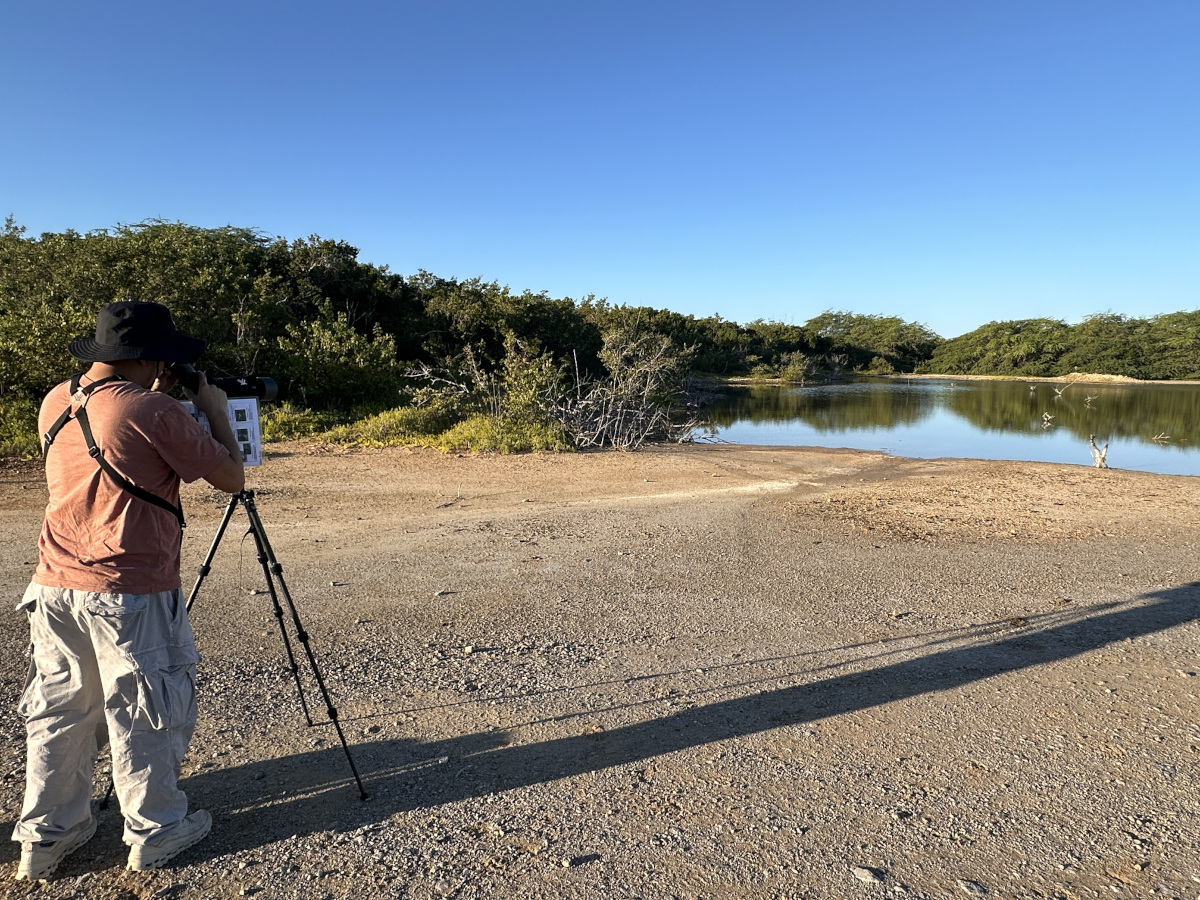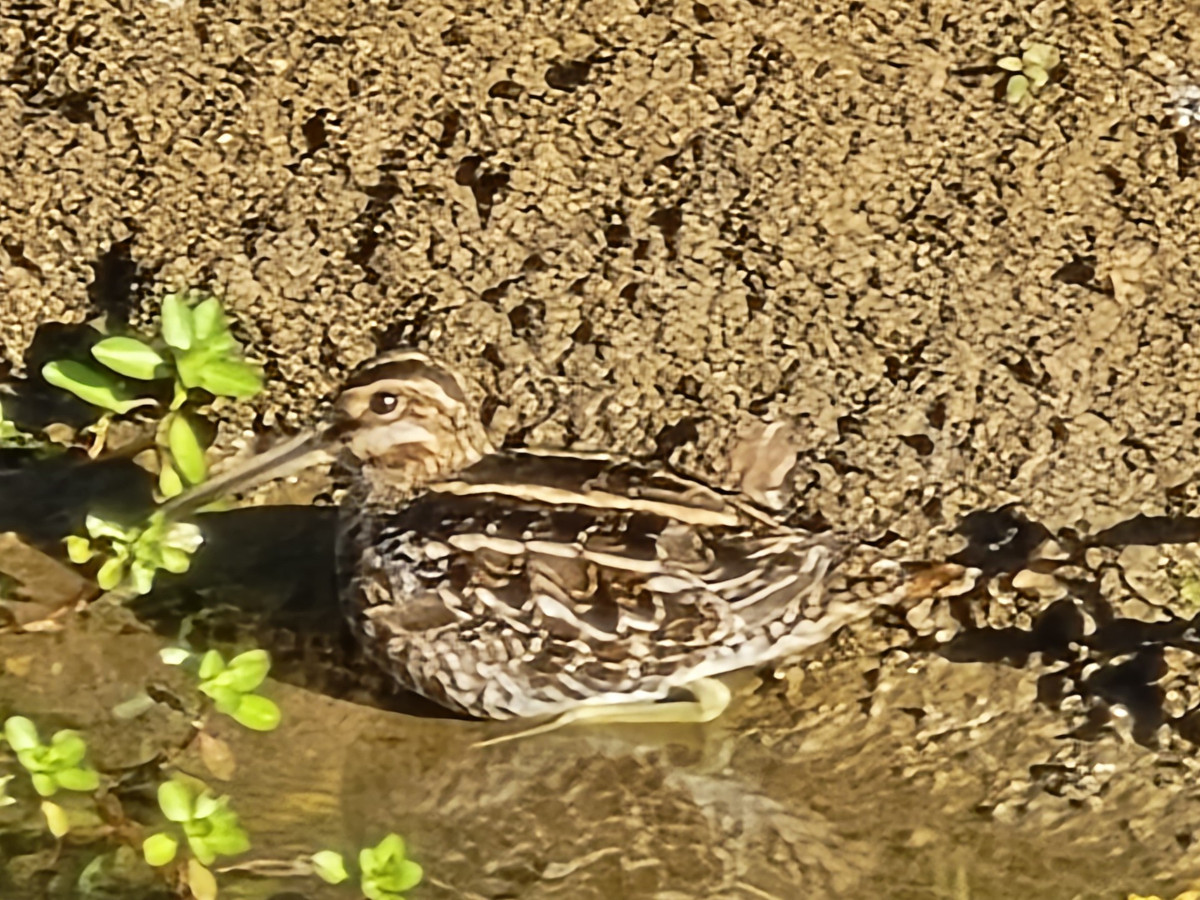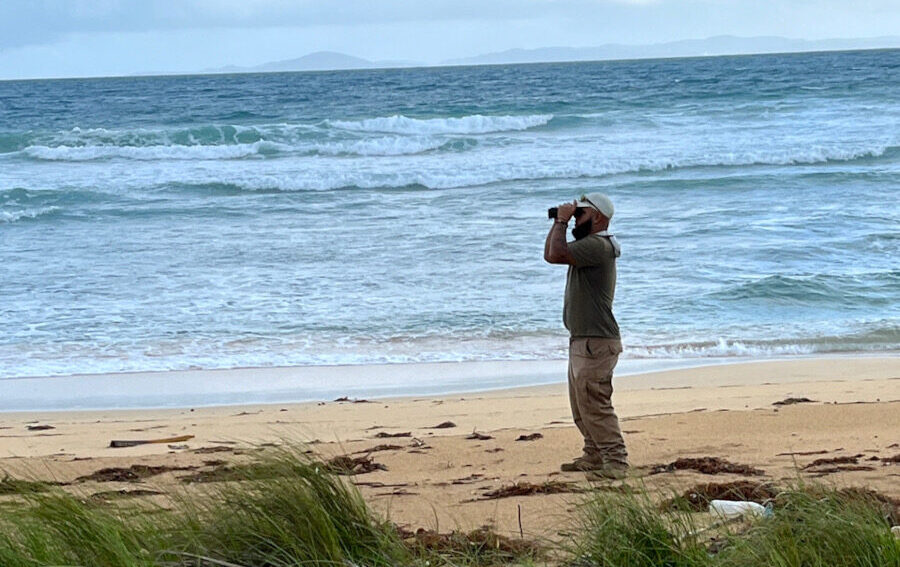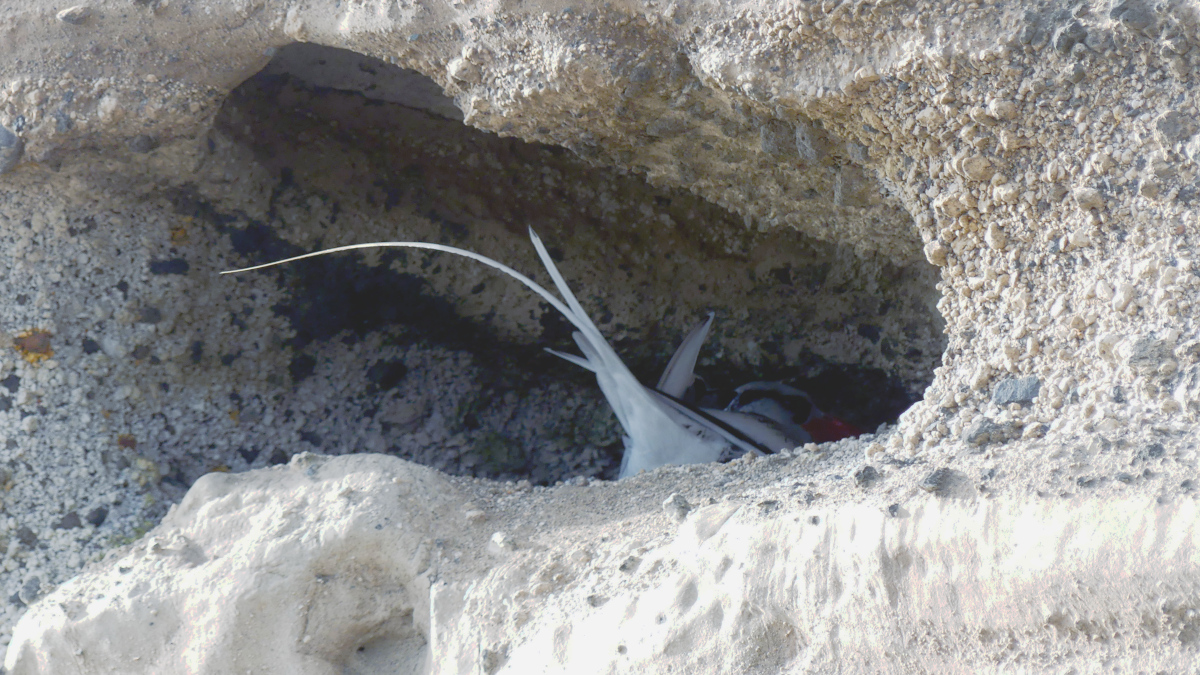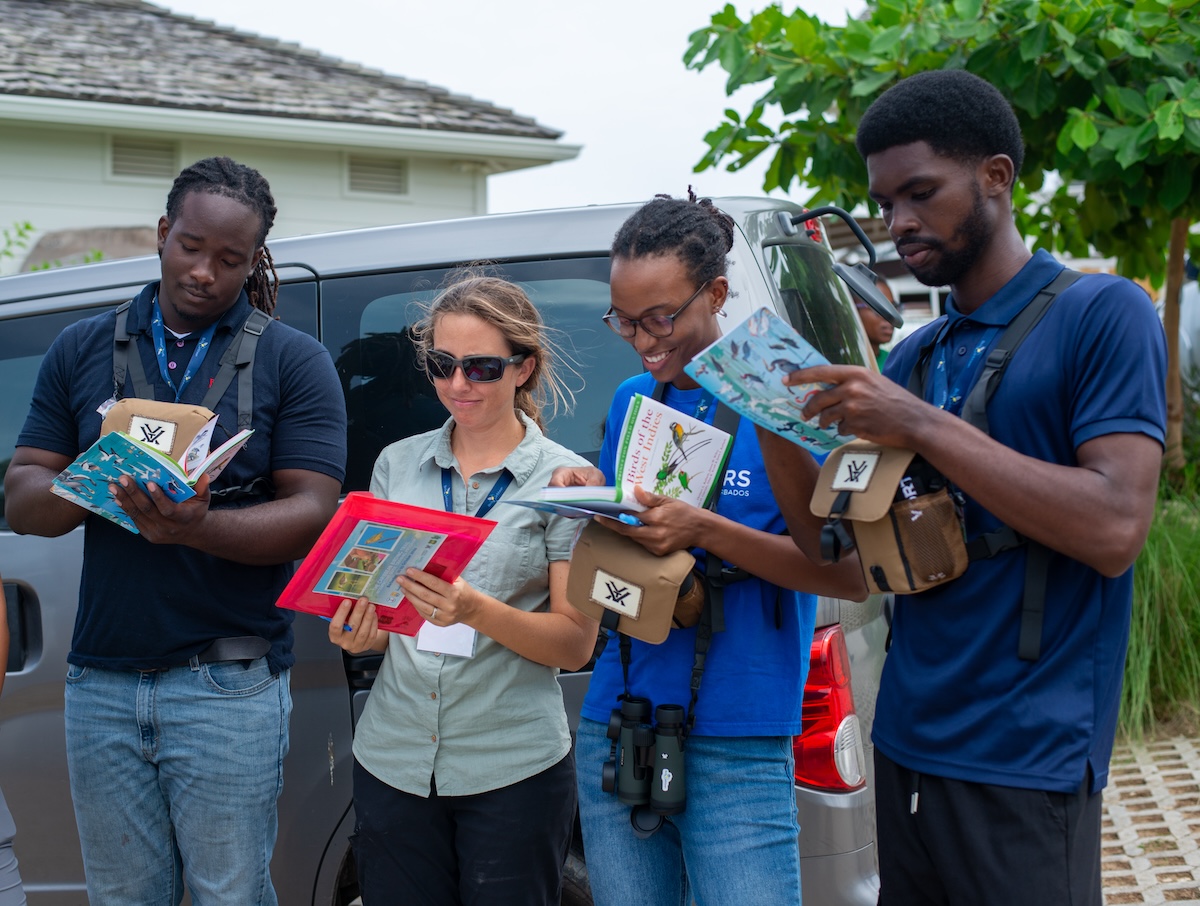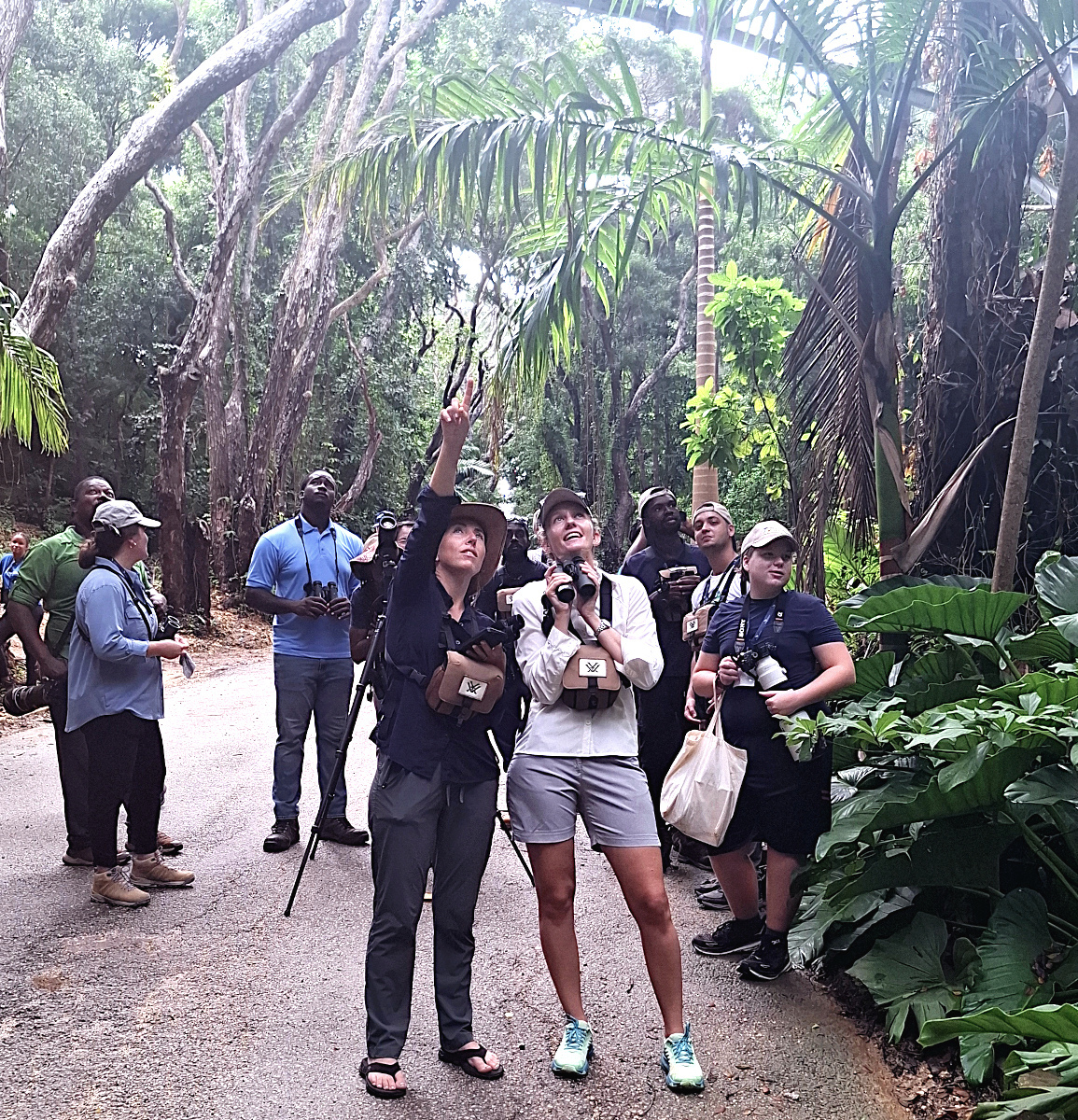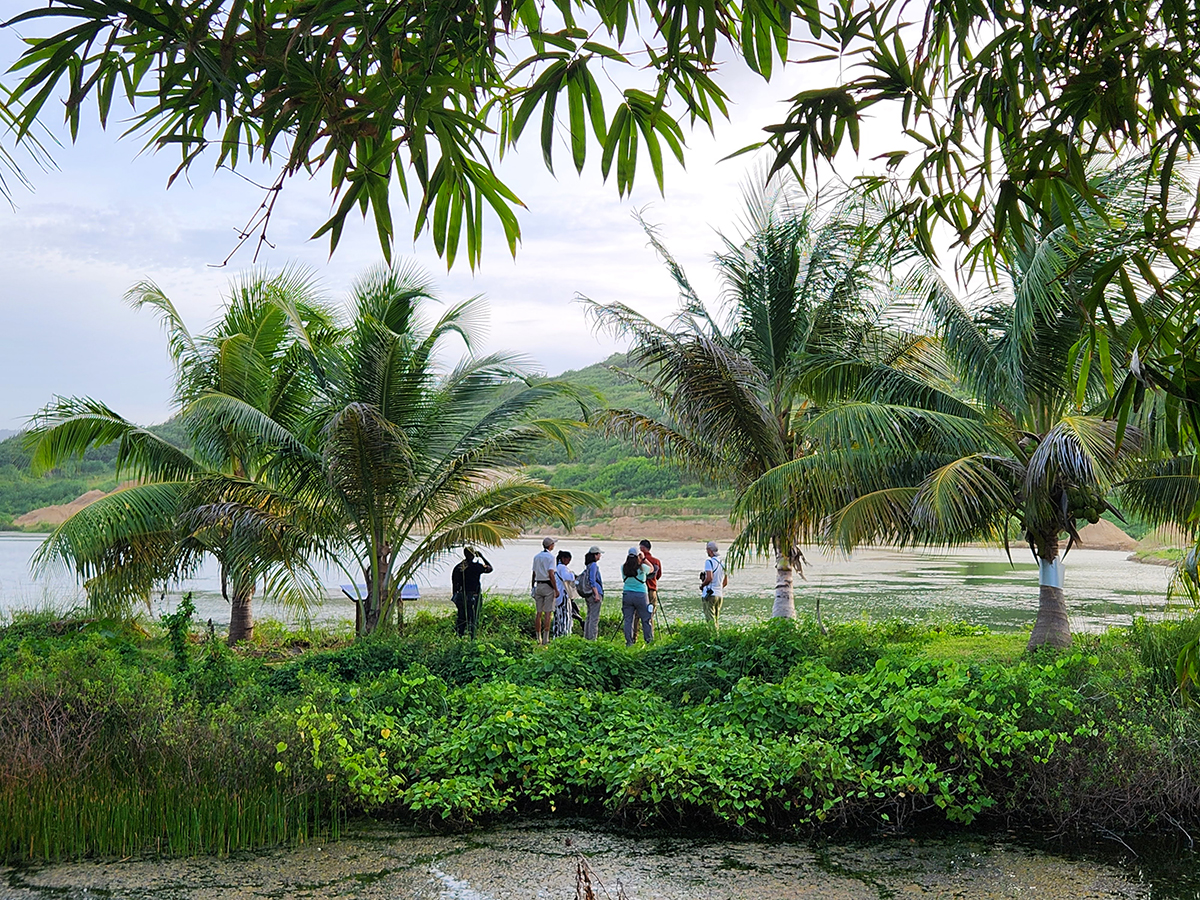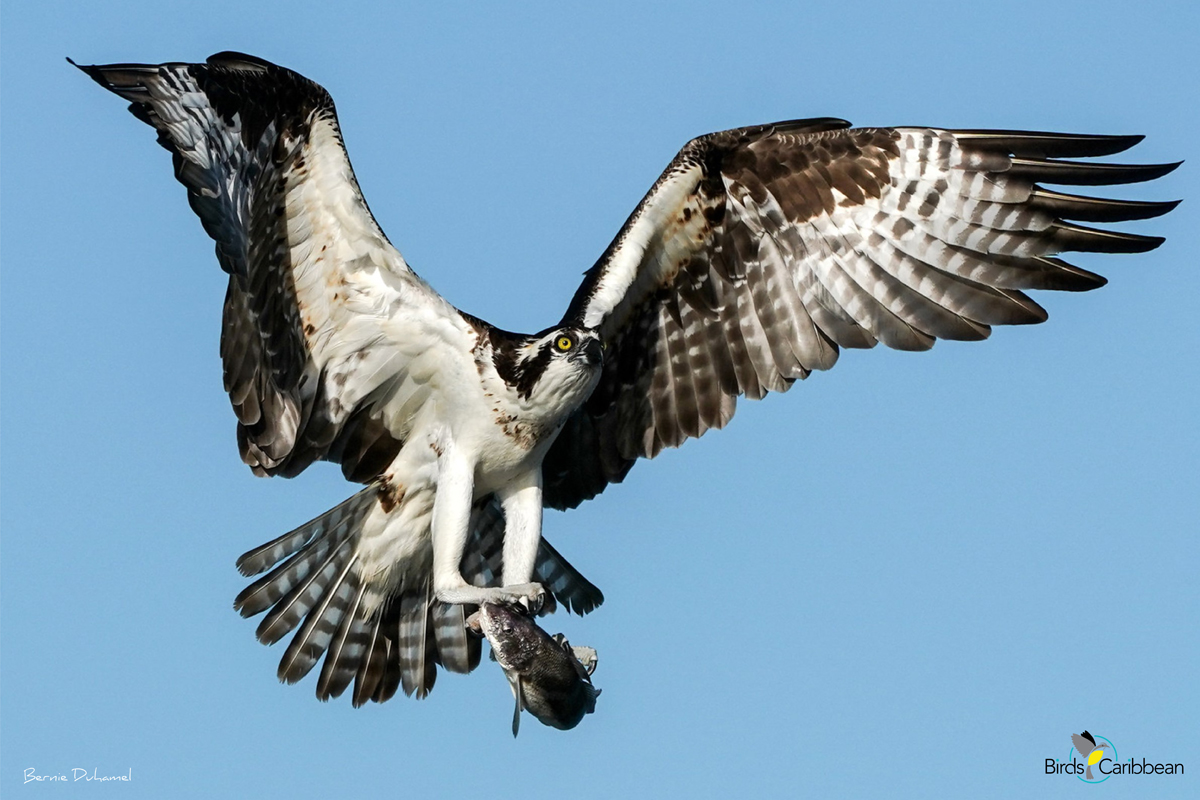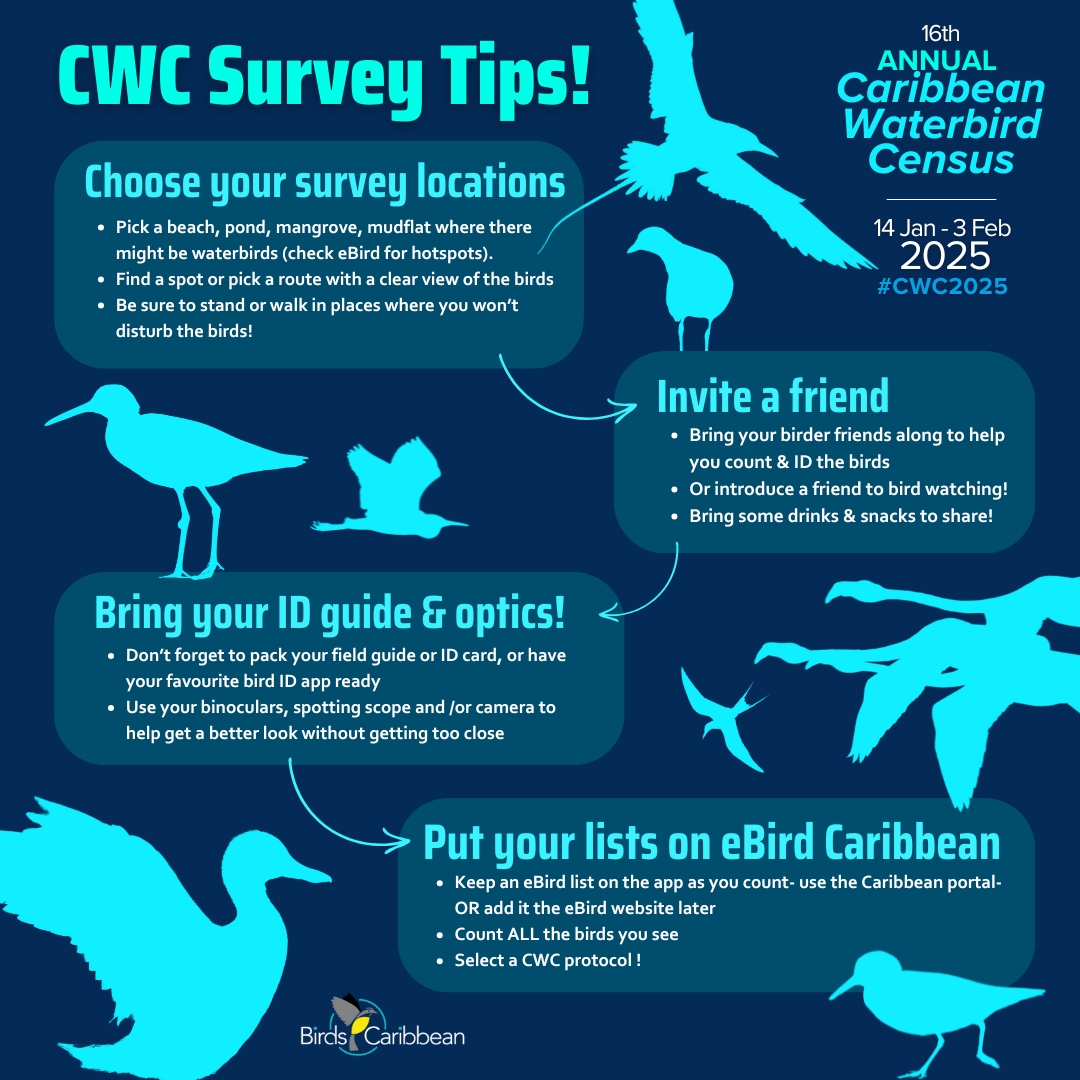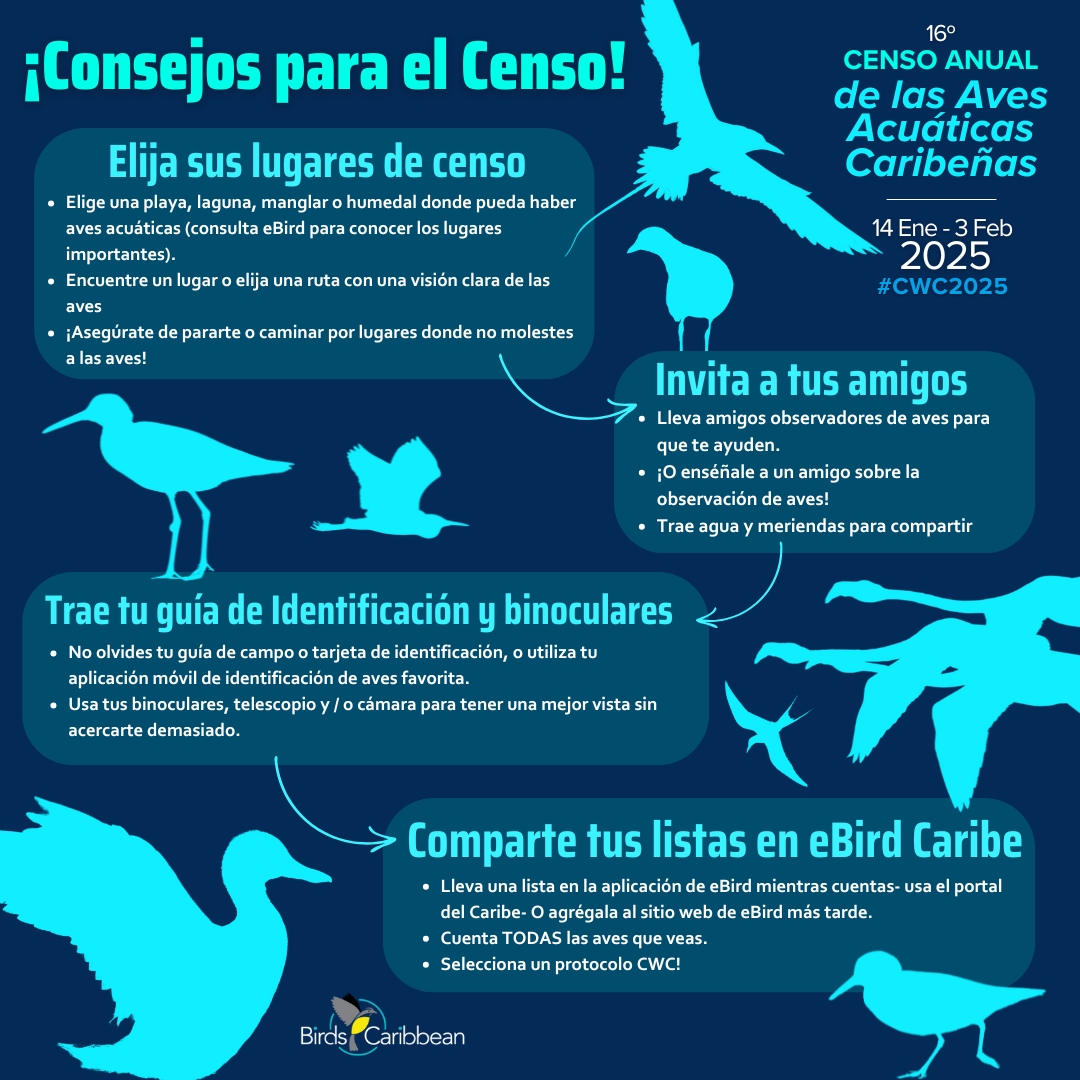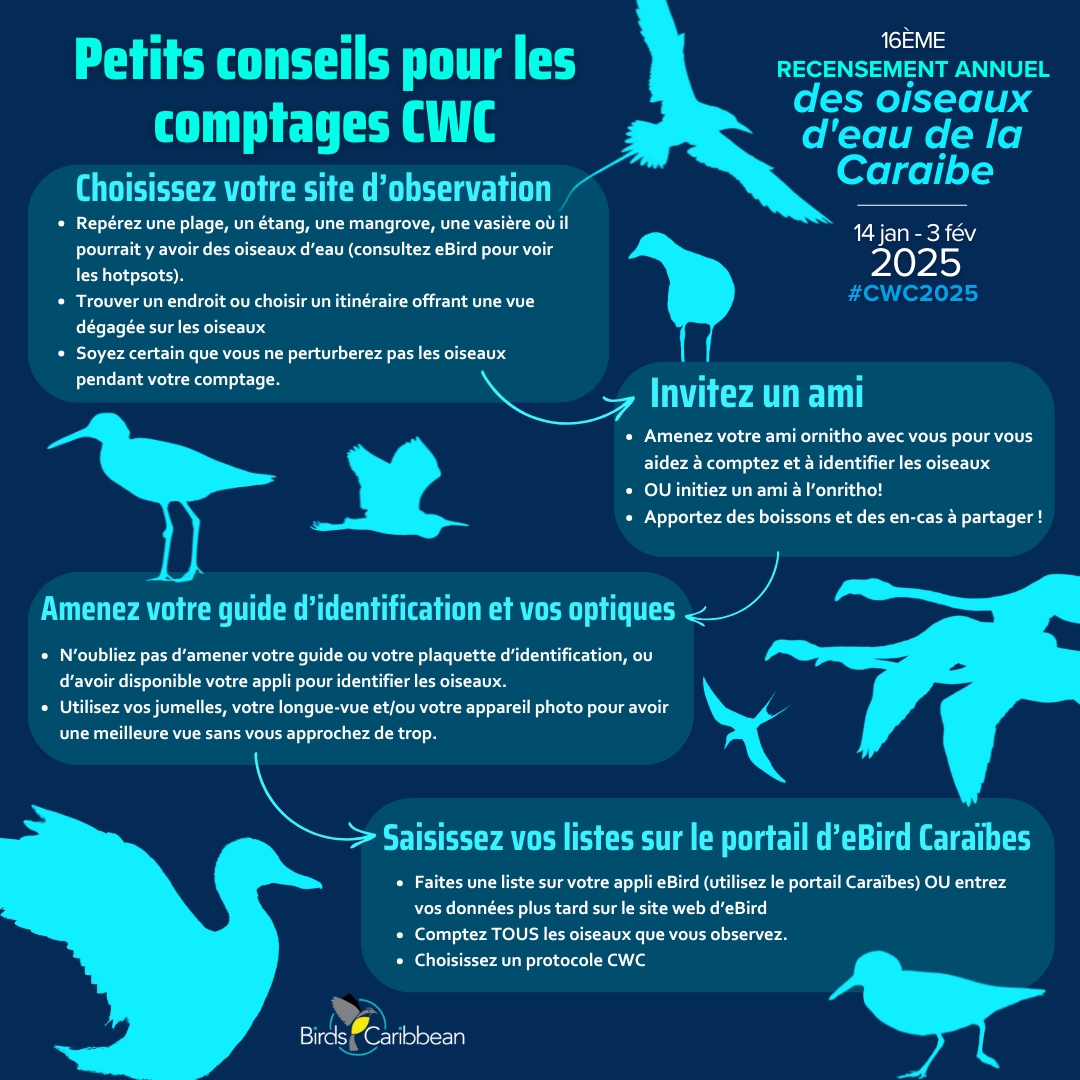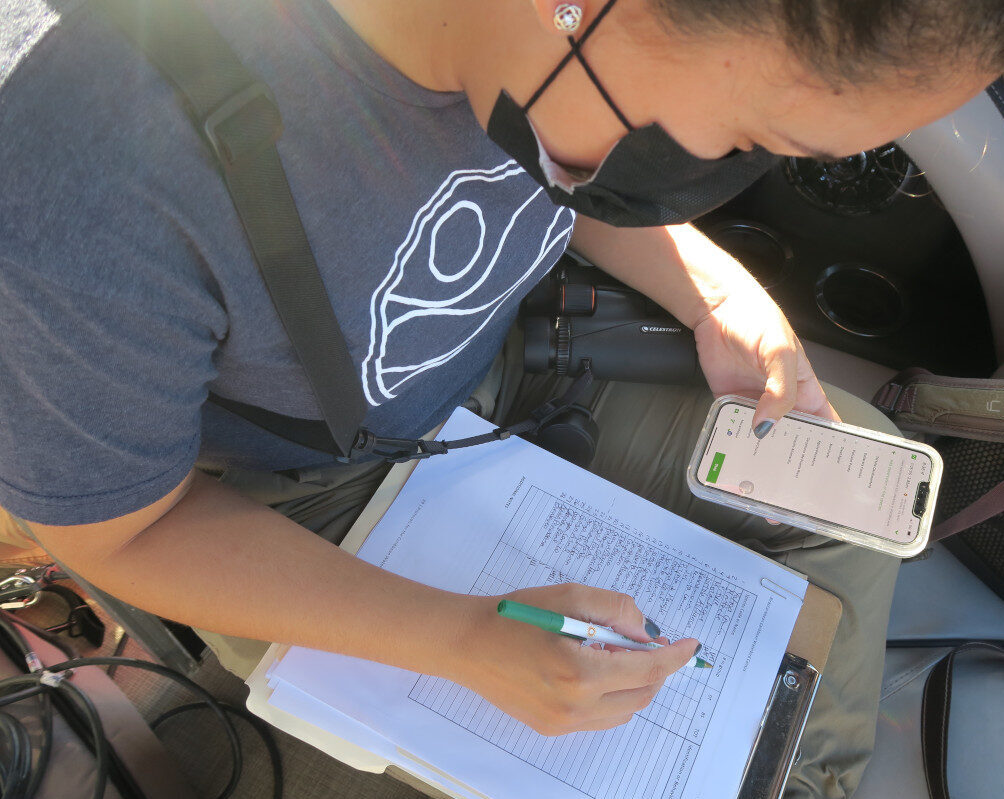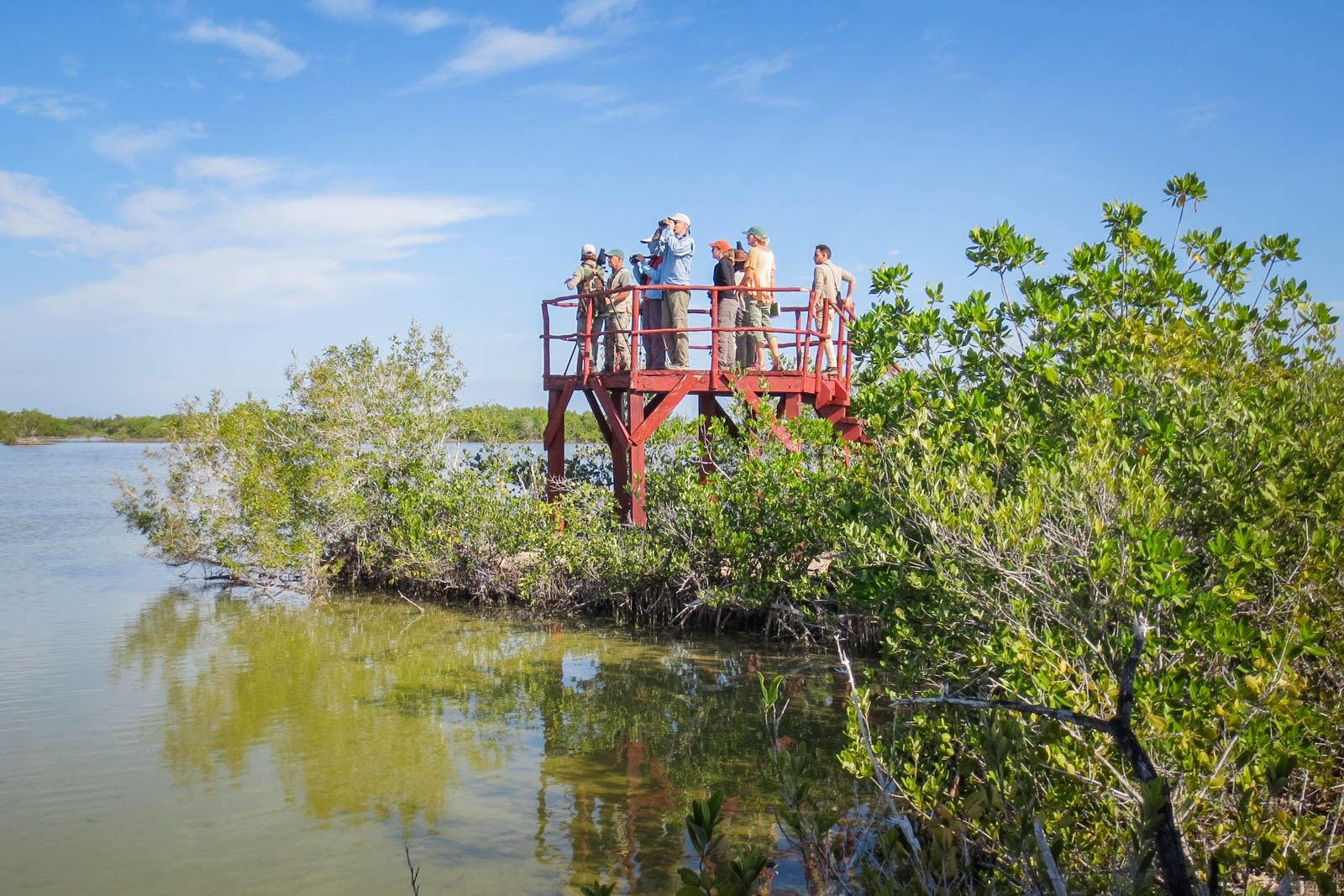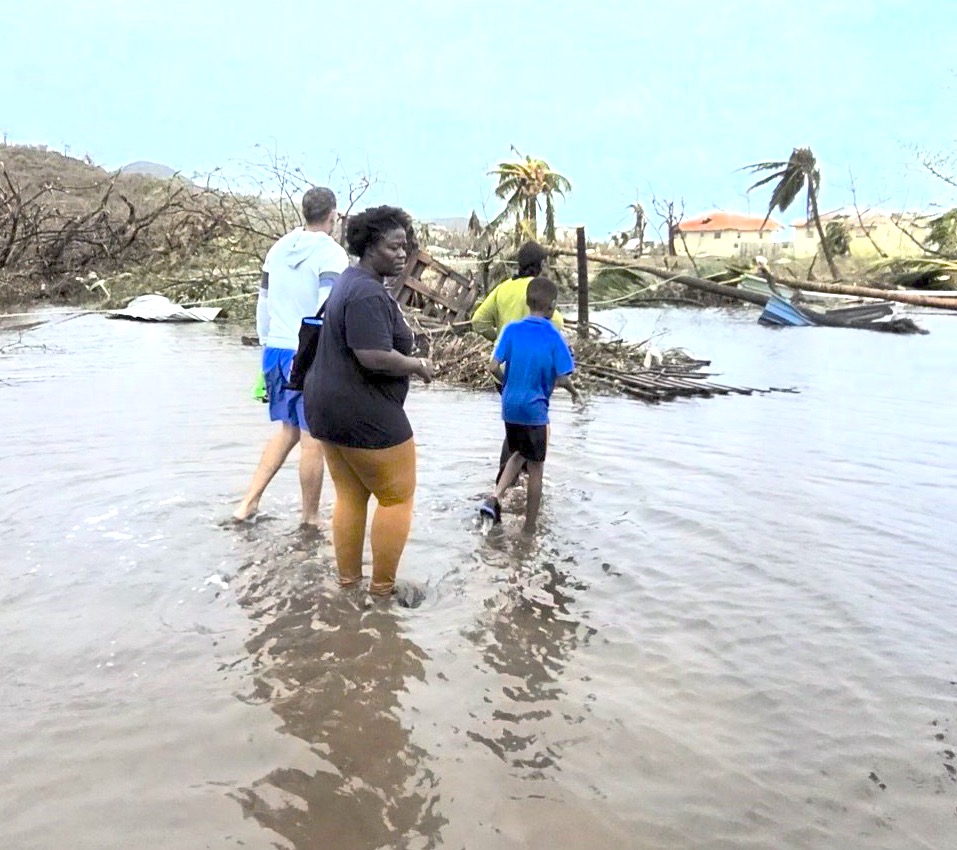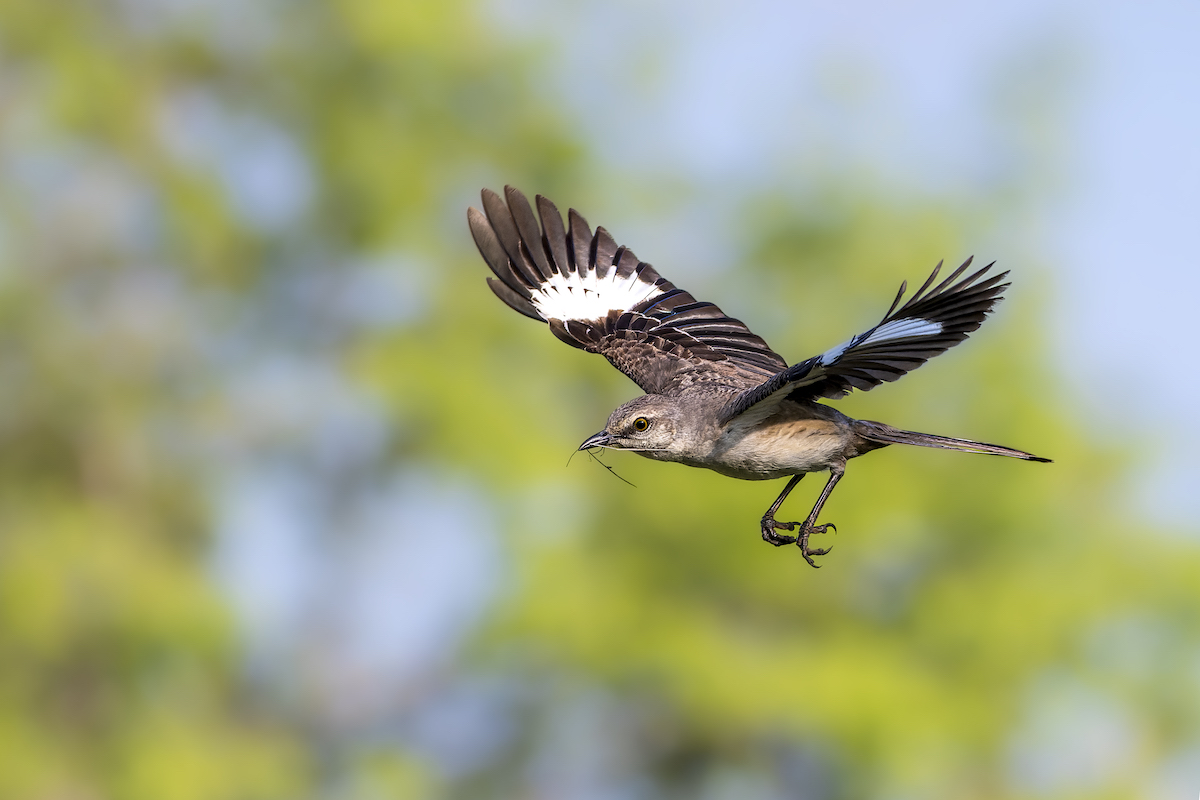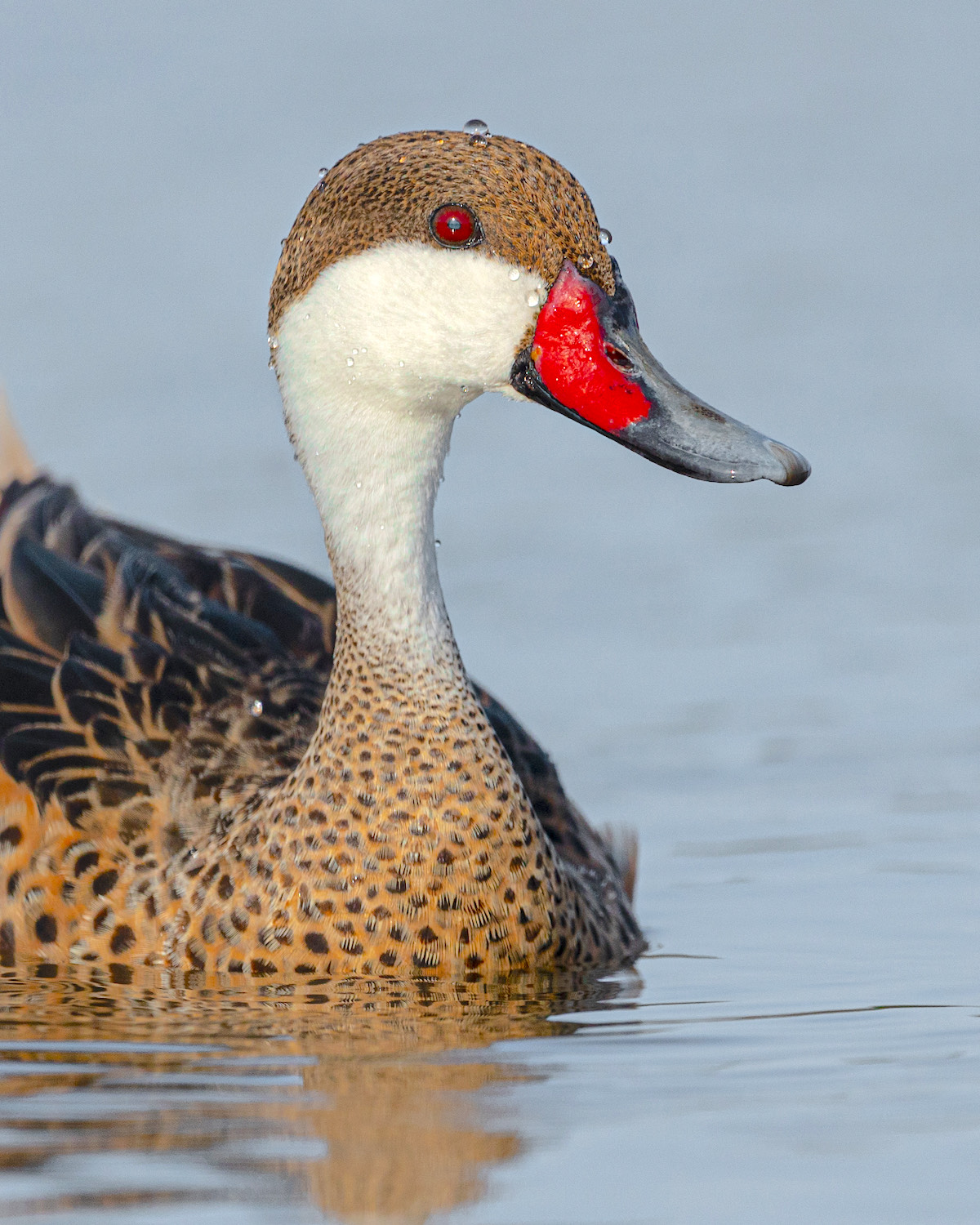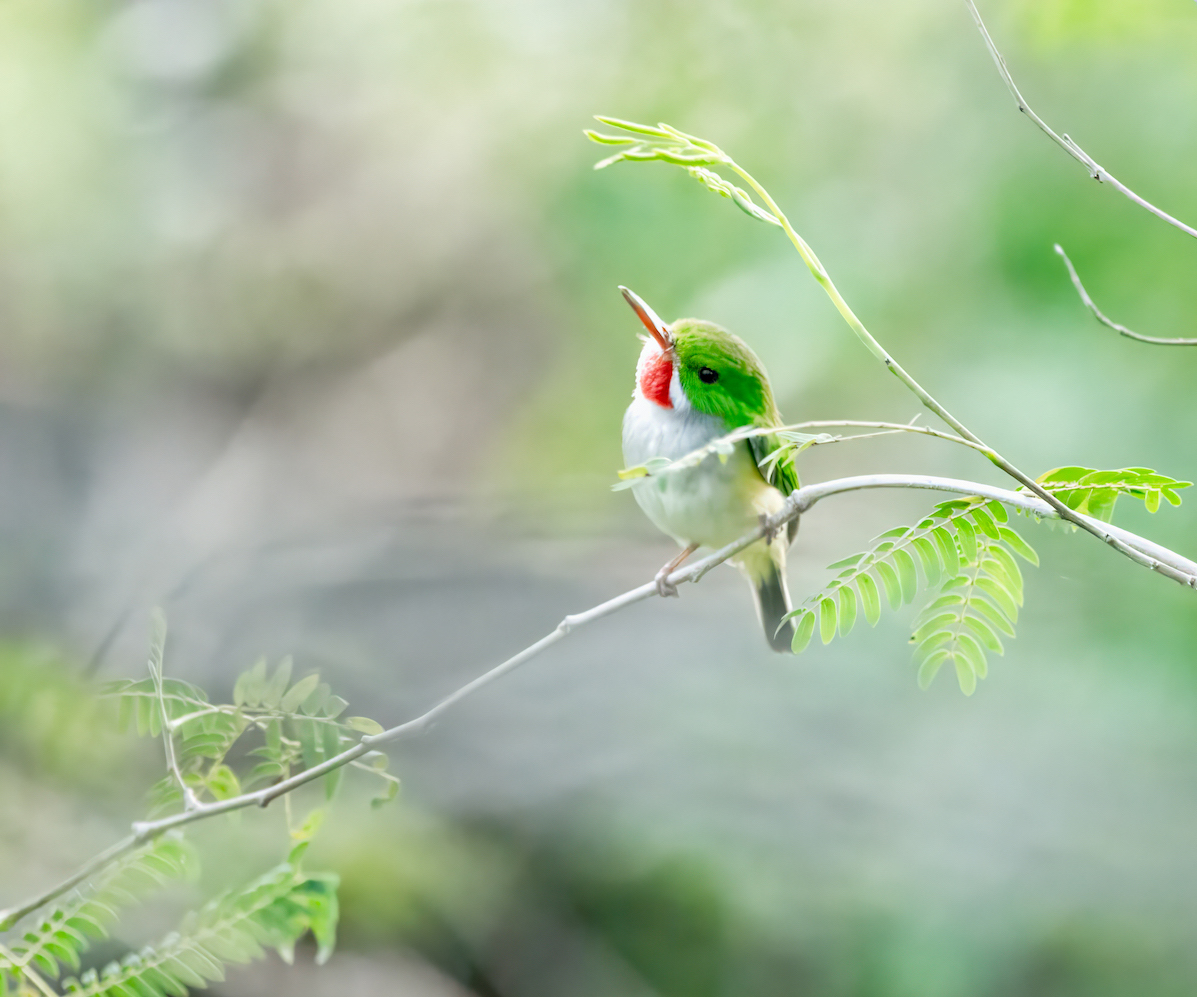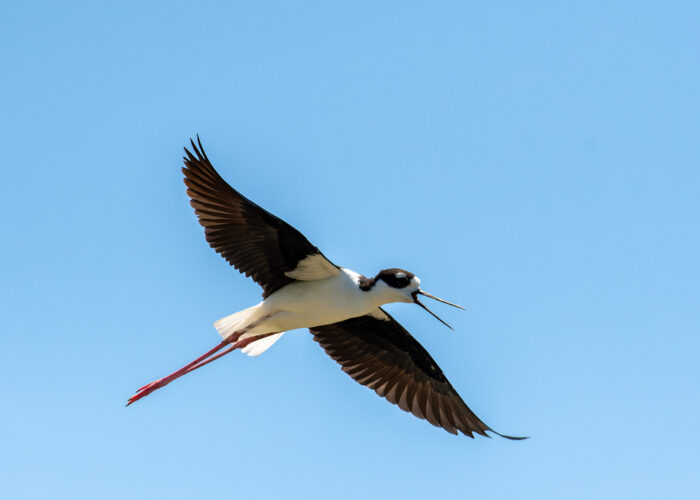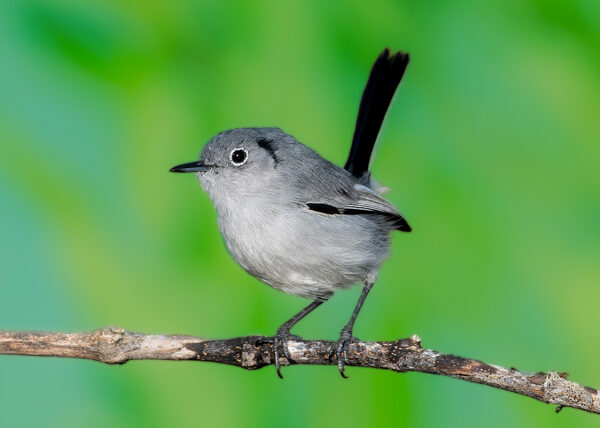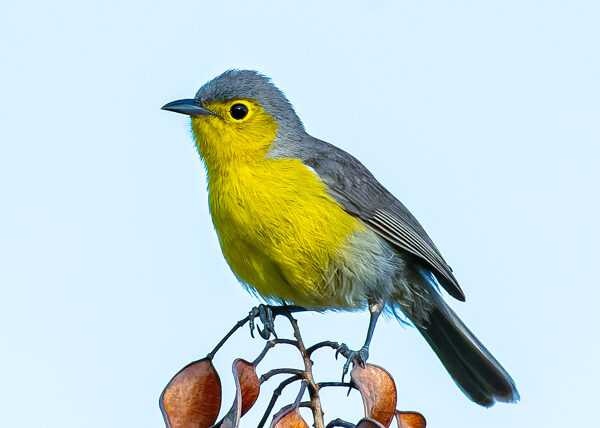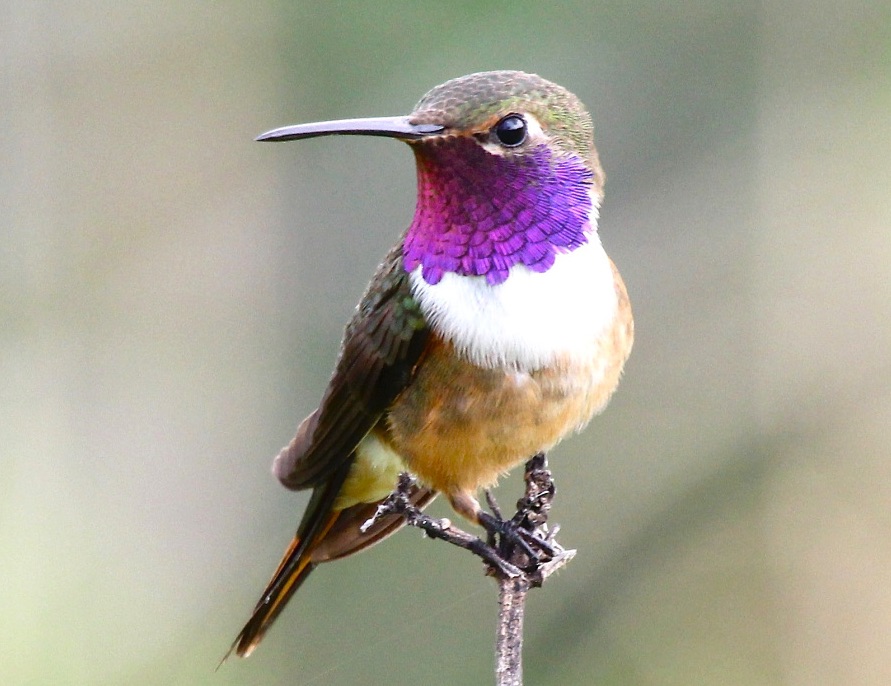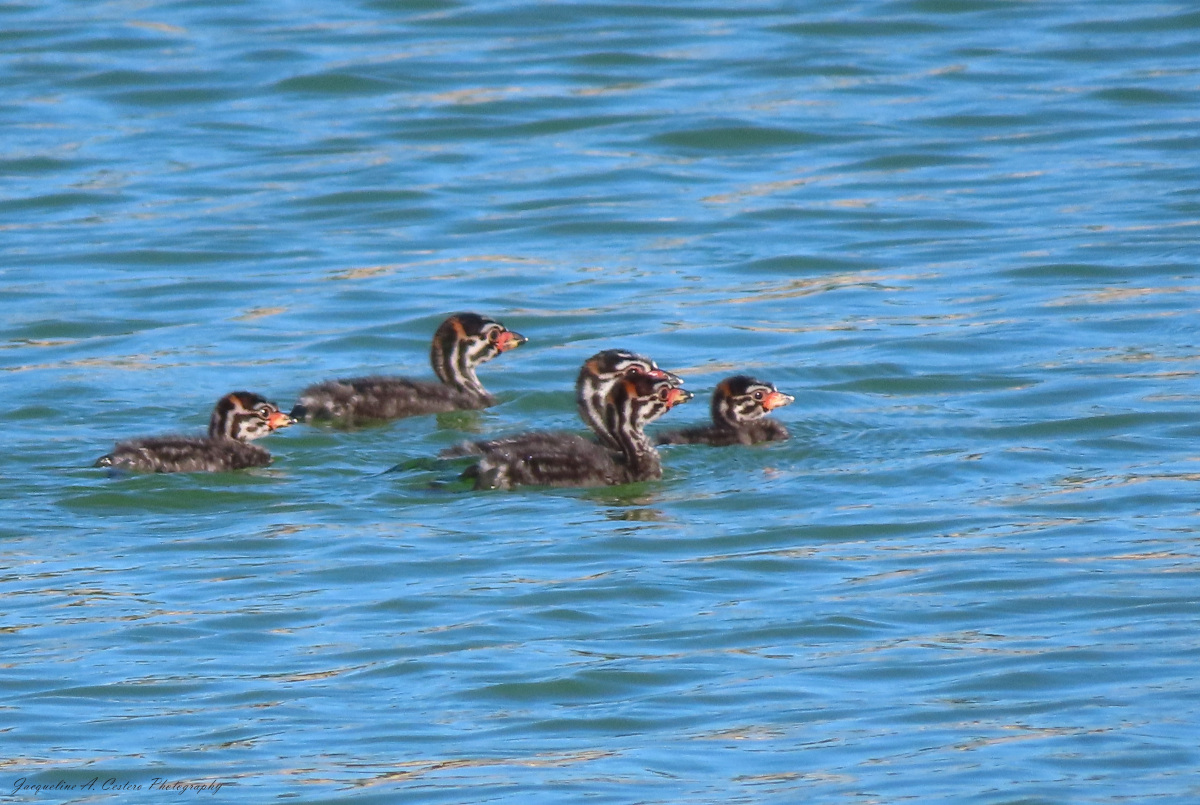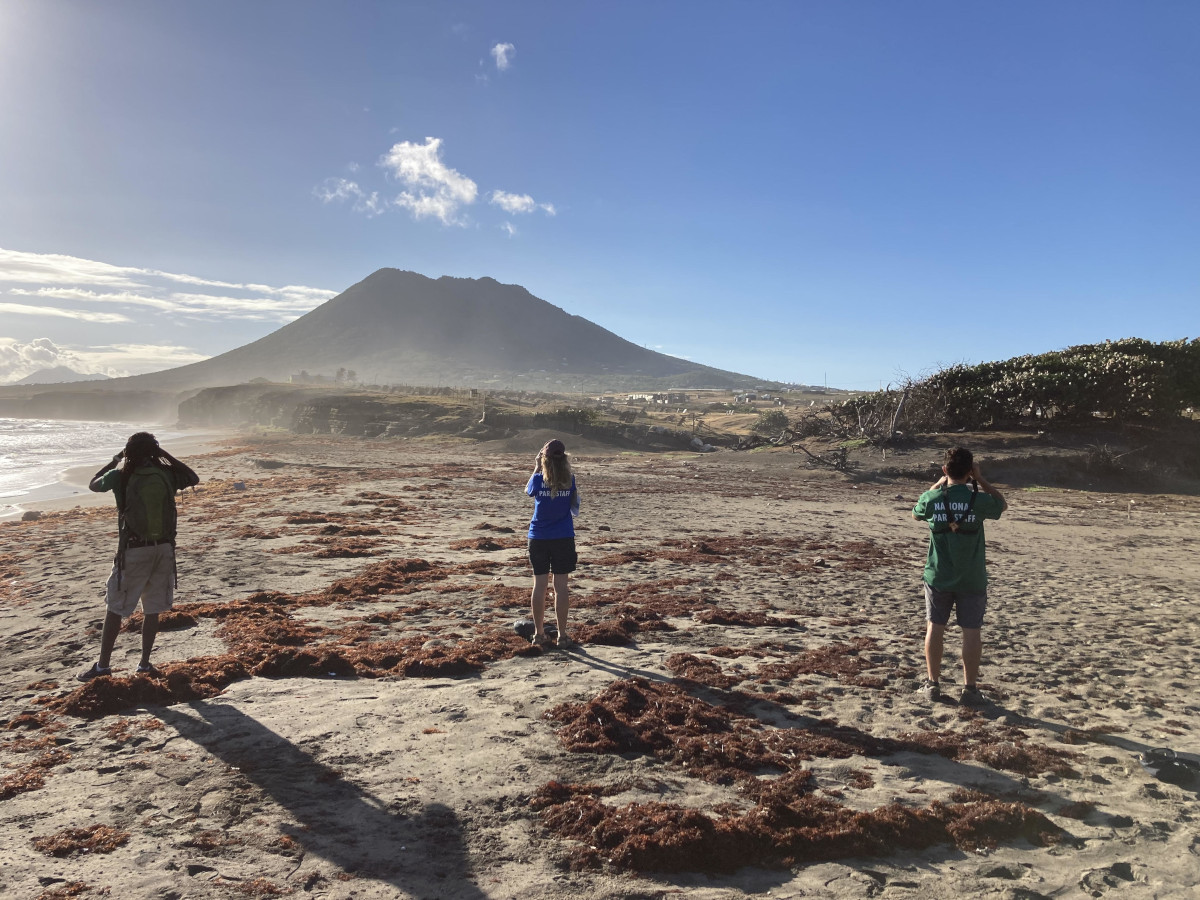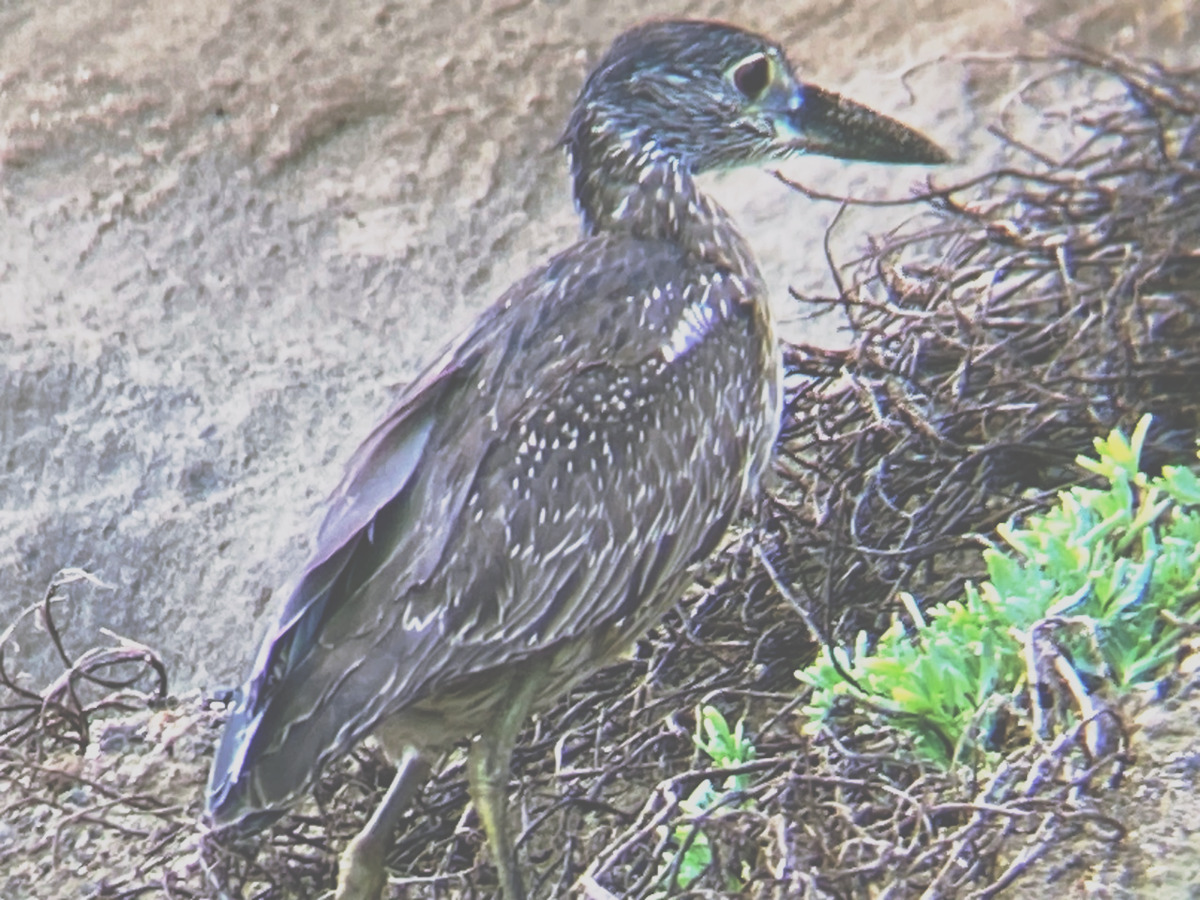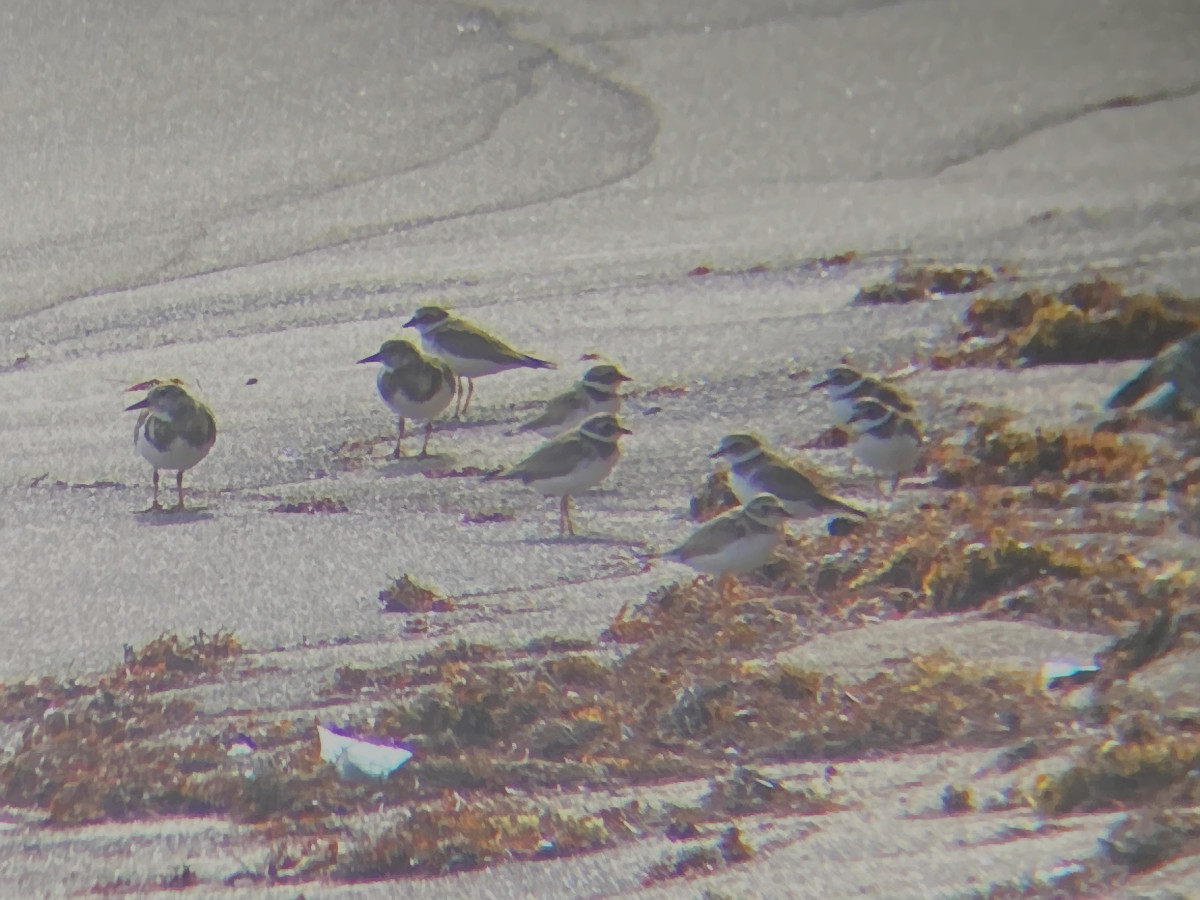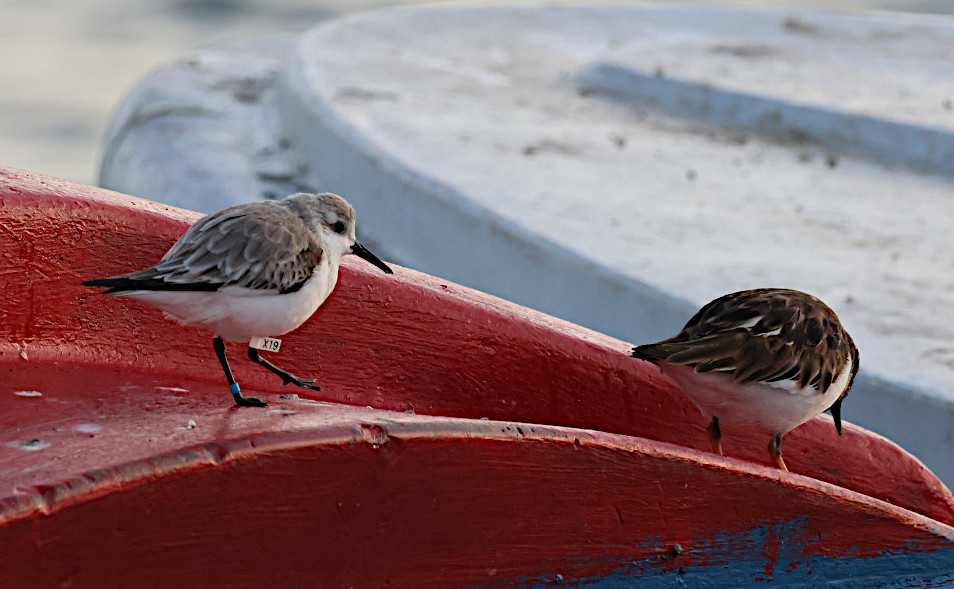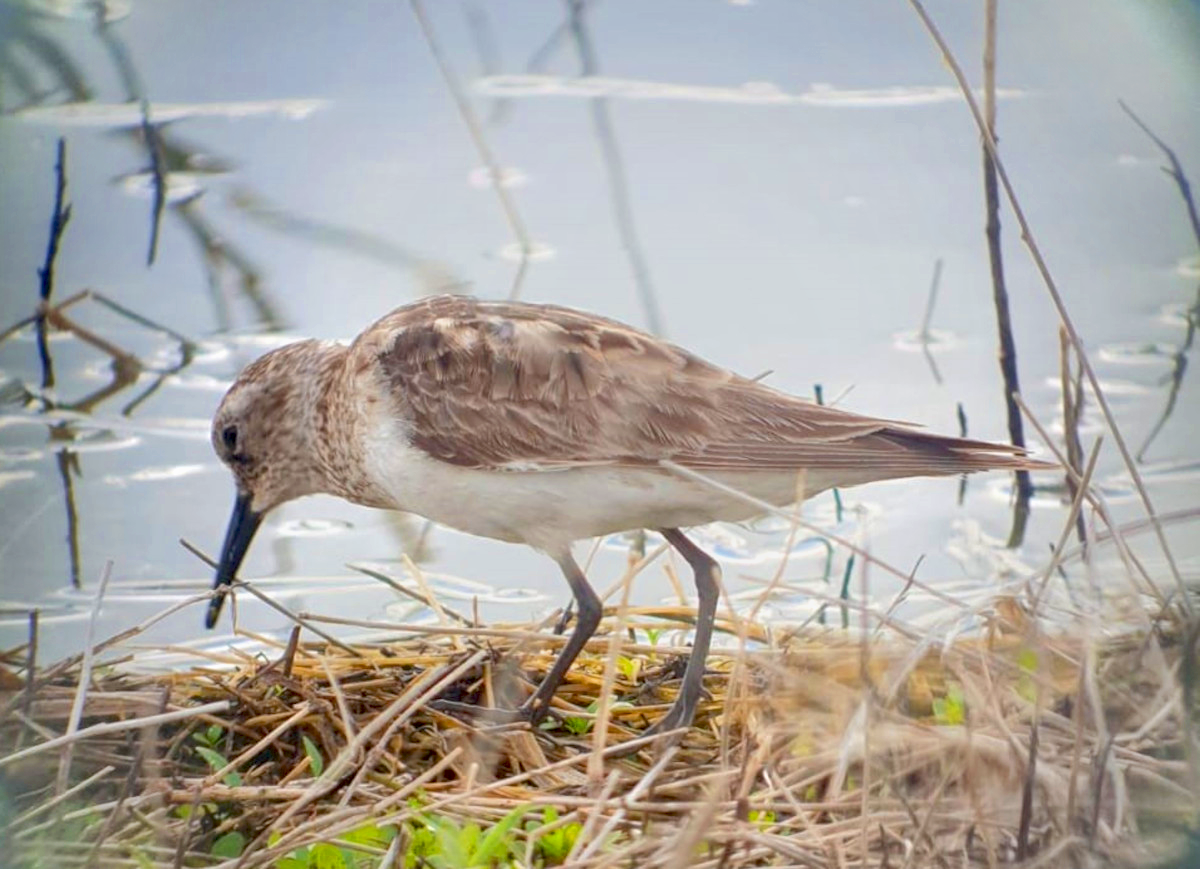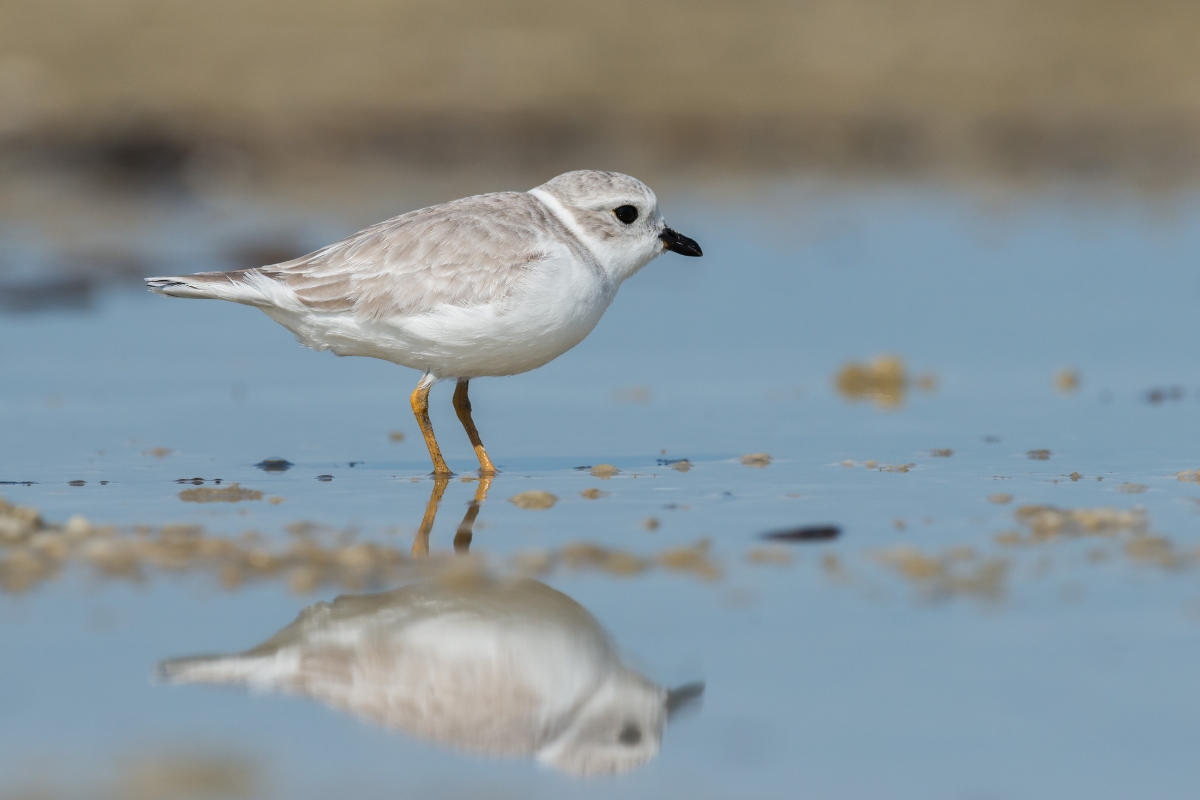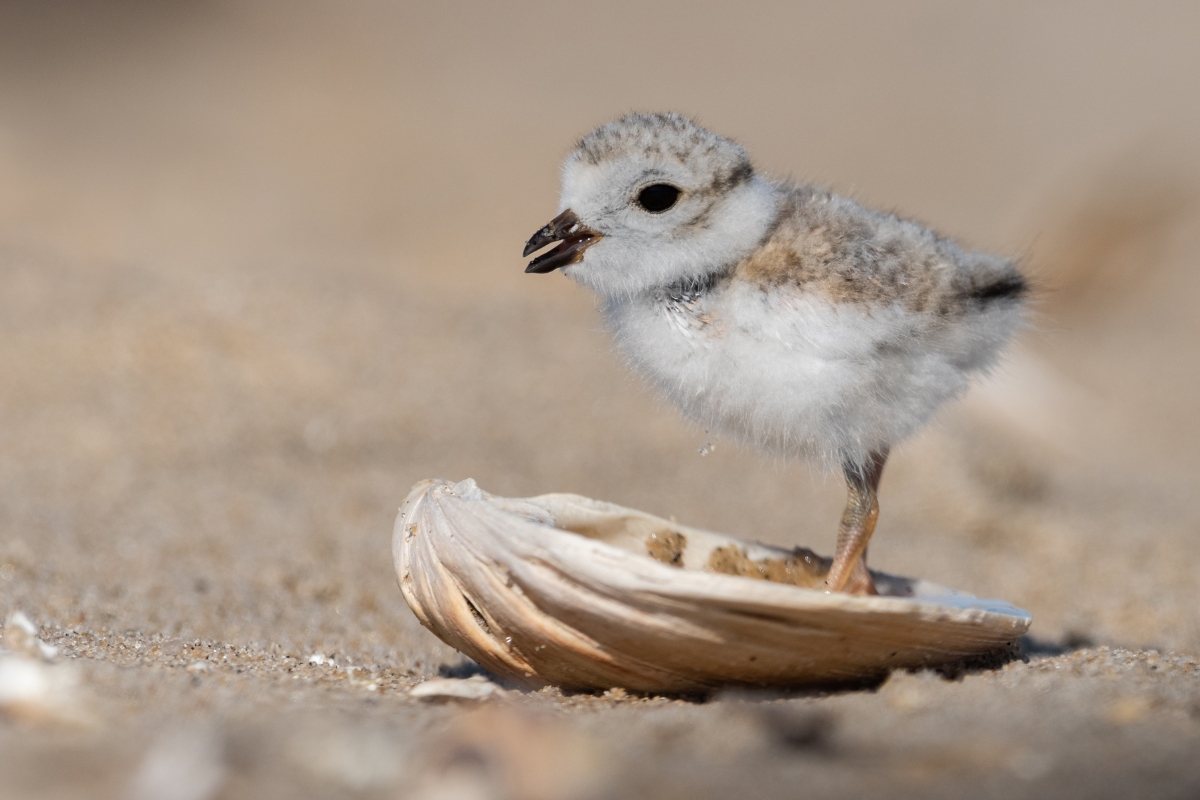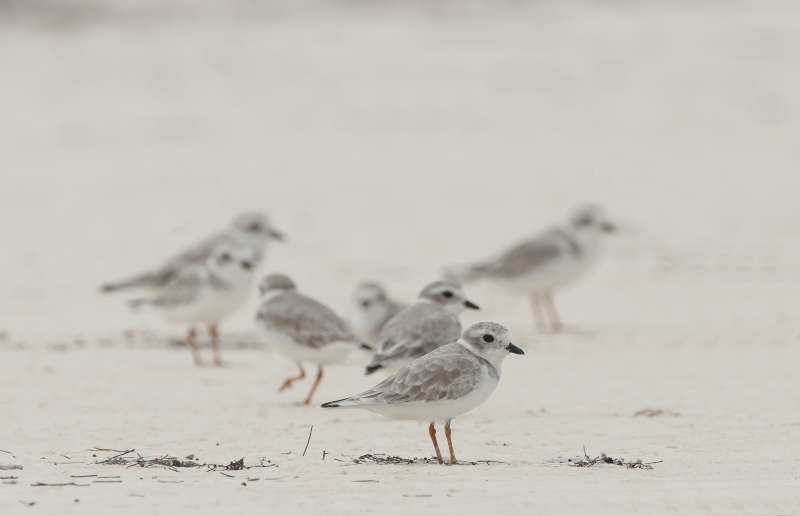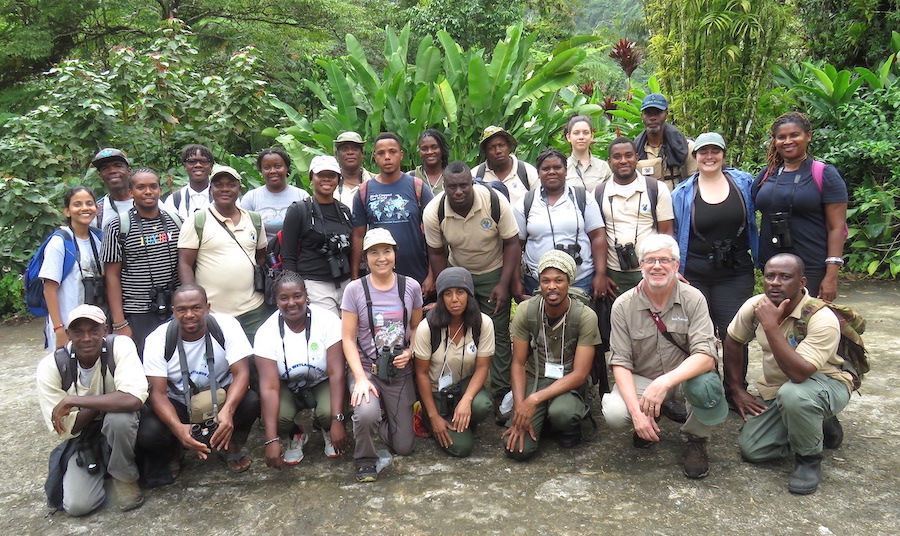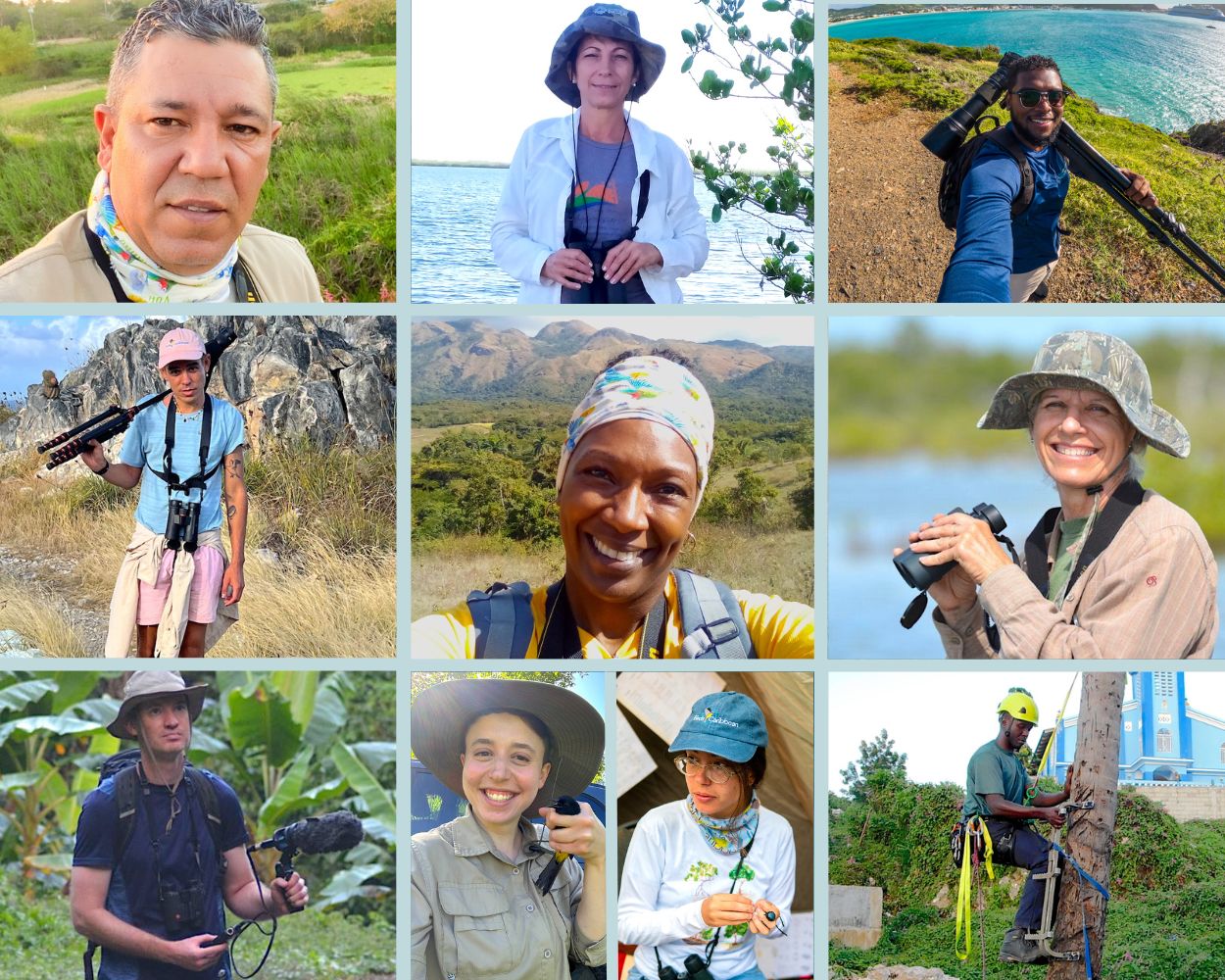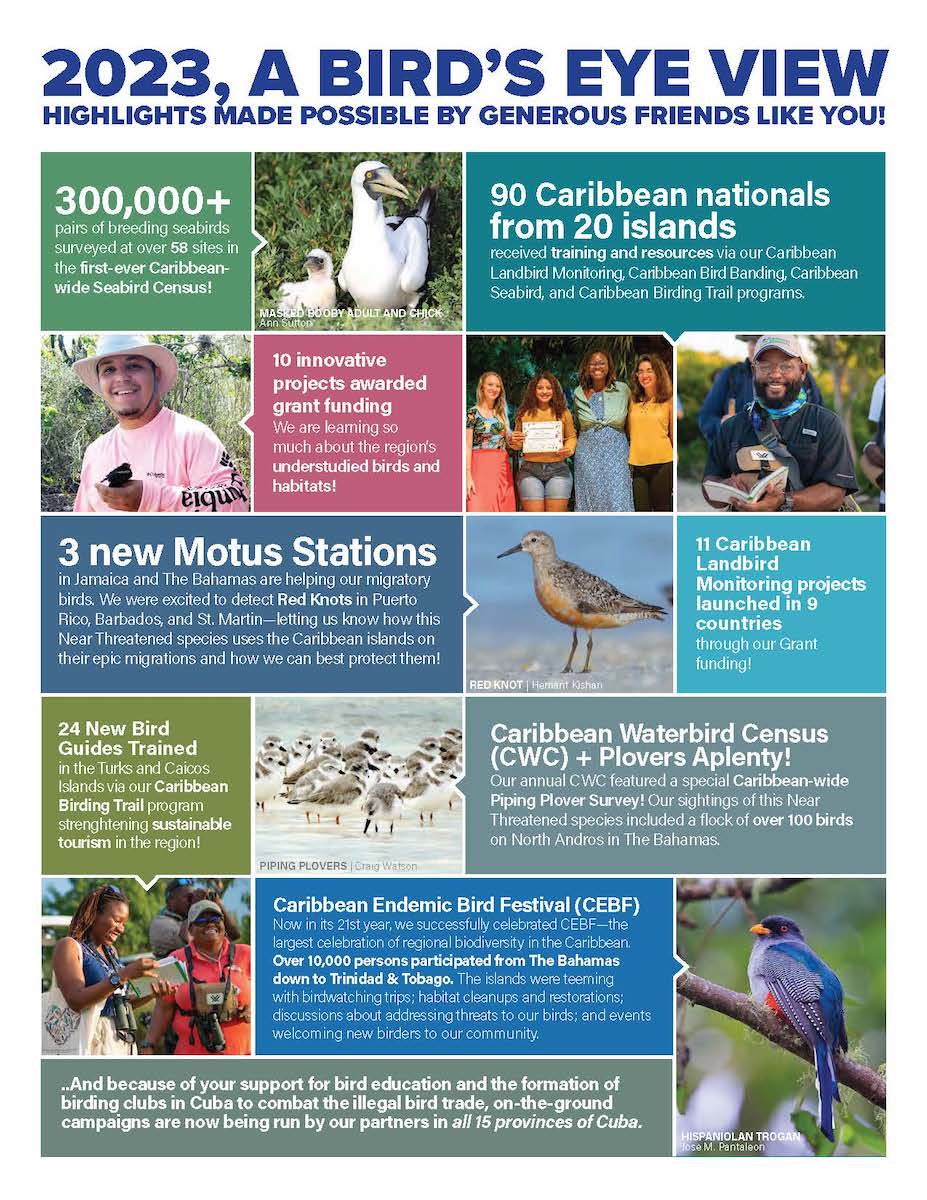
Get ready for the 17th annual Caribbean Waterbird Census (CWC) Region-Wide count! This year is extra special as we mark the 60thyear of the International Waterbird Census (IWC) — a global effort to collect waterbird data, of which the CWC is a part. From January 14th to February 3rd 2026, you can directly contribute to Caribbean Waterbird conservation.
Did you know that when you take part in our CWC regional count you are part of something much bigger? Since 1967, thousands of people around the world have headed to their local wetlands to take part in the International Waterbird Census (IWC). That’s 60 years of global citizen science efforts, all dedicated to tracking the health of waterbird populations and the wetlands they depend on! And our very own CWC has been part of this for the past 16 years! You can find out more about this special 60th anniversary of the IWC here.
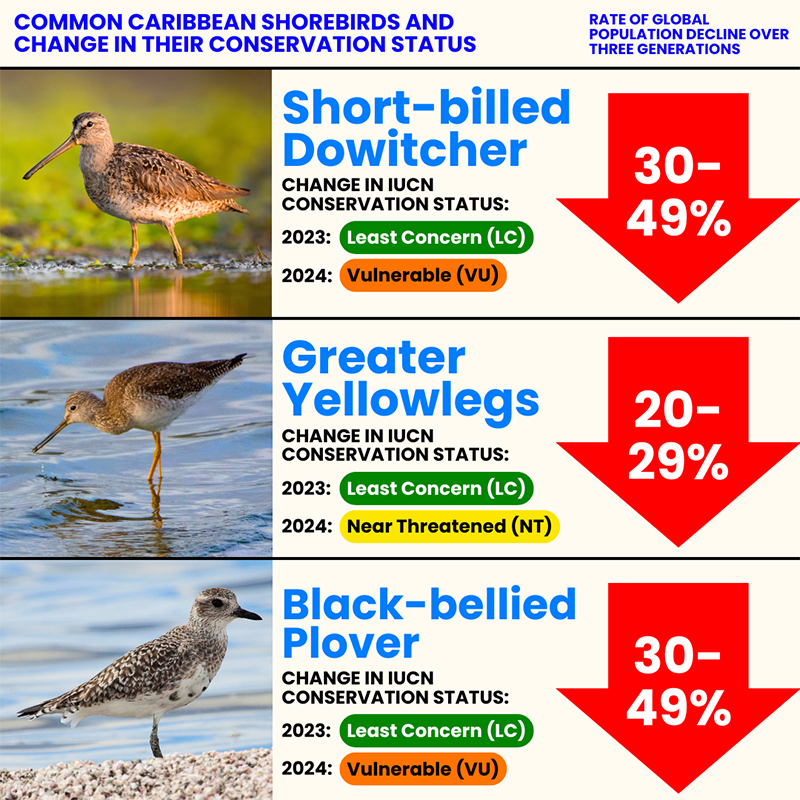
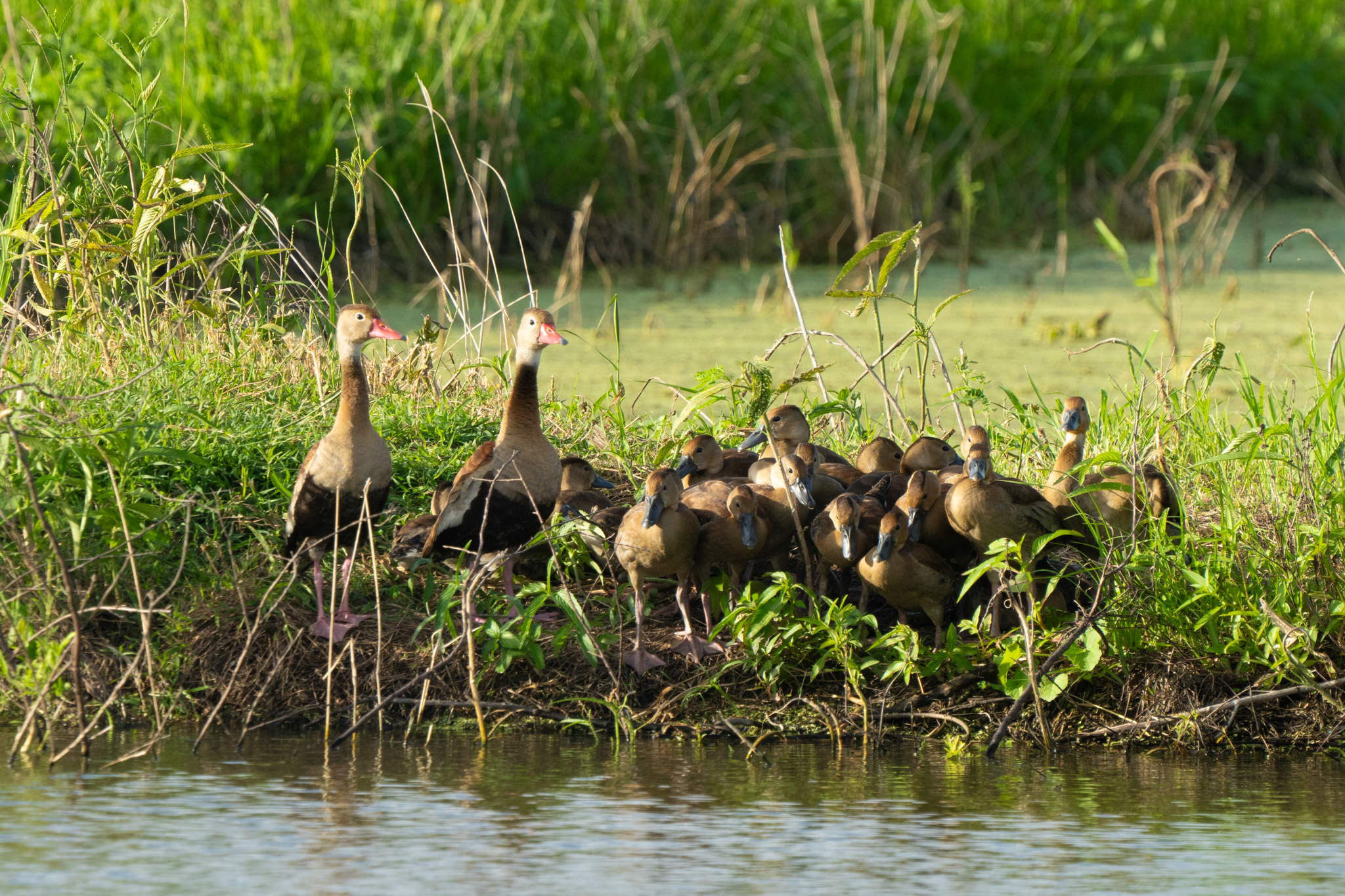
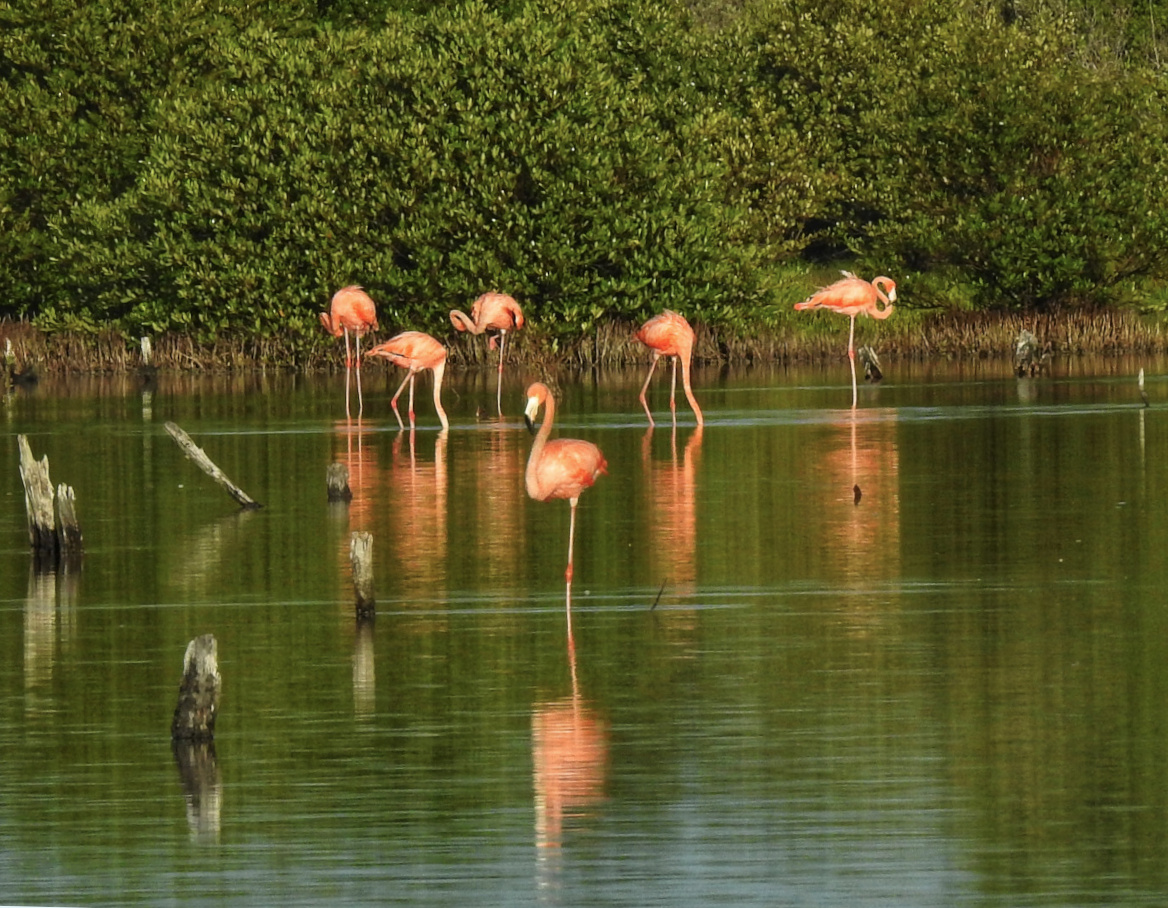
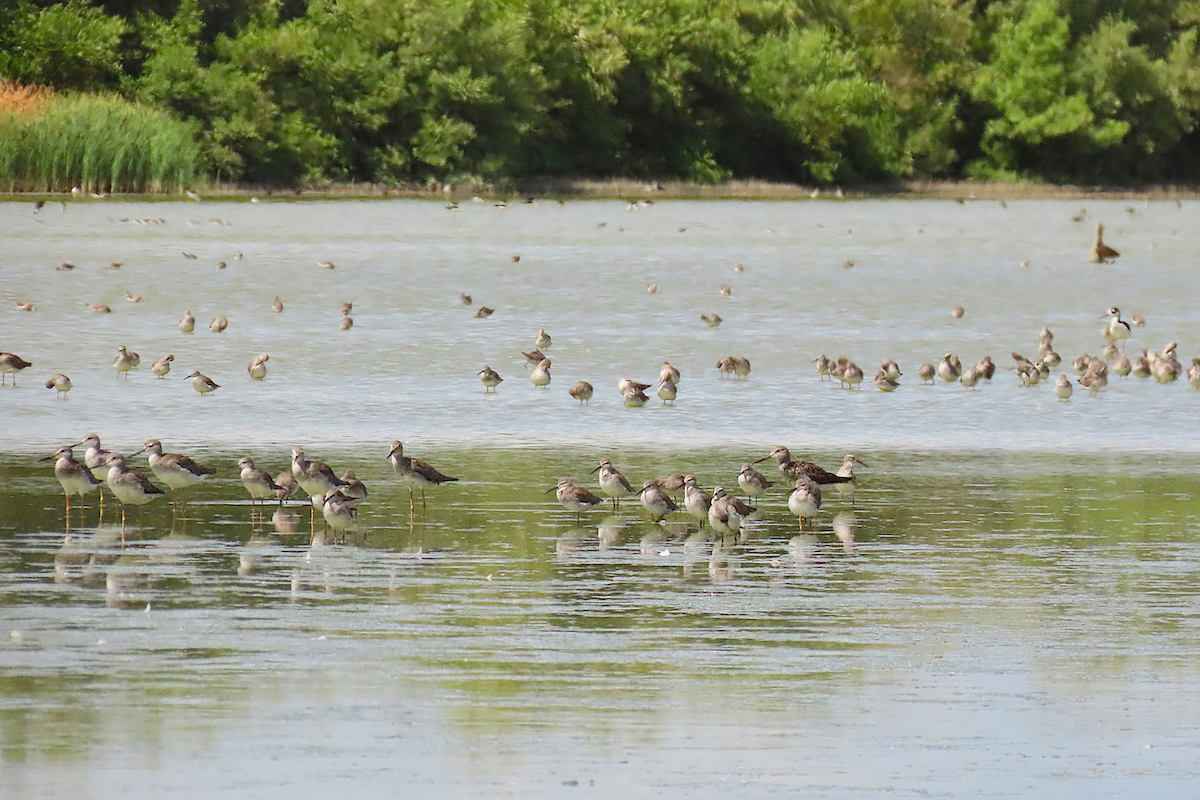
Supporting over 185 species of waterbirds, Caribbean wetlands are great places to explore to discover amazing birds and habitats. You might see one of our Caribbean endemics like the West Indian Whistling Duck, or ones of the many globally threatened species that live there, including many migrants such as shorebirds like Lesser Yellowlegs and Short-billed Dowitchers. Our wetlands are threatened by coastal development, pollution and the impacts of climate change, so it’s critical that we protect these special places. The data you collect in this ongoing, annual, standardized survey is essential for helping us understand how to best protect these amazing habitats and protect these birds. CWC surveys are also critical in keeping up to date with the changes and threats to waterbirds and their wetland homes.
How to be part of the bigger picture
As we mark our 17th year, you can play an important role in this global effort to protect waterbirds and wetlands! Anyone can participate in the CWC –— just head out to your nearest wetland, and record the birds you see — don’t wait, just wade right into the wonderful world of waterbirds!
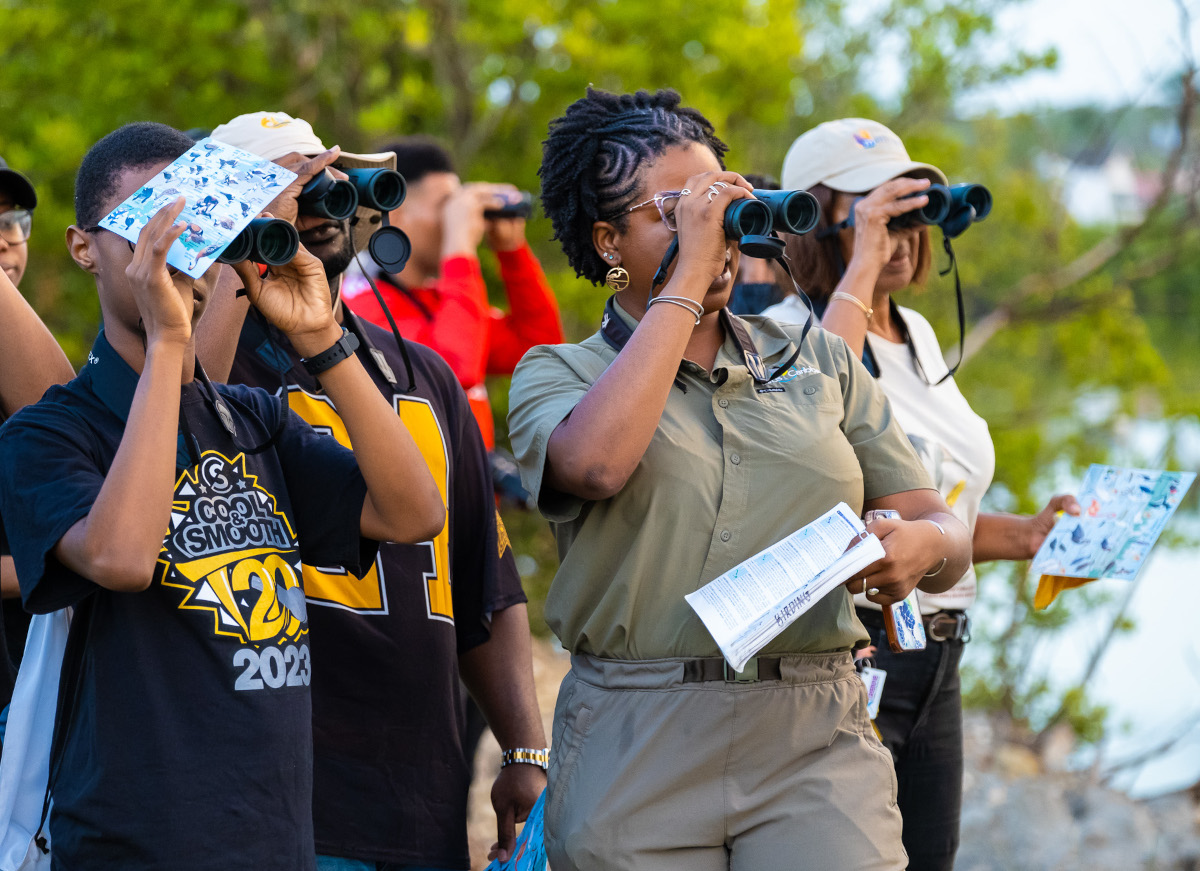
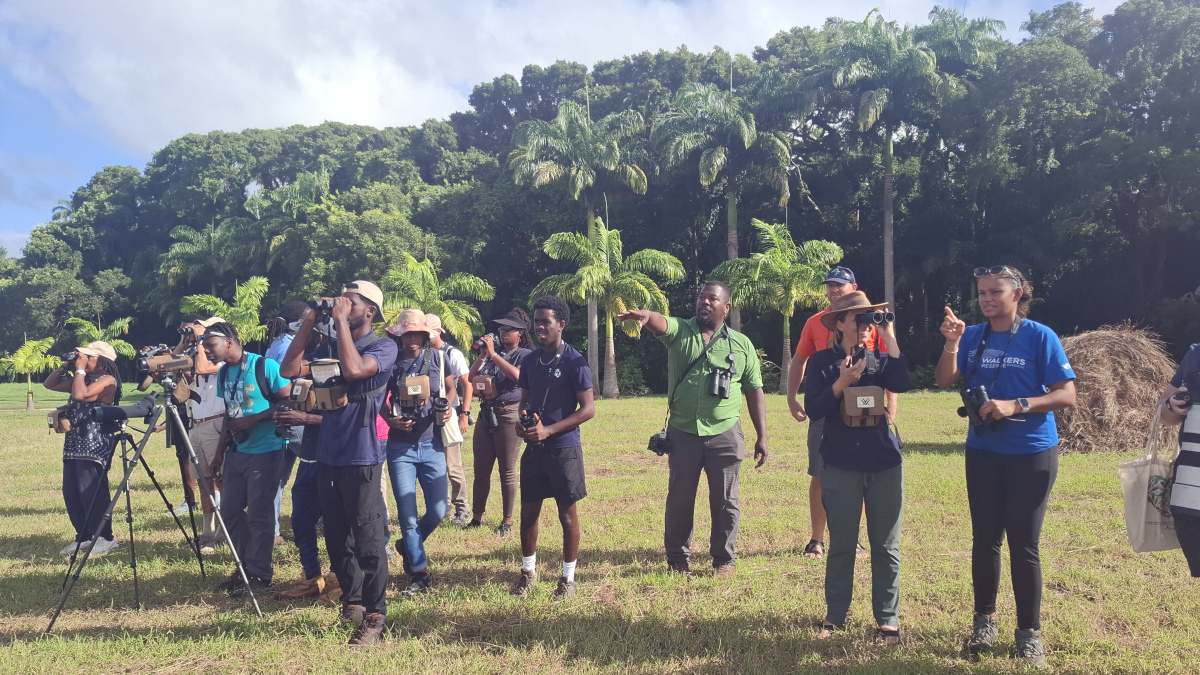
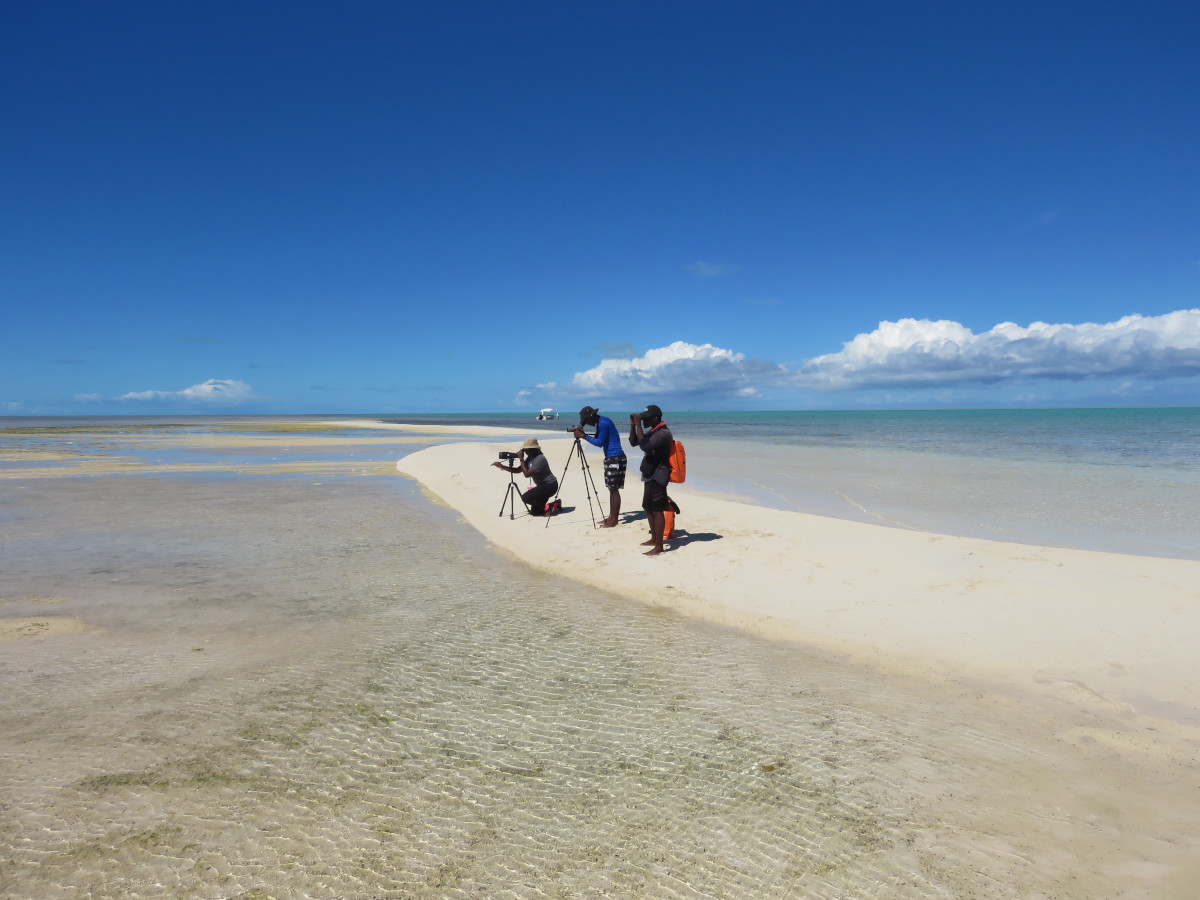
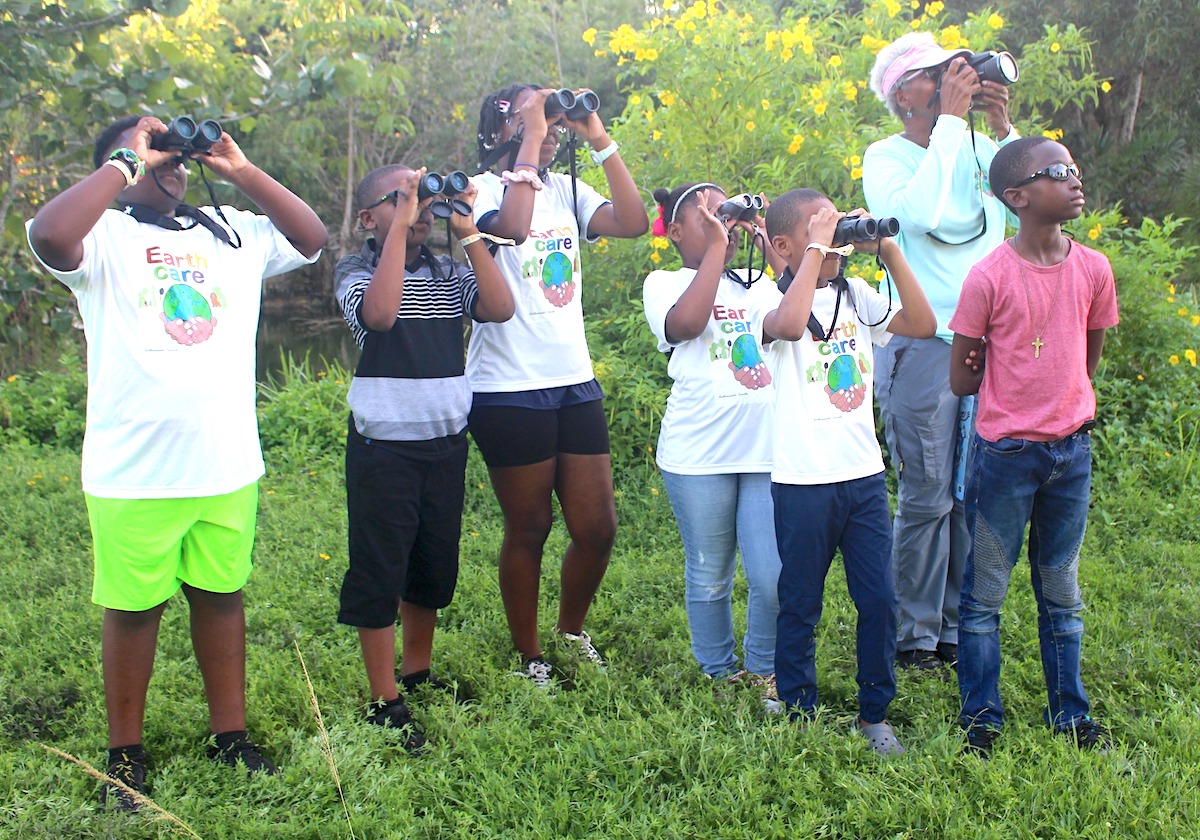
Birding at Hellshire Wetlands, Jamaica. (Photo by Damion Whyte)
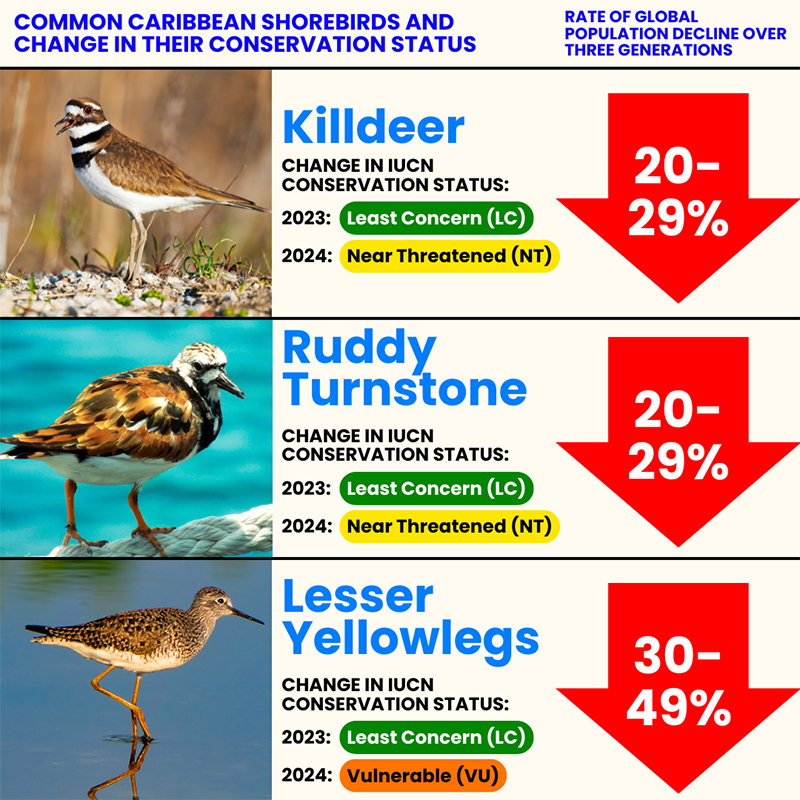
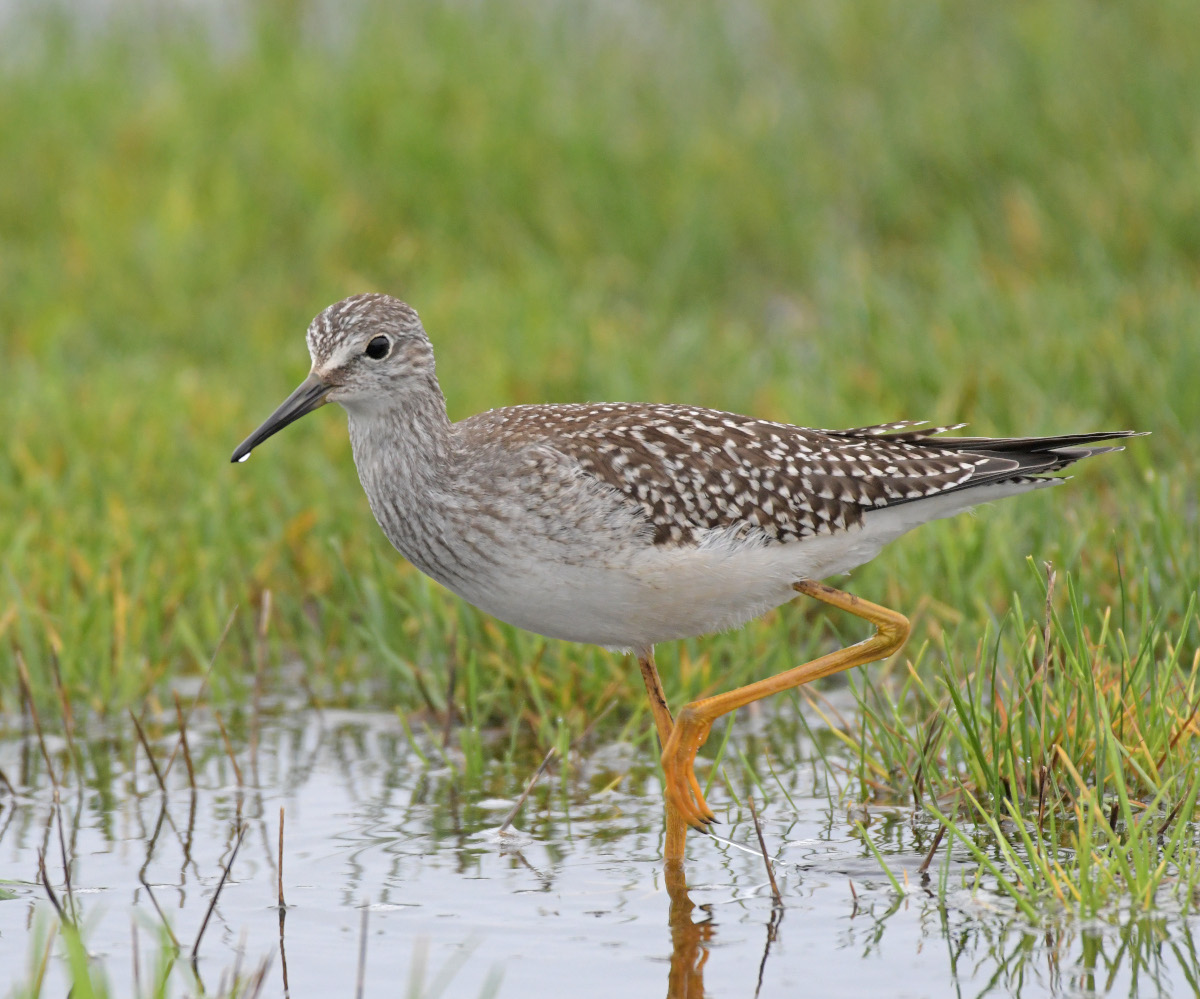
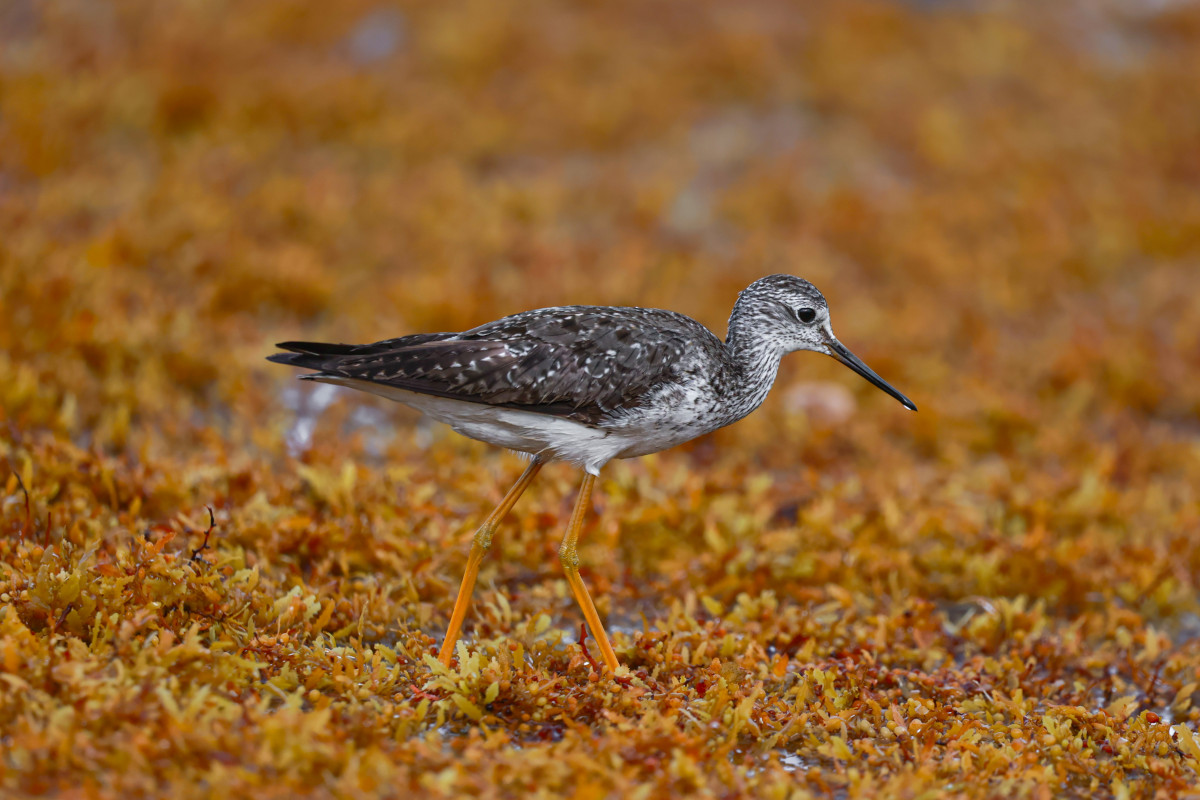
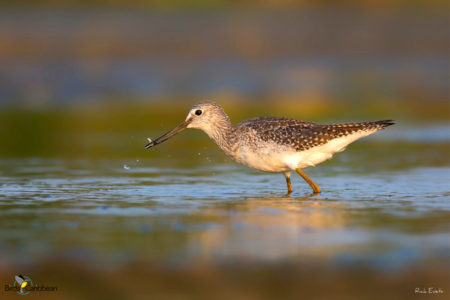
The Lesser Yellowlegs, a medium-sized shorebird widespread in the Caribbean, has suffered a population decline of 30 to 49%. Its IUCN threat level has been raised from Least Concern to Vulnerable. (Photo by Hemant Kishan)
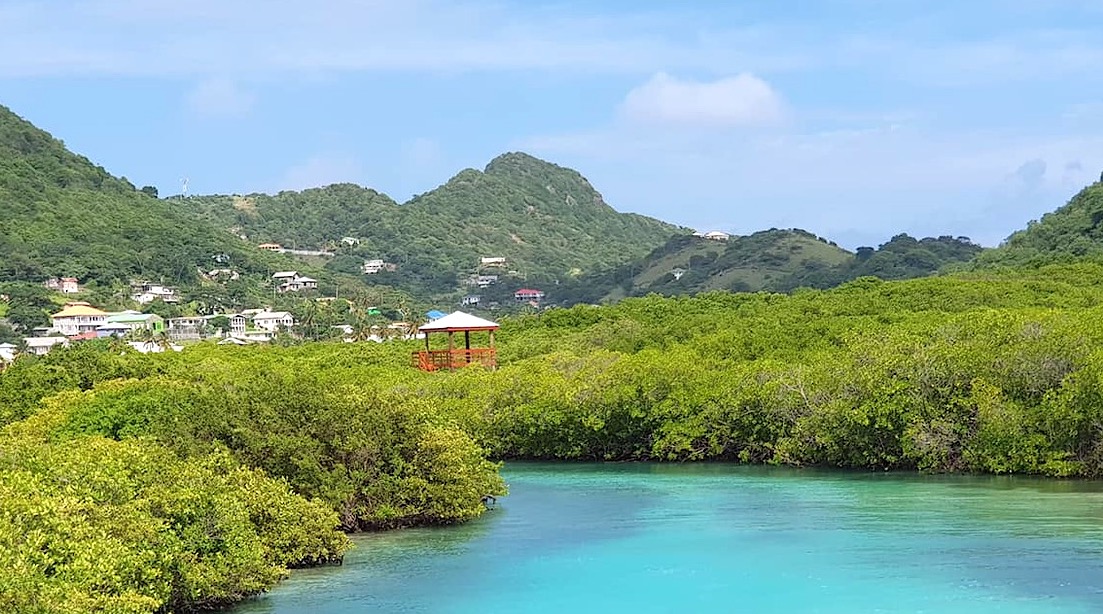
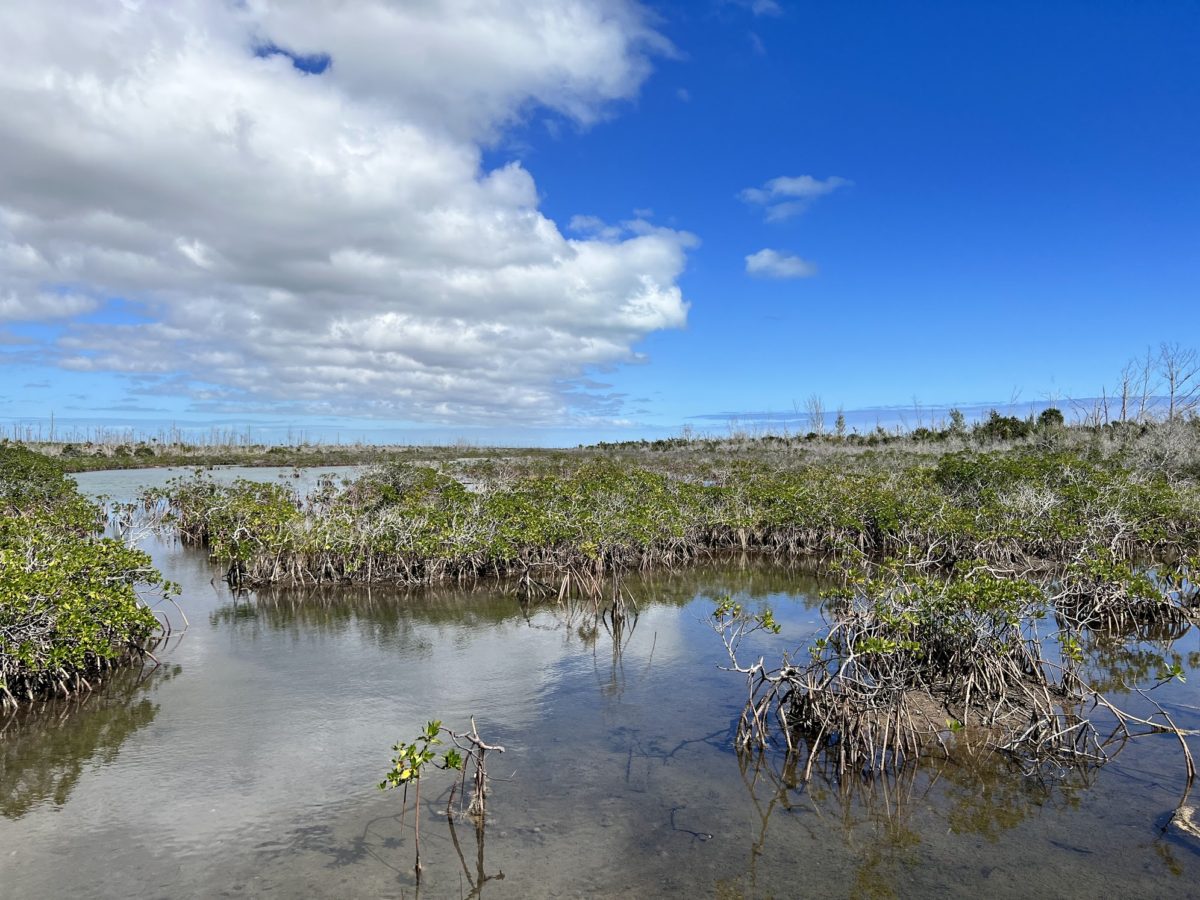
The Cargill Salt Ponds site also supports other habitat types, like these mangroves. (Photo by Lisa Sorenson)
West Indian Whistling-Duck & Wetlands Conservation
For CWC, a wetland is any area where water is the primary factor controlling what lives there. These include any place where water is covering the land or is just below the surface. This wide definition includes coastal wetlands like mangroves, mud flats, lagoons and beaches, as well as inland wetlands like lakes, ponds, swamps, areas around rivers and streams and even some types of agriculture (e.g. rice fields). Of course, because this is the Caribbean Waterbird Census, you need to be in the Caribbean to take part! You can find more information about how to conduct surveys here.
Get with the project
Getting a CWC list on eBird. (photo by EAG)
All our CWC data is still stored on eBird, but earlier in 2025 CWC became a project in eBird. This means that you need to be part of the project on eBird to ensure that your counts contribute to our amazing database!
Here’s the good news—if you’ve ever submitted a checklist using a CWC protocol in the past—you’ve likely been automatically added to the project! Check out the CWC project pages here to confirm you’ve joined.
If you’re new to CWC or if for some reason you’ve not been joined, just visit the CWC Project Page and click “Learn how to join.” Review the info about the project, scroll to the end and then click “Join Project.” If you are not logged into eBird you will be prompted to “Login to Join Project.”
Once you’ve joined the CWC project, it’s easy to add your CWC lists to our database on the eBird app or on the website.
Here’s how:
CWC in the eBird Mobile App:
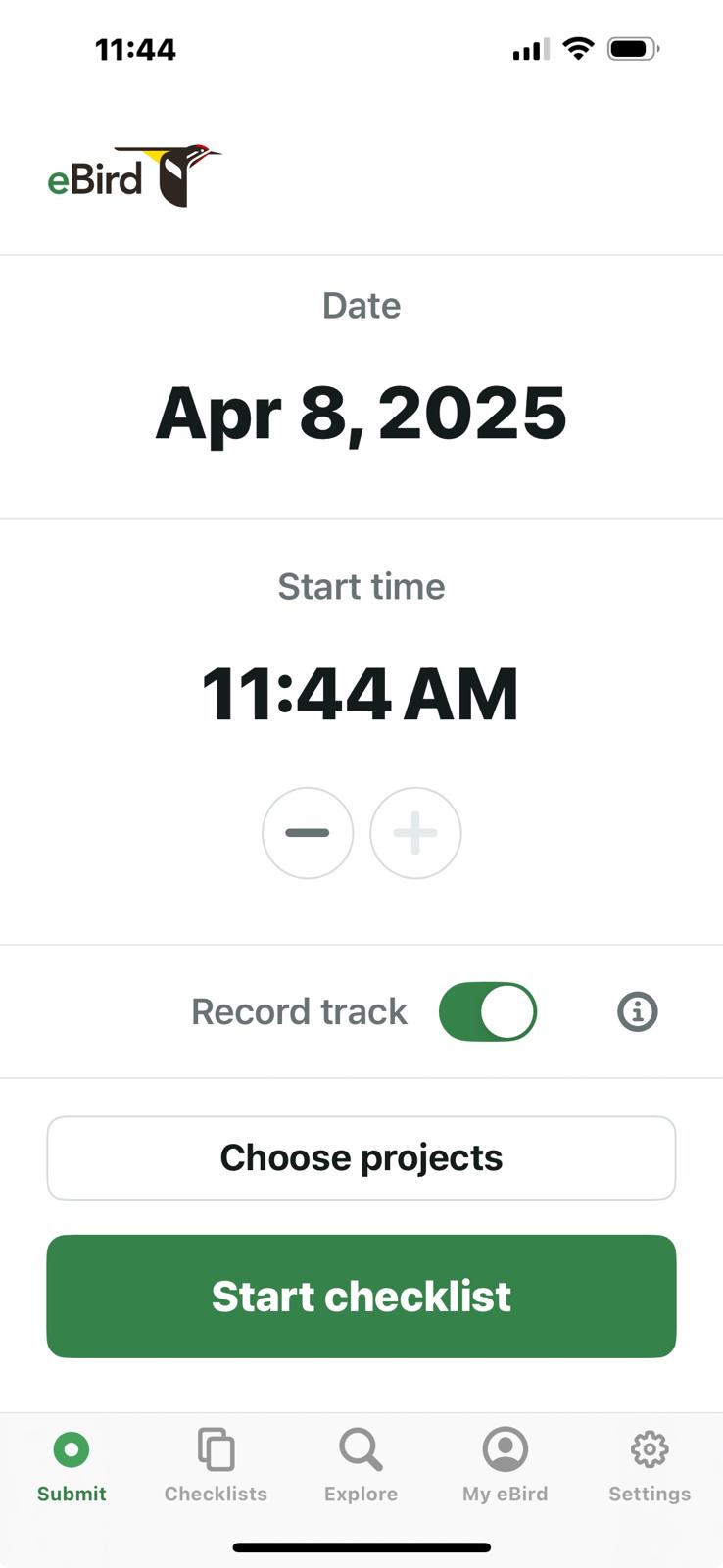
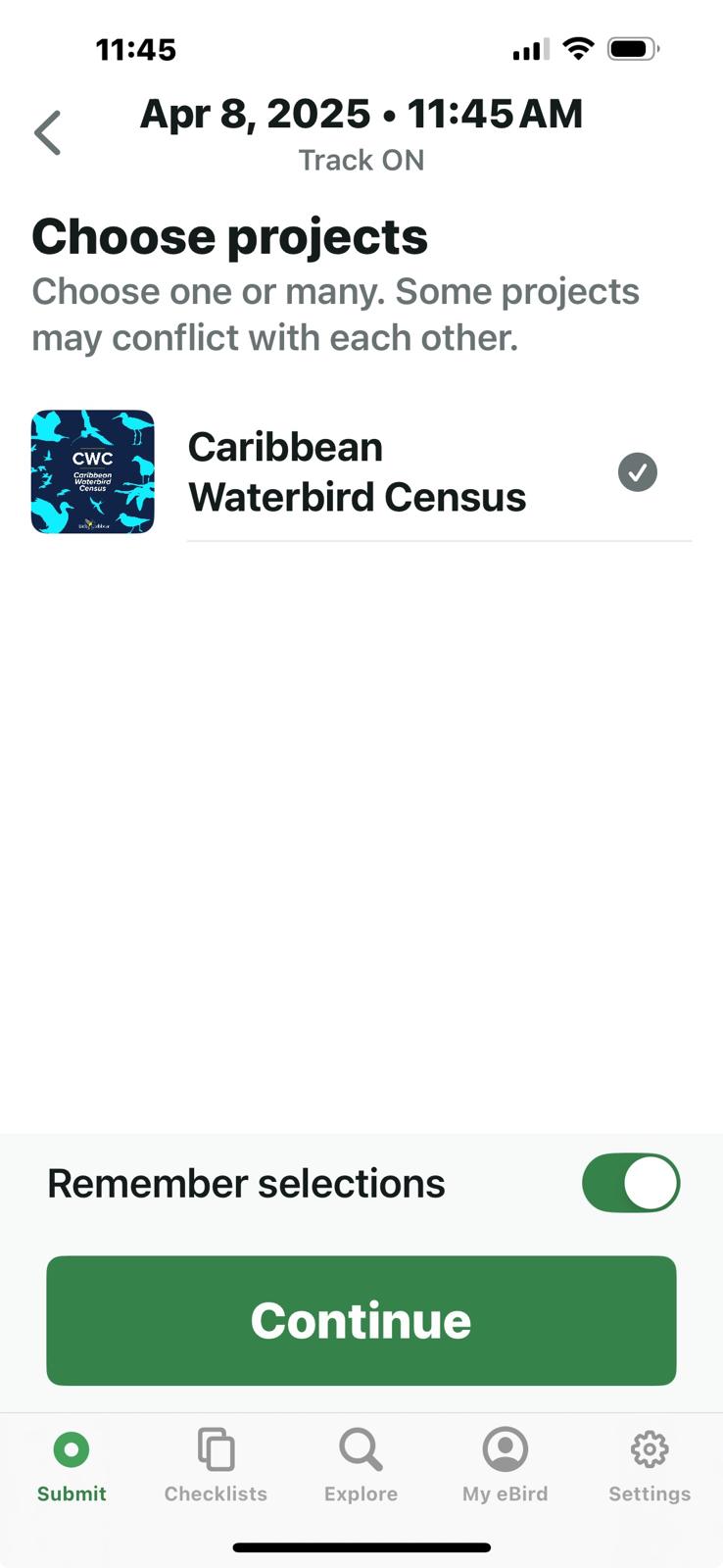
Tap “Choose projects” above the “Start checklist”’ button.
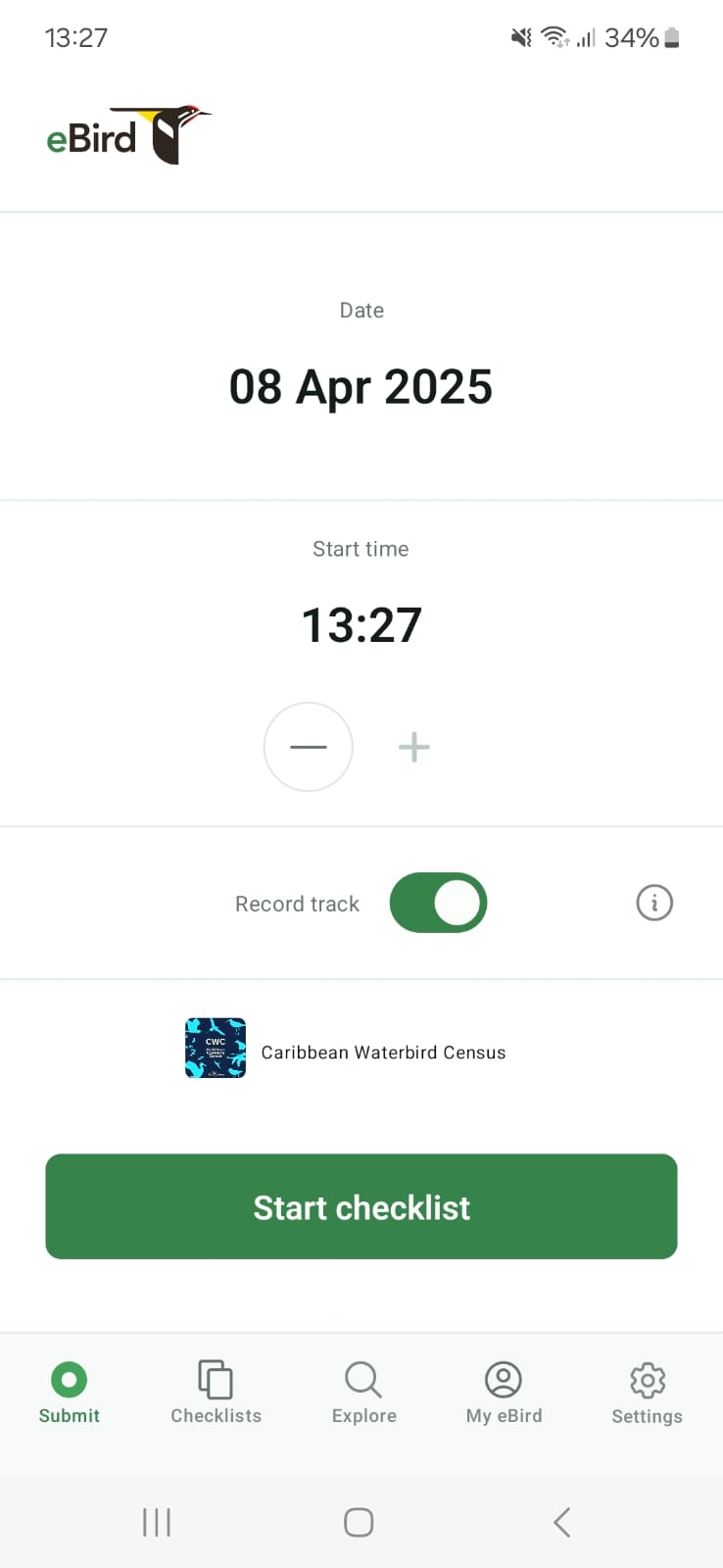
Select the CWC project, and, if you like, ask the app to remember this choice for future submissions. If you do this CWC will appear automatically above the “Start checklist” button next time you use App.
Tap “Continue” and do your count (it’s that simple!)
Next time you do a count at a Caribbean wetland, select “Caribbean Waterbird Census” above the “Start checklist” button.
CWC on the eBird Website:
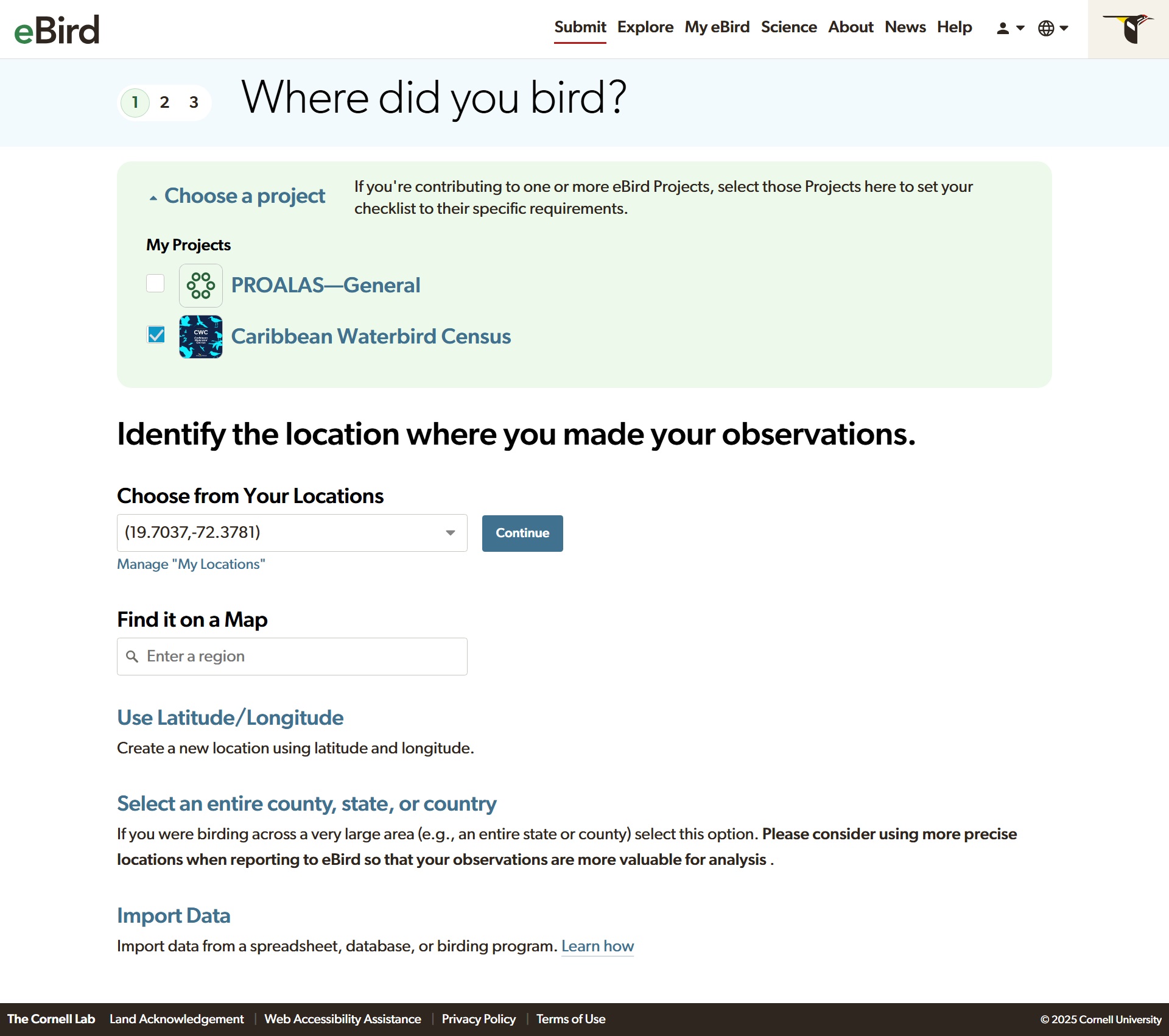
Go to the Submit page.
Use the “Choose a Project” dropdown to check the box next to “Caribbean Waterbird Census.”
Then follow the steps below to add your list details as normal.
Now that CWC is a project there are no longer specific ‘CWC protocols’ in eBird, you just need to select the “Traveling” or “Stationary” protocol before submitting.
Remember that although these are waterbird counts, you should be sure to count all the birds that you see and hear during your survey visits, not just the waterbirds. If you need help with eBird submissions, have questions about which protocol to choose, or with setting up an eBird account, please contact Alex Sansom: waterbird.manager@birdscaribbean.org
You can learn more about the CWC project on eBird here. And if you’re completely new to eBird, start by looking at this page that will guide you through opening an account and adding data.
Reddish Egret at Las Salinas De Brito, Cuba (Photo Andrew Dobson)
Forget to choose the CWC project in eBird?
You went out in the field, you started your list in eBird and did your CWC survey and submitted the list…. THEN you realize that you forgot the “choose a project” step at the start! It happens! This means your list will not be ‘counted’ as part of the CWC- yet. But don’t worry it can be fixed, you just need add it to the project after you have submitted.
On the eBird app, go to “checklists”, then toggle to show your submitted lists. Next find the list that should have been in the CWC project and open it. Open the ‘edit checklist’ menu (click on the edit icon on the top right), then once in ‘edit’ mode, choose the ‘edit’ menu icon again (again in the top right). Here you will see a menu with the option to ‘choose projects’. Click on this and select the Caribbean Water Census from your projects (of course you need to have joined the project already to do this!). Then save your changes.
On the eBird website it’s slightly different. You can go to ‘My Checklists’, and choose the one you want to add to the CWC project. Once this list is open, you need to select the ‘Edit Location’ option. When you click on this you will see the ‘choose project’ option, at the top of the page under the ‘Where did you bird?’ heading. Just select the Caribbean Waterbird Census project and save the changes.
Surveying in San Juan estuary. (Photo by Emilio Font SOPI)
We’re here to help!
Never done a CWC survey before or need a refresher? Don’t worry! We’ve pulled together some amazing resources that will help you with your counts. To help you get started on your CWC survey journey or give you a reminder about how to take part check out our helpful YouTube webinar that takes you through the steps of how to participate in the CWC*!
*This is a great introduction to the CWC and how to plan your counts and carry out surveys, but the information on adding data to eBird has been updated since it was recorded. Please use the information provided above and here. Join the project, then remember to choose the project when making your eBird list to make sure your data gets included as CWC in eBird.
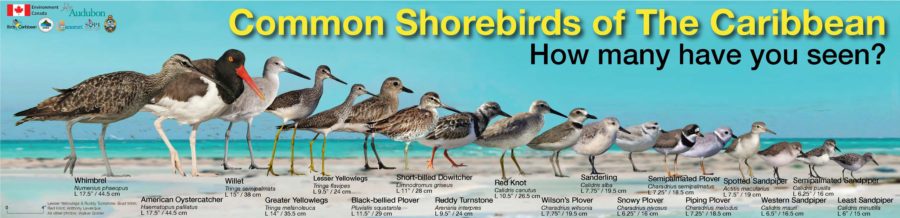
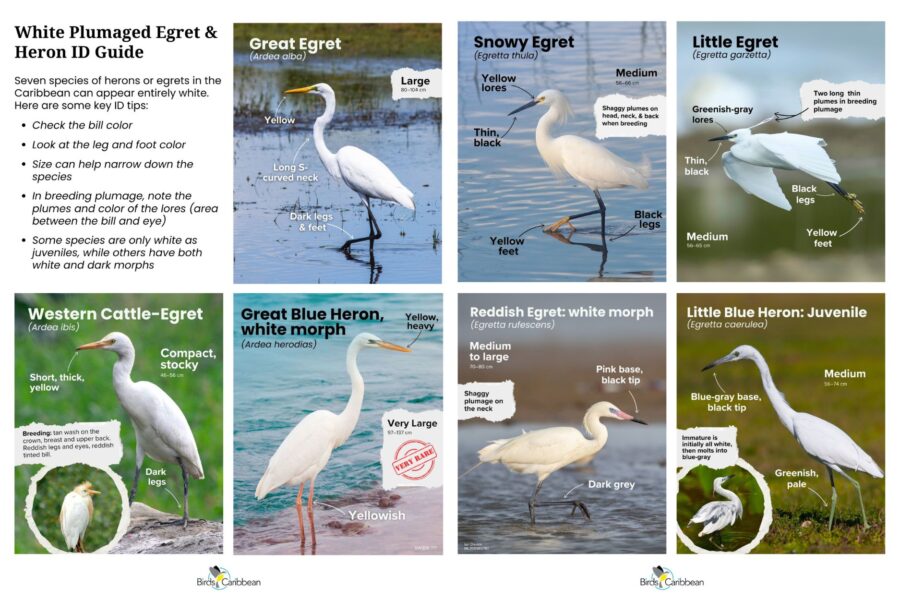
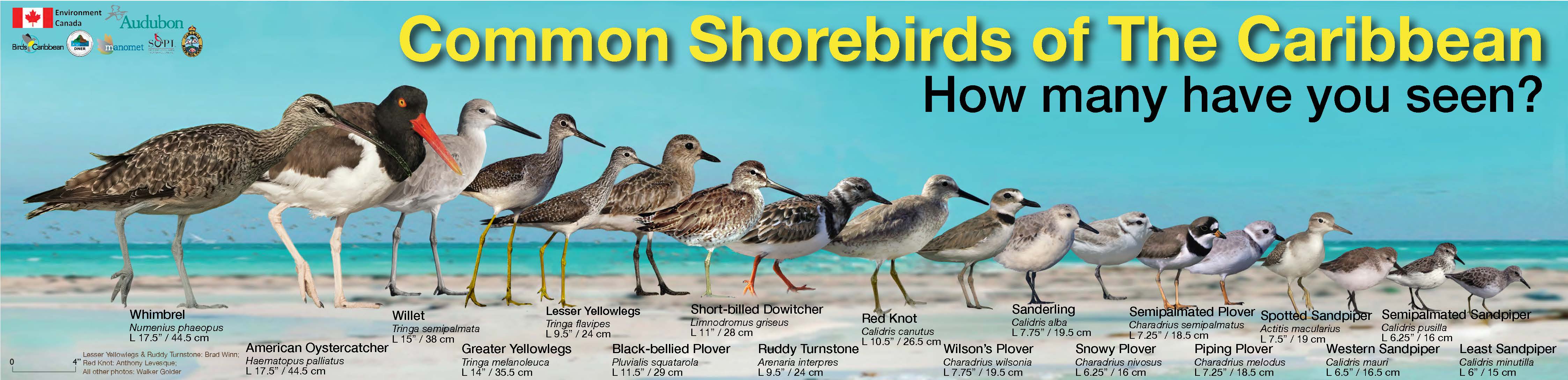
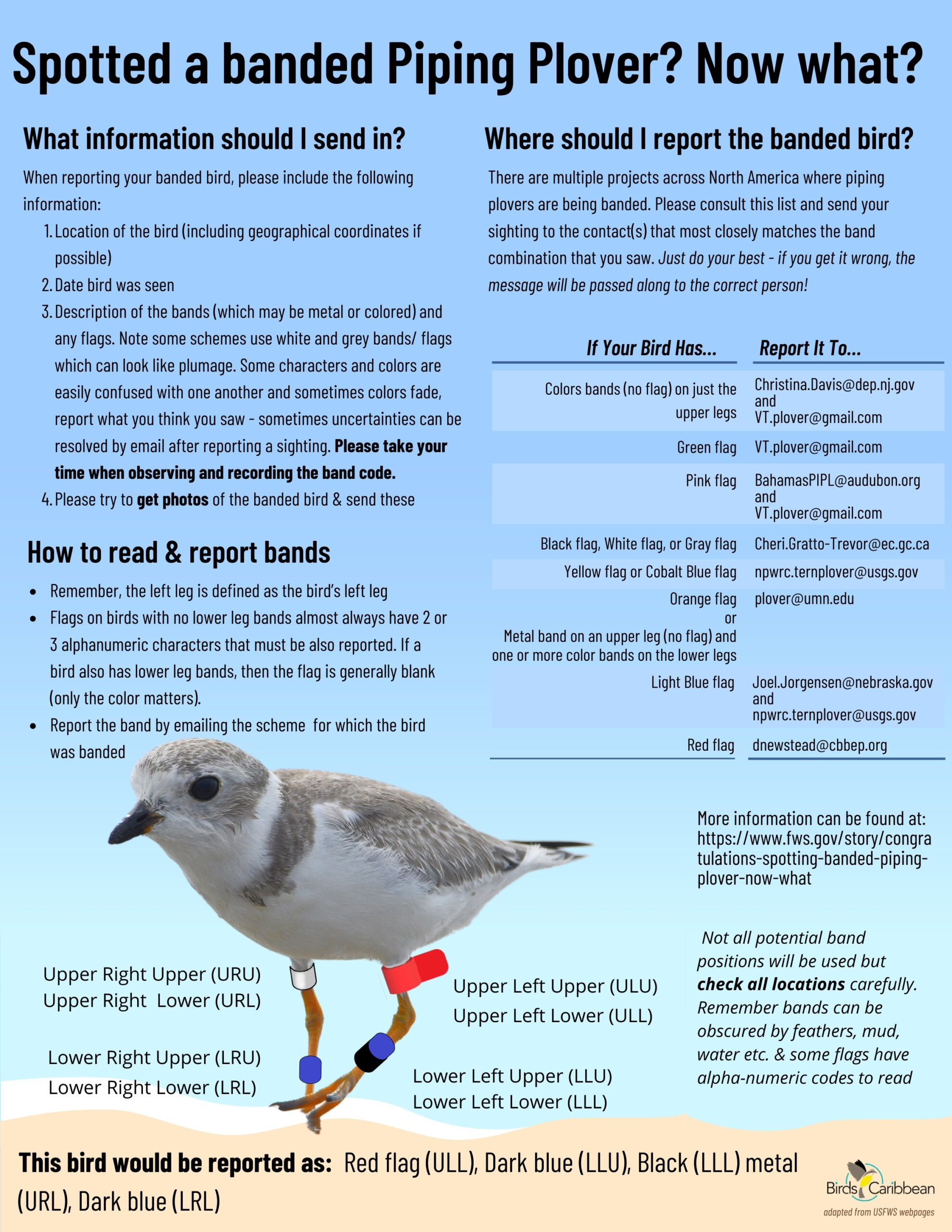
If you need a hand with your waterbird ID you’ve come to the right place—why not brush up on your ID skills using our helpful videos on YouTube! Part I covers herons, egrets, ducks, marsh birds, and seabirds. Part II tackles those tricky shorebirds! We also have even more ID, survey planning tips, and outreach resources that are available for you to use and download on this page. This includes information on what to do if you see a banded bird during your surveys as well as our handy ID Guide to Common Caribbean Shorebirds, which can print and take with you on your surveys.
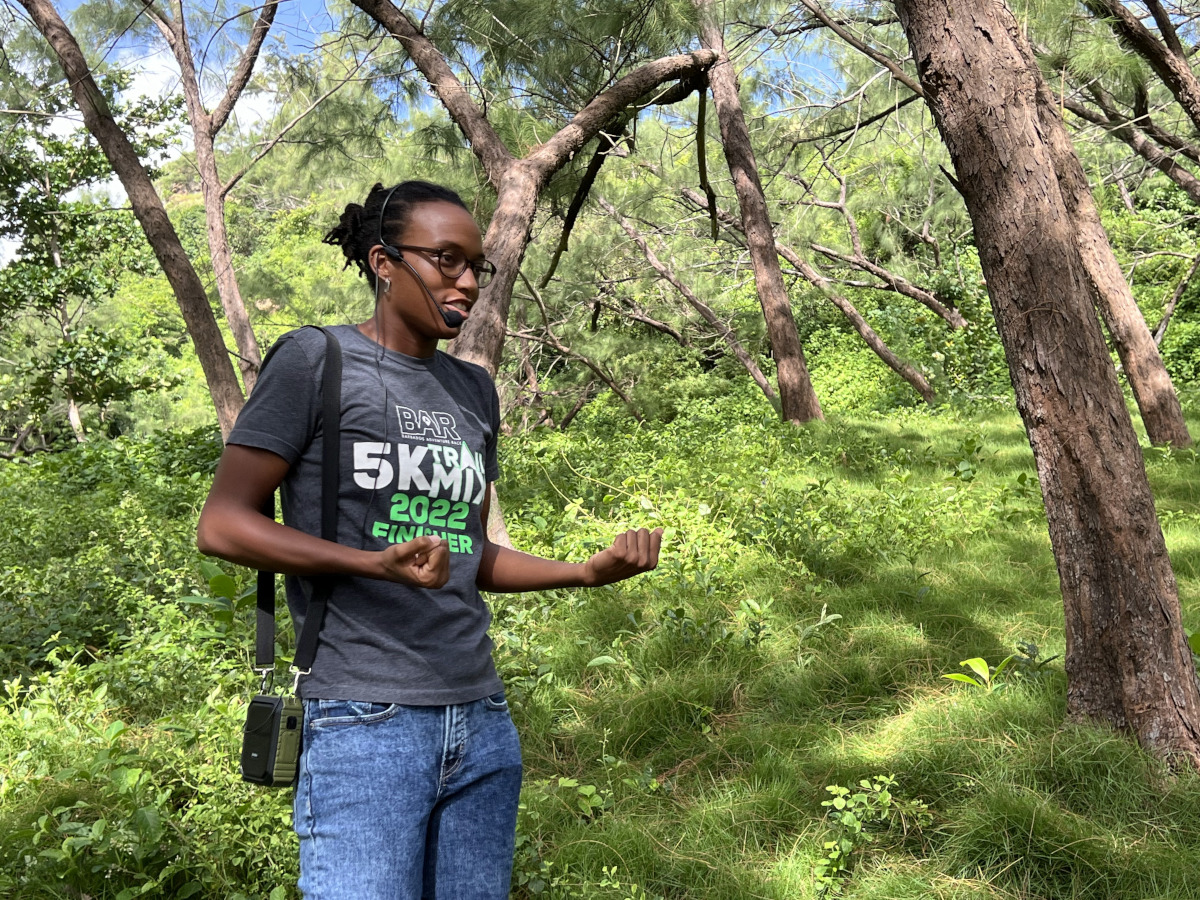
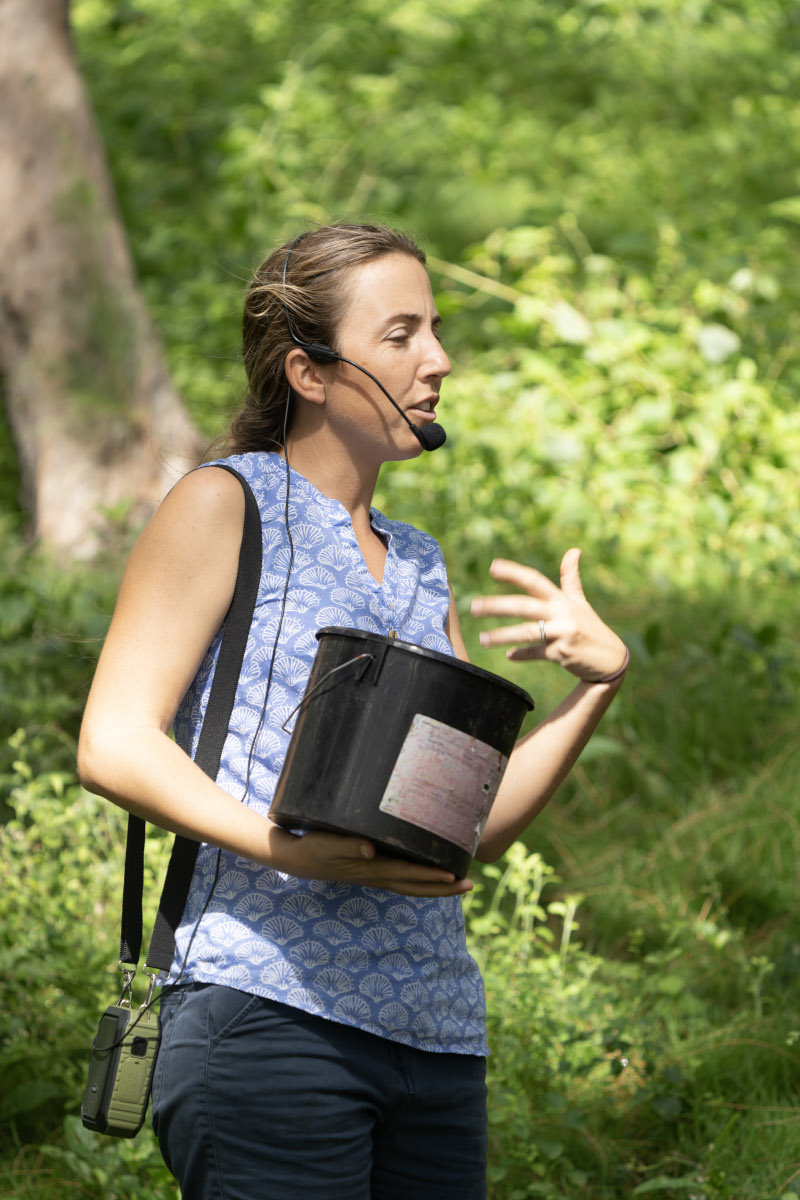
Shanna explains bird ID at McKinnons Pond, Antigua, during the 2025 CWC Count. (Photo by Sherrel Charles)
Ajhermae White helps students of the Grade 5 class of Look Out Primary School with shorebird ID during their field trip at Marguerita Bay. (Photo by Stephen Mendes)
If you need more help with those troublesome shorebirds you can also check out our series of short videos. Each of these deals with ID-ing some of the shorebirds that are more difficult separate, even those tricky small sandpipers!
Have fun out there!
We hope you have a great time exploring your country’s wetlands and counting birds during the regional CWC count! Please remember to stay safe and carry out your counts responsibly. This means taking care not to disturb the birds or damage their habitats. Enjoy counting birds and see how many of your local wetlands you can visit during this three-week period! Finally, if you enjoy your CWC experience remember that CWC counts are not limited to the regional count. You can do a CWC survey at any time of year as long as you are in a Caribbean wetland and count all the birds you see!
Good luck! We look forward to hearing about your findings. If you need help with bird ID, or have photos and exciting observations to share, please post to our Waterbird Group Listserv (everyone is welcome to join) and/or on our BirdsCaribbean Facebook page. For sharing on social media, use hashtags: #CaribbeanWaterbirdCensus #CWC2026 #WaterbirdsCount and for this special IWC anniversary year #IWC60 AND please tag us: @BirdsCaribbean
The Caribbean Waterbird Census is an ongoing, long-term survey effort that provides important data that helps us keep track of the birds using Caribbean wetlands, understand the threats they face, and raise awareness. With 27,000+ CWC lists in our long-term database, we’re building an invaluable resource for bird conservation across the region. You can support the CWC here.
Promotional Social Media Graphics – Please feel free to download these graphics and use these to promote your Caribbean Waterbird Census surveys (just open the graphic you want to use right click and choose ‘save image as’) .
Want to brush up your shorebird ID skills or learn how to conduct Caribbean Waterbird Census (CWC) counts? Keep reading for details about this exciting opportunity!
BirdsCaribbean is pleased to invite applications for a five-day training workshop focused on shorebird and waterbird identification and CWC survey methods. Participants will strengthen their ID skills, and learn counting and survey techniques through a blend of classroom and field-based activities. We’ll also explore key threats to shorebirds and wetlands and discuss conservation solutions.
We’re delighted to host this workshop at Jobos Bay National Estuarine Research Reserve in Puerto Rico, thanks to a partnership with JBNERR. from 23-27 February, 2026 — mark your calendars! JBNERR is on the Southern coast of Puerto Rico. With mangroves, salt flats, and seasonal lagoons it’s a haven for thousands of migratory shorebirds, and hosts a wonderful diversity of other waterbirds. It’s the perfect place to learn more about CWC and waterbird ID!
Why count shorebirds and waterbirds?
Wetlands across the Caribbean are critical for numerous resident and migratory waterbirds — yet they face mounting threats, from coastal development and pollution to land-use change and climate change impacts. In addition, migratory shorebirds are experiencing alarming declines over the last decades, and need our help. Protecting birds starts with understanding where they go and what habitats they rely on.
Out in Jobos bay doing CWC surveys by boat. (Photo by Carmen Maldonado)
Monti Cristi in the Dominican Republic is estimated to host 20,000+ migrating shorebirds per year—making it a regionally important site! (Photo by Maria Paulino)
Great Blue Heron, Blassina Puerto Rico. (Photo by Eliezer Nieves)
Systematic bird monitoring allows us to:
Identify key habitats and stopover sites
Understand migration patterns and threats
Prioritize areas for protection or restoration
Track the success of conservation and management actions
Critical data on shorebird migration, especially during fall migration, are still lacking in the Caribbean. Expanded monitoring across regional wetlands will help identify and safeguard priority sites—advancing Caribbean biodiversity goals and supporting global shorebird conservation efforts.
About the workshop
This will be the 6th CWC Training Workshop in the region — and the first in seven years! Like our 2019 event, it will cover essential topics in waterbird monitoring and conservation.
This bilingual (English and Spanish) workshop is designed for Caribbean wildlife professionals and volunteers interested in strengthening their waterbird and shorebird ID and survey skills. Prior experience is helpful, but not required. The workshop is open to anyone eager to learn more about waterbird monitoring techniques—especially those who wish to initiate or expand waterbird and wetland monitoring programs in their home countries. Preference will be given to individuals working in protected areas, wetland conservation, or bird monitoring with government agencies or NGOs in the Caribbean, as well as those committed to launching or growing a CWC monitoring program.
Field trip within Cabo Rojo National Wildlife Refuge. (Photo by Lisa Sorenson)
The goals of the workshop are to:
Increase awareness and appreciation of the Caribbean’ importance for shorebirds and waterbirds
Build confidence in identifying common Caribbean shorebirds
Share information waterbird ecology and the threats that they face
Provide participants with the knowledge, skills, and tools needed to conduct CWC surveys and contribute to regional monitoring
Inspire and facilitate involvement in conservation action, including raising public awareness, alleviating threats, and restoring habitats that have been damaged
Grow our regional network of CWC monitors and stewards of our shared waterbirds
The workshop will be a mixture of classroom and field trip sessions, meaning there will be daily opportunities to practice survey and identification skills.
Topics covered
Participants will gain comprehensive training in:
A volunteer uses a Shorebird ID card at a Caribbean Waterbird Census count. (Photo by Dayamiris Candelario OPAS)
Caribbean Waterbird Census (CWC) overview: How to design and implement a monitoring program
Field training in shorebird ID, counting, and wetland habitat monitoring using standardized CWC monitoring techniques
Threats to shorebirds and their wetland habitats (e.g., dumping, habitat destruction and degradation, water mismanagement, invasive species, disturbance, etc.) and education, conservation, and management strategies to mitigate these threats
Engaging citizen scientists and sustaining long-term monitoring
Data entry and use of eBird
Sharing results with decision-makers and the public
By the end of the workshop, you will have received comprehensive training in both CWC survey techniques and field identification of Caribbean shorebirds. You will be equipped to monitor wetland sites (including changes in condition and threats), recruit and train new volunteers, and raise awareness about waterbird conservation in your community.
Funding and Logistics
We aim to include approximately 25 participants in this workshop. BirdsCaribbean has funding for a limited number of need- and merit-based scholarships to cover travel and participation costs. Specific funds are available for nationals of Puerto Rico and the US Virgin Islands, and we strongly encourage applications from these islands.
Please note: Participants who are not U.S. citizens or permanent residents will need to obtain the appropriate U.S. visa or travel authorization in advance. We strongly encourage you to check your national visa requirements and apply early to ensure entry to Puerto Rico. Find out more here.
Participants who are able to contribute part or all of their expenses will help us include more participants. We encourage applications from all candidates who are well-suited to make use of this training, regardless of their financial ability.
Participants should plan to arrive Puerto Rico by February 22 and depart on February 28.
Applications
If you’re interested in participating in this workshop, please complete the application form by November 25, 2025.
If you have any questions, please send an email to: Alex Sansom (Waterbird.Manager@BirdsCaribbean.org)
We are grateful to the US Forest Service International Programs and Cape Cod Bird Club for providing funding support and to the staff at Jobos Bay National Estuarine Research Reserve for kindly hosting this workshop.
Oportunidad de Capacitación: Conservación de los Humedales del Caribe- Taller de Identificación y Censo de Aves Acuáticas y Costeras
¿Quiere refrescar sus habilidades de identificación de aves playeras o aprender a realizar recuentos del Censo de Aves Acuáticas del Caribe (CWC)? ¡Siga leyendo para obtener más detalles sobre esta emocionante oportunidad!
BirdsCaribbean se complace en invitar a presentar solicitudes para un taller de capacitación de cinco días centrado en la identificación de aves playeras y los métodos de estudio del CWC. Los participantes reforzarán sus habilidades de identificación y aprenderán técnicas de recuento y estudio mediante una combinación de actividades en el aula y en el campo. También exploraremos las principales amenazas para las aves playeras y los humedales y discutiremos soluciones de conservación.
Estamos encantados de organizar este taller en la Reserva Nacional de Investigación Estuarina de la Bahía de Jobos en Puerto Rico, gracias a la colaboración con JBNERR. Del 23 al 27 de febrero de 2026: ¡apúntelo en su calendario! JBNERR se encuentra en la costa sur de Puerto Rico. Con manglares, salinas y lagunas estacionales, es un refugio para miles de aves playeras migratorias y alberga una maravillosa diversidad de otras aves acuáticas. ¡Es el lugar perfecto para aprender más sobre CWC y la identificación de aves acuáticas!
¿Por qué contar las aves costeras y acuáticas?
Los humedales del Caribe son fundamentales para numerosas aves acuáticas residentes y migratorias, pero se enfrentan a amenazas cada vez mayores, desde el desarrollo costero y la contaminación hasta los cambios en el uso del suelo y los efectos del cambio climático. La protección de las aves comienza por comprender adónde van y de qué hábitats dependen.
Out in Jobos bay doing CWC surveys by boat. (Photo by Carmen Maldonado)
Monti Cristi in the Dominican Republic is estimated to host 20,000+ migrating shorebirds per year—making it a regionally important site! (Photo by Maria Paulino)
Great Blue Heron, Blassina Puerto Rico. (Photo by Eliezer Nieves)
El monitoreo sistemático de las aves nos permite:
Identificar hábitats clave y lugares de parada
Comprender los patrones migratorios y las amenazas
Priorizar las áreas para su protección o restauración
Hacer un seguimiento del éxito de las medidas de conservación y gestión
En el Caribe aún se carece de datos críticos sobre la migración de las aves costeras, especialmente durante la migración otoñal. La ampliación del monitoreo en los humedales regionales ayudará a identificar y salvaguardar los sitios prioritarios, lo que contribuirá a avanzar en los objetivos de biodiversidad del Caribe y respaldará los esfuerzos mundiales de conservación de las aves costeras.
Acerca del Taller
Este será el sexto taller de capacitación de la CWC en la región, ¡y el primero en siete años! Al igual que nuestro evento de 2019, cubrirá temas esenciales sobre el monitoreo y la conservación de las aves acuáticas.
Este taller bilingüe (inglés y español) está diseñado para profesionales y voluntarios del ámbito de la vida silvestre del Caribe interesados en mejorar sus habilidades para identificar y estudiar aves playeras. Se valora la experiencia previa, pero no es imprescindible. El taller está abierto a cualquier persona que desee aprender más sobre las técnicas de monitoreo de aves acuáticas, especialmente a aquellas que deseen iniciar o ampliar programas de monitoreo de aves acuáticas y humedales en sus países de origen. Se dará preferencia a las personas que trabajen en áreas protegidas, conservación de humedales o monitoreo de aves con agencias gubernamentales u ONG en el Caribe, así como a aquellas comprometidas con el establecimiento o el crecimiento de un programa de monitoreo de la CWC.
Los objetivos del taller son:
Aumentar la concienciación y la apreciación de la importancia del Caribe para las aves playeras y acuáticas.
Fomentar la confianza en la identificación de las aves playeras comunes del Caribe.
Compartir información sobre la ecología de las aves acuáticas y las amenazas a las que se enfrentan.
Proporcionar a los participantes los conocimientos, las habilidades y las herramientas necesarias para realizar estudios de aves acuáticas y contribuir al monitoreo regional.
Inspirar y facilitar la participación en acciones de conservación, incluyendo la sensibilización del público, la mitigación de amenazas y la restauración de hábitats que han sido dañados.
Ampliar nuestra red regional de monitoreos de la CWC y guardianes de nuestras aves acuáticas comunes.
El taller será una combinación de sesiones en el aula y excursiones, lo que significa que habrá oportunidades diarias para practicar las habilidades de estudio e identificación.
Temas de Discusión
Los participantes recibirán una capacitación completa en:
Descripción general del Censo de Aves Acuáticas del Caribe (CWC): cómo diseñar y poner en práctica un programa de monitoreo.
Capacitación de campo en identificación de aves costeras, recuento y monitoreo de hábitats de humedales utilizando técnicas de monitoreo estandarizadas del CWC.
Amenazas para las aves costeras y sus hábitats de humedales (por ejemplo, vertidos, destrucción y degradación del hábitat, mala gestión del agua, especies invasoras, perturbaciones, etc.) y estrategias de educación, conservación y gestión para mitigar estas amenazas.
Participación de científicos ciudadanos y mantenimiento de un monitoreo a largo plazo.
Introducción de datos y uso de eBird.
Compartir los resultados con los responsables de la toma de decisiones y el público.
Al finalizar el taller, habrá recibido una capacitación completa tanto en las técnicas de estudio de la CWC como en la identificación de campo de las aves playeras del Caribe. Estará preparado para supervisar los humedales (incluidos los cambios en su estado y las amenazas), reclutar y formar a nuevos voluntarios y sensibilizar a su comunidad sobre la conservación de las aves playeras.
Financiación y Logística
Nuestro objetivo es incluir aproximadamente 25 participantes en este taller. BirdsCaribbean dispone de fondos para un número limitado de becas basadas en las necesidades y los méritos, que cubren los gastos de viaje y participación. Hay fondos específicos disponibles para los ciudadanos de Puerto Rico e Islas Vírgenes de los Estados Unidos, por lo que animamos encarecidamente a los residentes de estas islas a que presenten su solicitud.
Nota: Los participantes que no sean ciudadanos estadounidenses ni residentes permanentes deberán obtener con antelación el visado estadounidense o la autorización de viaje correspondientes. Le recomendamos encarecidamente que verifique los requisitos de visado de su país y lo solicite con antelación para garantizar su entrada a Puerto Rico. Más información aquí.
Los participantes que puedan contribuir con parte o la totalidad de sus gastos nos ayudarán a incluir a más participantes. Animamos a todos los candidatos que reúnan los requisitos para aprovechar esta capacitación a que presenten su solicitud, independientemente de su capacidad económica.
Los participantes deben planificar su llegada a Puerto Rico para el 22 de febrero y su salida para el 28 de febrero.
Solicitudes
Si está interesado en participar en este taller, complete el formulario de solicitud antes del 25 de noviembre de 2025.
Si tiene alguna pregunta, envíe un correo electrónico a: Alex Sansom (Waterbird.Manager@BirdsCaribbean.org)
Agradecemos al US Forest Service International Programs y al Cape Cod Bird Club su apoyo financiero y al personal de la Jobos Bay National Estuarine Research Reserve por aceptar acoger este taller.
The 60th anniversary of the International Waterbird Census (IWC) is coming up! We’d love for the Caribbean to contribute to the celebration that Wetlands International is planning. They are collecting waterbird survey stories from all around the world to share, showing the amazing breadth and enthusiasm for waterbird monitoring and conservation. You can make sure the Caribbean is showcased. Read on to find out how!
The Caribbean Waterbird Census (CWC) is one of five regional International Waterbird Census –which means counts from the CWC regional count contribute to this amazing global database! It also means that YOU can be part of the IWC 60th anniversary celebrations.
Wetlands International is sharing these ‘post cards from the field’ on a story map. Currently the Caribbean is looking a little bit empty but by adding your story you can change that!
Your ‘story’ can be very short (just one paragraph). You can share about who you are and where your do your counts; or about a memorable day in the field or an exciting bird you’ve seen during your counts or anything else you’d like to tell people about the birds and wetlands you do CWC counts in! If you need some inspiration for the type of story that might work, take a look at https://iwc.wetlands.org/postcards where you can see other people’s contributions.
Will you send a postcard from the field? All you need to do is:
Grab your fave photo from any CWC count
Write some short text about your CWC counts
Share them using the Google form (below)
You can share your story in English, French or Spanish, just chose your preferred language and click on the link to the form:
Celebrate World Migratory Bird Day (WMBD) with us in 2025! This year’s theme is “Shared Spaces: Creating Bird-friendly Cities and Communities”. Have fun learning about a new migratory bird every day. We have coloring pages, interesting facts, activities, and more. Download for free and enjoy nature with your family at home.
Migratory Bird of the Day: American Golden-Plover
This shorebird is golden! In breeding plumage the American Golden-Plover, a medium-sized, bowling-pin shaped shorebird, is spangled with golden flecks across its wings and back. This beautiful plumage contrasts with a black face and underside, bordered with white on the head and neck. They are a striking sight!
Outside the breeding season they have a change of wardrobe, molting into a more demure plumage. Males and females are both speckled brown with a pale eyebrow and dark cap. They lose their black underparts which become buffy and speckled. In non-breeding plumage American Golden-Plovers can be easy to confuse with Black-bellied Plovers. American Golden-Plovers are smaller and slighter looking, with a finer bill. They also lack the black ‘wing-pits’ sported by the Black-bellied Plover, you can get more ID tips here.
American Golden-Plovers breed in the Arctic, laying their eggs in ‘scrapes’ (a shallow depression on the ground), on the tundra. When breeding is over and it is time for them to head south these shorebirds really are migration masters! They make an epic journey south, with many individuals making the long flight from the east coast of North America down to South America without stopping once! Adults head off in late July and August, but they leave their chicks behind to follow later. These young birds might stay in the north until October, after which they also head to South America.
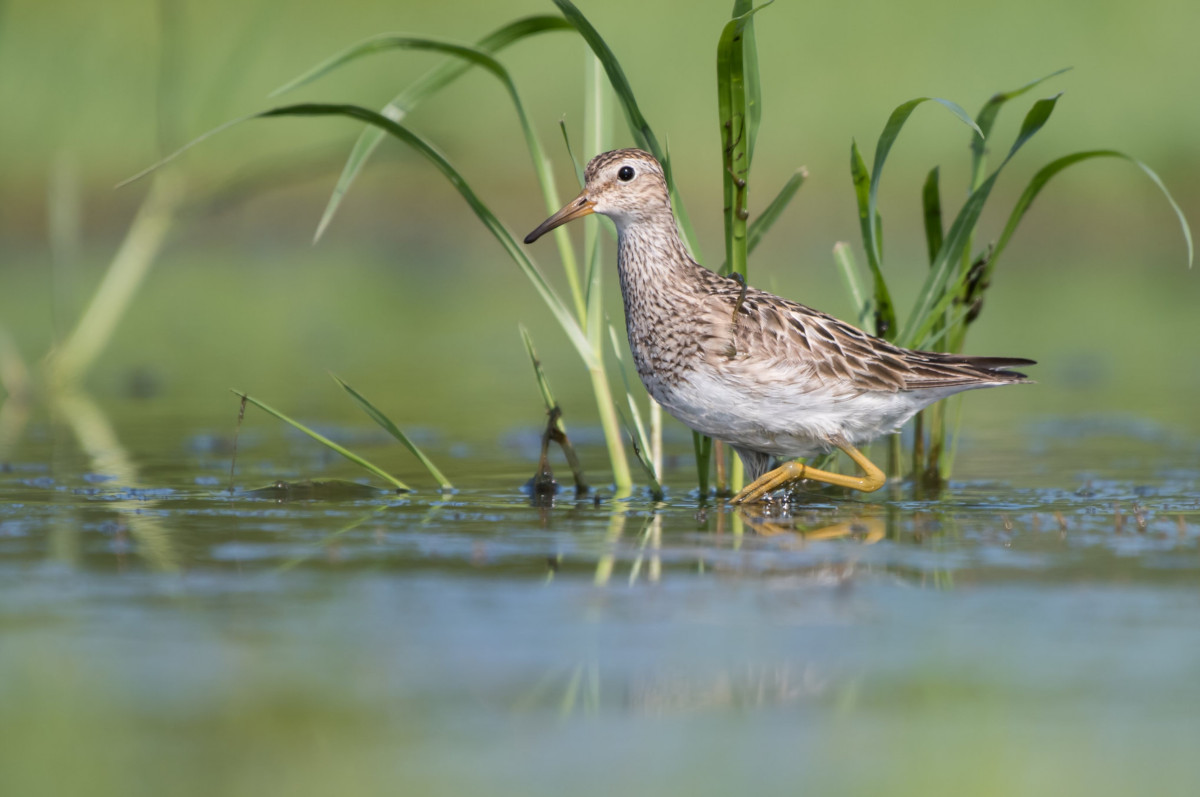
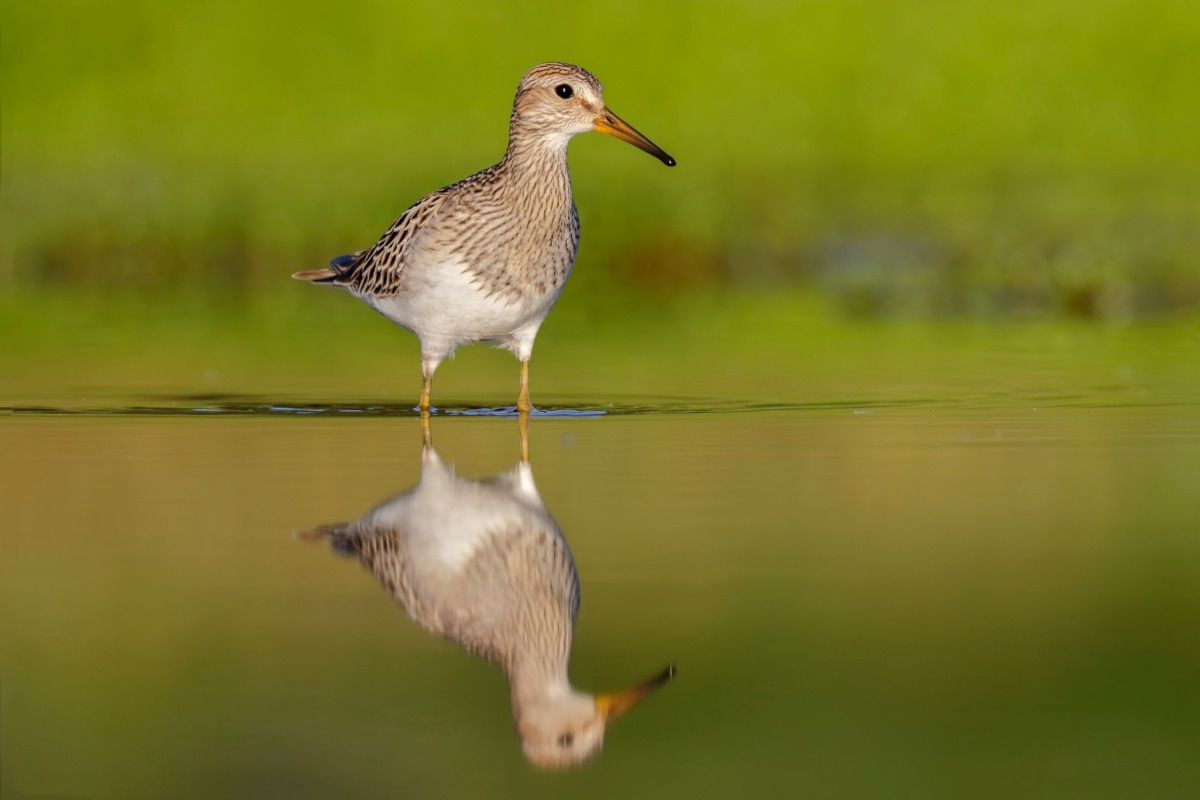
In the Caribbean we mainly see American Golden-Plovers during fall migration. Birds not able to do a non-stop trip all the way to South America will land to rest and refuel in Caribbean wetlands. American Golden-Plovers like to flock together and you might also spot them hanging out with other ‘shorebird friends’ like the Pectoral Sandpiper. You can look for them in wet grassy areas, agricultural areas like rice fields as well as on mudflats, and shorelines. Here they will be feeding on a variety of insects and insect larvae, as well as worms and mollusks.
Unfortunately, American Golden-Plover populations are declining and they have lost more than 50% of their population in the past 50 years. One of the main threats to them during migration is loss of habitat. This includes changes caused by unfavorable agricultural practices including, intensification, drainage and pesticides, and the conversion of their habitats to other uses such as residential developments and conversion of grasslands to row-crops. This beautiful shorebird relies on wet grasslands with healthy insect populations so switching to organic fertilizers and reducing pesticide use can help them out. Learn more about this species, including its range, photos, and calls here. Great news! If you’re in the Caribbean, thanks to BirdsCaribbean, you have free access to Birds of the World and you can find out even more in the full species account of this bird!
Thanks to Alex Sansom for the text and Arnaldo Toledo for the lovely illustration!
Color in the American Golden-Plover
Download the Migratory Birds of the Day Coloring Page! Use the picture above and the photos on this page as your guide, or look up pictures of the bird online or in a bird field guide if you have one. Share your colored-in page with us by posting it online and tagging us @BirdsCaribbean #WMBD2025Carib
Listen to the calls of the American Golden-Plover
The call of the American Golden-Plover is a plaintive “pleedoo”
Enjoy these photos of American Golden-Plovers
American Golden-Plover in non-breeding plumage. (Photo by Hemant Keshan)American Golden-Plover in flight. (Photo by James MacKenzie, Macaulay Library- ML481014871)
Flock of American Golden-Plovers molting out of their breeding plumage. (Photo by Jack Starret, Macaulay Library-ML623806656)
Activity of the Day
FOR KIDS: American Golden-Plovers have seriously long migrations. Flying 1000s of miles nonstop over the ocean until they reach their final destinations. Because they have so far to go, golden-plovers fly at high speeds. Studies tracking the birds found they averaged over 30 mph—that’s as fast as a car driving on a main road. Sometimes they even reached more than 80 mph, during their long flights over the ocean!
In this activity you’re your own paper bird so it can be ready for its own long journey!
With the help of an adult, get ready to help your bird get its wings by gathering the following materials:
printed flapping bird template
scissors
glue
string
crayons, colored pencils or markers
You can download all the information, instructions and worksheet here.
FOR KIDS AND ADULTS: Enjoy this video of a American Golden-Plover in the wild!
Celebrate World Migratory Bird Day (WMBD) with us in 2025! This year’s theme is “Shared Spaces: Creating Bird-friendly Cities and Communities”. Have fun learning about a new migratory bird every day. We have coloring pages, interesting facts, activities, and more. Download for free and enjoy nature with your family at home.
Migratory Bird of the Day: Solitary Sandpiper
While many sandpipers like to flock together, meet the one that literally stays away from the crowd—the Solitary Sandpiper! As its name suggests this bird is a bit of a loner. Medium-sized and gray-brown above with white underparts, it shows fine white speckling on the wings and a bold white eye-ring. In flight, look for dark underwings, a dark rump, and lots of white on the tail.
During the non-breeding season, it’s easy to mix this bird up with the similar Spotted Sandpiper. The Solitary Sandpiper lacks the Spotted’s “white shoulder,” and though it bobs up and down occasionally, it doesn’t dip and ‘teeter’ quite so much. You can find more ID tips for these two species here.
Like many migratory shorebirds found in the Caribbean, Solitary Sandpipers nest across northern North America. But unlike nearly all other sandpipers that nest on the ground, the Solitary Sandpiper does something unusual—it nests in trees! These resourceful birds will ‘upcycle’ old songbird nests in forested wetlands, likely to keep their eggs safe from predators. After breeding, they migrate south to spend the winter in Central and South America and throughout the Caribbean.
Because of their ‘lone wolf’ lifestyle, Solitary Sandpipers can be easy to overlook. But they’re not fussy about habitats—you might spot them at streams, lakes, pond edges, mangroves, roadside ditches, and even puddles in flooded agricultural areas. Wherever they are, they’ll be probing for crunchy insects and other mud-loving invertebrates.
The good news? Solitary Sandpipers are not currently threatened. Their solitary habits and wide habitat tolerance have made them less vulnerable than other shorebirds to threats like hunting and development. Still, they depend on clean wetlands and healthy insect populations, so opting for organic fertilizers, reducing pesticide use, and protecting waterways remain vital for their future.
Thanks to Alex Sansom for the text and Arnaldo Toledo for the lovely illustration!
Color in the Solitary Sandpiper
Download the Migratory Birds of the Day Coloring Page! Use the picture above and the photos on this page as your guide, or look up pictures of the bird online or in a bird field guide if you have one. Share your colored-in page with us by posting it online and tagging us @BirdsCaribbean #WMBD2025Carib
Listen to the calls of the Solitary Sandpiper
The Solitary Sandpiper makes a high-pitched two-note “tsee-weet!” call.
Enjoy these photos of Solitary Sandpipers
Solitary Sandpiper in flight. Look out for the dark, underwings, a great way to seperate this species from Spotted Sandpipers that have pale underwings. (Photo by Lev Frid, Macaulay Library-ML608359979)Solitary Sandpipers can be found in a variety of habitats, from streams, to lakes, ponds, mangroves, and ditches, to flooded fields. (Photo by Hemant Kishan)Look out for the white ‘spectacles’ on this bird. (Photo by Gary Robinette)
Activity of the Day
FOR KIDS : in non-breeding plumage Solitary Sandpipers are a medium sized gray-brown sandpiper with pale underparts. Spotted Sandpipers are also a medium sized gray-brown sandpiper with pale underparts. Both also have mid-length bills!
So we have two sandpipers look alike, but they’re not EXACTLY the same! There are some handy way you can tell them apart. Learn all about the differences between these birds in our ‘Bird vs Bird’ ID activity!
Can you tell the difference between the two birds in the photos? If not check out the tips and then try again! Scroll down the page and see if you got it right!
FOR KIDS AND ADULTS: Enjoy this video of a Solitary Sandpiper in the wild!
Learn how to tell the difference between Solitary and Spotted Sandpipers!
Celebrate World Migratory Bird Day (WMBD) with us in 2025! This year’s theme is “Shared Spaces: Creating Bird-friendly Cities and Communities”. Have fun learning about a new migratory bird every day. We have coloring pages, interesting facts, activities, and more. Download for free and enjoy nature with your family at home.
Migratory Bird of the Day: Wilson’s Snipe
What’s that small brown shorebird lurking in the grass? Chances are, it’s a Wilson’s Snipe! These plump, long-billed migrants love to skulk in wet grassy habitats. They are true masters of disguise with their cryptic brown and buff coloration. If you’re lucky enough to spot one in the open, you’ll see they have very long bills and highly patterned plumage with four long buffy-white streaks down the back (“snipe stripes”) and a striped head. Often, though, you won’t know one is there until it bursts from under your feet with a rasping ‘scaap’ call and a distinctive zigzagging escape flight.
Wilson’s Snipe breed across northern North America where they favor wet, marshy settings, and areas close to rivers and ponds. After breeding, some remain in the northwest, but many fly south, to the southern U.S., Central America, Venezuela, and the Caribbean. During the non-breeding season, they love those same soggy habitats, turning up in muddy wetlands, marshes, rice fields, wet agricultural areas, and near rivers and ponds. Here they probe in the mud for a delicious meal of insect larvae, snails, crustaceans, and worms.
Wilson’s Snipe are most active at dawn and dusk, often spending the day tucked away snoozing. If you catch them during spring migration or on their breeding grounds, you might witness their famous display flight, performed as a threat display and to advertise the territory. Known as “winnowing,” it involves the snipe circling high in the air, then diving down. During the dive you’ll hear an eerie, whirring ‘hu-hu-hu’ sound. This ”winnowing” isn’t a call, it’s made by air rushing over the outspread tail feathers!
On the ground, breeding Wilson’s Snipe can be just as dramatic. To protect its nest, a parent may feign injury—fluttering, flopping, or dragging itself as though wounded—luring predators away from its eggs or chicks.
Though their populations are currently stable, Wilson’s Snipe rely on wetlands, which are threatened by drainage for agriculture and development. Let’s protect our wetlands and make sure there are lots of places for these birds to hide, rest, and feed. Simple actions like minimizing single use plastics, recycling and fixing leaky taps reduce pressures on these fragile ecosystems and keep them safe for snipe and countless other species. Learn more about this species, including its range, photos, and calls here. Great news! If you’re in the Caribbean, thanks to BirdsCaribbean, you have free access to Birds of the World and you can find out even more in the full species account of this bird!
Thanks to Alex Sansom for the text and Arnaldo Toledo for the lovely illustration!
Color in the Wilson’s Snipe
Download the Migratory Birds of the Day Coloring Page! Use the picture above and the photos on this page as your guide, or look up pictures of the bird online or in a bird field guide if you have one. Share your colored-in page with us by posting it online and tagging us @BirdsCaribbean #WMBD2025Carib
Listen to the sounds of the Wilson’s Snipe
The Wilson’s Snipe will make a rasping call when flushed. During display flights on the breeding grounds, they produce a rapid series of ‘hu-hu-hu’ noises using outer tail feathers. These Winnowing Flights are used to threaten other birds, but may also function in attracting a mate.
Enjoy these photos of Wilson’s Snipe
Wilsons Snipe, out in the open. (Photo by Josiah Santiago, Macaulay Library-ML625634968)
Wilson’s Snipe in flight. (Photo by Rick-Evets)
Wilson’s Snipe, hiding in the grass; note the “snipe stripes” running down the back. (Photo by Dorian Anderson, Macaulay Library-ML620143387)
Activity of the Day
FOR KIDS AND ADULTS: Draw and colour the Wilson’s Snipe!
Gather your paper and coloring pencils and draw along with Josmar Esteban Marquez. He will guide you step-by-step to make your own beautiful drawing of this migratory shorebird.
Birding at Cherry Tree Hill, Barbados. (Photo by Alex Sansom)
Imagine helping scientists make amazing discoveries, all from the comfort of your own home or backyard. That’s the power of citizen science! You don’t need a white lab coat to contribute to real research, just a curious mind and a willingness to observe the world around you. We’ve got all the details in this blog to help you take simple yet concrete actions to protect our planet.
Ever wanted to make a real difference in your community—no, make that in the world? With citizen science you actually can! Citizen science is all about scientists teaming up with everyday people who are curious, concerned, and motivated to tackle real-world problems. These people are called citizen scientists. Science needs more eyes, ears, and perspectives than any single scientist possesses to protect threatened species, safeguard natural resources, and prevent the spread of diseases. Think about it—thousands of citizen scientists, each doing a small amount of work, focused on a single goal, can collect more data in a shorter period and for less money than can any researcher or research group. Additionally, citizen scientists can collect data from places like backyards or schoolyards that may be difficult for researchers to access.
Many names with the same aim
“Community science,” “participatory science,” “crowdsourced science,” “volunteer monitoring,” and “public participation in scientific research” are common aliases for citizen science. But whatever it’s called in your neck of the woods, all citizen science projects share these four key characteristics:
Anyone can participate no matter occupation, age, background, gender, or location. Seriously, if you’re curious and willing to help, you’re in!
Everyone uses the same method. This ensures the data collected is top-notch.
Your data makes a difference. It can help scientists make amazing breakthroughs.
It’s a two-way street. Scientists and volunteers openly share data and results so everyone, including the public, can see what’s happening.
Surfrider Foundation Puerto Rico’s small but dedicated birding group at Playa Table Rock for the Caribbean Endemic Bird Festival (CEBF) and Global Big Day (GBD) 2024. (Photo by Surfrider Foundation Puerto Rico)
Citizen scientists commonly collect data. But they can also be involved in other phases of the scientific process like defining the research question, analysis, reporting, and sharing results. The work itself is also incredibly varied. Citizen scientists may be asked to watch and record birds, take photos of local streams and rivers, test water samples for pollutants, or survey marine debris on local beaches. Some projects are even as fun as playing online games to help advance health research. Whatever your interest, we’re certain there’s a project out there for you to make a difference!
The value of citizen science to YOU
Now, you’re probably wondering, “What’s in it for me?” Well, loads.
It’s a fantastic way to connect with a global community who shares your passions. Whether you’re tracking local wildlife with neighbors or collaborating on a global research project online, you’ll be part of a supportive community of volunteers and scientists. This shared purpose and teamwork can turn a solo activity into a meaningful and less daunting experience. Within this community, you’re encouraged to ask questions, share your unique viewpoint, and by doing so enrich a body of knowledge with your input.
BirdLife Jamaica members and guests take a bird walk at Source Farm. (Photo by Source Farm)
Becoming a citizen scientist also offers opportunities for hands-on learning. You’ll gain practical skills in data collection, observation, and critical thinking. You might learn how to identify different bird species, use scientific instruments to test water quality, or build your scientific literacy.
Painted Buntings, a gorgeous migrant to the Caribbean, feast at a backyard feeder in Grand Bahama, The Bahamas. (Photo by Erika Gates)
For example, you join a citizen science project like the Great Backyard Bird Count and notice a bird you’ve never seen before in your backyard. You snap a picture and share with your local birding group or through an online search or field guide to learn how to identify it. This bird now has a name! You’ve come this far, can’t stop now. You then learn what it eats, where it builds its nest, and that your backyard is providing it with food and shelter. Just like that, your backyard goes from being a small green patch to an important part of a local ecosystem—and now you’re actively participating in understanding and protecting it.
You’ve also unlocked the art of noticing your world deeply—increasing your sense of presence, and helping you be more connected to the everyday wonder that surrounds you.
Ultimately, citizen science is all about you. It’s a chance to put your curiosity to work on your own terms. You can choose a project that aligns with your interests, and set your own schedule—contributing as much or as little as you like, from your house, backyard, neighbourhood park, or nature reserve. This self-directed approach empowers you to be a part of something bigger while feeling a sense of ownership and pride in the work you do.
What a difference your data makes!
Entering data into eBird. (Photo by Holly Garrod)
It may sound implausible that simple actions like recording the birds you see or taking photos of rivers and streams can lead to big changes. But your data is a real-game changer in how we think about and conserve our natural resources.
When conservation efforts are steered by sound data, the results can be truly magnificent for birds, habitats and people!
Thanks to the collective power of citizen scientists—heading out, recording the birds they saw, then submitting those sightings to eBird—researchers were able to complete the first-ever Caribbean-wide assessment of shorebird use in the region, via the Caribbean Waterbird Census, now in its sixteenth year.
For ten years, volunteers continuously contributed more than 211,000 shorebird observations through more than 78,000 eBird checklists. This immense pool of data allowed the researchers to identify critical conservation hotspots that were previously unknown. This breakthrough is a huge deal, finally giving the Caribbean the recognition it deserves as a crucial region for North American shorebirds, so important given alarming declines in shorebirds in our region. The study highlighted that Humedal Sur de Pinar del Río in Cuba and Monte Cristi in the Dominican Republic should be priority areas for shorebird conservation. As these sites each support over 20,000 shorebirds annually like Short-billed Dowitchers, Black-bellied Plovers, Wilson’s Plovers, and Black-necked Stilts they are also candidates to be designated as WHSRN (Western Hemisphere Shorebird Reserve Network) sites of regional importance.
Over 20,000 shorebirds rely on the wetlands at Monte Cristi in the Dominican Republic during migration every year – making this a regionally important site and a critical lifeline for shorebirds. (Photo by GAE)
This study also pinpointed at least 15 additional sites that are crucial for shorebird populations and may now qualify for international designations. This massive effort by thousands of volunteers has provided the evidence needed to protect these habitats and ensure a safer future for migratory shorebirds. You can read the full article here!
With countless opportunities available, it’s easy to find and join a citizen science project. But before you begin your new adventure in science, here are some tips to get you started on the right foot.
Your first step should be to find a project that genuinely interests you. Do you love to hike? There are projects for tracking wildlife. Are you interested in birds? You can help monitor populations. Do you want to help your local community? You can help monitor water quality or noise pollution. It’s important to choose a project that aligns with your interests. This will make the experience more fun and rewarding.
Participants at bird walk led by Miguel A Landestoy and Grupo Jaragua team at Las Salinas, DR. (Photo by Grupo Jaragua)
Once you’ve zoned in on the type of project you’d like to join, ‘google it!’ A quick search will connect you with platforms that host thousands of projects. If you’re a bird lover, eBird is our absolute favorite. eBird offers projects, courses and news to help you get started and stay up-to-date with everything citizen science. We’ve also got some great longstanding citizen science projects in the Caribbean too, more on this below.
After selecting a citizen science project you’ll typically have to download a free app or visit a website, sign up, and follow the simple instructions to collect and submit your data.
If you’re completely new to the citizen science scene, here are some additional tips:
Start small and local. The good news is that you don’t have to be an expert or commit a lot of time. Many projects can be done in as little as 15 minutes, and every single observation helps. (There’s no bad news!) Also, follow the instructions. Each project has a specific set of instructions to ensure the data is high-quality. Reading and carefully following the instructions will make your contribution even more valuable. And of course, when in doubt, ask questions! The community is here to support everyone, from beginners to experts.
Looking for shorebirds for a CWC Count at Old Harbour mudflats, Jamaica. (Photo by BirdLife Jamaica)
Shanna explains bird ID at McKinnons Pond, Antigua, during the 2025 CWC Count. (Photo by Sherrel Charles)
Finally, and most importantly—have fun! You are helping to make ripples of impact while having an adventure of a lifetime so give yourself the space and time to enjoy the process of discovery, learning, and contributing.
Bonus tip: Citizen science is all about community. Invite a friend to be your fellow explorer!
A few members of Statia’s Golden Warblers in St. Eustatius, Global Big Day 2025. (Photo by Jethro van’t Hul)
Members of BirdersSKN birdwatching on Global Big Day.
Brendan Burns and Skyler Bol of Gavilán Guardians in Puerto Rico, Global Big Day 2025. (Photo by Brendan Burns)
Mirielle and Kathleen surveying birds at Anasco, Puerto Rico, 2025 Global Big Day. (Photo by Marisol Villanueva Mendez)
Ready to start your Citizen Science adventure with BirdsCaribbean?
If you’re ready to start your citizen science adventure, here are some great projects to join throughout the year:
Global Shorebird Count (September 2025): If you love plump adorable animals, then we think you’re going to love this project! Learn more about the Global Shorebird Count here and get the resources (for FREE) to help with your count here.
Shorebirds like the Short-billed Dowitcher and Stilt Sandpiper are long distance migrants that spend part of their year in the Caribbean. (Photo by Mark Yokoyama)
October Big Day (October 2025): A global event where you can join thousands of birders to find and report as many bird species as possible in a single day. And get this, you can watch birds right from the comfort of your backyard or balcony! However, if your feet are itching to cover more ground, birders also head to botanical gardens, wetlands, and nature reserves. Learn more here.
Caribbean Waterbird Census (January- February 2026): For over 16 years, BirdsCaribbean has been monitoring waterbird populations thanks to the efforts of a region-wide network of amazing birders and bird lovers! While the official count happens in January, you can submit waterbird observations throughout the year to this important program. Click here to learn more about this incredible citizen scientist project and access free resources like webinars, bird ID guides and more.
Counting shorebirds on Turks and Caicos. (Photo by Simon Busuttil)
Global Big Day (May 2026): Join birders from around the world to find and count birds on a single day in May. Be sure to check out this year’s recap of the event and get ready to participate, wave your country flag high, win fabulous prizes, show off your best shots and raise funds to protect Caribbean birds and build local conservation capacity, next year!
You’ve got the tools. You’ve got the drive. Now go make history! Your observations are the building blocks of a better world. The projects are waiting for you, and so are we. The only thing missing is you!
With Migratory Shorebirds already arriving in the Caribbean we are getting ready to celebrate World Shorebirds Day on September 6! This year we’re asking you to show some love to our shorebirds and join the Global Shorebird Count, which runs from September 1 to 7. BirdsCaribbean has everything you need to help you take part. Read on to find out how to take part, and why you (and your friends!) should join the count this year!
World Shorebirds Day is held every year on September 6. This day celebrates shorebirds, their amazing migration journeys, and most importantly, raises awareness of the threats they face and actively promotes their monitoring and conservation. The key event associated with this day is the Global Shorebird Count (GSC), which this year runs from September 1-7.
Whether you’re new to the GSC or a seasoned shorebird counter, you can rally around shorebirds in the Caribbean by joining our “Count. Rest. Repeat.” campaign! Your data will help scientists protect these special, threatened birds.
How do you join in?
Joining is as simple as heading out to your local wetland sites and counting shorebirds! Really—it’s that easy! Don’t be intimidated if you’re a first-timer, this blog will walk you through everything you need to know to get out there—and start contributing valuable data for shorebird conservation! First tip: Remember to record all the species you see and/or hear (including other non-shorebird species), and to note how many individuals of each species you spot. Take your time and scan the habitats carefully for birds, but be extra careful to stand and walk only in places where you won’t disturb the birds you are trying to count!
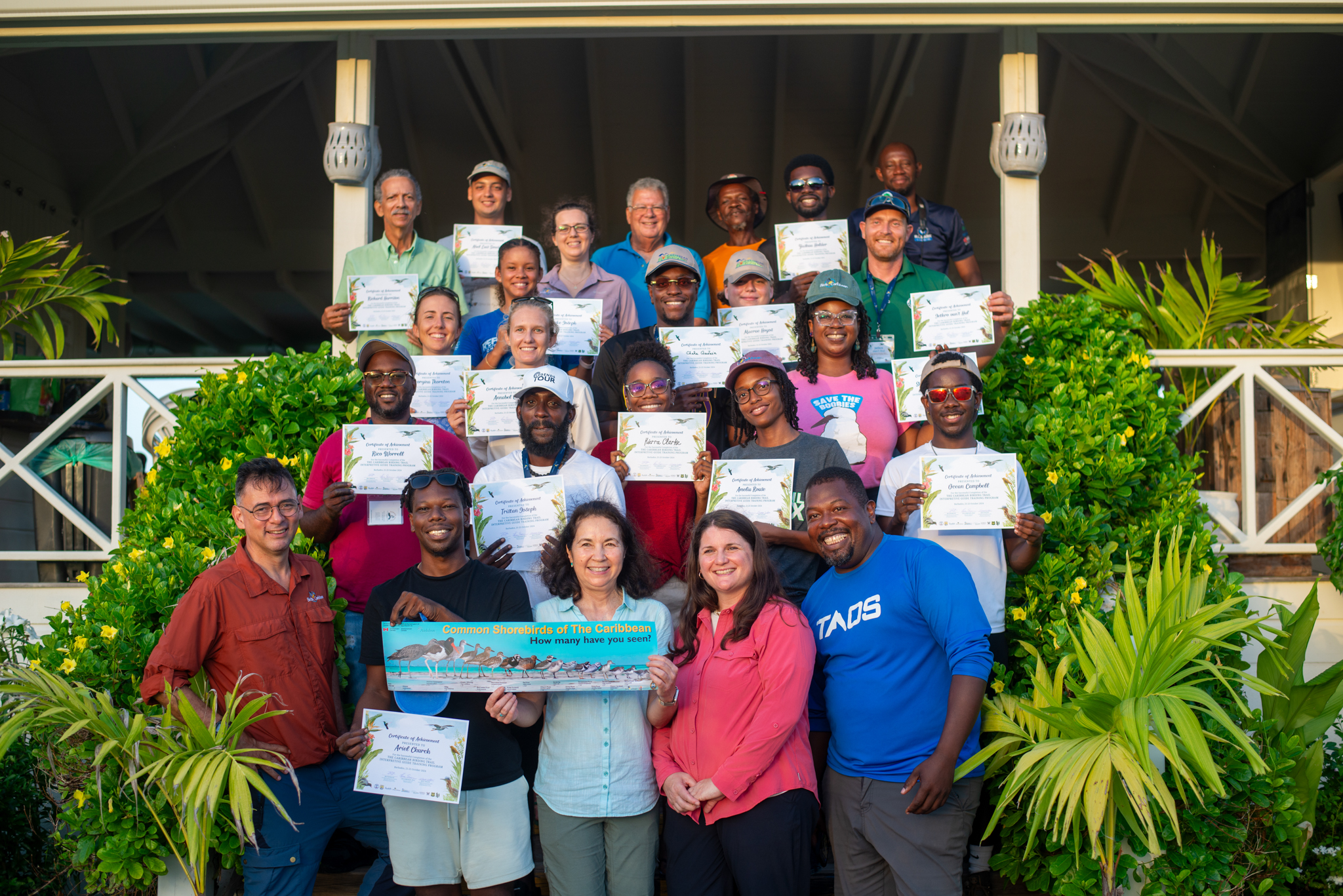
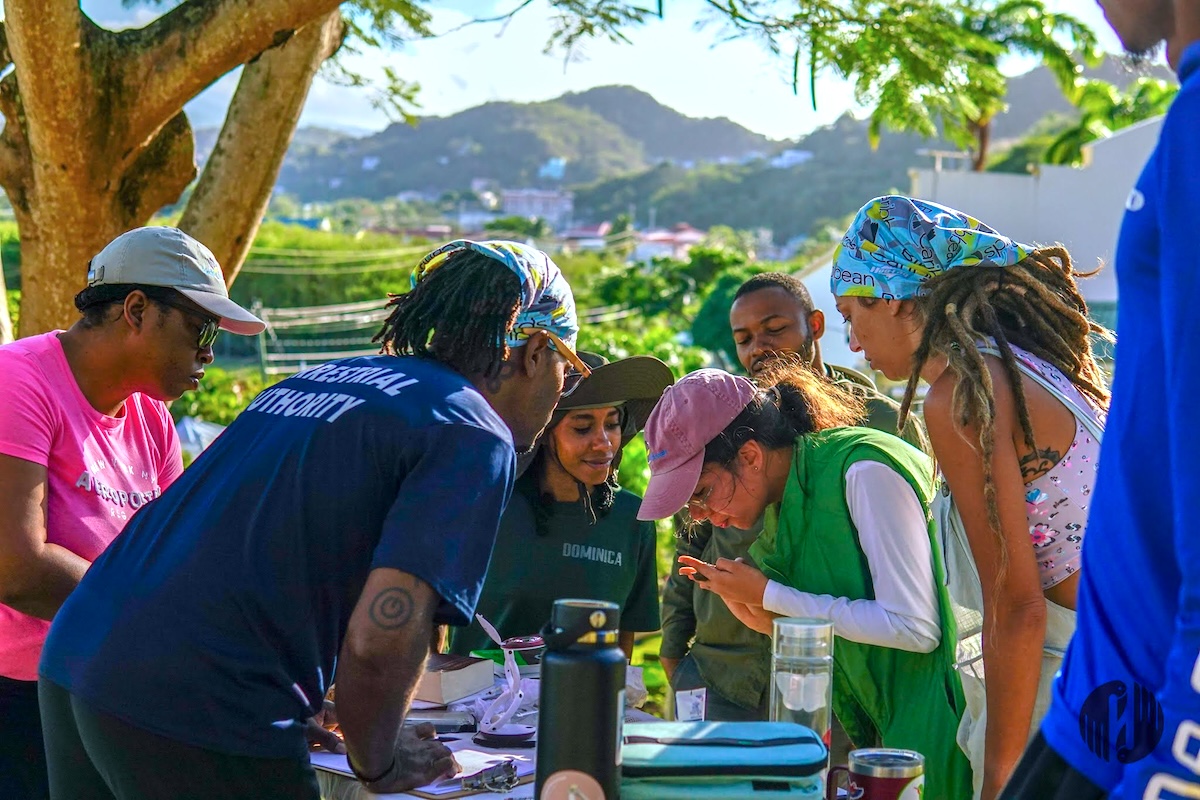
Caribbean Birding Trail participants study shorebird ID in the field, Union Island. (Photo by Kristy Shortte)
Make sure to record what you are seeing, and to start a new bird list for each location. The best way to do this is using the eBird app on your phone. This powerful citizen science app is totally free, and get this—you don’t even need data to use it in the field! If you are recording your birds in a notebook be sure to note the start and finish time of your count and add your list to the eBird website once you are home.
Any counts you do at Caribbean wetlands, mangroves, mud flats, coastal areas or beaches at any time of year can be Caribbean Waterbird Census (CWC) counts. If you are in the Caribbean, be sure to select “Caribbean Waterbird Census” from your projects when starting a new checklist. Haven’t joined the CWC project on eBird yet, or want to know more about how to use projects? Like we said—we got you! Get all the details here.
Finally, to contribute to the Global Shorebird Count, share each list on eBird with the eBird user ‘worldshorebirdsday’. This will ensure that your checklists are included in data analyses for the Global Shorebird Count. If you are new to checklist sharing, check out this quick tutorial on how to do it.
The answer is that our migratory shorebirds are more vulnerable than ever—they are threatened by human activities such as destruction of their habitats, pollution, disturbance, and climate change. Recent analyses show that shorebirds in North America are declining more than any other group of birds; in fact, more than half of 28 species studied were estimated to have lost more than 50% of their abundance in the last 30 years.
Alarmingly, 16 shorebird species were recently reclassified to higher threat categories on the International Union for the Conservation of Nature (IUCN) Red List. Many of these, like the the Lesser Yellowlegs, now classified as “Vulnerable,” and the Greater Yellowlegs, listed as “Near Threatened”, are familiar visitors to the Caribbean, reflecting our region’s vital role in their life cycles.
Protecting critical sites for migratory shorebirds in the Caribbean is more urgent than ever. Shorebirds rely on our mangroves, salt ponds, beaches, sand flats, and mud flats to rest and refuel as they continue on their long migrations. Some shorebirds even spend the entire winter with us!
This is where the Global Shorebird Count comes in: the GSC helps to both map the distribution of shorebirds during migration, and to record their numbers. Data from citizen science initiatives like this and our Caribbean Water Bird Census are needed to identify and protect the key stopover and/or wintering habitats that shorebirds use. Protecting these habitats benefits people too because healthy coastal areas provide vital ecosystem services such as clean water, food, sustainable livelihoods, protection from storm surge, and much more.
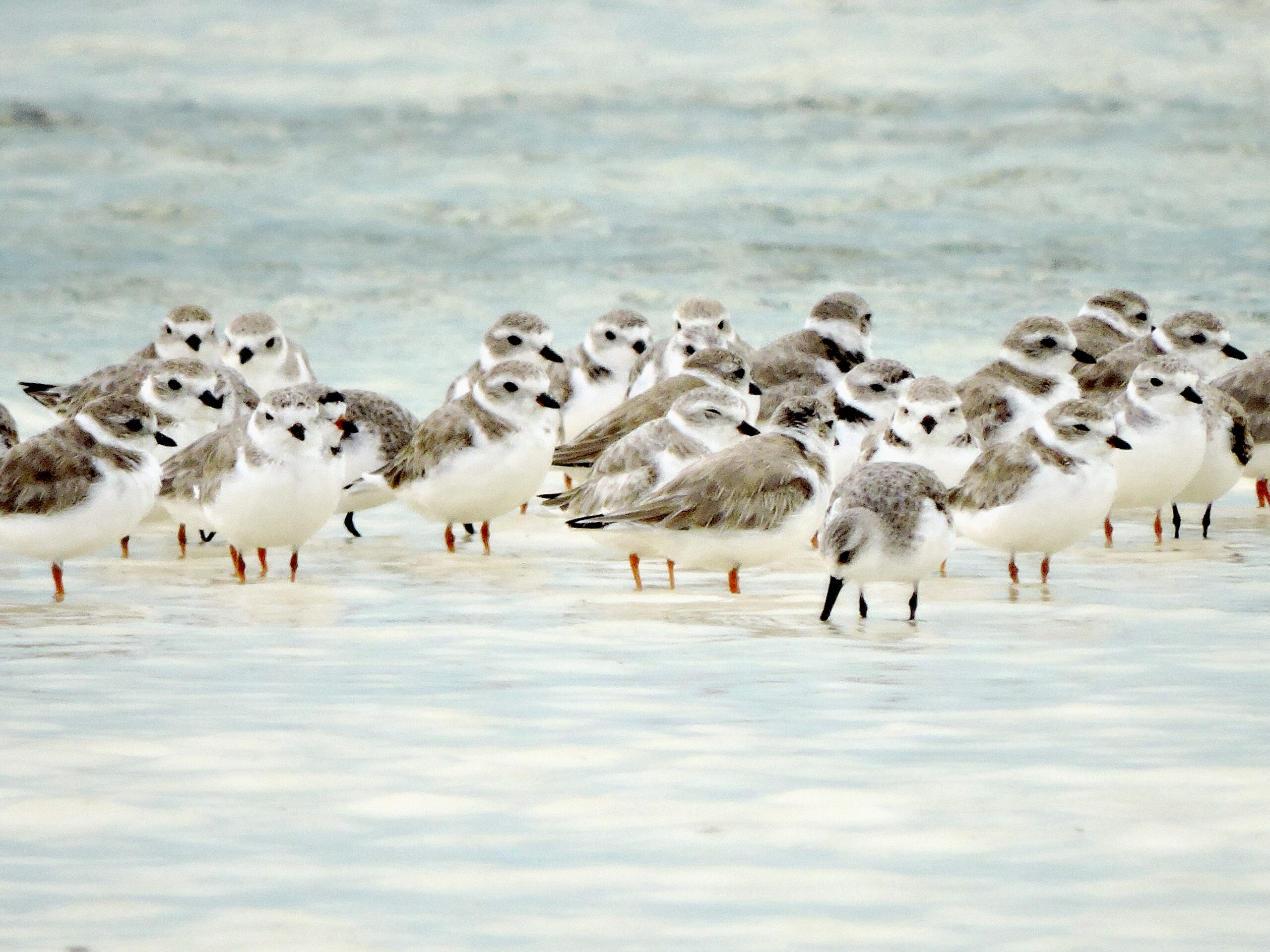
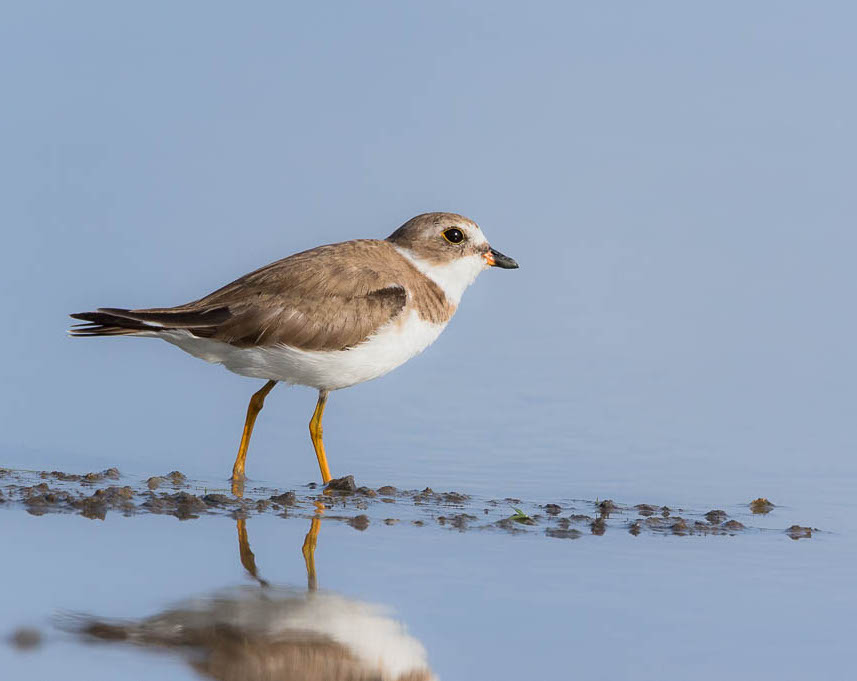
Semipalmated Plover (Photo by Jeffrey Offerman)
Least Sandpiper flock, Cayman Islands (Photo by Ray Robles)
Spotted Sandpiper (Photo by Becky Matsubara)
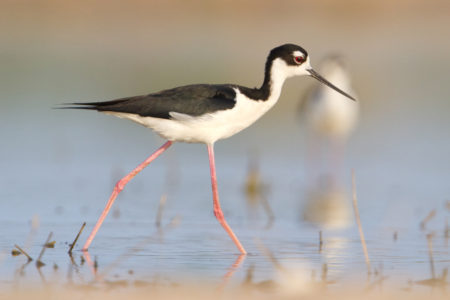
Black-necked Stilt (Photo by Ray Robles)
Count, Rest, and then please—Repeat!
The more information we have about shorebirds using Caribbean wetlands, the more we can learn about their populations and which places are most important for them. So, if you want to show some extra love to the shorebirds, and increase our ability to conserve Caribbean shorebirds, consider carrying out several counts at the same wetland(s) during migration season (August-October).
Monti Cristi in the Dominican Republic is estimated to host 20,000+ migrating shorebirds per year—making it a regionally important site! (Photo by Maria Paulino)
If possible you can try to do 2 or 3 counts at your local shorebird hotspots per month during fall migration(August-October). And if you are able to do more, even better! More frequent counts can help us better understand important aspects of shorebird migration in our region—like how many individuals use Caribbean wetlands, the timing of migration, and how long they stopover at different sites.
Need some help with shorebird ID?
We know that Shorebirds can be tricky to identify, with some being especially difficult to tell apart. BirdsCaribbean is here to help with some useful tools! We have a Shorebird Poster and “Quick ID Guide” to get you started as well as handy Shorebird ID cards that you can download and print featuring common shorebirds of the Caribbean. Go to our shorebird resources page to find everything you need. Of course, don’t forget to take your favorite bird ID guide with you when you do your shorebird counts!
You can brush up on your CWC survey skills, waterbird ID, and shorebird ID before you go out on your surveys by watching our fantastic CWC and Shorebird ID webinars on YouTube. We also have series of shorebird ID shorts pointing out key features to help you distinguish between those tough-to-tell-apart species. Check our latest video all about Spotted and Solitary Sandpipers below, and see them all on our social media accounts or our YouTube Shorebirds Short Videos Playlist.
If you can get photos or even sound recording of the birds you see, these can be looked at/ listened to later. If you encountered any birds that were difficult for you to identify in the field, visual (or sound) evidence can be shared with birding colleagues and experts for ID support!
Where to find shorebirds?
The simple answer is: anywhere there is water. This means that, as their name suggests, you can find them at the beach and on other types of shorelines. However, some shorebirds will be further inland, including in salt ponds and salinas, freshwater pools, agricultural fields, and at brackish marshes and ponds. Shorebirds will also gather on mud flats, in mangrove areas, and on tidal flats.
Martha Cartwright and Cesar Montero searching for Wilson’s Plovers at Barbery Beach, Grand Bahama. (Photo by Lisa Sorenson)
Large flock of shorebirds spotted by the EAG Antigua team during CWC24 (Photo by EAG Antigua)
Migrant shorebirds in flight on the Berry Islands of The Bahamas. (Photo by Walker Golder)
You may not be quite sure of the best places to look in your area. If so, why not take a look for ‘hotspots’ at your local wetlands on eBird. Just take a look at the eBird hotspots map. Zoom in on your local area and then click on a hotspot to see what types of birds have been seen there recently.
What should you do if you spot a banded bird?
While counting shorebirds you may see birds with colourful bands on their legs. Do your best to record the band colors and any numbers or letters paying special attention to the location of the band or bands on the bird’s legs. Binoculars or zoom photography may allow you to clearly see the band colors and the numbers engraved onto the band—if you get a photo you will be able to send it along with your sighting. You can report your sightings and send any photos you have to BandedBirds.org and the USGS Bird Banding Lab, which oversee all banding in the United States.
Spotted a banded Piping Plover?
There are several projects that have banded Piping Plovers. The Caribbean is one of the wintering areas for these cute plovers (they are mainly found in The Bahamas, Turks and Caicos Islands, and Cuba, but are also recorded on other islands), so it’s always possible you might spot one! This 1-page guide which details what to do when you see a banded Piping Plover is available to download as a pdf here. We also have 2-page version with more information for you to use and share here. You can find out more about reporting banded Piping Plovers from the U.S. Fish and Wildlife Service at this link.
Be social with your shorebird counts
Looking for shorebirds at Vieques during CWC25, Puerto Rico (Photo by Daphne Gemmill)
We love looking at photos of shorebirds, your local wetlands, and your smiling faces; so please share the highlights of your shorebird counts with us! Use a phone or any other camera that is available, but remember to tag @birdscaribbean and use the hashtags #WorldShorebirdsDay #GlobalShorebirdCount #ShowSomeLoveForShorebirds #CountRestRepeat when sharing on social media. We look forward to seeing and sharing your amazing photos and reading your stories!
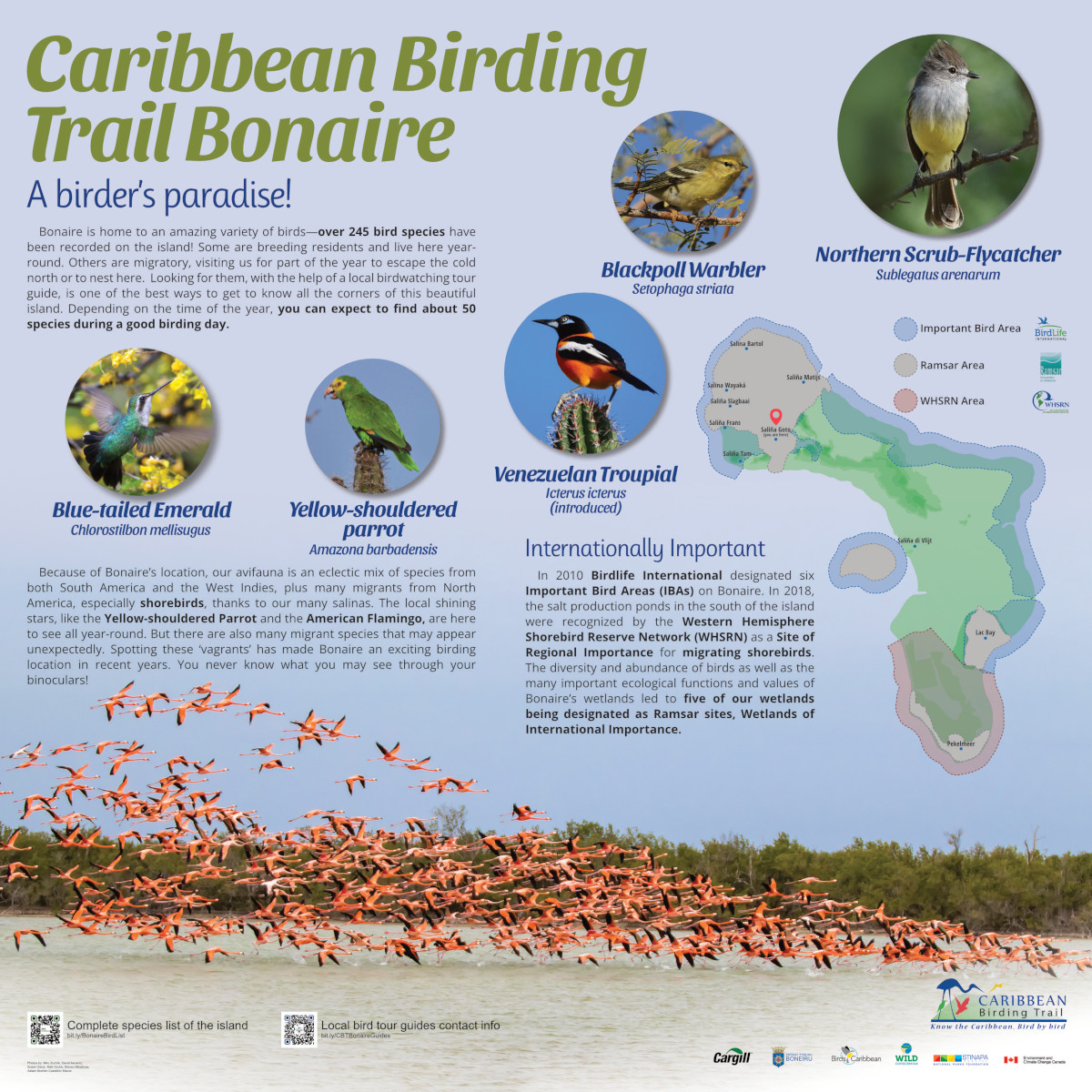
Bonaire is a birder’s paradise, with 250 species recorded on this small Caribbean island, which measures just 3 to 7 miles wide and approximately 24 miles long. To celebrate and share the island’s incredible avian diversity, a new set of interpretive signs has been installed at key birding sites across the island—thanks to a longstanding and inspiring partnership between BirdsCaribbean, WILDCONSCIENCE, and Cargill Salt, LLC. With input from local birders, tour guides, and conservation organizations, these beautiful signs invite residents and visitors alike to explore, learn about Bonaire’s birds, wetlands, and unique ecosystems and will help people to find some great places for bird watching on Bonaire!
The story of these new signs began in 2014, when Daniel DeAnda, General Manager at Cargill Salt, attended a BirdsCaribbean Wetlands Education Training Workshop hosted by local NGO STINAPA. The two-day workshop addressed the destruction and degradation of wetlands due to a widespread lack of awareness about their ecological value—and how education, especially through teachers, could help reverse this trend. The workshop emphasized wetlands as vital habitats for birds, and the powerful role that birds can play in connecting people to nature.
After the first day of the workshop, Daniel approached facilitators Lisa Sorenson, Executive Director of BirdsCaribbean, and Michele Kading, a wetlands educator, with an invitation: “I think you need to visit our salt ponds—you might like what you see there.” (That turned out to be a major understatement!) The team toured the salt ponds that evening and was astonished by the thousands of shorebirds present—an ecological treasure that, at the time, was largely unrecognized.
Cargill Salt Ponds, Bonaire.
Least Sandpiper and Western Sandpiper walking on salt crystals at Cargill Salt Ponds. (Photo by Jeff Gerbracht)
The Cargill Salt Ponds site also supports other habitat types, like these mangroves. (Photo by Lisa Sorenson)
Red Knots and Short-billed Dowitchers at the Cargill Salt Ponds. (Photo by Lisa Sorenson)
American Flamingos also utilize the Cargill ponds and there is a large breeding colony nearby! (photo by Lisa Sorenson
Whimbrels are a fairly common migratory shorebird in Bonaire. (photo by Susan Davis)
This visit marked the beginning of a long and productive partnership. Although hesitant at first, Cargill gave permission to BirdsCaribbean to conduct waterbird surveys of the salt ponds. Over the next three years, biologist Fernando Simal of WILDCONSCIENCE, led intensive surveys revealing that the ponds were a regionally important stopover site for tens of thousands of migratory shorebirds, including Near Threatened Red Knots and Vulnerable Short-billed Dowitchers.
Soon after, building on our growing partnership with STINAPA Bonaire and the Dutch Conservation Nature Alliance (DCNA), BirdsCaribbean launched the Caribbean Birding Trail (CBT) on the island with an Interpretive Guide Training Workshop in 2016. Since then, bird tourism has steadily grown, and awareness of Bonaire’s birdlife has flourished.
From Vision to Reality: Signs for Birds, People, and Place
To build on this momentum, the CBT team envisioned a network of interpretive signs at key birding locations across Bonaire. These are the kinds of signs you might see in a museum or nature reserve—designed to tell engaging stories about the place you’re visiting, fostering deeper connection, greater appreciation, and lasting impressions.
The goal?To engage visitors and locals alike in learning about the island’s amazing birdlife and its vital role as a stopover and wintering site for thousands of migratory shorebirds, as well as providing homes for many resident species.

Fernando Simal counting shorebirds with salt mountains looming in the distance. (photo by Lisa Sorenson)
With generous funding from Cargill Salt and support from BirdsCaribbean, Fernando assembled a working group of local bird guides, photographers, and conservation professionals. The Caribbean Birding Trail Bonaire (CBTB) group—20 enthusiastic participants—helped scout locations, review drafts, and even contributed photos for the signs.
A virtual meeting of some of the CBTB group at the start of the project
Some members of the CBTB group scouting for the best sign locations during the Covid pandemic.
Field trips were organized to select the best locations—sites where visitors could safely observe birds with minimal disturbance. These visits informed the development of content that is both impactful and informative, highlighting not only Bonaire’s birdlife, but also the island’s geology, wetland ecology, and conservation efforts. These elements are deeply connected, offering a holistic understanding of Bonaire’s unique ecosystems and their vital role in supporting both migratory and resident birds.
Beautiful Signs, Built to Last
Once the locations and content were finalized, local graphic designer, Juan C. Riveros, brought the signs to life. Guided by the CBTB group and working closely with BirdsCaribbean and WILDCONSCIENCE, Juan designed 15 vibrant interpretive signs to place at key birding sites. He also created a set of eye-catching “CBT Birding Site Marker” signs to point the way to upcoming birding locations. His striking layouts combine text, imagery, and color in a way that’s both visually engaging and highly informative.
A selection of Juan’s beautiful designs
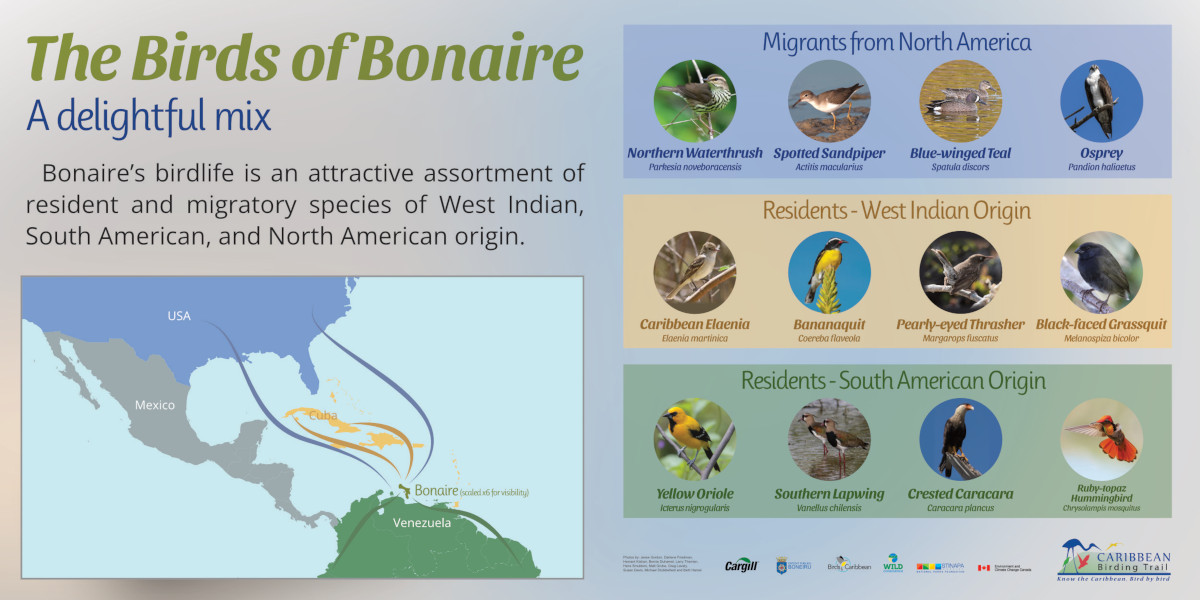
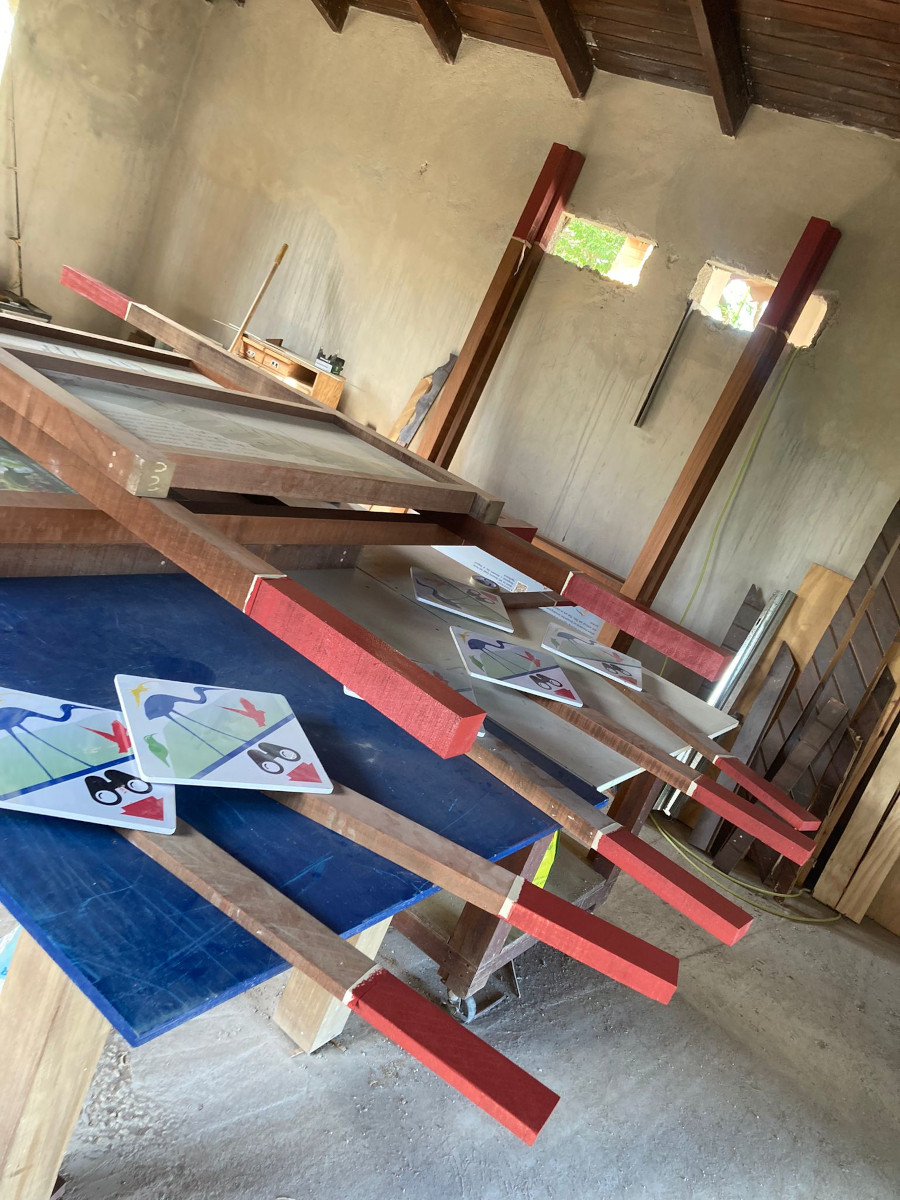
In Bonaire’s harsh environment, we wanted the signs to not only look beautiful, but stay beautiful for as long as possible. To ensure durability, we used PVC panels with the designs printed on weather-treated vinyl. And to minimize environmental impact, the signs were sized to fit exactly within standard PVC panels, meaning there was zero material waste at the end!
The finished panels were mounted on beautiful custom hardwood frames, handcrafted by Juan and Fernando at the WILDCONSCIENCE workshop.
Juan and Fernando’s carpentry skills brought the signs to life—sturdy, beautiful, and built to last.
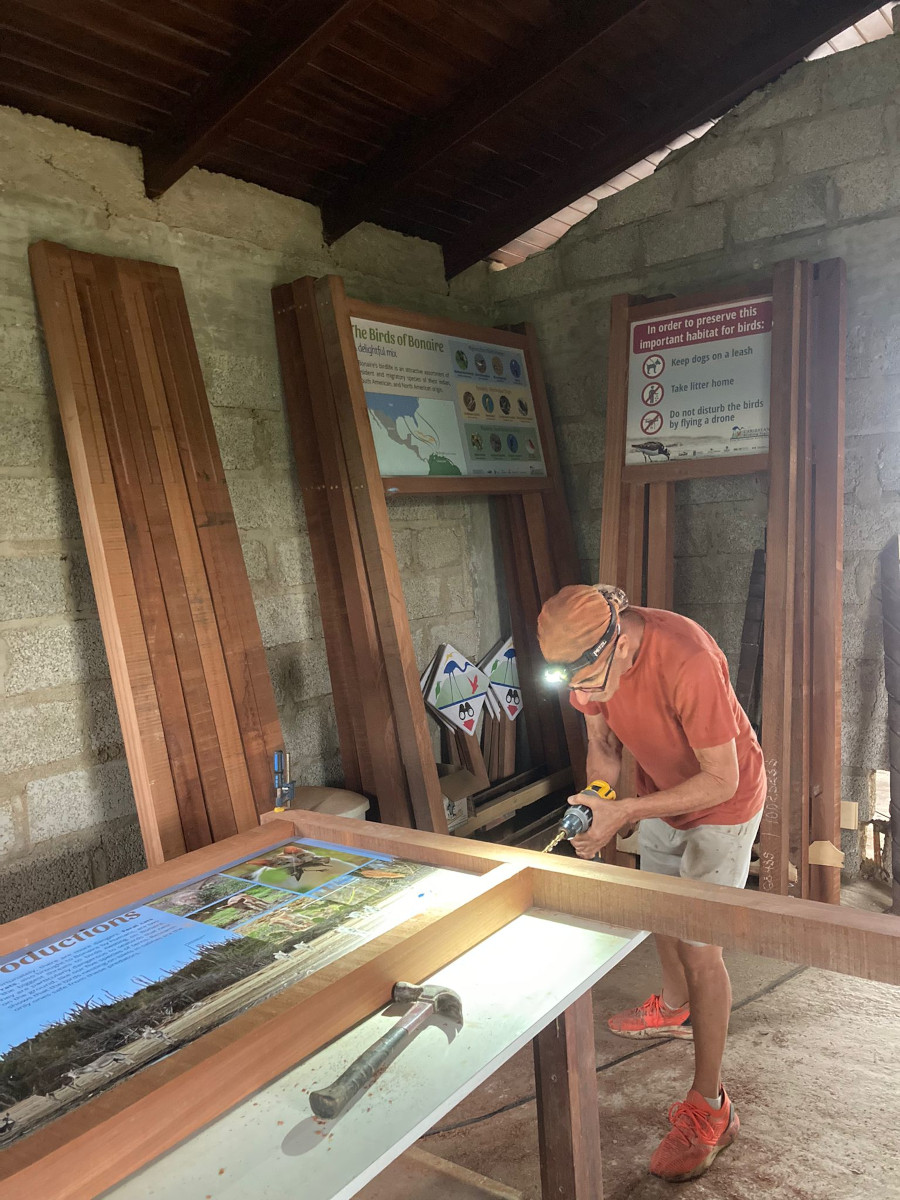
Fernando works on the wood frames
Making sure the signs are protected from rotting.
Installation: A Team Effort
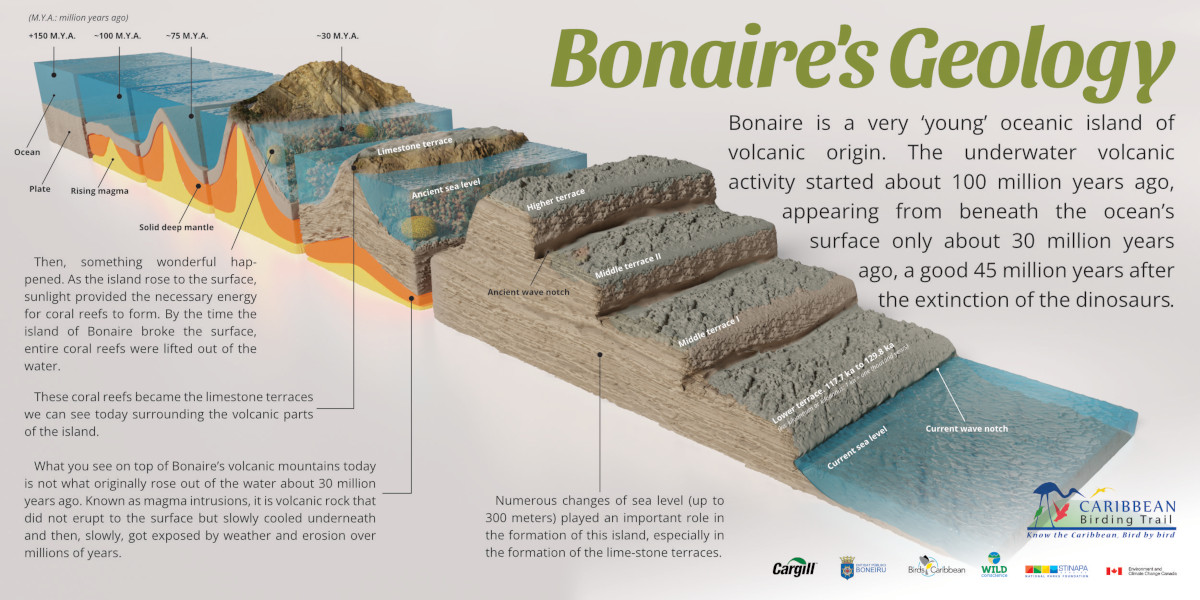
As our Geology sign explains, one thing Bonaire is not known for is soft soil! So getting sign posts firmly into the ground across multiple locations in the island’s rocky limestone terrain was going to be tough work!
Enter BonBèrdè, a local reforestation and land management company that stepped in with heavy equipment to help drill into the tough limestone. It was great to see heavy machinery working for nature, not against it!
Thanks to the hard work of the BonBèrdè crew and the entire team on the ground, the signs are now securely in place. Seeing the final products installed—ready to educate and inspire visitors and locals alike about Bonaire’s incredible birdlife and natural heritage—was an incredibly satisfying moment at the end of a long and rewarding process.
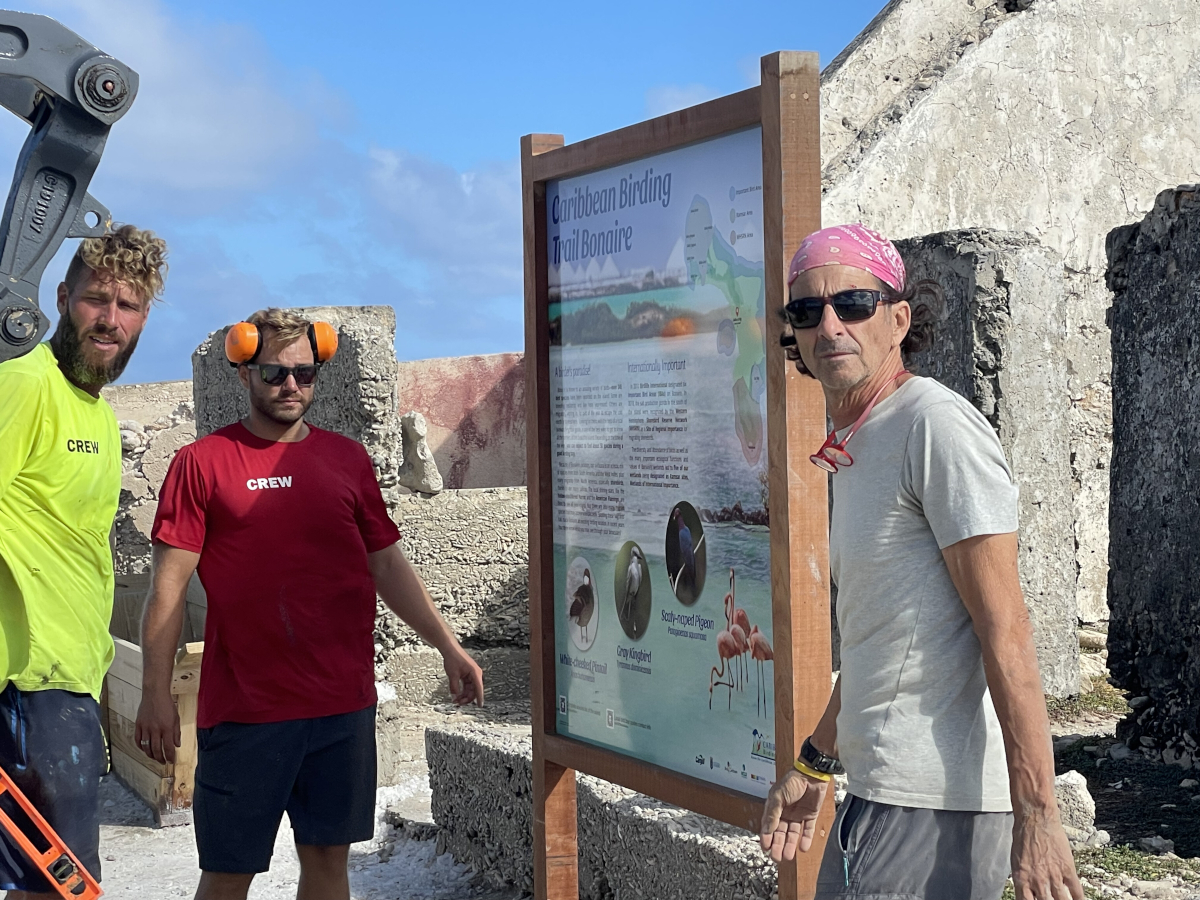
Fernando and the Bon Bèrdè team with the final sign to be installed. (Photo by Sophie Zeegers)
Celebrating the Results
The signs are already making an impact—birders and tourists are stopping to read and explore. Susan Davis, a CBT-trained guide and founder of Bonaire Bird Tours, shared: “The signs are beautiful. They help people identify the local birds and understand the value of our wetlands—especially important on an island where development is accelerating.”
Susan also notes that many visiting birders are intrigued by the broader concept of the Caribbean Birding Trail, especially once they realize that Bonaire is just one stop along a network of birding destinations throughout the region. She’s delighted to see how engaged they are—stopping to read every sign and marveling at the colorful depictions of local species. “I want to find this bird!” some exclaim, excited to spot a potential new lifer.
What’s more, she has noticed even travelers drawn to Bonaire for its world-class diving, snorkeling, or windsurfing often pause to read the signs. This unexpected engagement helps introduce birding to a wider audience. Bonaire’s slogan, “It’s in our nature,” rings especially true—visitors come for the island’s natural beauty, and the new signs reveal yet another layer of its rich ecological appeal.
Some of the newly installed signs:
A CBT marker signs pointing out a birding spot. (Photo by Fernando Simal)
Sophie and Fernando with a new sign. (Photo by Sophie Zeegers)
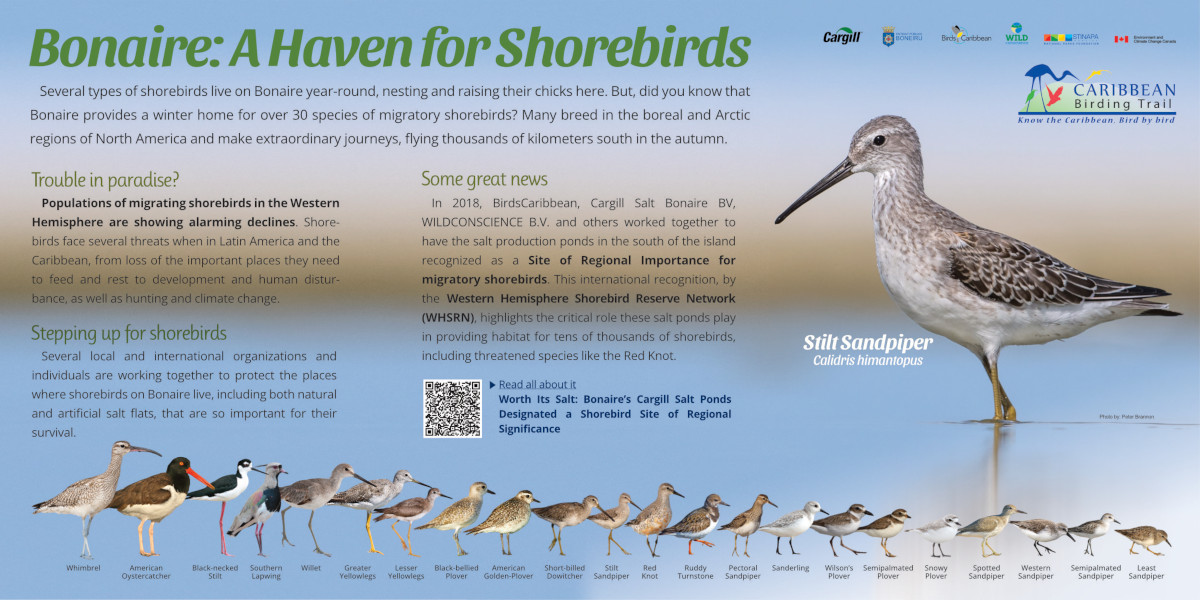
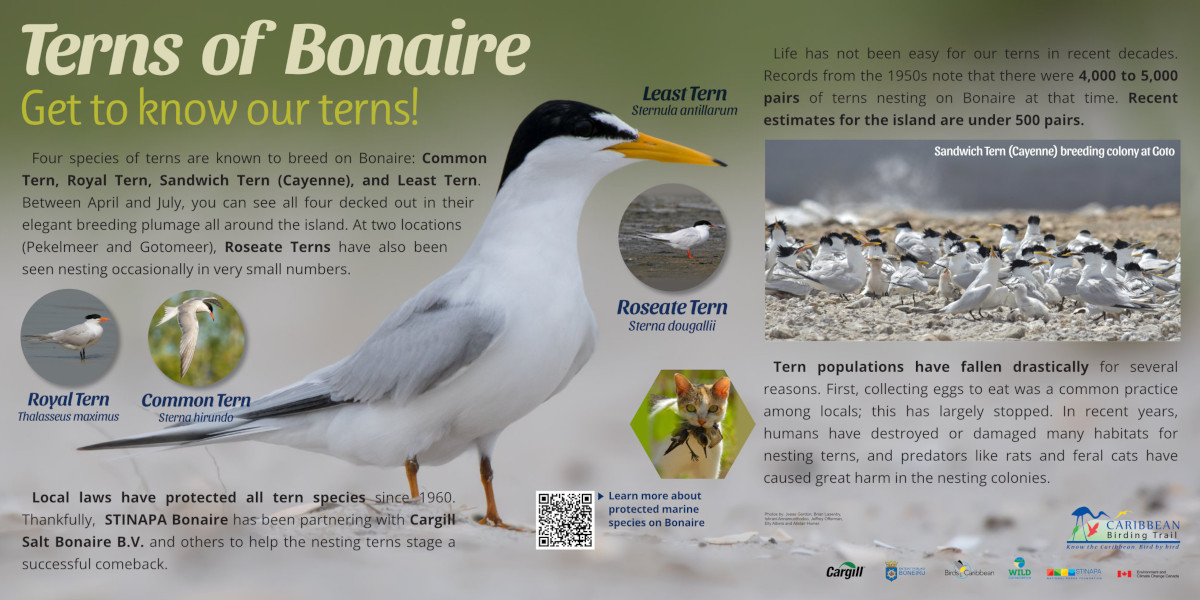
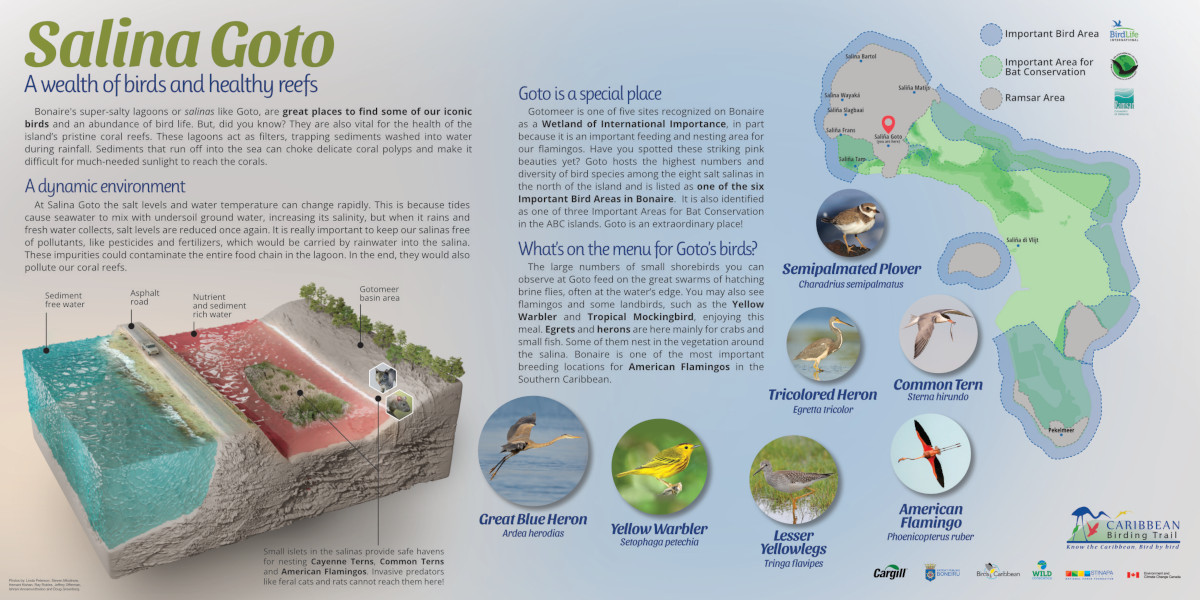
A new sign highlights the importance of Bonaire for Shorebirds. (Photo by Fernando Simal)
Lisa Sorenson, Executive Director of BirdsCaribbean, reflected on the journey during a recent call with Daniel DeAnda: “From that first tour of the salt ponds in 2014 to WHSRN designation, guide training, and now these amazing signs—this has been a truly meaningful partnership. Conservation doesn’t happen overnight. It takes time, trust, and collaboration. These signs will inspire people to learn about, respect, and actively protect Bonaire’s natural heritage for years to come.”
Daniel added: “When I first met Lisa, I was a bit apprehensive about the whole ‘birding’ thing. But over time, I’ve come to see the importance of our wetlands and the birds that depend on them. With the signs now up, everything has come full circle. They help people recognize the value of these incredible migratory birds that rely on Bonaire’s wetlands to rest and refuel. I’m proud that Cargill has played a part in their conservation.”
Fernando shared: “From all the years of data collection and the science that created the knowledge, to the final products now shared with the people of Bonaire, it was a privilege—and a lot of fun—to be part of every single phase of this 10-year process.”
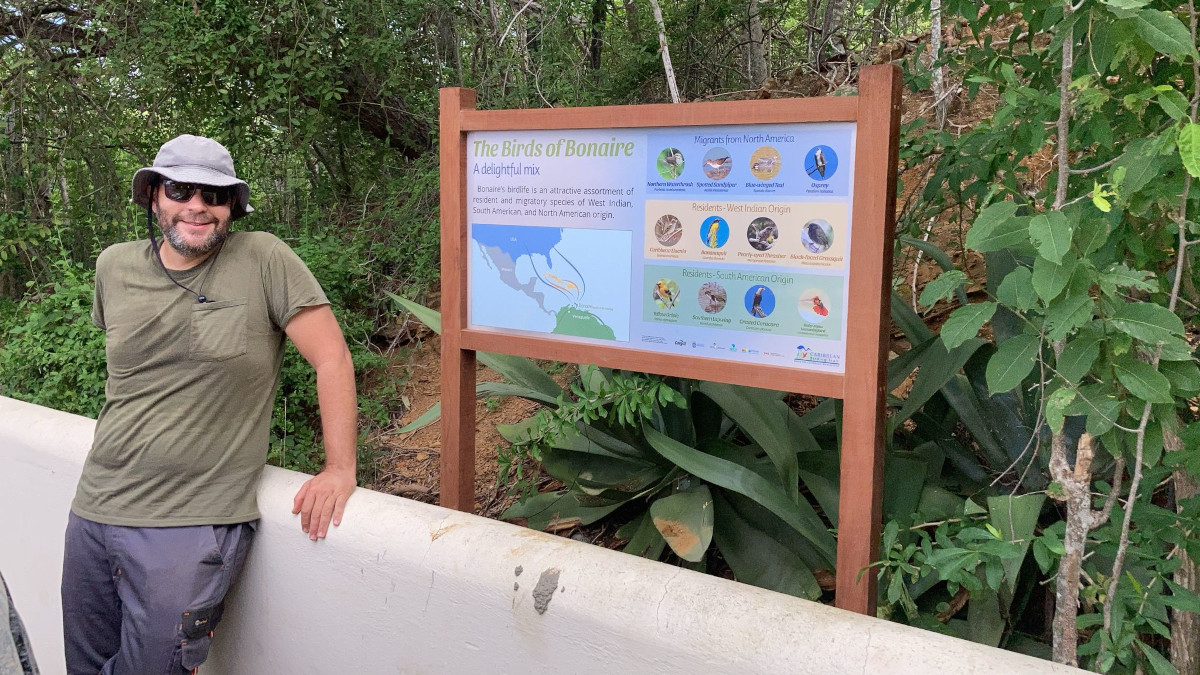
Juan stands with one of his signs. (Photo by Fernando Simal)
Next Steps for the Caribbean Birding Trail in Bonaire
The work doesn’t stop here! The next phase of the CBT in Bonaire includes building bird-viewing platforms with shade and benches to further enhance visitor experiences and encourage even more people to discover and enjoy the island’s spectacular birdlife. With its iconic flamingos, abundant waterbirds, and striking landbirds, Bonaire is quickly becoming a top destination for birders—bringing a welcome boost to the local economy and creating new livelihoods for trained guides.
Visit Bonaire—and Explore the Caribbean Birding Trail
Today, Bonaire’s birds and wetlands are not only celebrated by scientists and tour guides, but also by visitors, local residents, and young birders. These new interpretive signs are helping to establish Bonaire as a must-see stop on the Caribbean Birding Trail, while raising awareness of the vital role this island plays in regional and global conservation.
Come see for yourself—Bonaire’s birds are waiting to welcome you.
American Flamingos. (Photo by Susan Davis)
Brown Pelican. (Photo by Hans Smulders)
Brown-throated Parakeet. (Photo by Duncan Vesrteegh)
Carib Grackle. (Photo by Hans Smulders)
Crested Caracara. (Photo by Hans Smulders)
Pearly-eyed Thrasher. (Photo by Susan Davis)
Ruby Topaz hummingbird. (Photo by Duncan Versteegh)
Yellow Oriole builds a nest. (Photo by Susan Davis)
Yellow-shouldered Amazons. (Photo by Duncan Versteegh)
Thanks to all the members of the CBTB group who shared their beautiful bird photos with us for potential use on the signs.
You can find the signs in the locations marked on the map below!
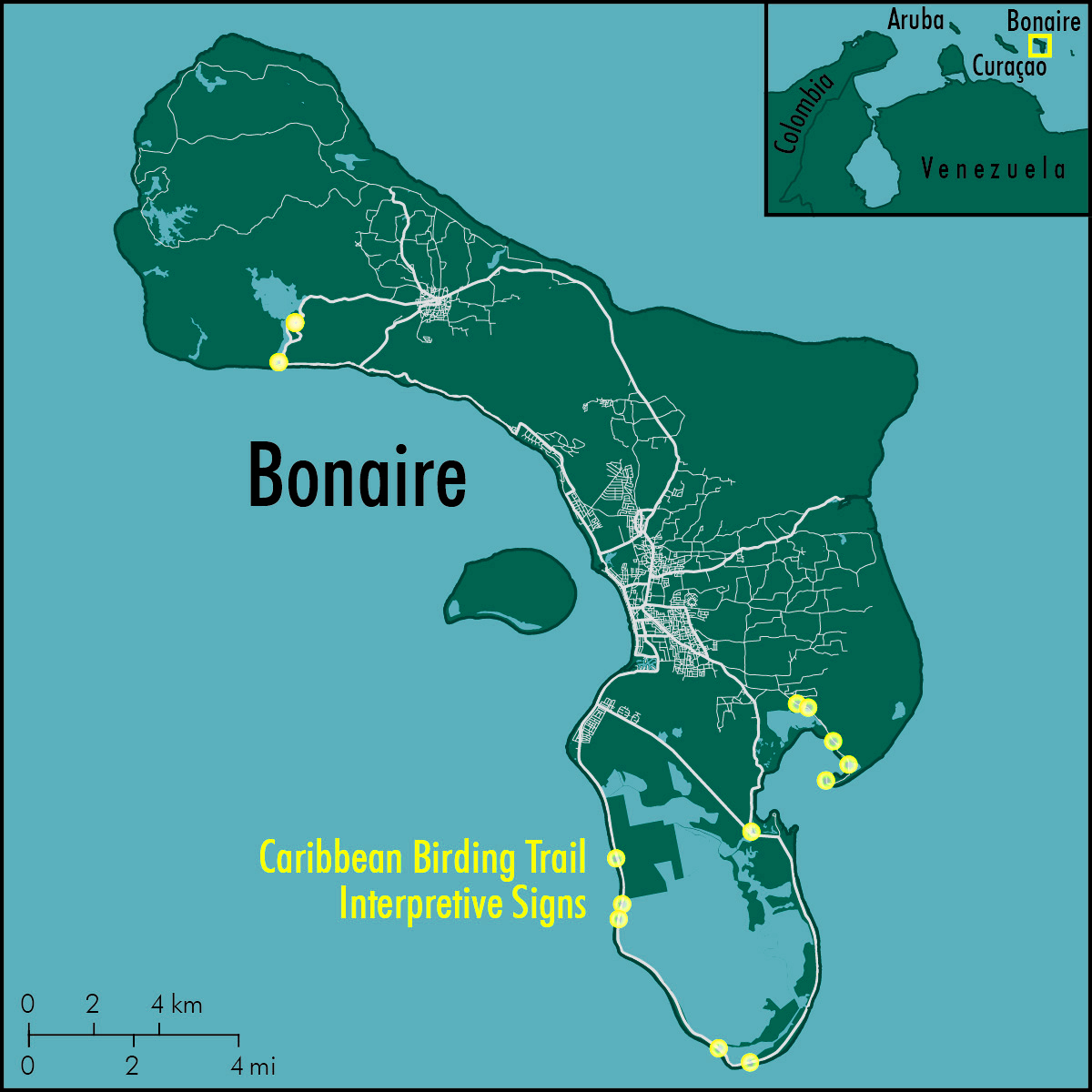
CBT Interpretive Sign locations at various wetlands and salinas around Bonaire. Cargill Salt Ponds are located in the south of the island. (map by Alison DeGraff Ollivierre)
celebrating creating the new signs: watch the procss unfold
The CBT connects people to the region’s extraordinary birds, landscapes, and cultures through sustainable bird and nature tourism. Training local guides and developing low-impact infrastructure are central to the CBT’s mission—helping to foster authentic experiences that benefit local communities while encouraging the protection of birds and their habitats across the region.
Acknowledgements
We are deeply grateful to Cargill Salt LLC, and especially Daniel DeAnda, for their long-standing partnership and generous support in funding the development, design, printing, and installation of these beautiful interpretive signs.
Special thanks to our long-time collaborator, Fernando Simal of WILDCONSCIENCE, for his dedicated leadership on the ground and hands-on work installing the signs. We are also immensely grateful to Juan C. Riveros, whose stunning designs brought the vision to life—and who remained endlessly patient throughout many rounds of feedback and edits.
We sincerely thank the members of the Caribbean Birding Trail Bonaire (CBTB) group, whose thoughtful input guided the selection of sign locations and helped shape the content. Their local knowledge, enthusiasm, and generosity were key to the success of this project.
Finally, we thank Environment and Climate Change Canada for their generous funding support to assist with the planning and development of these signs.
Can’t make it to Bonaire? You can see all the new sign designs here:
We have exciting news about how to participate in the Caribbean Waterbird Census (CWC) using eBird! Whether you’re a long-time contributor to the CWC, use CWC protocols in eBird, or are just getting started with waterbird surveys in the Caribbean, there’s now a better and easier way to ensure your data is added to this incredible long-term program!
The Cornell Lab of Ornithology has launched a powerful new feature, eBird Projects, that makes it easier than ever to take part in targeted data collection efforts like the CWC. If you’ve contributed to our amazing 16-year citizen science database using the CWC protocols in eBird in the past, the process has now changed slightly in eBird.
You no longer need to search the dropdown menu for CWC protocols in the “Other” options. Now, simply join the CWC project in eBird and select “Caribbean Waterbird Census” from your projects when starting a new checklist. This ensures your counts are properly tagged and included in the official CWC database. Read on for step-by-step instructions for both the eBird app and website. You can also learn more about eBird Projects here.
How to join the CWC Project
Great news—if you’ve ever submitted a checklist using a CWC protocol—you’ve likely been automatically added to the project! Check out the CWC project pages here to confirm you’ve joined, explore CWC stats, see the latest checklists, and meet our “Top CWC eBirders.” If for some reason you’ve not been joined, just go to the ‘about’ section on the project page, scroll down, and click “Join Project.”
New to CWC? No problem! Just visit the CWC Project Page and click“Learn how to join.” Review the info about the project, scroll to the end and then click “Join Project.” If you are not logged into eBird you will be prompted to “Login to Join Project.”
Anyone can join—we welcome new contributors!
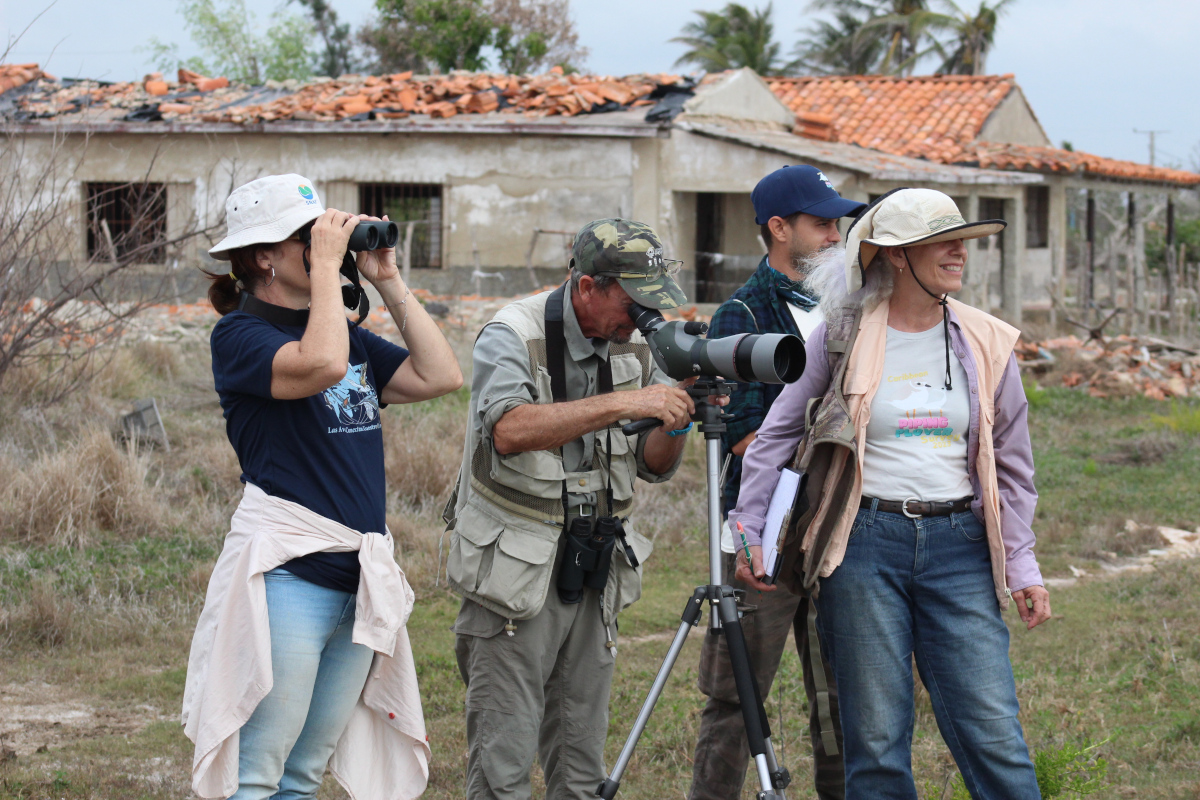
Survey team in Cuba searching for Piping Plovers during CWC2023. (Photo by Daniela Ventura)
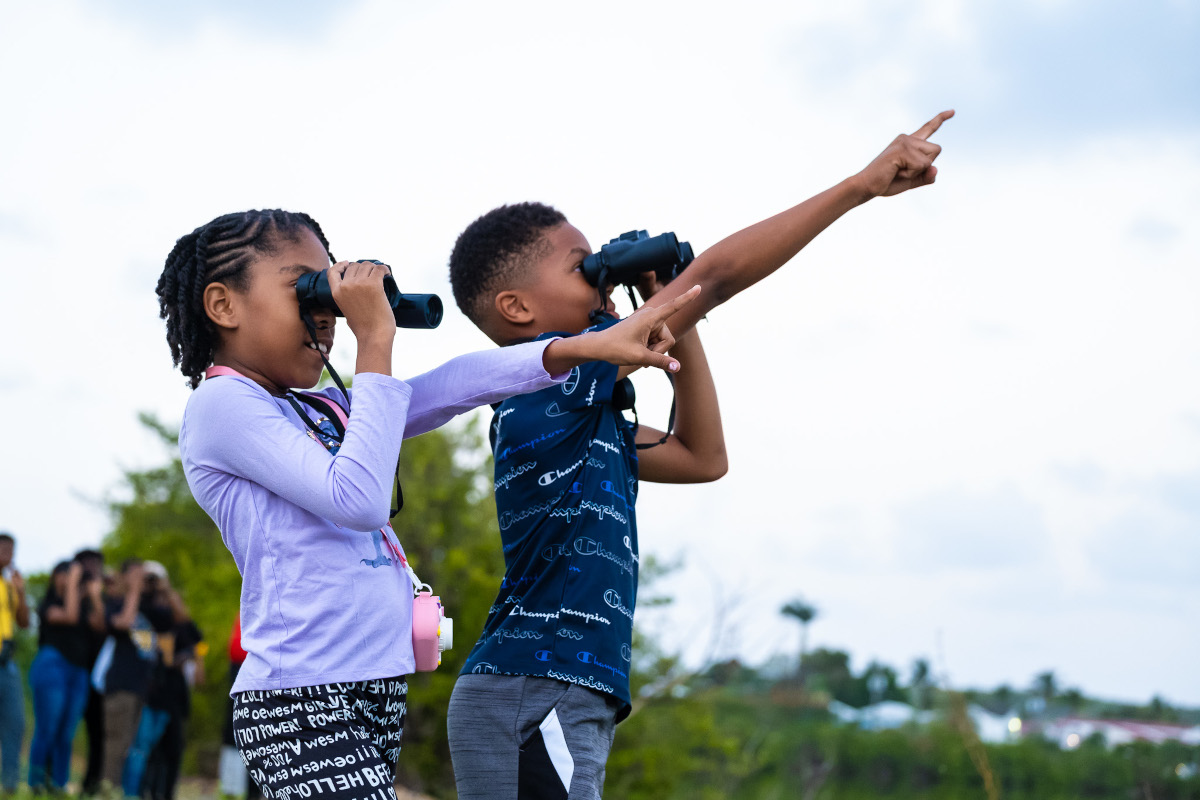
Never too young to start CWC! Counting waterbirds with the EAG at McKinnon’s Salt Pond, Antigua. (Photo by Sherrel Charles)
Make sure your checklists count as CWC!
Once you’ve joined the CWC project, it’s easy to add your CWC lists to our database on the eBird app or on the website. Here’s how:
CWC in the eBird Mobile App
IMPORTANT: Projects are only supported in version 3.1.3 or later of the eBird app. If you’ve joined a Project but are not seeing it on eBird Mobile, go to Settings>Check for updates in the app—you may need to update in the Google Play Store (android) or App Store (iPhone). Project options will not appear immediately after the update, you will need to wait for a few minutes before you see this.
Once updated:
Launch the app.
Tap “Choose projects” above the “Start checklist”’ button.
Select the CWC project, and, if you like, ask the app to remember this choice for future submissions. If you do this CWC will appear automatically above the “Start checklist” button next time you use App.
Tap “Continue” and do your count (it’s that simple!)
Next time you do a count at a Caribbean wetland, select “Caribbean Waterbird Census” above the “Start checklist” button.
CWC on the eBird Website:
Go to the Submit page.
Use the “Choose a Project” dropdown to check the box next to “Caribbean Waterbird Census.”
Then follow the steps below to add your list details as normal.
For your CWC lists, be sure to:
Do a complete checklist of all birds you were able to identify by sight or sound (to the best of your ability). Check out why this is important and best practices for ebird here.
Select the appropriate protocol (Traveling or Stationary) before submitting.
Now that you’ve joined the project, you can easily identify which of your eBird checklists are part of the CWC! Just view your checklists in eBird—those included in any eBird project will display a small green circular icon in the upper right corner.
Click on the list to see details, including which project it is associated with.
What happened to the CWC Area Search Protocol?
The CWC Area Search protocol was previously available for counts where it was possible to move through the habitat on a predetermined route to count all the birds in the area. Now that eBird allows you to enter the survey area size manually as part of a Traveling Count, this separate protocol is no longer needed. If you previously used Area Search, we recommend switching to the CWC Traveling Count—especially for sites with trails, boardwalks, or navigable waterways. Just be sure to enter the Surveyed Area (in hectares or acres) in your checklists!
Black-crowned Night Heron with nesting material. (Photo by Diana Robinson)
A Willet feeding. (Photo by Jesse Gordon)
Female Blue-winged Teal in flight (Ray Robles)
Where in the Caribbean does the CWC take place?
The CWC Project Region*includes:
Bermuda, The Bahamas, Greater and Lesser Antilles
Aruba, Bonaire, Curaçao, Trinidad and Tobago
Providencia, San Andrés, Swan islands
offshore islands and cays of Venezuela.
*Only checklists from within our region can be added to the CWC Project in eBird.
What habitats should be covered by CWC counts?
Any accessible wetland in the CWC region can be surveyed using CWC protocols, including:
Mangroves, salt ponds, freshwater swamps, marshes, lagoons
Carla Montalvo and Alexia Morales look for waterbirds at Natural Reserve Punta Cucharas, Puerto Rico. (Photo by De Pajareo Puerto Rico)
Flooded ricefields, like these ones in Trinidad, can be great places to look for waterbirds
Salt being produced at Belmont. (Photo by Radio Grenadines)
Hiding in the mangrove, Bahamas. (Photo by Martha Cartwright)
Zapata Swamp, Cuba. (Photo by Margaret Kinnaird)
Need help?
For general help with eBirds projects (joining/ leaving projects, editing checklists, etc.), visit the help page on eBird.
If you have questions specifically about joining the CWC project, using the CWC project pages, or the CWC program at large, reach out to our Waterbird Program Manager.
Why your participation matters
The Caribbean Waterbird Census is a long-term region-wide initiative to track birds using Caribbean wetlands, identify the threats they face, and raise awareness. Your data plays a critical role in shaping conservation actions and priorities across the Caribbean.
The CWC has compiled thousands of checklists—thanks to YOU! Visit our CWC eBird Project Page to explore the impressive stats and see the top contributors.
While the annual regional count takes place from January 14 to February 3—providing a valuable winter snapshot—CWC counts areimportant year-round, especially during fall and spring migration. Whether you’re monitoring resident or migratory species, every count matters.
If you’ve never done a CWC count before, now is the perfect time to start. Just remember to select the CWC Project in eBird every time you do a count at a Caribbean wetland.
Antigua and Barbuda’s EAG step up their CWC efforts with a training event. (Photo by Sherrel Charles)
Cheers to our Sweet Sixteen! That’s how many years we’ve been tracking waterbird populations across the Caribbean with the Caribbean Waterbird Census (CWC)! Our 2025 regional count took place from January 14th to February 3rd, and as always, we were thrilled to see so many of our partners, friends, and colleagues jumping in to contribute to this invaluable long-term dataset by counting waterbirds in their local wetlands!
Keep reading for some exciting 2025 CWC highlights, from the wonderful birds seen to the dedicated survey teams who ventured out to their favorite Caribbean wetlands. Each and every survey contributes to a meaningful impact—thank you to everyone who helped make our 2025 CWC a success!
Training for success in Antigua
To kick off a successful CWC regional count, the team at the Environmental Awareness Group (EAG) began by recruiting andtraining new citizen scientists. They brought together a diverse group of participants—from complete beginners to seasoned birdwatchers—and equipped them with the skills to collect vital data at various wetland sites across Antigua! This inclusive approach ensured that all participants, regardless of their experience level, were empowered to gather accurate, valuable data that will support conservation efforts and guide effective management.
Shanna explains bird ID at McKinnons Pond, Antigua, during the 2025 CWC Count. (Photo by Sherrel Charles)
Yellow-crowed Night Heron. (Photo by Miquel Garcia)
Time for a group selfie at McKinnons Salt Pond. (Photo by Auriel Horsford Hunte)
Identifying waterbirds at CWC counts on Antigua. (Photo by Shanna Challenger)
Ruddy Turnstone. (Photo by Miquel Garcia)
It’s never to early to start learning waterbird ID. (Photo by Sherrel Charles)
The training began with a classroom session, on January 29th at the Antigua State College (ASC) Conference Room. New birders were introduced to the basics of bird identification while experienced members of the Wadadli Warblers Birding Club enjoyed a helpful refresher. Led by Offshore Islands Conservation Programme Coordinator Shanna Challenger, the session focused on key features for identifying common waterbirds and seabirds. This was followed by three days of outdoor birding sessions where participants learned to use binoculars and identify different shorebirds and seabirds at the McKinnon’s Salt Pond. Not only did this initiative strengthen the incredible Wadadli Warblers club, but it also contributed valuable data to the eBird database! Welcome to the CWC team!
Wide participation in Puerto Rico
From San Juan in the north to Jobos Bay in the south, participation in the regional count was stronger than ever in Puerto Rico! The amazing coverage and number of CWC lists we have gathered over the years is a testament to the power of citizen science! Don’t believe us? Check the hotspot map of Puerto Rico in eBird for wetland areas! Here are some highlights from Puerto Rico’s 2025 count:
San Juan Bay: In February, SOPI (Sociedad Ornitológica Puertorriqueña Inc.) collaborated with Comunidad Peninsula de Cantera to organize a CWC survey within the Estuary of the San Juan Bay, with logistical support from the San Jose Fisherman Cooperative. The count covered the easternmost mangrove forests of the San Jose Lagoon and Pinones Lagoon, with 10 participants, including SOPI members, taking part in the survey.
Surveying in San Juan estuary. (Photo by Emilio Font SOPI)
San Juan Bay. (Photo by Emilio Font SOPI)
The SOPI survey team. (Photo by Emilio Font SOPI)
It’s important to keep your strength up on waterbird counts. (Photo by Emilio Font SOPI)
Emilio Font, executive director or SOPI, shared that “even as these lagoons continue to experience the unregulated discharge of pollutants and the inadvertent presence of alligators from the pet trade, there was a significant presence of avian species now absent or reduced in other coastal areas in the island.” It’s good to hear that the birdlife of this area is still thriving, but these ongoing threats underscore the importance of continuing CWC monitoring to track these populations.
Jobos Bay: Heading south Carmen Maldonado and her sister Erika Enid volunteered with SOPI to carry our CWC counts at Cayo Caribe and Jobos Bay, in the towns of Guayama and Salinas. The counts were conducted by boat, allowing them to spot a wonderful variety of shorebirds, seabirds, waterbirds, and endemics; including Lesser Yellowlegs, Clapper Rails, several tern species, and both the Puerto Rican Woodpecker and Flycatcher.
Out in Jobos bay doing CWC surveys by boat. (Photo by Carmen Maldonado)
At Cayo Caribe. (Photo by Carmen Maldonado)
Vegetation around Jobos. (Photo by Carmen Maldonado)
Cabo Rojo: In the southwest, Cabo Rojo is a vital haven for shorebirds and is a designated site of regional importance within the Western Hemisphere Shorebird Reserve Network (WHSRN)! Luckily, Nahíra Arocho-Hernández and her team were on hand to carry out CWC counts at both Cabo Rojo and Laguna Cartagena National Wildlife Refuges (NWR). As Nahíra points out this monitoring is not just important for understanding the birds and their habitat use, but it also provides “a great opportunity for our volunteers to participate in the surveys and learn to identify the different species of waterbirds, shorebirds, and seabirds”.
Pelicans seen during surveys at Cabo Rojo. (Photo by Nahira Arocho Hernandez)
Counting shorebirds. (Photo by Nahira Arocho Hernandez)
The elusive Wilson’s Snipe. (Photo by Luis Ramos)
Alongside volunteers Eduardo Cardona and Luis Ramos from the Gulf Restoration Office, Nahíra recorded 26 species at Cabo Rojo, including migratory birds like Black-bellied Plover and Ruddy Turnstone, as well as nesting Brown Pelicans (23 adults and 10 juveniles). At Laguna Cartagena, exciting sightings included a Sora, Limpkin, and the elusive Wilson’s Snipe!
Looking for shorebirds, Campaña, Vieques (Photo by Daphne Gemmill)
Vieques: Covering the east, Daphne Gemmill of the Vieques Conservation and Historical Trust, shared news of the CWC surveys on Vieques. While CWC counts have been regularly conducted on Vieques, this was the first year observers in Vieques have actively participated in the regional count. They put in a phenomenal effort with 15 observers carrying out 30 water bird surveys!
In a fantastic showing, they counted an impressive 71 species, including 32 waterbirds. Overall, 1,800 birds were counted, with over 1,000 of them being shorebirds, underscoring Vieques’ importance for both migratory and resident shorebirds. Highlights included the uncommon Least Grebe with young, 63 Brown Pelicans in their breeding colony, rare Sora Rails, and five extremely rare White-tailed Tropicbirds.
Small but mighty in Statia
The story from St. Eustatius is another example of a small island making a big impact! Jethro van ‘t Hul shared that the STENAPA team conducted counts around the island at the 15 sites they established in 2024. CWC counts are regularly carried out at these sites year-round, reminding us that CWC monitoring extends beyond the regional count period from January to February! During this year’s regional count, they also took part in a boat tour around the entire island to see what seabirds were encountered and to survey nesting habitats for Red-billed Tropicbirds. They confirmed several roosting sites for Brown Pelicans, Brown Boobies, and Magnificent Frigatebirds. Additionally, the team spotted a Peregrine Falcon perched in a remote cave!
Nesting Red-billed Tropicbird. (Photo by Jethro van ‘t Hul)
A Brown Booby. (Photo by Jethro van ‘t Hul)
A vagrant who might be ready to settle down?
Northern Pintail spotted on Bonaire. (Photo by Susan Davis)
Down on Bonaire, Susan Davis shared some fascinating sightings from the regional count. She mentioned that Bonaire was home to a remarkable variety of ducks, many of which were overwintering rather than just passing through on their way to South America. Among the highlights, Susan spotted a rare Northern Pintail, marking the first sighting in over 20 years! She also observed large numbers of Lesser Scaups, Northern Shovelers, and Black-bellied Whistling Ducks. Interestingly, breeding White-cheeked Pintails were also spotted—an unusual occurrence for Bonaire, as they typically breed later in the year.
Greater Ani spotted by Susan with a twig in December last year. (Photo by Susan Davis)
But one bird, in particular, had Susan really intrigued. During her counts she caught sight of a Greater Ani. This odd looking member of the cuckoo family is a rare vagrant on Bonaire with only a handful of previous sightings. This wasn’t the first time Susan has seen a Greater Ani recently. Back in December she also saw this species. Could her ‘CWC’ bird be the same individual? Back then, the Ani was carrying a twig! Was it building a nest?
The Greater Ani has never been known to breed on Bonaire, but seeing one transporting nesting material to a prime location—deep foliage overhanging water—is a promising sign. Does this mean there are other Anis on Bonaire? Or is this individual simply optimistic about future arrivals? Ani’s breed cooperatively and share nests, so it might be a while before enough birds show up for them to become a breeding species on the island. But stay tuned to Susan’s blog, where she is sure to provide any updates on this out-of-towner!
A Greater Ani
Although not strictly a ‘waterbird’ we think this beautiful pale eyed, black bird with its blue-green sheen deserves to be an ‘honorary waterbird’ due to its preference for river, lake and mangrove areas. Find out more about this species here.
The Caribbean Waterbird Census is an ongoing, long-term survey effort that provides important data that helps us keep track of the birds using Caribbean wetlands, understand the threats they face, and raise awareness. We are incredibly grateful for every single CWC count completed during the annual three-week regional census in January and February. THANK YOU to all those who sent us highlights and all those who led or joined a CWC survey this year.
If you missed this year’s regional census don’t worry—you can conduct a CWC count at any time throughout the year! CWC counts at Caribbean wetlands are valuable year-round and add to our knowledge of the resident and migratory birds that use them. Just be sure to use a CWC protocol in eBird Caribbean when entering your data every time you do a count at a Caribbean wetland, and do your best to do a complete count, i.e., record all the birds you see and hear.If you need help with your shorebird and waterbird ID you can check our resources page and take a look at our short ID videos on YouTube!
Find out more about the CWC program HERE and stay tuned for exciting developments on how to take part in the CWC on eBird- coming soon!
WE enjoyed seeing your posts on social media! here are a few hightlights
Seven spectacular species of egrets and herons in the Caribbean can have all-white plumage. You read that right—seven! With so many sleek, long-legged, long-necked, all-white waterbirds around, telling them apart can be tricky! But don’t worry—if you look closely, each species has distinctive features that set it apart. Our helpful tips and ID graphics will have you spotting those differences like a pro. Dive in to level up your egret and heron ID skills!
When identifying an all-white egret or heron, focus on a few key features:
Size – Compare it to nearby birds; some species are much larger than others.
Bill color – This varies among species, including yellow, black, and even bi-colored bills.
Leg and foot color – These can be helpful, but may be hard to see if the bird is standing in water.
Breeding plumage – Some species develop special plumes or color changes around the eyes (lores) in breeding season.
Plumage variations – Some birds are only white as juveniles, while others have both white and dark morphs.
1. Great Egret
We’re starting off easy! The Great Egret stands out due to its large size, yellow bill, dark legs, and long, S-curved neck. It favors large freshwater and saltwater swamps, grassy marshes with stagnant water, river banks, and turtle grass beds in shallows behind reefs.
The Great Egret is a common year-round resident in The Bahamas, Greater Antilles, Antigua and Guadeloupe; and an uncommon one in the Virgin Islands. It is a common non-breeding resident in the Cayman Islands, St. Barthelemy, and Barbados. While generally uncommon elsewhere in the Lesser Antilles, local numbers are augmented from September to April by migrants from North America.
Breeding season tip: Great Egrets breeding in the Caribbean develop bright green lores (the area of a bird’s face between its eye and bill), more orangey bills, and extravagant plumes (as shown in the photo above right).
2. Great Blue Heron: White Morph
The only other large bird amongst our seven contenders, the White morph of Great Blue Heron, is very rare. This very tall and large bird is considered by some to be a separate species—Great White Heron (Ardea occidentalis). It can be distinguished from the Great Egret by its larger size, heavier bill, and dull yellowish legs. The common blue morph of the Great Blue Heron (photo below right) looks completely different with blue-gray upper parts, short black plumes on the head, and black-and-chestnut shoulder pattern.
3. Western Cattle Egret
Another all-white waterbird with a yellow-orange bill, Cattle Egrets are much smaller and stockier than our previous two yellow-billed birds. You can find this species feeding in pastures or other open habitats away from water. It is a common year-round resident throughout the West Indies. In breeding plumage, Cattle Egrets no longer makes our list of ‘all-white’ birds, as they take on a tan wash on the crown, breast and upper back. Their legs, eyes, and bill also become reddish!
4 & 5. Snowy Egret & Little Egret
These two species are nearly identical—both have black bills, black legs, and yellow feet, and both prefer freshwater swamps and saltwater lagoons. They’re even roughly around the same size! So—how do you tell these two lookalikes apart?
The first clue is in the lores: look for the yellow lores of the Snowy Egret, in contrast to the greenish-gray lores of the Little Egret. But beware, in breeding plumage the Little Egret’s lores take on a yellowish tint! This however is when clue number two becomes apparent—in breeding birds, the Little Egret sports two long, thin head plumes, whereas the Snowy Egret has shaggy plumes.
Location tip: Snowy Egrets are common in much of the West Indies, while Little Egrets are rare and mostly found in the Lesser Antilles and Puerto Rico.
6. Reddish Egret: White Morph
The medium-sized Reddish Egret comes in two color morphs: one that is all-white, and a more common dark morph that is dark gray with a reddish neck. Both morphs have dark legs, shaggy head and neck feathers, and a distinctive bi-colored bill that is pink at the base and black at the tip. The lores become bright blue during the breeding season.
Behavior tip: Reddish Egrets are known for their unique feeding style: they stalk, run, dance, and leap in the air after their prey, often with their wings spread to create shade and reduce glare.
Juvenile white-morph Reddish Egrets are all also white but they have an all-black bill—this all-black bill and their dark legs set them apart from juvenile Littler Blue Herons which are also all white, but have paler, yellow-green legs and a bi-color bill that is blue-gray at the base and dark at the tip.
You may also mix up a juvenile white-morph Reddish Egret with an adult Snowy Egret because they share an all-black bill—but remember, Snowy Egrets have yellow feet and lores. Reddish Egrets are also larger, and have a heavier bill.
To tell the dark morph Reddish Egret from an adult Little Blue Heron: bill color, as well as the size difference and the leg color are your go-to field marks! For both color morphs, the larger size and shaggy plumage on the neck will distinguish Reddish Egrets from Little Blue herons.
7. Little Blue Heron: Juvenile
Juvenile Little Blue Herons are entirely white, making them easy to mistake for other species. Look for the bi-colored bill color, which is dark at the tip with a pale blue-gray base. This rules out Snowy Egrets (all-black bill) and Reddish Egrets (pink-based bill). As they molt into adult plumage, they become a mix of white and gray before turning completely darkgray with a reddish neck. Adult Little Blue Herons can be distinguished from dark-morph Reddish Egrets by their smaller size, purplish neck and bi-color bill (blue-gray a the base with dark tip), compared to the shaggy rusty-colored neck of the Reddish Egret and bi-colored bill that is pink at the base dark tip .
Little Blue Herons favor calm, shallow waters and and can be found throughout the West Indies year-round.
You can view all the graphics, plus a ‘bonus’ quiz in this pdf booklet:
We’ve created two versions of an ID card that you can download, print, and laminate for easy reference in the field. You can print is as a one-sided 11×17 sheet or a two-sided 8.5×11 page.
What a year it’s been! 2024 was a whirlwind of excitement, challenges, and growth, and we’re thrilled to share some of the highlights with you. From record-breaking events to building new partnerships, we’ve had quite the ride—and we couldn’t have done it without the support of our amazing community. Here’s a round-up of our most unforgettable moments from the year. Thank you to all our volunteers, members, donors, and everyone who believes in the future of Caribbean birds!
Fantastic fifteen for the Caribbean Waterbird Census
2024 started with us celebrating an amazing 15 years of the Caribbean Waterbird Census. From January 14th to February 3rd, over 200 birders across 14 islands helped us document over 300 CWC checklists! Highlights from this year’s count included a Baird’s Sandpiper spotted in Guadeloupe—a very rare Caribbean visitor!
A volunteer uses a Shorebird ID card at a Caribbean Waterbird Census count. (Photo by Dayamiris Candelario OPAS)
A group of Lesser Scaups at East End Pond. (Photo by Jacqueline A Cestero)
Carrying out CWC surveys on St. Eustatius. (Photo by Jethro van’t Hul)
Sanderling – X19 stopped on another winter visit to Jamaica. (Photo by Damany Calder)
Baird’s Sandpiper (Photo by Caio Osoegawa ML628469580)
Big Day got even BIGGER!
On Global Big Day, May 11, birders around the world got out and about to join in the fun. In the West Indies, we shattered our records for both participation and bird sightings! Big Day birders in the region saw 551 West Indian species, thanks to the amazing efforts of 710 eBird observers—up from 511 last year! But wait there’s more: there were more species sighted (1,354 total, 208 more than last year) and a huge leap in the number of checklists submitted—2,755 total, nearly 1,000 more than last year—phenomenal!! We’re proud of this fantastic win for citizen science in the West Indies!
Dominica’s Imperial Seekers seeking out the magnificent Imperial Parrot for GBD 2024. (Photo by Garry Auguiste)
Members of Wadadli Warblers in Antigua got in on the early birding action for GBD 2024. Photo by Shanna Challenger
A subgroup of the Gundlach Team in Cuba ready to dominate the competition on the morning of GBD 2024.
Big Day wasn’t just about ticking off the birds though, our fun ‘Teams competition’ and annual fundraising efforts were back—this time to enable Caribbean conservationists to come together and strategize to protect our birdlife. We raised over $25,000, an amazing effort that helped bring many deserving Caribbean nationals to our 24th International Conference in the DR! Speaking of which…
We made BirdsCaribbean history in the Dominican Republic!
A record-breaking 338 delegates from 32 countries and islands flocked to Santo Domingo, Dominican Republic, making our 24th International Conference our largest gathering ever! Conservationists from all walks of life came together, united by a shared mission: protecting the incredible birds that define our region. Centred on the theme: “From Mangroves to Mountains: Safeguarding our Avian Treasures,” the conference featured expert-led presentations, roundtable discussions, training sessions, networking opportunities, fundraising initiatives, and birding trips to observe Hispaniola’s diverse bird species, including its unique endemics. From mangrove conservation to Hispaniola’s endemics to habitat restoration—the conference was a hub of knowledge sharing, networking, collaboration, and inspiration.
Anne-Isabelle Bonifassi, Executive Director of Haiti National Trust, speaks about ecosystem restoration in Haiti, during the Hispaniola Day symposium.
Problem tree being analysed and turned into a results tree by participants.
First time BC Conference attendee Soraya proudly stands next to her poster.
Delegates birding at Ebano Verde.
Palmchat. (Photo by Dax Roman)
Traditional Dominican dancers at the opening reception.
In collaboration with researchers from Virginia Tech, BirdsCaribbean learned more about one of these threats—human disturbance. Early in 2024 we published a report based on a survey of those who do CWC counts, which showed that they perceive human disturbance to be the most significant threat to shorebirds in our region. The report highlighted the need for more social and biological research on human disturbance, and how to tackle this threat.
As we get ready for the 2025 CWC regional count we hope Caribbean birders head for the coast to observe and record shorebird sightings! If you would like to support shorebirds and their threatened habitats, please click here.
Birds and bugs: A perfect pairing for conservation!
Are you Team Insects or Team Birds — or both?! (Photo by TTBO)
Male Puerto Rican Mango. (Photo by Rafy Rodrguez)
Posters about insect types and functions, created by STENAPA staff. (Photo by STENAPA)
Youth enjoying bird games offered by the University of Havana Bird Ecology Group. (Photo by University of Havana Bird Ecology Group)
Completed birdhouses. (Photo by BarbudanGO)
Group birdwatching at Hope Botanical Gardens. (Photo by BirdLife Jamaica)
Six more reasons to celebrate Caribbean endemic birds
This year, we welcomed six newly-recognized Caribbean endemics, bringing the total to an impressive 185! Meet the latest members of our avian family: Grenada Wren, St. Vincent Wren, St. Lucia Wren, Kalinago Wren, Martinique Thrasher, and the St. Lucia Thrasher. More birds to celebrate, more species to protect!
The St Vincent Wren has a notably long wing chord. (Photo by David Hollie ML600921241)
The St Lucia Thrasher has dark brown plumage overall and white underparts. (Photo by Blake Matheson ML214222511)
New resources to keep you informed and inspired
We’ve been busy behind the scenes, launching new resources to keep you in the loop on all things bird conservation. Our first-ever Endemic and Threatened Species Working Group (ETSWG) newsletter debuted this month, packed with the latest research and happenings in the field. Click here for an insightful and enjoyable read! For the latest news and research about our birds farther from shore, dive into our Seabird Working Group newsletter. Both are available in English, Spanish, and French. As always, we welcome your feedback.
And by the way, have you checked out the latest edition (#37) of the Journal of Caribbean Ornithology? It includes research articles and notes, as well as conservation reports, book reviews, perspectives, and opinions. Even more exciting? Volume #37 is a JCO Special Issue!—featuring the contributions from the 24th International BirdsCaribbean Conference! Check out this amazing compendium to rediscover all the fantastic insights shared at the conference!
Always released in English, Spanish, and French, the annual Seabird Working Group is the perfect resource to stay up-to-date on the latest in Caribbean seabird conservation.
From Mangroves to Mountains – Explore JCO Special Issue Vol. 37!
It’s a first edition! Dive right into the newly launched Endemic and Threatened Species WG Newsletter – in English, Spanish, or French, of course!
Training champions for birds and conservation
In October, BirdsCaribbean collaborated with a local NGO, WIRRED (Walkers Institute for Regenerative Research and Design) to conduct a week-long Caribbean Birding Trail Guide Training Workshop on the island of Barbados. Home to the endemic Barbados Bullfinch, the island’s wetlands and coastline harbour critical stopover sites and wintering habitat for migratory species. The training covered not only bird identification and guiding techniques, but also how to tell stories and make connections to the island’s rich cultural, historical, and ecological heritage through the art of environmental interpretation. Congratulations to the 21 newly trained bird guides and conservation champions from Barbados, Antigua, Sint Eustatius, and Cuba!
BirdsCaribbean is pleased to present our Caribbean Birding Trail 2024 cohort! (Photo by WIRRED)
In the US Virgin Islands, 22 educators from three islands learned to engage students with nature and science through birds! Two BirdSleuth Caribbean workshops were held in June, in partnership with SEA (St Croix Environmental Association), the USVI Dept of Environment and Natural Resources, and Horsley Witten Sustainable Environmental Solutions. Over two days, each group explored the BirdSleuth Caribbean curriculum and discovered how to bring birds into the classroom. Birds are excellent for teaching scientific skills as well as gaining appreciation of the islands’ wonderful bird life.
Our Caribbean Landbird Monitoring Program continues to build regional conservation capacity!
This year our 3rd annual bird banding workshop (as part of the Caribbean Landbird Monitoring Program) migrated down to the Lesser Antilles in St. George, Grenada. From March 7 – 11 participants learned all about songbird banding at scenic locations like the Blue Horizons Resort (featuring views of the white sand Grand Anse Beach) and in the dry forests of Mount Hartman National Park (featuring views of the critically endangered Grenada Dove). With collaboration from Klamath Bird Observatory, participants received training from internationally recognized and North American Banding Council (NABC) certified trainers on all the banding basics from how to properly handle birds, how to extract birds from mist nets, and an introduction to the topic on every bander’s mind, molt. We welcomed 18 participants from 9 different islands and at the end celebrated the certification of two more Caribbean NABC trainers: Daniela Ventura of Cuba, and Zoya Buckmire of Grenada. Congratulations!!
Daniela Ventura instructing participants during the CBB workshop in Grenada. (Photo by Holly Garrod)
We returned to the scenic mountains of Jarabacoa, Dominican Republic for our third annual Landbird monitoring Workshop from 22-26 February, 2024. This year we were ecstatic to welcome 25 participants from 14 different islands. Participants learned the ins and outs of how to set up PROALAS landbird monitoring on their islands, how to enter data using eBird, and how to train people on basic bird identification, featuring some endemic birds of Hispaniola! No workshop would be complete without excursions into the field to practice these monitoring techniques, and participants got to wander the rolling hills around Jarabacoa, finishing with a field trip to the Scientific Reserve, Ebano Verde for chances at finding a Hispaniolan Trogon! Thanks to our Caribbean Landbird Monitoring Small Grant initiative, participants are already making an impact! Six new monitoring programs have launched in The Bahamas, Dominican Republic, Grenada, and Cuba, putting skills into action to protect Caribbean birds.
Weathering the Storm: Resilience in the Face of Climate Change
2024’s hurricane season started early, impacting several of our islands to varying degrees. Climate change fueled extreme weather is no doubt becoming the “order of the day.” Hurricane Beryl (the earliest hurricane ever to reach Category 5 intensity) arrived in early July, and wreaked havoc on Union Island, destroying the 13 year-long Ashton Lagoon project, where the office of Sustainable Grenadines (SusGren) is located. Fortunately there were no casualties, but the entire island was devastated. Now, SusGren’s Executive Director Orisha Joseph is determined to “build back better and stronger.” If you would like to contribute to the restoration of Ashton Lagoon, click here. Beryl also devastated the small sister islands of Carriacou and Petite Martinique, near Grenada, and went on to cause destruction and flooding in parts of Jamaica.
The charming SusGren office before it was destroyed by Hurricane Beryl. (Photo by Sustainable Grenadines Inc.)
Sustainable Grenadines office was completely destroyed when Hurricane Beryl passed through Union Island on July 1, 2024. (Photo by Orisha Joseph)
Ashton Lagoon mangrove littered with littered with chairs, desks, filing cabinets, papers. (Photo by Orisha Joseph)
We recognized and celebrated our committed conservation community!
The BirdsCaribbean Awards were celebrated with rousing applause on the final night of our conference in the Dominican Republic.
Winners of the prestigious Lifetime Achievement Award were Christopher Rimmer, Emeritus Executive Director of Vermont Center for Ecostudies (VCE)—the “Bicknell’s Thrush man”; and Dr. Steven C. Latta, Director of Conservation and Field Research at the National Aviary of the Dominican Republic.
Lifetime Achievement Award recipient Christopher Rimmer with BirdsCaribbean Executive Director Lisa Sorenson, BirdsCaribbean President Adrianne Tossas and Andrea Thomen.
Lifetime Achievement Award recipient Dr Steve Latta with BirdsCaribbean Executive Director Lisa Sorenson, BirdsCaribbean President Adrianne Tossas and Andrea Thomen.
President Dr. Adrianne Tossas handed out the coveted President’s Awards to four exemplary organisations on the island of Hispaniola: The Peregrine Fund Dominican Republic, Grupo Jaragua, Grupo Acción Ecológica and Action pour la Sauvegarde de l’Écologie en Haïti. Meet our full roster of awardees here! Congratulations to all—you inspire us to keep pushing harder everyday!
We proudly supported 12 projects through the David S. Lee Fund for Caribbean Birds and the James A. Kushlan Research and Conservation Fund. These projects advanced avian research and conservation in seven Caribbean countries: Cuba, Jamaica, Puerto Rico, the Dominican Republic, Mexico (offshore islands), St. Eustatius, and The Bahamas. Projects ranged from establishing bird diversity data in The Bahamas, to evaluating education campaigns for the Endangered Jamaican Blackbird, studying the role of urban parks for birds in Cuba, tracking Puerto Rican Orioles, and enhancing Red-billed Tropic Bird conservation in St. Eustatius. We are thrilled to support the dedicated researchers and conservationists in our BirdsCaribbean community.
Without a doubt, we are #StrongerTogether
Giving Tuesday was a huge success, exceeding our $15,000 target! With the theme “Stronger Together: Empowering People, Saving Birds” we are continuing our fundraising efforts with a new target of $60,000! Our team members have raised just over $51,000 so far—we’ve got 18% to go and it’s not too late to help us reach our goal! View our fundraising page here—where a generous match from the BirdsCaribbean board means that any help you give is doubled to continue our work with the people and birds of the Caribbean!
Farewell to some true bird conservation legends
This year we said sad farewells to beloved champions of Caribbean birds. They will be missed…
Wayne Burke at Woodbourne Shorebird Refuge. (Photo by Yves Aubrey)
Wayne “Doc” Burke of Barbados who passed away on November 19, tackled the issue of hunting shorebirds, establishing the Woodbourne Shorebird Refuge, a former shooting swamp that became a haven for shorebirds. His pioneering efforts spurred a change in attitudes and practices among Barbadian hunters, and led to the establishment of more shorebird refuges. Read more here.
John Fletcher walking along the beach during a visit to Yallahs Salt Ponds, a place where he was always very happy. (Photo by Emma Lewis)
London-born John Fletcher, who died at the age of 95 in Kingston and adopted Jamaica as his home at a young age, became a successful businessman, a coffee producer—and most of all an avid birder and a President of BirdLife Jamaica. He was a revered and loved “guru” for bird watchers of all ages, conducting countless bird tours across the island. Read more here.
Simón Guerrero was a founding member of the Society for the Conservation and Study of Caribbean Birds. An engaging teacher and speaker with a great sense of humor, he influenced many to become fans and defenders of nature over several decades.
We remember an extraordinary environmental educator, Simón Guerrero, who passed away earlier this year. His research on urban ecology focused on making cities more habitable for wildlife, including birds. Simón had a remarkable ability to bring the wonder of birds into classrooms, captivating both students and teachers. A passionate advocate for inclusivity, he founded a birding group for blind Dominicans and emphasized the importance of ensuring that birds “know” our actions are in their favor.
Orlando Garrido was a tireless explorer of the Cuban archipelago. Garrido has to his credit the discovery of four mammalian taxa and the description of: 58 insects, 21 birds, 37 reptiles. 78 new records among birds, reptiles, and fish, and 23 taxa have been dedicated to him, and in total he has 298 publications. (Photo by Susan Jacobson)
We also said goodbye to a giant in Cuban ornithology on June 24, Orlando Garrido—an exceptional scientist, naturalist, colleague, teacher, mentor, and friend to so many. Orlando was dedicated to his work until the very end, discussing ornithology and measuring birds for another publication the evening before his passing! We are grateful to have celebrated Orlando’s numerous accomplishments with a Lifetime Achievement Award at our International Conference in Cuba in 2017 and a wonderful article with many photos on the occasion of his 90th birthday.
Looking ahead: Big things are coming in 2025!
With our focus remaining on our threatened shorebirds, we are looking forward to the 16th annual Caribbean Waterbird Census regional count (January 14 to February 3, 2025), which includes the global World Wetlands Day (February 2, 2025). With a long-term database of over 27,000 CWC lists, your participation will add to a valuable resource for bird conservation across the region. Don’t forget that we have a wealth of handy bird ID materials on our YouTube channel to help you in your quest—and you can conduct waterbird censuses at any time of the year, of course.
Speaking of shorebirds, in 2025 we will be working to have Monte Cristi in the Dominican Republic designated as a key site in the Western Hemisphere Shorebird Reserve Network. Some 20,000 birds stop off at Monte Cristi annually during their migration.
Building our banding network will also be a 2025 priority, as we seek to equip conservationists with those important skills. Applications for our upcoming workshop in the DR are now closed but keep an eye out for future opportunities!
Aerial view of the Motus station installed at Walkers Reserve Barbados. (Photo by Shae Warren)
More Motus! We hope to install more Motus stations across the region, to track our precious migratory species.
We’re off to the bird haven that is the beautiful island of Cuba for what promises to be two amazing bird tours! (January 23 – 31 and March 19 – 30, 2025). Both tours are fully booked, but you can still browse the itineraries and join the waiting list for 2026 by clicking here.
Thank You for an Incredible Year!
2024 was a year to remember, and it was made possible by you—our dedicated members, partners, and supporters.
Stay up to date with us in 2025 with the latest news from the field, BirdsCaribbean programs and events, and opportunities to get involved—free to your inbox, by signing up for our monthly newsletter. Cheers to a fantastic 2025!
Georgie Thornton (right) and Kierra Clarke (left) from WIRRED. (Photo Lisa Sorenson)
Sun, sand, sea and….birds? Yes that’s right, birds! While Barbados is celebrated for its immaculate beaches, vibrant culture, and breathtaking landscapes, this Caribbean gem is also a haven for migratory birds and a great place for birdwatchers. From charismatic shorebirds to colorful warblers, Barbados offers a veritable treasure trove of avian wonder for those who know where to look. In October 2024, BirdsCaribbean teamed up with local NGO WIRRED to shine a spotlight on this hidden birding paradise by hosting a transformative week-long Caribbean Birding Trail Guide Training workshop. Together, we aim to change perceptions and unlock the island’s incredible birdlife for visitors and locals alike!
Although Barbados may not be known primarily as an ecotourism or bird watching hotspot, its wetlands and coastlines are critically important in supporting tens of thousands of migratory shorebirds each year—making them a goldmine for bird lovers! Barbados is also home to the Barbados Bullfinch, a unique and delightful species found nowhere else on earth. Positioned further east in the Atlantic than the rest of the Lesser Antilles, Barbados often welcomes unexpected feathered visitors, adding to its special charm! By cultivating a vibrant birding culture and tourism market, Barbados has the opportunity to raise awareness of the value wetlands and other habitats for birds, fostering sustainable livelihoods in local communities, and build momentum for long-term conservation efforts.
Participants practice identifying birds during the workshop. (Photo by WIRRED)
From October 21-25, participants dove into an immersive workshop designed to equip them with the essential skills for delivering exceptional birding experiences. The comprehensive curriculum covered bird identification, behaviour, ecology, habitat conservation, and environmental interpretation—the art of telling stories to connect visitors with the natural and cultural heritage of Barbados. Led by expert instructors from BirdsCaribbean, the training blended in-depth knowledge and hands-on field experiences, including visits to key birding sites around the island to hone bird identification and guiding techniques. Curious about the highlights? Keep reading as Georgie Thornton, Project Officer at WIRRED, and her colleagues share their insights!
The Wonderful Wetlands of Barbados
Georgie (left) takes part in a birding fieldtrip as part of the workshop. (Photo by Alex Sansom)
I have always been extremely proud of living in Barbados. We’ve got amazing people, gorgeous beaches, flamboyant gardens, and a generally positive atmosphere. But one thing that wasn’t on my ‘must see and do’ list for the island was birdwatching. After five incredible days immersed in the Caribbean Birding Trail Bird Guide Workshop, packed with thrilling tours to Barbados’s top birding spots, I’ve come to realize that no trip to Barbados is complete without exploring the island’s exceptional birdlife!
This tropical paradise serves as a vital stopover for countless migratory bird species, making it a haven for birdwatchers and nature enthusiasts alike. Over the last 10 years, Walkers Reserve has been creating or rehabilitating habitats that have attracted a wonderfully diverse variety of birds. Since I joined the team, I have started to recognise just how important birds are to the ecosystems throughout Barbados, and have developed a healthy respect for these feathered friends.
In 2022, we hosted BirdsCaribbean’s Wondrous Wetlands Workshop where I was able to dip my toes into the world of birding. Ever since, I have been waiting with great anticipation for the CBT Bird Guiding Workshop held this October. I was looking forward to deepening my appreciation for our resident and migratory birds and to sharing the experience with the 20 other local and regional participants!
Walkers Reserve is sanctuary for migratory birds, from colourful hummingbirds to soaring raptors. It is a birder’s paradise. (Photo by WIRRED)
Which Bird Sparked Your Passion?
Venicio ‘Beny’ Wilson broke the ice on the first day by asking everyone to name their ‘trigger bird’—the bird that first drew them into birding or made them start noticing birds. While some participants shared the same bird, everyone had their own wonderful and unique story. One participant mentioned a falcon seen at just 9 years old, shown to them by their grandparents on the south coast boardwalk. Another was completely captivated by the Osprey, which ignited their birding passion. My bird is the Bananaquit. It has always been a constant presence in my garden, gorging itself on the sugary nectar of the banana and bird of paradise flowers.
Osprey with fish. (Photo by Bernie Duhamel)
Dr. Amelia Rouse, Research Consultant at WIRRED, shared her experience of those first days of the workshop:
“I’ll be honest, before the workshop I wasn’t that interested in birds. I liked the typical Osprey and falcon—the big birds of prey with sharp claws. But the workshop helped me see differently. Suddenly all of the birds roaming around had names, features, field marks, bills, calls, and curious behaviours. Some just chill in the pond, some birds hover over the pond, and some birds even twerk by the pond. Who knew…”
Hear the Bird Call and Spread Your Wings
It was the start of a fantastic week of bonding over birds. It was awesome to see everyone spread their wings as they started to understand how to differentiate similar ‘sandpiper’ species, and to tell the call of the Lesser Yellowlegs from that of the Greater as they fly overhead. As the mini quizzes got harder, everyone stepped up to the challenge and soon, an uninitiated person dropping into the conversation wouldn’t have had a clue what we were all talking about!
Interactive classroom sessions came to life with learning activities and field trips to important birding locations on the island. These included visits to Walkers Reserve, Woodbourne Shorebird Sanctuary, Cherry Tree Hill, Harrison’s Point, and King George V Park.
Spotted — this pair of Black-bellied Whistling-Ducks and their brood of chicks thrilled participants and tested their ID skills! (Photo by Venecio Wilson)
Woodbourne was particularly special for me. Greeted by a stunning rainbow which brilliantly spanned the reaches of the swamp, we were shown around by Ian Alkins, Woodbourne’s dedicated caretaker. We spotted a fascinating variety of birds, including the Wilson’s Snipe, Solitary Sandpipers, and lots of Black-bellied Whistling-Ducks—and their very cute babies! We were fascinated as a kingfisher hovered 60 ft in the air before careening down to grab a fish he’d been eyeing so far above.
Give Deeper Meaning to Your Story
In addition to Bird Identification, instructor Rick Morales introduced participants to the art of Interpretation*. Through this session, we learned how to tell stories that could foster meaningful and inclusive experiences for our guests, deepening their understanding, broaden their perspectives, and inspire engagement with Barbados’ natural and cultural heritage The workshop helped us to drastically improve our guiding and presentation skills, culminating in a presentation on something we were passionate about on the last day of the course.
Dr. Amelia Rouse presenting her topic of children can be inspired through cartoons to conserve nature. (Photo by Lisa Sorenson)
Group watches as Amelia presents. (Photo by Alex Sansom)
Amelia highlights her experience below:
Georgie presents on the final day, about composing with worms. (Photo by Venicio Wilson)
“What I also found interesting about the workshop was how the different presenters engaged us with personal stories. One of the keys of the interpretation module was to add some of your own personality to your guiding and touring presentations. I kept this in mind when I prepared my final presentation at the end of the workshop and used personal stories about my childhood connection to nature and cartoons. The final message was that children can be inspired through cartoons to conserve nature. I’d like to thank the CBT, Birds Caribbean and WIRRED for organising a fun and engaging workshop.”
Other participants presented on native medicinal plants, archaeology, coral restoration, bees, tour guiding in Barbados and Antigua, worm compost, their native quail-doves, and even read moving poems they’d written about their experience throughout the week.
Now, for anyone who visits Barbados and specifically Walkers Reserve, I will always show off our splendid Bajan birds, ensuring they leave with an understanding of just how important these birds are to Barbados and a desire to experience them more. With 21 new birding champions on the island, we hope to foster the birding community here on island to ensure areas important to these birds are treasured.
Participants were thrilled with the experience!
Participants wholeheartedly described it as one of the most enriching experiences they’ve ever had. Amelia explained, “I joined the weeklong course to learn more about bird ID — but I learned so many more things! I learned about interpretive guiding, about the degradation of habitats for shorebirds, and I learned how to present better as a guide! I think it’s a really great course for anybody interested in birds and guiding.” Participant Chaka Audain agreed that the course delivered way more than he expected: “At first, when I started this course, I really thought it would just be specialized in increasing my knowledge about birds, but I realized that I was just scraping the surface of what the course offered. We dived into business strategy for tour guides, how to connect better with clients — and techniques to really relate to people! I gathered so much more than I originally thought I would in this workshop, and I’d recommend it — not just to bird enthusiasts, but anyone else in the tour guiding business, and anyone else dealing with tourists — it will help you multifold your ventures.”
BirdsCaribbean is pleased to present our Caribbean Birding Trail 2024 cohort! (Photo by WIRRED)
Next Steps—and a heartfelt Thank You to our Sponsors!
During the workshop, a “Birding in Barbados” WhatsApp group was formed where participants and more experienced birders in Barbados are sharing what birds they are seeing, finding out about the best birding spots on the island, and getting help with bird ID as needed. Some of the group have already been on birding field trips to continue practicing their bird identification skills—essential for becoming a knowledgeable guide. With all this enthusiasm and practice we have at least one participant, not previously a birder, who is already signed up to guide bird tours in Barbados!
The group out birding during the workshop (Photo by Alex Sansom)
Georgia Scarlett, Environmental Projects Manager at the Sandals Foundation, one of the main sponsors of the guide training, explained, “As a Foundation, we know that becoming stewards of your environment begins with education. With this, we continue to support capacity building sessions across the region.”
“This project not only strengthens capacity and fosters stewardship,” Scarlett continues, “but has the added benefit of livelihood development as birding is an exciting tourism opportunity. Globally, travellers are eager to participate in nature tourism activities and, with these sessions, trainees are able to provide this service.”
Georgie Thornton is a Bajan wildlife conservationist. She currently works at WIRRED as Project Officer, managing various habitat regeneration and monitoring programs.
Acknowledgements: The CBT Interpretive Guide Training was made possible through the generous support of our sponsors and local partners. These include the Sandals Foundation, WIRRED, the US Fish and Wildlife Service, US Forest Service International Programs, USAID, and Vortex Optics.
The Barbados CBT Interpretive Guide training is the eighth training to be carried out by BirdsCaribbean. Previous trainings have been held in Grenada, Jamaica, Dominican Republic, Bonaire, Cuba, St. Vincent and the Grenadines, and the Turks and Caicos Islands. These guide trainings are integral to advancing the vision of the CBT—connecting people to the extraordinary places, diverse cultures, and people of each island. Through the CBT, we promote natural and authentic experiences that benefit local people and encourage the protection of the Caribbean’s natural resources, including birds and their habitats.
*Interpretation is a purposeful approach to communication that facilitates meaningful, relevant, and inclusive experiences that deepen understanding, broaden perspectives, and inspire engagement with the world around us. (National Association of Interpretation).
The Lesser Yellowlegs, a medium-sized shorebird widespread in the Caribbean, has suffered a population decline of 30 to 49%. Its IUCN threat level has been raised from Least Concern to Vulnerable. (Photo by Hemant Kishan)
BirdsCaribbean is sounding the alarm over the significant declines in shorebird populations, highlighted in a recent update to the International Union for the Conservation of Nature (IUCN) Red List. The report, released during the COP16 UN Biodiversity Conference in November, reveals that 16 shorebird species have been moved to higher threat categories, with some populations plummeting by least 30% over the past three generations.
“This is a wake-up call,” said Lisa Sorenson, Executive Director of BirdsCaribbean. “The Caribbean is a lifeline for migratory shorebirds, providing critical stopover and wintering sites along the Atlantic Flyway. When these habitats are lost or degraded, or disappear, these birds face severe challenges.”
Many of the reclassified species are familiar visitors to the Caribbean, reflecting the region’s vital role in their life cycles. Among the newly listed species are the Lesser Yellowlegs, now classified as “Vulnerable,” and the Greater Yellowlegs, listed as “Near Threatened.” Other widespread species like the Ruddy Turnstone are also in decline, facing threats such as habitat loss, disturbance, and climate change-related impacts. The Short-billed Dowitcher has also experienced worrying population declines.
The Role of Coastal Habitats
Coastal wetlands, including mangroves, swamps, ponds, beaches, sand flats, and mud flats, are essential for shorebird survival, yet they are disappearing at an alarming rate. According to the Caribbean Biodiversity Fund (CBF), 12% of the world’s global mangroves are found in the Caribbean, but nearly 7,000 square kilometers were lost between 1980 and 2010. At this rate, the CBF surmises, “the Caribbean’s mangroves could disappear in the next 60 years.”
Over 20,000 shorebirds rely on the wetlands at Monte Cristi in the Dominican Republic during migration every year – making this a regionally important site and a critical lifeline for shorebirds. (Photo by GAE)
Shorebirds feeding at Cargill, which is designated as Western Hemisphere Shorebird Reserve Network (WHSRN) site of regional importance, and holds important number of shorebird species such a Red Knot and Short-billed Dowitcher. (Photo by Jeff Gerbracht)
Over 100 Piping Plovers, classified as Near Threatened by the IUCN, along with many other wintering shorebirds, were counted on Andros and nearby cays in The Bahamas during our 15th Caribbean Waterbird Census. (Photo by Chris Allieri)
Mangroves across the region are experiencing degradation from multiple pressures, including pollution, unsustainable development, and the effects of climate change. (Photo by Maria Paulino)
A Call to Action
“The destruction and degradation of Caribbean coastal habitats from increased tourism, housing and agricultural developments, pollution, and extreme weather events has devastating consequences,” Sorenson noted. “We must act now to protect these vital ecosystems and the shorebirds that depend on them.”
A volunteer uses a Shorebird ID card at a Caribbean Waterbird Census count. (Photo by Dayamiris Candelario OPAS)
Counting waterbirds at Las Salinas, Zapata Swamp.
A flock of Willets and Short-billed Dowitchers take flight in Las Salinas mangroves, Zapata Swamp, Cuba (photo by Ernesto Reyes)
BirdsCaribbean is urging governments and citizens alike to step up:
Governments can lead the way by prioritizing wetland conservation and enforcing policies that safeguard mangroves and coastal habitats from pollution and unsustainable development practices.
Citizens can contribute by supporting habitat protection and restoration efforts, joining cleanups, participating in bird monitoring programs like the Caribbean Waterbird Census—essential for tracking bird populations and habitat use—and reducing pesticide use to protect waterways from pollution.
Together, these actions can create a lasting impact, safeguarding our birds and the vital habitats they depend on.
Get ready for the 16th annual Caribbean Waterbird Census (CWC) Region-Wide count! From January 14th to February 3rd 2025, you can make a direct impact on waterbird conservation in the Caribbean. Want to know more? Keep reading to find out everything you need to know about our CWC 2025 regional count.
The data collected from the past 15 years of the CWC has been invaluable in helping us conserve waterbirds in the region! Your survey efforts can help us identify and protect important places for waterbirds in the Caribbean. For instance the Cargill Salt Ponds in Bonaire were designated a Western Hemisphere Shorebird Reserve Network (WHSRN) site of Regional Importance as a direct result of survey efforts. CWC surveys are also critical in tracking waterbird populations and threats to waterbirds and their wetland homes.
Cargill Salt Ponds, Bonaire.
Least Sandpiper and Western Sandpiper walking on salt crystals at Cargill Salt Ponds. (Photo by Jeff Gerbracht)
Flamingo at the Cargill Salt Ponds, Bonaire.
Caribbean wetlands are home to over 185 species of waterbirds making them a treasure to explore and vital to protect. Our wetlands host endemic and globally threatened species, along with many migratory birds. The data you help us collect through this ongoing, standardized survey is crucial for understanding how to conserve these exceptional species and manage their habitats effectively.
Ready, set, count! Get out there and enjoy the waterbirds
Why not wade into the wonderful world of waterbirds? Everyone is welcome to join in with the CWC in 2025! You can do your waterbird counts solo, team up with friends, or even reach out to a local environmental NGO for support and guidance. It’s as easy as heading out to your nearest wetland, and recording all the birds you see.
A small flock of Little Blue Herons comes in to land. (Photo by Matthew Addicks Macaulay Library-ML189076771)
For the CWC, a wetland is any area where water is the primary factor controlling what lives there. This wide broad definition includes covers coastal wetlands like mangroves, mud flats, lagoons and beaches, as well as inland wetlands like lakes, ponds, swamps, areas around rivers and streams and even some types of agriculture (e.g. rice fields).
Of course, to participate in the Caribbean Waterbird Census, you need to be in the Caribbean when you do your counts! Check out our handy survey tips below to help you get started with your CWC surveys:
Coral Aviles listing the birds in the CWC list on eBird, Blassina Canal Puerto Rico. (Photo by Eliezer Nieves)
Want to be sure that your counts count? Then use eBird AND chose one of the CWC protocols. Data from the CWC is all stored on eBird Caribbean but to make sure your count is included in the CWC you must use one of the CWC protocols for your list.
Using one of these protocols in eBird is critical, without it we will not know that you have done a CWC count and your data will not be logged in our CWC database.
When you submit your sightings on Step 2, under “Observation Type” be sure to pick one of the CWC options. Simply making an eBird list during the regional count dates is not enough—selecting the appropriate protocol is required for it to be ‘counted’ as CWC data. If you are using the mobile eBird app to collect and submit your data, don’t forget that you need to use the eBird Caribbean portal to see the CWC protocol options (check in your settings). If you’re new to eBird, check out our helpful video here on how to use eBird and Merlin.
Finally, whilst you’ll be on the lookout for waterbirds (ducks, herons, egrets, shorebirds etc.) you should be sure to count all the birds that you see and hear during your survey visits. If you need help with eBird submissions, have questions about which CWC protocol to choose, or with setting up an eBird account, please contact Alex Sansom: waterbird.manager@birdscaribbean.org
We’re here to help!
New to the CWC survey or need a refresher? Don’t worry! We’ve put together amazing resources that will make your counts easy, enjoyable and successful. To help you get started or refresh your memory, watch our YouTube webinar that walks you through the CWC survey steps!
What’s that? You need a hand with your waterbird ID? You’ve come to the right place—brush up on your ID skills using our videos on YouTube!
Part I covers herons, egrets, ducks, marsh birds, and seabirds.
A volunteer uses a Shorebird ID card at a Caribbean Waterbird Census count. (Photo by Dayamiris Candelario OPAS)
Handy Caribbean shorebird ID card
Studying shorebird identification in the field with Lisa Sorenson. (Photo by Kristy Shortte)
If you need more help with those troublesome shorebirds you can also check out our series of short videos. Each of these deals with ID-ing some of the shorebirds that are more difficult separate, like Lesser and Greater Yellowlegs and Peeps!
Have fun out there!
We hope you have a great time exploring your country’s wetlands and counting birds during the regional CWC count. Remember every count completed helps protect waterbirds! Please stay safe and carry out your counts responsibly. This means taking care not to disturb the birds or damage their habitats. See how many of your local wetlands you can visit during this three-week period and make an even greater impact on waterbird conservation.
If you find yourself having a fab time with your CWC counts and want to spot more waterbirds, the fun doesn’t stop at the regional count! You can do a CWC survey at any time of the year—just head to a Caribbean wetland and count all the birds you see!
Counting flamingos, herons, egrets, and many other waterbirds at Las Salinas, Zapata Swamp.
Good luck! We look forward to hearing about your findings. If you need help with bird ID, or have photos and exciting observations to share, please post to our Waterbird Group Listserv (everyone is welcome to join) and/or on our BirdsCaribbean Facebook page. For sharing on social media, use hashtags: #CaribbeanWaterbirdCensus and #WaterbirdsCount AND please tag us: @BirdsCaribbean
Promotional Social Media Graphics – Please feel free to download these graphics and use these to promote your Caribbean Waterbird Census surveys (just open the graphic you want to use right click and choose ‘save image as’) .
Celebrate World Migratory Bird Day (WMBD) with us in 2024! This year’s theme is “Protect Insects, Protect Birds”. Have fun learning about a new migratory bird every day. We have coloring pages, interesting facts, activities, and more. Download for free and enjoy nature with your family at home.
Migratory Bird of the Day: Wood Duck
Meet the dazzling Wood Duck! It is one of North America’s most stunning ducks, turning heads wherever it goes with its vibrant and ornate plumage. The elegant male sports a glossy green head with a long green, purple, and white crest at the rear, chestnut-coloured breast, black-and-white neck, orange-red bill, and brilliant red eye. Females have a more understated beauty with warm brown to grayish plumage, a pronounced white tear drop around the eye, white throat, and soft gray crest. Males in non-breeding plumage and juveniles resemble adult females.
True to their name, Wood Ducks live in or near forested swamps. They stand out among ducks for their ability to perch gracefully on tree branches and logs, thanks to their strong claws. Unlike most ducks that nest on the ground or in reeds, Wood Ducks favor snug tree cavities high above ground—sometimes directly over water. They rely on pre-existing holes, often crafted by woodpeckers or natural breaks in trees. The female selects the nest site, while the male waits nearby.
To make the cavity cozy, the female lines it with soft down feathers from her breast, ensuring warmth for her eggs. After hatching, the one-day old ducklings climb up to the cavity entrance and leap fearlessly, landing safely on the ground or water below, even from heights exceeding 50 feet! Their mother calls them, but the ducklings navigate this daring jump on their own—and land without injury!
A study in South Carolina found that 42% of nesting females returned to the same site the following year, highlighting the crucial need to protect these nesting trees.
Wood Ducks enjoy munching on aquatic plants, but they also eat seeds, fruits, insects, and other arthropods. When their aquatic buffet becomes scarce, they venture into the forest to forage for nuts or into fields to snack on grains. Ducklings feed exclusively on protein-rich insects and small invertebrates to fuel their rapid growth.
These birds can be found year-round along the Pacific Coast, in the Northwest, Midwest and Eastern United States, and in Cuba! Migratory populations winter in the southern U.S. and northern Mexico and are rare visitors to the northern Bahamas. Wood Ducks form pairs on their wintering grounds and males follow their mates back to their breeding areas. This means a male may make a long journey north one spring and a shorter one the next, depending on where his partner leads him.
In the early 20th century, hunting pressure coupled with loss of nesting sites pushed Wood Ducks to near extinction. Thanks to legal protection and artificial nest boxes, their populations rebounded, and the species is no longer considered threatened. However, preserving their habitats and the insects they rely on remains vital. Keep waterways clean, and opt for organic fertilizers and biopesticides to minimize harm to wetlands. Learn more about this species, including its range, photos, and calls here. Great news! If you’re in the Caribbean, thanks to BirdsCaribbean, you have free access to Birds of the World and you can find out even more in the full species account of this bird!
Thanks to Aliya Hosein for the text and Arnaldo Toledo for the lovely illustration!
Color in the Wood Duck
Download the Migratory Birds of the Day Coloring Page! Use the picture above and the photos on this page as your guide, or look up pictures of the bird online or in a bird field guide if you have one. Share your colored-in page with us by posting it online and tagging us @BirdsCaribbean #WMBD2024Carib
Listen to the calls of the Wood Duck
Female Wood Ducks have a loud “oo-eek, oo-eek” call that they make in flight or when disturbed.
Enjoy these photos of Wood Ducks
The stunning and colorful male Wood Duck. Wood Ducks pair up in January, and most arrive at the breeding grounds in the spring already paired. (Photo by Alan D. Wilson)
The more demure female Wood Duck has an understated elegance of her own. Females normally lay 10-11 eggs per clutch, and will sometimes raise two broods in one breeding season! (Photo by Alan D. Wilson)
Activity of the Day
FOR KIDS: Some times birds can be hard to find! Your task in this activity is to find and identify the hidden bird in the given picture!
All you need to do is download and print this activity sheet. Then color in the spaces according to the instructions below to see what kind of bird this is. Once you have found them, describe or name the bird.
Esta actividad también se puede descargar en español en español. ¡Disfruta buscando todas las cosas de la lista!
Tu tarea consiste en encontrar e identificar el pájaro escondido en la imagen dada. Colorea los espacios según las instrucciones siguientes para ver de qué tipo de pájaro se trata. Una vez encontrado, describe o nombra el pájaro.
FOR KIDS AND ADULTS: Enjoy this video of a Wood Duck in the wild!
Timed with the global migration of shorebirds from breeding to overwinter areas, World Shorebirds Day is celebrated every September 6th! This special day highlights these incredible birds and the amazing journeys they make. It also brings attention to the threats they face and actively promotes shorebird monitoring and conservation through the Global Shorebird Count (GSC). Over the week-long GSC, people all over the world come together to monitor shorebird populations and protect the vital habitats these birds depend on for shelter and food. In the Caribbean, we enthusiastically joined the count, showing our love for these remarkable birds. Here are highlights from around the islands!
Sargassum draws shorebirds in the British Virgin Islands (BVI)
Rondel Smith, a Terrestrial Warden with the National Parks Trust of the British Virgin Islands (BVI), headed out to survey shorebirds across Anegada’s wetlands. He was surprised that of all the wetland habitats he visited the beaches proved to be the hotspot for shorebirds. Perhaps because of their thick beds of sargassum? Rondel said “the beached sargassum seemed to be very popular as hundreds of sandpipers could be seen foraging through it.” You can learn more about how beneficial sargassum is to wildlife from the free e-book ‘Suddenly Sargassum’ by Les Fruits de Mer linked at the ned of this blog. Rondel also spotted Ruddy Turnstones, Sanderlings, Short-Billed Dowitchers. The highlight of the count?—A Piping Plover! This small globally near-threatened shorebird is a fairly common winter visitor in parts of The Bahamas, Turks and Caicos, and Cuba, but it is a much rarer sight in the BVI. This shows that once you are out monitoring waterbirds you never know what you might find! Rondel’s efforts also revealed an unexpected discovery—an active Brown Pelican nesting colony, the first ever recorded nesting on the island!
Enjoy Rondel’s beautiful photos from his shorebirds surveys:
Western Sandpiper BVI. (Photo by Rondel Smith)
Shorebirds feeding on sargassum, BVI. (Photo by Rondel Smith)
A Semipalmated Sandpiper enjoying the sargassum, BVI. (Photo by Rondel Smith)
Young Brown Pelicans, BVI. (Photo by Rondel Smith)
You can also find out more about birds and sargassum in this great book on the topic “Suddenly Sargassum”
Ailen Anido Escalona shared some amazing finds from her shorebird surveys in Cuba with us. During their week of surveys, Ailen and her team counted many wetland birds in addition to shorebirds. Their efforts led to the discovery of a previously undocumented colony of American Flamingos—an exciting find! They also managed to visit the lagoons of the Las Balsas wetland, a site monitored with BirdsCaribbean’s support. Alien reflected on the importance of their work: “It was a unique experience, as we continue to build knowledge about our birdlife.”
Ailen and the survey team.
American Flamingos (Photo by Ailen Anido Escalona)
Engaging youth in St. Eustatius
Jethro and group enjoy a walk and bird survey along Zeelandia Beach for World Shorebirds Day. (Photo by Jethro van ‘t Hul)
Small islands with small wetland areas are still important for shorebirds on the move, so we were delighted to hear about the monitoring effort of Jethro van ‘t Hul of STENAPA on St. Eustatius. As part of their celebration, Jethro hosted an afternoon walk along a local beach on September 6th, World Shorebirds Day itself! Seven participants, including curious youngsters, joined in the fun. They spotted 17 bird species, 10 of which were shorebirds, including Short-billed Dowitchers and Wilson’s Plovers. This hands-on experience inspired participants to connect with nature and appreciate the importance of shorebird conservation.
Puerto Rico celebrated World Shorebirds Day with impressive results. Biologist Nahíra Arocho-Hernández along with volunteers, Julián Rivera and José (Cheo) Vargas, surveyed the Salt Flats of the Cabo Rojo National Wildlife Refuge. Their efforts paid off in a big way! They identified an impressive 22 shorebird species of shorebirds, with a total of 2,540 birds counted! The Salt Flats were teeming with Stilt Sandpipers and Semipalmated Sandpipers. Nahíra and her team also encountered several individuals of the larger shorebird species, such as Whimbrels, Willets and striking American Oystercatchers, adding more excitement to their GSC. Their dedication highlights the incredible biodiversity of Puerto Rico’s wetlands.
The local organization De Pajareo Puerto Rico also joined in, sharing their shorebird adventures during the Global Shorebird Count. Follow along on their shorebird-counting adventures here:
World Shorebirds Day is more than a celebration of amazing shorebirds — it’s a tribute to the beautiful wetlands they rely on to survive and the love and dedication shown to them by all the Caribbean shorebird monitors. We thank everyone who participated in this year’s event. Together, we’re making a difference!
Mark your calendars for next year’s Global Shorebird Count and World Shorebirds Day. Bring your friends and family, and let’s make it another unforgettable celebration as well as grow the move to monitor and protect shorebirds and their habitats.
In case you missed them from earlier in the year, BirdsCaribbean made some great ID videos to help you separate the Peeps and Spotted Sandpiper from Solitary Sandpiper. You can find all our shorebird ID videos here, and all of our great shorebird ID and outreach resources can be found here.
BirdsCaribbean visiting Woodbourne in 2022 during our Wetlands Education Workshop in Barbados. L to R: Lisa Sorenson, Wayne “Doc” Burke, Alex Sansom, Ian “Bolt” Alkins. (photo by Michele Kading)
With deep sadness, we share the news of Wayne Burke’s passing on November 19th, in Barbados. Affectionately known as “Doc,” Wayne was a tireless advocate for shorebird conservation and a visionary leader in transforming Barbados into a safer haven for migratory birds.
In 2008, Wayne began his journey with BirdLife International to address the unsustainable hunting of shorebirds. Together with two former hunters, he helped secure the lease for the abandoned shooting swamp at Woodbourne. Following restoration, the Woodbourne Shorebird Refuge welcomed its first southbound migrants in 2009, becoming a vital sanctuary for a remarkable diversity of shorebirds and waterbirds year-round.
Wayne’s 2009 publication in the Journal of the Barbados Museum and Historical Society beautifully documents Woodbourne’s establishment and highlights the site’s immense ecological value. To ensure its long-term protection, he co-founded the Shorebird Conservation Trust, a registered charity in Barbados.
Wayne Burke at Woodbourne Shorebird Refuge. (photo by Yves Aubrey)
Wayne’s influence extended beyond Woodbourne. His efforts, in collaboration with the Barbados Wildfowlers Association, helped shift hunting practices in Barbados, leading to self-imposed bag limits by hunters. The Wildfowlers Association and many hunters and ex-hunters actively supported the work Wayne and the Shorebird Conservation Trust did to restore and improve the habitat for shorebirds at the Woodbourne Shorebird Refuge. There are now several swamps in Barbados, including Congo Road and Fosters—where habitat is still managed for shorebirds but no shooting takes place, provide important shorebird refuges alongside Woodbourne.
In recognition of his tireless dedication, Wayne received the Pablo Canevari Conservation Award in 2017. You can read more about this award as well as his life and contributions to shorebird conservation in this article published when he received this award, and also in this tribute from Manomet.
Wayne with Ian “Bolt” Alkins at Woodbourne in 2022. (Photo by Lisa Sorenson)
For many years, Wayne managed the Woodbourne Shorebird Refuge with support from USAID, ensuring it remained a haven for shorebirds, students, researchers, and bird enthusiasts.
In recent years, as Wayne has faced health issues, Ian “Bolt” Alkins has taken up this work, continuing Wayne’s legacy with equal passion and commitment.
Last month, during our 8th Caribbean Birding Trail Guide Training Workshop in Barbados, Woodbourne was a highlight for participants. Its incredible diversity of shorebirds and waterbirds made for an unforgettable experience, reinforcing the importance of Wayne’s work.
Participants at our Caribbean Birding Trail (CBT) Guide Training Workshop in Barbados last month enjoyed the huge diversity of birds at Woodbourne Shorebird Refuge (photo by WIRRED)
Our deepest condolences go out to all who knew and worked alongside Wayne. His unwavering dedication to protecting shorebirds has left an indelible mark on conservation in Barbados. We are profoundly grateful for his hard work, humor, and passion, and we are honored to continue supporting his vision for a thriving Woodbourne Shorebird Refuge.
We invite anyone with memories or stories about Wayne to share them with us and we will add them to this tribute (see below).
Find out more about the history of hunting in Barbados and the work Wayne and other did to change hunting practices and establish Woodbourne as a no-shooting refuge here.
You can read more about Wayne’s pioneering shorebird conservation efforts and Woodbourne Shorebird Refuge in this feature published in “Ins and Outs of Barbados” in 2013.
If you would like to know more about threats to shorebirds in the Caribbean and Wayne’s contribution to their conservation see this post:
From Brad Andres: “Wayne “Doc” Burke worked tirelessly for the conservation of shorebirds, and other species, on Barbados. He gave me a thorough education about the history of shorebird hunting on the island and was a constant source of information on the changing politics and attitudes towards shorebird hunting. His efforts helped form the first Shorebird Harvest Working Group that engaged hunters and practitioners across the Caribbean Basin. I appreciated Wayne’s frank perspectives on what was best for conservation of shorebirds on Barbados. He conducted work at Woodbourne and elsewhere for mediocre wages and even suffered personal injury for his conservation efforts. I hope the trade winds will carry his soul to a place of painless tranquillity.”
From David Wege:“Wayne was a unique conservationist. A surfer birder who’d settled in Barbados after surfing the Americas. Passionate about Bajan birds and their conservation, he was probably the only person able to bridge the divide between the Bajan shorebird hunters and an international conservation community that was in part anti-hunting. Wayne showed that there was a way that benefitted shorebirds by working with the hunters. A way that he was so passionate about that he was often knee deep in mud, literally “getting his hands dirty” to ensure the vision of a shorebird refuge became a reality. When not moving mud or birding at Woodbourne Shorebird Refuge, he would often be on the porch of a swamp hut sharing stories with shorebird hunters. His legacy lives on across the swamps of Barbados – long may they be filled with fall shorebirds and other wildlife.”
David also shared these photos with us:
Wayne showing a group Woodbourne Shorebird Refuge. (Photo by David Wege)
Golden Plover decoys, used by hunters, Wayne contributed to this species no longer being hunted on Barbados. (Photo by David Wege)
Wayne speaking about shooting swamps. (Photo by David Wege)
John Fletcher holds his gift book prepared by his birding family at his 90th birthday celebrations in April, 2019. (Photo by BirdLife Jamaica)
We are saddened to share the recent passing of John Fletcher, a true pioneer of birdwatching in Jamaica. Emma Lewis—an influential blogger, environmental advocate, and longtime BirdsCaribbean member—has written a heartfelt tribute to John, honoring his remarkable legacy of inspiring Jamaicans to appreciate and protect their island’s birds. Emma, also a valued member of our Media Working Group, originally posted this tribute on her blog, Petchary, on November 3, 2024. We extend our gratitude to her for allowing us to share it here.
The birdwatching community has become quite close-knit over the past few years. It is small, but growing. Last month was a sad one, however, as we lost a beloved member of the older generation of birders. I penned this obituary; please feel free to share. As you can tell from the tributes at the end of this piece, we all miss John very much – but we are reflecting on the many good times we shared with him.
He was a teacher. He was a mentor. He was an expert bird guide. He was a friend. And he was never happier than when he had a pair of binoculars slung round his neck.
John was all about business and birds
Former President of BirdLife Jamaica (BLJ) and revered “elder statesman” of the island’s birding world, John Oliver Fletcher passed away in Kingston, Jamaica on October 11, 2024 at the age of 95, after a short illness. He leaves behind his two sons, Andrew and Mark, three grandchildren, and three great-grandchildren.
Lisa Sorenson, Executive Director of BirdsCaribbean, shared her condolences with Jamaican birders: “John was amazing, such a huge and positive influence on the birding community in Jamaica and a mentor and friend to so many. A life well-lived for sure and he will be missed. His spirit lives on in our memories—and in every joyful moment spent with binoculars in hand. Our condolences to all of you.”
President of BLJ Justin Saunders shared: “The significance of John to BLJ was evident from my first day as a BirdLife member over two years ago. The outpouring of love since his passing only confirms the beautiful stories I’ve heard about him since. I was not fortunate enough to have met and gone birding with John, something I expected would have been a memorable and fun experience; but I’m inspired every time I see one more picture and hear one more person speak about their favorite ‘John moment’. Even though John’s passing is a sad moment I think it’s also a beautiful reminder of the family we have here in BirdLife Jamaica.”
In a Facebook post, the Environmental Foundation of Jamaica conveyed its sincere condolences, noting that John was a dedicated member for many years.
Born in Balham, south London on April 5, 1929, John arrived in Jamaica in 1948 as a nineteen year-old, to do his second year of required National Service in Jamaica. He worked in the Army Ordnance Depot on Princess Street, downtown Kingston. He fell in love with Jamaica, met and married a Kingstonian (Kitty Paxton), and started work with the Citrus Company of Jamaica as an assistant chemist. John worked in a management position in Stann Creek, Belize (then British Honduras) for a short while; however, Belize did not suit the Fletchers, and they returned to Jamaica. They lived in Bog Walk for twelve years, where John was Managing Director of Jamaica Citrus Growers. In 1970, he formed his own company, Fletcher Bowman Ltd., in Yallahs, St. Thomas. John was elected President of the Jamaica Exporters Association (JEA) in 1980. Following an illness, he sold the company in 1984. After serving as Managing Director of Salada Foods from 1986 for nine years, he retired at 65 and decided to join his son Mark’s company, Country Traders, where he started his own roastery – Coffee Roasters of Jamaica – an enterprise he enjoyed.
Somehow, despite all his responsibilities, John balanced his business career with his love for the environment – and birds in particular.
John Fletcher walking along the beach during a visit to Yallahs Salt Ponds, a place where he was always very happy. (Photo by Emma Lewis)
While living in Yallahs in the 1970s, John had started bird watching in the fascinating wetland area of the nearby Salt Ponds in the evenings; it remained one of his most beloved birding spots. He became a member of the Gosse Bird Club (now BirdLife Jamaica) where he served as Treasurer from 2005 to 2010 and then as President, until 2014. Besides his birding activities, he was Honorary Consul for Sweden from 1983, for 17 years; and wrote a fortnightly column in the Daily News on business and environmental issues from 1978. In 1990 he was appointed to the Appeals Tribunal of the National Resources Conservation Authority and became Chairman, resigning in 1996 from this and other posts.
John threw himself into his activities as an expert bird guide for locals and overseas visitors, conducting tours all over the island from 2001 onwards. Birding with inner city children, as part of a project with Jamaica Environment Trust, and talking to groups of schoolchildren about birds were among his most rewarding experiences – besides, of course, numerous field trips with BLJ.
Indeed, John loved life, laughed readily and easily, and “connected” with people of all ages and backgrounds. He even got on well with bird hunters. It was noticeable that birdwatchers would gather round him during field trips, to gather up his wisdom.
John adjusting the scope for young birders. (Photo by Doris Gross)
John helping a new birder identify a bird by using a field guide. (Doris Gross)
John helping a group of birders identify a bird. (Doris Gross)
John lived life to the fullest, and was very much a family man. His ninetieth birthday was celebrated in style with friends, family and birders at the Pages Restaurant in Hope Gardens, where he was presented with a book created by BLJ members in celebration of his life with birds, among other gifts. It was a joyous and at times emotional occasion.
John on his 90th, after a birding session at Hope Gardens, with the BirdLife “crew.”
While staying at Silver Sands in late July this year, John “really enjoyed his early morning swims,” according to his son Andrew. He had celebrated his 95th birthday with a party at a restaurant in Golden Spring, St. Andrew.
John gave so much to Jamaica’s birding family. He was much loved and appreciated as a colleague and teacher, and he will be greatly missed.
Other BLJ members and birders shared their fond memories:
“John Fletcher will live on in the hearts of birders in Jamaica. He has taught many about the birds of Jamaica and also how to be a superb bird guide…You have taught and shared so much information about birds to so many people, including me. On behalf of the birding community in Jamaica, we would like to send condolences to your family at this time. You were such a birder and you will live on in our hearts – even in our binoculars.” ImmediatePast President/BLJ Executive and Biologist Damion Whyte
“John and I have shared many birding moments, especially at Parrottee Ponds, St. Elizabeth. I chant that JAH grants all those who are connected to him extra strength in this time of bereavement. May his soul rest in the arms of the Ancestors. John, you have stepped into the next realm and the JAH of the birds are with you all the way. Live on Birding Brother.” – Wolde Kristos, BLJ Executive and Bird Guide
“John was serious about birds. He was always ready to share his knowledge with us all. His enthusiasm was truly infectious. He was a very kind and thoughtful man. I will always remember the steaming hot coffee that he would bring on bird trips and share with us; for example, at the top of a cliff in Hector’s River, as we watched White-tailed Tropicbirds sailing by.” – Emma Lewis, BLJ Executive and blogger
“It was so easy to take beautiful photos of John Fletcher. Because he was a beautiful soul and that showed on the outside…I always told him he is our inspiration for aging gracefully. Fly high with the birds John!” – Doris Gross, BLJ member
“I was honoured to have John Fletcher as a friend for over 30 years. John was remarkable not only for his extensive knowledge of birds, but for his amazing memory of people, places and events in Jamaica over the past seven decades. John was not only a birder, but a ‘hasher’ – a member of the running club, Jamaica Hash House Harriers (‘JAH3’) – and because he was an Englishman with a lifelong interest in birds, he earned himself the cheeky Hash name of ‘Tit Pincher’. It was always a pleasure having John on a birding trip: he brought his bird expertise, his stories of bygone times in Jamaica, and his delicious coffee. Farewell, John – fly with the birds you loved so much.” – Wendy Lee, Conservationist and Bird Guide
“I met John about 2002 through the late Dr. Peter Vogel when I was first introduced to BirdLife Jamaica.
I affectionately look back at the fact that John has always been an old man, even seeing pictures of him from years before he always looked the same…sort of how no one can conjure up a picture of a young Santa Claus. He automatically and effortlessly commanded the room as he immediately got the respect and undivided attention whenever he opened his mouth. He always spoke calmly, never overly excited – but still able to convey his passion for the subject at hand…birds.
Since I was studying birds at the time, John immediately knew I needed his help without me ever asking. So he became my unofficial mentor, keeping me grounded in the local and cultural aspects of birding while I was otherwise building up my technical knowledge. He guided me in how to be a bird guide, which is much more difficult than it seems. The one takeaway I always held on to is that he told me to remain calm and not get too excited when I find the bird, thus not robbing the birders I’m guiding of that experience. In that way he taught me how to let the other birders “discover” the birds themselves, even if it meant I should pretend that I’m not sure of what I am looking at. I understood the assignment.
From there he encouraged me to help train other guides and got me into the commercial aspect of birding to the point where I formed Arrowhead Birding Tours in 2012.
In my eyes, John lived the perfect life. We all knew this day would come when we bid him farewell, but we would never be sad about it.” – Ricardo Miller, Past President of BLJ and Bird Guide.
Celebrate World Migratory Bird Day (WMBD) with us in 2024! This year’s theme is “Protect Insects, Protect Birds”. Have fun learning about a new migratory bird every day. We have coloring pages, interesting facts, activities, and more. Download for free and enjoy nature with your family at home.
Migratory Bird of the Day: Ring-necked Duck
With such a fab updo and glossy plumage, the Ring-necked Duck is one dashing duck! It is also a strong and fast flier, able to take flight by springing up directly from the water! In contrast, most diving ducks need to do a laborious take-off run before flying off. Although Ring-necked Ducks are diving ducks, they’re frequently seen in shallow waters (four feet deep or less), where patches of open water are fringed with aquatic or emergent vegetation such as sedges and lilies.
Ring-necked Ducks don’t tip up as “dabbling” ducks do, like the elegant Northern Pintails and Blue-winged Teals. They plunge underwater and swim using only their feet for propulsion. The plants they munch on include crunchy leaves, stems, seeds, and tubers from pondweed, water lilies, wild celery, wild rice, millet, sedges, and arrowhead. They also chomp down on snails (shell included!), dragonfly larvae, and even leeches! When it’s time to lay eggs during spring (March through April), these ducks need lots of protein, so they gobble up more bugs and small creatures. In the fall, they switch back to munching on plants during their big migration!
Ring-necked Ducks breed in freshwater marshes and bogs across the boreal forests of northern North America. They build their nests about 10 inches above the water, using bent plant stems, or on floating vegetation. This elevated nesting keeps their eggs safe from land predators like foxes. The female lines the nest with her own down feathers, making it soft and cozy. She typically lays between six and 14 eggs. Ducklings hatch and leave the nest within two days, already able to swim and find food, though they stay under their mother’s watchful eye. As temperatures drop, Ring-necked Ducks migrate to warmer areas, including Central America, northern South America, and the Caribbean. On your island, you’re most likely to spot them in swamps, river floodplains, and reservoirs.
The Ring-necked Duck is named for the chestnut collar across its black neck. This collar is hard to see in the field but it was clearly visible to the nineteenth-century biologists that described the species using dead specimens. Males can instead be identified by their pointed heads, bright yellow eyes, satiny black body, light gray sides, and white wedge at the shoulder. Males have a gray bill with a black tip. Their bills are bordered by a white ring. Females have a gray bill with white band and black tip but no white ring around the bill. Males in eclipse (nonbreeding or “hiding”) plumage, which is worn for a month or more after breeding in the summer, display a browner plumage with brown-black head, breast and back. They differ from the females by having bright yellow eyes and no eye-ring.
Females have a brown-gray body, pale white feathers around the base of the bill, a brown top of the head that contrasts with its gray face, and white eye-ring with a narrow white line that extends back from the eye. Immature ducks resemble their corresponding adult plumages by sex, but they are duller in color.
Ring-necked Ducks and other waterbirds rely heavily on wetlands for breeding, wintering, and migrating. If these vital habitats are threatened, their populations can suffer too. Even if wetlands seem far from where you live, you can still help protect them. Keep your sidewalks, lawns, and driveways free of pet waste, trash, and toxic chemicals like motor oil, which can wash into storm drains and pollute wetlands. Talk to friends and family about the importance of wetlands for both wildlife and people. Also, opt for non-nitrogen lawn fertilizers to prevent nutrient pollution, which can lead to harmful algae blooms and dangerous “dead zones” in water. Your actions can make a big difference in preserving these vital habitats and supporting waterbird populations.Learn more about this species, including its range, photos, and calls here. Great news! If you’re in the Caribbean, thanks to BirdsCaribbean, you have free access to Birds of the World and you can find out even more in the full species account of this bird!
Thanks to Aliya Hosein for the text and Arnaldo Toledo for the lovely illustration!
Color in the Ring-necked Duck
Download the Migratory Birds of the Day Coloring Page! Use the picture above and the photos on this page as your guide, or look up pictures of the bird online or in a bird field guide if you have one. Share your colored-in page with us by posting it online and tagging us @BirdsCaribbean #WMBD2024Carib
Listen to the calls of the Ring-necked Duck
Ring-necked Ducks make a series of short calls consisting of grating barks or grunts.
Enjoy these photos of Ring-necked Ducks
A beautiful male Ring-neck Duck in striking black and white breeding plumage. In winter he will have gray-brown sides, but you can still use his distinctive peaked head to ID him. (Photo by Becky Matsubara)Females are brown with a subtle white eye-ring and grayish face. Look for these ducks in small, shallow wetlands. (Photo by Denny Swaby ML317836361)
Activity of the Day
FOR KIDS: During migration, Ring-necked Ducks will stop to rest and feed on shallow lakes with lots of vegetation. Here they will munch on submerged plants and aquatic creatures.
Can you help this tired and hungry Ring-necked Duck get to the swamp to take a rest and grab a snack on its journey south?
Note that the same proposal cannot be submitted for more than one award in a given year.
BirdsCaribbean’s general Grant Application Guidelines are available here.
Learn more about the eligibility criteria of each program by visiting their respective websites.
Seeking Donors
BirdsCaribbean encourages others to consider endowments or other large awards to ensure that our grants programs continue indefinitely. You may also make a donation to support our work. BirdsCaribbean is a tax-deductible organization in the United States.
Celebrate World Migratory Bird Day (WMBD) with us in 2024! This year’s theme is “Protect Insects, Protect Birds”. Have fun learning about a new migratory bird every day. We have coloring pages, interesting facts, activities, and more. Download for free and enjoy nature with your family at home.
Migratory Bird of the Day: Pectoral Sandpiper
If you’re out birding in marshy, wet, grasslands during migration season, and you see a shorebird’s head pop up — with a slightly down-curved bill — chances are you’ve just spotted a Pectoral Sandpiper! As the medium sized shorebird obligingly steps out of the vegetation you will observe its distinctive, boldly-streaked brown breast. One more stride into the open reveals that this streaky breast pattern ends abruptly — in a stark line marking the start of the white belly and underparts! Pectoral Sandpipers also sport streaked heads and necks, while the feathers on their back and wings are brown with rufous edges. They have shortish yellow-green legs, and are often seen in shallow water or at the water’s edge in grassy vegetation. You might spot them with American Golden Plovers who like similar habitats, and sometimes form flocks with Pectoral Sandpipers.
We all know that many shorebirds are great travelers during migration, but the long-distance journey of the Pectoral Sandpiper is especially amazing! They breed in the high arctic tundra through Siberia and North America, and most of their population winters in South America. Their winter range includes Peru, south Bolivia, south Brazil, Uruguay, south to central Chile, all the way down to southernmost Argentina. This means that some individuals, leaving from the northernmost parts of the breeding range and flying down to the southern tip of Argentina, are making round trip migrations of up to 30,000 km! This is similar to the journeys made by another epic long-distance migrant, the Arctic Tern, and is amongst the longest migrations for a shorebird in the Americas. Pectoral Sandpipers fuel up for these long trips by chowing down on wriggling midge and crane fly larvae.
In fact, Pectoral Sandpipers feast on different types of insects year-round, underscoring our WMBD theme “Protect Insects, Protect Birds”. During fall and winter they can be found in their favorite grassy wet areas — freshwater marshes, pond edges, and flooded agricultural areas. Their love for these environments have earned them the nickname “grasspipers” among birders. They use their down-curved bills to peck at insects at the water’s edge and probe the soft mud, feeling for aquatic insects such as diving beetles, insect larvae of midges and flies, as well as mollusks and worms.
Pectoral Sandpipers are listed by the IUCN as ‘least concern’, but like many shorebirds, their population is unfortunately in decline. Although this shorebird was extensively hunted in North America in the past, this is unlikely to be the cause of the current population decline. The reasons for this present decline are not well understood and need further study, however, it is thought that the loss of freshwater wetlands needed during migration and on their wintering grounds could be part of the problem. Wetland areas supporting thriving insect and invertebrate populations provide essential food for so many of our migratory and resident birds. Keeping wet, grassy areas full of the insects that birds like Pectoral Sandpipers need to thrive can help them on their way during their long migrations! Learn more about this species, including its range, photos, and calls here. Great news! If you’re in the Caribbean, thanks to BirdsCaribbean, you have free access to Birds of the World and you can find out even more in the full species account of this bird!
Thanks to Alex Sansom for the text and Arnaldo Toledo for the lovely illustration!
Color in the Pectoral Sandpiper
Download the Migratory Birds of the Day Coloring Page! Use the picture above and the photos on this page as your guide, or look up pictures of the bird online or in a bird field guide if you have one. Share your colored-in page with us by posting it online and tagging us @BirdsCaribbean #WMBD2024Carib
Listen to the calls of the Pectoral Sandpiper
The calls of the Pectoral Sandpiper is a low, sharp “churt”. This call is quite distinctive and can help identify Pectoral Sandpipers when flushed or in flight.
Enjoy these photos of Pectoral Sandpipers
Pectoral Sandpiper in its typical setting during winter and migration. You can often find this shorebird in small flocks feeding in freshwater grasslands, marshes, and pools. (Photo by Jesse Gordon)Pectoral Sandpiper. Did you know that although this species mainly winters in the southern part of South America? A small proportion of the population however migrates to Australasia to spend the winter!
Activity of the Day
FOR KIDS: Have you ever wondered how migratory birds like the Pectoral Sandpiper know which direction to go when they hit the skies for their long trips south? And why it is they they hardly ever get lost (unless they get blown off course)!
We don’t yet fully understand how it is that birds are so good at finding their way to their winter homes. But they know that birds can use different senses to help them navigate as they migrate. They can help set their direction using the position of the sun and stars. They can also use landmarks, just like we do, to help them know where they are. One other special way birds can navigate is to use Earth’s magnetic field. Just like birds we can navigate using this magnetic field, unlike birds we cannot sense this ourselves but we can use a magnetic compass.
Celebrate World Migratory Bird Day (WMBD) with us in 2024! This year’s theme is “Protect Insects, Protect Birds”. Have fun learning about a new migratory bird every day. We have coloring pages, interesting facts, activities, and more. Download for free and enjoy nature with your family at home.
Migratory Bird of the Day: Semipalmated Sandpiper
Meet our first ‘Migratory Bird of the Day’ for 2024, the Semipalmated Sandpiper! Despite being pint-sized and gray-brown in color, this bird is anything but boring! For a start do you know why it has such a curious name? ‘Semipalmated’ refers to the bird’s partially webbed toes—amongst the other small sandpipers this trait is only shared with the Western Sandpiper!
Semipalmated Sandpipers belong to the exclusive ‘peep’ club, a group of small, tricky-to-identify sandpiper species. Semipalmated Sandpipers can be separated from their cousins, the Least and Western Sandpipers, by a few subtle details. Least Sandpipers have yellow legs, a thin slightly down-curved bill, and their upperparts are a warmer brown hue, while Semipalmateds sport dark legs, straighter, slightly thicker bills, and are more gray-brown in color.
Separating Semipalmateds from Westerns can be challenging even for experienced birders since both have gray-brown upperparts and dark legs. Start by looking at bill length and shape. Semipalmated Sandpipers typically have shorter, blunter and straighter bills compared to Western Sandpipers, whose bills are typically longer and curve down slightly at the tip. Western Sandpiper can also look ‘chunkier’ and more ‘front-heavy’. You can find some more great ID tips for separating peeps in our video here (be sure to read the caption too!).
Though tiny, Semipalmated Sandpipers are mighty when it comes to migration! They travel thousands of kilometers from their breeding areas in the Arctic to their wintering grounds in South America with the Caribbean serving as an essential pit stop to refuel. On migration they are often found in flocks (sometimes of thousands of birds), and often with other ‘peeps’. They feast on aquatic invertebrates that live in the surface layer of the muddy habitats they prefer. You can spot them on mudflats, beaches, on the edges of ponds and lagoons, and even in muddy agricultural areas!
Sadly, Semipalmated Sandpiper populations are in decline, and they’re currently listed as Near Threatened by the IUCN. Habitat loss, hunting, and changes in their food supply pose threats to these birds during the course of their long journey. That’s why it’s crucial to protect wetlands across the Caribbean and ensure that these tiny travelers have safe places to rest and feed on their amazing journeys south each year. Learn more about this species, including its range, photos, and calls here. Great news! If you’re in the Caribbean, thanks to BirdsCaribbean, you have free access to Birds of the World and you can find out even more in the full species account of this bird!
Thanks to Alex Sansom for the text and Arnaldo Toledo for the lovely illustration!
Color in the Semipalmated Sandpiper
Download the Migratory Birds of the Day Coloring Page! Use the picture above and the photos on this page as your guide, or look up pictures of the bird online or in a bird field guide if you have one. Share your colored-in page with us by posting it online and tagging us @BirdsCaribbean #WMBD2024Carib
Listen to the calls of the Semipalmated Sandpiper
The calls of the Semipalmated Sandpiper include a strident “jer-jer-jer-jer-jer” as well as softer chirping calls made when in flocks and sometimes in flight.
Enjoy these photos of Semipalmated Sandpipers
Semipalmated Sandpiper. These small sandpipers build up and store fat reserves before migrating. This means they make amazing non-stop trips, with some individuals probably migrating over 4000km directly from New England in the US to South America! (Photo by Anthony Levesque Macaulay Library-ML67930001)Semipalmated Sandpiper (left) and Western Sandpiper (right). You can see the shorter, straighter bill of the Semipalmated Sandpiper. This feature can be great for ID but there is an overlap in bill length between both species, so also take note the ‘heavier’ appearance of the Western Sandpiper and the slight ‘barrel chested’ look. (Photo by Jeff Gerbracht)
Activity of the Day
FOR KIDS: Test your shorebird ID skills with our “Spot the Semipalmated Sandpiper” challenge! Small sandpipers or ‘peeps’ can look very similar to each other. As well as their small size, they share other similar features—both have plumage that is brown or grey above and white below, pointed black-coloured bills, and a habit of feeding in muddy wetland areas. You can pick out Semipalmated Sandpipers if you look very carefully. You need to pay special attention to their leg color, back color, and bill size and shape. Read the text above, watch our handy ID video, and look closely at the pictures we have shared. Once you’ve done this take a look and see if you can pick out the Semipalmated Sandpiper! (there are some extra tips for you on the second page if you get stuck). You can find the correct answer here.
FOR KIDS AND ADULTS: Enjoy this video of a Semipalmated Sandpiper in the wild! This bird is on the mud feeding on ‘biofilm’. This is made up of microorganisms living on the surface of the mud that are stuck together. They eat this by slurping the biofilm into their bill!
With Migratory Shorebirds already arriving in the Caribbean we are getting ready to celebrate World Shorebirds Day on September 6! This year we’re asking you to show some love to our shorebirds and join the Global Shorebird Count, which runs from September 2 to 8. BirdsCaribbean has everything you need to help you take part. Read on to find out how to take part, and why you (and your friends!) should join the count this year!
World Shorebirds Day is held every year on September 6. This day celebrates shorebirds, their amazing migration journeys, and most importantly, raises awareness of the threats they face and actively promotes their monitoring and conservation. The key event associated with this day is the Global Shorebird Count (GSC), which this year runs from September 2-8.
Whether you’ve never taken part in the GSC before, or you are a seasoned shorebird counter—make sure that this fall migration you Show Some Love to Shorebirds in the Caribbean!
How do you join in?
First, and most importantly—get out to your local wetland sites and get counting! Remember to record all the species you see and/or hear (including other non-shorebird species), and to note how many individuals of each species you spot. Take your time and scan the habitats carefully for birds, but be extra careful to stand and walk only in places where you won’t disturb the birds you are trying to count!
Counting shorebirds on the Turks and Caicos Islands. (Photo by Simon Busuttil)
Make sure to record what you are seeing, and to start a new bird list for each location. The best way to do this is using the eBird app on your phone. If you’re in the Caribbean, use the eBird Caribbean Portal. To check or change the portal you are using, go into your settings on the app and look for “Portal” then select “eBird Caribbean.” If you are recording your birds in a notebook be sure to note the start and finish time of your count and add your list to the eBird website once you are home.
Any counts you do at Caribbean wetlands, mangroves, mud flats, coastal areas or beaches at any time of year can be Caribbean Waterbird Census (CWC) counts. If you are in the Caribbean, please choose one of the CWC protocols when you add your counts in eBird.
Finally, to contribute to the Global Shorebird Count, share each list on eBird with the eBird user ‘worldshorebirdsday’. This will ensure that your checklists are included in data analyses for the Global Shorebird Count. If you are new to checklist sharing, check out this quick tutorial on how to do it.
The answer is that our migratory shorebirds are more vulnerable than ever—they are threatened by human activities such as destruction of their habitats, pollution, disturbance, and climate change. Recent analyses show that shorebirds in North America are declining more than any other group of birds; in fact, more than half of 28 species studied were estimated to have lost more than 50% of their abundance in the last 30 years.
The Caribbean is an important region for migratory shorebirds. They rely on our mangroves, salt ponds, beaches, sand flats, and mud flats to rest and refuel as they continue on their long migrations. Some shorebirds may even spend the entire winter with us!
Semipalmated Plover (Photo by Gary McHale)
Black-bellied Plover (Photo by Ray Robles)
Greater Yellowlegs (Photo by Jeff Gerbracht)
The striking Black-necked Stilt has long legs for wading into deep water to find food. (Photo by Dan Pancamo)
The Global Shorebird Count helps to both map the distribution of shorebirds during migration, and to record their numbers. Data from citizen science initiatives like this and our Caribbean Water Bird Census are essential to help us identify and protect the key stopover and/or wintering habitats that shorebirds use. Protecting these habitats benefits people too because healthy coastal areas provide vital ecosystem services such as clean water, food, sustainable livelihoods, protection from storm surge, and much more.
Show double (or triple) the love!
The more information we have about shorebirds using Caribbean wetlands the more we can learn about their populations and which places are most important for them. So, if you want to show some extra love to the shorebirds, and increase our ability to conserve Caribbean shorebirds consider carrying out several counts at the same wetland(s) during migration season (August-October).
TCI’s extensive wetlands provide essential refuge for Near Threatened Piping Plovers during migration – this flock was spotted feeding at South Caicos. (Photo by Craig Watson)
If possible you can try to do 2 or 3 counts at your local shorebird hotspots per month during fall migration(August-October). More frequent counts can help us better understand important aspects of shorebird migration in our region—like how many individuals use Caribbean wetlands, the timing of migration, and how long they stopover at different sites.
Need some help with shorebird ID?
We know that Shorebirds can be tricky to identify, with some being especially difficult to tell apart. BirdsCaribbean is here to help with some useful tools! We have a Shorebird Poster and “Quick ID Guide” to get you started as well as handy Shorebird ID cards that you can download and print featuring common shorebirds of the Caribbean. Go to our shorebird resources page to find everything you need. Of course, don’t forget to take your favorite bird ID guide with you when you do your shorebird counts!
You can brush up on your CWC survey skills, waterbird ID, and shorebird ID before you go out on your surveys by watching our fantastic CWC and Shorebird ID webinars on YouTube. We also have series of shorebird ID shorts pointing out key features to help you distinguish between those tough-to-tell-apart species. Check our latest video all about peeps below, and see them all on our social media accounts or our YouTube Shorebirds Short Videos Playlist.
If you can get photos or even sound recording of the birds you see, these can be looked at/ listened to later. If you encountered any birds that were difficult for you to identify in the field, visual (or sound) evidence can be shared with birding colleagues and experts for ID support!
Where to find shorebirds?
The simple answer is: anywhere there is water. This means that, as their name suggests, you can find them at the beach and on other types of shorelines. However, some shorebirds will be further inland, including in salt ponds and salinas, freshwater pools, agricultural fields, and at brackish marshes and ponds. Shorebirds will also gather on mud flats, in mangrove areas, and on tidal flats.
Martha Cartwright and Cesar Montero searching for Wilson’s Plovers at Barbery Beach, Grand Bahama. (Photo by Lisa Sorenson)
Shorebirds on a dike at Cargill Salt Ponds.
Flamingos and shorebirds share the mud and water at Monte Cristi in the northern Dominican Republic. (Photo by GAE)
You may not be quite sure of the best places to look in your area. If so, why not take a look for ‘hotspots’ at your local wetlands on eBird. Just take a look at the eBird hotspots map. Zoom in on your local area and then click on a hotspot to see what types of birds have been seen there recently.
What should you do if you spot a banded bird?
While counting shorebirds you may see birds with colourful bands on their legs. Do your best to record the band colors and any numbers or letters paying special attention to the location of the band or bands on the bird’s legs. Binoculars or zoom photography may allow you to clearly see the band colors and the numbers engraved onto the band—if you get a photo you will be able to send it along with your sighting. You can report your sightings and send any photos you have to BandedBirds.org and the USGS Bird Banding Lab, which oversee all banding in the United States.
Spotted a banded Piping Plover?
There are several projects that have banded Piping Plovers. The Caribbean is one of the wintering areas for these cute plovers (they are mainly found in The Bahamas, Turks and Caicos Islands, and Cuba, but are also recorded on other islands), so it’s always possible you might spot one! This 1-page guide which details what to do when you see a banded Piping Plover is available to download as a pdf here. We also have 2-page version with more information for you to use and share here. You can find out more about reporting banded Piping Plovers from the U.S. Fish and Wildlife Service at this link.
Be social with your shorebird counts
Survey team in Cuba searching for Piping Plovers during CWC2023. (Photo by Daniela Ventura)
We love looking at photos of shorebirds, your local wetlands, and your smiling faces; so please share the highlights of your shorebird counts with us! Use a phone or any other camera that is available, but remember to tag @birdscaribbean and use the hashtags #WorldShorebirdsDay #GlobalShorebirdCount #ShowSomeLoveForShorebirds when sharing on social media. We look forward to seeing and sharing your amazing photos and reading your stories!
Whether you’re passionate about landscapes, birds, or wildlife in general—our photo contest is your chance to gain recognition and inspire others to protect Caribbean biodiversity. Plus, it’s a great opportunity to win incredible prizes. See below for more details.
BirdsCaribbean is excited to announce our 5th Digital Photography Contest at the BC Conference in the Dominican Republic—we invite you to participate!
BirdsCaribbean se complace en anunciar que celebraremos nuestro 5º Concurso Anual de Fotografía Digital en la Conferencia de República Dominicana – ¡Te invitamos a participar!
BirdsCaribbean est heureux d’annoncer son cinquième Concours Annuel de Photographie Numérique à la conférence BC en République dominicaine et vous invite à y participer !
The Vortex Viper HD spotting scope is a high-end scope with incredible optical performance bringing even the finest distant details in for a closer look. It is built to withstand rugged terrain and harsh weather.
Adjusting a spotting scope for participants during a Bird Guide Training workshop in Turks and Caicos. (Photo by Christel Mohammed)
Students learn to use binoculars and a spotting scope to look at birds at Hope Gardens, Jamaica.(photo by Natural History Museum of Jamaica)
Participants learned about spotting scope set up and management – especially when dealing with the needs of a large group!
In addition to the Grand Prize, the following prizes will be awarded in each category:
First Place: $100 Amazon Gift card
Second Place: $50 Amazon Gift card
Third Place: $25 Amazon Gift card
Photos must be taken during the time of the conference, including the pre- and post-conference field trips and workshops, in the Dominican Republic between the 15th and 25th of July 2024. Photos can be submitted online starting July 16. (See the full contest rules and submission details below)
The deadline for submitting entries is 11:59 pm EDT on Sunday, August 25th, 2024.
Winners will be announced by Thursday September 12th, 2024.
The BirdsCaribbean 2024 Photography Contest is open to ALLphotographers (aged 18 and over), except board members of BirdsCaribbean and the judges of this contest and their immediate families. The contest is open to all participants of the conference regardless of residence or citizenship, so long as the laws of their jurisdiction allow participation. Review the rules for entering below.
Contest Categories
Our Conference Photography Competition is all about showcasing the beauty of Caribbean birds, ecosystems, and people. That’s why we have included a variety of submission categories that provide a wide range of opportunities to capture rare endemic species and vibrant habitats. We are also excited to see passionate individuals dedicated to preserving our unique biodiversity. Our ultimate goal is to find compelling digital photos that embody our 2024 theme, From Mountains to Mangroves: Safeguarding Our Avian Treasures.
Here are the photo contest categories that you can enter:
“THE ENDEMICS”: Hispaniolan and regional (West Indies) endemic birds found in the Dominican Republic
“FUN WITH BIRDS AND PEOPLE”: Fun with birds, nature, and human interaction* (including photographs of people during conference activities, people experiencing and enjoying nature)
“BIRDS AND NATURE”: Natural habitats and landscapes in the Dominican Republic, including close-up photography, and birds that are not endemic to Hispaniola
Please do not include photographs of pets or domestic animals, nor images of captive animals.
*If you choose to include people in your submission, you are responsible for obtaining the necessary (verbal) releases from the individuals depicted. Entrants must not submit images that involve human nudity, or the willful harassment of wildlife.
All photos must be submitted via the photo-sharing site Flickr. Here’s how:
Log on: To submit your photos via Flickr, use your Yahoo! ID, Google, or Facebook account to login to http://www.flickr.com. If you do not have an account, you can sign-up for FREE.
Join the BirdsCaribbean Flickr group: go to the home page for the group and click the button that says “+ Join Group”
Upload your images: Click “Upload” in the top near the search bar and upload your entries.
VERY IMPORTANT – Tag your photos: Browse to the image you wish to submit for the contest and add tags (there is a tags section below the image in the right column). Please add the following tags: BCPhotoContest2024, and the category you are entering (Endemics, FunwithBirdsandPeople OR BirdsandNature), so each photo should have two tags total. Type the tags exactly as you see them here (or copy and paste). Please include your name, the location where the photo was taken, and the subject or title of the photo. Adding a descriptive caption in the title or comments about your photo is also helpful also!
Submit the image: Use the “Send to Group” function above the image to add your photograph to the BirdsCaribbean group.
The deadline for submitting entries is 11:59 pm EDT on Sunday August 25th, 2024.
You can check to see that your photos are uploaded and properly tagged by making sure they are there when you type in the overall contest tag BCPhotoContest2024 in the search bar at the upper right. Check that they are in the proper category by typing in two tags for each category, for example:
BCPhotoContest2024 Endemics
BCPhotoContest2024 FunwithBirdsandPeople
BCPhotoContest2024 BirdsandNature
Rules, Eligibility, and Judging:
This competition is open to all registered participants (full time and part time) of the conference.
All submissions must have been taken during the time of the conference, including the pre- and post-conference field trips and travel between 15th and 25th July, 2024 inclusive.
To ensure eligibility for the contest all entries must have a resolution of 2MB or greater.
Color, black & white, and edited formats are accepted.
SIX entries are allowed per participant for EACH CATEGORY, thus you can submit as many as 18 photos total.
The welfare of the bird always takes priority. Please keep your distance and do not disturb birds!
No audio playback.
No flash or other artificial lights may be used.
Any still photography method is acceptable, including digiscoping, SLR, point-and-shoot, mobile phone, etc.
BirdsCaribbean reserves the right to adjust any deadline(s) as the result of causes beyond its immediate control.
Winning Photos and Prizes
First, second, and third prize winners will be selected in each category and there will be one grand prize winner. Photos will be judged on originality, technical excellence, composition, overall impact, and artistic merit. All decisions made by the judges are final.
The judges are a selected panel of birders, photographers and scientists. Winning photos will be featured online on the BirdsCaribbean website, social media and Flickr site.
Read the Fine Print—Rules, Terms, and Legal Conditions
By entering, participants agree to indemnify BIRDSCARIBBEAN and its representatives, from any and all third party liability for any injuries, loss, claim, action, demand or damage of any kind arising from or in connection with the competition .
Each entrant in the Contest is responsible for ensuring that he or she has the right to submit the photos that he or she submits to the Contest per these rules.
BIRDSCARIBBEAN is not responsible for any incorrect or inaccurate information.
BIRDSCARIBBEAN assumes no responsibility for any error, omission, interruption, deletion, defect, of entries.
If, for any reason, the photo competition is not capable of completion as planned, BIRDSCARIBBEAN reserves the right at its sole discretion to cancel, terminate, modify, or suspend the photo competition.
By entering, participants agree for BIRDSCARIBBEAN to use all submitted images for their purpose online and in printed matter. The participants do retain the ownership of the photos submitted, and when used, all photographs will be credited to the photographer.
Questions and inquiries about contest rules or issues with submitting your photos can be emailed to Lisa Sorenson: Lisa.Sorenson@BirdsCaribbean.org. You must read the following rules, terms, and legal conditions before submitting any photos!
Your photographs help BirdsCaribbean raise awareness of how important it is to protect the Caribbean’s amazing diversity of wildlife, plants and habitats. Thank you for helping to further our mission through your photography.
We wish you the best of luck and look forward to seeing the best of Caribbean nature photography!
A look back at past winners
2022 Grand Prize Winner – Red-legged Thrush by Edward Hernández-Lara
Back in May 2019, BirdsCaribbean joined other guests to celebrate the opening of the lovely office of Sustainable Grenadines (SusGren), perched on the edge of Ashton Lagoon on Union Island in the Grenadines. It was a joyful occasion—the result of 13 years of planning and sheer hard work which transformed an old, abandoned, and failed marina development into a beautiful place for local residents to enjoy—as well as the birds and other wildlife nestling in its restored mangroves and lagoon waters. Read more here. On July 1, 2024, this brilliantly successful project was dealt a catastrophic blow by the major Hurricane Beryl, sweeping away the SusGren office building and most of Ashton Lagoon’s infrastructure, and causing widespread devastation.
Here SusGren’s Executive Director Orisha Joseph talks about her devotion to the project and her determination to “build back stronger.”
Sustainable Grenadines office was completely destroyed when Hurricane Beryl passed through Union Island on July 1, 2024. (Photo by Orisha Joseph)
If you would like to assist, please donate at the link below, and help Ashton Lagoon, Union Island and its residents—both human and animal—get back on their feet! Your generosity will be greatly appreciated.
I first visited Union Island as a young reporter in 2009, on a trip to the world famous Tobago Cays Marine Park. Instantly, I fell in love with this small beautiful island. Soon after, I was introduced to the non-governmental organization Sustainable Grenadines Inc (SusGren).
Who knew that this introduction would lead me to migrate from Grenada to Union Island in 2012, where I began work as Administrative Officer with this amazing organization!
At SusGren, I used my communications skills to further reach audiences across the Transboundary Grenadines, in the region and further afield, sharing the impactful work we do in conservation, sustainable livelihoods, youth engagement and policy development.
Orisha Joseph speaking at the opening ceremony for the successfully restored Ashton Lagoon.
Fast forward to 2024. As Executive Director of SusGren, looking back at our journey, I wouldn’t change a thing—no regrets, at all!
However, on July 1st, 2024, Hurricane Beryl “changed everything.”
In 2019 we completed restoration work in the largest mangrove ecosystem on Union Island: the “Ashton Lagoon Restoration Project”. It was one of our flagship projects, to rehabilitate a failed marina area, which had caused significant ecological and socio-economic impacts with both long-term and short-term consequences for Union Island.
Twin suspension bridges over breached gaps in failed marina causeway in the Ashton Lagoon. (Photo by Sustainable Grenadines Inc.)
Birdwatching tower in Ashton Lagoon. (Photo by Sustainable Grenadines Inc.)
Ashton Lagoon trail. (Photo by Sustainable Grenadines Inc.)
Our achievements after restoration saw the construction of a two-storey office space and welcome centre, twin bridges at Ashton Lagoon to provide access—which became the main attraction on Union Island—restoration of red mangroves, construction of wildlife viewing towers, trails and interpretive signage, and a swale system for water exchange in the mangrove forest.
Sadly, since Hurricane Beryl visited us on that fateful day, we have lost everything.
Ashton Lagoon trail destroyed by Hurricane Beryl, the earliest hurricane to reach Category 5 intensity. (Photo by Orisha Joseph)
I was with one of my team members, her partner, my landlord, and 10-year-old grandson. As Hurricane Beryl displayed her strength, hurled broken glass at us, and lifted our roof, we held a mattress in front of us for protection. As the roof began to cave in, we realized we were not safe and needed to get to another house on the property.
Once I thought it was “safe,” I ran across the yard to the next house, then called for the others to do the same. We made it! We were alive! We are all together!
We stayed there until Hurricane Beryl decided she had done enough, and it was calm enough to go outside. I looked around in total shock, I could not believe this was the second time I am experiencing a devastating hurricane—my first being Hurricane Ivan, which destroyed Grenada in 2004. I cried….
Hurricane Beryl damaged or destroyed more than 90% of homes on Union Island. (Photo by Orisha Joseph)
My mind went to my two other team members. Were they OK? Were their families OK? Was the office OK? Was the bridge OK? What about other infrastructure? My heart sank as I started to walk through the island, witnessing the utter devastation, people with bewildered looks on their faces, homes destroyed.
SusGren employee Kisha McFarlen and other residents of Union Island survey the damage around them. (Photo by Orisha Joseph)
Then it all sank in, as I got to the office. It was completely gone, except for the stairs and two walls on the first floor. The mangrove was littered with chairs, desks, filing cabinets, papers. Birds were just hanging around and fiddler crabs were trying to find shelter.
The charming SusGren office before it was destroyed by Hurricane Beryl. (Photo by Sustainable Grenadines Inc.)
Sustainable Grenadines office was completely destroyed when Hurricane Beryl passed through Union Island on July 1, 2024. (Photo by Orisha Joseph)
Ashton Lagoon mangrove littered with littered with chairs, desks, filing cabinets, papers. (Photo by Orisha Joseph)
Despite the devastation, there was an overwhelming sense of relief. We had survived. Hurricane Beryl tested our resilience and reminded us of the power of Mother Nature.
But more importantly, Hurricane Beryl showed us the strength of our community and the unyielding spirit of Union Island. In the face of such adversity, we discovered that together, we could weather any storm.
As we pick up the pieces from here, to build back better and stronger, we welcome your support! If you are able to help, please go to our fundraising page here. Any gift, no matter how small, will be gratefully received!
Global Big Day 2024 was an electrifying celebration of birding, fundraising, and phenomenal photography! We extend our heartfelt thanks to all who participated and shared their incredible photos with us. We are thrilled to announce the winners of our annual Global Big Day Photography Awards. This year’s photos beautifully capture the splendor of Caribbean birds and the unifying spirit of our community.
If you missed our Global Big Day 2024 report—click hereto catch up on the teams’ performances and find out who the new reigning champ is!
When great people, birds, and art converge, extraordinary achievements are within reach! A massive thank you to everyone, especially our exceptional team leaders and generous donors, for propelling Global Big Day 2024 to unparalleled success. With a record-breaking 29 teams participating, we soared past our $25,000 fundraising goal to support Caribbean nationals attending our 24th International Conference this July—absolutely amazing! We’re stretching our ambitions and raising our goal to $30,000 to support as many dedicated Caribbean conservationists as possible! If you’d like to contribute to these travel scholarships, please visit: https://givebutter.com/BCGBD2024
Photography Award Winners 2024
We especially congratulate this year’s First Place Best Bird Photo winner, Northern Mockingbird by Jose Alberto (Cuba).
The Second Place Best Bird Photo goes to Rufescent Tiger-Heron by Jerome Foster (Trinidad and Tobago).
The Third Place Best Bird Photo goes to White-cheeked Pintail by Rondel Smith (British Virgin Islands).
The photos we received were outstanding and we couldn’t not share more stunning photos from the competition. Along with the winning photos, the judges selected the three honorable mentions below.
Puerto Rican Tody. (Photo by Edgardo-Cruz)
Semipalmated Plover, St Lucy, Barbados. (Photo by Julian Moore)
Snowy Plover, Anegada, BVI. (Photo by Rondel Smith)
Photographers from almost every team and corner of the world are recognized for their stunning photos in the following categories.
Best Endemic Bird
There were teams named after warblers, ducks, and even cuckoos. The Trinidad and Tobago team decided to mix it up a bit by adding a guan. But not just any guan—one that is endemic to the island and quite restricted in its range, the Trinidad Piping-Guan, locally known as the “Pawi.” Josh Bajnath, a member of the reigning GBD 2024 team—the Piping Pawis—submitted this photo of the Pawi and secured another victory for his team. We imagine that the moment Josh snapped this photo and exquisitely captured the rare and elusive Pawi must have felt like magic—his stunning shot certainly looks like it!
Trinidad Piping-Guan, locally known as the “Pawi”, Bajnath’s Estate, Trinidad. (Photo by Josh Bajnath)
Best Camouflage
Rondel Smith, a member of the BVI Birders team, didn’t just come to play; he came to hide, and he did so well, ultimately helping him to capture some amazing shots of birdlife in the British Virgin Islands.
Rondel Smith decked out in camo gear for GBD 2024.
A well hidden Killdeer. (Photo by Ancilleno Davis)Red Knots resting on Playa del Chivo, Havana, Cuba. (Photo by Samuel Núñez)
When Watchers Become the Watched
Sometimes you do the bird watching, other times you’re being watched!
Click the arrows to scroll through the images.
Youngest Global Big Day-er 2024
We love to see when young people connect with the incredible bird communities in their home countries and we hope to see more young naturalists participating in next year’s GBD! Perhaps, we should add a ‘Junior Birderwatchers’ team to the competition next year?!
Marjel Morales Jr., member of Club de Observacion de Aves Holguin, in Mayabe, Cuba.
The Calming Effect
Science suggests that viewing pictures of nature and seascapes can induce relaxation. Take a look at the photos below and let us know if the science holds true.
St. James Farm. (Photo by Steve Constantelos)Freshwater Lake, Dominica. (Photo by Derzan Peltier)
Sublime Silhouettes
Silhouettes are a beautiful way to play with light and add variety and drama to your photos.
Double-crested Cormorants, Tommy Thompson Park, Canada. (Photo by Nicole Gutierrez)
Worst Camouflage
This bird needs to figure out if it wants to be seen or not!
Killdeer, The Bahamas. (Photo by Ancilleno Davis)
Spectacular Shorebirds
Spotting these great travelers might be easy, but getting great photos of shorebirds is a real challenge! However the following photographers have captured their beauty almost effortlessly!
Killdeer, Bayamón, Puerto Rico. (Photo by Edward-Hernández Lara)Least Semipalmated and White-rumped Sandpipers, Playa del Chivo, Havana, Cuba. (Photo by Samuel Núñez)
Maritime Masterpiece
While some of our teams birded by land, other birders took to the seas and left the shore behind—far behind! Backyard birds, forest birds, waterbirds, and even seabirds were all accounted for during the Global Big Day count in the Caribbean. We certainly have the most dedicated and thorough community of birders!
South Polar Skua off the coast of Guadeloupe. (Photo by Frantz Delcroix)
Photographer spotlight: Jose Alberto
Cuban photographer and our First Place Best Bird Photo winner Jose Alberto knows how to perfectly frame a moment, an especially impressive feat when dealing with erratic and challenging subjects—birds! Our judges were awed by Jose’s keen eye for “the little things”—the subtlest movements, changes in posture, and the way light gracefully illuminates the colorful feathers of the birds. Enjoy more of his photos below.
Click the arrows to scroll through the images.
Best Selfie
We couldn’t just choose one! See who you can spot.
Members of Flying Pintails birding in the Chicago suburbs. (Photo by Steve Costantelos)
Grand Bahama Island Birders team. (Photo by Charmaine Francis)
Members of Havana’s Bird Watchers Club, Cuba. (Photo by Samuel Núñez)
Members of Havana’s Bird Watchers Club at Playa del Chivo, Cuba. (Photo by Samuel Núñez)
Marjel Morales and Marjel Morales Jr.. members of Club de Observacion de Aves Holguin, in Mayabe, Cuba.
Noelia Nieves Colón and José Colón López birding in Puerto Rico.
Cuban photographer-Samuel Núñez getting a photo of a Stilt Sandpiper.
A member of Team Gundlach, in Santiago de Cuba. (Photo by Alexander Coronado Torné)
Members of Imperial Seekers in Dominica stop to take a selfie before beginning their GBD count. (Photo by Jeanelle Brisbane)
LGBT team members en route to count birds on La Désirade, Guadeloupe. (Photo by Anthony Levesque)
Members of The Palmchatters taking a break from birding in the Dominican Republic.
Members of Wadadli Warblers in Antigua got in on the early birding action for GBD 2024. Photo by Shanna Challenger
One Love Jamaica Birders team leader Justin with his team at Hope Botanical Gardens, Jamaica. (Photo by Justin Saunders)
Subgroup of the Whistling Warblers taking a break from birding at the Botanical Gardens in Kingstown St Vincent. (Photo by Glenroy Gaymes)
A young member of the Piping Pawis team birdwatching in Brasso Seco, Trinidad for Global Big Day. (Photo by Giselle Ragoonanan)
A subgroup of the Gundlach Team in Cuba ready to dominate the competition on the morning of GBD 2024.
Members of Gundlach Team in matching birding kit. (Photo by Yaro Rodriguez)
Members of The Palmchatters. (Photo by Andrea Thomen)
Our President, Adrianne Tossas, in her favorite birding spot in Puerto Rico.
Members of President’s Perch birding in Bermuda. (Photo by Andrew Dobson)
Flying Pintails leaders Mike and Lisa Sorenson birding in Boston. (Photo by Mike Sorenson)
Our eBird guru Jeff Gerbracht.
Xavier Ragbir birding in Trinidad.
ENJOY THIS GALLERY OF BIRD AND SCENERY PHOTOS TAKEN ON GLOBAL BIG DAY BY VARIOUS TEAM MEMBERS IN THE CARIBBEAN, US, AND MORE!
Cattle Egret, Anegada, BVI. (Photo by Rondel Smith)
Juvenile Little Blue Heron, McKinnons Pond, Antigua. (Photo by Nick Hollands)
Pinnated Bittern, Trinidad. (Photo by Jerome Foster)
Roseate Tern, Bonaire. (Photo by Steve Schnoll)
Caribbean Elaenia in nest, Puerto Rico. (Photo by Noelia Nieves Colón)
Kalinago Barana Aute, Dominica. (Photo by Derzan Peltier)
Green Heron, Arecibo, Puerto Rico. (Photo by Edward Hernández Lara)
Gray Kingbird feeding, Puerto Rico. (Photo by Edgardo Cruz)
Purple Gallinule, Puerto Rico. (Photo by Noelia Nieves Colón)
Mangrove Warbler, Cuba. (Photo by Jesus Molina and Alejendro Sautié)
Streak-headed Woodcreeper, Trinidad. (Photo by Jerome Foster)
American Oystercatcher, Cataño, Puerto Rico. (Photo by Edward Hernández Lara)
A rare spring visitor to Barbados- a White-rumped Sandpiper. (Photo by Julian Moore)
Cuban Tody, Holguín, Cuba. (Photo by Freddy Cobas Agilera)
Hagerman NWR underwater, Texas. (Photo by John Thomlinson)
Tundra Swan, Corey Marsh, Lansing, Michigan. (Photo by Jamie Jacob and Dave Ewert)
Grasshopper Sparrow, Bonaire. (Photo by Steve Schnoll)
Black-bellied Plover, Puerto Rico. (Photo by Maria Irizarry González)
Burrowing Owl nest, Grand Bahama Island, The Bahamas. (Photo by Charmaine Francis)
Eastern Meadowlark, Santiago de Cuba, Cuba. (Photo by Alexander Coronado Torné)
Loubiere, Dominica. (Photo by Derzan Peltier)
Loggerhead Kingbird, Puerto Rico. (Photo by Edgardo Cruz)
Long-tailed Hawk, Havana, Cuba. (Photo by Jesús Molina and Alejendro Sautié)
Yellow-faced Grassquit building a nest, Holguin-Cuba. (Photo by Marjel Morales)
Montana, USA. (Photo by Holly Garrod)
Short-billed Dowitcher, Puerto Rico. (Photo by Noelia Nieves Colón)
Adrianne’s favorite birding spot in Puerto Rico.
Black-necked Stilts, Holguín, Cuba. (Photo by Freddy Cobas Agilera)
Semipalmated Plover feeding with peeps, Fosters, St. Lucy, Barbados. (Photo by Julian Moore)
Trumpeter-Swan, Tommy Thompson Park, Canada. (Photo by Nicole Gutierrez)
Kalinago Territory, Dominica. (Photo by Derzan Peltier)
White-beared Manakin, Trinidad. (Photo by Jerome Foster)
Caribbean Martin, Layou, Dominica. (Photo by Garry Auguiste)
Common Gallinule chick, Trinidad. (Photo by Jerome Foster)
Puerto Rican Woodpecker. (Photo by Noelia Nieves Colón)
Northern Lights, Montana. (Photo by Holly Garrod)
Female Hooded Merganser with chicks, Huntley Meadows, Virginia. (Photo by Ducky Nguyen)
Tundra Swan landing, Corey Marsh, Lansing, Michigan. (Photo by Jamie Jacob and Dave Ewert)
Black-necked Stilt, Puerto Rico. (Photo by Noelia Nieves-Colón)
Greater Roadrunner, Hagerman NWR, Texas. (Photo by John Thomlinson)
Scotts Head, Dominica. (Photo by Derzan Peltier)
Horse Back Ridge, Kalinago Territory, Dominica. (Photo by Derzan Peltier)
Ruddy Turnstone, Puerto Rico. (Photo by Dimaris Colón Molina)
Bahama Woodstar, male. The Bahama Woodstar can only be found on the Turks and Caicos Islands and The Bahamas! (Photo by Keith Salveson)
In 2023, Martha Cartwright of Grand Bahama Island Birding (GBIB, a local birding club) accepted the challenge of restarting Grand Bahama’s famous “Introduction to Birding” classes—the brainchild of the legendary Erika Gates. Erika’s Beginner Birding course had been a fixture of Bahamian birding for decades and had ushered many a new birder into the flock. In this blog, Martha shares just how much brain-racking work involved in planning and running a successful birding course—and gives some tips on how others can take up the mantle and grow the community through their own courses!
Birding is awesome! The vibrant colors, entertaining behaviors, and unique songs and calls of birds provide us with the incentive to get outside and reconnect with nature. However, birding isn’t always an easy hobby! It can be challenging and unpredictable. Beginners often struggle with spotting and identifying birds, especially in poor lighting or when obstructed by leaves and branches. Additionally, learning to use equipment like binoculars can be frustrating. These challenges can make the hobby seem daunting at first, but with patience and practice, the rewards are well worth the effort.
Minutes of Grand Bahama Island Birding (GBIB) Annual Meeting, 31 March 2023:
Birding classes can provide the resources and community to help new birders get started. These courses can be highly rewarding to both instructors and participants. They are also a crucial part of GBIB’s remit and it was decided at the club’s annual meeting in 2023 that they should be revived. Members shared that “They (the classes) are important for recruitment (over half of them joined as a result), as a community service, and as a legacy to Erika.”
I agree to take the lead on this with the aim of running a course in November 2023.I cracked my egg-head skull for seven months because of that one small hold-your-hand-up moment volunteering for this job. In retrospect, despite said cracks-in-head, I’m glad I did. The actual teaching part was great fun—I love teaching. But as any teacher will tell you, hours and hours of planning and preparation are needed before that “fun” begins.
I thought this would be easy. Our beloved mentor, Erika Gates who passed away in December 2021 had taught the class for years. I figured I’d find her notes and teach from them. Unfortunately, Erika’s notes were nowhere to be found. The irony was not lost on me that I was practically the only local resident who, because of teaching yoga on Saturday, had not been able to attend Erika’s classes. However, Erika had generously taught me about birds and birding at her elbow, I had old student binders to review, and I had thousands of bird and habitat photos on file. I could do this.
Erika doing some lock-down birding on Global Big Day, May 2020.
Erika birding with a young participant during the Grand Bahama West Indian Whistling Duck & Wetlands Conservation Workshop, March 2007.
Martha Cartwright, Marilyn Laing & Erika at Garden of the Groves in 2018. (Photo by Linda Huber)
Erika received a Lifetime Achievement Award from BirdsCaribbean (Lisa Sorenson presenting) for her outstanding contributions to bird conservation, BirdsCaribbean Conference in Freeport, Grand Bahama, July 2011. (Photo by Bruce Purdy)
Erika at a Tainos Trail bird sign, a birding trail she created in Grand Bahama. (Photo by Linda Huber)
My hope is that by sharing our process for creating this class, your skull will have fewer cracks when you design your own program. Out of 10 students, nine gave us a 10/10 review. One student gave us a 9/10 review with a comment, “Maybe more classes so that it is not too jam-packed.” Tough criticism, that.
Did you notice? I’ve switched from writing as an “I” to a “we.” I may have put my name on the job, and I have put my name on this blog, but this has been a group effort! Delores Kellman, GBIB President, was with me every step of the way both in preparing for the class and as co-instructor. She too is an educator, and an organized and reliable one at that. She delivered on every commitment she made. She is the best—thank you, Delores.
Martha and Delores at Owl’s Hole. (Photo by Lisa Sorenson)
Many other GBIB members generously helped with ideas and suggestions when asked—and I asked often. Thanks to Bridget Davis and Charmain Hall for leading the group out in the field. Thanks to Deana Williamson for donating classroom materials. Thanks to GBIB members who came to audit the class and assist if needed. Special thanks to another educator, Mark Milkovich, who critiqued the syllabus time and time again, and was instrumental in getting us to clearly define our objectives and then pack them into four half-day classes—classes which included time outside birding! Jam-packed indeed.
Antillean Nighthawk, Grand Bahama. (Photo by Steven Oxley)
Cape May Warbler male in Erika Gates’ garden, Grand Bahama. (Photo by Erika Gates)
Black-necked Stilt, Grand Bahama. (Photo by Steven Oxley)
Bahama Warbler (Photo by Larry Therrien)
It takes a village to raise a child—and it takes a flock to organize a birding class. It takes good sponsors too. Ed Gates’ Grand Bahama Nature Tours made a generous donation that we used to buy Vortex binoculars from BirdsCaribbean (BC) at a discounted price. We sold those as needed and our expenses were covered. Our second sponsor was, you guessed it, the fabulously supportive and generous BirdsCaribbean. BC shared their professional PowerPoint presentations. Their awesome Bird Sleuth program,available for download in English and Spanish here, also has many great ideas that can be tailored for adults. They provided Raffaele’s “Birds of the West Indies” field guides, which we sold to cover costs. They shipped down posters and gifts of buffs, hats, and tote bags. Little gifts always make for fun classes. Lisa encouraged and reviewed and suggested and encouraged some more. Thank you, Lisa; thank you, BirdsCaribbean! Our final sponsor was Garden of the Groves who donated the beautiful venue for the classes and gave entrance to students free of charge. Thanks to Ed Gates and Marilyn Laing for their support.
For four Saturdays in November, from 8:30am -12.00pm, we charged $20.00 for the course, accepting students from a minimum age of 16 years and older. Students were required to have the Raffaele field guide and a pair of binoculars. We had both available for purchase. We also provided loaner binoculars. Membership in GBIB was encouraged but not required. We distributed homework every week and reviewed it in class, but—no grades ever!
Course participants got hands-on training in Bird ID and using binoculars. (Photo by Triston Gibson)
The survey consensus was “more time out birding.” Our outings were rained out twice, I talked too much once (what, only once?). After that first class Delores and I put time constraints for teaching each concept. To have more time for birding would mean more classes, longer classes, or teaching fewer birding skills. Well? I suppose we could leave off the eBird section of the course, but there is so much information on eBird for continued learning—bar charts, range maps, hot spots, Birds of the World—there’s a lifetime of learning! Besides, I believe strongly in citizen science. Submit an eBird checklist—what a simple way to give back to the birds for the pleasure we receive when observing their intriguing lives! No, eBird stayed in the course.
Martha speaking about the variety of birds at Reef Golf Course, Freeport, The Bahamas. ( Photo by Tristan Gibson)
Martha helps a participant use eBird during the classroom session. (Photo by Tristan Gibson)
GBIB President, Delores Kellman, was also a course facilitator. (Photo by Triston Gibson)
Martha explaining the basics of birdwatching to participants. (Photo by Tristan Gibson)
Course facilitators teaching participants how to use the field guide to ID birds. (Photo by Tristan Gibson)
Below are our “10 Objectives” and our “To-Do List” from start to finish. I hope it helps and encourages you to develop your island’s Basic Birding Class. If you want a copy of the final version of our syllabus, please send me an email at marthainfreeport@icloud.com and I’ll be happy to share with you. This has been a totally rewarding experience, and we plan to make it an annual event. As you can see from the comments below, Erika was very much a part of our class, and we know she’d be proud to see her tradition carried on.
Here are some edited notes from Tristan Gibson’s article on the class. Photographs are by him as well. Our thanks to Tristan for covering the event in the local news.
For novice birder, Gemma Hudson, this class was a way to reconnect with Erika.
“I was working for her [at Kayak Nature Tours] from 2010. Even outside of work, she made an impact on me,” she said. Gemma jokingly added, “When I trained to be a tour guide, Erika would come along. She’d often ask, ‘Okay, what [bird] is that?’ Just to keep you on your toes.”
“I remember going out to Lucayan National Park for a kayaking tour where there were many shorebirds. One time she asked me if I knew what they were. I said, ‘baby birds,’ and she was like, ‘No, Gemma. We need to get it together,” she chuckled. Despite her position, Gemma admitted that this was her first formal birding class. “It was actually fun to finally understand the theory behind birding. And I guess it’s been rubbing off of me because I now have a son, and he wants to go birding too. He gets upset when I go without him.”
Mangroves at Lucayan National Park. (Photo by Lisa Sorenson)
As a long-time friend to Erika, Eugena Granger was happy to see the class being offered once more. “I’ve known Erika for many, many years—probably 40 or more at this point. She was the type of person who mastered what she took on. She did her best and just wanted you to reach your best.”
She continued, “This class is a tremendous tribute to her legacy. She was not only a birder; she was an environmentalist at heart. She used to walk on the beach, pick up distressed bees she noticed near the water, and take them to a dry spot. She was always one to promote protecting the environment and witnessing all it had to offer.”
Gemma and Eugena both noted that birding has become a competitive, yet relaxing activity that bolsters a supportive community they’ve grown to love. “The excitement of getting up in the morning to see what else you’ll find, comparing what you’ve found with others, it’s exhilarating,” Eugena enthused.
Delores Kellman noted that as interest in birding grows on the island, more classes will be offered in the future. “We are very blessed here in Grand Bahama. There are many birds to discover, including five Bahamian endemics that can be found on the island. Considering the 10,000 species of birds worldwide, how can you get bored of birding!” she exclaimed. “Erika was always concerned with making yourself better, becoming more knowledgeable, especially in this field. Birding was her gift we wanted to pass on.”
Goals and Objectives
By completing the course, student should be able to:
Properly use and care for binoculars and birding scopes.
Know birding etiquette (in group & alone.)
Know how to observe and describe a bird in the field: Size & shape, Color Pattern / Topography, Behavior, and Habitat. “Notice 3 things about a bird.”
Understand the organization of a field guide and the information contained in the Guide.
Know how to find a bird in the Guide. Have highlighted in the Guide the birds likely to be seen on Grand Bahama.
Know how to find when you’ll see a bird on the island (using field guide status and eBird bar charts.)
Know basic habitat classifications on GBI. Understand the importance of habitat to the bird, and how habitat affects behavior.
Know how to submit a bird record on eBird and eBird Mobile app. Understand the importance of eBird data for scientists and for maintaining your personal birding data / journal. Know how to navigate eBird for information.
Build a list of additional resources to continue learning after the course is completed.
Identify ways you can contribute to bird conservation in your yard, locally, nationally, and globally.
A Bahama Mockingbird with nesting material, spotted on Abaco, the Bahamas, during Global Big Day 2022. (Photo by Elijah Sands)
“To do” list for our home-grown class:
Determine course objectives and goals for class. Create a four-week syllabus.
Find sponsors to assist with costs, materials, and hand-outs.
Determine course requirements, dates & time, class size, age limits, location.
Update the Grand Bahama Island bird checklist for distribution.
Organize sign-up procedures. Create an e-mail group (or chat group) for class notices and updates. Have students create an eBird account before starting the class.
Advertise to the community.
Create PowerPoint and Keynote presentations for use during class.
Prepare materials for distribution and homework assignments.
Determine locations for weekly field trips and ask GBIB members to lead the outings.
Create a survey for end of class feedback and suggestions.
Have printed Certificates of Completion for distribution to “graduates.”
Group photo of course facilitators and participants. (Photo by Tristan Gibson)
This course came full circle for me. I started off as a student of Erika’s, barely able to identify birds on my own. And now, working with a network of dedicated bird conservationists, I have helped new birders to identify birds by sight and birdsong. They understand the importance of habitat not only as a place to live, but as a place birds need to survive and raise their young. Birding is a lifelong hobby that can provide you with many benefits if properly nurtured. So, if you’ve been telling yourself that you want to start birding—don’t wait. Start now.
Considering starting a beginners birding course on your island? (We hope you are!) We have loads of FREE educational resources that can help. Explore the links below, and feel free to reach out to us at info@birdscaribbean.org.
We are pleased to share with you the new edition of the Annotated Checklist of the Birds of Cuba, number 7, 2024, by Nils Navarro Pacheco.
The Annotated Checklist of the Birds of Cuba is an annual publication that constitutes the most complete and updated official list of Cuban avifauna. It is the result of a deep and thorough bibliographic review and updating from the field. It serves as a basis for generating regional and global listings and is standardized for use with eBird.
The main objective is to provide up-to-date annual listings of Cuban birds, including reference information on each new report and general statistics about Cuban birdlife, and to serve as a reference platform for ornithological studies in the country. The increasing number of bird-watching tourists on the island as well as more bird monitoring by Cuban biologists and the rapidly-growing Cuban birding community are contributing to an increase in the number of previously unrecorded species entering the list every year. Furthermore, the influence of climate change is producing altered patterns of migratory movements in many species.
The new list has been enriched with 6 new records—3 of these were added to Cuba’s main list to bring the new Cuban total to 404 species. The other three records comprised two exotic species, and another which is currently classified as ‘dubious.’ Beyond the numbers though, splits announced in the American Ornithological Society 64th Supplement to the Checklist of North American Birds means that Cuba now boasts 3 more Cuban, rather than West Indian, endemic species! Cuba welcomes the Cuban Nightjar ( Greater Antillean Nightjar split to Cuban Nightjar and Hispaniolan Nightjar), the Cuban Palm-Crow (Palm Crow split to Cuban Palm-Crow and Hispaniolan Palm-Crow) and the Cuban Bullfinch (split from the Cuban Bullfinch into the Grand Cayman and Cuban Bullfinches, making the Cuban Bullfinch a true Cuban endemic!).
This year’s cover features a captivating photo of the beautifully plumaged Western Spindalis, Cuban subspecies (Spindalis zena pretrei), taken by Yadiel Veunes, in the Parque Nacional Alejandro de Humboldt. The Western Spindalis belongs to the Spindalidae family which is a recognized family of songbirds endemic to the Caribbean. Spindalises were formerly classified as members of Thraupidae (or “tanagers”) but have since been reclassified as a separate family based on genetic studies. There are five subspecies of Western Spindalis one of which is the Cuban subspecies!
The 2024 checklist is now available in PDF for free download from the BirdsCaribbean website (see below). The printed version is available on Amazon at a good price. It is not intended to be a field identification guide but is a checklist, updated in accordance with the 64th supplement of AOS. Nils and the publisher, Ediciones Nuevos Mundos, hope this publication fulfills its role and is useful to all persons interested in Cuban birds and ornithology. Nils welcomes questions or suggestions about the checklist (Nils Navarro).
This checklist edition is dedicated to the memory of Jim Wiley, a great friend, extraordinary person and scientist, a guiding light of Caribbean ornithology. He crossed many troubled waters in pursuit of expanding our knowledge of Cuban birds.
If you are looking for a Field Guide to the Birds of Cuba, you can purchase it here or on Amazon.
Past checklists are all available for download, click on the images below to download a pdf of each.