From February through July 2026, the air across the Caribbean was alive with the sound of music — our community was listening and recording! Launched in partnership with the Grabando Aves initiative, the Sound Recording Challenge invited birders and nature lovers, in the Caribbean, of all experience levels, to hit “record” in their favorite birding spots (backyards and cities included!).
Why record bird sounds?
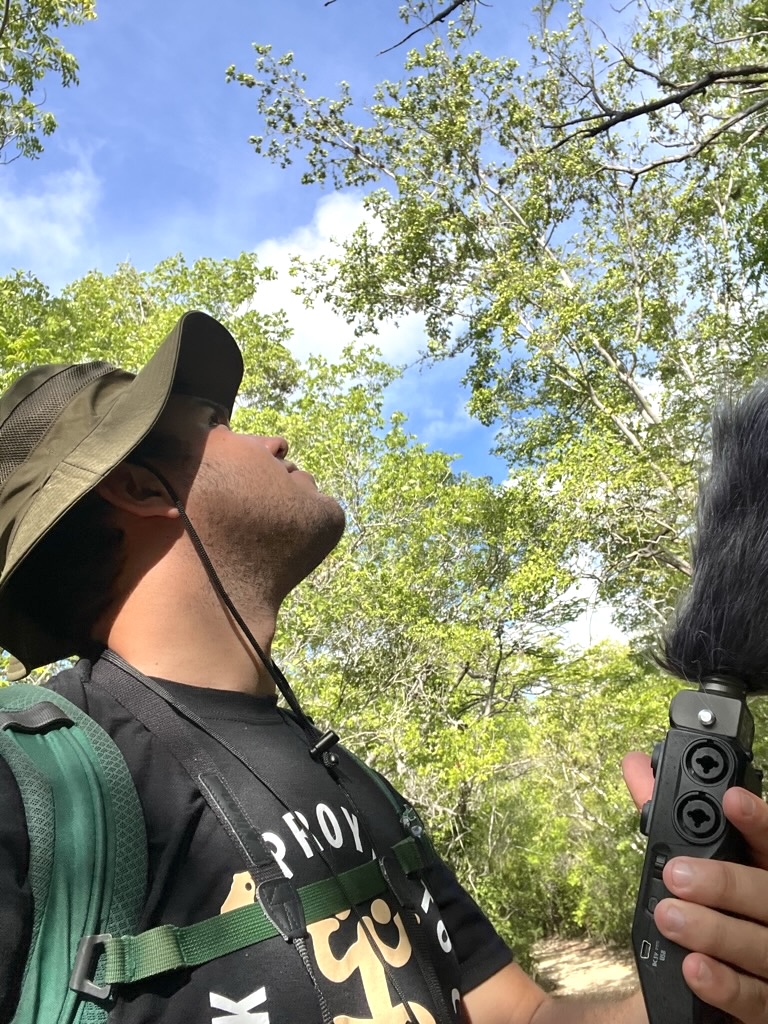
Miguel l Costas Sabatier recording Puerto Rican Euphonia calls and songs in Guánica State Forest.
Beyond filling our hearts with joy, bird sound recordings are critical tools for science and conservation. They help researchers track species distributions, understand bird ecology, and train automated audio identification systems like Merlin Sound ID. Every high-quality file uploaded helps bridge the data gap for the Caribbean, ensuring regional bird sounds are accurately recognized by modern tools.
To qualify for the grand prize which was a state-of-the-art field recording kit featuring a RØDE NTG2 shotgun microphone, a Zoom H1 XLR recorder, an XLR cable and headphones, participants had to submit 50 or more bird sound recordings, including at least three Caribbean priority species, and upload them via eBird.
Caribbean birders answered (and recorded) the call!
The response was staggering. Across the region, 310 passionate birders contributed a phenomenal 3,578 recordings spanning 376 species, including 161 priority species! Two grand prize winners were selected through a random draw.
Drumroll, please… we are thrilled to share the incredible winners who received their prizes at the 2026 BirdsCaribbean Conference:
*Click on the individual names to see their eBird profiles
Grand prize: Mirielle Villanueva(Puerto Rico) – 191 recordings, 47 species, and 7 priority species.
Mirielle Villanueva recieves her prize from Cullen Hanks (Cornell Lab of Ornithology) and Daniel Arias-Cruzatty (Cornell Lab of Ornithology / Grabando Aves). (Photo by Holly Garrod)
Grand prize: Serguei Alexander López Perez(Cuba) – 89 recordings, 37 species, and 13 priority species. Serguei was not present at the conference to receive his prize.
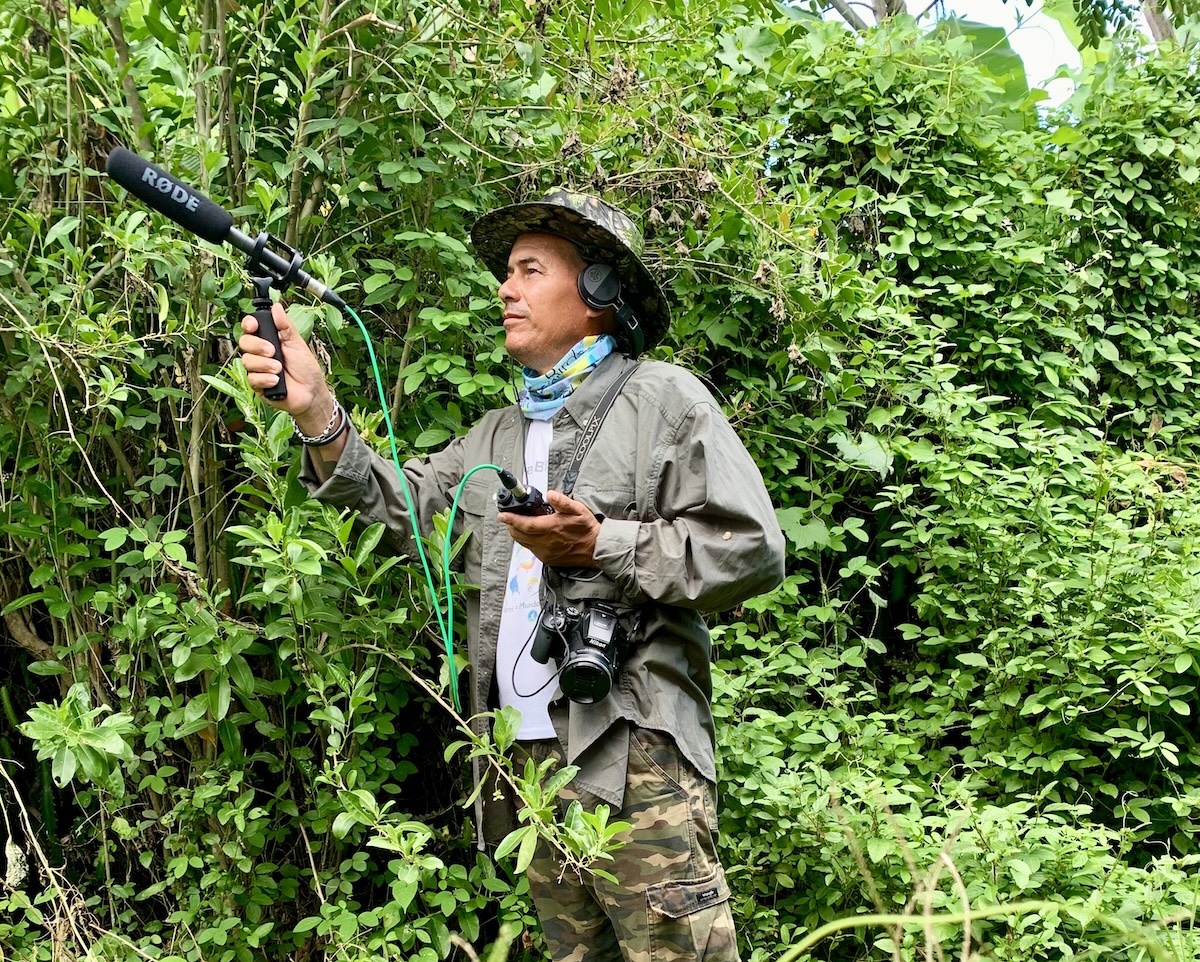
Sergei in the field recording bird calls in Cuba.
Honorable Mention goes toAdrián Domínguez(Cuba) – An astounding 333 recordings, 60 species, and 22 priority species.
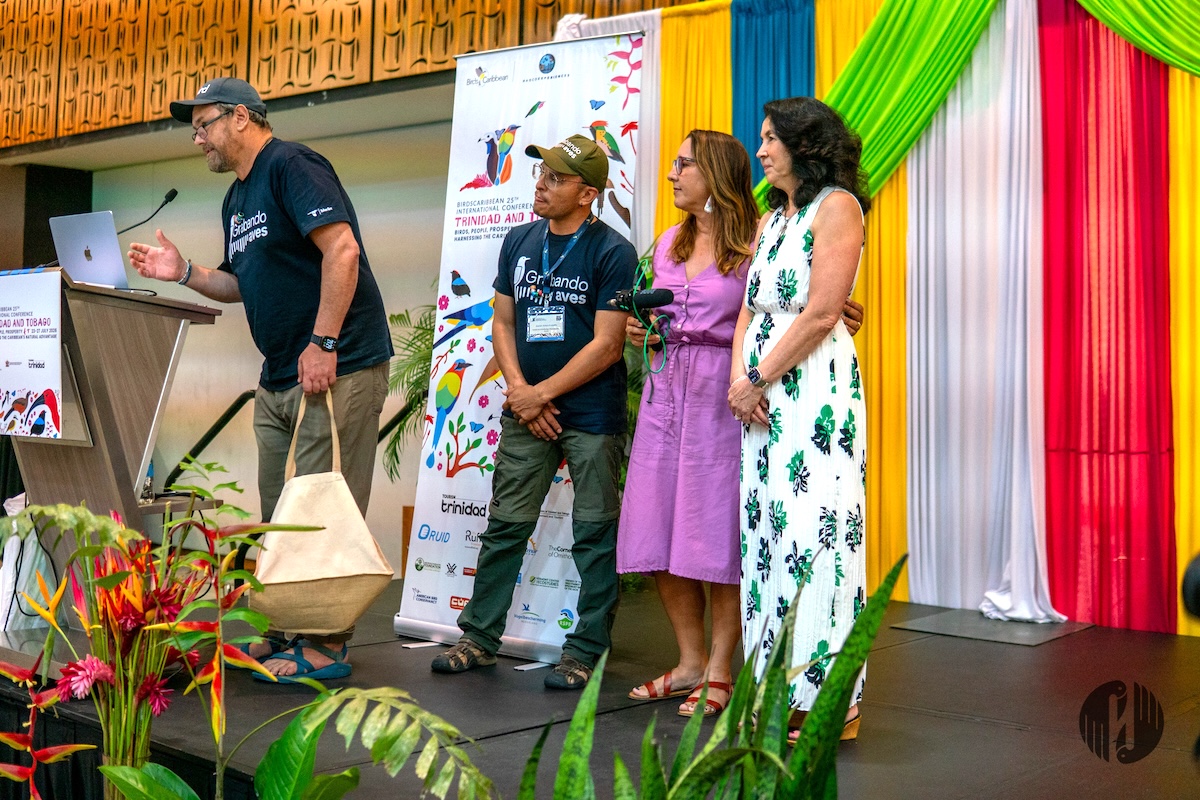
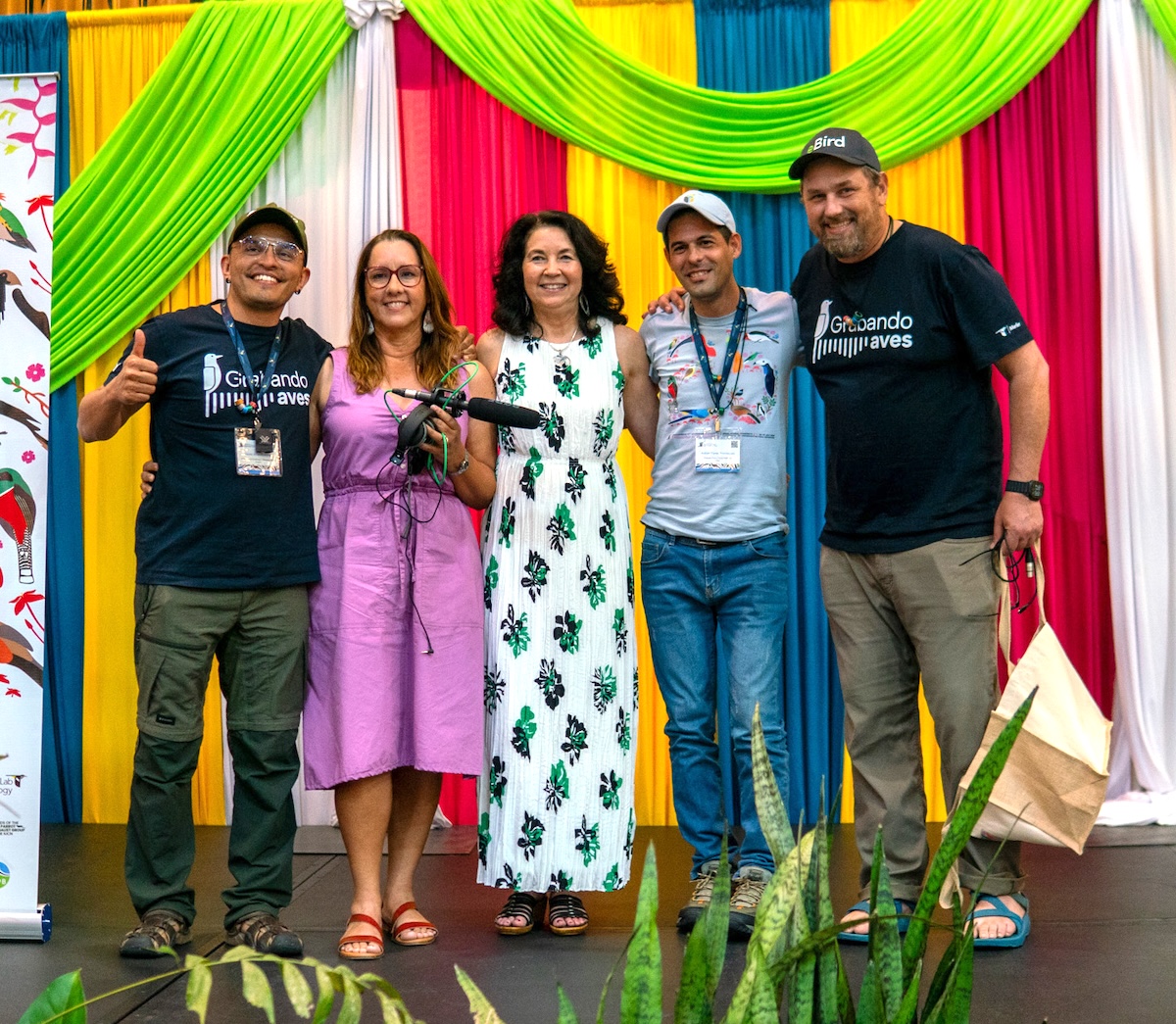
Winners of the Sound Recording Challenge 2026. L to R: Daniel Arias-Cruzatty, Mirielle Villanueva, Lisa Sorenson, Adrián Domínguez and Cullen Hanks. (Photo by Holly Garrod)
A huge congratulations to our winners and every single participant who held up their phone or recorder and added their local soundscapes to the global archive.
“I was genuinely surprised by how many people across the Caribbean wanted to record bird sounds and contribute them to the Macaulay Library, both to help improve Merlin Sound ID and to support community science. During the conference events, that interest was everywhere. What excites me most is what comes next: a community that wants to keep contributing, learning, and sharing what it knows.”— Daniel Arias-Cruzatty, Cornell Lab of Ornithology / Grabando Aves
To date, Caribbean birders have uploaded 4,727 recordings of 395 species to the Macaulay Library (click here to explore the library!).
Upload your sound recordings directly in eBird mobile
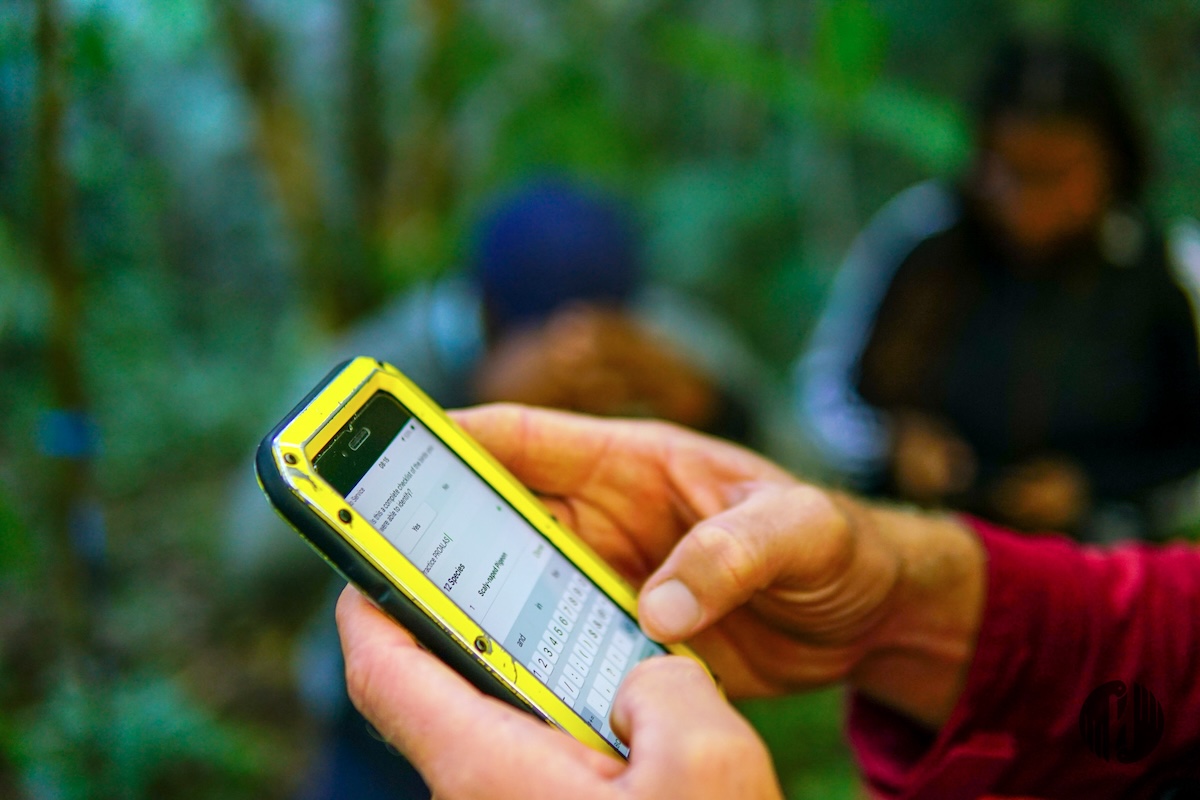
You can now upload sound recordings directly to your checklists in eBird Mobile. No computer necessary: just your phone, your checklist, and the birds you’re already listening to.
To start, you’ll need a sound recording app (the actual recording doesn’t happen in the eBird Mobile app). We recommend Merlin Bird ID as a sound recording tool: use the Sound ID feature on the main page of Merlin, and then Save your recording in the upper right corner of the screen. Other sound recording apps work, too—we recommend Merlin because it collects high-quality files in .WAV format and also provides Sound ID results while you’re recording.
In the video below, Jay McGowan from the Cornell Lab of Ornithology demonstrates how you can upload your recordings to directly in eBird.
Want to keep the mic hot?
Even though the challenge has wrapped up, your acoustic adventures don’t have to end! The acoustic challenges continue over at Grabando Aves! Check out their ongoing challenges for 2026. These challenges are open to anyone in Latin America and the Caribbean.No sign-up needed: recordings uploaded to eBird count automatically!
Gray Trembler calling. (Photo by Michael Stubblefield, Macaulay Library-ML604068631)
Keep your ears open, your recorders ready, and let’s keep the Caribbean sounding loud and proud!
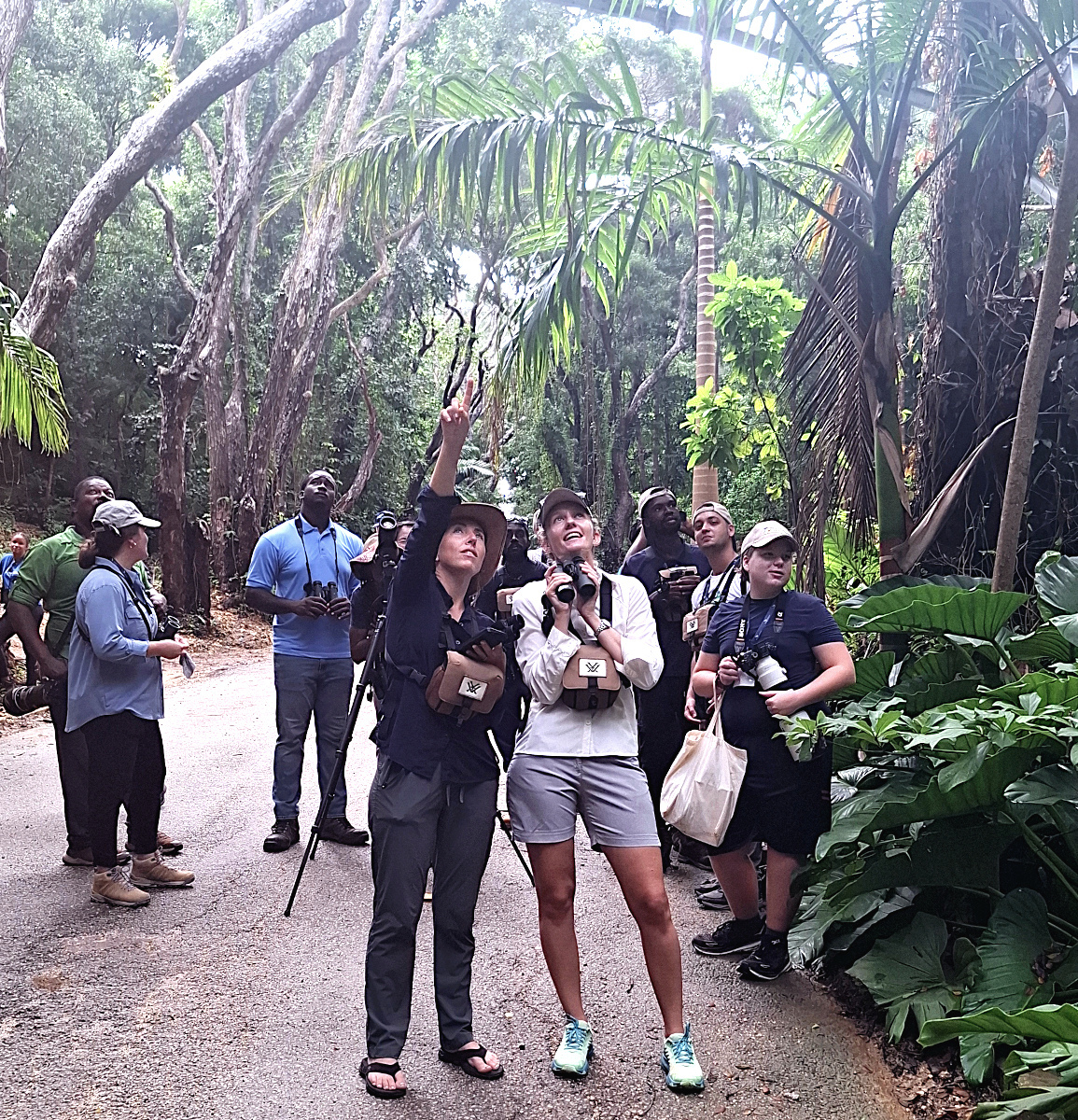
Birding at Cherry Tree Hill, Barbados. (Photo by Alex Sansom)
Imagine helping scientists make amazing discoveries, all from the comfort of your own home or backyard. That’s the power of citizen science! You don’t need a white lab coat to contribute to real research, just a curious mind and a willingness to observe the world around you. We’ve got all the details in this blog to help you take simple yet concrete actions to protect our planet.
Ever wanted to make a real difference in your community—no, make that in the world? With citizen science you actually can! Citizen science is all about scientists teaming up with everyday people who are curious, concerned, and motivated to tackle real-world problems. These people are called citizen scientists. Science needs more eyes, ears, and perspectives than any single scientist possesses to protect threatened species, safeguard natural resources, and prevent the spread of diseases. Think about it—thousands of citizen scientists, each doing a small amount of work, focused on a single goal, can collect more data in a shorter period and for less money than can any researcher or research group. Additionally, citizen scientists can collect data from places like backyards or schoolyards that may be difficult for researchers to access.
Many names with the same aim
“Community science,” “participatory science,” “crowdsourced science,” “volunteer monitoring,” and “public participation in scientific research” are common aliases for citizen science. But whatever it’s called in your neck of the woods, all citizen science projects share these four key characteristics:
Anyone can participate no matter occupation, age, background, gender, or location. Seriously, if you’re curious and willing to help, you’re in!
Everyone uses the same method. This ensures the data collected is top-notch.
Your data makes a difference. It can help scientists make amazing breakthroughs.
It’s a two-way street. Scientists and volunteers openly share data and results so everyone, including the public, can see what’s happening.
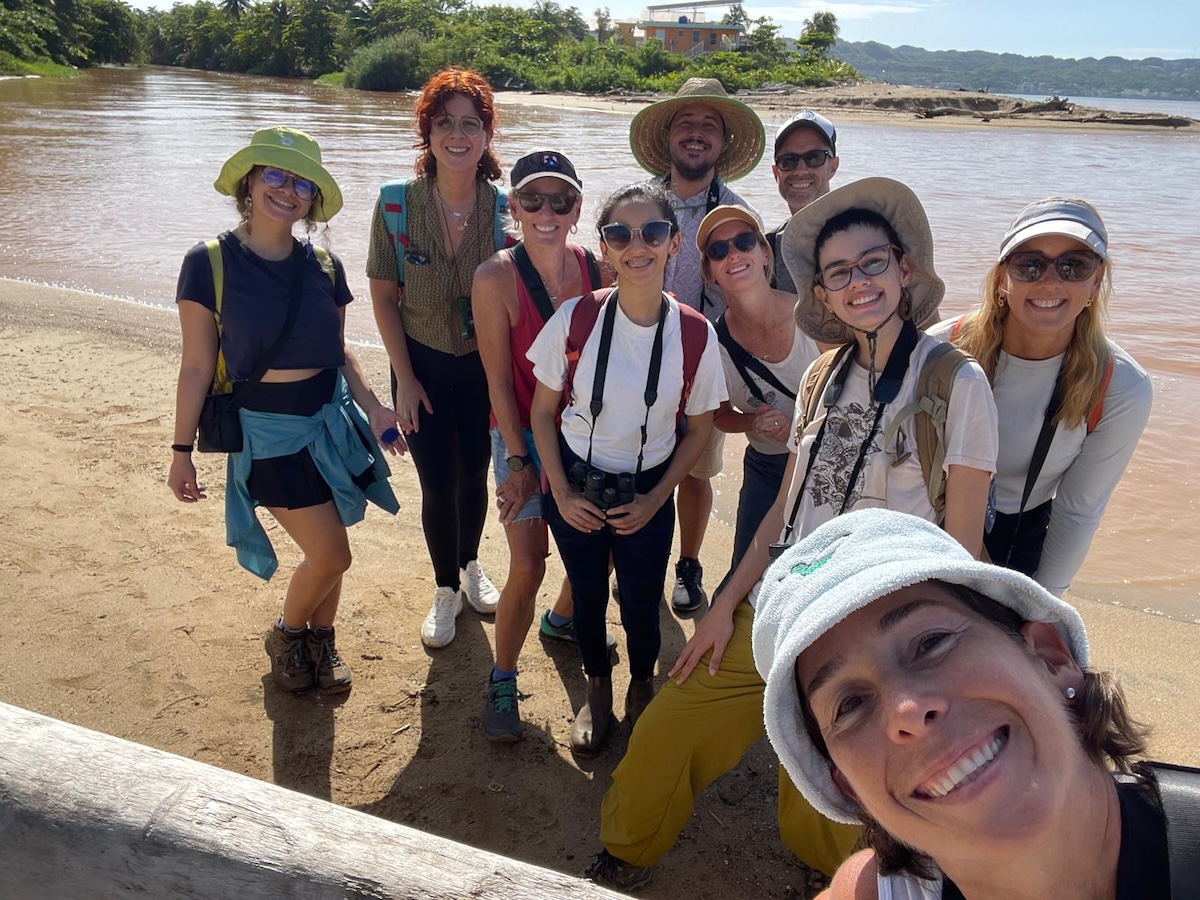
Surfrider Foundation Puerto Rico’s small but dedicated birding group at Playa Table Rock for the Caribbean Endemic Bird Festival (CEBF) and Global Big Day (GBD) 2024. (Photo by Surfrider Foundation Puerto Rico)
Citizen scientists commonly collect data. But they can also be involved in other phases of the scientific process like defining the research question, analysis, reporting, and sharing results. The work itself is also incredibly varied. Citizen scientists may be asked to watch and record birds, take photos of local streams and rivers, test water samples for pollutants, or survey marine debris on local beaches. Some projects are even as fun as playing online games to help advance health research. Whatever your interest, we’re certain there’s a project out there for you to make a difference!
The value of citizen science to YOU
Now, you’re probably wondering, “What’s in it for me?” Well, loads.
It’s a fantastic way to connect with a global community who shares your passions. Whether you’re tracking local wildlife with neighbors or collaborating on a global research project online, you’ll be part of a supportive community of volunteers and scientists. This shared purpose and teamwork can turn a solo activity into a meaningful and less daunting experience. Within this community, you’re encouraged to ask questions, share your unique viewpoint, and by doing so enrich a body of knowledge with your input.
BirdLife Jamaica members and guests take a bird walk at Source Farm. (Photo by Source Farm)
Becoming a citizen scientist also offers opportunities for hands-on learning. You’ll gain practical skills in data collection, observation, and critical thinking. You might learn how to identify different bird species, use scientific instruments to test water quality, or build your scientific literacy.
Painted Buntings, a gorgeous migrant to the Caribbean, feast at a backyard feeder in Grand Bahama, The Bahamas. (Photo by Erika Gates)
For example, you join a citizen science project like the Great Backyard Bird Count and notice a bird you’ve never seen before in your backyard. You snap a picture and share with your local birding group or through an online search or field guide to learn how to identify it. This bird now has a name! You’ve come this far, can’t stop now. You then learn what it eats, where it builds its nest, and that your backyard is providing it with food and shelter. Just like that, your backyard goes from being a small green patch to an important part of a local ecosystem—and now you’re actively participating in understanding and protecting it.
You’ve also unlocked the art of noticing your world deeply—increasing your sense of presence, and helping you be more connected to the everyday wonder that surrounds you.
Ultimately, citizen science is all about you. It’s a chance to put your curiosity to work on your own terms. You can choose a project that aligns with your interests, and set your own schedule—contributing as much or as little as you like, from your house, backyard, neighbourhood park, or nature reserve. This self-directed approach empowers you to be a part of something bigger while feeling a sense of ownership and pride in the work you do.
What a difference your data makes!
Entering data into eBird. (Photo by Holly Garrod)
It may sound implausible that simple actions like recording the birds you see or taking photos of rivers and streams can lead to big changes. But your data is a real-game changer in how we think about and conserve our natural resources.
When conservation efforts are steered by sound data, the results can be truly magnificent for birds, habitats and people!
Thanks to the collective power of citizen scientists—heading out, recording the birds they saw, then submitting those sightings to eBird—researchers were able to complete the first-ever Caribbean-wide assessment of shorebird use in the region, via the Caribbean Waterbird Census, now in its sixteenth year.
For ten years, volunteers continuously contributed more than 211,000 shorebird observations through more than 78,000 eBird checklists. This immense pool of data allowed the researchers to identify critical conservation hotspots that were previously unknown. This breakthrough is a huge deal, finally giving the Caribbean the recognition it deserves as a crucial region for North American shorebirds, so important given alarming declines in shorebirds in our region. The study highlighted that Humedal Sur de Pinar del Río in Cuba and Monte Cristi in the Dominican Republic should be priority areas for shorebird conservation. As these sites each support over 20,000 shorebirds annually like Short-billed Dowitchers, Black-bellied Plovers, Wilson’s Plovers, and Black-necked Stilts they are also candidates to be designated as WHSRN (Western Hemisphere Shorebird Reserve Network) sites of regional importance.
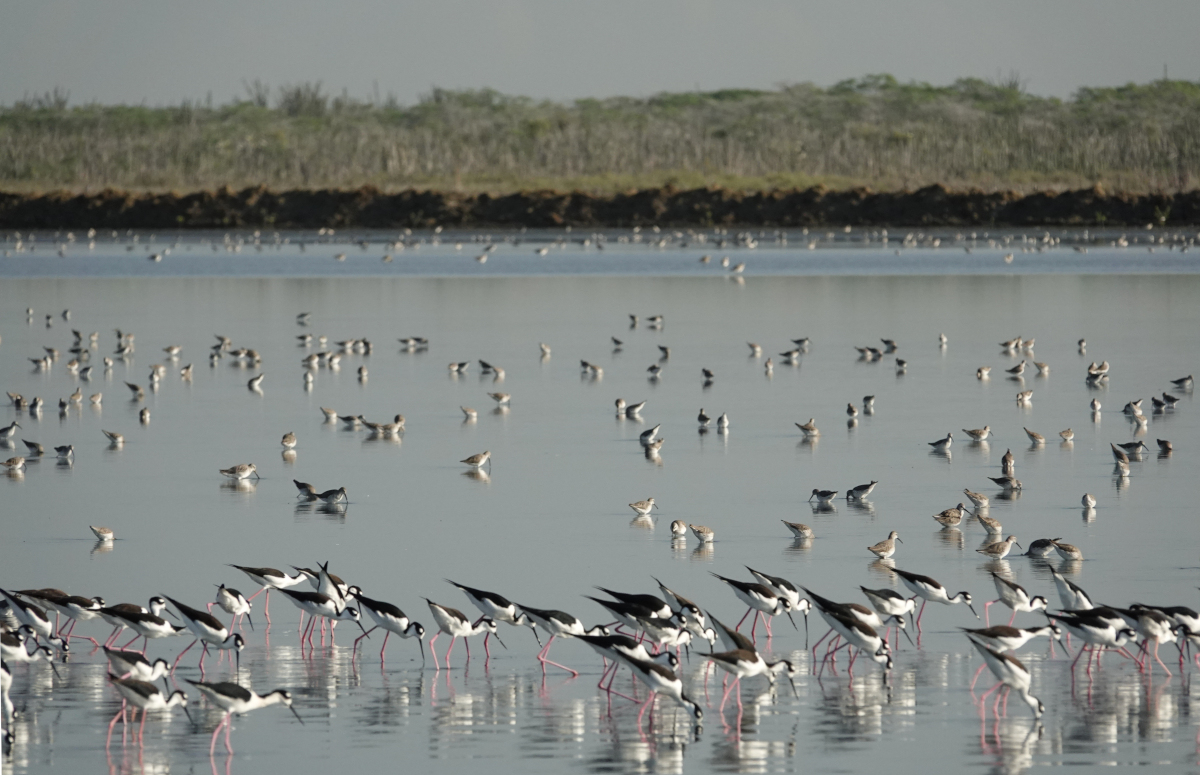
Over 20,000 shorebirds rely on the wetlands at Monte Cristi in the Dominican Republic during migration every year – making this a regionally important site and a critical lifeline for shorebirds. (Photo by GAE)
This study also pinpointed at least 15 additional sites that are crucial for shorebird populations and may now qualify for international designations. This massive effort by thousands of volunteers has provided the evidence needed to protect these habitats and ensure a safer future for migratory shorebirds. You can read the full article here!
With countless opportunities available, it’s easy to find and join a citizen science project. But before you begin your new adventure in science, here are some tips to get you started on the right foot.
Your first step should be to find a project that genuinely interests you. Do you love to hike? There are projects for tracking wildlife. Are you interested in birds? You can help monitor populations. Do you want to help your local community? You can help monitor water quality or noise pollution. It’s important to choose a project that aligns with your interests. This will make the experience more fun and rewarding.
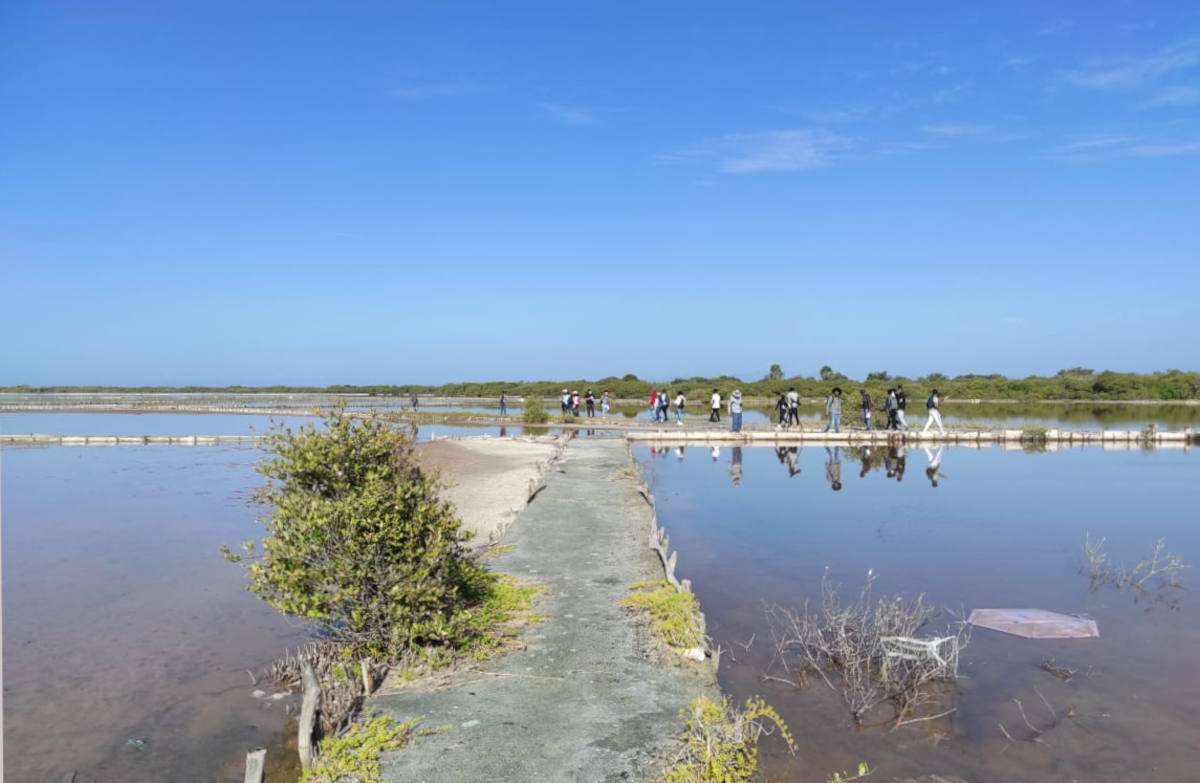
Participants at bird walk led by Miguel A Landestoy and Grupo Jaragua team at Las Salinas, DR. (Photo by Grupo Jaragua)
Once you’ve zoned in on the type of project you’d like to join, ‘google it!’ A quick search will connect you with platforms that host thousands of projects. If you’re a bird lover, eBird is our absolute favorite. eBird offers projects, courses and news to help you get started and stay up-to-date with everything citizen science. We’ve also got some great longstanding citizen science projects in the Caribbean too, more on this below.
After selecting a citizen science project you’ll typically have to download a free app or visit a website, sign up, and follow the simple instructions to collect and submit your data.
If you’re completely new to the citizen science scene, here are some additional tips:
Start small and local. The good news is that you don’t have to be an expert or commit a lot of time. Many projects can be done in as little as 15 minutes, and every single observation helps. (There’s no bad news!) Also, follow the instructions. Each project has a specific set of instructions to ensure the data is high-quality. Reading and carefully following the instructions will make your contribution even more valuable. And of course, when in doubt, ask questions! The community is here to support everyone, from beginners to experts.
Looking for shorebirds for a CWC Count at Old Harbour mudflats, Jamaica. (Photo by BirdLife Jamaica)
Shanna explains bird ID at McKinnons Pond, Antigua, during the 2025 CWC Count. (Photo by Sherrel Charles)
Finally, and most importantly—have fun! You are helping to make ripples of impact while having an adventure of a lifetime so give yourself the space and time to enjoy the process of discovery, learning, and contributing.
Bonus tip: Citizen science is all about community. Invite a friend to be your fellow explorer!
A few members of Statia’s Golden Warblers in St. Eustatius, Global Big Day 2025. (Photo by Jethro van’t Hul)
Members of the team BirdersSKN birdwatching on Global Big Day.
Brendan Burns and Skyler Bol of Gavilán Guardians in Puerto Rico, Global Big Day 2025. (Photo by Brendan Burns)
Mirielle and Kathleen surveying birds at Anasco, Puerto Rico, 2025 Global Big Day. (Photo by Marisol Villanueva Mendez)
Ready to start your Citizen Science adventure with BirdsCaribbean?
If you’re ready to start your citizen science adventure, here are some great projects to join throughout the year:
Global Shorebird Count (September 2025): If you love plump adorable animals, then we think you’re going to love this project! Learn more about the Global Shorebird Count here and get the resources (for FREE) to help with your count here.
Shorebirds like the Short-billed Dowitcher and Stilt Sandpiper are long distance migrants that spend part of their year in the Caribbean. (Photo by Mark Yokoyama)
October Big Day (October 2025): A global event where you can join thousands of birders to find and report as many bird species as possible in a single day. And get this, you can watch birds right from the comfort of your backyard or balcony! However, if your feet are itching to cover more ground, birders also head to botanical gardens, wetlands, and nature reserves. Learn more here.
Caribbean Waterbird Census (January- February 2026): For over 16 years, BirdsCaribbean has been monitoring waterbird populations thanks to the efforts of a region-wide network of amazing birders and bird lovers! While the official count happens in January, you can submit waterbird observations throughout the year to this important program. Click here to learn more about this incredible citizen scientist project and access free resources like webinars, bird ID guides and more.
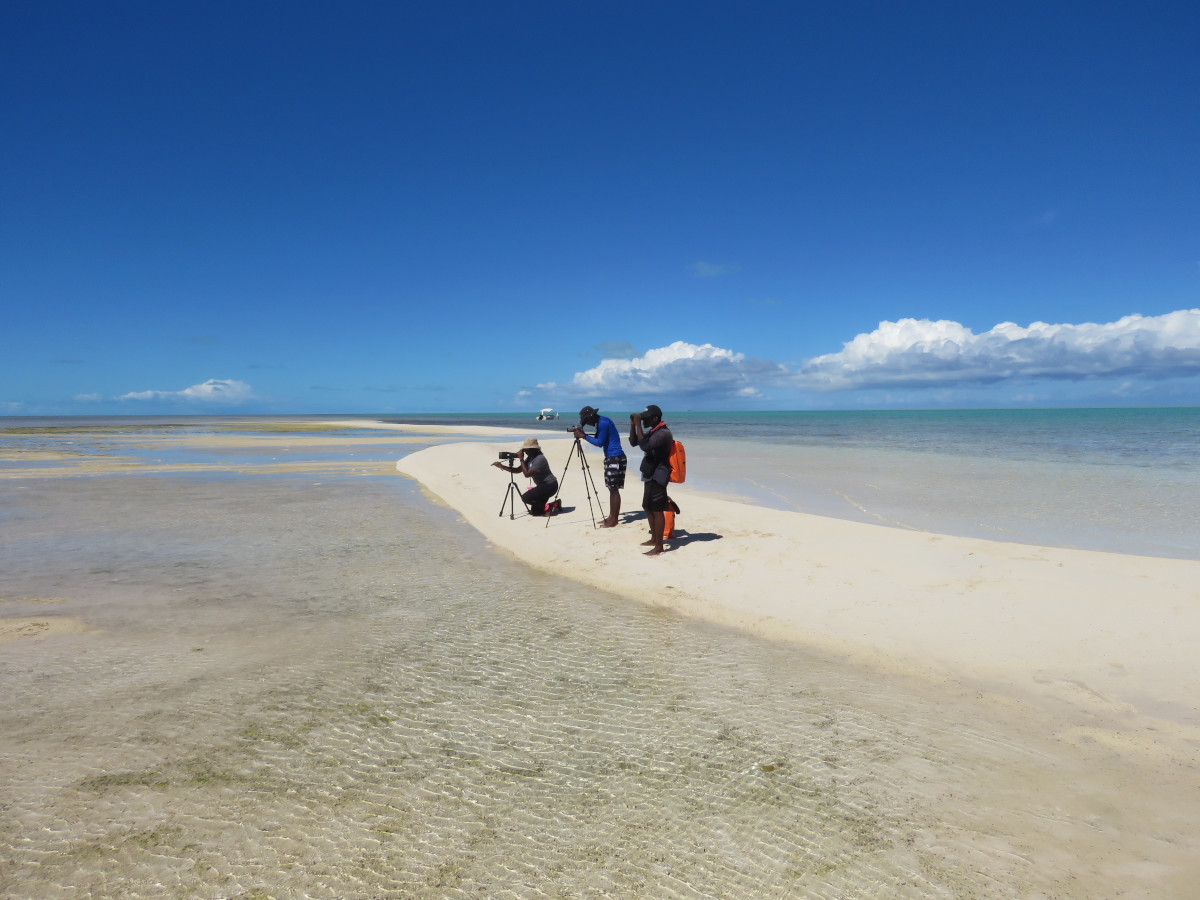
Counting shorebirds on Turks and Caicos. (Photo by Simon Busuttil)
Global Big Day (May 2026): Join birders from around the world to find and count birds on a single day in May. Be sure to check out this year’s recap of the event and get ready to participate, wave your country flag high, win fabulous prizes, show off your best shots and raise funds to protect Caribbean birds and build local conservation capacity, next year!
You’ve got the tools. You’ve got the drive. Now go make history! Your observations are the building blocks of a better world. The projects are waiting for you, and so are we. The only thing missing is you!
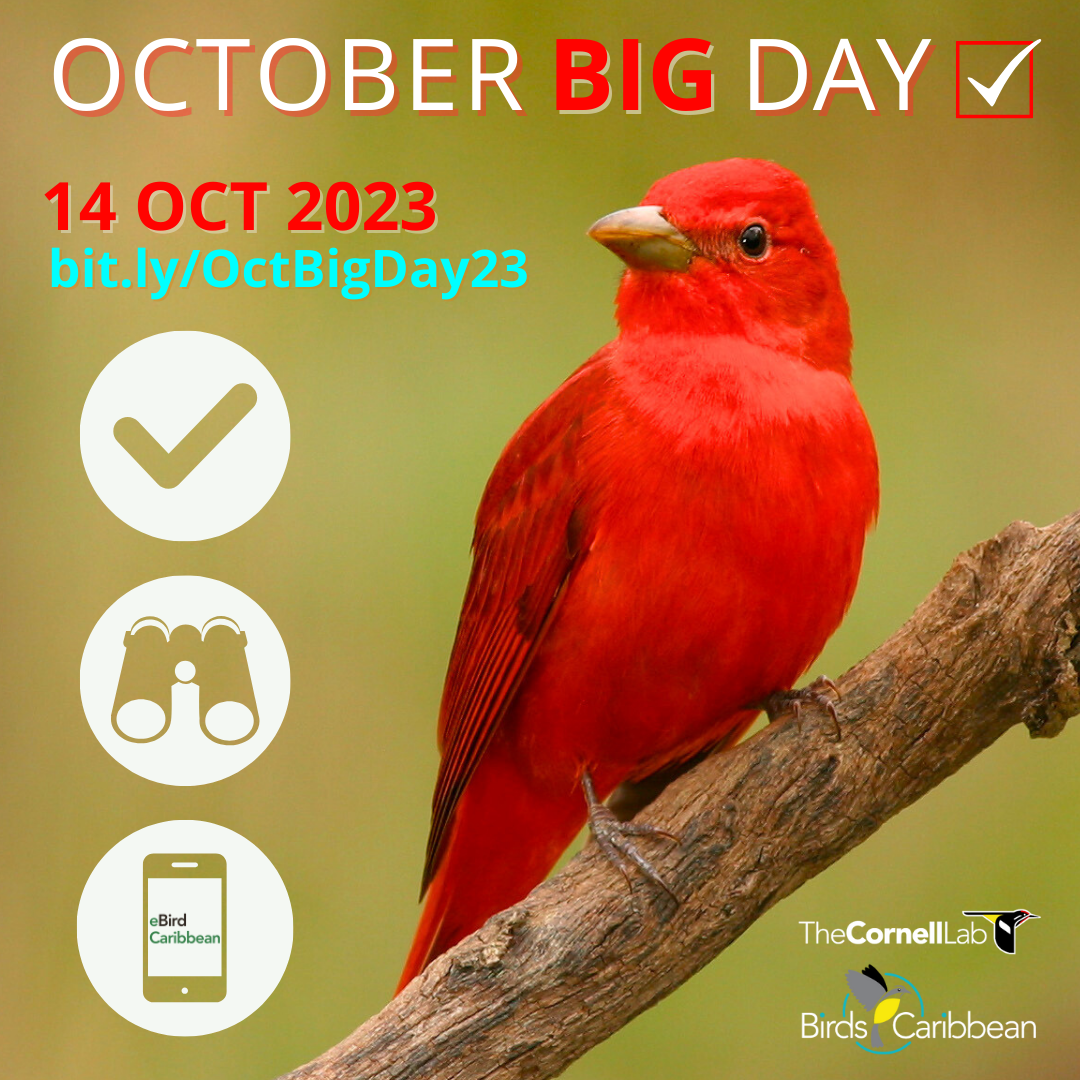
A Summer Tanager, a migrant to the Caribbean, is featured on our October Big Day 2023 promo graphic.
October Big Day comes just once a year!And it’s always about community, and our love of birds.
Here at BirdsCaribbean, we believe in October Big Day—which this year coincides with World Migratory Bird Day—WMBD (Saturday, October 14, 2023). It is an opportunity for birders across the region to focus, deploy those binoculars, cameras and scopes, and share information (especially on eBird Caribbean!)
Whether you are quietly observing from your verandah or balcony, on a family outing with the kids, or on an organized trip to a birding hotspot, we invite you to make the most of those 24 hours on October 14. But wait! Note that Global Bird Weekend is also happening over October 13, 14 and 15, which offers up even more possibilities. We are hoping that the world record created last October on Global Bird Weekend (and broken on May 13 this year for the Global Big Day) will be smashed once again. Let’s do it!
Where are the birds, and what are they doing?
Data collected on October Big Day will be used by birders and scientists to better understand and protect birds. This is also an opportunity for the individual birdwatcher to contemplate birds, their behavior, and the places where they may be found. For example, are there birds you are only likely to see in the late morning or early afternoon? And if so, are they at specific locations? Tanagers and bullfinches are often very active during the morning hours. As the day heats up, you may see raptors soaring above. Seagulls and shorebirds can be observed at almost any time of day. Migratory warblers generally show up in early morning or evening hours, feeding and bathing in suburban gardens and parks.
Make your birding count—submit & share your data!
Participating is easy with the essential tool, eBird, where you should record all the birds you see (and even hear) on Saturday 14th October via the eBird website or mobile app. If you’re in the Caribbean, be sure to use eBird Caribbean (and choose the eBird Caribbean portal in your eBird app settings on mobile). If you do not already have one, it’s easy to sign up for a free eBird account—here’s a quick guide on how to use eBird. Eager birders should spot as many birds as they can from midnight to midnight in their local time zone on October 14; or bird anytime during the weekend of Oct. 13-15 for the Global Bird Weekend. The handy mobile app allows you to keep and submit lists while you’re still out birding, perhaps exploring nearby Hotspots. It will even track how far you have walked while watching birds. Remember to submit eBird checklists before October 17, 2023 to be included in the initial results announcement!
Share your sightings with us, and join BirdsCaribbean!
We look forward to seeing your stories and photos on social media. You can find us on Facebook and on X (formerly Twitter) and Instagram @birdscaribbean. Be sure to tag us! If you’re not on social media, consider joining our discussion group where you’ll be able to share your October Big Day experience with over 850 members.
May we remind you that BirdsCaribbean membership has so many benefits; you will receive discounts on our products, workshops and conferences; meet and network with fellow birders, scientists, educators and conservationists across the region; and keep in touch with birding trends and news through our monthly newsletters (free sign-up here). Join us today and help us save our Caribbean birds and their important habitats!
See you on October Big Day 2023—and let’s see some birds!
Most importantly, have fun and don’t forget to tag BirdsCaribbean (@BirdsCaribbean) in your birding adventures! We can’t wait to see which of our migratory friends have arrived to the Caribbean!
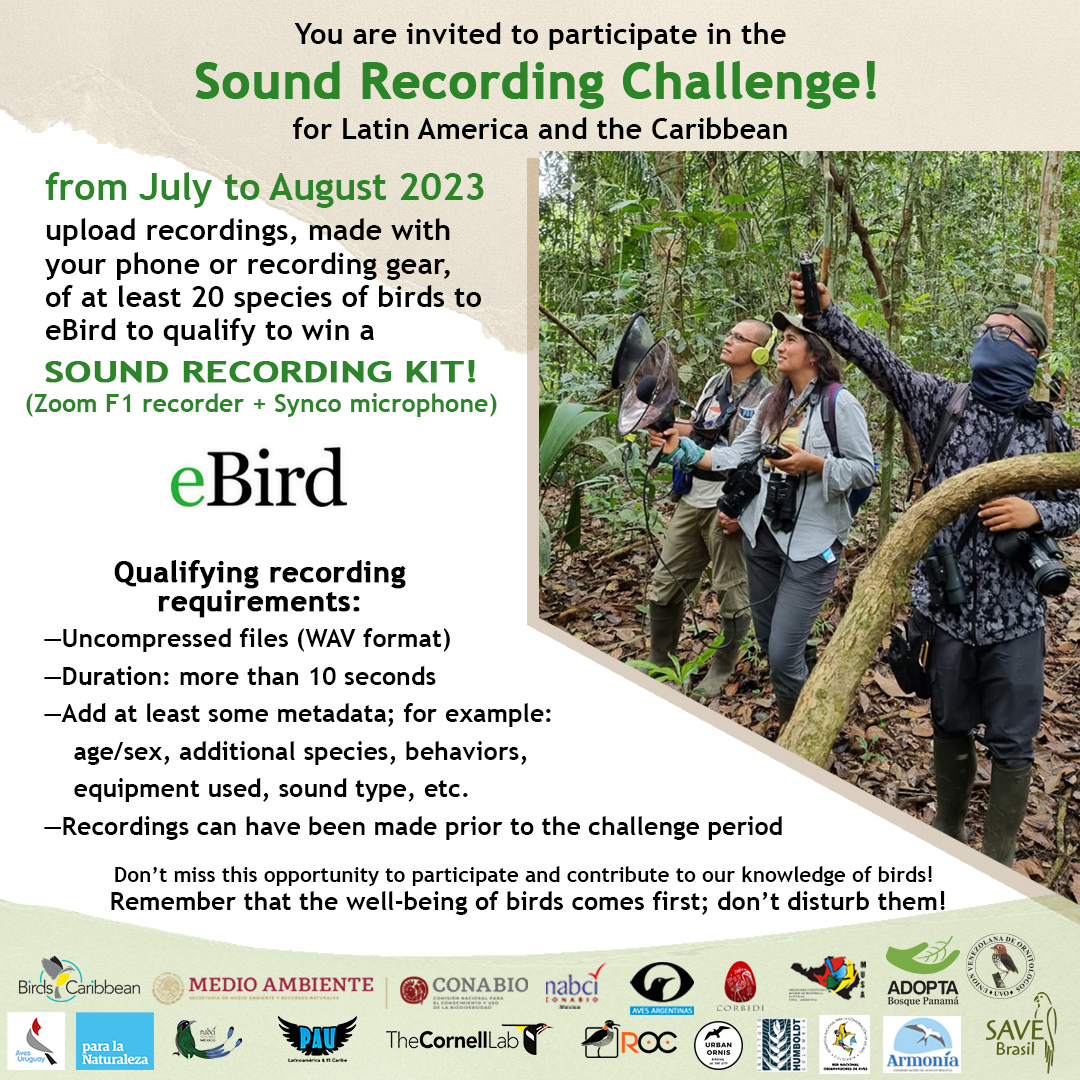
If you like listening to birds then you’re going to love this new challenge created by the bird app extraordinaires at eBird.
You’re invited to participate in the first-ever eBird Sound Recording Challenge for Latin America and the Caribbean!
The Sound Recording Challenge is a great opportunity to upgrade your gear and is open to participants in the Caribbean and Latin America.
The challenge runs until August 31st, and here’s what you need to do:
Head outside
Listen to the birds around you
Use your cell phone or other recording gear to record the songs and/or calls of nearby birds*
Upload recordings of 20 or more bird species to eBird to have a chance to win a fantastic prize
*Note that it is not necessary that your recordings are during the challenge period—they can be recordings that you have previously made anywhere in Latin America or the Caribbean.
THE PRIZE:
A BRAND NEW SOUND RECORDING KIT!!!! The kit includes a Zoom F1 recorder and a Synco microphone. Our eardrums are tingling just thinking of the crisp audio quality you can get with this fantastic combo.
But you must follow these rules for your recordings to qualify:
Uncompressed files (WAV type)
Duration of more than 10 seconds
Add at least some metadata, like: age/sex, additional species heard, behaviors, equipment used to record, other sounds.
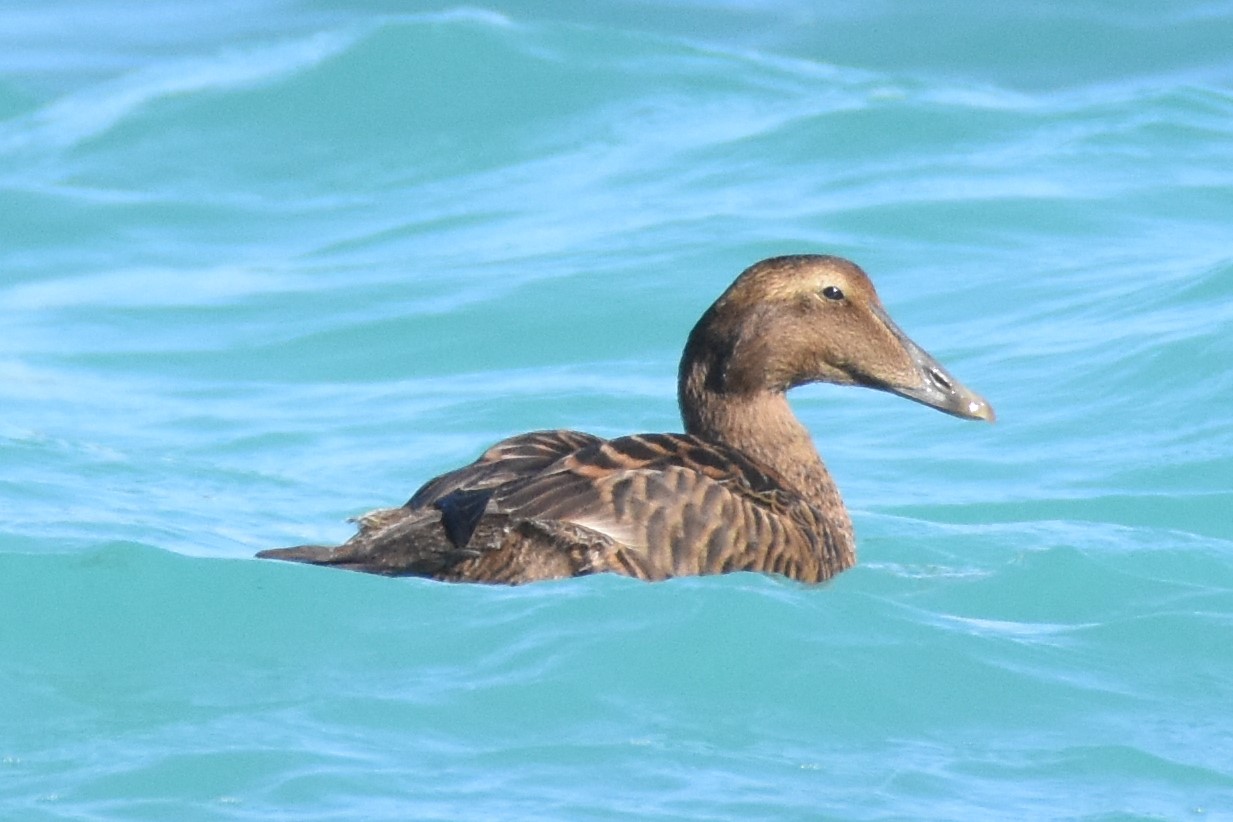
This female Common Eider was spotted at Cooper’s Island, Bermuda during the 2016 annual Christmas Bird Count, and was the first record for the island. (Photo by Andrew Dobson)
For over 100 years, North American Birds and its predecessors have delivered regionalized summaries of bird populations — including the West Indies. These regional reports arenow being housed online which means they can be available much more quickly than the traditional printed copies. If you are already an eBirder*, you should be able to find your unusual records very easily.
For about three years, publication of reports unfortunately ceased altogether due to staffing and management issues at the journal. But with a new team on board, things are happening fast!
BirdsCaribbean members Robert Norton, Anthony Levesque, and Andrew Dobson have been compiling seasonal reports for the West Indies and Bermuda region for many years. We are keen to maintain these reports but can only do this with your help.
What records are required? — rare sightings, unusually high numbers, the effect of hurricanes on local bird populations, etc. We are especially keen to receive news of the ‘first record’ of a species or the ‘first breeding record’. There is the opportunity of show-casing more photos online than in the printed copy, and so if you have a great photo of a rarely seen bird please submit that, too.
We need your unusual records from 2018 onwards. Simply email us a list indicating:
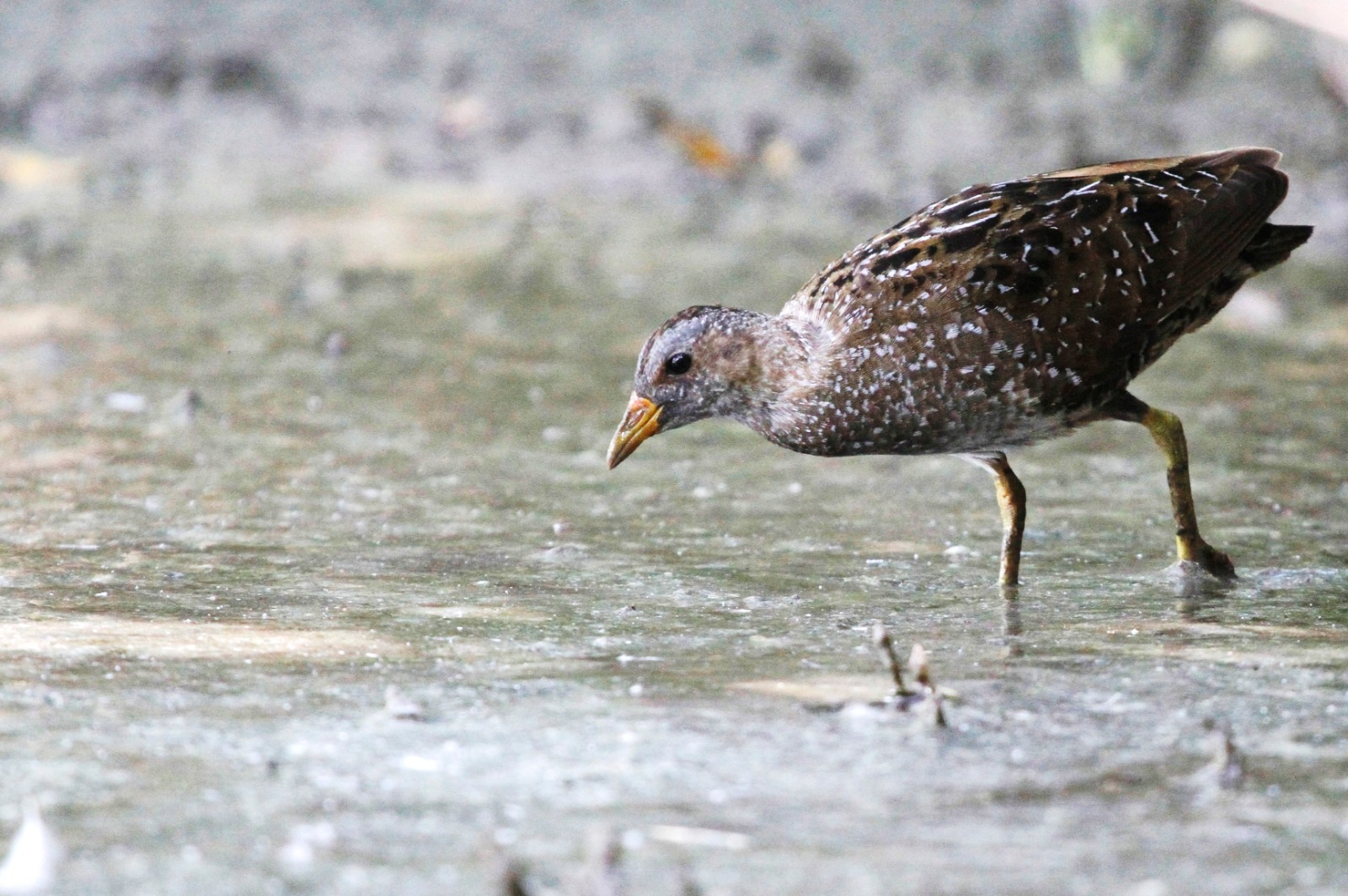
A Spotted Crake was reported from Desirade Island, Guadeloupe in 2014. This species was only the second record for the Caribbean. (Photo by Anthony Levesque)
Any other comments (e.g. first record since 1995, first known wintering record, earliest spring arrival)
All contributors will be listed and credited with sightings.
Many thanks if you are able to help. To speed up the process, please feel free to copy all three regional co-editors listed below when you send the email.
*For those of you that are new to eBird, it’s a fun and easy (and very powerful!) platform to record your bird sightings, find the best places to bird, and more. And your data helps scientists better understand and conserve birds. If you’re in the Caribbean, be sure to use our portal, eBird Caribbean, to enter your data which offers birding protocols (e.g., the Caribbean Waterbird Census) and news stories unique to the region. We encourage you to get started and create an account; follow the quick instructions here. The eBird mobile app, available for both IOS and Android, is also great for entering your data straight from the field. Be sure to choose “Caribbean” as your region in the eBird app settings (“Settings” –> “Portal”).