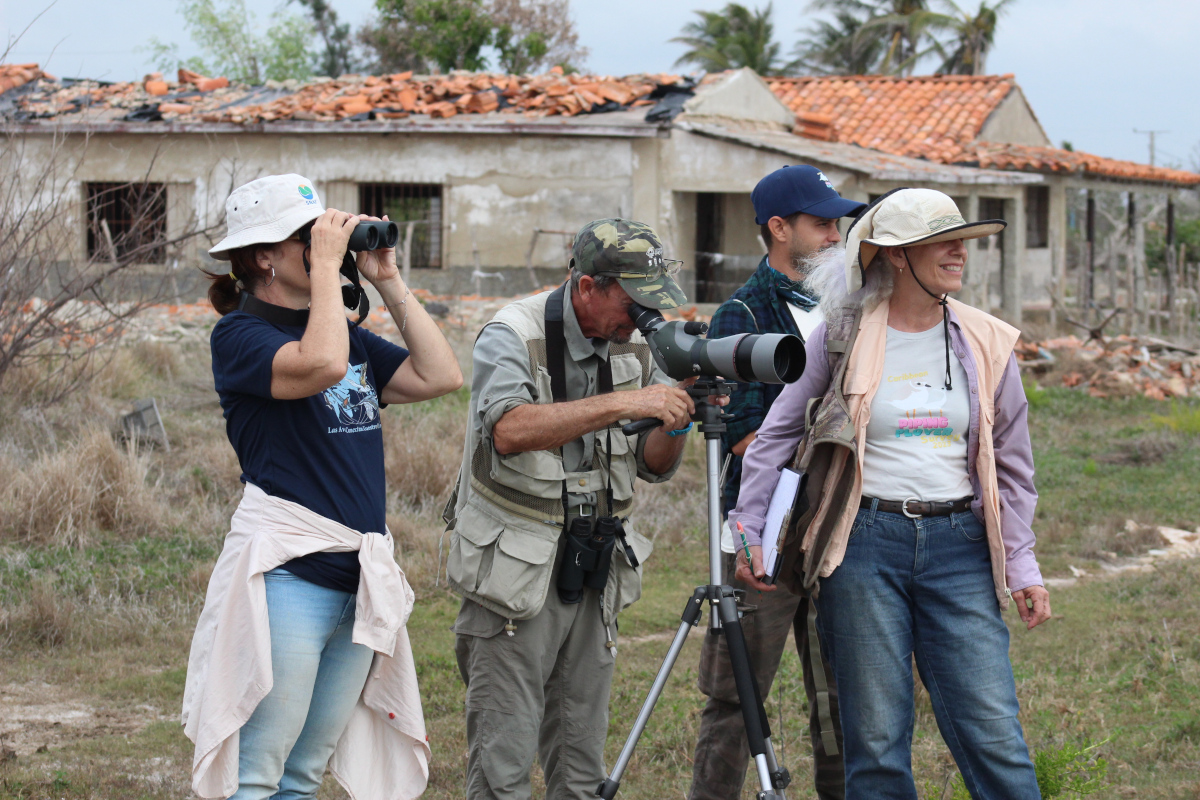
Imagine helping scientists make amazing discoveries, all from the comfort of your own home or backyard. That’s the power of citizen science! You don’t need a white lab coat to contribute to real research, just a curious mind and a willingness to observe the world around you. We’ve got all the details in this blog to help you take simple yet concrete actions to protect our planet.
Ever wanted to make a real difference in your community—no, make that in the world? With citizen science you actually can! Citizen science is all about scientists teaming up with everyday people who are curious, concerned, and motivated to tackle real-world problems. These people are called citizen scientists. Science needs more eyes, ears, and perspectives than any single scientist possesses to protect threatened species, safeguard natural resources, and prevent the spread of diseases. Think about it—thousands of citizen scientists, each doing a small amount of work, focused on a single goal, can collect more data in a shorter period and for less money than can any researcher or research group. Additionally, citizen scientists can collect data from places like backyards or schoolyards that may be difficult for researchers to access.
Many names with the same aim
“Community science,” “participatory science,” “crowdsourced science,” “volunteer monitoring,” and “public participation in scientific research” are common aliases for citizen science. But whatever it’s called in your neck of the woods, all citizen science projects share these four key characteristics:
- Anyone can participate no matter occupation, age, background, gender, or location. Seriously, if you’re curious and willing to help, you’re in!
- Everyone uses the same method. This ensures the data collected is top-notch.
- Your data makes a difference. It can help scientists make amazing breakthroughs.
- It’s a two-way street. Scientists and volunteers openly share data and results so everyone, including the public, can see what’s happening.
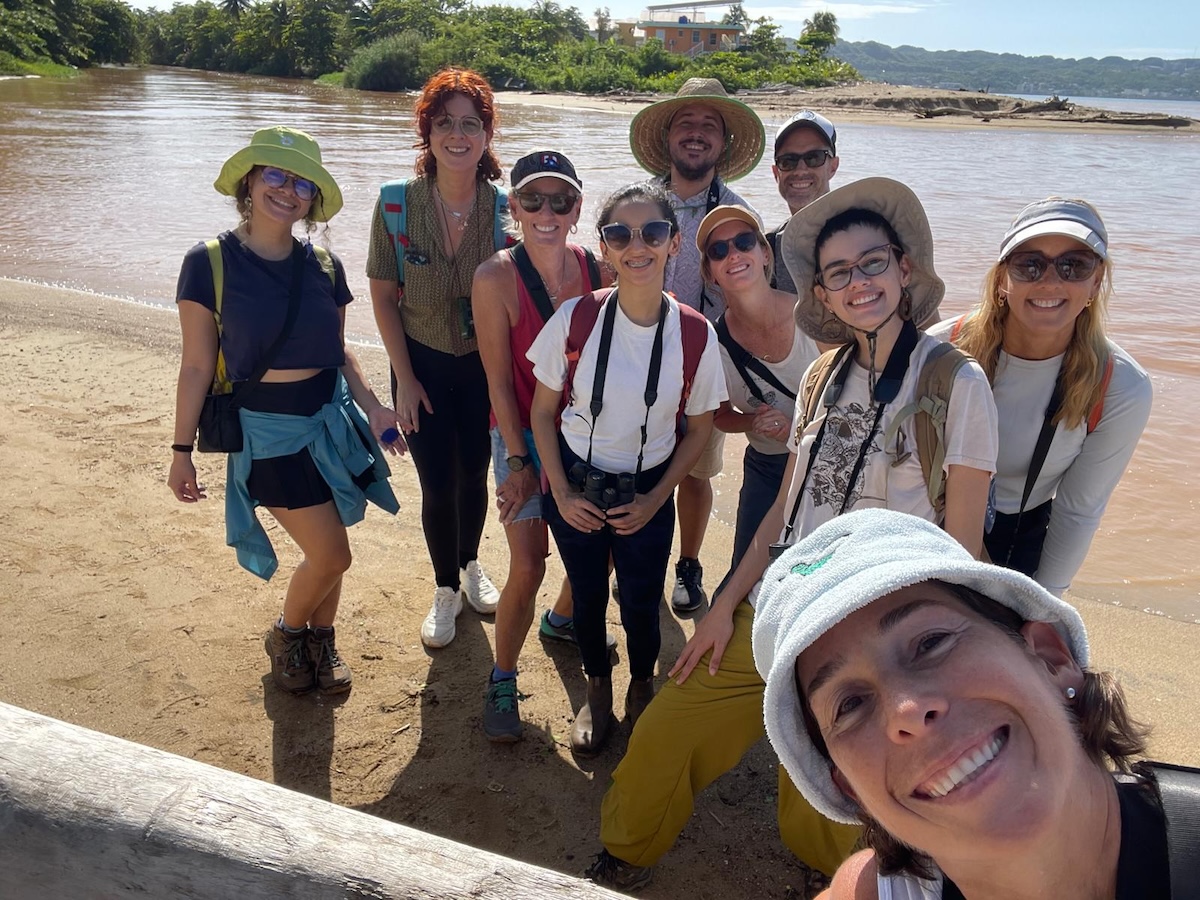
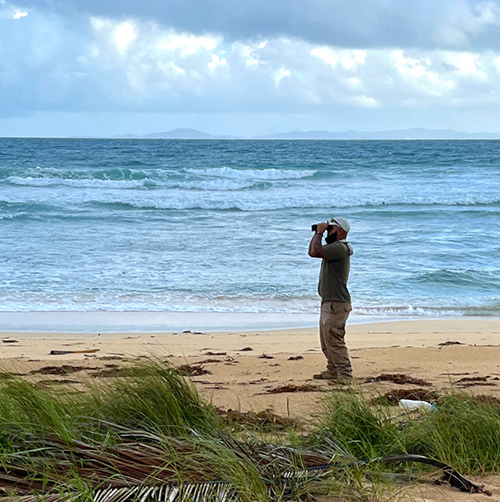
Citizen scientists commonly collect data. But they can also be involved in other phases of the scientific process like defining the research question, analysis, reporting, and sharing results. The work itself is also incredibly varied. Citizen scientists may be asked to watch and record birds, take photos of local streams and rivers, test water samples for pollutants, or survey marine debris on local beaches. Some projects are even as fun as playing online games to help advance health research. Whatever your interest, we’re certain there’s a project out there for you to make a difference!
The value of citizen science to YOU
Now, you’re probably wondering, “What’s in it for me?” Well, loads.
It’s a fantastic way to connect with a global community who shares your passions. Whether you’re tracking local wildlife with neighbors or collaborating on a global research project online, you’ll be part of a supportive community of volunteers and scientists. This shared purpose and teamwork can turn a solo activity into a meaningful and less daunting experience. Within this community, you’re encouraged to ask questions, share your unique viewpoint, and by doing so enrich a body of knowledge with your input.

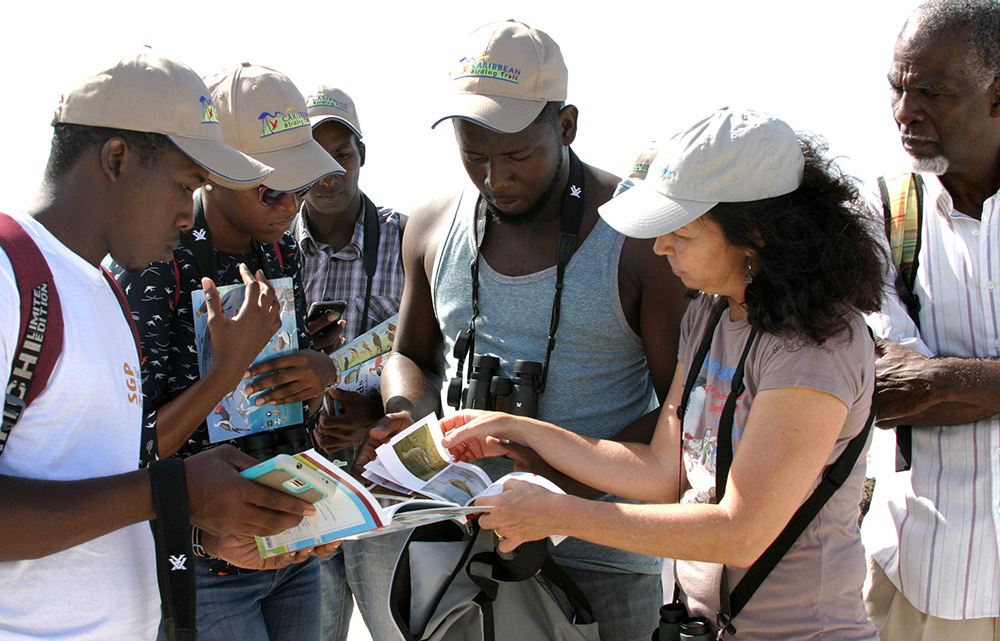
Becoming a citizen scientist also offers opportunities for hands-on learning. You’ll gain practical skills in data collection, observation, and critical thinking. You might learn how to identify different bird species, use scientific instruments to test water quality, or build your scientific literacy.

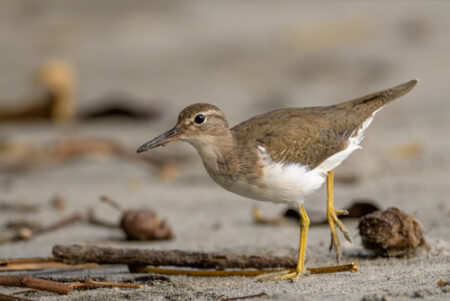
For example, you join a citizen science project like the Great Backyard Bird Count and notice a bird you’ve never seen before in your backyard. You snap a picture and share with your local birding group or through an online search or field guide to learn how to identify it. This bird now has a name! You’ve come this far, can’t stop now. You then learn what it eats, where it builds its nest, and that your backyard is providing it with food and shelter. Just like that, your backyard goes from being a small green patch to an important part of a local ecosystem—and now you’re actively participating in understanding and protecting it.
You’ve also unlocked the art of noticing your world deeply—increasing your sense of presence, and helping you be more connected to the everyday wonder that surrounds you.
Ultimately, citizen science is all about you. It’s a chance to put your curiosity to work on your own terms. You can choose a project that aligns with your interests, and set your own schedule—contributing as much or as little as you like, from your house, backyard, neighbourhood park, or nature reserve. This self-directed approach empowers you to be a part of something bigger while feeling a sense of ownership and pride in the work you do.
What a difference your data makes!
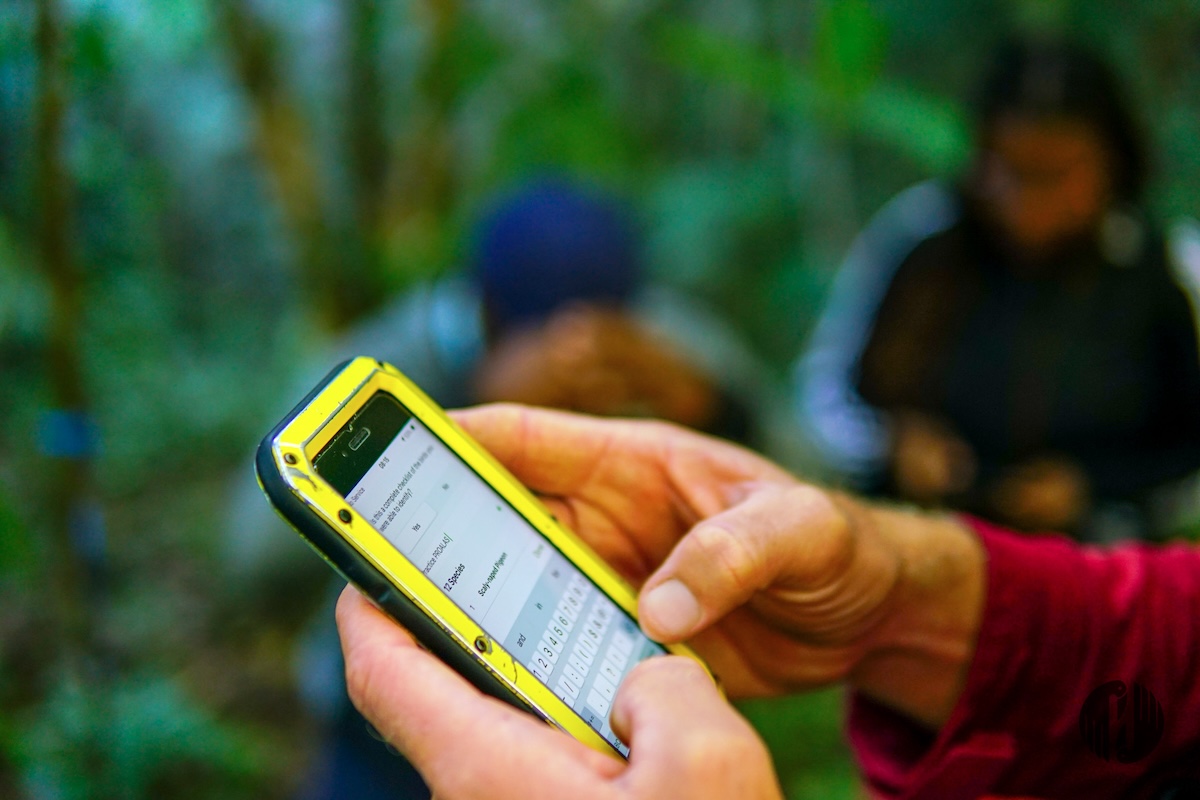
It may sound implausible that simple actions like recording the birds you see or taking photos of rivers and streams can lead to big changes. But your data is a real-game changer in how we think about and conserve our natural resources.
When conservation efforts are steered by sound data, the results can be truly magnificent for birds, habitats and people!
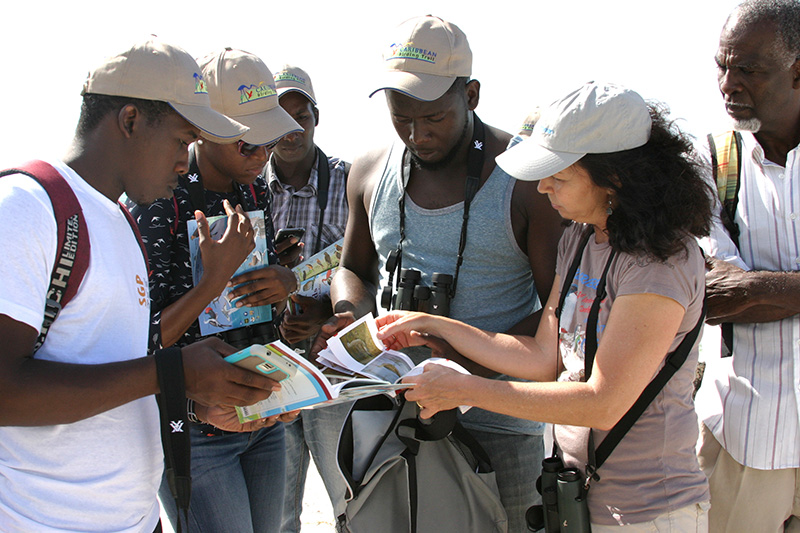
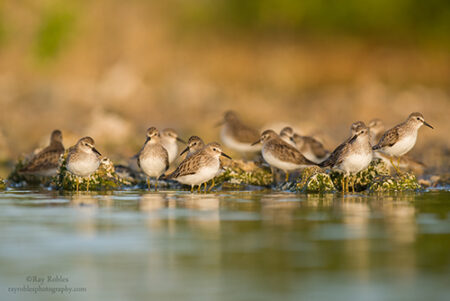
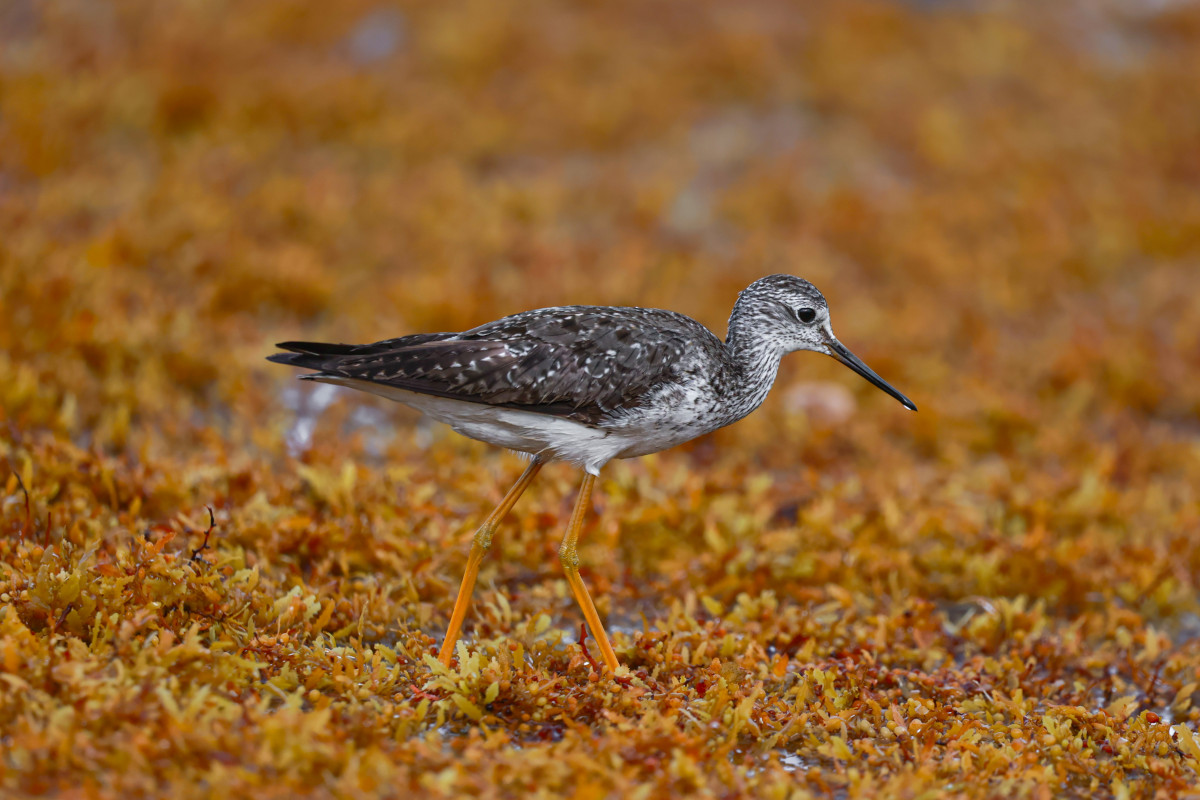
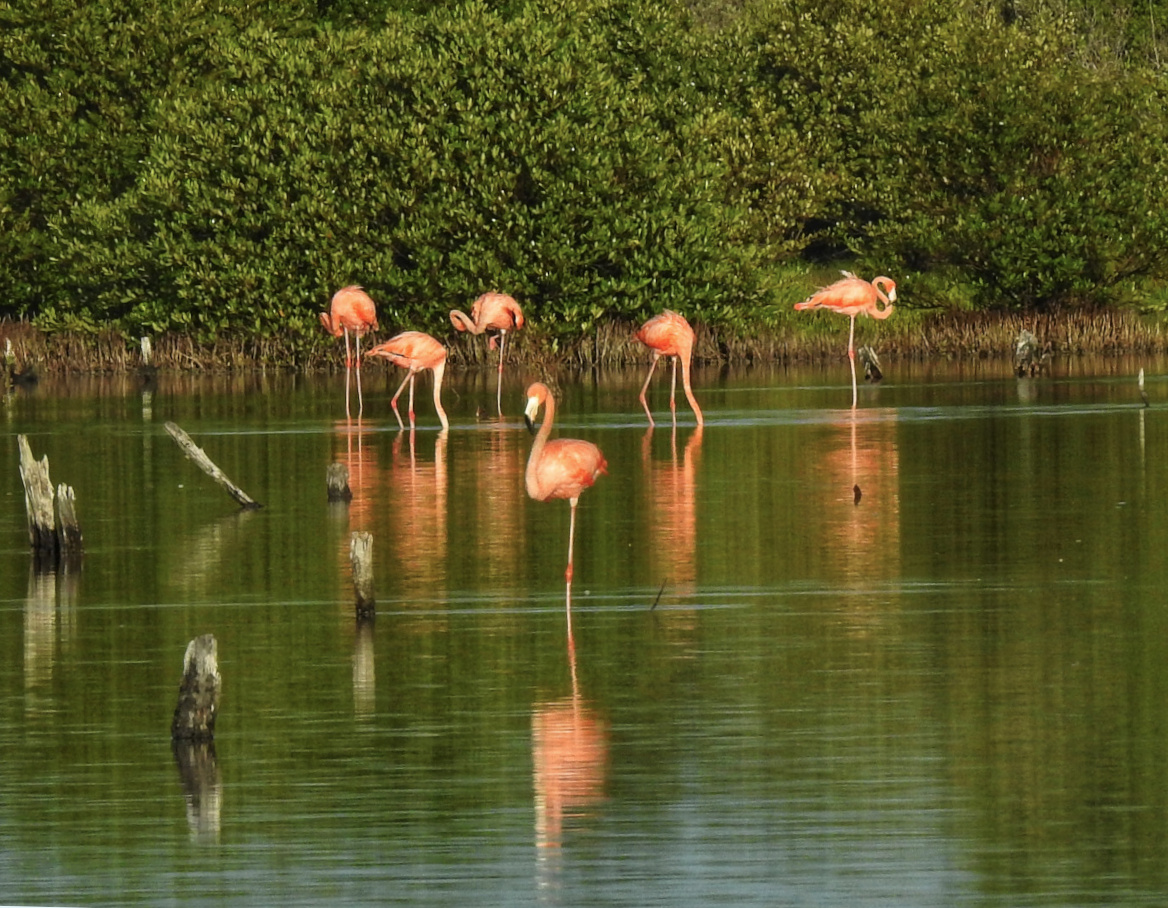
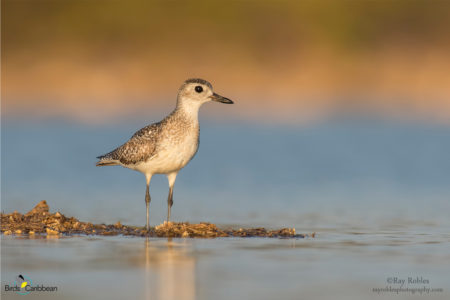
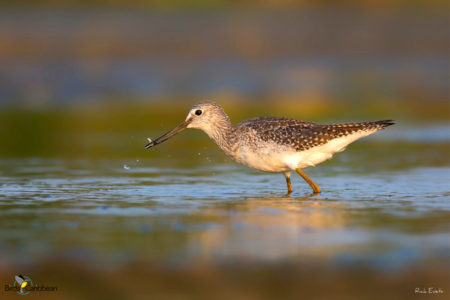
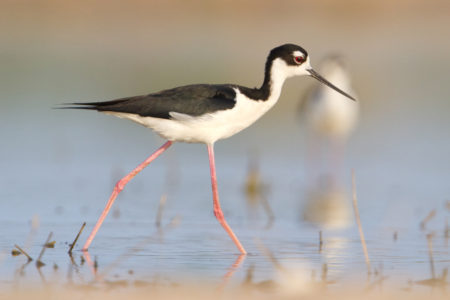
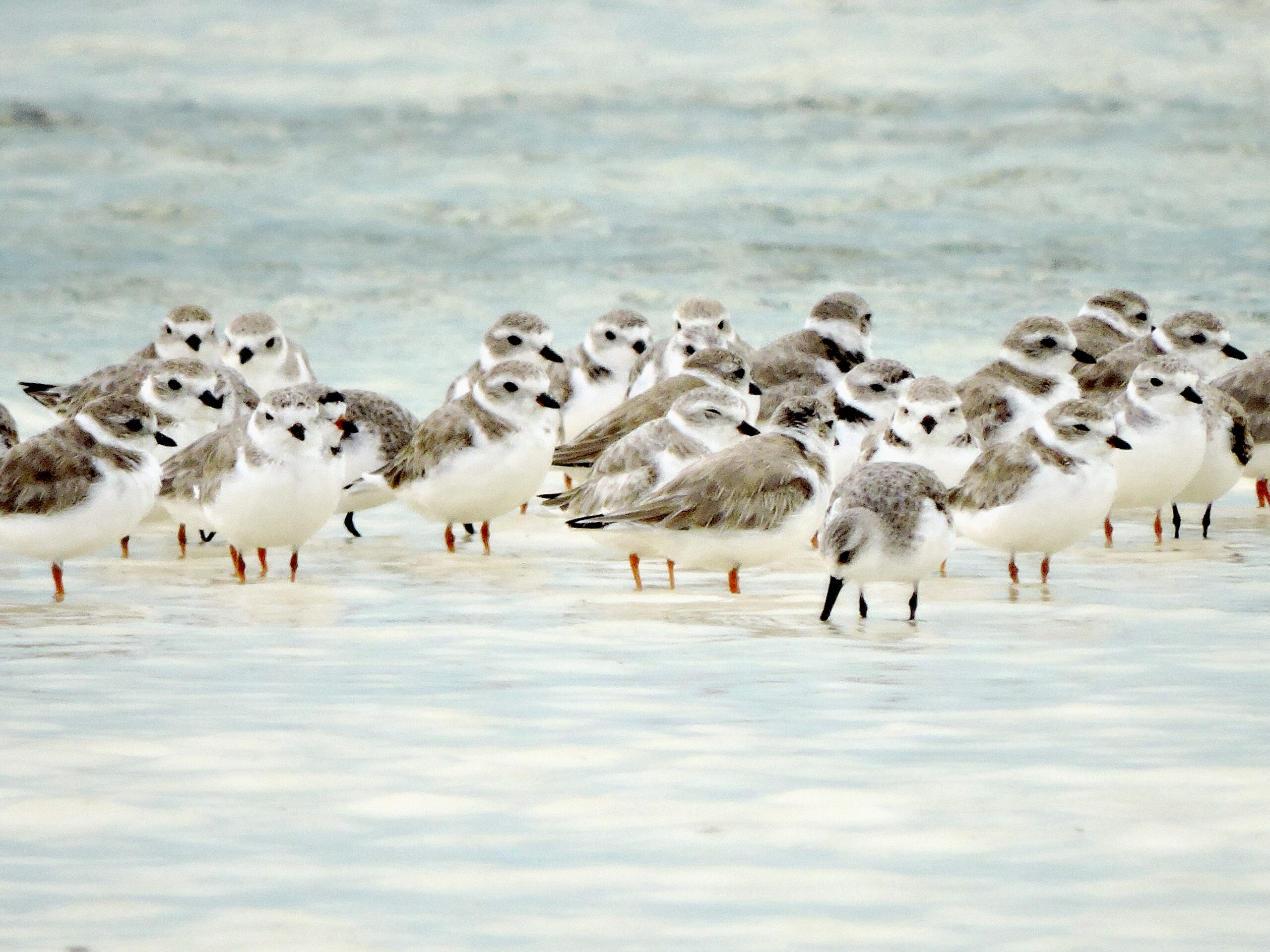
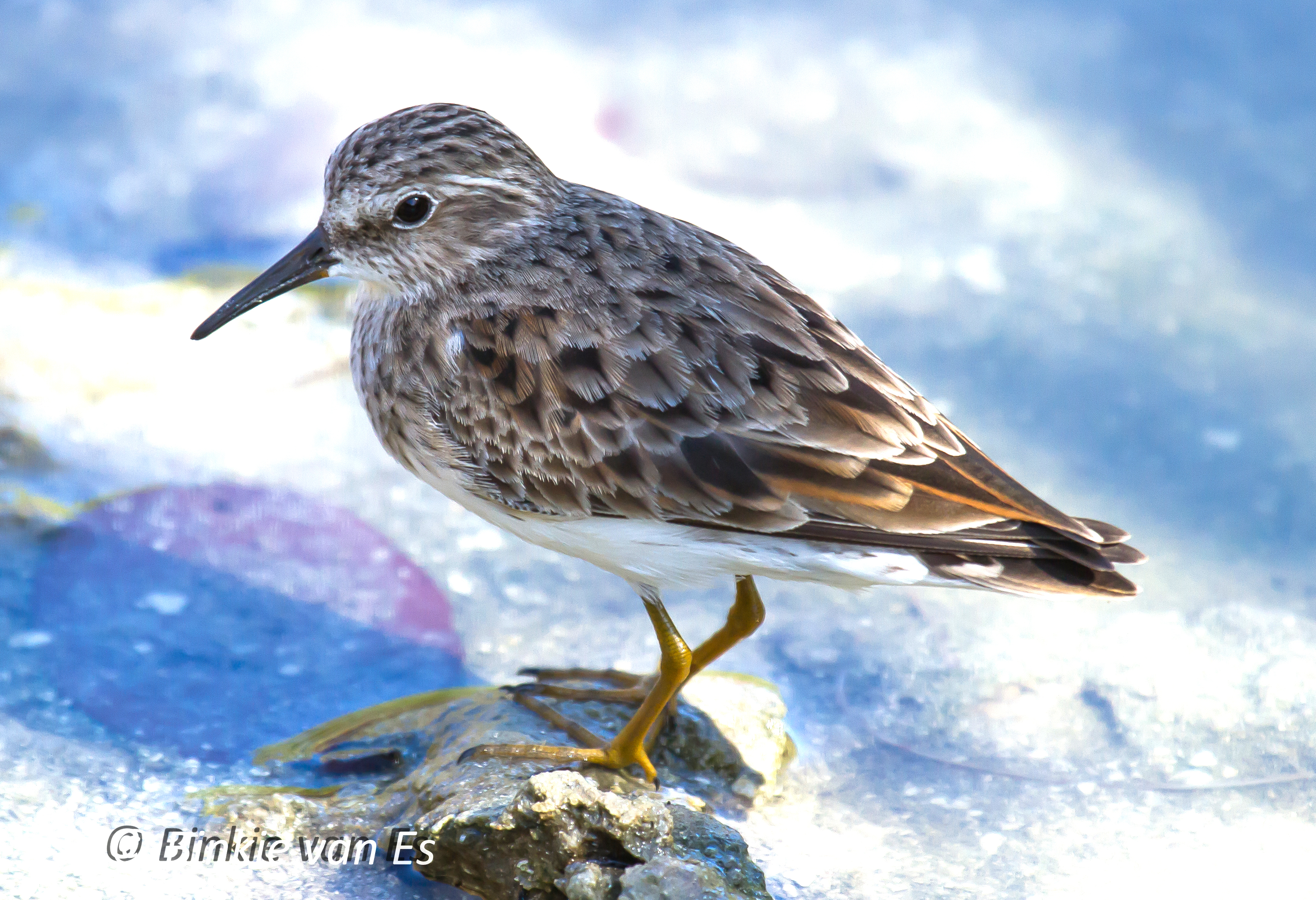
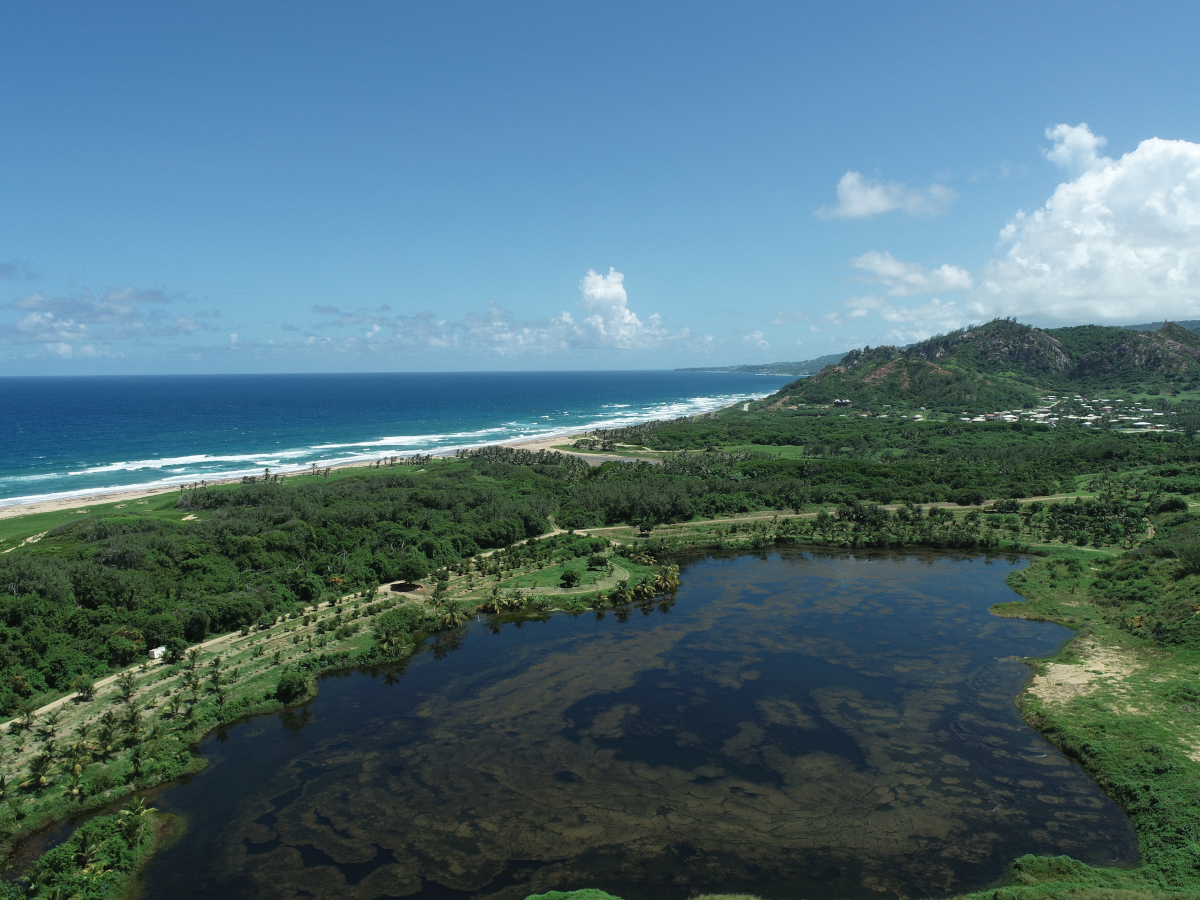
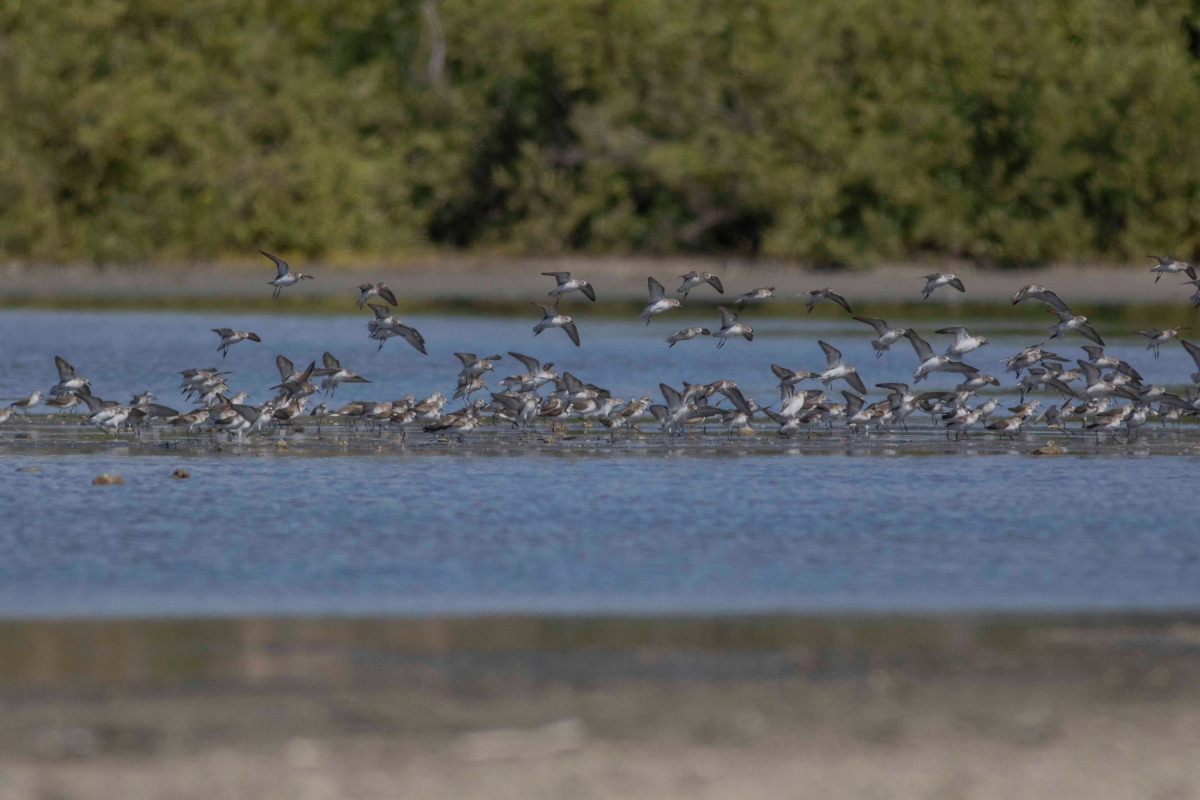
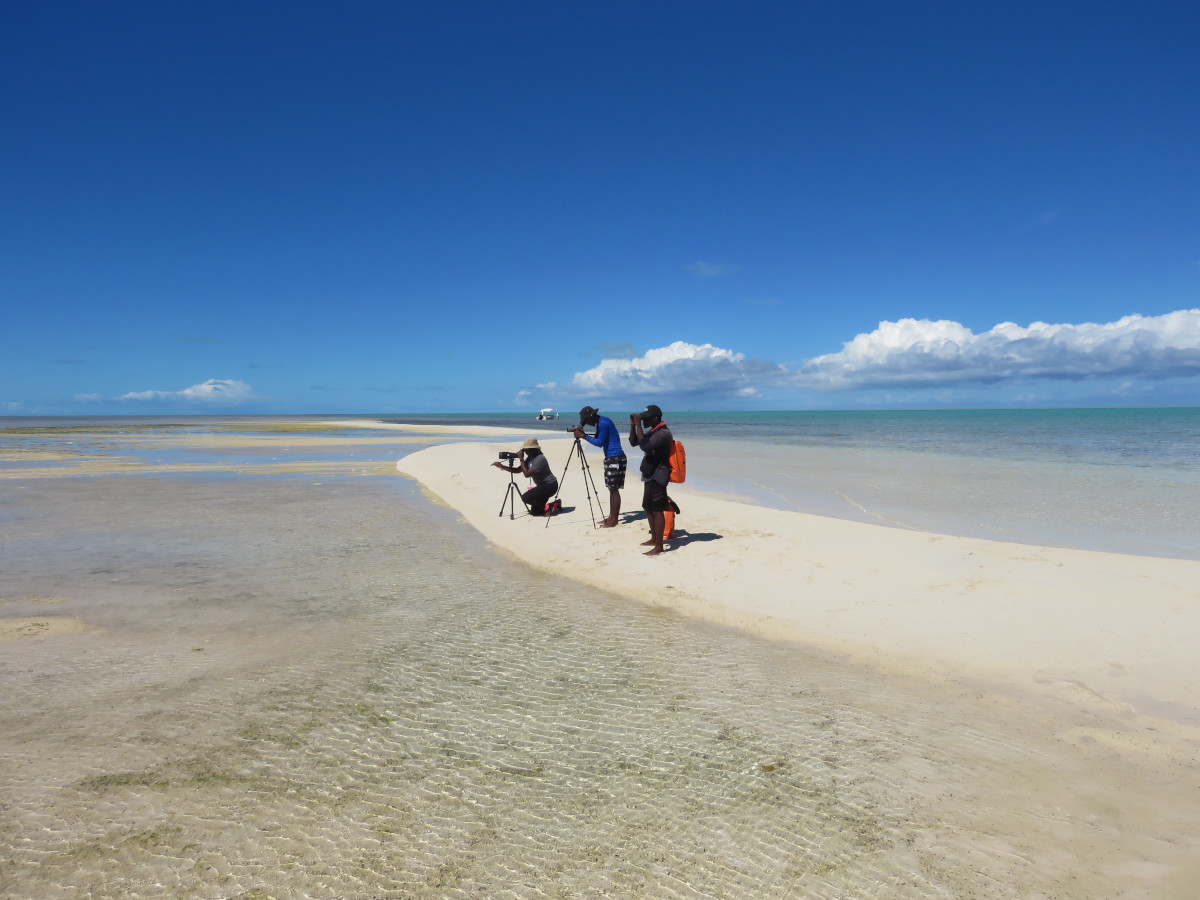
Thanks to the collective power of citizen scientists—heading out, recording the birds they saw, then submitting those sightings to eBird—researchers were able to complete the first-ever Caribbean-wide assessment of shorebird use in the region, via the Caribbean Waterbird Census, now in its sixteenth year.
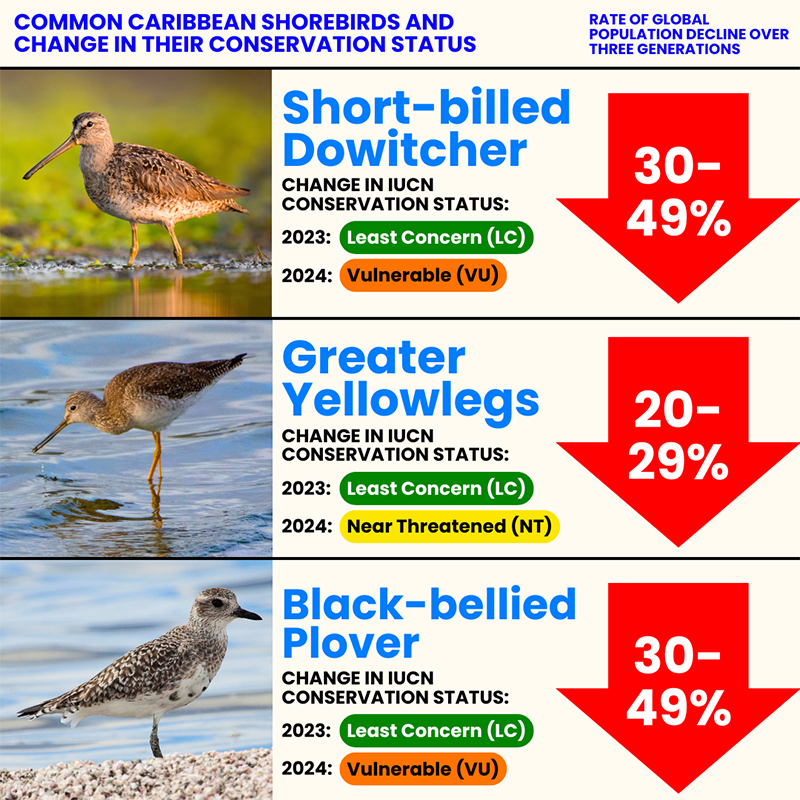
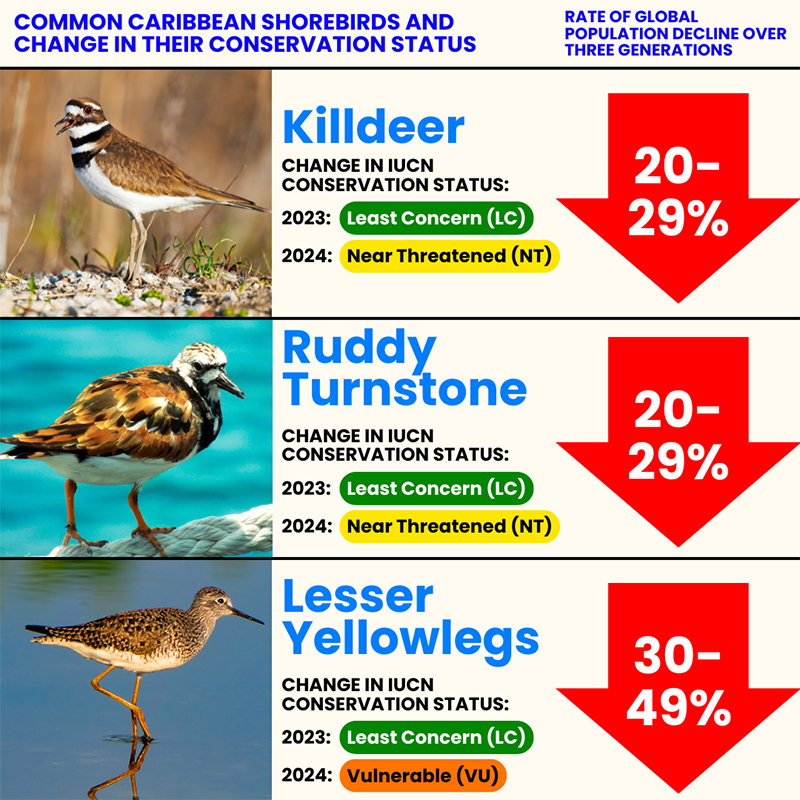
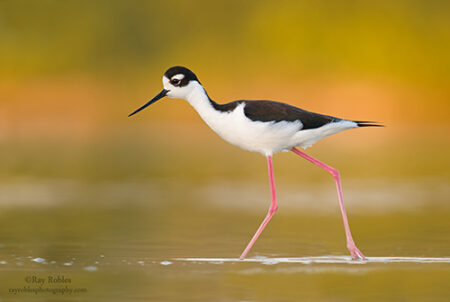
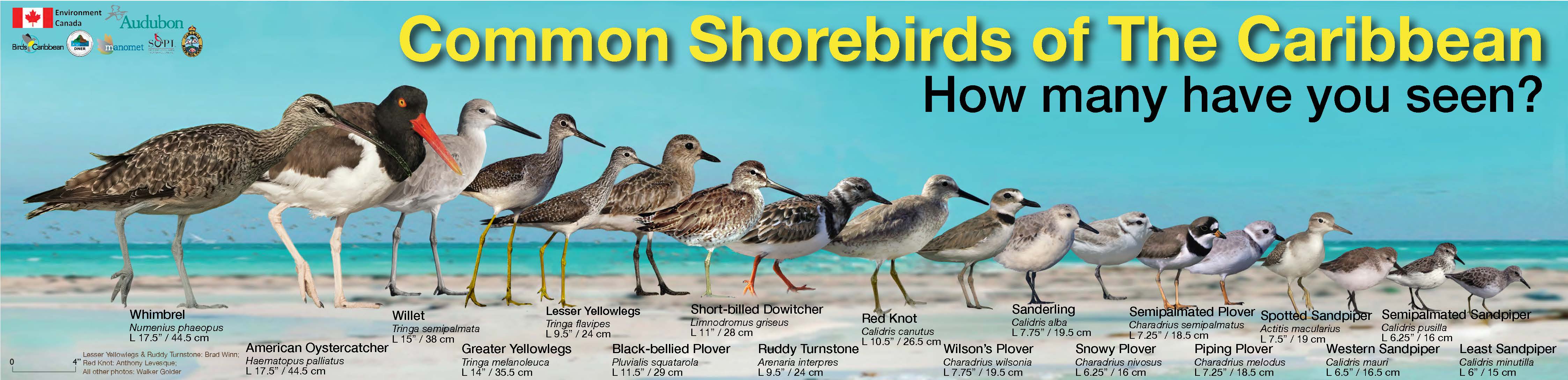
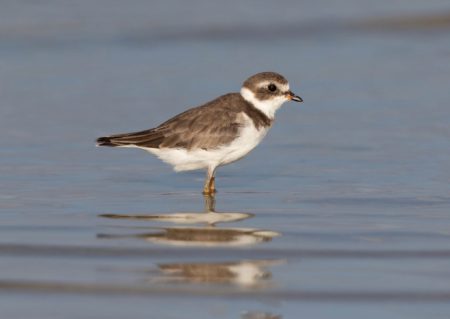
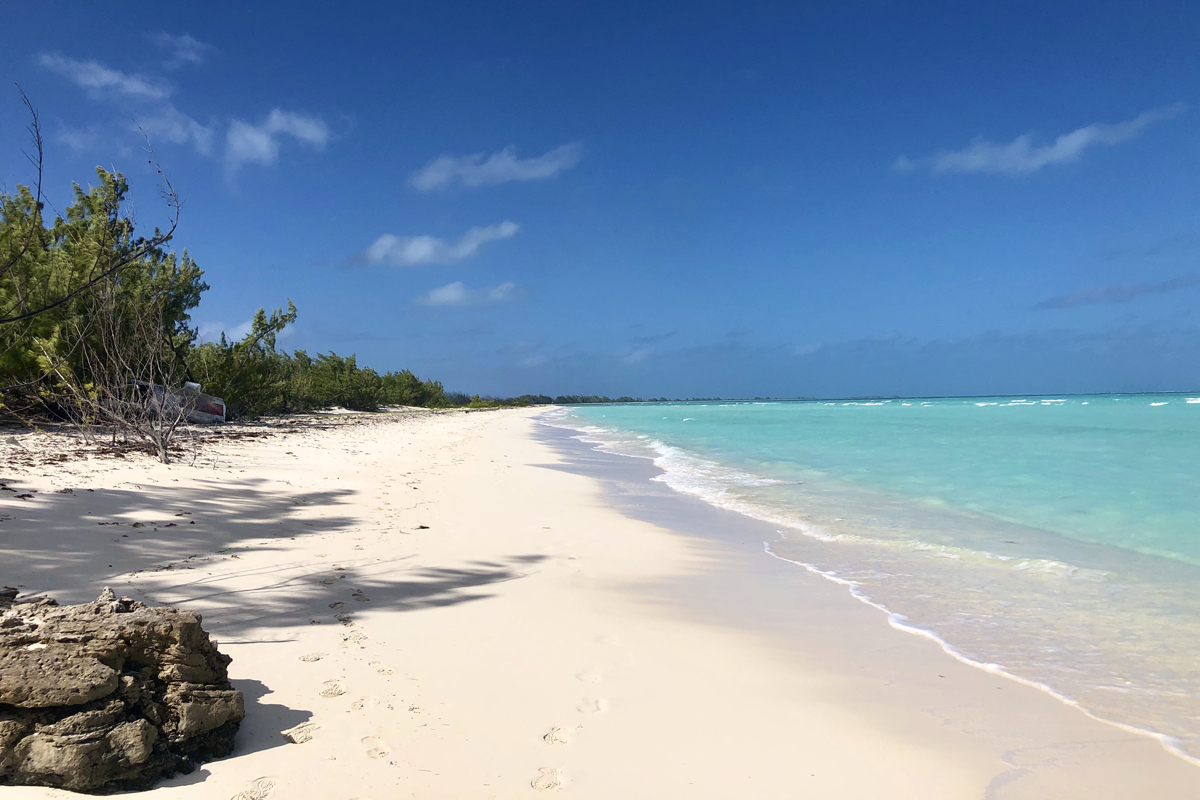
For ten years, volunteers continuously contributed more than 211,000 shorebird observations through more than 78,000 eBird checklists. This immense pool of data allowed the researchers to identify critical conservation hotspots that were previously unknown. This breakthrough is a huge deal, finally giving the Caribbean the recognition it deserves as a crucial region for North American shorebirds, so important given alarming declines in shorebirds in our region. The study highlighted that Humedal Sur de Pinar del Río in Cuba and Monte Cristi in the Dominican Republic should be priority areas for shorebird conservation. As these sites each support over 20,000 shorebirds annually like Short-billed Dowitchers, Black-bellied Plovers, Wilson’s Plovers, and Black-necked Stilts they are also candidates to be designated as WHSRN (Western Hemisphere Shorebird Reserve Network) sites of regional importance.
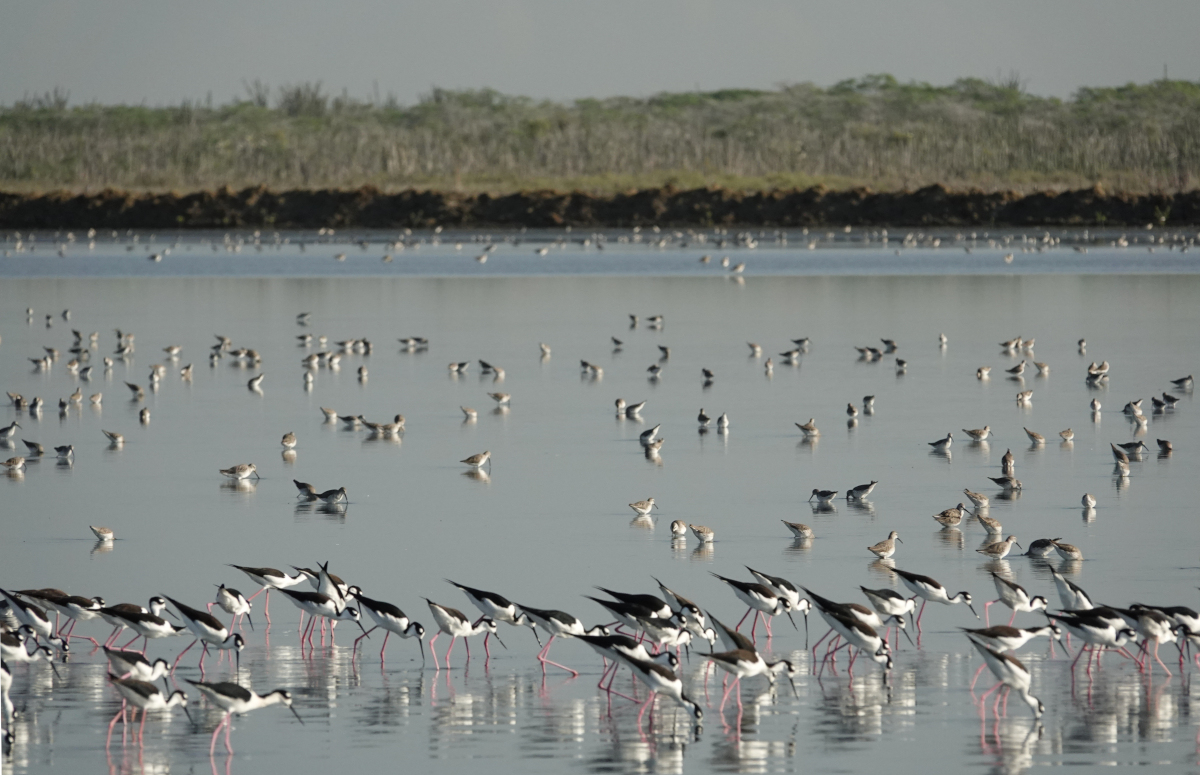
This study also pinpointed at least 15 additional sites that are crucial for shorebird populations and may now qualify for international designations. This massive effort by thousands of volunteers has provided the evidence needed to protect these habitats and ensure a safer future for migratory shorebirds. You can read the full article here!
In addition to safeguarding habitats, citizen scientists are leading the charge in species discovery and rediscovery, helping scientists to keep an eye on the movements of pesky insects, understanding invasive species’ recipe for success, supporting bee conservation in urban spaces, illuminating the impacts of climate change, and so much more.
Citizen science is truly people-powered science!
Becoming a citizen scientist
With countless opportunities available, it’s easy to find and join a citizen science project. But before you begin your new adventure in science, here are some tips to get you started on the right foot.
Your first step should be to find a project that genuinely interests you. Do you love to hike? There are projects for tracking wildlife. Are you interested in birds? You can help monitor populations. Do you want to help your local community? You can help monitor water quality or noise pollution. It’s important to choose a project that aligns with your interests. This will make the experience more fun and rewarding.
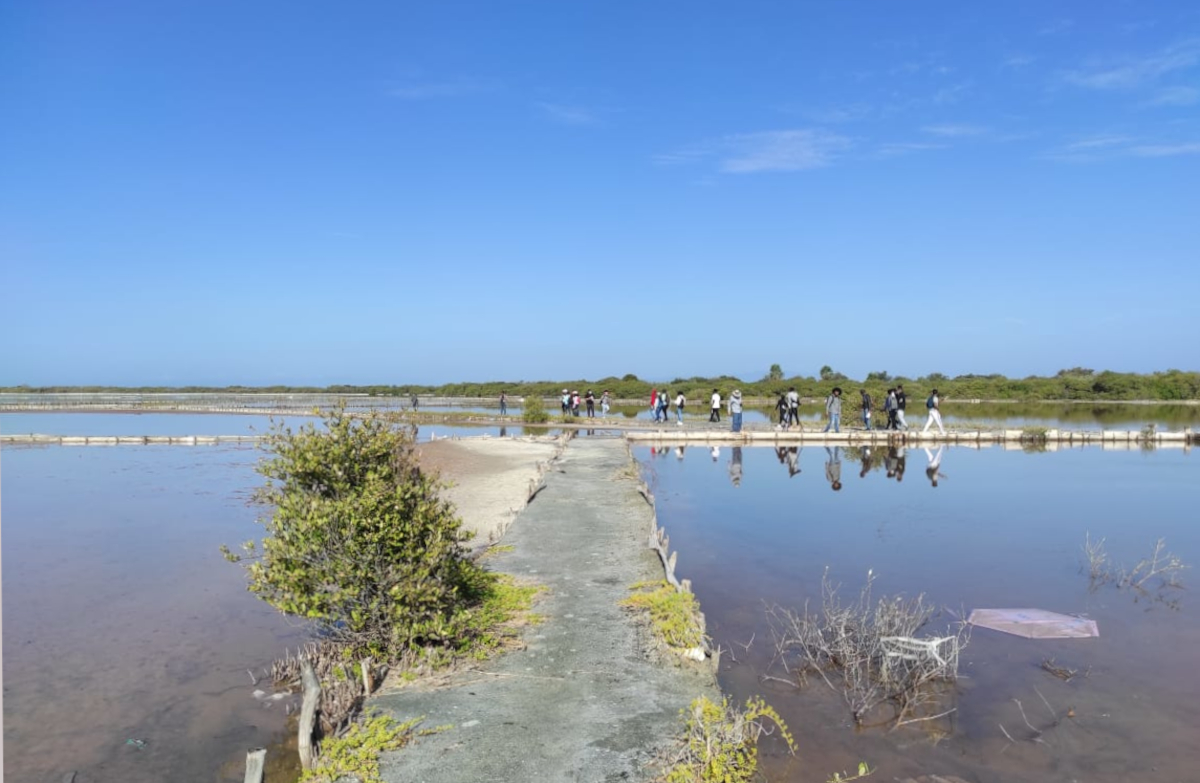
Once you’ve zoned in on the type of project you’d like to join, ‘google it!’ A quick search will connect you with platforms that host thousands of projects. If you’re a bird lover, eBird is our absolute favorite. eBird offers projects, courses and news to help you get started and stay up-to-date with everything citizen science. We’ve also got some great longstanding citizen science projects in the Caribbean too, more on this below.
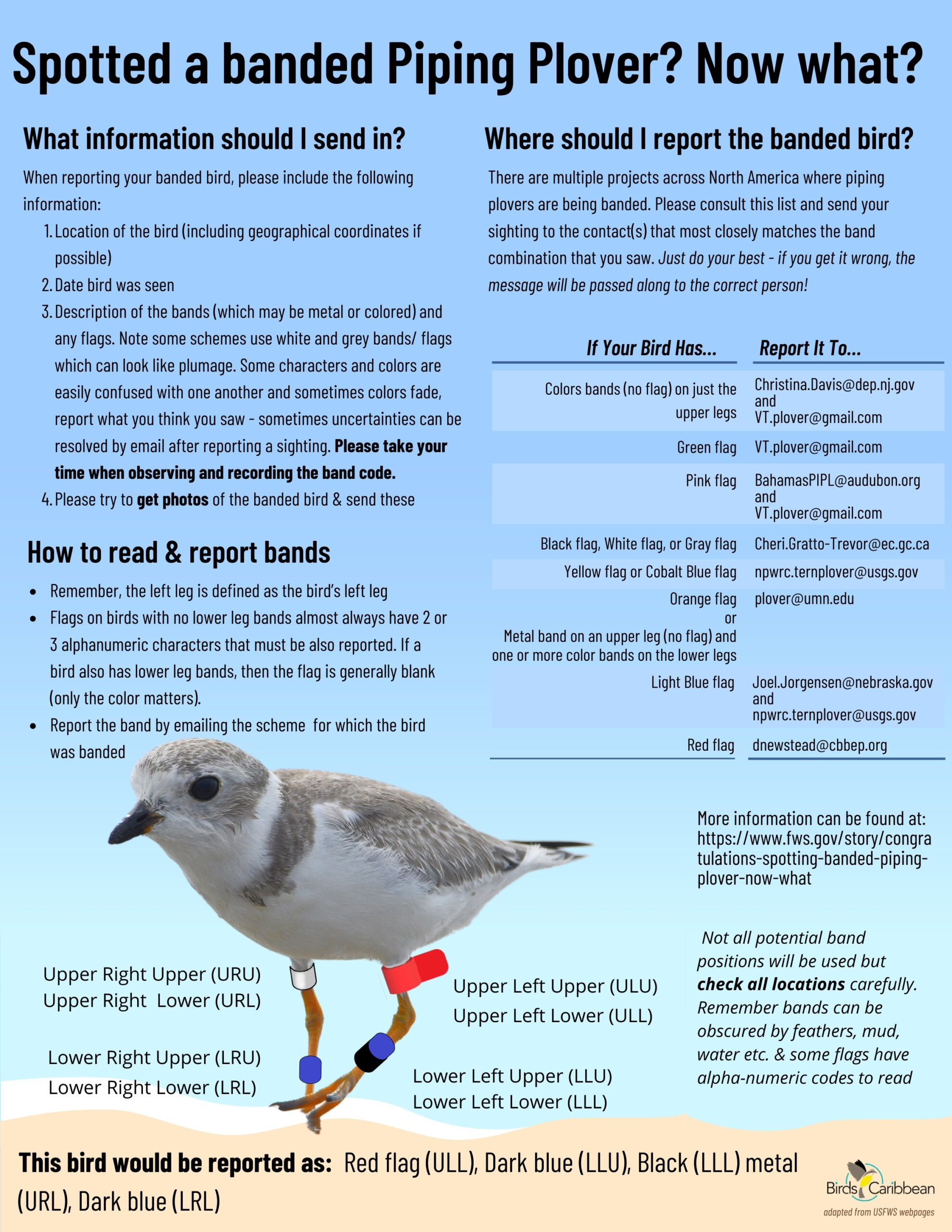
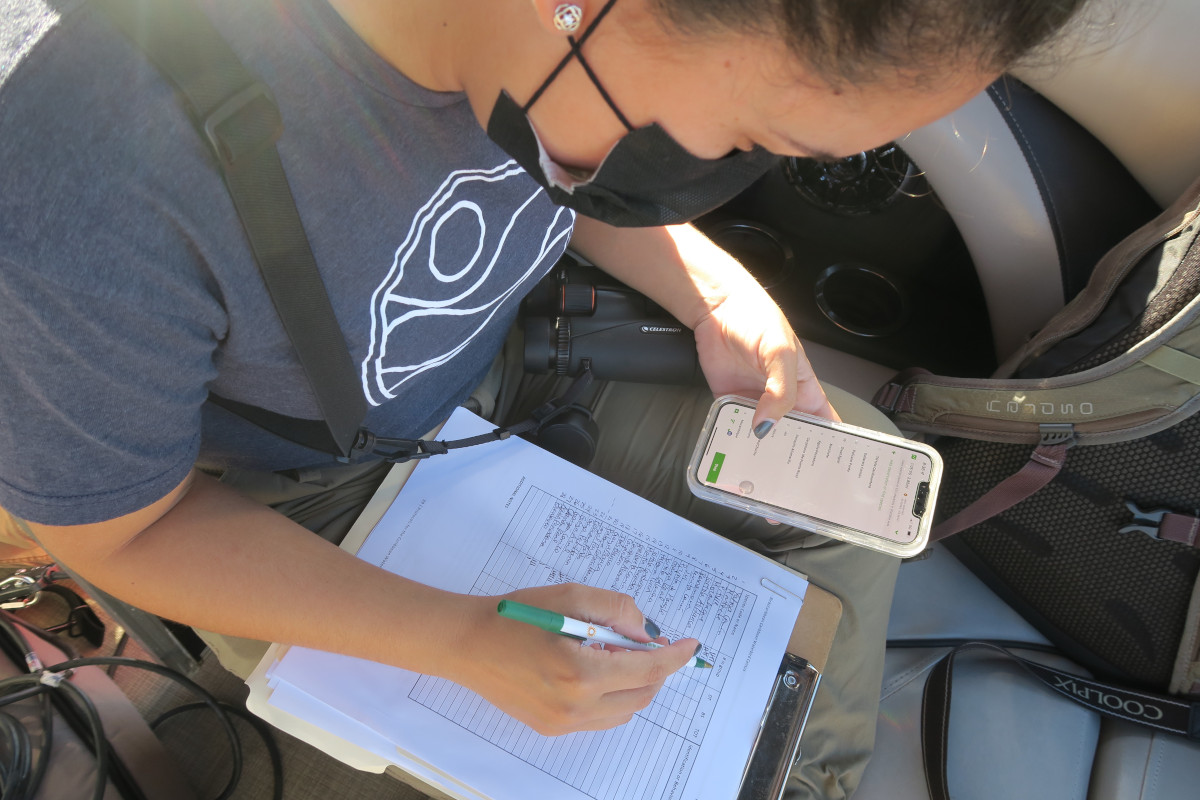
After selecting a citizen science project you’ll typically have to download a free app or visit a website, sign up, and follow the simple instructions to collect and submit your data.
If you’re completely new to the citizen science scene, here are some additional tips:
Start small and local. The good news is that you don’t have to be an expert or commit a lot of time. Many projects can be done in as little as 15 minutes, and every single observation helps. (There’s no bad news!) Also, follow the instructions. Each project has a specific set of instructions to ensure the data is high-quality. Reading and carefully following the instructions will make your contribution even more valuable. And of course, when in doubt, ask questions! The community is here to support everyone, from beginners to experts.


Finally, and most importantly—have fun! You are helping to make ripples of impact while having an adventure of a lifetime so give yourself the space and time to enjoy the process of discovery, learning, and contributing.
Bonus tip: Citizen science is all about community. Invite a friend to be your fellow explorer!


Ready to start your Citizen Science adventure with BirdsCaribbean?
If you’re ready to start your citizen science adventure, here are some great projects to join throughout the year:
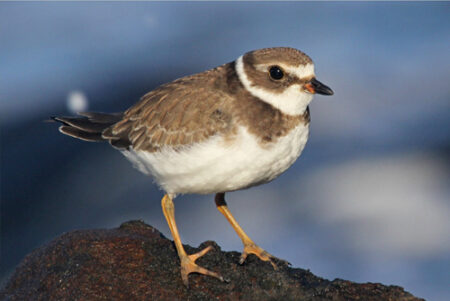
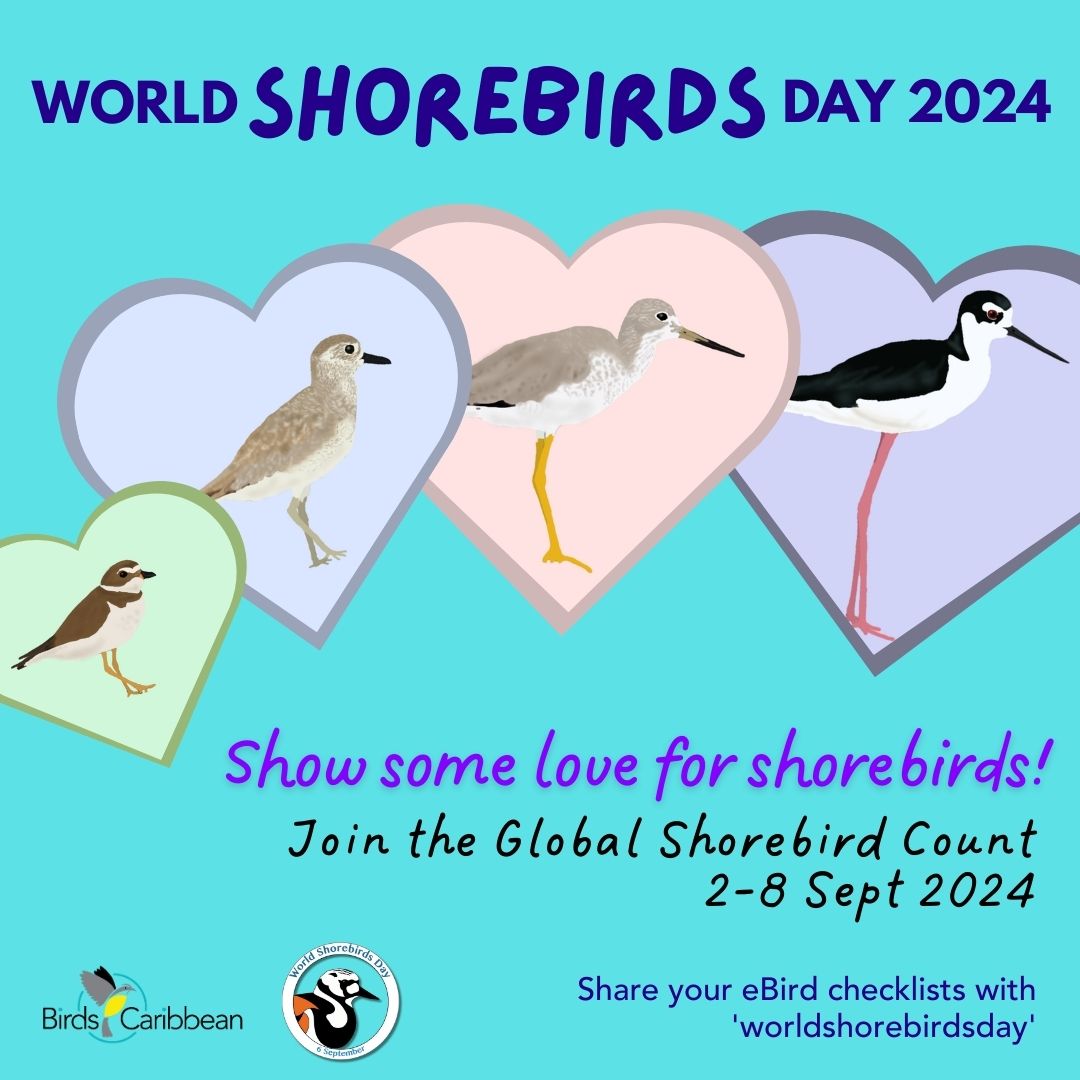
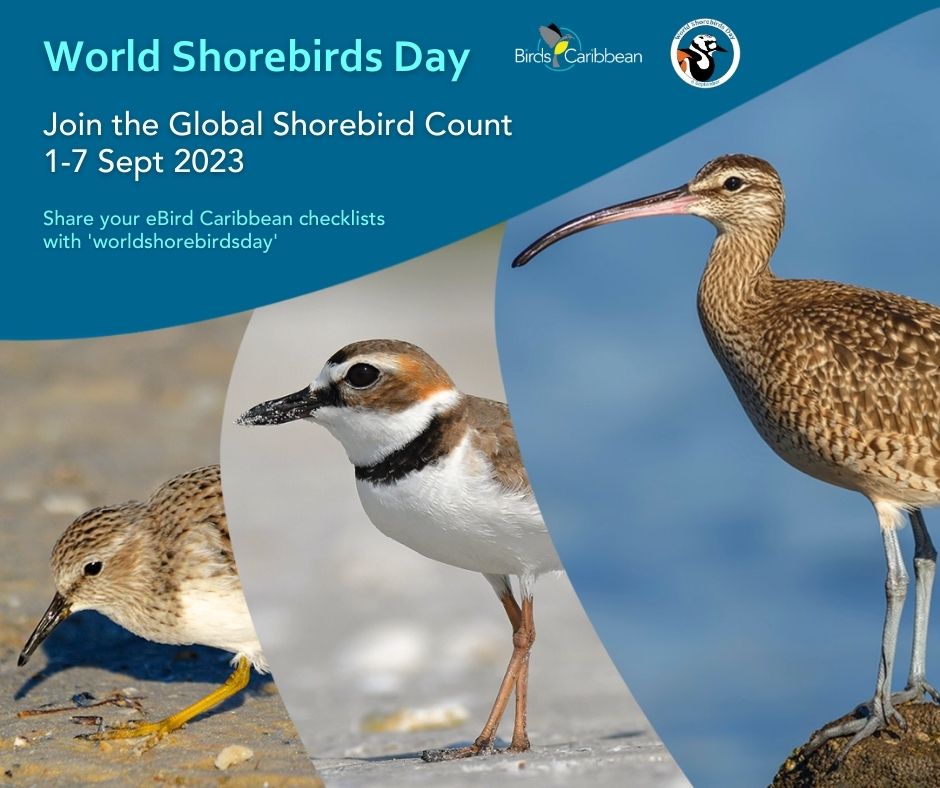
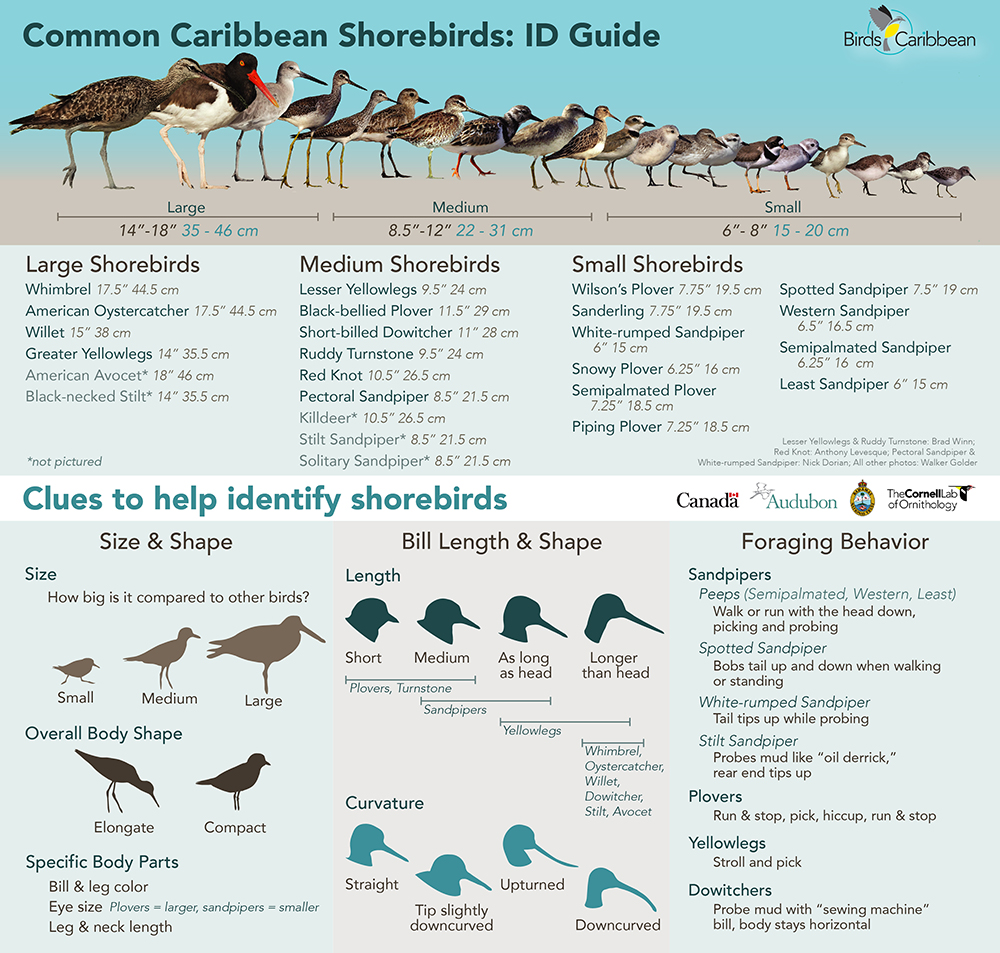
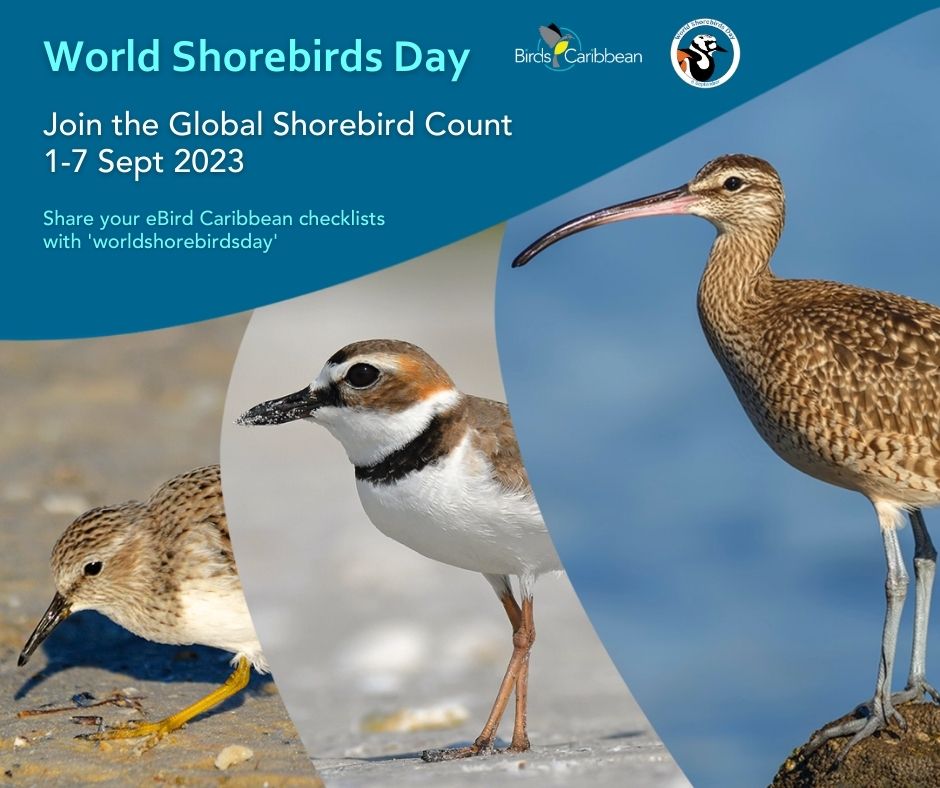
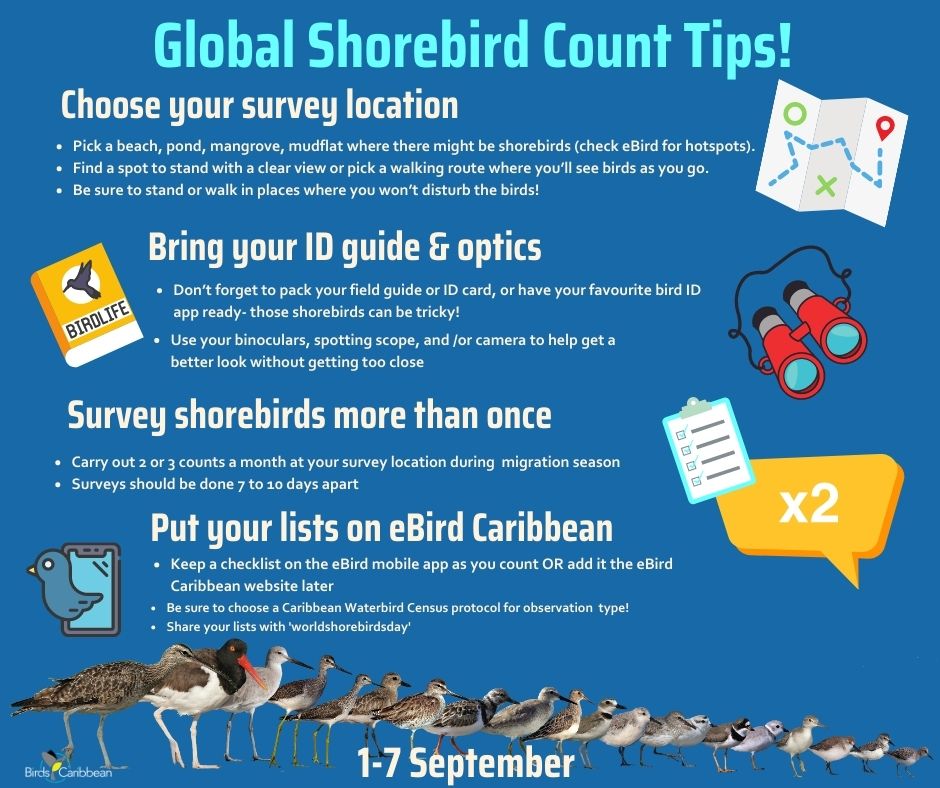
Global Shorebird Count (September 2025): If you love plump adorable animals, then we think you’re going to love this project! Learn more about the Global Shorebird Count here and get the resources (for FREE) to help with your count here.


October Big Day (October 2025): A global event where you can join thousands of birders to find and report as many bird species as possible in a single day. And get this, you can watch birds right from the comfort of your backyard or balcony! However, if your feet are itching to cover more ground, birders also head to botanical gardens, wetlands, and nature reserves. Learn more here.
Caribbean Waterbird Census (January- February 2026): For over 16 years, BirdsCaribbean has been monitoring waterbird populations thanks to the efforts of a region-wide network of amazing birders and bird lovers! While the official count happens in January, you can submit waterbird observations throughout the year to this important program. Click here to learn more about this incredible citizen scientist project and access free resources like webinars, bird ID guides and more.
Global Big Day (May 2026): Join birders from around the world to find and count birds on a single day in May. Be sure to check out this year’s recap of the event and get ready to participate, wave your country flag high, win fabulous prizes, show off your best shots and raise funds to protect Caribbean birds and build local conservation capacity, next year!
You’ve got the tools. You’ve got the drive. Now go make history! Your observations are the building blocks of a better world. The projects are waiting for you, and so are we. The only thing missing is you!