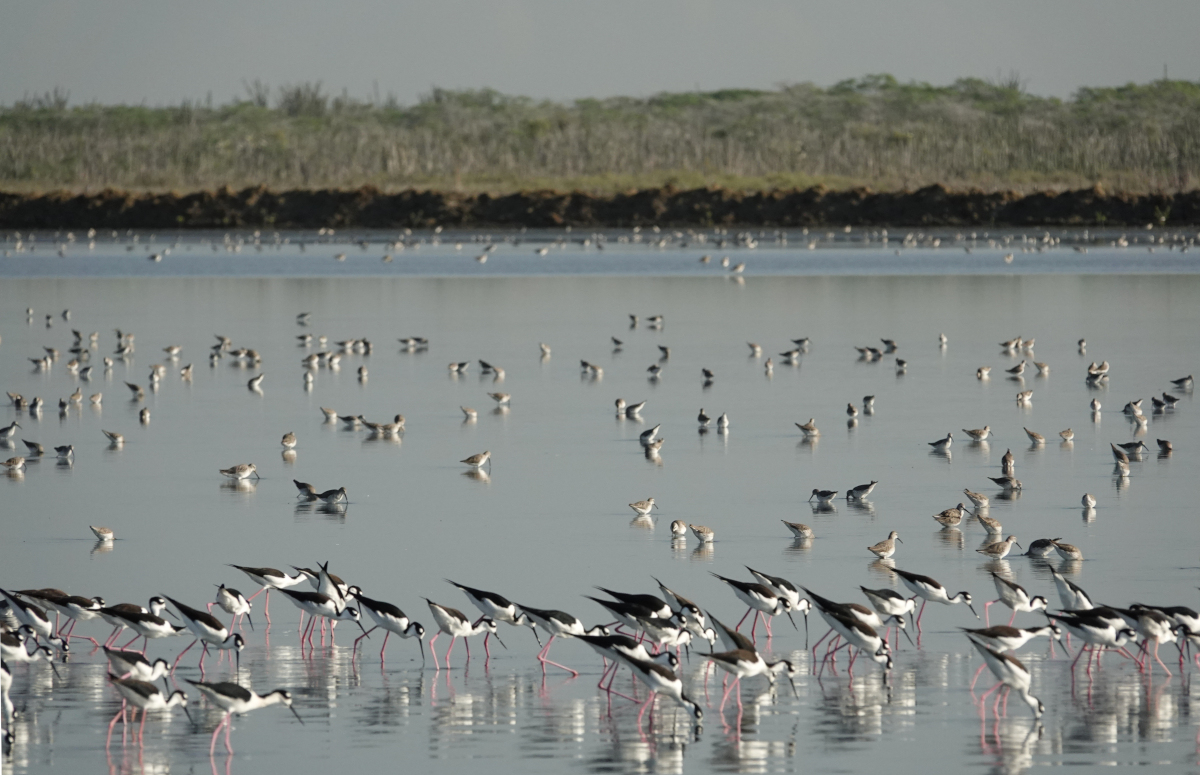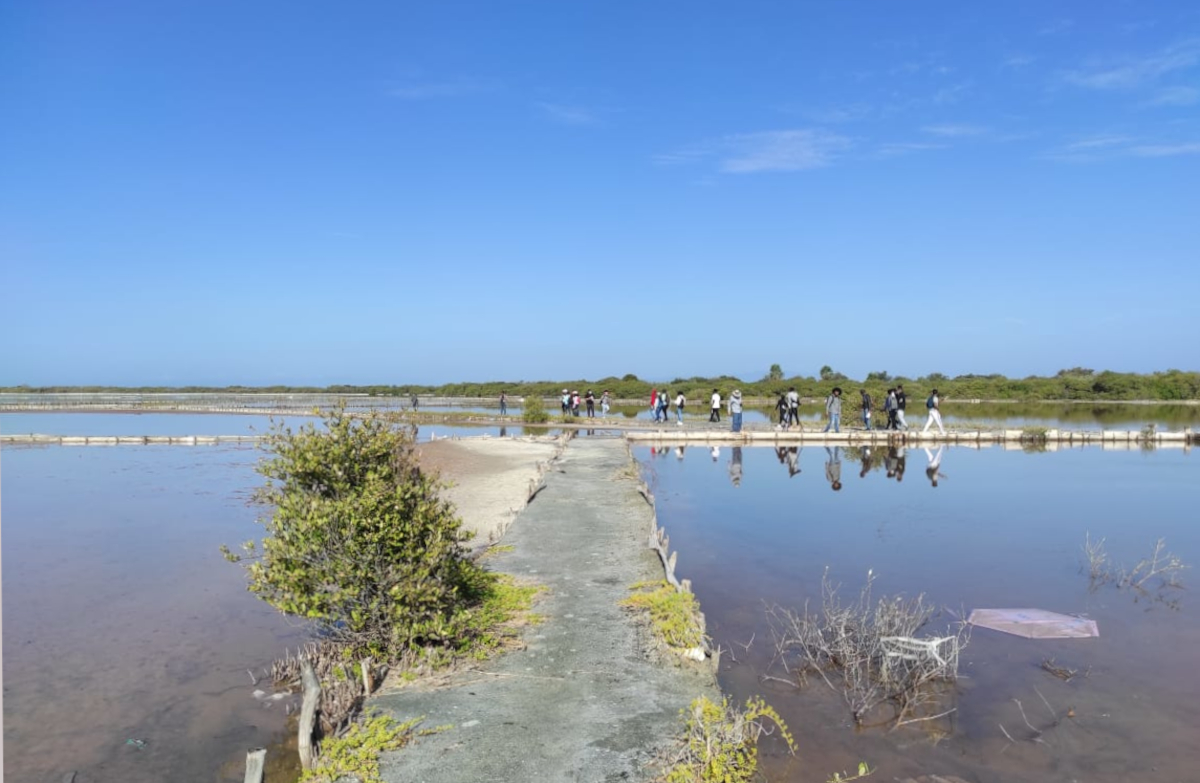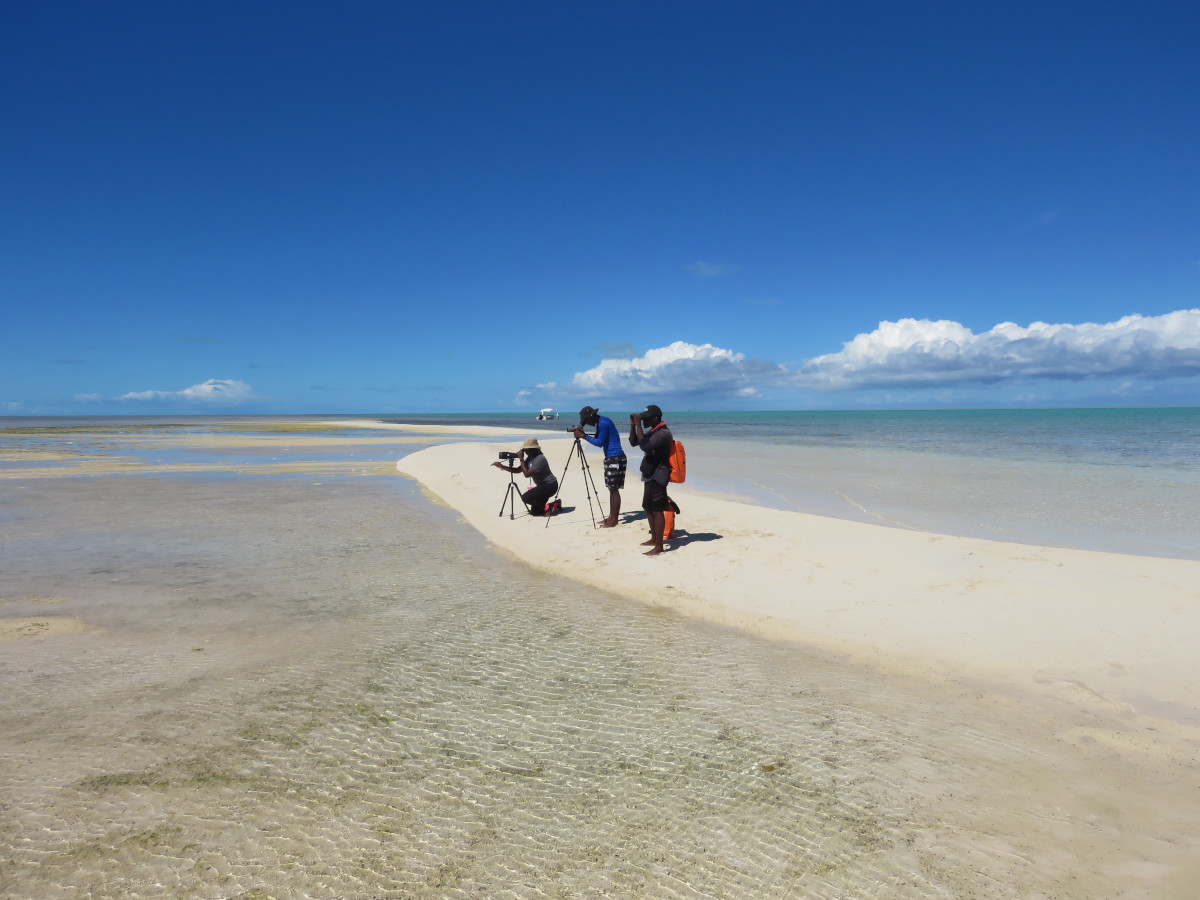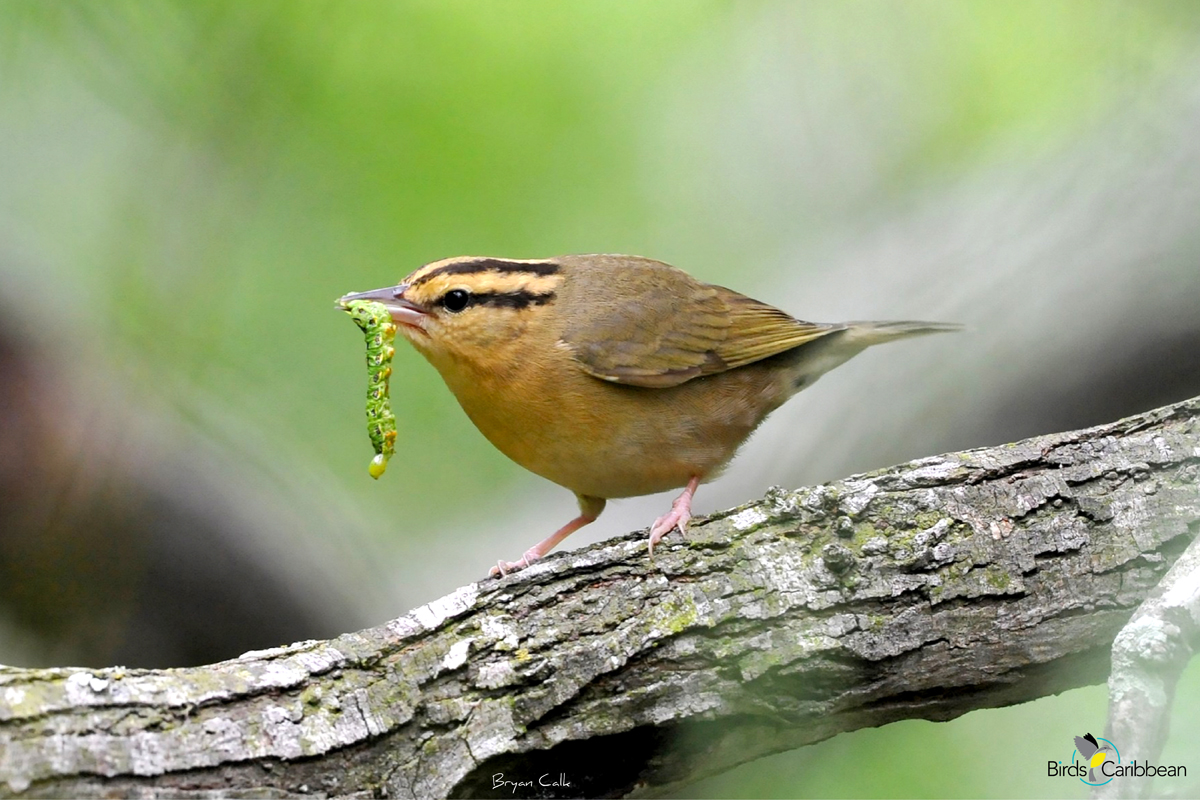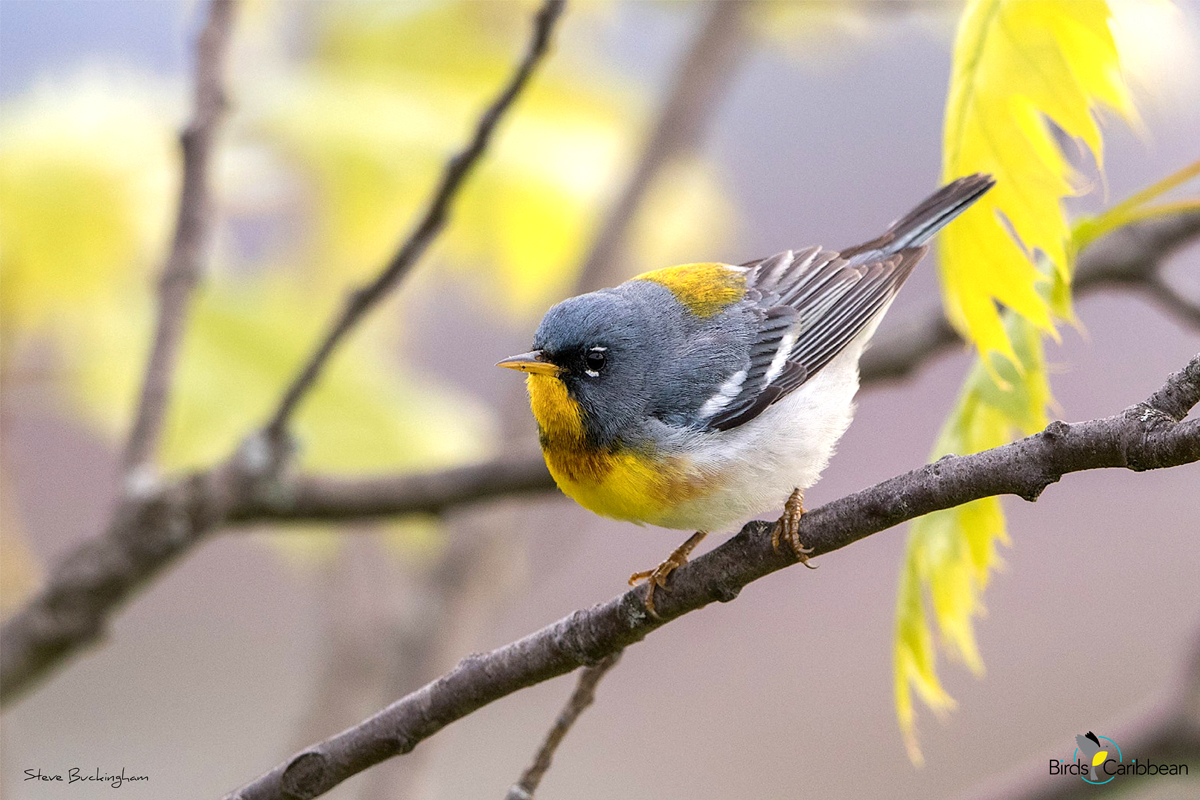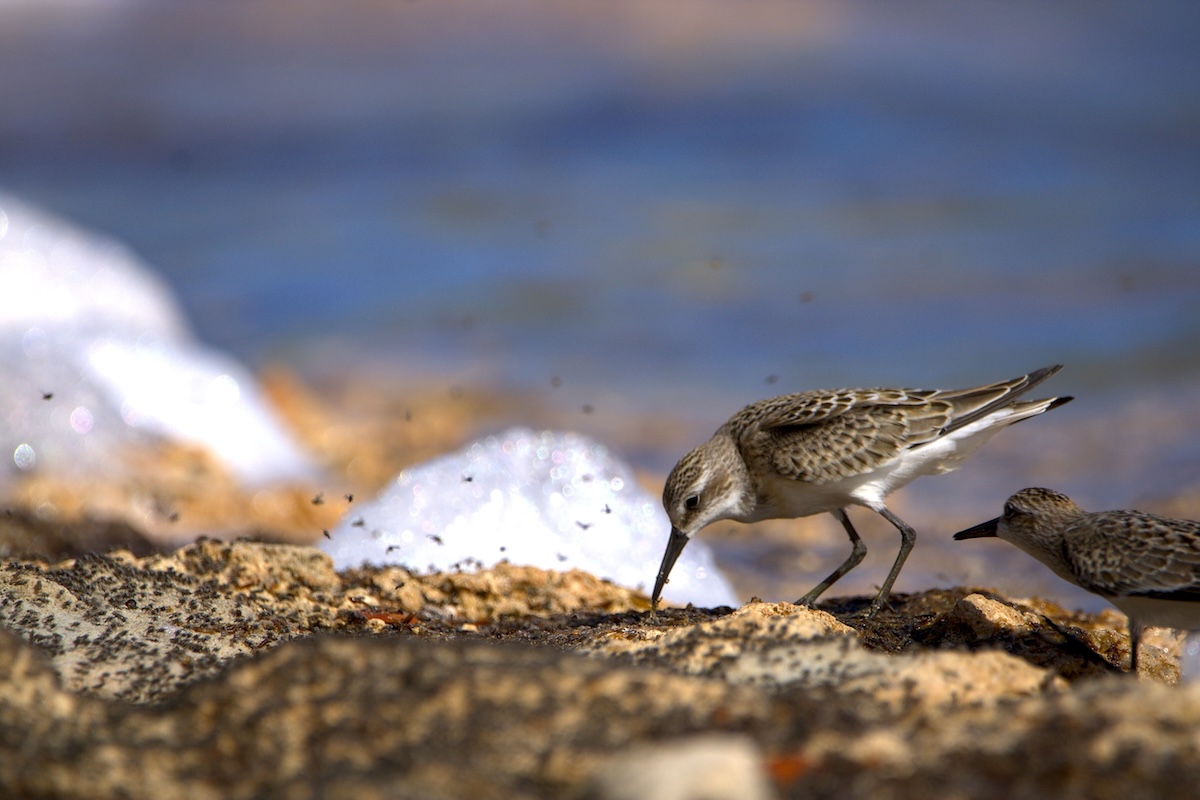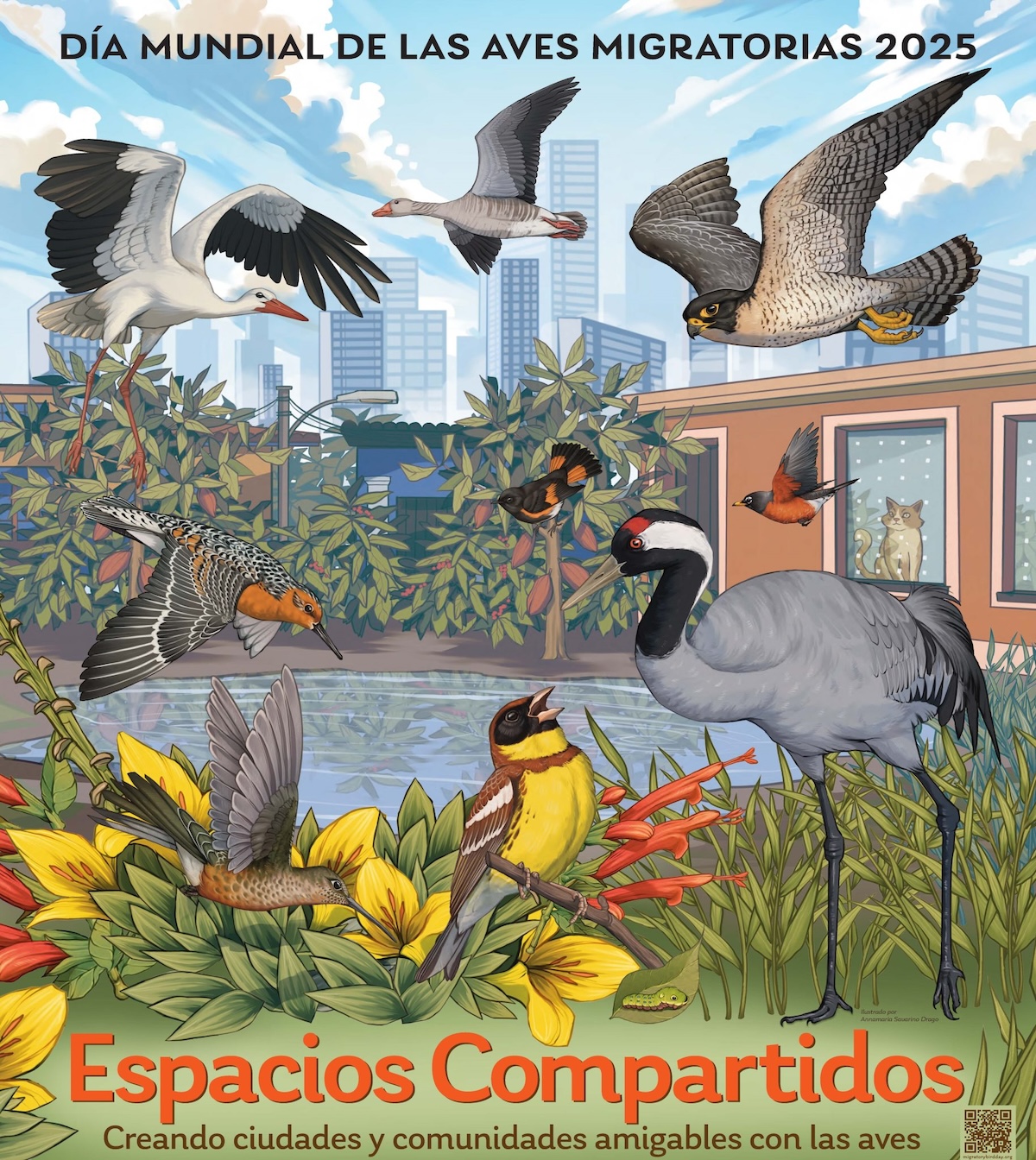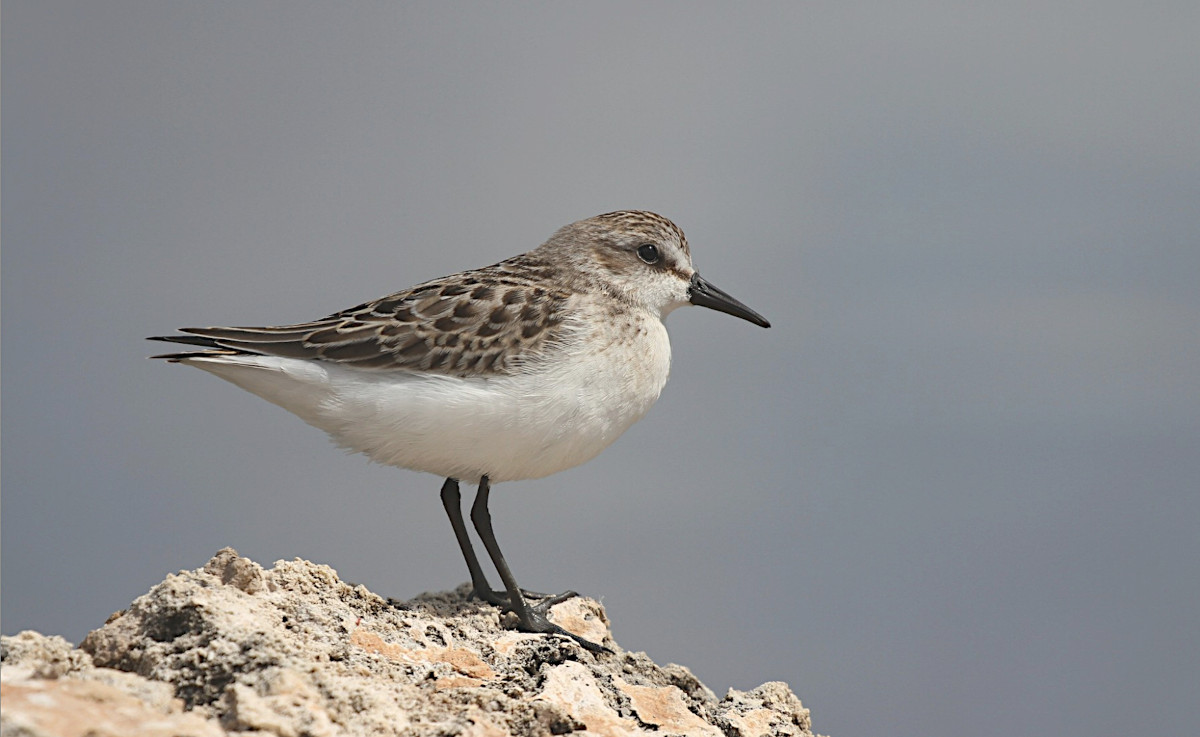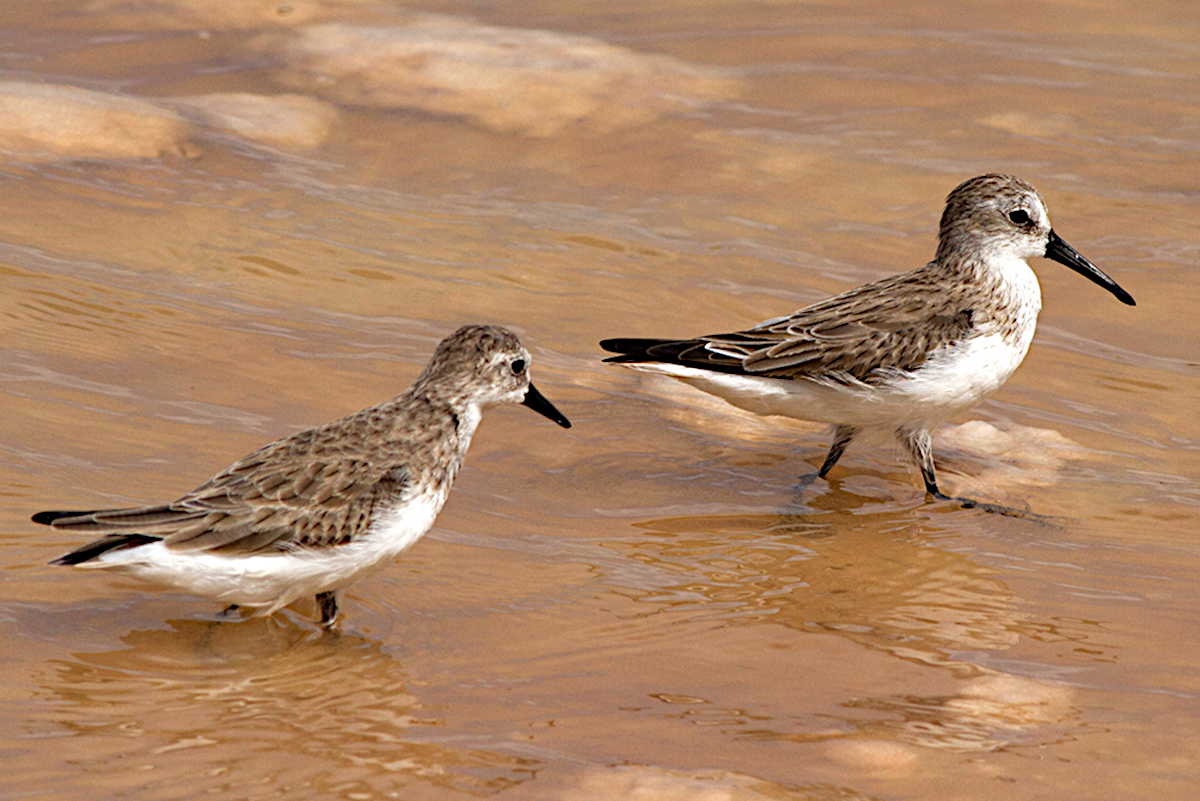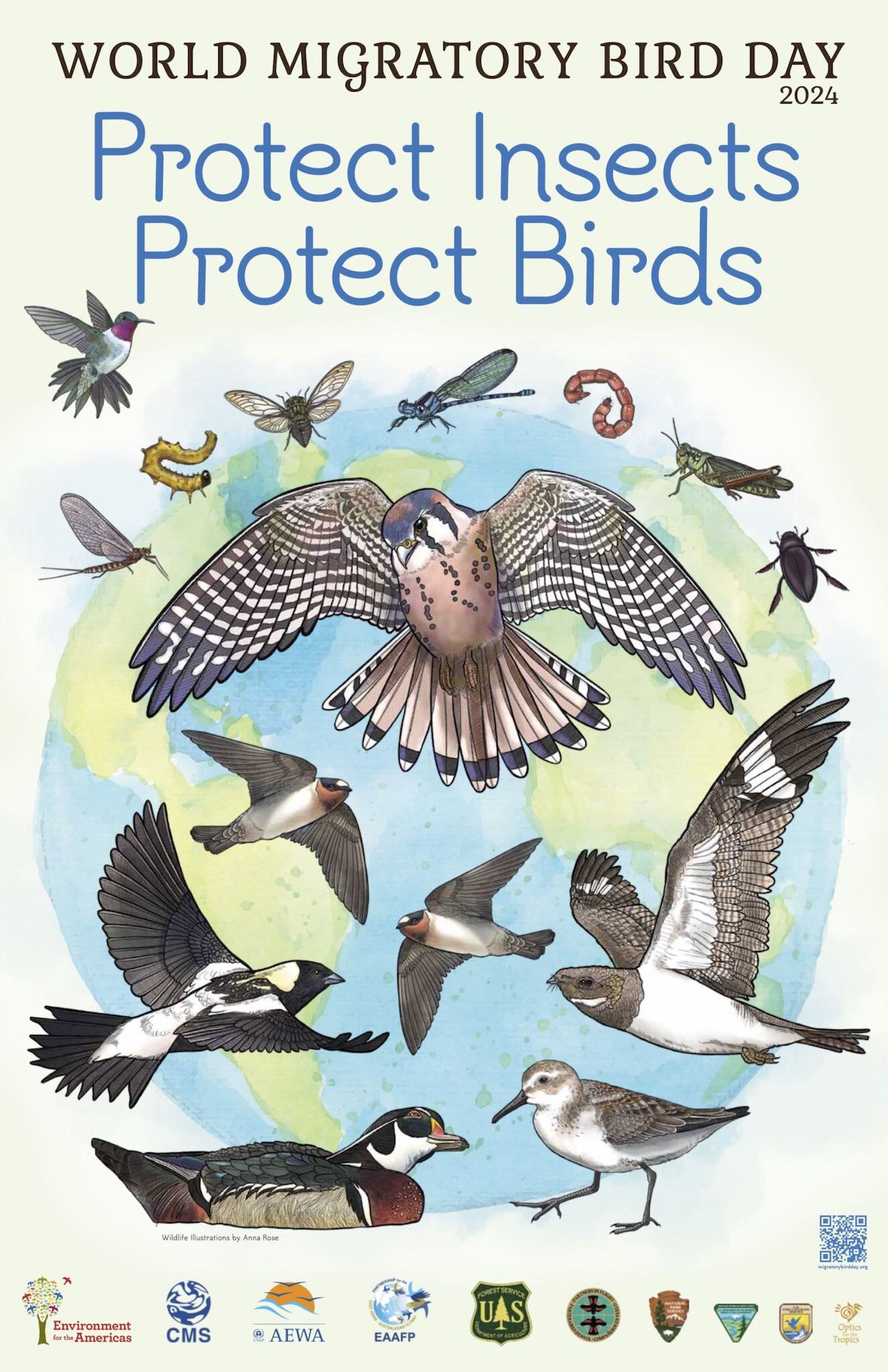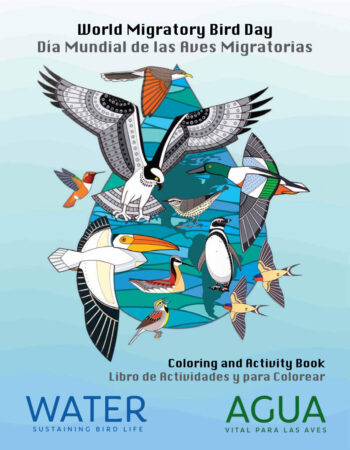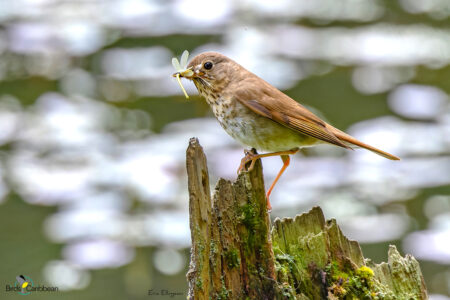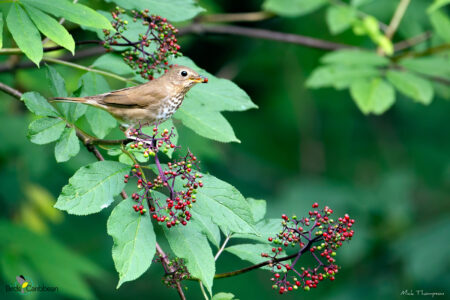

Every year, migratory birds traverse the globe, with many making the Caribbean their stopover or winter home. Under the 2025 theme, “Shared Spaces: Creating Bird-Friendly Cities and Communities,” Caribbean islands dedicated the August-November period to celebrating these travelers. Read on for the creative ways our islands embraced World Migratory Bird Day (WMBD) and took concrete steps to make our shared spaces safer and more welcoming for birds!
From bustling cities to tranquil coastal villages, the Caribbean sprang into action to explore challenges and solutions for protecting migratory birds in urban environments. Events spanned numerous activities: from birdwatching trips and habitat clean-ups, to bird fairs and tree planting. The enthusiasm shown by communities, bird lovers, and local organizations underscores a shared commitment to ensuring that our islands remain healthy havens for the thousands of migratory birds that depend on them annually.
The theme, “Shared Spaces: Creating Bird-Friendly Cities and Communities,” was particularly resonant for the Caribbean islands. Unlike larger continents, many of our cities and villages are directly adjacent to, or even within, critical natural habitats like coastal wetlands, mangroves, and forests — the very stopover and wintering sites these birds rely on!
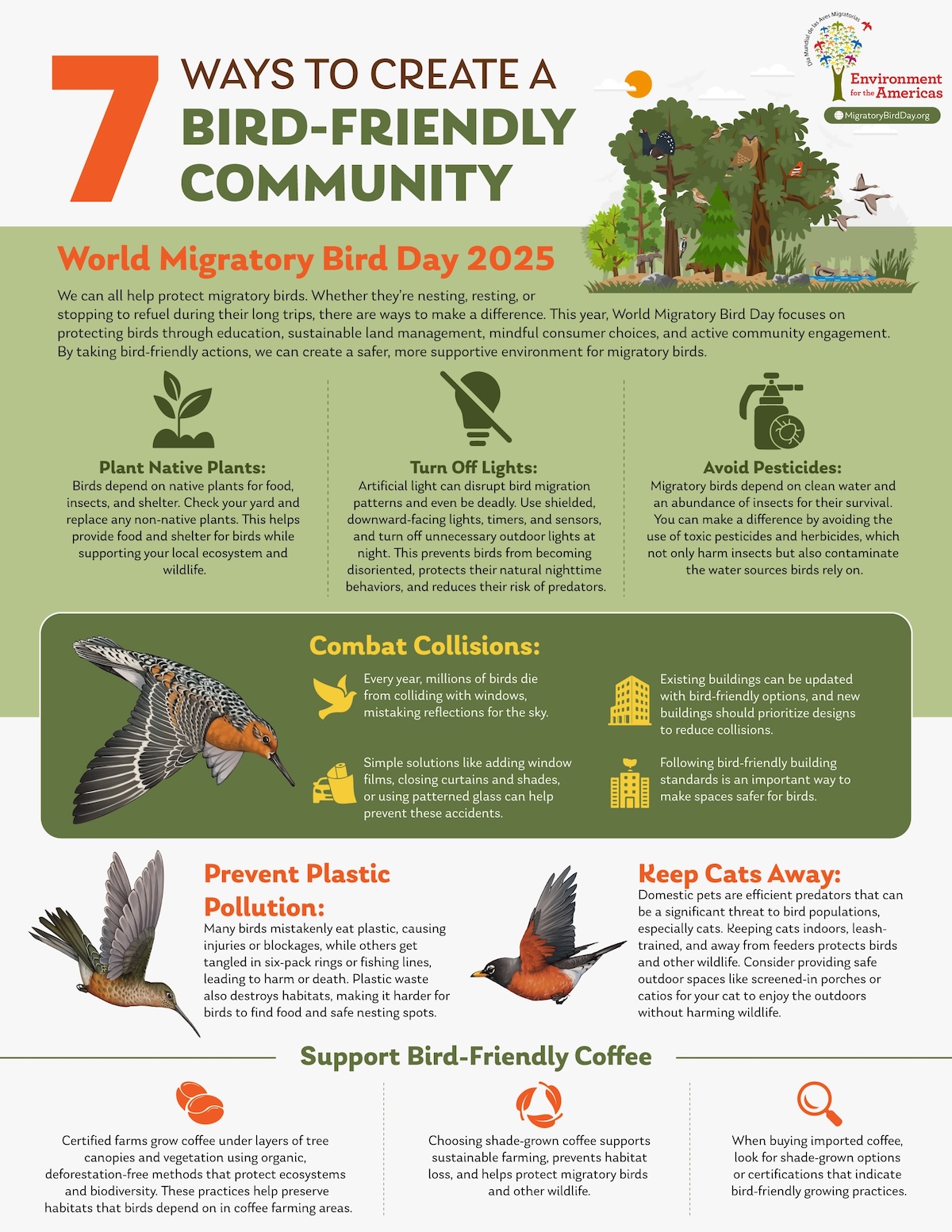
Rapid urban and tourism development on small islands leads to habitat loss and fragmentation, directly impacting the ability of migratory birds to find adequate food, shelter, and rest during their epic journeys. By embracing this theme, Caribbean communities recognized that every backyard, park, and green patch is indeed a piece of the regional flyway network — making local action against threats like habitat loss and pollution absolutely essential for the survival of migratory birds across the Americas.
Caribbean communities in action
WMBD events were held in The Bahamas, Jamaica, Cuba, Dominican Republic, Haiti, Puerto Rico, U.S. Virgin Islands, Anguilla, St. Eustatius, Antigua and Barbuda, St. Martin, Grenada and Trinidad and Tobago. Here are some highlights from across the region:
THE BAHAMAS
BirdsCaribbean’s very own Administrative Assistant Delores Kellman visited several schools in Grand Bahama — the Bishop Michael Eldon School, Holmes Rock Junior High School, and Walter Park Primary School — to talk to students about migratory bird species and how they can make their backyards bird-friendly!


JAMAICA
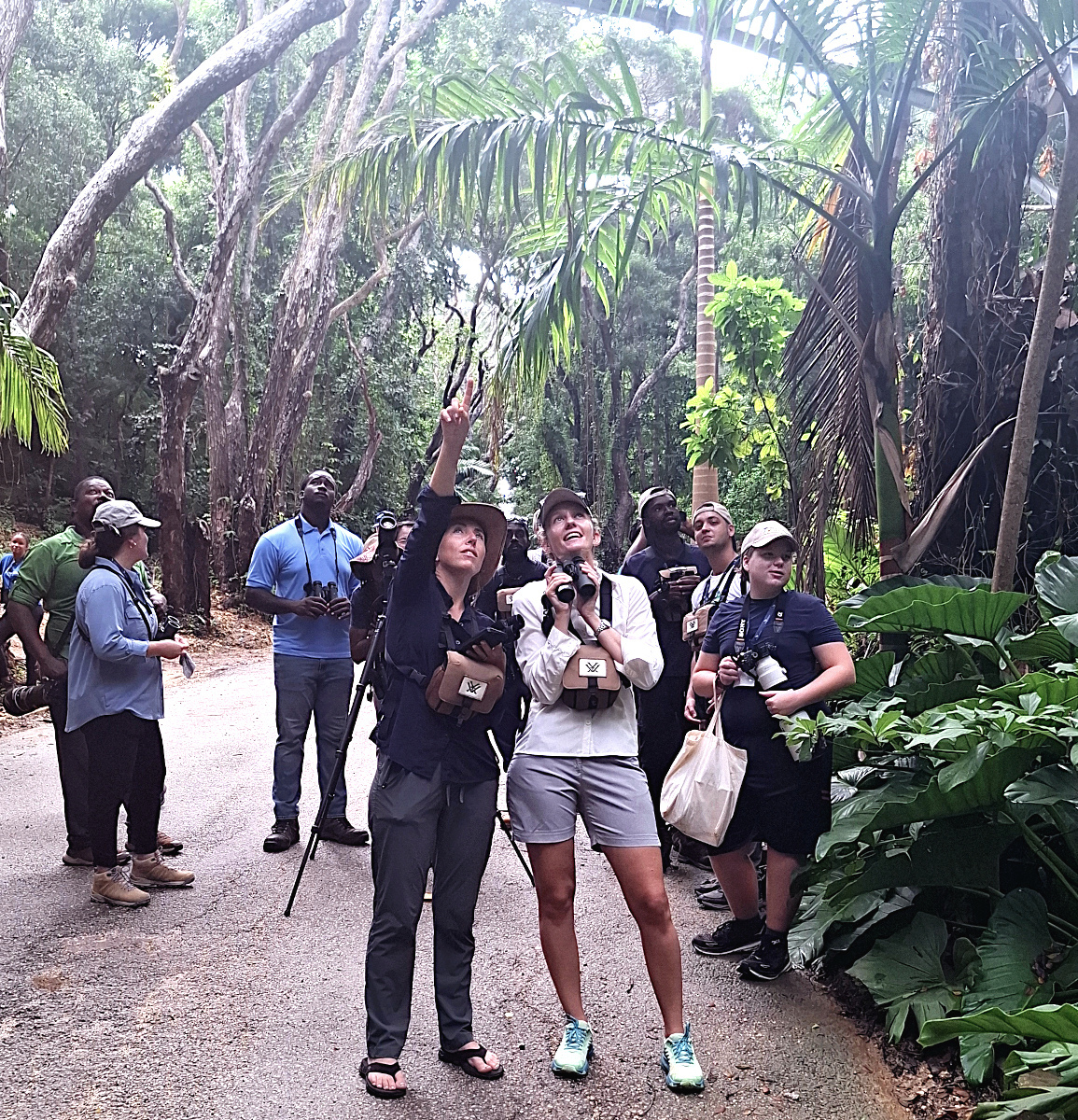
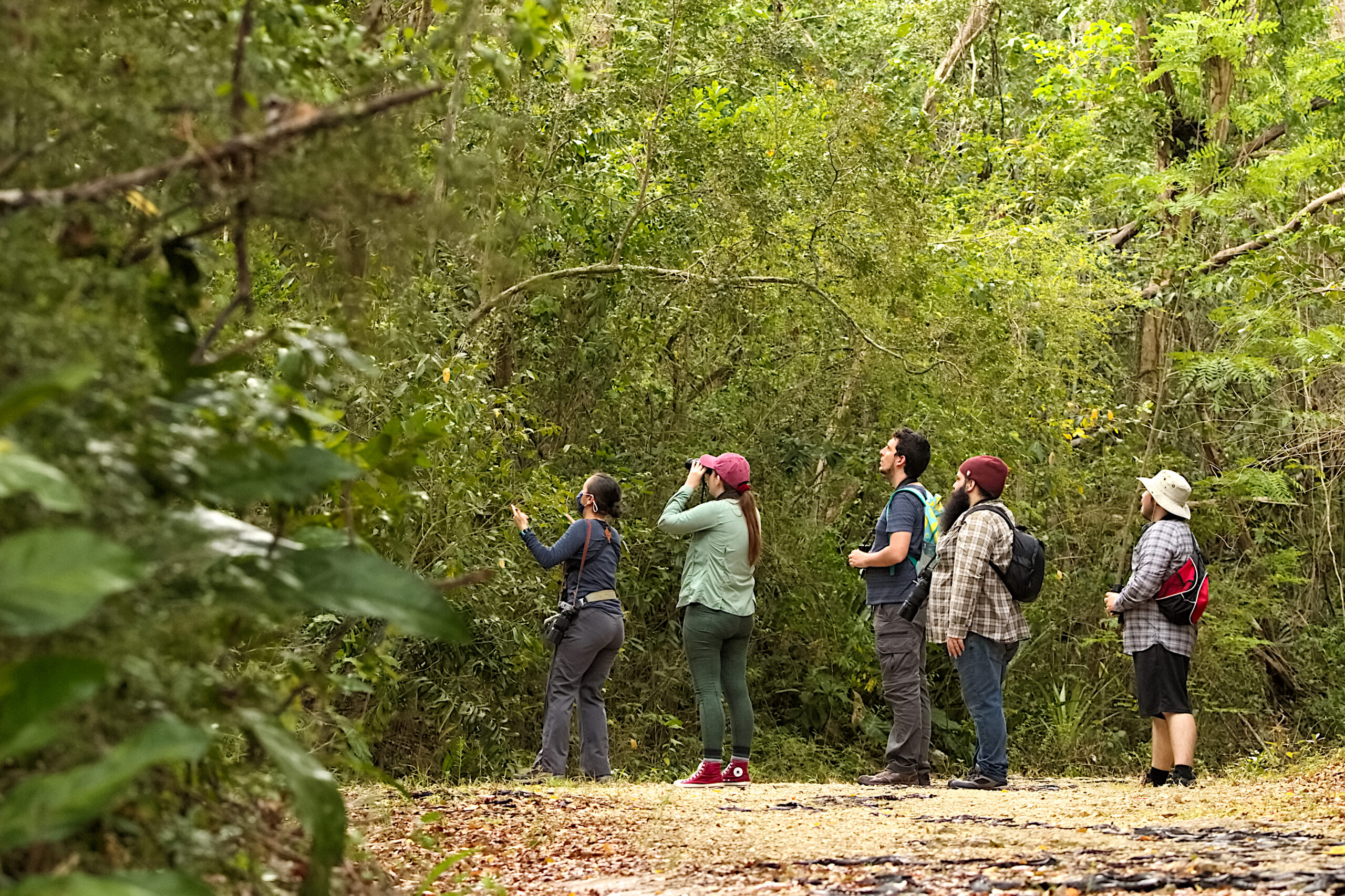
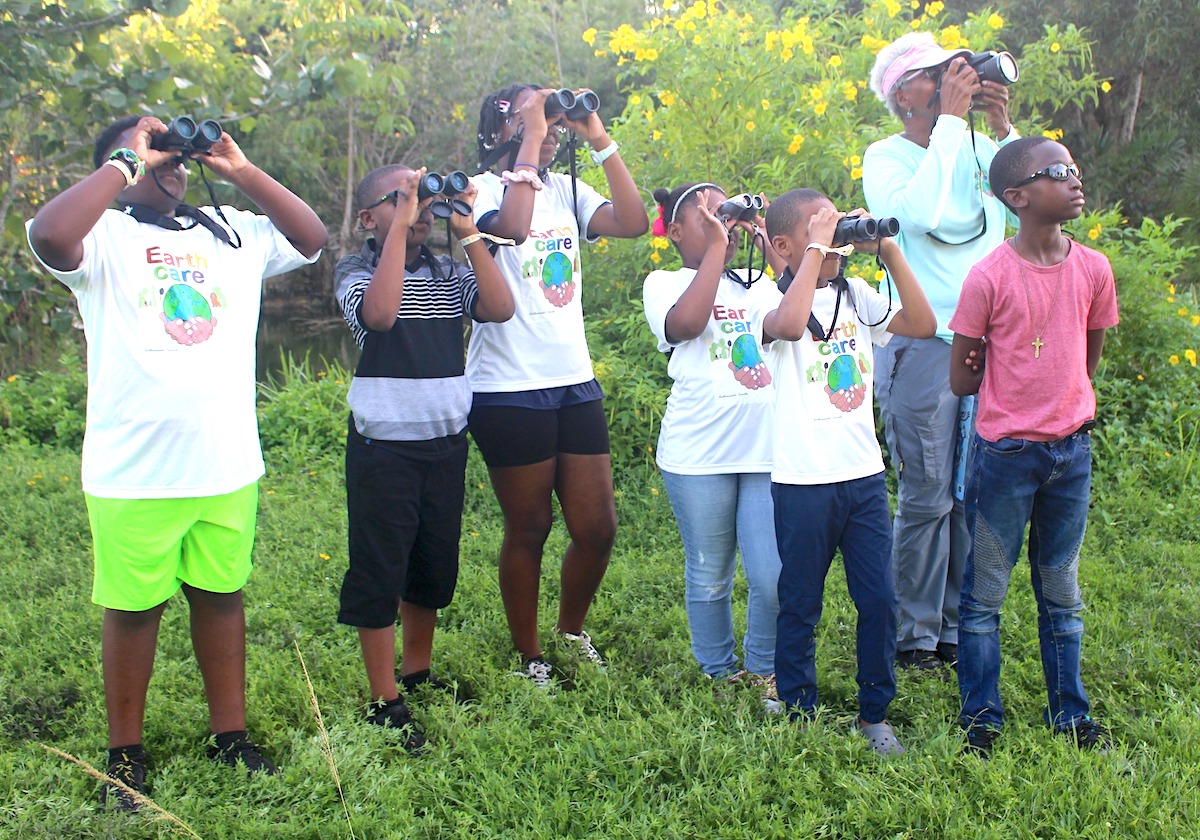
The Mason River Protected Area in Clarendon transformed into a classroom without walls for World Migratory Bird Day! As part of their ‘Afternoon with a Scientist’ programme, the Natural History Museum of Jamaica, National Environment and Planning Agency (NEPA), and Jamaica Environment Trust, hosted an eye-opening birdwatching tour through the protected area.
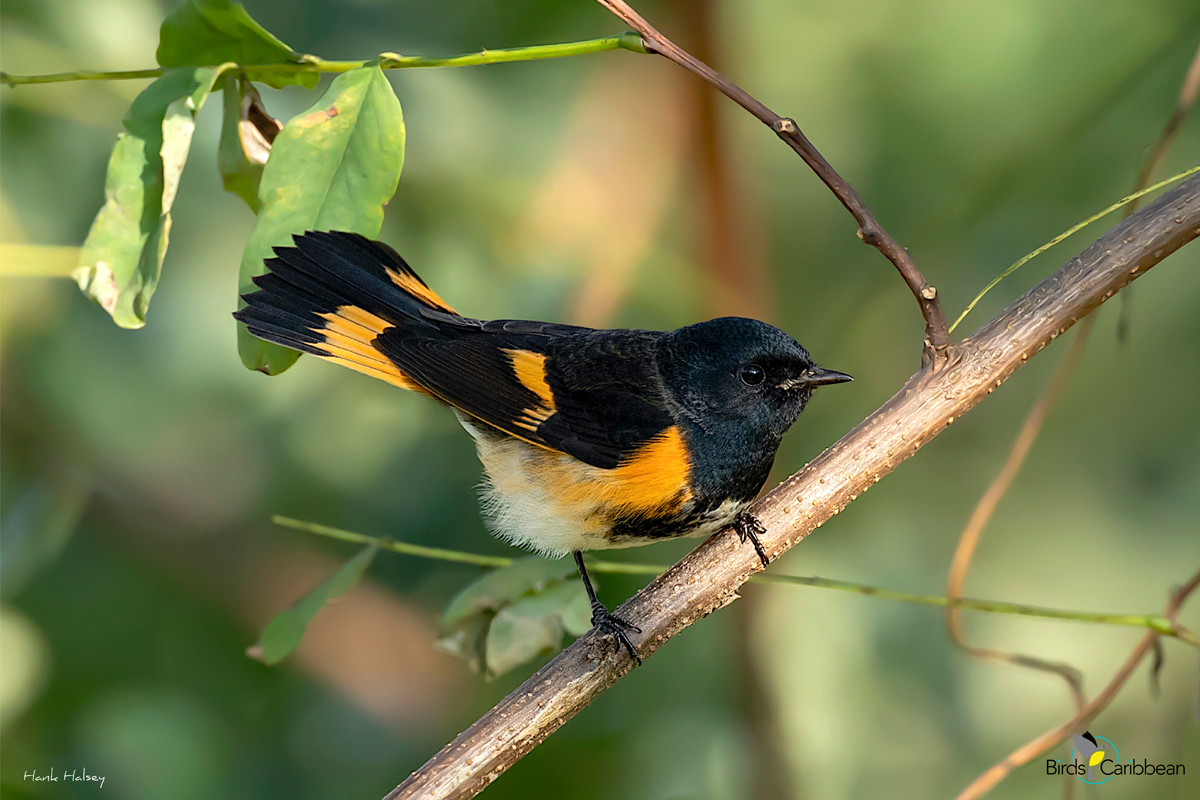
Under the expert guidance of Ricardo Miller, NEPA’s Environmental Coordinator and one of Jamaica’s premier birders, the air was filled with gasps and excited whispers from children as stunning feathers came into sharp focus — for many it was their first time using binoculars. Here one can see endemics like the Vervain Hummingbird and Red-billed Streamertail, as well as winter migrants like Northern Parula and American Redstart. Beyond the birds, the trek through the wetland offered a ‘thrill-a-minute’ experience, revealing rare endemic insects and fascinating, insect-eating Sundew plants.
View this post on Instagram
CUBA
The community of Pastorita held a month-long celebration of migratory birds, led by Adrián de Maya, Wildlife Biologist at Empresa Flora y Fauna Matanzas, in a unified stand for these ‘mighty travelers.’ Throughout the month, students from local schools traded their desks for the outdoors, diving into interactive workshops and environmental games designed to bridge the gap between play and protection.
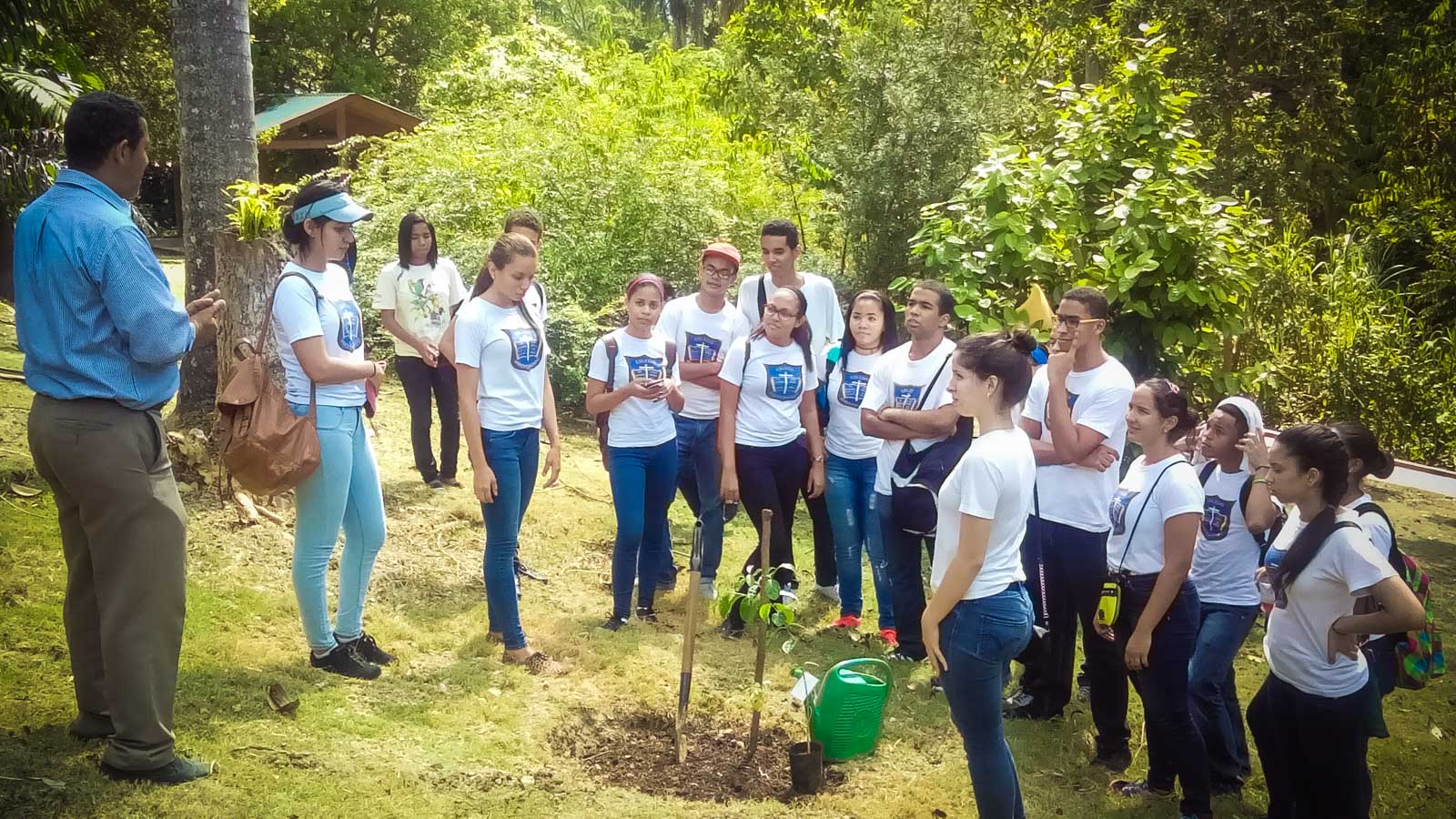
The undisputed highlight of the month was the series of guided field trips, where students practiced identifying birds in their natural habitats. To ensure these birds have a place to rest for years to come, students also participated in a restoration initiative, planting native trees throughout Laguna de Maya.
Each sighting served as a powerful reminder that these birds are a shared heritage, not a commodity. By connecting students with the beauty of birds, the program transformed every trip into an opportunity for the Pastorita community to learn, protect, and advocate for species conservation. This initiative is particularly vital in the effort to keep birds in the wild and combat the illegal songbird trade in Cuba.


The city of Santiago de Cuba celebrated its second annual World Migratory Bird Day Festival, aptly titled ‘Alas Sin Fronteras’ (Wings Without Borders). This collaborative initiative, led by the Juan Cristóbal Gundlach Bird Banding Station (part of the Eastern Center for Ecosystems and Biodiversity) and the Tomás Romay Natural History Museum, kicked off with a mission to celebrate and support the epic journeys of Cuba’s migratory birds.


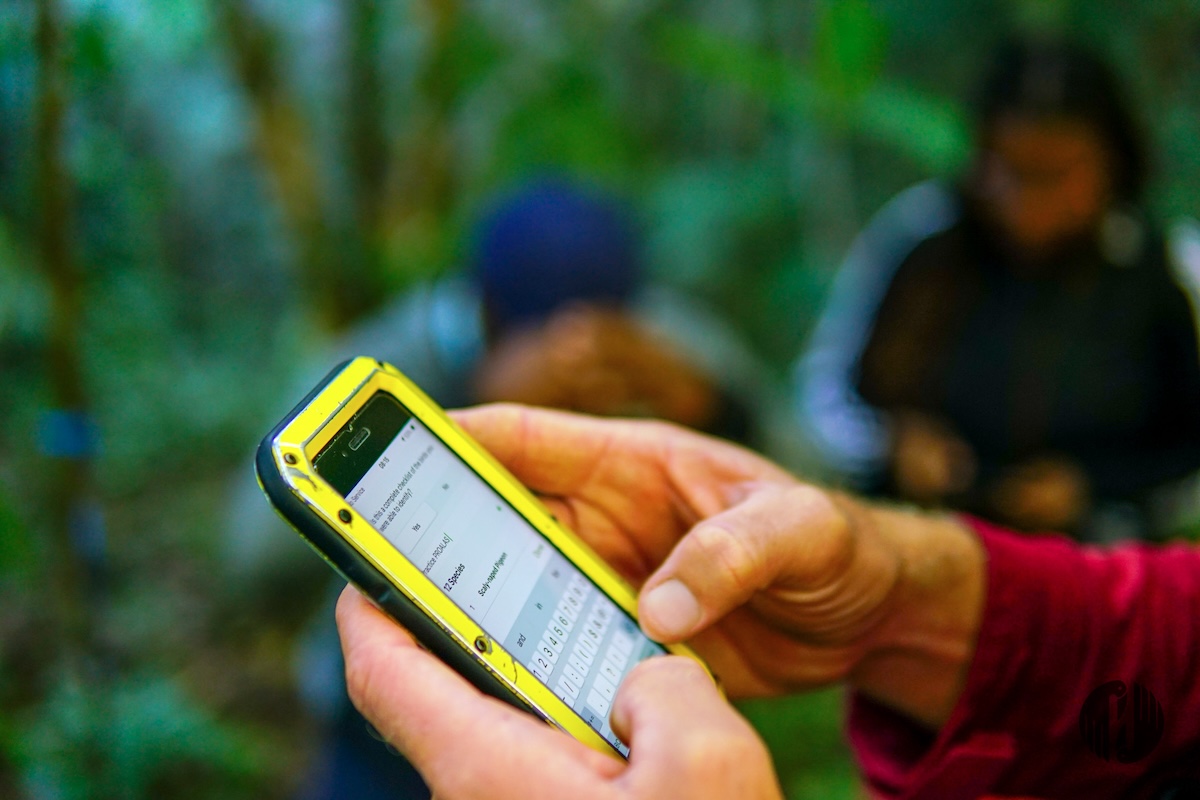
Guided by passionate educators like Yessica Blanco from the Tomás Romay Museum, the festival offered a diverse itinerary designed to engage the entire community. From the urban center of Santiago to the pristine reaches of the Baconao Biosphere Reserve, participants stepped into the roles of citizen scientists by recording and sharing the birds they saw at the Reserve via eBird. The program provided expert-led discussions, birdwatching trips, and habitat clean-ups. By focusing on bird identification, the mechanics of migration, the specific threats migratory birds face, and actions to make the community more bird-friendly, the festival empowered locals with the tools and knowledge needed to make Santiago de Cuba a safer sanctuary for migratory birds.
DOMINICAN REPUBLIC
Grupo Jaragua encouraged residents across the Dominican Republic to discover the wonders of birdwatching right from their own windows. By sharing social media posts featuring migratory species commonly found in urban areas, they demonstrated that you don’t need to leave the city to connect with nature. These snapshots of urban birdlife served as a reminder that our cities are vital corridors for birds on the move.


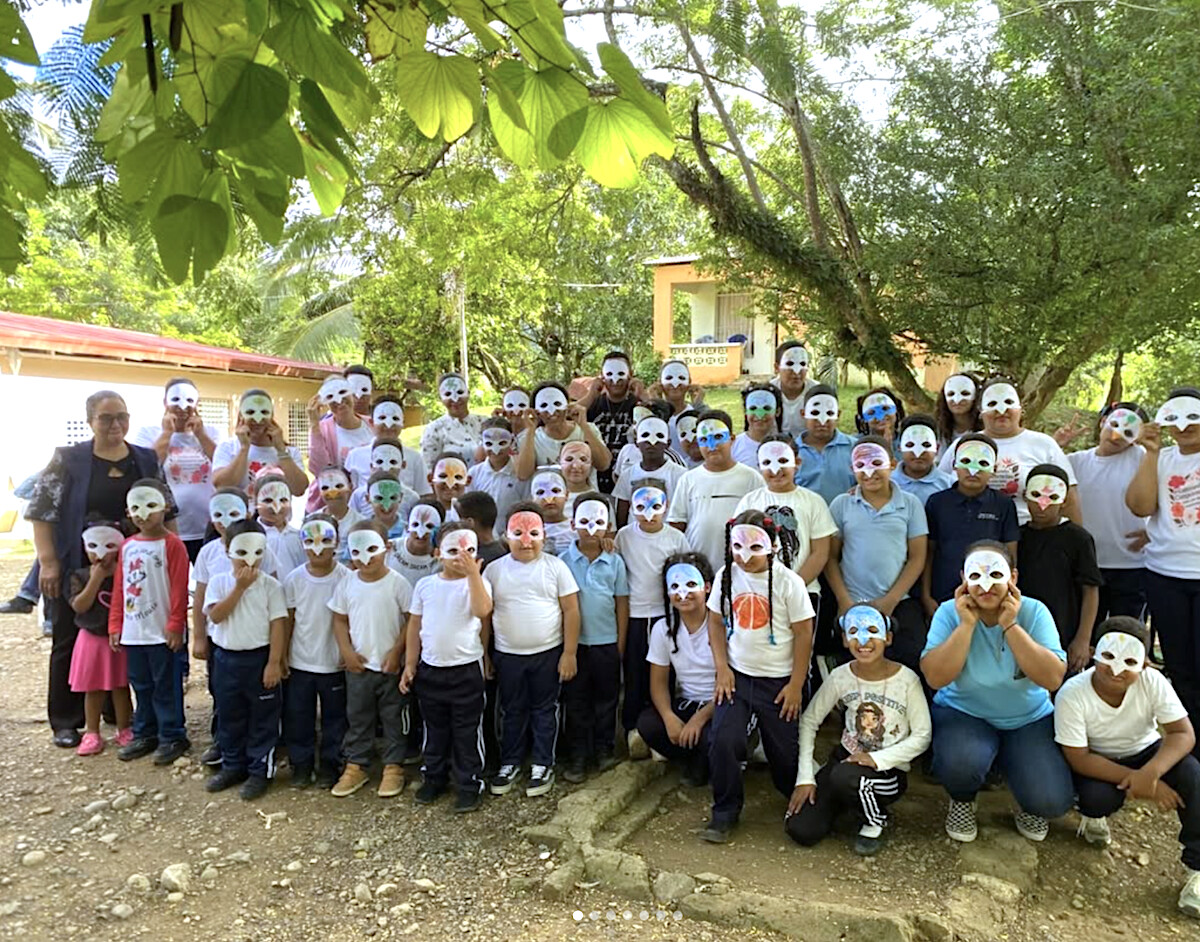
Grupo Acción Ecológica’s mission to highlight the vital connection between birds and their environments remains a top priority. As part of their World Migratory Bird Day celebrations, they brought this message to the rural heart of Loma de la Joya with a special presentation at the Juliana Paulino Primary School. They shared with us that they are incredibly grateful to the students, faculty, and community members whose support made this event such a rewarding success.
PUERTO RICO
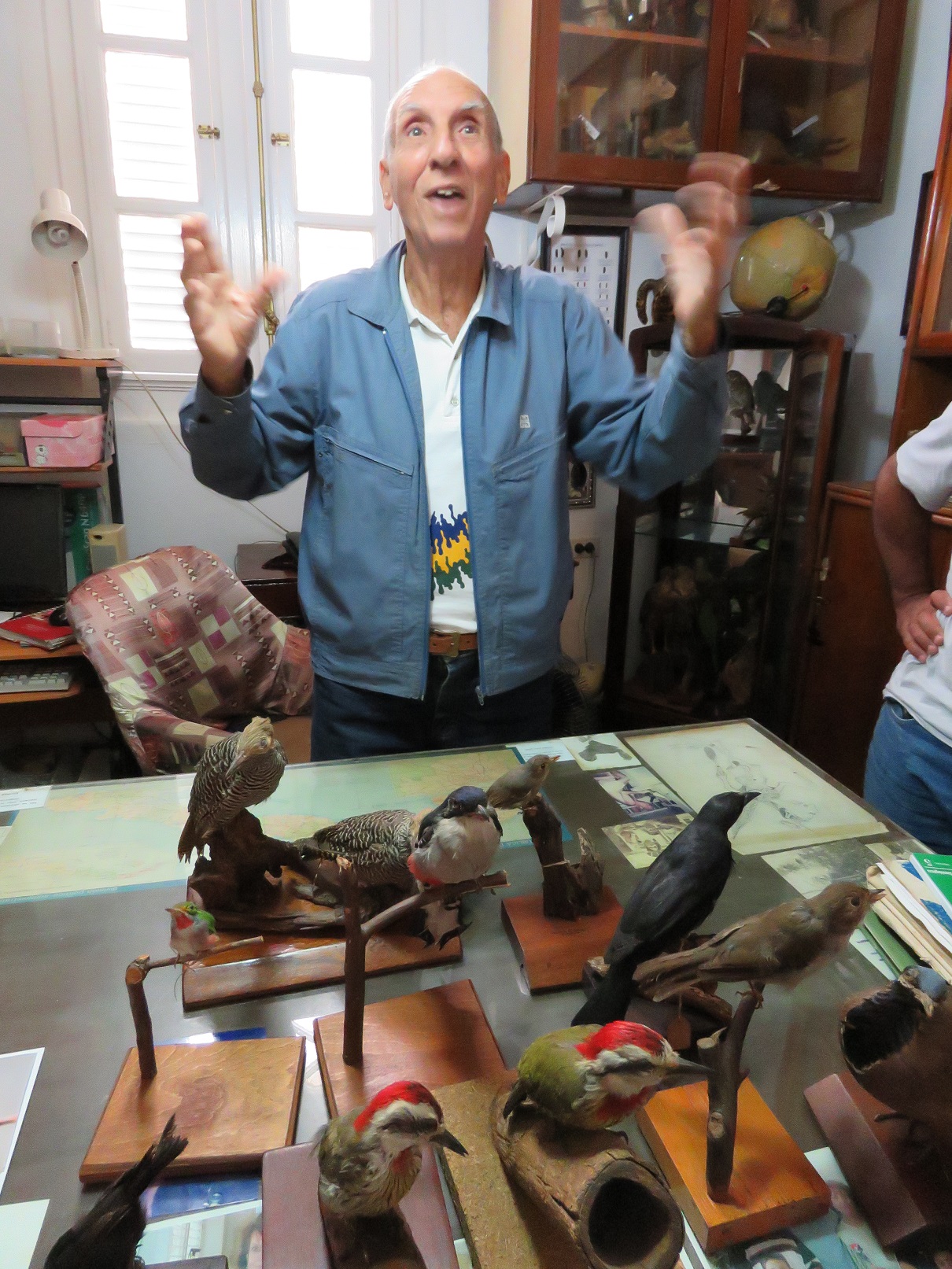
EcoExploratorio hosted an educational event for families focused on the remarkable journeys of migratory birds and the vital role humans play in their protection. The day featured an insightful talk by biologist Emilio Font (Sociedad Ornitológica Puertorriqueña Inc.), supported by educational resources from Environment for the Americas and a special display of taxidermied migratory birds by the UPRRP Museum of Zoology.


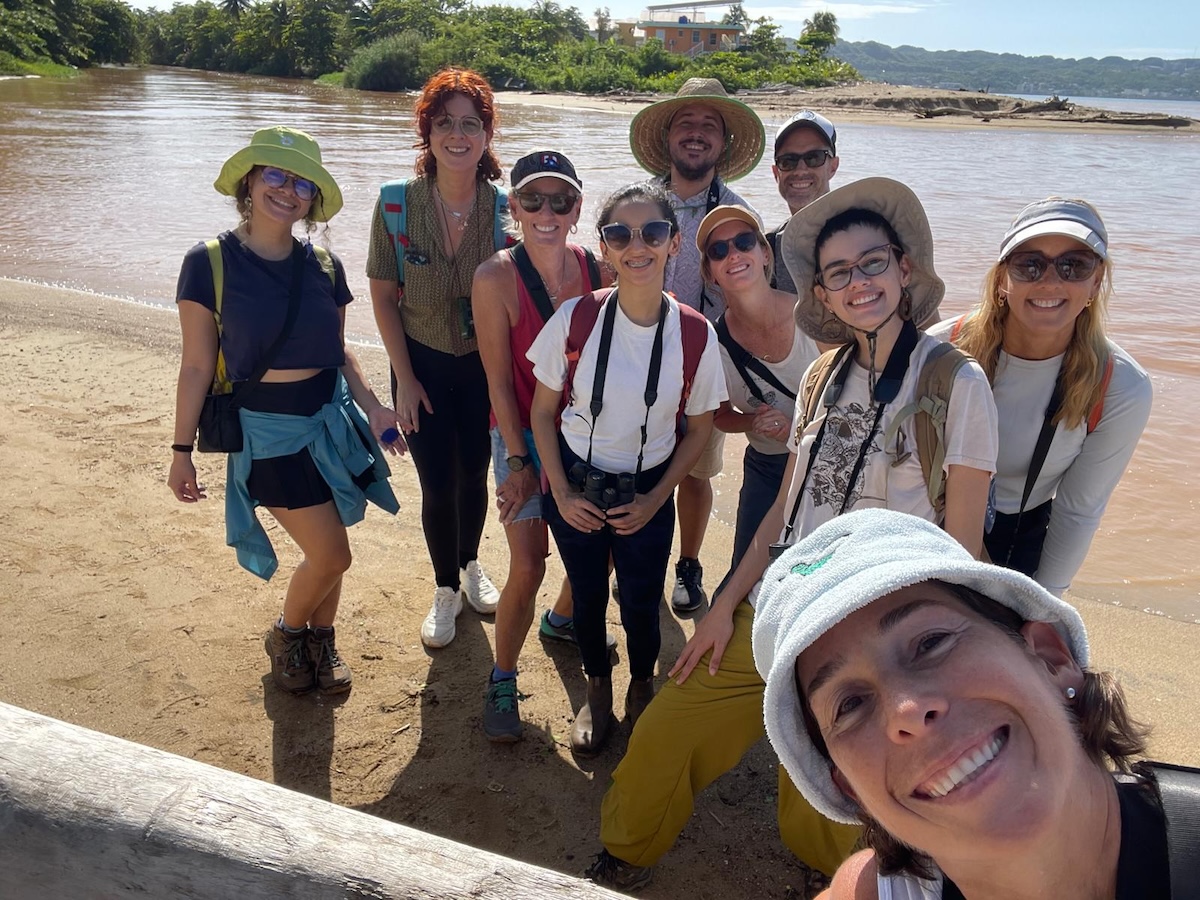
In a hands-on introduction to ornithology, Alondra Norat of Pajareo Virtual led a dedicated group of undergraduates on an immersive birdwatching expedition across the University of Puerto Rico, Río Piedras Campus. The experience began with a foundational presentation by Alondra on bird identification techniques, equipping students with the skills needed before heading out to spot the birds they share their campus with.


For many participants, this was their first time using binoculars and navigating tools like the eBird app and traditional field guides. Alondra noted that seeing the birds with such clarity sparked a genuine thrill among the students, likely marking the beginning of a lifelong appreciation for birds.


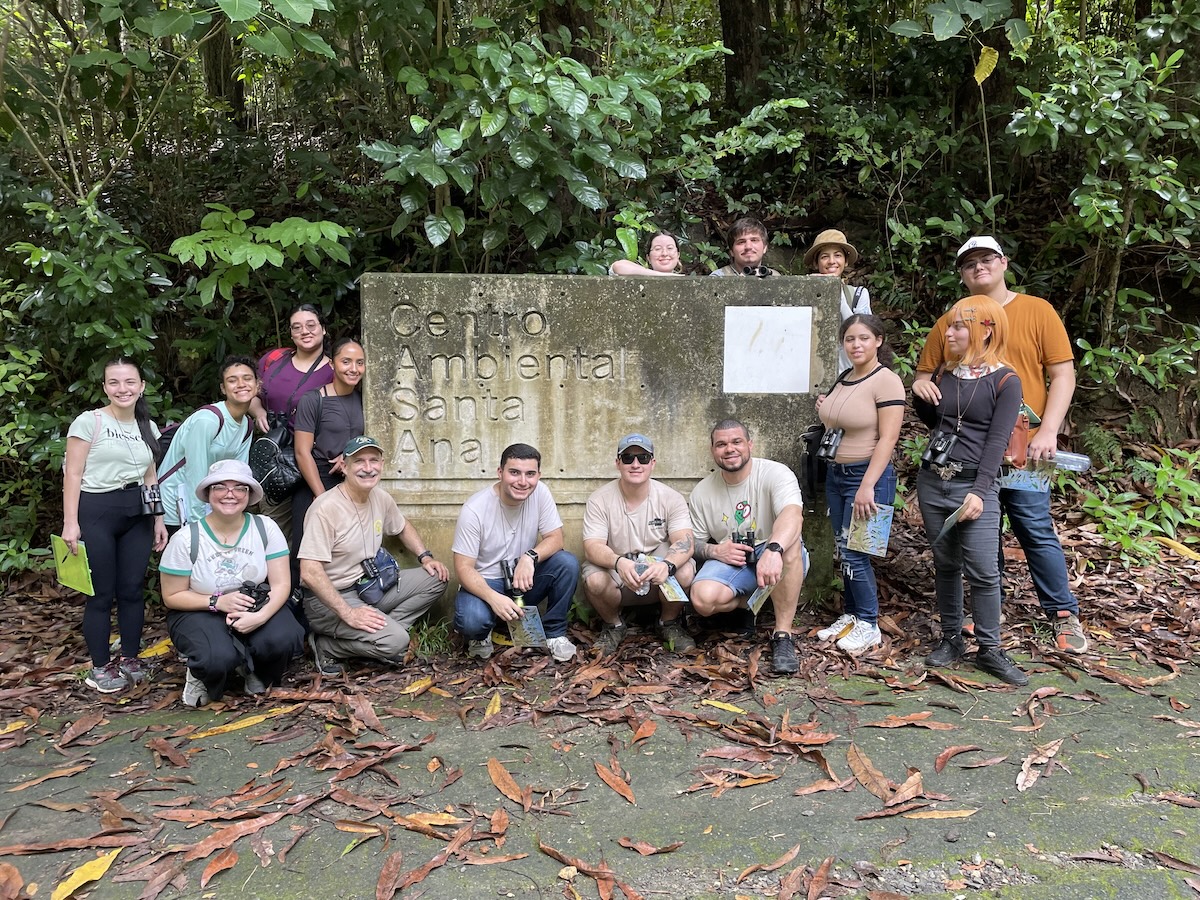
Over in Guajataca, Maria Irizarry Gonzalez led a group of teenage nature enthusiasts on a scenic birdwatching expedition through the Guajataca Forest. This immersive journey allowed the young birders to observe various species in their natural woodland habitats before concluding their trek on a pristine beach. By connecting these two distinct ecosystems, the outing highlighted the diverse environments migratory birds rely on and inspired the next generation of environmental stewards to appreciate Puerto Rico’s unique coastal and forest landscapes.
ANTIGUA AND BARBUDA
The Environmental Awareness Group (EAG) took to social media to celebrate WMBD, inspiring the public to grab their binoculars and head outdoors. To make the adventure even easier, they highlighted prime birding hotspots across the island. Citizen scientists were reminded to make their sightings count by uploading their observations to eBird and sharing their checklists with local bird group ‘Wadadli Warblers.’


TRINIDAD AND TOBAGO
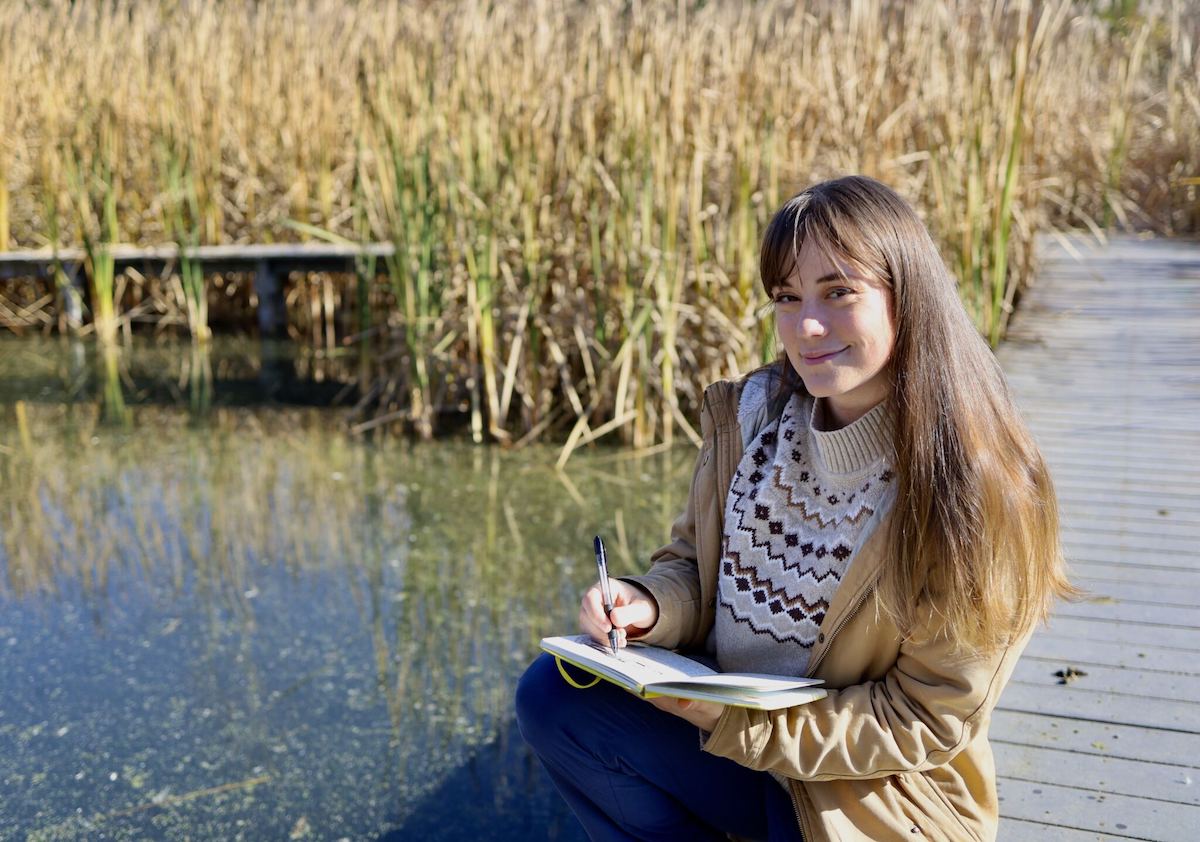
Giselle Ragoonanan, Biodiversity Manager at HADCO Experiences at Asa Wright Nature Centre, offered a day of art and discovery through birds for adults and kids. The event focused on the Caribbean’s vital role as a “refueling station” for millions of birds traveling from the Northern Hemisphere.


Participants were led through a creative blend of science and art, featuring guided bird identification, specimen displays, and hands-on workshops in painting and clay sculpting. In a nod to sustainability, Attendees also constructed bird-friendly communities using sustainability as their blueprint and relying natural and recycled materials. By linking local stewardship to global biodiversity, the initiative underscored our shared responsibility to protect the essential stopover habitats that ensure a safe landing for these incredible travelers across borders.
WMBD 2025’s Outstanding Educators
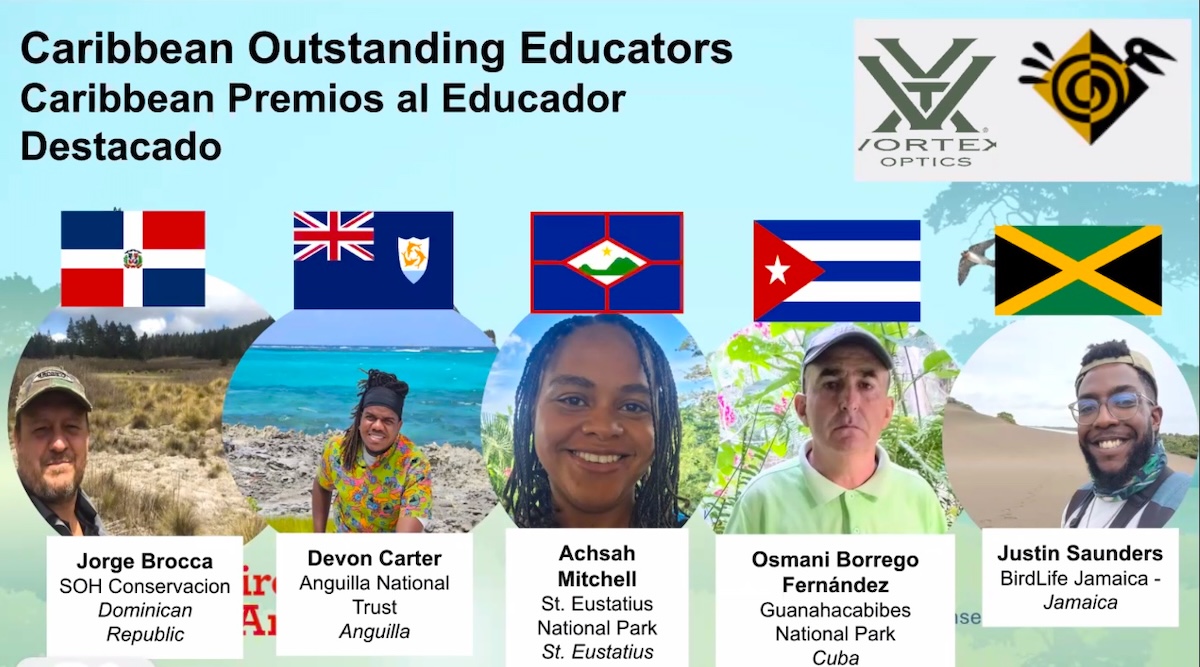
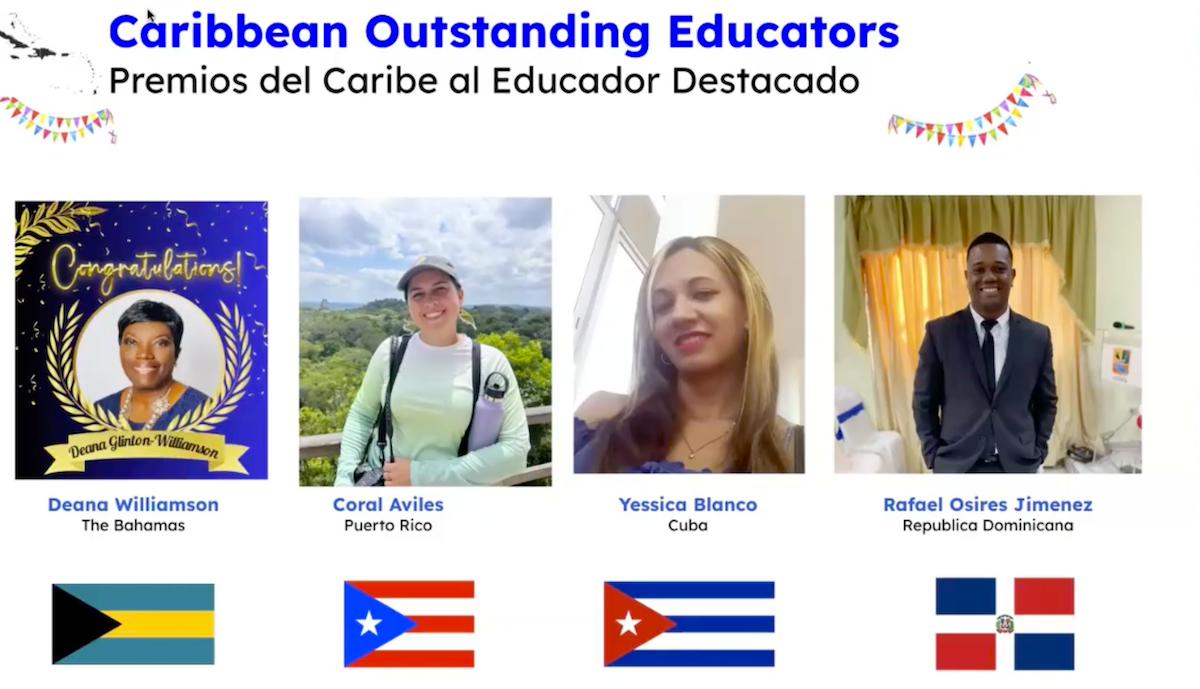
We applaud the tremendous efforts of all educators who plan and execute educational and fun activities to ensure an unforgettable WMBD and inspire a love for birds and birdwatching. For WMBD 2025, Environment for the Americas recognized the dedication of the following Caribbean educators: Deana Williamson (Social Studies teacher at Eight Mile Rock High School,The Bahamas), Coral Aviles (Puerto Rico), Yessica Blanco (Cuba), Rafael Osires Jimenez (Dominican Republic).
We are also deeply grateful for the ambassadors, who selflessly deliver WMBD educational materials called ‘Happy Kits’ to Caribbean coordinators.
Environment for the Americas and BirdsCaribbean extend our greatest thanks to all of you and we look forward to seeing what you have planned for WMBD 2026!
Interested in supporting bird festivals across the Caribbean? Your contribution will help expand these invaluable efforts and inspire future generations of bird enthusiasts. Show your support here! (please select ‘Where the need is greatest’ under ‘Designate this donation for a specific purpose’)
Birds continue to connect our world
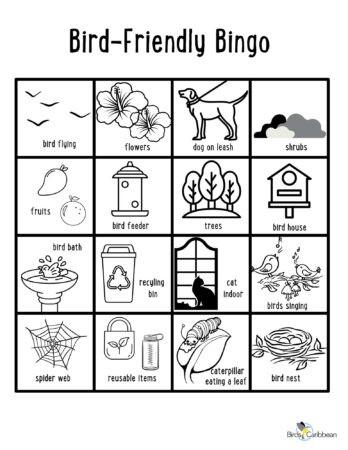
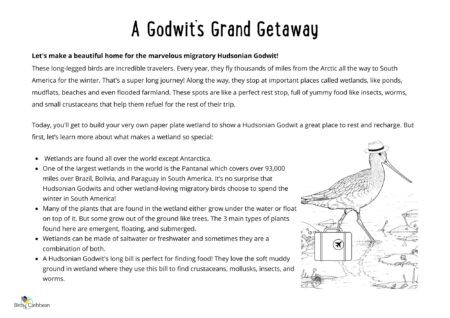
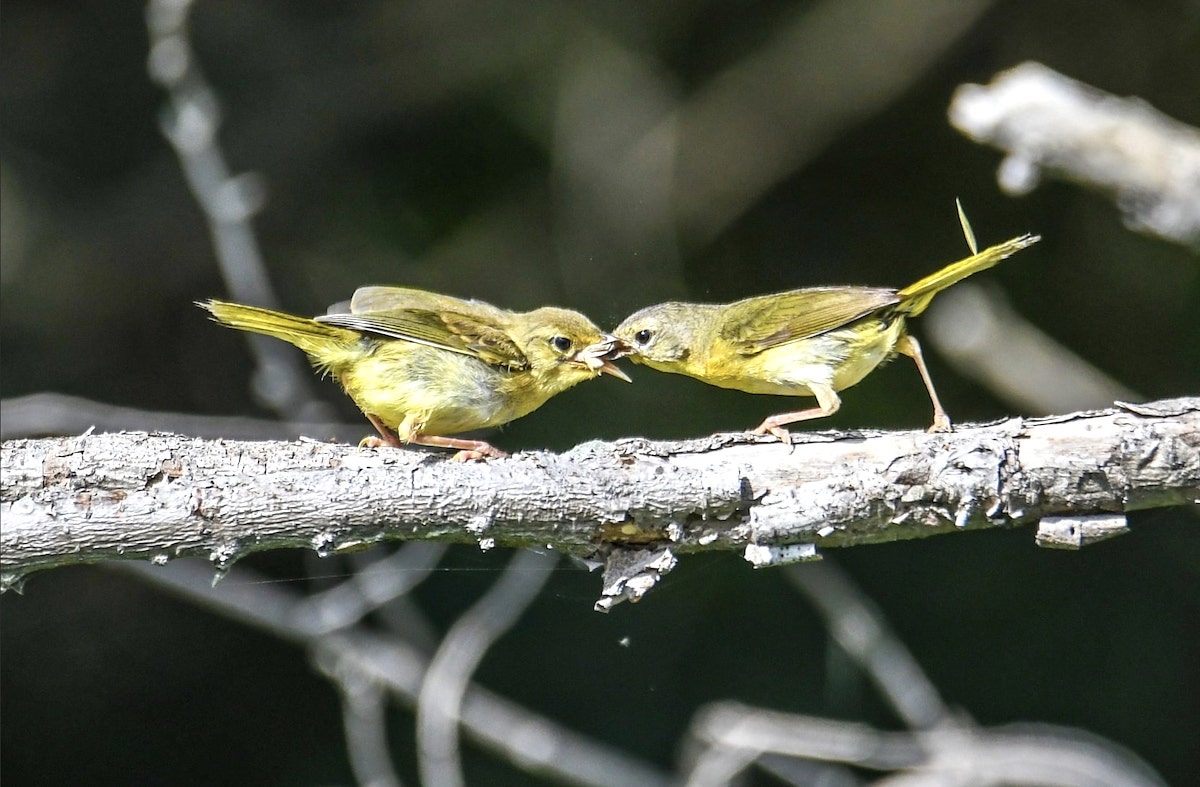
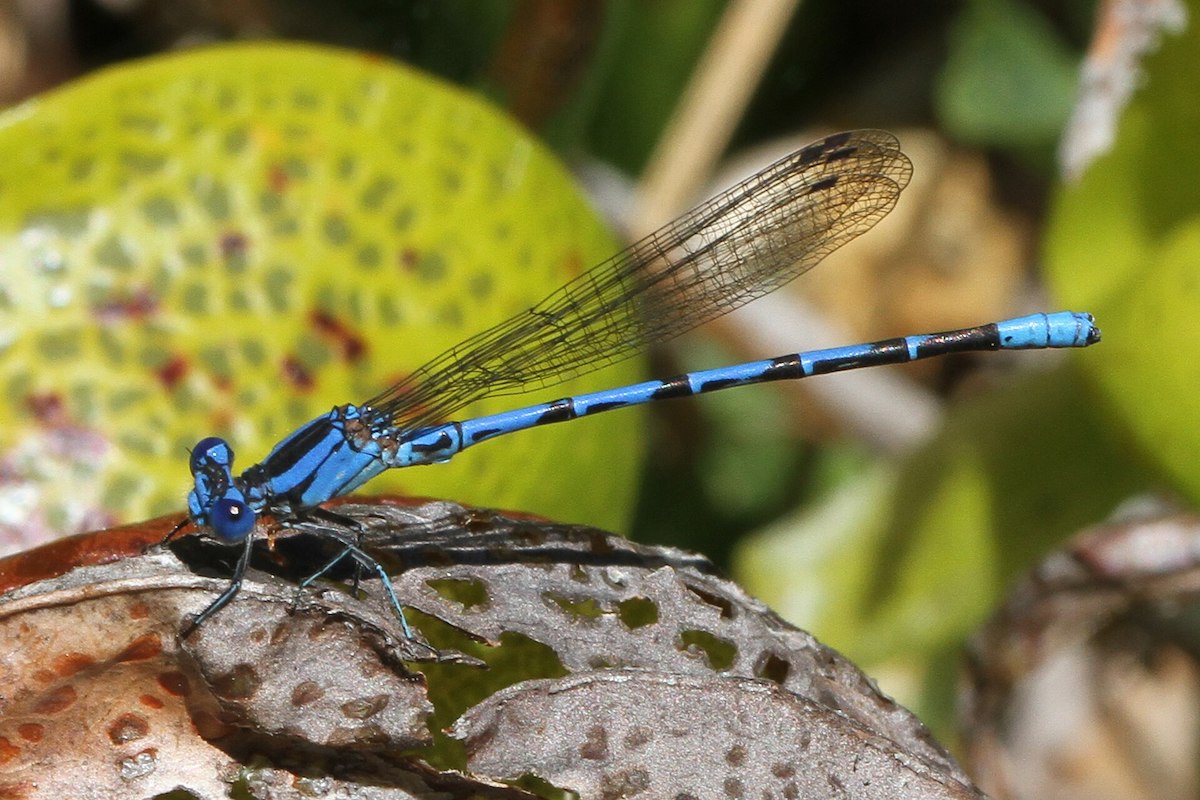
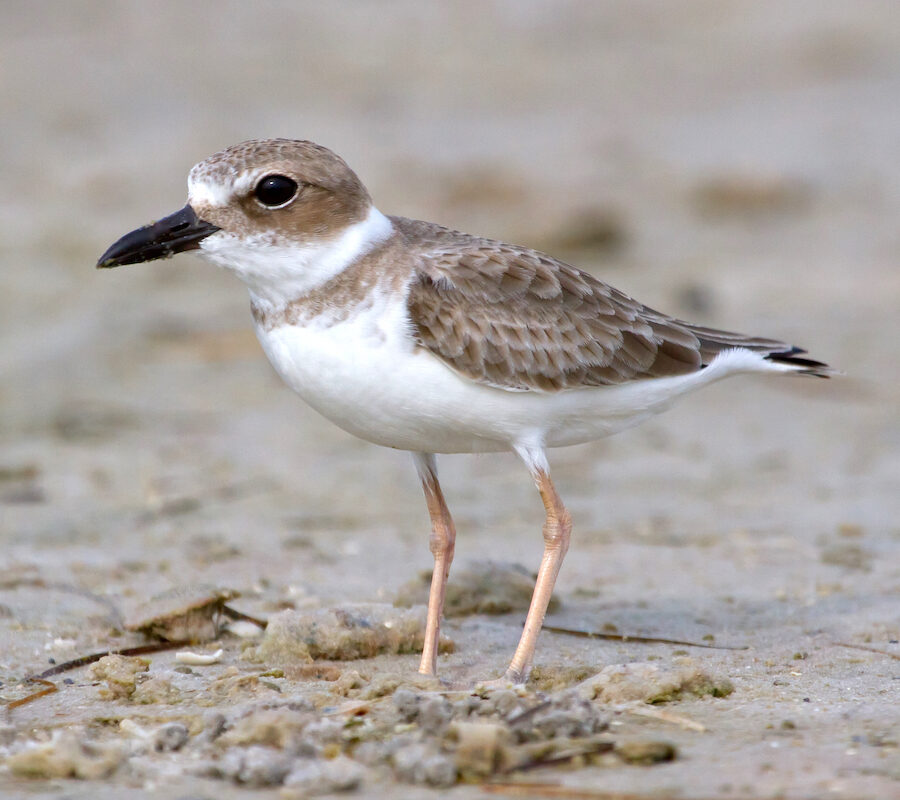
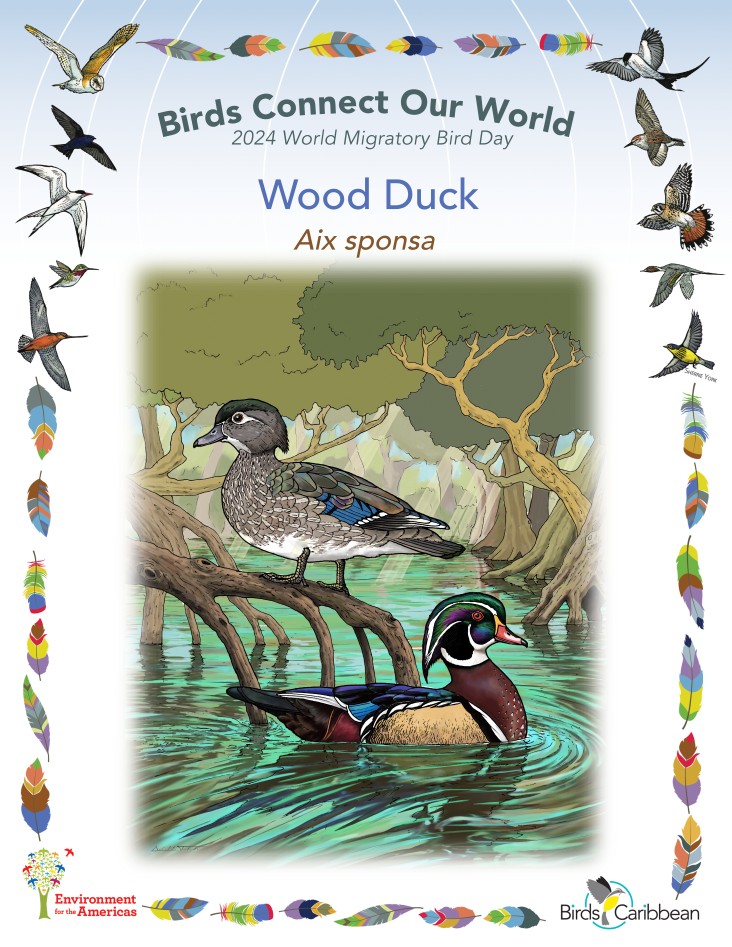
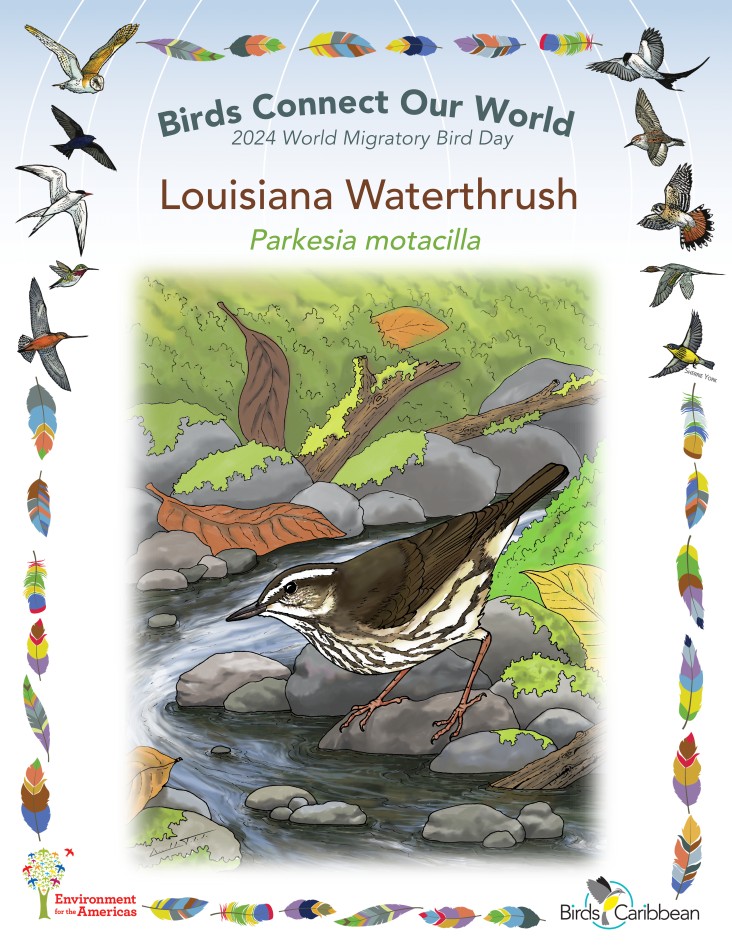
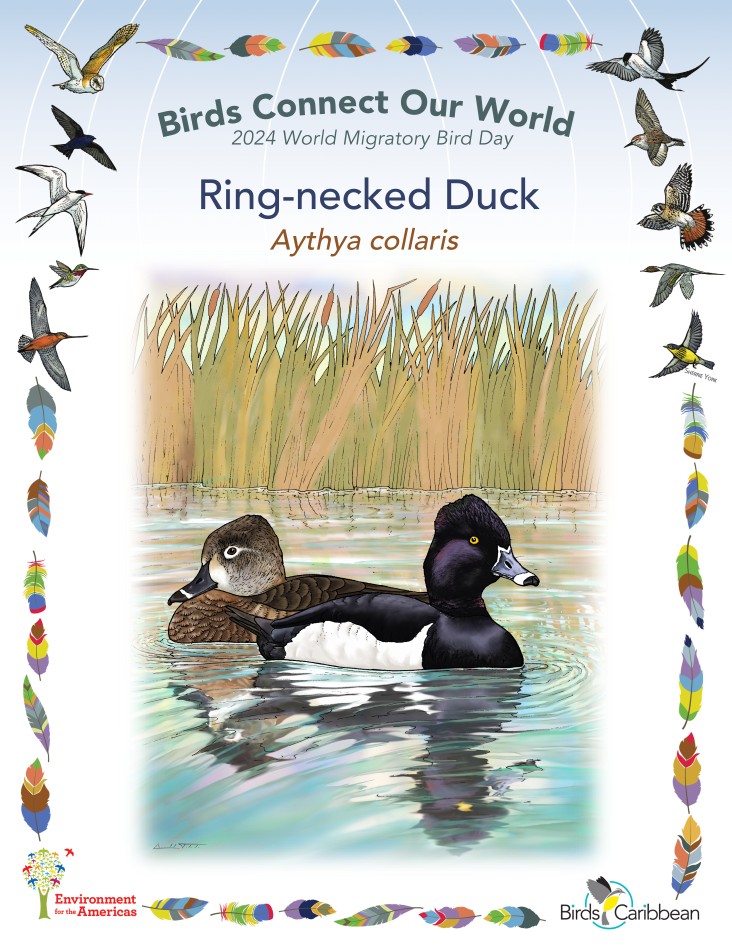
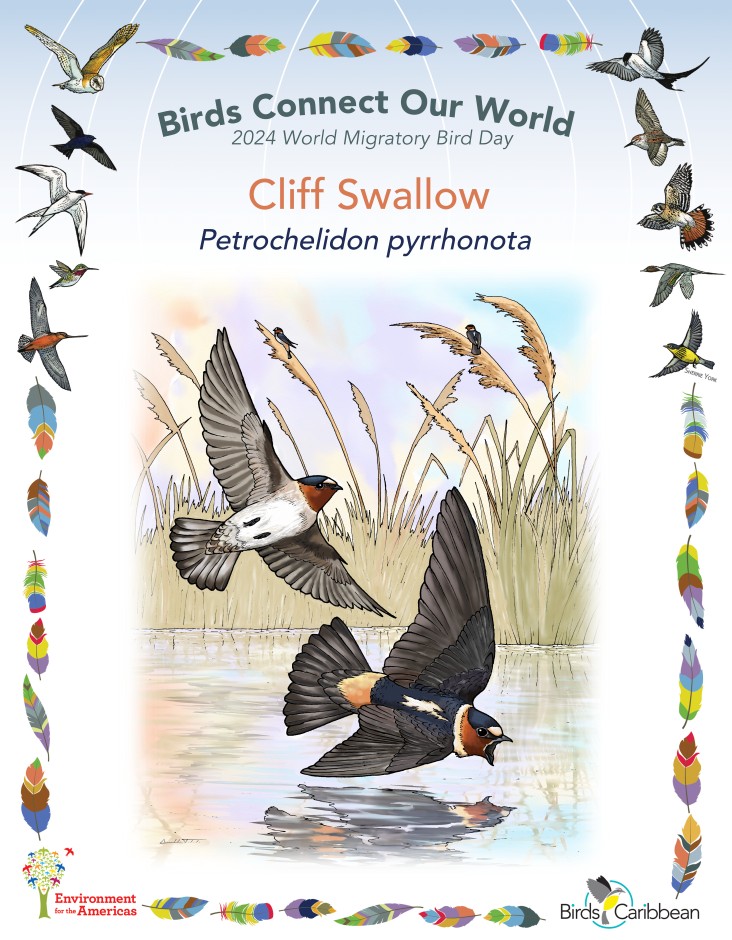
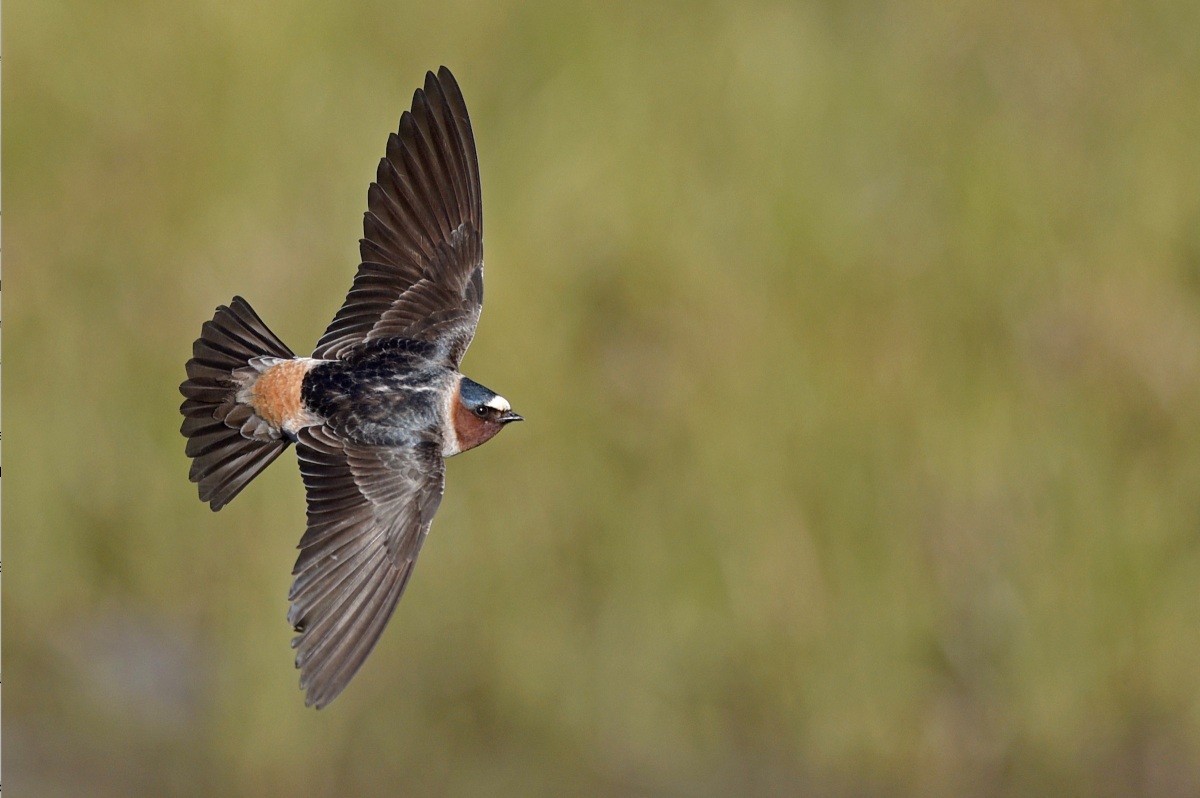
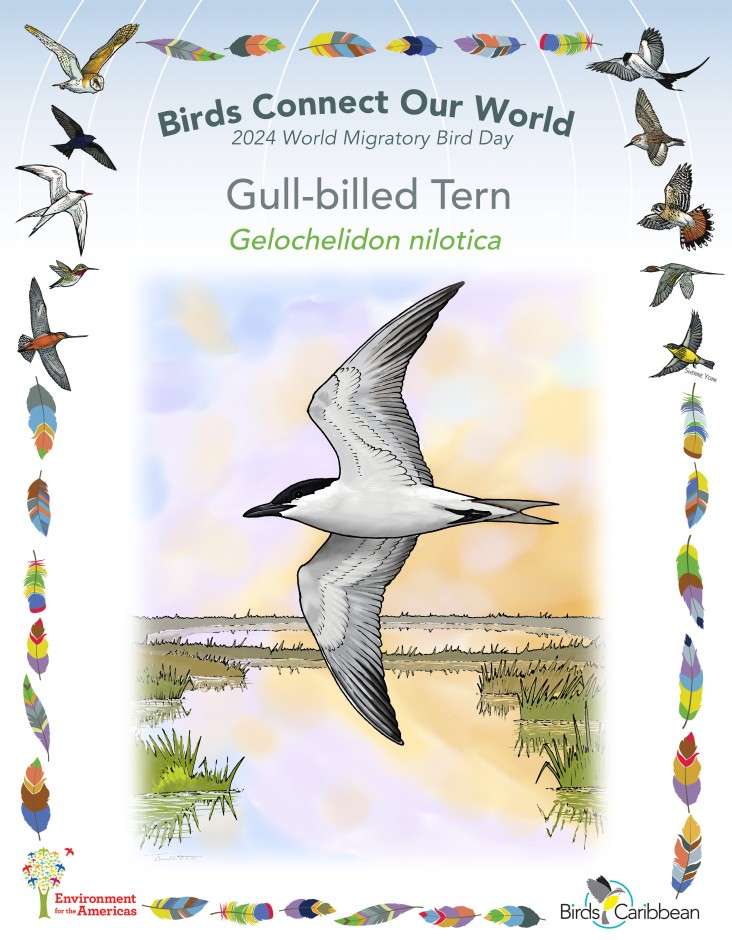
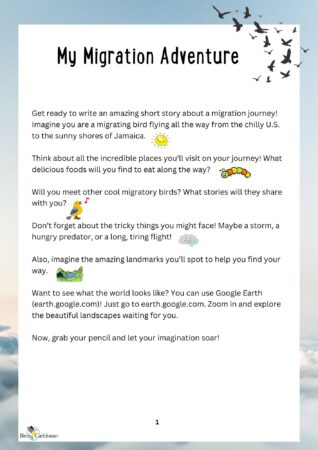
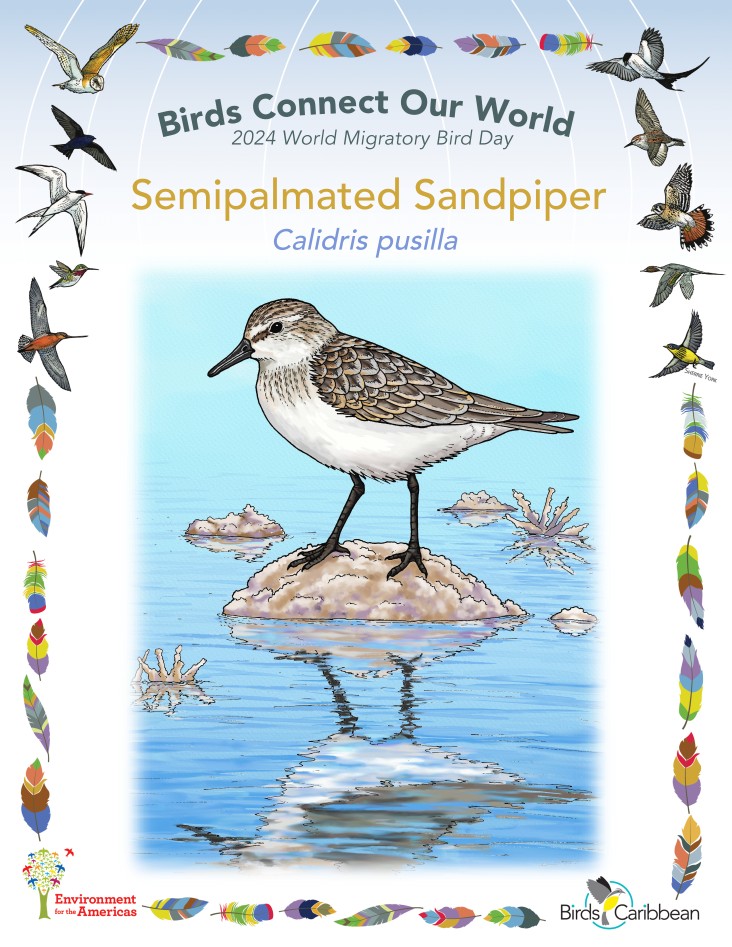
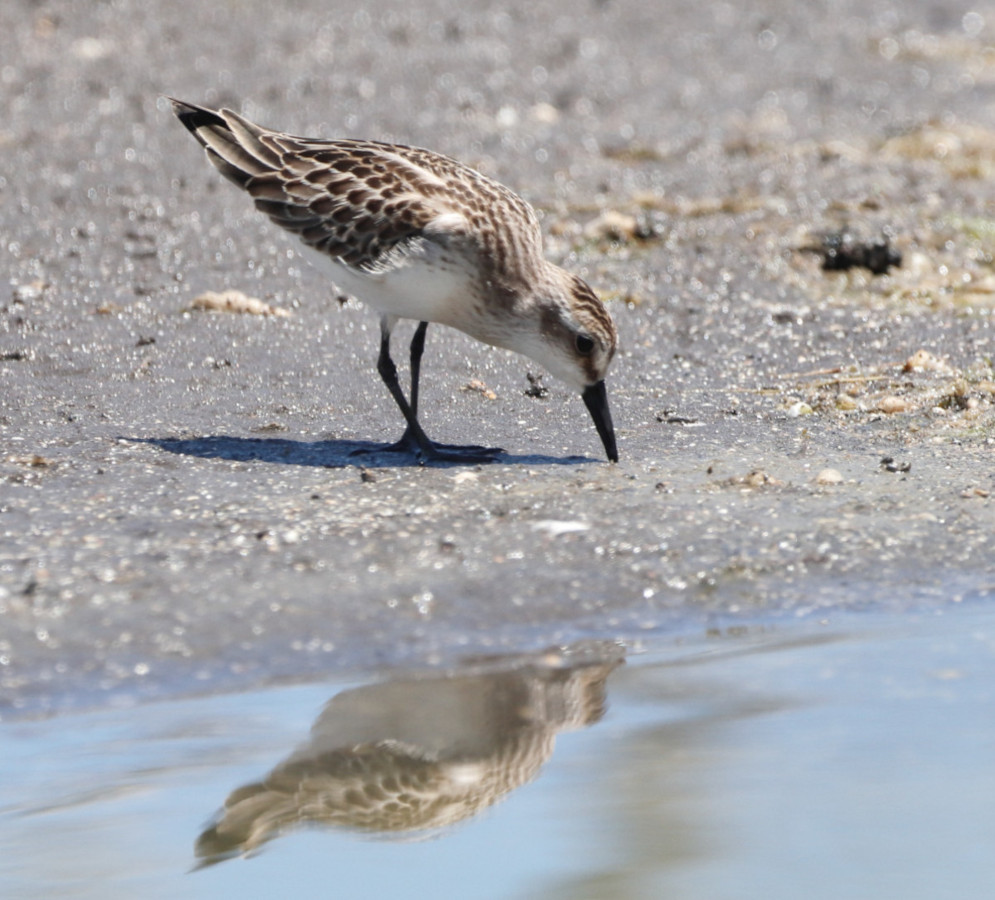
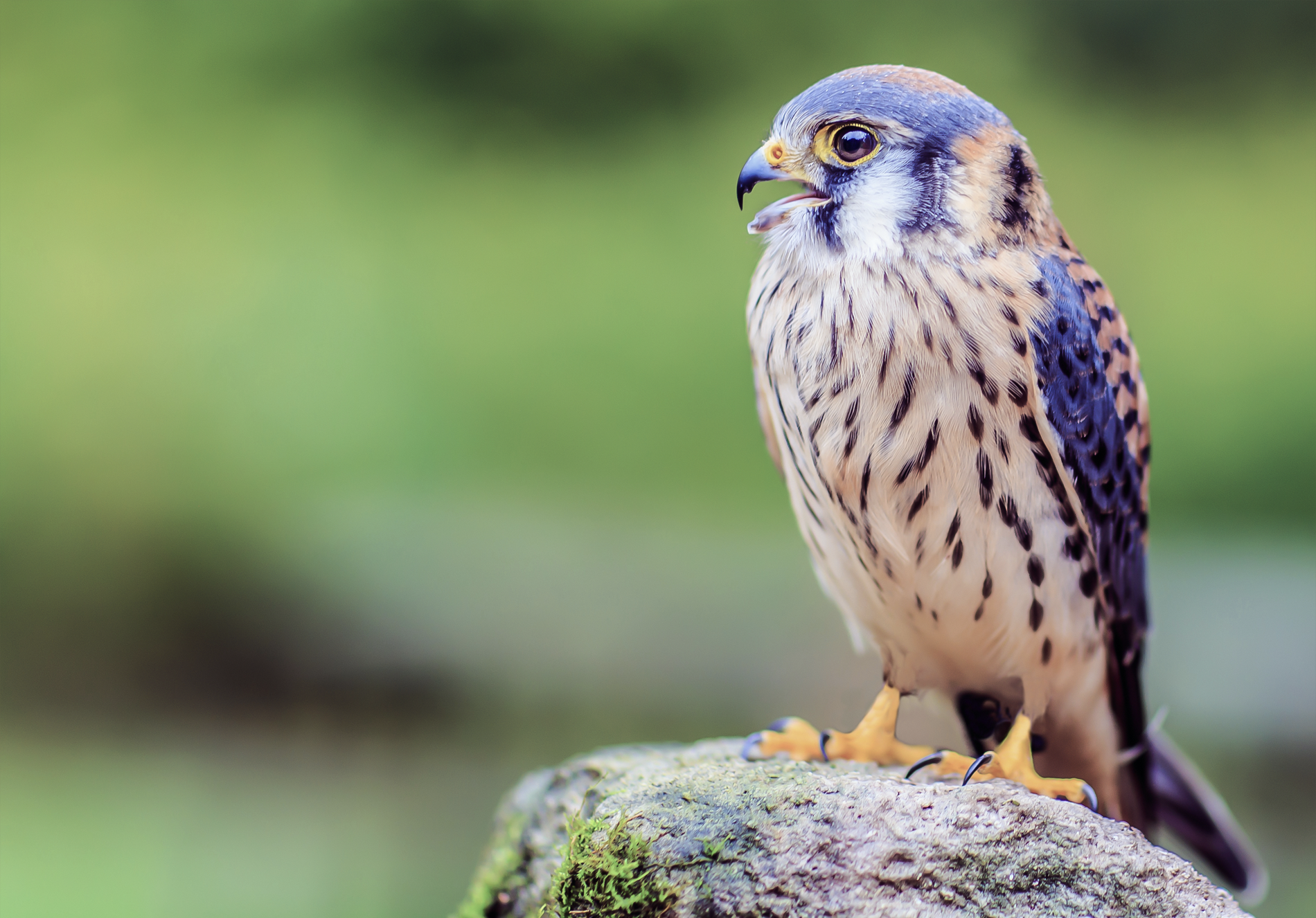
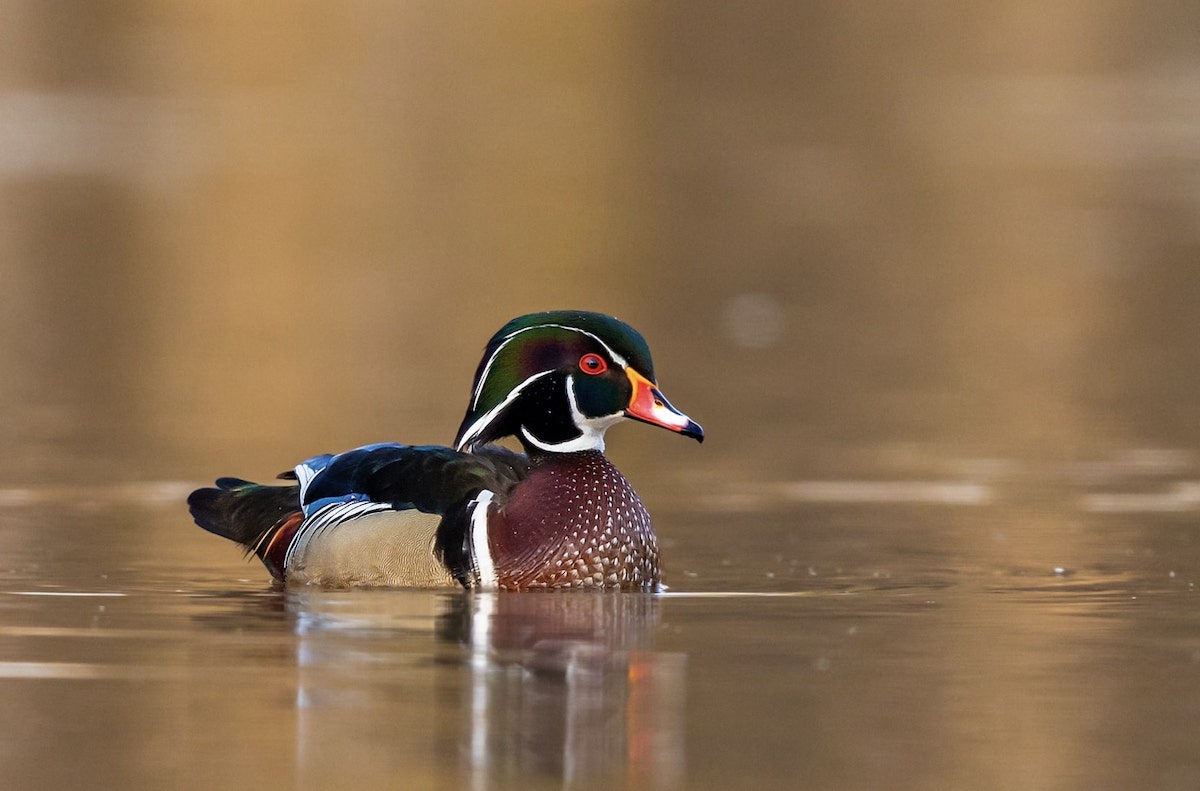
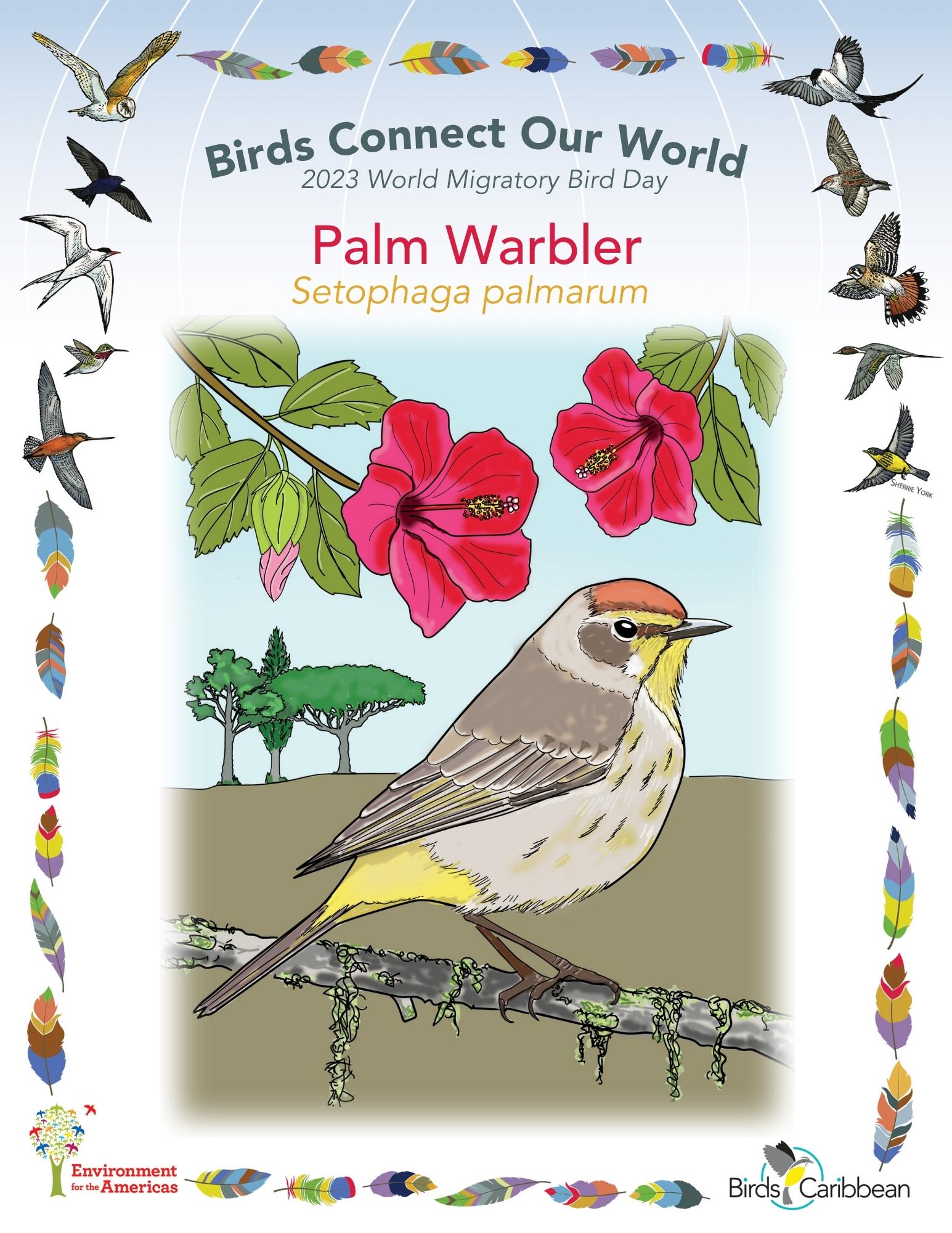
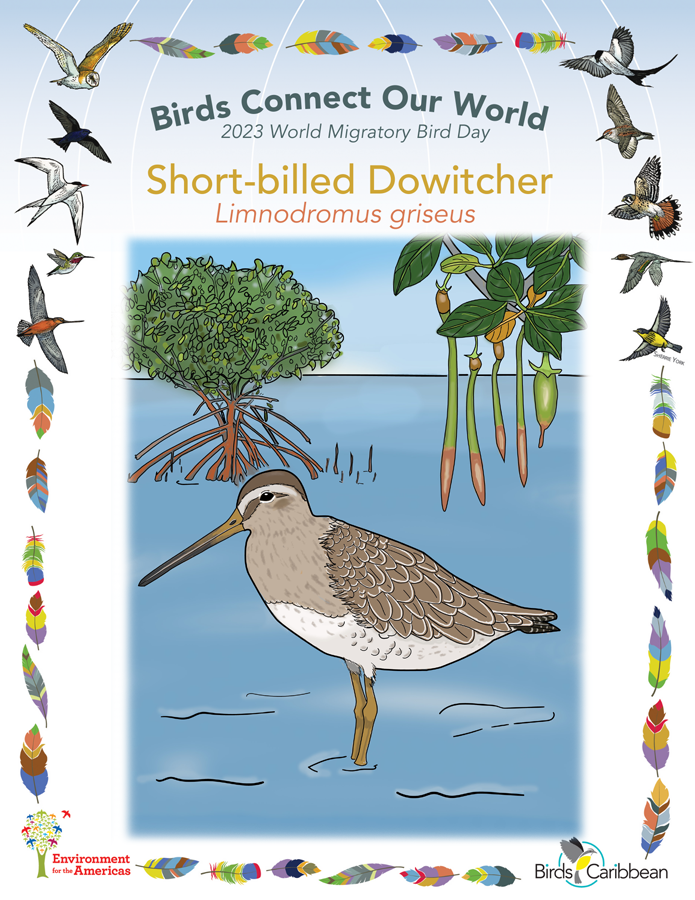
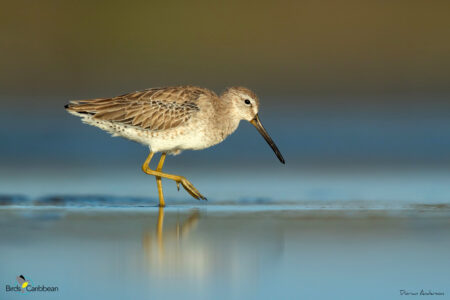
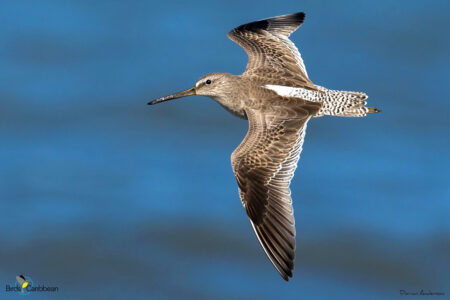
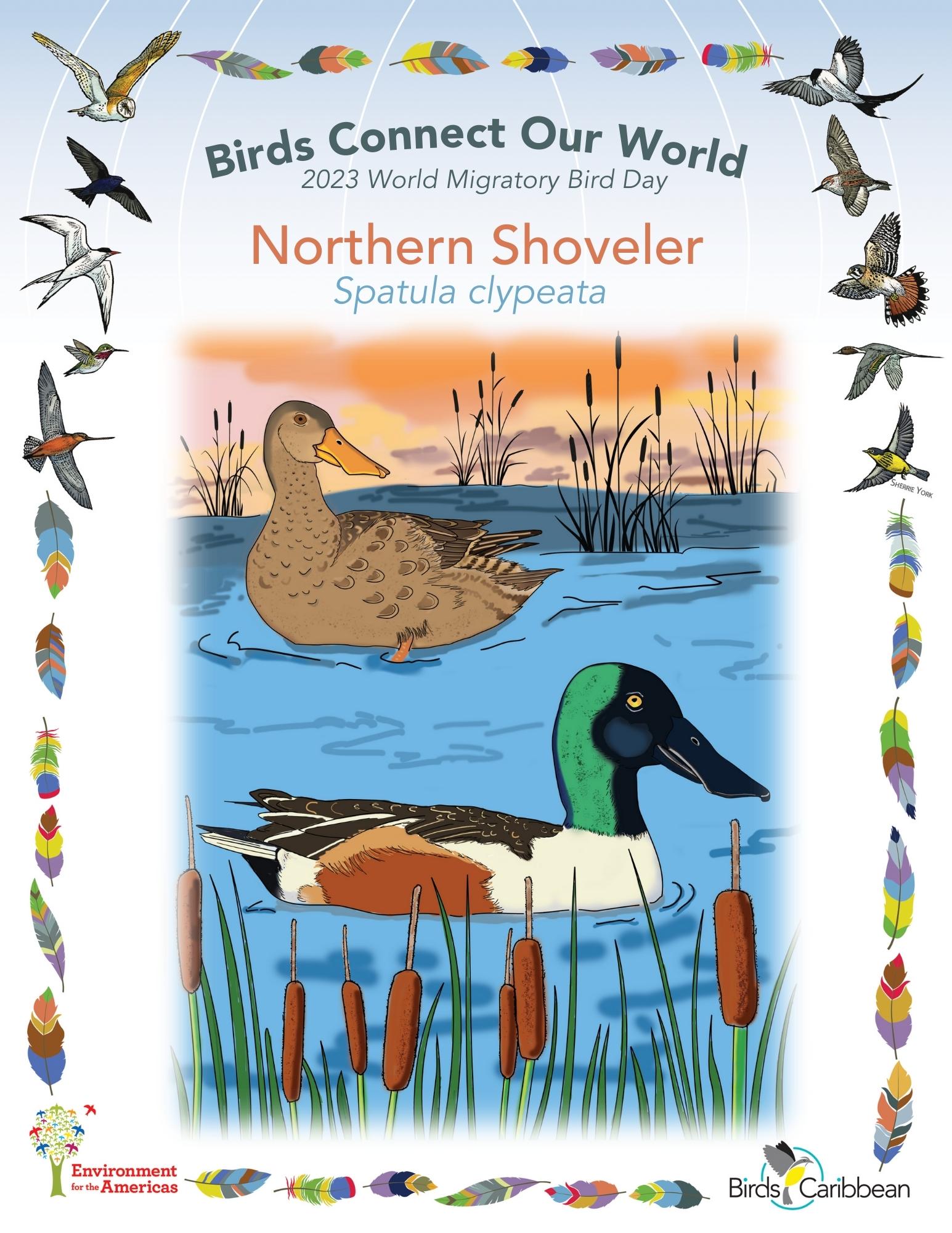
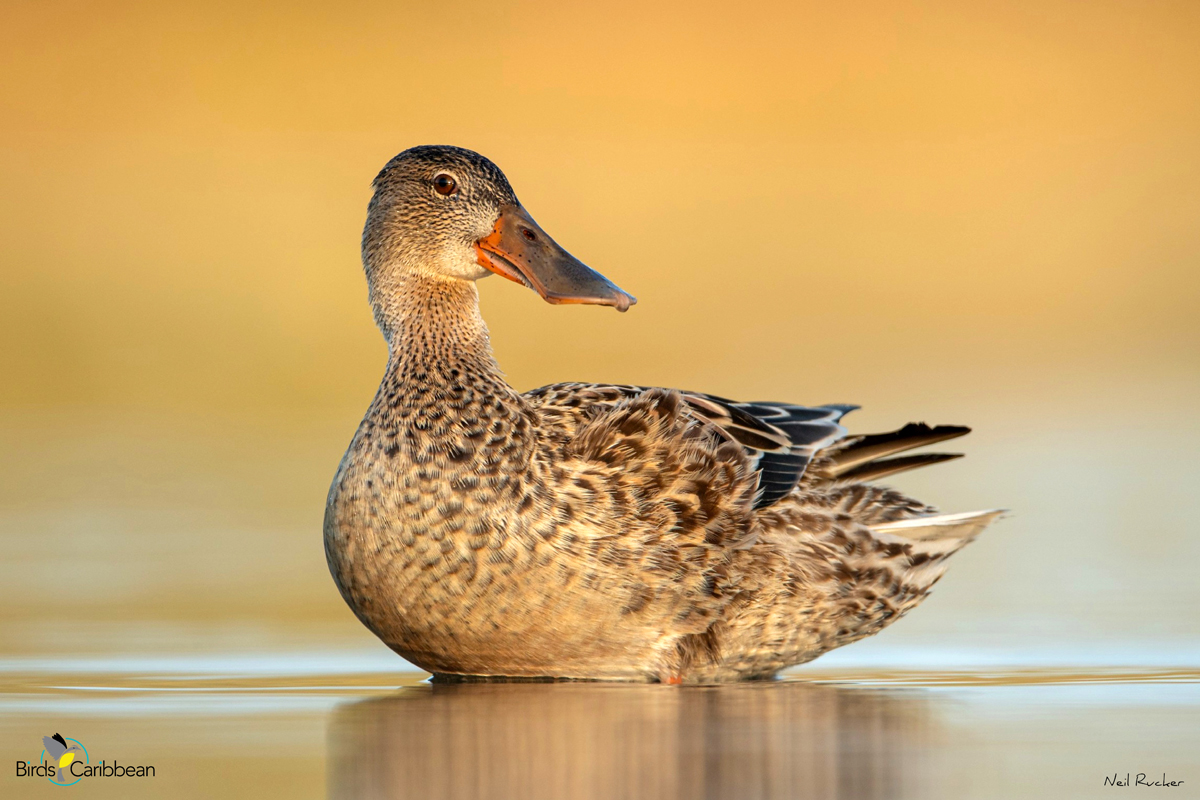
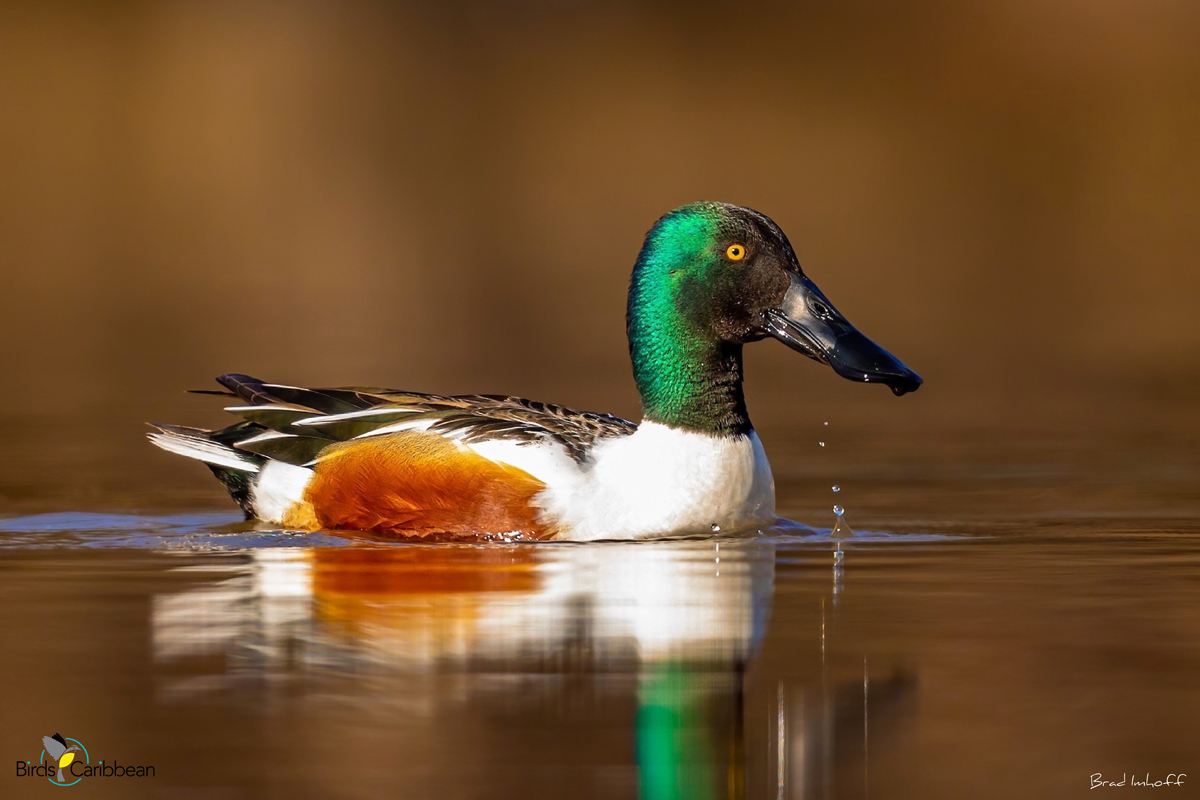
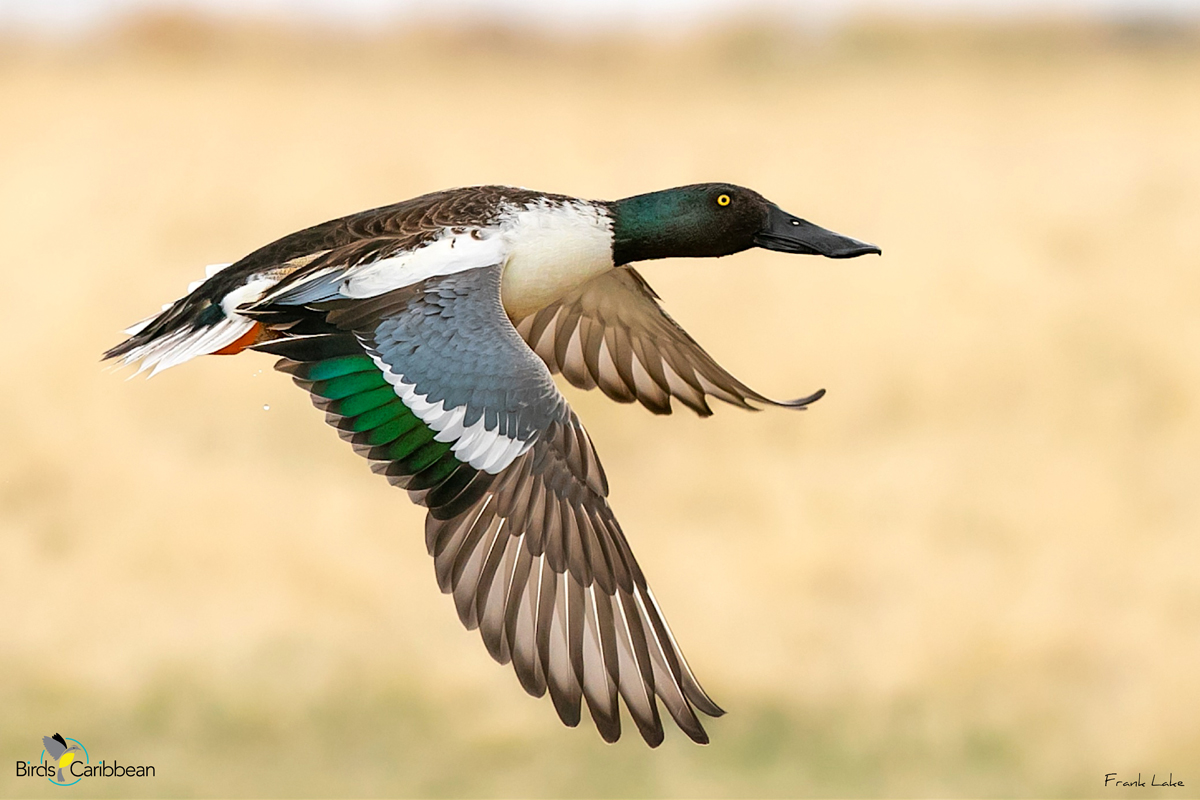
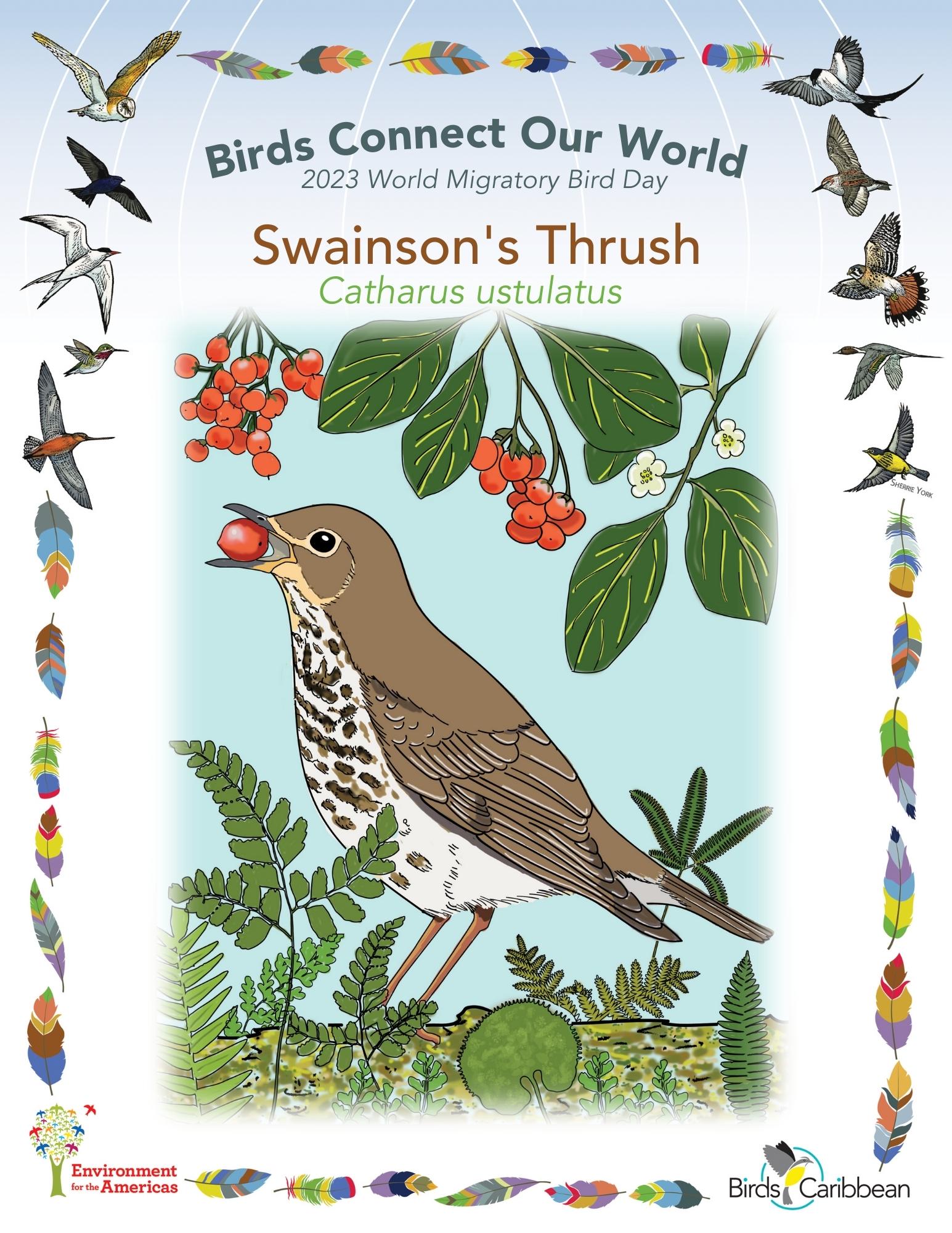
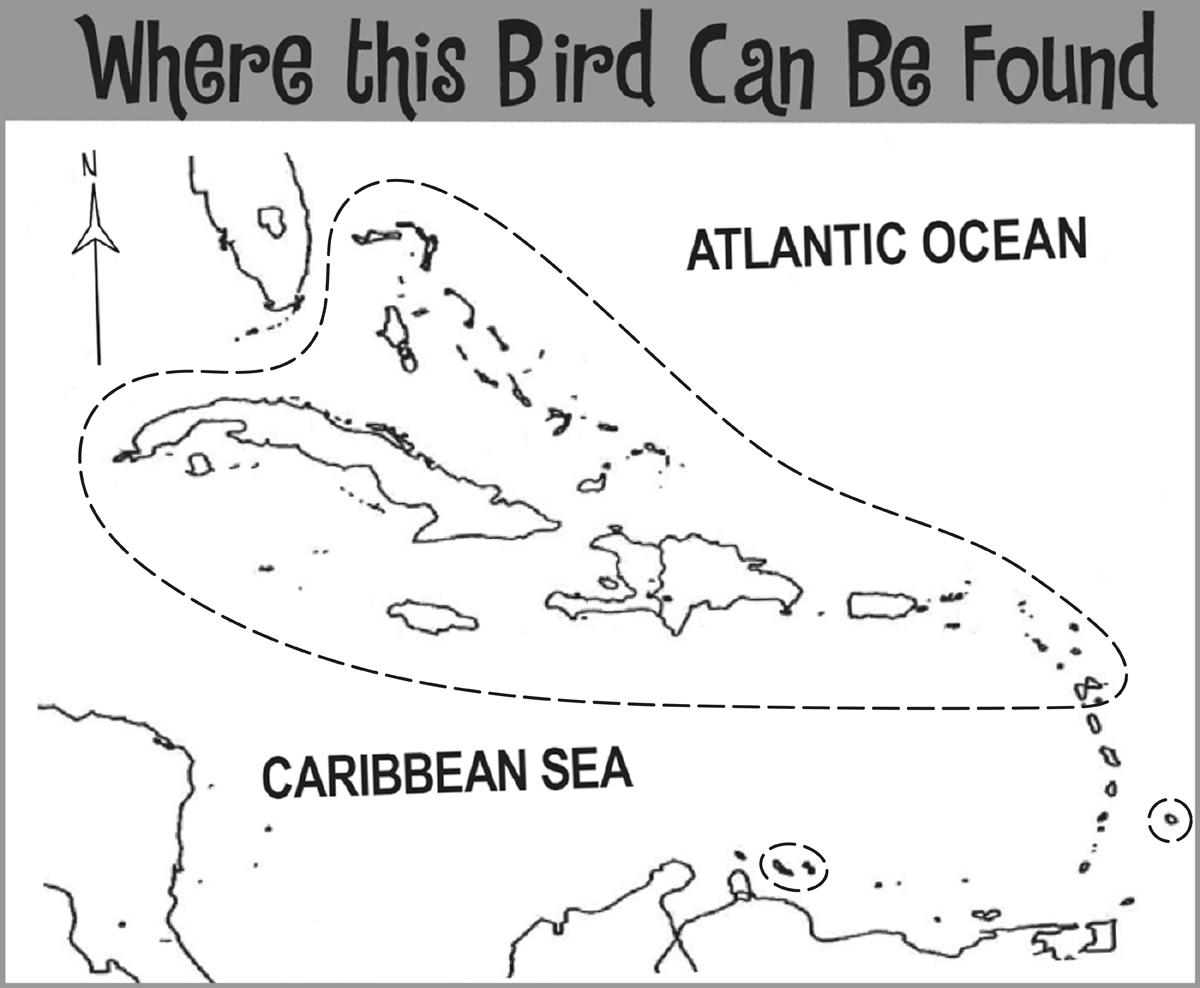
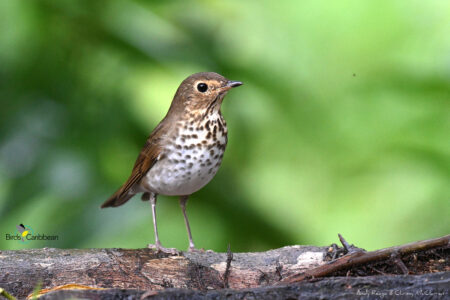
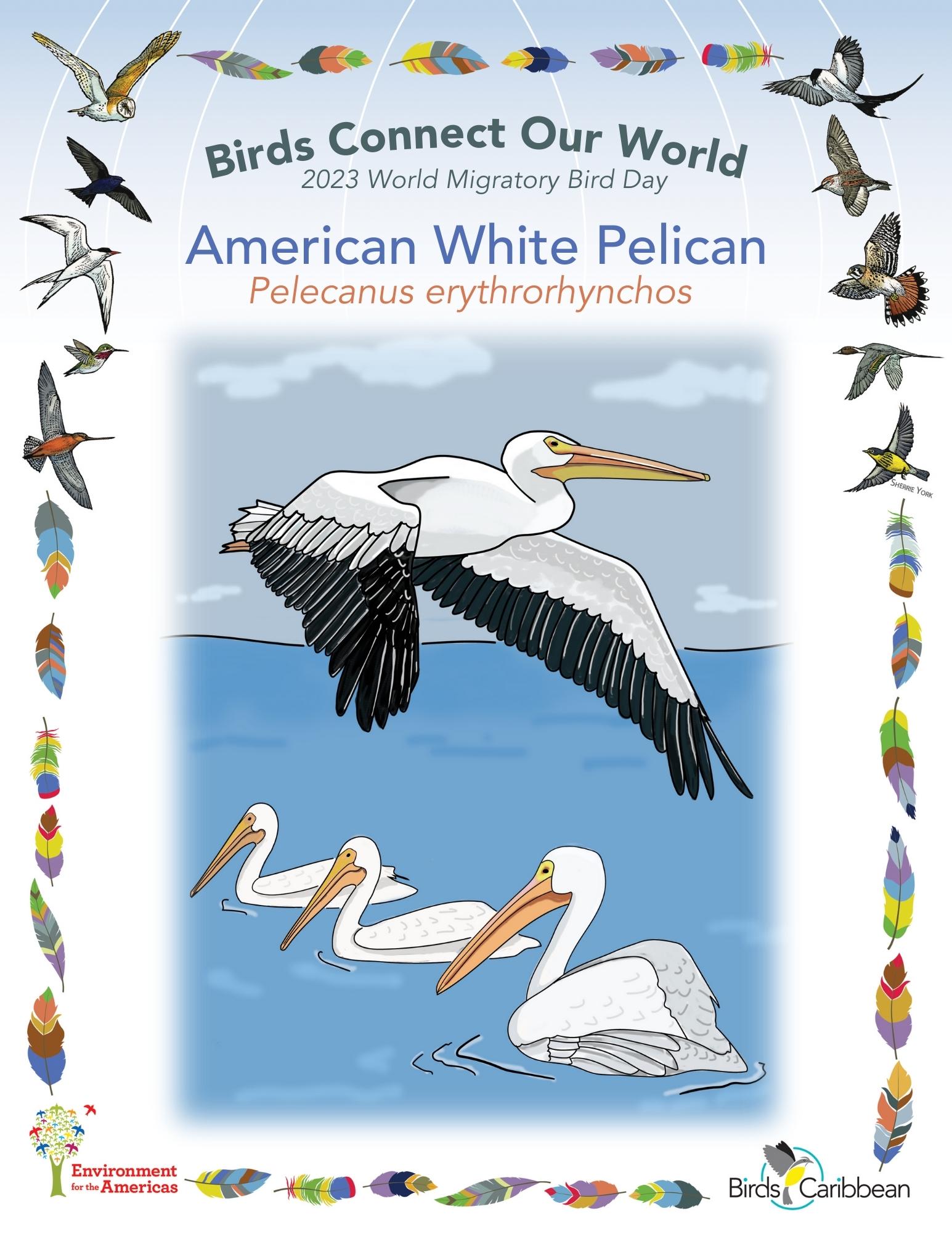
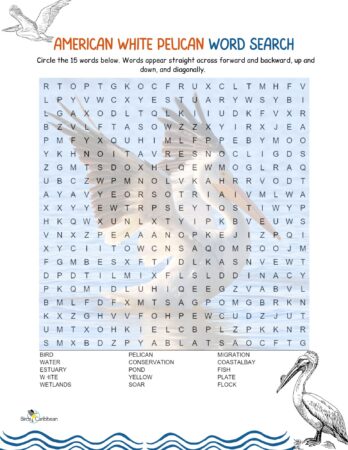
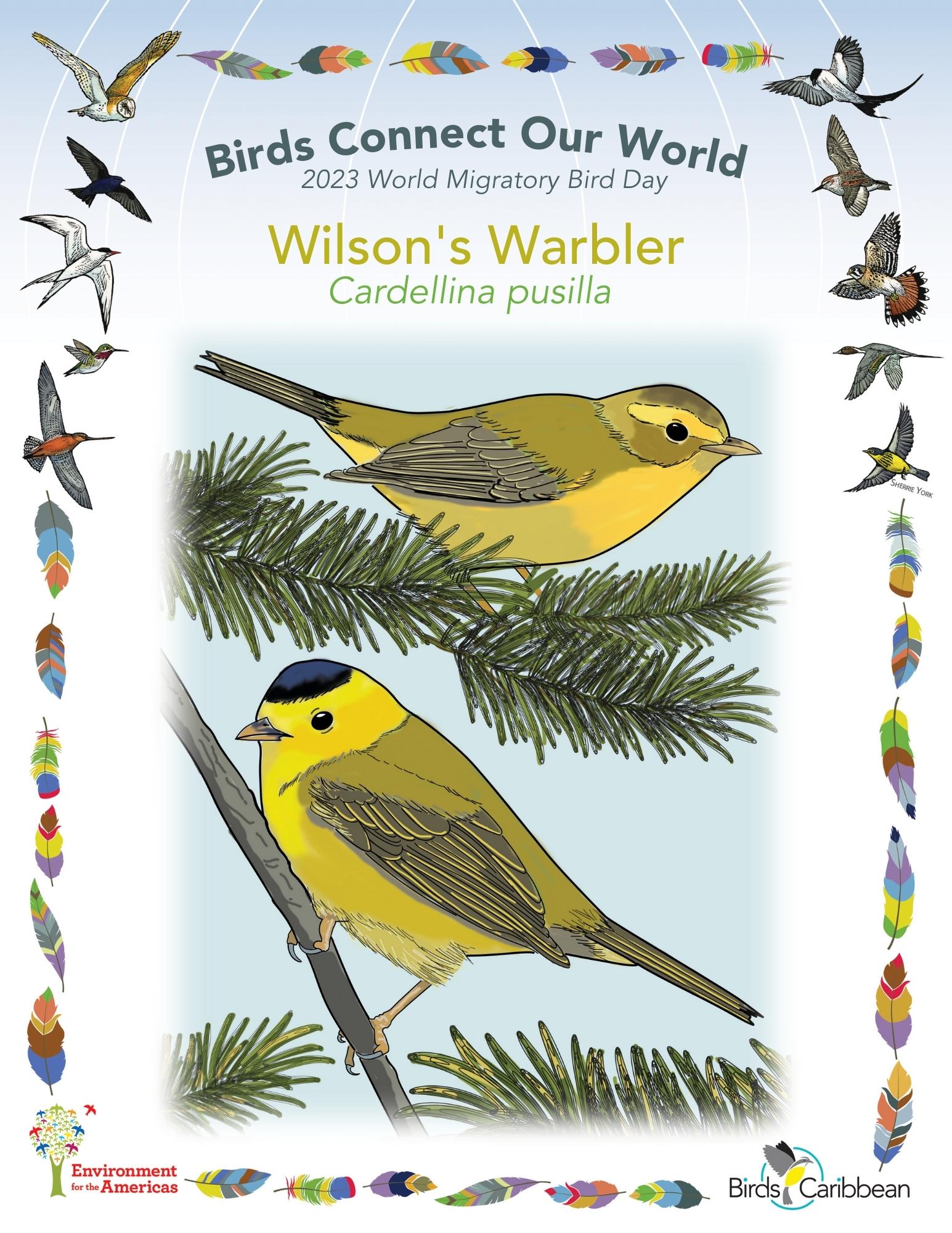
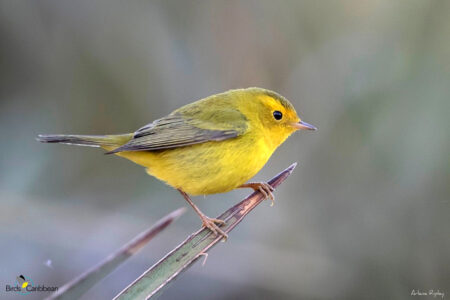
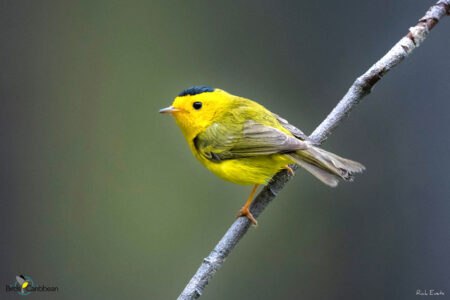
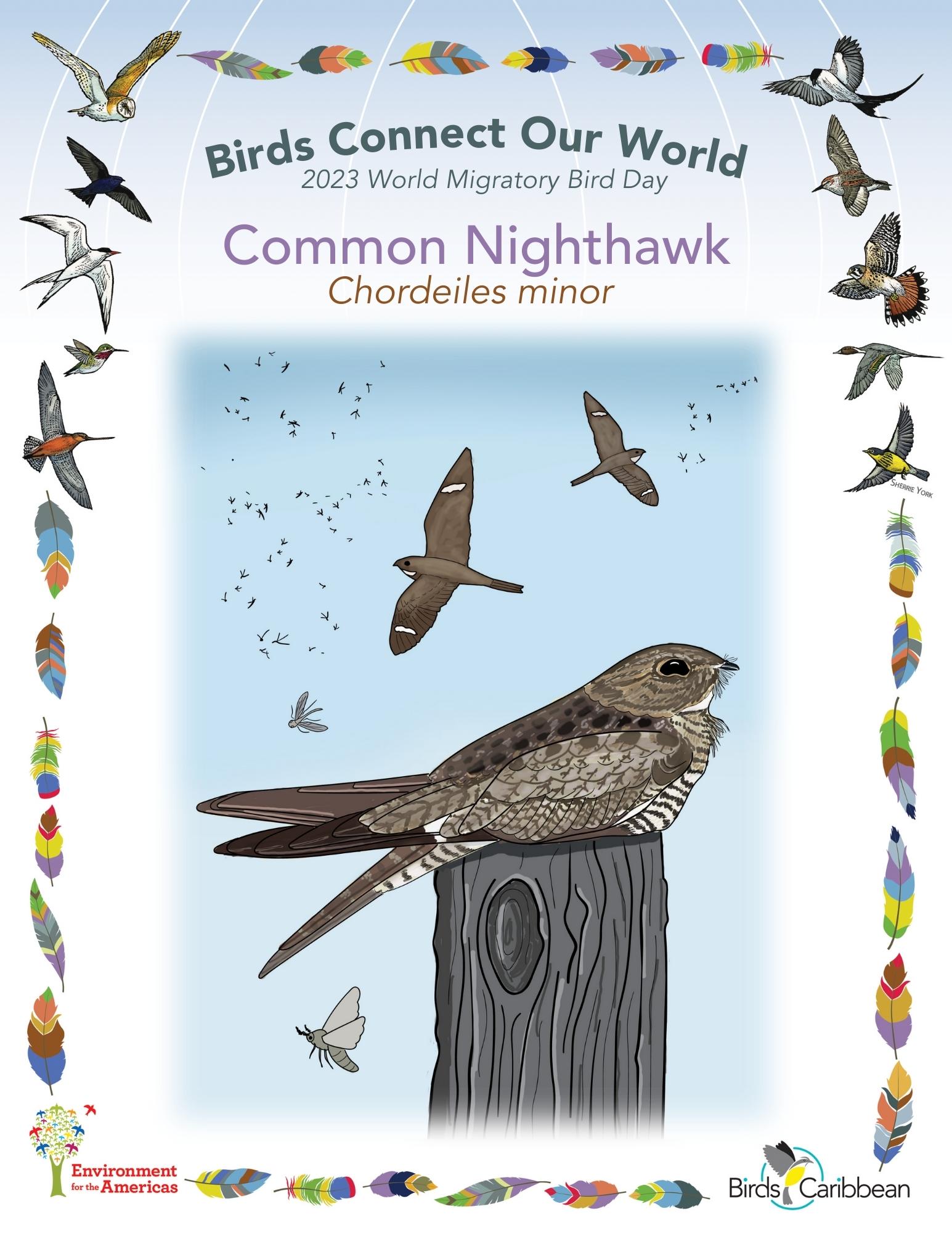
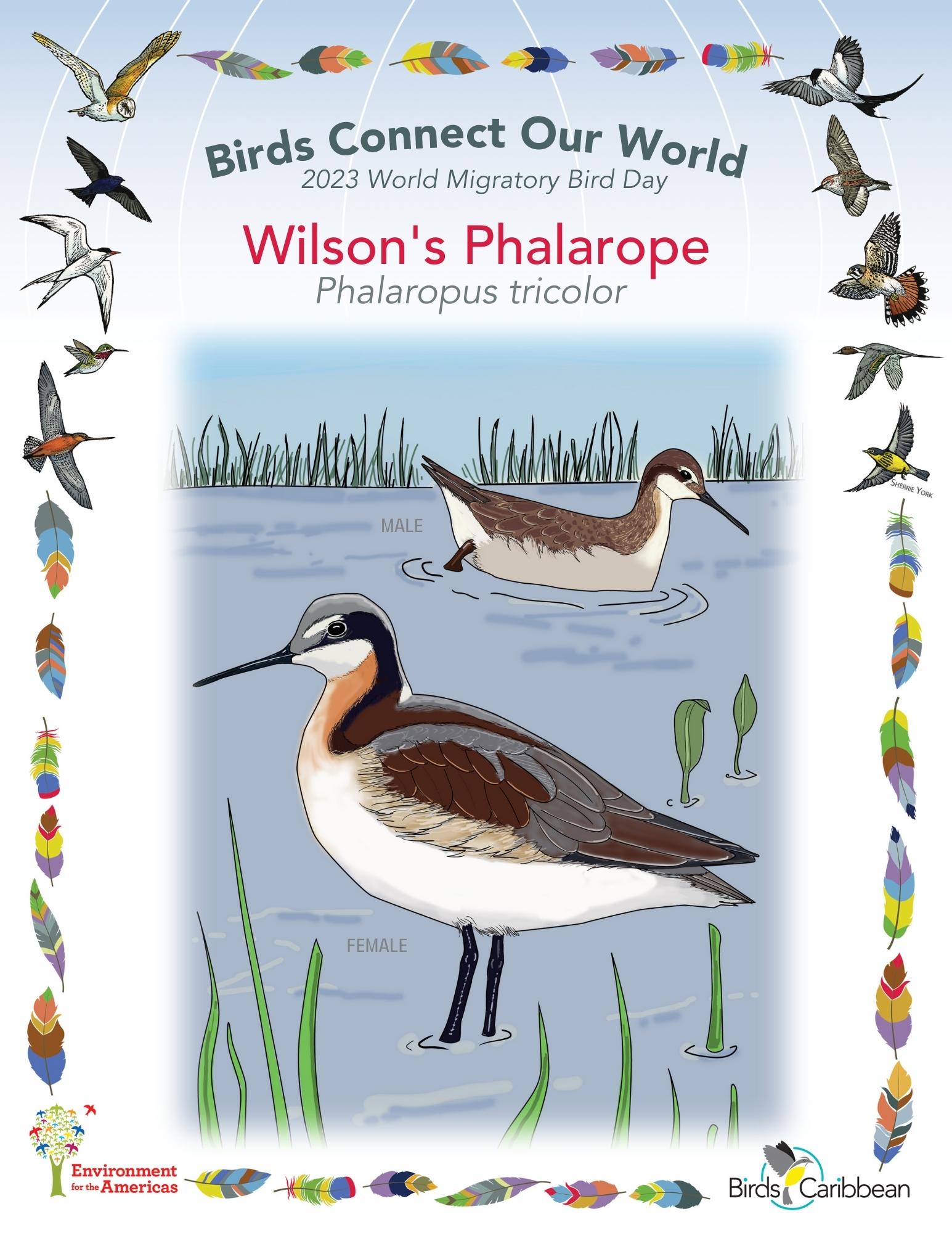
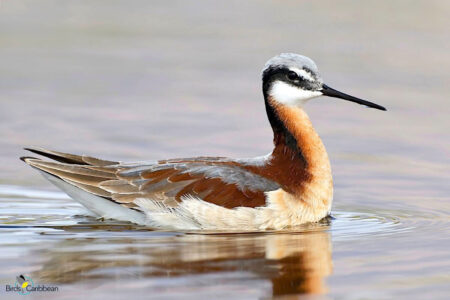
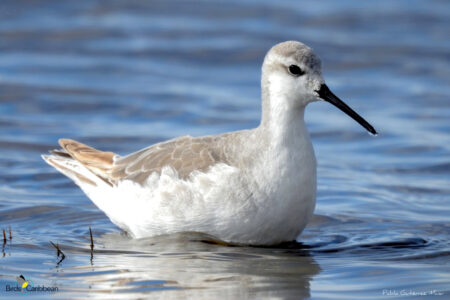
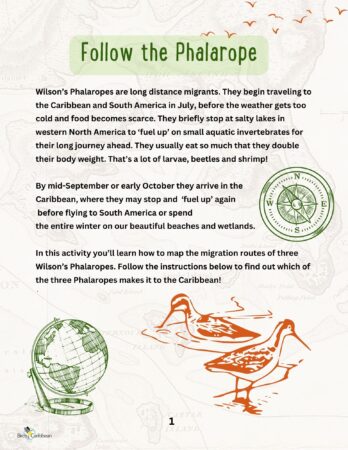
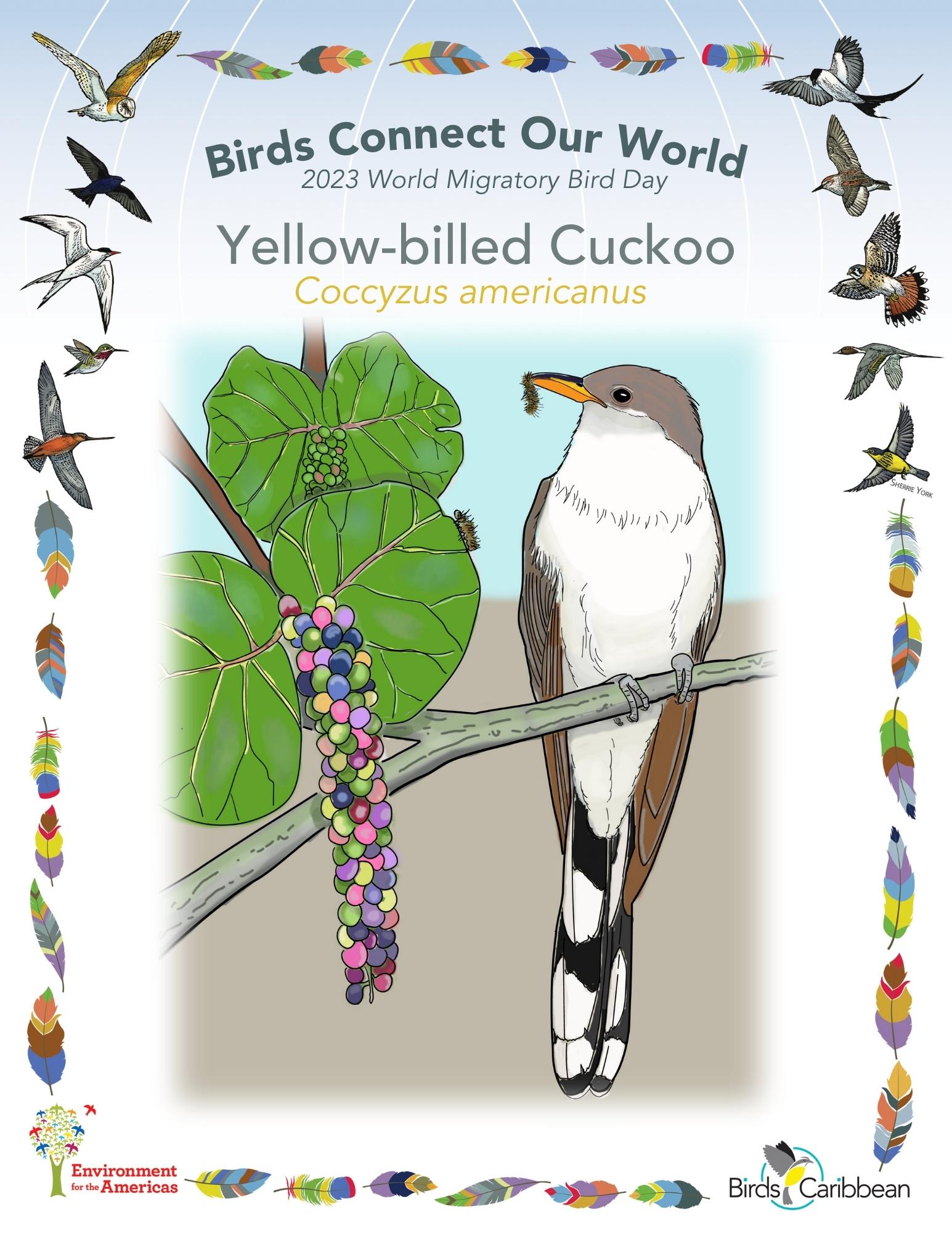
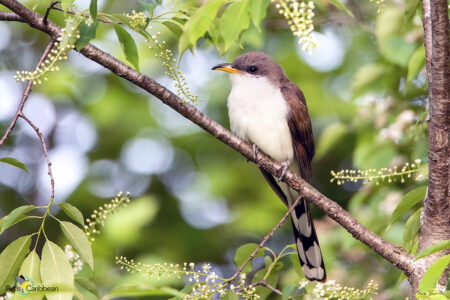
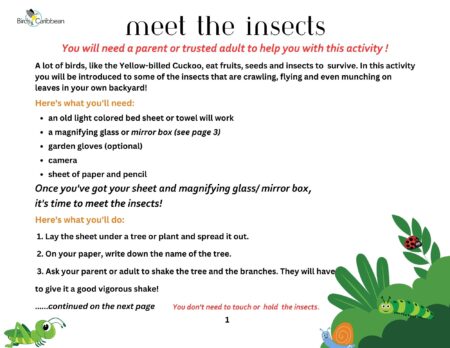
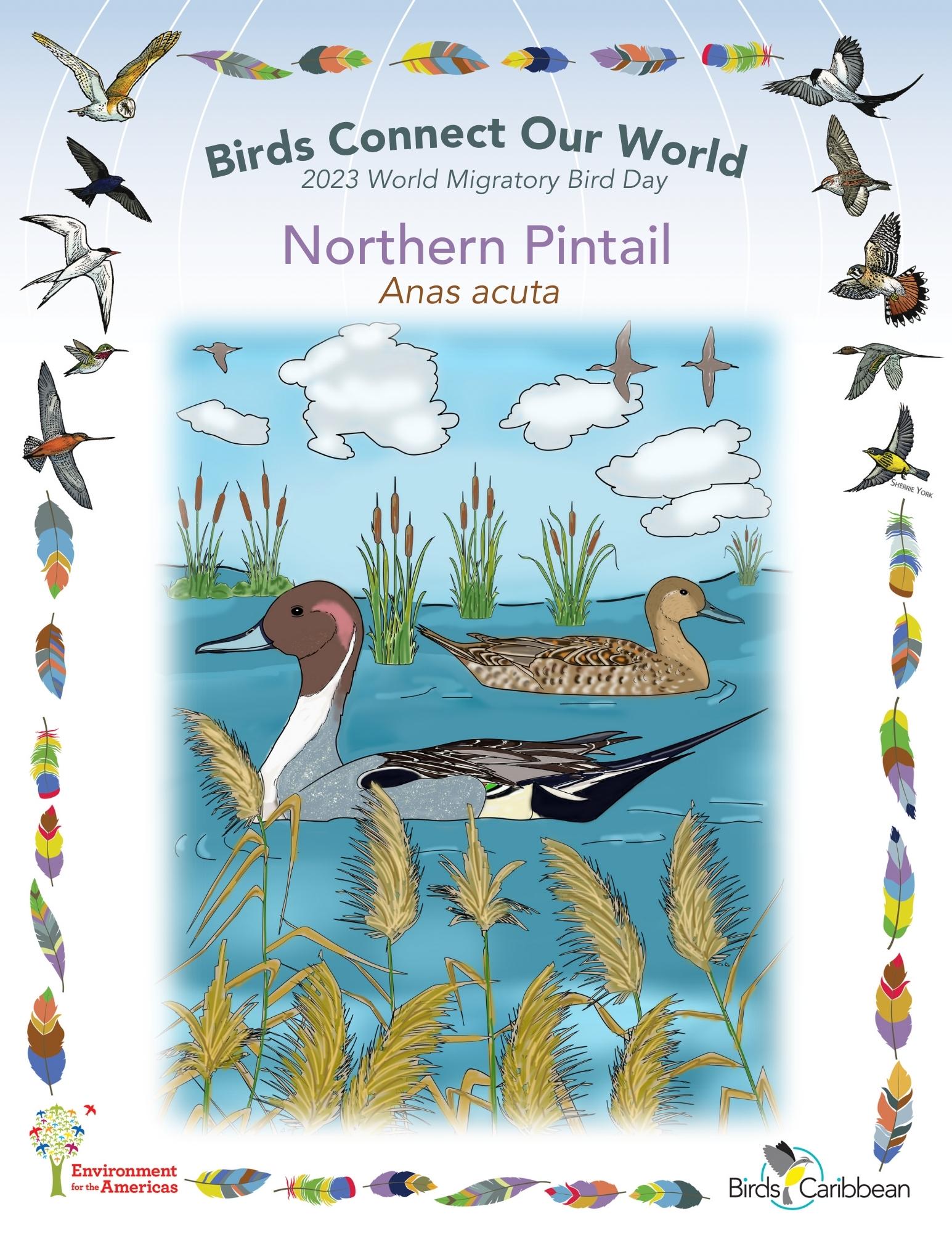
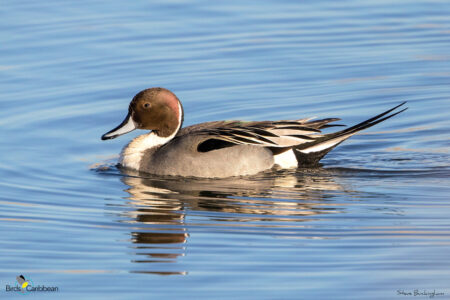
BirdsCaribbean celebrated WMBD by showcasing new migratory birds in our virtual campaign — Birds Connect Our World. Each bird profile was accompanied by a beautifully drawn image by Arnaldo Toledo, along with stunning high-quality photos, engaging videos, and bird calls. Fun, free and engaging activities were also provided for both kids and adults, including downloadable coloring pages, experiments, up-cycle crafts, and more.
WMBD 2026 theme reveal
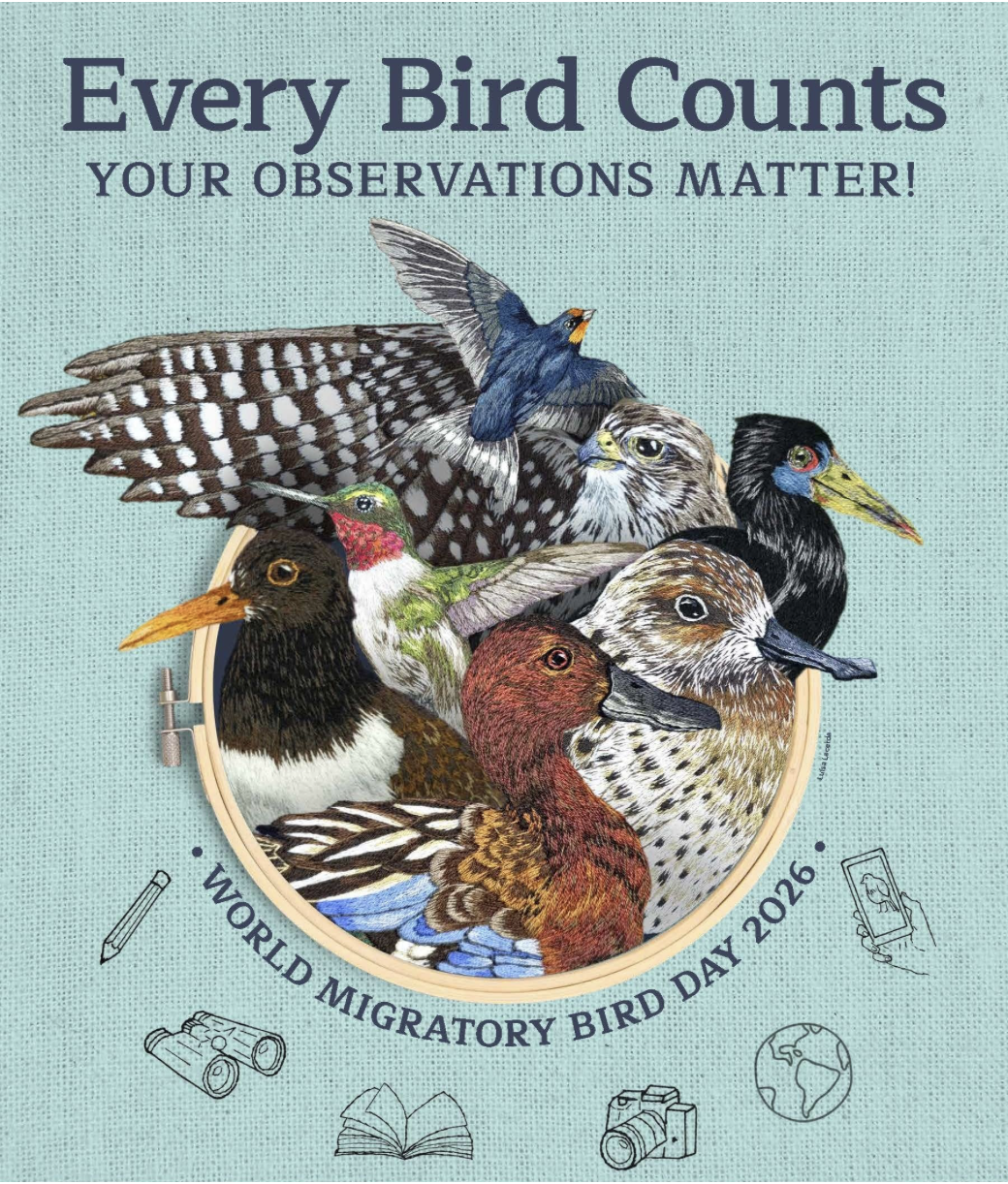
Centering on the theme “Every Bird Counts – Your Observations Matter,” the 2026 campaign highlights community science as the backbone of migratory bird conservation. Whether through backyard sightings or coordinated global surveys, millions of individual observations provide the data necessary to track migration routes, population trends, and changing habitats across the world’s flyways. These collective contributions form the scientific foundation that directly informs conservation policies and protection efforts at every level.
Participating in community science does more than gather data; it deepens our personal connection to nature and the birds that connect our world. This year’s celebration holds extra significance as it marks the 60th anniversary of the International Waterbird Census, honoring decades of worldwide collaboration. Everyone is invited to join bird counts and monitoring programs throughout the year, working together to document the flyways and safeguard the future of these remarkable travelers.
If you are interested in celebrating WMBD in your country, or if you can deliver materials to a Caribbean country, we encourage you to visit the WMBD website for more information; or contact the Caribbean Regional Coordinator, Laura Baboolal, at lbaboolal@environmentamericas.org.