Joshel Wilson, a wildlife biologist with the Environmental Awareness Group, has dedicated himself to protecting the biodiversity of both land and sea in Antigua and Barbuda, from tagging endangered sea turtles and sharks to conserving threatened island wildlife. In 2024, he decided to expand his impressive skill set by adding bird banding to his repertoire. In this piece, Joshel reflects on his experience returning to his homeland to join the third cohort of the Caribbean Bird Banding Training Workshop.
Back to my roots
In early March 2024, I embarked on a journey back to my roots in Grenada, a place that holds a special place in my heart. This time, it wasn’t my typical visit for family or familiar landscapes—I was there for the third Caribbean Bird Banding Training Workshop, hosted by BirdsCaribbean in collaboration with the Grenada Fund for Conservation, Gaea Conservation, and Klamath Bird Observatory. It was a unique opportunity to combine my passion for birds with the chance to reconnect with my homeland. I did not expect that this experience would be so much more than a technical workshop; it would be a journey into the heart of Grenada’s natural beauty, culture, and community!
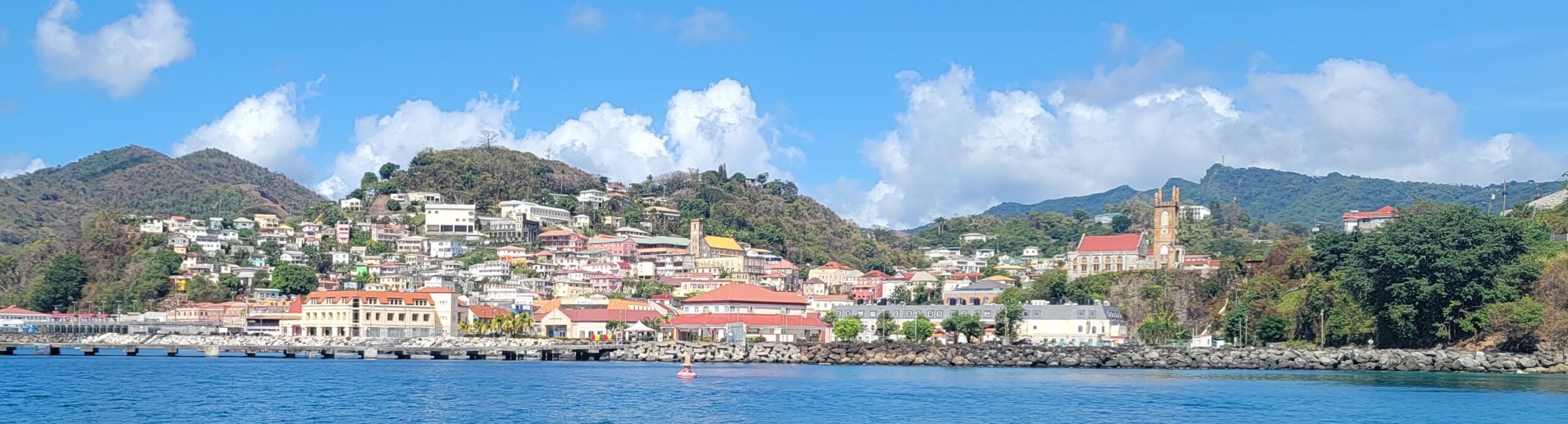
Landscape photo of St. George’s, Grenada. (photo by John Alexander)
The workshop took place over five unforgettable days, blending hands-on bird banding with the theory behind this important conservation practice. The learning, discovery, and networking began promptly at the crack of dawn, whether we were venturing into the lush Grenada Dove Sanctuary at the Mt. Hartman Estate or exploring the grounds of the Blue Horizons Garden Hotel–the headquarters for the workshop. Located close to beautiful Grand Anse Beach and nestled in the vibrant Grenadian landscape, Blue Horizons was a haven for a variety of bird species. As the sun rose over the island, the air was filled with the songs of of landbirds such as Bananaquits and Grenada Wrens—the very species we aimed to study and band. It was a powerful reminder of why I fell in love with ornithology in the first place.
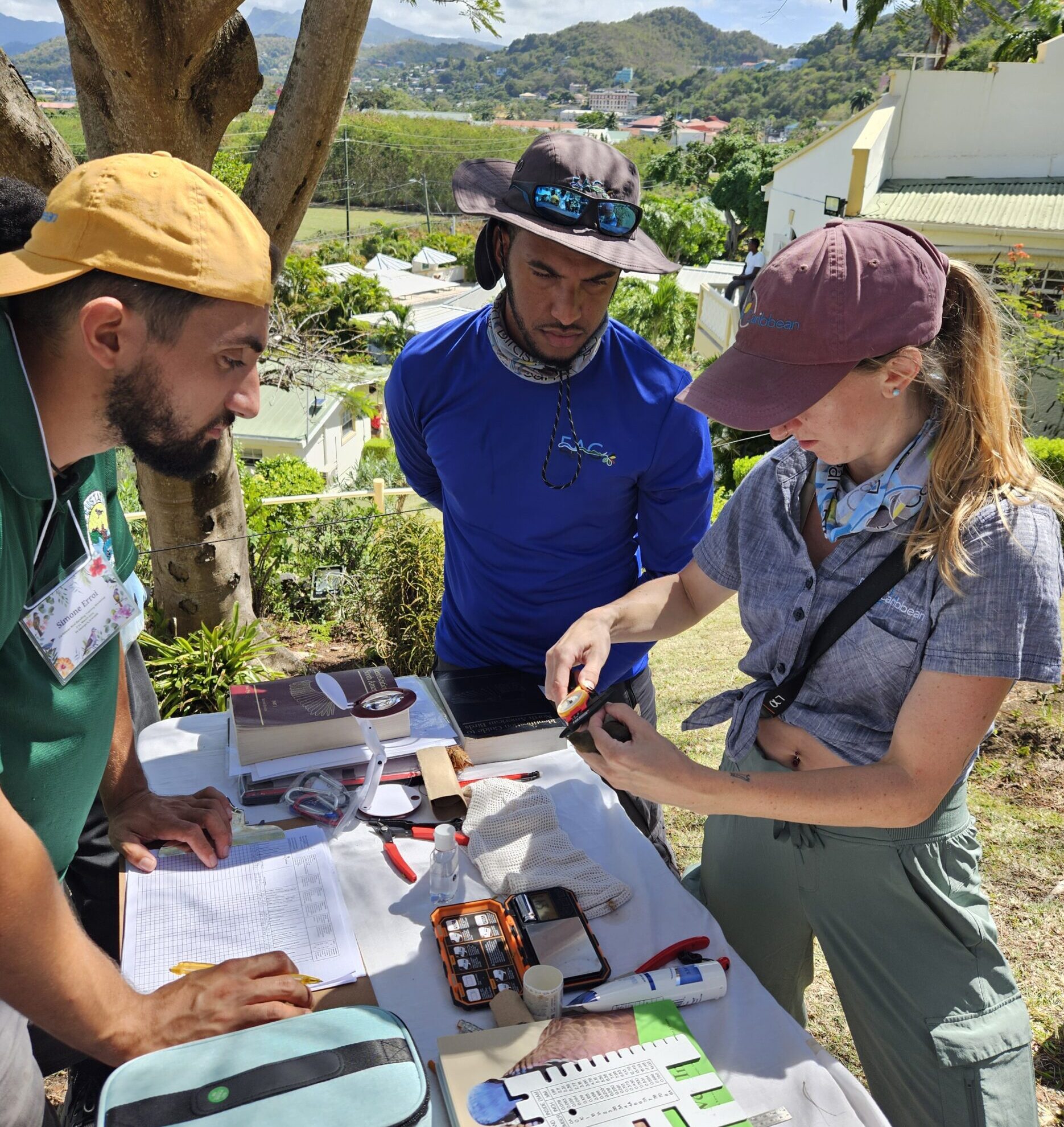
Trainer Holly Garrod shows Joshel Wilson and Simone Erroi how to measure morphometrics on a Bananaquit. (photo: Maya Wilson)
Birds, banding, and Caribbean camaraderie
While the birds and the scenery were spectacular, it was the people that truly made this workshop special. I met fellow conservationists from across the Caribbean, each bringing their own unique backgrounds and stories. There were Cubans, Puerto Ricans, Trinidadians, Saint Lucians, Saint-Martinois, Caymanians, and Grenadians like myself, all united by our shared passion for bird conservation.
The classroom sessions, led by experienced trainers and facilitators, were filled with lively discussions and bursts of laughter, especially when our Cuban colleagues, with their distinct accents, would jokingly plead, “¡Inglés, por favor!”(English, please!), hinting that the diverse Caribbean variations of English, combined with our unique accents, sometimes made conversations hard to follow.
While learning new techniques for removing birds from mist nets and mastering data recording was invaluable, the real magic happened in the connections we made. We swapped stories, compared conservation techniques, shared cultural traditions, and exchanged ideas on how to promote bird conservation in our respective countries. The mix of languages, positive energy, and camaraderie made each session feel more like a shared experience than a formal workshop.
Building Caribbean expertise
The role of BirdsCaribbean in ensuring the success of this workshop cannot be understated. The organisation’s dedication to fostering excellence in bird conservation was evident in every detail, from the well-organised, informative sessions to experiencing more of Grenada, including aboat trip arranged by the Grenada Fund for Conservation (GFC), where we enjoyed the famous Carenage and Underwater Sculpture Park.
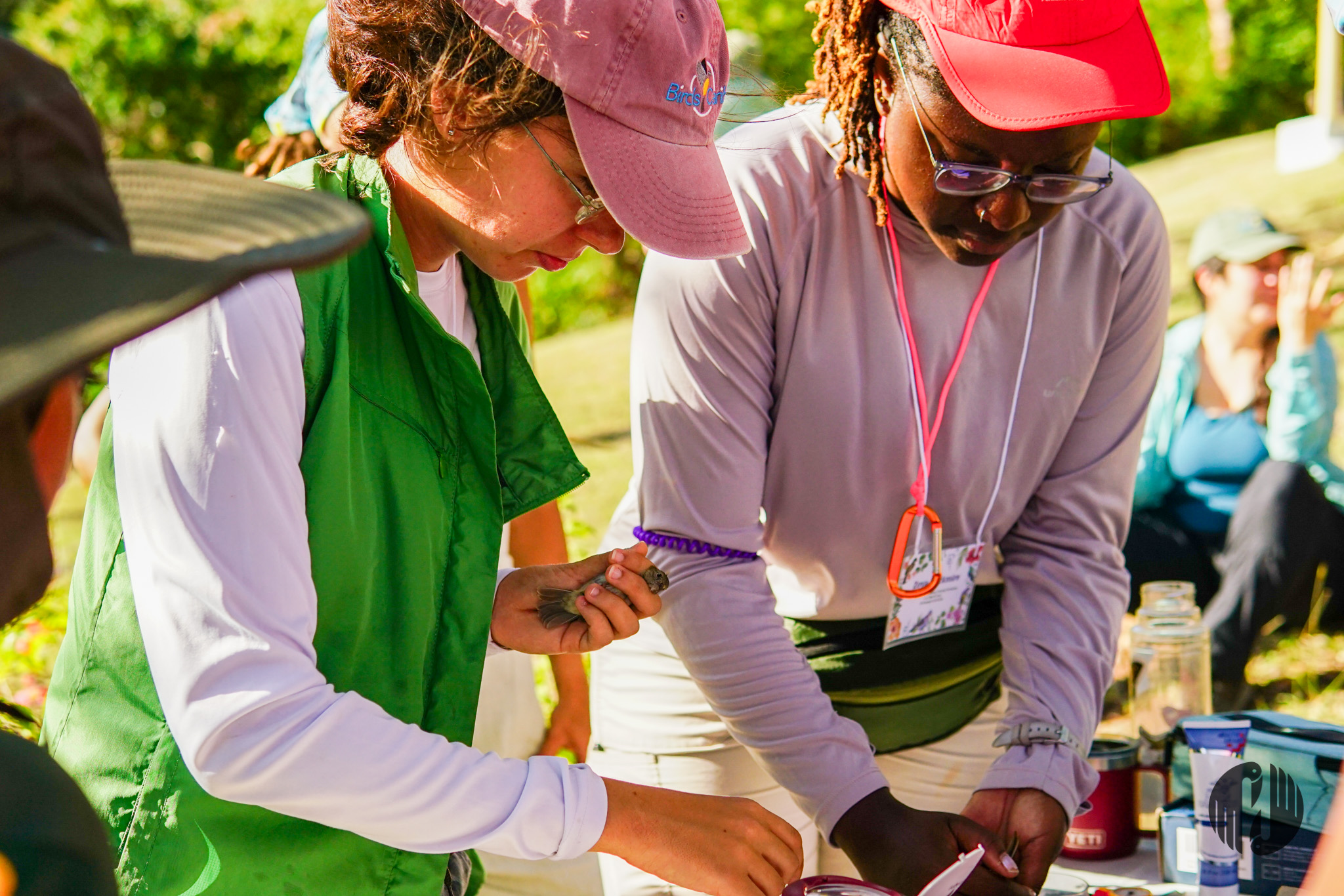
Recently certified NABC trainers Daniela Ventura (left) and Zoya Buckmire (right) band a Bananaquit together. (photo by Holly Garrod)
It was incredibly meaningful to watch the certification of two new Caribbean Bird Banding trainers, Daniela Ventura (Cuba) and Zoya Buckmire, who is also from my homeland of Grenada – what a sense of pride! This certification symbolized not only the success of the workshop but also BirdsCaribbean’s long-term goal of fostering Caribbean expertise in ornithology.
Coming home with more than new skills
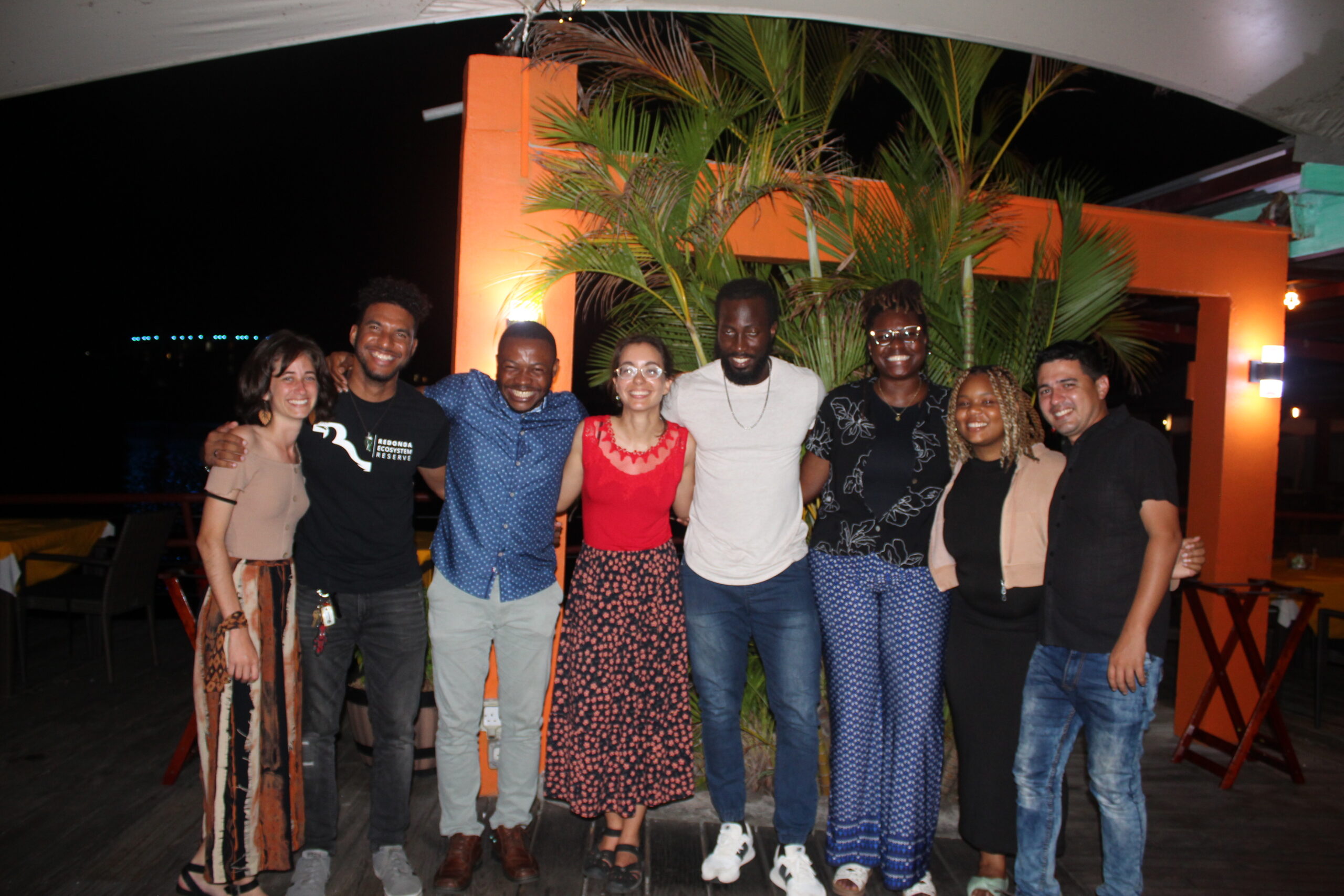
Participants (left to right) at the end of workshop banquet: Laura Arañaburo Acosta, Joshel Wilson, Kendon James, Daniela Ventura, Shawn Allard, Zoya Buckmire, Jadie Allard, Elien Domínguez Tan
As I received my Certificate of Achievement, I felt a mix of emotions. There was a sense of accomplishment for the skills I’d acquired, but also a profound sense of reconnection with my homeland. This workshop wasn’t just about learning bird banding techniques; it was about returning to Grenada, reconnecting with its people, and rediscovering the beauty of its natural world.
As I said goodbye to the friends I made and the birds I came to know, I knew this wouldn’t be the last time I would see them. This journey had reignited my passion for bird conservation and deepened my commitment to supporting the Caribbean’s ornithological community.
If you’re considering participating in a similar workshop, I can’t recommend it enough. The experience will not only enrich your knowledge but also connect you to a vibrant and welcoming community of biologists from across the Caribbean.
Trainer Daniela Ventura show other bird banding workshop participants how to check a bird for breeding characteristics
Bananaquit being held in photographer’s grip. Photo: Holly Garrod
The first step to banding a bird is first identifying the species, as shown here comparing this Yellow-bellied Elaenia to drawings in the field guide
The endangered and endemic Grenada Dove spotted at the banding site of Mount Hartman
Shawn Allard extracts a Bananaquit from a mist net
Trainer Juan Carlos instructs participants on how to properly set up a mist net. (photo by Holly Garrod)
Acknowledgements: The Caribbean Bird Banding Training Workshop was made possible through the generous support of our donors and funders, including the U.S. Fish and Wildlife Service and Zoo New England. We would also like to thank our local and international partners, including the Grenada Fund for Conservation, Gaea Conservation Network, Grenada Forestry, Klamath Bird Observatory, and Institute for Bird Populations.
Joshel Wilson is a Wildlife Biologist with a B.Sc. in Marine, Wildlife, & Conservation Biology from St. George’s University and an MSc candidate at the University of Leeds. With expertise in biodiversity conservation, endangered species management, and research methodologies, including UAS and tagging techniques, he has contributed to projects across the Caribbean. Currently a Wildlife Officer with the Environmental Awareness Group, Joshel oversees conservation efforts in Antigua, Barbuda, and Redonda. He also serves as Principal Investigator for the Antiguan Racer Census and holds certifications in marine conservation and climate resilience.
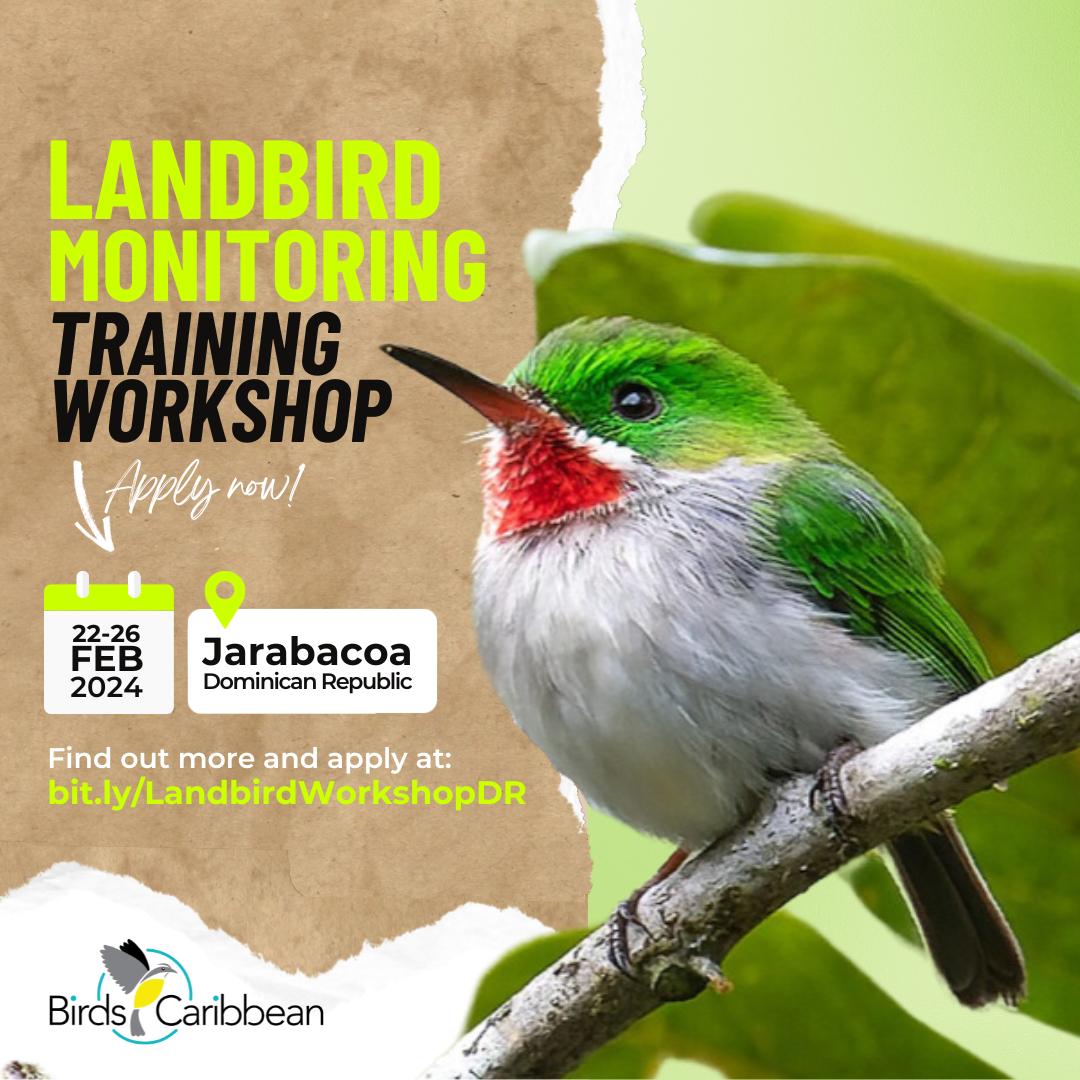
BirdsCaribbean is excited to invite applications to participate in a 5-day training workshop focused on the monitoring and conservation of landbirds in the Caribbean. Through a blend of classroom and field-based activities, this comprehensive workshop will cover landbird identification, monitoring techniques, eBird data entry, and more. The workshop will take place at Rancho Baiguate in Jarabacoa, Dominican Republic from February 22-26, 2024.
Why do we need to monitor landbirds?
Our landbird species are declining, including many resident and endemic birds, as well as over 100 migratory species. Monitoring is essential to fill gaps in our knowledge about the status, trends, and habitat use of their populations.
This training workshop is part of BirdsCaribbean’s Landbird Monitoring Program that aims to build capacity to monitor and conserve landbirds in the Caribbean. The long-term goal of this program is to enhance full life cycle (i.e. year-round) conservation of Caribbean landbirds. Working with our many partners, we are building regional networks to increase landbird monitoring and research, raise awareness and appreciation of our landbirds, and enable on-the-ground conservation actions.
About the workshop
This “train the trainer” workshop is designed for Caribbean wildlife professionals and volunteers who are interested in expanding or establishing a landbird monitoring program.
The purpose of the workshop is to:
Share information on landbirds in the Caribbean and the threats that they face
Provide participants with the knowledge and skills to train a monitoring team and institute a sustainable, local landbird monitoring program
Inspire and facilitate landbird monitoring and conservation efforts, including raising public awareness, alleviating threats, and managing and restoring habitats
Build a regional network of people involved in standardized monitoring and conservation of our shared landbirds
Workshop participants will learn about the Programa de América Latina para las Aves Silvestres (PROALAS) bird survey protocols. Developed in Latin America to target tropical habitats, the manual for these protocols includes detailed guidance on designing and implementing multi-level survey methods. The manual also incorporates the use of eBird as a user-friendly data entry and storage platform, and outlines occupancy-based analysis of monitoring data.
During daily field trips, we will practice landbird identification and survey techniques. After the workshop, participants will have the opportunity to apply for a small grant to implement or expand their own landbird monitoring and conservation projects, ideally including training of others in their organizaton or community.
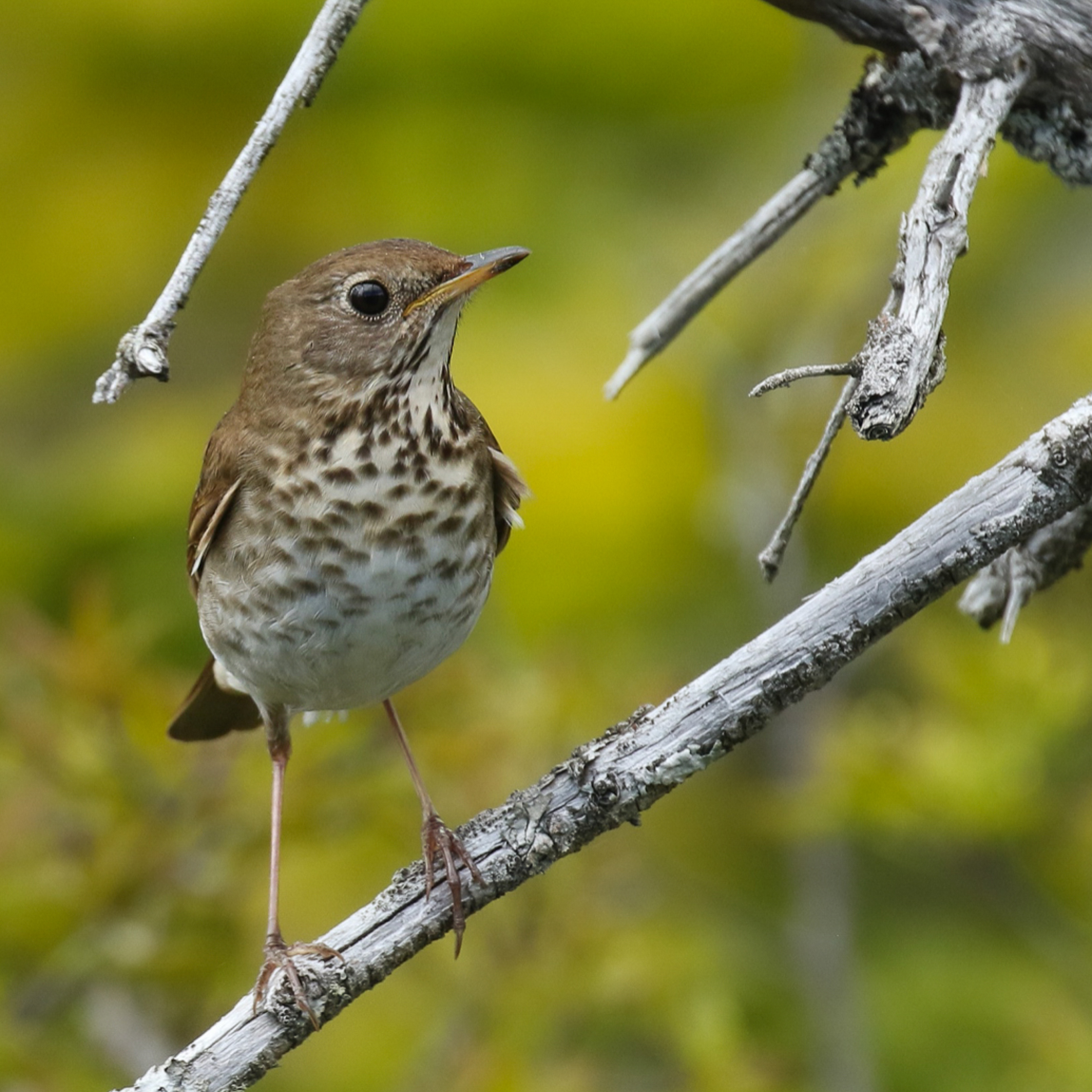
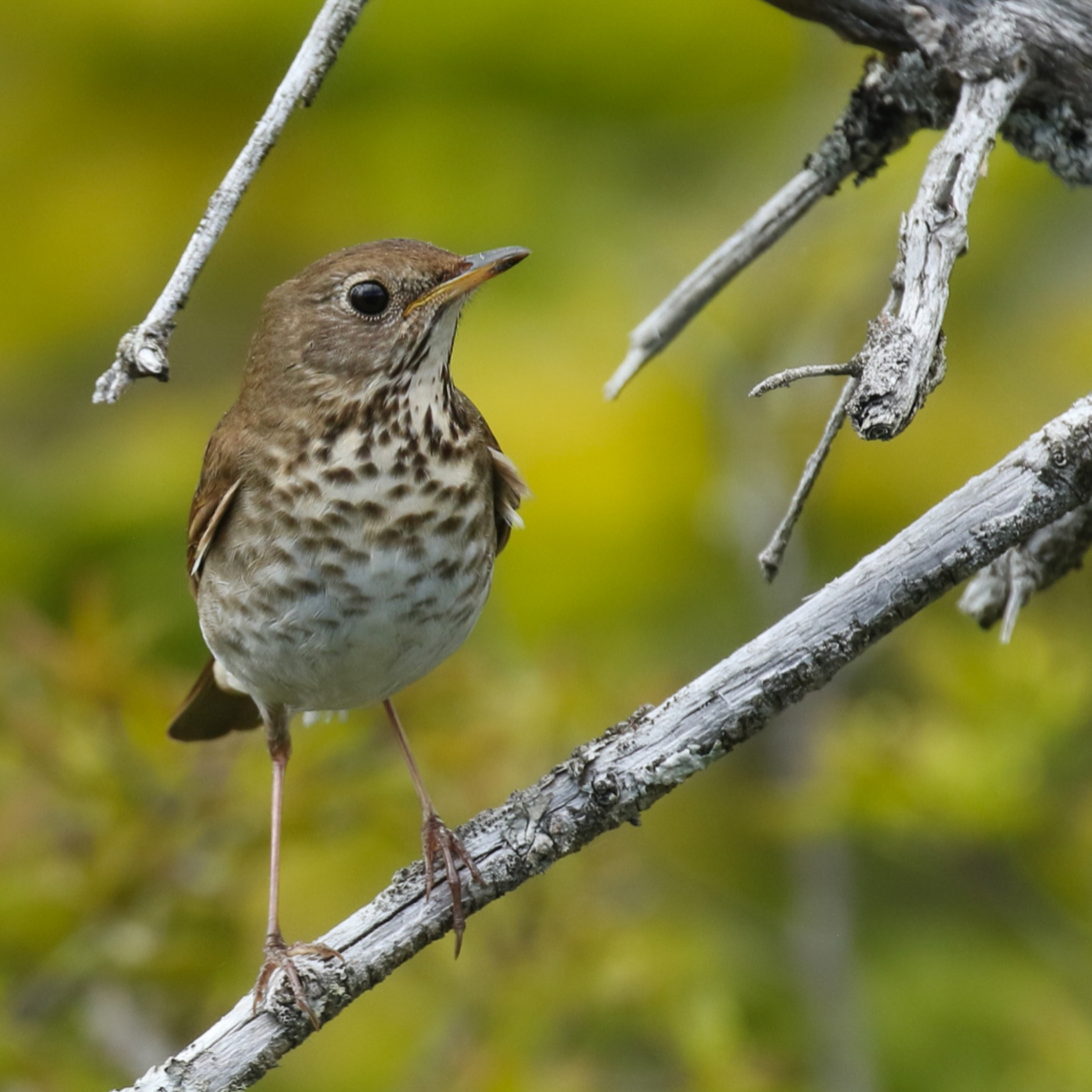
Bicknell’s Thrush. Classified as Vulnerable by the IUCN, 80-90% of the total population winters on Hispaniola. (Alex Berryman – ML165158591)
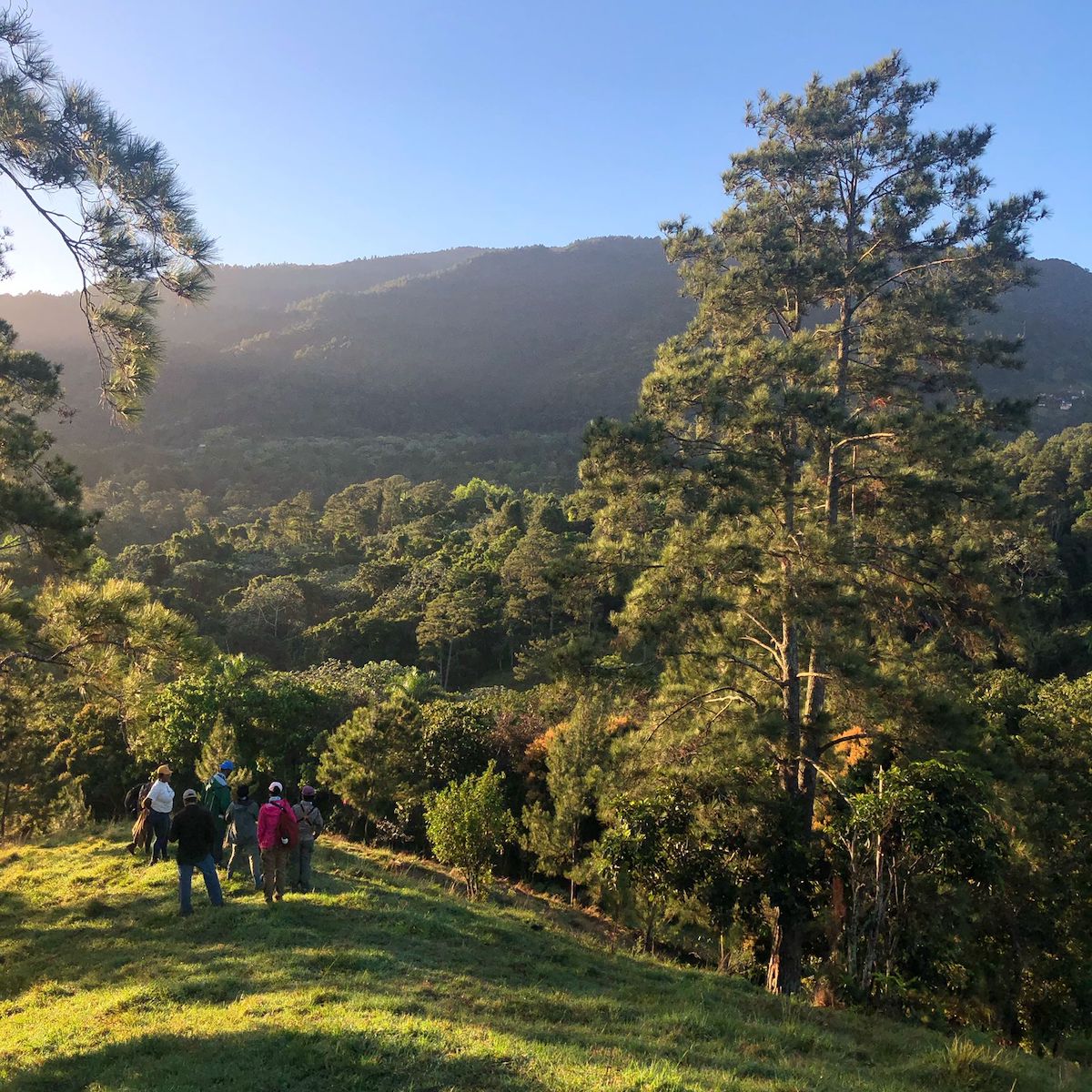
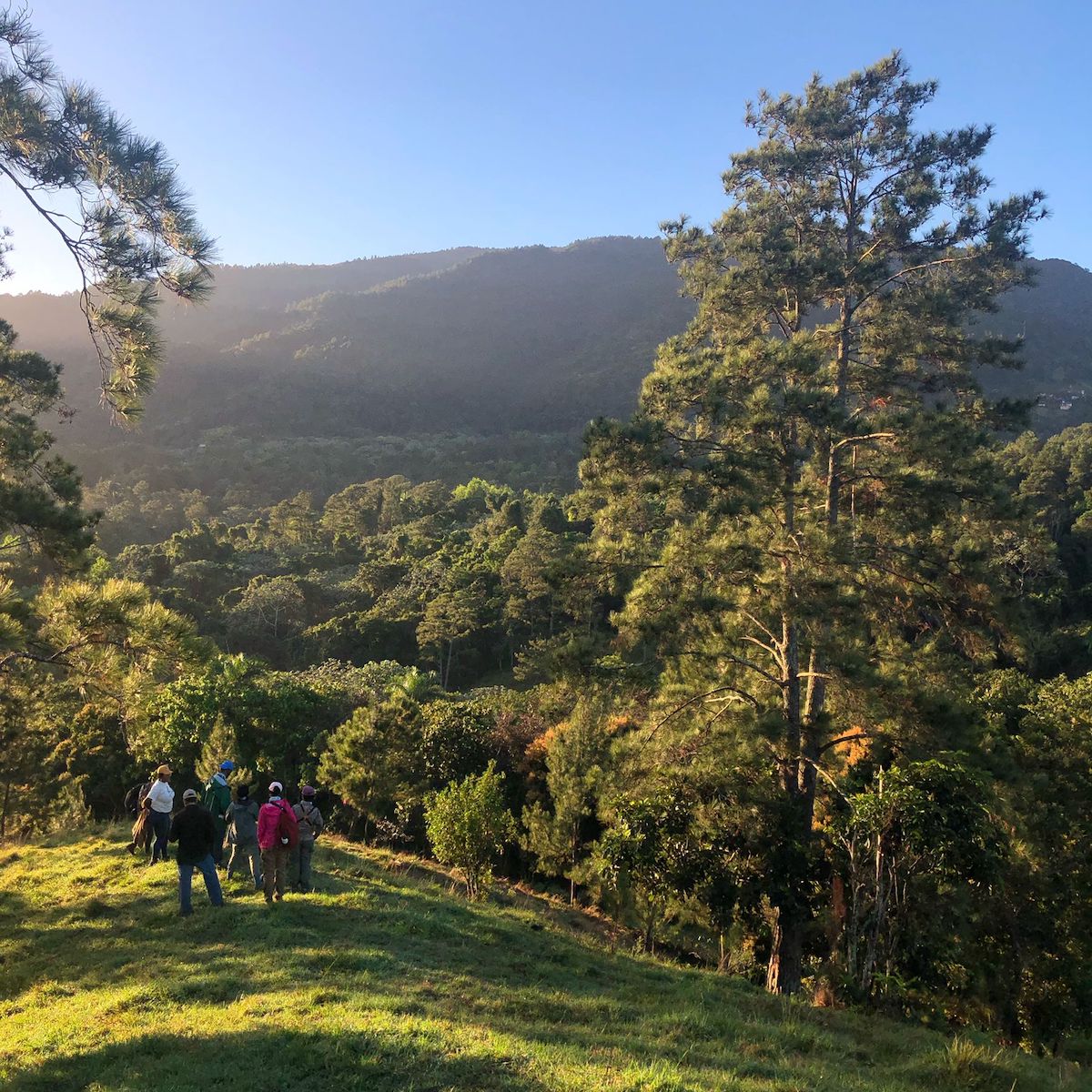
Fieldwork in the beautiful countryside of Jarabacoa, Dominican Republic.
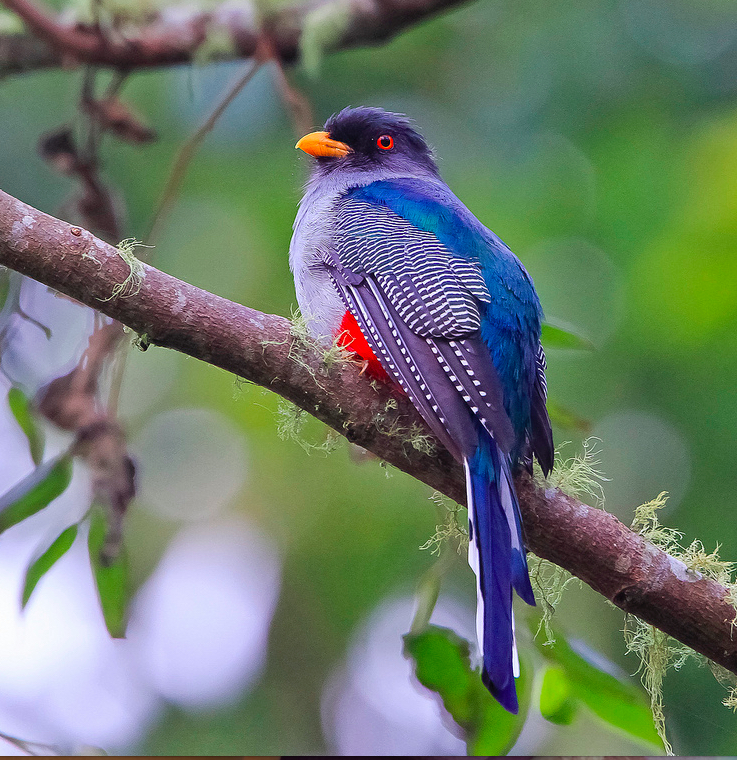
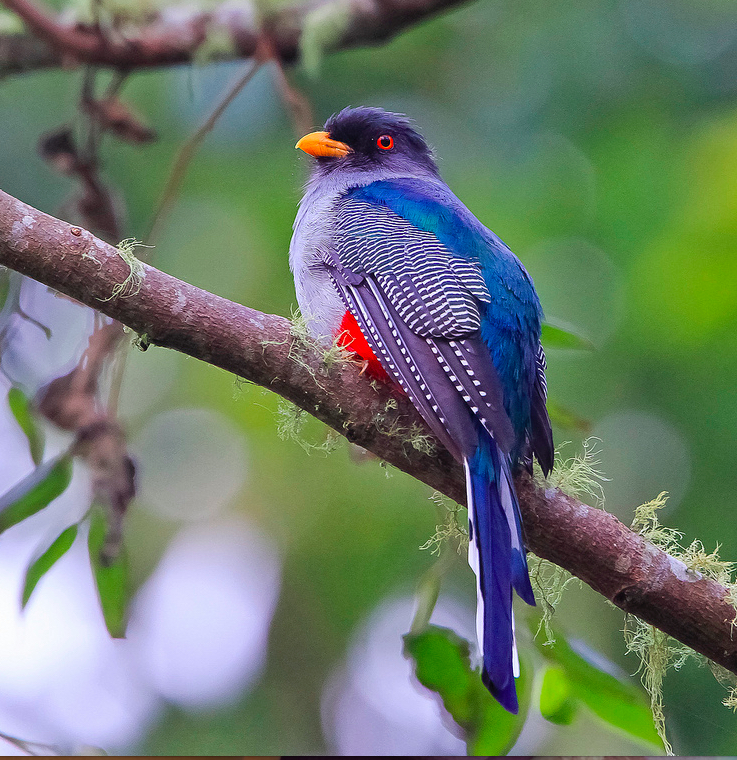
Hispaniolan Trogon perched in a tree. (Photo by Jose M. Pantaleon)
Topics to be covered in the 5-day workshop include:
Overview of the PROALAS Manual survey protocols
Guidance on how to design and implement a monitoring program
Field training to identify and count landbirds
Threats to landbirds and their habitats, and strategies to conserve and manage them
Case studies for successful landbird monitoring and conservation
Data entry and use of e-bird as a data storage platform
This workshop is the third in our series aimed at increasing Caribbean capacity to monitor and conserve our region’s landbirds. It will cover many of the same topics explored in our previous Caribbean Landbird Monitoring Training workshops held in the Dominican Republic (February 2022) and St. Vincent (January 2023).
Funding and logistics
We are aiming to include approximately 24 participants in this workshop. BirdsCaribbean has funding for a limited number of need and merit-based scholarships to cover the costs of travel and participation. Participants who are able to contribute all or part of their costs can help us enhance the workshop content and allow us to include additional participants/trainers. We encourage applications from all candidates who are well suited to use this training to implement landbird monitoring programs on their home islands, regardless of their financial ability. Participants should plan to arrive in the Dominican Republic on February 21st and depart on February 27th.
Applications
If you are interested in participating in this workshop, please fill out this form by December 1, 2023.
Rancho Baiguate is an eco-lodge in the Jarabacoa valley of the Cordillera Central of the Dominican Republic. At 500m elevation, Jarabacoa is known as the “city of eternal spring,” with warm sunny days and cool refreshing evenings. Rancho Baiguate is located on the Rio Baiguate, where participants can walk through restored riparian tropical forest and mixed edge habitat within sustainable agriculture. Birds abound in these varied habitats, and participants will easily see many of Hispaniola’s charismatic endemic bird species, including the two beloved todies (Broad-billed Tody and Narrow-billed Tody) and the national bird, the Palmchat. The town of Jarabacoa is an easy 5 minute drive from the lodge, and participants can visit any of the three stunning waterfalls nearby. Field trips may include visits to nearby reserves such as Ebano Verde. After the workshop, participants are welcome to extend their stay and try any of Rancho Baiguate’s adventurous activities including white water rafting, canyoning, or horse back riding. Come learn more about landbird monitoring with some of the Dominican Republic’s finest birds!
If you have any questions, please send an email to Maya Wilson ([email protected]).
BirdsCaribbean would like to thank J.C. Fernández-Ordóñez for Spanish translation.
Oportunidad de adiestramiento: Taller de capacitación para el monitoreo de aves terrestres en el Caribe
BirdsCaribbean se complace en invitar solicitudes para participar en un taller de capacitación de 5 días centrado en el monitoreo y la conservación de las aves terrestres en el Caribe. A través de una mezcla de actividades en el aula y en el campo, este taller cubrirá la identificación de aves terrestres, técnicas de monitoreo, entrada de datos a eBird, y mucho más. El taller tendrá lugar en Rancho Baiguate en Jarabacoa, República Dominicana, del 22 al 26 de febrero de 2024.
¿Por qué necesitamos monitorear las aves terrestres?
Nuestras especies de aves terrestres están disminuyendo, incluidas muchas aves residentes y endémicas, así como más de 100 especies migratorias. El seguimiento es esencial para colmar las lagunas de nuestros conocimientos sobre el estado, las tendencias y el uso del hábitat de sus poblaciones.
Este taller de capacitación forma parte del Programa de Seguimiento de Aves Terrestres de BirdsCaribbean, cuyo objetivo es desarrollar la capacidad de seguimiento y conservación de las aves terrestres en el Caribe. El objetivo a largo plazo de este programa es mejorar la conservación del ciclo vital completo (es decir, durante todo el año) de las aves terrestres del Caribe. Trabajando con nuestros numerosos socios, estamos creando redes regionales para aumentar el seguimiento y la investigación de las aves terrestres, aumentar la concienciación y la apreciación de nuestras aves terrestres, y permitir acciones de conservación sobre el terreno.
Acerca del taller
Este taller de “formación de formadores” está dirigido a profesionales y voluntarios de la vida silvestre del Caribe interesados en ampliar o establecer un programa de seguimiento de aves terrestres.
Los objetivos del taller son:
Compartir información sobre las aves terrestres en el Caribe y las amenazas a las que se enfrentan.
Proporcionar a los participantes los conocimientos y habilidades para formar un equipo de monitoreo e instituir un programa local sostenible de monitoreo de aves terrestres.
Inspirar y facilitar los esfuerzos de monitoreo y conservación de las aves terrestres, incluyendo la sensibilización del público, la mitigación de las amenazas, y la gestión y restauración de los hábitats.
Crear una red regional de personas implicadas en el seguimiento normalizado y la conservación de las aves terrestres que compartimos.
Los participantes en el taller conocerán los protocolos de estudio de aves del Programa de América Latina para las Aves Silvestres (PROALAS). El manual de estos protocolos, desarrollado en América Latina para los hábitats tropicales, incluye orientaciones detalladas sobre el diseño y la aplicación de métodos de estudio multinivel. El manual también incorpora el uso de eBird como una plataforma de entrada y almacenamiento de datos fácil de usar, y esboza el análisis basado en la ocupación de los datos de seguimiento.
Durante las salidas diarias al campo, practicaremos técnicas de identificación y estudio de aves terrestres. Tras el taller, los participantes tendrán la oportunidad de solicitar una pequeña subvención para poner en marcha o ampliar sus propios proyectos de seguimiento y conservación de aves terrestres, incluyendo idealmente la formación de otras personas de su organización o comunidad.
Zorzal de Bicknell. Clasificado como Vulnerable por la UICN, el 80-90% de la población total pasa el invierno en La Española.
Trabajo de campo en la hermosa campiña de Jarabacoa, República Dominicana.
Trogón de La Española perchado en un árbol.
Los temas que se tratarán en el taller de 5 días incluyen:
Descripción general de los protocolos de estudio del Manual PROALAS.
Orientación sobre cómo diseñar e implementar un programa de monitoreo.
Formación sobre el terreno para identificar y contar aves terrestres.
Amenazas para las aves terrestres y sus hábitats, y estrategias para conservarlas y gestionarlas.
Casos prácticos de éxito en el seguimiento y la conservación de las aves terrestres.
Introducción de datos y uso de eBird como plataforma de almacenamiento de datos.
Este taller es el tercero de nuestra serie destinada a aumentar la capacidad del Caribe para monitorear y conservar las aves terrestres de nuestra región. Cubrirá muchos de los mismos temas explorados en nuestros anteriores talleres de capacitación en monitoreo de aves terrestres del Caribe celebrados en la República Dominicana (febrero de 2022) y San Vicente (enero de 2023).
Financiación y logística
Nuestro objetivo es contar con aproximadamente 24 participantes en este taller. BirdsCaribbean cuenta con financiación para un número limitado de becas basadas en la necesidad y el mérito para cubrir los costes de viaje y participación. Los participantes que puedan contribuir con la totalidad o parte de sus costes pueden ayudarnos a mejorar el contenido del taller y permitirnos incluir más participantes/formadores. Animamos a presentar solicitudes a todos los candidatos que estén en condiciones de aprovechar esta formación para poner en marcha programas de seguimiento de aves terrestres en sus islas de origen, independientemente de su capacidad financiera. Los participantes deberán llegar a la República Dominicana el 21 de febrero y partir el 27 de febrero.
Solicitudes
Si está interesado en participar en este taller, complete este formulario antes del 1 de diciembre de 2023.
Rancho Baiguate es un eco-lodge en el valle de Jarabacoa de la Cordillera Central de la República Dominicana. A 500 metros de altitud, Jarabacoa es conocida como la “ciudad de la eterna primavera”, con días cálidos y soleados y tardes refrescantes. Rancho Baiguate está situado en el Río Baiguate, donde los participantes pueden caminar por el bosque tropical ribereño restaurado y el hábitat de borde mixto dentro de una agricultura sostenible. Las aves abundan en estos variados hábitats, y los participantes verán fácilmente muchas de las carismáticas especies de aves endémicas de La Española, incluidos los dos queridos todies (Broad-billed Tody y Narrow-billed Tody) y el ave nacional, el Palmchat. La ciudad de Jarabacoa está a 5 minutos en coche del lodge, y los participantes pueden visitar cualquiera de las tres impresionantes cascadas cercanas. Las excursiones pueden incluir visitas a reservas cercanas como la de Ebano Verde. Después del taller, los participantes pueden prolongar su estancia y probar cualquiera de las actividades de aventura de Rancho Baiguate, como rafting, barranquismo o equitación. ¡Venga a aprender más sobre el monitoreo de aves terrestres con algunas de las mejores aves de la República Dominicana!
Si tiene alguna pregunta, envíe un correo electrónico a Maya Wilson ([email protected]).
BirdsCaribbean agradece a J.C. Fernández-Ordóñez por la traducción al español.