September is right around the corner and migratory shorebirds are making their way south. Please join us this World Shorebirds Day to learn more about these fascinating birds and what you can do to help protect them. Take part in this year’s Global Shorebird Count and check out our cool resources for honing your ID skills and count techniques. We also have free, fun activities for kids and the whole family – read on!
Global Shorebird Count 2021
This year’s Global Shorebird Count will take place from September 1 to 7, 2021. All across the Caribbean and beyond, intrepid birders will be compiling checklists from island to island and recording them on eBird Caribbean. BirdsCaribbean urges you to participate! Our migratory shorebirds are more vulnerable than ever, threatened by human activities such as destruction of their habitats, pollution, disturbance, and climate change. In some countries they are hunted. Altogether this has led to severe declines in populations of shorebirds around the world.
Where are these fascinating birds to be found? While you will find them on shores and beaches, some shorebirds use habitats further inland, including freshwater and brackish marshes and ponds. Shorebirds are also fond of salt ponds, mud flats, mangrove areas, and tidal flats. Check out the new video we created in honor of this year’s World Shorebirds Day!
Make Your Shorebirds Count—Submit & Share Your Data!
A Piping Plover – the first seen in Jamaica! (Photo by Ann Sutton).
We encourage you to register to participate in the count and be sure share your eBird Caribbean checklist(s) with worldshorebirdsday – the eBird username of World Shorebirds Day. You can find guidelines for sharing checklists here.
eBird Caribbean is a critical tool for tracking and understanding bird migration and population changes – never more so than for our shorebirds. If you do not have an account, it is easy to register – here’s a quick guide to enter eBird data online. There is even a free eBird Essentials course to get you fully oriented. Download the free mobile app for recording your data in the field.
Note that shorebirds are a type of waterbird and any counts you do at wetlands, mangroves, mud flats, coastal areas or beaches at any time of year count as Caribbean Waterbird Census (CWC) counts. When you do your counts Please choose one of the CWC protocols in the eBird app or when you submit or edit your data online. When you are using the app make sure that you are using the eBird Caribbean Portal. To check or change the portal you are using go into your settings on the app and look for “Portal”. To increase the value of your count to science, be sure to count ALL birds at your site, including seabirds, herons and egrets, land birds, etc.
What if you spot a bird with a band on its leg?
While counting shorebirds you may see birds; especially Piping Plovers, Red Knots, Semipalmated Sandpipers, Semipalmated Plovers, Ruddy Turnstones, and Sanderlings, with colourful bands around their legs. Do your best to record the band colors and any numbers or letters – see guidance in the handy graphic. Binoculars or zoom photography may allow you to clearly see the band colors and the numbers engraved onto the band. Scientists use this information to track bird populations and migrations.
Handout from the US Fish and Wildlife Service that provides information about Piping Plover banding locations and how to read the flags.
Global Shorebird Count 101
After years of participating in the Global Shorebird Count we have created a list of some best practice tips to help make your count go as smoothly as possible. You may download and share this infographic with your fellow birders.
If you do not already have a favorite place to look at shorebirds, before doing your Global Shorebird Counts, you might need to choose your birding spot. Shorebirds can show up in many different types of wetlands from mangroves, to mudflats, saltponds, marshes, and beaches! If you are unsure where to find shorebirds near you why not take a look for ‘hotspots’ at your local wetlands on eBird. Just click on ‘Explore’ on the eBird Caribbean website, and find ‘Explore Hotspots’. You can open hotspots in a map and then click on a hotspot to see what type of birds have been seen there recently. When you visit your shorebird spot be sure to find a good place to count birds from – you need to have a clear view of the birds, but not be so close you disturb them!
Shorebirds can be challenging to identify, and some species are especially difficult to tell apart. If you have binoculars, a spotting scope or a camera with a good zoom lens don’t forget to take them along. These will help you get a closer look to pick out the ID features, without disturbing the birds. Of course, don’t forget to take you favorite bird ID guide with you when you do your shorebird counts. You might want to print out one of our handy Shorebird ID cards! In fact, you could even do a bit of ‘shorebird studying’ before you go using our useful reference guides and our CWC and Shorebird ID webinars. You can find all these free resources here.
Fun activities to engage kids in exploring wetlands and beaches
These activities were not designed to teach a child how to name and identify shorebirds but rather to give them space to explore and feel connected to their natural environment. Parents and guardians, you will not need to worry about your own knowledge of birds or plants. All you need to do is accompany and participate with your child in these activities.
Beach Scavenger Hunt. This activity is suitable for children ages 4 to 7 years old. They are asked to find plants and animals at the beach.
Beach Bird Bingo. This activity is suitable for children ages 8 to 12 years old. They are asked to find items on the list four in a row, horizontally, vertically or diagonally. They do not need to touch or collect any of the items on the list.
Talk about this with your children before beginning any of the activities. They should not touch or collect items on the lists. When observing birds they should speak softly. They do not need to get close to the birds but if they need to, ask them to do so slowly and quietly. You can check off the items (with a pencil or pen), as they are located. When everyone has had a chance to look for the items listed, come back together to chat about what they were able to find or see. For example, why is the bird’s beak long and straight?
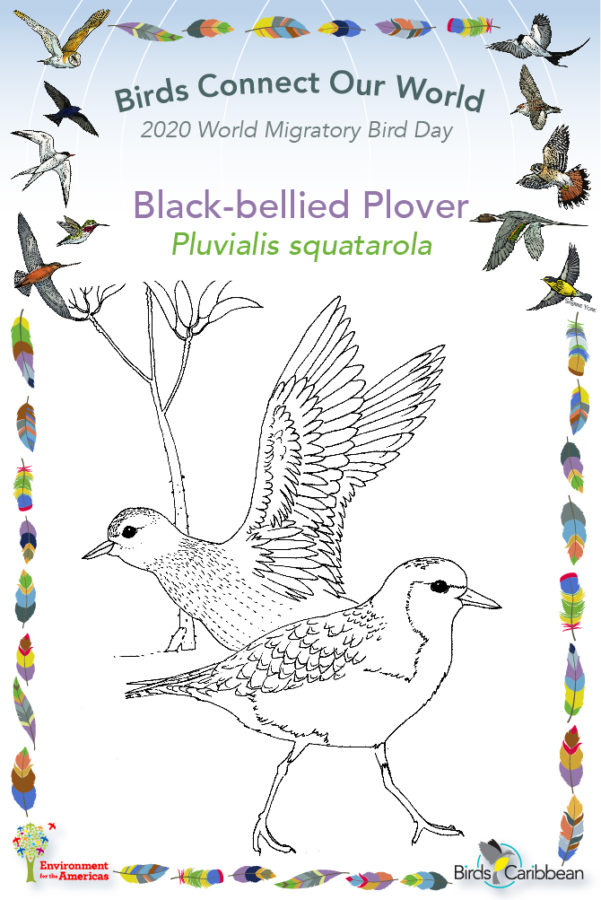
World Shorebirds Day 2021 postcard. This activity is suitable for any age. Print and colour the postcard – sides 1 and 2. Then share it with a friend or family member.
Don’t forget to reward your junior birders with a scoop of their favourite ice cream!
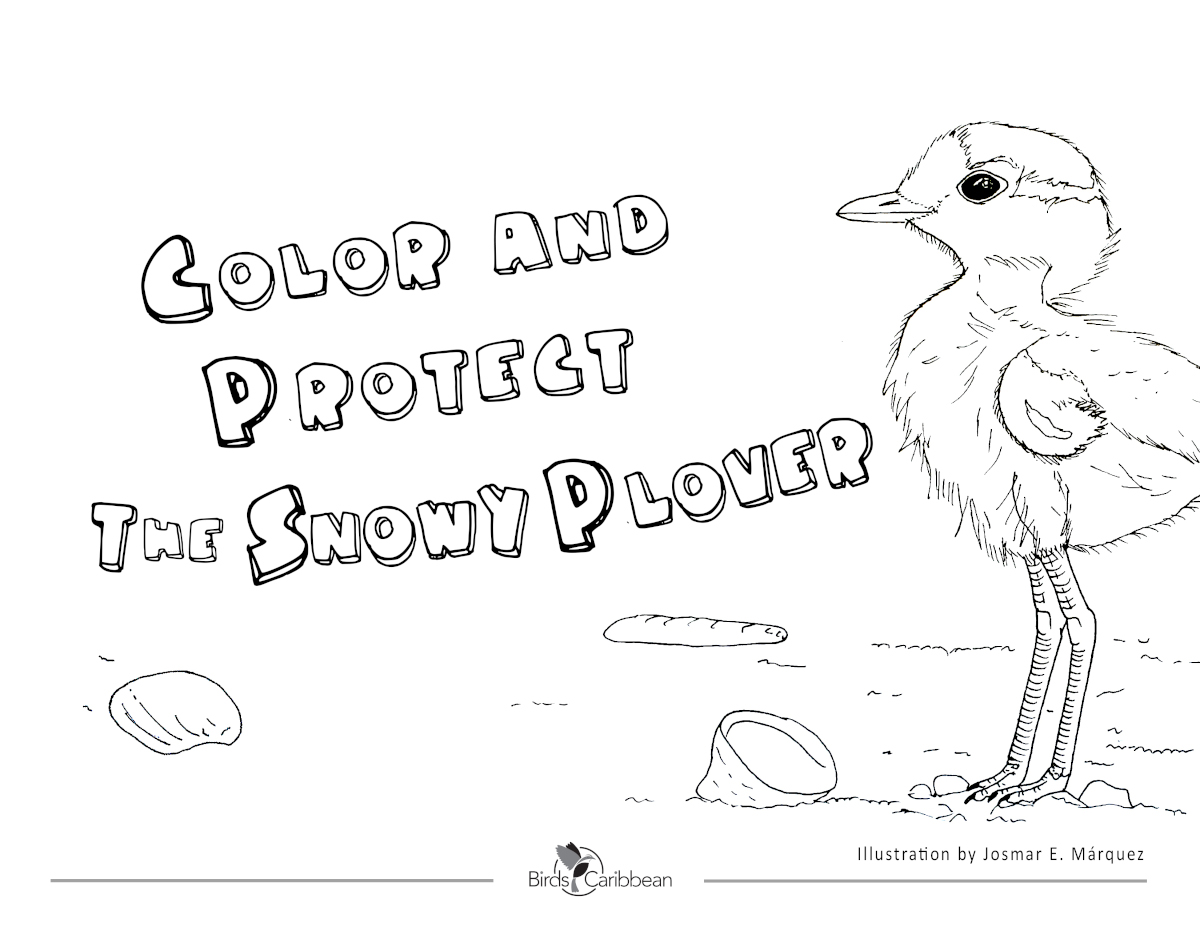
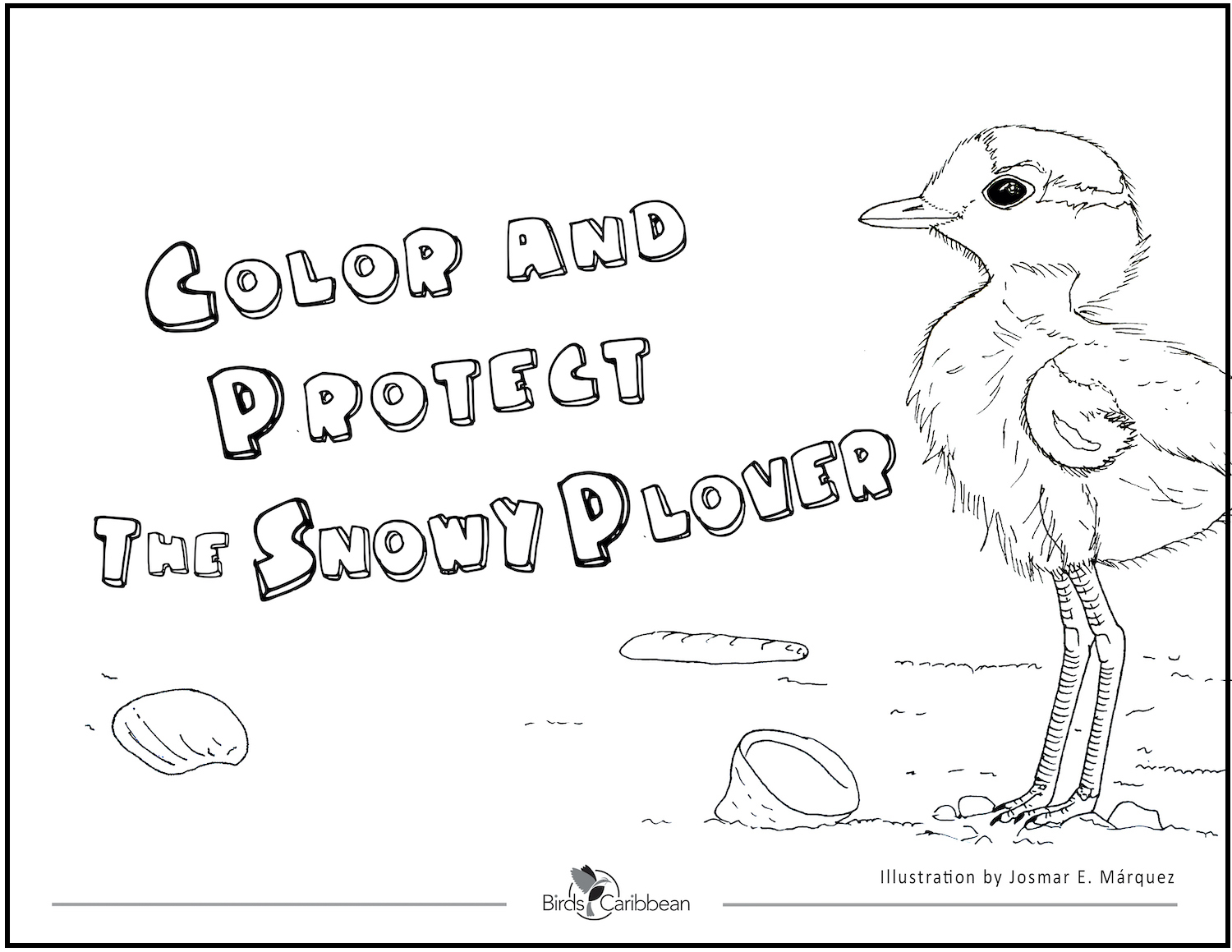
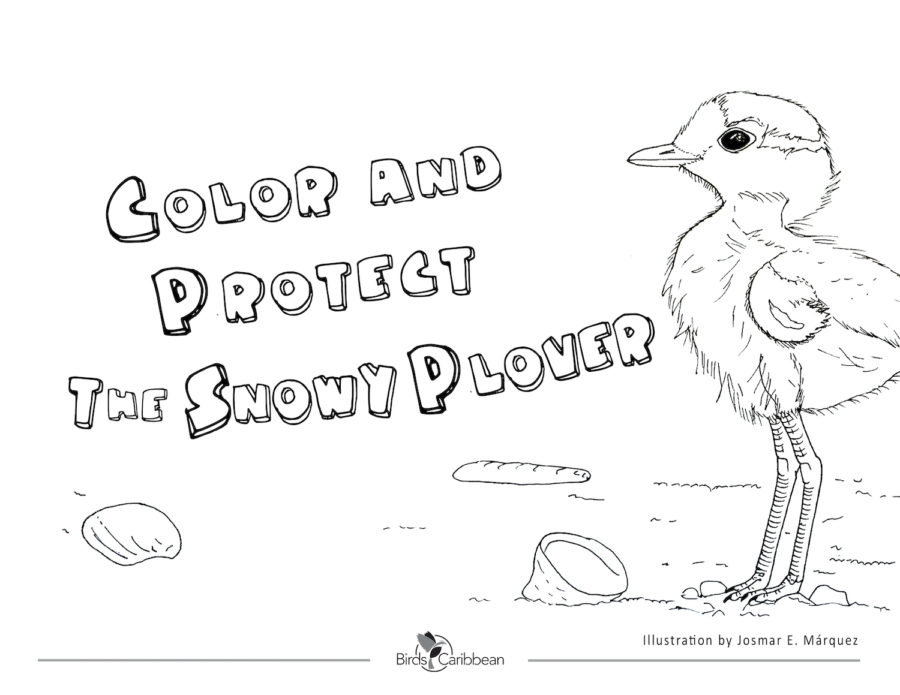
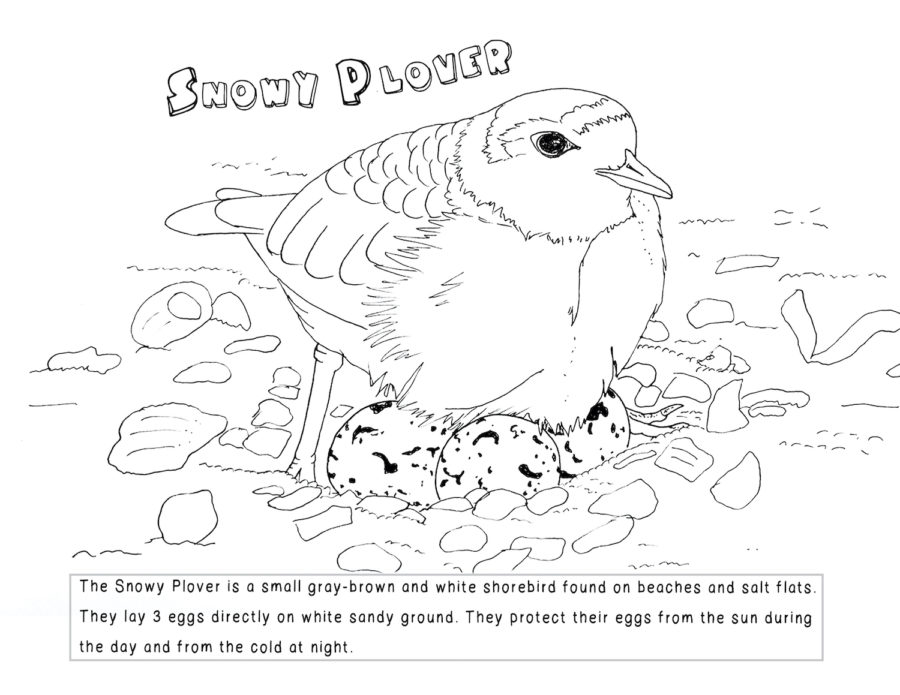
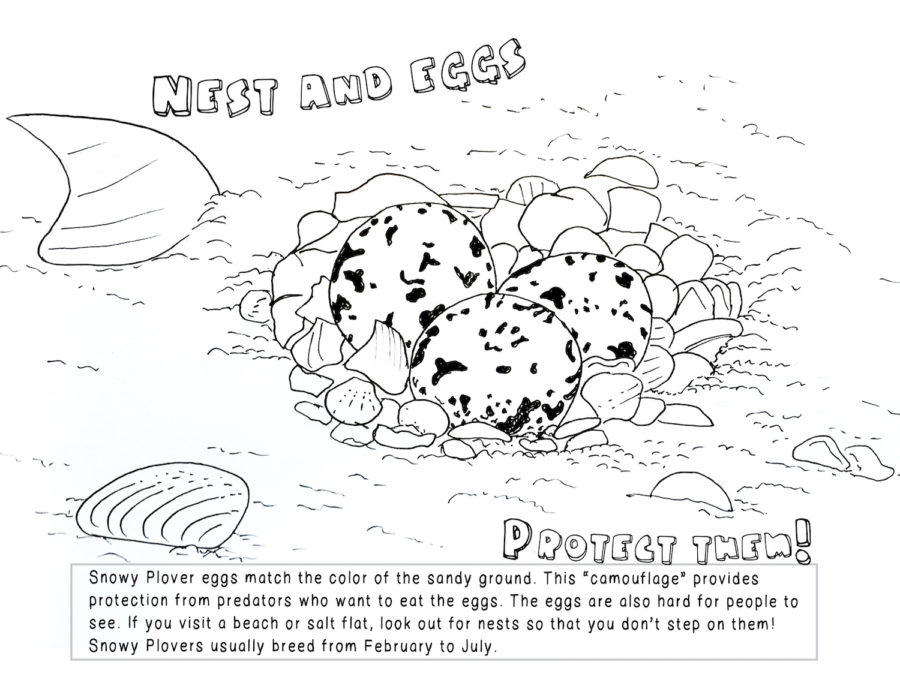
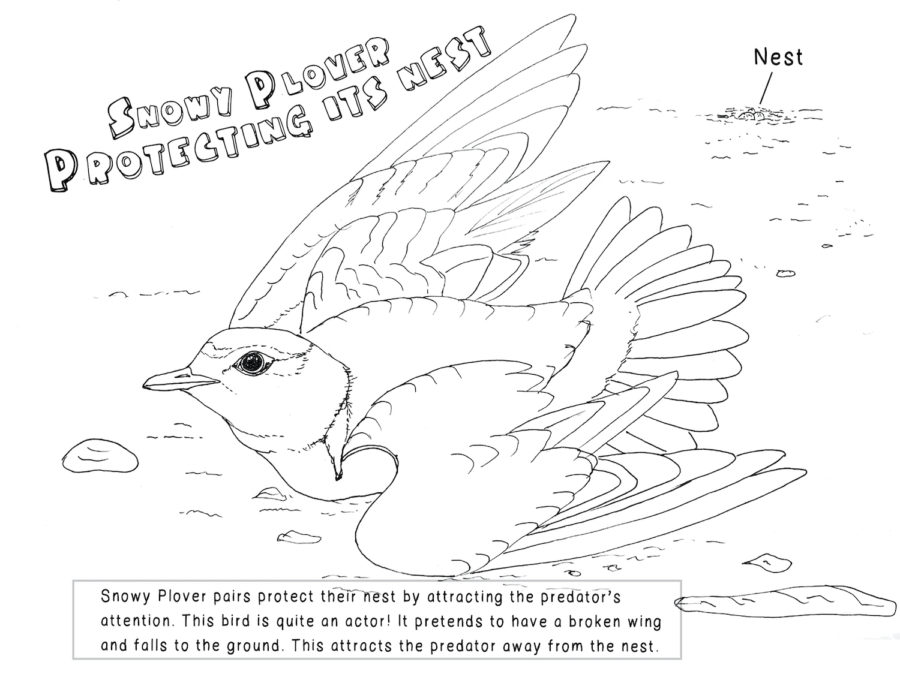
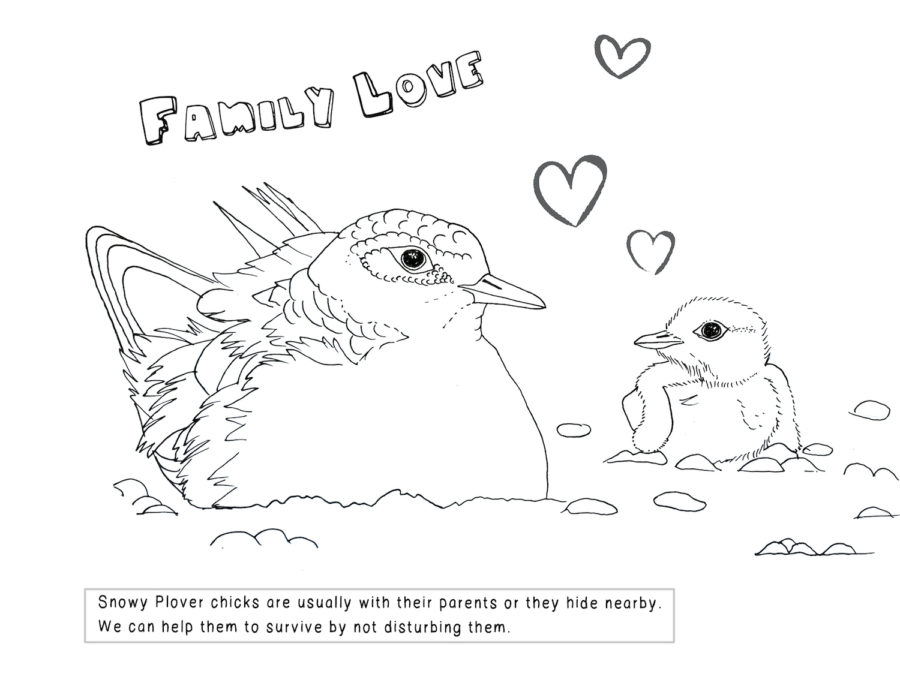
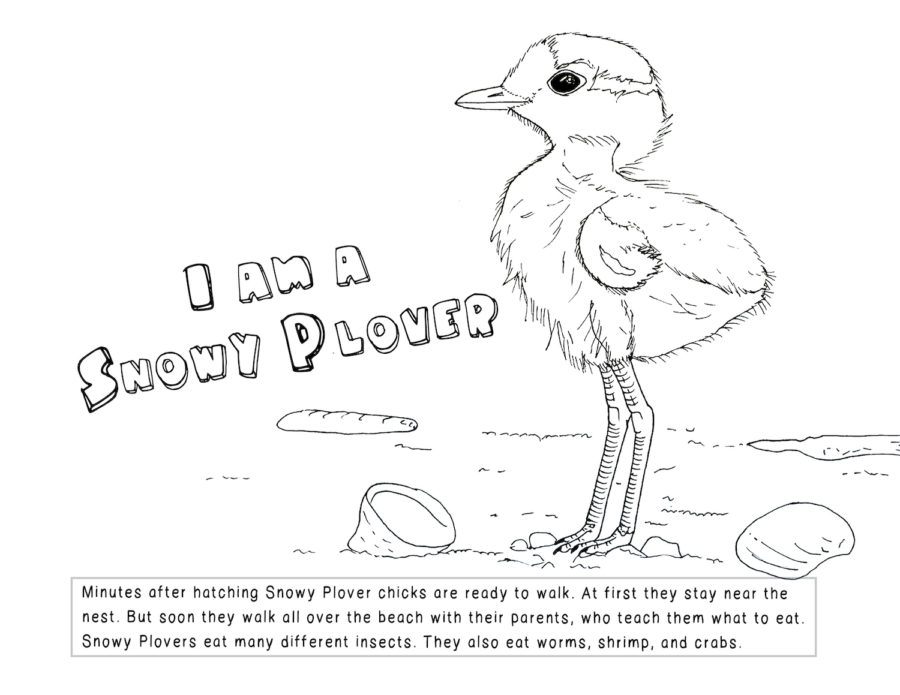
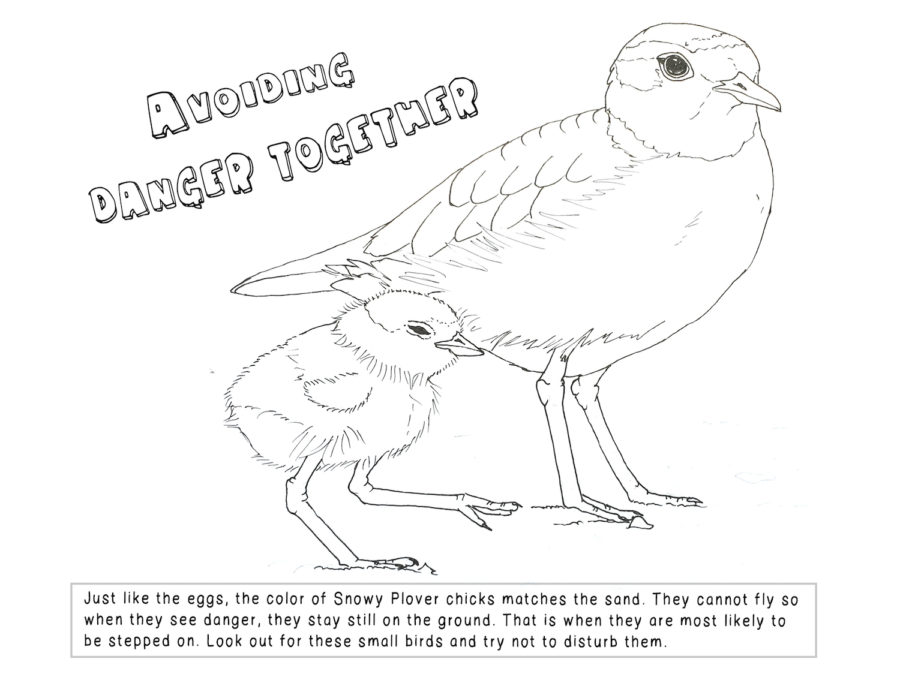
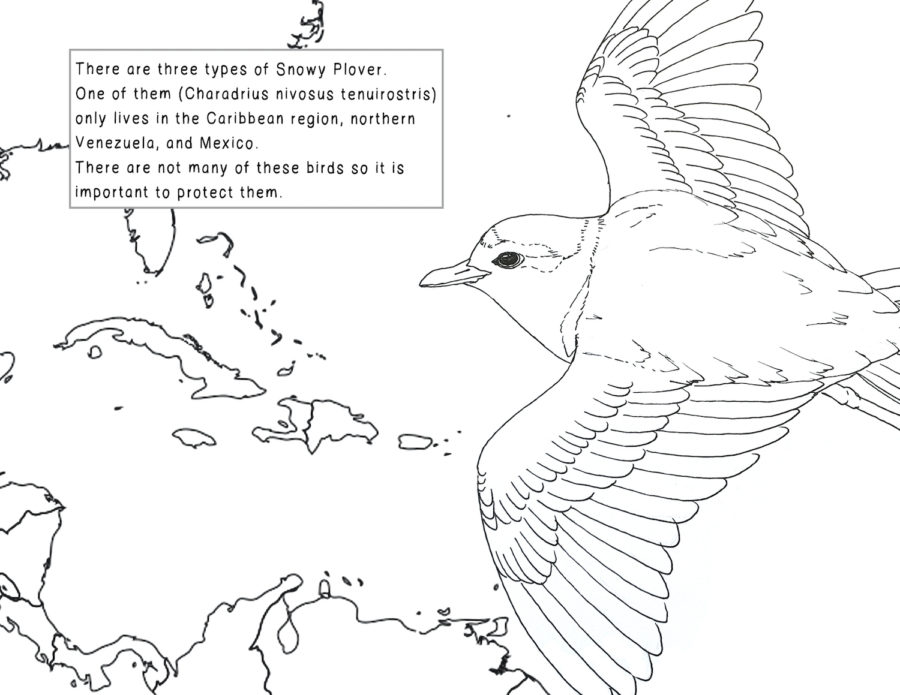
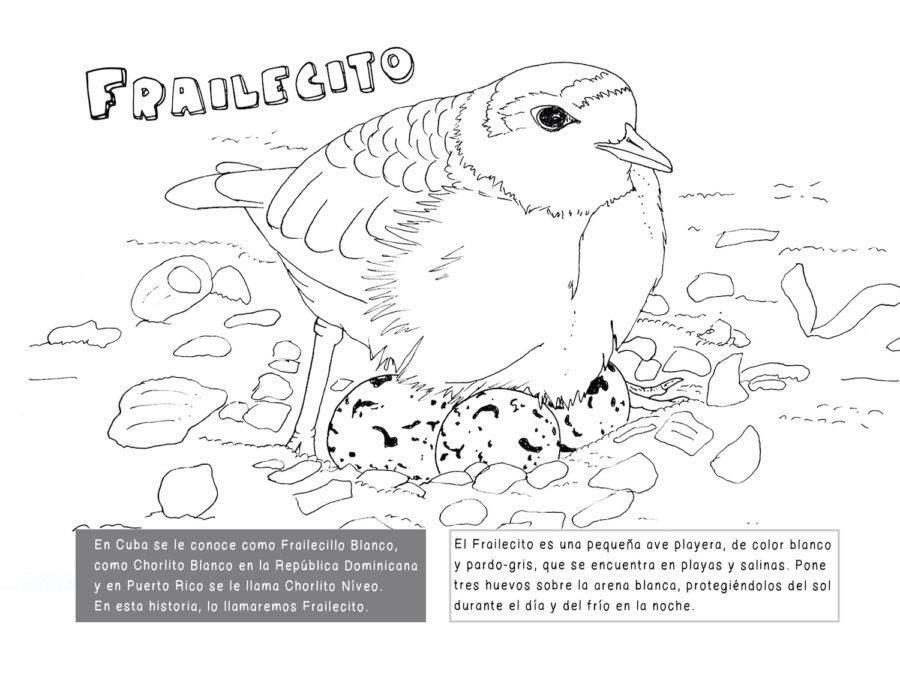
They may also enjoy this Snowy Plover colouring book. You can print the colouring book and carry to the beach, just remember to pack the colouring pencils or crayons.
Get Social for Shorebirds
Celebrating World Wetlands day on Jamaica (Photo by Paula-Anne Porter)
This activity is suitable for anyone 12 years and older. Take photos at your local wetland, beach, mud flat, salt pond, or swamp, and share them on social media; Facebook, Instagram and Twitter, and tag us @birdscaribbean and use the hashtag #worldshorebirdsday2021. The categories are:
Caribbean Shorebirds: snap a pic of a shorebird you saw at your local beach, mud flat, pond or swamp. Please also use the hashtag: #Caribshorebirds
Share the Shore: show us how you are helping shorebirds. For tips on how you can help shorebirds when you visit the beach, check out this blog. Please also use the hashtag: #sharetheshore
My Local Wetland: share a beautiful landscape or seascape photo of your local wetland or if you’re not camera shy, take a selfie in the habitat. Please also use the hashtag: #mylocalwetland and #HumansofBirdsCaribbean
Use a phone or any other camera that is available, but you must tag @birdscaribbean and use the hashtags provided. We look forward to seeing and sharing your amazing photos and reading your stories.
World Shorebirds Day, on Monday, September 6, is just around the bend. In honor of this annual global event, BirdsCaribbean created a new video to celebrate Caribbean shorebirds. From plump plovers to wave-catching Sanderlings to stately Stilt Sandpipers, shorebirds are delightful birds to get to know and love. Enjoy our short video and learn more about how you can help to conserve these treasures of our beaches and wetlands.
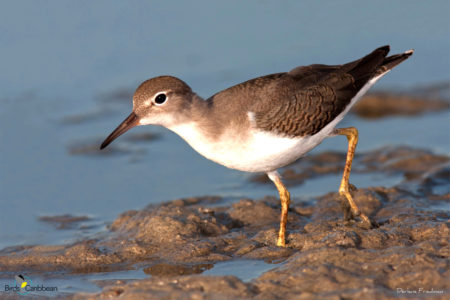
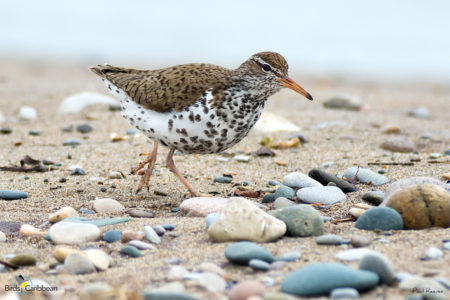
It is prime time to learn about and celebrate the diversity of shorebirds in the Caribbean. During late summer and early fall, our resident shorebirds, like the Killdeer and Wilson’s Plover, are joined by long-distance migrants, such as the Lesser Yellowlegs, Willet, Spotted Sandpiper, and many more. These migratory birds have just completed their breeding seasons, hopefully with much success, in the northern U.S. and Canada. Now, many are passing through the Caribbean, stopping to rest and feed as they travel to wintering areas further south. Other bird arrivals may stay with us for the entire winter.
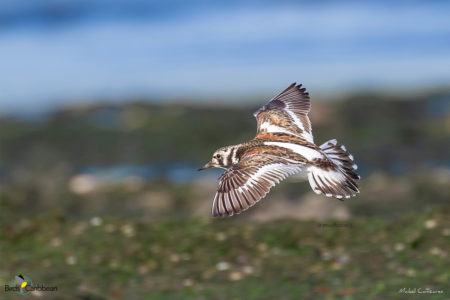
Shorebirds are a diverse group of wading birds that live close to water—you can find them on our beaches, mangroves, marshes, salt ponds, and mudflats. Many can be easily identified by their long legs or unique bills, which are especially adapted to their diet and habitat. For example, the long, thin, probing bill of the Black-necked Stilt is ideal for plucking worms and crabs from sticky mud; while the Ruddy Turnstone, with his short, stubby bill, is adept at flipping over stones and shells to find tasty insects on the beach.
Hover over each image to see the caption; click on each photo to see it larger and to view images as a gallery
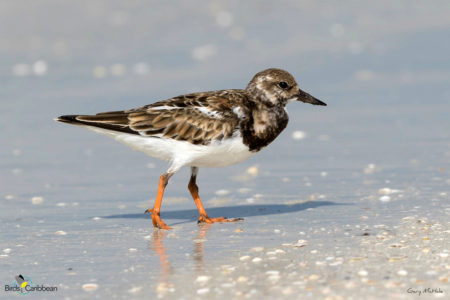
A Ruddy Turnstone in winter plumage. This shorebird is easy to identify from its short bright orange legs and stout ‘triangular’ bill. (Photo By Charles Sharp).
The Killdeer is one of our Caribbean residents, and can be found here year-round. (Photo By Lorie Shaull).
The striking Black-necked Stilt has long legs for wading into deep water to find food. (Photo by Dan Pancamo)
Migratory shorebirds make amazing journeys of thousands of kilometres! Beforehand, they need to store enough energy in the form of fat reserves to migrate. These small birds will eat until they are about double their normal weight. You may think that flying at their top weight would slow shorebirds down, but they are the marathon-winners of flight. Incredibly, this group of birds does not do any soaring, they are physically flapping the entire way!
Sadly, shorebird numbers have declined by roughly forty percent over the last 50 years, due to a number of threats. An increase in developments and various types of pollution have resulted in their habitats being degraded or even lost altogether. Human disturbance, hunting, and climate change…All these factors threaten shorebirds. Please join us this World Shorebirds Day to learn more about these fascinating birds and what you can do to help protect them.
Join the Global Shorebird Count, September 1 to 7 – every shorebird counts!
One of the main activities of World Shorebirds Day is the Global Shorebird Count. We encourage bird enthusiasts in the region to go out and count shorebirds from the 1st to 7th September 2021.
Spot the difference! A leucistic Willet seen in Zapata Swamp, Cuba. (Photo By Ernesto Reyes).
Your counts will help us to understand which species (and how many) are stopping to rest and feed in the Caribbean. This allows us to assess the health of populations and to determine whether they are increasing, decreasing, or stable. The data you collect will also help scientists to coordinate follow-up research and conservation actions, such as protecting important sites – or even taking immediate action to reduce threats to shorebirds and their environments, if necessary.
So, grab your binoculars, hat, waterboots, and field guide and head to your favorite muddy, sandy, or watery birding spot! Yes, it might get messy. You never know what new birds you might see, and there have been some remarkable discoveries over the years. Since the beginning of the Global Shorebird Count and the Caribbean Waterbird Census, new species have been recorded in the Caribbean. For example, in 2016 Ann Sutton spotted the first Piping Plover ever seen in Jamaica on Pedro Pond, and in 2018 a BirdsCaribbean birding tour in Cuba came across a leucistic (white) Willet in the Zapata Swamp. In addition, we have also greatly expanded our knowledge and conservation of the habitats and sites that shorebirds use across the region, thanks to our many citizen science shorebirders.
We hope that you will be able to visit many areas across your island and invite local birders and/or birding groups to get involved. Note that shorebirds are a type of waterbird; any tallies you do, whether it is at wetlands, mangroves, mud flats, coastal areas or beaches, are also considered as Caribbean Waterbird Census (CWC) counts. To increase the value of your count to science, be sure to count ALL birds at your site, including seabirds, herons and egrets, land birds, and so on.
Complete instructions on how to do a Global Shorebird Count/ Caribbean Waterbird Census count are available here and here; Shorebird ID resources are available here. Before you head out, it might well be helpful to watch our webinars on Waterbird ID and Shorebird ID to bone up on your ID skills!
Be sure to follow your country’s COVID-19 safety guidelines, have fun and definitely tag us, @birdscaribbean, in your photos on Facebook, Instagram and Twitter. We look forward to seeing your amazing photos and reading your stories!
Please enjoy and share our video!
Many thanks to Environment and Climate Change Canada, the US Fish and Wildlife Service, the Atlantic Flyways Shorebird Initiative, US Forest Service International Programs, film maker Esther Figueroa, talented photographers and videographers, and our partners, members, and donors for your generous support to create this video (first in a series!) and carry out Caribbean shorebird and waterbird conservation initiatives.
BirdsCaribbean extends heartfelt congratulations to our dedicated partners from the Bird Ecology Group (BEG) in Cuba, led by Dr. Martin Acosta Cruz. The group has received the American Ornithological Society’s (AOS) Ralph W. Schreiber Conservation Award. We applaud BEG members: Lourdes M. Mugica Valdés, Alieny González Alfonso, Ianela García Lau, Alejandro Rodriguez Ochoa, Daniela Ventura del Puerto, and Elio A. Fontes Otero; and former BEG members Orlando Torres Fundora, Dennis Denis Ávila, Ariam Jiménez Reyes Antonio, Rodríguez Suarez, and Jose L. Ponce de León García. Hats off to you all, we are so proud!
Part of the current Bird Ecology Group at the University of Havana, Cuba. Left to right: Elio Fontes, Ianela Garcia, Martín Acosta, Alieny González Alfonso, Lourdes Mugica, Daniela Ventura y Alejandro Rodriguez
Who was Dr. Schreiber?
The annual AOS award, named for Dr. Ralph Schreiber, honors extraordinary conservation-related scientific contributions by an individual or small team. Dr. Schreiber was an ornithologist and curator of birds and mammals at the Natural History Museum of Los Angeles County. He is well known for his studies of Pacific seabirds, including the Brown Pelican, and the effects of El Niño on bird and mammal populations. The El Niño phenomenon occurs when the surface of the tropical Pacific Ocean becomes unusually warm, especially at the equator and along the coasts of South and Central America, disrupting the availability of fish populations that these birds feed on.
All about the Bird Ecology Group (BEG)
Drs. Martin Acosta and Lourdes Mugica in the field in Cuba.
Since 1978, the BEG has dedicated its research work to Cuban bird ecology. Motivated by their unwavering fascination for birds, its members have worked hard, overcoming many financial and logistic al obstacles. The BEG has combined university teaching with research, capacity building, and environmental education, to contribute significantly to the knowledge and conservation of Cuban birds.
The group’s research has led to the publication of 128 peer-reviewed papers and 18 books. The most recently published book, Ecología de las aves acuáticas en las arroceras de Cuba (Ecology of Waterbirds in the Rice Fields in Cuba), describes research on the birds that are connected with the second most important agricultural crop in the country, and the importance of the rice paddies for their conservation.
The BEG has proposed two new protected areas in two important coastal wetlands: those south of Los Palacios, and the Delta del Agabama. It has supported the proposal for five Cuban Important Bird Areas (IBAs): CU003 Humedal Sur de Pinar del Río; CU006 Ciénaga de Zapata; CU009 Humedal Sur de Sancti Spiritus; CU014 Río Máximo-Cayo Guajaba, and CU020 Delta del Cauto. The group also recommended the inclusion of the West Indian Whistling-Duck and the Masked Duck in the Red Book of Threatened Species of Cuba and the Birdlife Red Data Bird List. BEG members are engaged in the study of waterbird species; the structure of bird communities in coastal ecosystems; the ecology of birds using rice paddies and shrimp farms; and birds using Havana city ecosystems (mangroves, parks, and botanical gardens).
The BEG: Busy with Piping Plovers
Since 2016, the BEG has annually surveyed between 68 to 180 km of coastline to assess the conservation status of wintering Piping Plovers frequenting the Cuban archipelago. In this same year they reported the highest number of individuals for Cuba:104 plovers! Through many hours of dedicated band resighting (finding and reporting band numbers of plovers that have come to Cuba for the winter) they have also helped to identify the breeding origin of wintering Piping Plovers on Cuban coastlines. And while other islands continue to battle with hunting quotas and regulations, the BEG has successfully banned the hunting of two historical game species in Cuba: the endemic and threatened West Indian Whistling-Duck and White-Crowned Pigeon. The group has also carried out years of vital Caribbean Waterbird Census counts at Cuba’s many important wetlands to learn more about numbers and trends of resident and migratory waterbirds and shorebirds.
A group of Piping Plovers foraging in Cayo Paredon Grande, Cuba. (Photo by Martin Acosta)A banded Piping Plover sighted by the Bird Ecology Group at Guanabo Beach, Cuba, east of Havana City (photo by Karen-Aguilar)
BEG has received many awards and plaudits!
Both internationally and locally, the BEG has received significant commendations for its efforts to protect Cuban birds and expand our understanding of bird ecology. In the past 42 years the small team has accepted 48 prestigious awards. Internationally, the BEG received the Whitley Award for Birdlife Conservation in 2002 and the Continuation Award; and the Silver Award from BP Conservation Award in 2002. Dr. Martin Acosta Cruz and Lourdes M. Mugica Valdés have received Lifetime Achievement Awards in 2001 and 2017, respectively, from BirdsCaribbean. Ianela García Lau received the Founders Award from BirdsCaribbean for outstanding student research, while she and Alieny González Alfonso received the Educators Award for their leadership in organizing bird festivals and bird education projects in Cuba. Lourdes was honored with an Honorary Fellowship from AOS in 2020.
The Bird Ecology Group after receiving the National Environment Award from the Cuban government in 2008. From left to right: Antonio Rodriguez, Alieny Gonzalez, Martin Acosta, Lourdes Mugica, José Luis Ponce.
The local scientific community has also recognized their invaluable contributions. Two members have received the Carlos J. Finlay Order (the highest recognition given by the Cuban government for personal outstanding contributions to science). Martin and Lourdes have each received the Lifetime Achievement Award from the Havana University President. The BEG remains the only research group to have won the National Environmental Award, given by the Cuban Government. They have also won five Academy Awards from the Cuban Academy of Sciences.
Nurturing the ornithologists and educators of the future
The BEG also places emphasis on training and supporting the future ornithologists of Cuba and beyond. So far, nine PhD theses, 14 Masters theses. and 46 undergraduate theses have been supervised by BEG ornithologists. Three more PhD theses and 2 Master theses are in progress.
In addition to providing quality tertiary education to students, the BEG extends its capacity building to staff from Cuban protected areas and other conservation institutions. Over 127 participants have benefited from these workshops. The group has also provided teacher-training workshops for primary and secondary school teachers – a total of 120 participants, in both urban and rural regions of the island. These workshops have enabled teachers to encourage student enquiry, feed their curiosity, and deepen their understanding of ornithological concepts.
Dr. Lourdes Mugica and the Bird Ecology Group share educational materials on birds with the local community and children, Caribbean Endemic Bird Festival.
The thriving Caribbean Endemic Bird Festival in Cuba
For the past 15 years, the BEG has been the Cuban organizers of the Caribbean Endemic Bird Festival, a month-long festival to celebrate birds only found within the region. BEG members have worked to promote the value of and foster respect for Cuban birds and ecosystems among the public, using a mix of traditional (TV, radio, print) and new media (social media and apps). An astonishing 3,622 activities have taken place in the 15 Cuban provinces, with the participation of about 166,000 people, mainly children.
We are extremely proud to support and work alongside the Bird Ecology Group to study, conserve, and educate about Cuban birds and look forward to continuing our vibrant partnership. We wish the team many more years of success!
Alieny Gonzalez shows a young child how to use binoculars to see a bird for the Caribbean Endemic Bird Festival in Cuba. (photo by Lourdes Mugica)Ianela Garcia (left) and Alieny González (right) during a shorebirds habitat use study in Rïo Máximo Fauna Refuge. (photo by Lourdes Mugica)
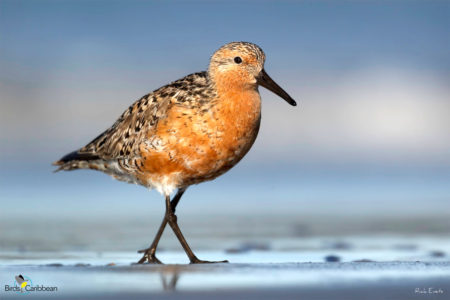
Red Knots are known for their extraordinary long-distance migrations. On the Atlantic Flyway they head north from their main wintering areas in South America to breed in the Arctic, traveling as far as 15,000 km each way! Here in the Caribbean, they winter in small numbers on various islands, and we see them also during Fall and Spring migration. Counts of birds on northward migration are way down from previous years, causing great concern. Did something different happen this year? Where are the missing Red Knots? We need your help to find out!
Target count dates are July 10-20, but counts at any time during July are welcome!
When Red Knots migrate north to their breeding grounds they will stop along the way to refuel, gathering in large flocks at key sites to rest and feed. These sites are vital for Red Knots and other shorebirds to re-build fat reserves before completing their long journeys north to breed. Counting birds at these sites can give us an indication of how the populations of these birds are faring.
You may have heard that this year, on spring migration, a very steep decline in Red Knot numbers was recorded at one such site. The count of Red Knots at Delaware Bay (New Jersey, and Delaware) where knots gather in huge numbers to gorge on the eggs of spawning Horseshoe Crabs, was just 6,800. This is an alarmingly low count compared to the 19,000 seen last year, and 30,000 seen in 2018 and 2019. In fact, this year’s count was the lowest recorded since the 1980s when the population was about 90,000.
Help Us Find Out What Happened: CWC count July 10-20
We are asking for your help in July to try to understand what happened. It is possible that some of the ‘missing’ Red Knots decided not to migrate north and spent the breeding season in their wintering areas or stopped their journeys before reaching this key stopover site. As part of an international coordinated effort, we would like you to carry out a Caribbean Waterbird Census (CWC) count at wetlands and beaches you know are good for shorebirds, from July 10 – 20. These are the key dates for the coordinated count, but if you cannot make it out during this period doing a CWC count atany time in July will also help.
Red Knots in Trouble
A Red Knot, in in September still showing some remnants of breeding plumage. (Photo by Hemant Kishan)
We already know that Red Knots are in trouble, like many other shorebirds. They are threatened by climate change, loss of habitat, reduction in food resources, human disturbance, and hunting. The birds using Delaware Bay as a stopover site are of the Rufa sub-species of Red Knots, listed as Threatened since 2014. This sub-species also migrates through the Caribbean on the Atlantic Flyway and winters in small numbers in the islands. The population of rufa Red Knots is estimated to have declined by 75% in recent years and the USFWS say threats to this sub-species put it “in danger of extinction in the next few decades.” So, it is vital that we try to understand what has happened to Red Knots this year!
Ornithologists report that although horseshoe crab eggs were abundant at Delaware Bay, numbers of some of the other migratory shorebirds that stop there, like Ruddy Turnstones, Semipalmated Sandpipers, and Sanderlings were also lower than expected this year. One factor that may have contributed to low numbers of knots was poor reproduction on the breeding grounds last year (there is some evidence for this). Or perhaps migration was delayed due to poor weather, or there was abundant food at another stopover site and so not as many birds used Delaware Bay.
It’s also possible that more birds than usual may have stayed in the Caribbean or other parts of their nonbreeding range instead of migrating north—some juvenile Red Knots do not reproduce in their first year and spend the breeding season in different places across the Americas. Or perhaps some unknown factor (e.g., disease, a storm, etc.), caused the demise of a large numbers of birds. We hope that this is not the case!
Red Knot ID Tips – Click on each photo below to view larger.
Red Knot in breeding plumage. (Photo by Rick Evets)
Red Knots molting from breeding to non-breeding plumage. (Photo by Stephen Buckingham)
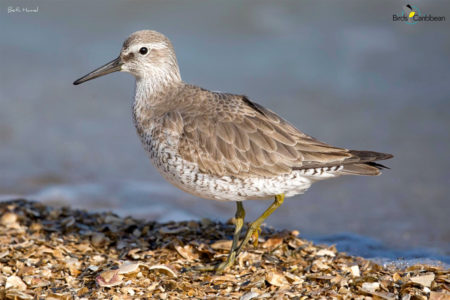
Red Knot in winter plumage. (Photo by Beth Hamel)
Your CWC Count Data is needed!
We need our CWC monitors throughout the Caribbean to help this international effort to try and understand why numbers of Red Knots and other shorebirds are down this year. Please carry out as many counts as you can during the period July 10-20. When you do your CWC count, remember to keep an eye out for other shorebird species at the same time, and that you should count all the birds you see (of any species, including “landbirds”) on each count—doing a complete count greatly increases the value of your data to science and conservation.
Don’t forget to enter your data in eBird Caribbean using one of the CWC protocols on Step 2 of data entry. If using eBird mobile, set your portal to eBird Caribbean to access the CWC options for your checklists/ counts at wetlands and beaches). Thanks to you, we now have 11+ years of CWC data and counting, and are able to look at status and trends for many species at different sites and in the region overall. Remember that CWC counts can be done at any time of year—whenever you are conducting a count at a wetland, mangrove, salt pond, or beach, make it a CWC count.
Share this special CWC July Count, Red Knot edition, with your networks!
As mentioned above this is an international collaborative effort, thus, we would like people to carry out counts throughout the Caribbean and the Americas! We have prepared promotional graphics (portrait, landscape, square) in English, Spanish, and French for our partners in the Caribbean – you can download them here. If you would like to use and adapt these graphics for your country, you are welcome to do so! Contact Lisa.Sorenson@BirdsCaribbean.org.
Please, do remember to follow any COVID rules and precautions in your country when doing surveys.
Thank you for contributing to our knowledge base, as we try to solve the mystery of the missing Red Knots.
Wilson’s Plover parent and two downy chicks. This species breeds on beaches and in mangrove areas in the Caribbean. (photo by R. J. Wiley)
It’s beach season! That means vacationers, boaters, photographers, and beach-lovers will be heading to the seashore to enjoy the water and beat the heat. But remember this is also the time when shorebirds are nesting and raising their adorably fluffy chicks. These shorebirds have travelled very long distances and we want to reduce the additional challenges that they face upon reaching our shores.
Eggs and chicks are at risk of being crushed or trampled over because these fluffy little beach bumblers have a knack for blending in. You will definitely want to double or even triple check where you set down your beach chairs, umbrellas, bags, and coolers. Vulnerable young birds and adults can be stressed or killed by predators when they are flushed from their areas. Some adult birds may abandon their nests altogether!
Here are some easy tips for sharing the shore with shorebirds this summer and making your trip more enjoyable:
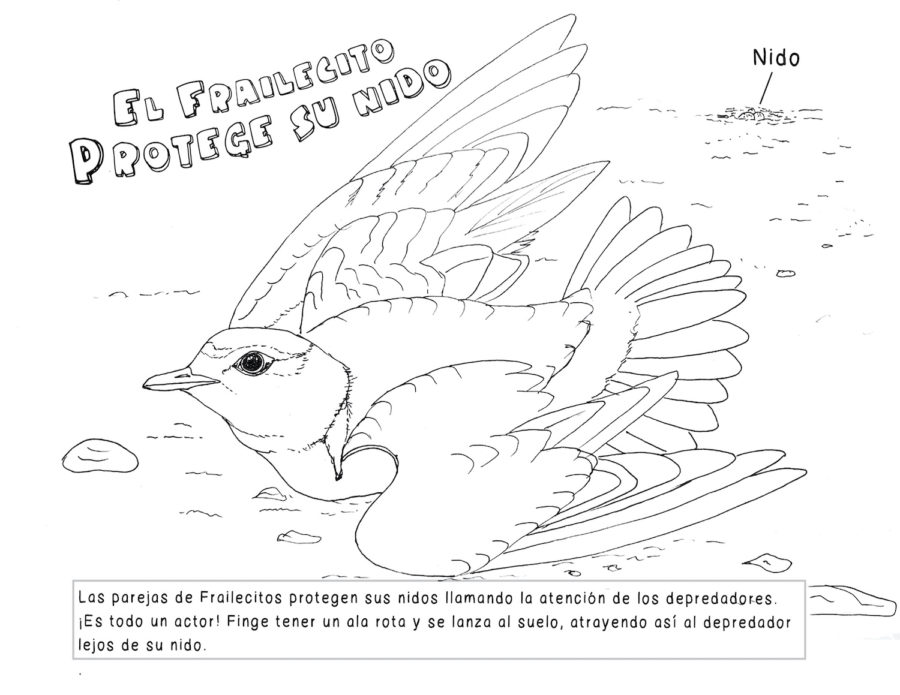
Watch your distance. Sure these birds know how to camouflage but if you do find a nest, give them space, at least 100 feet. Getting too close can alarm the parents causing them to use precious energy in nest defense behavior that would have been used to forage for food. Some parents will do a broken wing display – where they may appear injured by dragging their wing along the ground. If you see this, the bird is likely fine and just trying to distract you from a nearby nest! Walk away and give these birds space.
Respect posted areas. Do not wander into roped-off or fenced-in areas where birds are nesting.
Never force birds to fly! These birds spent a lot of energy arriving here—shorebirds and seabirds make some of the most impressive migrations! Don’t chase these little beach runners.
Keep pets away from nesting areas. Even the most well trained dogs can be tempted to chase birds. They also do not know that these birds need space to comfortably nest. It is therefore always best to keep your pets on a leash near nesting sites.
Help keep the beach clean. Seabirds and shorebirds have some of the highest ingestion rates of plastic – help those little fluffs get the proper nutrition they need by using bins, if provided, or taking a garbage bag with you to the beach.
Do not feed the wildlife. Growing fluff balls have specific nutrition requirements that only parents can provide.
Spread the word! If you see people disturbing nesting shorebirds, gently remind them that shorebirds’ survival depends on our actions. Some areas even have hotlines to report offenders.
Together we can share the beach and give shorebirds and their adorable growing fluffs the best chance of survival!
Here is an infographic that you can use to encourage others to #ShareTheShore this beach season:
There will be many different species nesting on the shores, but they have similar behaviors and reactions to being disturbed. Here are some notable shore-nesting birds in the Caribbean and the US.
American Oystercatcher with two chicks (photo by J. Gray)
Black-necked Stilt with four chicks. (photo by Rick Evets)
Killdeer performing a broken wing act to lure potential predators away from its nest.
This young Killdeer chick is growing its characteristic black breast band. (photo by Dave Irving)
Piping Plover downy chick, vulnerable to predators and people as it blends in perfectly with its sandy environment. (photo by Dave Irving)
Respect posted protected areas for shorebird or seabird nesting. (photo by Erika Gates)
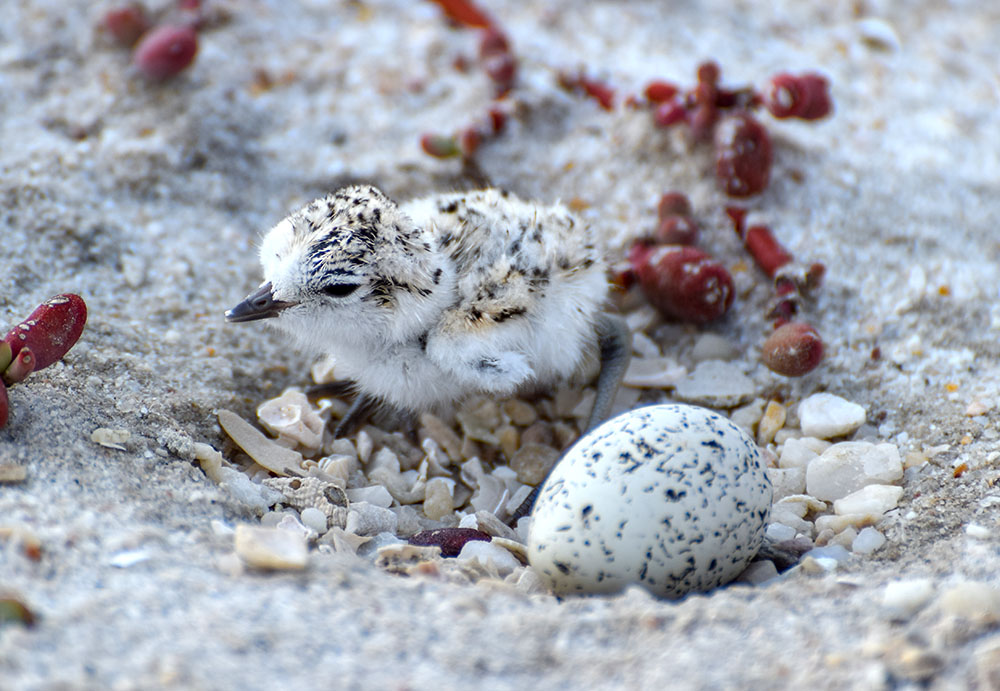
This Snowy Plover chick and egg blend in perfectly with the sandy beach substrate. (photo by Antonio Ros)
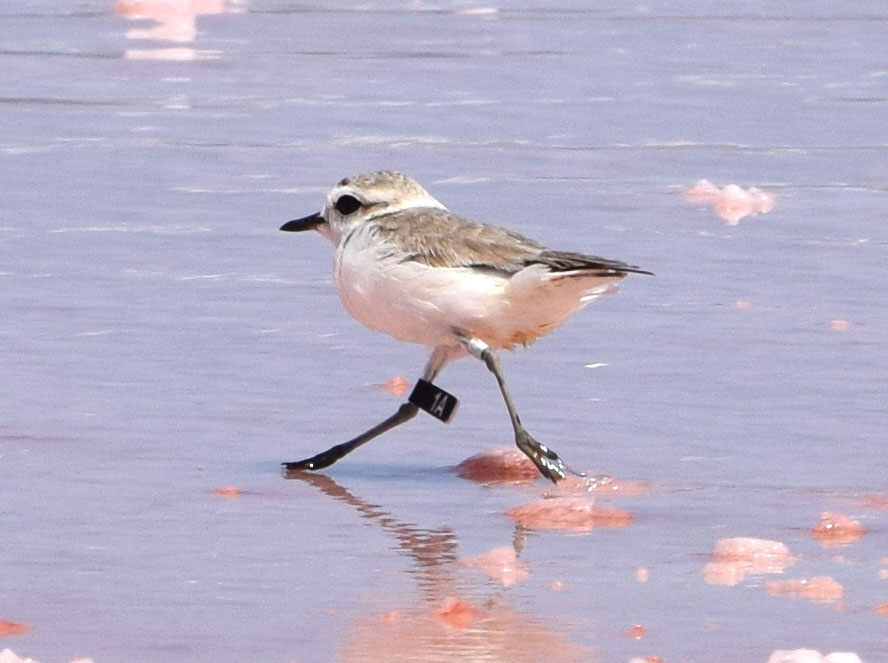
Snowy Plover chick running on the sand. Shorebird chicks are precocial, meaning they are born with downy feathers and can walk and feed themselves soon after they hatch. (photo by Hartmut Walter)
Wilson’s Plover nest in the Bahamas. Most shorebird species nests are a simple scrape in the ground, lined with a few shells and rocks. (photo by M. Zdravkovic)
Did you ever wish you had an interactive bird guide in your pocket wherever you go? For smartphone users in Puerto Rico and the northern Lesser Antilles, your dream has come true. “All Birds Puerto Rico, Virgin Islands & northern Lesser Antilles” birding app has recently been released!
The new ALL BIRDS app covers Puerto Rico, the Virgin Islands, Saint-Martin, Saint Eustatius, Saint-Barthélemy, Saint Kitts and Nevis, Saba, Montserrat, Antigua-Barbuda, and Anguilla! This unique app encompasses not only common birds but also all migrants, vagrants, and established introduced species.
This bilingual (English & Spanish) app features all 415 bird species found from Puerto Rico east to Antigua and Montserrat. The mobile app expands the previous version called “Puerto Rico and Virgin Islands Birds in Photos and Audio.” It is the perfect companion in the field.
This user-friendly app lets you identify birds by browsing alphabetically or taxonomically, or selecting on individual islands or on specific features or colors. Beginning birders looking to identify the species in their backyards can filter listings to display only common species. Users can also use the app to record their own bird sightings and even export this information.
Listings for each bird include detailed species accounts and 2,570 outstanding photos showing distinct plumages, including variations and subspecies. Advanced birders will love the audio that is included for each species: over 670 bird songs and calls are just a touch away. The resource section includes information about Caribbean birds and introductions to key topics like biogeography, conservation and migratory birds.
You can download the app from the Apple App Store or Google Play Store. The Apple version is compatible with iPhone, iPad, iPod Touch and Mac M1 chip. Once downloaded no internet connection is needed and all updates are free of charge.
BirdsCaribbean is excited to finally announce all of our Global Big Day 2021 photography winners and share some of the many awesome photos that were taken on Global Big Day! We already reported on the team and individual stats and awards – click here if you missed the results from our record-breaking day!
Thanks to everyone that participated, especially our team leaders and generous donors, Global Big Day 2021 was a huge success. We had a record number of teams participating (15). And thanks to a game-changing challenge grant from a member of the President’s Perch team, we were able to raised close to $20,000 for our new Caribean Motus Collaboration – so amazing! Congrats to all the winners – enjoy the photos and gallery below!!!
PHOTOGRAPHY AWARDS
Best Bird Photo: Rafy Rodriguez – Puerto Rican Tody
Second Best Bird Photo: Roberto Jovel — Cuban Sharp-shinned Hawk, Cuba
Third Best Bird Photo: Jerome Foster — Little Blue Heron, immature (molting), St. Lucia
Best Shorebird: Julian Moore — Ruddy Turnstone, Barbados
Youngest GBDer: (1) Joanne Gaymes – Maeson Gaymes in St. Vincent; (2) Anneke Mace – Holly Mace birding in New Zealand
Best Smiles: Andrew Dobson and teammates Patricia Zurita and Katrina-Dobson – UK
Best Selfie: Maikel Cañizares – The Bee Hummers Cuban Dream team, Cuba
Most Beautiful Landscape: Rafy Rodriguez
Urban Birds: Jerome Foster – Gray Kingbird on nest, St. Lucia
Life in the Wild: (1) Jerome Foster – American Kestrels mating, St. Lucia; (2) John Kricher – Mute Swan parent banishing Canada Goose; (3) Joanne Gaymes – Black-faced Grassquit female collecting nesting material, St. Vincent
Sweetest Fluffiest Birds: (1) John Kricher – Mute Swan cygnets; (2) Rafy Rodriguez – Green Heron immature
Enjoy this gallery of bird, people and scenery photos taken on Global Big Day by various team members in the Caribbean, US, UK, Costa Rica, Panama, Netherlands, and more!
Inquisitive Marsh Wren (John Kricher)
Birders with Beny Wilson at Panama Rainforest Discovery Center (Beny Wilson)
Yellow Warbler (golden) in Barbados (Julian-Moore)
Kristy Shortte, a Program Officer at the NGO Sustainable Grenadines, Inc.
A local community that understands the value of natural habitats and the wildlife that lives there is key to successful long-term conservation. Find out how this happens from Kristy Shortte, a Program Officer at the NGO ‘Sustainable Grenadines,’ on Union Island in St. Vincent and the Grenadines. From building observation platforms at vital wetlands, to garbage clean-ups and installing information signs, to training locals to identify and help monitor birds, Kristy describes the amazing and inspiring range of work carried out by her organization, local partners – and of course, the local community!
At the trans-boundary NGO Sustainable Grenadines Inc (SusGren) we know that conserving the places where birds live is key to their survival. But how do we achieve this? So many of our habitats are under threat—from pollution and degradation by human activities, to outright destruction for development. When there are competing demands on the use of our natural resources, we need to make wise decisions. Sometimes we need to educate our local citizens about the immense value of these areas to people and wildlife, and to get them actively involved in their conservation. It’s a hands-on approach with community partners. Showing people the benefits of managing and protecting habitats is the best way to ensure the long-term health of bird populations and the habitats on which they depend.
Finding the best ways to protect birds and their habitats
Residents of Union island, harvesting salt at Belmont Salt Pond. (Photo by Radio Grenadines).
Here at SusGren, we have taken the initiative to support birds and protect the places they live through two projects – both completed during the pandemic of 2020! SusGren believes that some areas are so special that they need to be protected – no ifs, ands, or buts!!!!
After many years of hard work to restore Ashton Lagoon and develop it as a bird and nature sanctuary for enjoyment by all, we turned our attention to Belmont Salt Pond. This is the second largest ecosystem on the island of Union and one of the last two remaining salt ponds in the entire St. Vincent and the Grenadines (he other salt pond is on Mayreau). Salt picking is still practiced at Belmont, providing economic benefits to locals.
So…what’s so special about Belmont Salt Pond?
The Belmont Salt Pond area is significant, in that it provides habitat to many species of resident and migratory birds. Here you can see Whimbrels, Willets, Blue-winged Teal, Greater and Lesser Yellowlegs, Mangrove Cuckoo, and even the American Flamingo on occasion. Migratory birds use Belmont as a place to rest and feed. This can be for a few days or weeks, before they continue with their migration, while others stay from fall to spring. For other birds, the Salt Pond is ‘home’ all year round.
Blue-winged Teal female spotted at Belmont Salt Pond. (Photo by Sustainable Grenadines Inc)
American Flamingo Spotted at Belmont Salt Pond. (Photo by Sustainable Grenadines Inc)
With this rich history and biodiversity and the salt pond threatened by human activities, SusGren decided to enhance the area for enjoyment by locals and visitors alike. This would help ensure the protection of the area’s biodiversity and would increase ecotourism opportunities in Union Island, following our successful restoration of nearby Ashton Lagoon 2 years ago. The platform would also help us to continue the long-term bird monitoring of our wetlands through participation in the Caribbean Waterbird Census.
Taking a community-based approach
The ‘’Clean up Squad’’ at Belmont Salt Pond. (Photo by Zoe Jennett)
Due to a lack of community knowledge of the importance of the area, it was being used for the burning of charcoal and dumping garbage. We knew that over time these activities would damage Belmont Salt Pond and biodiversity would be negatively impacted. So at Susgren we decided to carry out a project in partnership with members of the community, to ensure that such behavior is reduced and eventually eliminated.
As part of this approach, SusGren contributed towards a cleanup organized by a local group of 10 people called “Union Island Cleanup Squad.” They held massive cleaning up sessions at the Belmont Salt Pond on May 7th and May 13th, 2020. A total of 30 bags of trash was collected during the first session, and 40 additional bags of trash were picked up at the second cleanup around the edges of the pond. It was great to see local community groups actively taking up the stewardship mantle of their island!
Follow the signs!
Interpretive sign at Belmont Salt Pond. (Photo by Sustainable Grenadines Inc)
Our project also involved the construction of viewing platforms at Belmont Salt Pond, designed to provide people with a fantastic overview of the wetland and the birds living there. At each of the Belmont Salt Pond platforms – and at the Ashton Lagoon Eco Trail – we installed interpretive signs displaying resident and migratory birds. We worked with BirdsCaribbean to design signs that included land birds, wetland birds, and shorebirds likely to be seen at each of the sites. At Ashton Lagoon, one sign also provides visitors with knowledge about the marine and terrestrial species of animals found in the area.
Our interpretive signs include features on bird identification. Thus, someone using the platforms at Belmont Salt Pond or our bird towers at Ashton Lagoon can receive a “self-crash-course” in basic bird identification. Moreover, there are now three 4 x 6 billboard signs installed at Belmont Salt Pond that explain the history of the area and its cultural and environmental importance. Two ‘rules’ signs also notify visitors about appropriate behavior in the area.
Keeping the trash at bay
“Bird branded” garbage bins and signs at Belmont Salt Pond. (Photo by Sustainable Grenadines Inc)
To reduce the problem of litter, we installed attractive garbage receptacles at both Belmont Salt Pond and Ashton Lagoon. The bright green receptacles are adorned with images of the various birds one can see in the area. Our hope is that this will help build local pride and community ownership and encourage people to dispose of their garbage in a responsible way.
Since the installation of 4 bins at each location, we are gratified to see that people are using them. The local solid waste management company ‘’Uni Clean’ assists with the weekly disposal of trash from these areas.
Reaching out in different ways
We found different ways of reaching out to our stakeholders and the general public. Normally, we would have been hosting lots of in-person outreach and birding activities and events with the community and schools during the last year. But due to the pandemic and schools closing, we used radio and social media platforms to engage the community and key stakeholders. We made phone calls and delivered letters with updates on our projects. We also sent out a media blast with the local telecommunications company on the island, so that recipients could obtain a poster of the activities being undertaken at Belmont Salt Pond on their phones.
Finally, we had a hugely successful radio interview and webinar with the show, “Conversation Tree” on Radio Grenadines. SusGren’s Program Director, Orisha Joseph and I gave a presentation and discussed our activities with the radio host. This was seen by over 2,000 people and was very well-received.
World Shorebirds Day
Kristy Shortte pointing out and identifying birds on a guided birding walk. (Photo by Sustainable Grenadines Inc).
To further community involvement in our work and help people develop a love for the environment and birds, we collaborated with Katrina Collins-Coy, Union Island Environmental Attackers, and celebrated World Shorebirds Day in September, 2020. Eleven students and two teachers from the Stephanie Browne Primary School participated.
The celebration involved a birding walk with Bird Bingo and a Bird Identification tour along the Ashton Lagoon Trail. The children also enjoyed activities in the classroom, such as learning about the Parts of a Bird, bird games, and bird arts and crafts. We were elated to see the enthusiastic students and teachers come out as early as 5:30 am to be a part of the session!
Birds of Belmont Salt Pond – A New Resource!
Through this project (with matched funding from the SVG Conservation Fund) we also developed a booklet entitled “Birds of Belmont Salt Pond.” The booklet includes notes from SusGren’s directors, information on the project’s team, a brief history of the Belmont Salt Pond, photographs of resident and migratory birds found there, and a full checklist and space for taking notes while bird watching and monitoring. Thirty copies were printed and distributed to key stakeholders in the community and other organizations in St. Vincent and the Grenadines. We hope this will be a great resource for visitors.
Belmont Salt Point. (Photo by Sustainable Grenadines Inc)
Bird Identification Training Workshop—“Conserving Caribbean Shorebirds and their Habitats”
Participants taking part in a Caribbean Waterbird Census (CWC) Basic Bird ID Training Workshop. (Photo by Sustainable Grenadines Inc)
We weren’t finished yet! We also held a five-day bird identification training workshop as part of the project, during October 2020. The workshop was facilitated by Lystra Culzac, who is the Founder and Manager of Science Initiative for Environmental Conservation and Education (SCIENCE) and graduate of our Conserving Caribbean Shorebirds and their Habitats Training Workshop in 2019 (as is Kristy!). Those taking part represented a wide range of professions, from Park Rangers, Tourism Division, Environmental Groups, and regular community members. As part of the training, a bird monitoring trip took place at the newly installed platforms, making good use of our new booklet “Birds of Belmont Salt Pond.”
We included training in seabird monitoring as part of the workshop and participants took a trip to Catholic Island and Tobago Cays Marine Park. Here they got the opportunity to learn firsthand how to identify a wider variety of the seabird species in their natural habitats. Following the bird watching trip in the Tobago Cays, SusGren, in partnership with SCIENCE, collaborated on a clean-up effort at Petit Bateau, one of the cays in the Marine Park and a known seabird habitat. A total of 6 bags of trash was collected.
Continued CWC Monitoring
At both Ashton Lagoon and Belmont Salt Pond we have been carrying out Caribbean Waterbird Census (CWC) surveys for many years. These surveys help us to keep track of which birds are using these sites, while keeping an eye out for any changes or threats to the habitats. During the project we carried out 9 CWC surveys across Ashton Lagoon and Belmont Salt Pond, making visits twice a month. Now that the project is over we plan to continue to monitor the birds at both sites using CWC surveys. With all our newly trained birders on Union island, equipped with binoculars and copies of the ‘Birds of Belmont Salt Point,’ we should have plenty of support to do this!
How did the community respond to our work?
During an Attitude and Perception survey interview done with residents on the island, persons expressed excitement and satisfaction with the new development. One noted interviewee was Benjamin Wilson, a Tobago Cays Park Ranger. Wilson said, “Before the enhancement, I would have passed the salt pond straight – but now I have to gaze at the work that was done.’’ SusGren believes that this project was the first step towards having a local community that value ‘their’ wetland. The wildlife viewing platform is now being regularly used by locals and tourists alike!
Mission accomplished? Yes, for that phase, which is a first step in the right direction towards bird and habitat conservation.
This project was made possible with funding and support from BirdsCaribbean via the US Fish and Wildlife Service NMBCA program and BirdsCaribbean members and donors, with matching funds from the SVG Conservation Fund.
Kristy Shortte has worked with Sustainable Grenadines Inc since 2013, starting out as an Administrative and Research Assistant. Since 2017 she has served as a Program Officer. Kristy has qualifications in Business Studies, and since working at Sustainable Grenadines, she has been dedicated to using her business knowledge and environmental training and experience to empower her community in the Grenadines to protect and develop their resources sustainably. She has grown to love and be inspired by nature and birds since working for SusGren. She comments, “A lot of times I would look at birds and observe how they are so fearless and free in the sky and by looking at these creatures you learn from them about how to create a beautiful life.”
Salt being produced at Belmont. (Photo by Radio Grenadines)
One of the new signs showing the bird of Belmont Salt Pond. (Photo by Sustainable Grenadines Inc)
The new platform at Belmont Salt Pond. (Photo by Sustainable Grenadines Inc)
Lesser Yellowlegs at Belmont Salt Pond. (photo by Sustainable Grenadines Inc)
Kids with BirdSleuth Caribbean Bird Bingo-cards. (Photo by Sustainable Grenadines Inc)
Kids learning about birds with BirdSleuth Caribbean and World Migratory Bird Day materials. (Photo by Sustainable Grenadines Inc)
Belmont Salt Pond. (Photo by Sustainable Grenadines Inc)
Viewing Platform at Belmont Salt Pond. (Photo by Sustainable Grenadines Inc)
Viewing Platform at Belmont Salt Pond. (Photo by Sustainable Grenadines Inc)
American Flamingo Spotted at Belmont Salt Pond. (Photo by Sustainable Grenadines Inc)
BirdsCaribbean is very excited to announce that we are launching a new bird monitoring initiative — the Caribbean Motus Collaboration. And we need your help and involvement! Read on to learn more about this program and how you can help.
What is Motus?
Kirtland’s Warbler fitted with a lightweight nano-tag. These tiny transmitters, which weigh as little as 0.2 g, allow researchers to track the movements of small animals with precision across thousands of miles. (photo by Scott Weidensaul)
The Motus Wildlife Tracking System is a powerful collaborative research network developed by Birds Canada. Named after the Latin word for movement, Motus uses automated radio telemetry arrays to study the movements and behavior of flying animals (birds, bats, and insects) that are nano-tagged and tracked by Motus receivers.
Motus’ main objective is to enable conservation and ecological research by tracking the movement of animals. The system consists of hundreds of receiver stations and thousands of deployed nanotags on 236+ species, mostly birds. Data from this network have already expanded our understanding of bird movements, including pinpointing migration routes and key stopover sites, as well as movements, habitat use, and behavior during breeding and non-breeding seasons. We are only just beginning to tap into the enormous potential of this new technology and growing network of partnerships and data sharing for conservation.
Motus technology is also a valuable educational tool that can advance conservation education both in and out of the classroom. Birds Canada and the Northeast Motus Collaboration have developed a curriculum that combines interactive classroom activities with Motus tracking tools that can be used to teach local children about birds, migration, and conservation.
Expanding the Motus Network in the Caribbean
Motus is widely established in Canada and the US, and beginning to spread throughout Central and South America; however, there are currently no active receiver stations in the Caribbean. The more Motus stations we can put up, the more we can increase our understanding of where tagged birds are moving. In addition, many species of conservation concern that live in or migrate through/ to the region have not yet been tagged. We want to fill this critical geographical gap.
Yellow dots represent the active Motus receiver stations. The white box outlines the insular Caribbean. A few Motus stations that were put up in several islands have been damaged by storms and hurricanes, and need repair.
The Caribbean Motus Collaboration (CMC) is developing a multi-pronged strategy to expand the Motus network by installing and maintaining receiver stations in strategic locations throughout the islands, deploying nanotags on priority bird species, and implementing a specially adapted Caribbean educational curriculum.
Why is this Important?
Our birds are declining at alarming rates.
The Painted Bunting is a declining songbird that winters in FL, Cuba, the Bahamas, Mexico, and Central America. (photo by Ray Robles)
The insular Caribbean is a global biodiversity conservation “hotspot” that is home to over 700 species of birds. Roughly half of these bird species are residents in the Caribbean, including 171 that are endemic – meaning they are found nowhere else in the world! The other half are migratory, splitting their time between temperate and tropical habitats in the Americas, and shared among multiple countries along the way.
For some migratory birds, the Caribbean islands are the perfect winter retreat — they arrive in early fall and stay until spring. Others use one or more islands as stopover sites to rest and refuel as they fly between their breeding and wintering grounds further south. Whether they stay or move on, they are much-loved visitors, reflecting the seasons and inspiring our cultural expressions.
Unfortunately, bird populations are declining. Fifty-nine Caribbean species are at risk of extinction, listed as Vulnerable (30), Endangered (24), or Critically Endangered (5) by the International Union for Conservation of Nature. A recent study found that nearly 30% of the bird populations in North America since 1970 have been lost, and Caribbean species are among the many that are in trouble.
Birds in the Caribbean face an entire suite of threats, including habitat loss and fragmentation, pollution, and invasive species. In addition, climate change has become a constant danger to the region, not only to people, but also to wildlife. The Caribbean is experiencing increasingly intense hurricanes, long droughts, and dramatic changes to the marine environment. The threats are growing for our vulnerable birds, and we can’t afford to lose any more.
Needed now: An effective bird monitoring system in the Caribbean
Research on our birds has progressed considerably in recent decades, but we still lack basic information on many species. We need to understand them better if we are to save them.
We need to identify the most critical sites and habitats for our migratory, resident, and endemic birds, and we need to assess the threats they face. Importantly, we need to raise awareness about why all of this matters.
At BirdsCaribbean we partner with international, regional, and local partners to develop long-term monitoring programs, e.g. our Caribbean Waterbird Census program. We are using several strategic tools for doing so, and we are confident that the Motus Wildlife Tracking System will become an invaluable resource for strengthening our efforts.
Motus receiving stations function similar to automated toll booths on a highway – every time a bird passes over the station it’s recorded, just as automated toll booths record license plates. The stations have a range of about 9 miles or 15 km. (Ruddy Turnstone photo by Maikel Cañizares)
The Caribbean Motus Collaboration (CMC) can inform and promote bird conservation
Colleagues from the Northeast Motus Collaboration stand by a newly installed Motus station in Pennsylvania. (photo credit: Northeast Motus Collaboration)
Our partners are eager to build the Motus network in the Caribbean. The initiative is gaining momentum quickly and the time to act is now! As a regional organization, BirdsCaribbean is keen to facilitate this effort and assist our partners.
Our collaboration will enhance the efforts of those working to grow the network in other regions of the Americas. And it will shed light on the movements and habitat use of bird species of conservation concern. This knowledge is essential to safeguarding birds throughout their full life cycles and reversing population declines.
Caribbean natural resource managers, including many of our partner organizations throughout the region, will be able to use information from the Motus network to identify the most important sites and habitats for our resident and migratory birds. Once identified, those in the Caribbean network and beyond will be able to focus our work on these most critical areas, alleviating threats and protecting these sites. By building the capacity to use this powerful tool, we will also be contributing to the development of local research and environmental education programs. The knowledge, skills, and appreciation for birds will multiply. It’s a “win-win” for the birds, and for those who work to conserve them in the region.
We Need Your Help!
To grow the CMC, we are seeking funding from granting agencies and private donors, and looking to establish partnerships with international and regional organizations, landowners, and businesses in the Caribbean.
Can you suggest a good site for a Motus receiver station? Stations should be located in secure areas that are optimal for detecting movements of birds (e.g., migration flyways, prime habitat for resident and migratory birds). Receivers can be installed as independent structures that are powered by solar panels. However, installing a station on existing structures (e.g., building roofs, fire towers, abandoned telephone towers, radio towers, etc.), especially those with access to electricity, can significantly reduce costs.
Would you or your organization be willing to maintain Motus receiver stations on your island? Motus stations should require minimal maintenance. However, depending on the station setup, data might need to be downloaded a few times each year. It is also important to regularly check that the stations are in working order, particularly following a storm or other disturbance.
Are you interested in sponsoring a Motus receiver station or nanotags, or know of an individual, organization, or business who would be? The components of receiver stations cost approximately ~$4,800, and the total cost of a station (including installation, maintenance, personnel, etc.) is ~$10k. Nanotags, which will be deployed on priority species to track their movements, cost ~$225 each. But any amount is helpful! This is a highly tangible way to get involved in the conservation of Caribbean species.
*NOTE: This year, our fundraiser for Global Big Day (May 8th, 2021) will raise funds for the Caribbean Motus Collaboration. We hope that you will participate – stay tuned!
If you are interested in contributing to the CMC in any capacity, we want to hear from you! Please fill out this short survey so that we can gather information and follow up with you.
Special thanks to the Northeast Motus Collaboration for their generous help, advice, and encouragement in developing this project!
It’s that time of year when Caribbean waterbirds get a chance to shine! Between the 14th of January and the 3rd of February, despite the limitations of the COVID-19 pandemic, binoculars, cameras and scopes were turned in their direction as they pottered about along our coastlines. Yes, it was the 12th annual Caribbean Waterbird Census (CWC), an opportunity not only to count but also to learn and to raise awareness of these fascinating birds.
Learning the finer points of waterbird and shorebird ID on one of BirdsCaribbean waterbird ID webinars (image from Waterbirds ID Webinar Part II: Shorebirds; photo by Hemant Kishan)
This past year, it has been hard to meet in person and many events have ‘gone virtual.’ In keeping with this, BirdsCaribbean kicked off the 2021 CWC with a series of three online CWC webinars. The first focused on the importance of the Caribbean Waterbird Census, and explained how to participate. Our other two webinars concentrated on how to identify wetland birds, with a whole session dedicated to Shorebirds – a group that can tricky to identify, and are certainly a challenge when starting out! These webinars provided helpful reminders to those who have participated before and were an introduction to those new to the CWC. If you are looking for waterbird survey and ID tips, all three webinars are available to watch on BirdsCaribbean’s Youtube channel. In Puerto Rico, Sergio Colón and José Colón of Sociedad Ornitológica Puertorriqueña (SOPI) also presented a webinar on the common waterbird species in Puerto Rico to help people brush-up on their bird ID before doing CWC surveys.
Many of our partners took part in the 2021 CWC across our region. In Venezuela, with support from dedicated volunteers and BirdsCaribbean, Ave Zona carried out CWC surveys across an impressive number of different sites on several offshore islands and cays that are important to shorebirds and waterbirds, including some of the important wetland habitats on Margarita Island. They shared some of the species seen during their surveys on social media, including Laughing Gulls, Comb Duck, Great Blue Heron, Wilson’s Plover, and many other shorebird species. This is an amazing effort by Ave Zona given the logistical difficulties involved in travel in Venezuela.
Birders across our region took part in CWC 2021 (click to enlarge photos)
Birders from Ave Zona on on of their CWC surveys (Photo by Ave Zona)
Paula-Anne Porter and her birding group. Celebrating World Wetlands day with CWC surveys (Photo by Paula-Anne Porter)
BirdLife Jamaica celebrated Word Wetlands Day (2nd February) a few days early, with a weekend of wetland-themed activities including Caribbean Waterbird Census surveys in locations in and around Kingston Harbour. Sanderlings, Ruddy Turnstones, Belted Kingfishers, and a Louisiana Waterthrush were amongst the birds recorded. One of the surprises of the weekend, shared on Twitter by radio broadcaster and avid birder Paula-Anne Porter, was the sighting of a Brown Booby in the fishing village of Port Royal near the entrance to the harbour – “a rare sight in these parts” as it largely breeds on outlying cays. Additionally, several banded birds were spotted; one Sanderling, when reported, was recorded as having been banded in Saskatchewan, Canada, in 2019.
Piping Plover with a Snowy Plover spotted on Anguilla- can you tell which is which? (Photo by Nature Explorers Anguilla)
On Anguilla, Nature Explorers Anguilla wrapped up their CWC by identifying an impressive 53 species on their surveys! Their sightings included the Yellow-crowned Night-Heron, with a beautiful photograph of this bird shared on social media (see Gallery at end for this and other photos taken during CWC2021). Nature Explorers also shared an exciting and rare sighting, when a birding group spotted a Piping Plover hanging out with some Snowy Plovers, at Cove Pond Important Bird Area. The two species look similar but the Piping Plover can be picked out by its bright orange legs and short ‘stubby’ bill. Piping Plovers are not often seen on Anguilla, but this might be a favourite location for them, as one was seen in the same spot last year.
Garganey seen on Guadeloupe during CWC 2021 (Photo by Anthony Levesque )
Other rare waterbirds seen during this year’s CWC included a Garganey spotted on one of his CWC surveys by Anthony Levesque in Guadeloupe. This is only the second record of this species for the Island!
In Antigua the Environmental Awareness Group (EAG) and their ‘ Wadadli Warblers’ Birding Club split into teams and organised several CWC Level 2 counts at three different sites. During their census they managed to count a fantastic total of 42 bird species. The EAG used the need to wear face masks during COVID as an excuse to get creative. They challenged people to join in their bird ‘mask-erade’ by designing bird-themed face masks to celebrate the finale of their CWC. The results were some wonderful, fun, and colourful creations. The winning prize went to Auriel Hunte for her Snowy Egret-inspired Mask. Read more about the EAG’s CWC activities and check out some more of the bird masks in our blog post from Shanna Challenger and Britney Hay.
EAG’s Mask-erade Competition for the 2021 CWC – click to enlarge photos
Flyer for EAG’s Bird Mask-erade
Winning mask of the EAG’s Wadadli Warblers “Mask-erade,” designed by Auriel Hunte after the beautiful Snowy Egret
Over in Grenada, a wonderful flock of 92 Blue-winged Teal was spotted on La Sagesse Pond; and 3KC Birding Adventures recorded some nice footage of Black-bellied Whistling Ducks on Antoine Lake.
Challenges there were, but this year’s CWC yielded some interesting results. Most importantly, many of our partners did get out and about and enjoyed an array of species, while counting furiously!
A huge thank you from BirdsCaribbean to all those who took part in the Caribbean Waterbird Census this year- your survey results help us keep track of what is going on with waterbirds in our region and identify trends and important sites for waterbirds. Big thanks also to the US Fish and Wildlife Service, US Forest Service, Canadian Wildlife Service, and our members and donors for supporting our Caribbean Waterbird Census! Don’t forget you can do CWC surveys at your wetland all through the year, find out more about CWC and how to take part here and find fantastic resources to help you here.
More photos from our partners during CWC 2021 – ENJOY!
Flock of Laughing Gulls in flight in Venezuela (Photo by Ave Zona)
Yellow-crowned Night-Heron seen by Nature Explorers Anguilla during their CWC survey (Photo by Nature Explorers Anguilla)
Piping Plover, spotted on Anguilla- a rare sighting (Photo by Nature Explorers Anguilla)
Orange Valley Mudflat in Trinidad during CWC2021 (photo by Mark Hulme)
CWC survey on the West Coast Mudflats Trinidad (Photo by Mark Hulme)
Identifying shorebirds during a CWC survey on the West Coast Mudflats Trinidad (photo by Mark Hulme)
Shorebirds spotted by Ave Zone during one of their CWC surveys (Photo by Ave Zona)
One of the fun entries in EAG’s “maskerade” contest!
The Snowy Egret in its natural habitat, which Miss Hunte’s mask was designed after. (photo by Nick Hollands)
Lovely artwork on a mask from EAG’s “maskerade” competition for the CWC 2021.
Another clever mask from EAG’s competition – can you tell what species this is?
Shanna Challenger shows off her White-cheeked Pintail mask – we love it!
The #McKinnonsMallards conducting their bird surveys at the McKinnon’s Saltpond for the Caribbean Waterbird Census. (photo by Shanna Challenger)
The EAG Bird Club “Wadadli Warblers” celebrating the completion of another successful CWC count in Antigua.
This Brown Booby was spotted on Jamaica during CWC surveys.
A banded Ruddy Turnstone seen during CWC2021 on Jamaica
This Sanderling, seen in Jamaica was banded in Saskatchewan, Canada in 2019
Enjoy this video of the Black-bellied Whistling Ducks seen on Antoine Lake, Grenada
Some birders posted about their CWC surveys on instagram
Ajhermae White helps students of the Grade 5 class of Look Out Primary School with shorebird ID during their field trip at Marguerita Bay. (Photo by Stephen Mendes)
Enthusiasm is a key ingredient when observing, teaching, and talking about birds. For Ajhermae White, organizing a shorebird education initiative funded by BirdsCaribbean on her native Montserrat was a learning experience for her as well as her audiences, and a deeply satisfying one all around. Here is Ahjermae’s account of her journey as a shorebird educator – with young children, frigatebirds, and Government officials thrown into the mix.
The ‘Education on Shorebirds in Montserrat’ project is an initiative carried out by the island’s Department of Environment and sponsored by BirdsCaribbean. The aim is to spread awareness of shorebirds and their habitats. Once island residents learn more about these birds and understand their significance, the likelihood of threats to shorebirds, such as habitat destruction and human disturbance, will be reduced. As the project leader, I was really excited about the possible outcomes of this initiative.
The journey of being a shorebird educator has been a fulfilling experience. It has been a real privilege for me as the project leader to be given the opportunity to educate the local populace, in schools and among the general population about this fascinating topic. This has afforded me personal growth in addition to the enormous pleasure of sharing my passion for birds and their habitats.
Cleaning Up the Beaches Where Shorebirds Hang Out
Young girls participating in the clean-up. (Photo by Stephen Mendes)
The first major activity of this project was hosting a beach clean-up, in August 2020. Together with my colleagues from the Department of Environment, we brought the local community together to clean a shorebird habitat ahead of the migratory season.
We chose Marguerita Bay, which is located on the eastern side of the island, for this clean-up. Debris is constantly deposited on this beach as a consequence with the tides of the Atlantic Ocean. Nonetheless, this beach has been a popular site for shorebirds on Montserrat during the migratory season.
It was a good turnout of volunteers of all ages, from various community groups. I found it quite surprising to see the various types of items that were collected from the beach. These included items such as fishnets, clothing items, shoes, and even a 20 pound propane bottle! This clean-up was a success. An amazing 1,300 pounds of trash was removed from the beach. As such, the beach was much cleaner for the 2020 fall migrants.
Click on photos to enlarge
Some of the participants of the beach clean-up. (Photo by Stephen Mendes)
Participants collecting trash at the beach clean-up. (Photo by Stephen Mendes)
Working in Schools and Communities
Ajhermae White giving a shorebird presentation to the Grade 6 students of the Brades Primary School. (Photo by Rianna Thomas)
During the month of October 2020, we were out in the schools and communities, conducting outreach sessions. We gave presentations and organized field trips. We conducted outreach sessions with The Rotaract Club; grade classes in three primary schools; two groups with members of the public; and last but not least, an After School Club of four to six-year-olds.
For most of the school engagements, we made presentations in the afternoons. The following morning, we took the students out on the field trip, as soon as the school day started.
The students listened intently and participated actively in all the presentations, which was impressive. We talked to them about “What is a shorebird?” and went on to discuss their habitats, feeding habits, and threats to their survival. We then described some common shorebirds on Montserrat.
Semipalmated Sandpiper at Marguerita Bay during the field trip with the Grade 6 students of the Brades Primary School.
We made sure that these presentations included many pictures and videos of shorebirds and their habitats. Some classes had interesting questions. I specifically recall that during one presentation a student asked whether the Killdeer was the adult version of the Semipalmated Plover. When the student asked this, I felt a sense of gratification. This not only demonstrated that they were paying attention but that they were engrossed sufficiently to spot the similarities and differences and between the different species.
After every presentation, we gave the students a short quiz with spot prizes. After the quiz, every student was given a token (badge, sticker, pamphlet, or bird band). Needless to say, they were very excited to be “little ambassadors” for migratory shorebirds with their stickers and other tokens.
Meanwhile, Out in the Field…Frigatebirds Were a “Hit”
Our first stop for every field trip was the recently-cleaned Marguerita Bay, where students were thrilled to see shorebirds like the Sanderling, Pectoral Sandpiper, and the Semipalmated Sandpiper. However, as the month of October progressed, there were fewer sightings, as the shorebirds were moving on.
During every field trip at Marguerita Bay, we could count on the Magnificent Frigatebirds to put on a show by flying very low and putting on acrobatic performances when swooping down to drink water from the pond. It was as if they enjoyed the attention from the young bird-watchers, who could observe the sexual dimorphism in this species.
Even if there weren’t many shorebirds to see at the beach at the time of the visit, the Frigatebirds captivated the students. The After School Club birders (4-6 year olds) were mesmerized by the Magnificent Frigatebirds. I recall that I wasn’t certain whether these little ones would understand terms like “female”, “male” and “juvenile,” so to simplify for these kindergartners, I told them which frigatebirds were “girls”, “boys” and “babies”. They kept shouting out “That one’s a baby bird!” They were so funny.
Some of the information about the shorebirds was in Spanish, so I made sure that any student who spoke Spanish as a first language was able to see the Spanish names as well for the various species. Those students also received a Spanish Shorebird poster.
All Went Well With the Student Birders!
Students from the After-School Club are excited to identify shorebirds with Scriber at Marguerita Bay, Montserrat (photo by Ajhermae White)
The second stop during the field trips was to Carr’s Bay. This area is near a busy road so we always took extra precautions when visiting this area. Students spotted species like the Sanderling, LesserYellowlegs, GreaterYellowlegs, SolitarySandpiper, and others wading in the water. There were also a few other wetland bird species that the students were able to identify, such as the Common Gallinule and the Snowy Egret.
When we returned to the classroom we distributed refreshments and provided additional tokens. I gave students a shorebird word search that I created online, to help them remember the names of the shorebirds of Montserrat.
Students of the Brades Primary School identifying shorebirds at Carr’s Bay. (Photo by Ajhermae White)
Although I always felt a little anxious before leading a field trip, I felt relieved afterwards, because they were successful and went ahead without mishaps. This was quite a responsibility for me, especially with the smallest bird enthusiasts. The students were able to see shorebirds and many other birds. Fortunately, there were no accidents during the field trips and even if it was a rainy day, the rain stopped long enough for the field trips to take place.
Engaging with the students was really gratifying. After the first few educational events, I started feeling more confident about putting myself out there to educate more students and the public. The enthusiasm that the students displayed showed me how much potential there is to impart knowledge to the younger generation, so that they can become more intensely aware of the avian biodiversity on Montserrat.
Students of the Grade 6 class of the St Augustine Primary School showing their shorebird identification cards after their field trip. (Photo by Thiffanie Williams)
Radio, a Powerful Medium for Reaching People
We used radio a great deal during this project. We recorded a few radio spots to inform the public about shorebirds, their habitats and migration, playing shorebird calls to grab the listeners’ attention. The spots also informed listeners about some of the threats that these birds face, such as habitat loss and pollution. A few of our outreach activities were scheduled around World Migratory Bird Day (WMBD) so this celebration got coverage on the local news and the public was informed about the activities planned.
The Department of Environment was featured on the Ministry of Agriculture’s radio program called “MALHE VIBES” in October. On this live program, James ‘Scriber’ Daley (Forest Ranger) and I spoke about shorebirds and their habitats, informed listeners about our activities throughout the month, and used the opportunity to invite people to a public shorebird educational event. (See the end of this post for links to all Ajhermae’s radio appearances during this project!).
Great Support for Public Events – and a Government Minister, Too
We hosted public events to educate people in the community about shorebirds and give them opportunities to see shorebirds in their habitat. We advertised these events on the radio and on Facebook. I was really grateful to my co-worker, Thiffanie Williams, who created digital flyers to advertise the public events of this project.
Digital flyer for the first public shorebird educational event. Created by Thiffanie Williams, Montserrat Dept of Environment.
For the public events Scriber and I conducted presentations, starting at 6:30 am. This presentation covered the same topics as the school presentations – but this time, people of all ages attended these sessions. We also gave a mini-quiz to participants, with the opportunity to win a BirdsCaribbean tote bag. After stocking up on refreshments and equipping them with binoculars, the participants boarded a bus at 7:00 am. Just like the school field trips, we took the participants to Marguerita Bay and then to Carr’s Bay. At Marguerita Bay we didn’t see as many shorebirds as we had hoped to see but some seabirds were present.
The Minister of Agriculture, Hon. Crenston Buffonge, looking at shorebirds in the spotting scope. (Photo by Ajhermae White)
The radio sessions had clearly paid off, as residents of all ages attended the public birding events. I was particularly grateful that the Minister of Agriculture, Lands Housing and the Environment (MALHE), Hon. Crenston Buffonge and the Parliamentary Secretary, the Hon. Veronica Dorsette-Hector, each attended one of our public outreach sessions. It made me really pleased that these members of Parliament took part in these educational events and publicly showed their support for the project. This gave me hope for the future of wetlands on Montserrat.
Shorebirds at Carr’s Bay during the first public field trip on October 17th 2020. (Photo by Ajhermae White)
Carr’s Bay never disappointed us! On the first public birding trip, we saw fifteen different bird species at this site, including various species of shorebirds, like the Spotted Sandpiper and the Least Sandpiper! The first public birding trip was quite fulfilling for me because I saw two bird species that I had never seen before: the Merlin, and one that had eluded me many times – the Belted Kingfisher. The Minister jokingly commented that perhaps he and the other participants brought the good luck that allowed me to see these species.
It was quite satisfying to see when someone got an ‘aha moment’ after learning something new or finding out the name of a bird that they’ve often seen. A young girl, Kearah Ryan, who joined the second public birding trip, wrote a lovely blog about her experience. During that trip, Scriber and I were interviewed live on the radio by phone, informing the listeners about shorebirds, their habitats, migration, and the importance of protecting these birds. To my further delight, this clip was featured on ZJB Radio on the local news the following Monday. This served to boost my confidence as a shorebird educator.
Kearah Ryan looking through the spotting scope at Carr’s Bay. Be sure to check out Kearah’s lovely blog and photos on her first shorebirding experience! (link above) (Photo by Ajhermae White)
An Impactful Project, a Great Personal Experience
Participants of the second bird watching trip. (Photo by Ajhermae White)
Overall, this project has been a resounding success! The Covid-19 pandemic had minimal impact on this educational project, as we have been fortunate in that Montserrat recorded no active cases between July 2020 and February 2021. With the use of the radio spots, the radio program, and the news, we effectively reached and educated many people locally about shorebirds and raised awareness about the threats that this group of birds face. So far we have directly engaged 145 persons, including two elected politicians. The feedback has been positive!
It is fair to say that I experienced personal growth while undertaking this project. It allowed me to sharpen my organizational skills, as quite a lot of planning and coordination was required to organize the clean-up and field trips. Additionally, with the wide coverage through the media and in-person presentations, my communication skills were also enhanced. As a direct consequence of this and the feedback I received, I am more confident to take on other projects in the future. I am therefore thankful to BirdsCaribbean for firstly, igniting my interest in birds, which allowed me to gain knowledge about avian species. Secondly, through their generous funding of this project I had the opportunity to educate Montserrat about this fascinating group of birds.
Ajhermae White and James ‘Scriber’ Daley with the participants of the first public shorebird outreach session. (Photo by Stephon Hixon)
Ajhermae White is an Environment Officer from the Department of Environment in Montserrat. She received a small grant from BirdsCaribbean to support her in this project to help educate people on Montserrat about shorebirds, their habitats and conservation. Thank you to the US Fish and Wildlife Service, US Forest Service, Canadian Wildlife Service, and Manomet for supporting our Caribbean Waterbird Census and Shorebird Monitoring and Conservation Projects!
Check out the awesome live interviews of Ajhermae White and James “Scriber” Daley (Montserrat Dept of Environment) for their shorebird education events:
On Thursday 22nd October 2020, the Department of Environment were the guests on the Ministry of Agriculture’s radio program “MALHE Vibes” where they spoke about out shorebirds and the activities that they had been conducting for the Shorebird Education project (start at 2:34):
While on the Public bird watching trip at Carr’s Bay, Ajhermae got a chance to go live on ZJB Radio to let everyone know about our birding trip. Here is a link to that snippet of the radio program:
One of the mini-birders on the public birding trip, Kearah Ryan, wrote a lovely blog post and shared photos about her shorebirding experience on Saturday. Here is a link to her blog:
BirdsCaribbean note: We are so proud of Ajhermae White, a young conservation leader in Montserrat! Ajhermae attended our Conservation Caribbean Shorebirds International Training Workshop in Cabo Rojo, Puerto Rico in February 2019. Thank you to the Dept of Environment and James Scriber Daley for their incredible support! Many thanks also to the US Fish and Wildlife Service, Neotropical Migratory Bird Conservation Act Fund, Vortex Optics, Optics for the Tropics, and to our generous members and donors for supporting this project.
One of the species found at all CWC sites, the bold Green Heron. (photo by Britney Hay)
This year marked the 12th anniversary of the Caribbean Waterbird Census (CWC). Shanna Challenger and Britney Hay from the Environmental Awareness Group (EAG) update us on the highlights of this years CWC activities on Antigua. Find out what the group saw during their citizen science surveys and who made the winning mask in their fun and creative ‘Bird Mask-erade’ !
We’ve all heard the age-old saying “birds of a feather flock together” – but when counting birds, we realize that birds not of a feather will still flock together, making counting an even more challenging experience, requiring a sharp eye, and close attention to detail.
The aptly named Lesser Yellowlegs, one of the many migratory bird species spotted at the Fitches Creek Mangrove during surveys conducted by the #FitchesCreekFalcons. (photo by Nick Hollands)
It’s a beautiful Sunday evening, and the sun is beginning to make its descent. You arrive at the mangrove, armed with your mask, binoculars, reusable water bottle, and most importantly, insect repellent. White feathery heads dot the lush mangrove, and you get into position, ready to count the mysterious colony of egrets or “garlings”. As you look through your spotting scope and begin your count, you take a closer look and realise that the seemingly monotonous flock of egrets also includes other species, such as Yellow-Crowned Night Herons, Brown Pelicans, and Little Blue Herons. As you excitedly record the numbers of birds seen, you look around for the final three minutes, and a majestic Osprey flies overhead just in time to be included in your count.
What’s described above is a typical experience of being a birder and participating in the annual Caribbean Waterbird Census (CWC). This year marked the 12th anniversary of this region-wide wetland bird and waterbird monitoring program, spearheaded by BirdsCaribbean. The CWC, which took place between January 14th and February 3rd across the region, aimed to raise awareness of wetland birds and their habitats by engaging different agencies and individuals in monitoring and conservation. Across the Caribbean, avid birders took to their favourite wetland bird sites to record the number and species of wetland birds in the spirit of conservation.
The #McKinnonsMallards conducting their bird surveys at the McKinnon’s Saltpond for the Caribbean Waterbird Census. (photo by Shanna Challenger)
Members of the EAG’s birding club, the Wadadli Warblers, and friends were sure to get involved in the CWC action this year. The 21 participants were split among three different wetland sites: the Fitches Creek Mangrove, McKinnon’s Salt Pond, and Nevis Street Mangrove. Except for the Nevis Street Mangrove, each of these sites are considered Important Bird and Biodiversity Areas (IBAs) because of the notable species and numbers of native and migratory birds that they regularly support.
At each site, CWC Level 2 counts were conducted by the respective teams, affectionately named the “Nevis Street Noddies”, the “McKinnons Mallards” and the “Fitches Creek Falcons”. During the census this year, a whopping 42 species of birds were seen between the three sites. Preliminary findings showed the evidence of nesting White-Cheeked Pintails, as ducklings were observed at McKinnons; and the surprising presence of Laughing Gulls, which are not usually seen until later in the year. Collecting this data is invaluable for monitoring the health of waterbird populations and their habitats in our Antiguan wetlands. It is beneficial to both birds and people, since we rely on the same habitats for our health and well-being.
The EAG Bird Club “Wadadli Warblers” celebrating the completion of another successful CWC count in Antigua.
Unfortunately, each of these sites were under pressure, threatening the bird species that lived there. Pollution through illegal dumping, noise, invasive species, and infrastructural developments were all examples of this.
This year’s census was the most robust CWC data collection effort to date and we applaud our teams for their contributions as citizen scientists. For the grand finale of the CWC activities, the EAG encouraged the Wadadli Warblers to participate in a Bird Mask-erade, where members were tasked with designing a face mask inspired by their favorite wetland bird. In addition to celebrating the CWC, the friendly competition sought to link our culture with our love of the environment, while providing a keepsake of our current times during the pandemic. The winner of the competition, Auriel Hunte, won a Birds of the West Indies field guide (new Second Edition!), written by renowned author Herb Raffaele, and a $50 food voucher for her feathery Snowy Egret-inspired mask.
Click on the photos below to view them larger.
Winning mask of the EAG’s Wadadli Warblers “Mask-erade,” designed by Auriel Hunte after the beautiful Snowy Egret
The Snowy Egret in its natural habitat, which Miss Hunte’s mask was designed after. (photo by Nick Hollands)
More fund photos from EAG’s ‘bird Mask-Erade’ (click on the photos below to see the them larger in a gallery).
Flyer for EAG’s Bird Mask-erade
One of the fun entries in EAG’s “maskerade” contest!
Shanna Challenger shows off her White-cheeked Pintail mask – we love it!
Lovely artwork on a mask from EAG’s “maskerade” competition for the CWC 2021.
Another clever mask from EAG’s competition – can you tell what species this is?
The Environmental Awareness Group (EAG) works to raise awareness about the importance of waterbirds and the need for conservation efforts to improve their habitat, especially in local Important Bird & Biodiversity Areas (IBAs) like the McKinnon’s Saltpond, and the Fitches Creek Mangrove. Our work is possible through support provided by BirdsCaribbean, and the U.S. Fish & Wildlife Service. BirdsCaribbean also thanks the US Fish and Wildlife Service, US Forest Service, Canadian Wildlife Service, Manomet, and our members and donors for supporting our Caribbean Waterbird Census and Shorebird Monitoring and Conservation Projects!
Find EAG on Facebook : https://www.facebook.com/EAGAntigua
Trinidad and Tobago has a rich abundance and diversity of shorebirds and provides vital habitats for them during migration and over winter.Martin Gebauer, the recipient of a small grant for work on shorebirds from BirdsCaribbean, gives us a historical perspective and an update on shorebird populations and their habitats on the island of Trinidad.Find out from Martin if using drones can help us to count and monitor shorebirds.
Trinidad has a rich diversity of Shorebirds. This mixed group, using Trinidad’s west coast during spring migration has six different shorebird species. Can you find and name them all? Scroll down to see the answers. (Photo by Jerome Foster)
TAKING A DEEPER LOOK AT MIGRATING SHOREBIRDS IN TRINIDAD AND TOBAGO
Arctic-nesting shorebird populations have shown serious declines on breeding grounds, and at staging and wintering areas across their range. The US Fish and Wildlife Service (USFWS), Canadian Wildlife Service (CWS), BirdsCaribbean (BC), and others have been looking into threats – including hunting – to shorebirds in the Caribbean through the Atlantic Flyway Shorebird Initiative (AFSI). It is clear, however, that more research is needed on the abundance, diversity, distribution, and habitat use of shorebirds migrating through or wintering in Trinidad and Tobago (TT), as well as the location of staging and wintering areas in the country. To support the AFSI, shorebird surveys (including the use of a drone) were conducted from 2018 to 2020. To determine the scale of shorebird declines, survey data were compared to data from aerial surveys on fixed wing aircraft conducted by Morrison and Ross (CWS) in 1982. The current work was supported by the USFWS and BirdsCaribbean.
Part of a group of Western and Semipalmated Sandpipers resting on Trinidad’s west coast during spring migration. (Photo by Jerome Foster)
THE RICH DIVERSITY OF TRINIDAD AND TOBAGO’S SHOREBIRDS
Shorebird diversity in Trinidad and Tobago is particularly rich. Of the 48 shorebird species recorded to date, some of which are European vagrants, 23 species were observed during the 2018 to 2020 surveys. Our surveys, and those by Morrison and Ross and others, found that the Semipalmated Sandpiper is by far the most common species, representing around 90% of shorebirds tallied in the country. Other common species are Western Sandpiper (see photo), Semipalmated Plover, Lesser Yellowlegs, Stilt Sandpiper, Whimbrel, and Willet. Historical accounts suggest a similar mixture of species
SADLY, SHOREBIRDS IN DECLINING NUMBERS
The February 1982 aerial survey of Trinidad by Morrison and Ross documented more than 13,600 Nearctic shorebirds. But there is worrying news. The maximum number of birds seen on the 2018 to 2020 surveys was 4,174 (September 2018). This disturbing decline, which is described in more detail below, matches up with the USFWS and CWS findings. Although an accurate estimate of the percent decline is difficult, current shorebird populations are likely only between 20 to 30% of 1982 levels.
WHERE WERE WE LOOKING FOR SHOREBIRDS?
Some of the most important habitats for shorebirds are on the west coast of Trinidad. In fact, the west coast mudflats are designated as an Important Bird Area (IBA) by Birdlife International. The area between the southern end of Caroni Swamp and south past the Couva River mouth to around Pointe-à-Pierre seems to be particularly good for shorebirds. Where the mudflats look greenish in color, there is a thick slurry of biofilm (i.e., diatoms, bacteria, organic detritus, and benthic invertebrates), a very important food source for Semipalmated and Western sandpipers. Morrison and Ross found that about 99% of all shorebirds observed on their aerial surveys were on the west coast mudflats, which aligns with the approximately 95% of shorebirds documented from 2018 to 2020. Very few shorebirds have been observed on the northern, eastern, or southern coasts.
Aerial image, taken from a drone, of the mudflats at Orange Valley, looking south towards Point Lisas. (Photo by Nicolaas Kersting)
Another important area for shorebirds is the Caroni Rice Fields. Regrettably, since 2003, rice farming has been abandoned in large portions of these fields and the overall habitat for shorebirds has declined. However, in some years – for example, in 2020 – large numbers of shorebirds can still be found here.
Active rice farming in Caroni Rice Fields provides habitat for shorebirds. (Photo by Martin Gebauer)
WHAT DID THE DRONE SURVEYS SHOW?
The drone surveys provided an excellent overview of habitats at each of the sites surveyed. Unfortunately, because the images were not sufficiently high resolution, a detailed analysis of shorebird use, whether manual or software-driven, was not possible. Another challenge was that birds were disturbed and often flew away, even when the drone was at a height of 100 m. We did find that drones may be suitable for surveying larger species such as gulls, skimmers and terns, as shown in the adjacent picture (Brickfield, 40m, 05 April 2020).
Still image from drone footage. The birds have been marked for counting. This image contains 878 Black Skimmers, 1001 Laughing Gulls and 19 Large-billed Terns. (Image by Nicolaas Kersting)
ARE SHOREBIRDS LOSING THEIR OLD HANGOUTS?
The area with the highest shorebird numbers during the 1982 Morrison and Ross surveys was the Point Lisas industrial development (see photo). However, currently this area is not accessible by foot or drone. Nevertheless, a review of recent aerial imagery suggests that habitats in this area have been dramatically altered through dredging and land reclamation activities.
Drone footage of Point Lisas on the west coast of Trinidad (Photo by Nicolaas Kersting)
Aerial image of Point Lisas
Apparently, this loss of the mudflats that provide so much food and foraging for small shorebirds (Semipalmated and Western Sandpipers) appears to be a cause of the considerable declines of these charming, once abundant little birds between the 1982 and the 2018-2020 surveys.
Following the construction of the Orange Valley fishing pier, there has been a dramatic decline in the surrounding mudflats, with a rapid expansion of mangroves in the area.
Aerial image of Orange Valley in 2004
Aerial image of Orange Valley in 2018
There are local factors that are contributing to the declining numbers of shorebirds in Trinidad. Previously rich areas where they foraged for food are disappearing. In some areas, an increase in mangrove growth has affected the mudflats that shorebirds love. We must also take into account the global picture; across the flyway shorebirds are declining. What lessons can we learn from other countries? One thing is clear: To ensure that these losses of habitats for the wintering shorebirds do not continue in Trinidad, protecting and restoring remaining mudflat areas on the west coast of Trinidad has to be a critical goal in shorebird management.
This downward spiral has to be slowed or better still, turned around.
Martin Gebauer is an ornithologist and president of Gebauer & Associates Ltd., an environmental consulting firm. He is currently working on his PhD at the University of Oxford. He carried out research on shorebird hunting in the Caribbean for his MSc from Oxford.
Here are the six species of shorebirds with labels to identify them. Good for you if you were able to name some or all of them correctly! (Photo by Jerome Foster)
To learn more about shorebird ID, check out this training webinar:
With this year’s Caribbean Waterbird Census (CWC) in full swing BirdsCaribbean recently held some webinars to help out those who want to get involved. One attendee, Emma Lewis, shares her thoughts with us on why counting birds matters so much, and the trials and tribulations (sometimes humorous) of learning to identify shorebirds and waterbirds.
The devil is in the details, they say, and as birders across the region gird themselves up and go out to muddy, sandy, wet places to spot birds, figuring out what is what is no joke. The birds are – what’s the word, indefinable? – at times.
As I may have mentioned before, it’s always important to find birds, but it’s also very important to count them. This helps scientists figure out populations – what, when, where, and how many – and to map them to see how these populations are moving around the planet. What has become apparent in recent years is that waterbirds, especially shorebirds, have been declining in numbers around the world for decades now. In the UK, for example, waterbird numbers have declined by 25 per cent in just the past ten years, according to one survey. There are many reasons for the global decline (some 40 per cent since the 1970s in our hemisphere), with climate change and coastal development high on the list in the Caribbean.
Population trends of different species groups since 1970. Shorebirds have declined by 40%. (Screen shot from BirdsCaribbean Shorebird ID webinar).
Bearing in mind that we need to understand more about our waterbirds, by observing and recording them, in order to conserve them, BirdsCaribbean has organized the Caribbean Waterbirds Census (CWC), now in its twelfth year (January 14 to February 3; including World Wetlands Day on February 2). This year, three webinars were organized to help confused birders identify those delightful birds, of all shapes and sizes, that potter around on our beaches, salt flats, marshes, mangroves, mudflats,and riversides at this time of year.
In descending order… Big, little and…smaller still, like the Least Sandpiper. Last, but not least. Full guide and other resources available here (Screenshot from BirdsCaribbean shorebird ID webinar)
Ducks a-dabbling. These are Blue-winged Teals, which are the most common migratory duck to visit us in the Caribbean. The male has a distinctive white crescent on his face & both sexes have a large blue-wing patch. (Photo by Sharon Cardin)
The thing is, you see, there are ~185 species of waterbirds around the Caribbean. These include dabbling ducks and diving ducks, tall stately herons and small crouching herons, egrets with various colored legs and bills, and a baffling (and disconcertingly large) group of sandpipers and plovers – breeding, non-breeding, and in between (sometimes they are molting in or out of their breeding plumage). Males, females, and immature ones. Most of them actually are super-migrants, breeding way up in the Arctic and making their way all the way down to the Caribbean in winter to just hang out, rest, feed, and prepare to migrate back again.
I took this photo in Portland Bight, Clarendon, in 2019. Could it be…? Is it…a Lesser Yellowlegs? **see end of post
I had some little chuckles to myself during the webinars. It was harder than the most difficult New York Times crossword at times – the Sunday one. We had regular quizzes throughout to “test our knowledge,” during which I felt increasingly desperate and took wild guesses. Is A or B a Semipalmated Sandpiper? Or could it be a Spotted Sandpiper? Is it “front heavy” (it could be a Western Sandpiper)? Is its back the color of wet sand, or dry sand? What is the difference between a Greater Yellowlegs and a Lesser Yellowlegs (if you saw just one of them)?
Look for clues, our presenters urged. Sometimes the differences can be “very subtle.” Indeed.
So, next weekend, all being well, I will be taking the “Waterbird Challenge.” Why don’t you try it too? If you need some inspiration, go to BirdsCaribbean’s YouTube page (see links below). The webinars were all streamed live on Facebook, so you can find them there, too. I would also recommend downloading the free Merlin bird ID app from the Cornell Lab on your phone! And of course, don’t forget to enter your birding checklists on eBird Caribbean (be sure to choose one of the Caribbean Waterbird Census protocols – see instructions here) – your data are invaluable to science and conservation.
Ultimately, as for so many things in life, the best advice is “practice makes perfect.” In other words, the more you get out there and tackle those waterbirds, the better. Spend hours with them!
And, as Jeff Gerbracht from the Cornell Lab of Ornithology, who gave us those finer points, reminded us: “Waterbirds need the Caribbean.”
We learned the finer points of waterbird and shorebird ID – many valuable tips were provided. Now I just need to study! (image from Waterbirds ID Webinar Part II: Shorebirds; photo by Ray Robles)
If you would like to become a member of BirdsCaribbean, you do not have to be an expert at all! What unites us is our love of birds. For students and Caribbean nationals, the membership is only US$25 annually. If you are a Caribbean institution, the membership is US$60. Your membership helps BirdsCaribbean’s efforts to raise awareness, train and mentor conservation professionals, support research and monitoring, advocate for birds and their habitats, and engage people in citizen science and conservation actions. One big plus is that as a member you get free access to Birds of the World, a fabulous online resource which costs more than your membership fee to subscribe to!
**This shorebird does have yellow legs but it is in fact a Spotted Sandpiper. It has shorter legs than a Lesser Yellowlegs and a heavier bill. Note the white “smudge” or wedge at the shoulder, another good field mark. It also shows the typical ’tilted forward’ posture of a Spotted Sandpiper and lacks the speckled plumage on the back, you would expect on a Lesser Yellowlegs.
Many thanks to Emma Lewis for this inspiring and fun article. Emma is a blogger, social and environmental activist, and avid birder based in Jamaica. She also recently joined the board of BirdsCaribbean. Thank you to the US Fish and Wildlife Service, US Forest Service, Canadian Wildlife Service, and our members and donors for supporting our Caribbean Waterbird Census and Waterbird-Shorebird Education, Monitoring and Conservation Projects!
Size of Award: Several grants up to $1,000 each Application Deadline: February 19th, 2021 at 5 p.m. EST. Address Questions and Send Application to: Will Mackin, BirdsCaribbean, willmackin@gmail.com with copy to info@birdscaribbean.orgAnnouncement of Awards: March 15th, 2021 Donations to the Fund: Tax-deductible (U.S.) at this link. ___________________________________________________________________________________________________________
Dave Lee holding a White-tailed Tropicbird in the Bahamas. (photo by Mary Kay Clark)
David S. Lee (1943-2014) was a pioneering naturalist and conservation biologist who helped get BirdsCaribbean started nearly 30 years ago. He inspired many naturalists with his work and his writing. He was a man of many interests, and with respect to the Caribbean, published numerous papers and articles in the popular press on seabirds, Bahamian fish, turtles, snakes, bats, and orchids.
Donations from Dave’s wife, Mary Kay Clark and his mother, June Bash, allowed the establishment of the David S. Lee Fund for the Conservation of Caribbean Birds that will award money to conservation projects in his honor. The money is being held in a trust and will be used to award annual grants for innovative projects that protect Caribbean birds and their habitats.
Goal of the Fund: The David S. Lee Fund for Conservation seeks to continue David’s passion for protecting wildlife. The fund will support direct, innovative conservation work in the Caribbean Region for birds and their habitats. The fund will be managed by BirdsCaribbean and used for annual small grants. Applicants should demonstrate how their project will work with conservation groups and local communities in the Caribbean.
Eligibility: Scientists/naturalists working in the Caribbean, in conservation organizations or academic programs, may apply. Applicants should be students or early career ornithologists, conservationists, or wildlife professionals (i.e., not established faculty or senior staff of a conservation organization, less than 10 years post-graduation). A student must be enrolled in accredited Masters or PhD program in ecology, biology, conservation, or related field to be eligible. Applicants must be paid or sponsored members of BirdsCaribbean at the time of application.
Use of Funds: The funds can cover travel to field sites, living expenses in the field, or costs for equipment and supplies to conduct conservation projects. Examples of equipment and supplies include traps, cameras, automated recording units, nest boxes, etc. Ineligible costs include salary or other wages, overhead fees, etc. Projects that foster collaboration between scientists/naturalists in different island groups of the Caribbean, such as joint projects to test conservation techniques for similar species, will be favored. Application Guidelines:
Proposals may be submitted in English, French, or Spanish. All should have an English version of the abstract.
Applications should be emailed as a Microsoft Word document.
The application should include a cover page, proposal (download guidelines below), and a curriculum vitae for the applicant.
Separately, by email, three individuals who can attest to your effectiveness in previous work should submit letters of recommendation. For students, this would include your academic advisor.
Evaluation:
A committee appointed by BirdsCaribbean will review the proposals and award the grants.
The awardee will be required to submit a report one year from the day of the award explaining how the award money was spent and the results of the project to that point. The awardee is also asked to write an article for BirdsCaribbean’s blog about their work (informal article for a lay audience).
Eligible applicants can download the application here. ___________________________________________________________________________________________________________
Help support the Dave Lee Fund by being a sponsor!
Reddish Egrets (dark morph). (photo by Tania Thomson, Shutterstock)
This fund will be for the conservation of any bird in the Caribbean as a reflection of Dave’s diverse interests. He was an important part of many projects, ranging from those of the Black-capped Petrel and Seabird Working Group to the scholarly debate leading to the elevation of the Bahama Yellow-throated Warbler to a full species. At the moment the fund contains $12,000. Our initial goal is to raise $25,000 so that we can award $1,000 every year to a worthy student or early career ornithologist, conservationist or wildlife professional. Not only will this fund encourage creative field work for projects that make a difference, but it will also help build the knowledge and skills of young conservationists that are urgently needed to make sure that the Caribbean birds and habitats that Dave treasured are still around for future generations to enjoy.
Cuban Parrot surveying his domain. (photo by Elliotte Rusty-Harold, Shutterstock)
At the 2015 BirdsCaribbean meeting in Kingston, Jamaica, a round of beers was purchased in Dave’s honor, since he always seemed to have a cooler full when people wanted one (and even when they didn’t). Think of this fund like a cooler full of refreshing beverages that Dave would have around if he were here. We owe it to Dave to stock that cooler—to vitalize naturalists and empower them in their work to help wildlife. Please give a tax deductible donation to the David S. Lee Fund. Give generously. The more we put into the fund, the more we can give out each year. Thanks to all those that have contributed to the fund!
If you prefer to donate with a check, please make the check out to “BirdsCaribbean” and in the memo section, note that it is for the David S. Lee Fund. If you have questions or to make other arrangements for donating, please feel free to contact Jennifer Wheeler, BirdsCaribbean Financial Officer (jennifer.wheeler@birdscaribbean.org) Checks can be mailed to: BirdsCaribbean, 841 Worcester St. #130, Natick, MA 01760-2076
Thank you for your participation and support!
Reports from Projects Supported with Dave Lee Fund Scholarships:
The 12th annual Caribbean Waterbird Census (CWC) starts on Thursday January 14th and we need your help surveying all types of waterbirds on your island! Anyone can participate in the CWC. Grab your binoculars and your mask, head out to your nearest wetland or beach, and record the birds you see. Detailed information about how to conduct surveys can be found here.
Starting in 2010, dedicated bird enthusiasts have ventured into wetlands across the Caribbean to systematically survey all types of waterbirds (shorebirds, seabirds, wading birds, marshbirds, and waterfowl) each January 14th to February 3rd. The Caribbean is home to over 185 species of waterbirds, including a number of endemic and globally threatened species and many migrants. A structured, ongoing survey is essential for understanding how to best conserve this exceptional group of birds and manage their habitats.
Good luck, stay safe, and we look forward to hearing about your findings. If you have any exciting observations to report or photos to share, or need help with bird ID, please post to our Waterbird Group Listserve (everyone is welcome to join) and/or on our BirdsCaribbean Facebook page. For sharing on social media, use hashtags: #CaribbeanWaterbirdCensus and #WaterbirdsCount AND please tag us: @BirdsCaribbean
Count Birds & Stay Healthy
In these extraordinary times, many of our friends and partners are still trying to navigate their new normal and safely participate in outdoor activities. However, in many countries, we understand it is still not possible to do so. Participants of the Caribbean Waterbird Census should check their national guidelines to make sure their activities are in compliance with local health recommendations. Please take all the necessary precautions and stay safe, wherever you are!
The CWC Provides Critical Information about Wetlands & the Birds that Rely on Them
Wetlands are unique ecosystems that provide critical habitat to many specialist species. They are also one of the most threatened habitats in the world. Since 1900, 64% of the world’s wetlands have disappeared, and the Caribbean region is no exception to this crisis. In order to properly manage habitat for waterbirds in the Caribbean, we need to understand waterbird population trends. In addition, monitoring the health of waterbird populations and their habitats is beneficial to both birds and people, since we rely on the same habitats for our health and well-being.
Survey Team for North and Middle Caicos, Sarah Neima, Caleb Spiegel, Junel Blaise, B Naqqi Manco, Elise Elliott-Smith, Dodley Prosper, Craig Watson (Photo by Jen Rock)
Recent survey work in Turks and Caicos has revealed important sites for many shorebird species, including birds of conservation concern such as the Piping Plover and rufa Red Knot. In fact, teams surveying there recently documented record-breaking numbers of wintering Piping Plover in some areas and recording new Piping Plover sites altogether. This information is so important for conservation as just a few decades ago it was not well-understood where these endangered birds spent the winter. Now, we know the Caribbean plays a major role for the species and we are learning more with every survey effort.
Survey data can also be used as a tool to designate habitats that are essential for birds. For example, The Cargill Salt Ponds in Bonaire were designated a Western Hemisphere Shorebird Reserve Network (WHSRN) site of Regional Importance as a direct result of survey efforts. With the survey data we collected, our team was able to provide evidence that the site met the criteria for listing. Now, Cargill is dedicated to managing habitat for shorebirds on their property. It’s amazing what birding can achieve!
The CWC is also important for monitoring how hurricanes effect bird abundance and distribution. In 2017, Hurricanes Irma and Maria wreaked havoc in the Caribbean, damaging fragile wetland ecosystems. Results from the CWC in 2018 several months later were concerning, with our counters reporting dramatic declines in common bird species. The CWC in 2019 revealed encouraging numbers, especially for shorebird populations. It is important to continue monitoring the response of birds to hurricanes in the years that follow and we look forward to what the 2021 CWC will reveal.
Banded Birds
Be sure to be on the lookout for banded birds! Especially Piping Plovers, Red Knots, Semipalmated Sandpipers, Ruddy Turnstones, and Sanderlings. You may report your sightings to BandedBirds.org and the USGS Bird Banding Lab which oversee all banding in the United States.
Need Help?
Find a tricky shorebird in winter plumage that you can’t identify? Need help setting up an eBird account? Want to participate in the CWC but you’re not sure how to get started? Please contact BirdsCaribbean’s Executive Director Lisa Sorenson at lisa.sorenson@birdscaribbean.org.
Shorebird ID Resources
You can find all our free, downloadable shorebird resources by clicking “Resources” –> “Shorebird Resources” at the top of the page. You can download the pdf of our Quick ID Guide to Common Shorebirds of the Caribbeanhere. For use in the field, print on cardstock and laminate.
Also, check out our Common Shorebirds of the Caribbean poster, which is available in English, Spanish, and French. Download them from this page.
We also have available a two-page Common Shorebirds of the Caribbean ID Guide – you can download it here. All these ID resources work well in the entire Atlantic Flyway, not just the Caribbean islands.
Entering CWC Data in eBird
CWC data is stored on eBird Caribbean. If you participate in the CWC, it’s very important that you enter your data through this website using the correct CWC protocol, because this is where we collate all the data used for analyses. We don’t want to miss a single bird or site! Simply making an eBird list during these dates is not enough- the protocol is required for it to be CWC data.
If you are using the mobile eBird app to enter your data:
First, make sure the portal is set to eBird Caribbean (“Settings” –> “Portal”)
After you are done birding and press stop “Stop Track”
On the next page under the Date/Location and above Observers, click on “Incidental”
Select the appropriate CWC protocol under Observation Type
If you are using a desktopcomputer to enter your data:
Sign into your account on ebird.org/Caribbean
Enter location information
Select the appropriate CWC protocol under Observation Type
If you recorded your CWC data using the mobile eBird app and didn’t use the eBird Caribbean portal/input the correct CWC protocol :
After you have submitted your checklist on your smartphone:
Log into eBird on a desktop computer
Click on “My eBird” at the top of the screen
Click on “Manage My Checklists” on the right menu
For your CWC checklist, click on “View or Edit”
Click on “Edit Date and Effort”
For Observation Type, select “Other” and then choose the appropriate CWC protocol
BirdsCaribbean is deeply concerned about the proposed changes to the United States Migratory Bird Treaty Act (MBTA). The rule changes will significantly increase the hazard levels for our migratory birds. We are asking you to please take action by signing and sharing the petitions below as soon as possible & by December the 27th at the latest!
Prairie Warbler numbers have declined in recent years due to loss of their preferred habitats. Along with many other migratory birds, they also face threats such as collisions with glass and predation from free-roaming cats. (Photo by Beth Hamel)
BirdsCaribbean, the largest non-governmental conservation organization in the Caribbean, is registering its strong opposition to proposed changes to rules governing the 1918 Migratory Bird Treaty Act (MBTA). In its Final Environmental Impact Statement (EIS) on Regulations Governing the Take of Migratory Birds dated November 2020, the U.S. Department of the Interior claims that the new regulation “would provide legal certainty for the public regarding what actions are prohibited under the MBTA.” In effect, however, it would reduce liability for the accidental “take” of migratory birds by corporate entities such as oil and gas companies, construction firms and the like.
“We are deeply concerned by the persistent efforts to undermine the MBTA, which has protected our birds for well for over a century,” said Executive Director of BirdsCaribbean, Lisa Sorenson. “Many of the 350 migratory bird species that breed in North America and winter further south are already endangered. This proposed action is another setback for the many international conservation organizations such as ours that are working diligently together to protect these species. Scientists, researchers, and governments across the region have been collaborating to create networks such as the Western Hemisphere Shorebird Reserve Network that are critical to the birds’ survival.”
Red Knots breed in the far north, in the Arctic & can spend the winter as far south as the southern most tip of South America. This means they make some amazing migratory journeys of tens of thousands of miles overall. Red Knots gather in large groups in some places during autumn and winter; this makes them vulnerable to threats like sea-level rise and hunting, their population is currently declining. (Photo by Matt Grube)
BirdsCaribbean believes that these rule changes will significantly increase the hazard levels for the birds themselves. Migratory birds already have to contend with numerous obstacles, including the growing impacts of climate change and a spectrum of human activities that damage their habitats and cause their deaths, such as oil spills and collisions with infrastructure. They must be protected throughout their annual cycles, including where they breed, overwinter, and stop to refuel during their remarkable journeys.
“Migratory birds are the life and soul of the Americas,” noted Sorenson. “Not only do migratory birds bring diversity and an irreplaceable balance to our ecosystems, they bring happiness to individuals and communities across the region, who look forward to their arrival each year. Whether tiny warblers, birds of prey, or shorebirds, migratory birds are embedded in the cultures—and oftentimes livelihoods—of all the countries they visit. Every year on World Migratory Bird Day we celebrate their unique qualities and recognize the amazing natural phenomenon which is migration, about which there is still so much to learn.”
This is not the first attempt that the U.S. Department of the Interior has attempted to weaken the MBTA rule. The proposed efforts have already been rejected by a federal district court back in December of 2017. However, if successful this time, this change will add to more than 125 environmental policies that have been undermined by the Trump administration, causing untold harm to the environment and bird habitats.
How You Can Help
The Bicknell’s Thrush population is small and numbers are declining. Classified as Vulnerable by the IUCN, it is considered one of North America’s most at-risk breeding songbirds. They migrate through North America and spend the winter on only four Greater Antillean islands – Hispaniola, Cuba, Jamaica, and Puerto Rico. (Photo by Dax Roman)
Please sign and share the action alerts/ petitions below, which will let your state representatives know that you do not agree with weakening the MBTA. (note – you need to be a US resident to participate in the action alerts).
Osprey catching a fish. This species was endangered by the effects of pesticides in the mid-20th century. It relies on wetlands for it food during migration, as well as its breeding habitat. (Photo by Bernie Duhamel)
Caribbean shorebirds count in 2020! With growing threats to their habitats, perhaps now more than ever.
As shorebirds begin to arrive in the Caribbean, many still have not fully transitioned from their breeding plumage, like this beautiful Black-bellied Plover. In the winter, these birds are mottled gray and white overall. (Photo by Jerome Foster)
Our Caribbean partners went out “shorebirding” in their favorite spots between September 3 and 9, 2020, as part of the Global Shorebird Count. Despite some local challenges, the efforts of Caribbean birders were rewarded. Worldwide, preliminary results show 1,567checklists from 1,303 unique locations where 146 species of shorebirds were recorded. The official 2020 results summary results have not been posted yet but will appear on the World Shorebirds Day website. The Caribbean should be well represented.
In the Dominican Republic, Grupo Acción Ecológica visited several sites important to shorebirds in Samaná, San Cristobál, La Vega and Peravia. They recorded a wide range of shorebird species and some large groups of birds including 800 Semipalmated Sandpipers, 600 Stilt Sandpipers, 420 Black-bellied Plover, and 350 Semipalmated Plover. They even encountered some less common species, likea group of three Wilson’s Phalaropes.
In Barbados, several BirdsCaribbean members spent the week of The Global Shorebird Count visiting the many swamps across the island. Notable observations included an impressive group of 32 Whimbrels, in addition to 6 Upland Sandpipers and another Wilson’s Phalarope. Other birds observed included Semipalmated Sandpiper, White-rumped Sandpiper, Lesser Yellowlegs, and Ruddy Turnstone, among many others.
Black-necked Stilts are found in the Caribbean throughout the year. (Photo by Hemant Kishan)
In Guadeloupe, Anthony Levesque visited Pointe des Chateaux and counted 430 Semipalmated Sandpipers, 19 Hudsonian Godwits and even a European subspecies of Whimbrel. See all the species on his eBird checklist here. On a different day during the week, he was able to capture an Eastern and Western subspecies of Willet foraging next to each other (see the eBird checklist for a photo). According to eBird, the “Eastern” subspecies breeds in saltmarshes along East Coast of U.S. while the “Western” breeds in marshy grasslands in the Interior West of North America. It seems that “East meets West” in Guadeloupe’s wetlands during migration!
Emma Lewis provided an excellent round-up of World Shorebirds Day with stunning photos in a blog article for Global Voices:
For some Jamaican birders, the highlight of World Shorebirds Day was perhaps the appearance of an adorable family of West Indian Whistling Ducks, captured on video by Damion Whyte, biologist, birder and a passionate social media educator on all things environmental. Others in Jamaica were not so lucky. Members of BirdLife Jamaica — much fewer in numbers this year, due to COVID-19 restrictions — trekked in ones and twos to their favorite viewing sites. One member, on arriving in Old Harbour Bay after heavy rains the day before, found the location overwhelmed with mud!
Young birders celebrate World Shorebirds Day in Ashton Lagoon with SusGren on Union Island, Saint Vincent and the Grenadines. (Photo by SusGren)
There were also more sociable events on the calendar. The NGO SusGren (Sustainable Grenadines) shared photos of an educational trip to the newly-restored Ashton Lagoon on Union Island. In celebration of World Shorebirds Day 2020, SusGren in collaboration with Environmental Attackers conducted educational outreach for students of the Stephanie Brown Primary school. The high-spirited students, who were out of their beds as early as 5:30 a.m. for the session, were engaged in activities such as bird labeling, bingo, and bird identification.
Shorebirds rely on Caribbean habitats to rest and refuel during their long migratory journeys, while some are resident year-round in the region. Large tourism developments, including hotels, marinas and other projects, continue to be built along the islands’ coastlines, resulting in the destruction of vital mangroves and wetlands. Currently, three tourism projects under way in Grenada threaten wetlands that shelter birds and other endangered species, including turtles. On other islands, hunting and plastic pollution are major threats for shorebirds.
As Emma noted, “World Shorebirds Day in the Caribbean is not only a celebration of the birds themselves, but of the beautiful places they call home, even if only temporarily for many of them.”Thank you to everyone who participated in the event this year!
In case you missed it earlier, you can download the pdf of our Quick ID Guide to Common Shorebirds of the Caribbean here. For use in the field, print on card-stock and laminate.
A Semipalmated Plover. (Photo by Hemant Kishan)
Spotted Sandpipers don’t have their breeding plumage spots year-round. During the winter in the Caribbean, they are commonly seen without them. (Photo by Hemant Kishan)
A group of Whimbrels at Chancery Lane, Barbados. (Photo by Julian Moore).
A Willet in flight, Barbados. (Photo by John Webster)
A Ruddy Turnstone and Lesser Yellowlegs in the Dominican Republic. (Photo by Pedro Genaro)
Least Sandpiper foraging at Great Pedro Pond in Jamaica, 6 September 2020 (photo by Ann Sutton)
Grupo Acción Ecológica members counting shorebirds in the Dominican Republic. (Photo by Maria Paulino).
Wilson’s Snipe in Barbados. (Photo by John Webster)
Red dots represent 2020 Global Shorebird Count participation; gray dots represent previous year’s locations.
Short-billed Dowitchers feeding and resting near Great Bay, St Elizabeth, Jamaica, 6 September 2020. (photo by Ann Sutton)
Semipalmated Plovers in the Dominican Republic. (Photo by Maria Paulino).
A striking Wilson’s Plover. (Photo by Hemant Kishan)
A pair of Hudsonian Godwits in Barbados. (Photo by John Webster)
A Curlew Sandpiper. (Photo by Jerome Foster)
American Golden-Plovers, Willets, Short-billed Dowitchers, and Southern Lapwing. (Photo by Jerome Foster)
Celebrate World Migratory Bird Day (WMBD) with us in our virtual “Birds Connect Our World” edition! Have fun learning about a new migratory bird every day. We have colouring pages, puzzles, activities, and more. Download for free and enjoy nature with your family at home. This week we are also celebrating World Shorebirds Day and Global Shorebird Count (3 to 9 September).
Migratory Bird of the Day: Black-necked Stilt
Unlike many shorebirds, the elegant Black-necked Stilt is instantly recognizable. It has very long stilt-like red-pink legs and is bright white with striking black on the head, neck and back. When it flies you can see its long pink legs trailing out behind. It uses its long thin beak to probe for food in mud and water. This group of shorebirds has the second-longest legs, in relation to its body size, of any bird in the word! Only the flamingos beat them.
This shorebird is resident in the Caribbean and breeds here, especially in parts of the Bahamas, the Virgin and Cayman Islands and Greater Antilles. This means you might see juvenile birds as well as adults. These are often smaller, with paler pink legs, and dark brown, rather than black on their necks and backs. Unlike some of our other migratory shorebirds, Black-necked Stilts may actually become less common in some areas of the Caribbean in the autumn and winter.
When disturbed, Black-necked Stilts are very noisy birds – they sound the alarm with a loud raucous series of notes wit-wit-wit-wit-wit-wit that they give incessantly until the disturbance goes away. Vigilant parents will also dive at predators and feign a broken wing to lead predators away from the nest.
Black-necked Stilts can be found in all sorts of wetlands, inland or by the coast. They use wetland areas to nest as well as to spend the winter. They are very adaptable and will use man-made wetlands such as sewage ponds and rice-fields. They feed by wading through the water, catching aquatic insects, crustaceans and even small frogs and fish! Learn more about this species, including its range, photos, and calls here.
Colour in the Black-necked Stilt!
Download the page from Migratory Birds of the West Indies Colouring Book. Use the photos below as your guide, or you can look up pictures of the bird online or in a bird field guide if you have one. Share your coloured-in page with us by posting it online and tagging us @BirdsCaribbean @WorldShorebirdsDay #WMBD2020Carib #WorldShoreBirdsDay
Listen to the call of the Black-necked Stilt
When disturbed, Black-necked Stilt sound the alarm with a loud raucous series of notes wit-wit-wit-wit-wit-wit that they give incessantly until the disturbance goes away.
Puzzle of the Day
Click on the images below to do the puzzles. You can make the puzzle as easy or as hard as you like – for example, 6, 8, or 12 pieces for young children, all the way up to 1,024 pieces for those that are up for a challenge!
The Black-necked Stilt has striking black and white plumage and impossibly long pinkish red legs. These smart looking shorebirds could fittingly be described as ‘Tuxedo birds’! (Photo by Hemant Kishan)Black-necked Stilt parent and 4 fluffy chicks – the chicks leave the nest within a day and can feed themselves, but the parents brood them and guard them until they older. (Photo by Rick Evets)Black-necked Stilts are impressive in flight with their long pink legs trailing behind and calling loudly as they fly. (Photo by Ray Robles)
Activity of the Day
FOR KIDS: Today we have reached the end of our celebration of shorebirds in the Caribbean! We have told you about 10 different species of shorebirds. How many do you know? Remind yourself of each on of these amazing birds by playing our Shorebirds Memory Matching Game. Each time you make a match there will be a short paragraph on the species main ID tips. Don’t forget that some of these birds look different in their breeding plumage compared to their winter plumage! Having trouble seeing all 10 pairs on your screen? Just use the drop-down box in the top right of the screen to reduce the number of pairs.FOR KIDS AND ADULTS:
Visit a pond, wetland or nearby beach and see how many different shorebirds and waterbirds you can find and identify. Use a bird field guide or the FREE Merlin bird ID app to help you identify the birds you are seeing.
Enjoy the videos below of Black-necked Stilts. In the first one you can see a Black-necked Stilt using it’s long legs to wade into deep water, and plunging in its head to look for food. In the second video a flock of Black-necked Stilts take flight; notice their striking black and white plumage and their long legs trailing behind them!
Visit MigratoryBirdDay.org for many more free activities and resources to learn about migratory birds, their threats and conservation actions you can take.
Celebrate World Migratory Bird Day (WMBD) with us in our virtual “Birds Connect Our World” edition! Have fun learning about a new migratory bird every day. We have colouring pages, puzzles, activities, and more. Download for free and enjoy nature with your family at home. This week we are also celebrating World Shorebirds Day and Global Shorebird Count (3 to 9 September).
Migratory Bird of the Day: Greater Yellowlegs
There is no mystery as to where this elegant, fairly large shorebird got its name. The long, bright yellow legs are a real give-away when identifying this bird. But take care not to mix it up with its smaller cousin the Lesser Yellowlegs! To pick out the Greater Yellowlegs, as well as the larger size, look for the relatively longer beak, sometimes slightly upturned. Also overall look Greater Yellowlegs look a bit chunkier. Greater Yellowlegs are mottled grey above and white on the belly. You will often hear their three to four ringing note “Kiu-Kiu-Kiu” calls, which are another great way to be sure you got the right species ID. (Lesser Yellowlegs usually give only 2 notes and the call is sharper and more clipped.)Greater Yellowlegs breed in the boreal forests of Canada and Alaska, in bogs and marshes. They start arriving in the Caribbean from August. Greater Yellowlegs are most commonly seen on their southward migration through until October. Some will continue on to South America, but others will spend the winter here. Greater Yellowlegs can be found in wetlands, both freshwater and on the coast. They show up in rice-fields, mud flats and on mangrove edges. They love to wade into the water, searching for small fish, crustaceans and snails. Sometimes this means you cannot see their yellow legs! In some parts of the Caribbean, hunters shoot Greater Yellowlegs and other shorebirds. But, one of the main threats to Greater Yellowlegs is the ongoing loss of wetland habitats, in the places it spends the winter. Making sure that wetlands in the Caribbean are preserved will help this species and many others find safe, food-rich places either to refuel on migration or to spend the winter. Learn more about this species, including its range, photos, and calls here.
Colour in the Greater Yellowlegs!
Download the page from Migratory Birds of the West Indies Colouring Book. Use the photos below as your guide, or you can look up pictures of the bird online or in a bird field guide if you have one. Share your coloured-in page with us by posting it online and tagging us @BirdsCaribbean @WorldShorebirdsDay #WMBD2020Carib #WorldShoreBirdsDay
Listen to the call of the Greater Yellowlegs
The Greater Yellowlegs call is a strident three or four-note “Kiu-Kiu-Kiu.“
Puzzle of the Day
Click on the images below to do the puzzles. You can make the puzzle as easy or as hard as you like – for example, 6, 8, or 12 pieces for young children, all the way up to 1,024 pieces for those that are up for a challenge!
Greater Yellowlegs catching a small fish – this species loves to wade into the water, searching for small fish, crustaceans and snails(Photo by Rick Evets)Greater Yellowlegs. One of the main threats to Greater Yellowlegs is the ongoing loss of wetland habitats, in the places it spends the winter (Photo by Jeff Gerbracht)Greater and Lesser Yellowlegs. The difference in size is apparent if you see them side by side, but when they are alone, it is difficult to judge the bird’s size! In this case, the best ID tip is to use the length of the bill relative to the head size. If it is about equal (1:1), then it is a Lesser Yellowlegs. If it is clearly longer than the head width (about 1.5 to 1), then it is likely a Greater Yellowlegs. (Photo by Anthony VanSchoor)
Activity of the Day
FOR KIDS: Migrating shorebirds spend lots of their time flying. Remember that Whimbrels can fly for up to 6 days without stopping! You can make your own flying shorebird, with this flight animator. Just follow the instructions to get your shorebird flying! FOR KIDS AND ADULTS:
Visit a pond, wetland or nearby beach and see how many different shorebirds and waterbirds you can find and identify. Use a bird field guide or the FREE Merlin bird ID app to help you identify the birds you are seeing.
Enjoy the videos below of feeding Greater Yellowlegs. The first video show a bird feeding, as this species often does, in shallow and sometimes deep water, probing and swishing its long beak from side to side to stir up the water and feel for its prey. The second video is longer and shows a useful comparison of Greater Yellowlegs with Lesser Yellowlegs. You can also hear the 3-4 note call tew tew tew that the Greater Yellowlegs often gives when alarmed or taking flight.
Visit MigratoryBirdDay.org for many more free activities and resources to learn about migratory birds, their threats and conservation actions you can take.
Celebrate World Migratory Bird Day (WMBD) with us in our virtual “Birds Connect Our World” edition! Have fun learning about a new migratory bird every day. We have colouring pages, puzzles, activities, and more. Download for free and enjoy nature with your family at home. This week we are also celebrating World Shorebirds Day and Global Shorebird Count (3 to 9 September).
Migratory Bird of the Day: Piping Plover
This small, plump, sand-colored shorebird has orange legs and a short stubby beak. In the spring and summer this beak has an orange base and birds have a black band all or part of the way around their neck and breast. In the autumn and winter the beak is usually all black and some birds completely lose the band on their breast. They make a high-pitched whistling call. Piping Plovers do not go as far south as some shorebirds and mainly spend the winter in the Northern Caribbean. The Bahamas, Turks and Caicos Islands, and Cuba are important wintering grounds. During the autumn and winter Piping Plovers can be found in sandy places at the water’s edge. Here they look for worms, insects and mollusks to eat. They can be seen quickly running in search of food and suddenly stopping when they find something. Piping Plovers breed in North America. Developments on beaches and lake shores mean Piping Plovers have lost some of their breeding habitat. This means Piping Plovers are now far less common than they used to be. Nesting areas on beaches are now often protected from disturbance to try to help the population increase. Making sure they also have safe places to feed and rest in the Caribbean during the winter is also important. You can find out more about a year in the life of Piping Plover including an important discovery in the Bahamas. Learn more about this species, including its range, photos, and calls here.
Colour in the Piping Plover!
Download the page from Migratory Birds of the West Indies Colouring Book. Use the photos below as your guide, or you can look up pictures of the bird online or in a bird field guide if you have one. Share your coloured-in page with us by posting it online and tagging us @BirdsCaribbean @WorldShorebirdsDay #WMBD2020Carib #WorldShoreBirdsDay
Listen to the call of the Piping Plover
The Piping Plover’s call is rather soft whistling “peep”
Puzzle of the Day
Click on the images below to do the puzzles. You can make the puzzle as easy or as hard as you like – for example, 6, 8, or 12 pieces for young children, all the way up to 1,024 pieces for those that are up for a challenge!
Breeding Piping Plover. Piping Plovers breed in North America. Developments on beaches and lake shores mean Piping Plovers have lost some of their breeding habitat (Photo by BN Singh)Non-breeding Piping Plover. . During the autumn and winter Piping Plovers can be found in sandy places at the water’s edge. Here they look for worms, insects and mollusks to eat. (Photo by Hemant Kishan)
Activity of the Day
FOR KIDS: Over the last week we have met a few different types of Plovers. Can you remember what each one looked like? Test you knowledge by trying the match pictures of each Plover species to their names. Try looking back at previous days for tips on what each Plover looked like! And find the Answer Key here. FOR KIDS AND ADULTS:
Visit a pond, wetland or nearby beach and see how many different shorebirds and waterbirds you can find and identify. Use a bird field guide or the FREE Merlin bird ID app to help you identify the birds you are seeing.
Enjoy the videos below of Piping Plovers in different types of plumage. The first show a Piping Plover spending the winter in the Caribbean (Cuba). The second video was filmed in April and you can see what Piping Plovers look like in breeding plumage. In both you can see how ’round’ and plump looking these birds are!
Visit MigratoryBirdDay.org for many more free activities and resources to learn about migratory birds, their threats and conservation actions you can take.
Celebrate World Migratory Bird Day (WMBD) with us in our virtual “Birds Connect Our World” edition! Have fun learning about a new migratory bird every day. We have colouring pages, puzzles, activities, and more. Download for free and enjoy nature with your family at home. This week we are also celebrating World Shorebirds Day and Global Shorebird Count (3 to 9 September).
Migratory Bird of the Day: Wilson’s Plover
The Wilson’s Plover is a high spirited, medium-sized shorebird, with a distinctive thick black beak. In fact, this species is sometimes called the “Thick-billed Plover.”
This plover has pale legs and large eyes. Breeding adults are medium brown coloured on the back, and white on the belly, with a single breast band that is blackish in males and brownish in females. During the winter the male’s black breast band turns brown and they start to look more like females.
Wilson’s Plovers will give loud, sharp, “wheep” and “whip” alarm calls, especially during the breeding season. And they perform convincing “broken-wing” displays in an attempt to lure potential predators away from their nests.
Wilson’s Plovers live on the coast and can be found on beaches and at the edges of lagoons and ponds. They breed across a wide area, from the U.S. south Atlantic coast into South America. Wilson’s Plovers can be found in the northern part of the Caribbean during most months of the year and across the Caribbean during the winter months.
Many Wilson’s Plovers live in places with year-round warm weather. This means they are only medium-distance migrants, with only those birds breeding furthest North in the range moving South in winter. Many of the Wilson’s Plovers in the Caribbean are resident and breed here.
One of the Wilson’s Plover’s favourite foods is the fiddler crab. They watch for them, and then run and lunge, capturing them with their large, strong beaks. With their large eyes and amazing eyesight, they can hunt during both day and night. They teach their chicks to hunt for fiddler crabs at about three weeks old.
Download the page from Migratory Birds of the West Indies Colouring Book. Use the photos below as your guide, or you can look up pictures of the bird online or in a bird field guide if you have one. Share your coloured-in page with us by posting it online and tagging us @BirdsCaribbean @WorldShorebirdsDay #WMBD2020Carib #WorldShoreBirdsDay
Listen to the call of the Wilson’s Plover
The Wilson’s Plover’s call is sharp “Whit” whistle, which it often repeats.
Puzzle of the Day
Click on the images below to do the puzzles. You can make the puzzle as easy or as hard as you like – for example, 6, 8, or 12 pieces for young children, all the way up to 1,024 pieces for those that are up for a challenge!
Female Wilson’s Plover. The Wilson’s Plover is listed in the U.S. as a Species of High Concern, as it is in apparent decline. Loss of habitat and human disturbance to nesting areas are the primary threats to this species. (Photo by Margo Zdravkovic)Male Wilson’s Plover. During the winter the male’s black breast band turns brown and they start to look more like females. (Photo by Hemant Kishan)
Visit a pond, wetland or nearby beach and see how many different shorebirds and waterbirds you can find and identify. Use a bird field guide or the FREE Merlin bird ID app to help you identify the birds you are seeing.
Enjoy the videos below of Wilson’s Plovers at the beach! In the first you can see the difference between the male (with it’s black breast band) and female (the breast band it brown). The second shows a Wilson’s Plover eating a crab- it’s favourite food.
Visit MigratoryBirdDay.org for many more free activities and resources to learn about migratory birds, their threats and conservation actions you can take.
Celebrate World Migratory Bird Day (WMBD) with us in our virtual “Birds Connect Our World” edition! Have fun learning about a new migratory bird every day. We have colouring pages, puzzles, activities, and more. Download for free and enjoy nature with your family at home. This week we are also celebrating World Shorebirds Day and Global Shorebird Count (3 to 9 September).
Migratory Bird of the Day: Whimbrel
Whimbrels are shorebirds that are easy to identify from their large size and long down-curved bills. They are mottled brown in colour, with long legs and a longish neck. The name ‘Whimbrel’ in English is probably an interpretation of the distinctive rippling whistling calls they give.
Whimbrels like most types of wetlands, from ponds, to swamps, marshes, mudflats and sometimes beaches. They love to eat crabs, digging them out of their burrows with that long curved bill. They also eat fish, aquatic worms, insects, and berries.
The Whimbrels that we see on migration in the Caribbean will have travelled all the way from breeding areas in Alaska and Canada. They can fly non-stop for up to 6 days! The best time to see Whimbrels in the Caribbean is during September. They can show up anywhere in the region but you might only see one or two at a time. They can be more numerous in some places in Jamaica and Puerto Rico.
Download the page from Migratory Birds of the West Indies Colouring Book. Use the photos below as your guide, or you can look up pictures of the bird online or in a bird field guide if you have one. Share your coloured-in page with us by posting it online and tagging us @BirdsCaribbean @WorldShorebirdsDay #WMBD2020Carib #WorldShoreBirdsDay
Listen to the call of the Whimbrel
The Whimbrel’s call is a rapid series of piping notes “whee-whee-whee-whee” that sound slurred and merge together.
Puzzle of the Day
Click on the images below to do the puzzles. You can make the puzzle as easy or as hard as you like – for example, 6, 8, or 12 pieces for young children, all the way up to 1,024 pieces for those that are up for a challenge!
Whimbrel in flight. Like so many shorebirds, sadly Whimbrels numbers are in decline. They are threatened by hunting and habitat loss (Photo by Rick Evets)Whimbrel- they are easy to identify from their large size and long down-curved bills. The Whimbrels that we see in the Caribbean will have travelled all the way from breeding areas in Alaska and Canada (Photo by Rick Evets)
Visit a pond, wetland or nearby beach and see how many different shorebirds and waterbirds you can find and identify. Use a bird field guide or the FREE Merlin bird ID app to help you identify the birds you are seeing.
Enjoy the video below of a Whimbrel looking for food on a sandy beach in December. You can see it using it’s long beak to find and pull a crab out of the sand! You will also notice how large the Whimbrel is compared to the smaller shorebirds running past it. These pale-coloured birds are Sanderlings who also turn up in the Caribbean in the winter.
Visit MigratoryBirdDay.org for many more free activities and resources to learn about migratory birds, their threats and conservation actions you can take.
Celebrate World Migratory Bird Day (WMBD) with us in our virtual “Birds Connect Our World” edition! Have fun learning about a new migratory bird every day. We have colouring pages, puzzles, activities, and more. Download for free and enjoy nature with your family at home. This week we are also celebrating World Shorebirds Day and Global Shorebird Count (3 to 9 September).
Migratory Bird of the Day: Semipalmated Plover
Semipalmated Plovers are small, stocky shorebirds with medium brown upperparts, white underparts, short stubby bills, and a dark band around their neck and breast. Their legs are orange, and so is the base of their beak; although this fades to black by winter. They look very similar to Piping Plovers, but are a warmer brown colour. The name ‘Semipalmated’ comes from the fact they have slightly webbed toes that they can use to swim short distances.
Semipalmated Plovers breed in the arctic and the far north of the US and Canada. They arrive in the Caribbean in the autumn. Some will venture further south, but many of them will spend the winter here, in tidal areas, salt ponds, beaches, and mudflats. They feed on marine worms, crustaceans, and small mollusks.
Scientists in Brazil noticed that Semipalmated Plovers use something called ‘foot-trembling’ to get food. They stand still on one leg, and shake the other leg very fast, with their foot in the mud. This makes any worms of crustaceans move, which means the Plover can spot them more easily and gobble them up.
Semipalmated Plovers like to flock together for safety and you might spot large groups of them feeding together. As well as their own kind, Semipalmated Plovers are also happy to mix with other shorebird species out on the mud or sand. Learn more about this species, including its range, photos, and calls here.
Colour in the Semipalmated Plover!
Download the page from Migratory Birds of the West Indies Colouring Book. Use the photos below as your guide, or you can look up pictures of the bird online or in a bird field guide if you have one. Share your coloured-in page with us by posting it online and tagging us @BirdsCaribbean @WorldShorebirdsDay #WMBD2020Carib #WorldShoreBirdsDay
Semipalmated Plover in breeding plumage in April. (Photo by Ray Robles)Semipalmated Plover in non-breeding plumage in October. In this close-up you can see the partially webbed toes which gives the bird their name. (Photo by Jeffrey Offerman
Listen to the call of the Semipalmated Plover
The Semipalmated Plover’s call is a piping two-note “tu-ee.”
Puzzle of the Day
Click on the images below to do the puzzles. You can make the puzzle as easy or as hard as you like – for example, 6, 8, or 12 pieces for young children, all the way up to 1,024 pieces for those that are up for a challenge!
Semipalmated Plover in breeding plumage, in April. (Photo by Ray Robles)Semipalmated Plover in non-breeding plumage in October. This close-up shows the partially webbed toes for the which this plover is named. (Photo by Jeffrey Offerman)
Activity of the Day
For KIDS: Make your own shorebirds! Download the pieces and then cut out and assemble these two cute shorebirds. You can use them to imagine the long journeys shorebirds like these make and the adventures they might have on the way!
FOR KIDS AND ADULTS:
Visit a pond, wetland or nearby beach and see how many different shorebirds and waterbirds you can find and identify. Use a bird field guide or the FREE Merlin bird ID app to help you identify the birds you are seeing.
Enjoy the videos below of Semipalmated Plovers feeding. In the first, filmed in April, the bird is starting to get it’s breeding plumage. This video shows well the ‘run and stop” feeding method of plovers – will see it looking for food items running and then stopping to feed. In the second video (with Spanish commentary) the bird is in it’s winter plumage and can be seen using ‘foot-trembling’ to find food.
Visit MigratoryBirdDay.org for many more free activities and resources to learn about migratory birds, their threats and conservation actions you can take.
Celebrate World Migratory Bird Day (WMBD) with us in our virtual “Birds Connect Our World” edition! Have fun learning about a new migratory bird every day. We have colouring pages, puzzles, activities, and more. Download for free and enjoy nature with your family at home. This week we are also celebrating World Shorebirds Day and Global Shorebird Count (3 to 9 September).
Migratory Bird of the Day: Red Knot
Depending on the time of year you see this shorebird its name will either make perfect sense or leave you confused. During the spring and summer it is bright rusty red on the chest and belly. But, in the autumn it gradually replaces its feathers. By winter it becomes white underneath and pale grey above. This medium size shorebird, is chunky looking with a mid-length beak (for a shorebird).
Red Knots are most likely to be in the Caribbean during the autumn and are more common on some islands, like Barbados. They stop on their way to wintering areas much further south. You are most likely to find Red knots on the coast, in tidal sandy or muddy areas. They like to hang out in groups together and with other species of shorebird. They feed mainly on small mollusks in the winter, but also eat marine worms and small crabs.
The Red Knot is often silent but sometimes makes a soft “chunt chunt” call
Puzzle of the Day
Click on the images below to do the puzzles. You can make the puzzle as easy or as hard as you like – for example, 6, 8, or 12 pieces for young children, all the way up to 1,024 pieces for those that are up for a challenge!
Red Knot in Winter Plumage. Red Knots breed in the far north, in the Arctic. They can spend the winter as far south as the southern most tip of South America. This means they make some amazing migratory journeys of tens of thousands of miles overall! (Photo by Beth Hamel)Breeding Red Knot n the autumn it gradually replaces its feathers to become gray all over. (Photo by Rick Evets)
Activity of the Day
FOR KIDS AND ADULTS: Shorebirds are one of the most difficult groups of birds to learn to ID, but with a little practice and time in the field, you will soon be able to ID the most common species. We’ve put together some helpful tips of things to look for. You can download a PDF of this file here for printing. For long-term use in the field, print on card stock and laminate.
FOR KIDS AND ADULTS:
Visit a pond, wetland or nearby beach and see how many different shorebirds and waterbirds you can find and identify. Use a bird field guide or the FREE Merlin bird ID app to help you identify the birds you are seeing.
Enjoy the videos below of Red Knots feeding on the beach. In the first you will notice traces on the red plumage that give this birds its name, this bird is still in between breeding and winter plumage. In the second video the birds look grey above and pale below, they are in full winter plumage.
Visit MigratoryBirdDay.org for many more free activities and resources to learn about migratory birds, their threats and conservation actions you can take.
Celebrate World Migratory Bird Day (WMBD) with us in our virtual “Birds Connect Our World” edition! Have fun learning about a new migratory bird every day. We have colouring pages, puzzles, activities, and more. Download for free and enjoy nature with your family at home. This week we are also celebrating World Shorebirds Day and Global Shorebird Count (3 to 9 September).
Migratory Bird of the Day: Spotted Sandpiper
The name of this medium-sized shorebird comes from its breeding plumage, when it has dark brown spots scattered across it’s white chest and belly. Even during the winter when this bird loses its spots and is brown above and white below it is still easy to recognize. Look for the orange at the base of its mid-length beak and shortish yellow legs. Spotted Sandpipers also give us other clues as to who they are in the way they behave. They constantly ‘bob’ their tails up and down, and often look like they are teetering forward. They also have a distinctive rapid ‘flap, flap, glide’ flight, holding their wings out stiffly as they go.
Spotted Sandpipers breed in a wide area of Canada and the US and start arriving across the Caribbean from August. They will spend the winter here and can be found at the water’s edge. This might be on a beach, at a mangrove, by a stream, or even in farmland like rice fields. Here they are likely to be alone and will be looking for insects, crustaceans or worms to eat.
For most migratory birds the male arrives first in the breeding area and claims a territory. But for Spotted Sandpipers it is the females that do this. Males then do most of the care for the eggs and the chicks. Some females might even lay several clutches of eggs, each with a different male! Learn more about this species, including its range, photos, and calls here.
Colour in the Spotted Sandpiper!
Download the page from Migratory Birds of the West Indies Colouring Book. Use the photos below as your guide, or you can look up pictures of the bird online or in a bird field guide if you have one. Share your coloured-in page with us by posting it online and tagging us @BirdsCaribbean @WorldShorebirdsDay #WMBD2020Carib #WorldShoreBirdsDay
Listen to the call of the Spotted Sandpiper
The Spotted Sandpiper‘s call is a piping “we-weet” which it might repeat several times.
Puzzle of the Day
Click on the images below to do the puzzles. You can make the puzzle as easy or as hard as you like – for example, 6, 8, or 12 pieces for young children, all the way up to 1,024 pieces for those that are up for a challenge!
Spotted Sandpiper in Winter Plumage. This species They constantly ‘bobs’ its tail up and down, and often looks like it is teetering forward. (Photo by Darlene Friedman)Breeding plumage Spotted Sandpiper. You can see the when dark brown spots scattered across it’s white chest and belly that give the bird its name. (Photo by Paul Reeves)
Activity of the Day
FOR KIDS: Help us celebrate World Shorebirds Day and the Global Shorebird Count (September 3 to 9) with our new Snowy Plover colouring book, Color and Protect the Snowy Plover! Colour in each page and learn all about Snowy Plovers in the Caribbean, the threats they face, and how you can protect them. Download the English version here Download the Spanish version here
To see more images from the colouring book and learn more about the artist, click here.
FOR KIDS AND ADULTS:
Visit a pond, wetland or nearby beach and see how many different shorebirds and waterbirds you can find and identify. Use a bird field guide or the FREE Merlin bird ID app to help you identify the birds you are seeing.
Enjoy the video below of a Spotted Sandpiper characteristically ‘bobbing’ its tail up and down! You can also see some of the spots which give this bird its name.
Visit MigratoryBirdDay.org for many more free activities and resources to learn about migratory birds, their threats, and conservation actions you can take.
Cover of the New Coloring Book: Color and Protect the Snowy Plover, illustrations by Josmar Marquez, text by Josmar et al. Produced by BirdsCaribbean for World Shorebirds Day, September 3 to 9, 2020
We’re excited to share with you a new coloring book: Color and Protect the Snowy Plover. The coloring book was created by talented artist and naturalist, Josmar Esteban-Márquez, in honor of this year’s World Shorebirds Day celebration (3 to 9 September).
Josmar created this coloring book to provide a fun resource for kids to learn about Snowy Plovers—small gray-brown and white shorebirds that live on Caribbean beaches and salt flats. The coloring book highlights how vulnerable these birds are to disturbance and predation, and how each of us must take care not to step on or trample their nests or disturb them when they are breeding.
Josmar studies and monitors shorebirds on offshore islands and cays of Venezuela. He bands migratory and resident shorebirds to learn more about their movements, habitat use, survival, and population size.
Josmar is also a passionate conservationist. He is well aware of the many threats to shorebirds and is doing all he can to raise awareness about how special these birds are and how everyone can help to protect them. Josmar takes youth of all ages birding, creates amazing bird art murals with kids, and holds community festivals to celebrate shorebirds.
A newly marked Snowy Plover. (Photo by Antonio Ros)
The Coloring book is available for free download in English and Spanish. We anticipate having a French version available soon. Enjoy the coloring book story and illustrations with your kids and download pages or the whole book for your child to color in. Learn more about Snowy Plovers here.
Celebrate World Migratory Bird Day (WMBD) with us in our virtual “Birds Connect Our World” edition! Have fun learning about a new migratory bird every day. We have colouring pages, puzzles, activities, and more. Download for free and enjoy nature with your family at home. This week we are also celebrating World Shorebirds Day and Global Shorebird Count (3 to 9 September).
Migratory Bird of the Day: Ruddy Turnstone
It is easy to see how this shorebird got its name, with its rufous-brown feathers and a habit of turning rocks and stones over with its beak to find food. These charismatic birds can be found feeding in groups in rocky areas of shoreline, mudflats and on beaches. Turnstones are quite striking. In addition to those rufous feathers, they have black or brown patches on their chest and head, a short pointed black beak and rather short bright orange legs. In winter the ‘ruddy’ feathers become duller brown. When Turnstones take flight you can see their brown and white stripey backs. You might also hear their cackling ‘katakak’ call as they take off. Ruddy Turnstones breed mainly in the arctic and fly south for the winter. Like many other shorebirds, they can fly thousands of miles in only a few days when on migration. They normally turn up in the Caribbean in August and can stay until May. During this time, they can be found throughout the Caribbean. As well as beaches they are sometimes found on man-made structures like jetties and piers. Some Turnstones will travel through the Caribbean and go even further, to spend the winter as far south as Argentina. Turnstones feed mainly on snails, crustaceans and insects, but they are not fussy and are even known to sometimes eat fallen fruit. Learn more about this species, including its range, photos, and calls here.
Colour in the Ruddy Turnstone!
Download the page from Endemic Birds of the West Indies Colouring Book. Use the photos below as your guide, or you can look up pictures of the bird online or in a bird field guide if you have one. Share your coloured-in page with us by posting it online and tagging us @BirdsCaribbean @WorldShorebirdsDay #WMBD2020Carib #WorldShoreBirdsDay
Listen to the call of the Ruddy Turnstone
The Ruddy Turnstone’s call is a cackling “katakak” often given as they take flight.
Puzzle of the Day
Click on the images below to do the puzzles. You can make the puzzle as easy or as hard as you like – for example, 6, 8, or 12 pieces for young children, all the way up to 1,024 pieces for those that are up for a challenge!
Ruddy Turnstone in winter plumage (Photo by Gary McHale)Ruddy Turnstone in flight, showing the stripes on its back (Photo by Maikel Cañizares)
Visit a pond, wetland or nearby beach and see how many different shorebirds and waterbirds you can find and identify. Use a bird field guide or the FREE Merlin bird ID app to help you identify the birds you are seeing.
Enjoy the videos below of Ruddy Turnstones! The birds in the first video are in their winter plumage, looking for food amongst the seaweed on a beach in Cuba, in January. The second video shows the feeding method that these birds use and for which they are named—turning over stones, shells, and other items on the beach in search of invertebrate foods in the sand.
Visit MigratoryBirdDay.org for many more free activities and resources to learn about migratory birds, their threats, and conservation actions you can take.
Celebrate World Migratory Bird Day (WMBD) with us in our virtual “Birds Connect Our World” edition! Have fun learning about a new migratory bird every day. We have colouring pages, puzzles, activities, and more. Download for free and enjoy nature with your family at home. This week we are also celebrating World Shorebirds Day and Global Shorebird Count (3 to 9 September).
Migratory Bird of the Day: Black-bellied Plover
This stocky looking shorebird gets its name from its breeding plumage, when it has a striking black chest, face and belly. When we see it on its journey south there might still be traces of this black, but by winter it has all gone, and birds look a bit plain and grey. In fact, in some parts of its wide range this species is called a ‘Grey Plover’, but look out for their black ‘wingpits’ when they fly – this will help you clinch the ID.Black-bellied Plovers breed mainly in the Arctic but come south for the winter. They pass through the Caribbean on their way to their wintering areas even further south, although some stay for the winter on our beaches. Scientists have tracked their migration south, and found plovers can fly incredibly long distances over water. One bird made its way all the way from Newfoundland, Canada to the coast of Brazil in a single flight!As birds make their way south in autumn they can mainly be found on mudflats and beaches. Black-bellied Plovers tend to feed ‘alone’ and not in a flock with other Black-bellied Plovers. They feed by sight and can be seen making short runs across the mud, then stopping to pick up a tasty worm, snail, or perhaps a crustacean. Listen for their loud mournful sounding whistling calls. Learn more about this species, including its range, photos, and calls here.
Colour in the Black-bellied Plover!
Download the page from Migratory Birds of the West Indies Colouring Book. Use the photos below as your guide, or you can look up pictures of the bird online or in a bird field guide if you have one. Share your coloured-in page with us by posting it online and tagging us @BirdsCaribbean @WorldShorebirdsDay #WMBD2020Carib #WorldShoreBirdsDay
Listen to the call of the Black-bellied Plover
The Black-bellied Plover’s call is a single plaintive klee and also a klee-a-lee.
Puzzle of the Day
Click on the images below to do the puzzles. You can make the puzzle as easy or as hard as you like – for example, 6, 8, or 12 pieces for young children, all the way up to 1,024 pieces for those that are up for a challenge!
Black-bellied Plover with its wings raised showing black ‘wingpits’. This bird is in winter plumage, it has lost the black belly and chest which give it its name and will remain plain grey until spring. When they fly or raise their wings these black patches can help you to identify this species. (Photo by Ray Robles)Black-bellied Plovers make amazing long-distance journeys on migration. The non-stop flight some plovers make of 3200km, from Nova Scotia to the Caribbean, is equivalent to a human of running 4-min miles for 80 hours! (Photo by Ray Robles)
Visit a pond, wetland or nearby beach and see how many different shorebirds and waterbirds you can find and identify. Use a bird field guide or the FREE Merlin bird ID app to help you identify the birds you are seeing.
Enjoy the two videos below of a Black-bellied Plover in the wild! In the first video, the bird is in its grey winter plumage, feeding on some mud and finding a juicy worm to eat. The second video shows a Black-bellied Plover in the autumn, showing some patches of the black which give it its name. This bird is moulting into winter plumage, when it will become completely pale on its chest and belly by winter.
Visit MigratoryBirdDay.org for many more free activities and resources to learn about migratory birds, their threats and conservation actions you can take.
It was a bit of a gamble. The speakers were all ready to speak. The agenda was set.
But…would anyone show up?
Well, they did, in the thousands. The North American Ornithological Conference (NAOC) 2020, originally scheduled to take place in San Juan, Puerto Rico from August 10 to 15, had switched gears. It took the brave decision to go virtual in light of the COVID-19 pandemic. It was a tremendous, complex undertaking – and the organizers pulled it off, in style. Hundreds of live, oral presentations took place in general sessions and in symposia, while 80 “lightning talks” and 3 minute poster presentations added excitement. Round tables, workshops and networking opportunities were all well attended by participants from far and wide, under the appropriate theme: “Flight paths addressing global challenges.”
The Caribbean Presence: Island Treasures
NAOC 2020 commented on its website: “The virtual format of the conference attracted particularly high attendance from students and colleagues in Mexico, Central and South America, and Caribbean countries.” In total, nearly 3,000 attended the conference from countries as far-flung as Australia and China.
BirdsCaribbean hosted a symposium called “Island Treasures: Lessons learned from 30 years of avian research, education, and conservation,” which drew a substantial audience from the region and beyond. Sixteen outstanding presentations showcased the exciting conservation work being carried out across the islands, ranging from restoration of key habitats to saving endangered species to wildlife trafficking (see list of talks and presenters in the image gallery below). We had a stimulating panel discussion at the end of the symposia where presenters answered questions from the audience and shared their opinions and expertise on a range of challenging conservation issues.
Island Treasures Symposium Panel discussion on Zoom at the end of the Symposium where presenters answered questions from the audience and shared their opinions on conservation challenges facing the Caribbean region.
An additional symposium organized by Dr. Joseph M. Wunderle, Jr. (the new Editor-in-Chief of the Journal of Caribbean Ornithology) focused on the impact of hurricanes on birds called “Birds and hurricanes: effects, responses, resilience, and conservation.”
If you missed the conference or wish to view any of the talks in the above symposia, stay tuned, we will be posting the presentations on our YouTube channel!
The Socializing Side: Virtual Cocktails or a Cup of Tea
The “Caribbean Meet and Greet” session on August 12 was a resounding success. Around sixty guests gathered, cocktails in hand (or in some cases a cup of tea), to chat and get to know each other. It was a time to reconnect with old friends and to make new ones. We answered fun trivia questions about Caribbean birds and gathered in smaller chat rooms for 10 minutes at a time for more intimate chats.
BirdsCaribbean Meet and Greet – some of the folks that stopped by for our Zoom cocktail hour. It was great fun to catch up with old friends and meet some new ones!
Of course, there was no final banquet – and was it really necessary, one participant wondered, when one could just go to the kitchen and fix oneself a peanut butter sandwich? Perhaps virtual banquet menus could be submitted next time, she suggested.
Could Virtual Conferencing be the Way of the Future?
Conference goers, including BirdsCaribbean members and partners, were impressed not only by the quality of the presentations, but also by the fact that the technology smoothly facilitated them. For some, like conservation ecologist Ann Sutton Haynes in Jamaica, it was a new experience:
“This was my first experience of an online conference and I was surprised how well it went. The good things were the low cost, the flexibility to attend when it was convenient and even the online questions and responses went well. There was even a weird pleasure in attending real time sessions…If it’s affordable I think it would be great if all our conferences in future could be both in person and virtual.”
Science Officer at the Bahamas National Trust Scott Johnson was also enthusiastic about the benefits of virtual conferencing:
“My experience participating in the NAOC online symposium was most enjoyable. I had the opportunity to meet up with old friends and some of my mentors as well as listen to some amazing talks including bird smuggling, hurricanes and its effects on birds, and more. I think this is a great alternative to expensive travelling and the logistics associated with it and would like for an online conference like this to continue moving forward.”
Scott Johnson (bottom), Science Officer at the Bahamas National Trust, talking with 2 fellow panelists, Stephen Durand (left), Forestry Officer, Dominica, and Dr. Ancilleno Davis (right), Science and Perspective, at the BirdsCaribbean Island Treasures Symposium.
Biologist Quincy Augustine, staff at the Windward Islands Research & Education Foundation (WINDREF), St. George’s University in Grenada was also pleased with his experience:
“Despite the unforeseen challenges we are currently experiencing, I must commend the organizers for putting together such a great conference – hats off to you! It was one of the best conferences I’ve ever attended with a twist and additional perks – could you imagine what it would have been like if this conference was face to face! The topics, presentations, and the opportunity to build a network are so needed, especially for researchers like myself.”
A Key Focus on Diversity and Inclusion
Colombian ornithologist and Professor Andres Cuervo stressed the significance of the conference, enthusing on the conference Slack channel: “I want to highlight the diversity, quality, and great composition of the keynote plenary speakers of NAOC 2020. I’ve loved every single one of them, and they have been so different in approaches and people. Thank you for that. Today’s Daniel Cadena’s plenary was truly outstanding. His closing remarks are important messages for ornithology and for this meeting.”
Diversity and inclusion was a particularly important aspect of the conference for BirdsCaribbean. The Diversity and Inclusion Committee – including BirdsCaribbean’s Jessica Cañizares and Environment of the Americas’ Sheylda DÍaz-Méndez – worked hard to help “increase the awareness of the importance of diversity and inclusion in ornithology and to help cultivate an ornithological community that is committed to the recruitment, retention, and support of all of its members at and beyond NAOC 2020.”
Participants also expressed appreciation for the English and Spanish translations and subtitles in presentations. The organizers were pleased to note: “Many people who would not otherwise have been able to attend were able to do so, due to a grant from the U.S. National Science Foundation and sponsorships from the Cornell Laboratory of Ornithology and other partnering organizations, through generous underwriting for free registration for students and greatly reduced registration fees for everyone else.” BirdsCaribbean thanks the US Forest Service International Programs for providing scholarships for Caribbean nationals to attend the conference.
Hope for the Future…and Trinidad?
Social media and our @BirdsCaribbean twitter feed were hoppin’ during the 5 days of the conference as people shared what they were learning. #NAOC2020
BirdsCaribbean Executive Director Lisa Sorenson concluded that the online event filled her with optimism.
“We were thrilled to make such a substantial contribution to what is one of the largest ornithological conferences in the world,” she noted. “We were happy with the positive feedback we have received; this encourages us and our partners, who are doing really worthwhile and inspiring work in the region.”
“Yes, challenges and threats are unrelenting, but we have many more active projects, with people and partners working on research, monitoring, engaging with the public to change the culture, and carrying out successful conservation initiatives to save and restore species and habitats.”
Registered attendees will have access to all recorded presentations through the EventPilot app through Wednesday, September 9.
Meanwhile, we are keeping our fingers crossed for our planned International Conference in Trinidad. We hope to see all our friends and collaborators, old and new, in late July 2021! If you are a new friend of BirdsCaribbean, don’t forget to sign up to our monthly newsletter here for further updates.
BirdsCaribbean was one of nine partner organizations hosting the NAOC 2020 Conference. We thank the US Forest Service International Programs and other sponsors for providing generous support to allow our Caribbean delegates and others to attend the virtual conference at no cost or a reduced fee. #NAOC2020
The gallery below shows the 16 presentations in our Island Treasures Symposium. No worries if you missed the talks, we will be uploading them to our YouTube Channel.
BirdsCaribbean Meet and Greet – more of the folks that stopped by for our Zoom cocktail hour. It was great fun to catch up with old friends and meet some new ones!

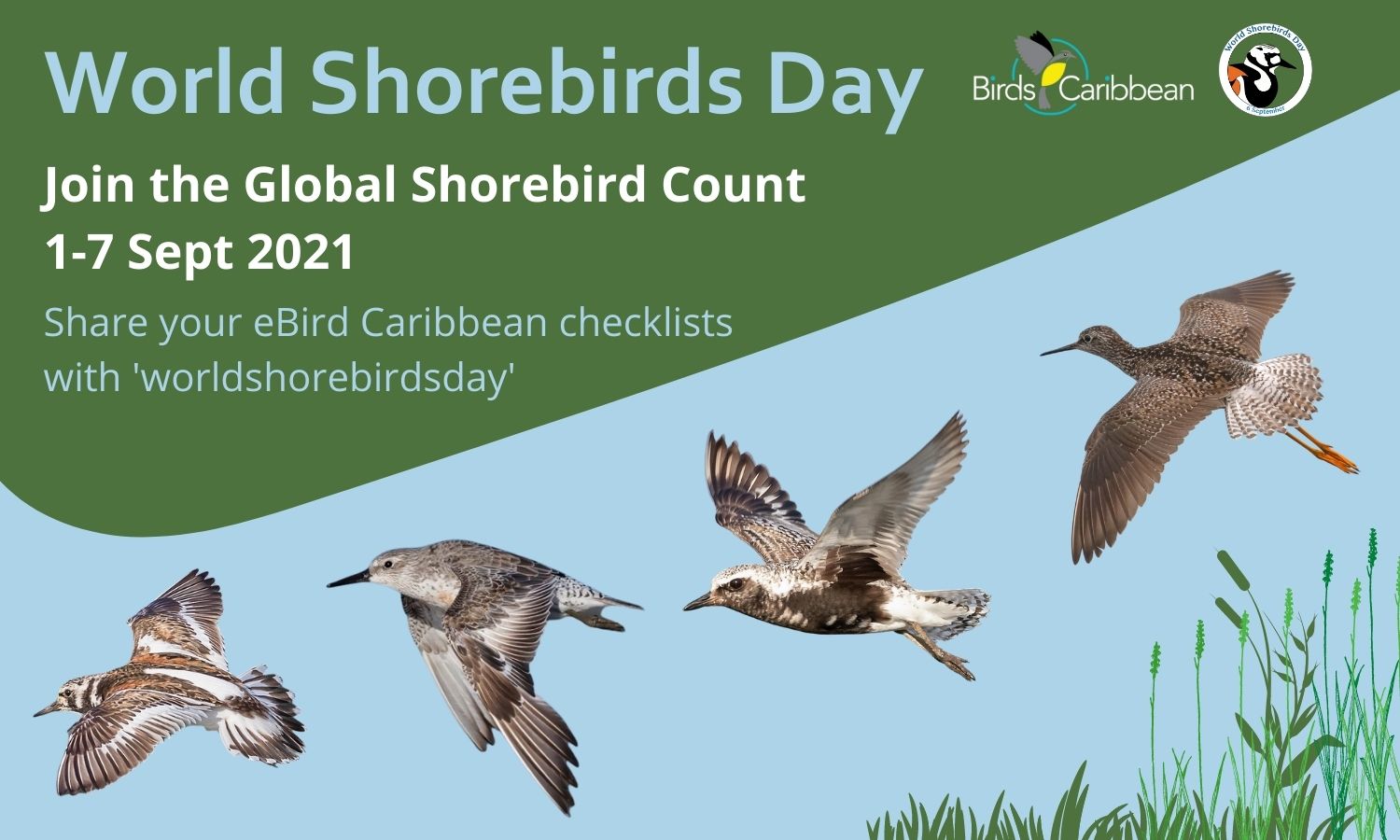 September is right around the corner and migratory shorebirds are making their way south. Please join us this World Shorebirds Day to learn more about these fascinating birds and what you can do to help protect them. Take part in this year’s Global Shorebird Count and check out our cool resources for honing your ID skills and count techniques. We also have free, fun activities for kids and the whole family – read on!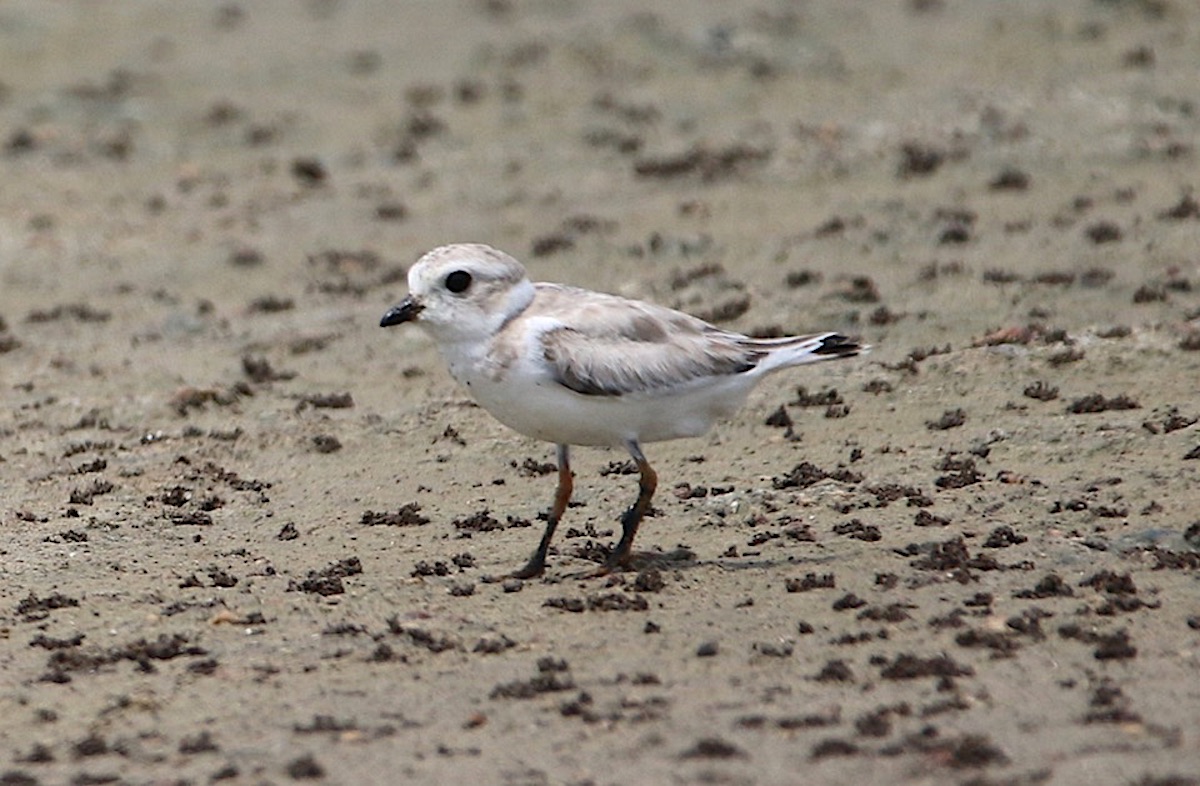
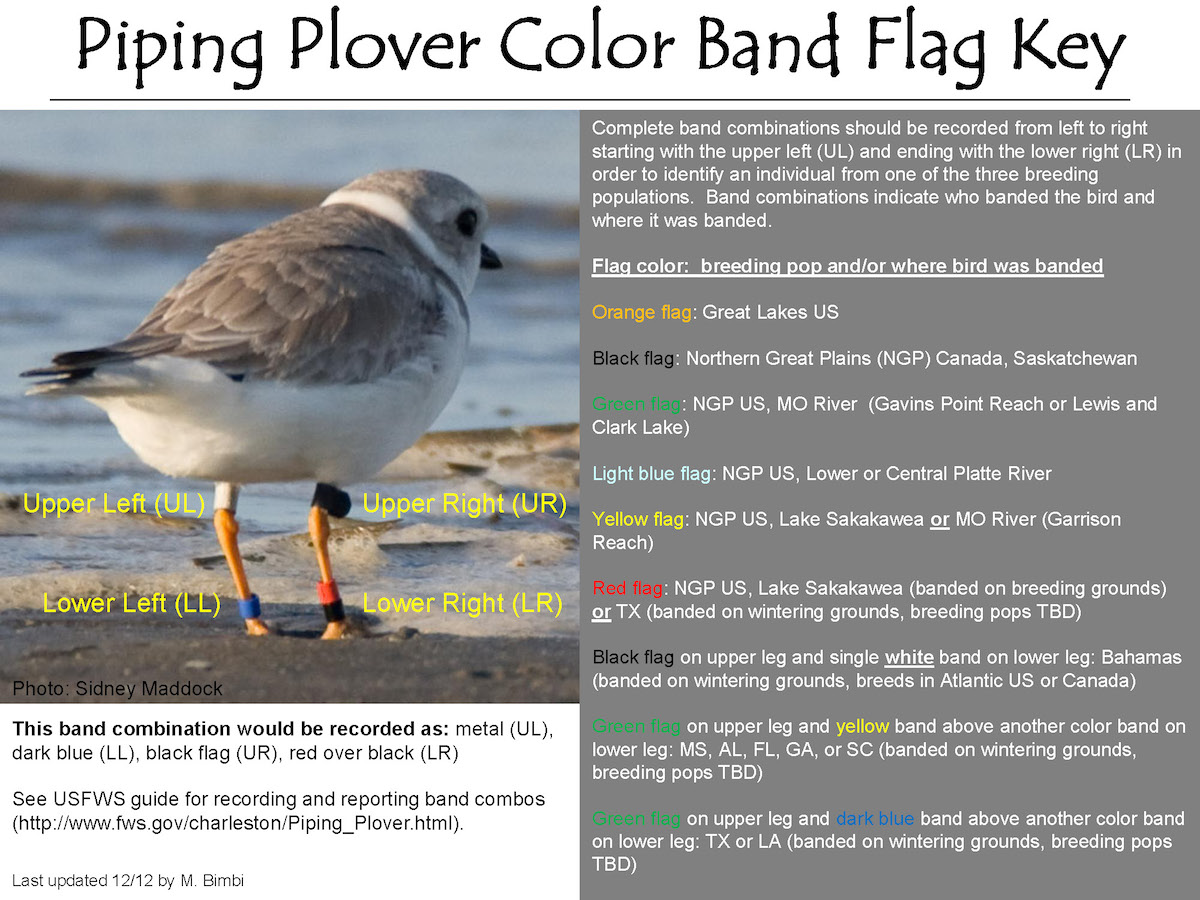
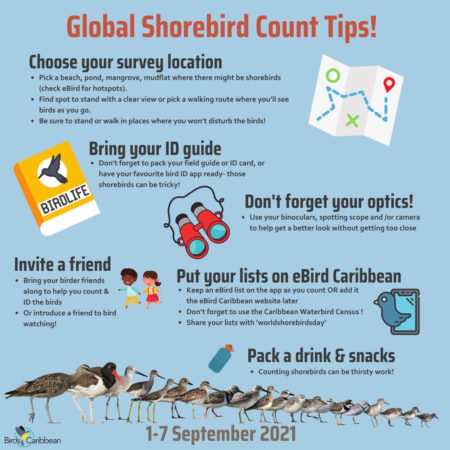
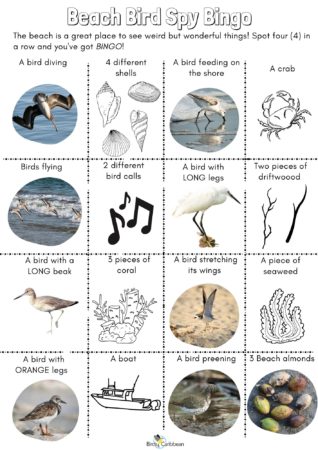
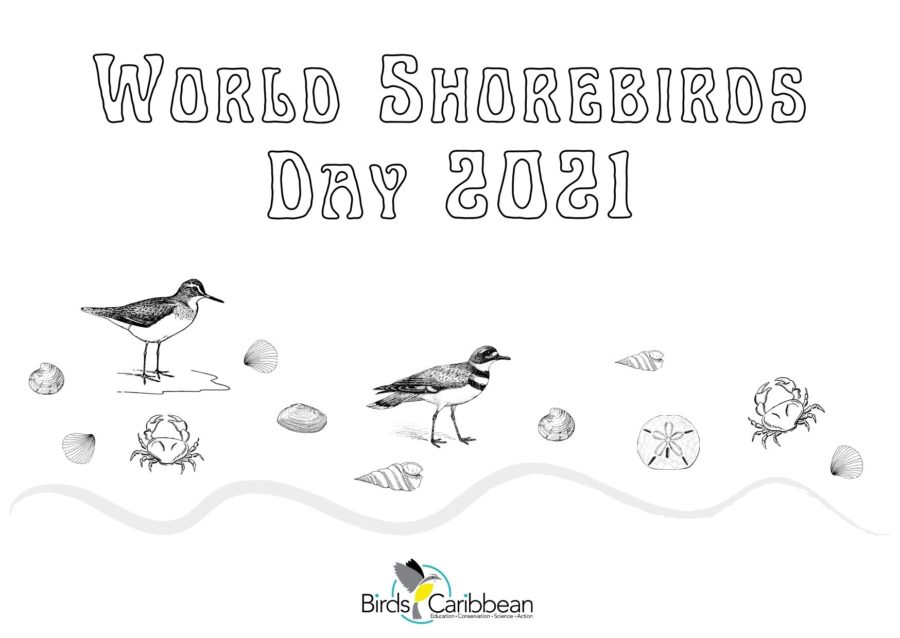
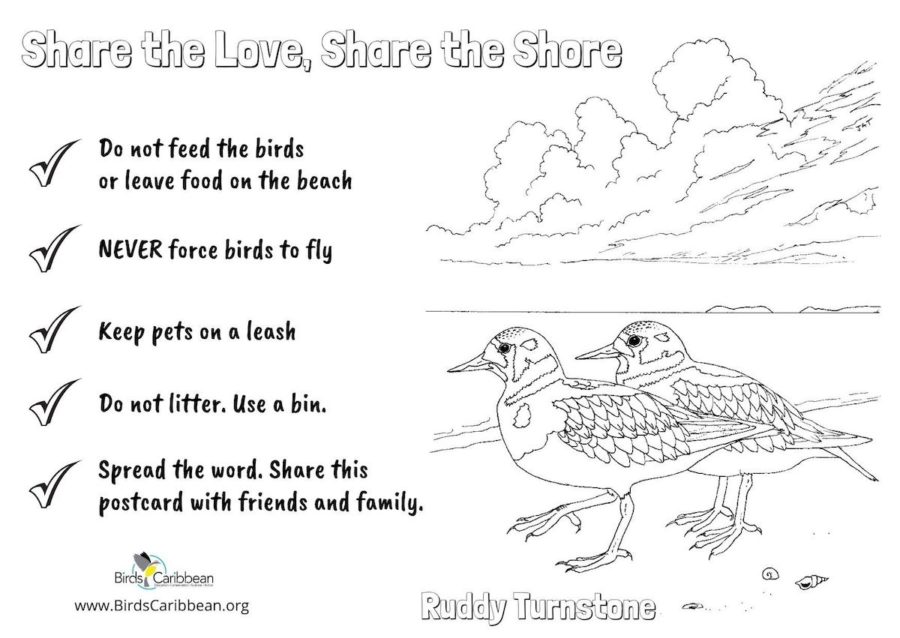
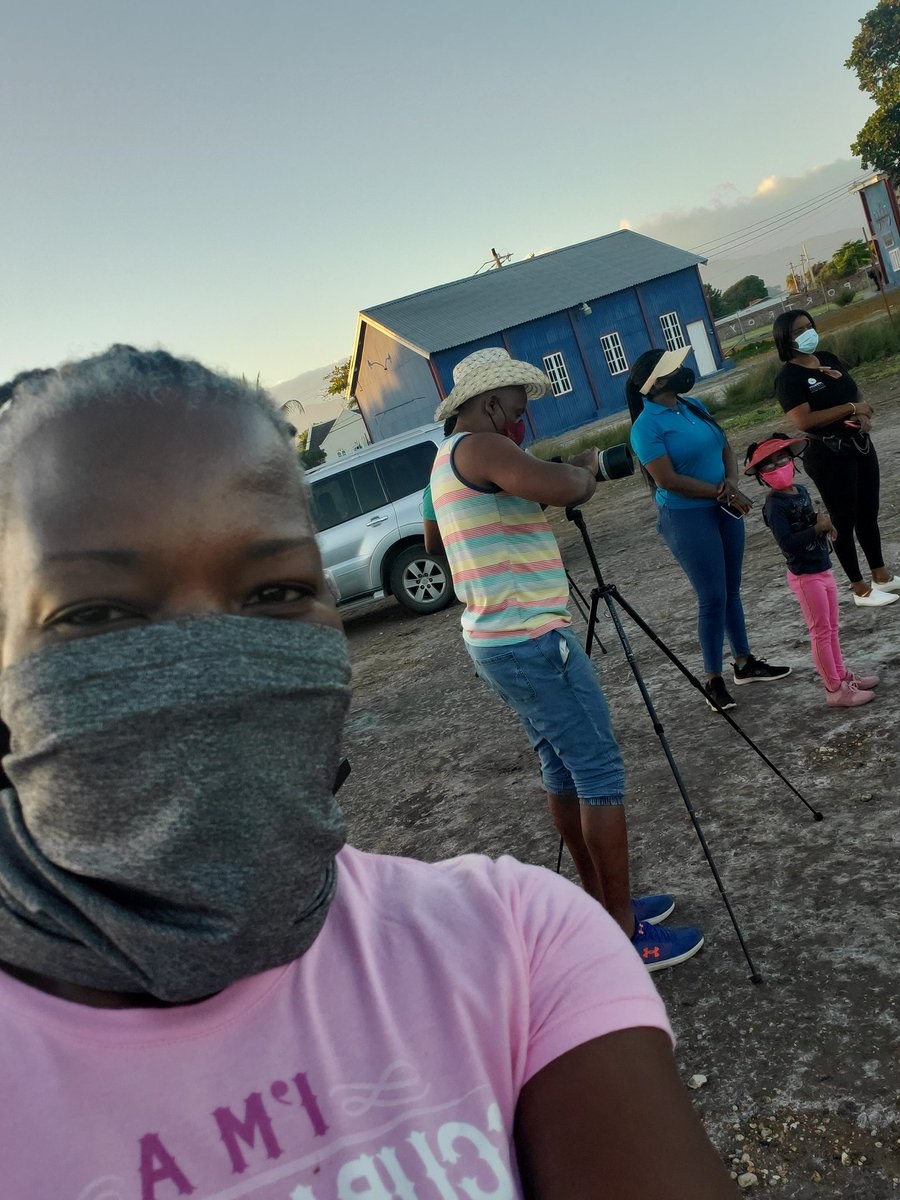
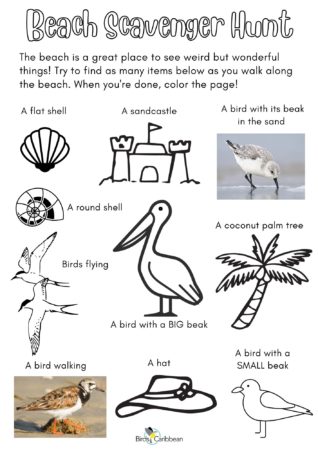


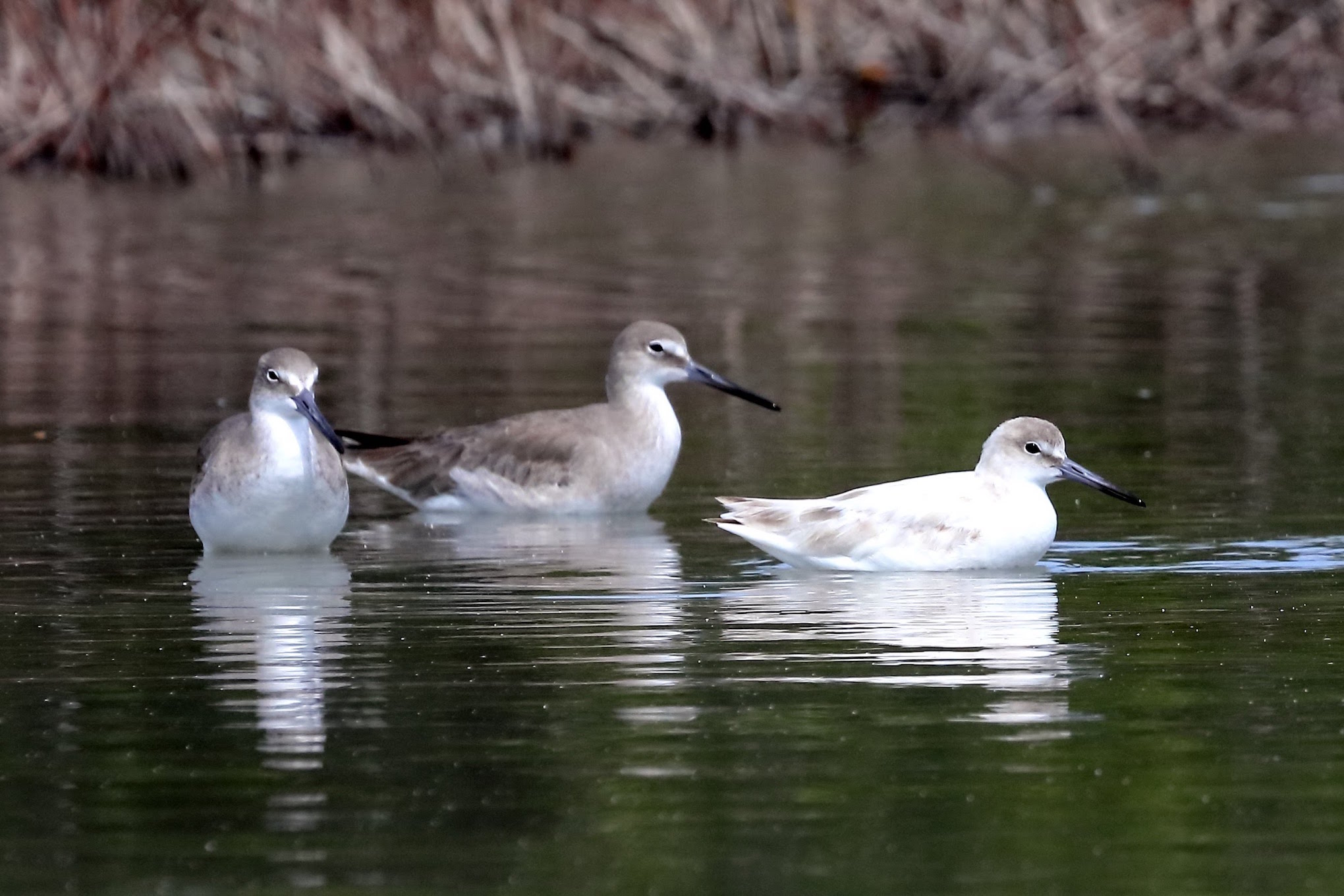
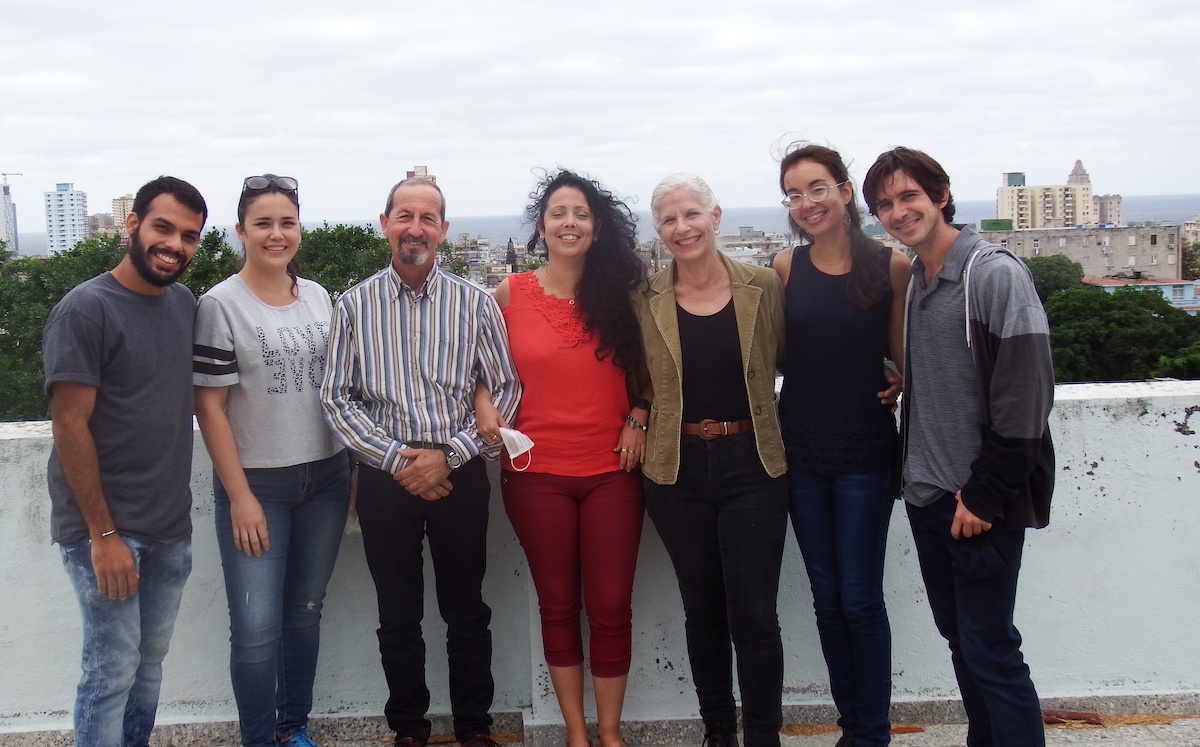
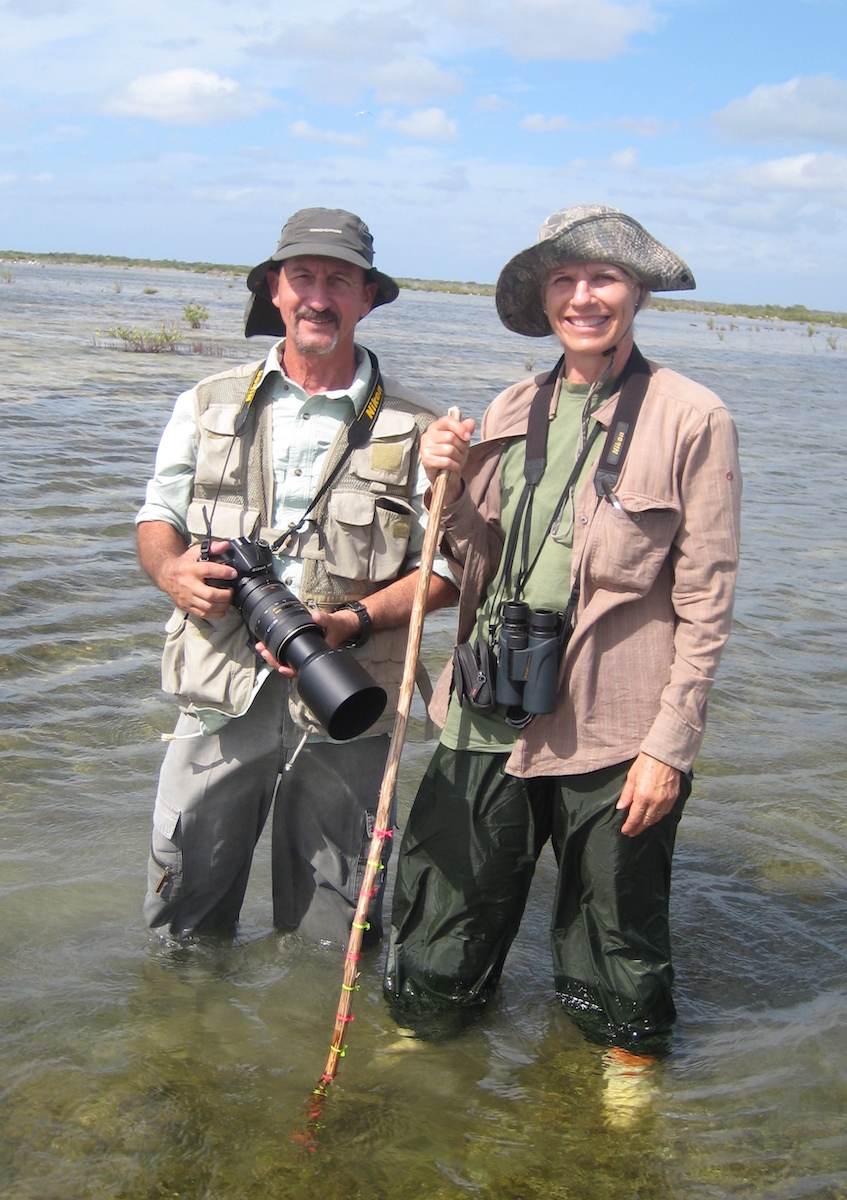
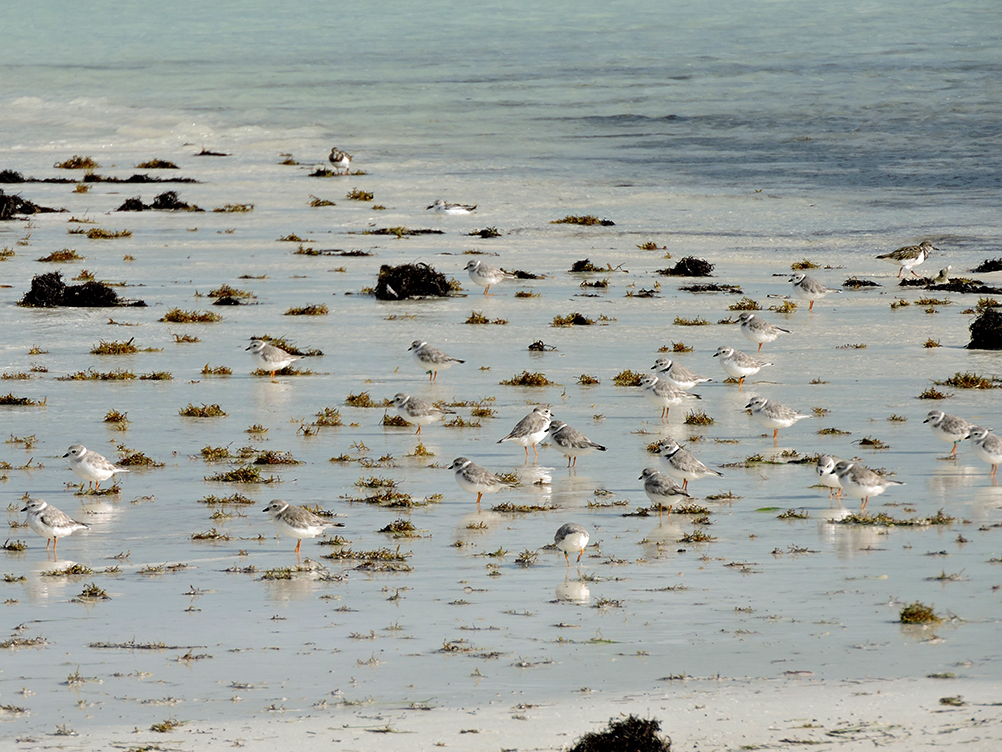
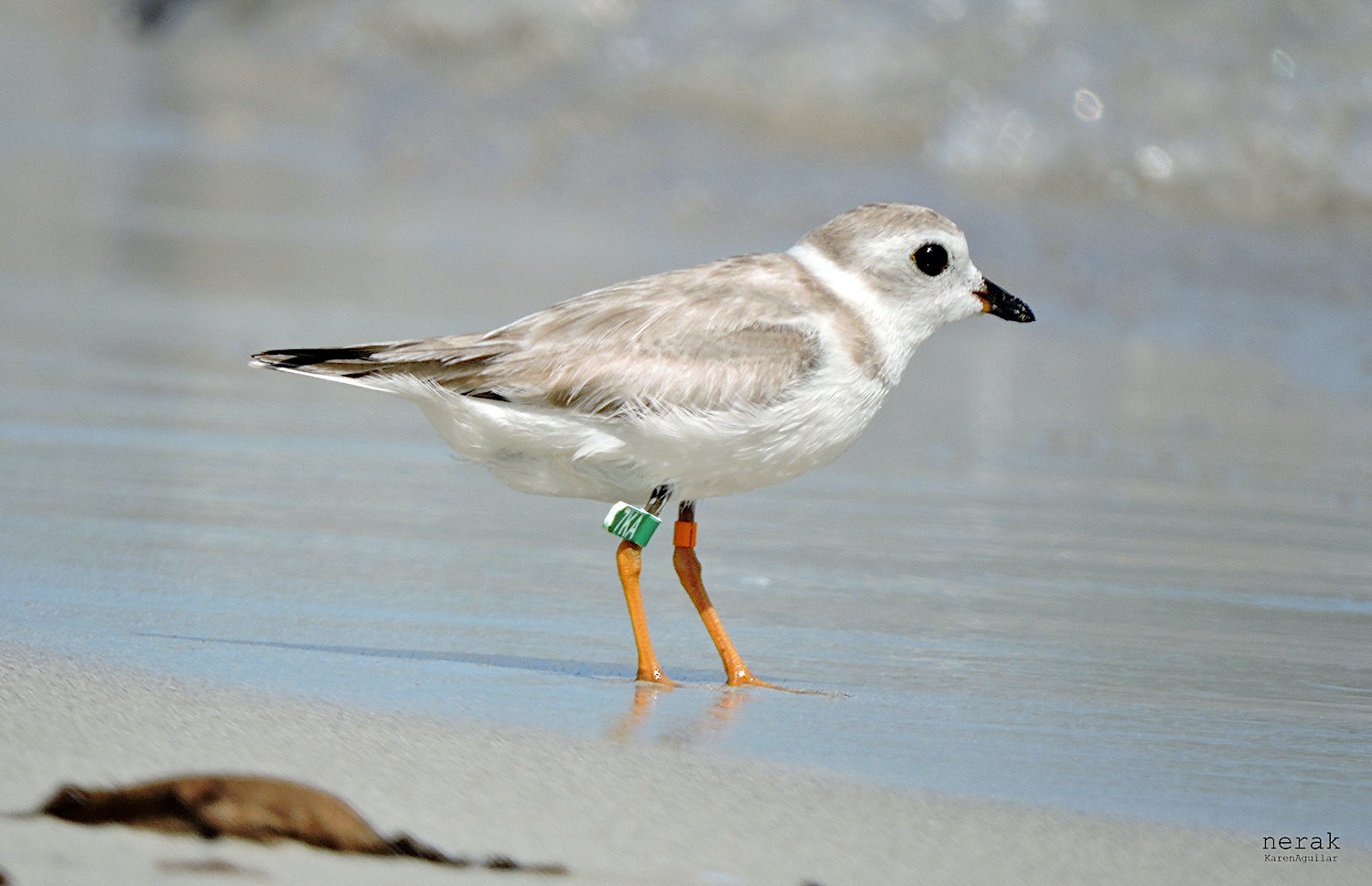
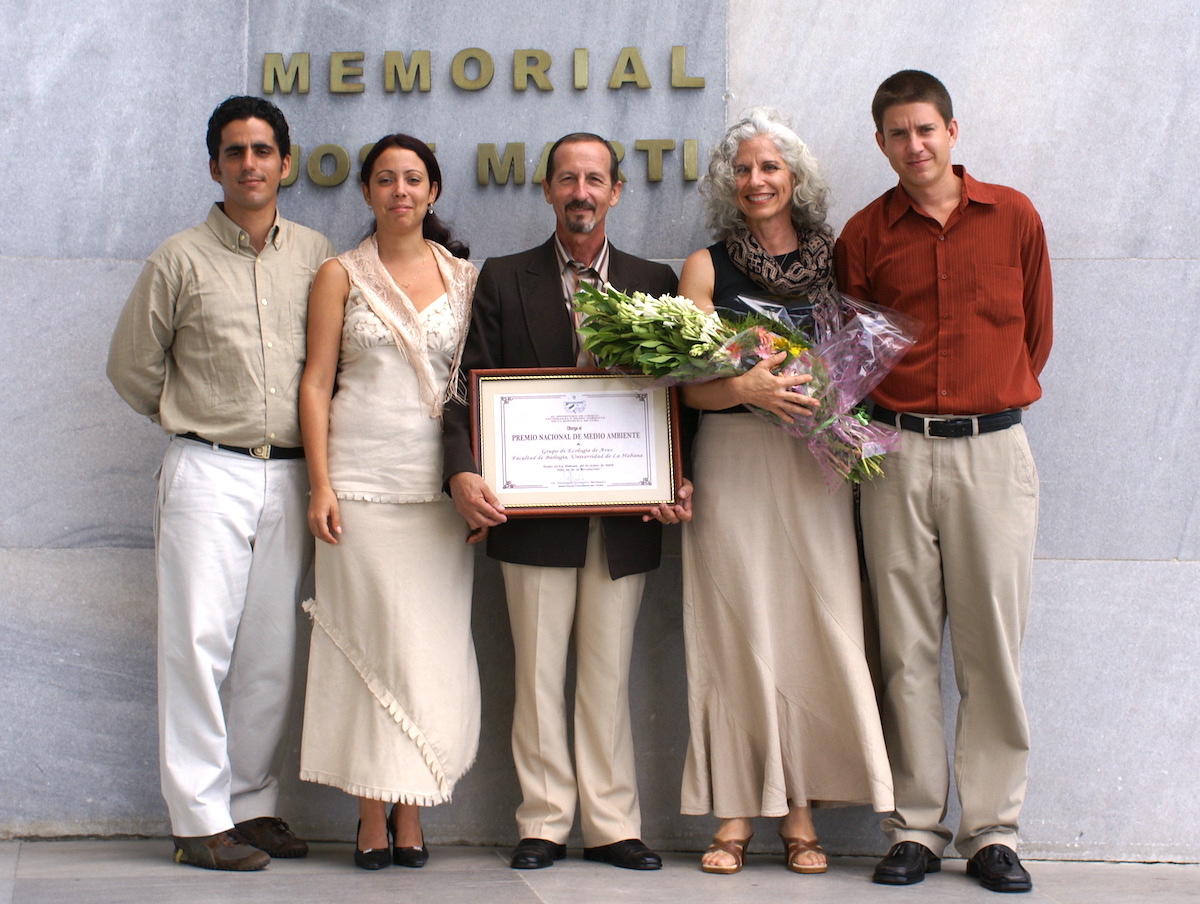
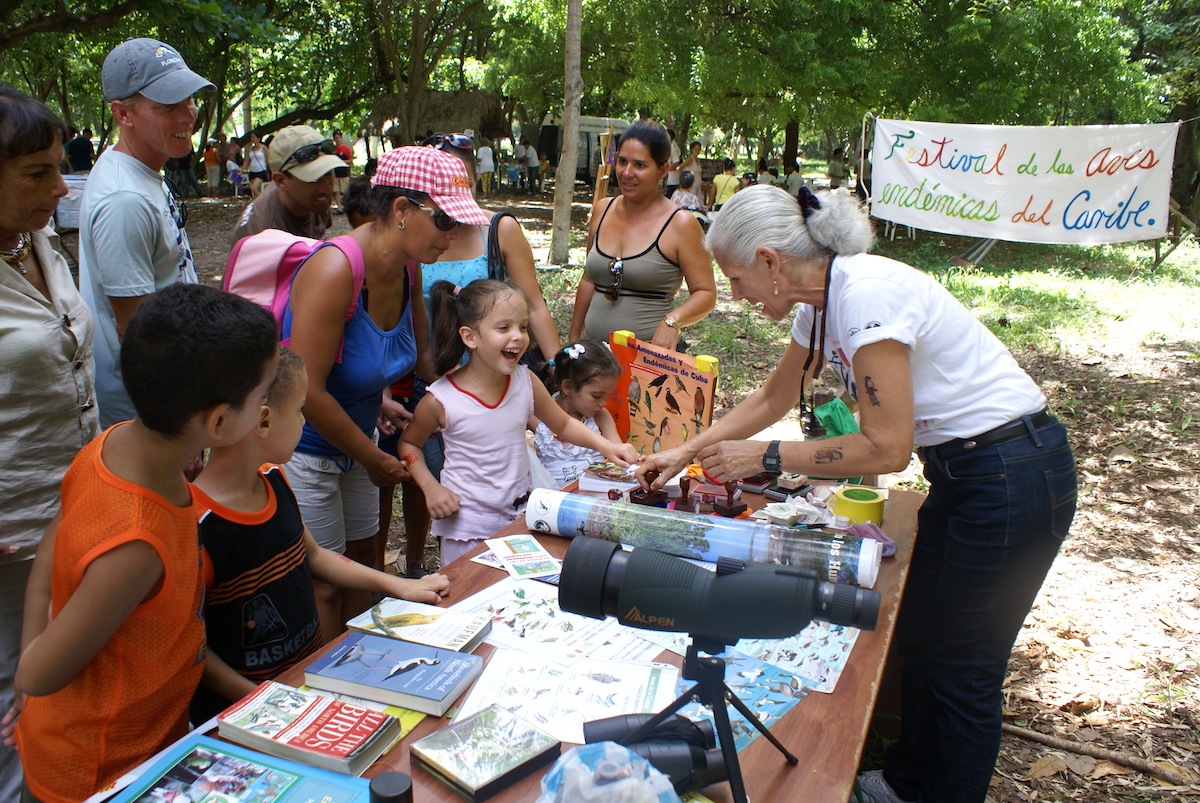


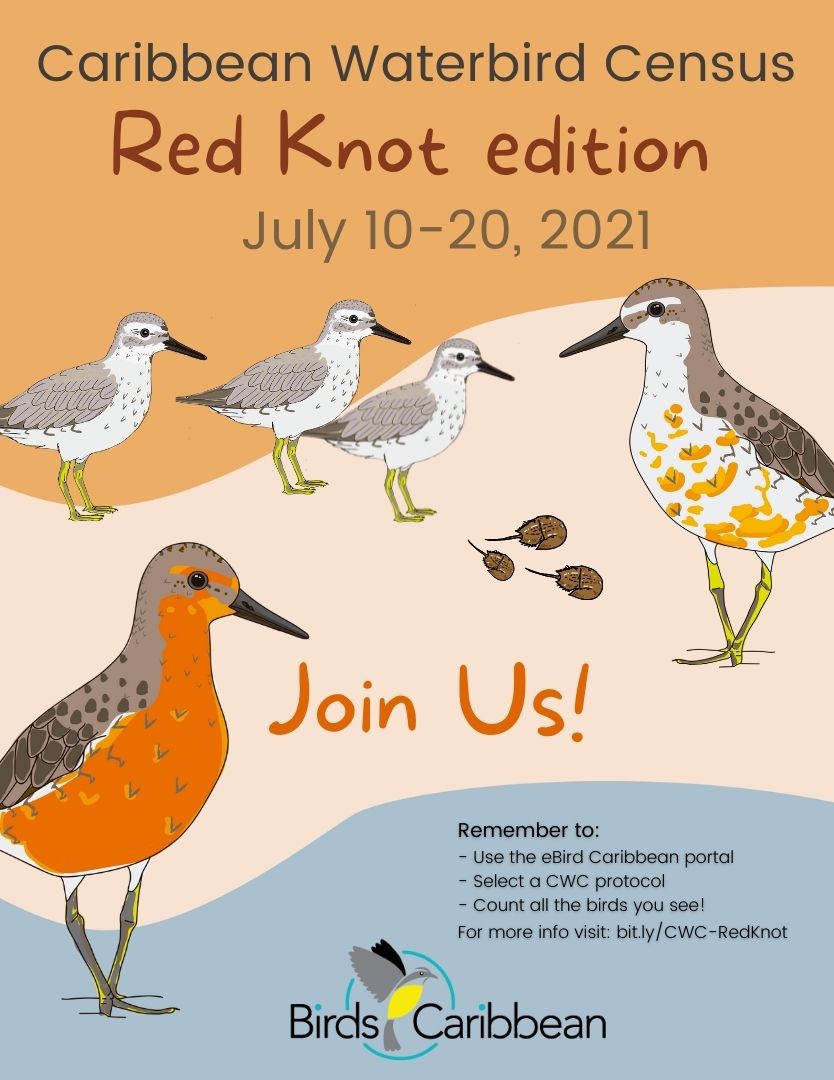
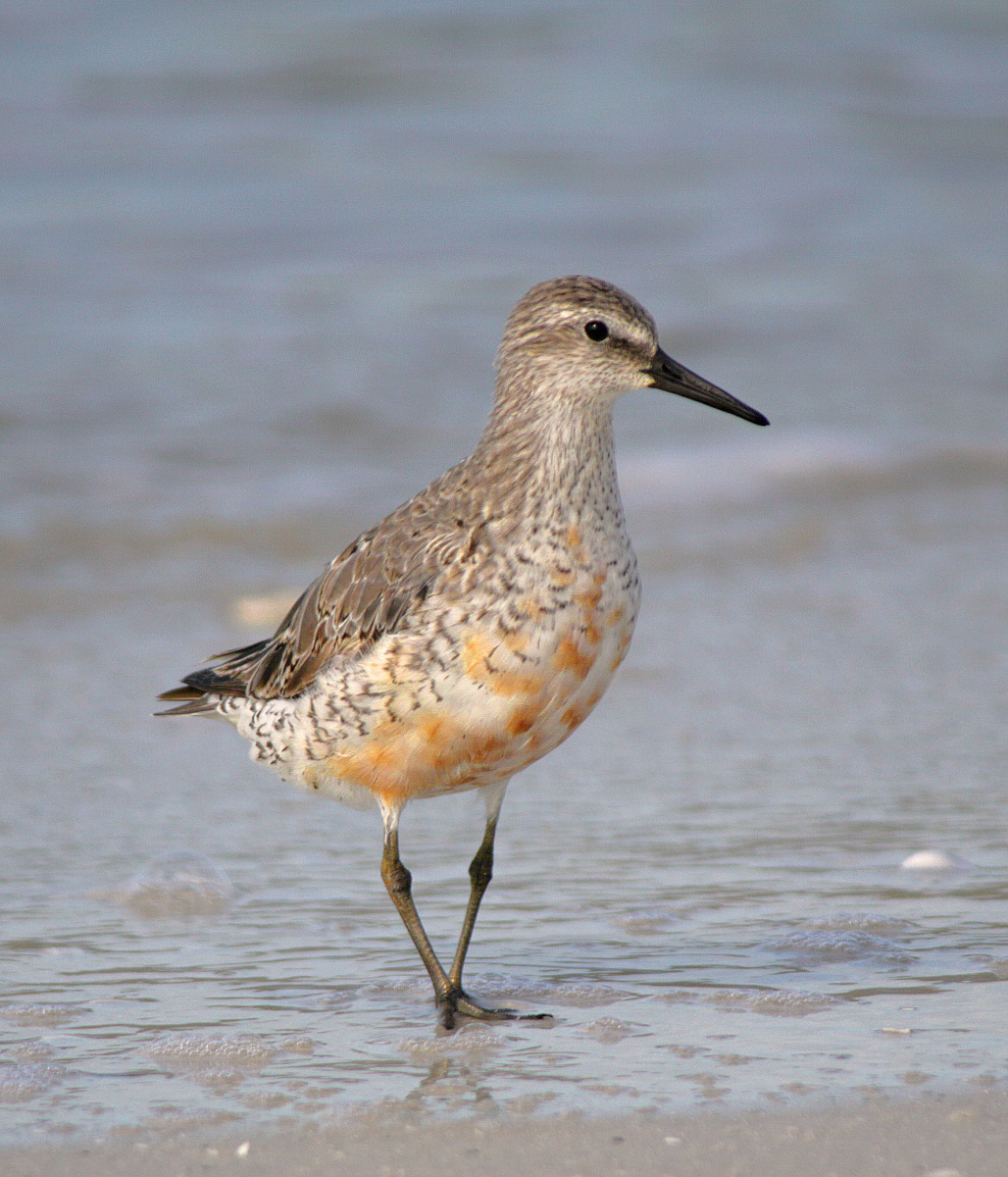


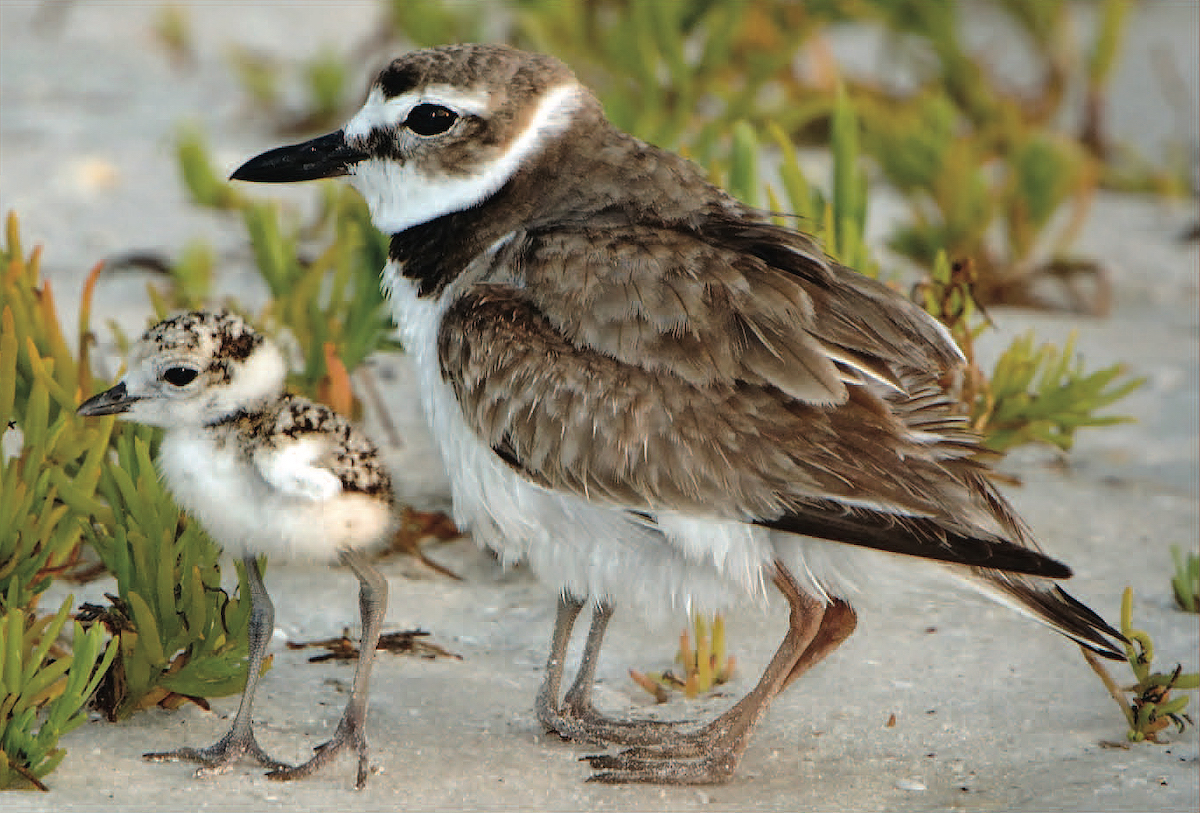
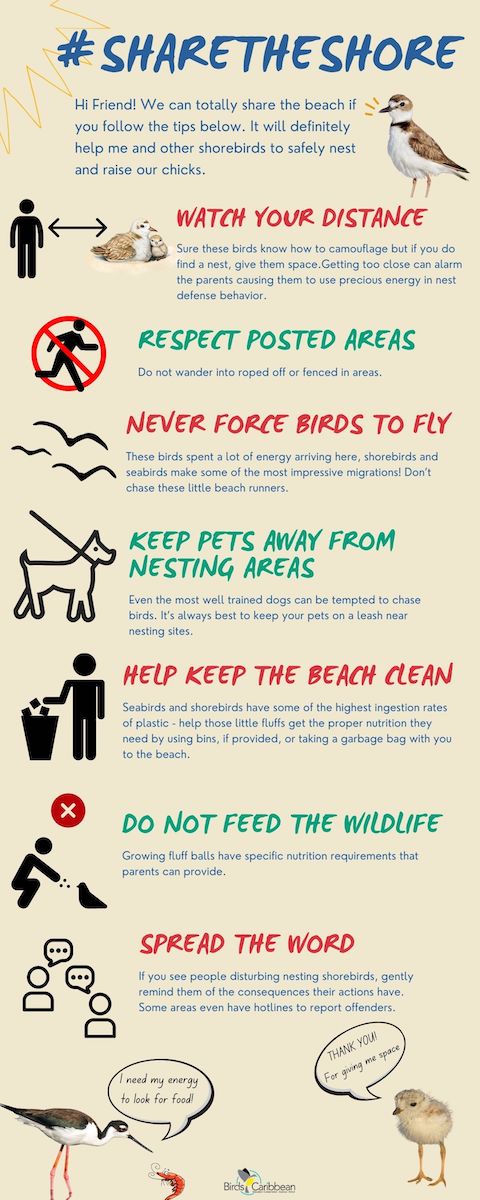
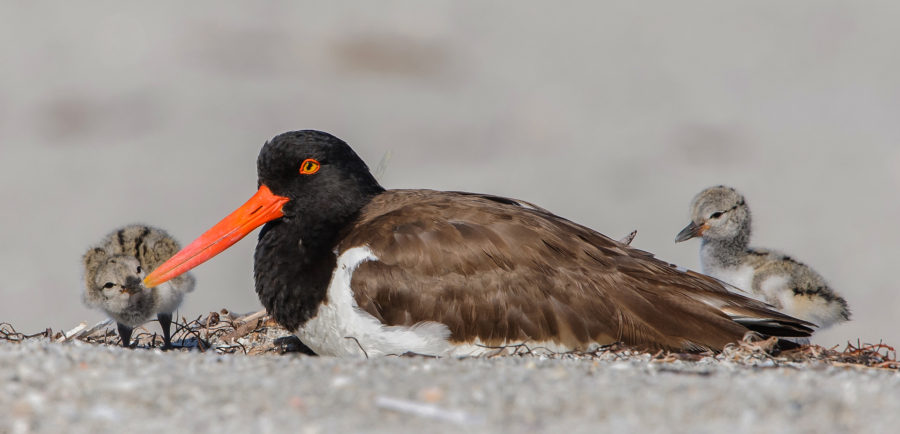
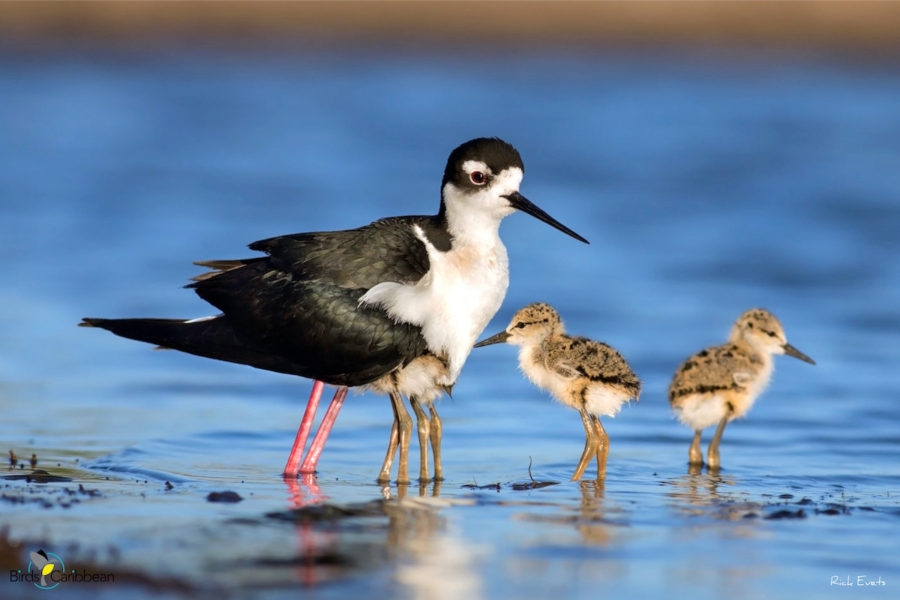
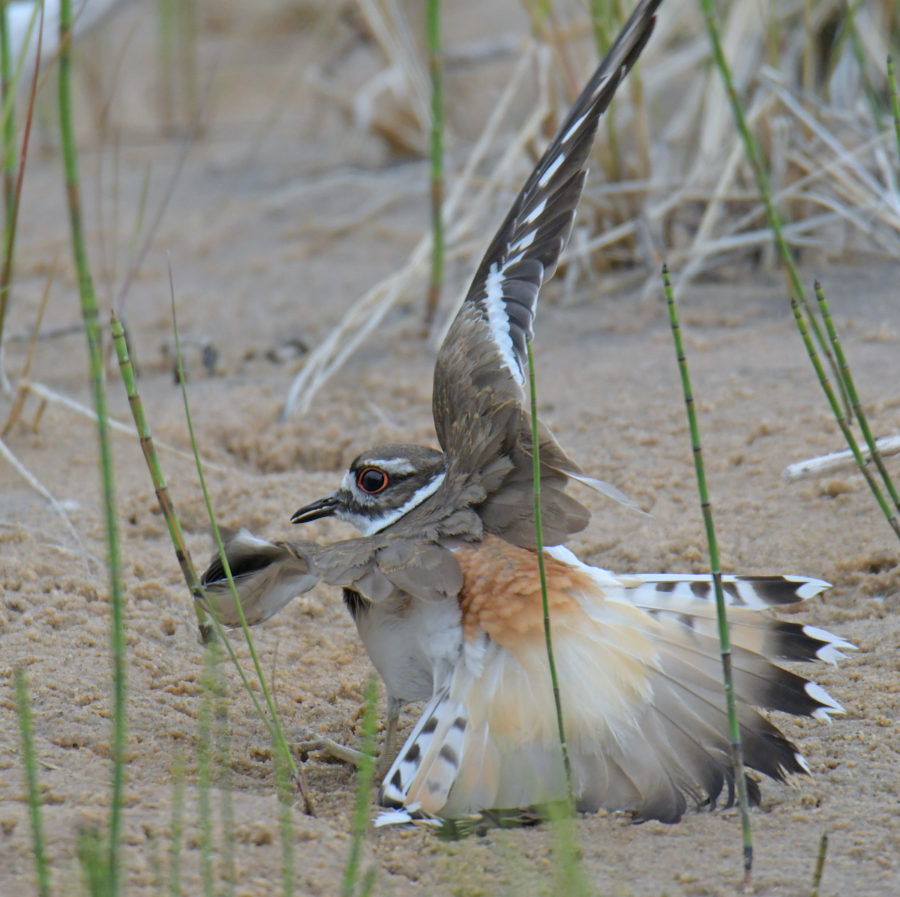
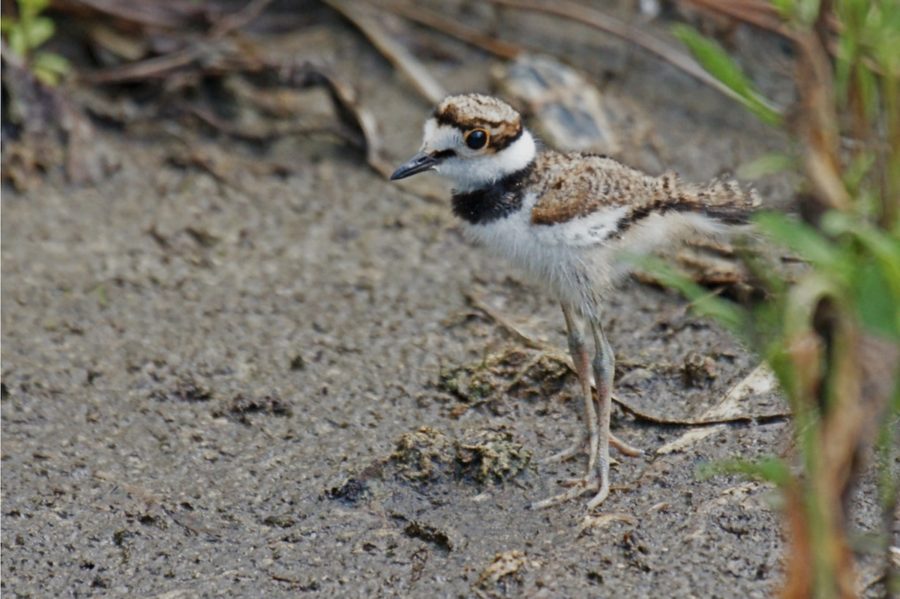
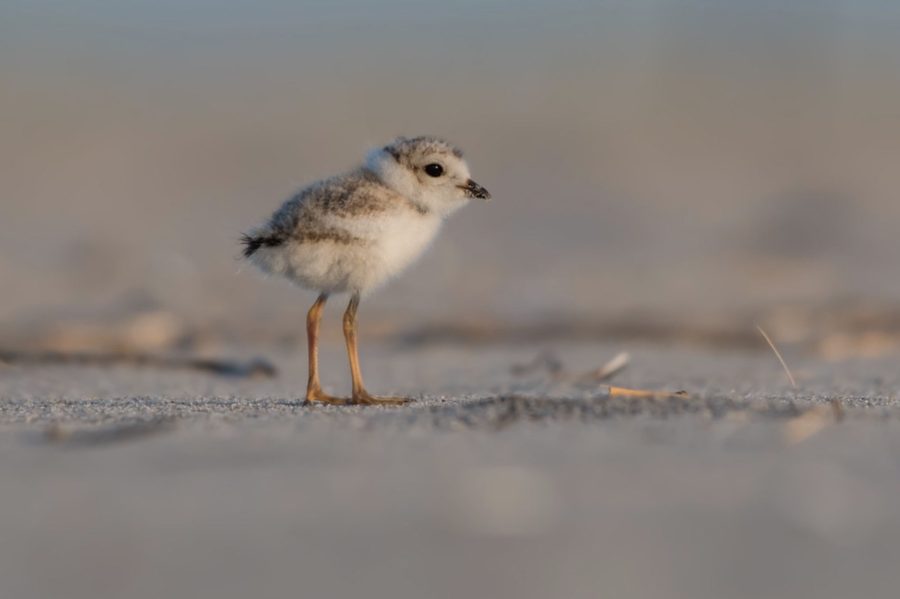
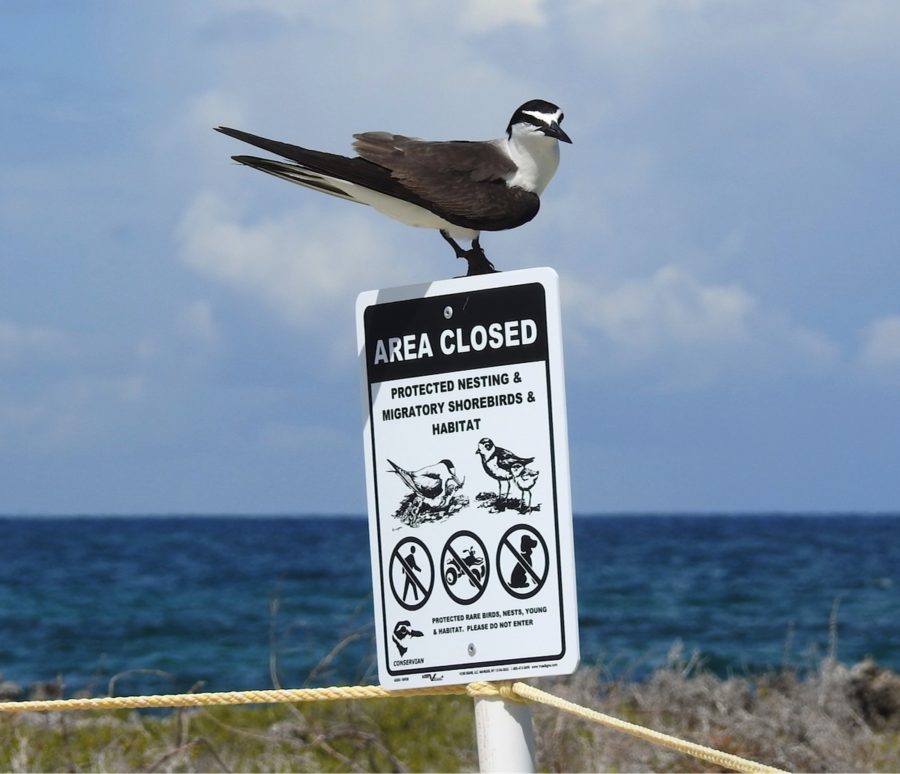
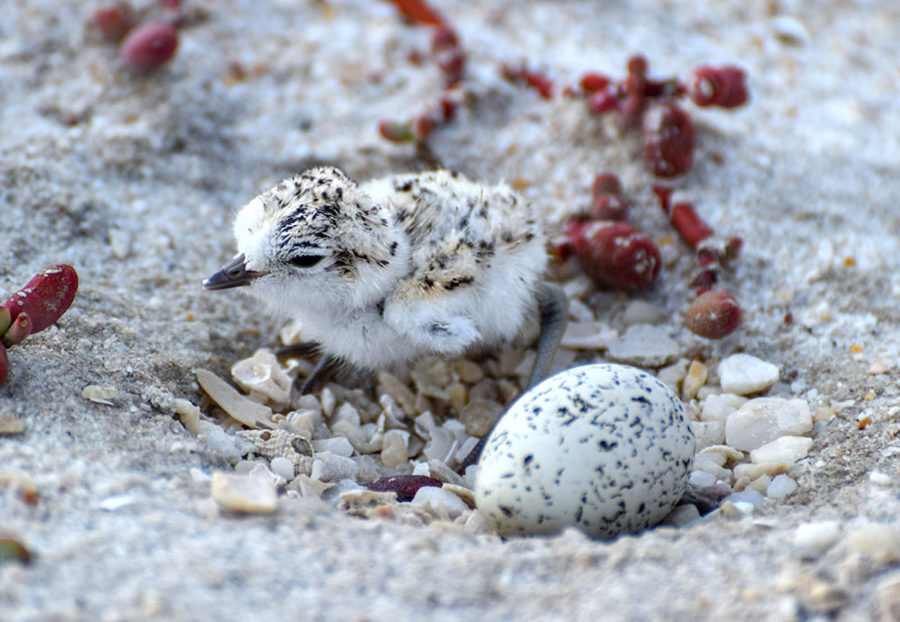
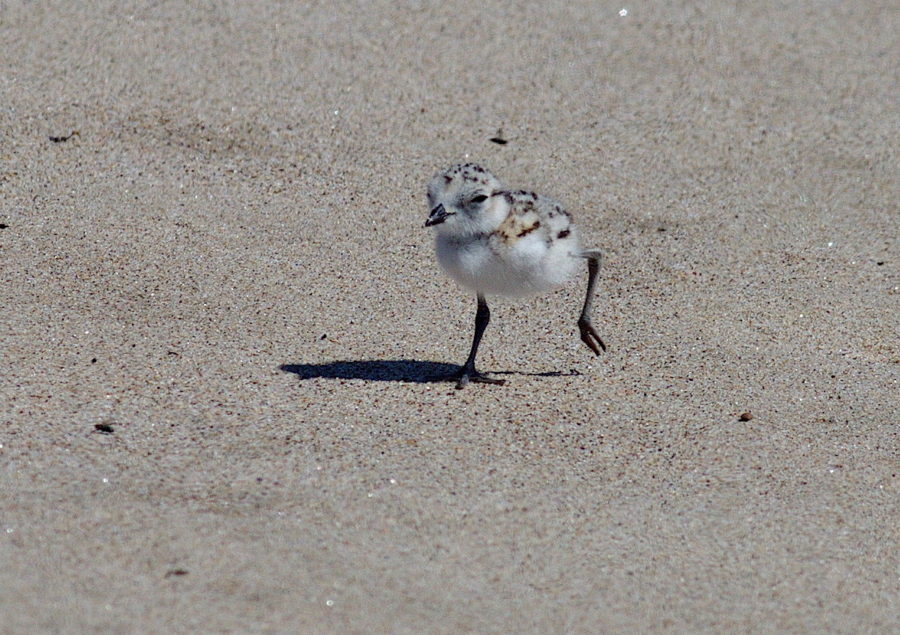
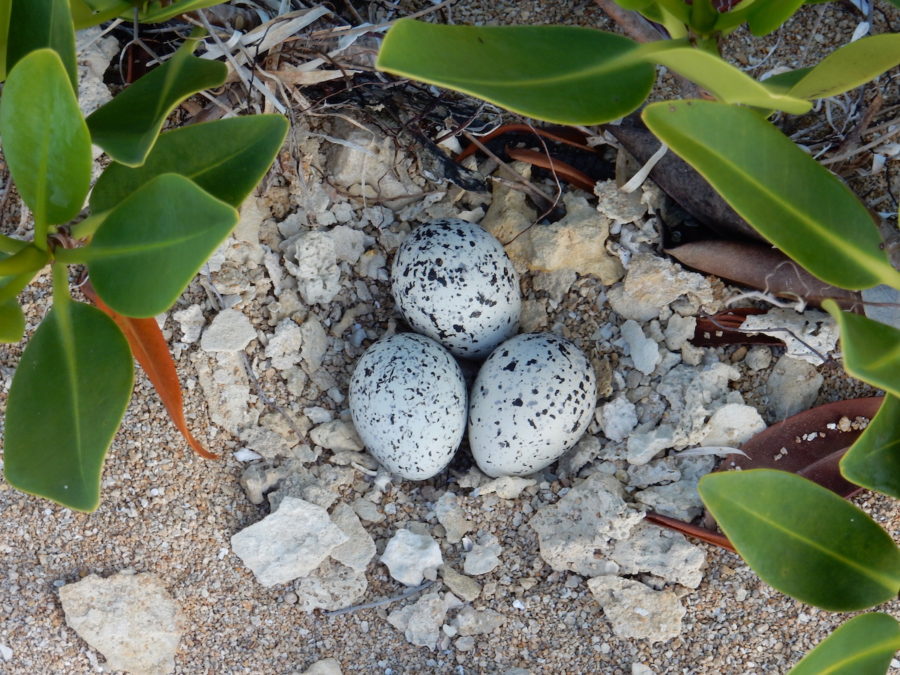
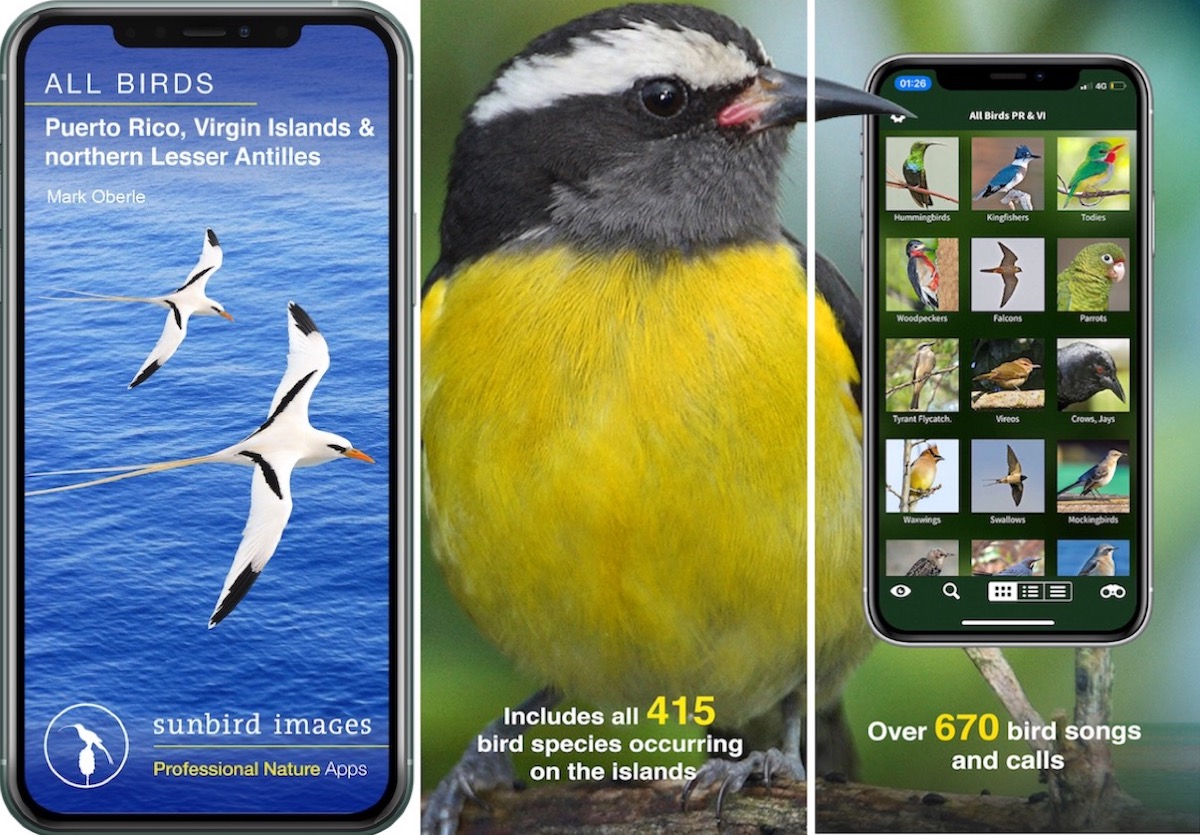


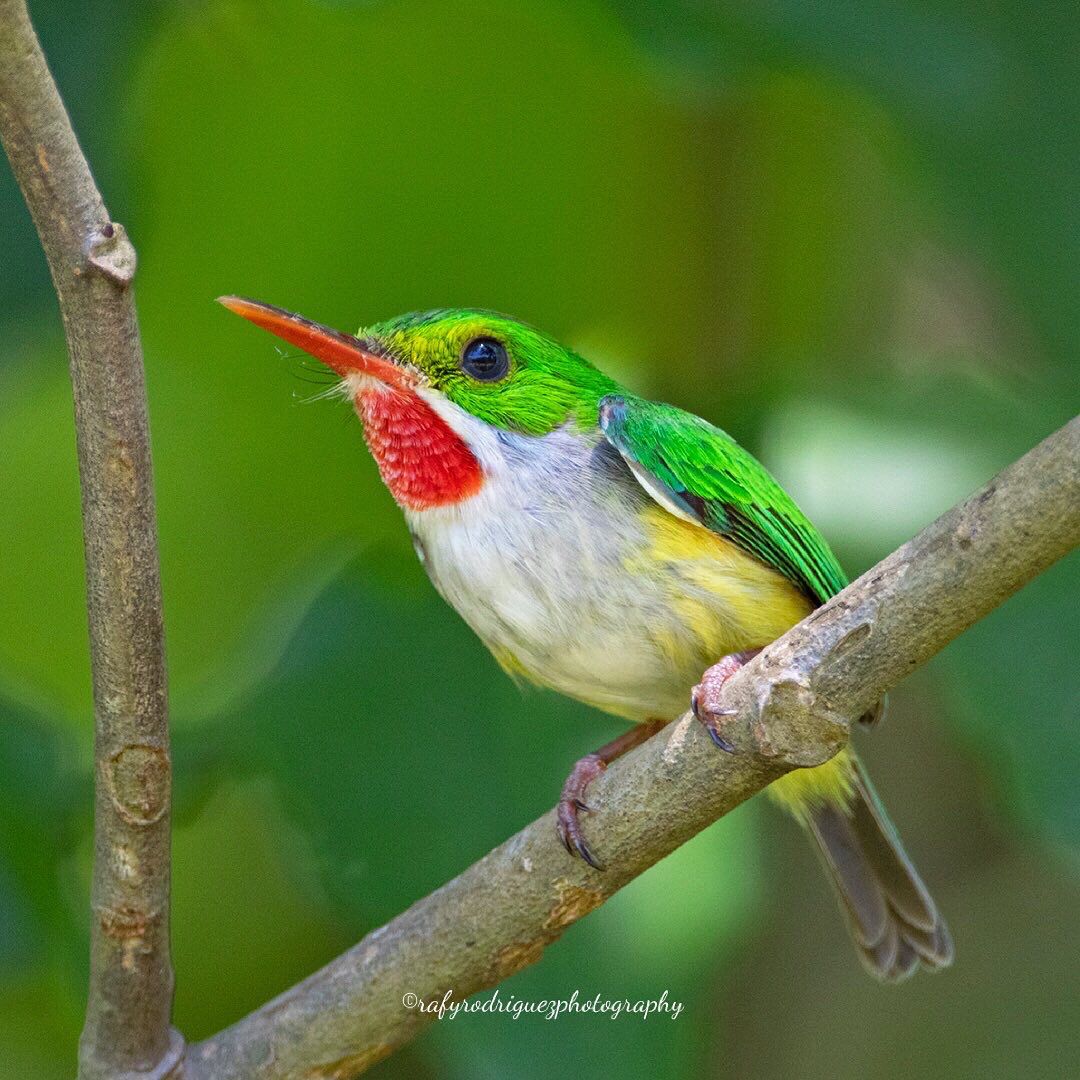
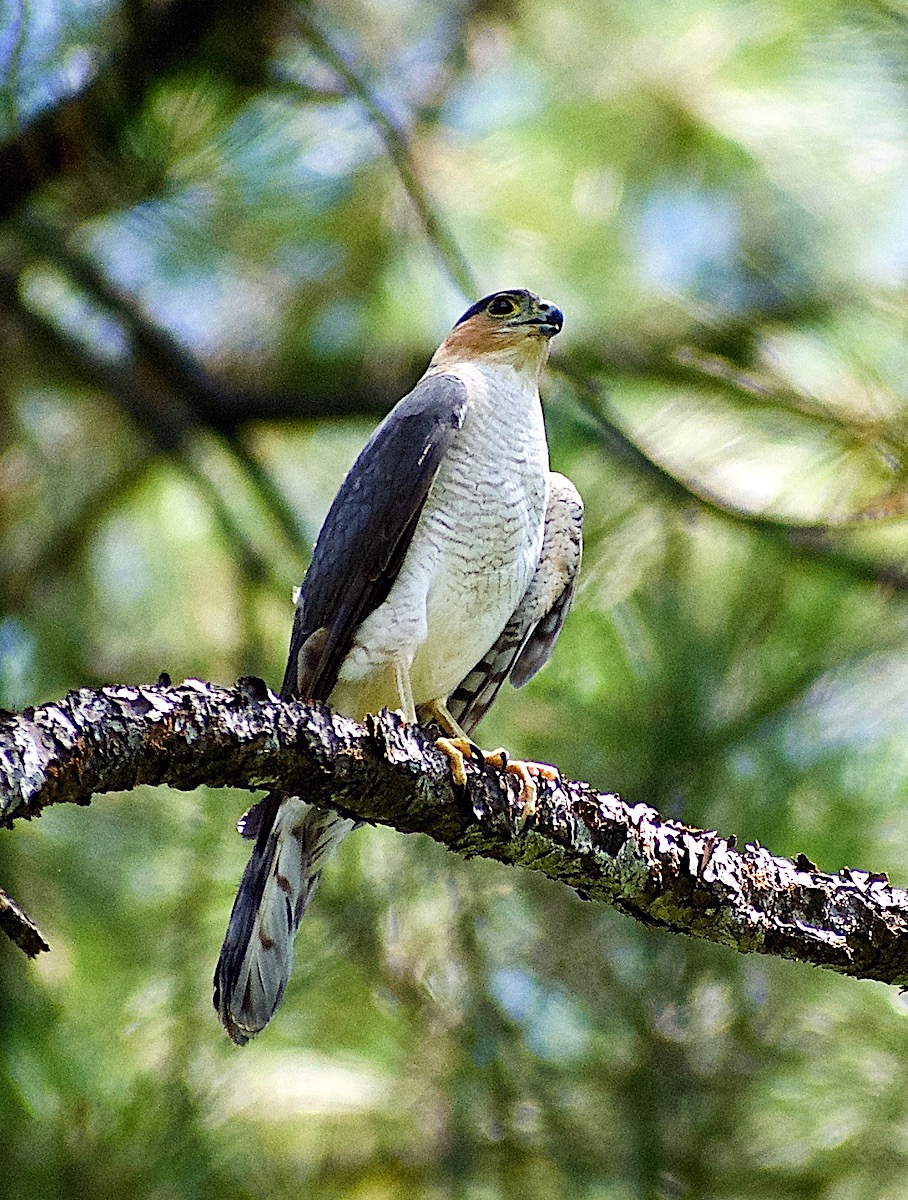
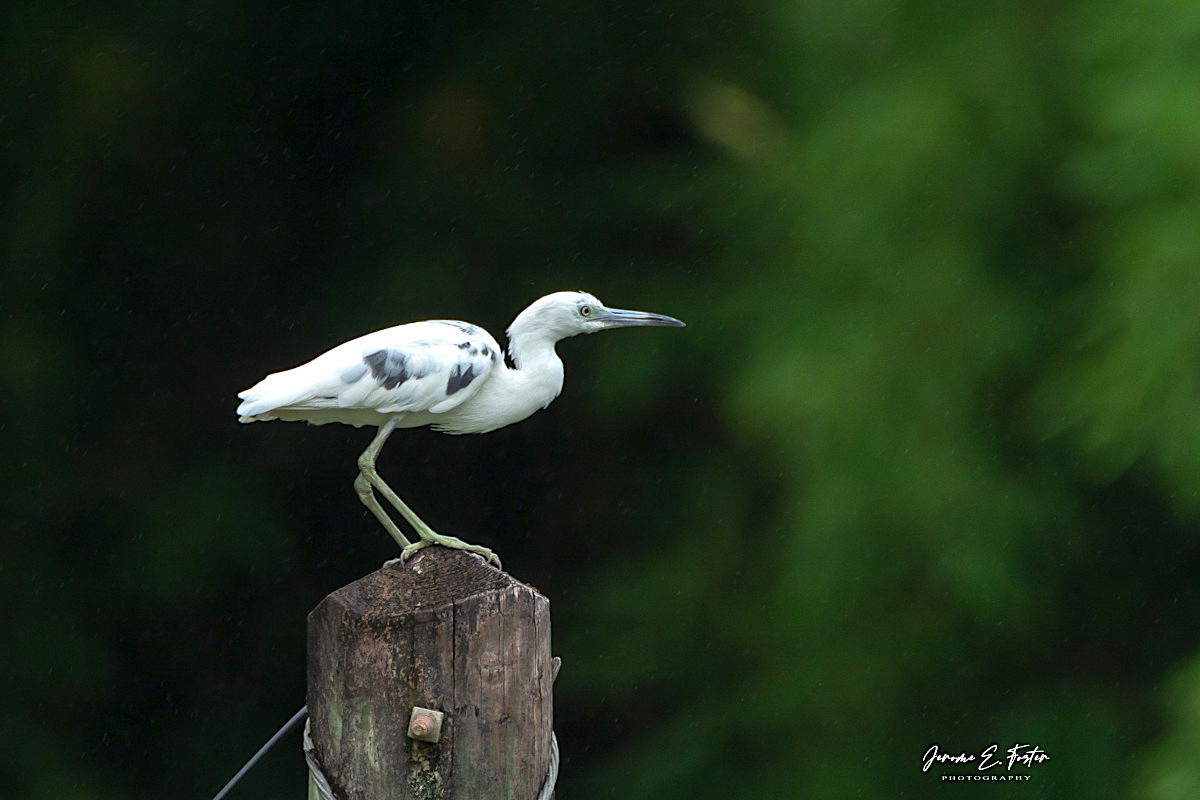
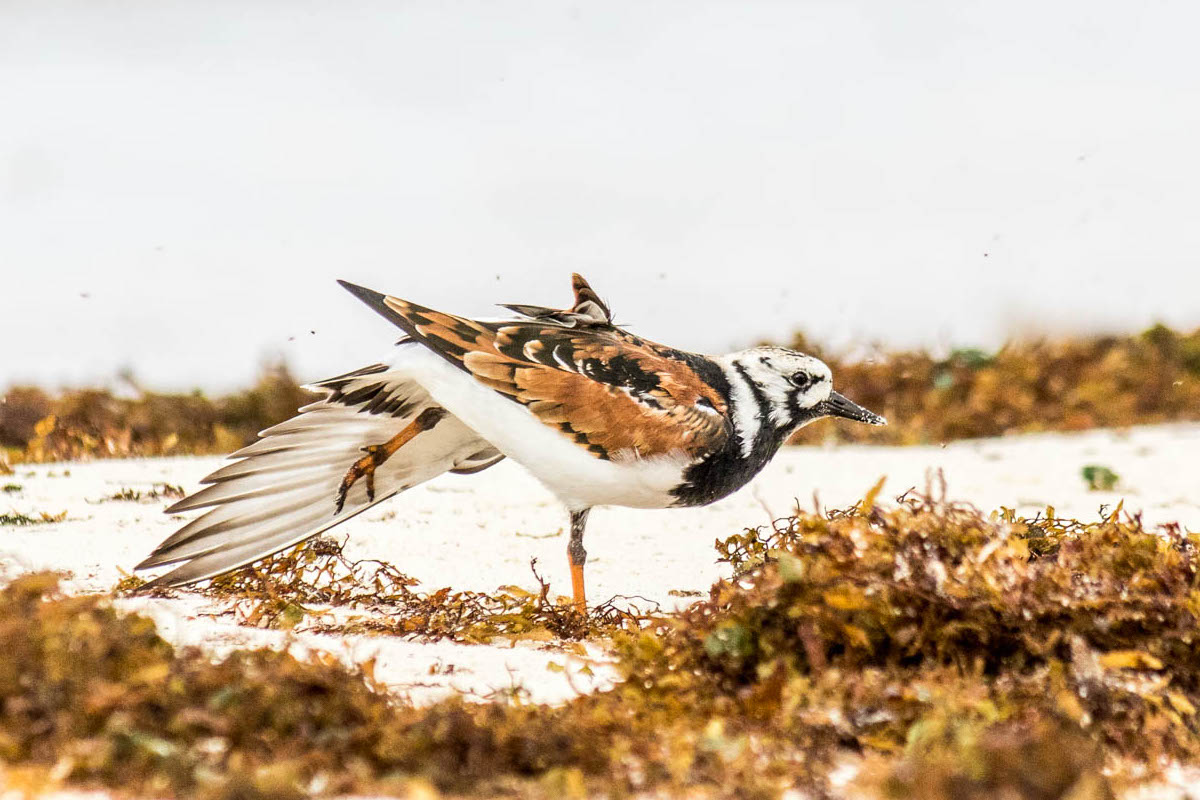
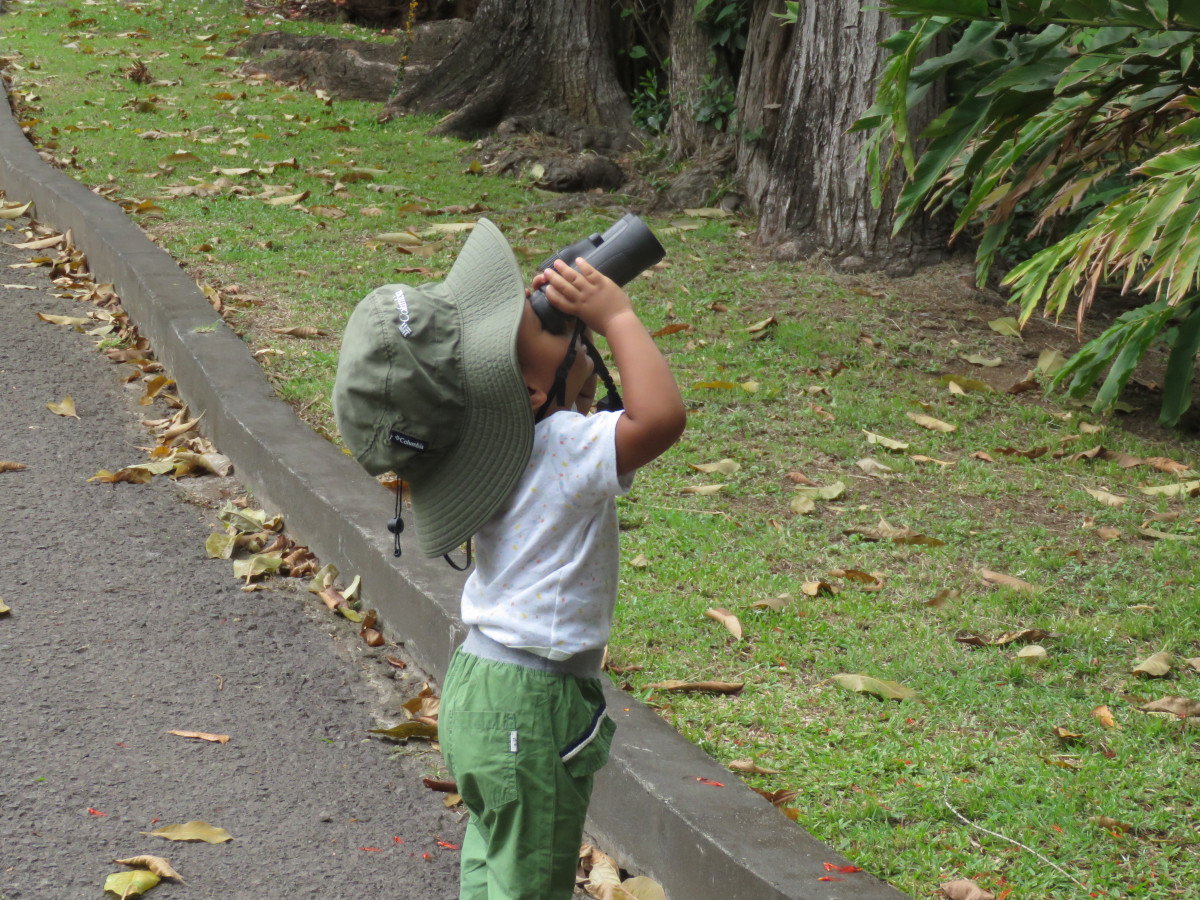
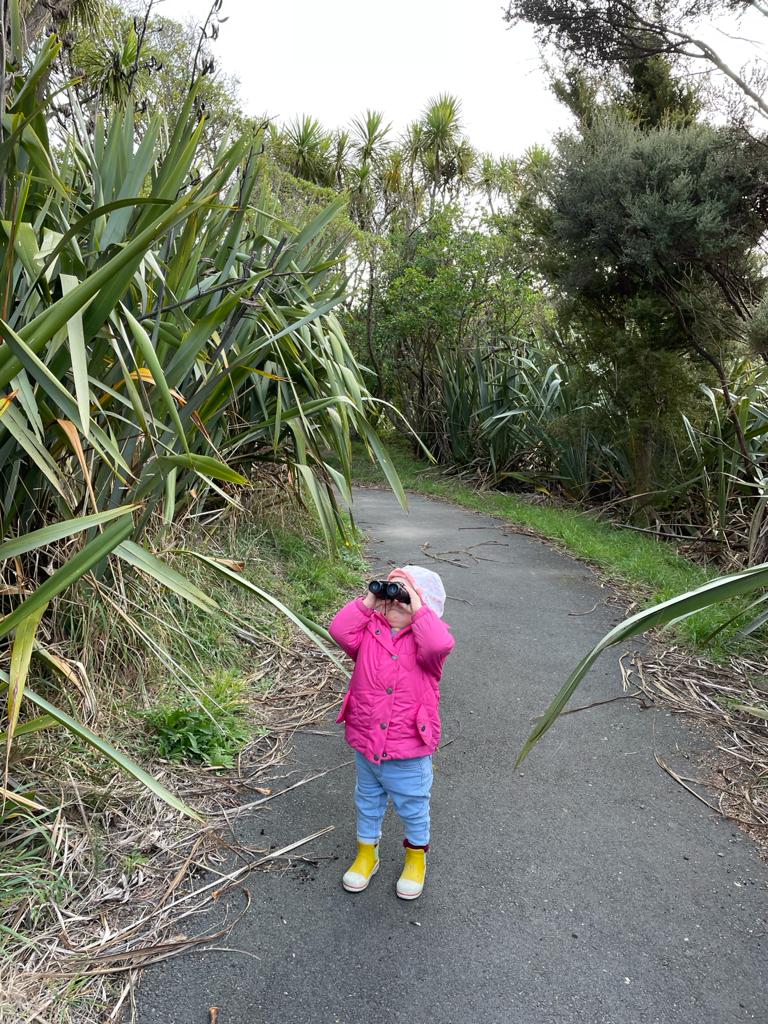
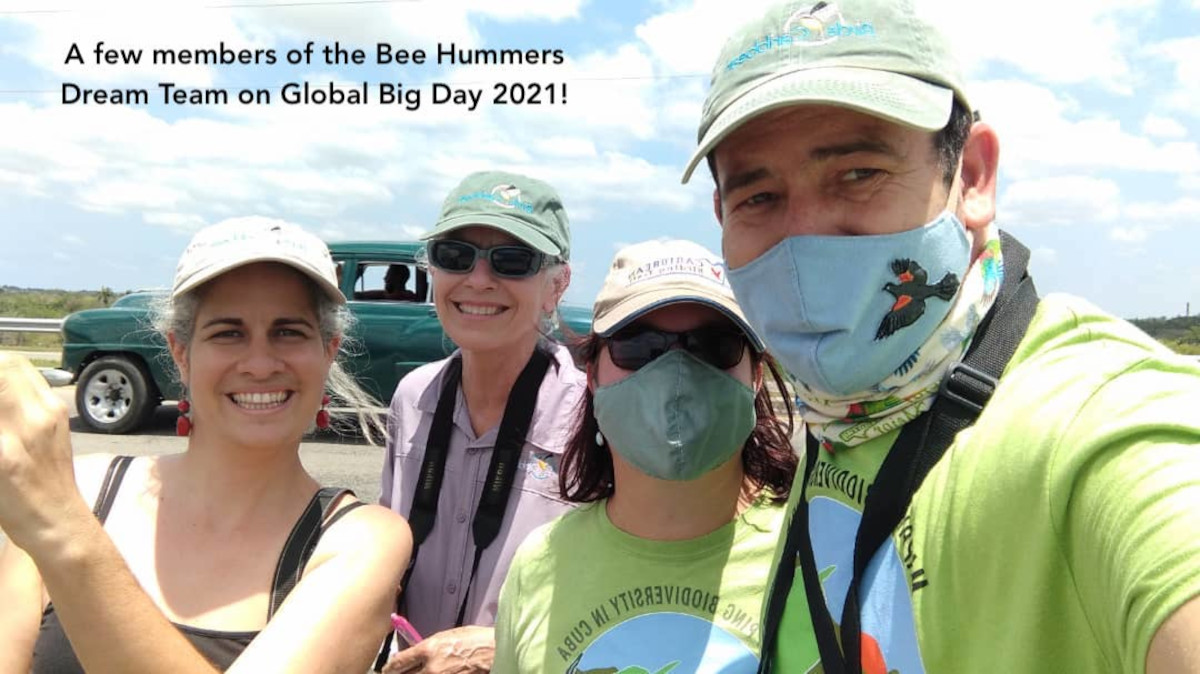
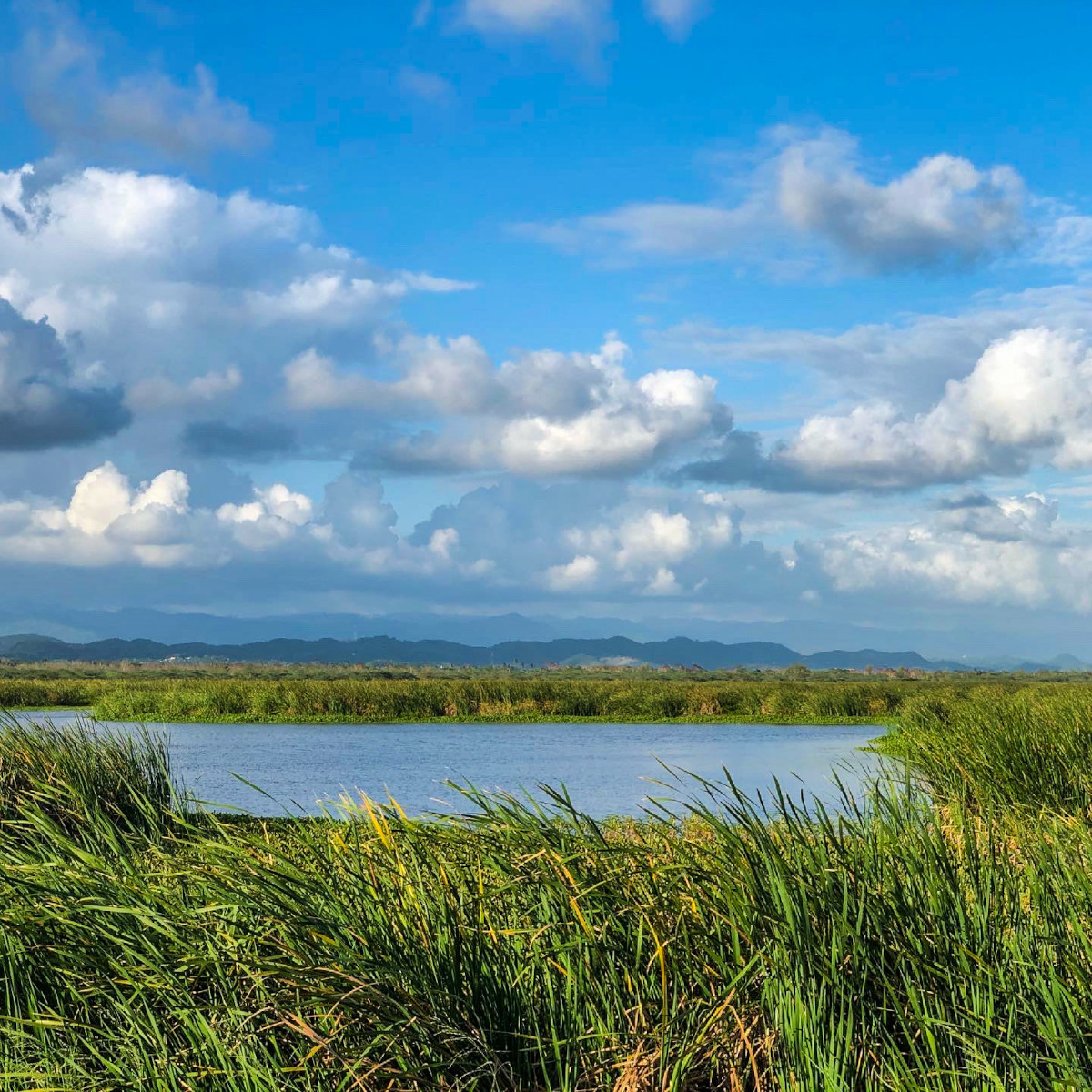
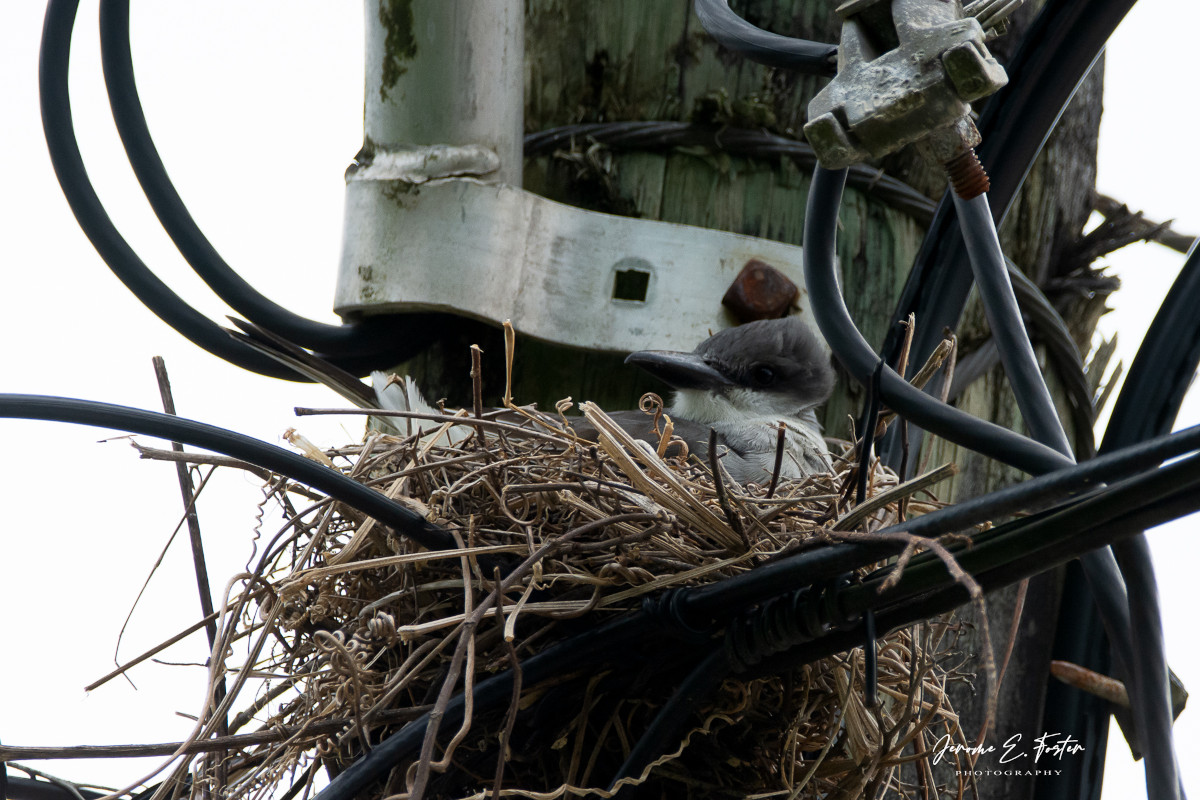
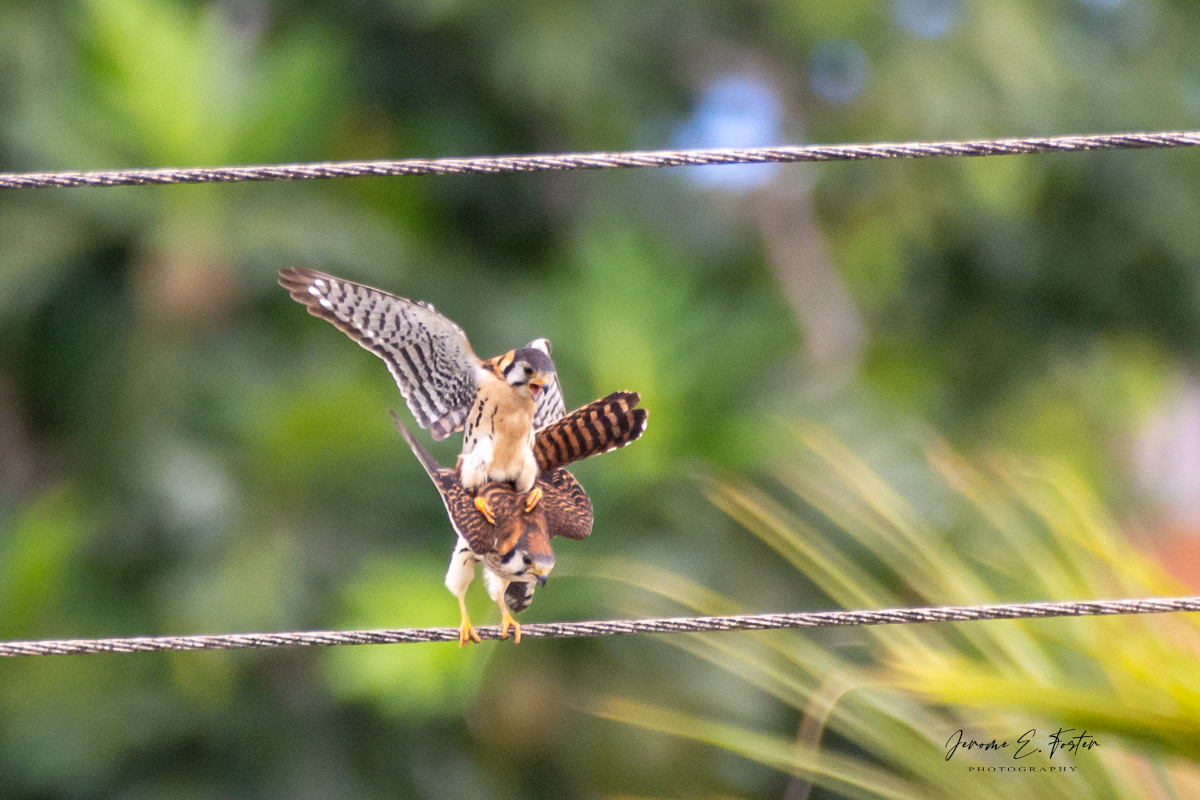
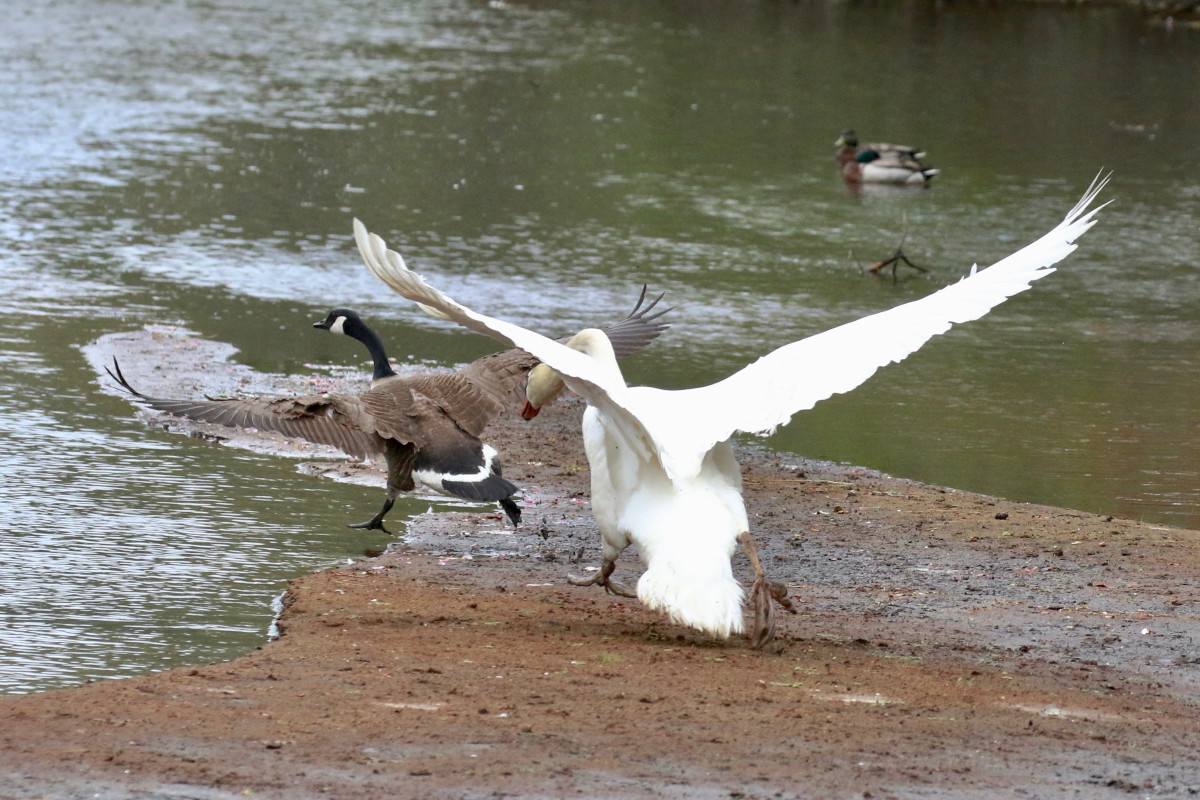
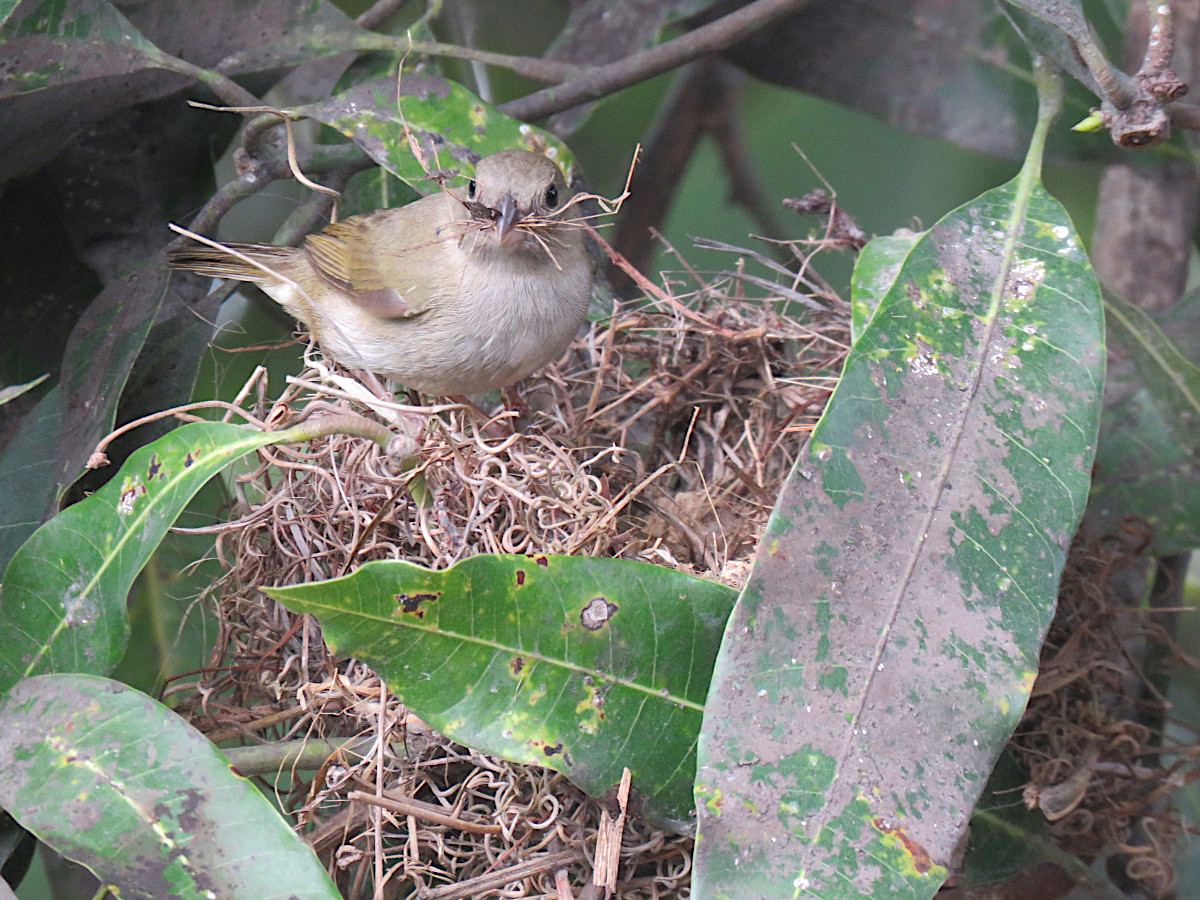
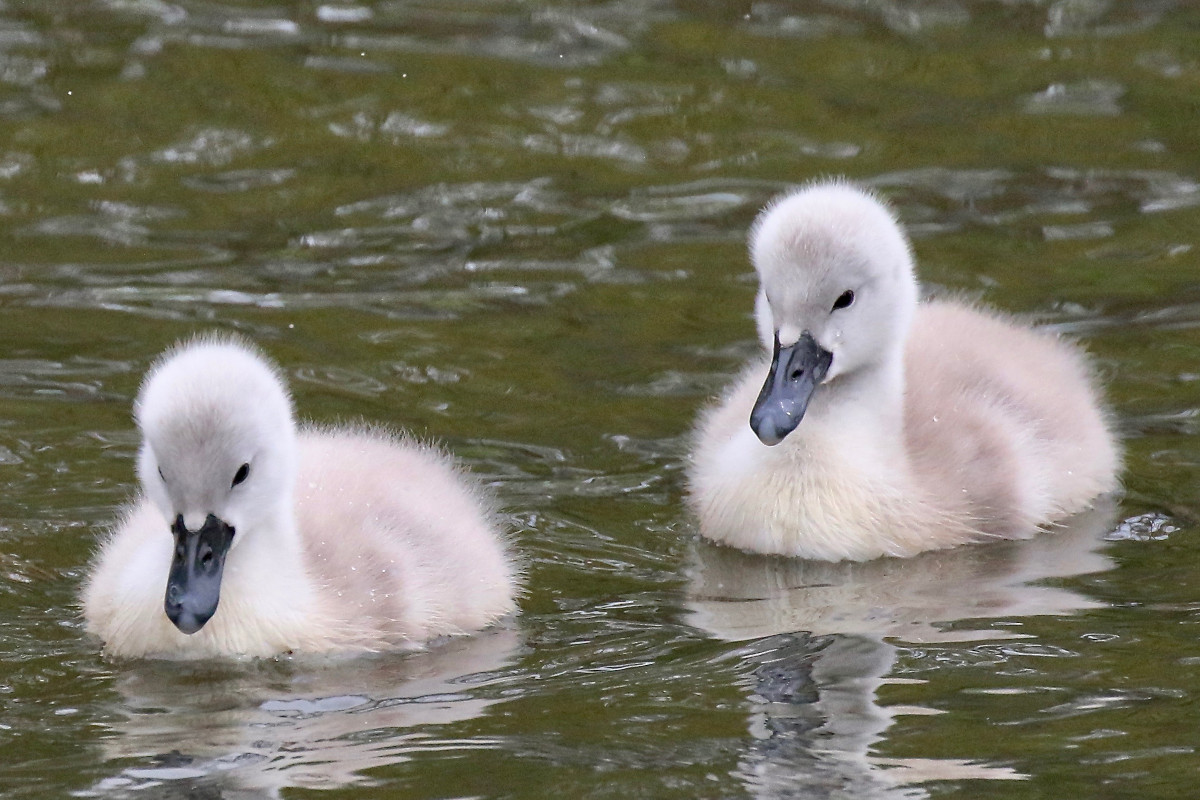
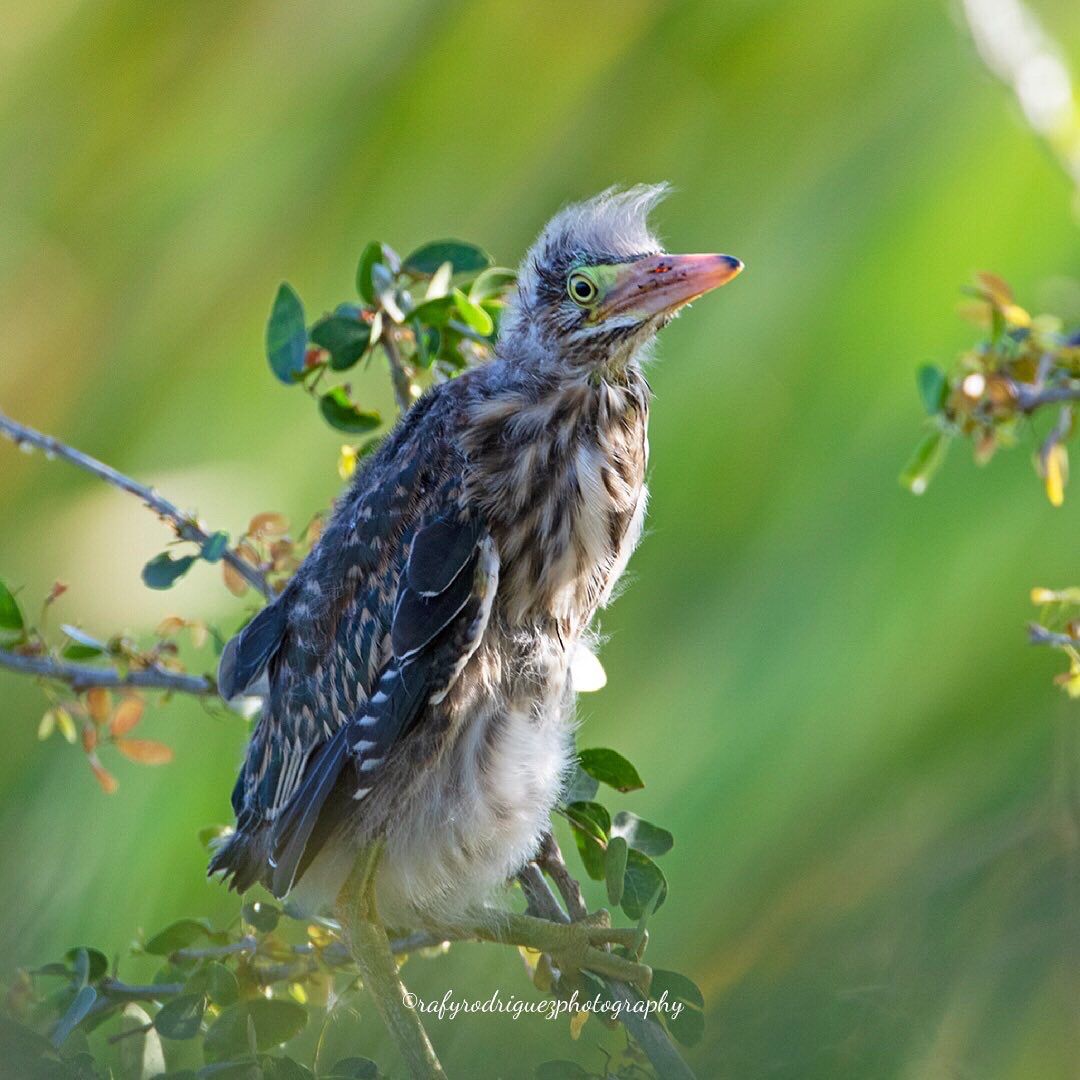



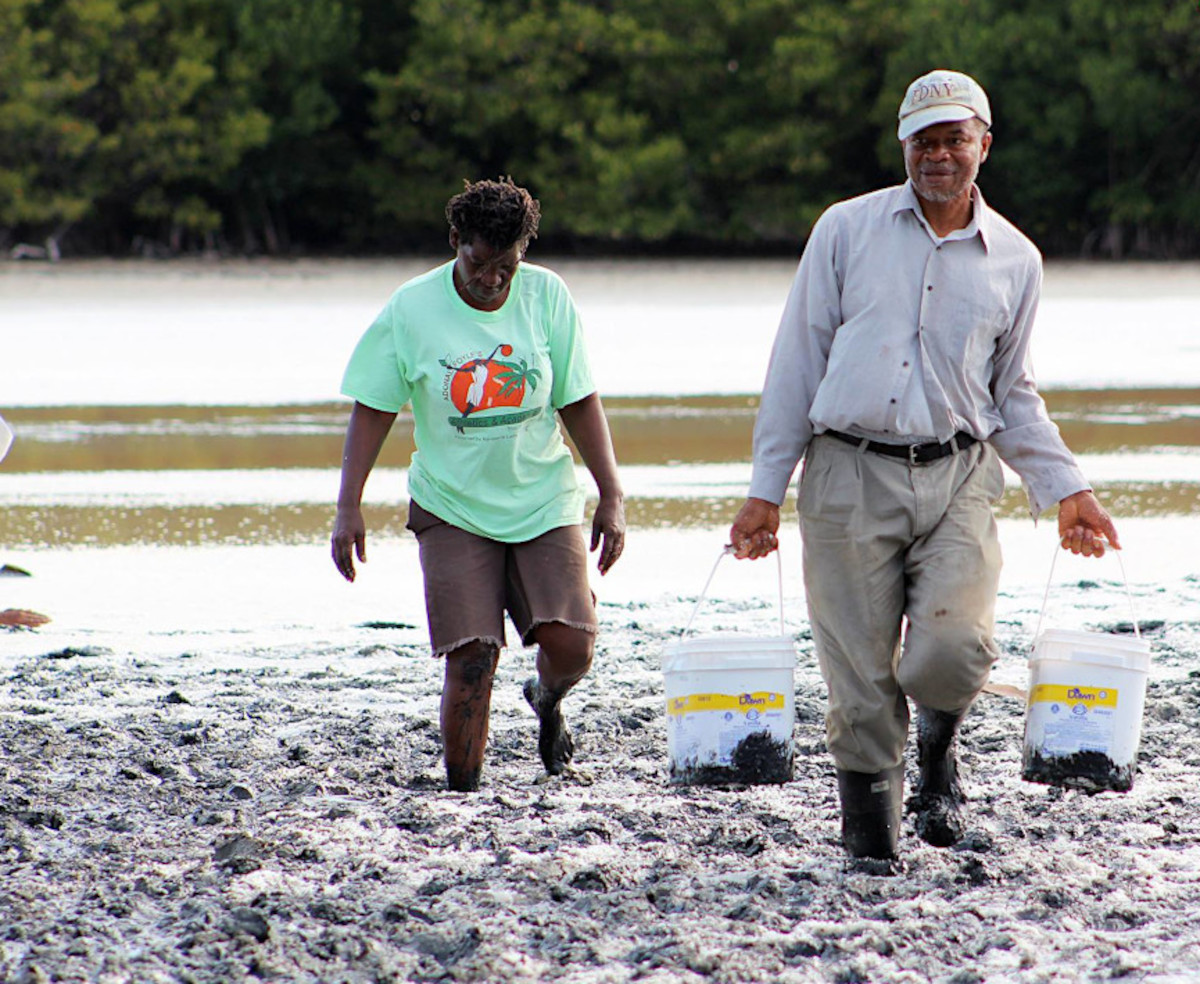


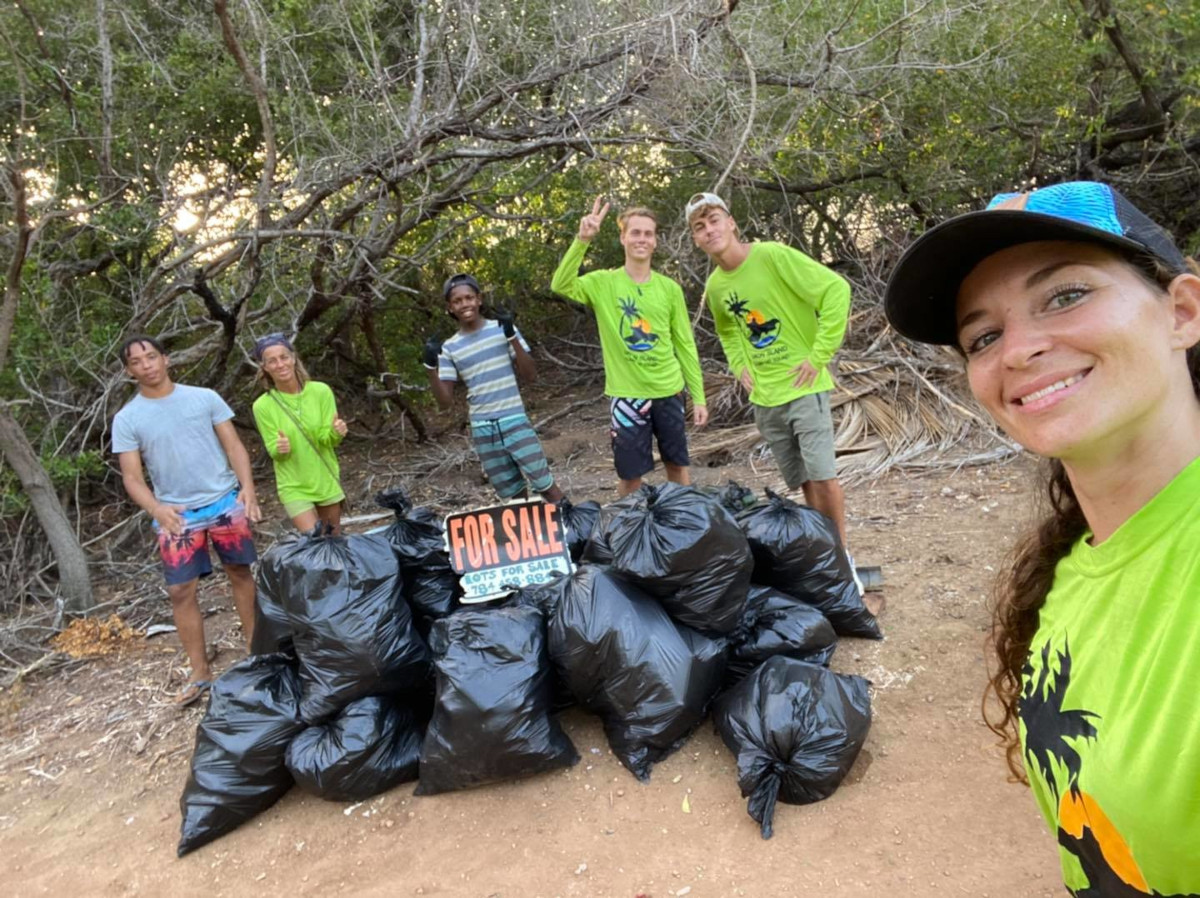
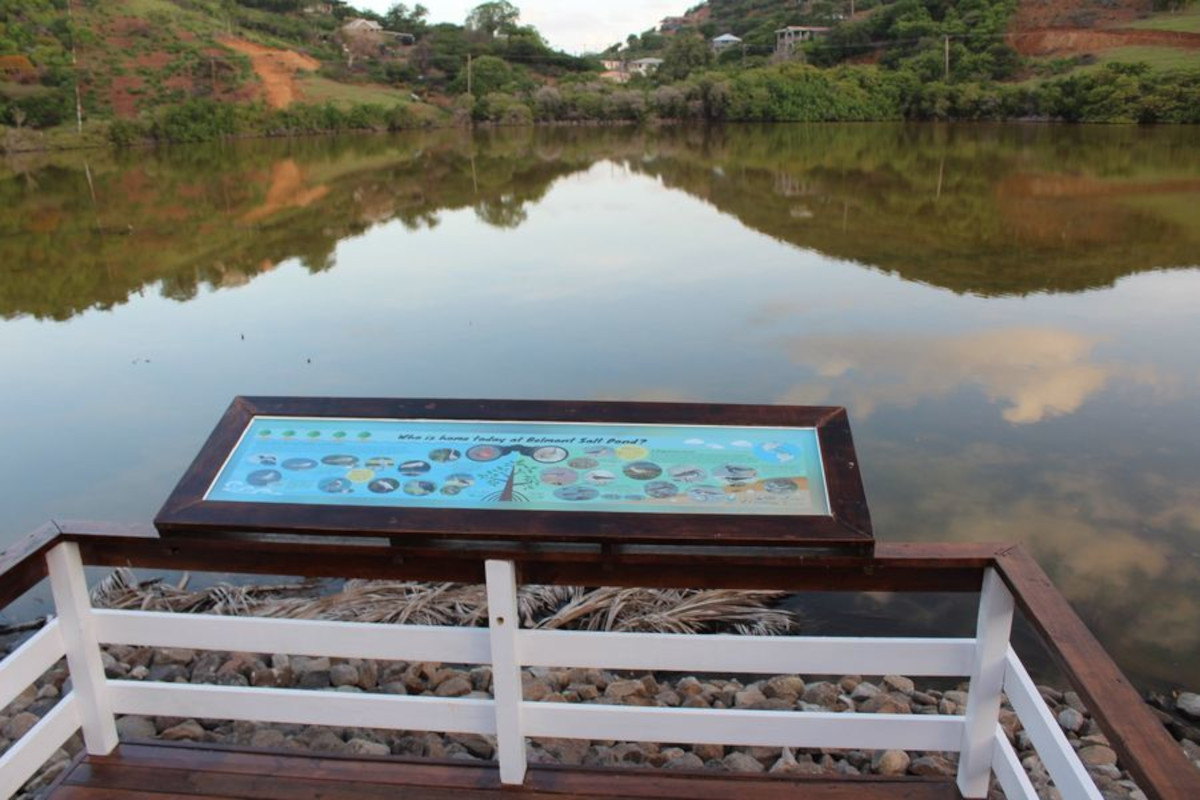
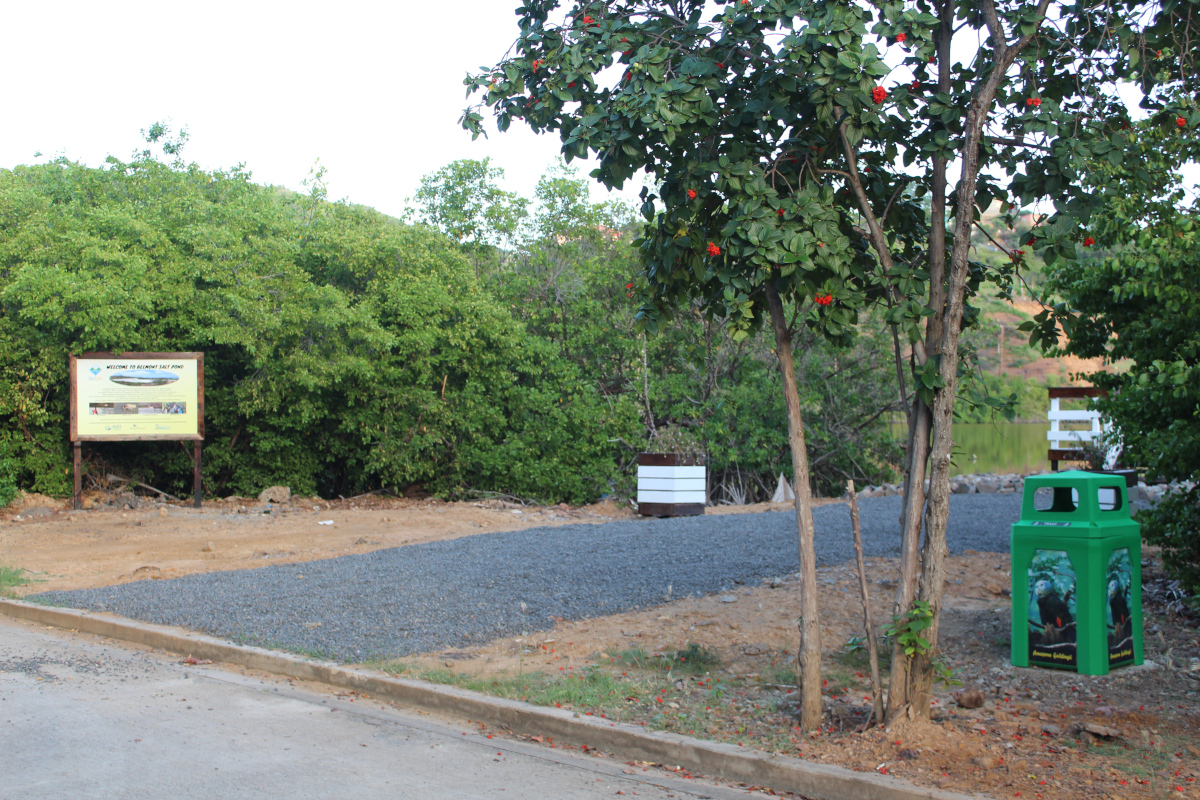
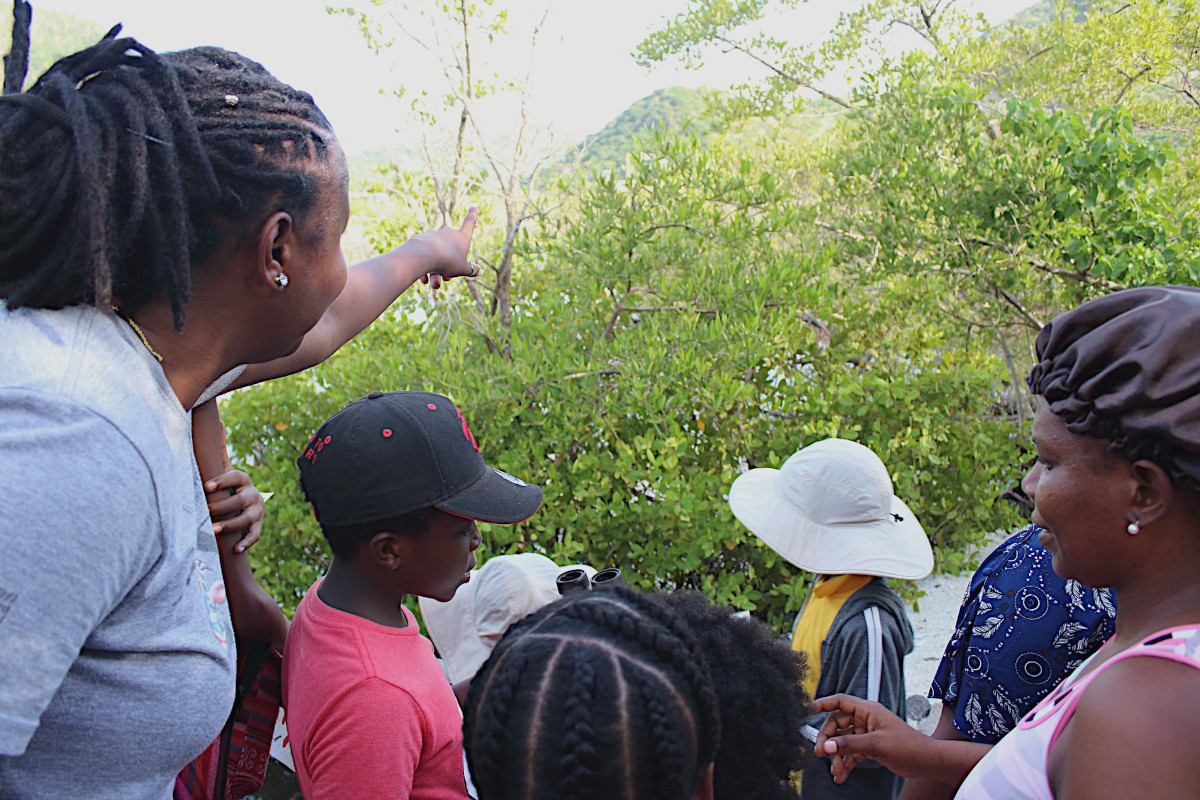
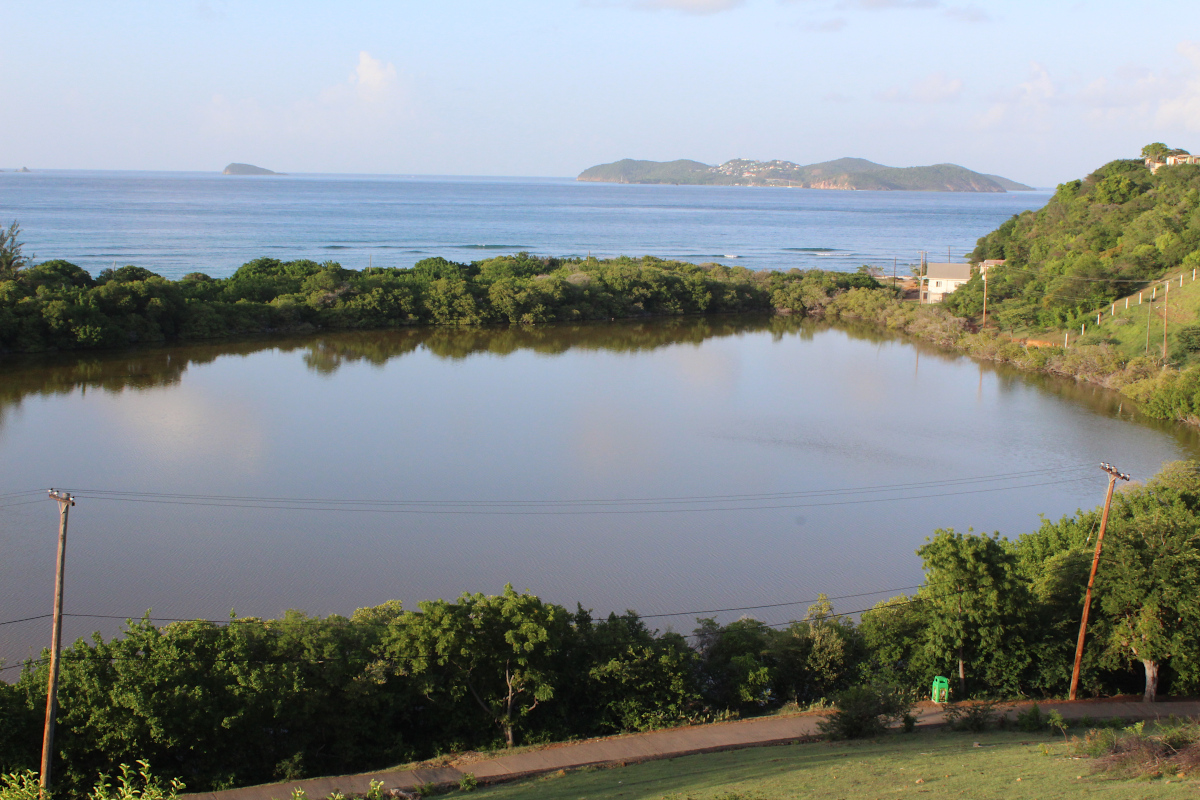
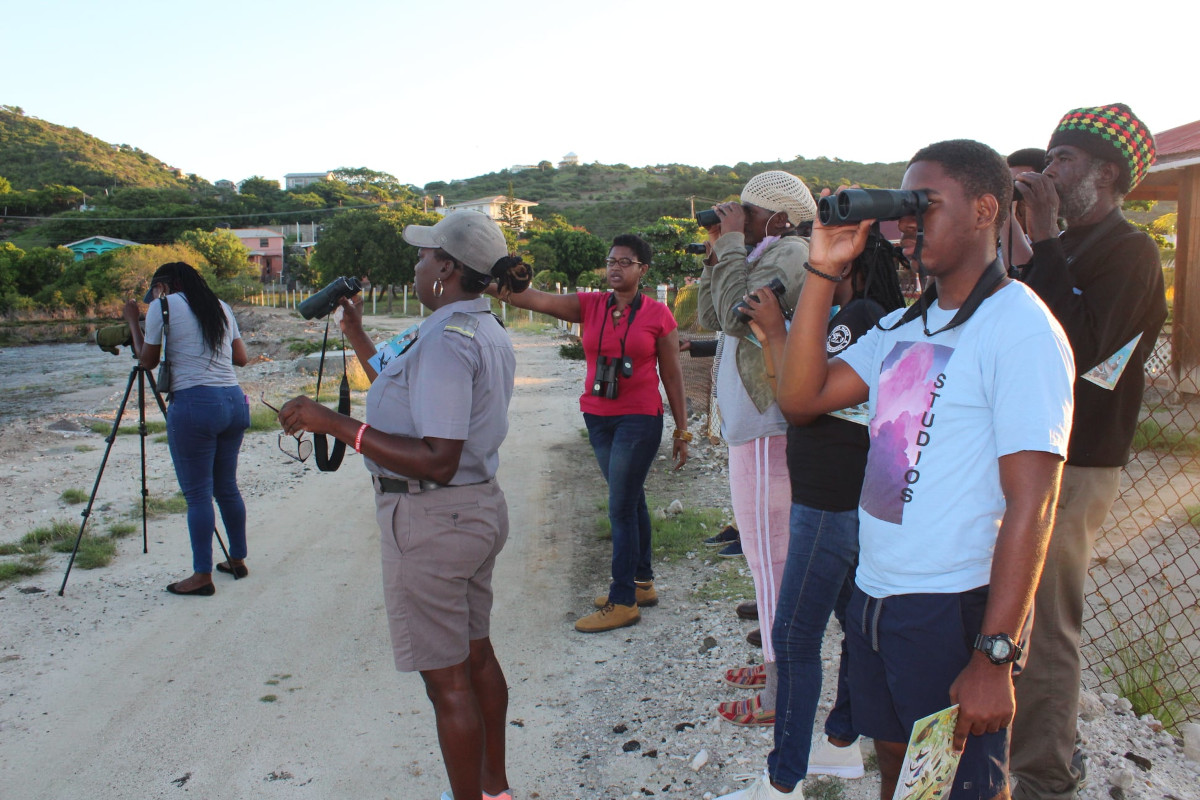


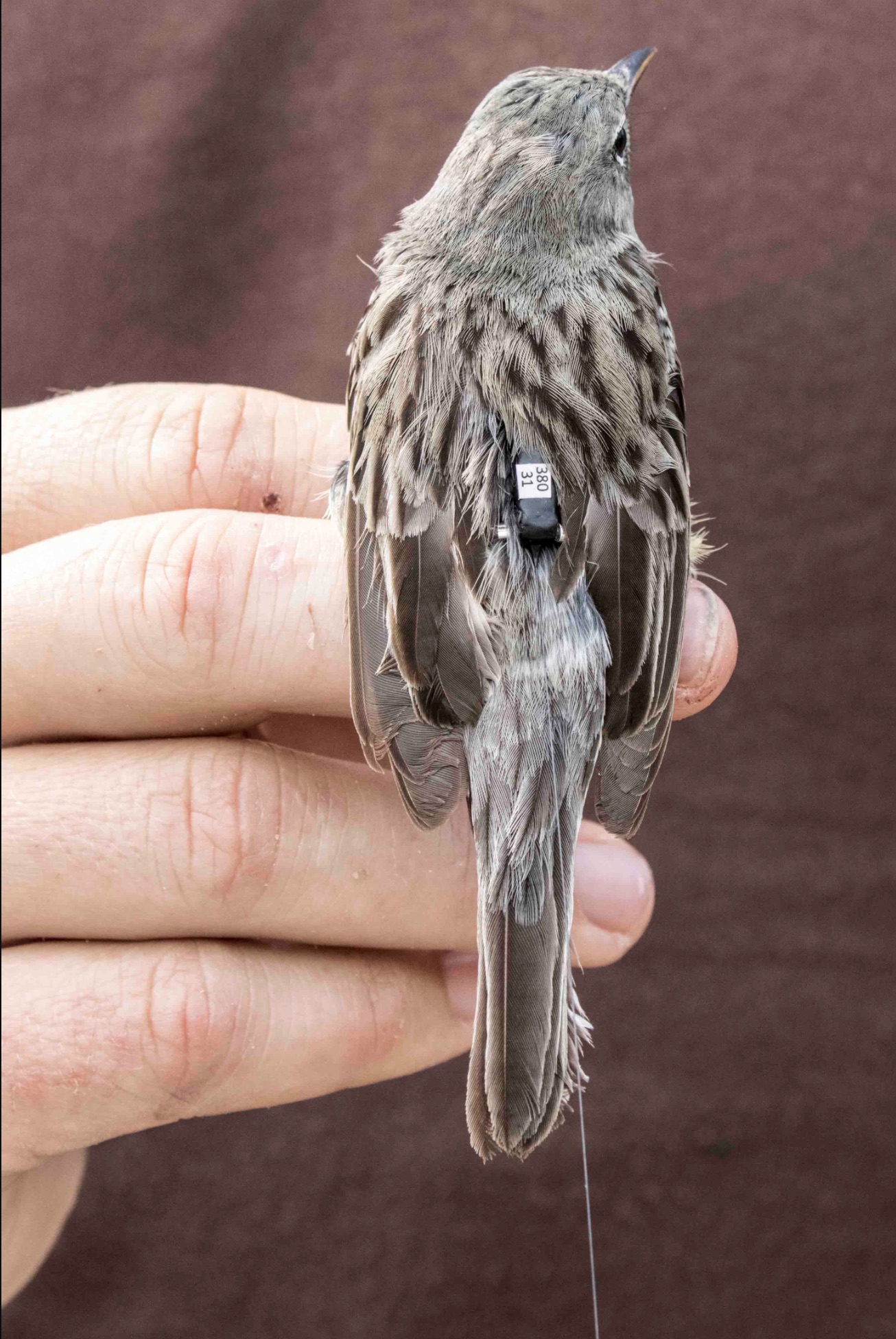
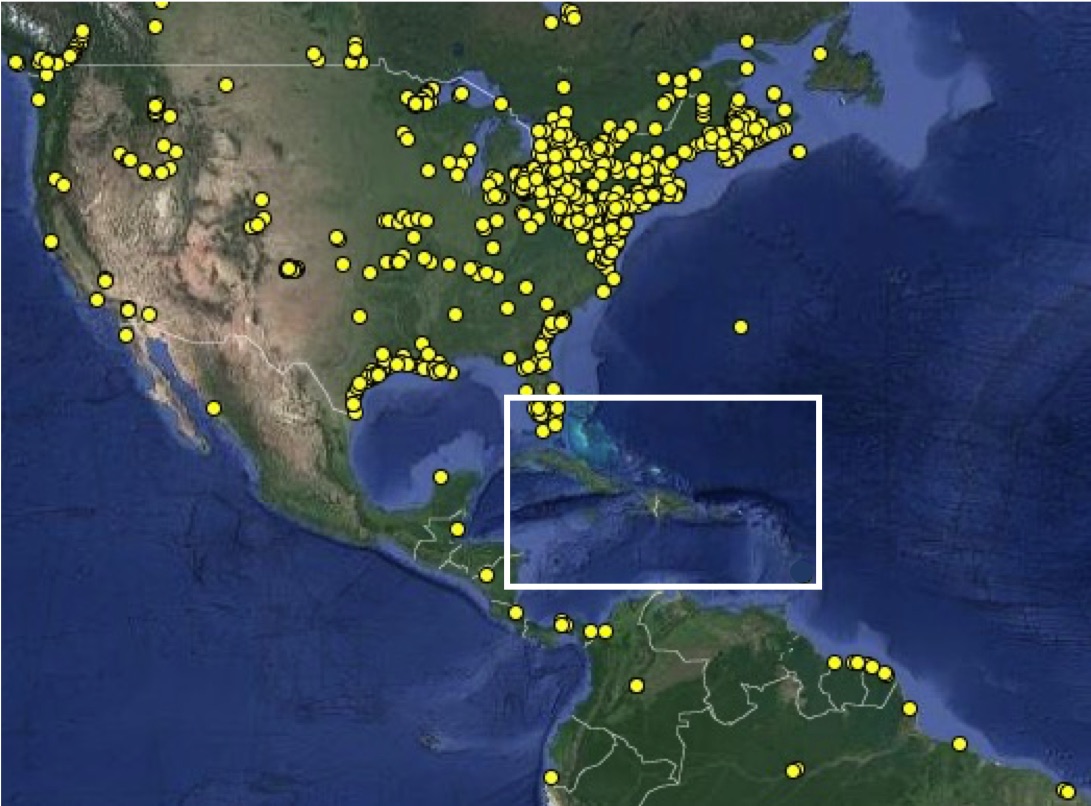
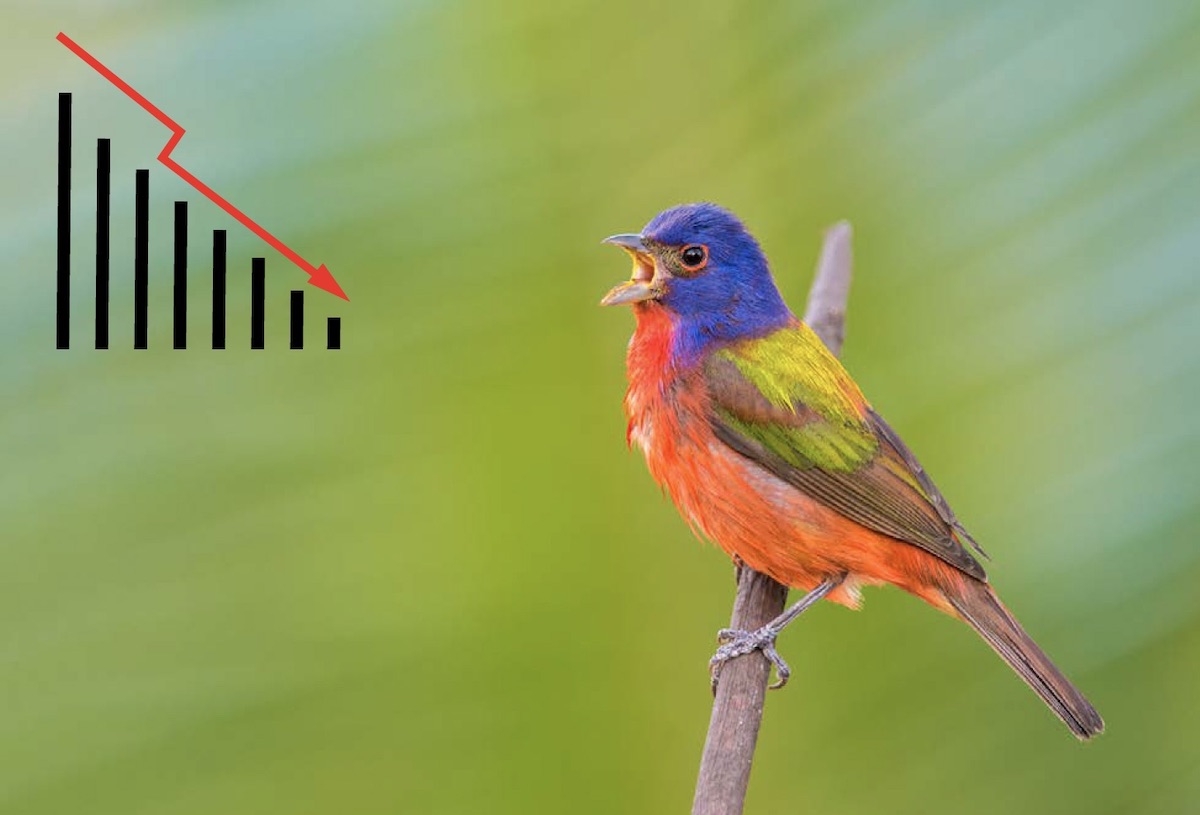
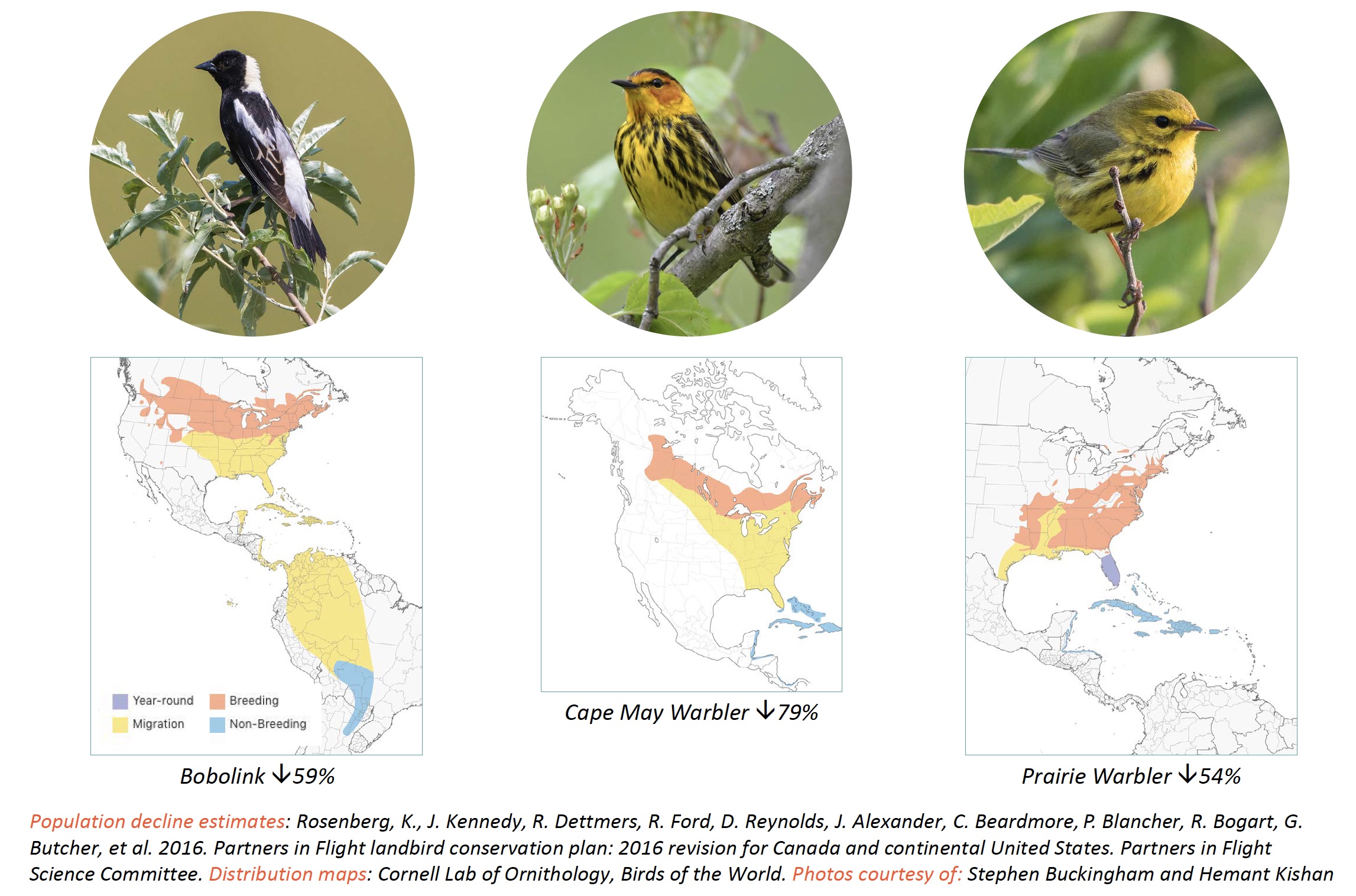
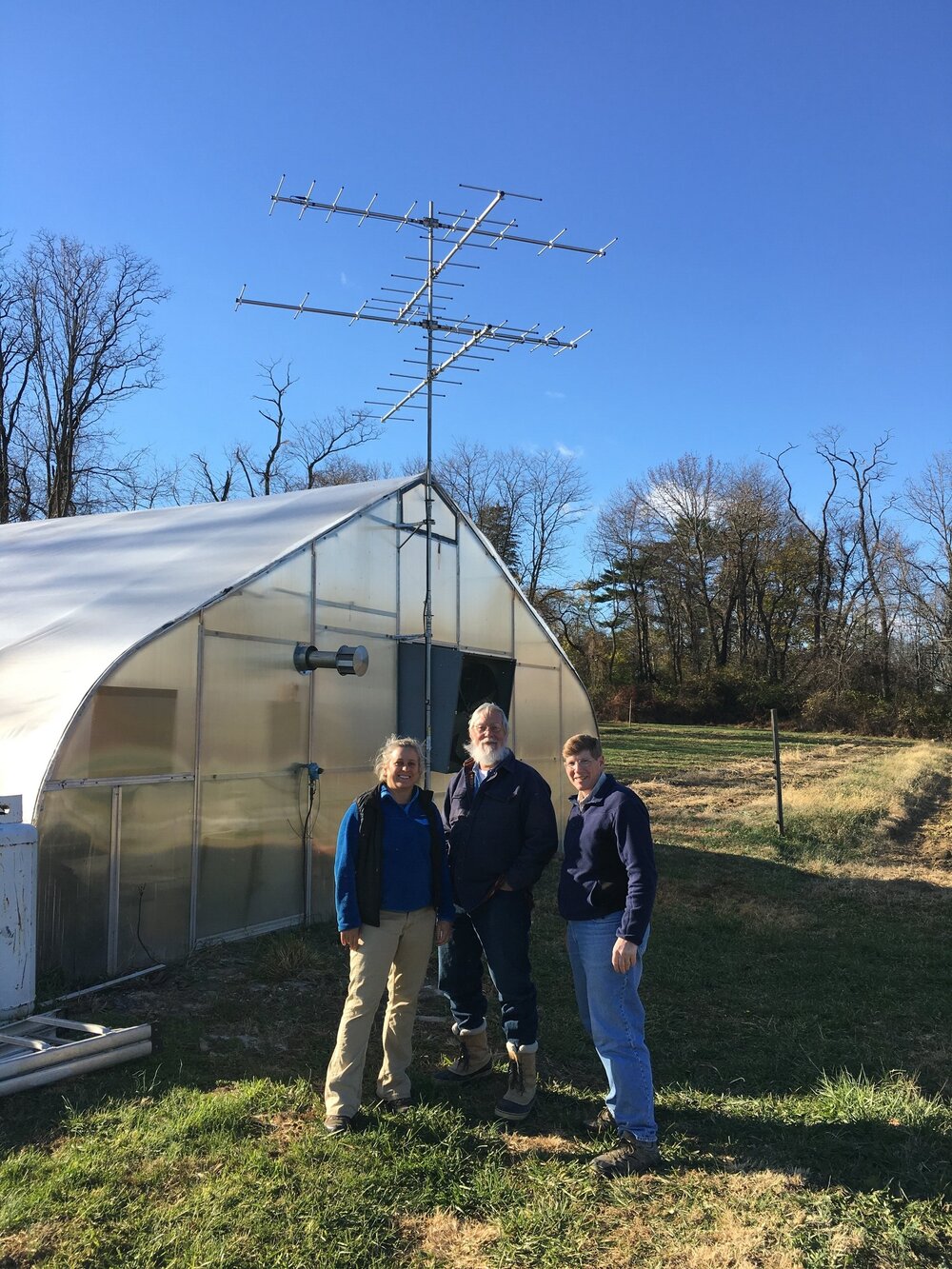
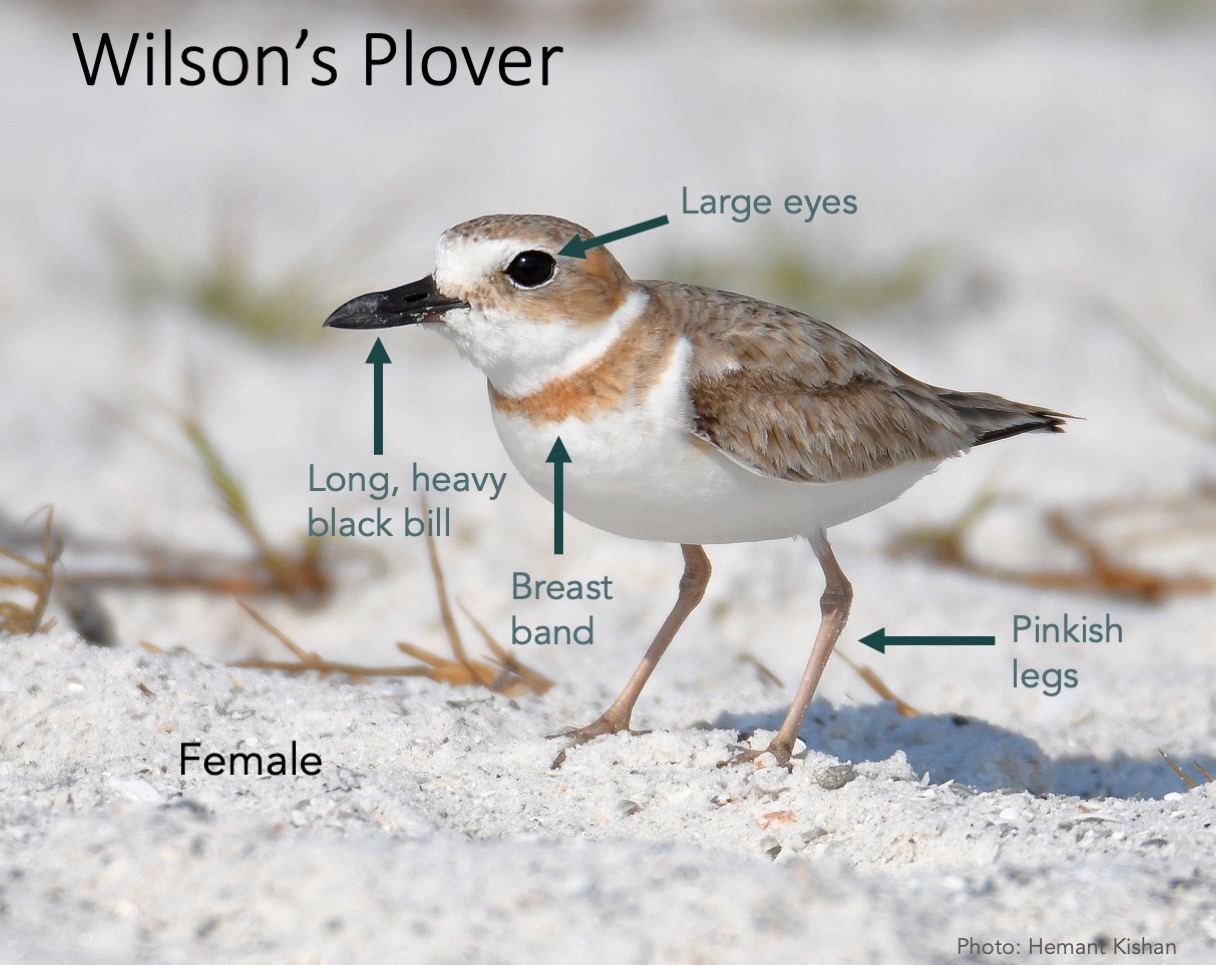


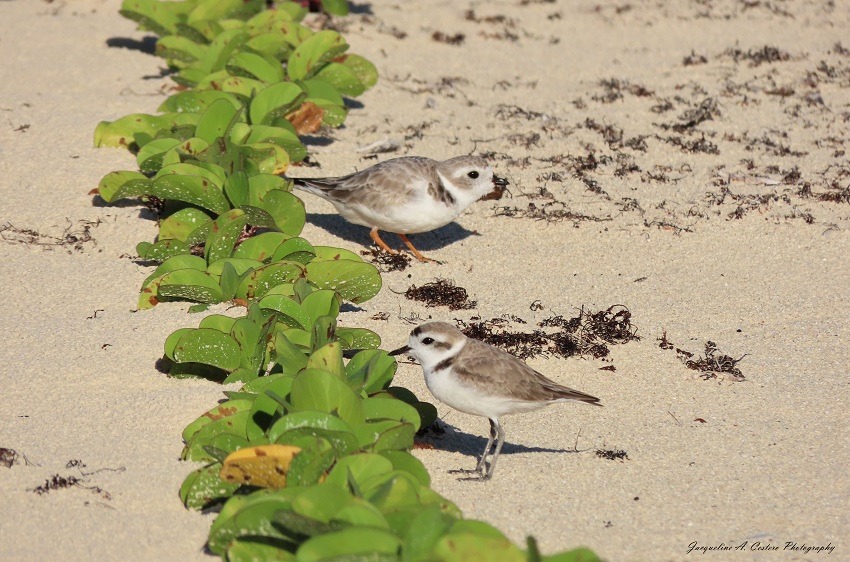
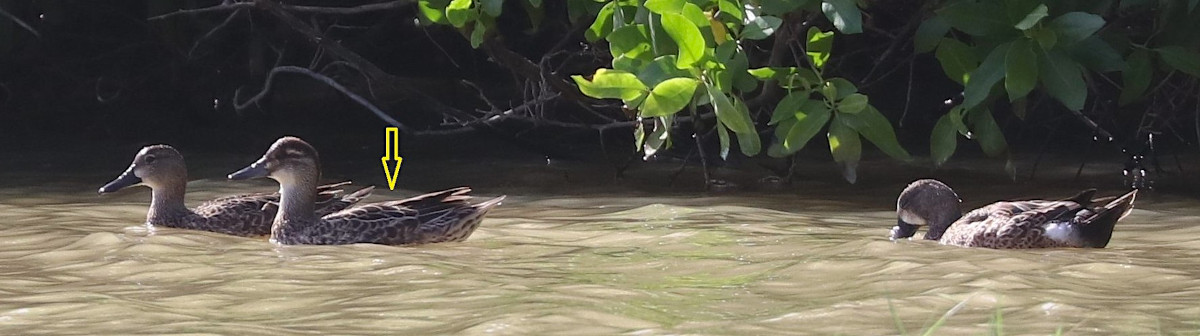


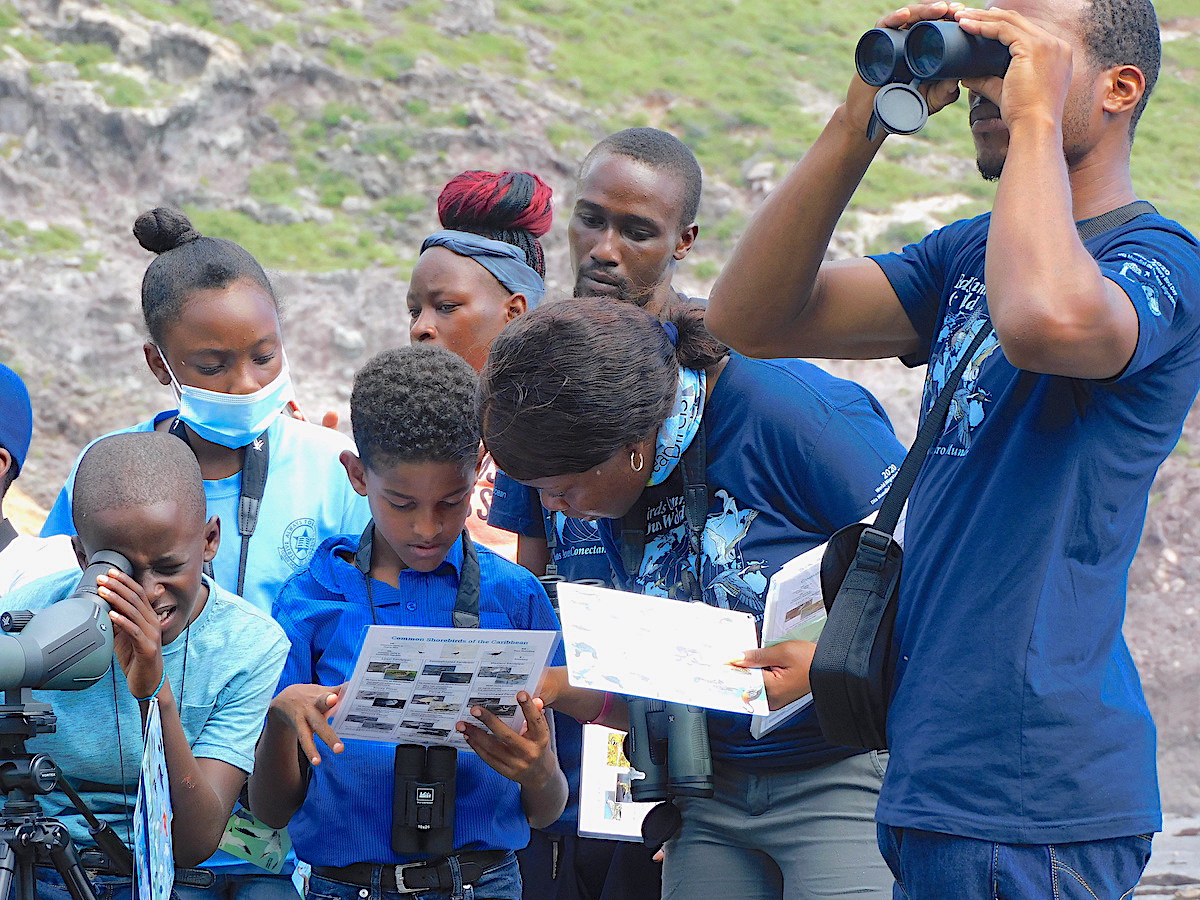
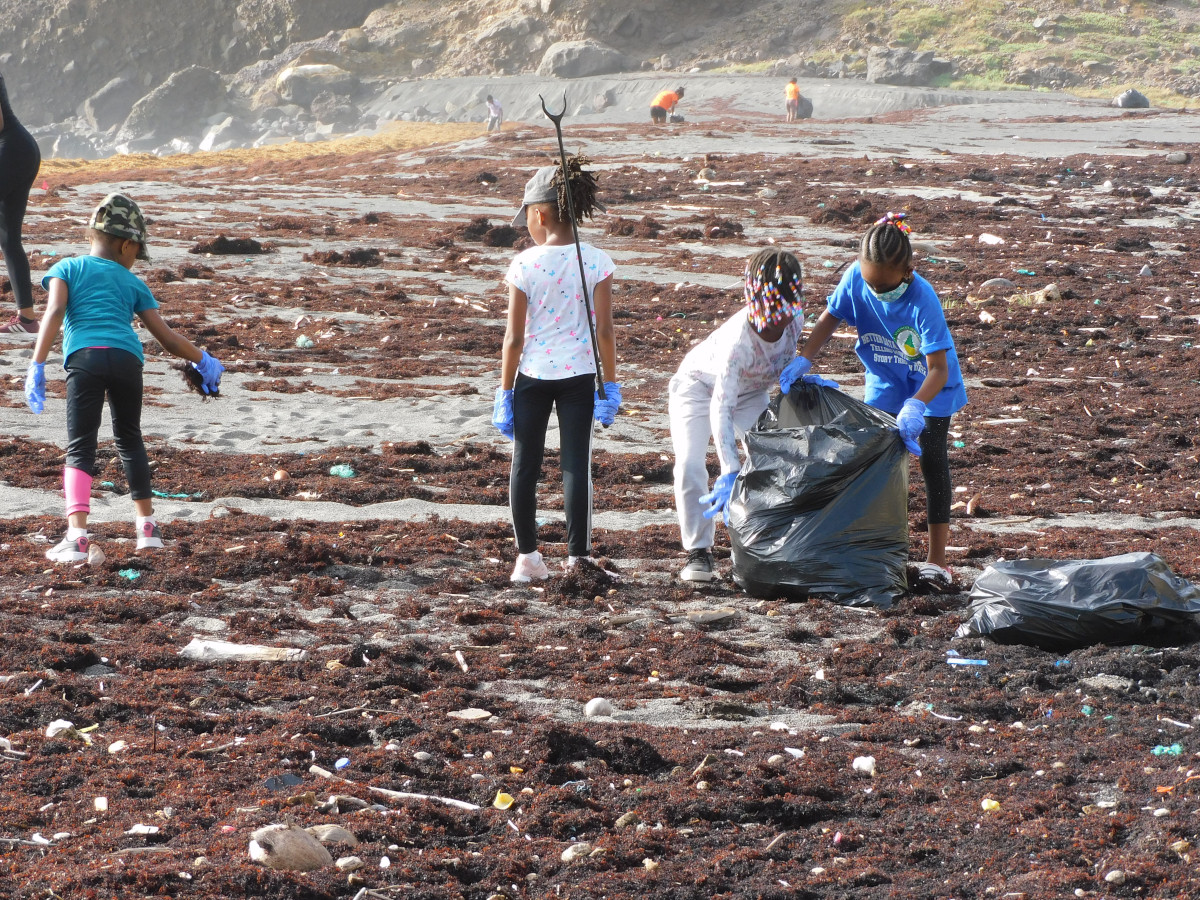


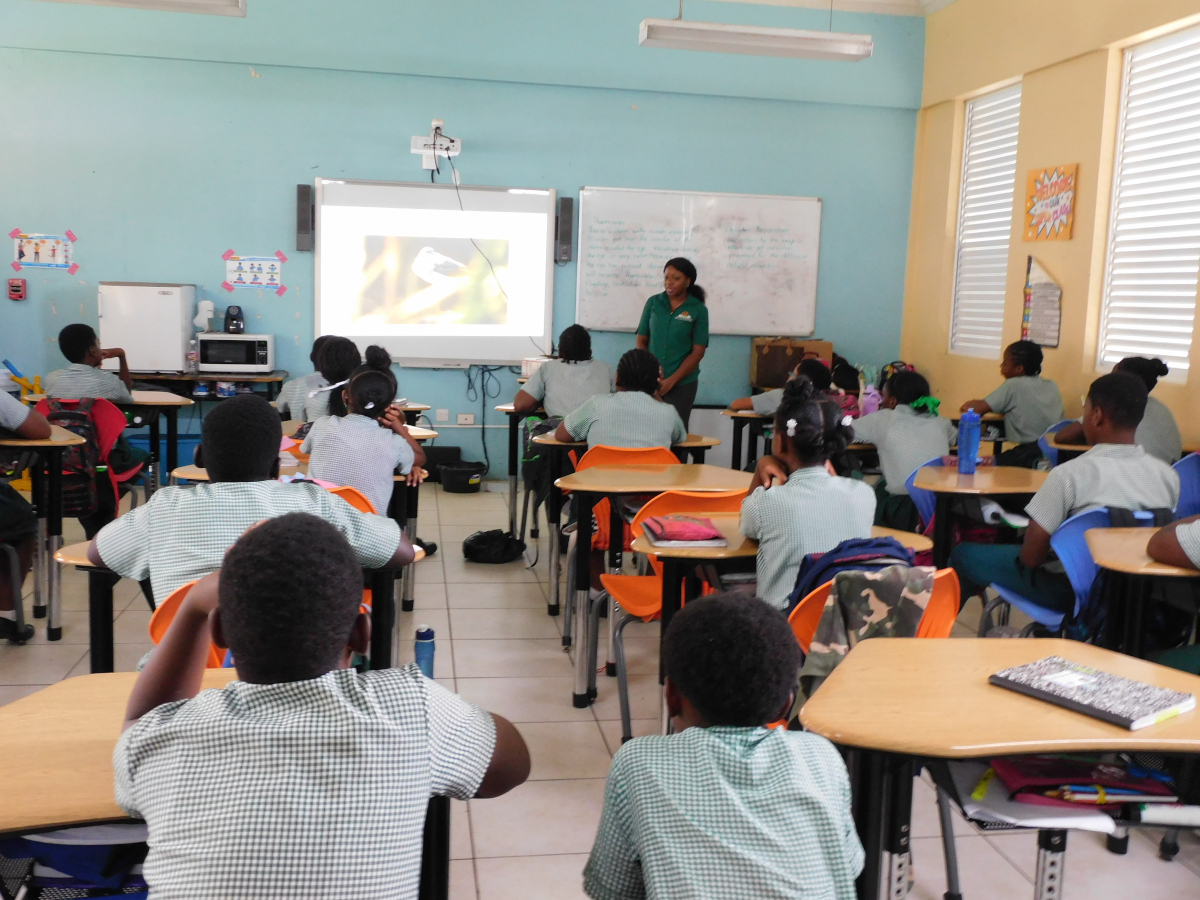
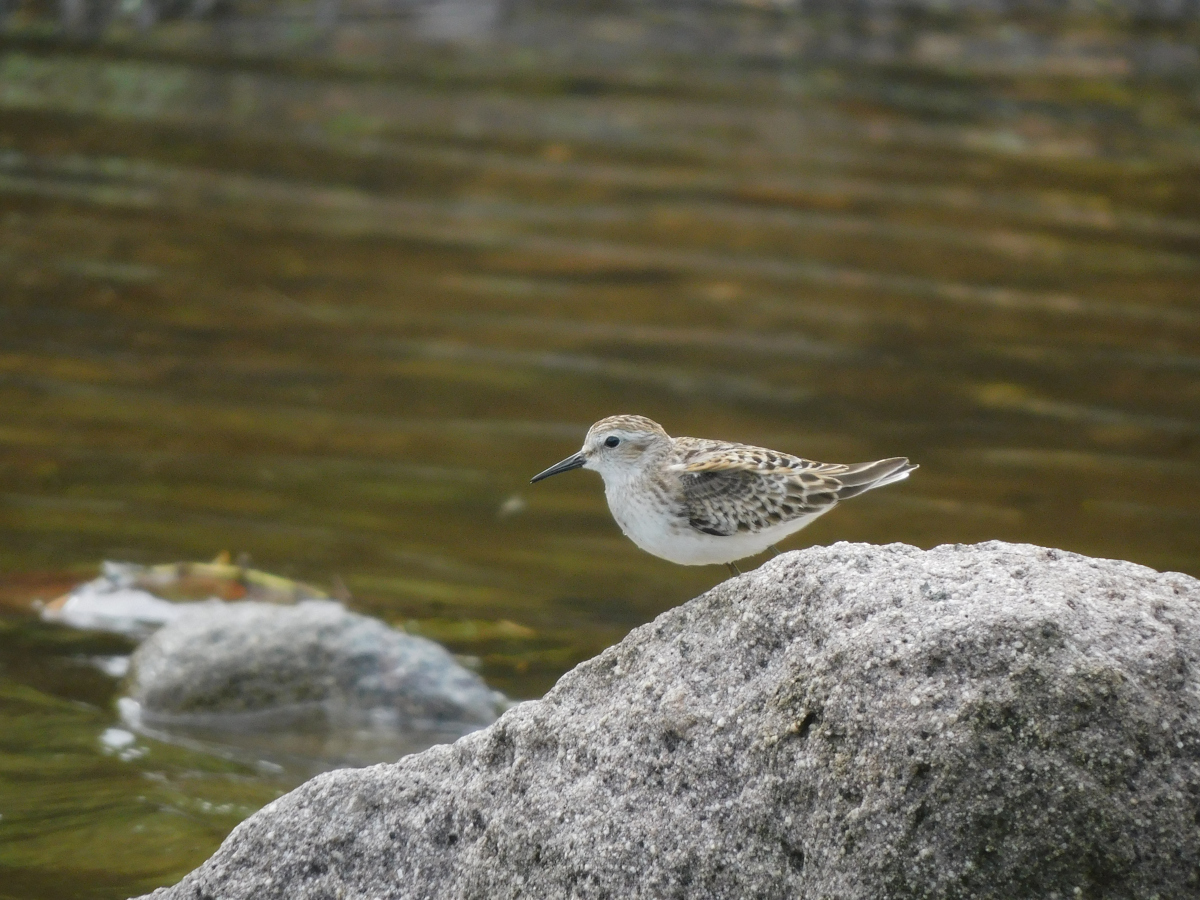
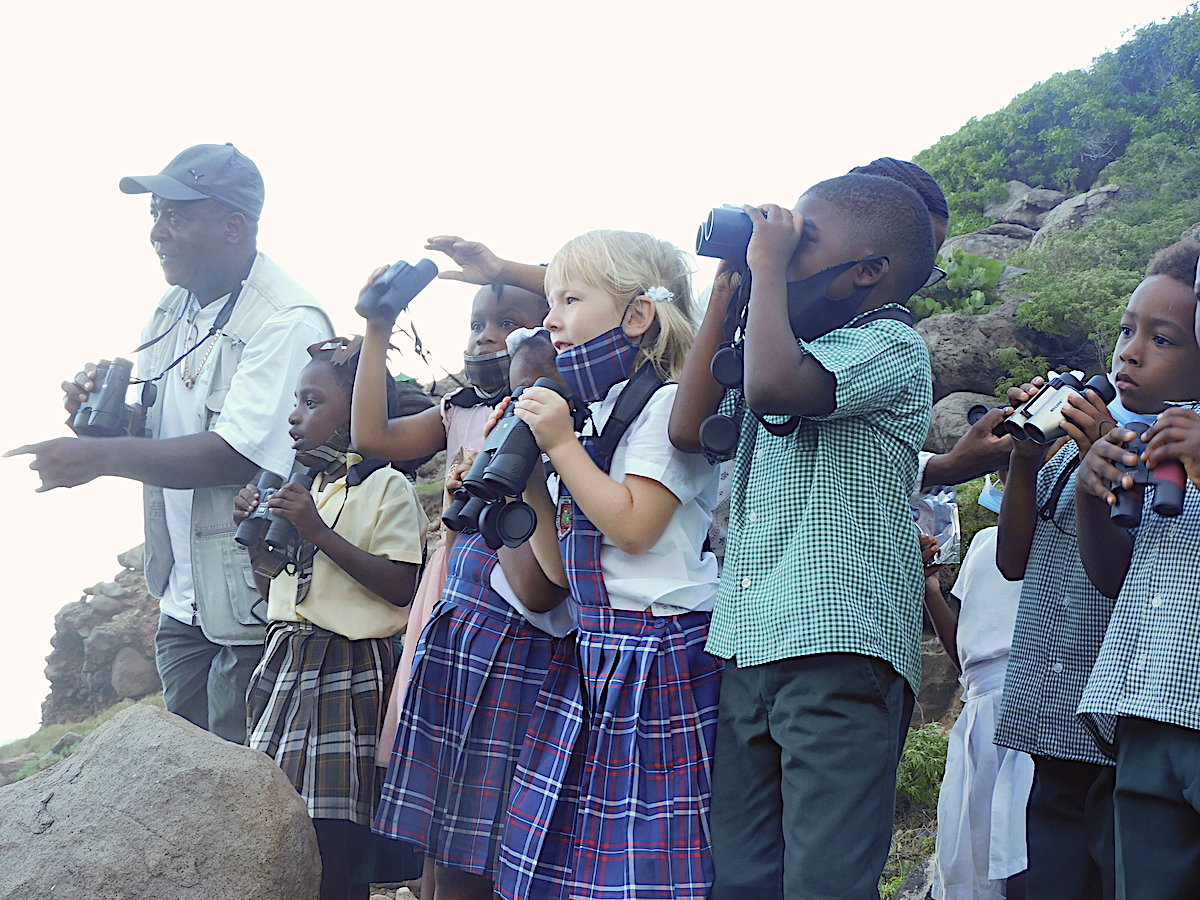
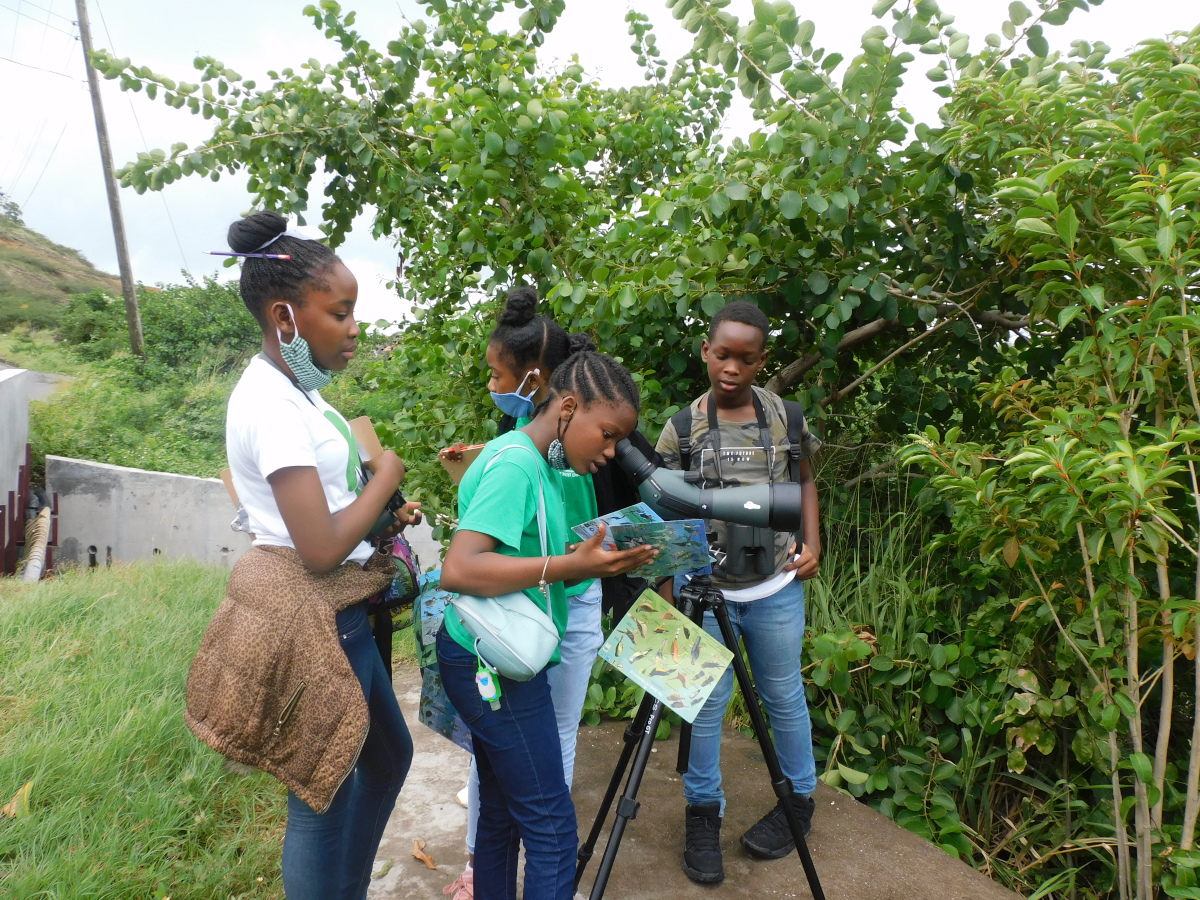
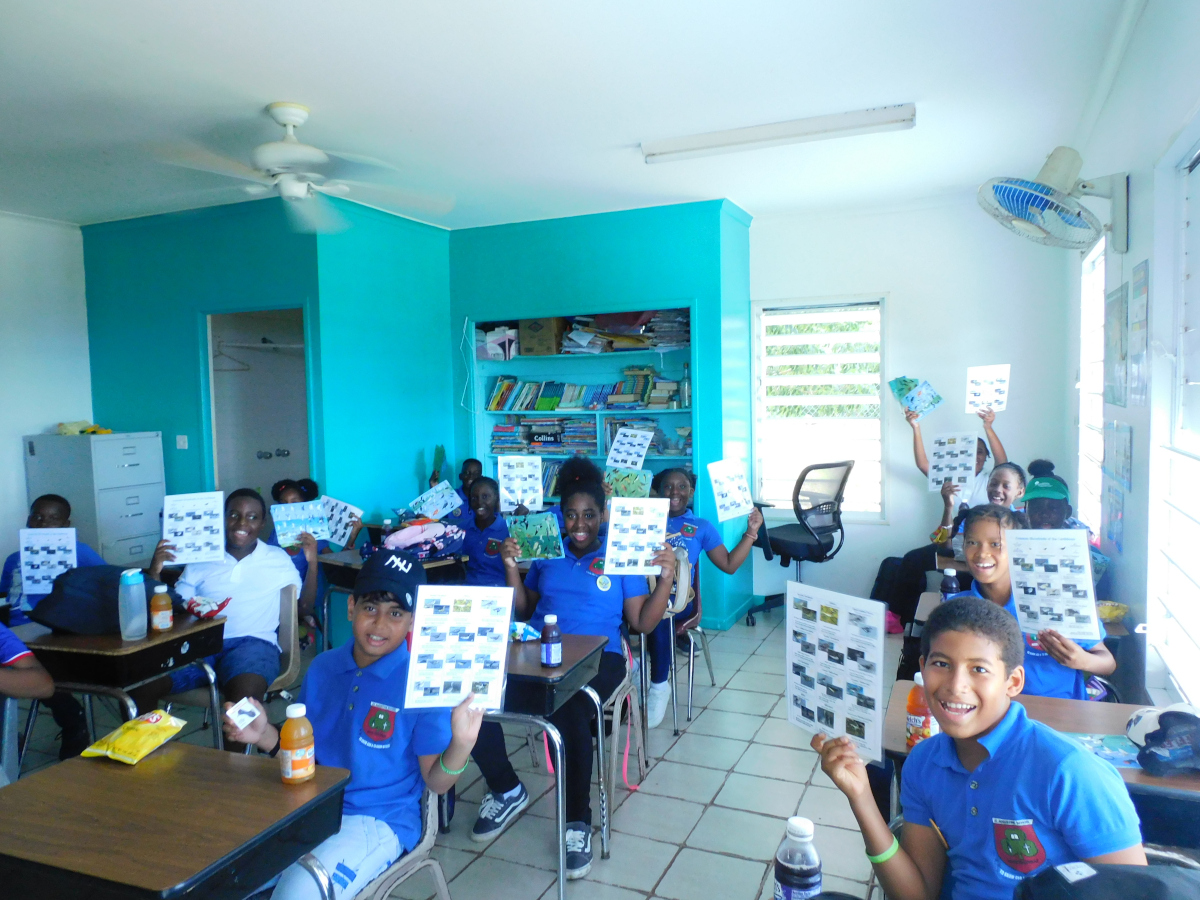
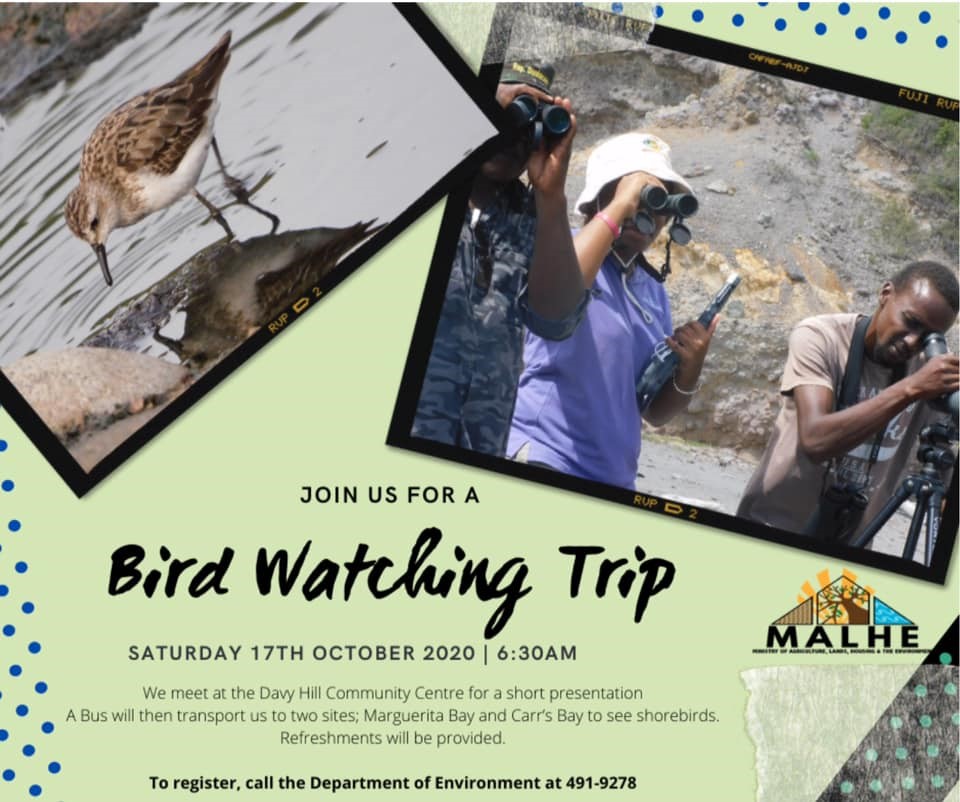
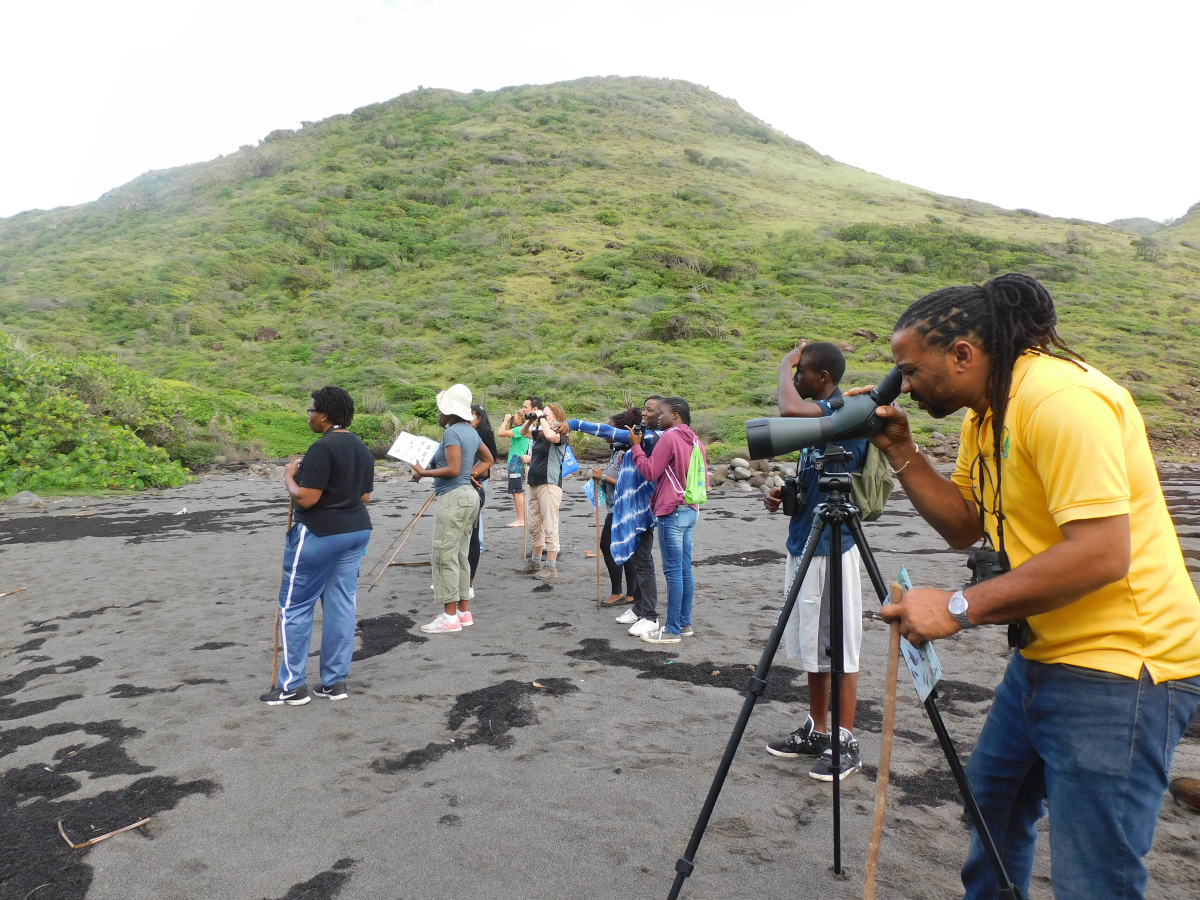
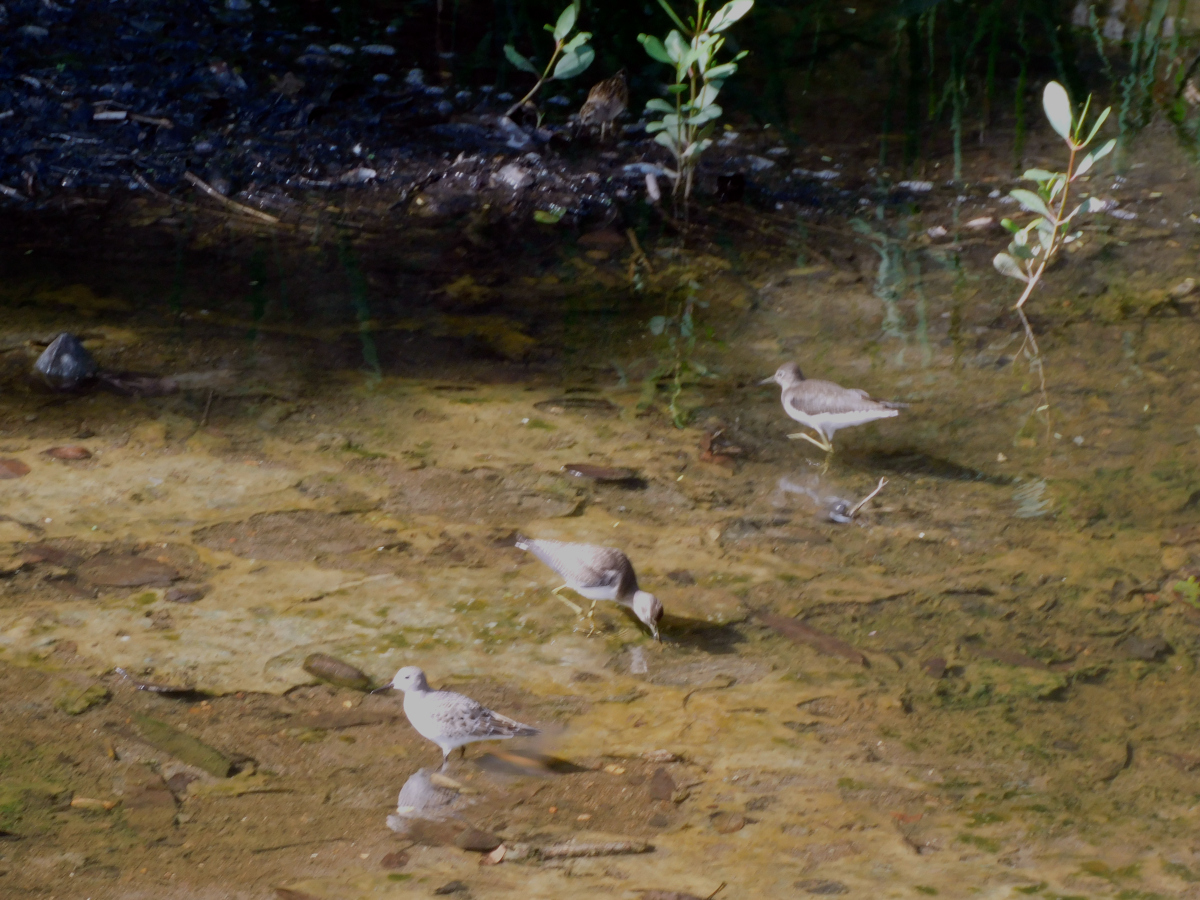
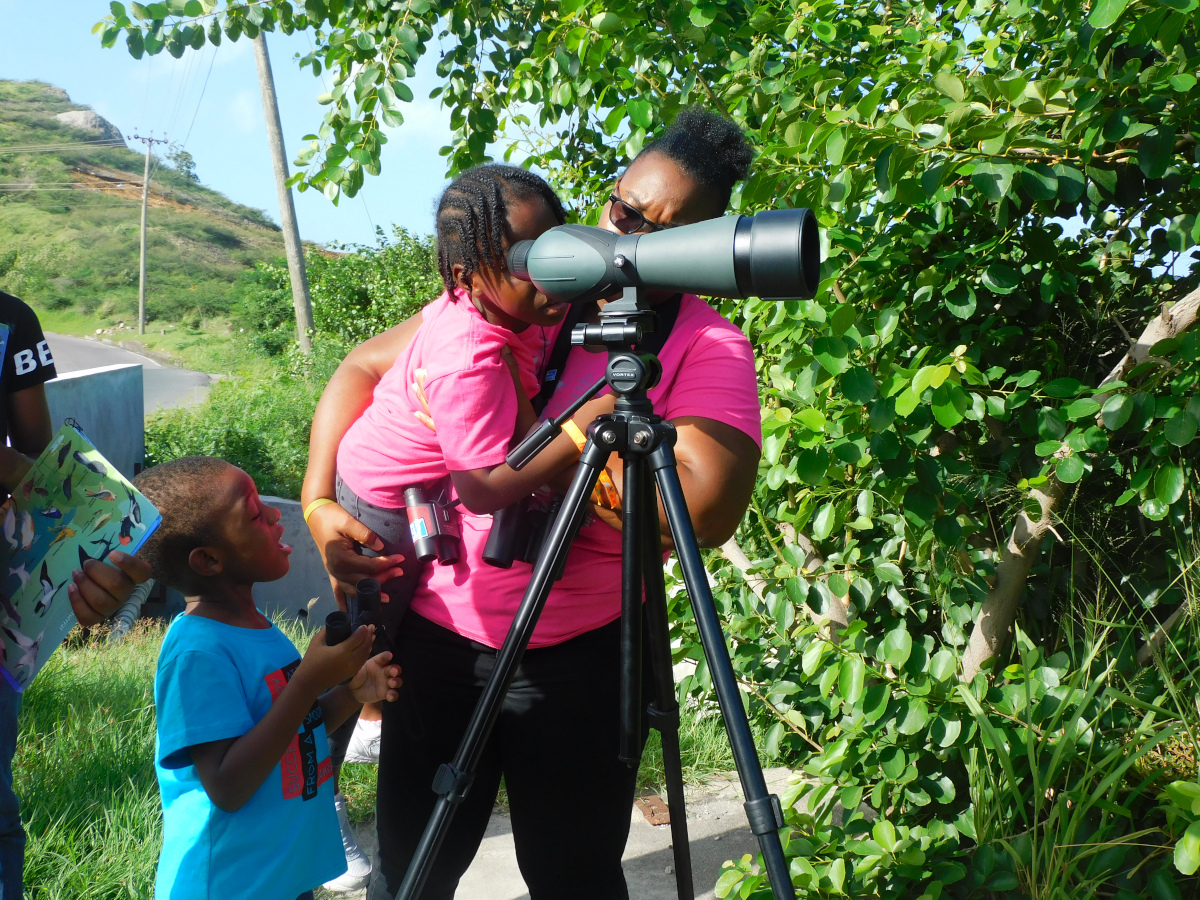
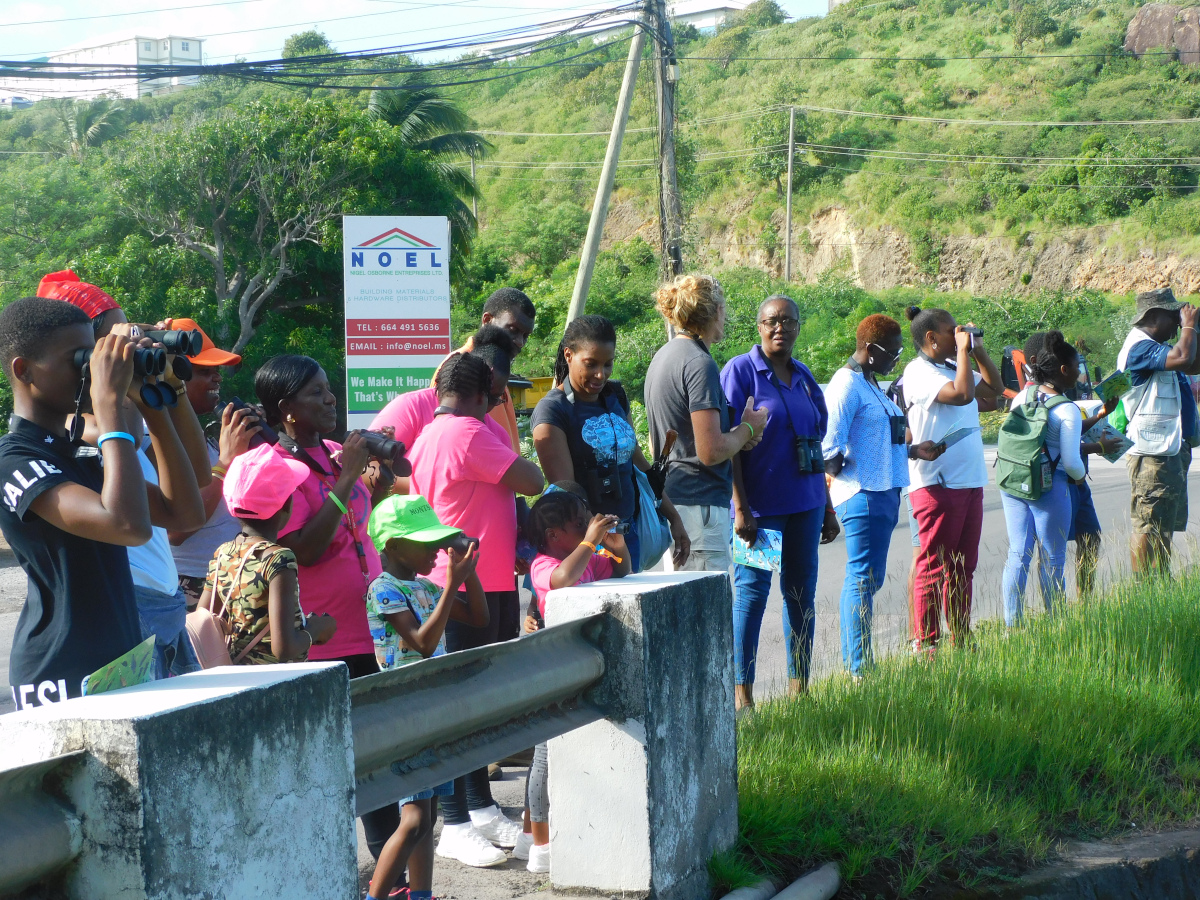
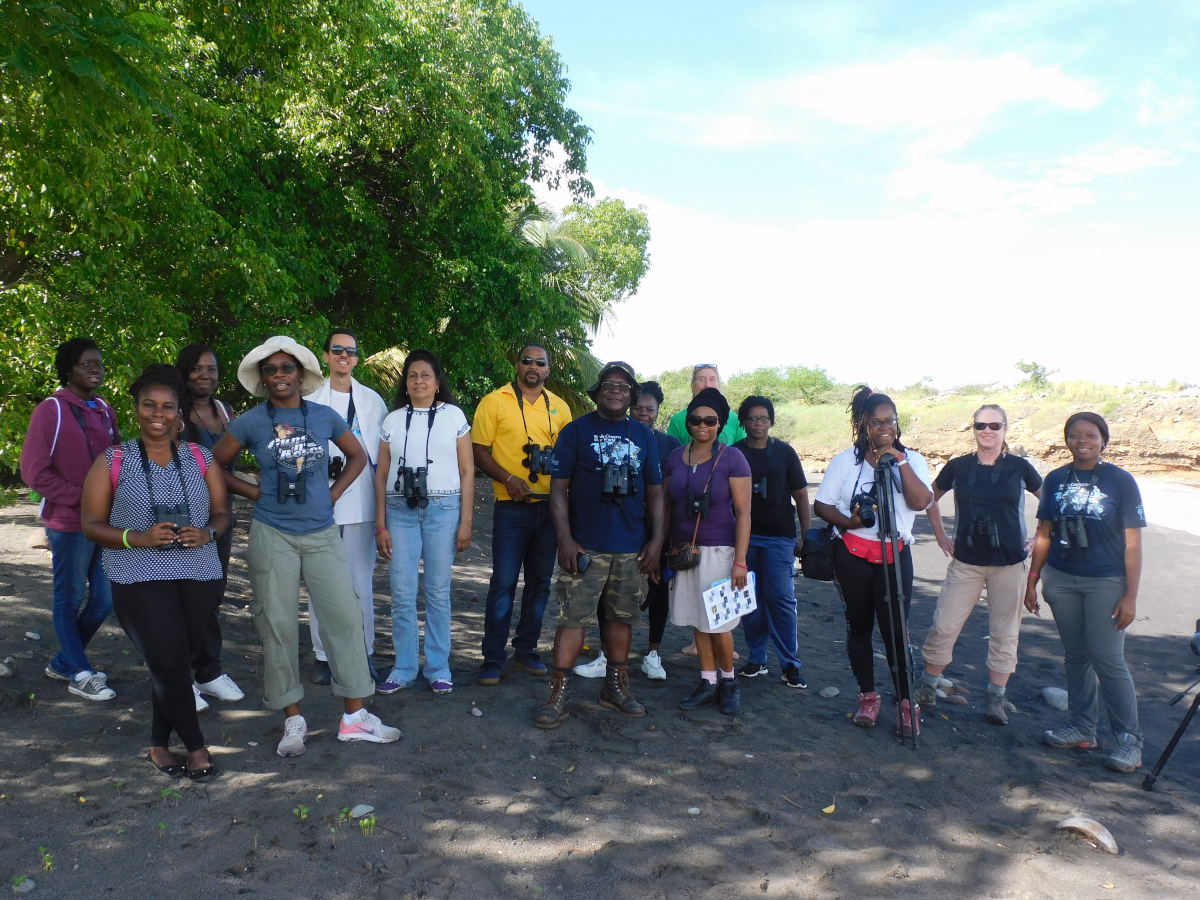
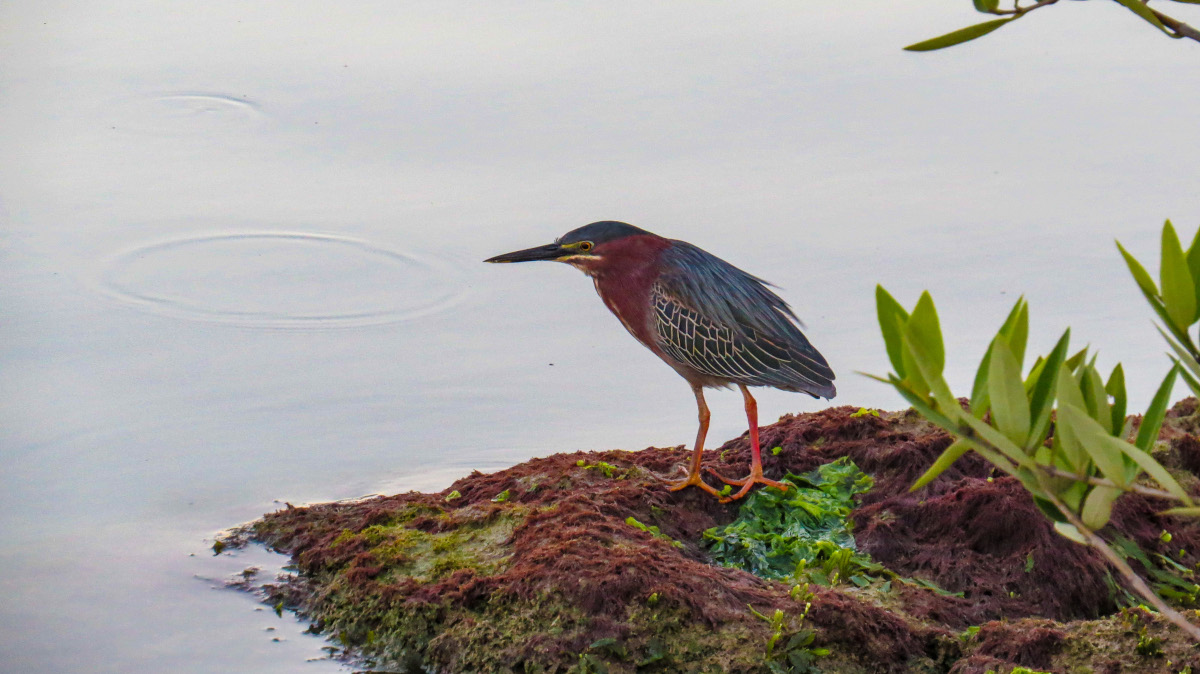
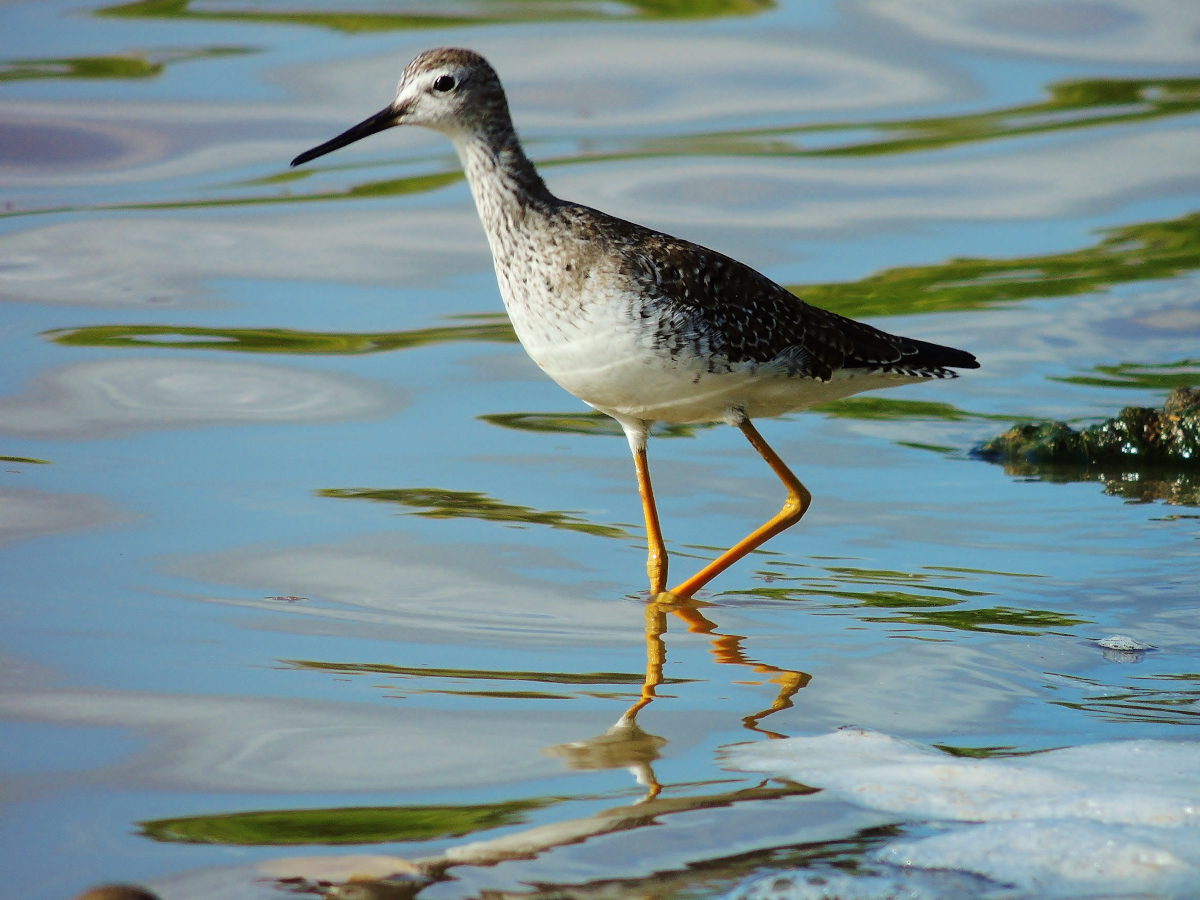
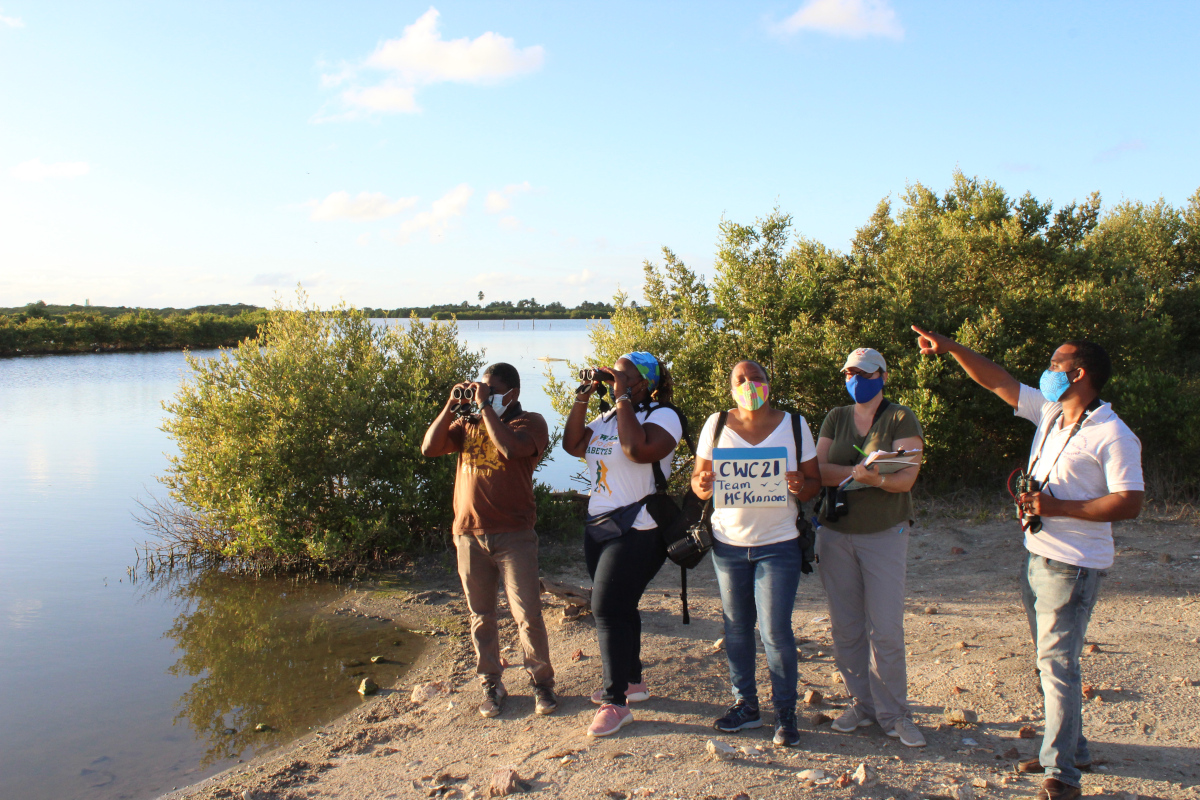
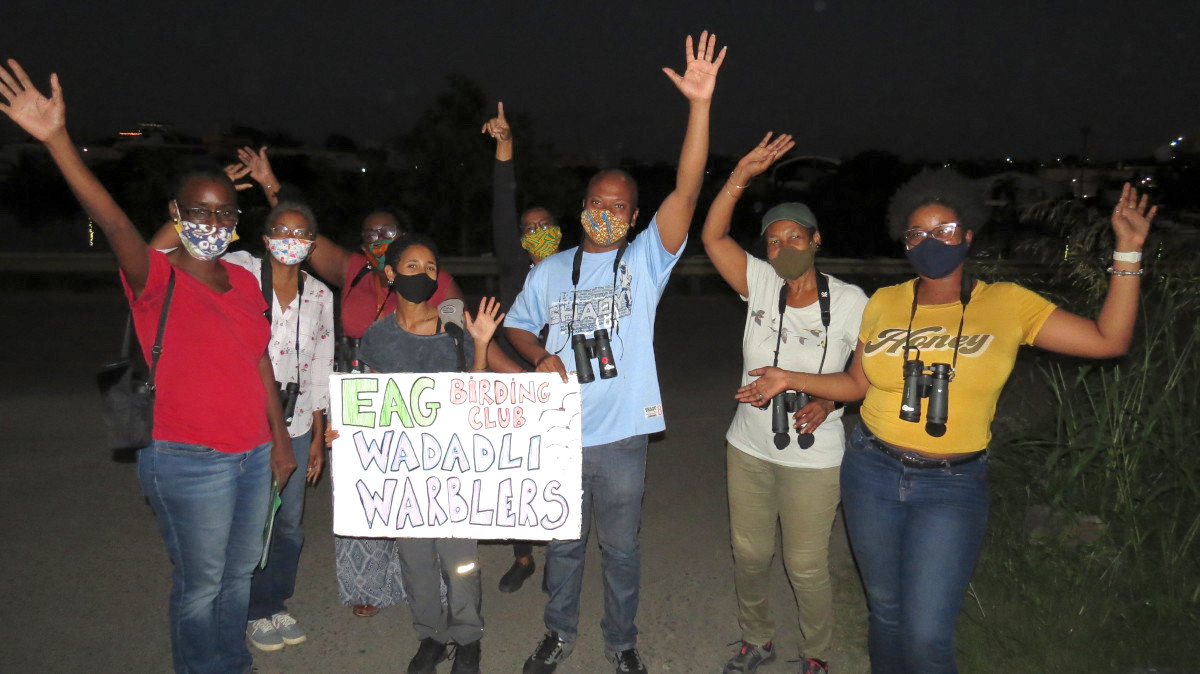


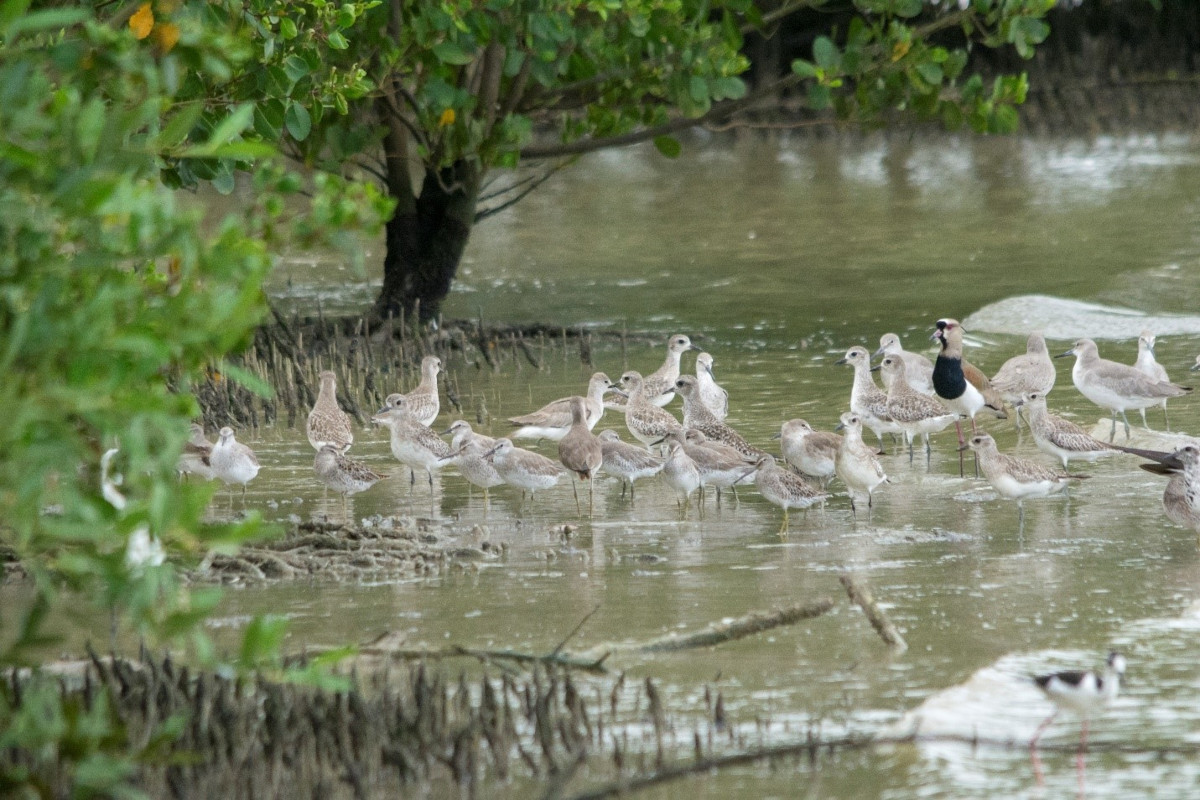
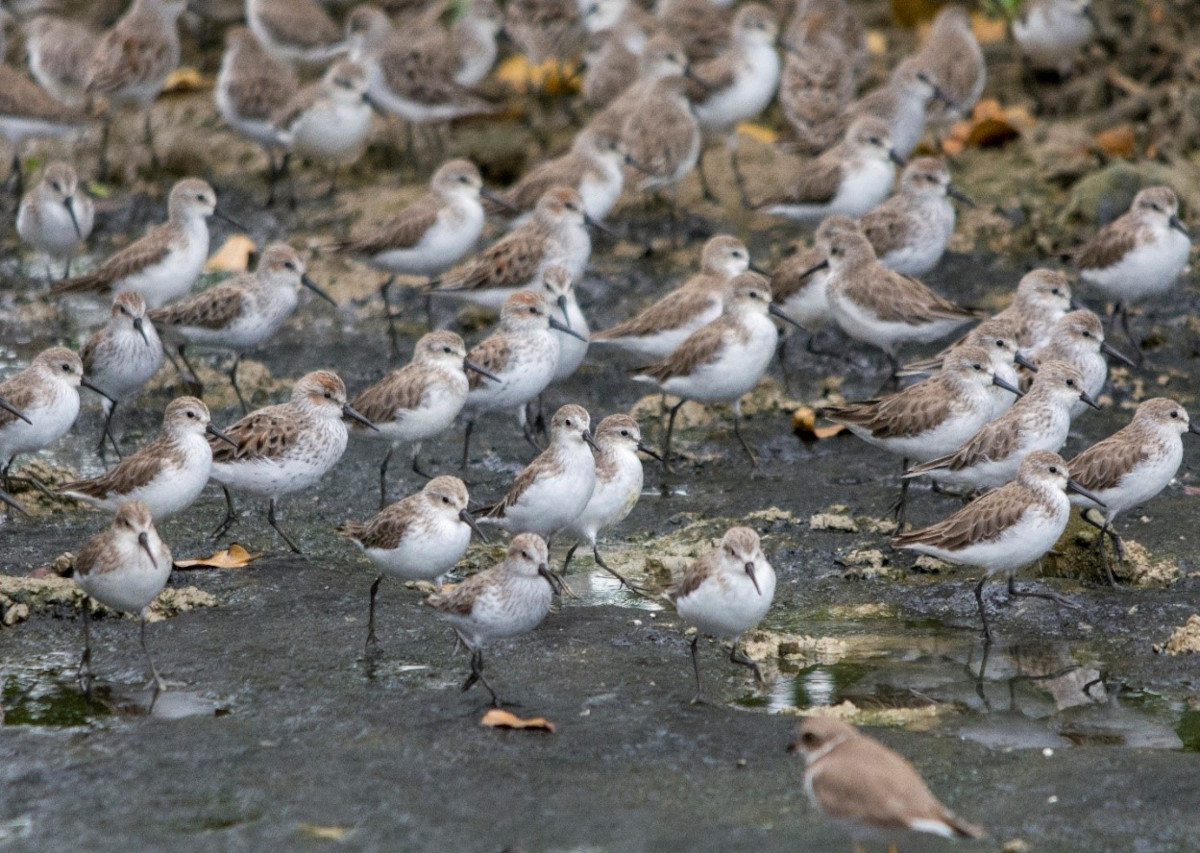
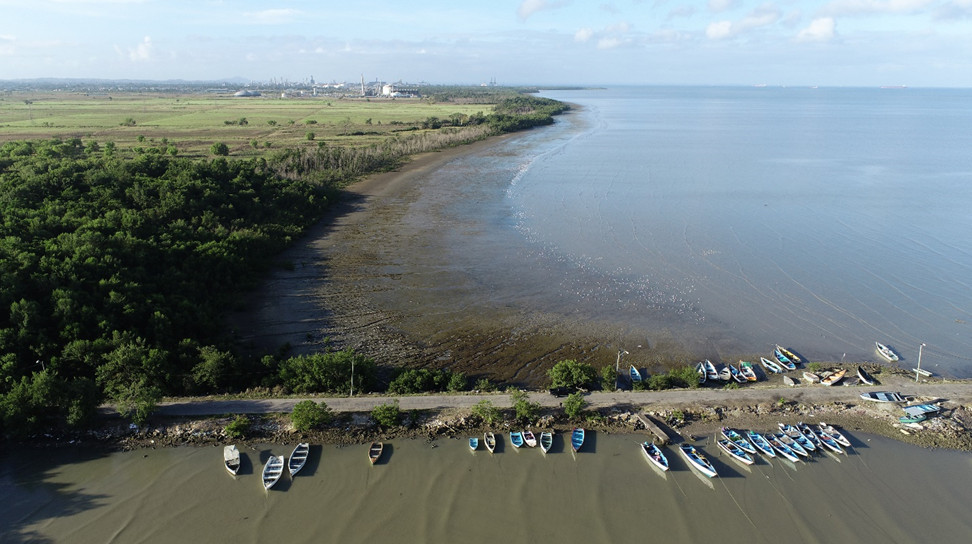
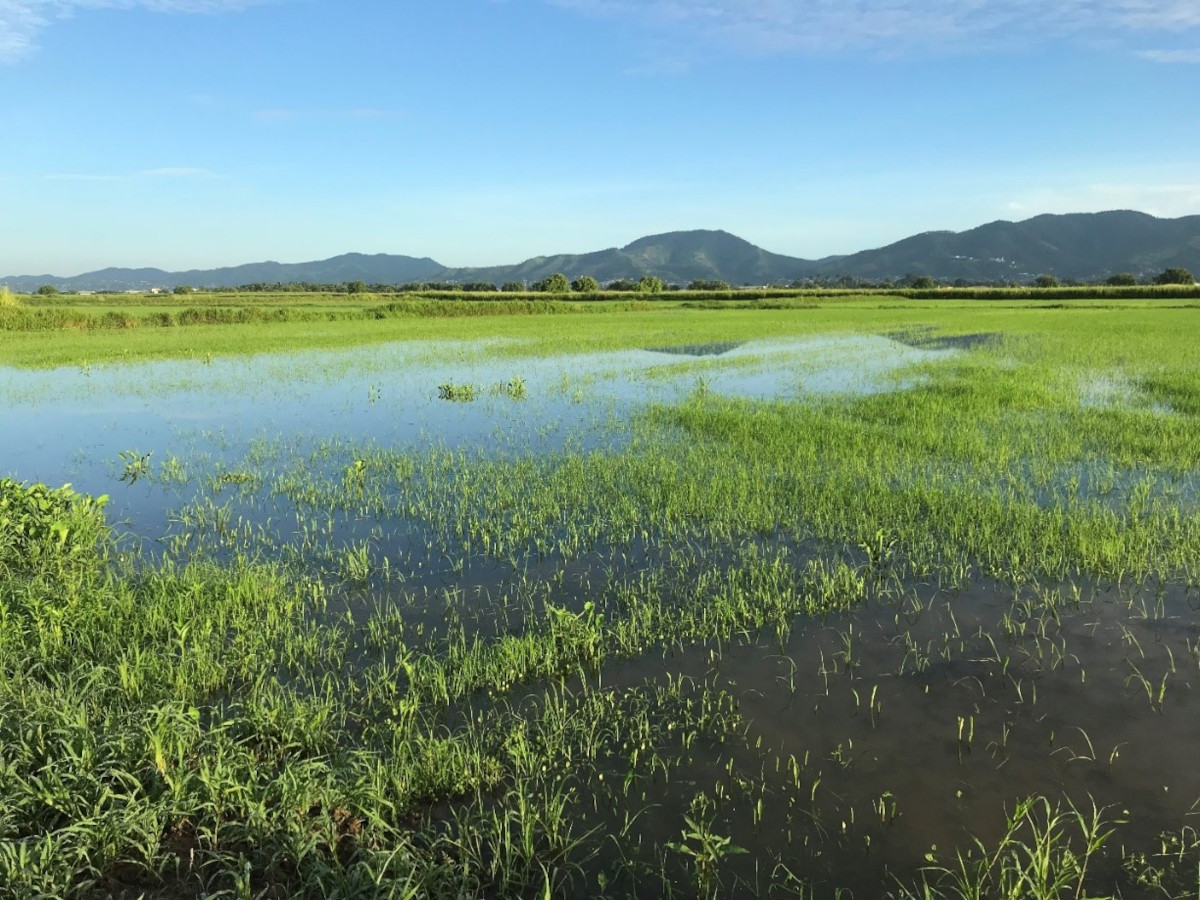
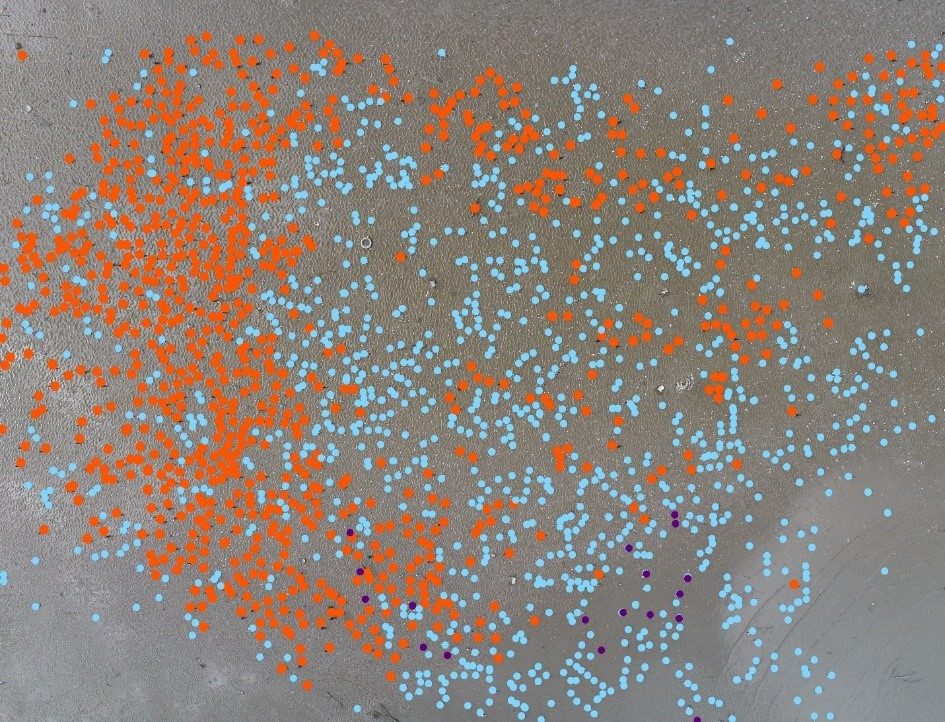

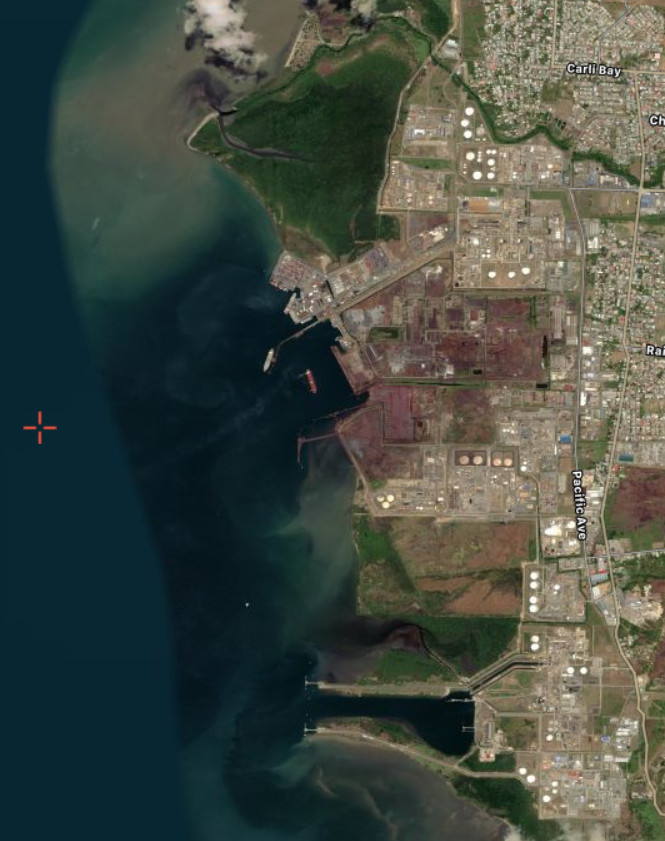
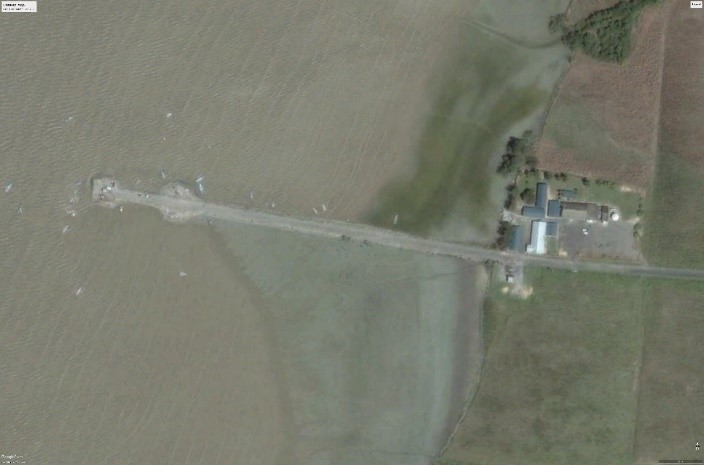
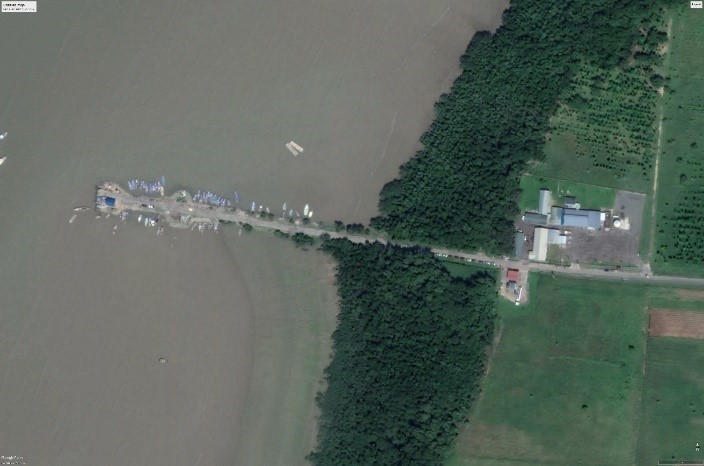
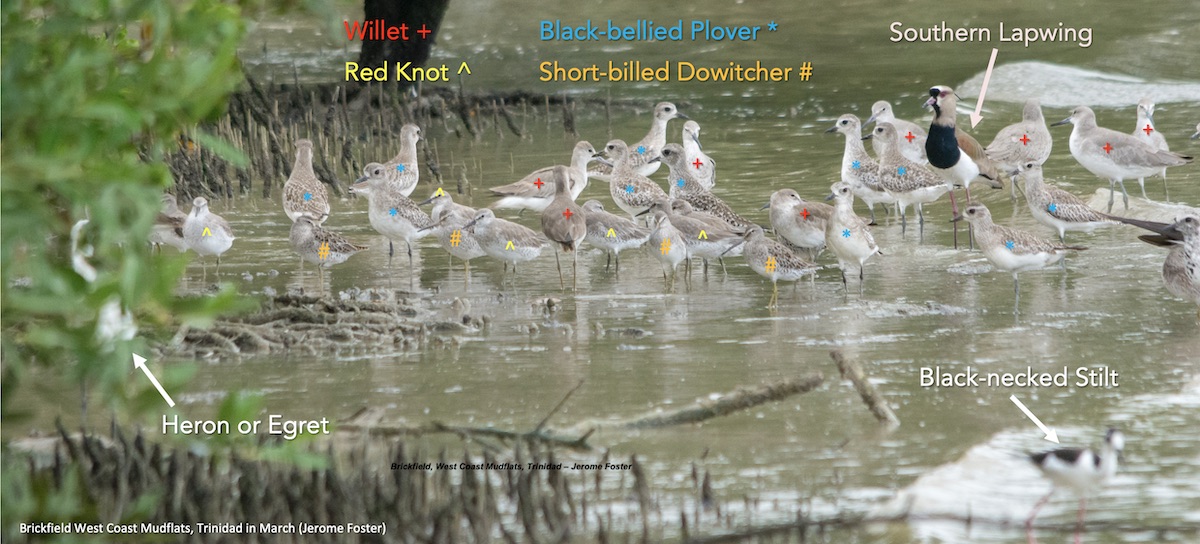
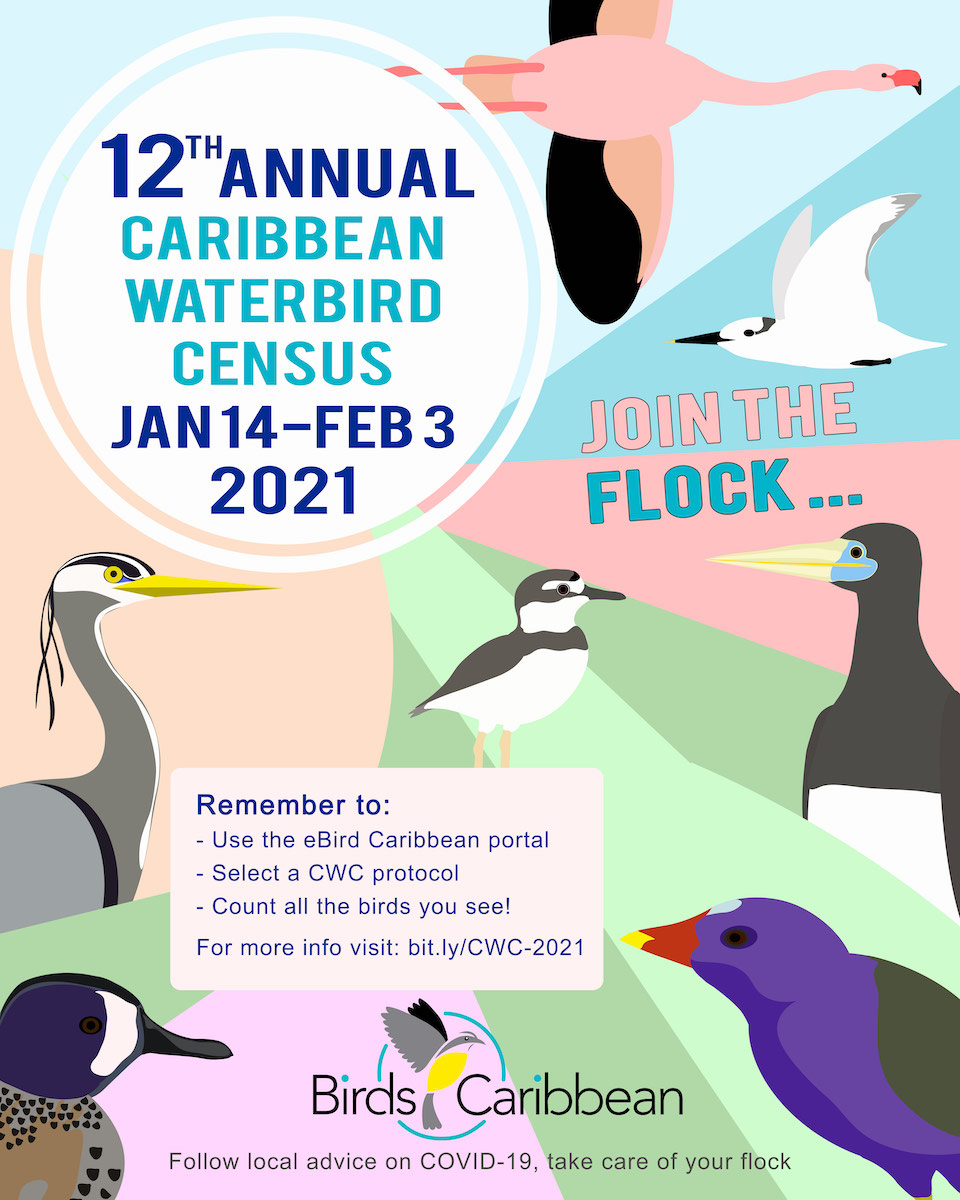
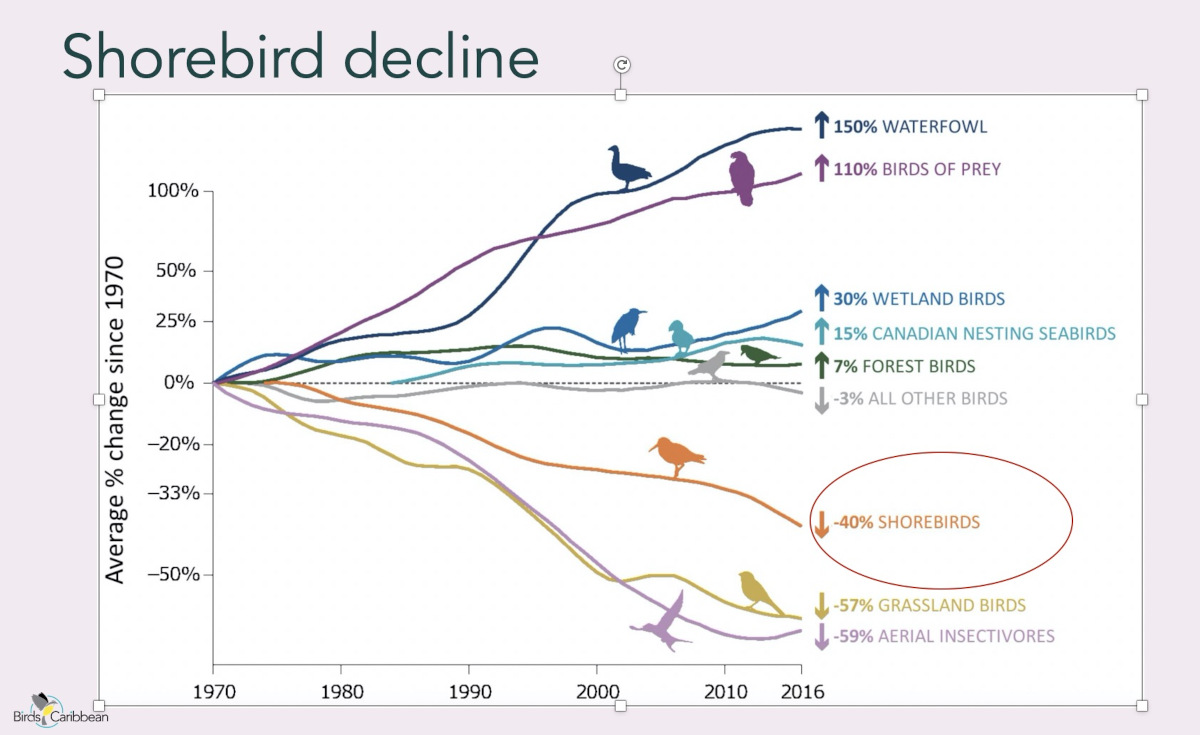
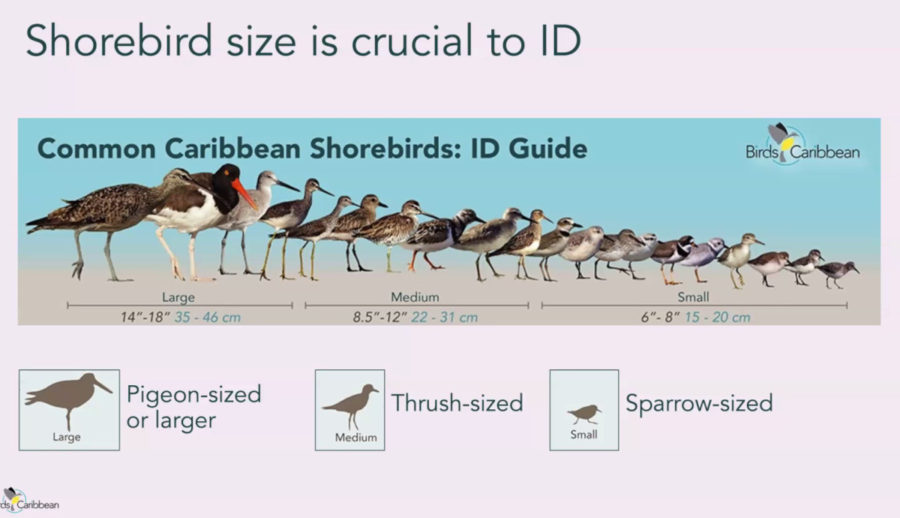
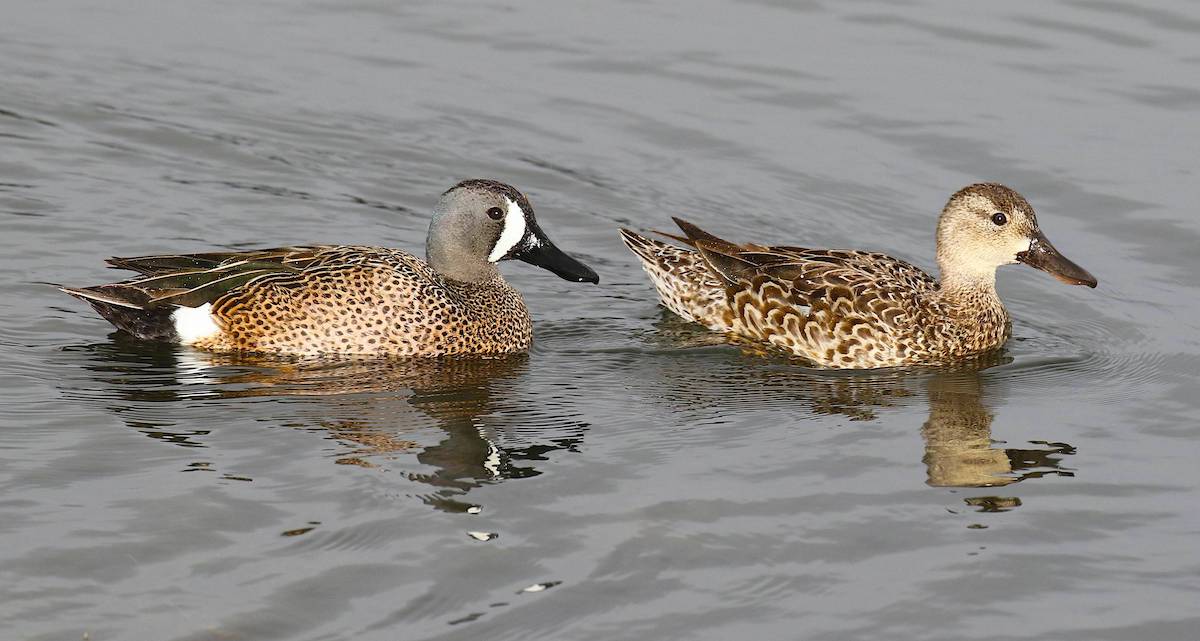
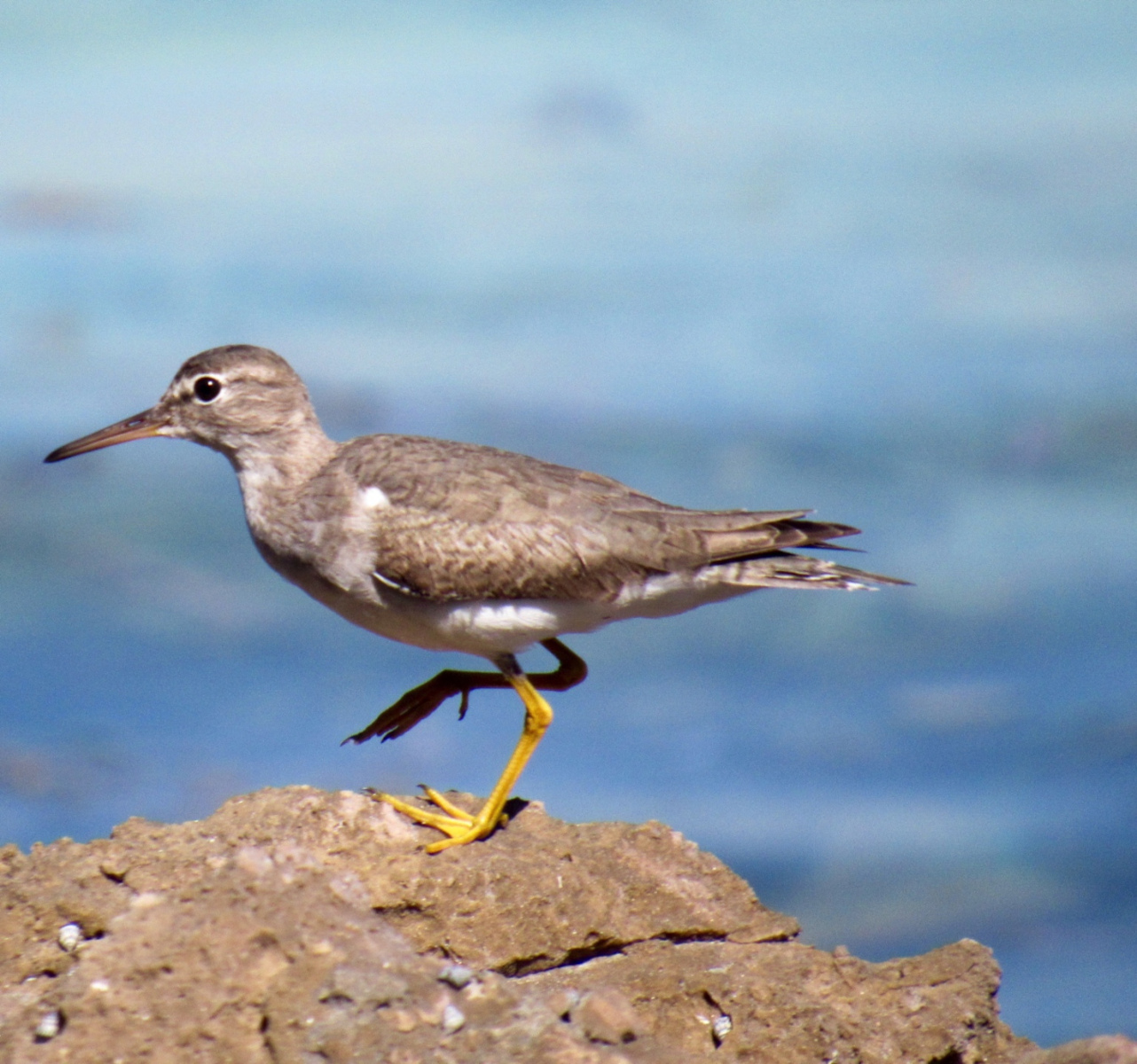
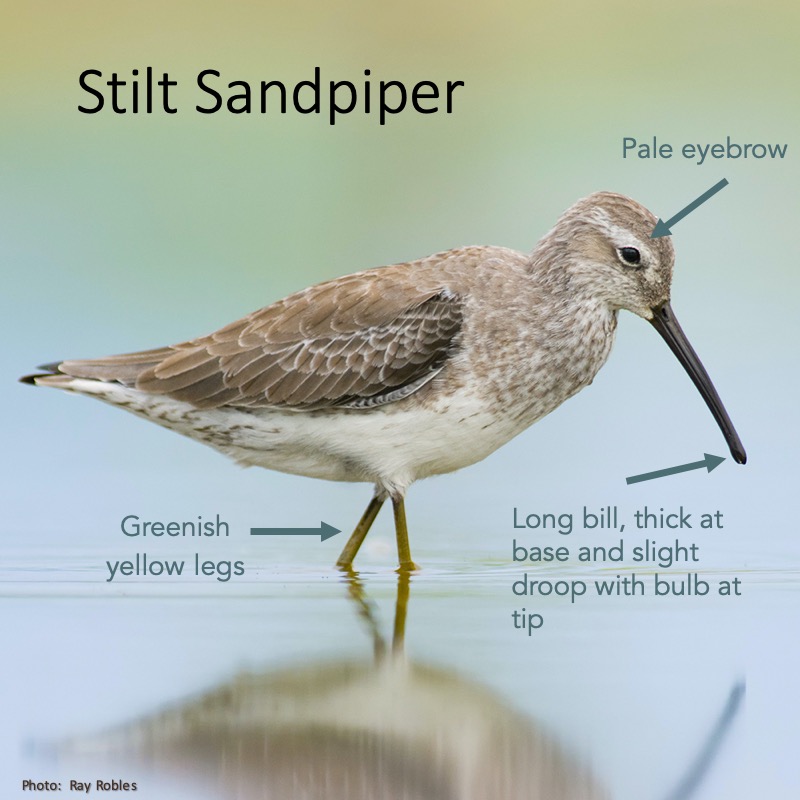
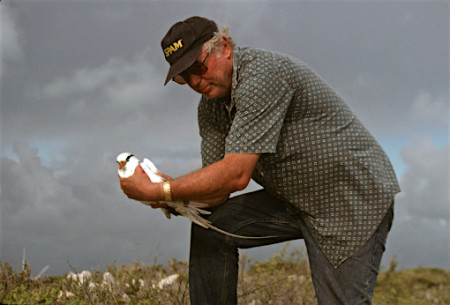
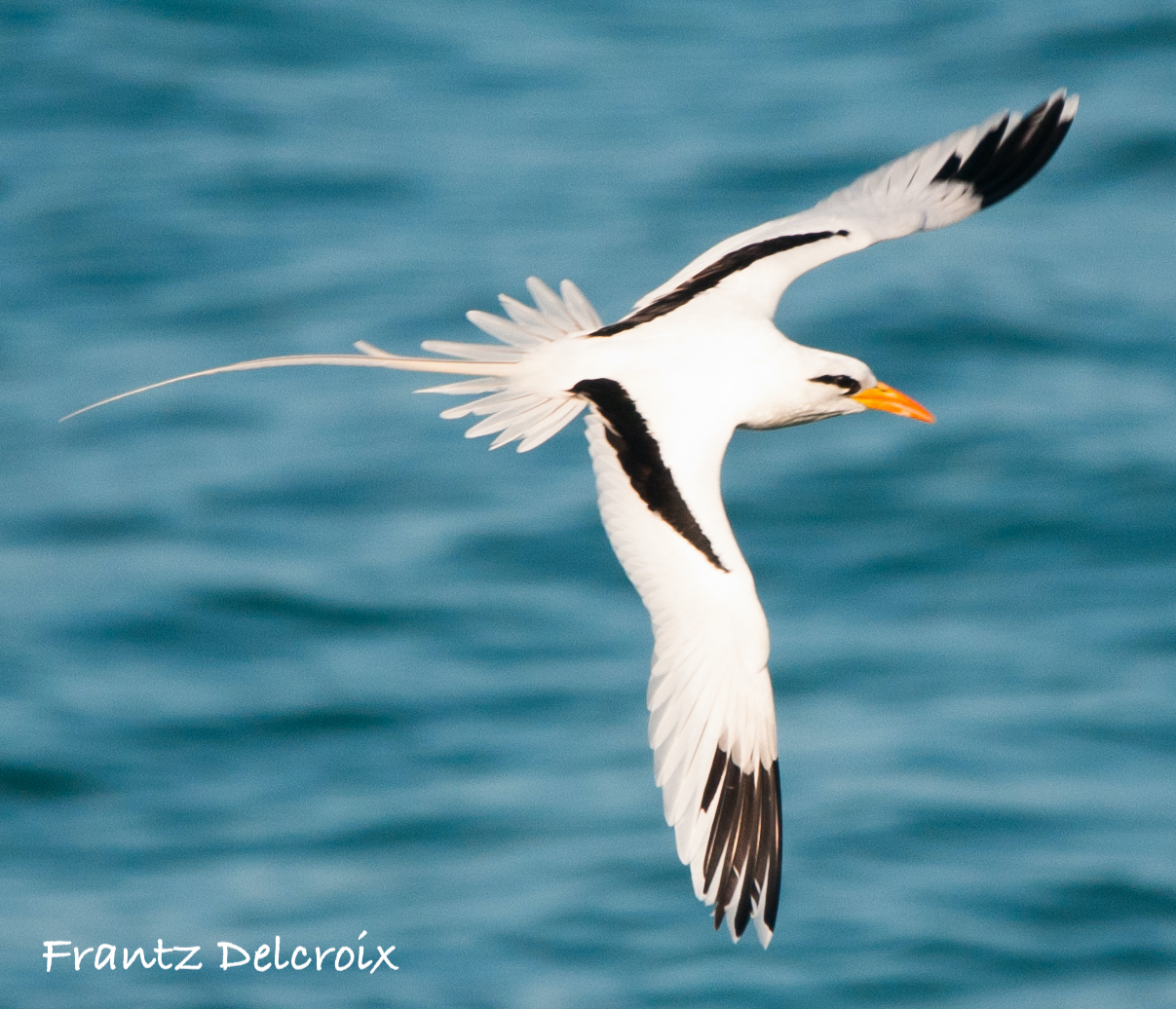
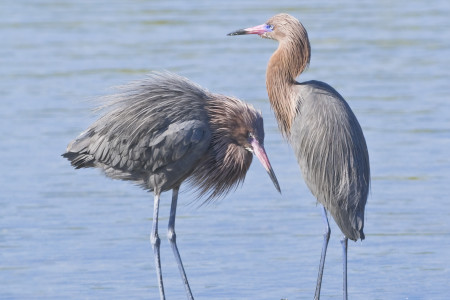
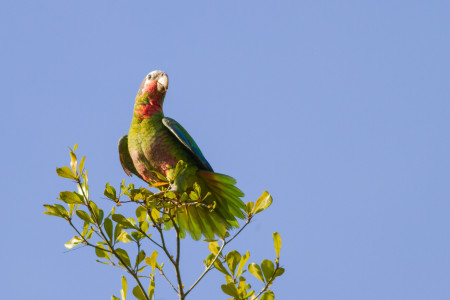
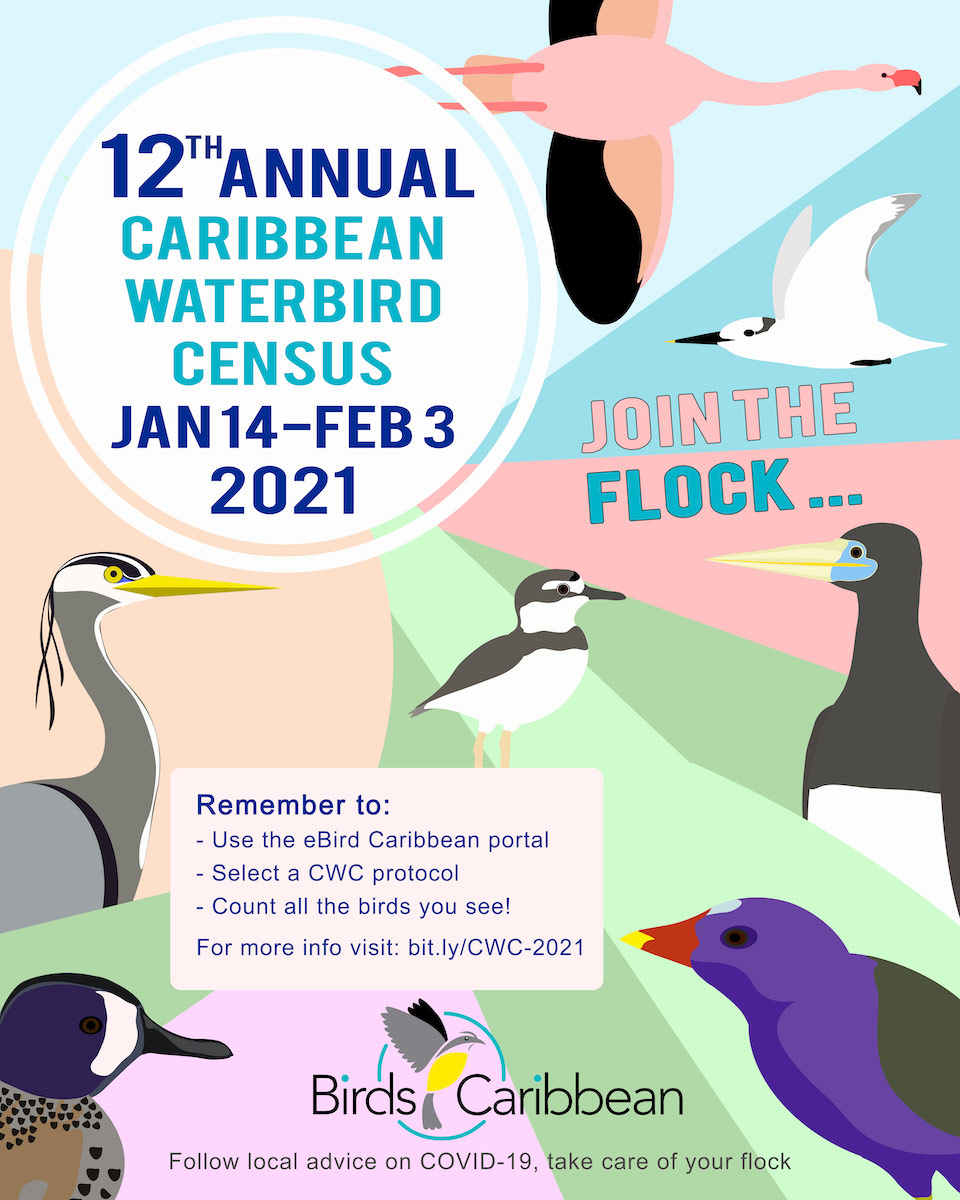
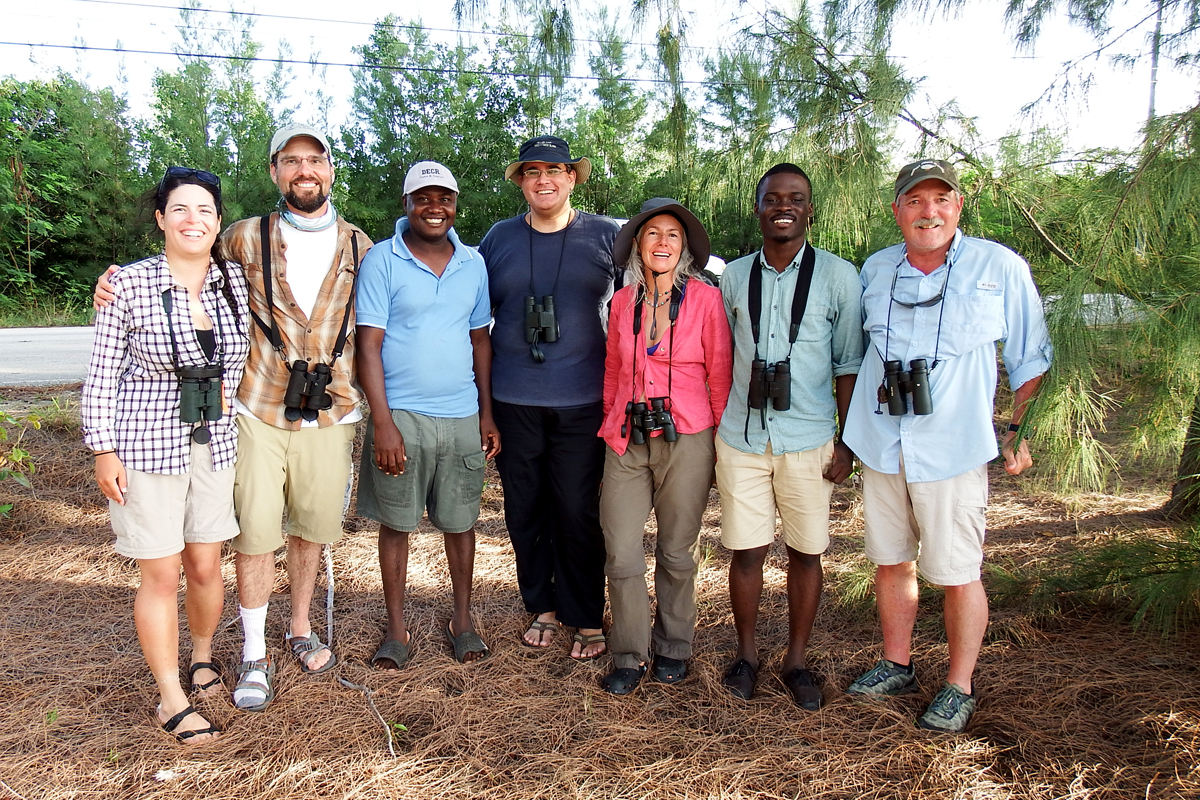
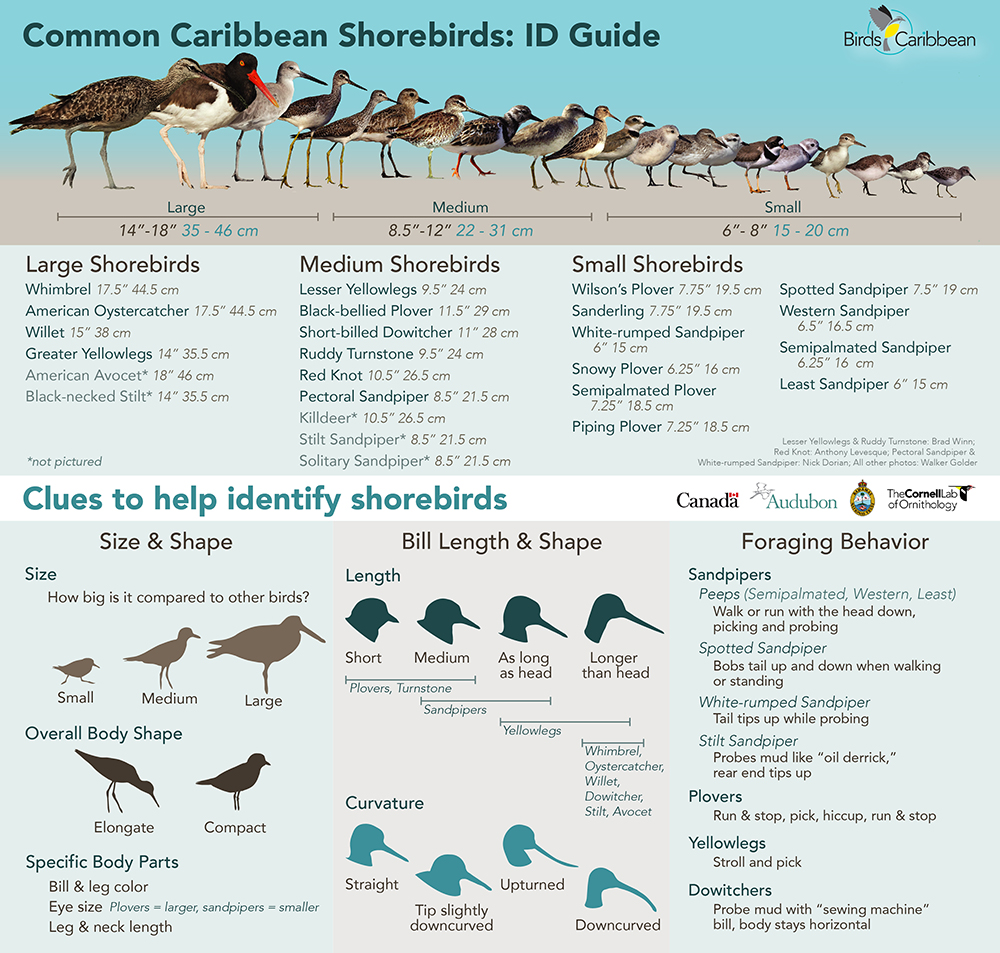
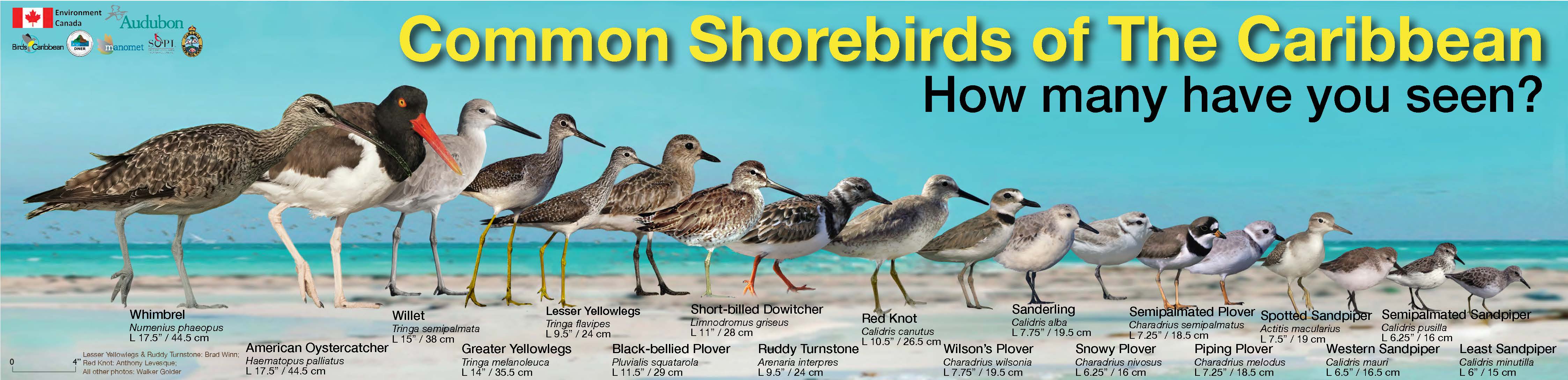
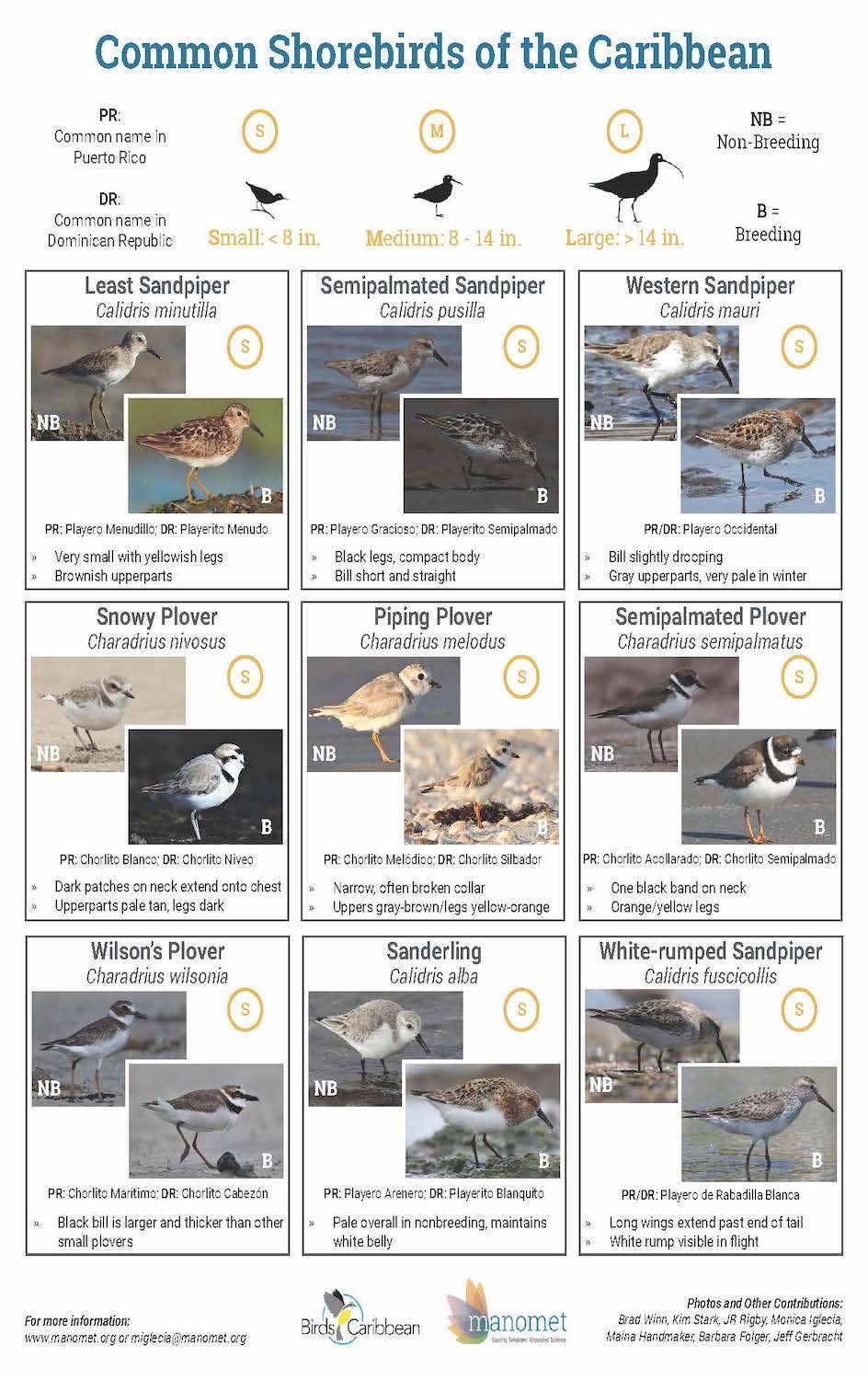
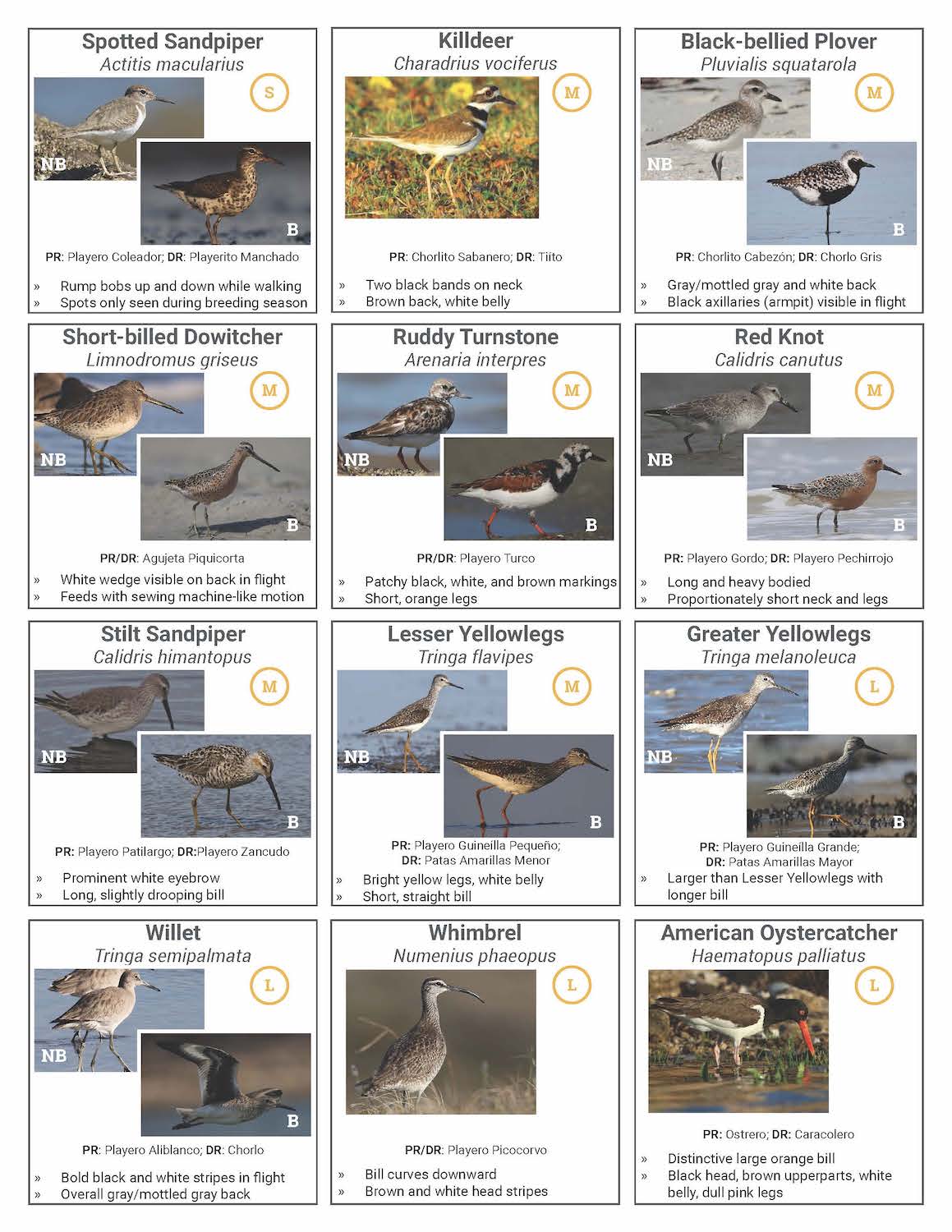
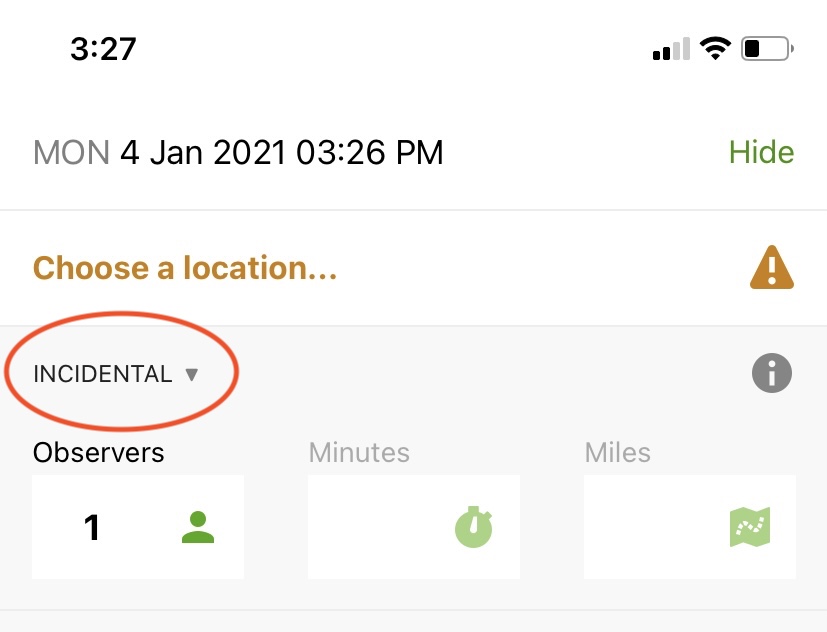
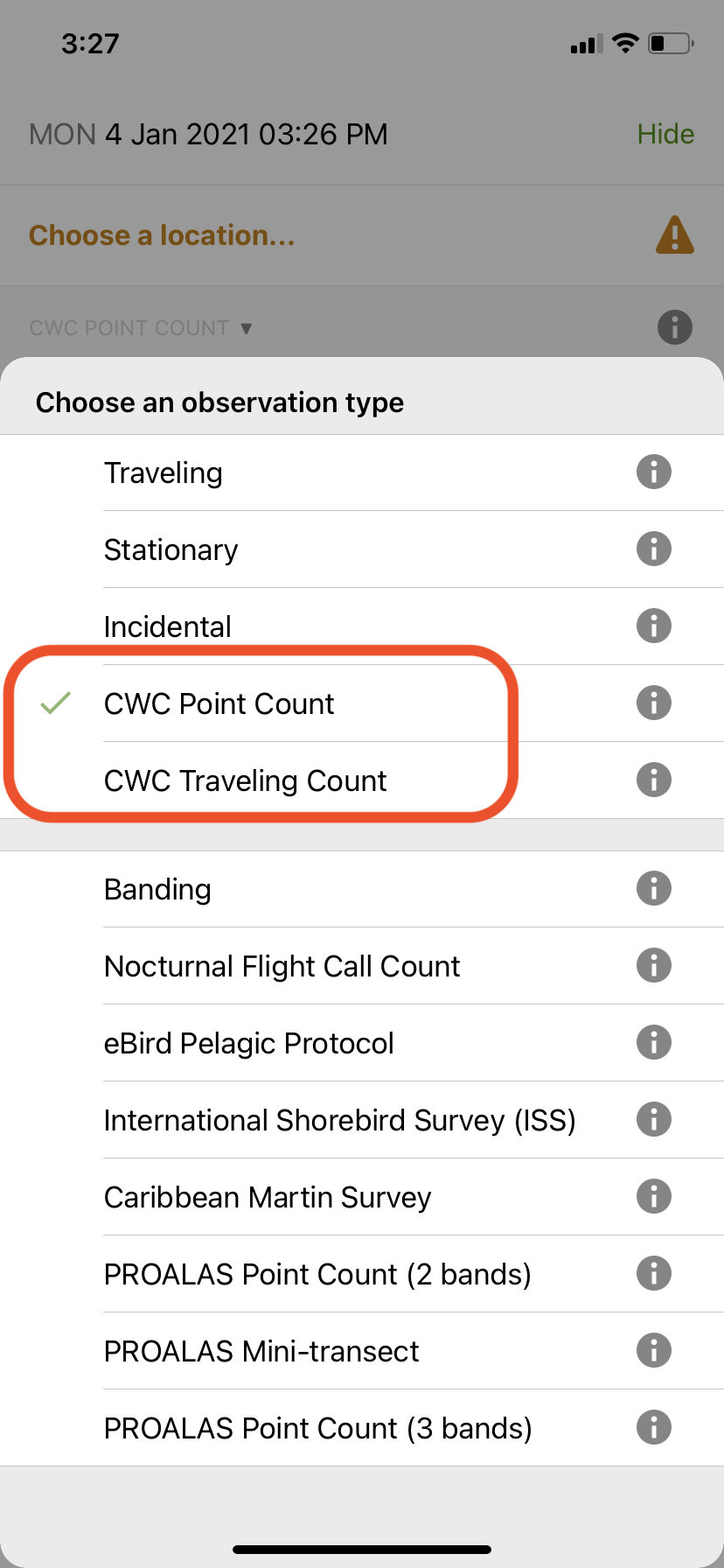
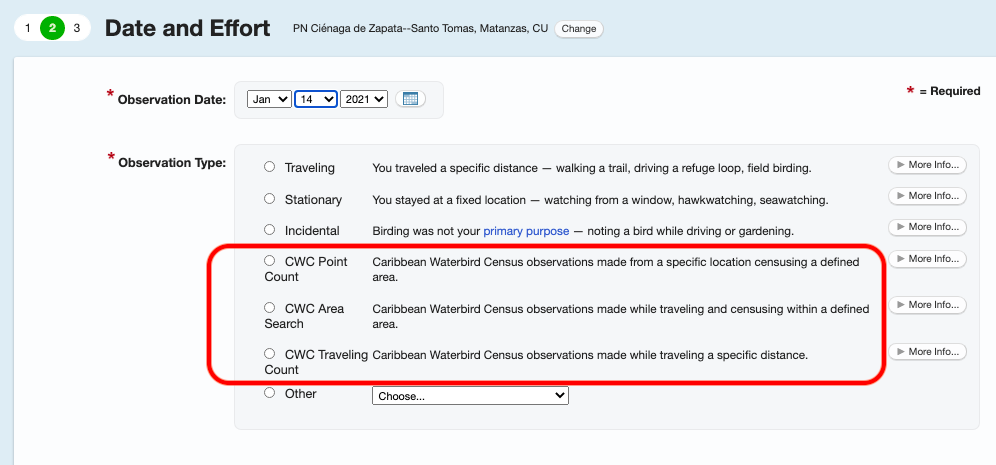
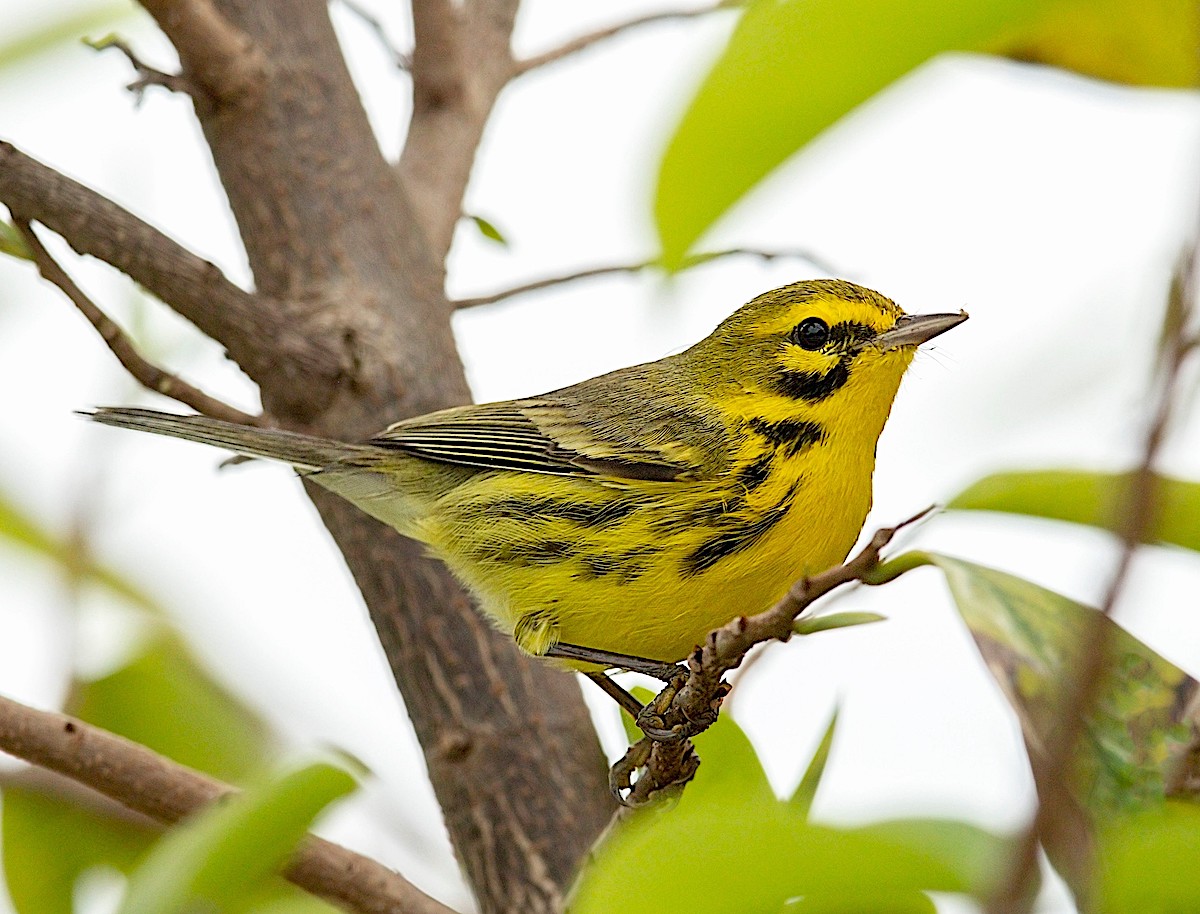
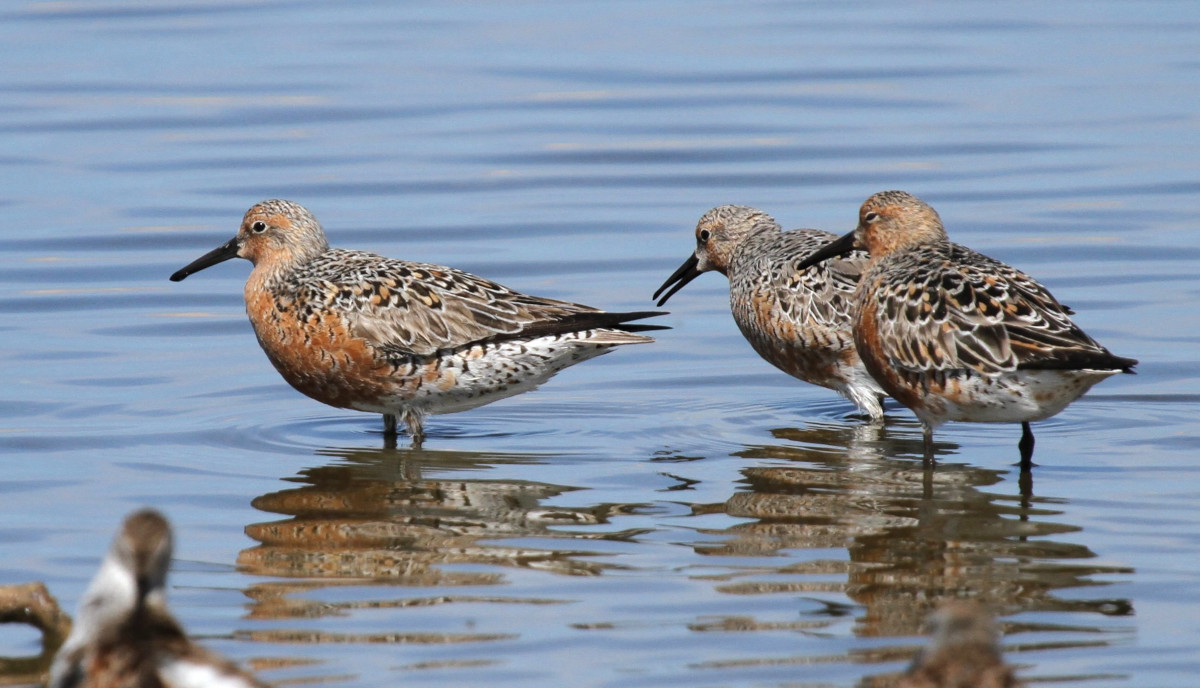
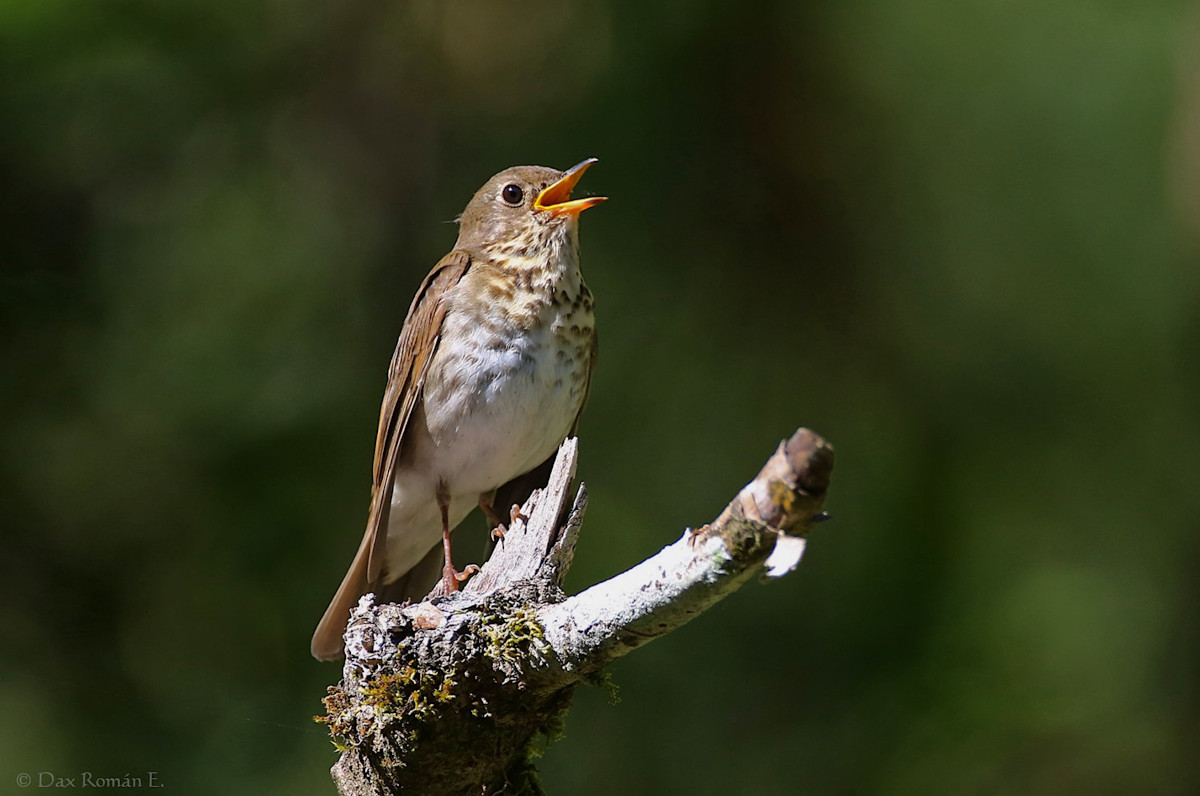
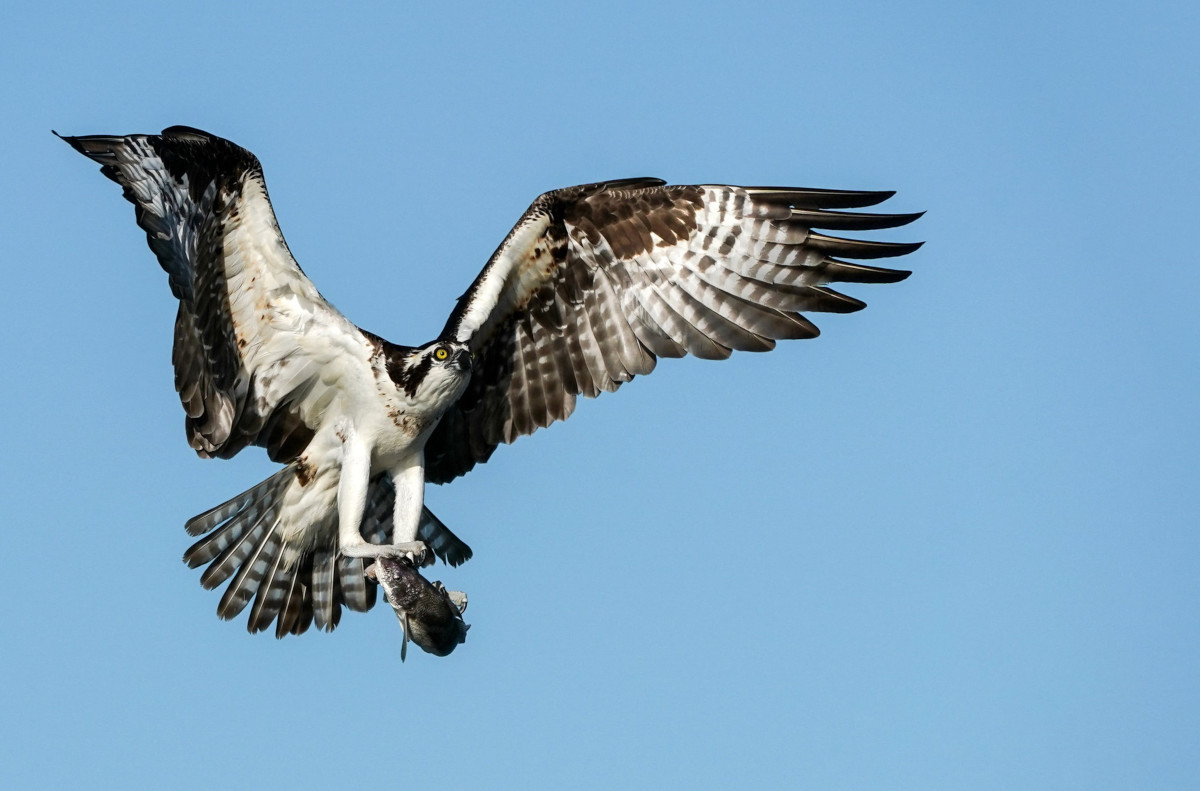
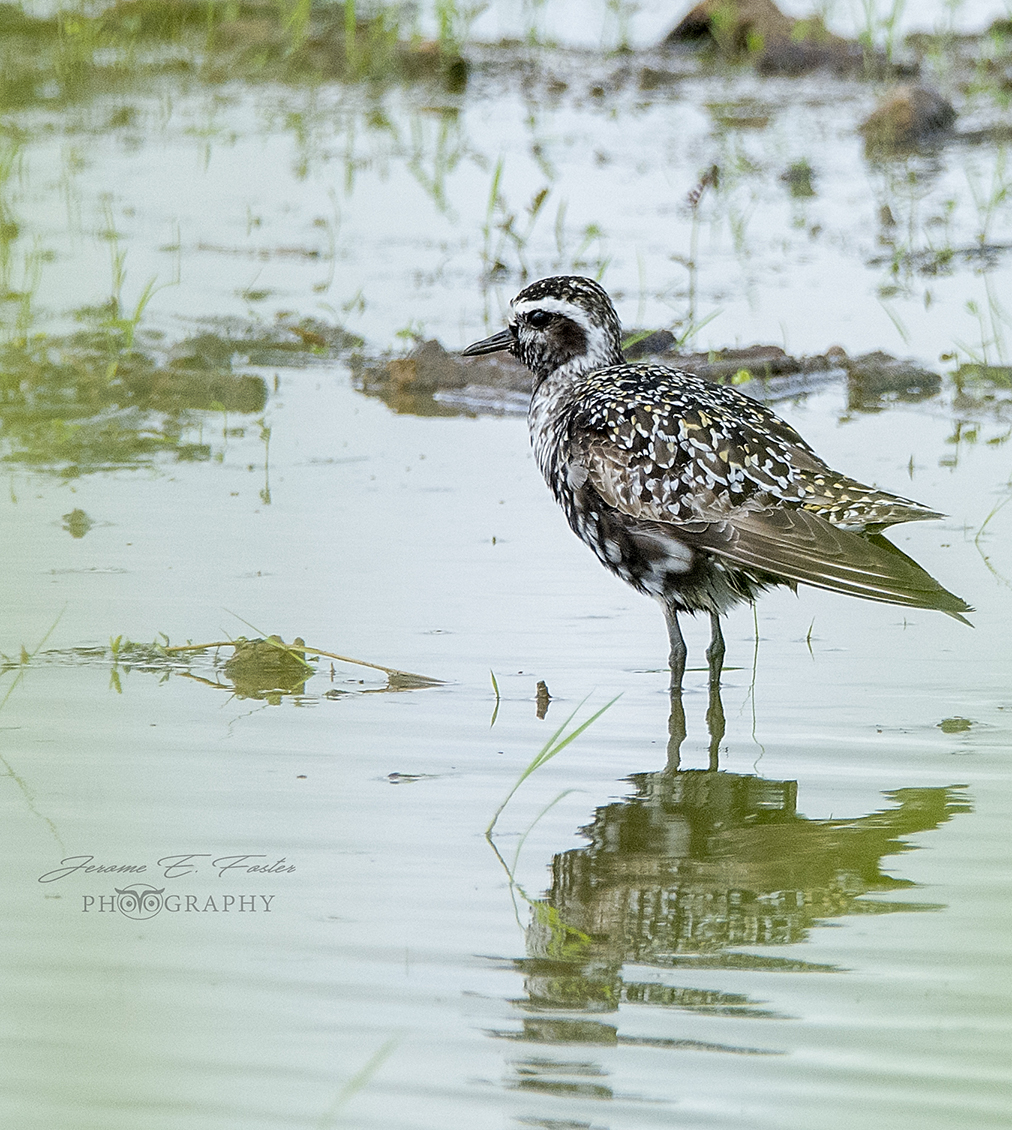
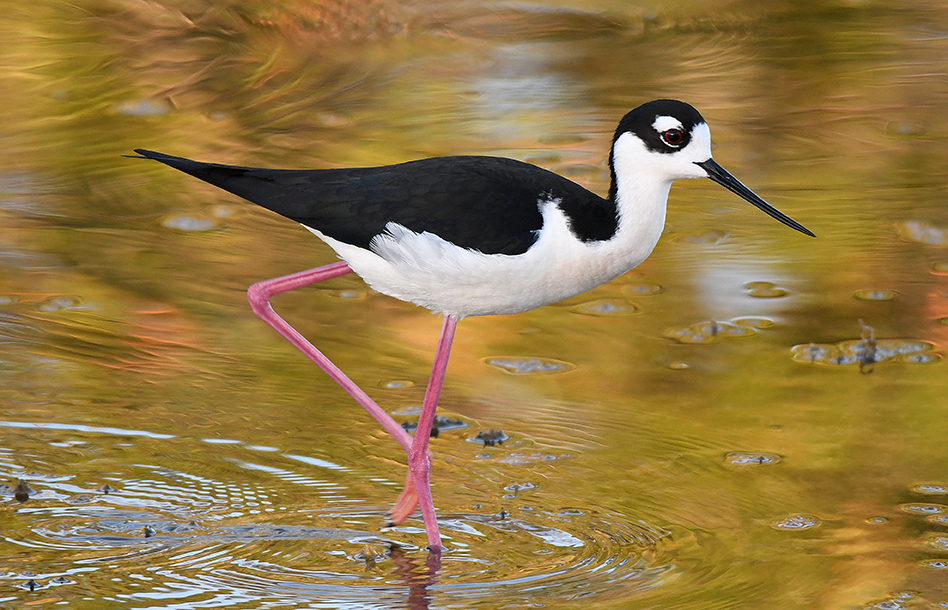
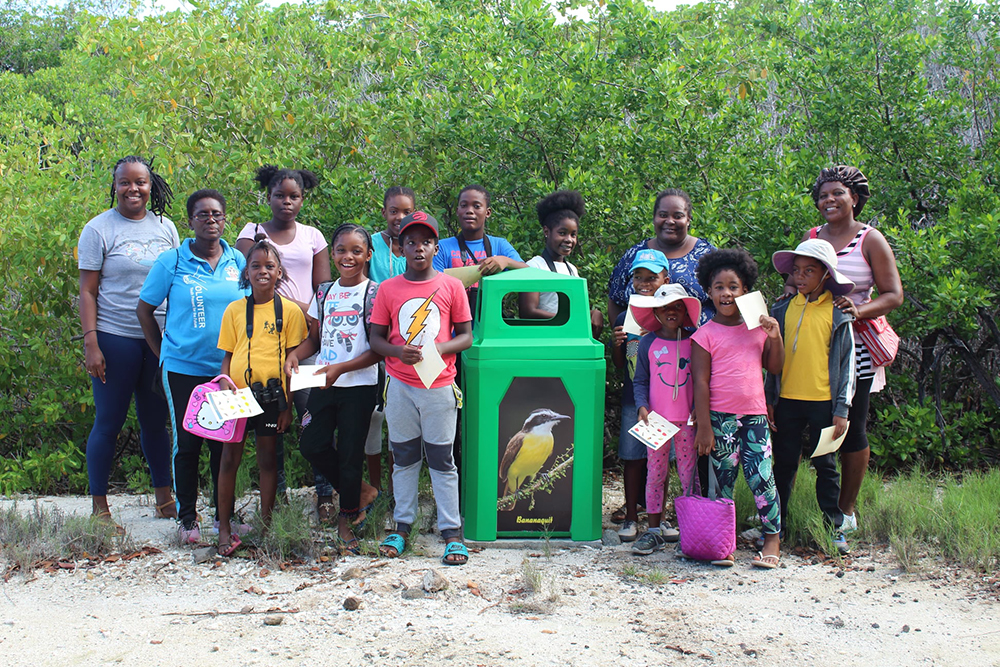


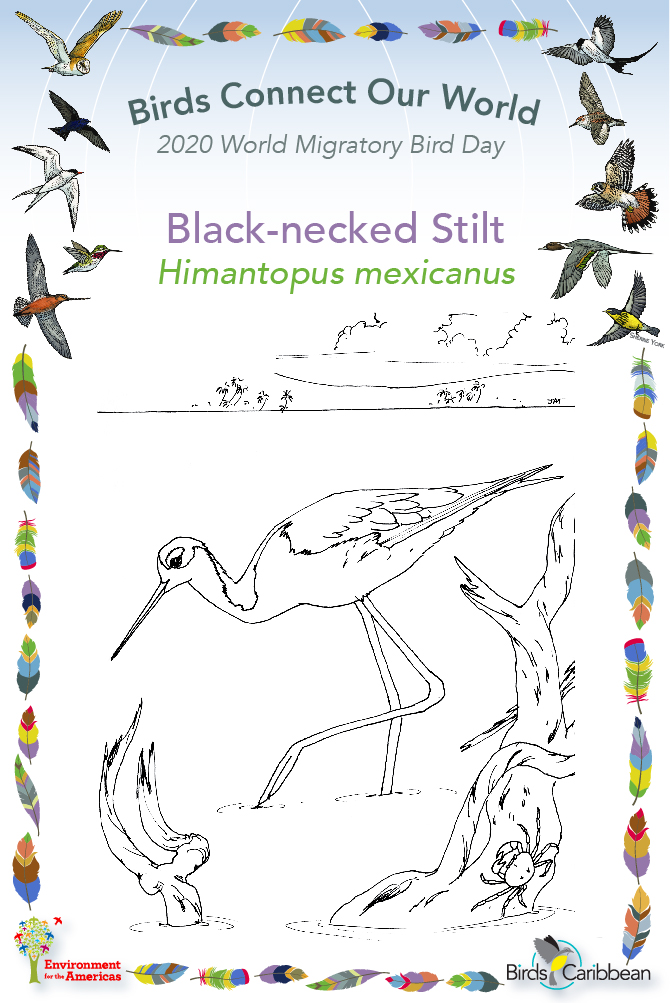
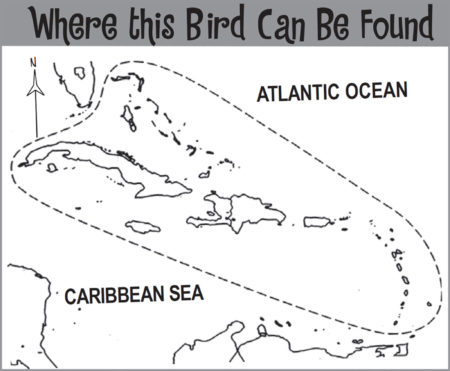
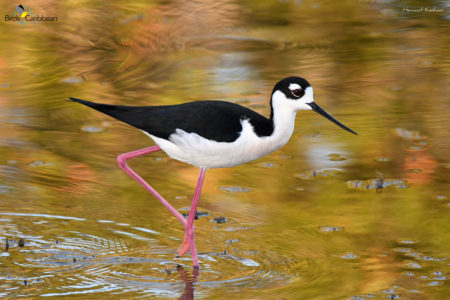
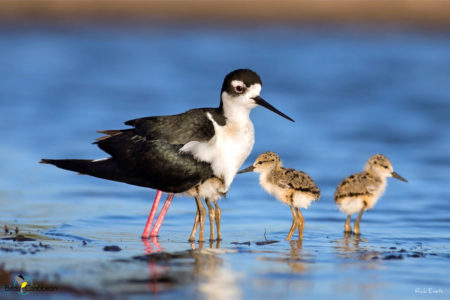
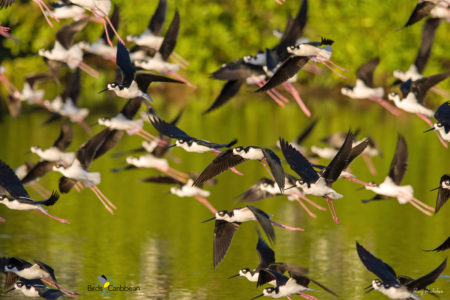
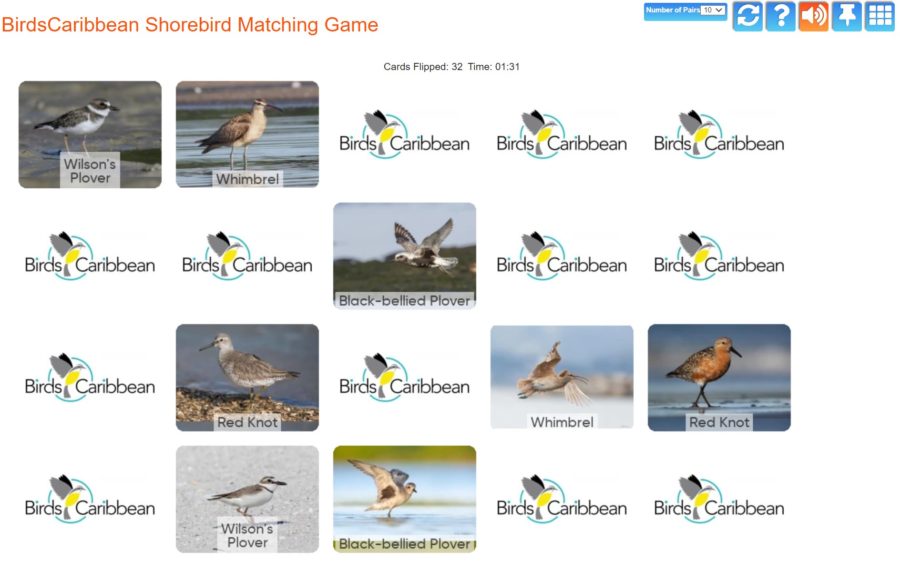
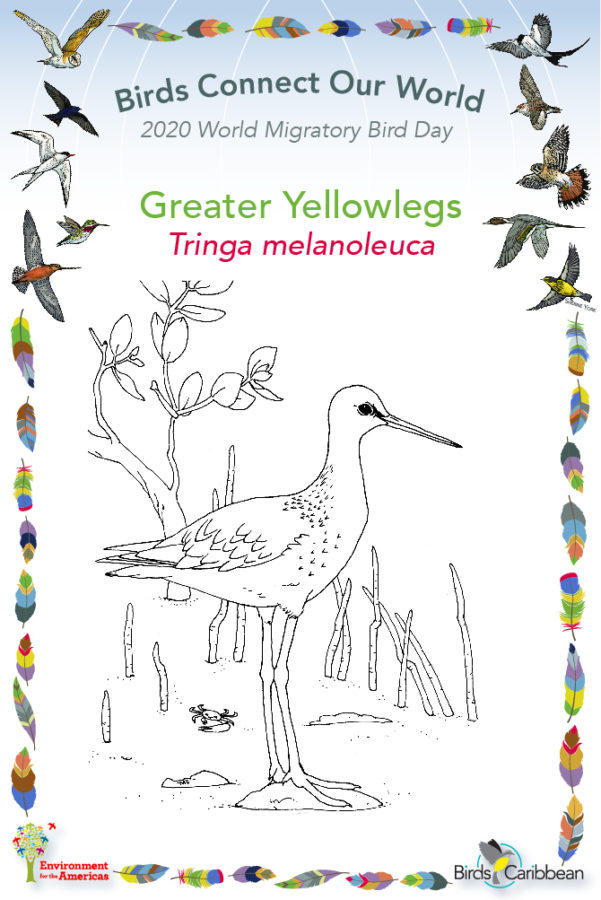
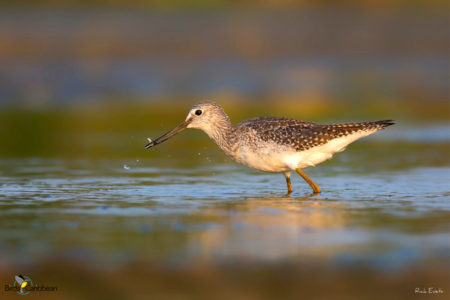
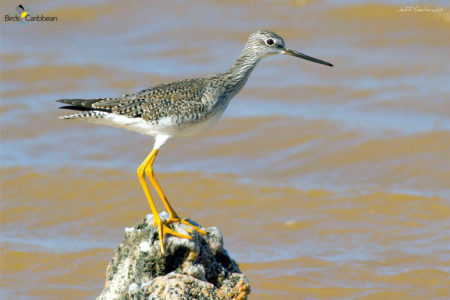
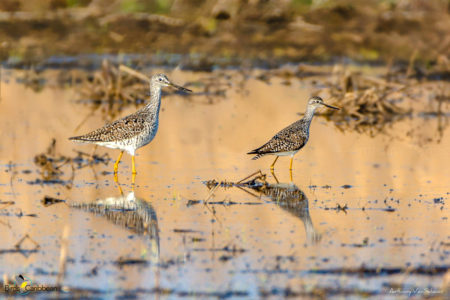
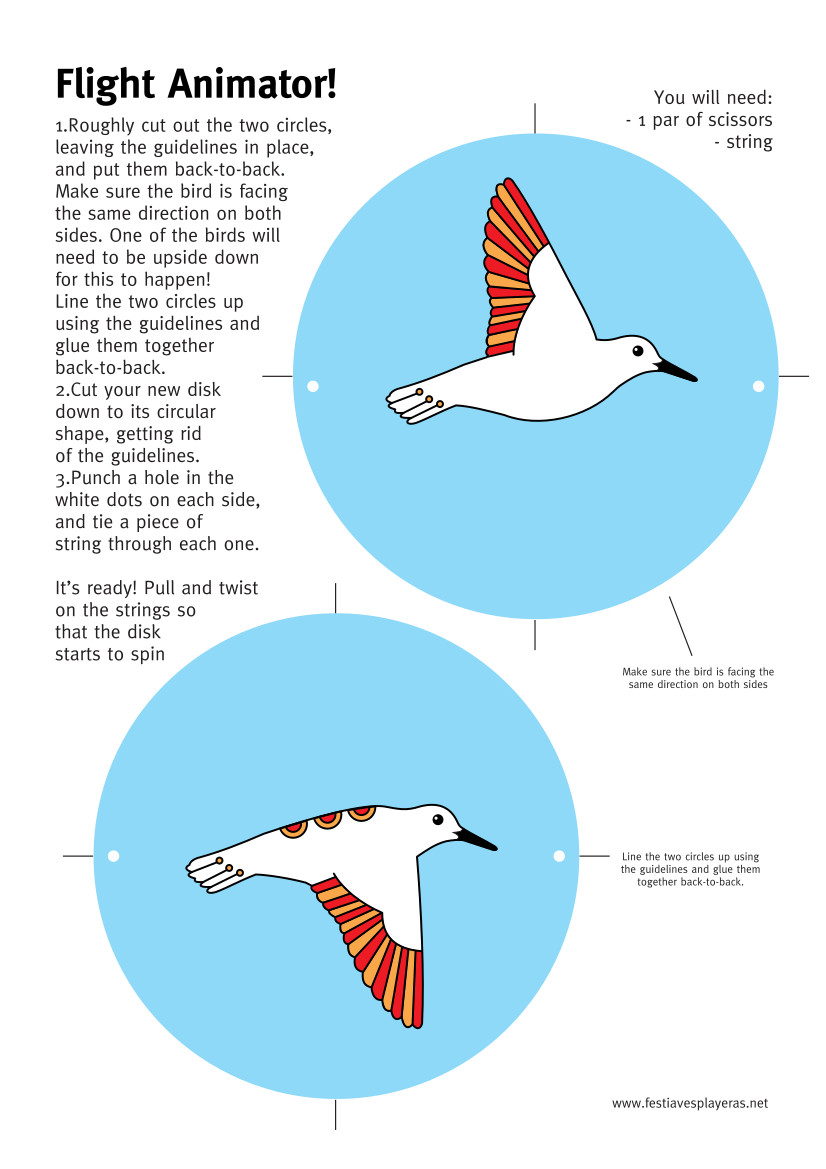
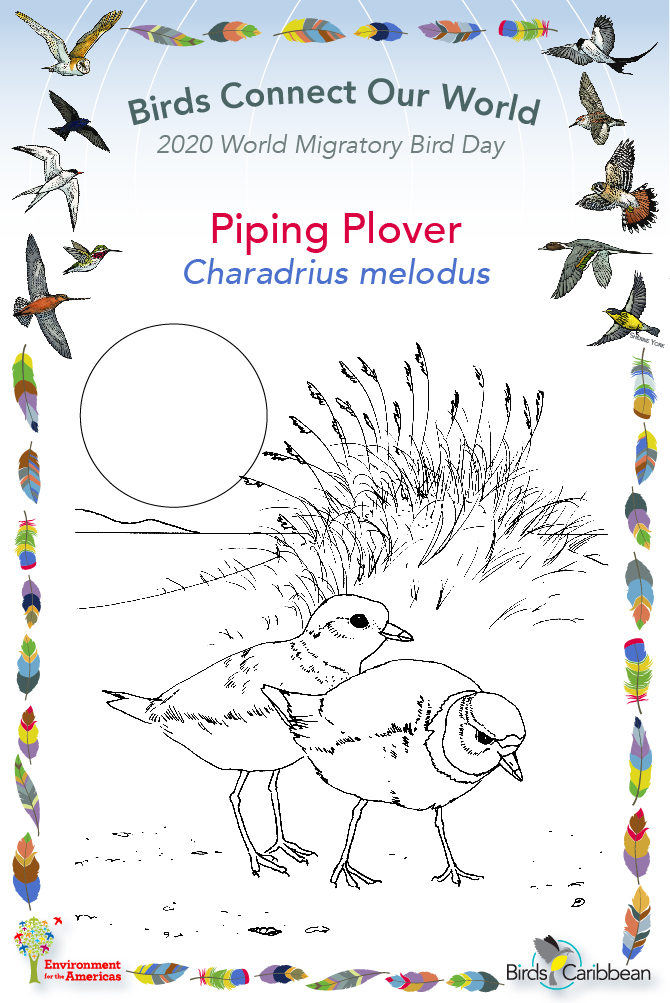
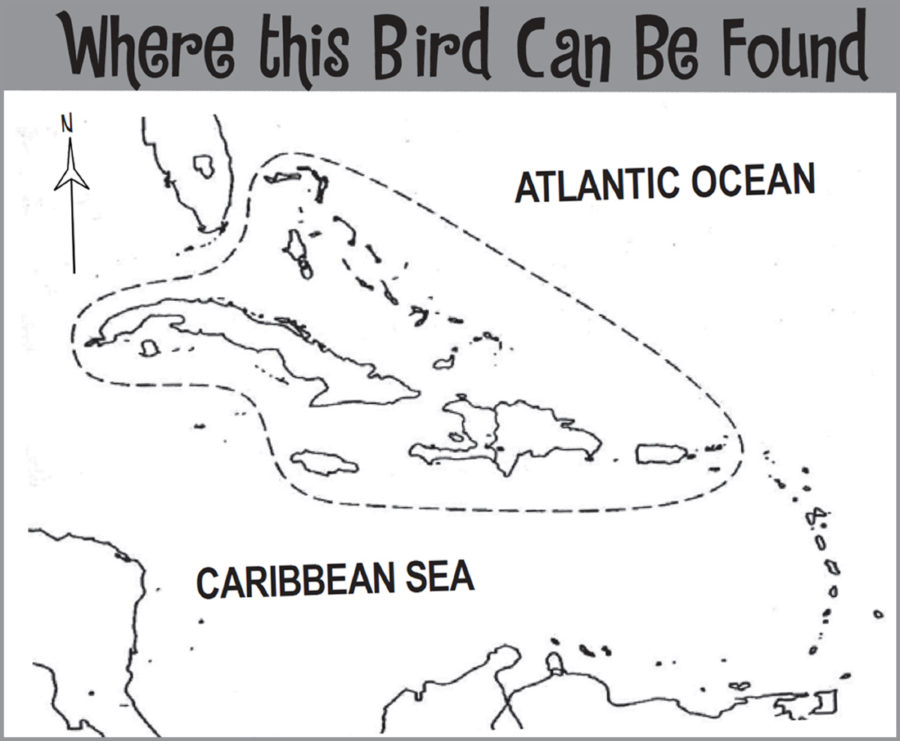
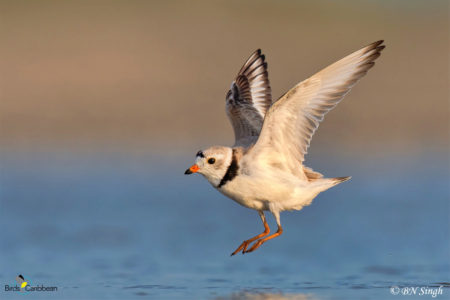
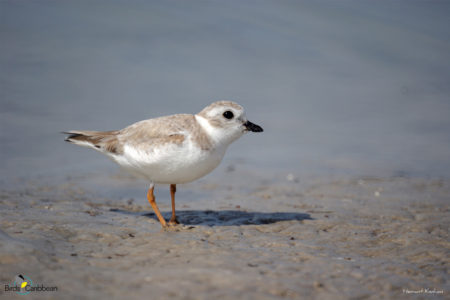
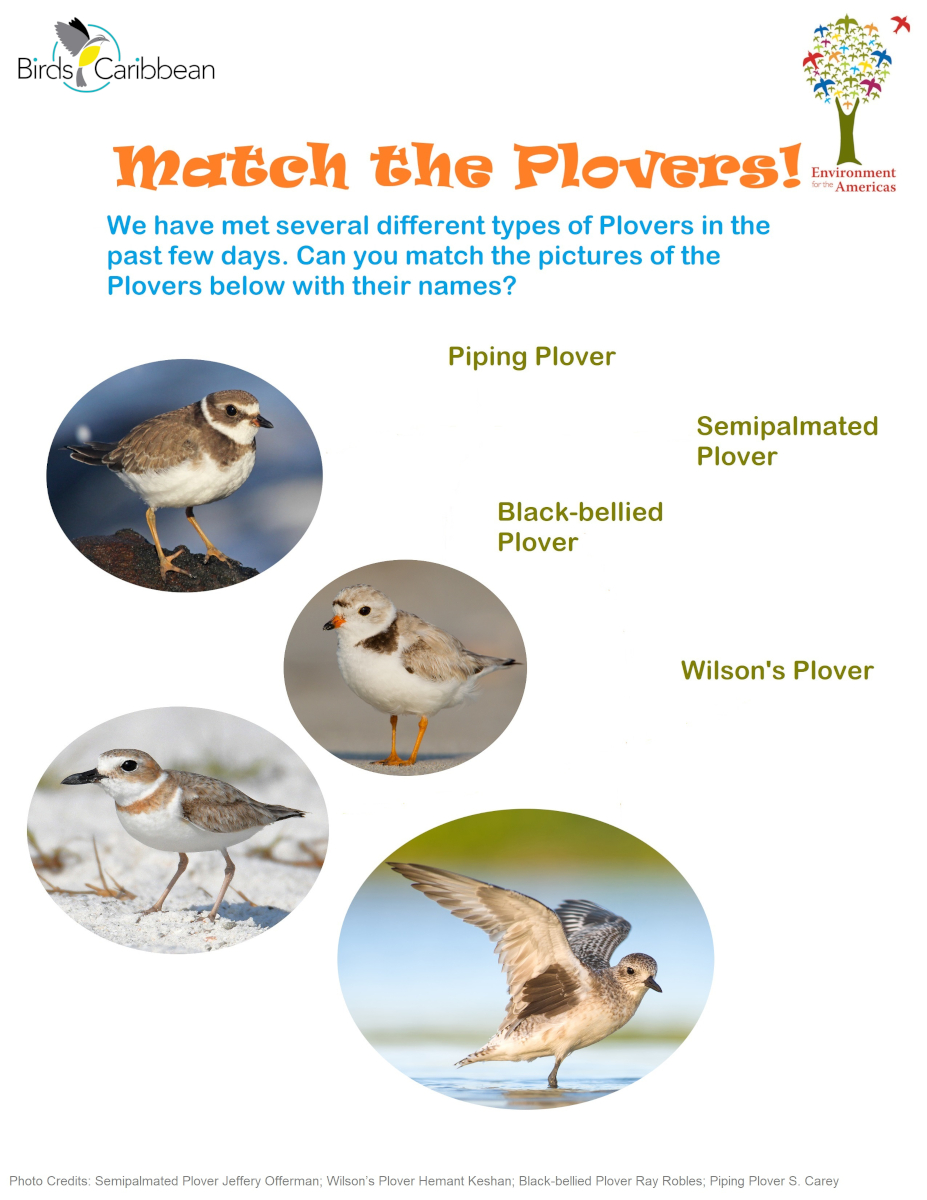
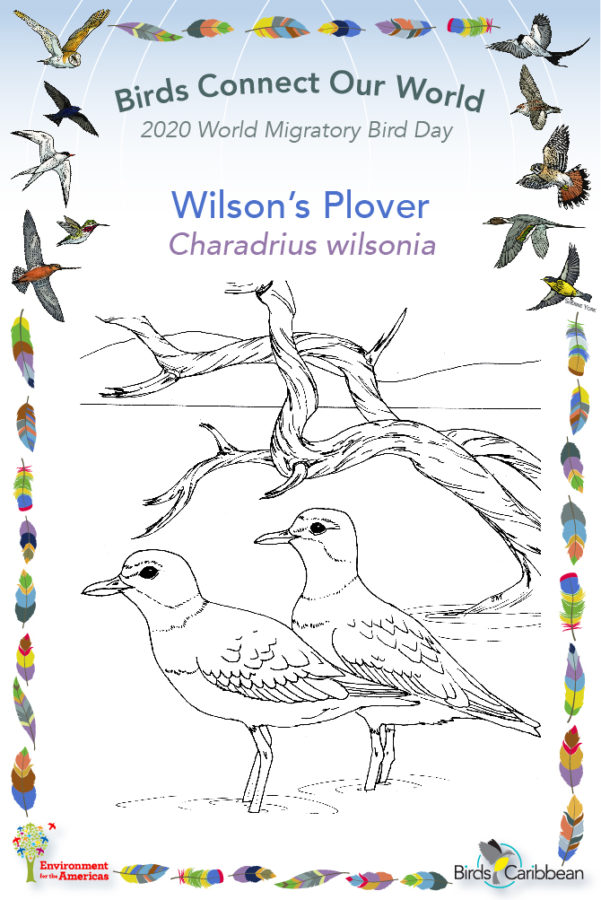
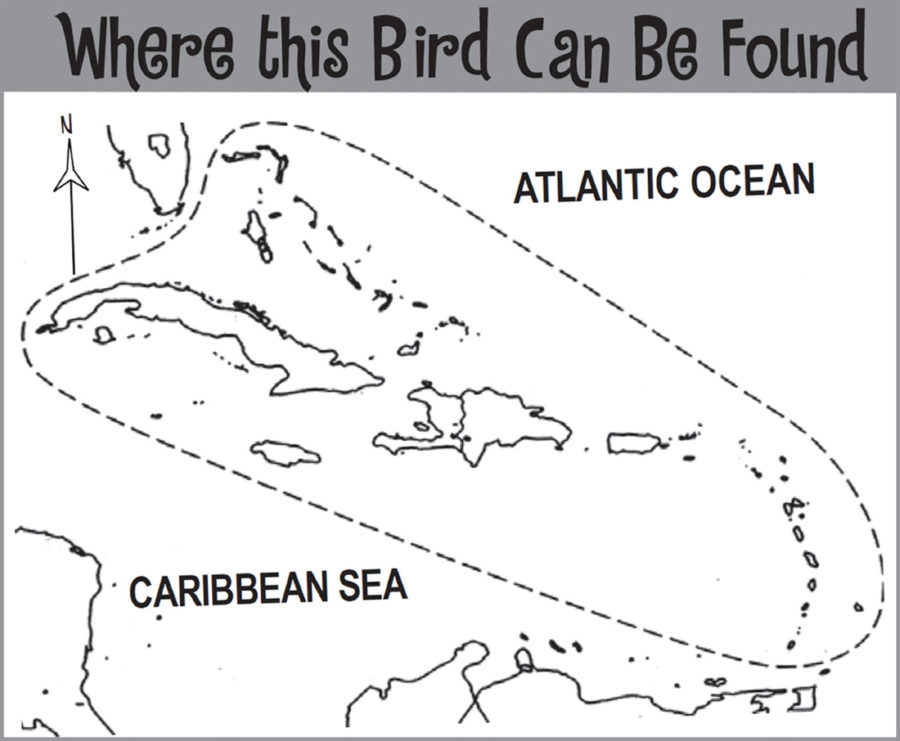
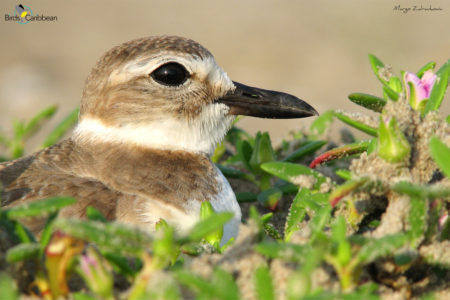
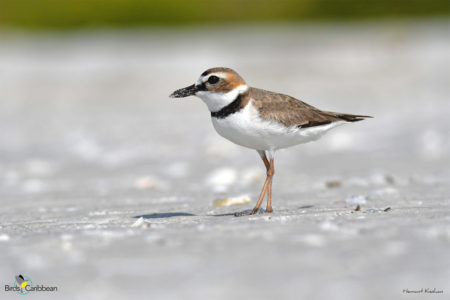

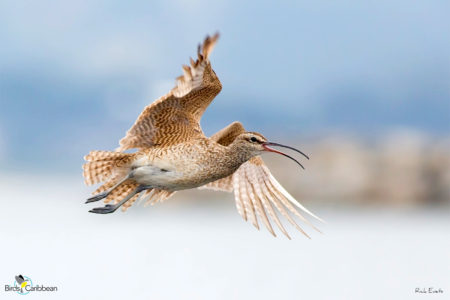
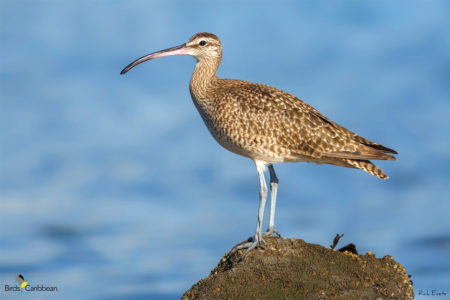
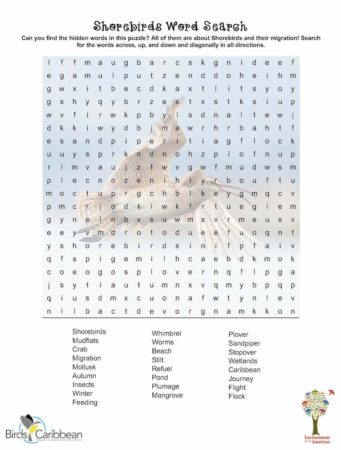 ou find?