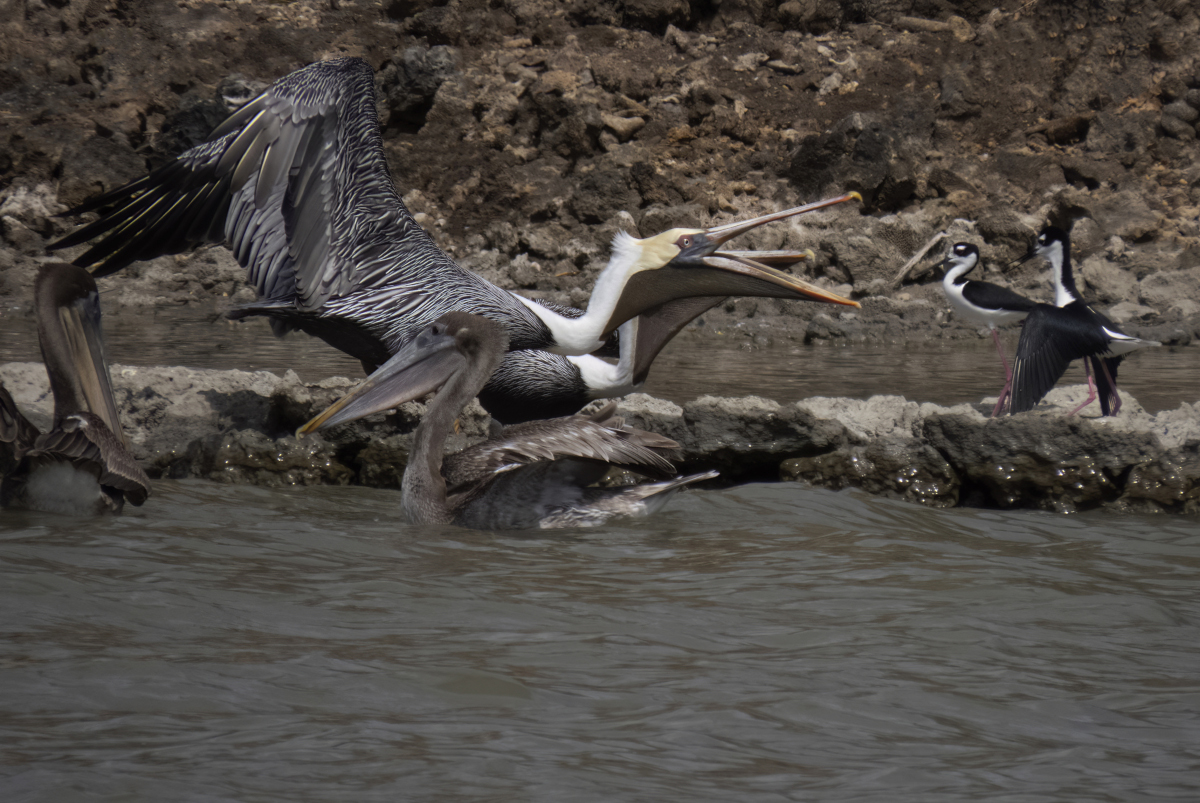
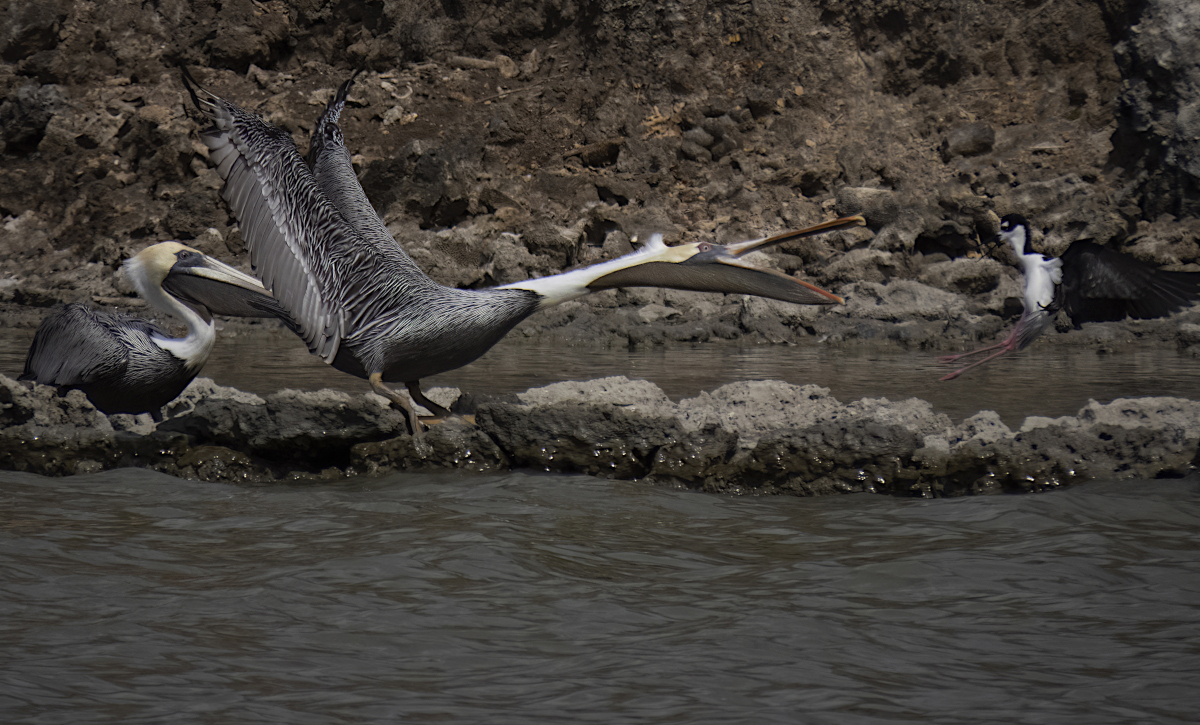
Global Big Day (GBD) 2026 was an absolute whirlwind of bird celebration, lively island community spirit, and talent behind the lens! We are incredibly grateful to everyone who sent in their wonderful photos and helped document the region’s fantastic birds and lively community spirit.
Now, the moment you’ve all been waiting for, after a bit of delay for preparations for the BirdsCaribbean 25th International Conference: we are thrilled to reveal the winners of the GBD 2026 Photo Contest! These spectacular photos capture the essence of our region’s birds and remind us of the incredible things we can achieve when we unite to support citizen science programs.
If you haven’t caught up on the full Global Big Day 2026 breakdown yet, click here to dive into the main highlights, review final team standings, and meet this year’s ultimate birding champions!
This massive regional effort simply wouldn’t happen without the infectious enthusiasm of our birding community, the tireless hustle of our team coordinators, and the vital generosity of our supporters. Your contributions support Caribbean conservationists in their mission to study and monitor birds and inspire community action for the long-term protection of birds and their habitats.
The Main Stage: Best Bird Photo Winners 2026
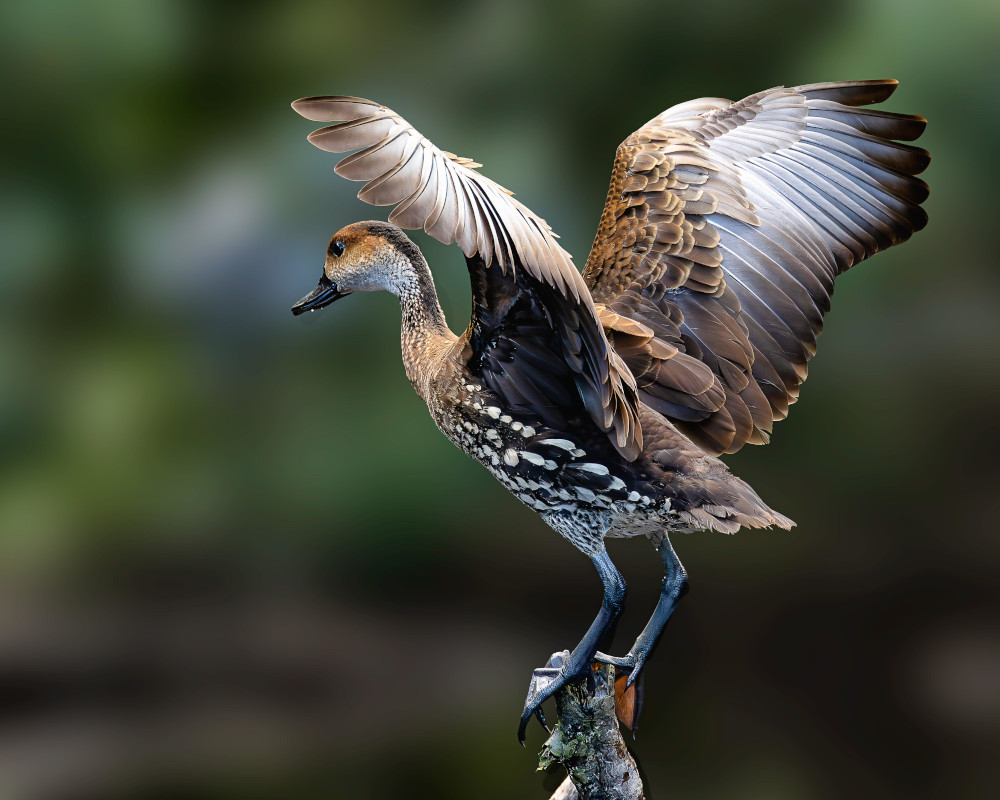
A huge round of applause goes out to this year’s First Place Best Bird Photo champion, Peter Rivera, representing Puerto Rico!
Here is what one of our judges had to say about this winning shot:
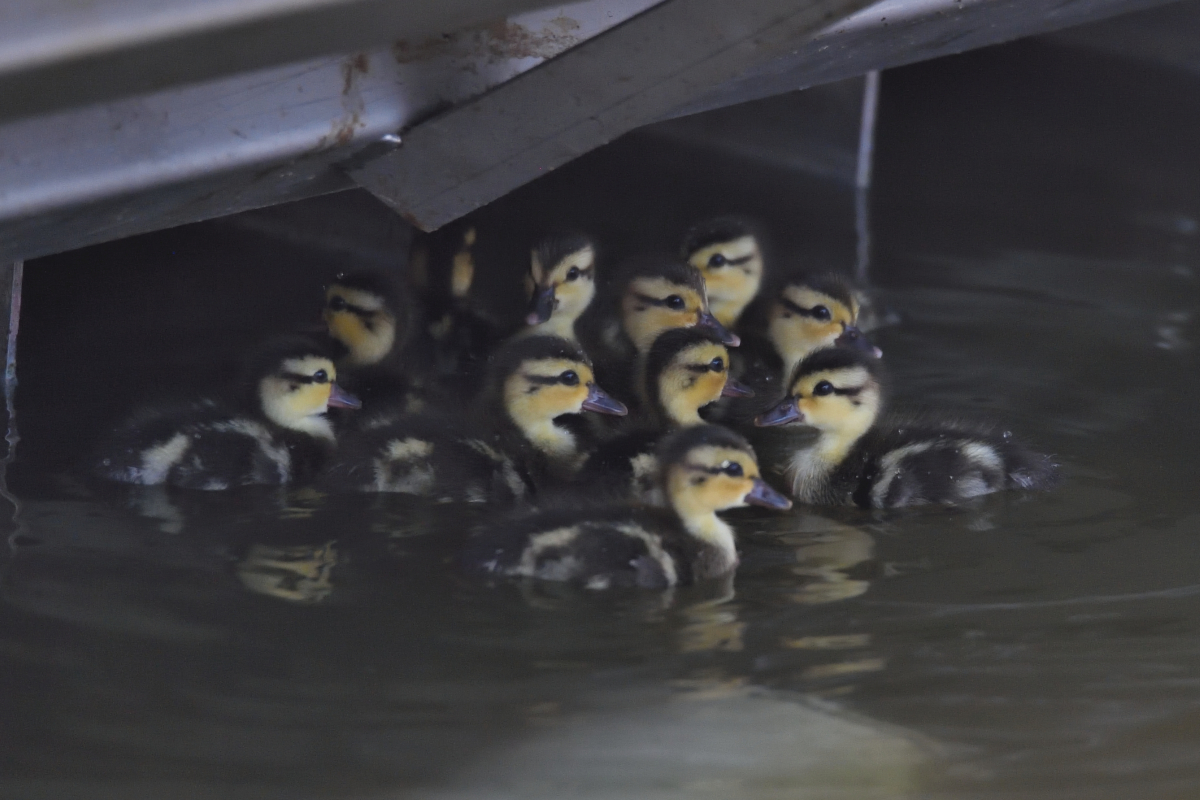
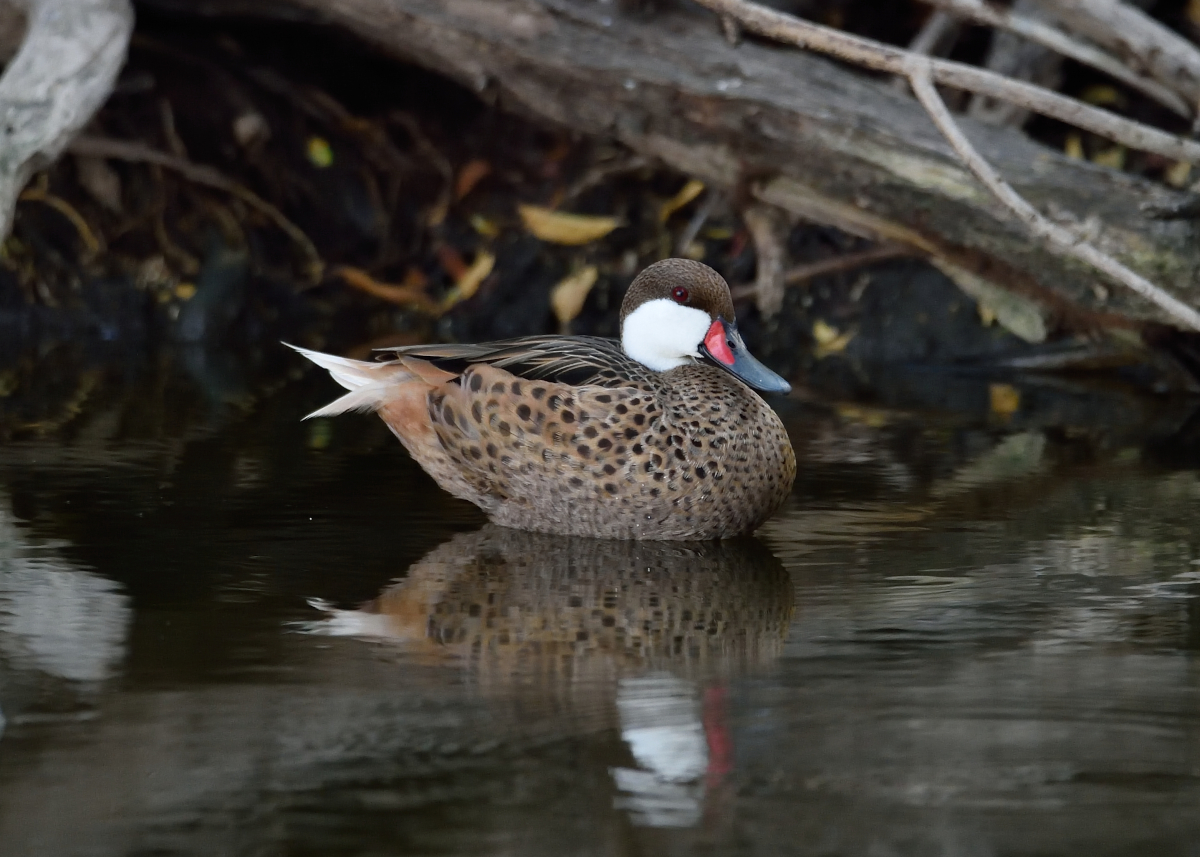
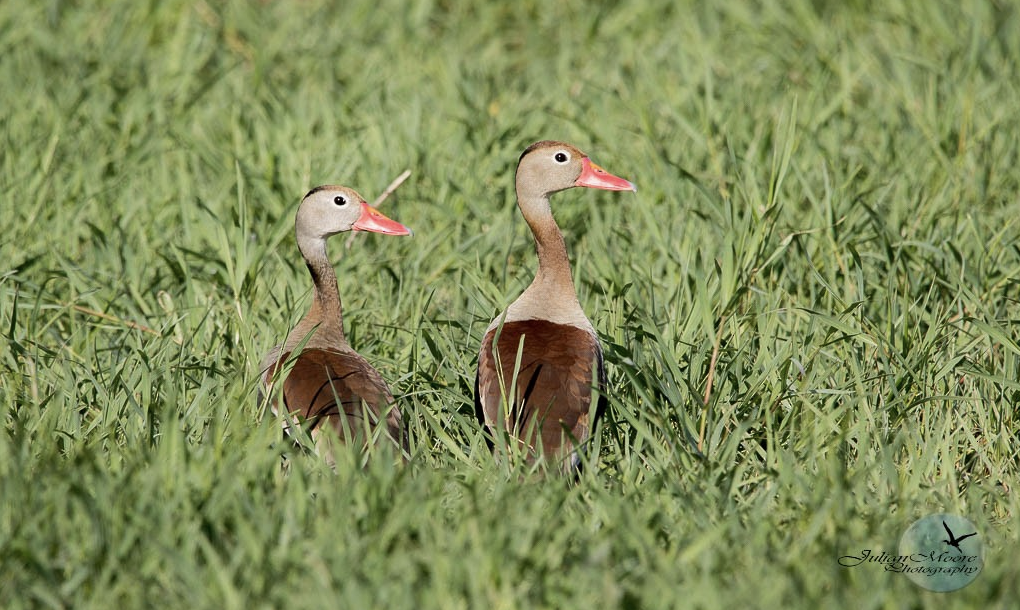
“Gorgeous capture of this special endemic duck, beautifully showing the bird’s enormous wings and rich chocolate-to-cinnamon brown plumage. I also love the tiny drop of water on the bird’s beak.”
West Indian Whistling Duck, Puerto Rico. (Photo by Peter Rivera)
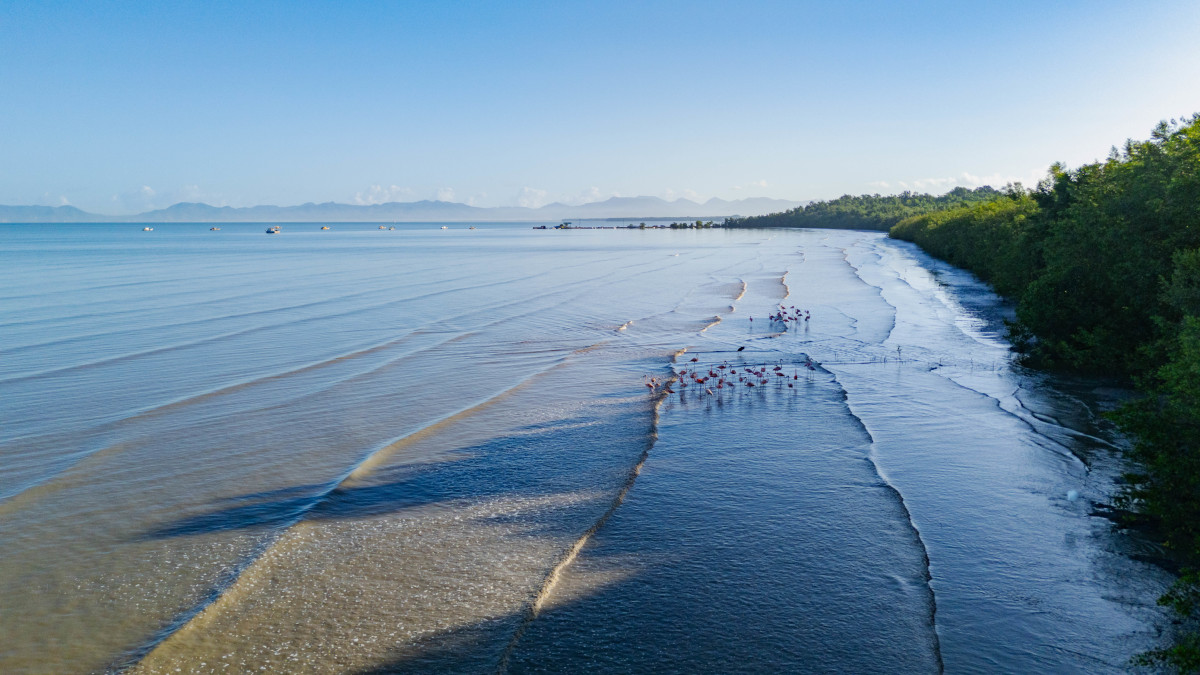
Taking home Second Place Best Bird Photo is an incredible frame of Caribbean andAmerican Flamingos by Zak Ali. “A unique perspective, with the lines created by the incoming waves drawing your eye into the photo and toward the beauty of the flamingos living in this incredible landscape.”
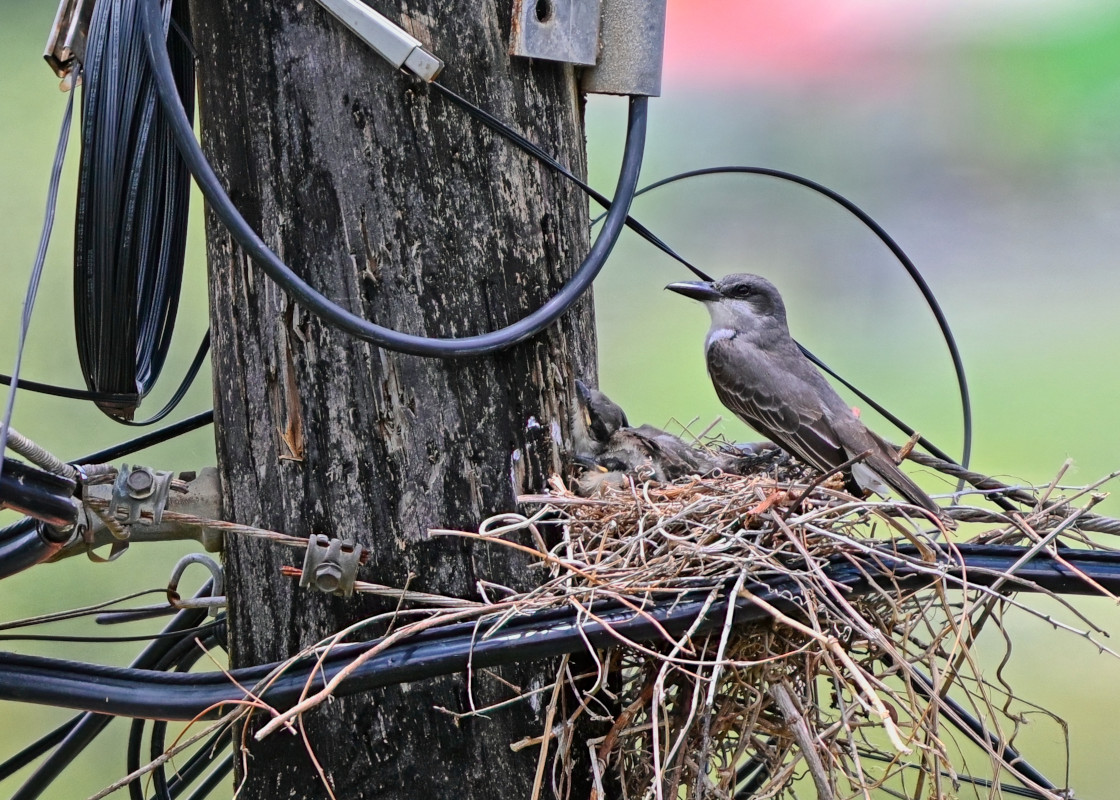
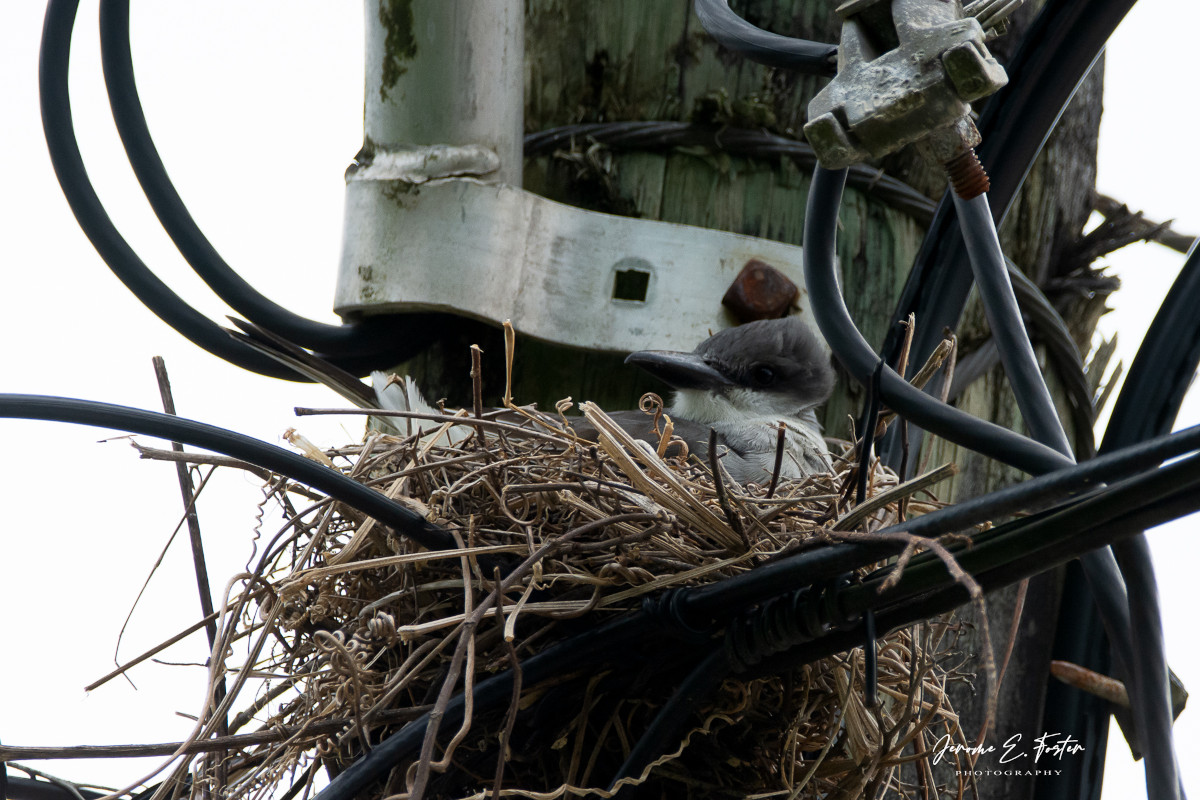
Securing Third Place Best Bird Photo is a stunning capture of a Gray Kingbird with its chicks by Jerome Foster. “A powerful image that vividly shows how well birds have adapted to humankind’s impact on the planet.” “Seeing birds like this too is important—right here, in the middle of manmade structures—a reminder to always be mindful of and act with the understanding that we share our spaces with them.”
With so many exceptional submissions hitting our inbox, the selection process was incredibly tough, and our judges felt several more entries deserved time in the spotlight. Enjoy these standout Honorable Mentions:
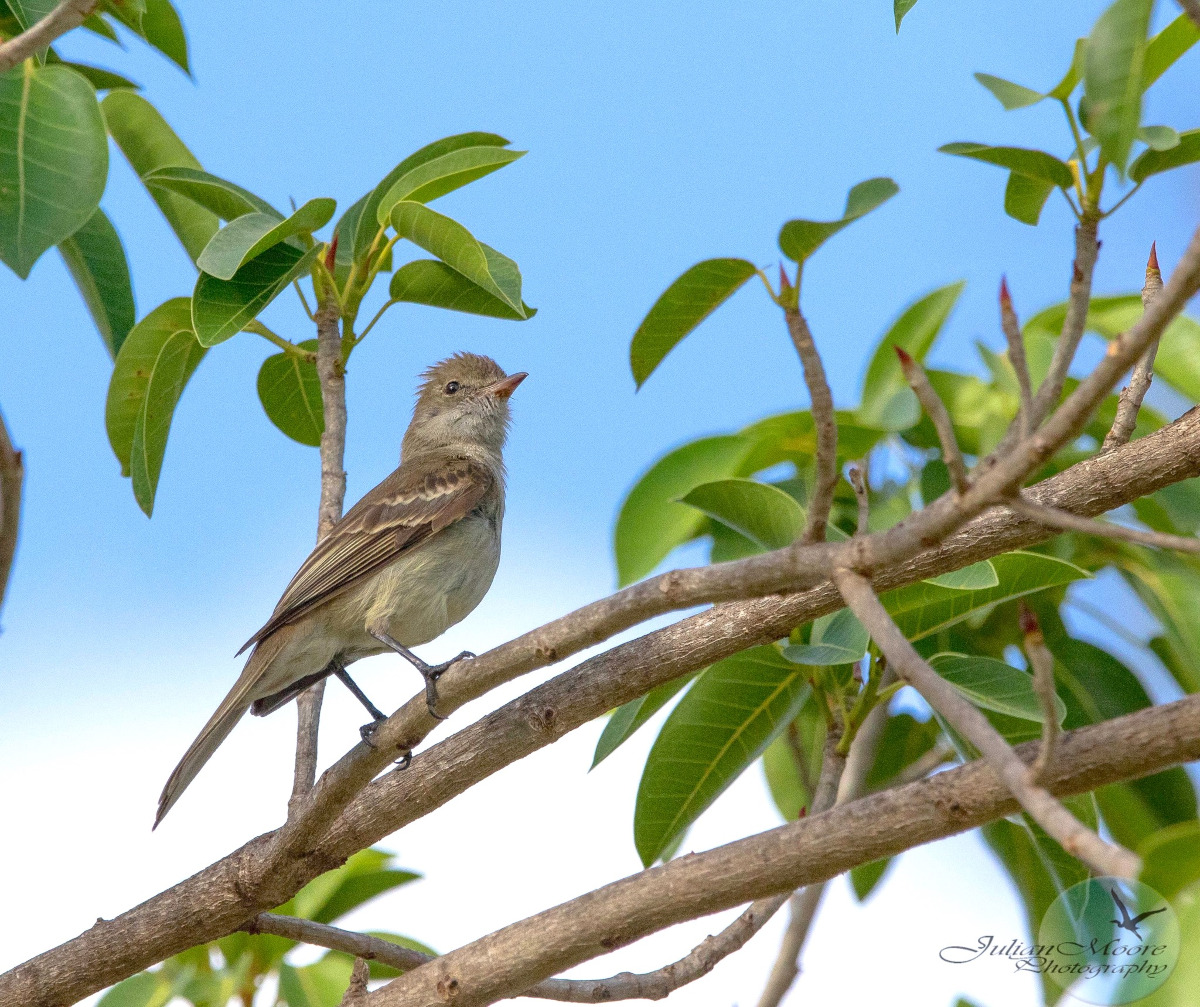
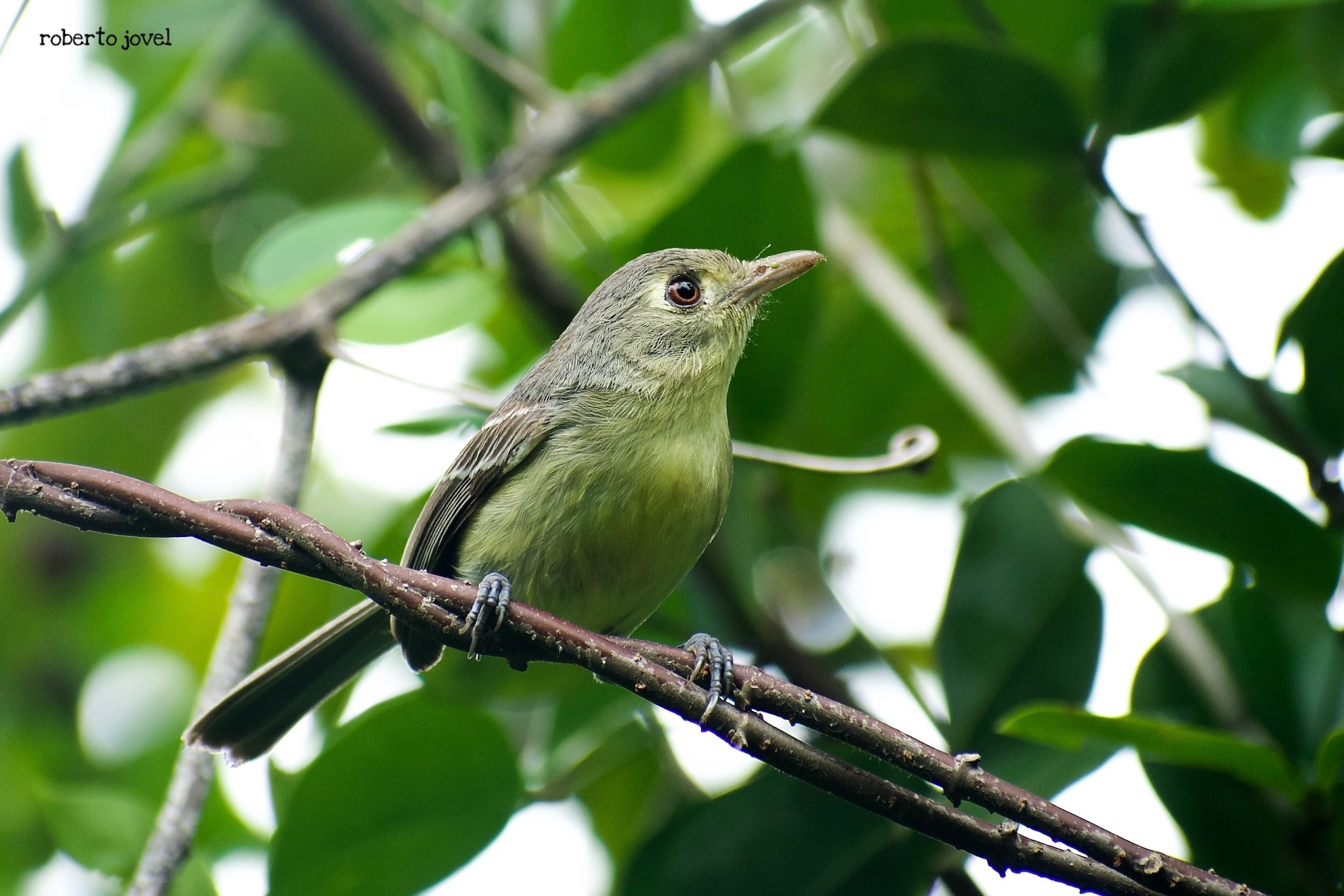
La Sagra Flycatcher. (Photo by Jose Alberto)
Caribbean and American Flamingos, Trinidad. (Photo by Zakariyya Ali)
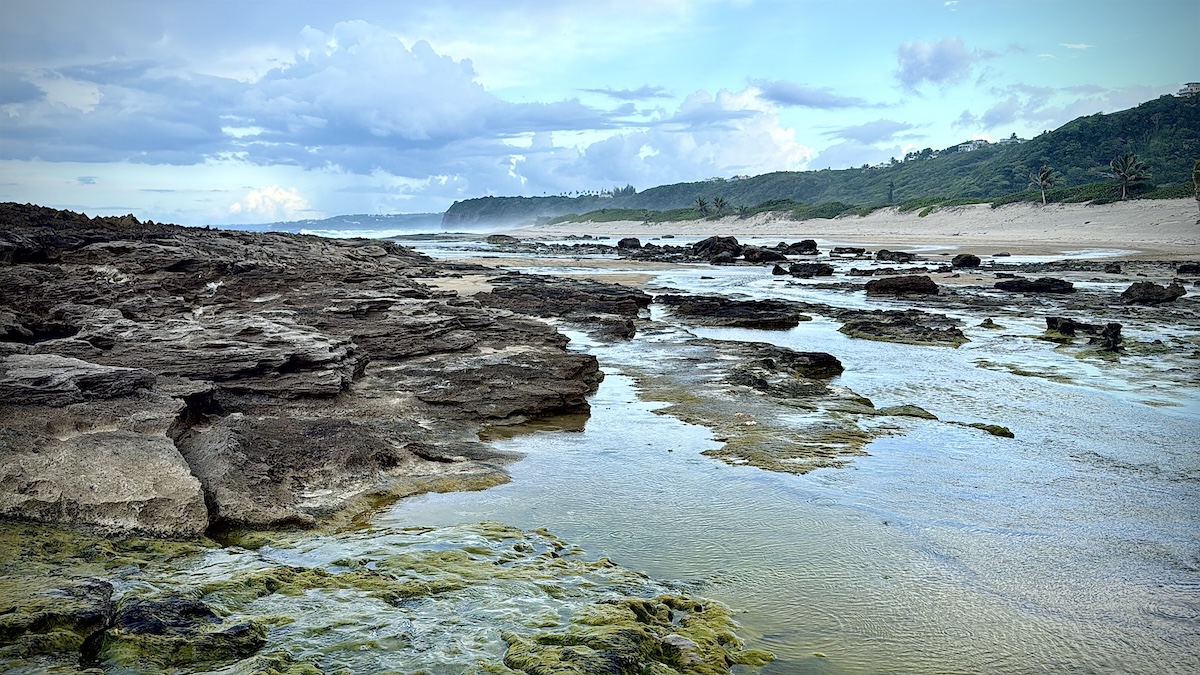
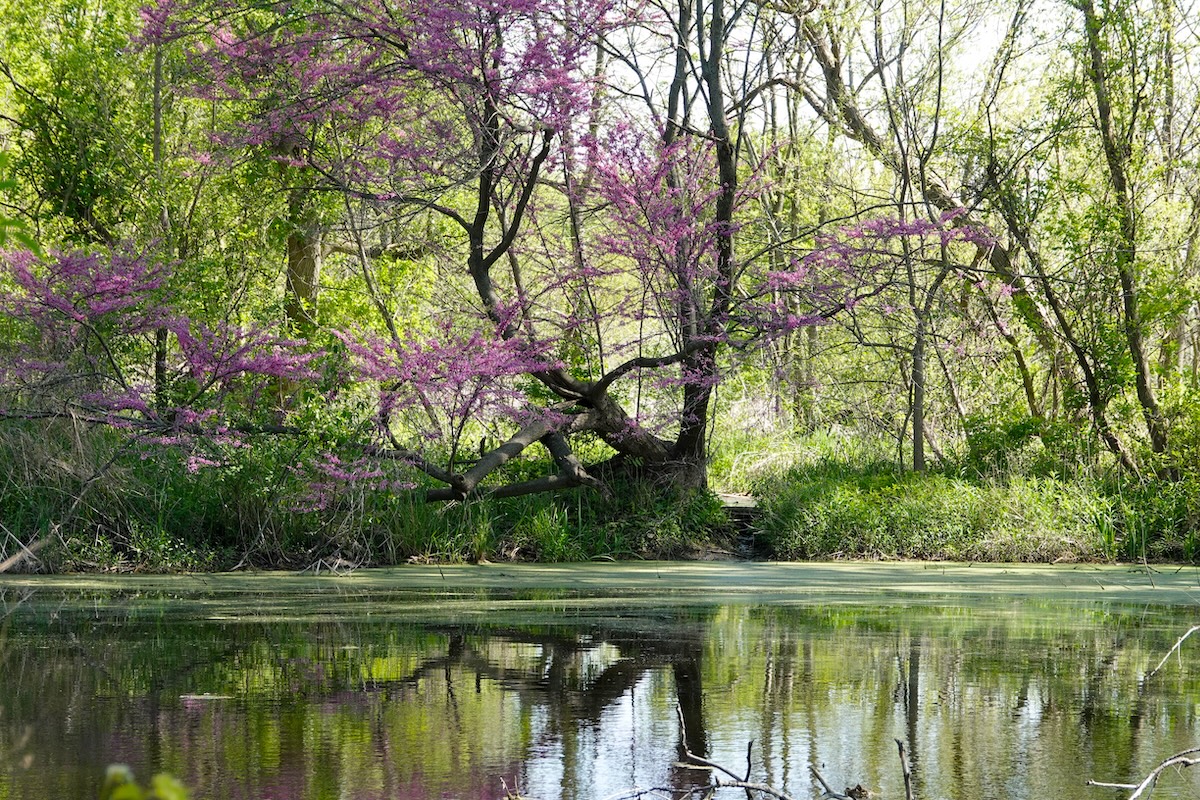
Behind every great bird is a vital habitat. These striking images turn the spotlight on the essential ecosystems like the forests, wetlands, and coastal shores where our birds feed, rest, and raise the next generation. They highlight both the artistry of our photographers and the urgent need to conserve these wild spaces.
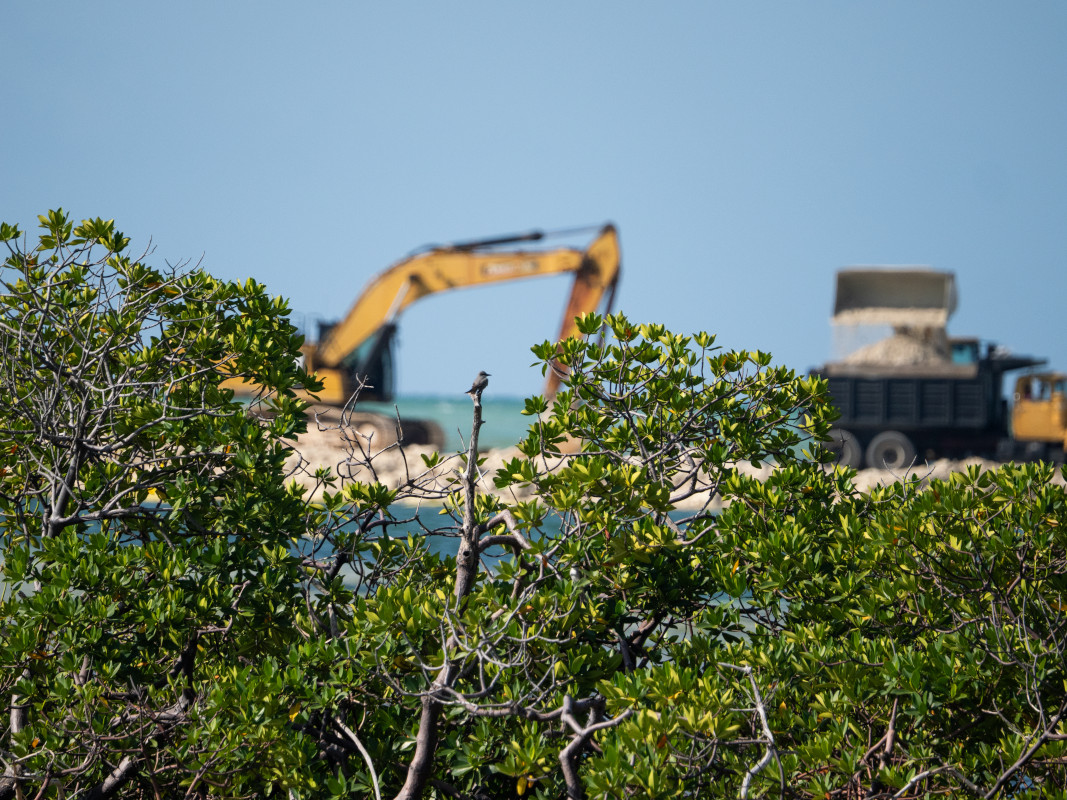
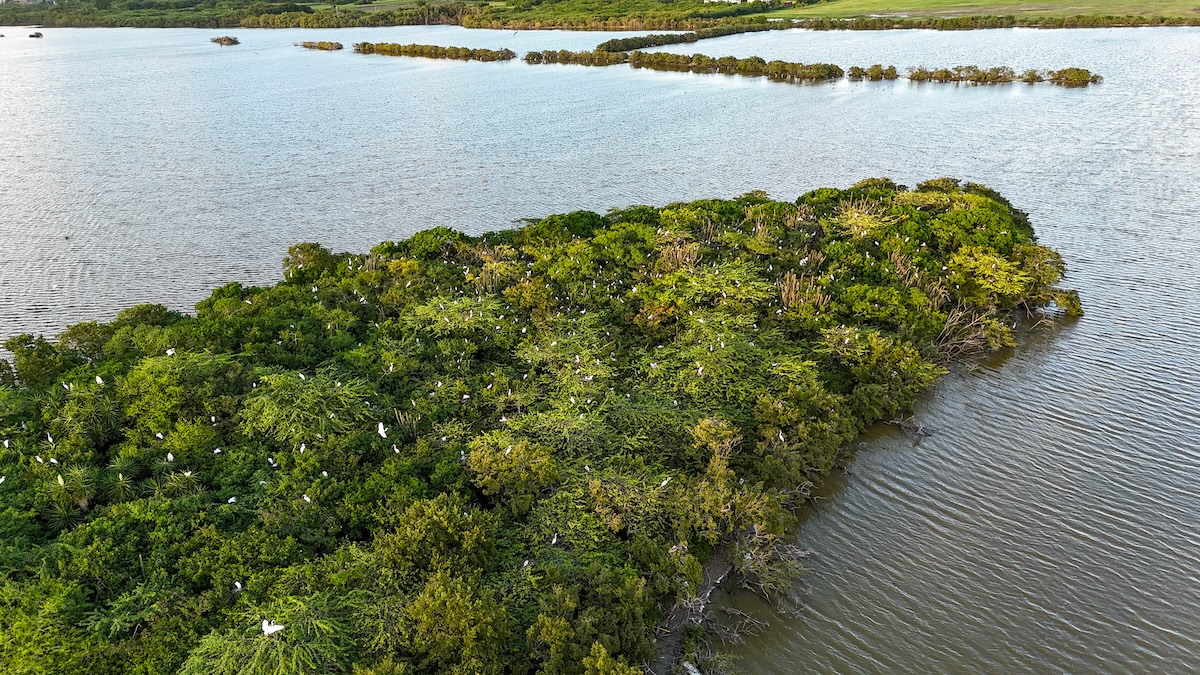
Claiming First Place for Best Landscape Photo is New Providence, The Bahamas, captured by Lowell Coleby! You can view more of his stunning photos here.
“This image tells an important and sobering story about the relentless pace of development across the Caribbean. The small Gray Kingbird perched on a red mangrove branch is perfectly framed against a backdrop of active construction, with dredged material being loaded into a dump truck in the distance. The composition is outstanding, and the photograph succeeds as powerful visual storytelling—capturing both the resilience of wildlife and the growing pressures facing coastal habitats throughout our region.”
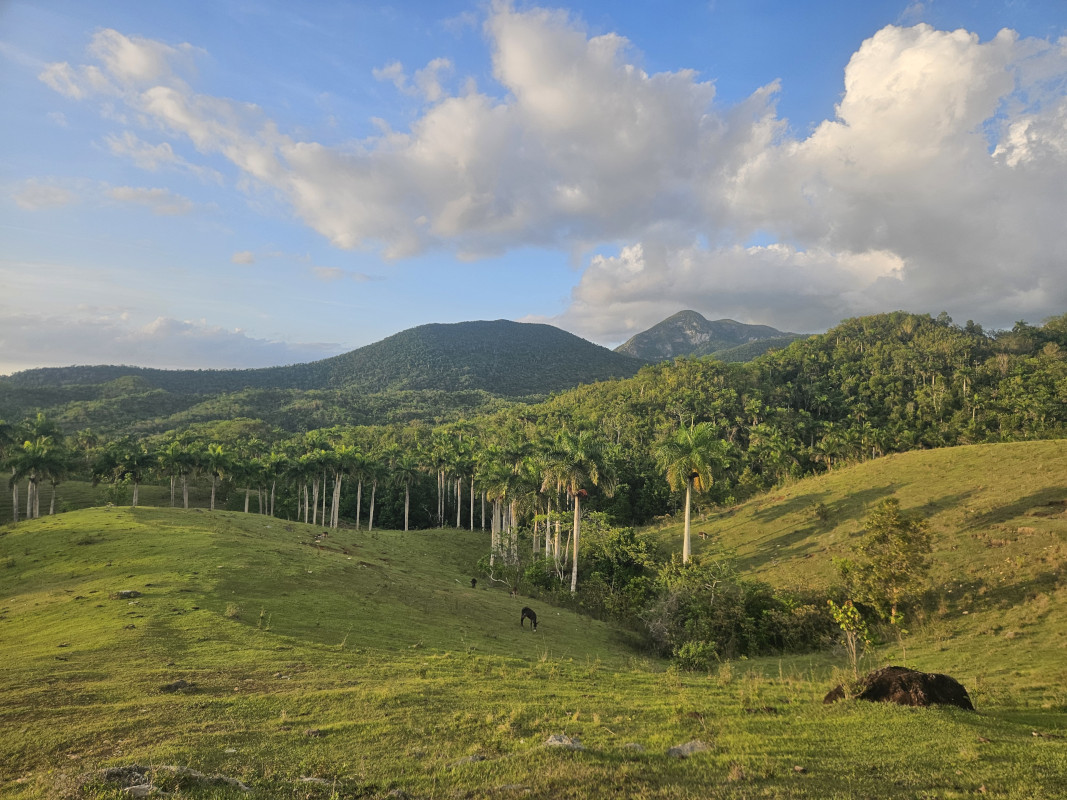
Second Place Best Landscape Photo:Artemisa, Cuba. (Photo by Jose Alberto)
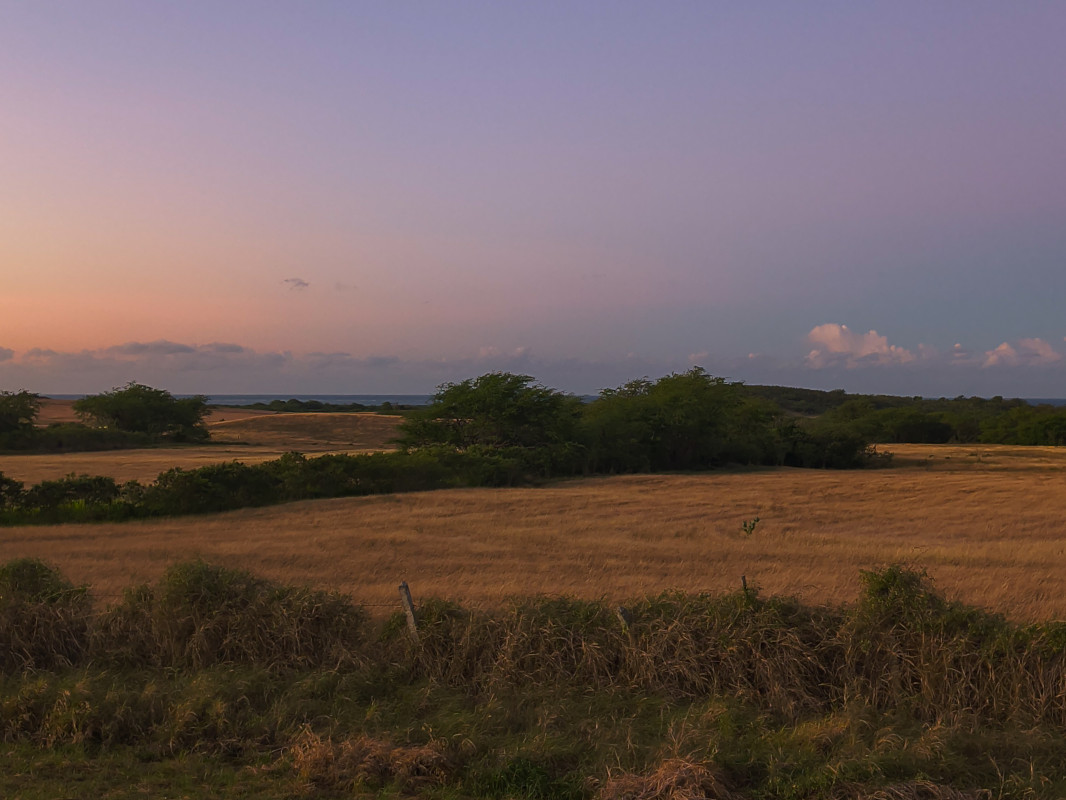
Third Place Best Landscape Photo:Valle de Lajas. (Photo by Eric Torres)
We also want to give a massive shoutout to the rest of our talented landscape contributors. Your dedication to framing the raw beauty of these habitats is deeply appreciated!
Margarita Island. (Photo by Jemimah Rivera)
Viñales, Cuba. (Photo by Nils Navarro)
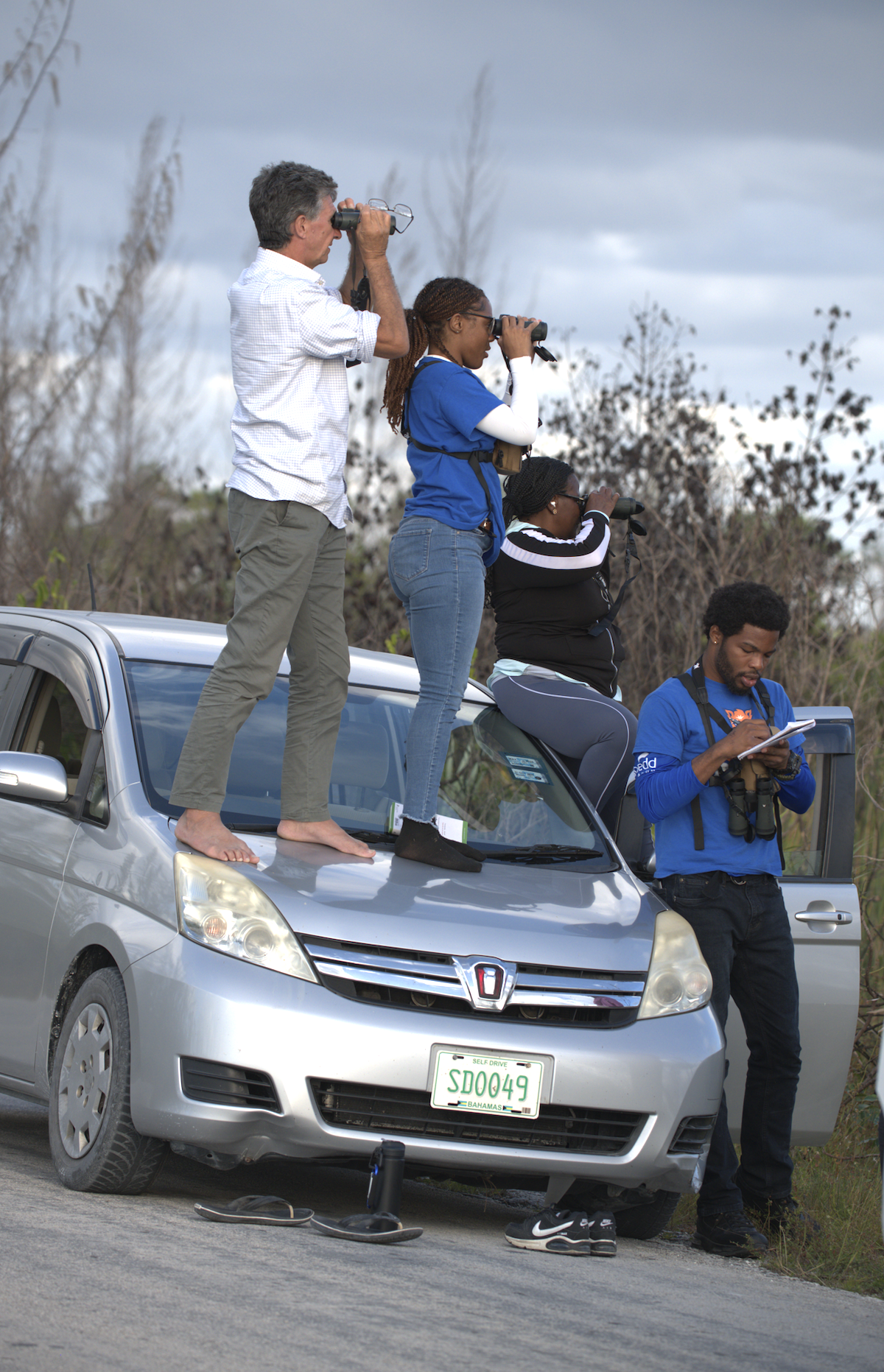
Best Behind-the-Scenes (BTS) Moments
While GBD is fundamentally about the birds, half the fun is the beautifully chaotic human adventure happening just out of frame. We love that our birders gave us a sneak peek into the hilarious, exhausting, and uplifting realities of a 24-hour birding blitz.
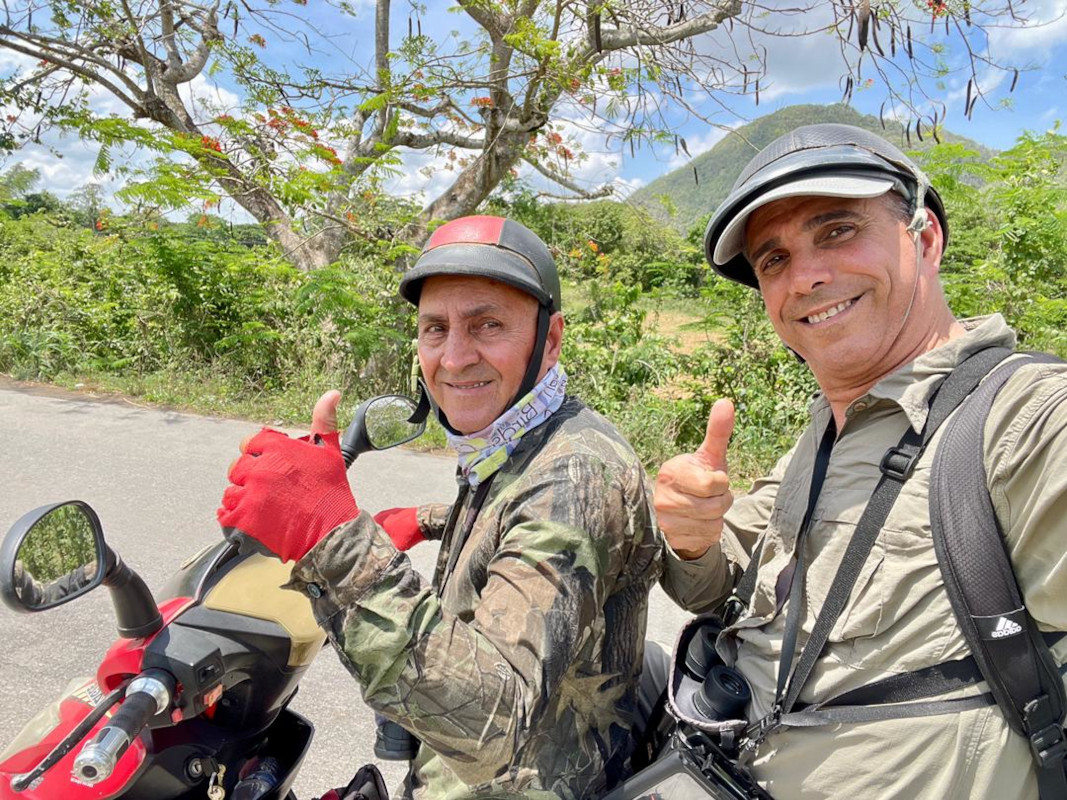
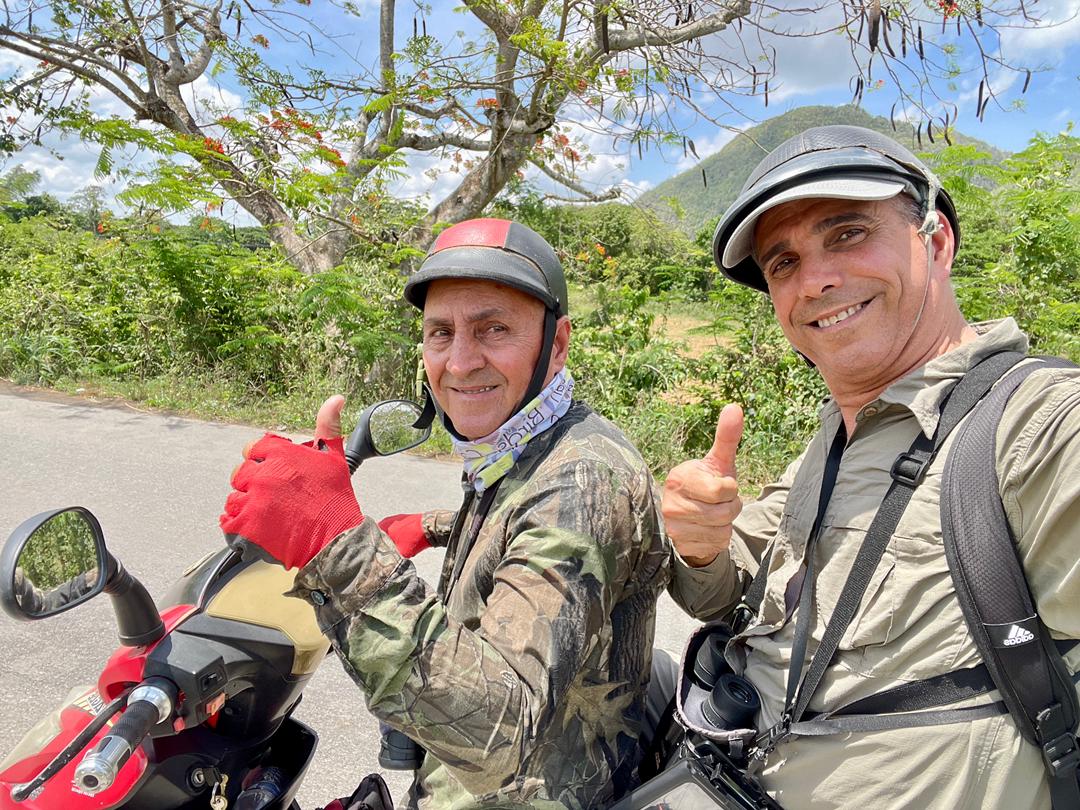
Climbing to the top of the leaderboard for our First Place Behind The Scenes (BTS) category is Nils Navarro from the Cuban Birding Team with “Birding by Bike!”
“Cuba is facing very difficult conditions right now, with severe shortages of fuel and electricity. Yet, as usual, the Cuban teams absolutely crushed it on Global Big Day—birding joyfully from their backyards and traveling by bicycle, on foot, and by motorbike to find birds. This photo beautifully captures the resilience, passion, and optimism of our Cuban colleagues, who always find a way to contribute and make a difference despite the challenges.”
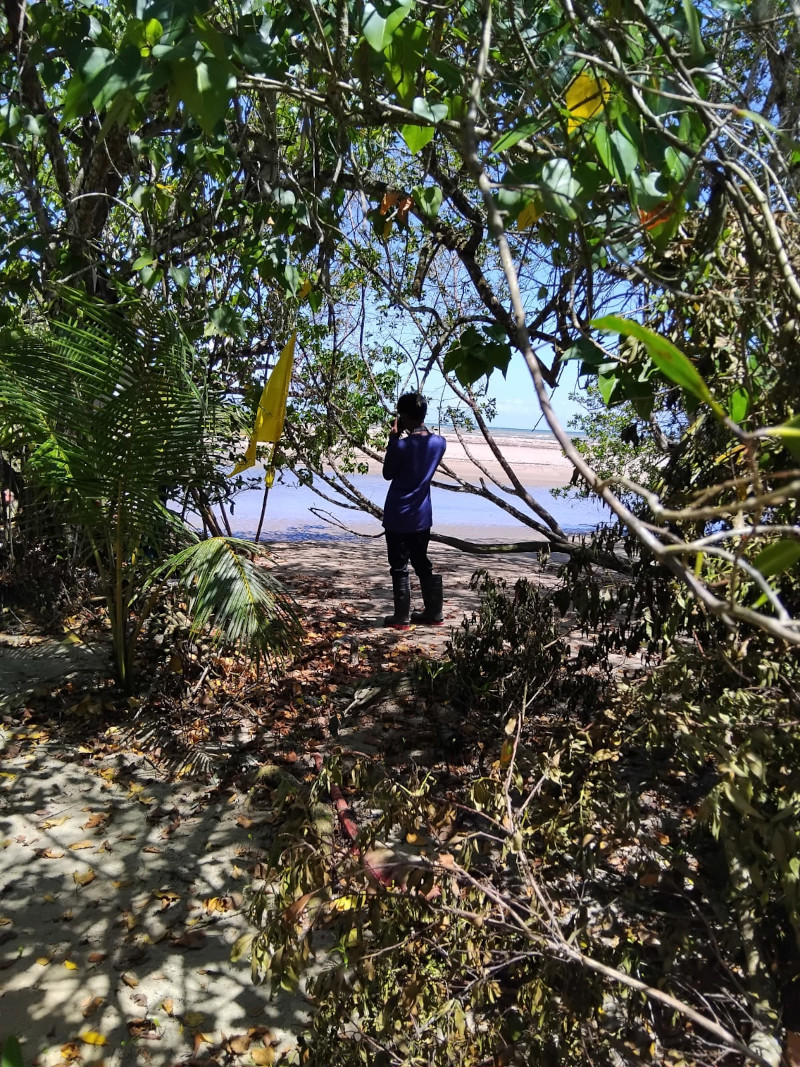
Our Second Place Behind the Scenes honor goes to Dr. Leandra Dass for capturing her young, enthusiastic birder son doing what he loves–birdwatching, in Moruga (central-south coast of Trinidad).
“This capture is feels like a delightful moment where everything came together just right—Xavier framed in the heart foliage is technically a pretty shot—but it also captures the love and joy that we feel when birding. A beautifully charming photo!”
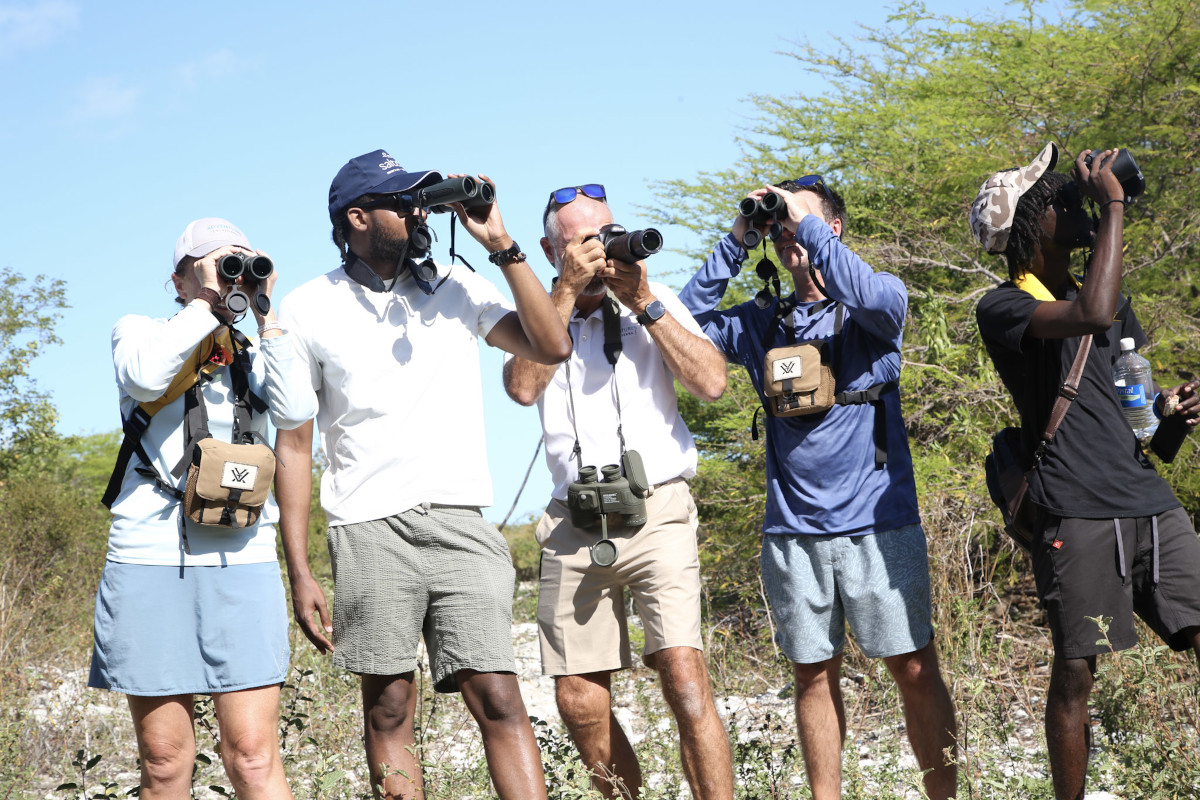
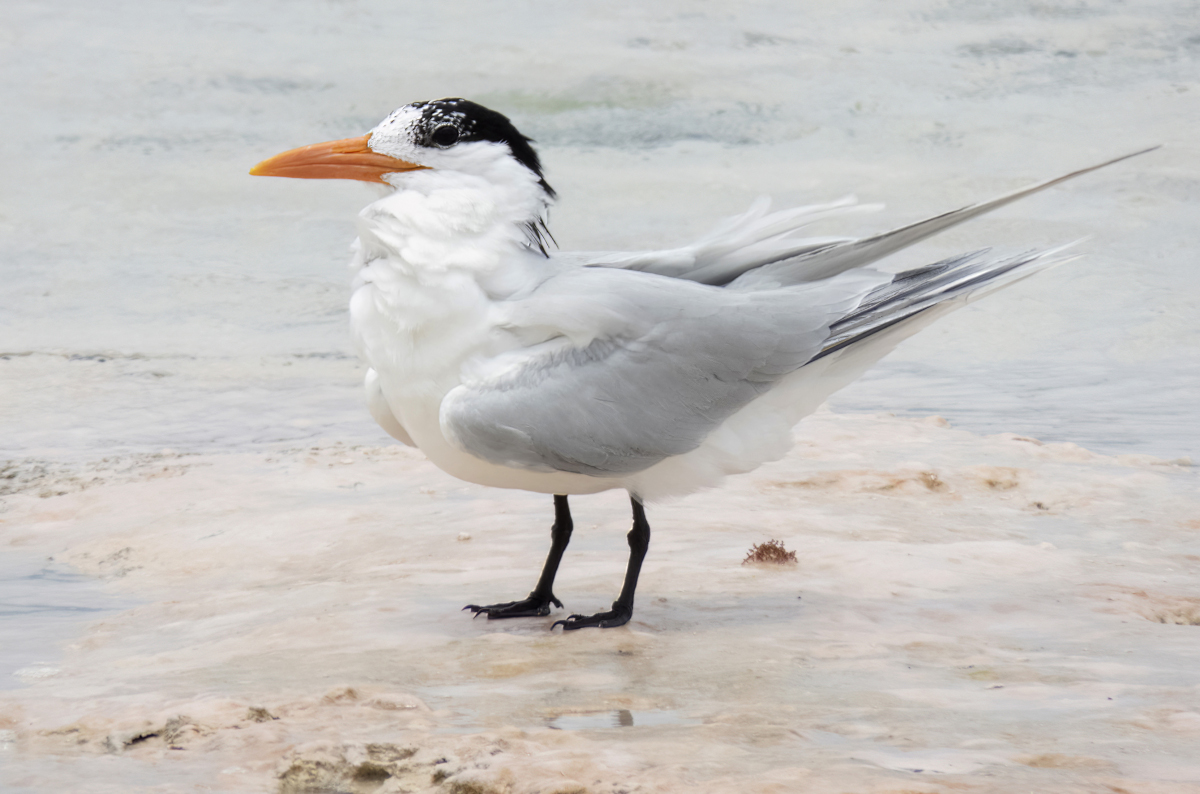
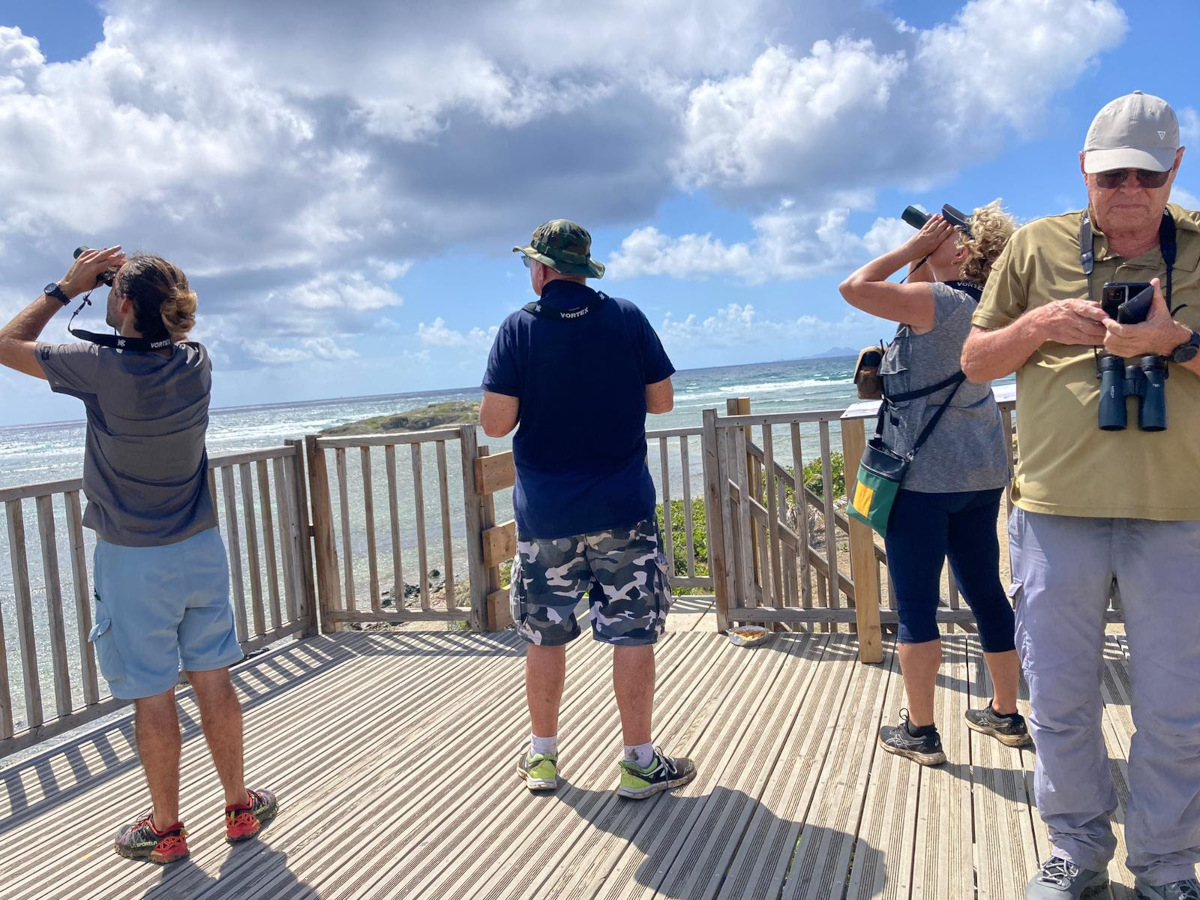
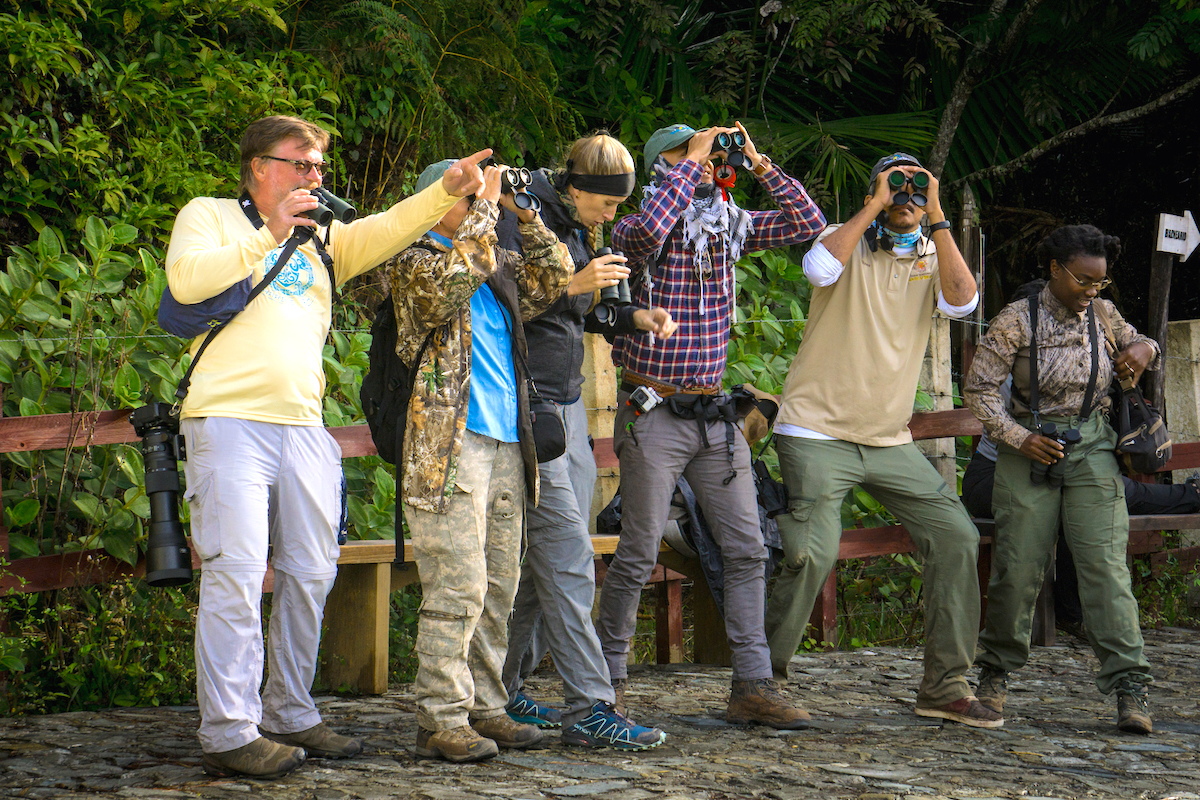
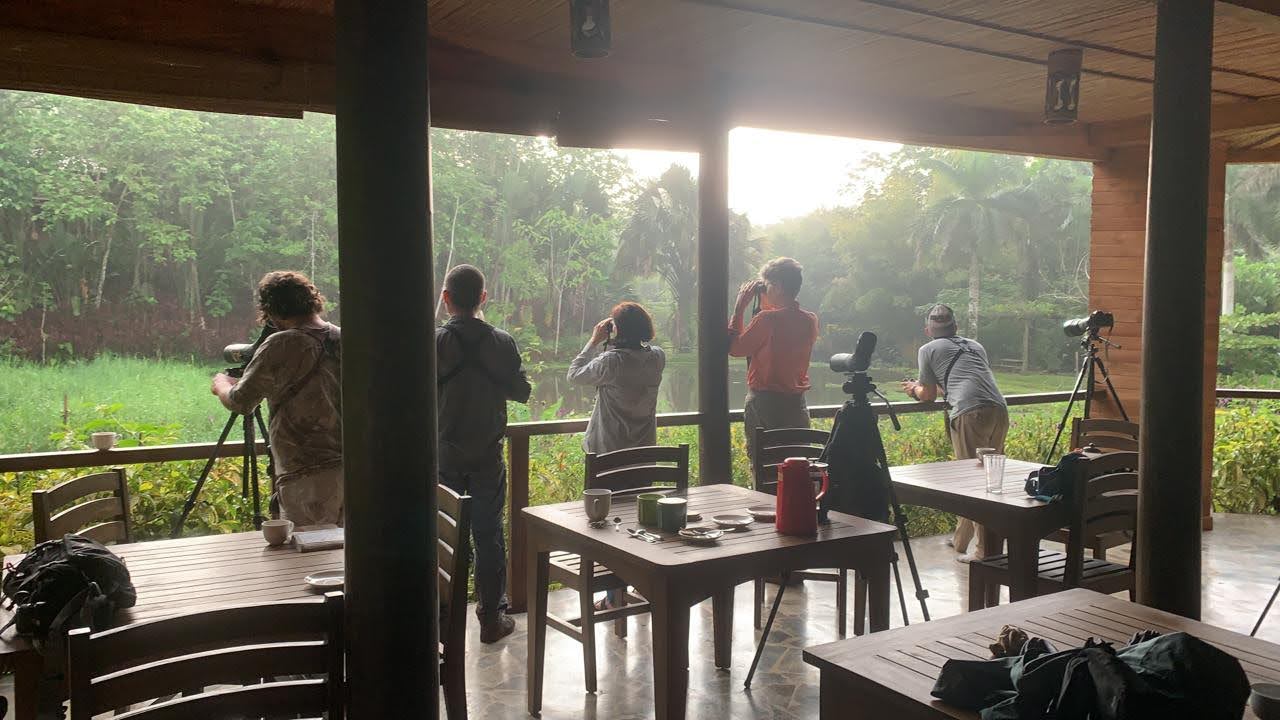
The Third Place Behind the Scenes award goes to Davian Amore of Simon’s TCI Royal Terns. We suspect the local birds are running a very effective distraction strategy.
“A wonderfully humorous photo of five birders in tiny South Caicos, each looking in a completely different direction through binoculars or a camera. You just know they had a fantastic day in the field. The TCI Royal Terns turned out in force this year to celebrate birds and honor the legacy of beloved team leader, Simon Busuttil, whose passion for birds and conservation continues to inspire the team.”
Special congratulations again to the TCI Royal Terns for placing 5th in the world on eBird’s official count of countries with an increase in Global Big Day eBirders from 2025!
Honorable mentions:
Birding from the truck bed. (Photo by Serene Ramjohn)
Arecibo, Puerto Rico. (Photo by Diego A. Bisbal Rodriguez)
Piping Pawis team up and about before the crack of dawn. (Photo by Leandra Dass)
Youngest GBD-er 2026
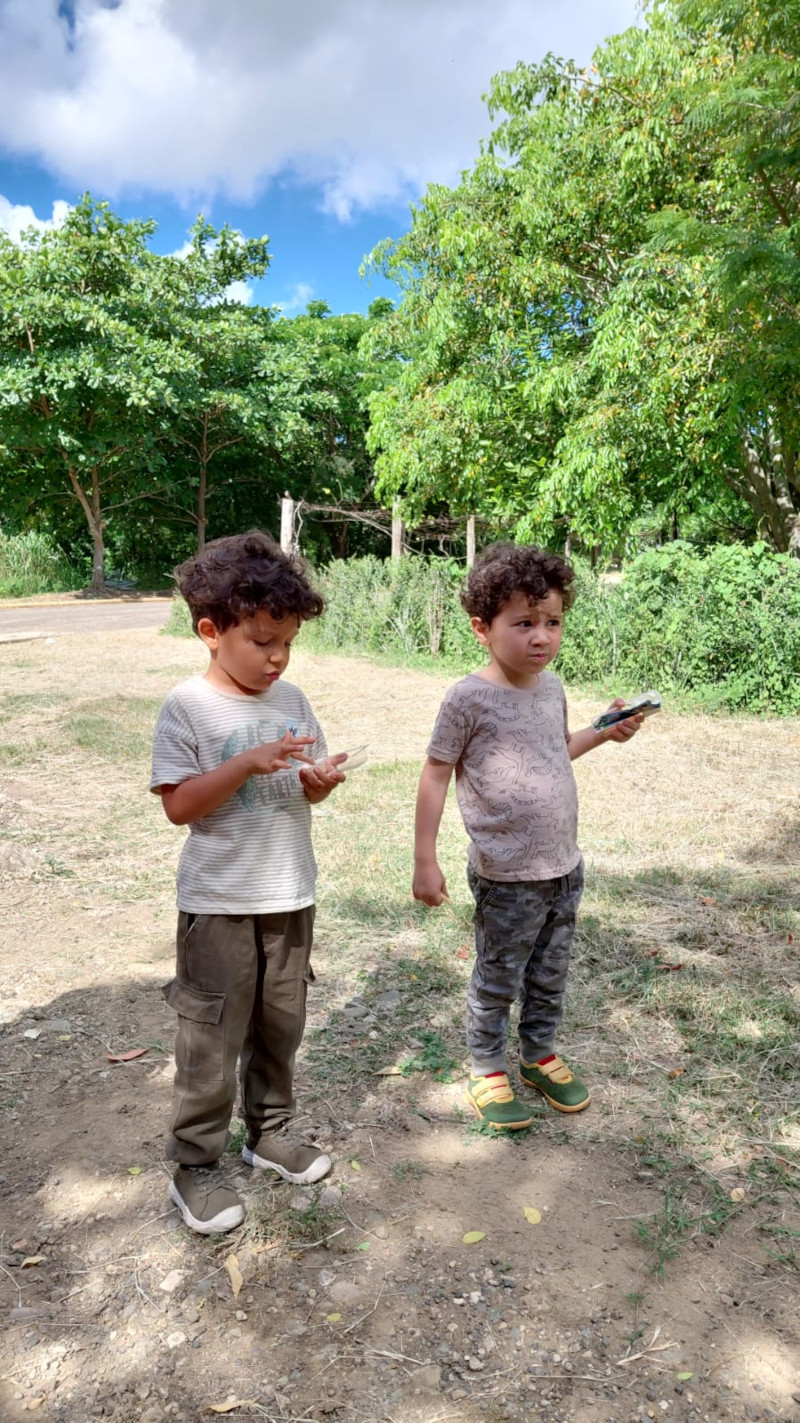
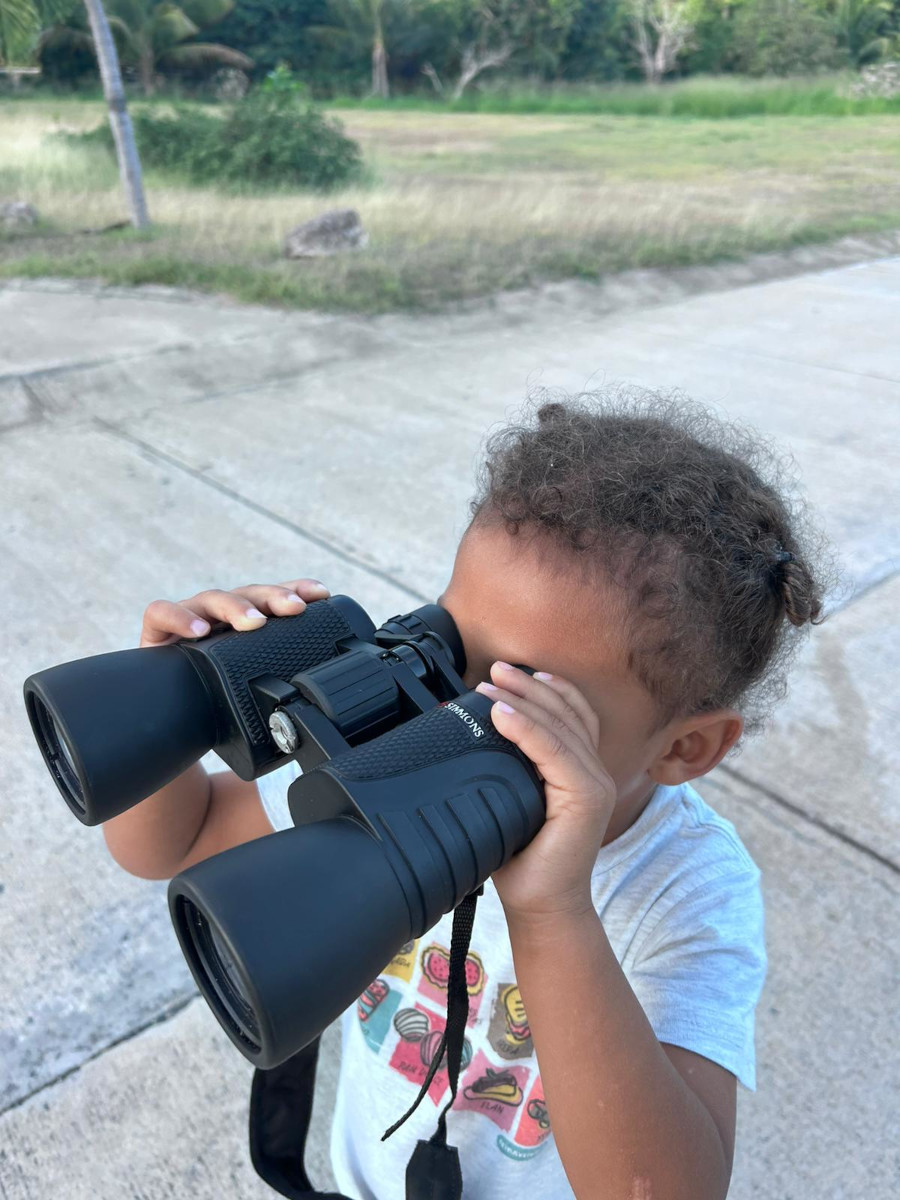
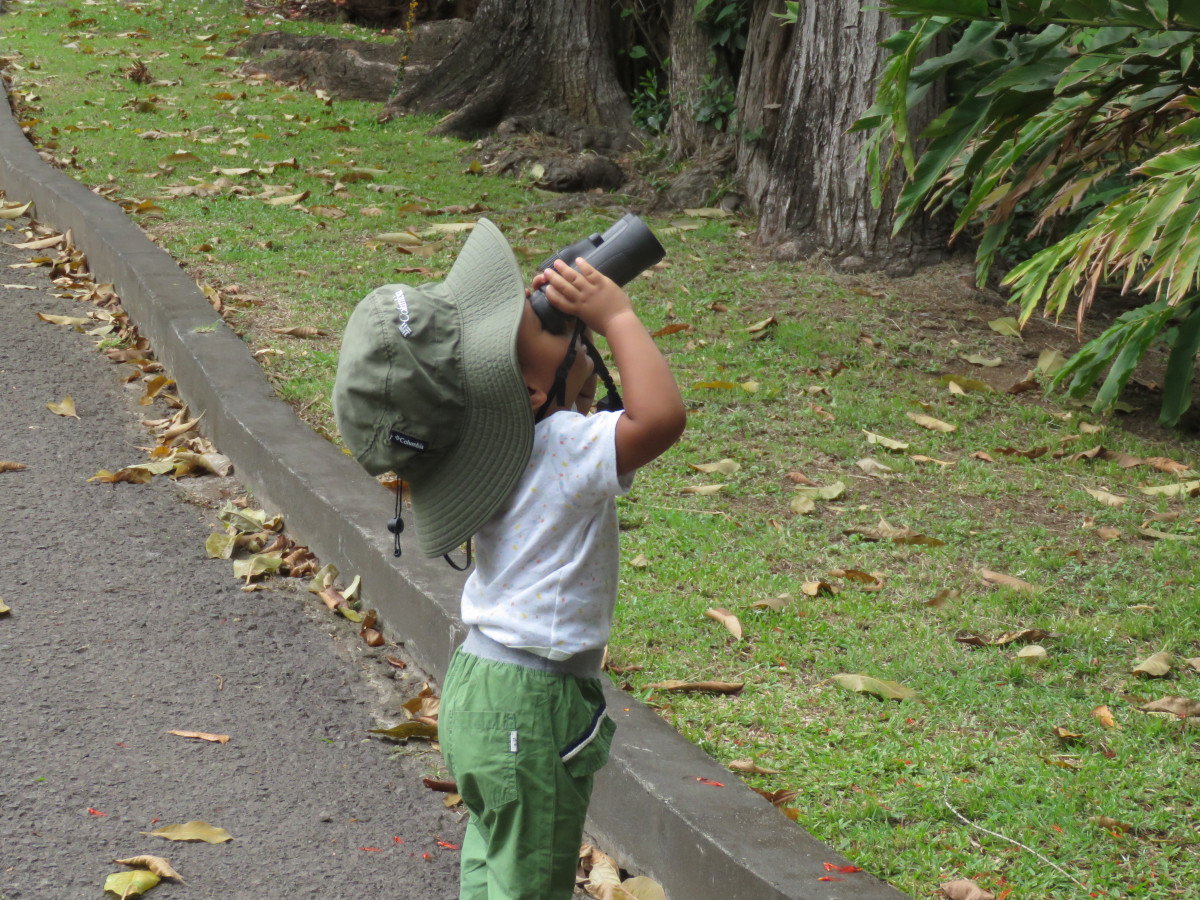
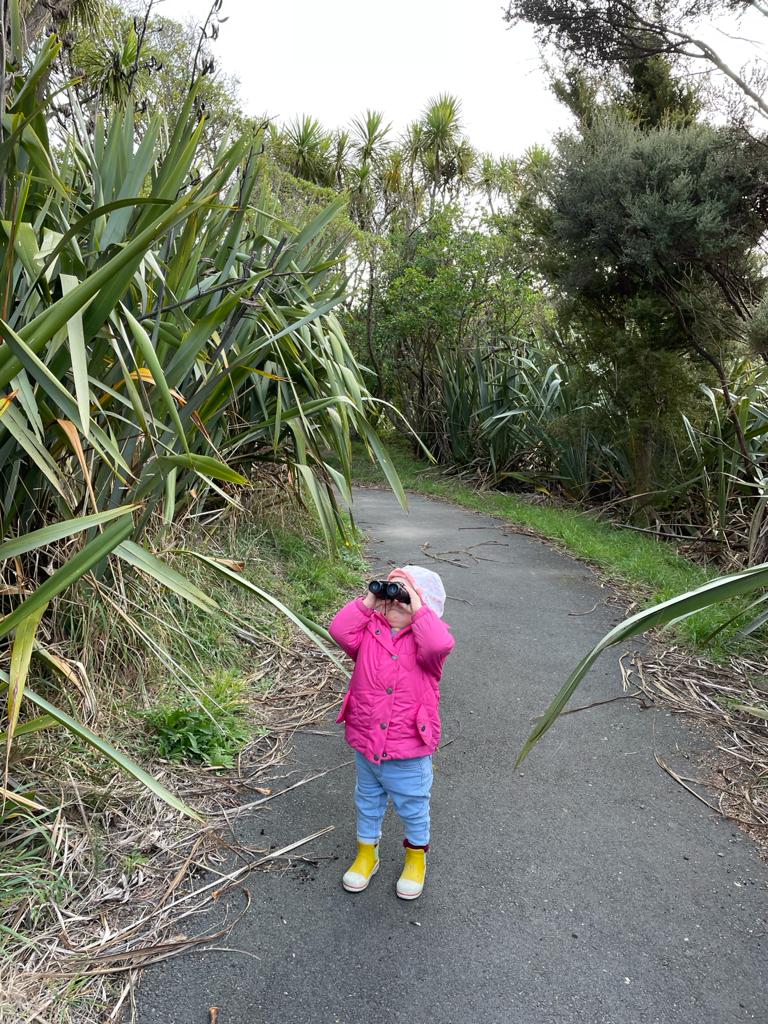
We love to see when young people connect with the incredible bird communities in their home countries and we hope to see more young naturalists participating in next year’s GBD!
Kids birdwatching in the Dominican Republic. (Photo by Andrea Thomen)
Golden Hour
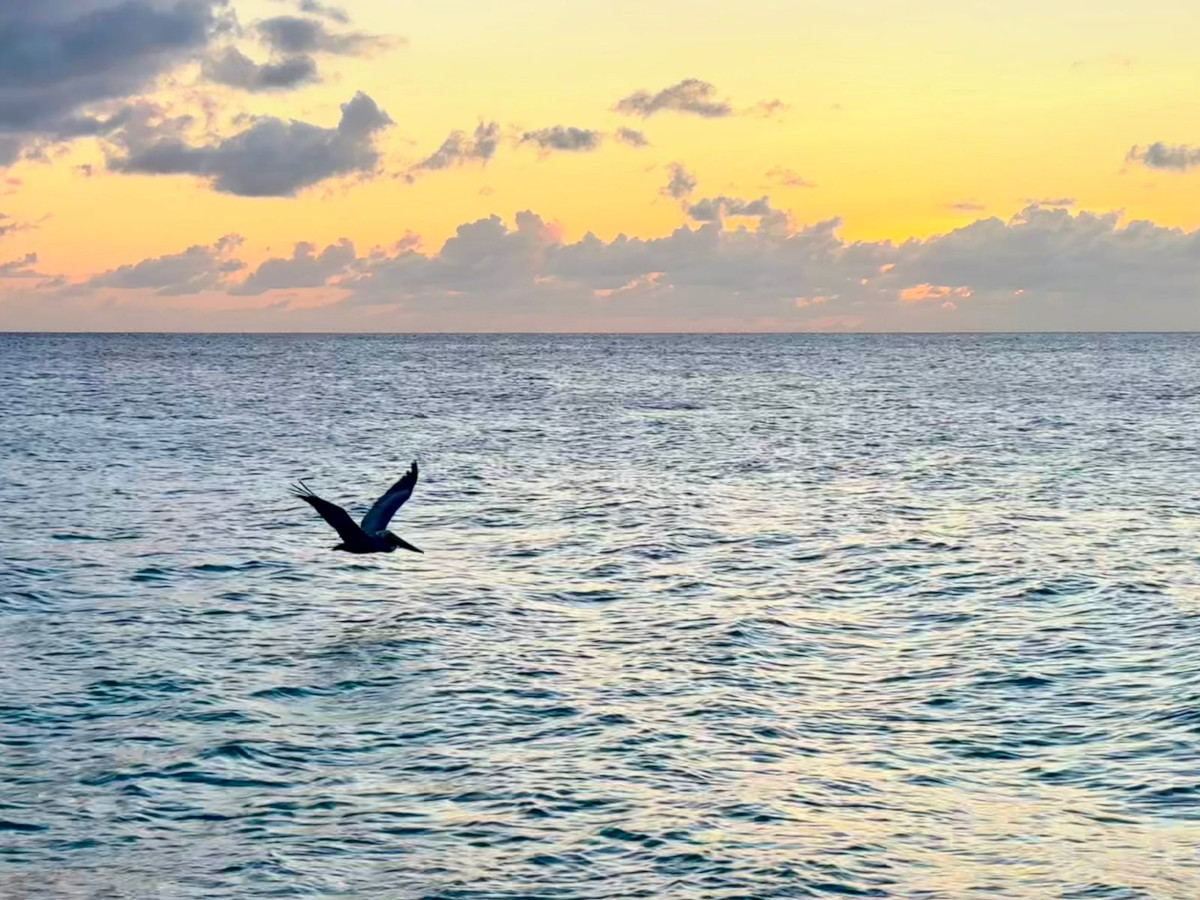
Silhouettes are a beautiful way to play with light and add drama to your photos.
Brown Pelican at sunset, USVI. (Photo by Jennifer Valiulis)
You’ve got the wrong guy!
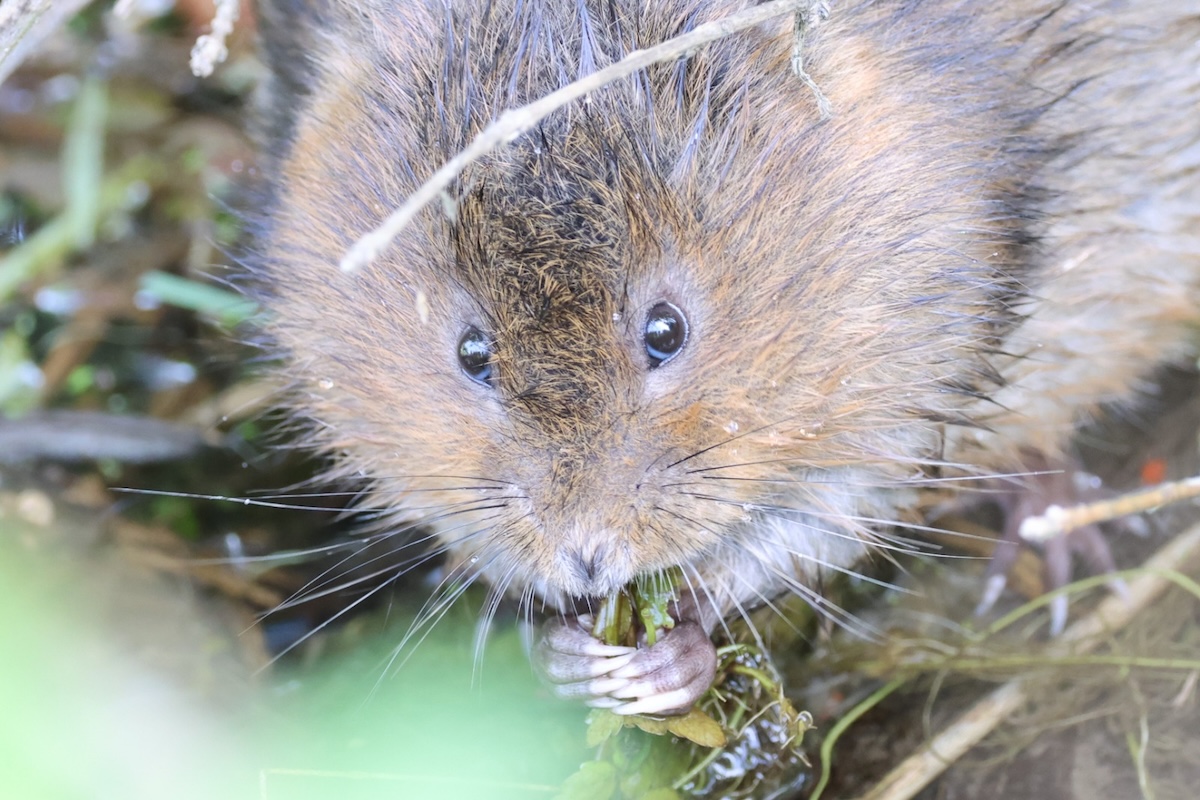
Members of the President’s Perch team in England said they were scanning the skies and tree tops for birds but sent us this photo of an adorable Water Vole. We asked our eBird guru if this counts as a furry, flightless waterfowl. He still has not replied.
Water Vole. (Photo by Andrew Dobson)
Ready for my close up
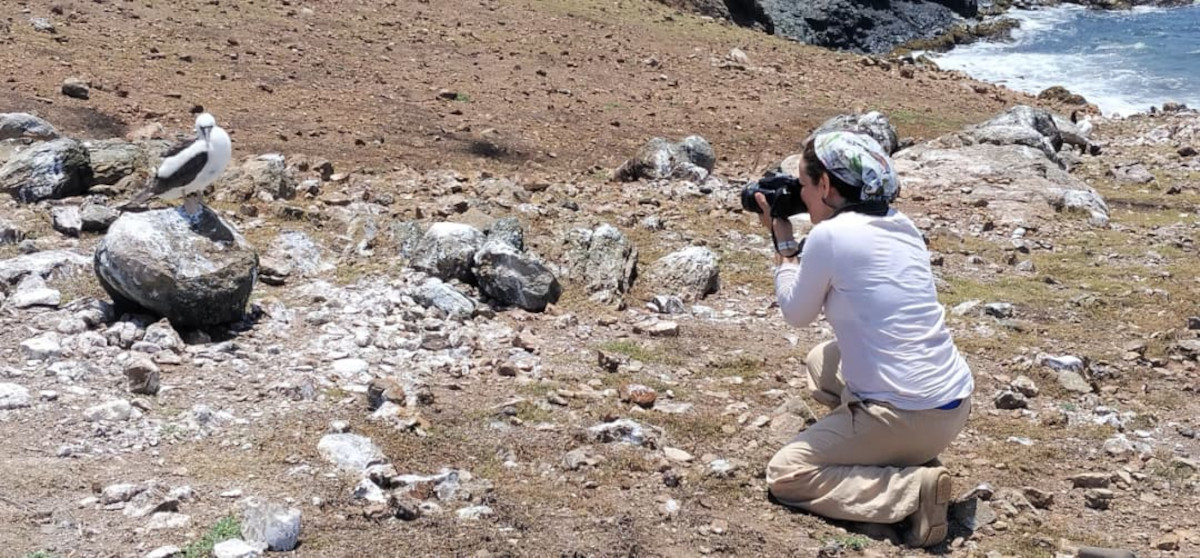
Seabird research ❎ Vogue photoshoot ✅
Masked Booby. (Photo by Jemimah Rivera)
Best hair style
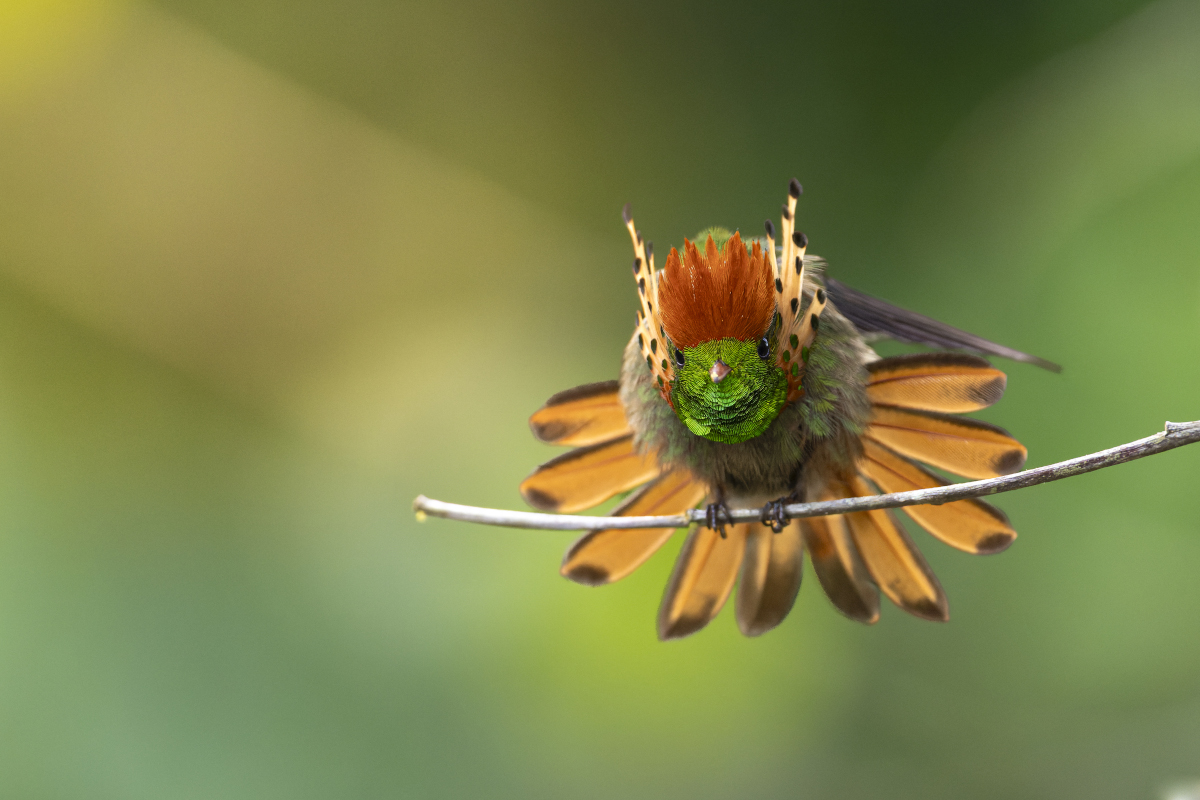
This Tufted Coquette secured the crown for ‘Best Hair’ with the kind of gravity-defying volume that most salon products can only promise.
Tufted Coquette. (Photo by Josh Bajnath)
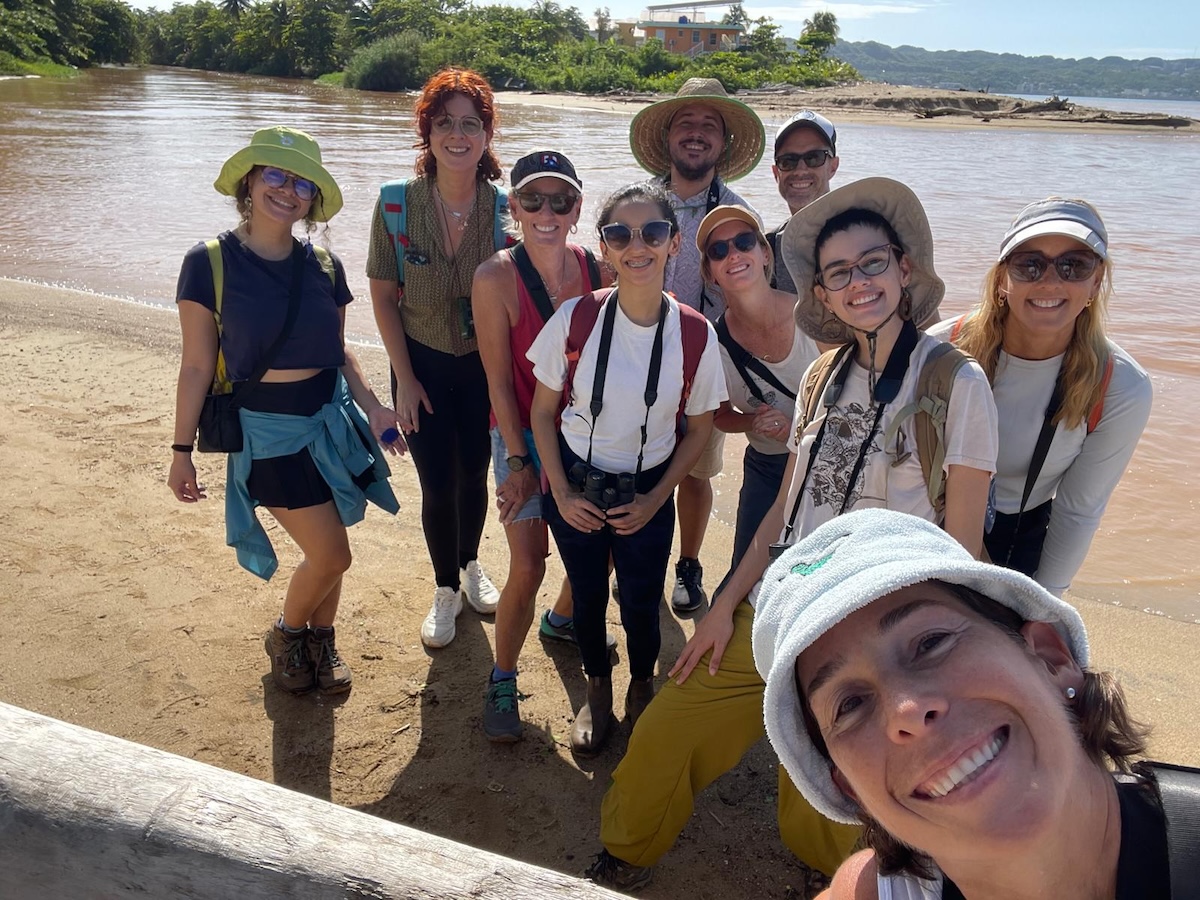
Best Team Selfie
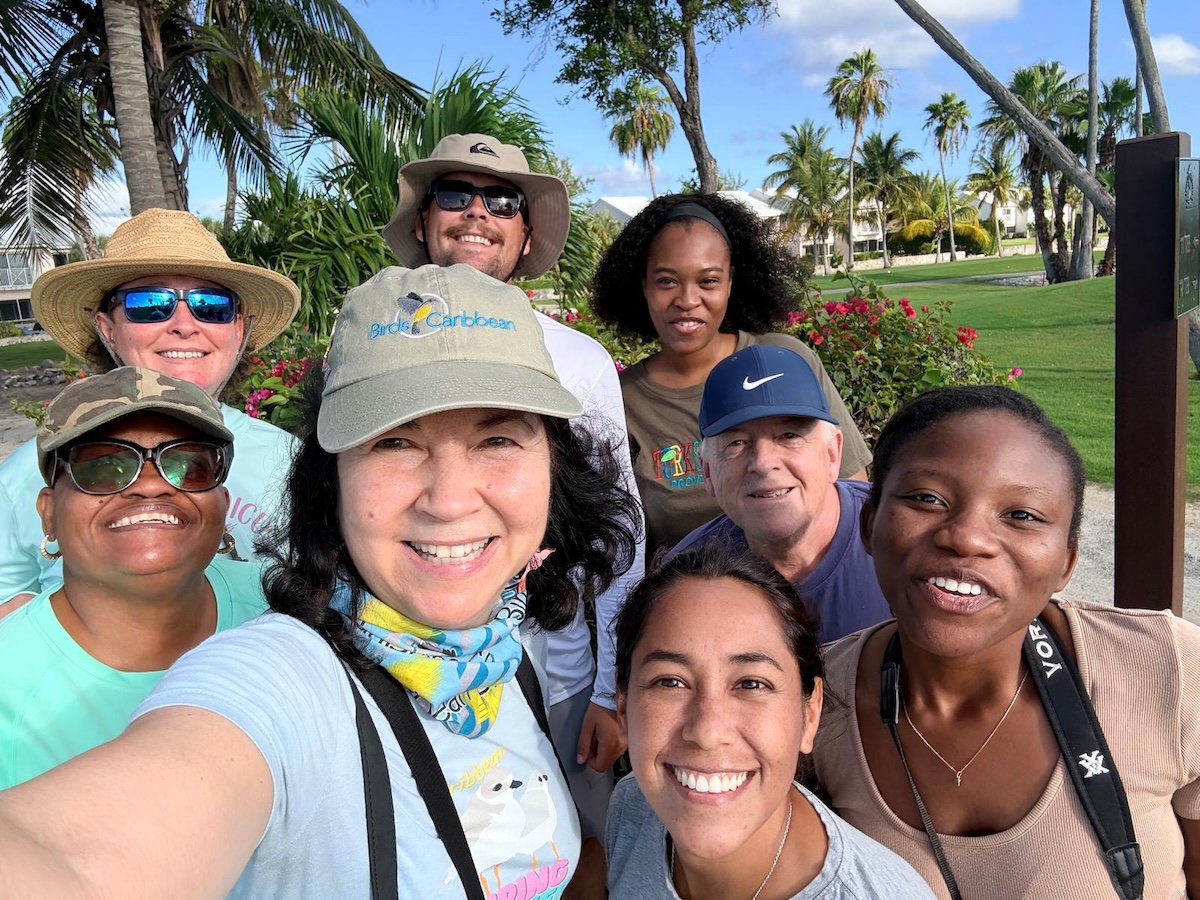
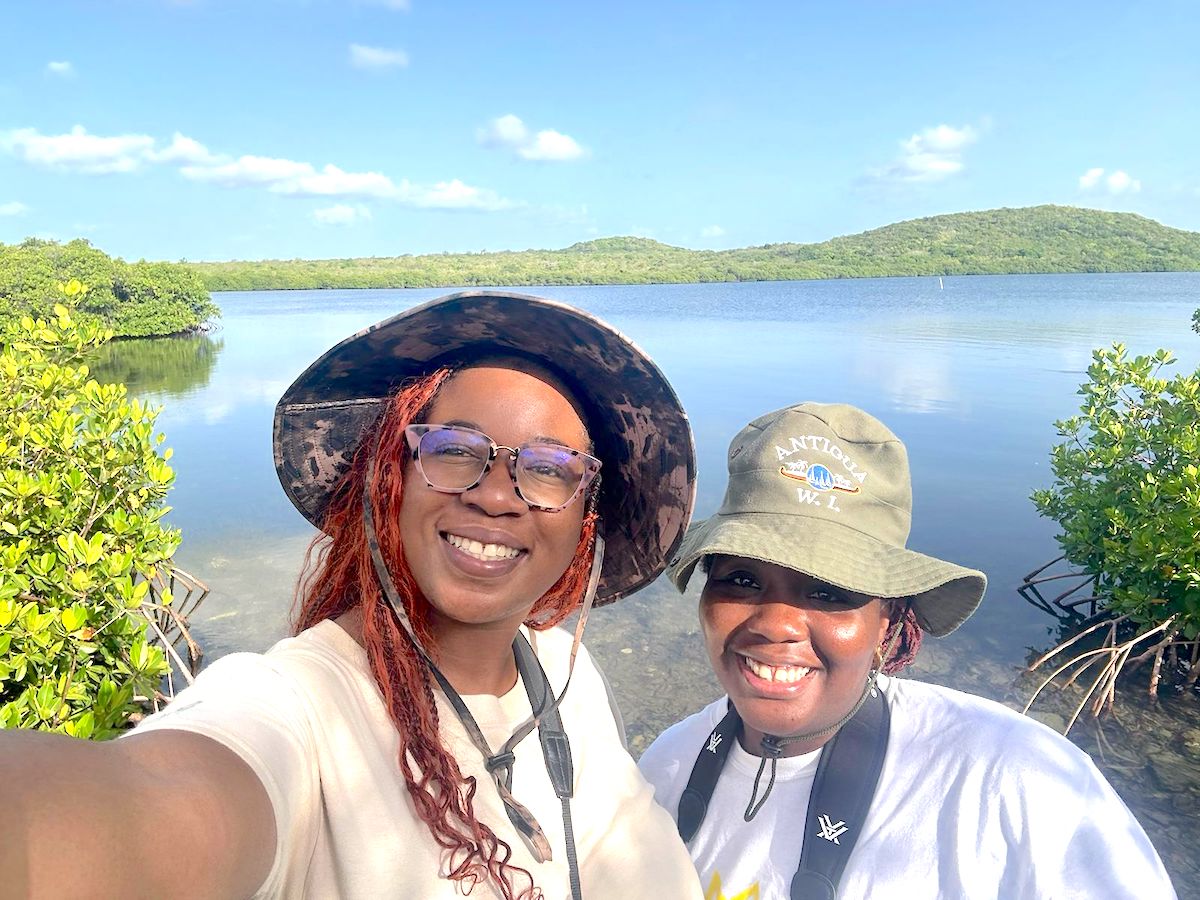
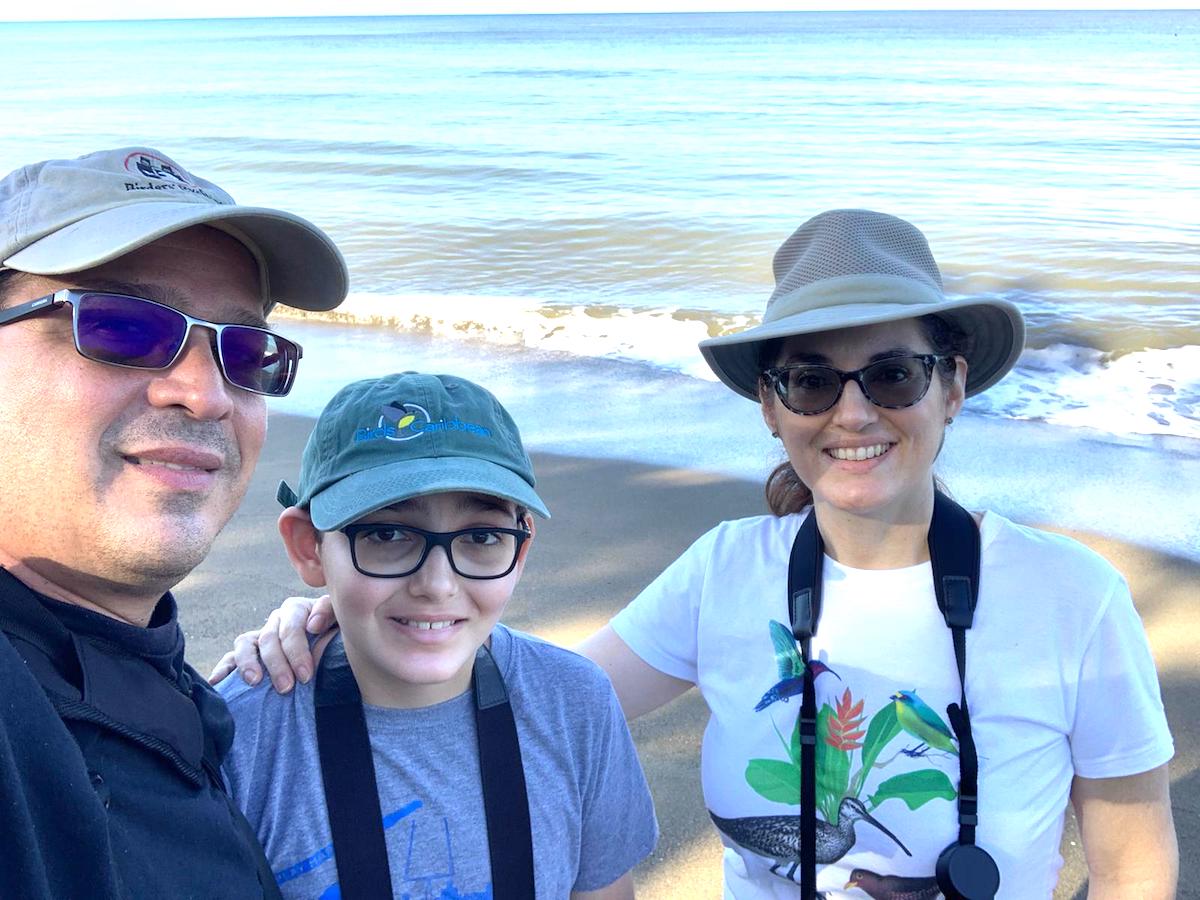
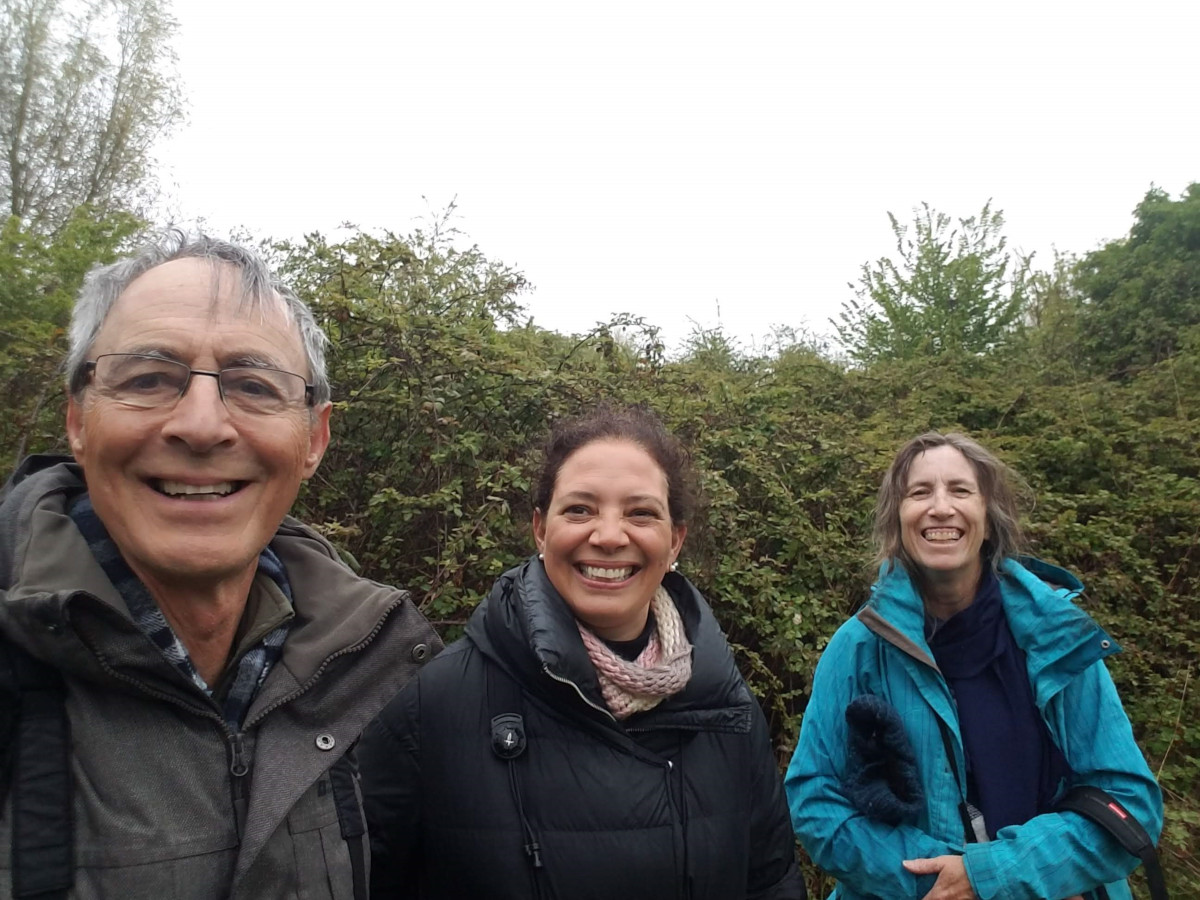
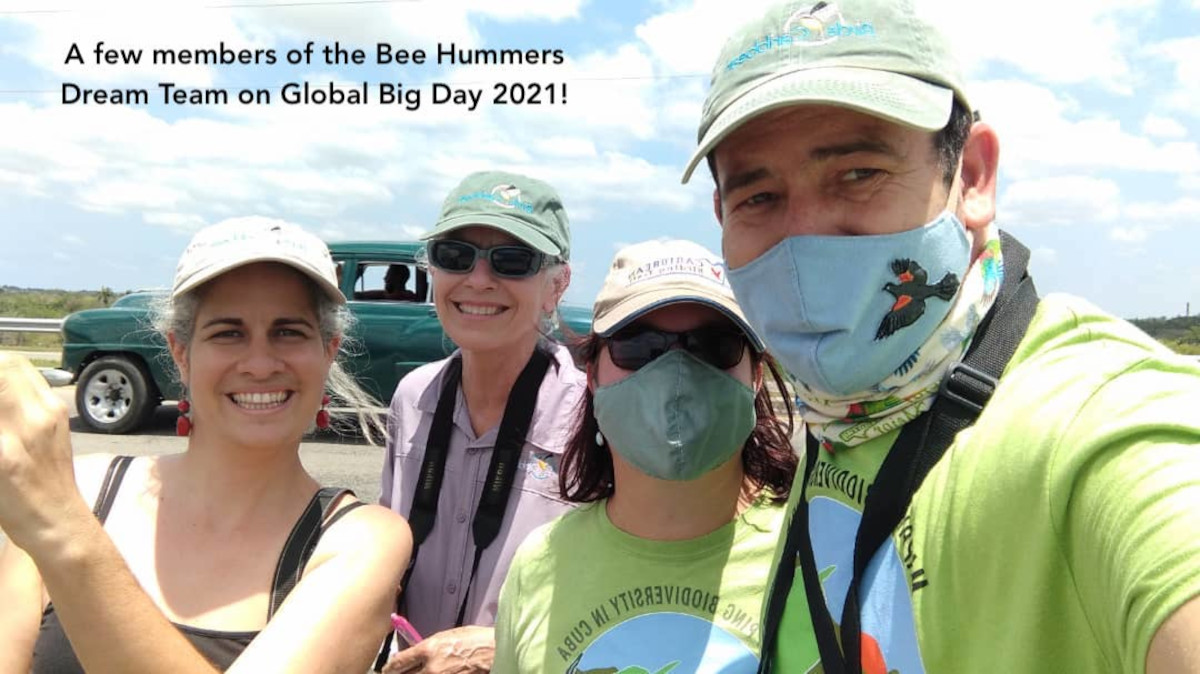
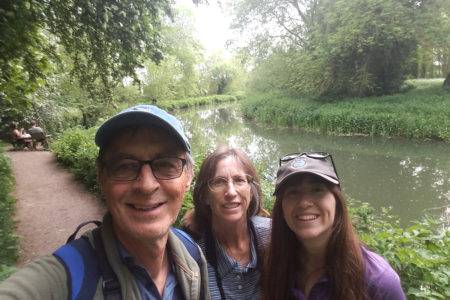
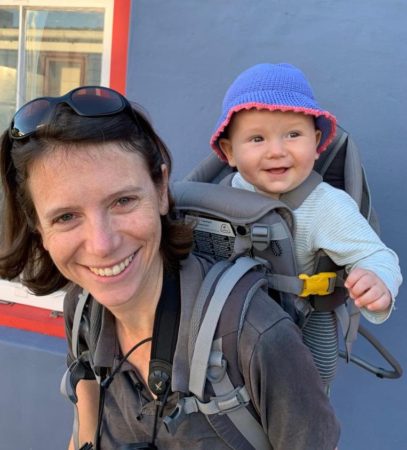
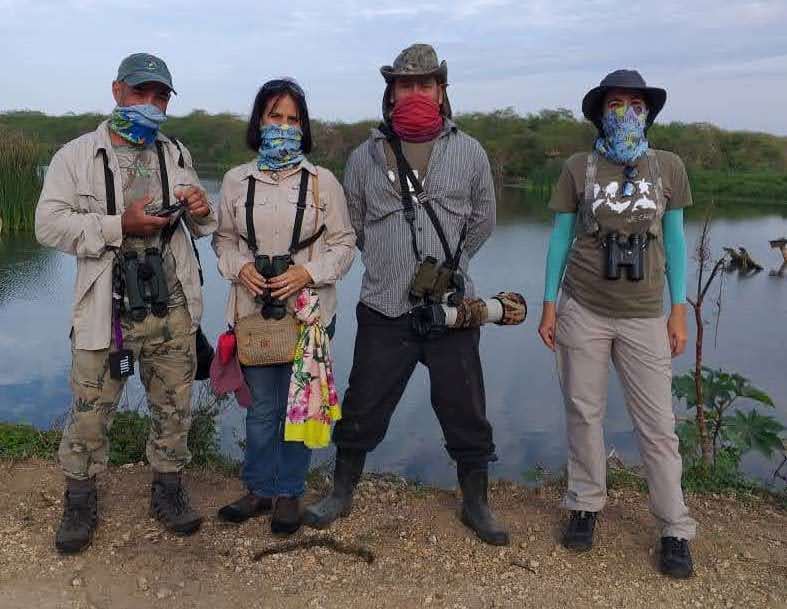
Are field selfies an essential GBD tradition? Absolutely! We love seeing your smiling, sun-baked faces. To view these snapshots in high resolution, just click on the first image and scroll through our community gallery.
Team members of Gavilán Guardians in Puerto Rico. (Photo by Brendan Burns)
In a triumphant celebration of birds and the marvelous migratory journeys that some embark on every year in Spring, this year’s Global Big Day (GBD) again brought bird enthusiasts of all ages together to observe and document the extraordinary diversity of birds. In this blog post, we dive straight into the official stats, standings, and standout moments from our GBD Teams Competition.
Every year, the BirdsCaribbean GBD Teams Competition pits island and multinational teams against each other to see which team can spot the most species overall and the most West Indian birds on Global Big Day! Team members went all out to record birds because every eBird checklist powers research—tracking habitat use, revealing global population trends, and ensuring that conservation efforts are directed where they’re needed most. Teams were also rewarded with cherished sightings of lifers, nesting birds, favorite birds, and of course—bragging rights!
Beyond the thrill of the chase, this friendly rivalry carried a profound purpose.Our amazing community helped us raise over $48 000 for Caribbean wildlife students and professionals to attend the upcoming BirdsCaribbean 25th International Conference, 23-27 July 2026, in Port-of-Spain, Trinidad and Tobago.
Down in the Caribbean
A staggering8,023 bird species were recorded by eBirders worldwide. In just 24 hours, across 203 countries, 197,640 checklists were logged.
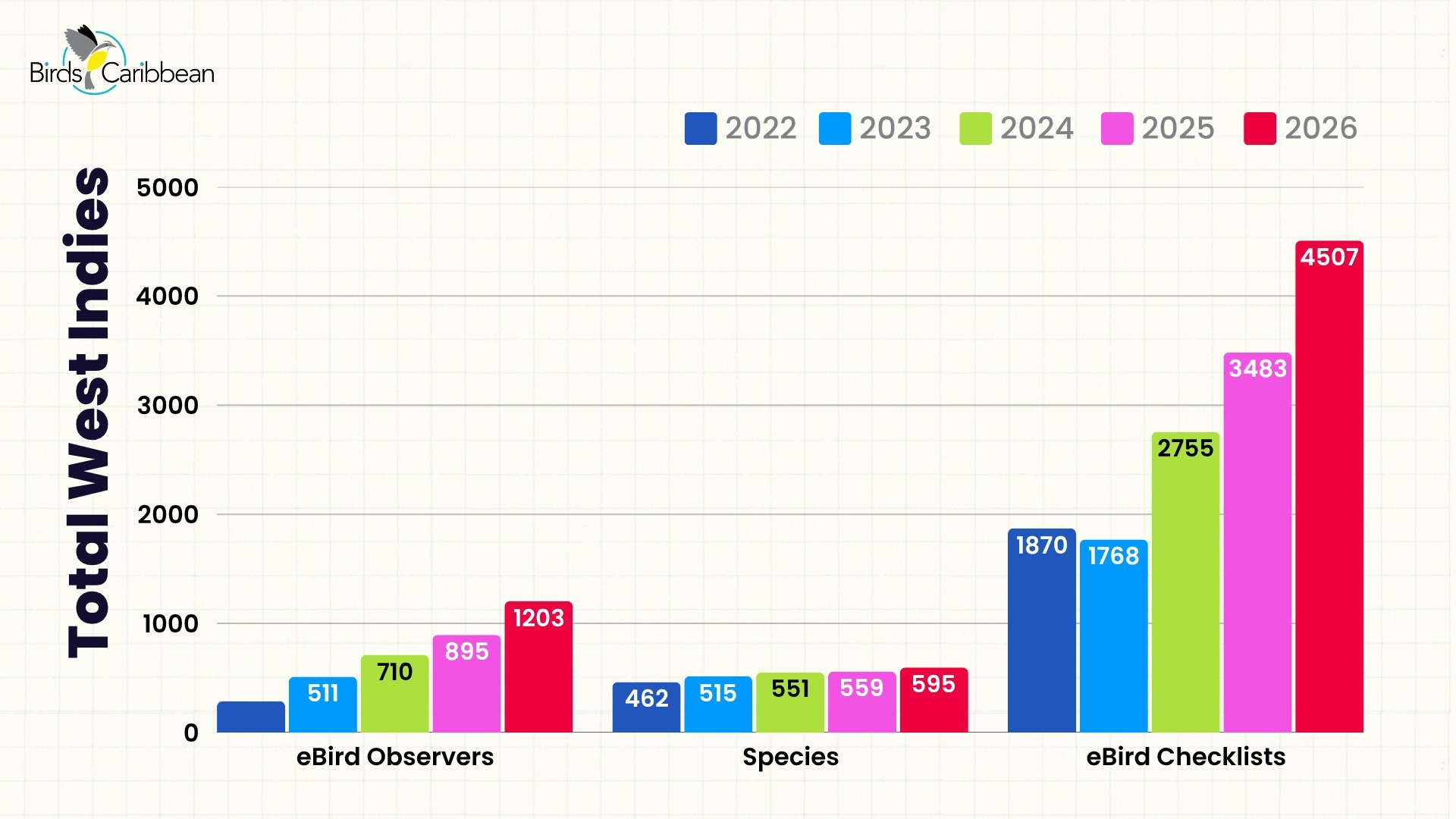
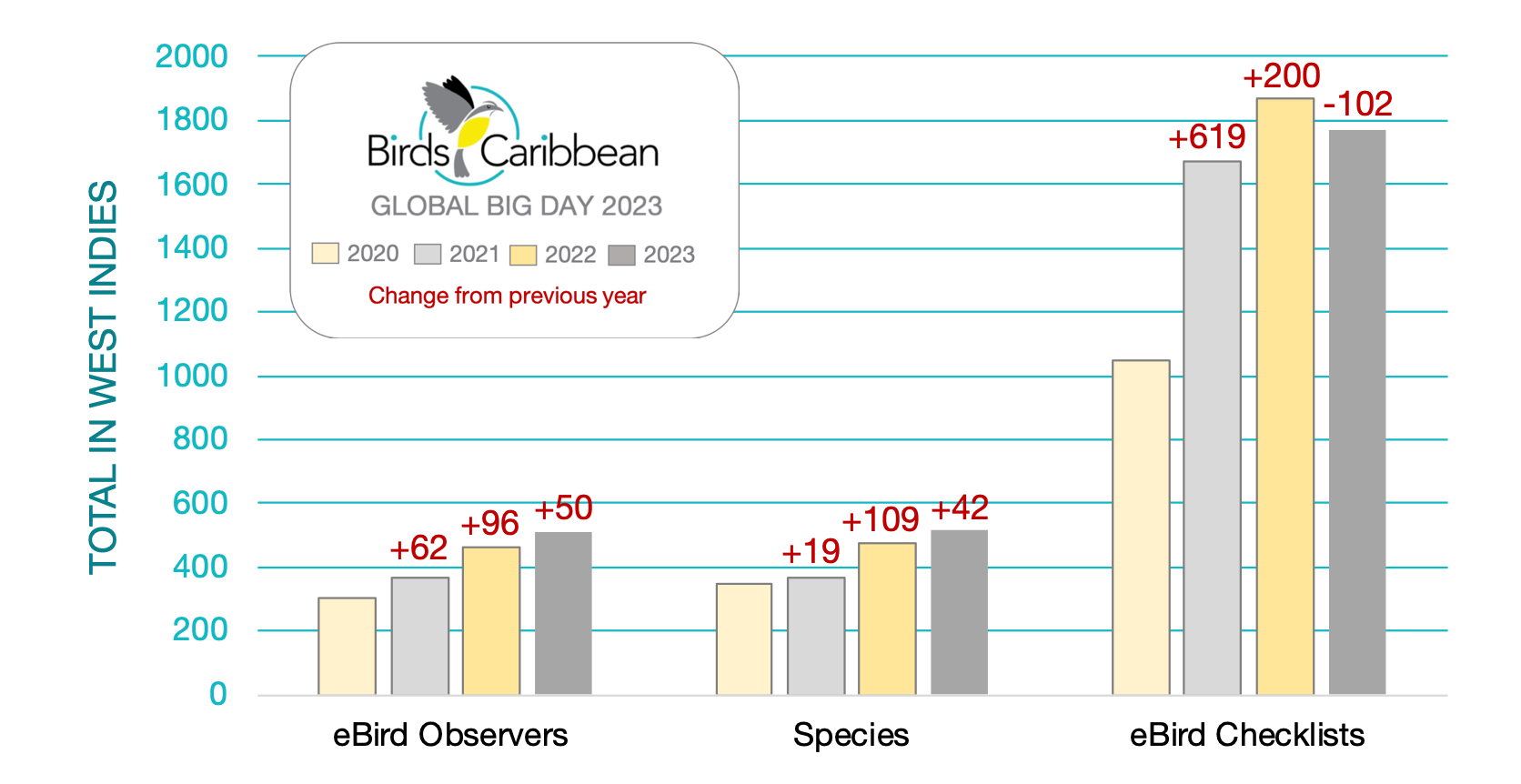
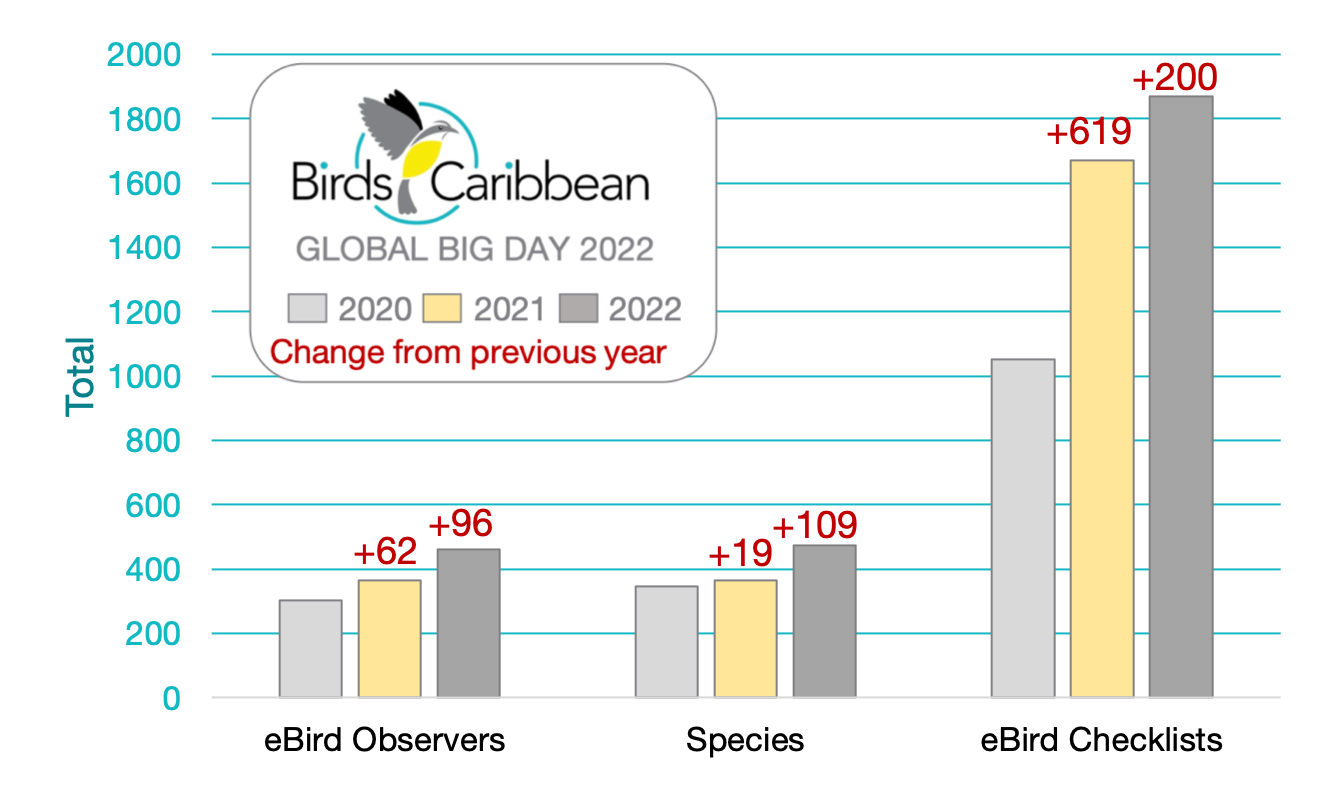
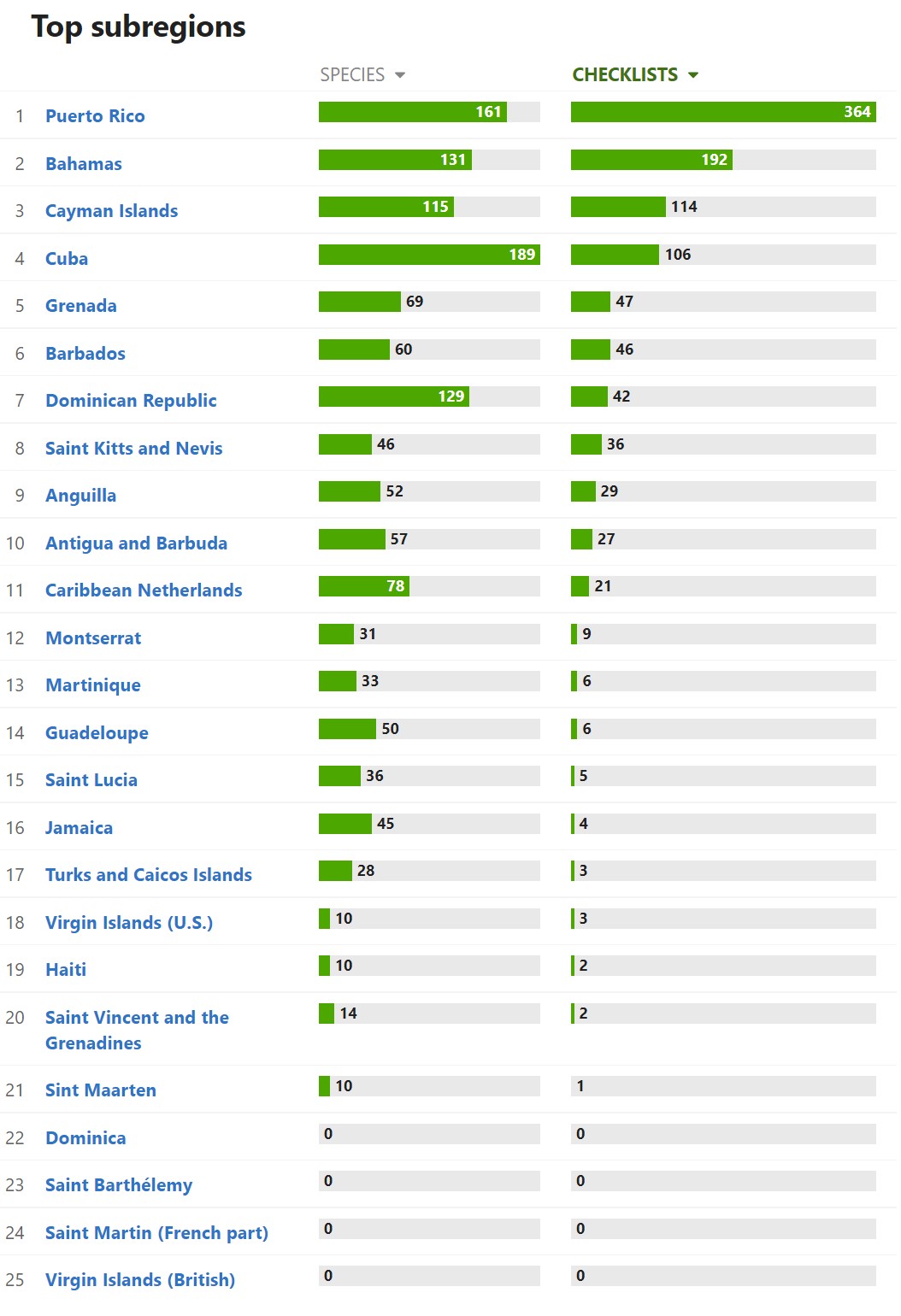
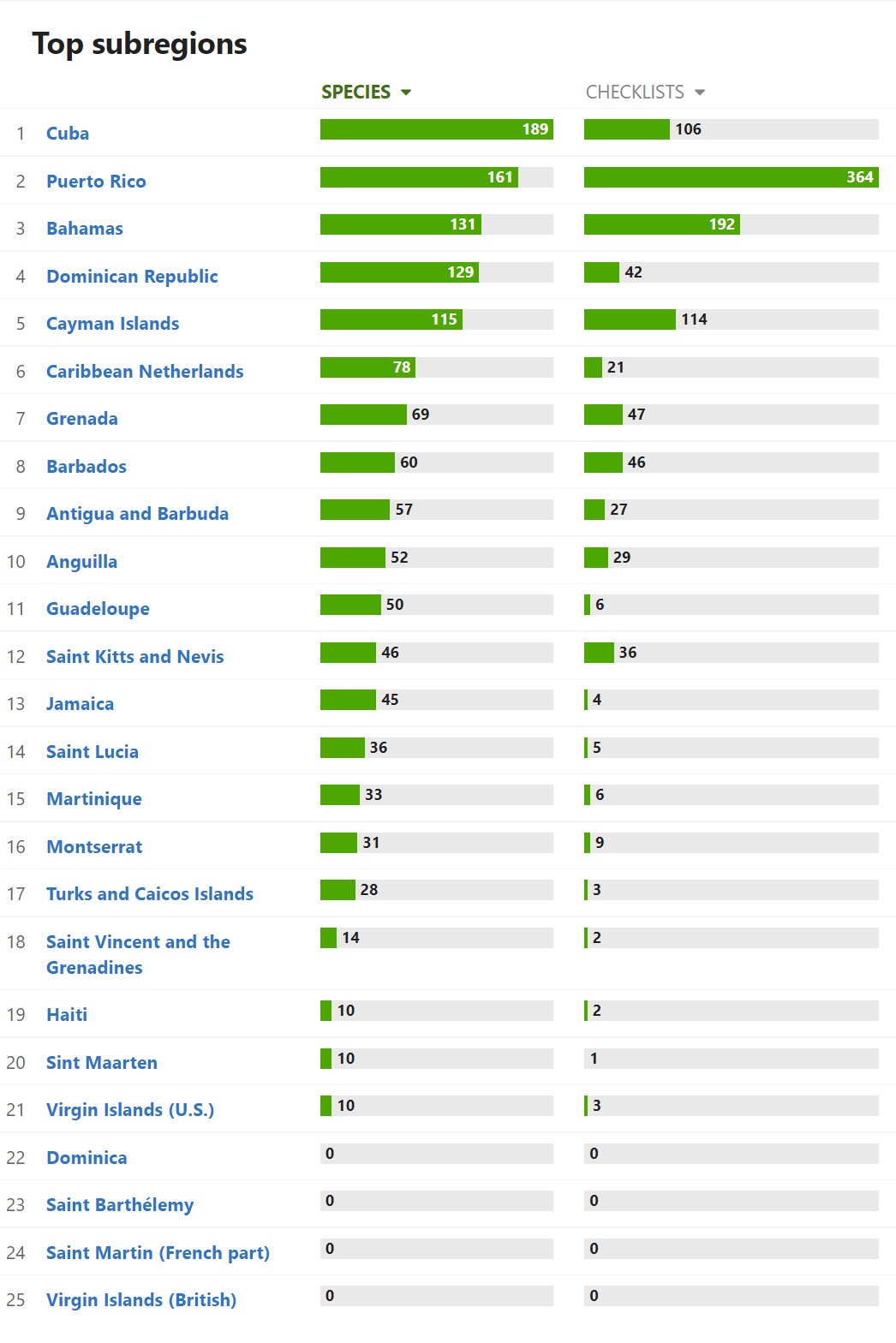
In the West Indies, Big Day birders saw 595 West Indian species, thanks to the amazing efforts of 1,203 eBird observers submitting over 1, 018 checklists. This was the largest jump in number of checklists submitted in the past five years! There were more birds sighted, and more passionate, concerned, and awesome humans watching them in 2026 compared to previous years (Figure 1).
Figure 1: Global Big Day 2022-2026 comparisons showing changes in total number of eBird Observers in the West Indies, total species seen, and total number of eBird checklists submitted.
Overall, our teams did an incredible job of recruiting more birders this year, expanding our community of citizen scientists across the region! While every single team brought amazing energy, a special shout-out must go to Simon’s TCI Royal Terns—for getting Turks and Caicos Islands (again!) into eBird’s top 10 countries with an increase in eBirders from 2025—this year they were 5th in the world! Incredible! The Cuban Birding Team (formerly the FFMat team), the Warbling Warriors (Puerto Rico), and the President’s Perch (multinational) also managed to double their team members for 2026.
This year we were also thrilled to welcome more national (island) teams to the competition! We thank the phenomenal team leaders and members of the following teams for joining us and giving the “OG teams” a run for their checklists: Tireless Seekers (Dominican Republic), Wetland Watchers (BVI), and The Hummingbirds (Trinidad and Tobago).
The ultimate bird-off of 2026
The BirdsCaribbean Global Big Day competition is the region’s ultimate birding showdown. From local parks and gardens to dense forests and coastal wetlands, teams push their limits to log every bird in sight. It’s a high-energy challenge fueled by national pride and love of birds. And this year the competition was fierce!
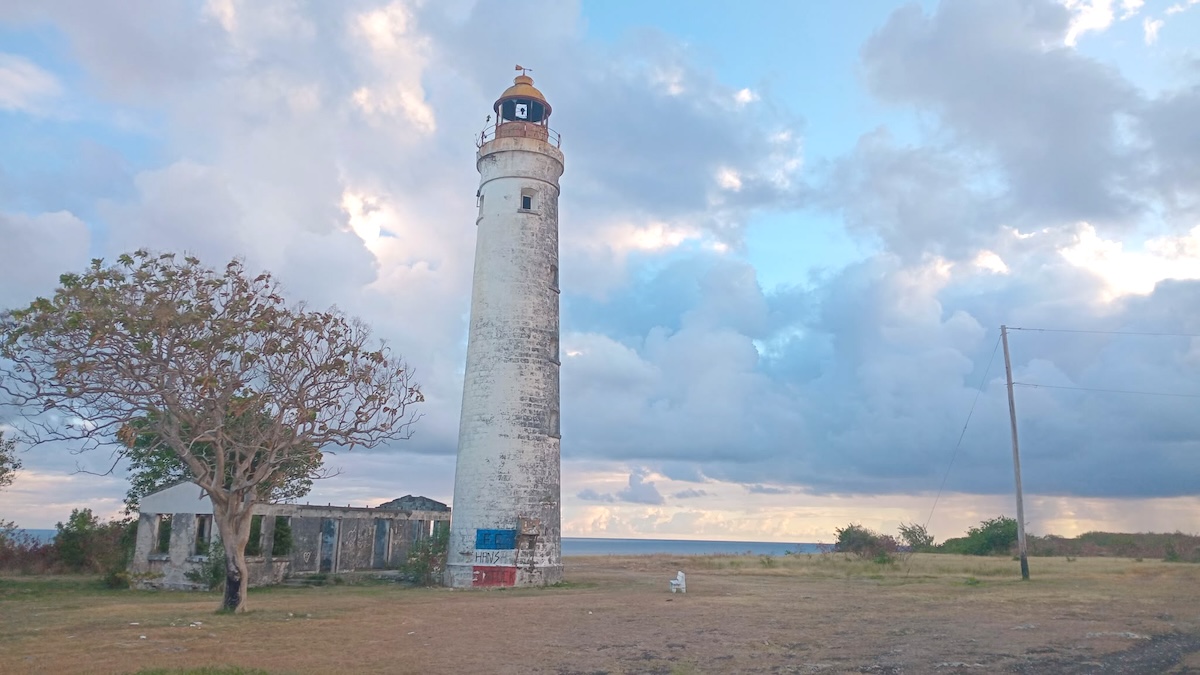
First GBD 2026 photo shared by Bajan Birders & Friends team in Barbados. (Photo by Julian Moore)
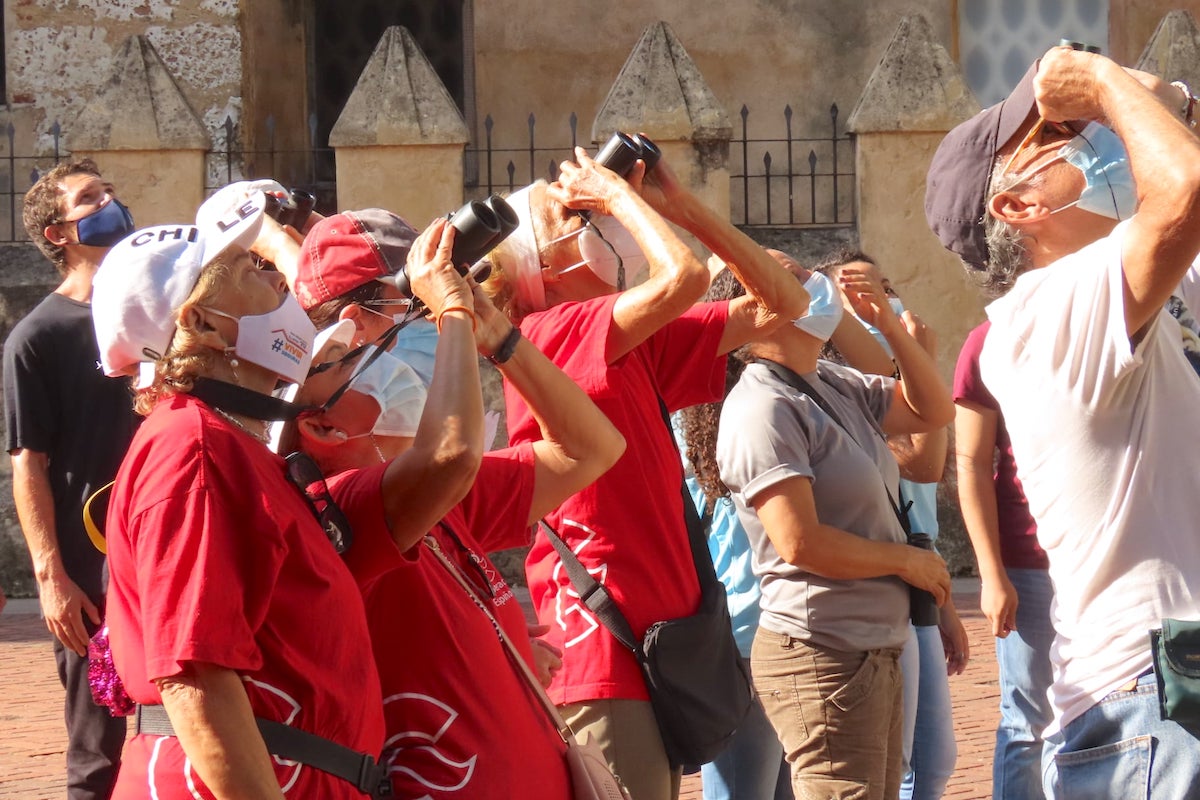
Teams were up before the sun, like the Bajan Birders and Friends, who kicked things off at 6:06 AM by sharing a lovely photo from Barbados in the team leaders’ group chat. This year’s GBD was also used to pass the torch to the next generation of bird and nature enthusiasts. The One Love Jamaican Birders, Imperial Seekers, and Cuban Birding Team all included students in their Big Day adventures. They were treated to unforgettable experiences from learning how to build bird feeders in Jamaica, to trekking through Dominica’s Syndicate Nature Trail, and venturing into Cuban wetlands to spot birds and record their songs.
Birdwatching at Laguna de Maya Wildlife Refuge in Cuba. (Photo by Adrian Yanes)
Guiding the next generation of bird lovers, one DIY feeder at a time. (Photo by Michelle Roberts)
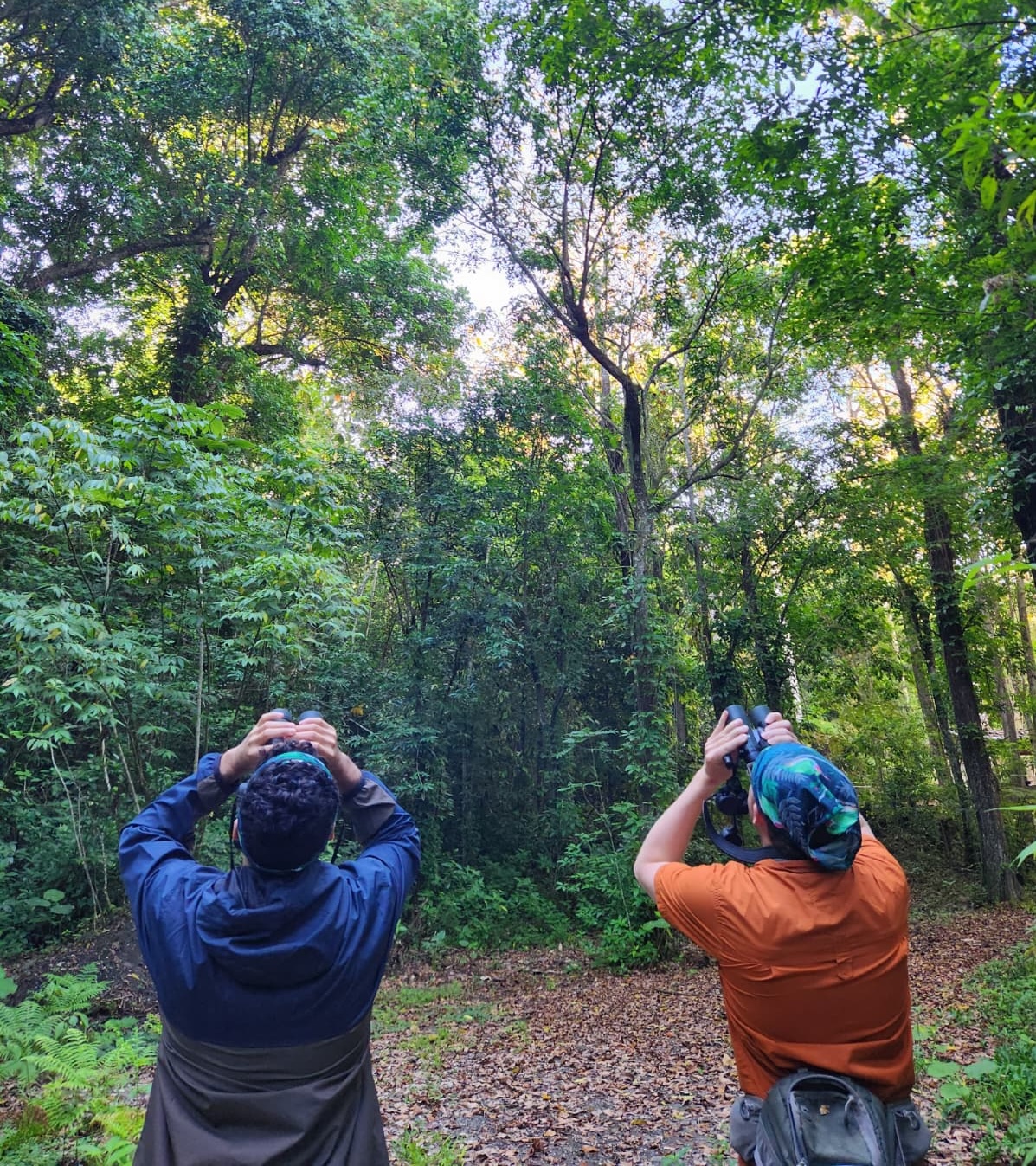
Passing the binoculars to the next generation at Syndicate Natural Trail, Dominica. (Photo by Jeanelle Brisbane)
As the day progressed, the competition and the temperature both heated up. Some team leaders—eh hem, looking at you, La Gwada Birding Team and Piping Pawis—wisely retired to breezy hammocks (and honestly, we totally get it, it was sooo hot!). Others pushed right through the swelter. The Gavilán Guardiansand Warbling Warriors kept at it, deploying members across Puerto Rico to log species in almost every habitat type. Over in Cuba, fuel shortages couldn’t stop the hustle; one dedicated Cuban Birding Team member logged an incredible 70 km on a bicycle, while others relied on electric scooters.
LGBT team leader, Anthony Levesque, takes a break from the heat.
Piping Pawis team leader, Josh Bajnath, checks his trip report from his comfy hammock.
Co-team leader of the Cuban Birding Team, Nils Navarro, went birding by electric scooter!
The passion extended far beyond the islands too, with the Badass Bobwhites joining from Maine, and members of the Far Flung Flock of Friends logging sightings from Canada. We’ll share more of these incredible moments in an upcoming photo contest blog.
Badass Bobwhites team leader, Justin Proctor, was birding from Maine on GBD. (Photo by Justin Proctor)
The adventurous Toronto, Canada contingent of the Far Flung Flock of Friends. (Photo shared by Natasha Atkins)
Amidst all the high-energy hustling, there was also a deeply moving tribute in the Turks and Caicos Islands. Simon’s TCI Royal Terns took to the field to continue a beautiful GBD tradition and honor the memory of Simon Busuttil following his untimely passing earlier this year. Simon’s passion for conservation and his efforts to inspire a love of birds and nature in TCI were legendary. The team, led by Dodly Prosper and joined on the ground by BirdsCaribbean Executive Director Dr. Lisa Sorenson, celebrated Simon’s legacy in the best way possible—by being out birding together and celebrating the birds he loved so much.
Hip-hip hooray to all of our incredible teams for going absolutely all out this year!
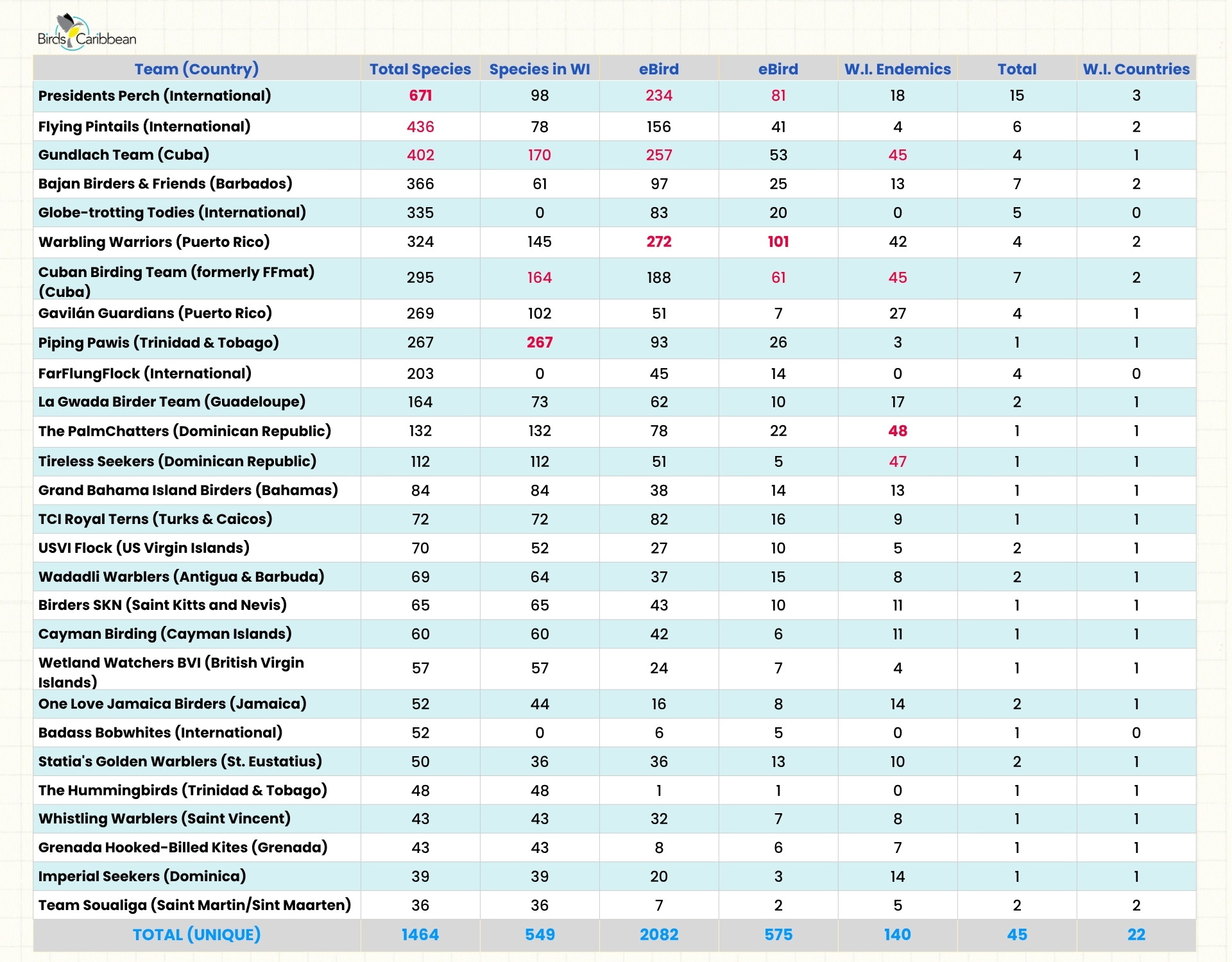
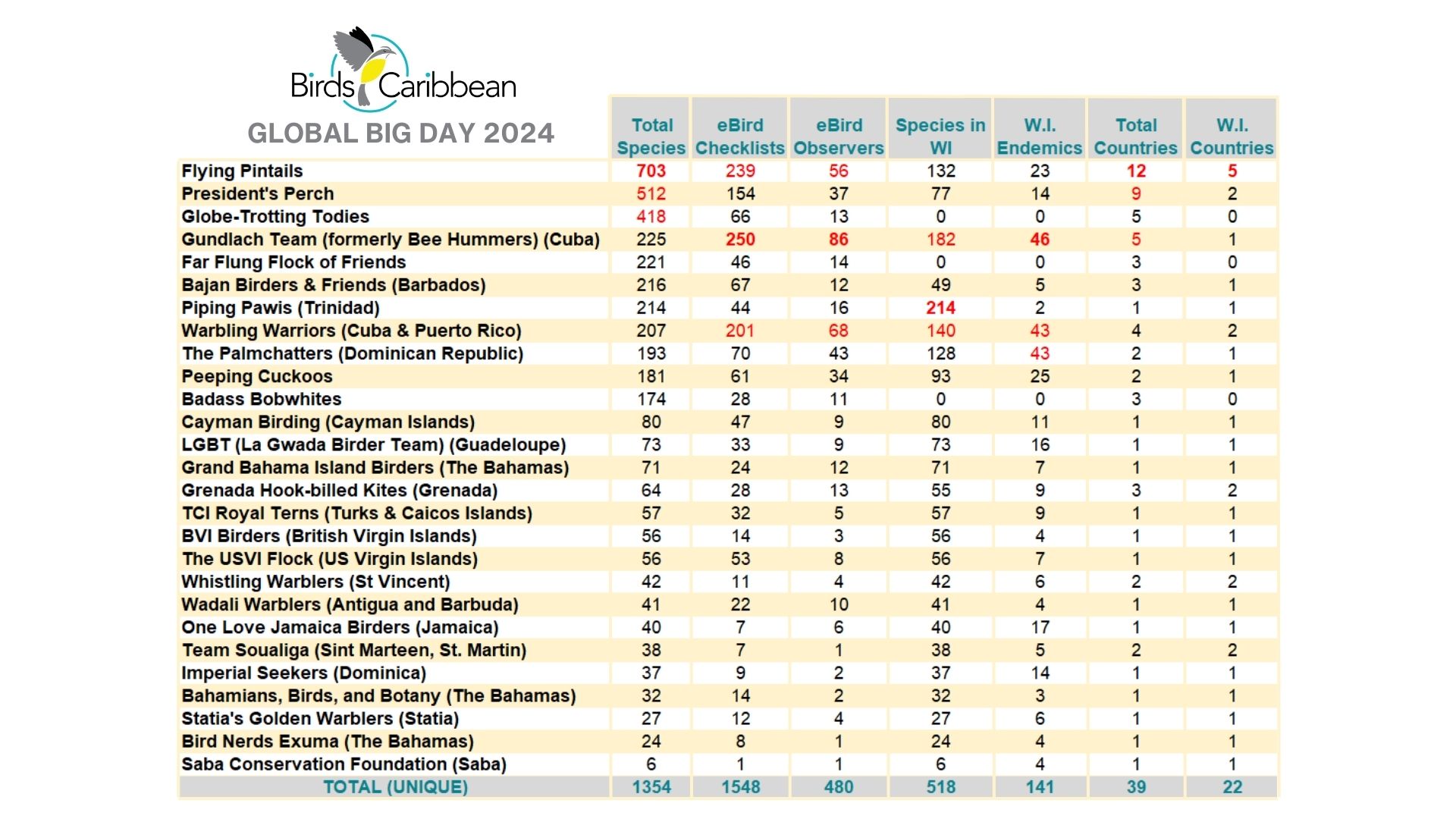
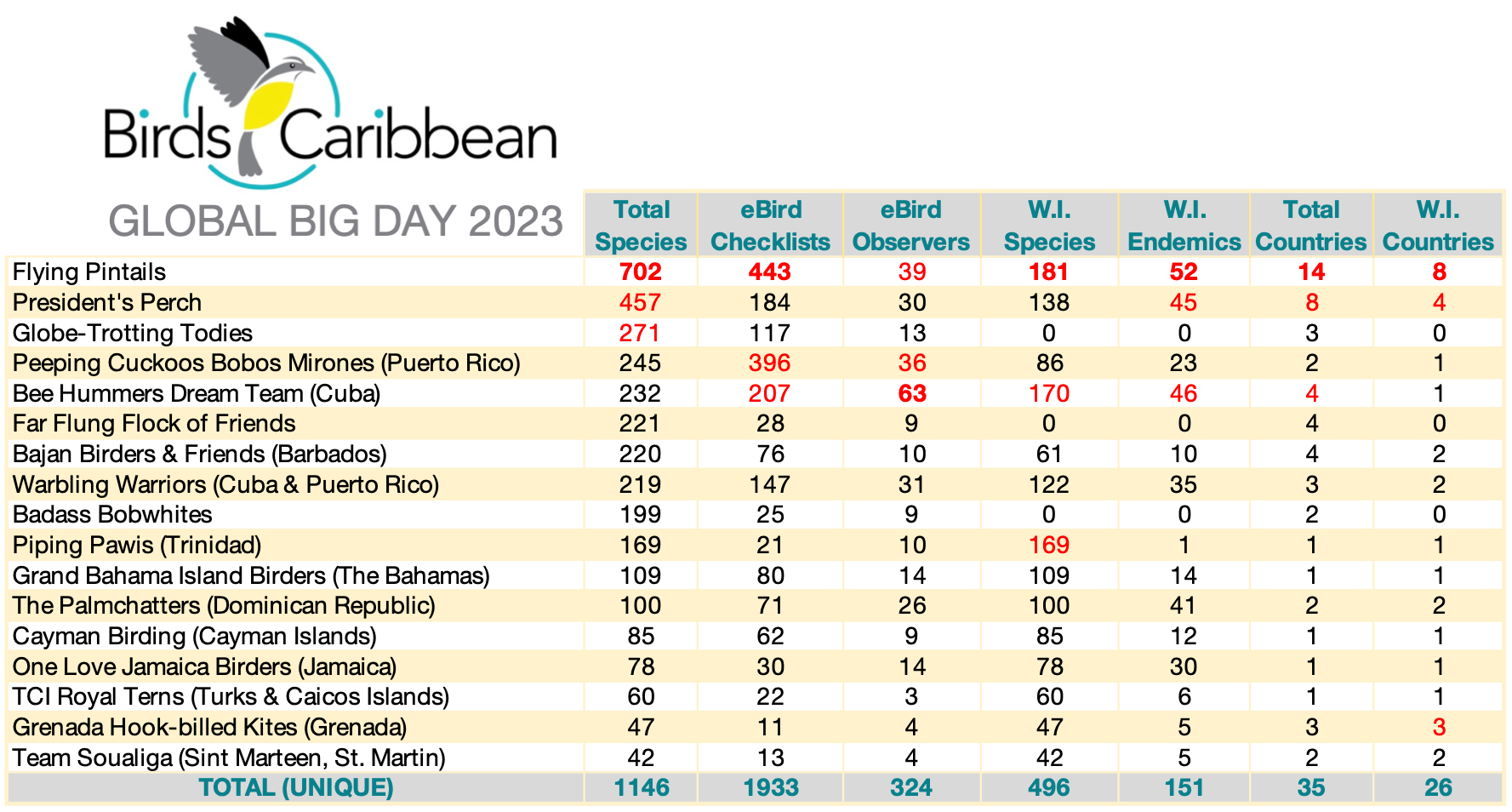
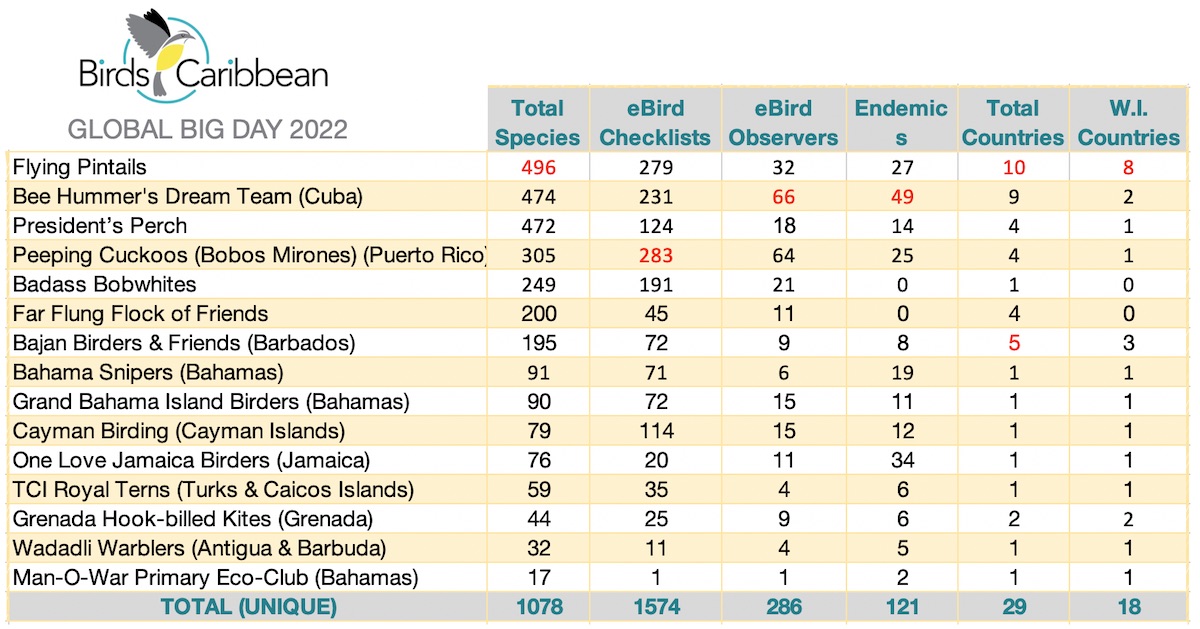
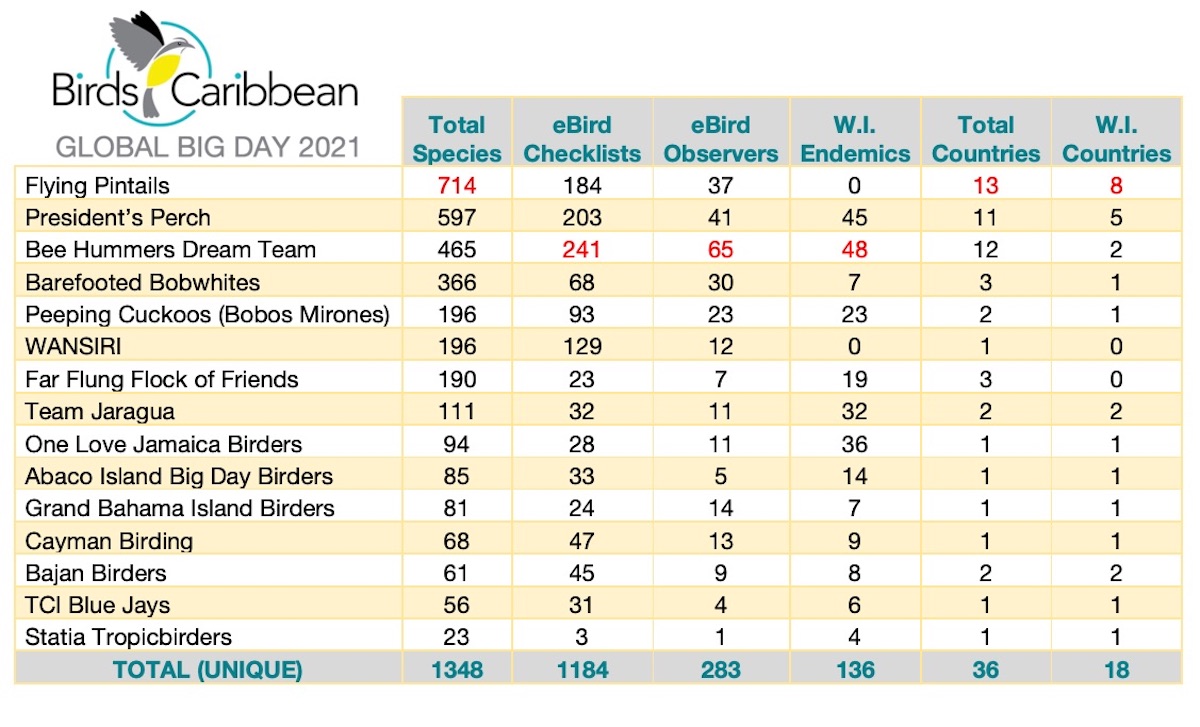
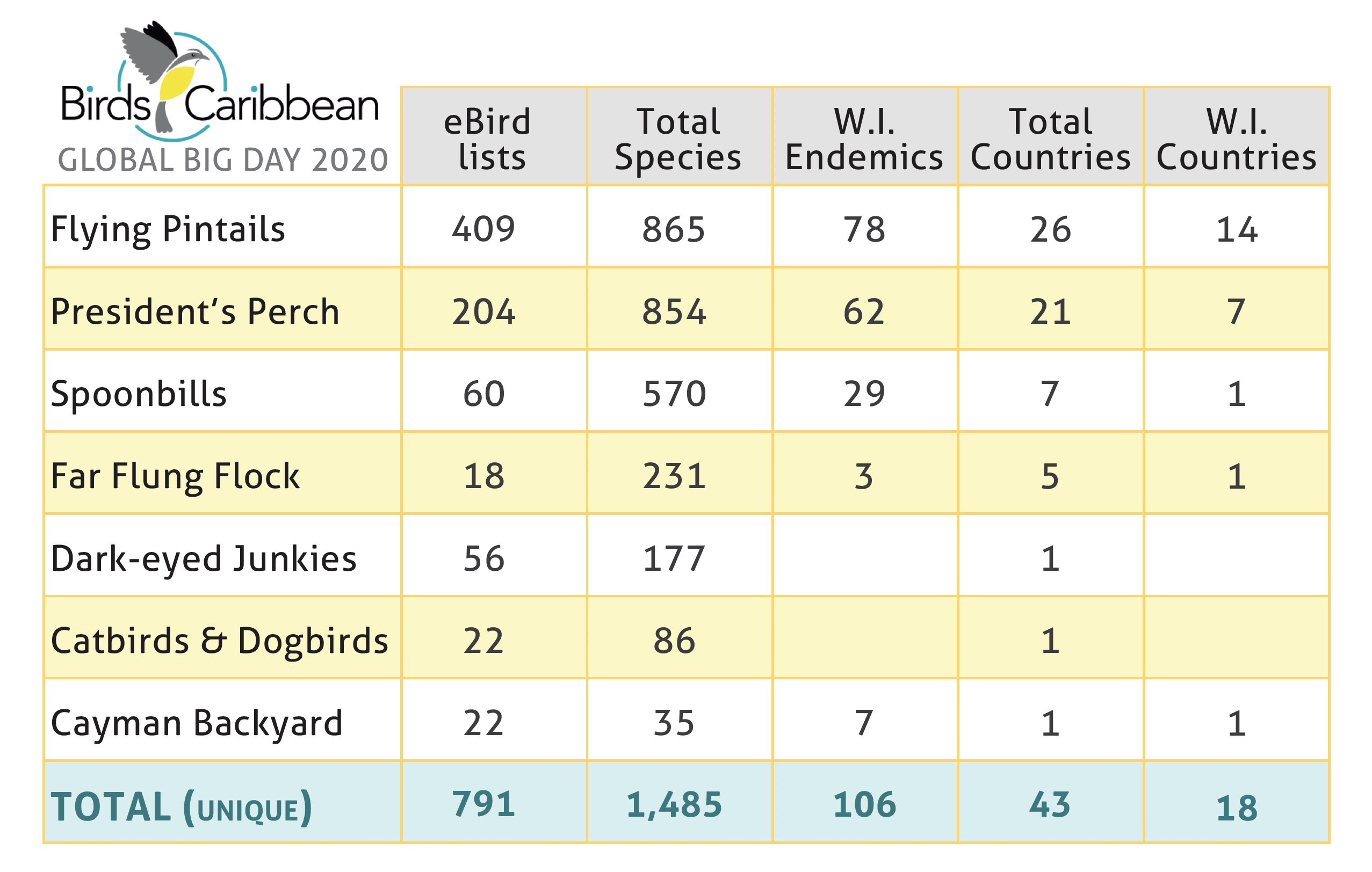
President’s Perch remained perched at the top with an impressive 671 species recorded. In second place, we have the Flying Pintails with 436 species, and for the first time coming in third, and bumping the Globe-trotting Todies out of the way, is the Gundlach Team, tallying 402 species. It just goes to show that the winning strategy for GBD is teamwork!
Figure 2: Global Big Day results for our BirdsCaribbean Teams. The numbers in red show which teams had the highest for each category.
And now, leading the way with the most West Indian species recorded once again is the Piping Pawis’ with 267 species. The winning champs also more than doubled their checklists from 44 in 2025 to 93 this year! In Cuba, the Gundlach Team recorded 170 species with the Cuban Birding Team following closely behind with 164 species, and in Puerto Rico the Warbling Warriors recorded an amazing 145 species.
Team leader of the Piping Pawis, Josh Bajnath, and companion. (Photo by Josh Bajnath)
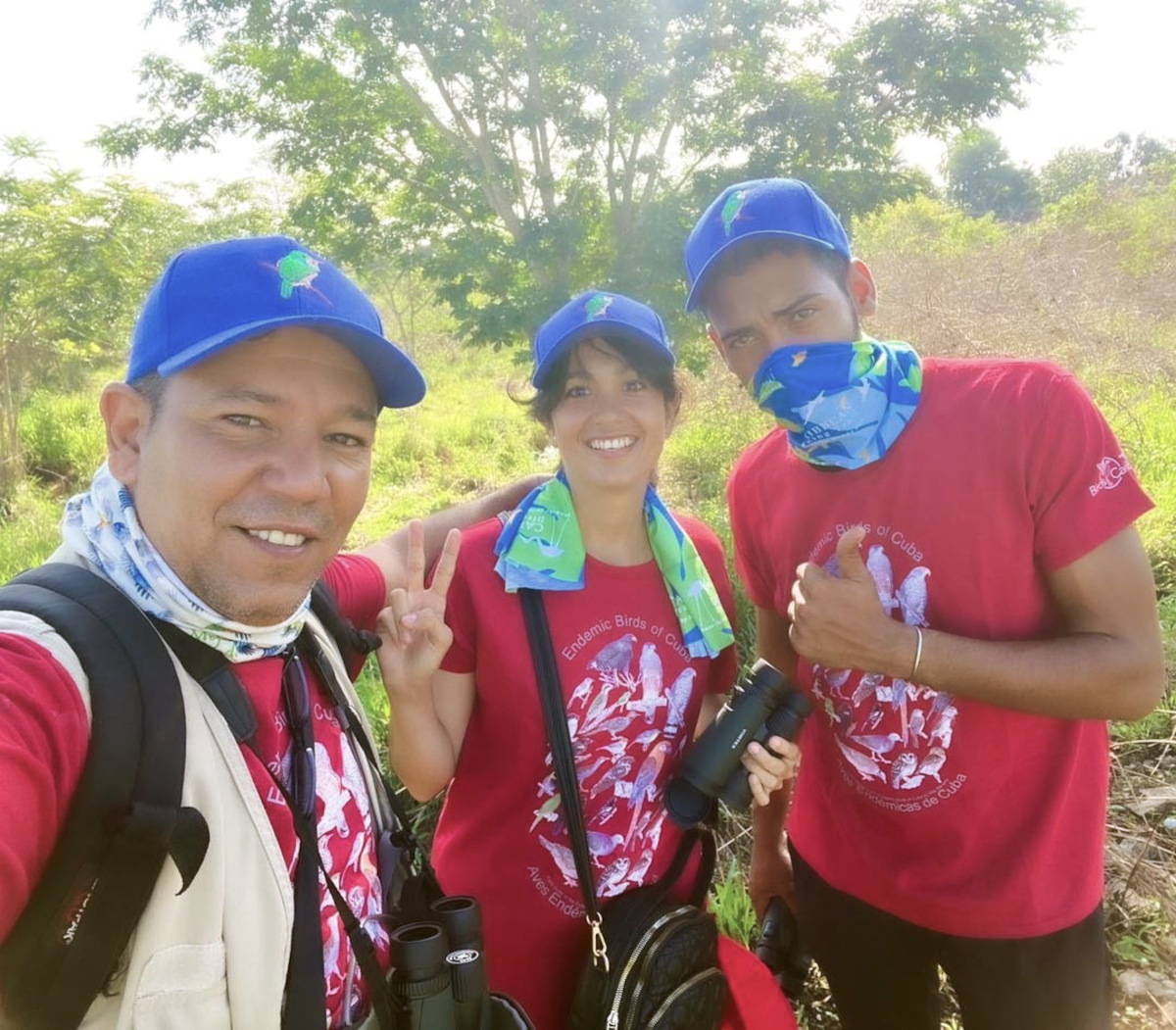
Members of the Warbling Warriors team in Puerto Rico. (Photo by Carla Montalvo)
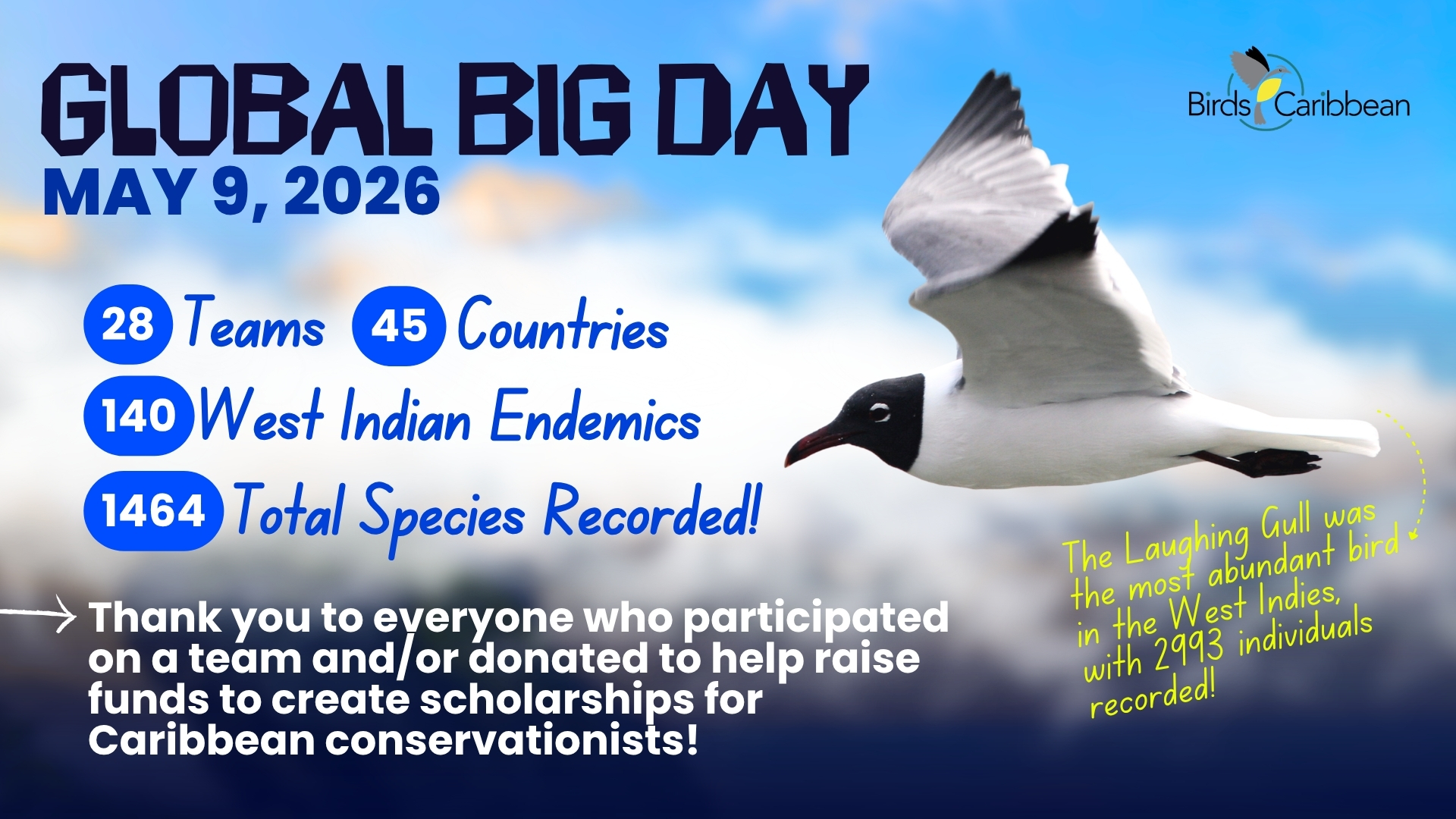
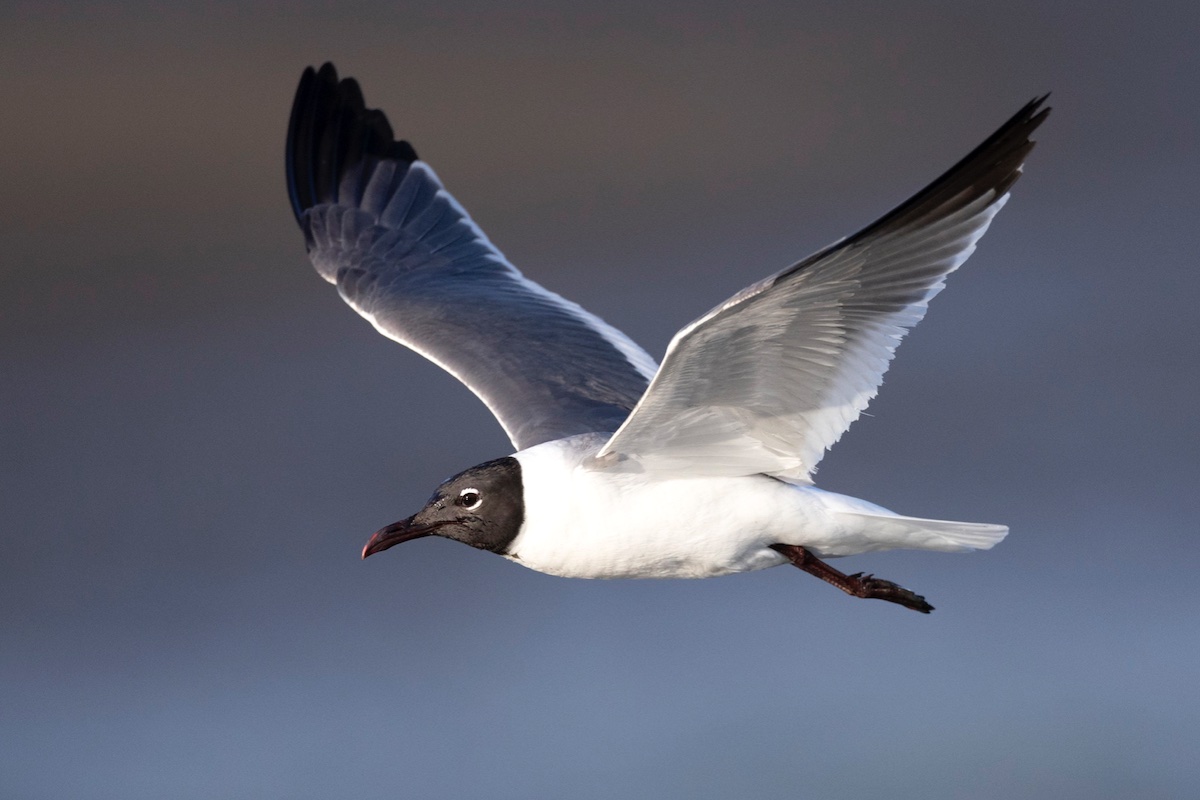
The most commonly reported birds for 2026 were: Gray Kingbird, Northern Mockingbird, Common Ground Dove, Mourning Dove, and our BirdsCaribbean flagship bird, the Bananaquit! The most abundant birds recorded were: Laughing Gull (2993), American Flamingo (2702), Gray Kingbird (2411), Greater Antillean Grackle (2351), Western Cattle-Egret (2169).
Laughing Gull in flight. (photo by Michael Stubblefield ML598441931)
We are extremely grateful to all teams for your weeks of prep, commitment through scorching hot weather and unexpected mishaps in the field, sharp eyes, and unwavering enthusiasm. Year after year, your contributions continue to elevate the profile of Caribbean birds and reinforce the importance of collaboration in conservation efforts. The 28 team trip reports shared with us are linked at the end of this blog.
Exceeding expectations
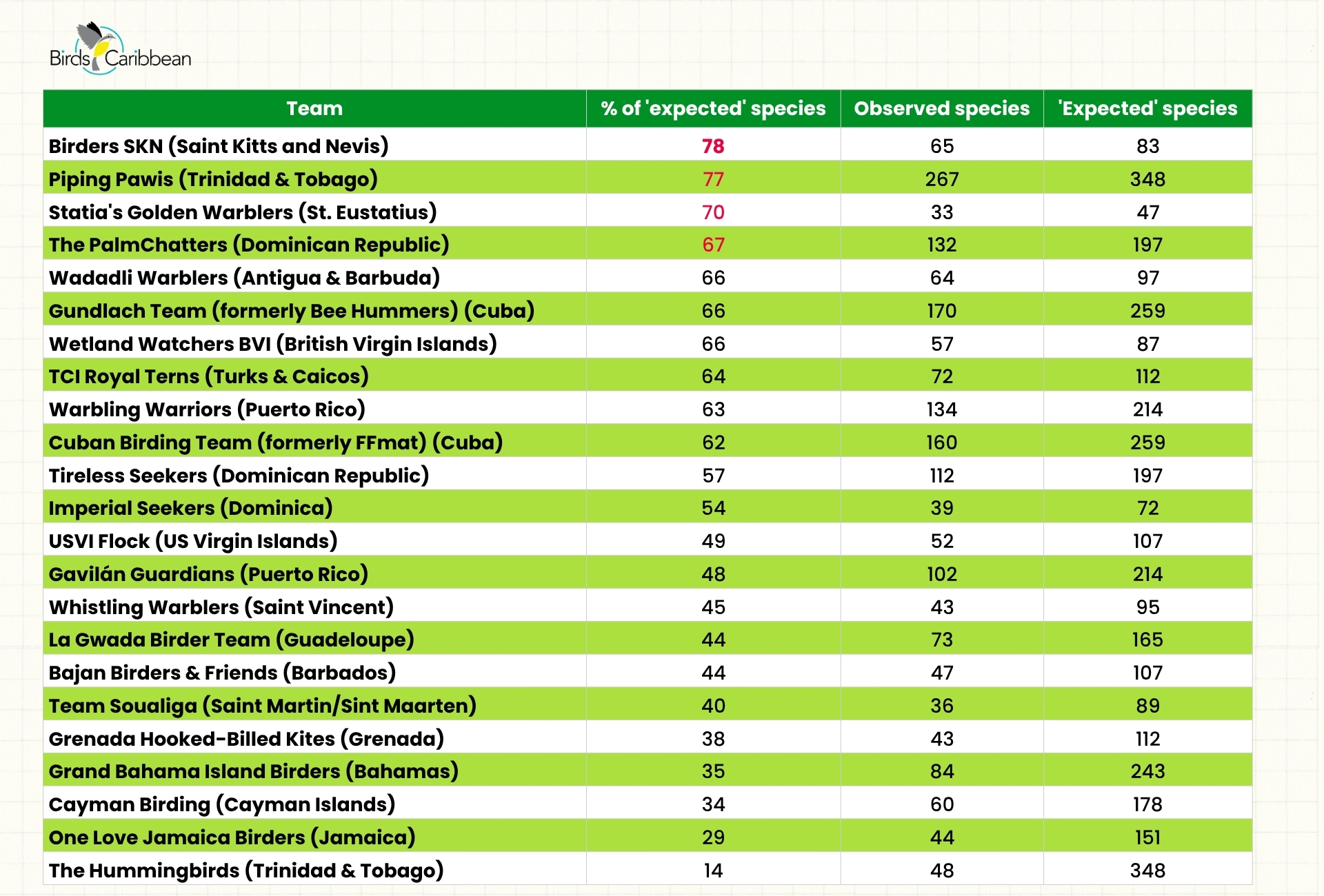
To understand the magnitude of this year’s team achievements, we looked at the numbers behind the birds. The expected species baseline was calculated from the total number of species observed during May, on each island, over the last 10 years. Shout out to Jeff Gerbracht of the eBird team for crunching the data to determine the number of species you can spot in any territory in May and revealing more about our teams’ amazing counts. A new team holds the title of Highest % of Species Seen Caribbean champions!
Congratulations to BirdersSKN (St. Kitts and Nevis SKN) who captured the title by spotting a jaw-dropping 78% of expected SKN birds! Hot on their trail was the ever-outstanding Piping Pawis, putting up an impressive showing with 77% of Trinidad and Tobago’s May species and last year’s reigning champ Statia’s Golden Warblers (St. Eustatius) who recorded 70% of their expected species.
Figure 3: Percent of ‘Expected’ Species seen for our BirdsCaribbean Island Teams.
Celebrating our solo and small squads
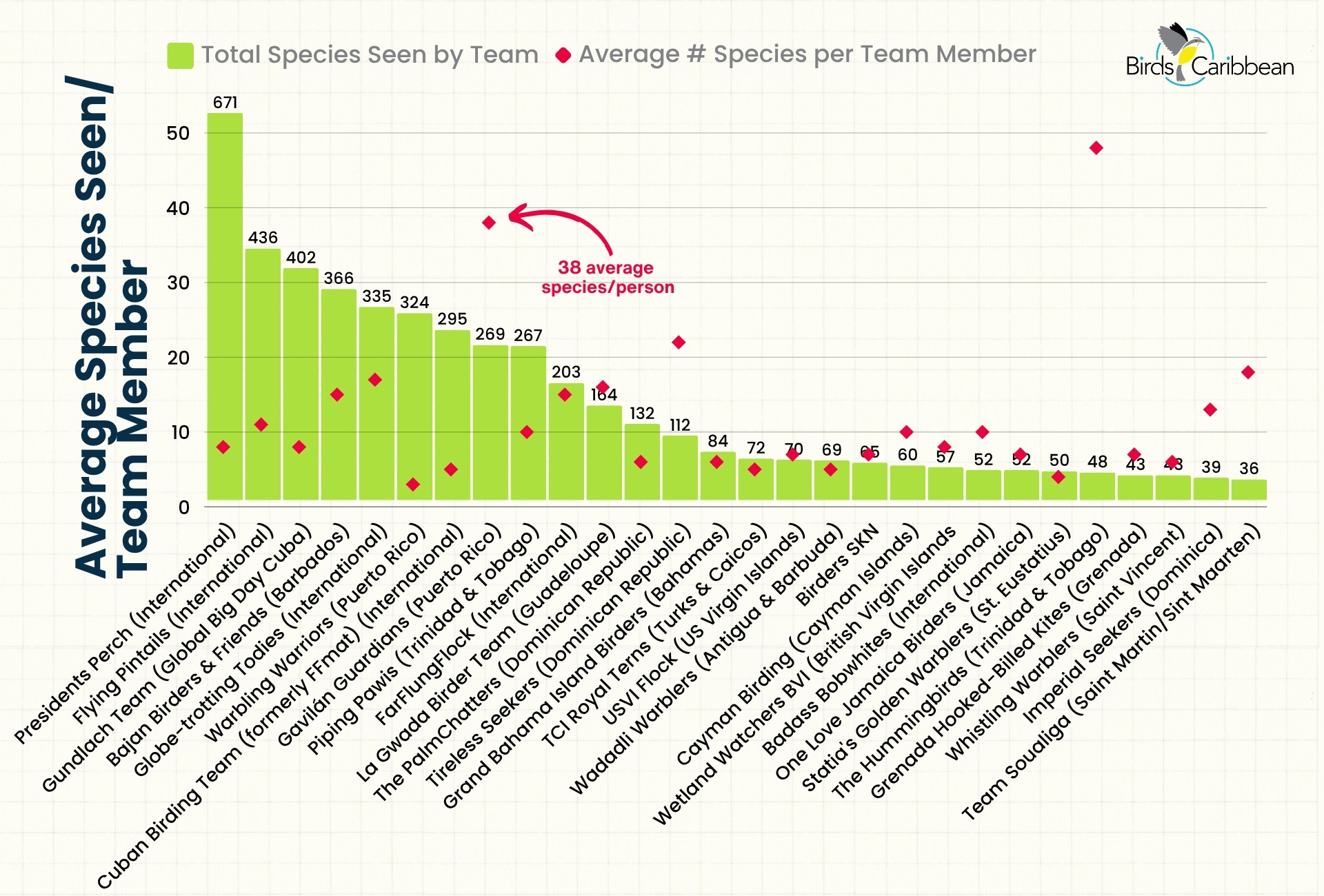
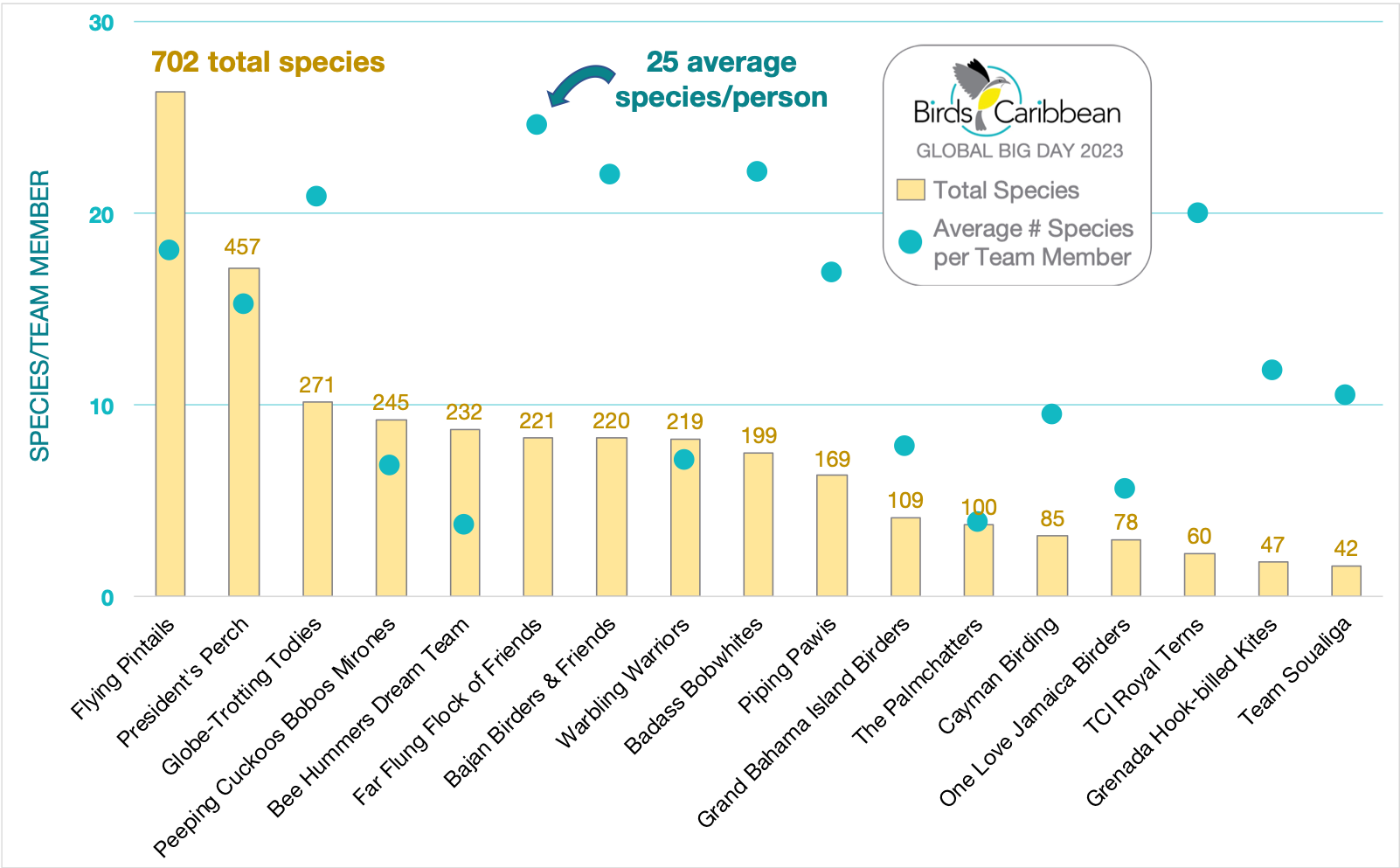
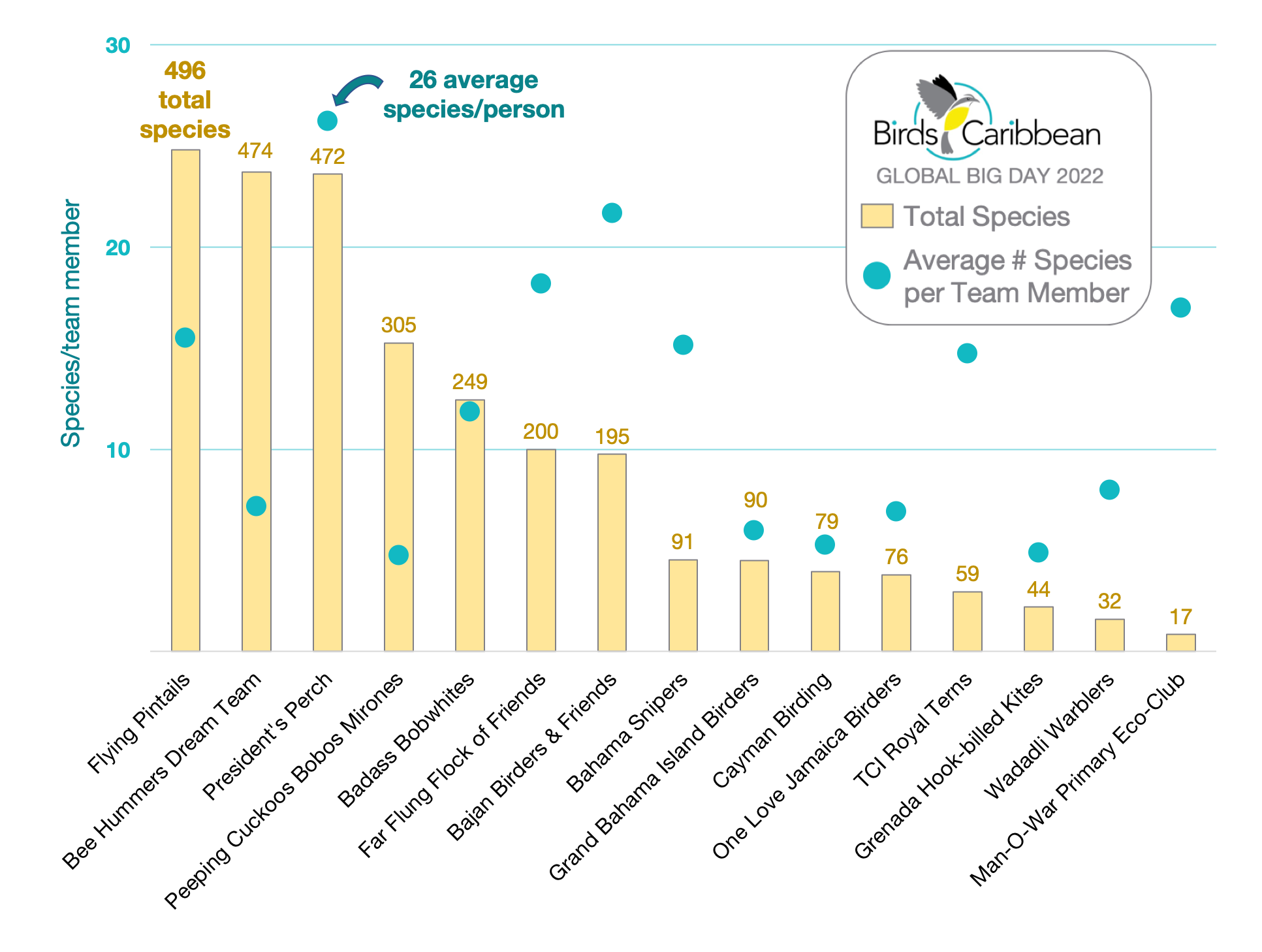
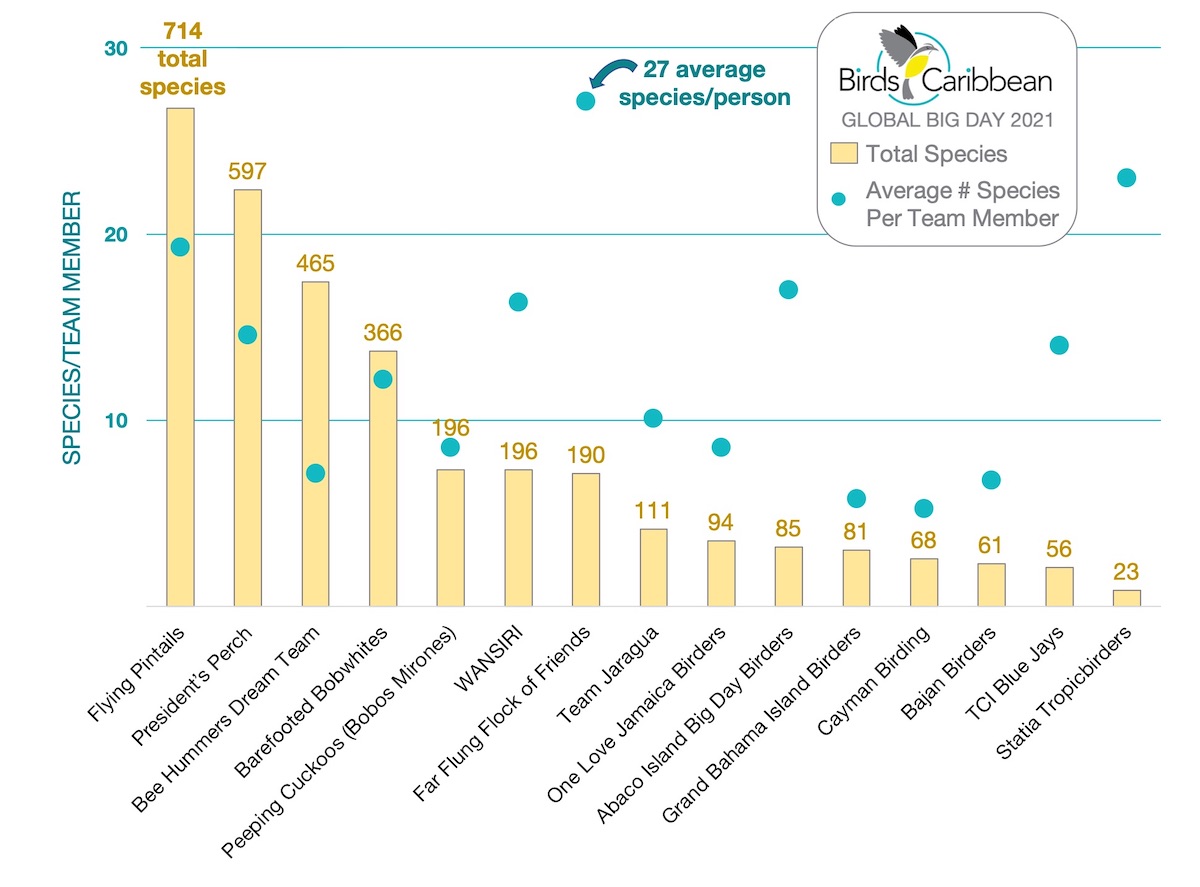
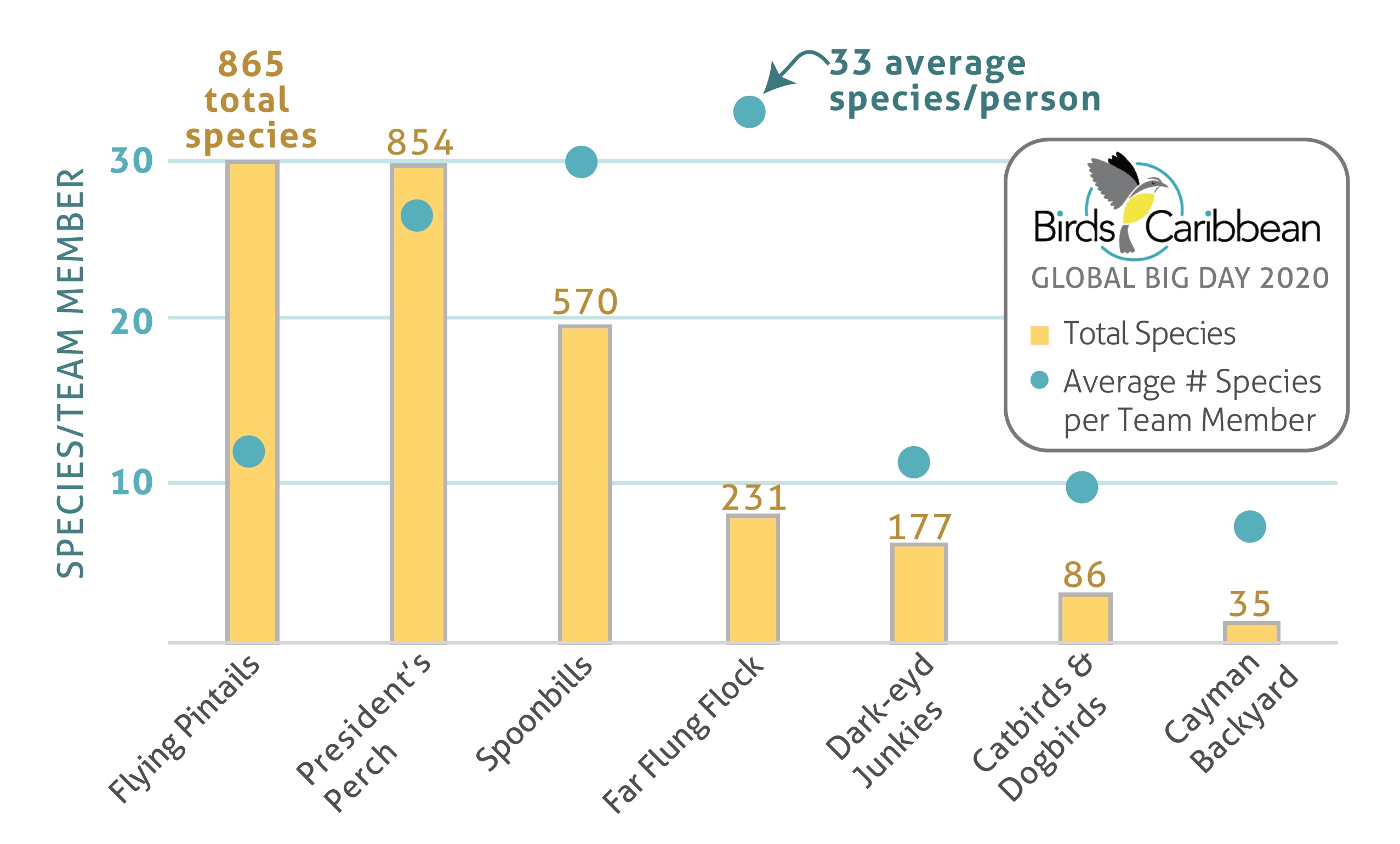
In the overall species count, large multinational teams like ‘President’s Perch’ led the way. However, when looking at the number of species recorded per team member, our smaller teams put in the work too. The Hummingbirds, a solo effort by just one participant (reminiscent of our one-person ‘BVI Birders’ team in 2025), recorded an incredible 48 species, in Trinidad, on their own. Tireless Seekers, with five team members in the Dominican Republic, followed with 22 species per observer, while the two members of Team Soualiga in Sint Maarten averaged 18.
Figure 4: The average number of species seen per person for our Global Big Day teams.
In search of local legends
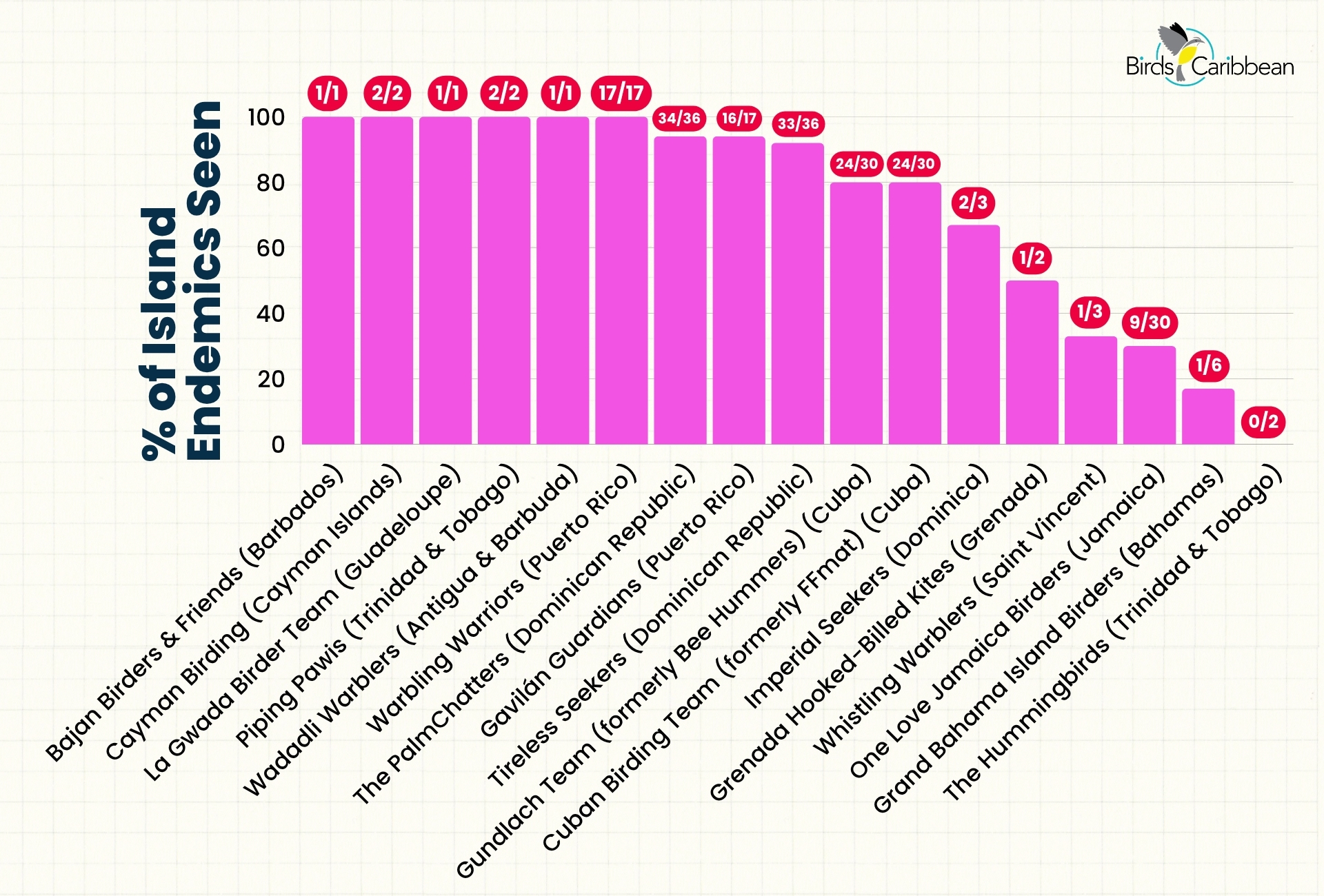
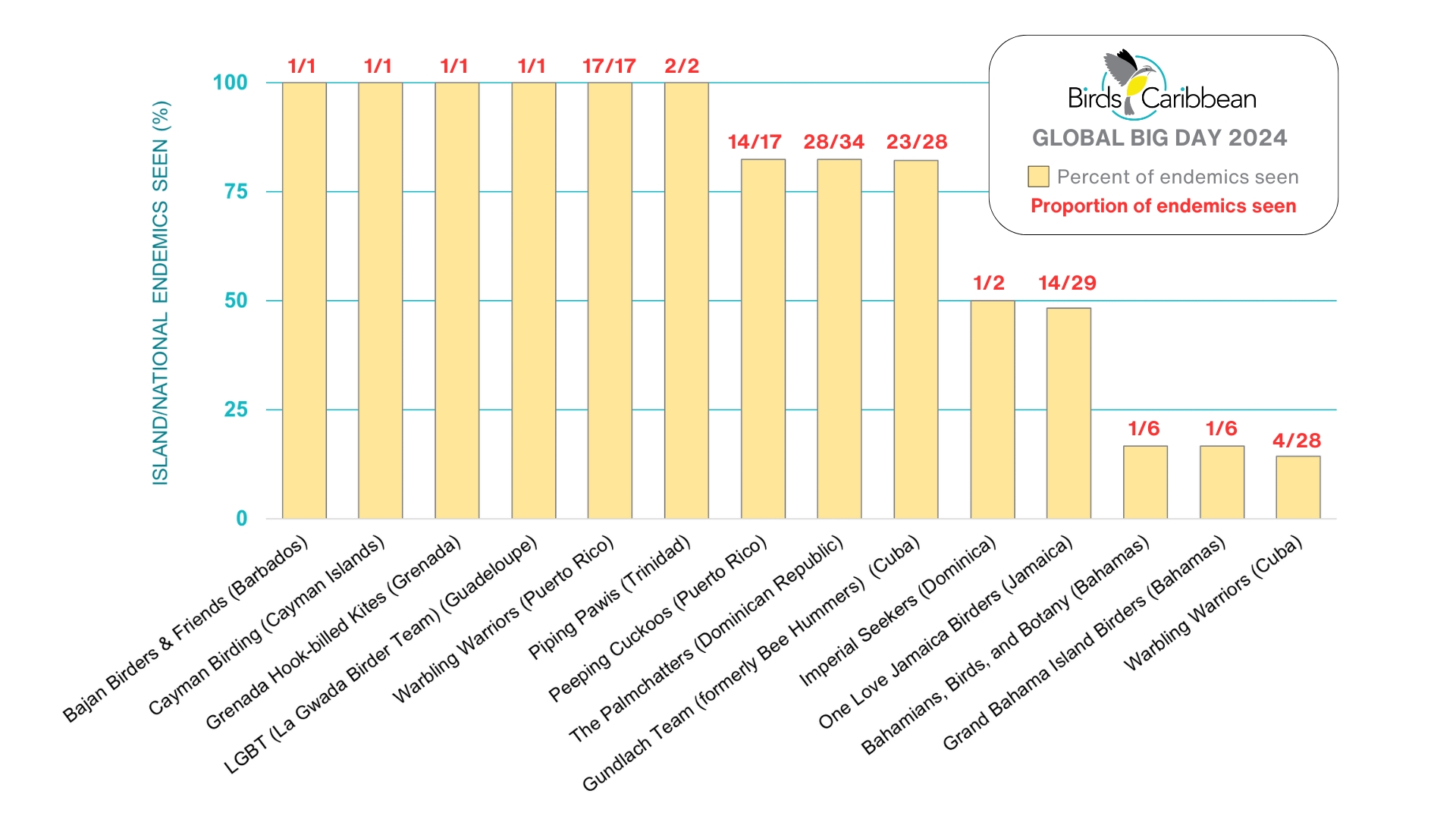
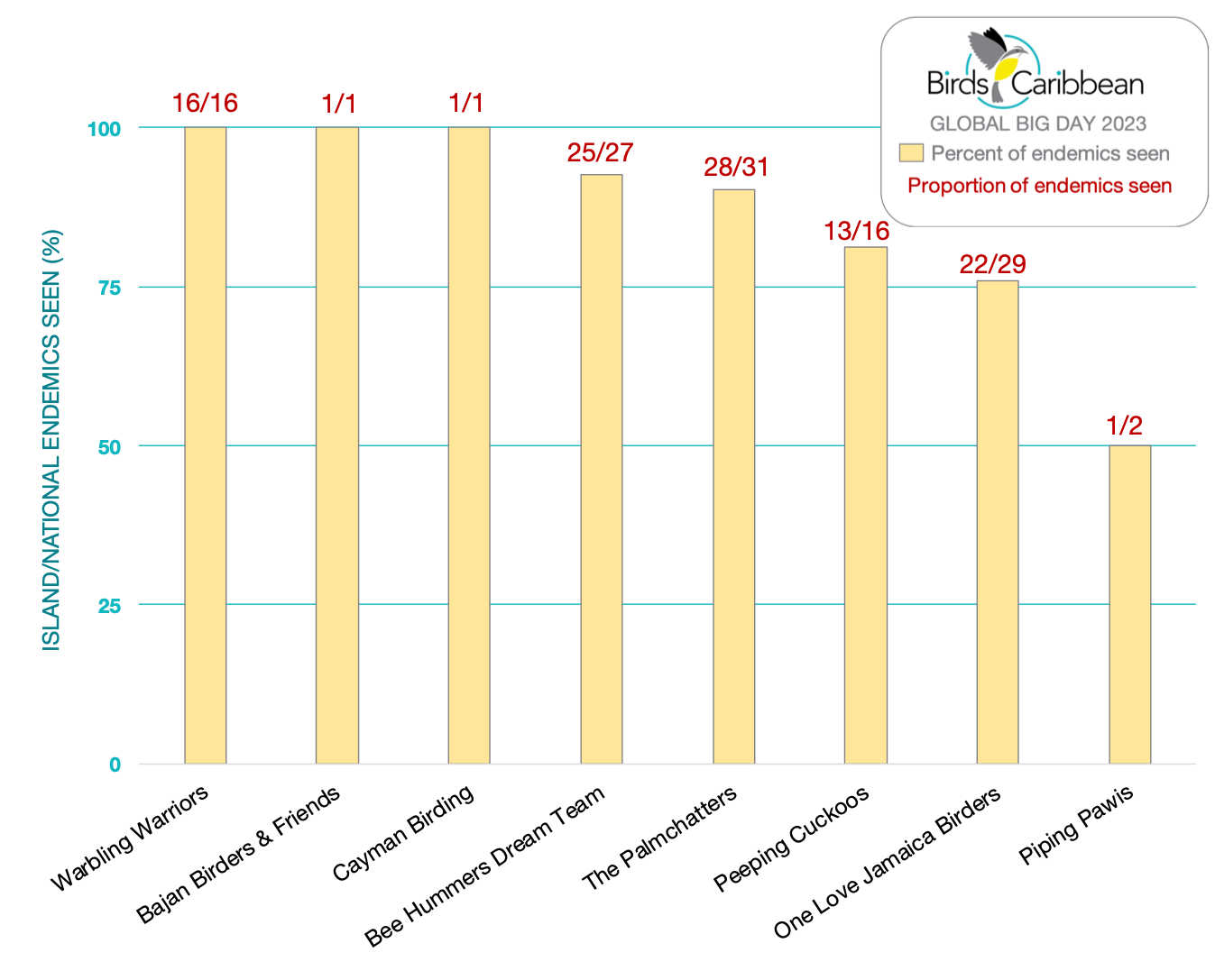
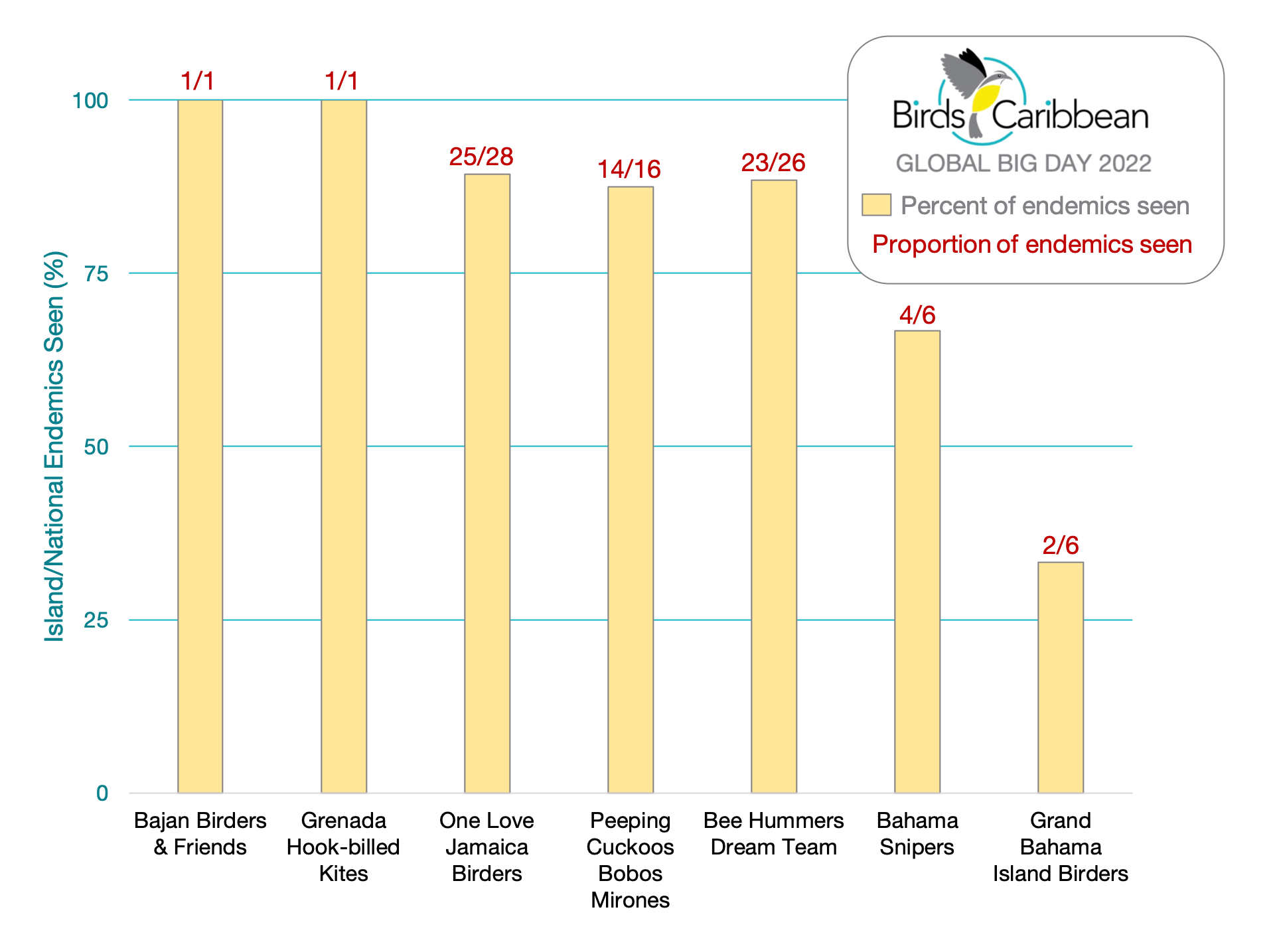
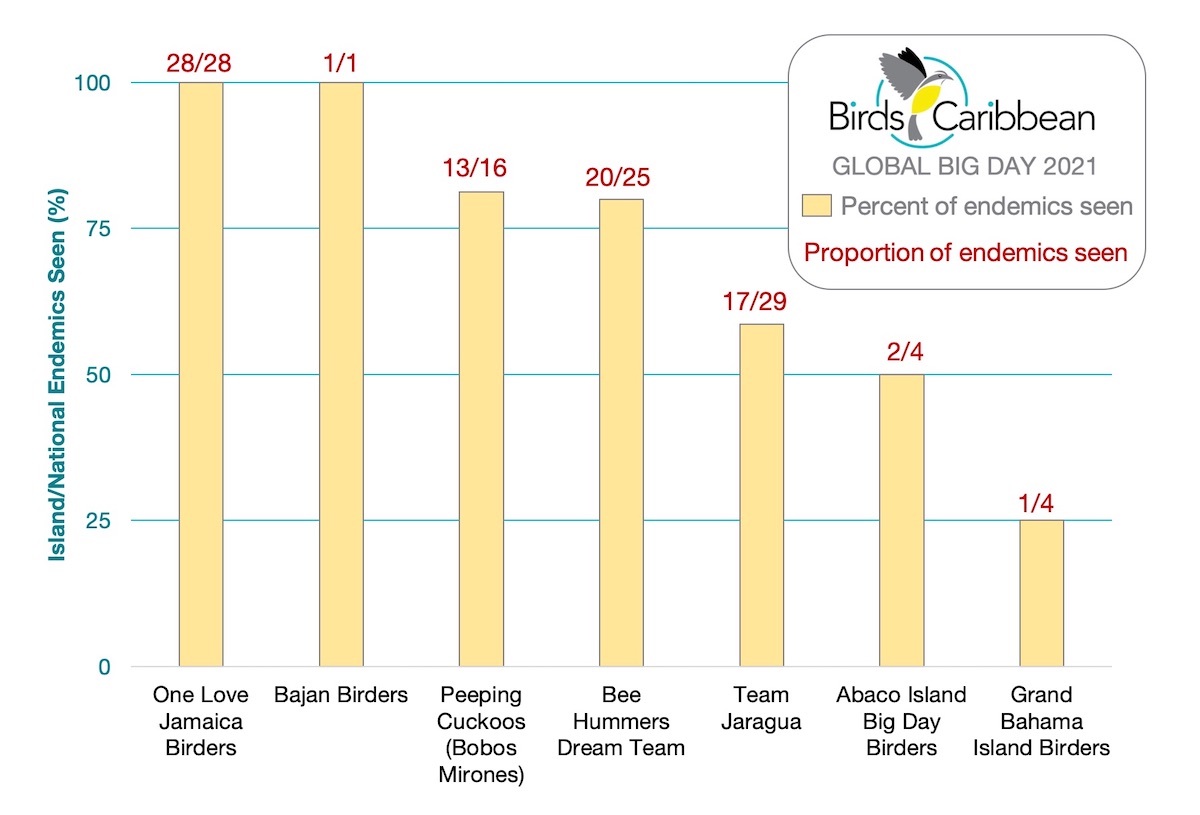
Teams such as Bajan Birders & Friends, Cayman Birding, Piping Pawis, Warbling Warriors, La Gwada Birder Team and Wadadli Warblers successfully found all their endemic birds on Big Day.
Congratulations to all for their outstanding efforts!
Figure 5: Percent of endemics seen (by proportion) on Global Big Day, 2026.
Within the Caribbean, some birders went the extra mile to find the region’s endemic birds. So we want to give a special mention to the following birders who had 20 or more West Indies endemics on their GBD checklist on May 9th:
Hector Andujar – 45
Jorge Brocca – 40
José Alberto Pérez Hechavarría – 32
Dayron Breto – 30
Ricel Polan Hernandez – 29
Nicolás Díaz Pérez – 28
Aaron Wuori – 27
Brendan Burns – 27
Diego Bisbal – 27
Rodolfo Castro Alvarez – 26
Abel Luis Simeón – 26
Eric Torres-Rivera – 26
Amarilys Lebron – 25
Juan G. Ruaño – 25
Lenier Sori Abreu – 25
Yusneyda Alarcón Jorge – 25
Julio Salgado – 24
Ricardo Sánchez – 24
Nils Navarro – 24
Edward Hernandez – 24
Freddy Camara – 24
Manuel López Salcedo – 24
Brayan Espinal – 23
Alex David – 23
Serguei López Perez – 23
Denier Ramon Figueredo Rio – 23
Alejandro Espinosa – 21
Karlos Ross – 21
Yuzaima Ortiz – 20
ALAS INC – 20
Biggest Big Day eBirders
There are teams…and then there are the amazing individual birders.
This year we had some seriously monumental individual efforts. Topping the top team birders list was Rodolfo Castro Alvarez, who was birding in Cuba and recorded 124 species for the Gundlach Team!
Our top birders from the Caribbean and across the globe, respectively, on Big Day were:
Our top ten birders with the most species in the West Indies were:
Rodolfo Castro Alvarez – Gundlach Team – 124
Nicolás Díaz Pérez – Gundlach Team – 115
Nigel Lallsingh – Piping Pawis – 113
Ricardo Sánchez – Warbling Warriors – 108
Julio Salgado – Warbling Warriors – 108
Brendan Burns – Gavilán Guardians – 102
Xavier Ragbir – Piping Pawis – 101
Aaron Wuori – Gavilán Guardians – 100
Diego Bisbal – Gavilán Guardians – 100
Ricel Polan Hernandez – Gundlach Team – 99
Eric Torres-Rivera – Warbling Warriors – 99
Our top five birders overall on Big Day were:
Gabriel Y. Soto-Rivera – Warbling Warriors – 143
Rodolfo Castro Alvarez – Gundlach Team – 124
Jeff Gerbracht – Flying Pintails – 121
Ken Rosenberg – Flying Pintails – 119
Eduardo Iñigo Elias – Flying Pintails – 117
Birding boss, we want YOU to lead a team for GBD 2027
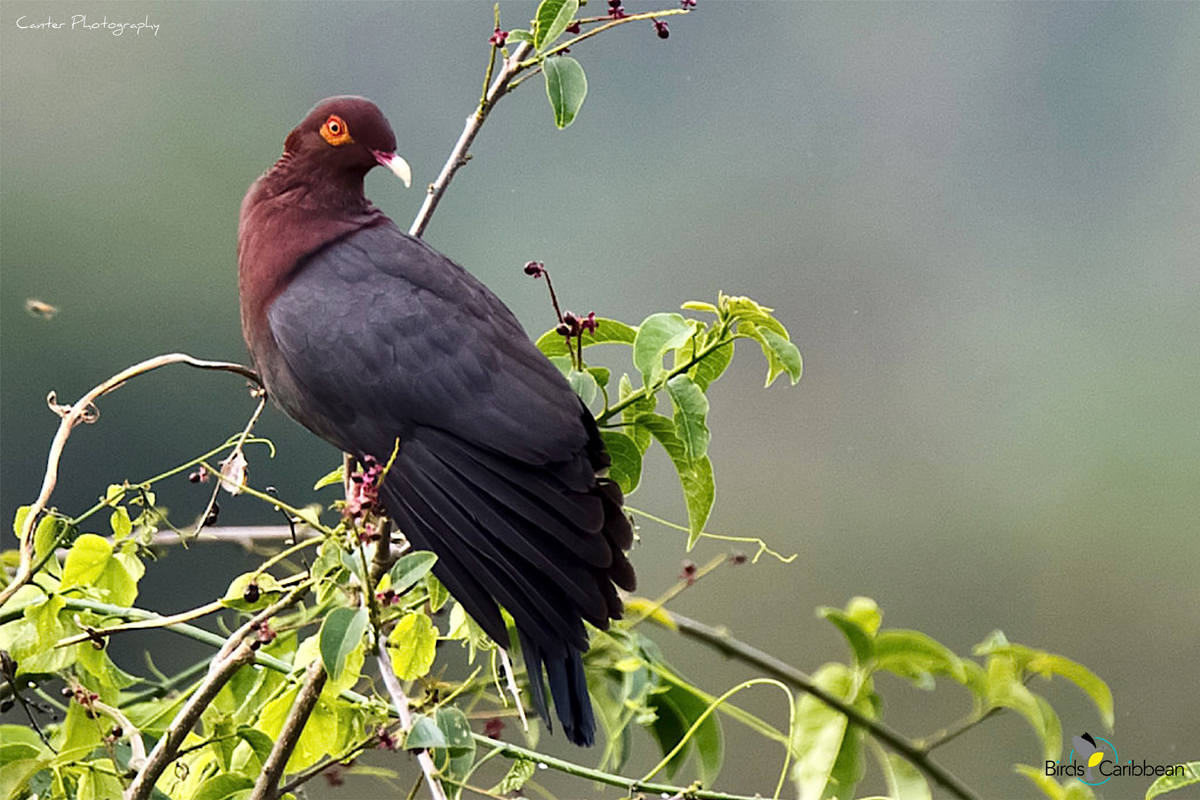
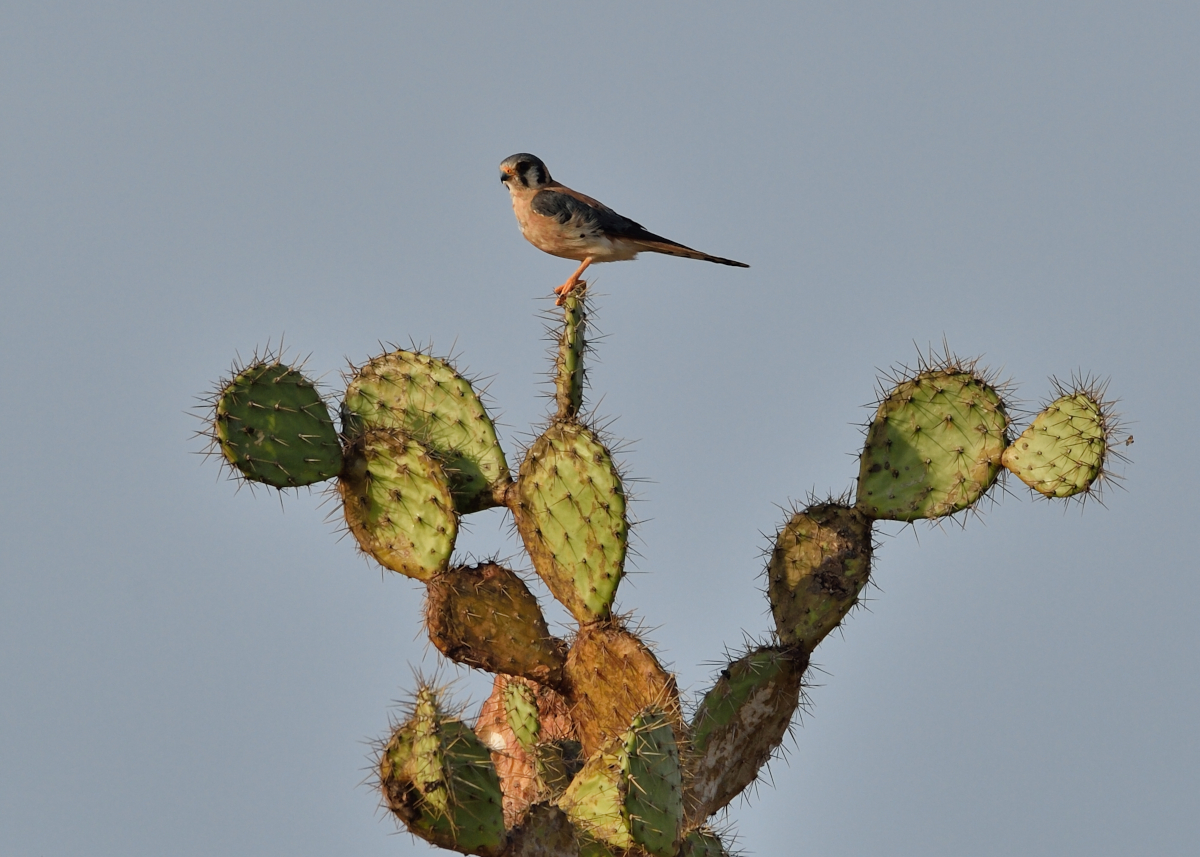
Scaly-naped Pigeon (Photo by Canter Photography)
Our ultimate goal is to have a team representing every island in the Caribbean. We know we have the best birds and birders who always bring BIG energy, dedication, and pride to conserving birds. Bermuda, Montserrat, St. Martin, Martinique, St. Lucia, Bonaire, Aruba and Curacao—we’re looking at you.
If you would like to lead a team on your island for GBD 2027 please get in touch with us by emailing: [email protected] and [email protected].
It’s not too soon to start plotting for #GlobalBigDayBirdsCarib 2027 domination!
Empowering conservation leaders
This year, BirdsCaribbean GBD teams raised over $48,000 to provide travel scholarships for outstanding Caribbean nationals to attend our 25th International Conference in Trinidad and Tobago. This remarkable effort was truly the work of our entire BirdsCaribbean community and we are deeply grateful to everyone who donated, birded, and helped spread the word. Your support is empowering us to stand strong for birds and our partners across the Caribbean.
If you haven’t contributed, there’s still time to make a difference. Every donation helps us continue building local capacity, protecting birds and habitats, and sparking a lifelong love of nature.
Global Big Day may be behind us, but the birding fun doesn’t stop there! The Caribbean Waterbird Census runs all year long, so there’s always a chance to grab your binoculars and contribute to science. This fall, get ready for the Global Shorebird Count (September) and October Big Day (October). These programs offer more great reasons to get outside, connect with fellow bird lovers, and make your sightings count.
2026 BirdsCaribbean Global Big Day Teams
List of teams and links to trip report pages on eBird:
The biggest birding day of the year returns on Saturday, May 9th, 2026! Global Big Day (GBD) is more than a mass data collection event, it is a global celebration of magnificent birds and the incredible people who protect them, all focused on amplifying our potential to create a lasting, positive impact on our planet. On this day, bird enthusiasts and nature lovers around the world head outdoors to document as many bird species as possible in just 24 hours. These observations help scientists monitor bird populations, track migration patterns, and identify habitats in need of conservation.
What makes GBD truly special is that it’s open to everyone wherever they are. Whether you’re an expert birder chasing a rare endemic deep in the forest or just starting out with backyard birds, there’s a place for you in this global effort to understand and protect birds.
Compete for the Cause: Join Our Team Challenge!
We’re thrilled to bring back our popular teams competition for GBD 2026, and we’d love for you to be a part of it! Both national (individual islands) and multinational teams are invited to join in the effort to make a lasting impact on the birds and ecosystems of the Caribbean.
We’re especially eager to see a team representing each Caribbean island, so if you don’t see your island listed here, now’s your chance to step up and take the lead (more details below).
We are calling on you to unite with local birders to help bring attention to your island’s irreplaceable and incredible diversity of birds as well as the BirdsCaribbean programs that enhance our understanding and drive the action needed to protect these iconic species.
By participating, you and your team will play an important role in advancing our understanding of Caribbean birds and their habitats, showing the world just how incredible your island is.
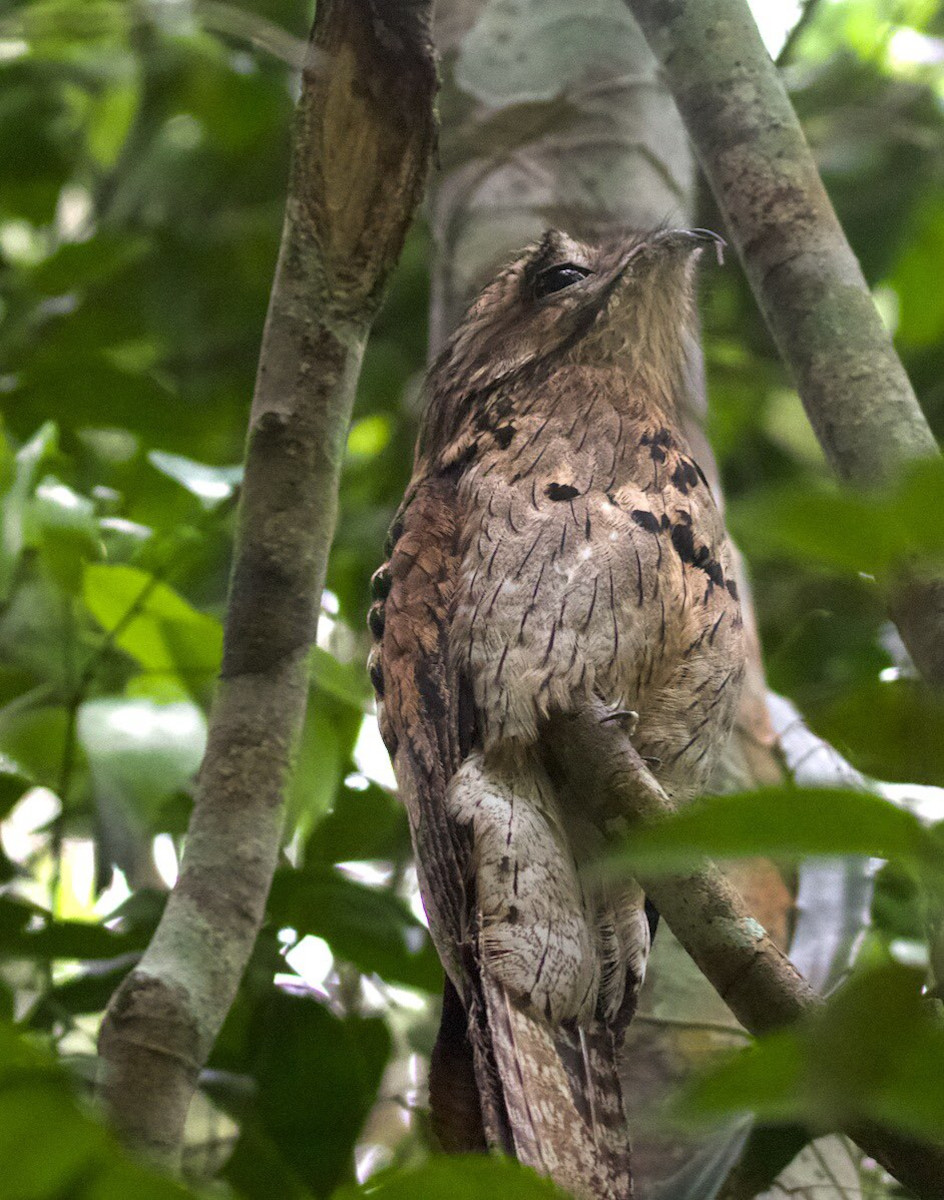
Bare-legged Owl. (Photo by Aslam Ibrahim Castellon)
Green-winged Teals in flight, their green wing-patches clearly visible. (Photo by Andrew Reding)
Lesser Antillean Bullfinch in St Vincent. (Photo by Jeff Gerbracht)
Bahama Woodstar, male. The Bahama Woodstar can only be found on the Turks and Caicos Islands and The Bahamas! This near-endemic can be easily spotted in a range of habitats around TCI. (Photo by Keith Salveson)
Hispaniolan Nightjar. (Photo by Dax Roman)
Red Knot in August molting from breeding plumage to plain winter plumage which is all gray. Red Knots have declined markedly in the last 25 years. Some Red Knots winter in the Caribbean; many use the islands as a refueling stop on their long journeys to South America. (photo by Hemant Kishan)
Bridled Quail-Dove, Guadeloupe. (Photo by Birding the Islands client, Beatrice Henricot)
A pair of Hudsonian Godwits in Barbados. (Photo by John Webster)
Their entire population of Prairie Warblers spends the winter either in the Caribbean or Florida, making this a very important region for the species. During the winter Prairie Warblers like to live in coastal dry forests, mangroves, woodlands, orchards, and coffee farms; they may even show up in your garden!
The Ridgway’s Hawk is one of the most critically endangered raptors in the world and is endemic to Hispaniola. (Photo by Dax Román)
Last year we had 31 teams compete with members spanning across 47 countries and raised over $64,000US to keep our core programs going. This year let’s take it to the next level—more islands, more energy, more data—and show the world how passionate and serious we are about bird conservation!
Birding for a Cause: Empowering the Next Generation
In addition to hosting what is (unofficially) the most exciting birding competition in the region, we’ll also be raising funds to provide travel scholarships to deserving bird conservationists to attend our upcoming 25th International Conference in Trinidad and Tobago! It’s an invaluable opportunity for international networking and learning new skills to help save our Caribbean birds.
24 Joyous Hours of Birding, Exploring, and Making Friends!
During peak migration time in the spring, birders around the world head out to their favorite birding spots, or venture into new areas, to see, hear and record as many bird species as they can in a 24-hr period of time. Global Big Day runs from midnight to midnight in your local time zone. The data is entered into eBird checklists (more about using eBird below).
Members of the team BirdersSKN birdwatching on Global Big Day.
Members of The Palmchatters. (Photo by Andrea Thomen)
A few members of Statia’s Golden Warblers in St. Eustatius, Global Big Day 2025. (Photo by Jethro van’t Hul)
Beny Wilson and friends birding in Panama for the Flying Pintails.
No matter where you are—at home, a botanical garden, beach, river or nature reserve—you can contribute important data about the birds around you. You don’t need to be an expert birder or spend the entire day looking for birds. Just 10 minutes of birding in your backyard or from your balcony will count too. Imagine, while enjoying your morning coffee, you can also be contributing valuable data for bird conservation.
This is not Microsoft Teams
If you’re looking to make your GBD experience more social, consider teaming up with a friend or group. Pairs or groups can carpool, help out with tricky bird IDs, share equipment like spotting scopes.. and possibly snacks!
We are calling on our community to bird together in virtual teams (you don’t need to be birding together in the same place) during Global Big Day and engage in friendly competition to see which team can:
1) collectively see the most species of birds, and
2) raise the most funds.
Additional recognition will be given to
the team with the most creative name!
the “country/island team” that sees the highest proportion of their birds on Global Big Day (to control for differences in the number of species on each island!)
the team with the best “find” of the day (unusual, rare, plumage aberration, etc.)
the team with the best bird photo of the day (must be posted on eBird along with your list)
Last year the Piping Pawis from Trinidad and Tobago and the Gundlach Team from Cuba swept the competition. Will your team be the one to dethrone these champs?
The Best Global Big Day Starts with the Right Prep!
Ready to make the most of Global Big Day? Joining our competition is easy—just follow these simple steps to prepare for a successful birding adventure!
Getting a CWC list on eBird. (Photo by EAG)
Step 1: Get Set Up with eBird First things first, if you don’t already have one, download the eBird app and set up your account. You will need it to submit your checklist/s! It’s FREE and you can sign up here! Don’t forget to check out Getting Started with eBird to get familiar with the app.
Step 2: Join Your Island Team By joining your island team, you’ll gain access to shared resources—if you don’t have binoculars or a field guide, other birders may offer a spotting scope and copies for you to use.
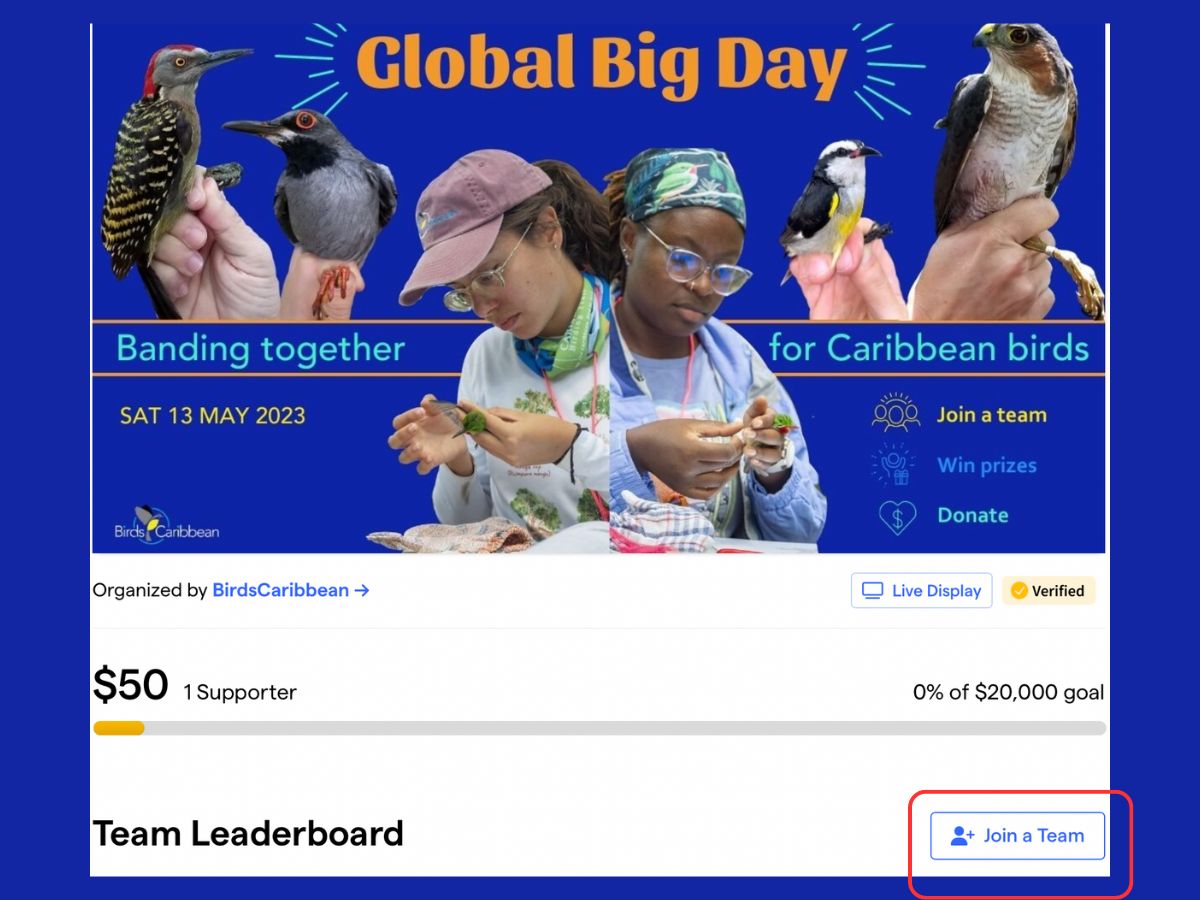
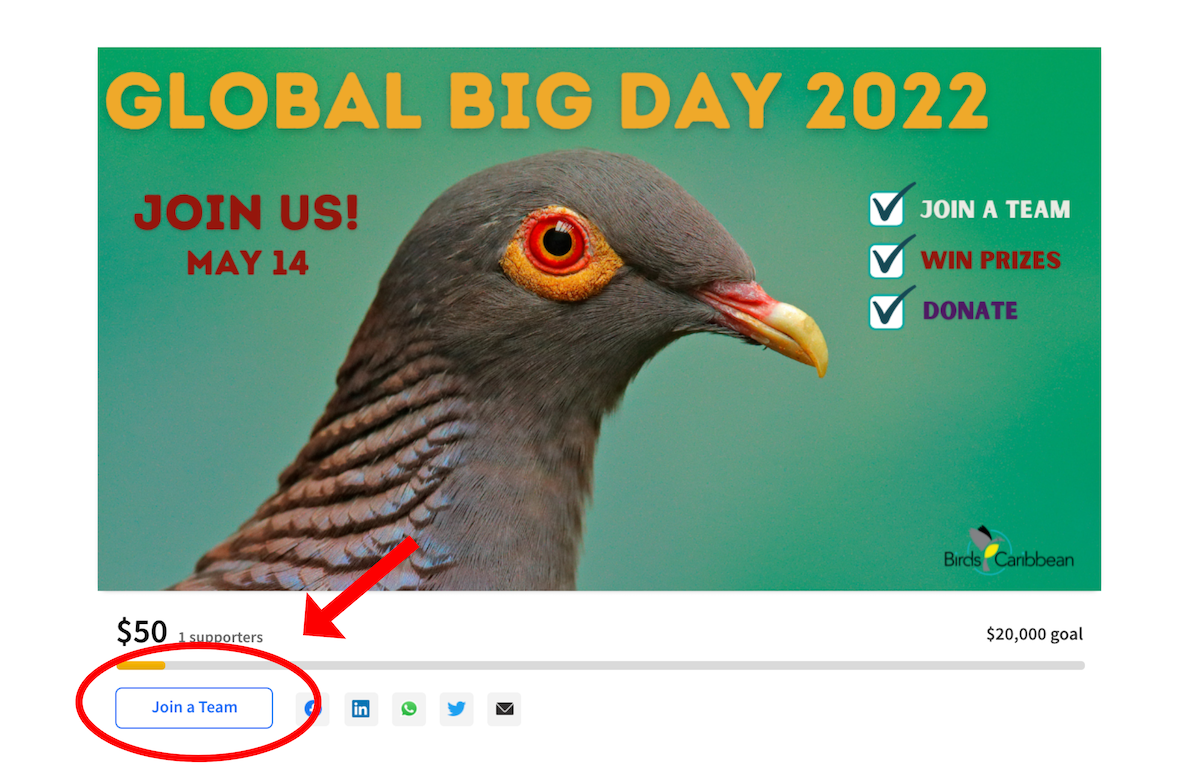
Chances are that your island already has an existing team! Team Up by heading over to our Givebutter BC GBD Teams page to find your team! Just click the ‘JOIN A TEAM’ button on the campaign page to get started.
Step 3: Choose Your Birding Location/s Choose your birding location carefully. Local parks, nature reserves, and wetlands offer a wide range of species. Team leaders will be your best resource for advice on where to go and the best times to visit.
Want to Create Your Own Team?
Not seeing a team for your island and want to create your own? We love your initiative! Just email [email protected] to get set up. We’ll help you with the groundwork of getting your team set up, including setting up your must-have eBird trip report, so that you and your crew can soar to GBD success! After setup, you’ll have full control to manage it, so be sure to really make it your own with a fun name, photos, and your own lingo!
All team leaders and members should then invite family, friends, colleagues, and members of your birding community to join your team and/or donate to your team. It helps to set your own personal fundraising goal to help your team reach its overall goal!
By inviting people to your team, you’ll be:
(1) raising awareness for BirdsCaribbean and the critical bird research and conservation work we do in the region,
(2) helping to raise funds to support rising Caribbean conservation leaders, and
(3) promoting Global Big Day, citizen science, and the importance of conserving birds and their habitats.
If you can’t join the GBD team competition fun this year, you can still show support by making a donation.
Why We Really Need Your Support this Global Big Day
This Global Big Day fundraiser will fund travel scholarships for Caribbean students and wildlife professionals to attend our upcoming International Conference, 23rd – 27th July, 2026, in Port-of-Spain, Trinidad and Tobago. These are dedicated persons who are on the ground, doing the work everyday to secure a future for birds and their habitats. Attending the conference is an invaluable opportunity for them to 1) build upon or gain new skills to address threats to bird conservation on their respective islands, and 2) network with the wider conservation community, share their work, and learn from others. For Caribbean students, this experience will help to kickstart their introduction into the ornithological and conservation community and they will benefit from mentorship opportunities.
Our plan is to raise funds to help cover travel costs that will allow deserving participants to attend—including covering registration, airfare and/or hotel costs as necessary.
We hope everyone, whether or not they join a team or fundraise, will commit to spending some time (or the entire day!) birding on Global Big Day (May 9), being sure to keep track of what you see and then enter that information into eBird.
As with everything in the Caribbean, we will be successful when our whole community pitches in, so let’s do this together! We need your help to do this!
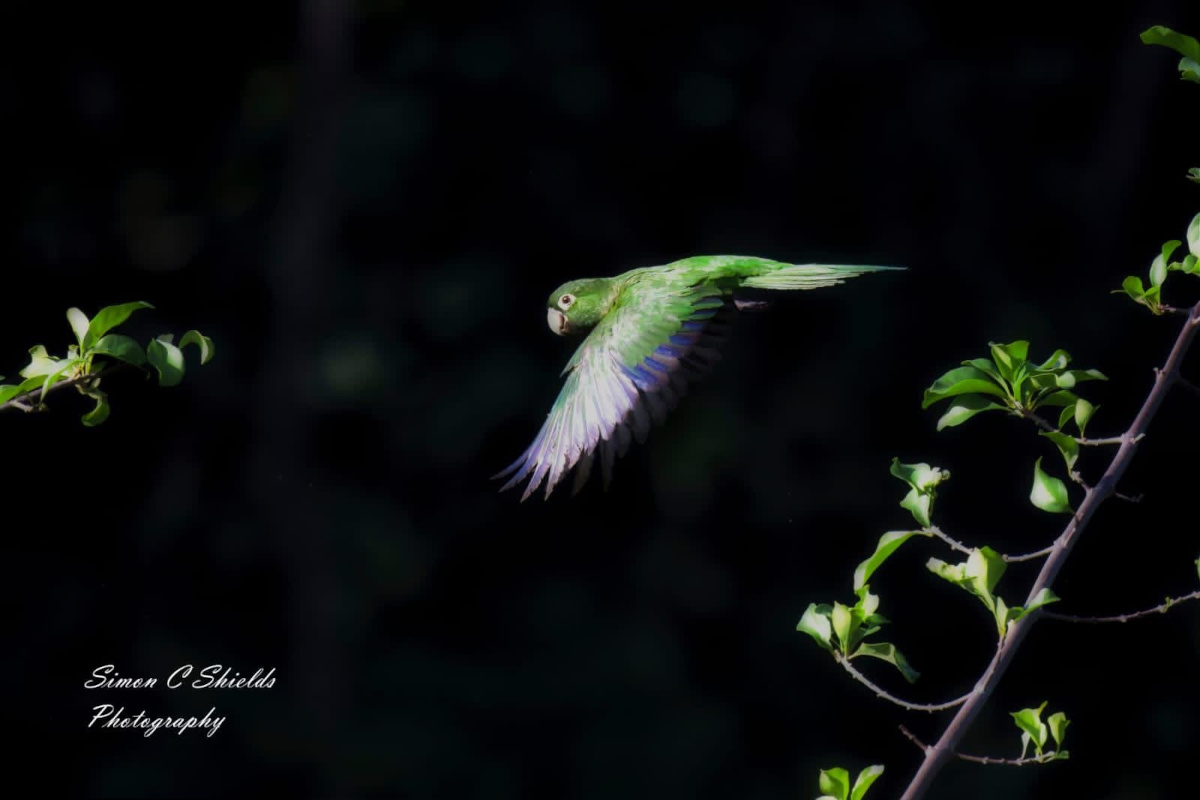
Capturing bird photos on Global Big Day. (Photo by Simon Shields)
Global Big Day (GBD) 2025 was a vibrant celebration of birds, Caribbean community, and spectacular photography!Thank you to everyone who participated in our GDB team competition, submitted stunning photographs, and helped make this year’s Global Big Day one to remember. We’re excited to unveil the winners of our GBD 2025 Photo Contest! These photos beautifully capture the essence of Caribbean birds and the power of collective action to protect our natural heritage.
If you missed the full Global Big Day 2025 report, click here to explore the highlights, team scores, and meet this year’s top birding team!
This day wouldn’t be possible without the infectious energy of our birding community, the dedication of our team leaders, and the generosity of our donors. Thank you for helping to keep our programs running, from youth education and conservation outreach, to research and habitat protection, especially this year as we face the loss of critical federal funding. If you’d like to #KeepBirdsCaribbeanSoaring, please consider making a donation at: https://givebutter.com/BCGBD2025
Photography Award Winners 2025
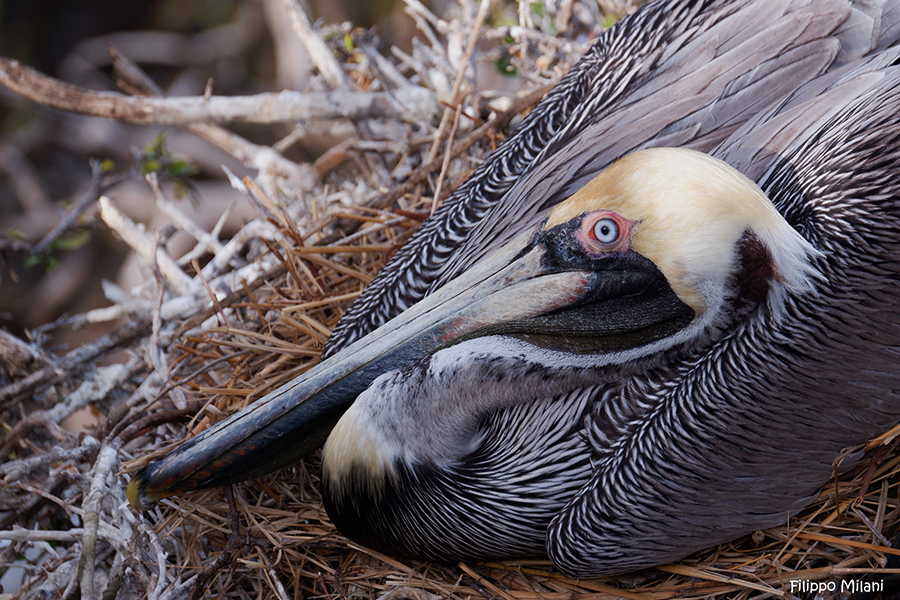
We especially congratulate this year’s First Place Best Bird Photo winner, Filippo Milani from Sint Maarten! One judge commented “I’m captivated by the lines and curves of the pelican’s body—the long wood-like beak, graceful curved neck. and the intricate patterns and textures across its body. The viewer is drawn to the bird’s clear, watchful blue eye, framed by delicate pinkish bare skin, and bordered by striking black and buffy yellow. Overall, I think the composition, detail, and color make this image truly outstanding.”
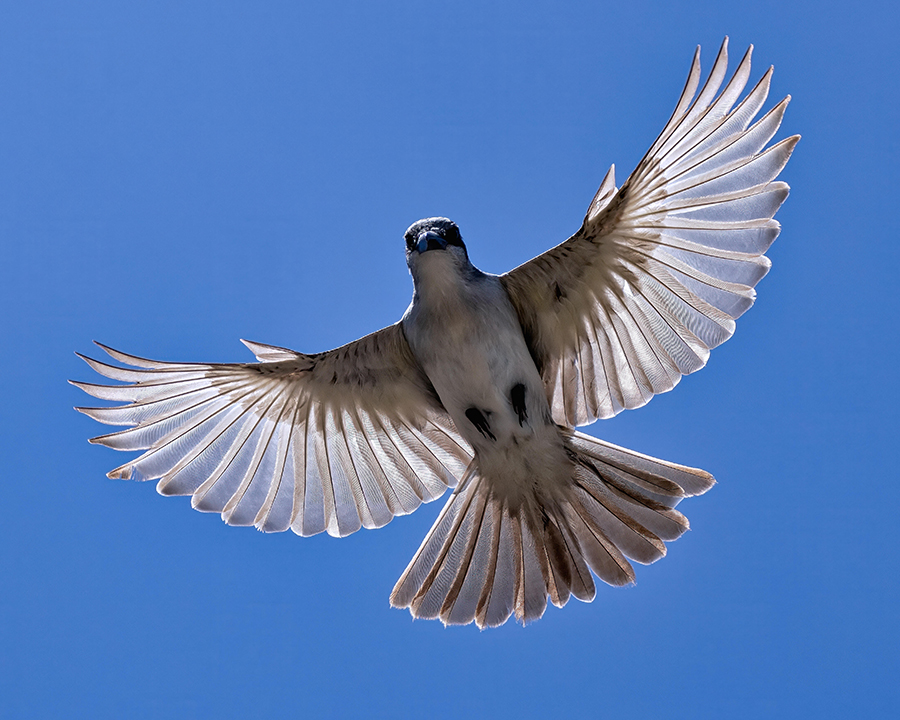
The Second Place Best Bird Photo goes to Gray Kingbird by Peter Rivera (Puerto Rico).
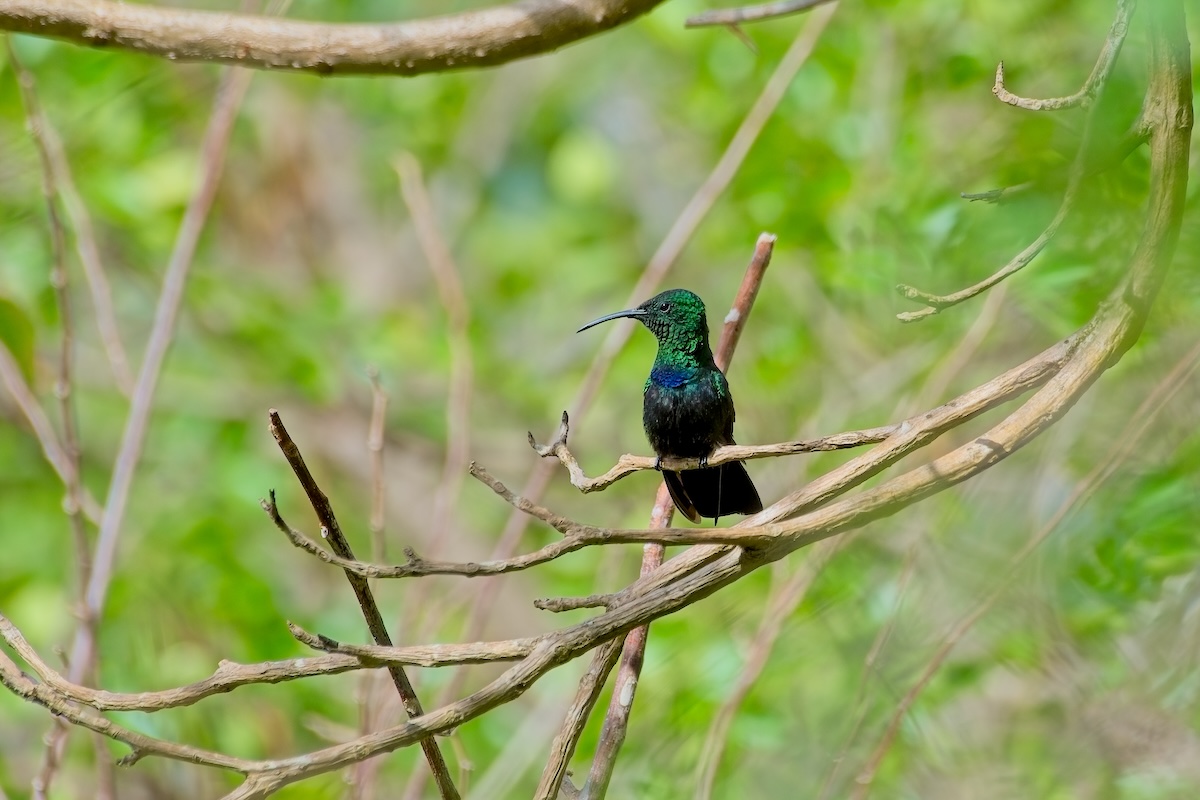
The Third Place Best Bird Photo goes to Green-throated Carib by Jerome Foster (St. Lucia).
The submissions we received were exceptional, and we couldn’t resist sharing even more stunning entries from the competition. In addition to our winning photo, the judges have chosen four standout images for honorable mention, featured below.
Great Egret, Great Salt Pond, Sint Maarten. (Photo by Filippo Milani)
Yellow Warbler, McKinnon’s Pond, Antigua. (Photo by Kendel Angol)
Red-crowned Amazon, Puerto Rico. (Photo by Eric Torres)
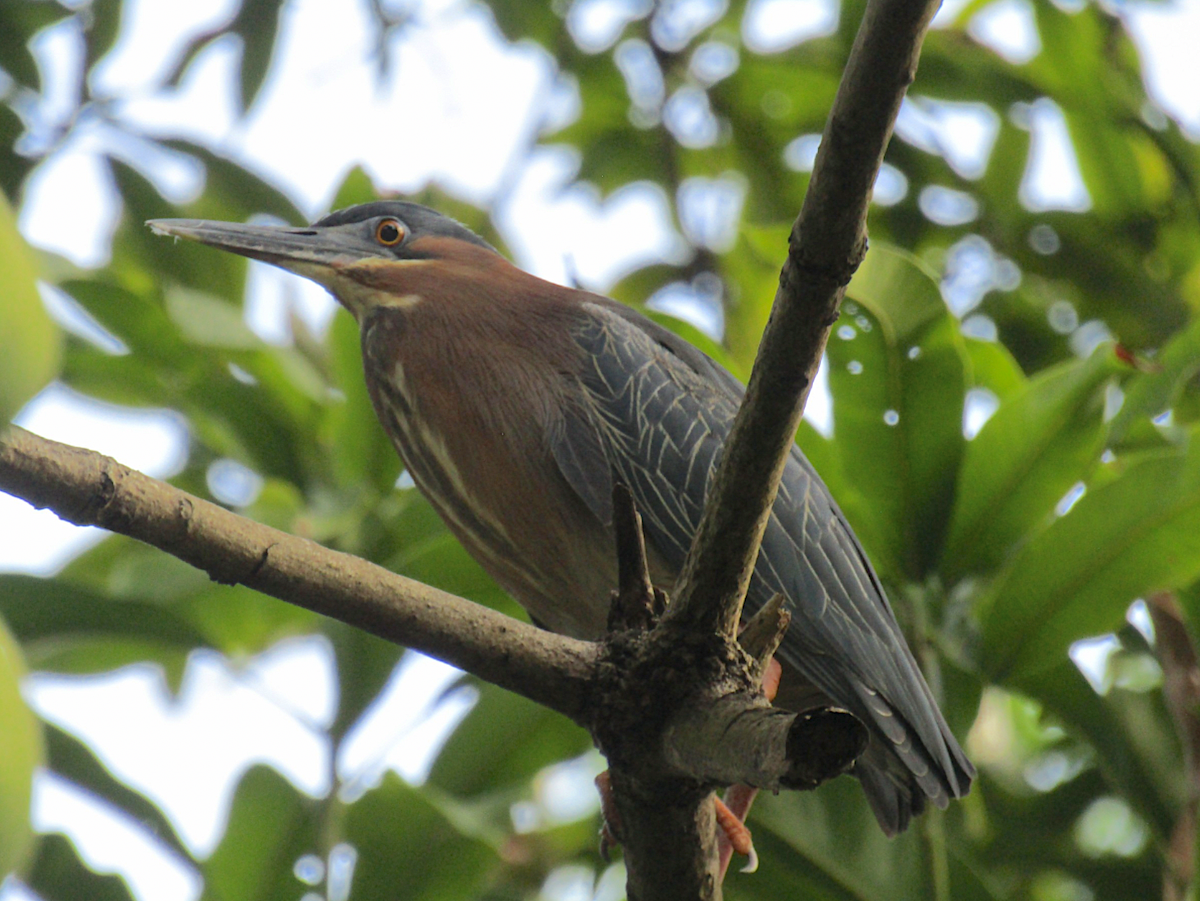
Green Heron, Puerto Rico. (Photo by Anel Sandoval)
Photographers from almost every team and corner of the world are recognized for their stunning photos in the following categories.
Best Endemic Bird
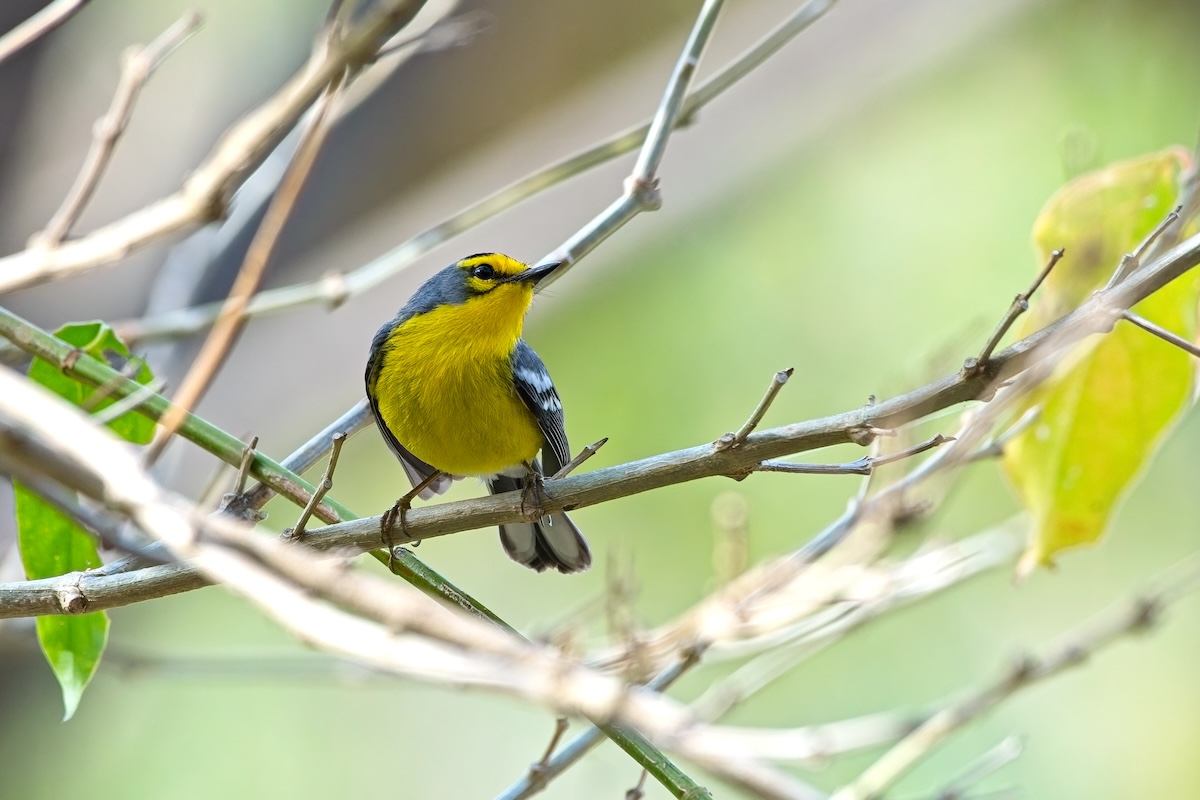
Best Endemic Bird Photo goes to the eye-catching and ever-busy St. Lucia Warbler, captured by Jerome Foster in Gros Islet, St. Lucia. It’s a striking reminder that the Caribbean is home to, dare we say, the world’s most spectacular birds.
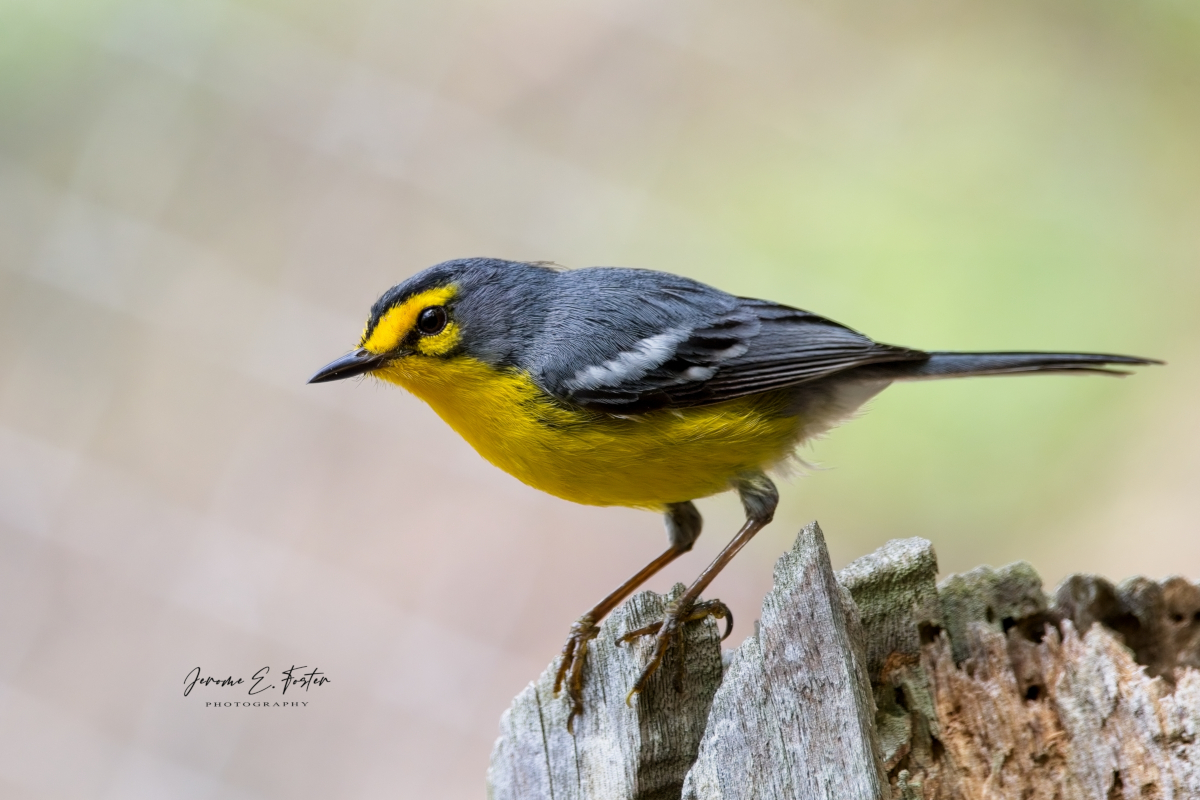
St. Lucia Warbler. (Photo by Jerome Foster)
Best Landscape Photo
These photos showcase the essential natural places where birds feed, seek shelter and raise their families. These images highlight not only the skills of the photographers but also the need to protect the environments that provide such awe-inspiring moments.
Taking First Place for Best Landscape Photo is the stunning McKinnon’s Pond, Antigua,captured by Kendel Angol from the Wadadli Warblers Team!
Second Place Best Landscape Photo
Northwestern Puerto Rico. (Photo by Mirielle Villanueva)
Third Place Best Landscape Photo
Nelson Lake, Illinois. (Photo by Kim Brady)
We’d also like to extend an honorable mention to all the other talented photographers who submitted their breathtaking landscape entries. Your dedication to capturing the beauty of these natural bird habitats is truly commendable!
Waterfowl, Canada. (Photo by Nicole Gutierrez)
Morning vibes and the Great Egret. (Photo by Eric Torres)
Le Galion, St. Martin. (Photo by Filippo Milani)
Laguna Cartagena National Wildlife Refuge, Puerto Rico. (Photo by Peter Rivera)
Best BTS Photos
GBD is no doubt about the birds but there’s also so much excitement going on behind-the-birds. We’re glad our GBD-ers decided to give us a peek into the funny, scary, and delightful moments of birding during the big day.
Standing on top of the competition (and a car) is First Place Behind The Scenes (BTS) winner Bibo Jayne from the TCI Royal Terns team with ‘Birding by car etiquette.’
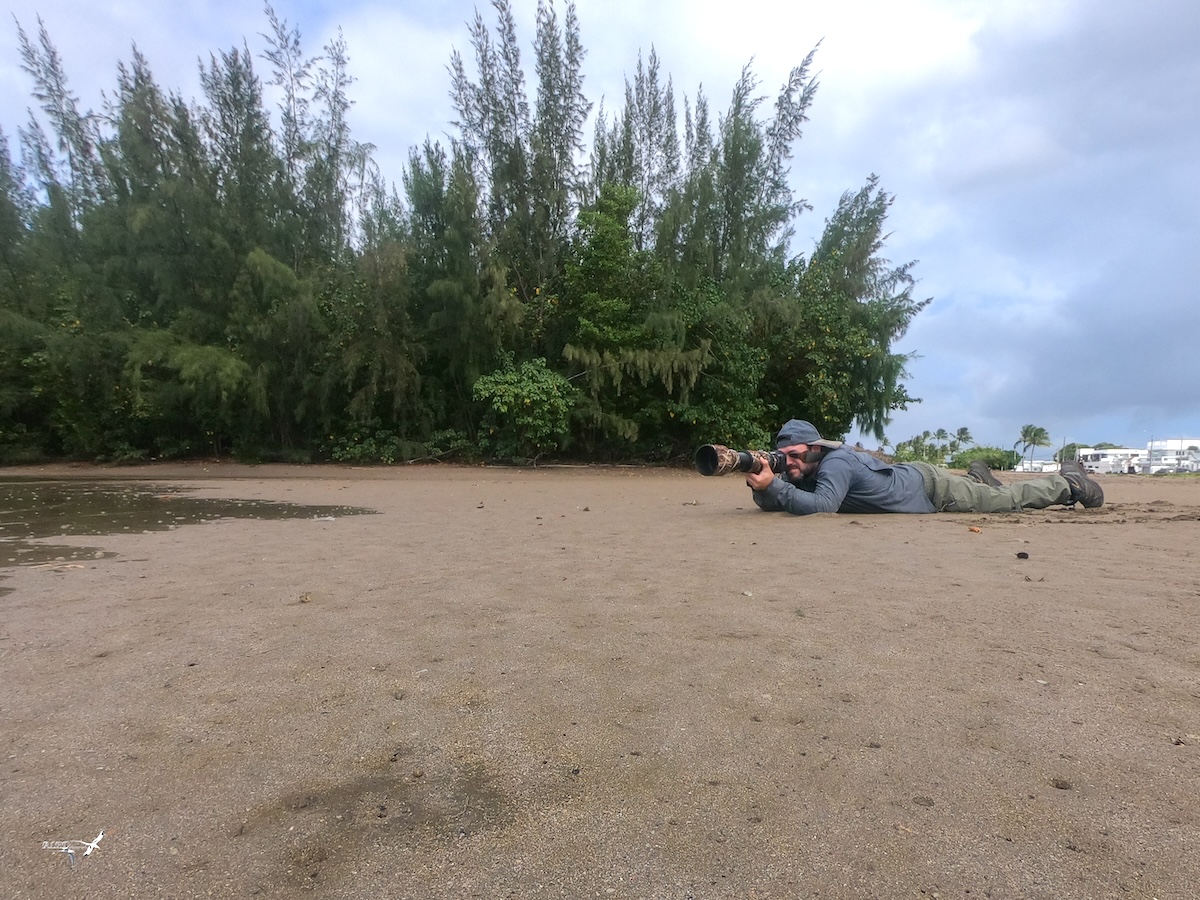
Second Place Behind the Scenes Photo goes to Edward Hernandez Lara Parque La who took this photo of his teammate gettin’ real low at Parque La Esperanza, Cataño in Puerto Rico. Hey, sometimes you have to get low to shoot high!
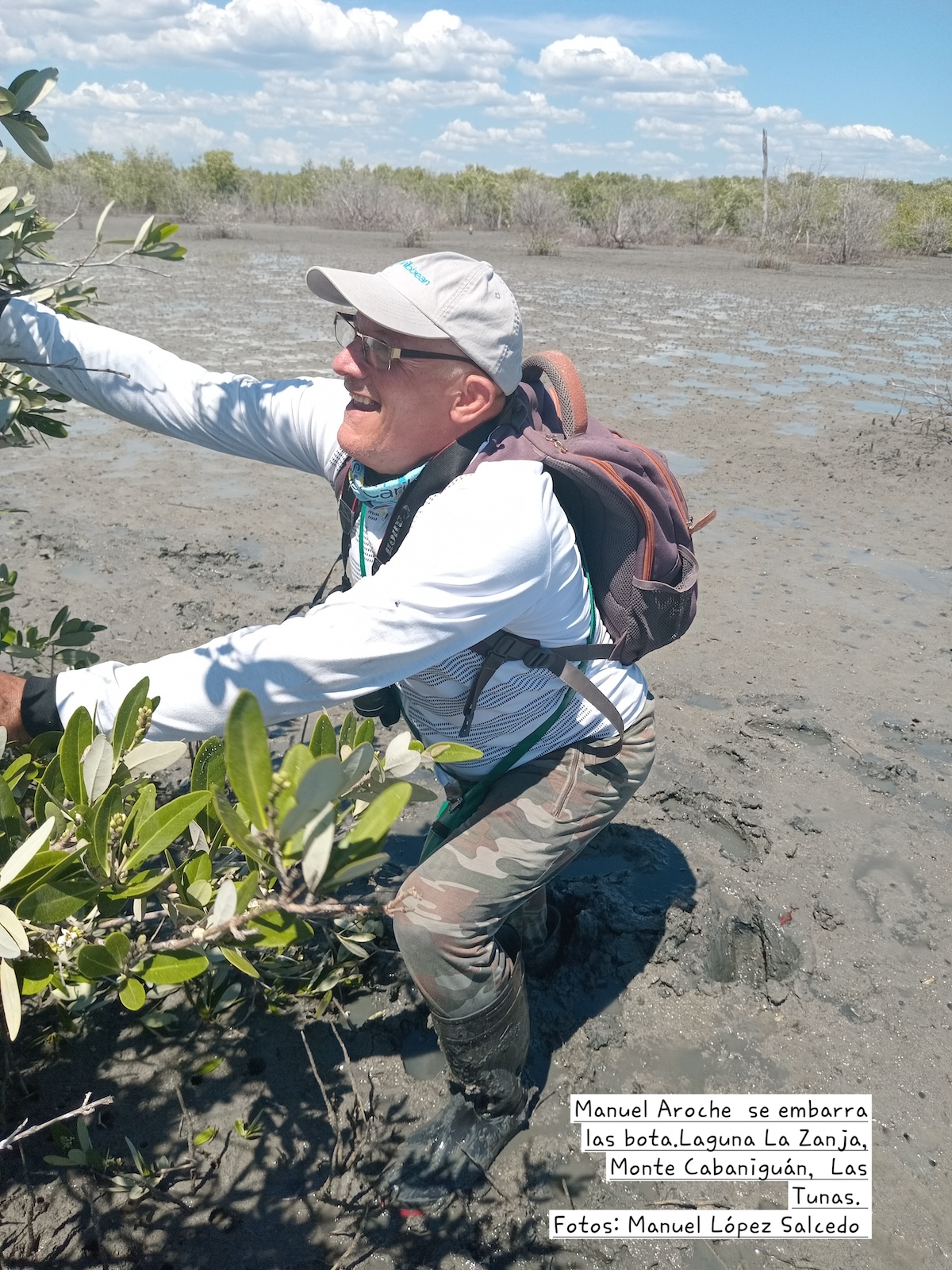
Third Place Behind the Scenes Photo goes to Manuel López Salcedo. We’re really glad he kept snapping instead of helping his teammate Manuel Aroche who was clearly losing the battle for his boots with the mud.
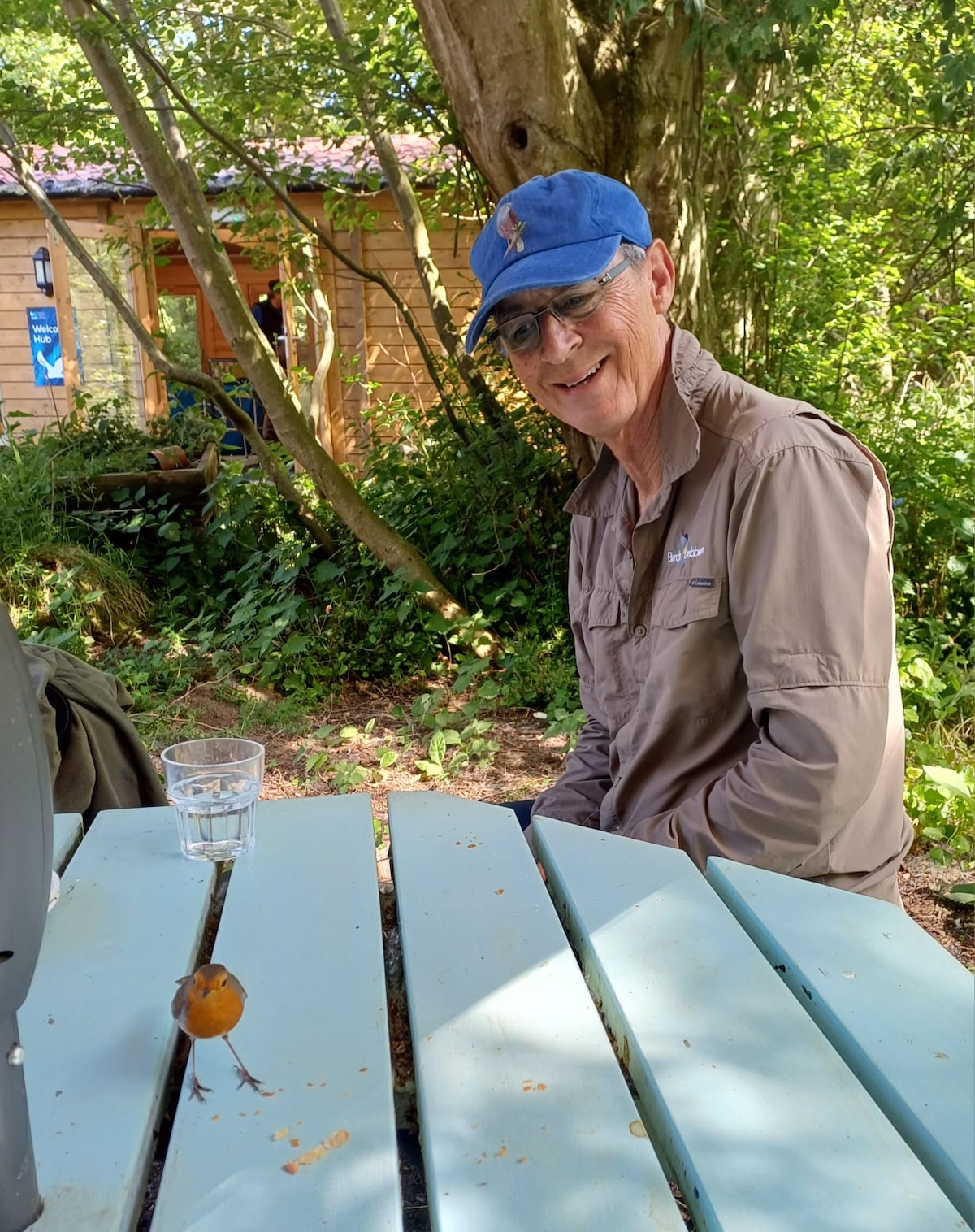
Sometimes the birds make it easy and come to us, just ask BirdsCaribbean’s past president Andrew Dobson who was joined by a European Robin for lunch on GBD!
That’s one lucky Gull
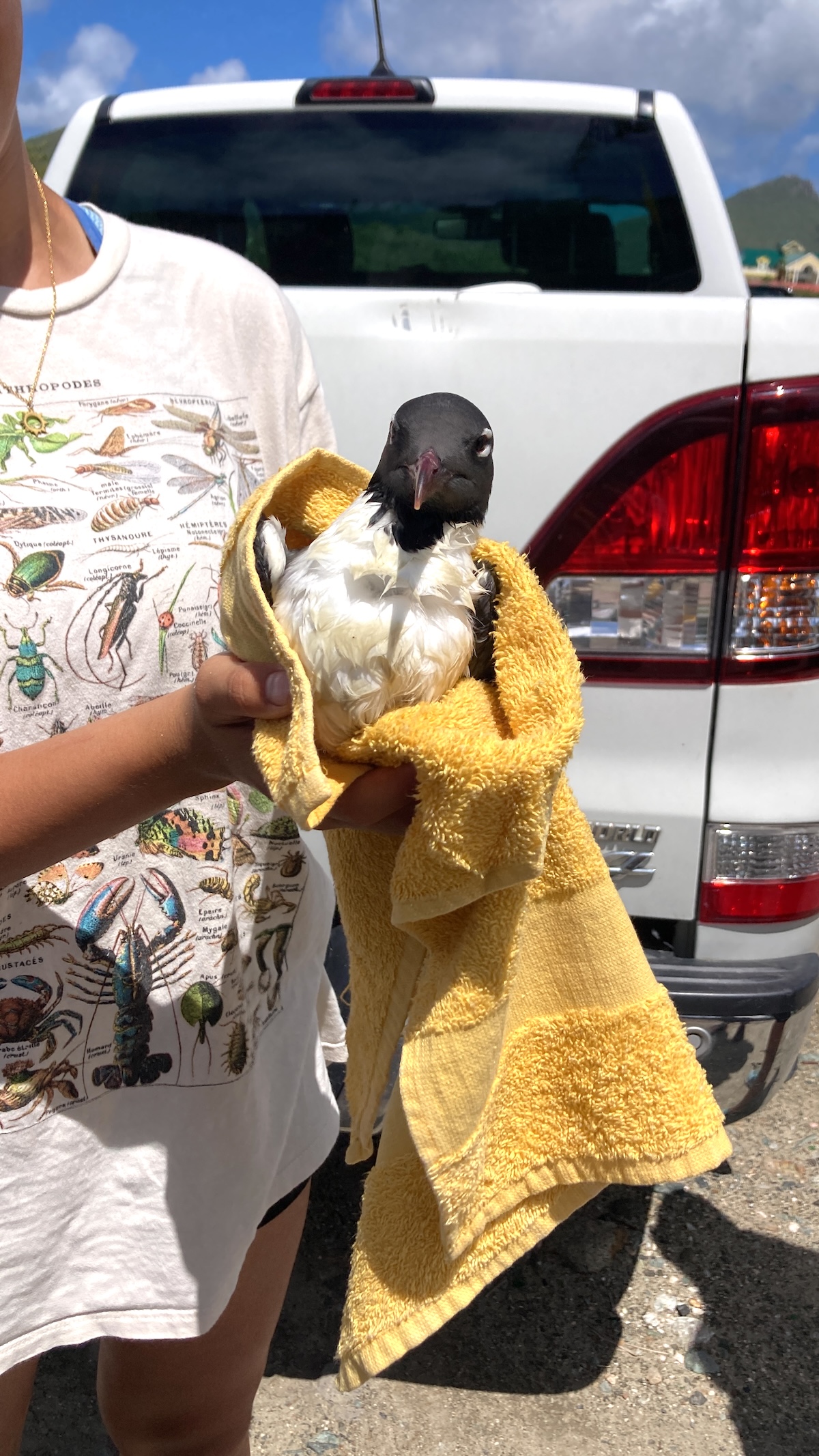
GBD is all about spotting and helping birds. That’s exactly what happened at Great Salt Pond in Philipsburg. Filippo Milani’s group was enjoying a day of birdwatching when they noticed a Laughing Gull lying motionless in the water at the edge of the pond. It was clear the bird was in distress, so one of the birders carefully picked it up without resistance from the bird, a sign that it was truly unwell! They decided to take it to a veterinary clinic for an immediate check-up.
The Laughing Gull before being taken to the veterinarian. (Photo by Filippo Milani)
Filippo shared, “At the clinic, the vet gave the gull an anti-inflammatory injection and advised us to keep it in a secure, enclosed space for a few days of monitoring. We brought it home and kept it in a crate, where it, thankfully, ate well. However, it showed little interest in flying, which was concerning.
After a few days, we took the gull back for a veterinary follow-up. With the additional support of vitamin drops and the invaluable assistance of the Nature Foundation, the Laughing Gull eventually recovered. We were thrilled to be finally release it back into a safe, wild area.”
When Watchers Become the Watched
Don’t feel too bad if your target species decide to skip lunch with you (we can’t all be as lucky as Andrew) chances are they’re busy human-watching like these curious onlookers.
Green Heron, Puerto Rico. (Photo by Marisol Villanueva Mendez)
Adelaide’s Warbler, Puerto Rico. (Photo by Edward Hernandez Lara)
Green Heron, Little Pond, Sint Maarten. (Photo by Filippo Milani)
Flyest GBD Team
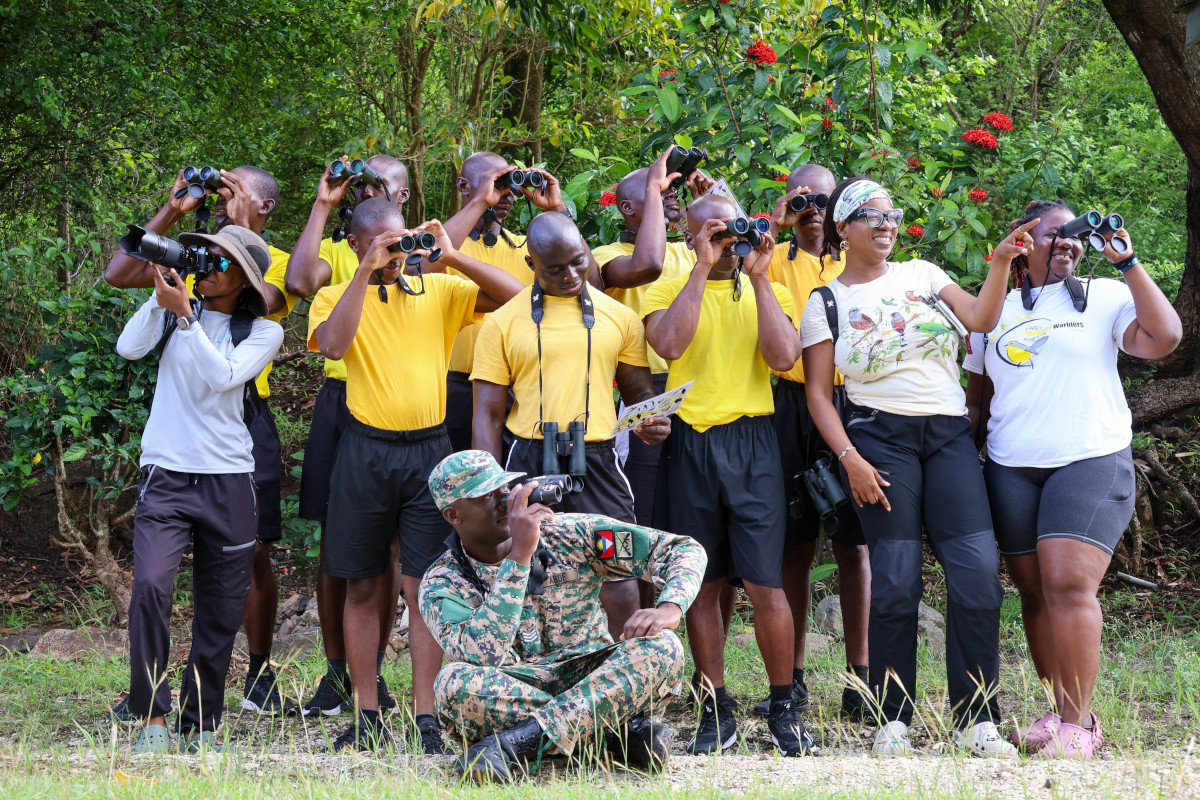
The Wadadli Warblers understood the assignment. They absolutely showed up and showed out. Rocking their yellow tees and black pants (which, sidebar, is just their Defence Force uniform but we’re totally here for that accidental match with their endemic bird, the Barbuda Warbler). Peak birding season + peak fashion = peak birding energy.
Wadadli Warblers and the Antigua and Barbuda Defence Force birding in Christian Valley. (Photo by Kendel Angol)
Sending out a SOS
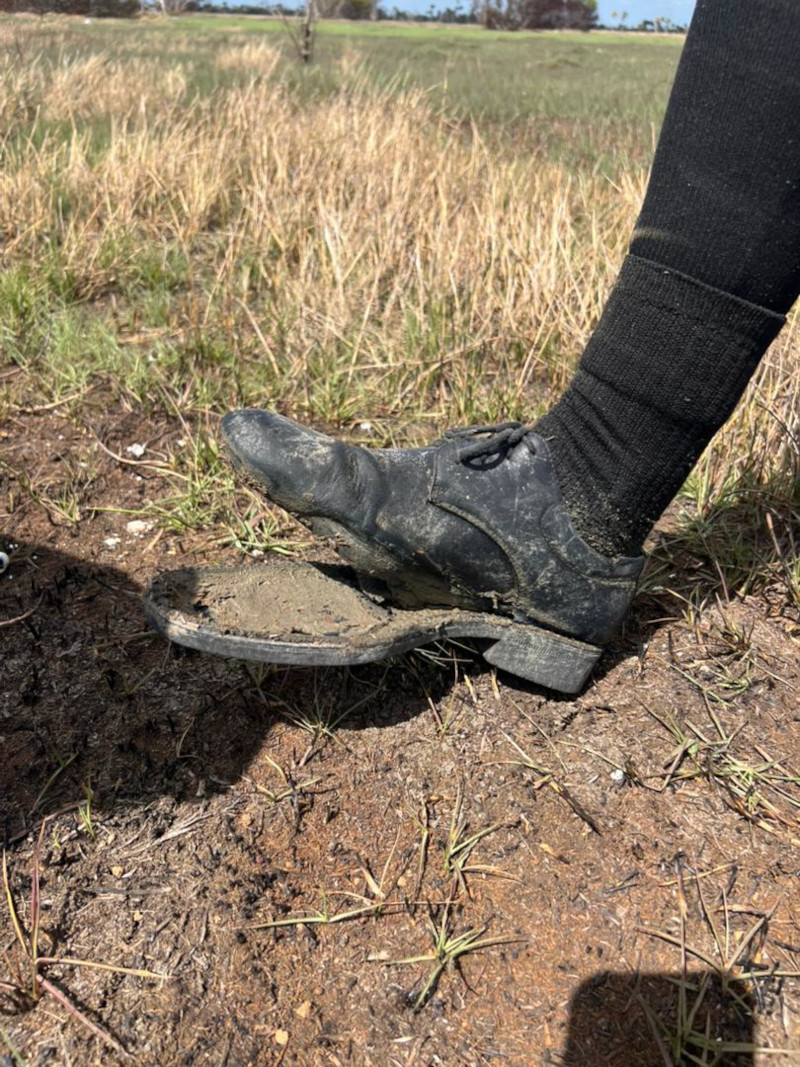
Before the end of the birding bonanza the Cuban team sounded the alarm to ‘Save Our Soles!’ We know with the terrain and weather our sneakers, slippers, boots can take a hit, but theirs really took a beating—just look at the photo below taken by Yaro Rodriguez!
Hardly Driving, Mostly Birding
Dead batteries, slippery falls, snacks left behind on the kitchen counter. These are fieldwork mishaps we bounce back from. But what if your only ride gets stuck or blows a tire? For the ‘BVI Birders’ and ‘Piping Pawis’ teams, that nightmare came true. Still, not even car trouble could stop their birding. Binoculars stayed out and checklists kept rolling. After all, GBD only comes once a year!
It’s So Fluffy!
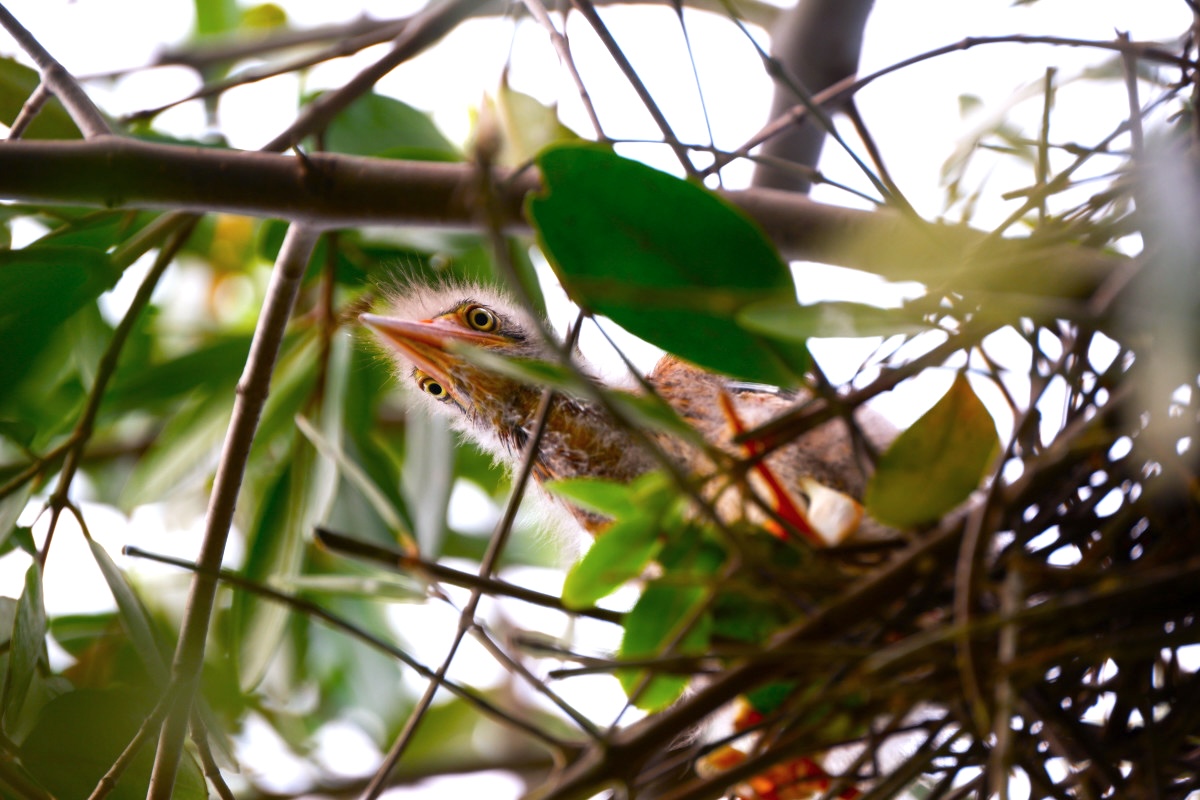
Filippo Milani captured this adorable moment at Emilio Wilson Park in St. Maarten—a Green Heron chick, described by our Waterbird Program Manager (no surprise) as the “sweetest, fluffiest bird.”
Green Heron chick in nest, Sint Maarten. (Photo by Filippo Milani)
Flyest GBD Kit
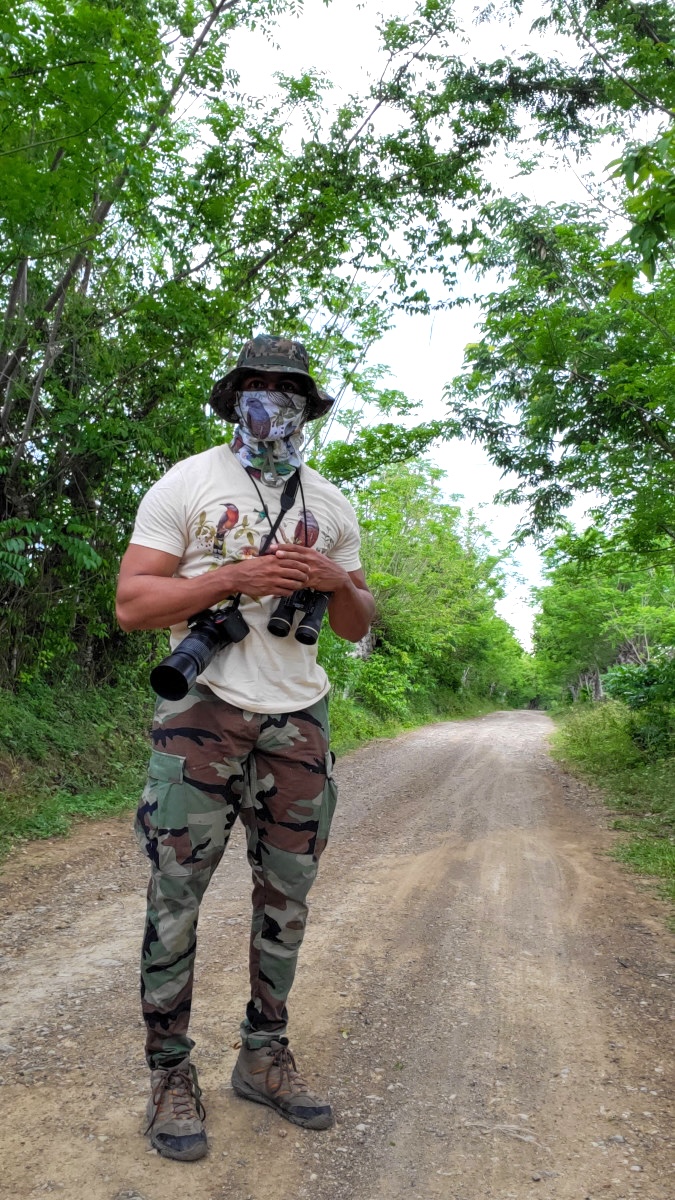
José Guillermo de la Rosa came through with the flyest GBD fit, rocking the BCDR conference buff and t-shirt like a true style icon.
Shorebird Showstopper
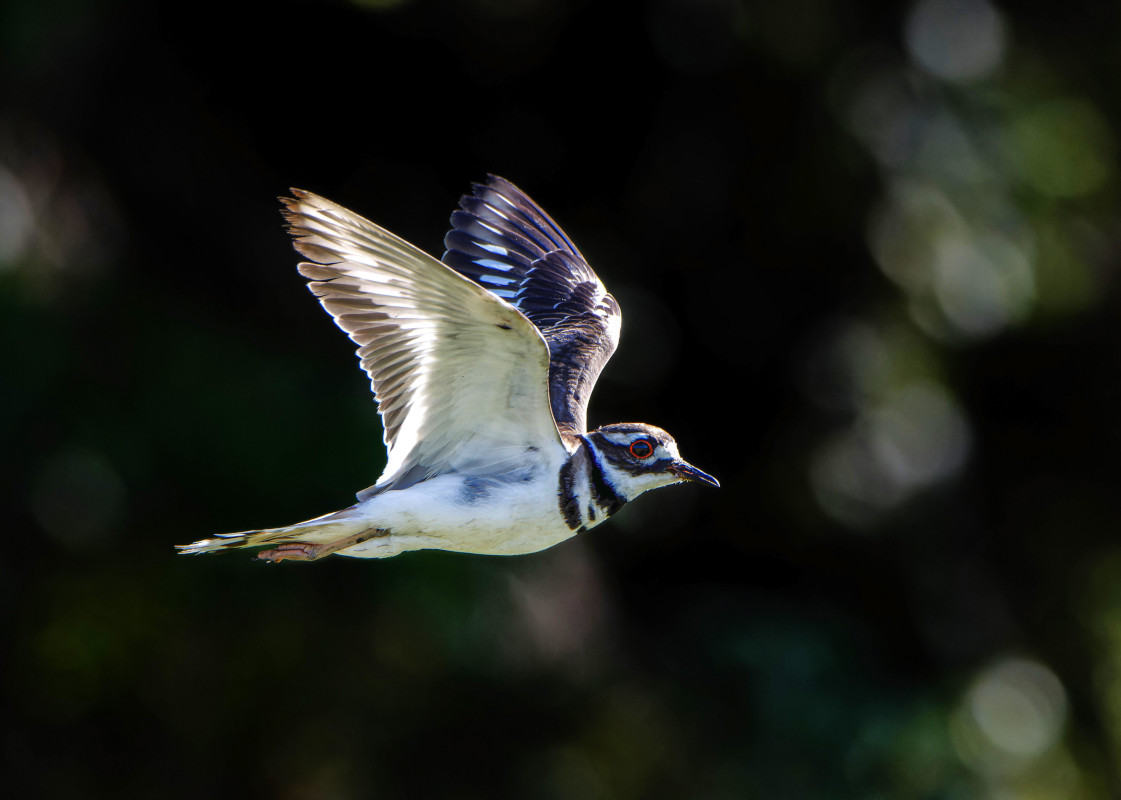
Spotting these shorebirds might be easy, but getting great photos of them is a real challenge! However Karlos Ross from Cuba captured this Killdeer in flight almost effortlessly.
Killdeer in flight, Sierra de Bocas, Holguín, Cuba. (Photo by Karlos Ross)
The Ultimate GBD Companion
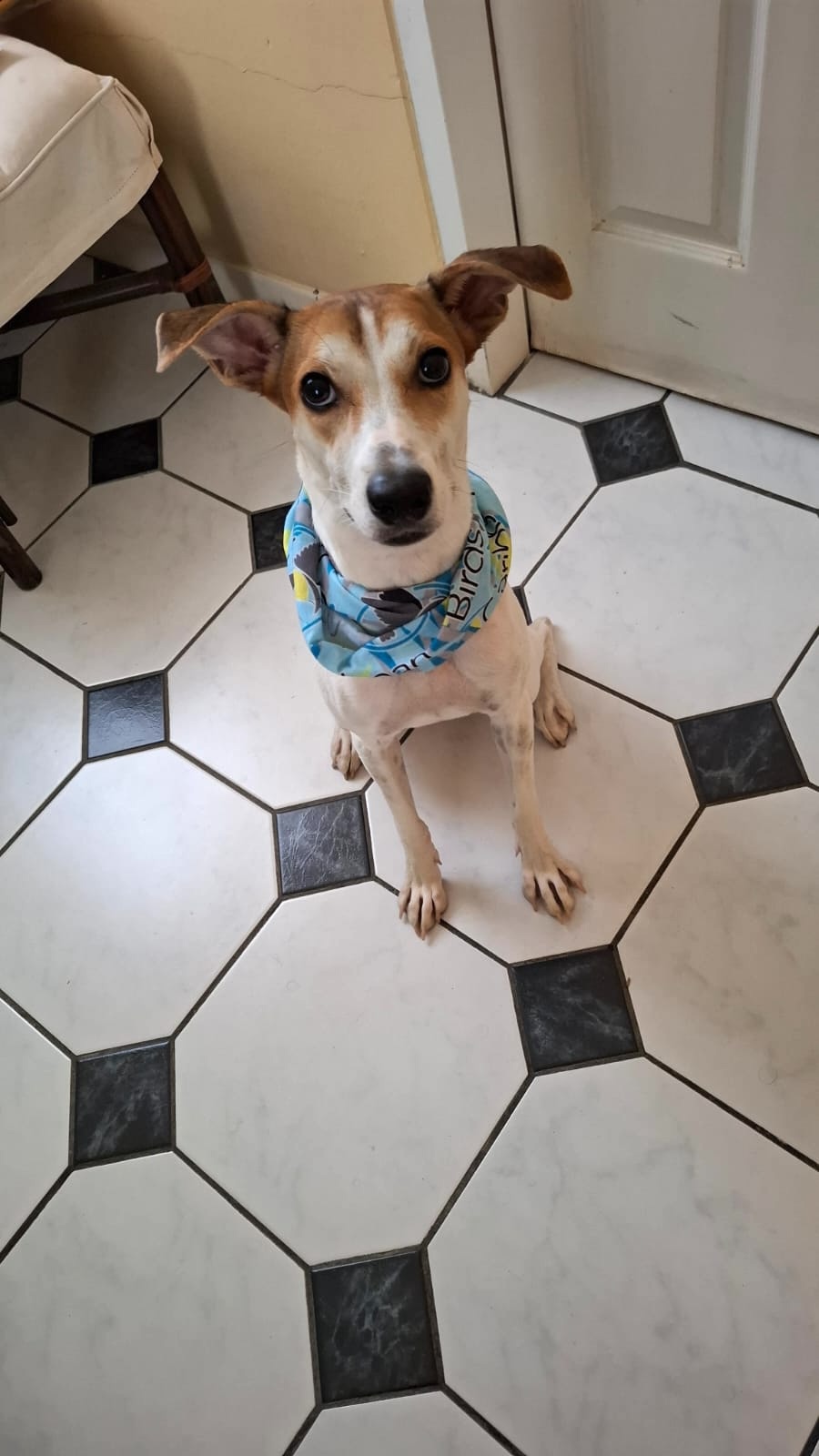
Here we have the always supportive, always down for a nice long walk and oh-so-stylish Daisy wearing that BC buff better than most of us! She definitely passed the vibe check with the ‘Piping Pawis’ team.
Daisy looking very stylish in her BC buff. (Photo by Alex Samson)
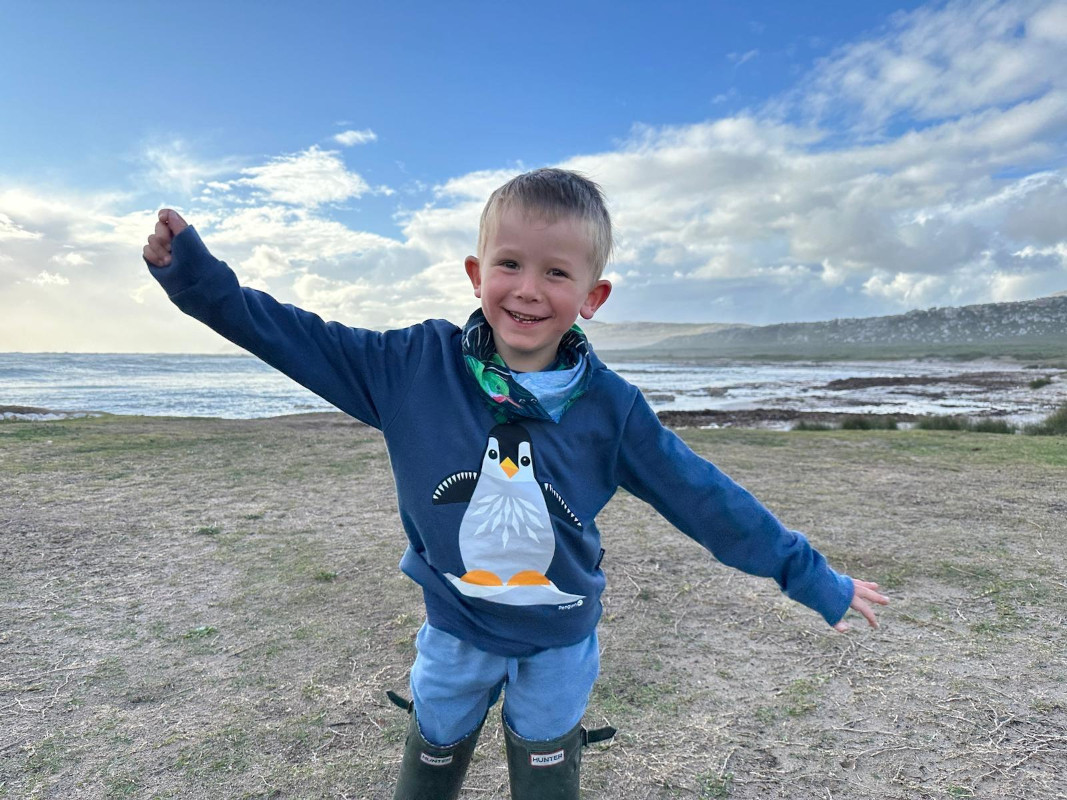
Youngest Global Big Day-er 2025
We love to see when young people connect with the incredible bird communities in their home countries and we hope to see more young naturalists participating in next year’s GBD!
Youngest GBD-er (peep the Puerto Rican Tody BC buff), on the Flying Pintails team in South Africa. (Photo by Claire Spottiswoode)
Birds on the Corner
These photos remind us that some birds aren’t visitors. They’re neighbors, sharing our fences and utility poles. It’s a reminder that our communities need clean, green spaces to keep ourselves, our birds, and other wildlife, thriving.
Black-faced Grassquit, St. Lucia. (Photo by Jerome Foster)
Shiny Cowbird, St. Kitts. (Photo by Azmon Thomas)
A Carib Grackle builds its nest on a electricity pole in St. Lucia. (Phote by Jerome Foster)
Best Selfie
Are selfies still a thing? Yes! And we love seeing them. To enjoy the photos full size, click on the first one, then click the right arrow to advance through the gallery.
Marisol, Mirielle and Kathleen birding in Rincon, Puerto Rico. (Photo by Marisol Villanueva)
Georgi, Wilbert and Brayan birding in the DR. (Photo by Georgi Sanchez)
Shadows at the Salt Creek in Fullersburg Woods, Illinois. (Photo by Steve Constantelos)
Flying Pintails leader, Lisa Sorenson birding with her husband in Massachusetts. (Photo by Lisa Sorenson)
Member of The Palmchatters.
Members of The Palmchatters stop to take a photo near the coast.
Members of the team BirdersSKN birdwatching on Global Big Day.
Members of The Palmchatters.
Selfie in El Seíbo, Dominican Republic. (Photo by José Guillermo de la Rosa)
Members of the Gundlach Team in Cuba. (Photo by Yaro Rodriguez)
Birder’s shadow, Puerto Rico. (Photo by Edward Hernandez Lara
A few members of Statia’s Golden Warblers in St. Eustatius, Global Big Day 2025. (Photo by Jethro van’t Hul)
Brendan Burns and Skyler Bol of Gavilán Guardians in Puerto Rico, Global Big Day 2025. (Photo by Brendan Burns)
Two members of the LGBT in Guadeloupe. (Photo by Anthony Levesque)
Bonus batch of GBD photos
Birds, people, and habitat photos from the Caribbean and across the globe! To enjoy the photos full size, click on the first one, then click the right arrow to advance through the gallery.
Bananaquits, St. Lucia. (Photo by Jerome Foster)
Taking a much needed break from birding in Barbados. (Photo by Julian Moore)
Surfboards in northwestern Puerto Rico, can you spot the bird art? (Photo by Mirielle Villanueva)
Marjel Morales Jr birdwatching at Guirabo, Holguin, Cuba.
Zenaida Dove, St. Lucia. (Photo by Jerome Foster)
Mirielle and Kathleen surveying birds at Anasco, Puerto Rico, 2025 Global Big Day. (Photo by Marisol Villanueva Mendez)
Scaly-naped Pigeon, Puerto Rico. (Photo by Jerry Bauer)
Members of the Warbling Warriors team at Cabo Rojo, Puerto Rico. (Photo by Peter Rivera)
Laguna Cartagena, Puerto Rico. (Photo by Eric Torres)
Post GBD 2025 cool down in Barbados. (Photo by Julian Moore)
Forest road, Puerto Rico. (Photo by Brendan Burns).
Mute Swan, Canada. (Photo by Nicole Gutierrez)
Black-crowned Night-Heron in flight, Cuba. (Photo by Marjel Morales)
Brown Pelicans, Potworks Dam, Antigua. (Photo by Kendel Angol)
Western Cattle Egret snug in a nest, Puerto Rico. (Photo by Mirielle Villanueva)
Break time for the Gundlach Team. (Photo by Yaro Rodriguez)
You should look up! Wildfowl Trust, Trinidad. (Photo by Christel Mohammed)
Fuel for a Bahamian birder. (Photo by Elijah Sands)
Ruddy Duck, Great salt Pond, Sint Maarten. (Photo by Filippo Milani)
Rand Nature Centre, The Bahamas. (Photo by Charmaine Francis)
Sunrise over Mayaguez, Puerto Rico. (Photo by Marisol Villanueva)
Members of the Flying Pintails team (Illinois chapter). (Photo by Mary Loye)
Team Soualiga birdwatching at Emilio Wilson Park, Sint Maarten. (Photo by Filippo Milani)
Anton Sape River, Dominican Republic. (Photo by Georgi Sanchez)
Team Wadadli Warblers birdwatchign at McKinnon’s Pond, Antigua. (Photo by Kendel Angol)
Black-necked Stilts with chicks, McKinnon’s Pond, Antigua. (Photo by Kendel Angol)
Gray Trembler, St. Lucia. (Photo by Jerome Foster)
Ruddy Turnstone, Xanadu Beach, The Bahamas. (Photo by Charmaine Francis)
Yellow-crowned Night-Heron, Puerto Rico. (Photo by Mirielle Villanueva)
From dawn choruses to birding by the last cool sliver of moonlight—the BirdsCaribbean community took flight on Saturday, May 10, for an electric 24 hours of non-stop citizen science, friendly rivalry, and collective action for birds! Oh—and they only broke almost every Caribbean Global Big Day record along the way!
Twice a year, during peak migration (once in spring and once in fall) birders across the globe spring into action to record as many different bird species as they can in 24 hours. Every eBird checklist powers research—tracking habitat use, revealing global population trends, and ensuring that conservation efforts are directed where they’re needed most.
And what better way to strive to record every bird using the Caribbean’s lush forests, serene wetlands, city parks, and even backyards, than to unite—for some friendly competition of course! Every year, the BirdsCaribbean GBD Teams Competition pits island and multinational teams against each other—all vying to spot the most overall species and the most West Indian birds on Global Big Day! Teams get bragging rights, funds are raised to execute vital bird conservation work, and Caribbean biodiversity wins.
Our birding community gave it their all…and then some! The numbers don’t lie—we’ve got the stats to prove how epic #GlobalBigDayBirdsCarib 2025 was.
A staggering7,973 bird species were recorded by over 1.8 millionpeople worldwide. In just 24 hours, eBirders logged 180,780 checklists.
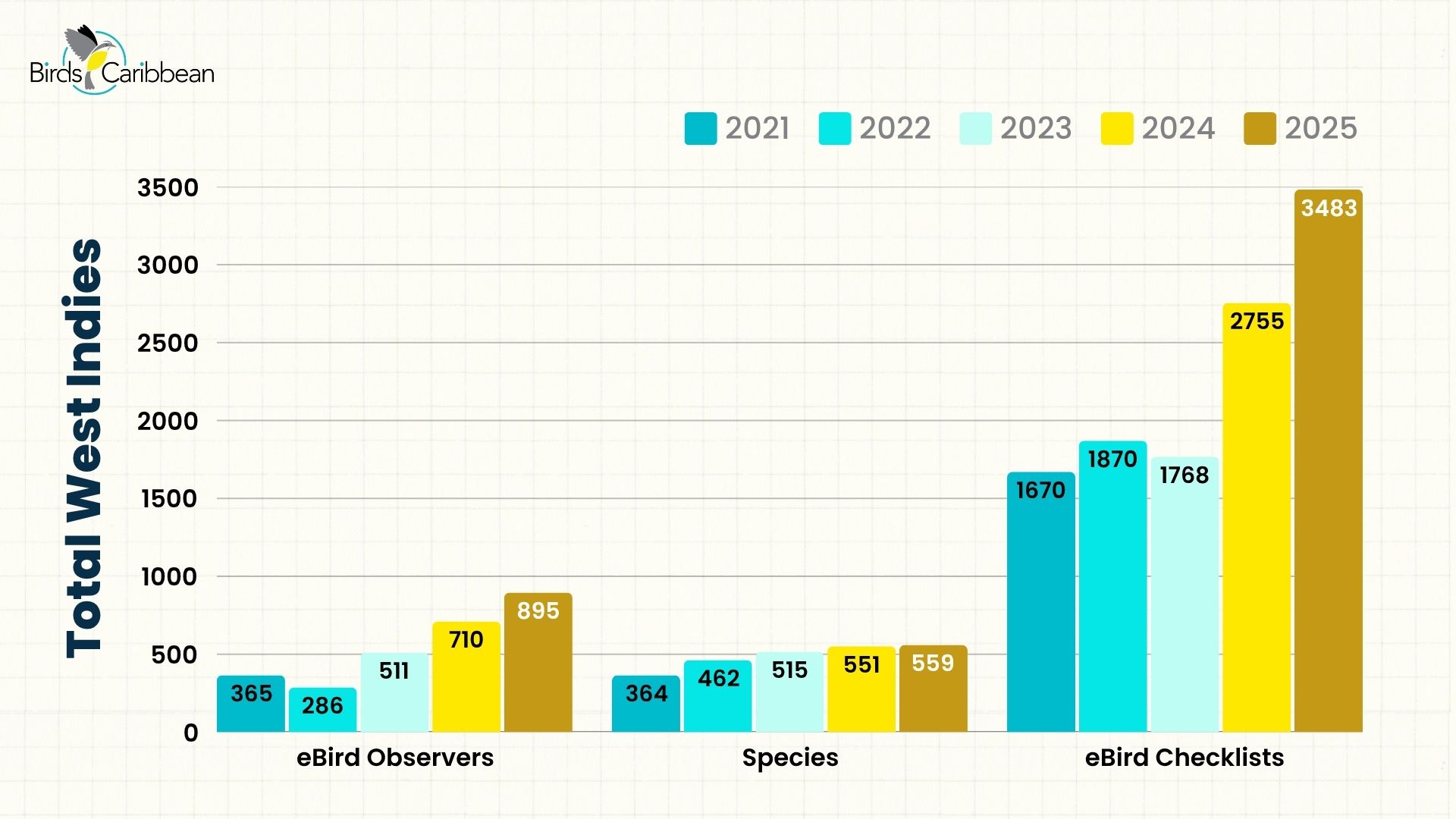
In the West Indies, we proudly broke our previous records for participation and sightings! Big Day birders saw 559 West Indian species, thanks to the amazing efforts of 895 eBird observers—a fantastic increase of 185 observers from 2024! There were more birds sighted, and more passionate, concerned, and awesome humans watching them in 2025 compared to previous years (Figure 1).
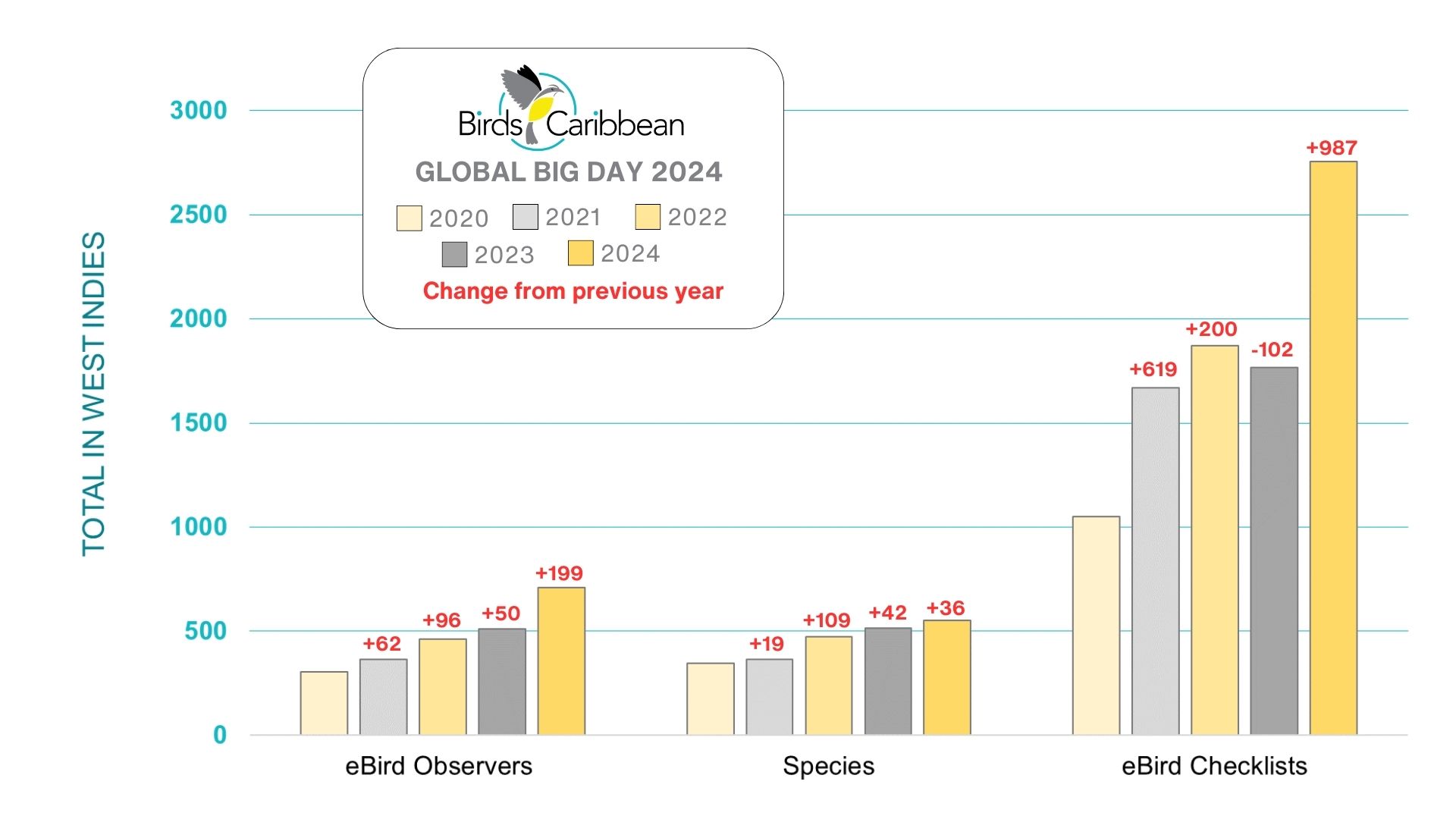
Figure 1: Global Big Day 2020-2025 comparisons showing changes in total number of eBird Observers in the West Indies, total species seen, and total number of eBird checklists submitted.
More birds, fun, and teams!
Our flock of eBirders continues to expand! Special mention goes to Grand Bahama Island Birders (The Bahamas), Statia’s Golden Warblers (St. Eustatius), and LGBT- La Gwada Birders (Guadeloupe) for rallying more birders in 2025.
Two members of the LGBT in Guadeloupe. (Photo by Anthony Levesque)
A few members of Statia’s Golden Warblers in St. Eustatius, Global Big Day 2025. (Photo by Jethro van’t Hul)
This year we were also thrilled to welcome more national (island) teams to the competition! We thank the phenomenal team leaders and members of the following teams for joining us and giving the “OG teams” a run for their checklists: Mangrove Mob (The Bahamas), FFMat Team (Cuba), Gavilán Guardians (Puerto Rico), BirdersSKN (St Kitts and Nevis)*, Montserrat Orioles (Montserrat), and Team AXA Tern-It-Up (Anguilla) and Lucian Amazons (St. Lucia)*.
*While these teams aren’t reflected in the final stats, we’re so glad they participated! They joined us later in the process and weren’t able to submit their trip reports in time but we hope to include them fully next year!
Members of the team BirdersSKN birdwatching on Global Big Day.
Brendan Burns and Skyler Bol of Gavilán Guardians in Puerto Rico, Global Big Day 2025. (Photo by Brendan Burns)
The Royal Terns deliver a World-ranking Performance!
We want to especially congratulate the TCI Royal Terns, who ranked 6th in the world for the largest increase in eBirders over 2024, with an impressive 38% jump! This increase reflects the powerful impact of the 2023 Caribbean Birding Trail Bird Guide Training Workshop, held in the Turks and Caicos Islands.
Boat Captains, Ecotour Guides, Educators, Journalists, Media Professionals, Government Officers, Policy Makers and more! Our Caribbean Birding Trail, Turks and Caicos Isands cohort featured a diverse group, all connected by their passion for meaningful, sustainable tourism and nature conservation in TCI. Participants and Facilitators pose for a shot at Wheeland Pond. (Photo by Christel Mohammed)
The workshop brought together members of the TCI tourism community for an exciting, hands-on experience focused on bird identification, guiding skills, eBird use, and sustainable nature tourism. By equipping participants with the tools and confidence to lead birding experiences and contribute to citizen science, the training helped spark a growing interest in birdwatching across TCI, and it shows! The Royal Terns’ success on Global Big Day is a testament to how local investment in capacity-building can elevate bird conservation and community engagement.
Epic bird counts and a new GBD champion soaring above
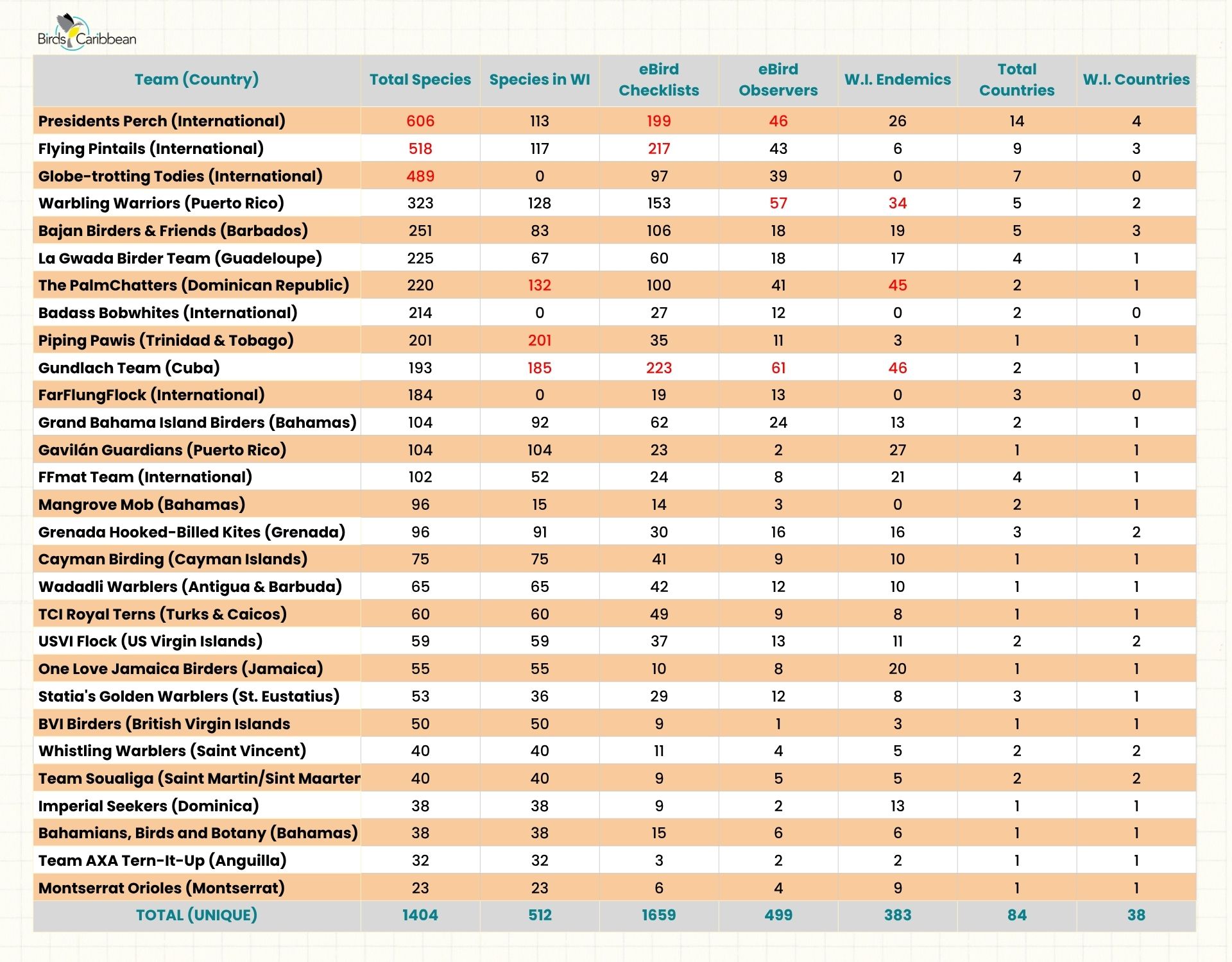
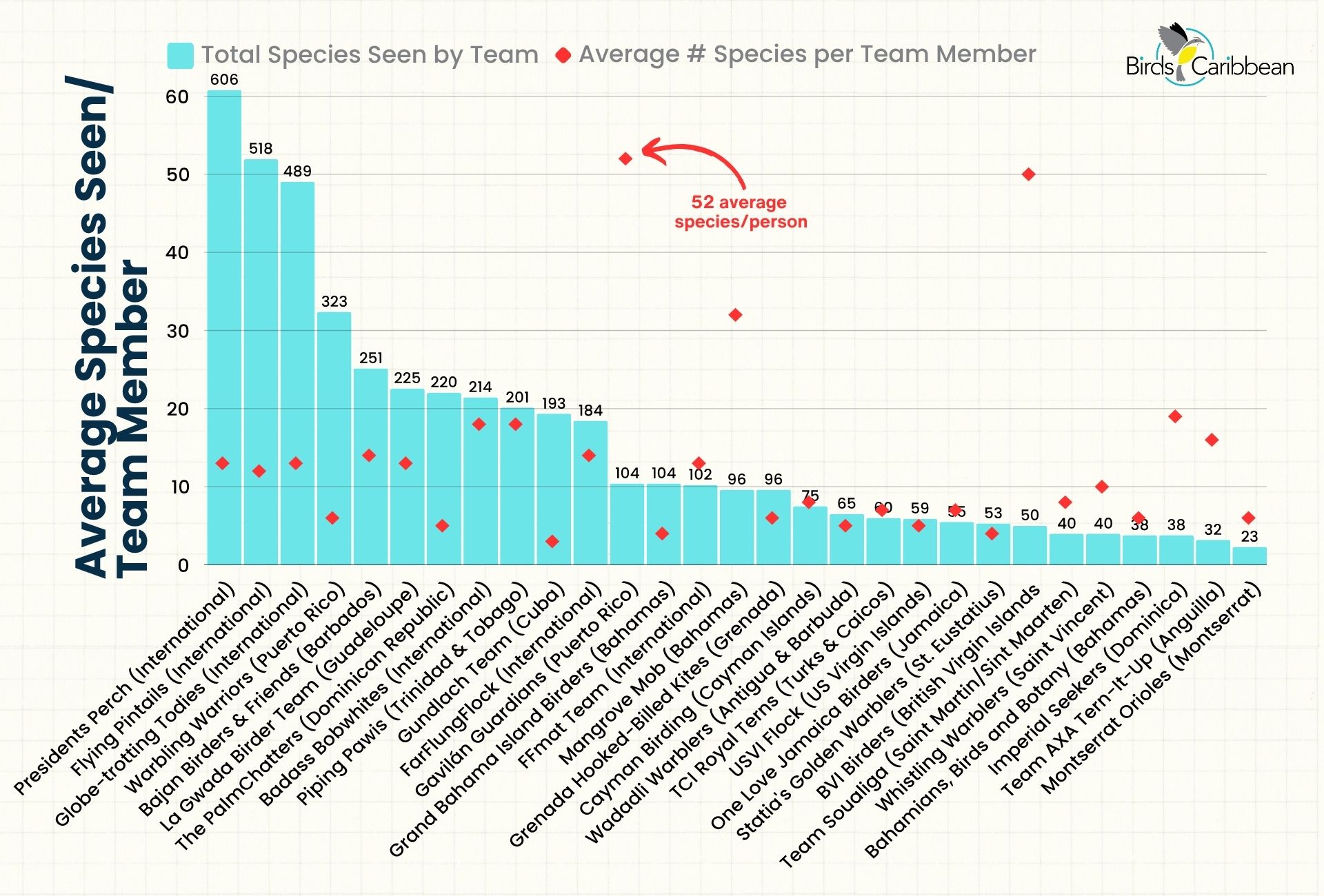
A huge round of applause to the President’s Perch for soaring to the top with an impressive 606 species recorded. Flying into second place, we have the Flying Pintails with 518 species, and close behind in third is Globe-trotting Todies, tallying 489 species. Looks like the fail-safe strategy for guaranteed GBD success is a global flock of birder friends!
Figure 2: Global Big Day results for ourBirdsCaribbean Teams. The numbers in red show which team had the highest number for each category.
And now, leading the way with the most West Indian species recorded once again is the Piping Pawis with 201 species. The Gundlach Team held on to their runner-up perch with 185 species, and The Palmchatters followed with 132 species.
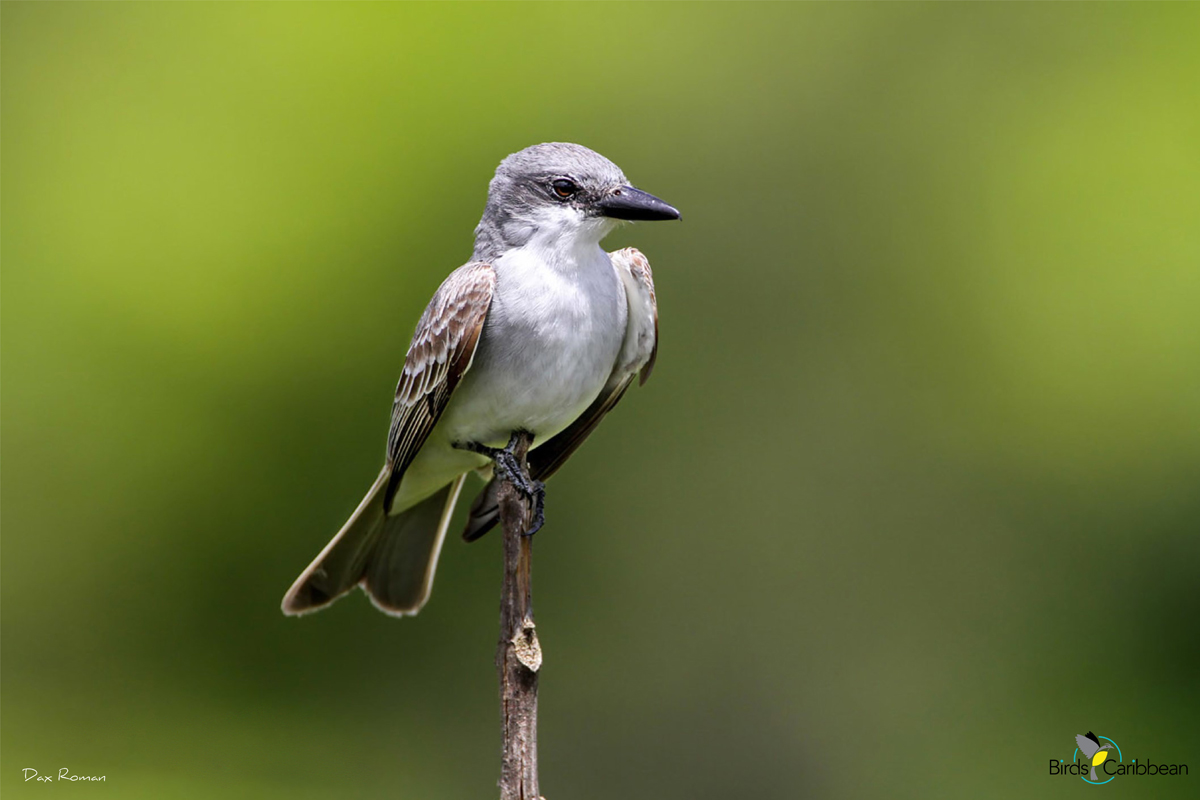
The most commonly reported birds for 2025 were: Gray Kingbird (wow—recorded in 625 lists!), Northern Mockingbird, Common Ground Dove, Mourning Dove, and our BirdsCaribbean flagship bird, the Bananaquit!
A Gray Kingbird. (Photo by Dax Roman)
We are extremely grateful to all teams for your weeks of prep, commitment through bad weather and unexpected mishaps in the field, sharp eyes, and unwavering enthusiasm. Year after year, your contributions continue to elevate the profile of Caribbean birds and reinforce the importance of collaboration in conservation efforts. The 29 team trip reports shared with us are linked at the end of this blog.
But Wait—There’s More to the Story!
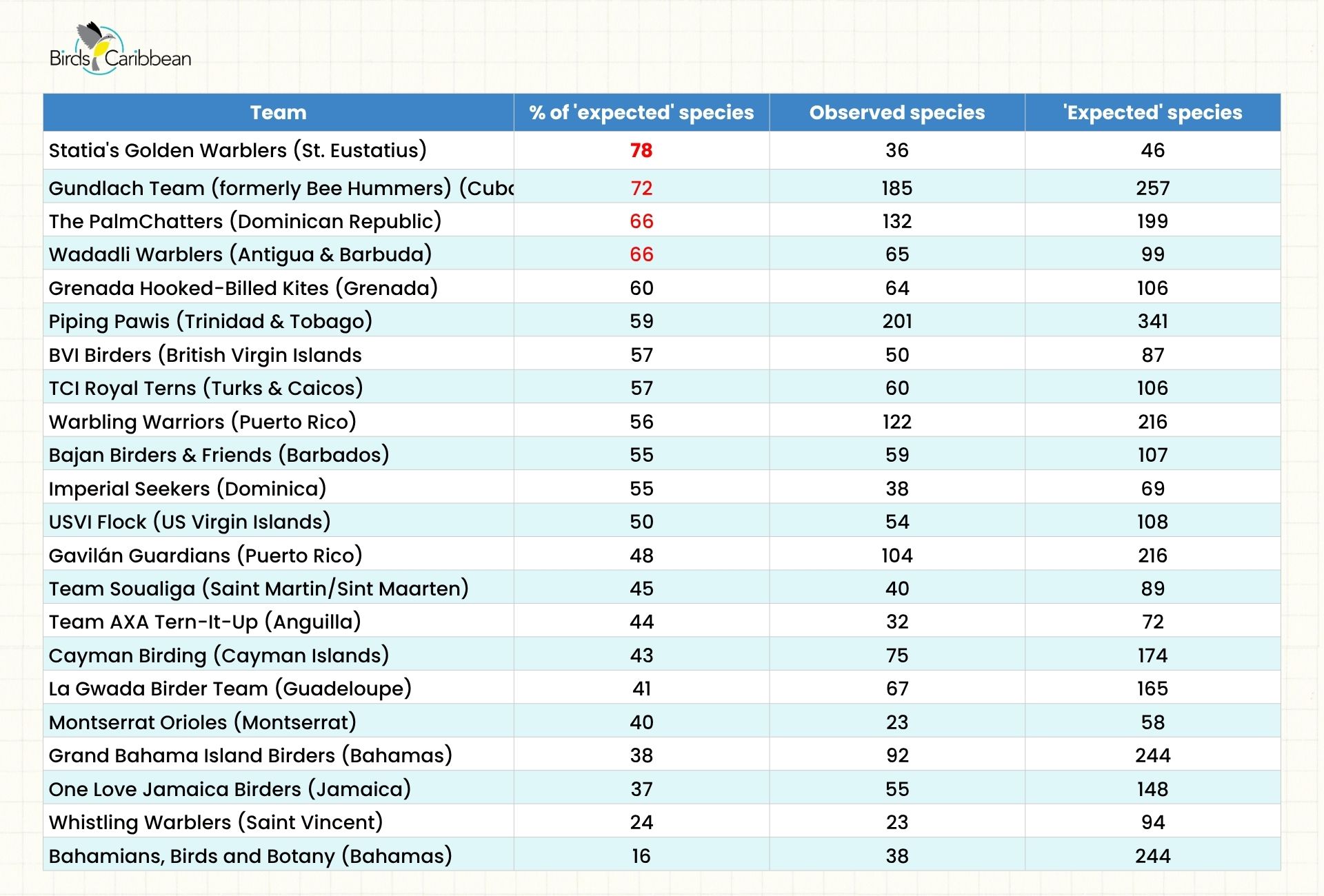
This year, we’re thrilled to debut a brand new GBD metric! While the total number of species seen by each team is always exciting—it’s often as much a reflection of the number of species available to be seen on a given island, as it is the team’s performance. This new measure levels the playing field by accounting for differences in each territory’s unique species pool. Thanks to Jeff Gerbracht of the eBird team crunching ten years of data to determine the average number of species you can spot in each territory in May—we can reveal deeper insights into our teams’ amazing counts. One team absolutely crushed it, earning the title of Highest % of Species Seen Caribbean champions!
Congratulations to Statia’s Golden Warblers who captured the title of ‘2026 Team to Beat’, spotting a jaw-dropping 78% of St. Eustatius birds! Hot on their trail was the ever-outstanding Gundlach Team, putting up an impressive showing with 72% of Cuba’s May species. But they’re got to watch their backs because both The Palmchatters and Wadadli Warblers are poised to deliver some stiff competition next year, with each team recording a respectable 66% of their expected species.
Figure 3: Percent of ‘Expected’ Species seen for our BirdsCaribbean Island Teams. The numbers in red show which team had the highest number for each category.
Small posse, Big-picture science
In the overall species count, large multinational teams like Flying Pintails and President’s Perch led the way. However, when looking at the number of species recorded per team member, our smaller teams truly shone. Gavilán Guardians, with just two participants, averaged an impressive 52 species each. BVI Birders may have been a team of one this year—but we’ve got to shout out Rondel Smith for delivering a champion performance—spotting 50 species. Mangrove Mob followed with 32 species per observer, while Imperial Seekers averaged 19.
It’s truly inspiring to see what these Global Big Day teams achieved in just 24 hours of birding!
Figure 4: The average number of species seen per person for our Global Big Day teams. Gavilán Guardians (Puerto Rico)saw the most birds per team member with an average of 52 species/person.
Hot on the trail of Caribbean icons
The BirdsCaribbean Global Big Day teams competition is the ultimate birding showdown in the region. Teams hit up local neighbourhood parks, botanical gardens, forests, mountaintops, wetlands, and coastal areas to observe and record as many birds as they possibly can. It’s no easy feat, but with the prize including sightings of your island’s endemic icons, pride and determination combine to ignite a powerful birding energy.
Montserrat Oriole. (Photo by Alistair Homer)
Barbados Bullfinch. (Photo by Lauren Tucker)
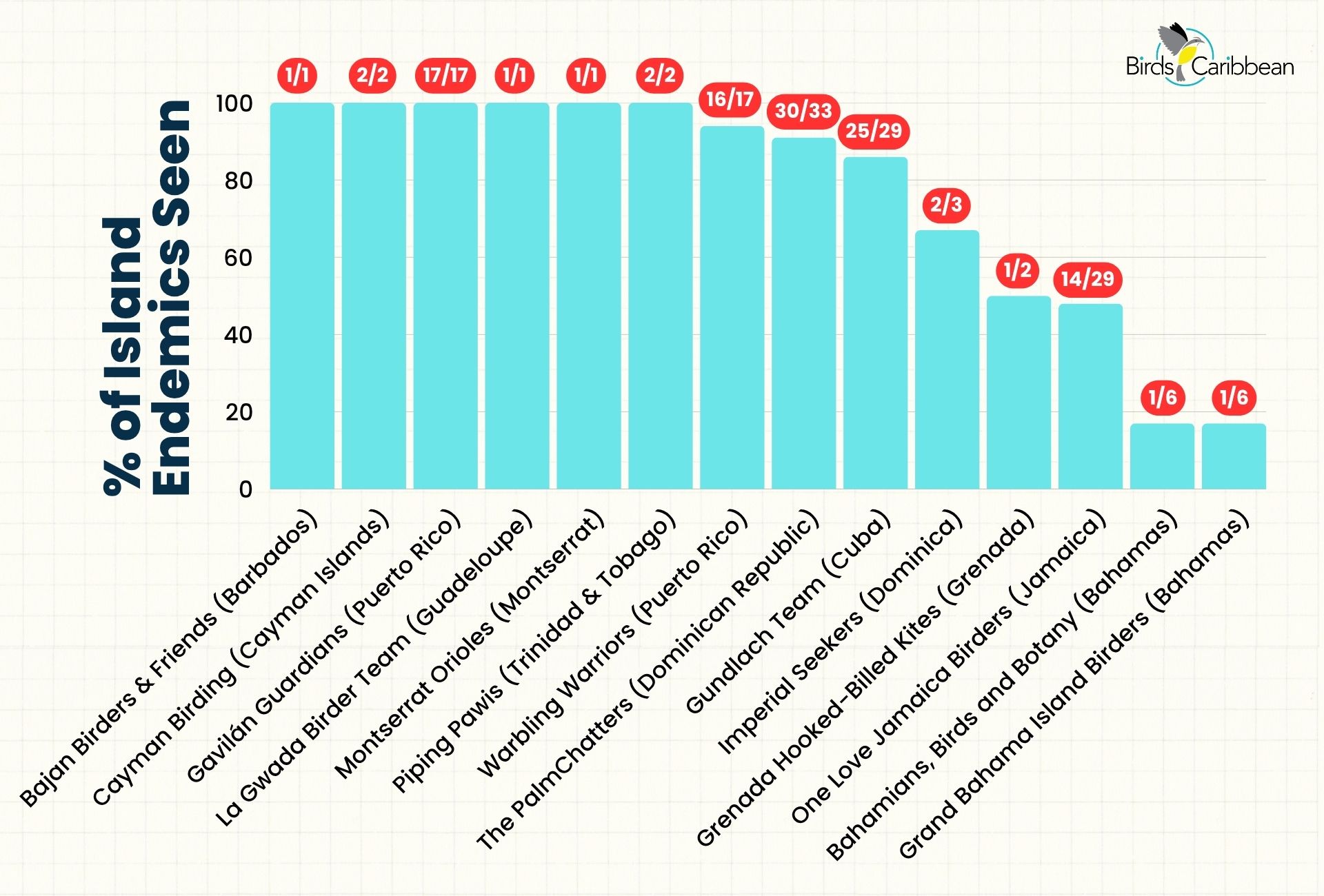
Teams such as Bajan Birders & Friends, Montserrat Orioles, Cayman Birding, and Gavilán Guardians (Puerto Rico) successfully found all their endemic birds on Big Day. The Gundlach Team (Cuba), The Palmchatters (Dominican Republic), and Warbling Warriors (Puerto Rico) each recorded over 90% of their endemic species.
Congratulations to all for their outstanding efforts!
Figure 5: Percent of endemics seen (by proportion) on Global Big Day, 2025.
Within the Caribbean, some birders went the extra mile to find the region’s endemic birds. So we want to give a special mention to the following birders who had 20 or more West Indies Endemics on their GBD checklist on May 10th:
Efrain Feliz – 31
Nicolás Díaz Pérez – 30
Rodolfo Castro Alvarez – 26
Juan Sangiovanni – 25
Timoteo Rafael – 25
Ricel Polan Hernandez – 25
Silvani Hernandez – 25
Franklin Zakhur Howley-Dumit Serulle – 25
Manuel López Salcedo – 25
Miguel A. Landestoy T. (Dominican Republic) – 24
Yusneyda Alarcón Jorge – 24
Manuel Aroche Domenech – 24
Yaro Rodriguez – 24
Skyler Bol – 23
Brendan Burns – 23
Wesley Torres – 21
Eric Torres-Rivera – 21
Georgi Sánchez – 21
Migue Leon – 20
Denier Ramon Figueredo Rio – 20
Biggest Big Day eBirders
There are teams…and then there are the amazing individual birders.
This year we had some seriously monumental individual efforts. Topping the top team birders list was Faraaz Abdool, who was birding in Trinidad and Tobago and recorded 144 species for the Piping Pawis!
Our top birders from the Caribbean and across the globe, respectively, on Big Day were:
Our top ten birders with the most species in the West Indies were:
FaraazAbdool – 144
Nicolás Díaz Pérez – 135
Rodolfo Castro Alvarez – 134
Josh Bajnath – 127
Ricel Polán Hernández – 118
Yaro Rodriguez – 109
Skyler Bol – 104
Brendan Burns – 104
Xavier Ragbir – 100
Wesley Torres – 99
Eric Torres-Rivera – 99
Our top five birders located anywhere (not necessarily in the Caribbean) on Big Day were:
David Ewert – 148
Faraaz Abdool – 144
Ken Rosenberg – 144
Nicolás Díaz Pérez – 135
Rodolfo Castro Alvarez – 134
Birding boss, we want YOU to lead a team for GBD 2026
Our ultimate goal is to have a team representing each island in the Caribbean. We know we have the best birds and birders who always bring BIG energy, dedication, and pride to conserving birds. Bermuda, St. Martin, Martinique, Bonaire, Aruba and Curacao, we’re looking at you.
If you would like to lead a team on your island for GBD 2026 please get in touch with us by emailing: [email protected] and [email protected].
It’s not too soon to start plotting for #GlobalBigDayBirdsCarib 2026 domination!
Together we are weathering the storm
This year, BirdsCaribbean faced a major setback: the loss of significant federal funding that has long supported our core programs. These funds have been used to train Caribbean nationals, advance research on our region’s most at-risk bird species, and engage communities and youth through educational festivals and outreach.
Thanks to the incredible efforts of our team members and generosity of our donors, as well as a matching grant offered by our generous Board, we’re thrilled to share that we have exceeded our US$60,000 fundraising goal. This remarkable effort was truly the work of our entire BirdsCaribbean community, including all our Global Big Day teams, and we are deeply grateful to everyone who donated, birded, and helped spread the word. Your support is empowering us to stand strong for birds and our partners across the Caribbean.
If you haven’t contributed, there’s still time to make a difference. Every donation helps us continue building local capacity, protecting birds and habitats, and sparking a lifelong love of nature.
Global Big Day may be behind us, but the birding fun doesn’t stop there! The Caribbean Waterbird Census runs all year long, so there’s always a chance to grab your binoculars and contribute to science. This fall, get ready for the Global Shorebird Count (September) and October Big Day (October). These programs offer more great reasons to get outside, connect with fellow bird lovers, and make your sightings count.
2025 BirdsCaribbean Global Big Day Teams
List of teams and links to trip report pages on eBird:
Global Big Day is almost here! Read our top tips to keep your birding bonanza from going off the rails.
Rondel Smith is ready for GBD – but are you? (Global Big Day 2024).
Global Big Day is the most anticipated birding event of the year. Birders around the globe head out into their backyards, neighborhoods, forests, and wetlands, to look at birds and submit their observations via eBird checklists. Sounds simple, right? Well, not always! Birds can be unpredictable, and surprises like sudden rain or a dead phone battery can throw you off your game.
But don’t worry! It doesn’t have to be stressful. If you’re feeling excited, but a little overwhelmed—you’ve come to the right place! Firstly, THANK YOU for stepping up as a citizen scientist. Every checklist you submit through eBird will help scientists track bird populations, understand migration patterns, and identify where conservation efforts are urgently needed so that key habitats can be protected before they’re lost. Your participation isn’t just fun—it’s powerful.
We’ve gathered top tips from seasoned BirdsCaribbean GBDers on what not to do, so you can avoid common pitfalls and focus on watching the birds.
Don’t just Wing it!
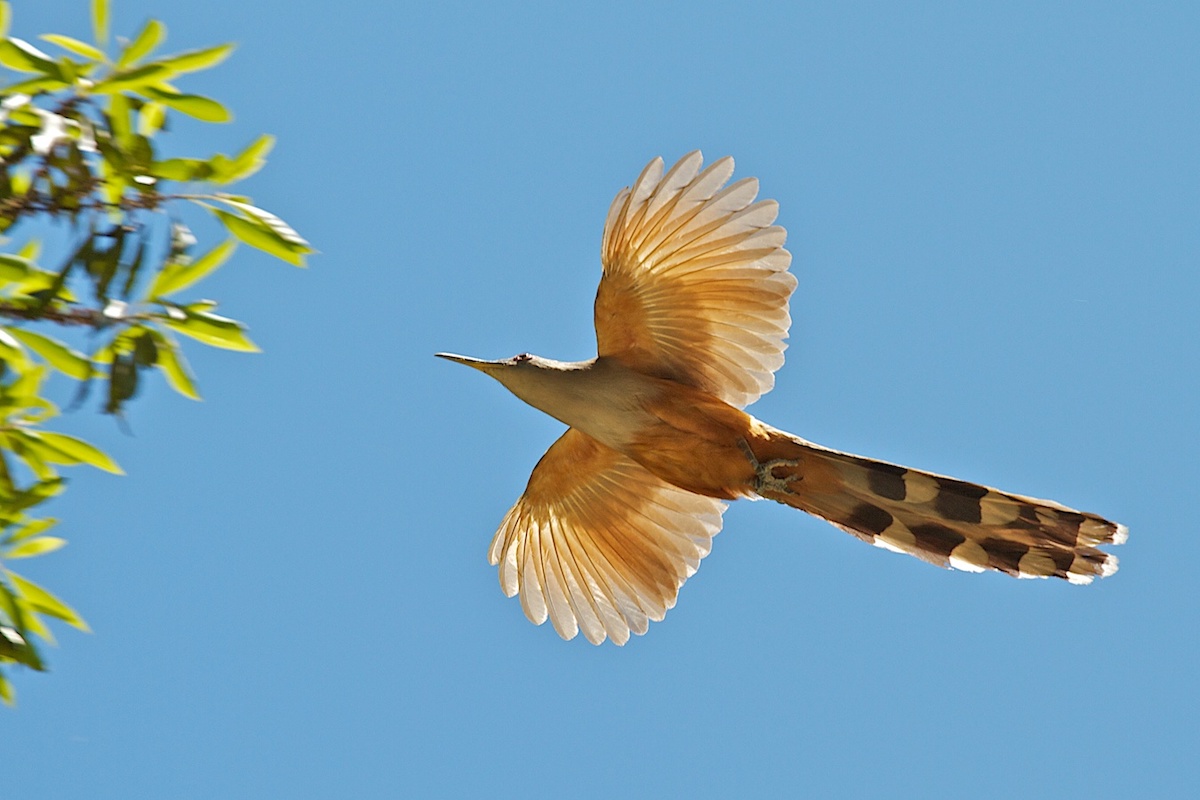
Puerto Rican Lizard Cuckoo in flight
Don’t just fly out the door with vague plans to ‘find some birds’! If you want a fun day full of great bird sightings, consider planning and even scouting out your route if it’s somewhere you haven’t been before. Think about where you want to go and what you want to see.
Aiming to maximize your species count? Then you definitely want to bird different habitats! eBird hotspots can tell you the best places to find specific birds. You’ll also need to think about environmental factors that affect what birds you might see—like time of day or height of the tide (for coastal areas). Check the weather forecast—rain predicted for early morning? Maybe there is still somewhere you can birdwatch where this will be less of a problem!
One big advantage of joining one of our BirdsCaribbean Global Big Day teams is that team leaders often coordinate group efforts, spreading birders across different habitats: forests, swamps, coastlines, and even urban areas to maximize the number of species spotted.
You can’t plan for everything! What if you hear about a rare bird on the eBird grapevine? You’re going to have to change your plans! Sudden rainstorm? Why not take a break to take shelter and refuel (even in your car—who knows you might spot something great through the rain-soaked windscreen!). Stay flexible!
eBird or bust
So, you’ve seen a lot of birds, and you’re basking in the glow of adding a ‘lifer’ to your Big Day list. But, remember—you need to get your bird sightings on eBird for them to count! Submitting your checklists to eBird is what turns your birding into real data that powers conservation. Make sure you’re eBird ready before the Big Day with these helpful resources:
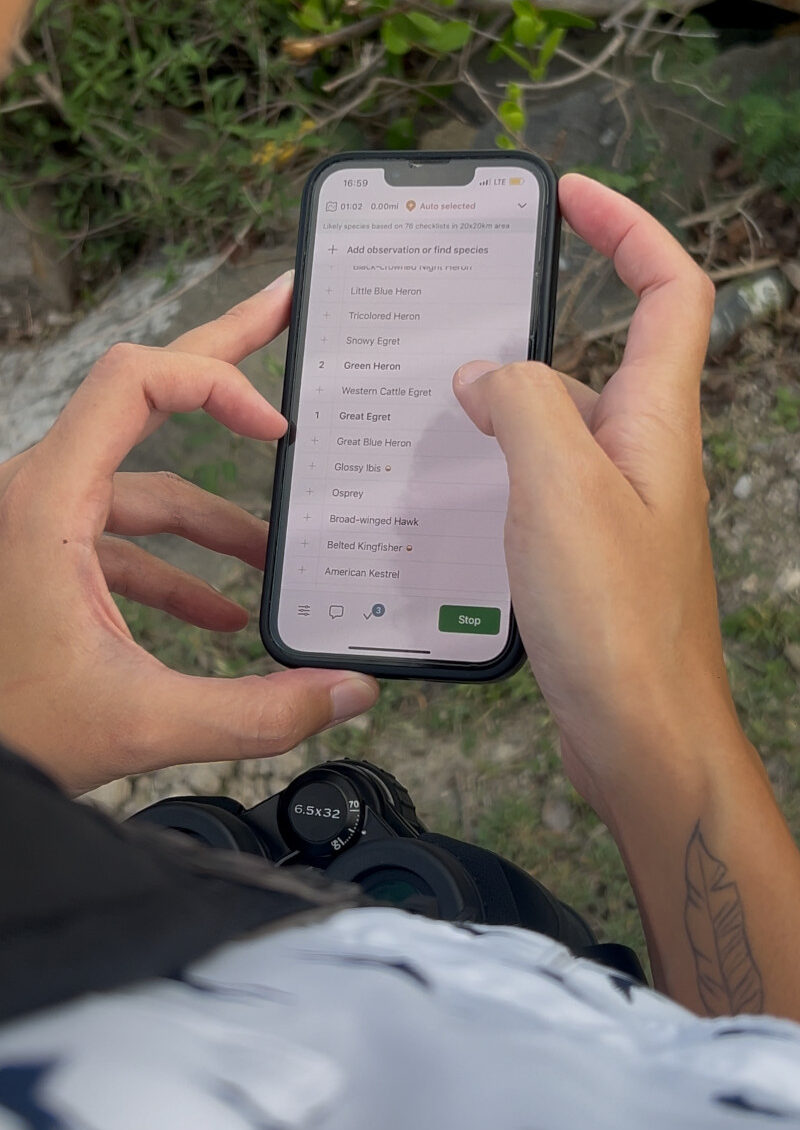
Enter sightings with eBird Mobile—Install the app, adjust your preferences, and download your regional “Pack” for your island or state. (Packsare lists of birds you are likely to see in a given region of the world)
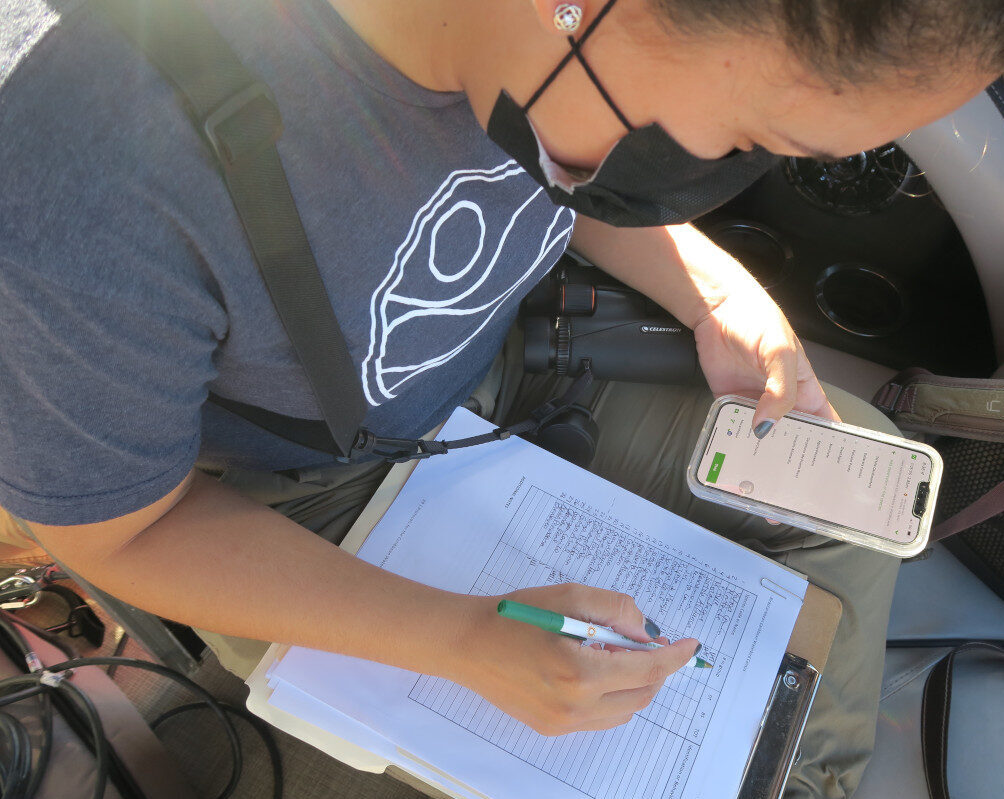
Coral Aviles listing the birds in the CWC list on eBird, Blassina Canal Puerto Rico. (Photo by Eliezer Nieves)
Also, check with your team leader to ensure your checklists are added to the official team Trip Report so every bird you log increases your team’s chances of spotting the most species!
There are two ways to make sure your checklists are included:
Join the Trip Report in advance. Ask your team leader to invite you. When you get the email, be sure to click JOIN Trip Report (top right corner of the page). That’s it—all your checklists will be added automatically, and you can watch your team’s progress in real time throughout the day. (Find your team’s Trip Report link in column D)
Share each checklist manually:Use your team’s username in column B to share each checklist. This also works—but your team leader has to manually accept each one, so results may not appear right away.
Not on one of our island or multinational teams yet? What are you waiting for? Join today on GiveButter!
Pro tip: Once you’ve joined your team trip report you could spend the whole day obsessively refreshing the page and checking your team’s species total, but we strongly recommend you spend some time birding!
One list does NOT rule them all
You’ve got the eBird app, you’re in your team trip report, you’ve made a plan, and you’re excited and ready to bird! BUT don’t just hit start on your checklist as the Big Day sunrises and then only hit stop as you roll exhausted into bed! The BEST way to eBird is to do multiple lists.
Changed locations or habitat type? Start a new list.
Stationary for more than an hour? New list.
Traveling for more than a mile? New list.
Changed the type of birding you’re doing (i.e., going from a stationary to traveling count or vice versa)? You guessed it—new list! (T-shirts coming soon.)
Birding in Arecibo, Puerto Rico. (Photo by Edward Hernandez Lara)
eBird explains it simply and best: the shorter the duration and distance of your checklist, the more valuable your data becomes. Long checklists that cover large areas make it hard to pinpoint exactly where and when birds were present. For more eBird best practices click here.
You can easily check your total species seen from the day across all your lists by looking at your contribution to your team’s eBird trip report!
Pro tip: Make sure your checklists are complete (i.e., report every species you were able to ID by sight or sound) for the best scientific value.
Gear up or go home
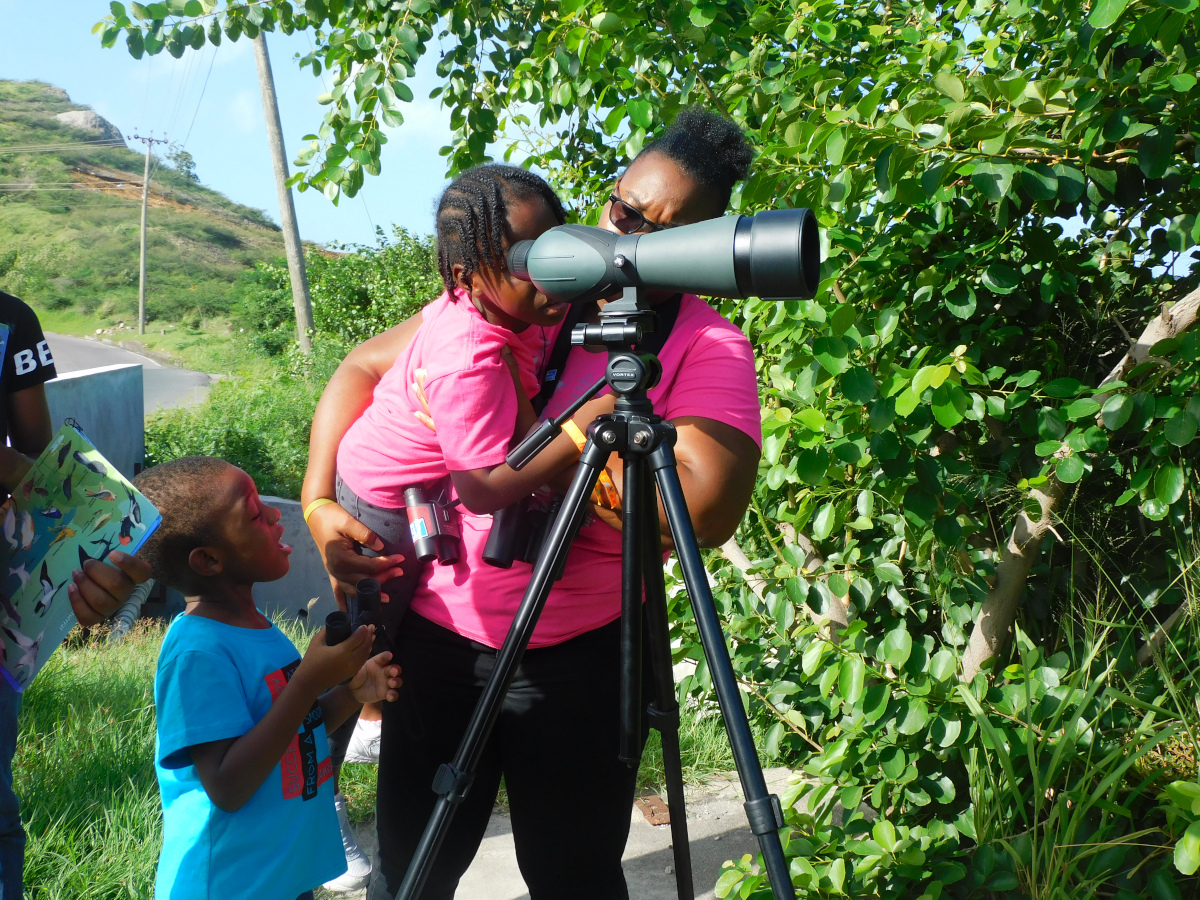
Kearah Ryan looking through the spotting scope at Carr’s Bay. (Photo by Ajhermae White)
Nothing kills a good birding moment like forgotten binoculars or a dead phone. Test your gear before you hit the trail. Charge everything. Know how it works. Thank us later.
We recommend packing light but packing smart. Your GBD survival kit should include:
phone (with eBird app)
field guide
binoculars or scope
camera (memory cards installed please!)
batteries (charged)
water (don’t forget to stay hydrated, champ!)
medicine
snacks
spare clothes, and
anything else you’ll need to stay comfortable and focused in the field
A little prep goes a long way toward making your day smooth and successful.
Pro tip: On GBD snacks aren’t just treats, they’re for morale! And trust us, you’ll need a lot of morale if you’re birding for long periods of time. So pack the trail mix AND the gummies.
Smart Birding is Safe Birding
Think like a Bananaquit and get plenty of water and sugar during GBD!
FOMO is real but please pace yourself. Injury or exhaustion isn’t going to help you see more birds. To keep you and your team safer check the weather (and tides if relevant) before heading out so you’re prepared for outdoor conditions. If flying solo, stick to places you know well to avoid unexpected challenges or getting lost.
Don’t forget to take regular breaks. Take this time to hydrate, chat with other birders, maximize your snack intake, and post about your #BirdsCaribGlobalBigDay experience to your socials. We insist that you tag us @birdscaribbean in your photos and videos so we can cheer you on.
Pro Tip: Laying down on the ground in the field is a great way to take a rest. Just point your binoculars skyward and tell people you are checking the treetops for birds (beware of ants when following this tip!).
Don’t Miss the Night Shift
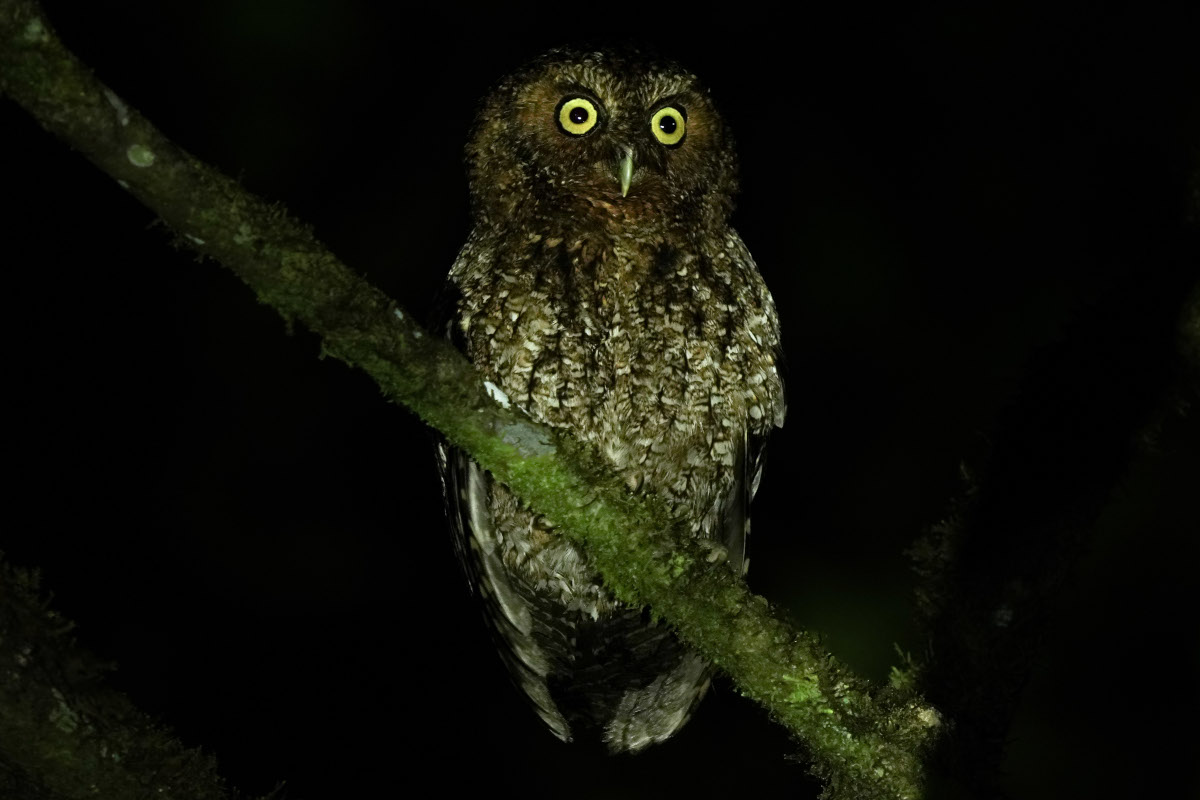
Bare Shanked Screech Owl, spotted during Global Big Day. (Photo by Beny Wilson)
Who doesn’t love owls with their round, watchful eyes and silent flight?! Be sure to include some birding in the dark to add some fascinating nighttime species to your list!. Choose a place you know well by daylight and plan your route ahead of time. Exploring unfamiliar places at night is risky, so stick to familiar ground to stay safe and make the most of your nocturnal birding adventure.
Carry a flashlight—it will help you find your way and pick out wildlife in the dark (but don’t use it to disturb the birds or other animals!)
Use your ears—this is the best way to bird at night. Listen out for nocturnal calls and see if you can identify the birds you hear!
Bonus: Nighttime birding is eerie, magical, and wildly underrated.
What You Don’t Know CAN Hurt (Your Species Count)
You’ve checked and rechecked your field guide, but you are still not sure just what that small brown bird is. Don’t go it alone! You can try using the Merlin ID app to help you nail your species ID, or even better, share your photos or audio recordings with your big day team. Remember you’re all in it together to get the highest species total (and dethrone the Piping Pawis).
Pro Tip: On the ‘All About Birds’ pages from Cornell you can get some great side-by-side comparisons of similar species to help with ID.
Final Thoughts:Embrace the excitement! Not everything will go as planned, but that’s part of the fun. Global Big Day is all about adventure, unexpected moments, and, of course, incredible and wondrous birds. Keep your spirits high, enjoy the experience, and remember: every observation (that you submit to eBird) counts!
Go forth and bird boldly. We’re cheering for you!
Members of Gundlach Team in matching birding kit. (Photo by Yaro Rodriguez)
For Global Big Day 2025, we will be raising funds to ensure the continuity of our critical conservation programs.
Global Big Day (GBD) is fast approaching, and bird lovers are gearing up for an exciting adventure in nature. Organized by the Cornell Lab of Ornithology, GBD takes place annually on the second Saturday of May—this year, it’s Saturday, May 10th, 2025. On this day, bird enthusiasts and nature lovers around the world head outdoors to document as many bird species as possible in just 24 hours. These observations help scientists monitor bird populations, track migration patterns, and identify habitats in need of conservation.
What makes GBD truly special is that it’s open to everyone—whether you’re an expert birder or just starting out, there’s a place for you in this global effort to understand and protect the incredible diversity of birdlife.
Compete for the Cause: Join Our Team Challenge!
We’re thrilled to bring back our popular teams competition, and we’d love for you to be a part of it! Both national (individual islands) and multinational teams are invited to join in the effort to make a lasting impact on the birds and ecosystems of the Caribbean. We’re especially eager to see a team representing each Caribbean island, so if you don’t see your island listed here, now’s your chance to step up and take the lead (more details below).
In addition to hosting what is (unofficially) the most exciting birding competition in the region, we’ll also be raising funds to support our programs. These initiatives focus on capacity building, research, education, and outreach. This year’s fundraising theme, Help BirdsCaribbean Keep Soaring, is a call to action that ensures the continued success of our important work.
Why We Really Need Your Support this Global Big Day
Recent federal funding cuts have significantly impacted key programs that are vital to both Caribbean bird conservation and the well-being of the communities that live alongside them. Initiatives like the Caribbean Waterbird Census, the Caribbean Landbird Monitoring, and the Caribbean Endemic Bird Festival, among others, are at risk of not achieving their goals—such as providing critical training and resources to hundreds of Caribbean conservationists, conducting year-round monitoring of threatened migratory and resident species, and informing conservation actions that benefit both wildlife and local communities.
EAG step up their CWC efforts with a training event. (Photo by Sherrel Charles)
Shorebirds like the Short-billed Dowitcher and Stilt Sandpiper are long distance migrants that spend part of their year in the Caribbean. (Photo by Mark Yokoyama)
Daniela and Elvin take a closer look at a bird’s wing while another participant John Holas looks on. (Photo by Josh Covill)
Grenada Dove at Mt. Hartman – Grenada’s National Bird and found only in Grenada at 2 locations. It is Critically Endangered and one of the rarest birds in the world. (Photo by Greg Homel)
Take Action: Help Us Make a Difference
We are calling on you to unite with local birders to help bring attention to your island’s irreplaceable and incredible diversity of birds as well as the BirdsCaribbean programs that enhance our understanding and drive the action needed to protect these iconic species.
By participating, you and your team will play an important role in advancing our understanding of Caribbean birds and their habitats, showing the world just how incredible your island is.
Let’s Make This Year the Best Yet!
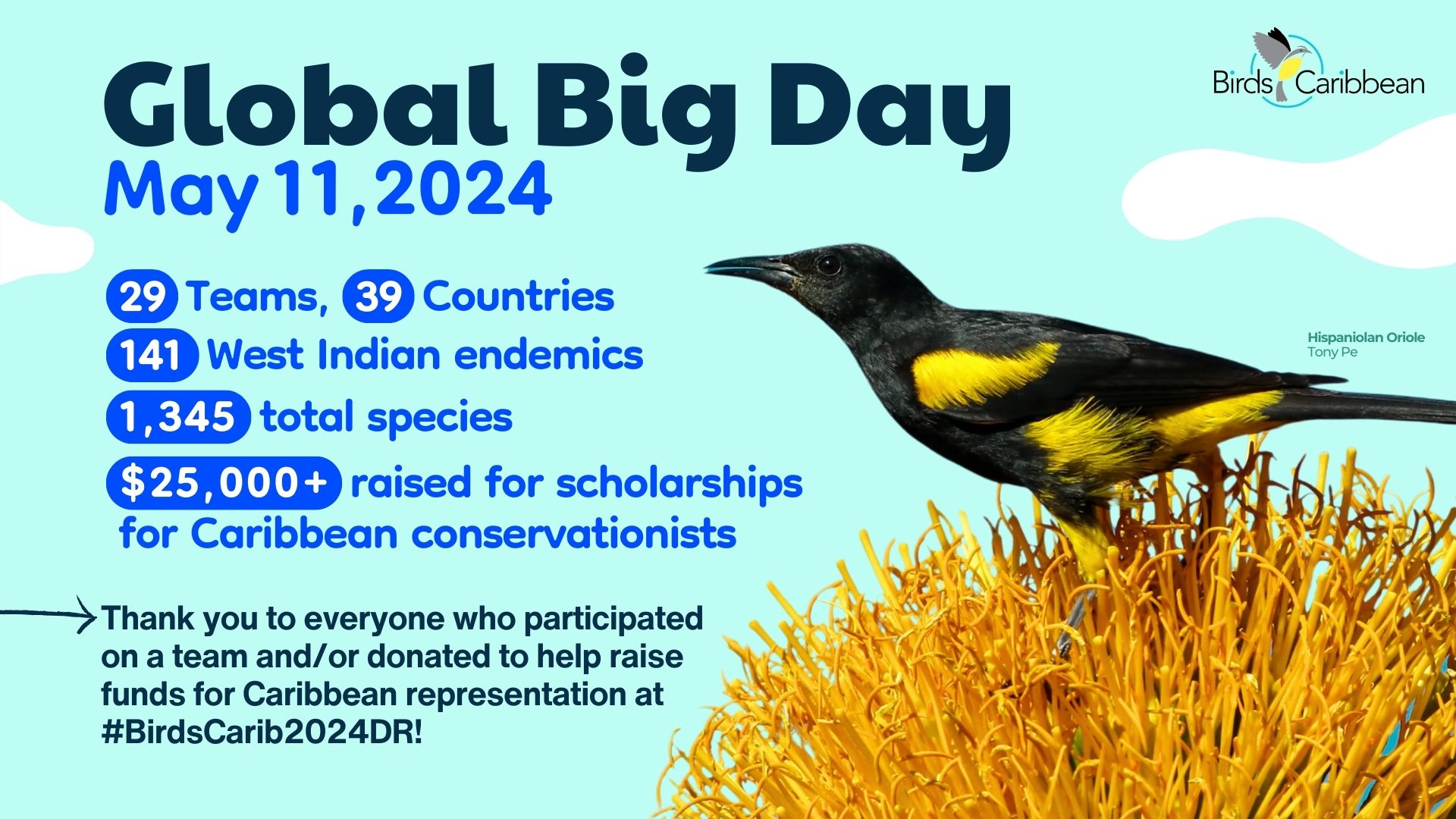
Last year we had 29 teams compete with members spanning across 39 countries and raising over $25,000US for scholarships for Caribbean conservationists. This year let’s take it to the next level—more islands, more energy, more data—and show the world how passionate and serious we are about bird conservation!
24 Joyous Hours of Birding, Exploring, and Making Friends!
During peak migration time in the spring, birders around the world head out to their favorite birding spots, or venture into new areas, to see, hear and record as many bird species as they can in a 24-hr period of time. Global Big Day runs from midnight to midnight in your local time zone. The data is entered into eBird checklists (more about using eBird below).
Surfrider Foundation Puerto Rico’s small but dedicated birding group at Playa Table Rock for CEBF and GBD 2024. (Photo by Surfrider Foundation Puerto Rico)
No matter where you are—at home, a botanical garden, beach, river or nature reserve—you can contribute important data about the birds around you. You don’t need to be an expert birder or spend the entire day looking for birds. Just 10 minutes of birding in your backyard or from your balcony will count too. Imagine, while enjoying your morning coffee, you can also be contributing valuable data for bird conservation.
Get Social for GBD: Team Up and Bird Together!
If you’re looking to make your GBD experience more social, consider teaming up with a friend or group. Pairs or groups can carpool, help out with tricky bird IDs, share equipment like spotting scopes.. and possibly snacks! We are calling on our community to bird together in virtual teams during Global Big Day and engage in friendly competition to see which team can:
collectively see the most species of birds, and
raise the most funds.
Additional recognition will be given to
the team with the best outfit (we know you’ve got swag)!
the “country/island team” that sees the highest proportion of their birds on Global Big Day (to control for differences in the number of species on each island!)
the team with the best “find” of the day (unusual, rare, plumage aberration, etc.)
the team with the best bird photo of the day (must be posted on eBird along with your list)
Last year the Piping Pawis from Trinidad and Tobago and the Gundlach Team from Cuba swept the competition. Will your team be the one to dethrone these champs?
The Best Global Big Day Starts with the Right Prep!
Ready to make the most of Global Big Day? Joining our teams competition is easy—just follow these simple steps to prepare for a successful birding adventure!
Step 1: Get Set Up with eBird First things first, if you don’t already have one, download the eBird app and set up your account. You will need it to submit your checklist/s! It’s FREE and you can sign up here! Don’t forget to check out Getting Started with eBird to get familiar with the app.
Entering data into eBird. (Photo by Holly Garrod)
Step 2: Join Your Island Team By joining your island team, you’ll gain access to shared resources—if you don’t have binoculars or a field guide, other birders may be able to share.
If you wish to purchase a field guide, we recommend Birds of the West Indies, Second Edition field guide is available for purchase here. If you’re birding in the Lesser Antilles, this guide is highly recommended.
Chances are that your island already has an existing team! Team Up by heading over to our Givebutter BC GBD Teams page to find your team! Just click the ‘JOIN A TEAM’ button on the campaign page to get started.
Step 3: Choose Your Birding Location/s Choose your birding location carefully. Local parks, nature reserves, and wetlands offer a wide range of species. Team leaders will be your best resource for advice on where to go and the best times to visit.
A wetland in Puerto Rico. (Photo by Rafy Rodriguez)
Want to Create Your Own Team?
Not seeing a team for your island and want to create your own? We love your initiative! Just email [email protected] to get set up. We’ll help you with the groundwork (including setting up your eBird trip report!) so that you and your crew can soar to GBD success! After setup, you’ll have full control to manage it, so be sure to really make it your own with a fun name, photos, and your own lingo.
All team leaders and members should then invite family, friends, colleagues, and members of your birding community to join your team and/or donate to your team. It helps to set your own personal fundraising goal to help your team reach its overall goal!
By inviting people to your team, you’ll be:
raising awareness for BirdsCaribbean and the critical bird research and conservation work we do in the region,
helping to raise funds to sustain our critical programs , and
promoting Global Big Day, citizen science, and the importance of conserving birds and their habitats.
If you can’t join the GBD team competition fun this year, you can still show support by making a donation.
We hope everyone, whether or not they join a team or fundraise, will commit to spending some time (or the entire day!) birding on Global Big Day (May 10), being sure to keep track of what you see and then entering that information into eBird.
Male Hispaniolan Crossbill (Photo by Dax Roman)
A gorgeous Yellow-throated Warbler, North Caicos. (Photo by Venecio Wilson)
Green-winged Teals in flight, their green wing-patches clearly visible. (Photo by Andrew Reding)
Red Knot in August molting from breeding plumage to plain winter plumage which is all gray. Red Knots have declined markedly in the last 25 years. Some Red Knots winter in the Caribbean; many use the islands as a refueling stop on their long journeys to South America. (photo by Hemant Kishan)
The Cuban Tody is one a five tody species- all endemic to the Caribbean. ( (photo by Wayne Fidler; Macauley Library ML 98811491)
Lesser Antillean Bullfinch in St Vincent. (Photo by Jeff Gerbracht)
Jamaican Mango, perched. (Photo by Clive Daelman)
A pair of Hudsonian Godwits in Barbados. (Photo by John Webster)
Your support helps us keep soaring through 2025 and beyond
The insular Caribbean is a critical region for birds. There are 185 species that occur here and nowhere else in the world! In addition, the islands provide a winter home for numerous migrants—many stay 6 months or longer while others rely on the islands as stopover sites to rest and refuel during their long journeys north and south.
Building a strong regional conservation community is essential for the sustainable preservation of island birds and their habitats. Our programs are designed not only to protect bird species but also to empower the communities that play a vital role in conservation. However, recent funding cuts have threatened the continuation of these vital programs. Without adequate support, research and monitoring, capacity-building initiatives and career development opportunities for local communities are at risk. We rely on your help to ensure these programs remain in place, strengthening local knowledge and skills to manage and protect the natural environments that sustain the unique avian biodiversity of the Caribbean.
How your gift will be Used
This year, we are fundraising to ensure the continuity of our critical conservation programs, bridge the funding gap caused by federal cuts, and empower even more conservationists, scientists, and communities to protect and restore the vital birdlife and habitats of the Caribbean.
As with everything in the Caribbean, we will be successful when our whole community pitches in, so let’s do this together! We need your help to do this!
The links for the field guides are “affiliate” links. If you purchase through these links, a portion of the sale supports BirdsCaribbean at NO additional cost to you. Thank you!
2024 saw our most extraordinary Big Day yet! It was a phenomenal day of birding, Caribbean commitment to avian conservation, soaring competitive spirit, and boundless potential to make valuable contributions to science and conservation.
On Saturday, May 11, birders in the Caribbean and around the world woke up extra early and excitedly joined forces for Global Big Day (GBD)! Twice a year, during peak migration times (once in spring (May), and once in fall (October)), birders worldwide leap into action and attempt to spot as many different bird species as possible within 24 hours. Besides the pure, adrenaline-pumping thrill of the day, the lists of birds recorded and submitted to eBird from across the globe are immensely valuable for science and conservation!
To say that Big Day numbers were impressive would be conservative—Global Big Day 2024 was a resounding success!7,725 bird species were recorded by over 63,000 people around the world. A mind-boggling 156,000 checklists were logged by eBirders in 24 hours!
In the West Indies, we proudly broke our previous records for participation and sightings! Big Day birders saw 551 West Indian species, thanks to the amazing efforts of 710 eBird observers—a fantastic increase of 199 observers from 2023! There were more species sighted (1354 total, 208 more than last year) and a huge leap in the number of checklists submitted—2755 total, nearly 1,000 more than last year—phenomenal!!!.
Figure 1: Global Big Day 2020-2024 comparisons showing changes in total number of eBird Observers in the West Indies, total species seen, and total number of eBird checklists submitted.
Welcome to our New eBirders and GBD Teams!
This year, many Caribbean islands saw an increase in the number of people taking part in Global Big Day. In fact, the number of eBirders in 2024 grew by more than 100% from 2023 in some countries! Special mention goes to Puerto Rico, who added 37 more eBirders in 2024, increasing participation by over 119%. What a great achievement! New recruits to the growing “army” of eBirders are always welcome, helping to boost birding records for the region.
Grenada experienced a 56% increase in the number of recorded bird species for Global Big Day, while Dominica, Trinidad and Tobago, and the Dominican Republic experienced increases of 28%, 27%, and 24%, respectively.
LGBT team members en route to count birds on La Désirade, Guadeloupe. (Photo by Anthony Levesque)
Subgroup of the Whistling Warblers taking a break from birding at the Botanical Gardens in Kingstown St Vincent. (Photo by Glenroy Gaymes)
This year we were also thrilled to welcome more national (island) teams to the competition! We thank the phenomenal team leaders and members of the following teams for joining us and giving the “OG teams” a run for their money (or checklists?): Bahamians, Birds and Botany, Bird Nerds Exuma, BVI Birders, USVI Flock, LGBT (La Gwada Birder Team), Saba Conservation Foundation, Statia’s Golden Warblers, Imperial Seekers, Whistling Warblers, and Econetics.
Dominica’s Imperial Seekers seeking out the magnificent Imperial Amazon for Global Big Day 2024. (Photo by Garry Auguiste)
Members of Imperial Seekers in Dominica stop to take a selfie before beginning their GBD count. (Photo by Jeanelle Brisbane)
Our ultimate goal is to have a team representing each island in the Caribbean. We know we have the best birds and birders who always bring BIG energy, passion, and pride to conserving birds. If you would like to lead a team on your island for GBD 2025 please get in touch with us by emailing: [email protected] and [email protected]. It’s not too soon to start plotting for Big Day 2025 domination!
Members of Wadadli Warblers in Antigua got in on the early birding action for GBD 2024. (Photo by Shanna Challenger)
Our Caribbean teams showed up and showed out this year! And in an incredible record-breaking year like this—there’s bound to be some surprising results! So, which longstanding Big Day champions were finally unseated? And which team scored those bragging rights? Who were our birding MVPs (MVBs?) in the Caribbean and beyond?
Members of The Palmchatters taking a break from birding in the Dominican Republic.
One Love Jamaica Birders team leader Justin with his team at Hope Botanical Gardens, Jamaica. (Photo by Justin Saunders)
Colossal country checklists and a new GBD Team champion
We know that the suspense is unbearable! Without further ado, we present the stats from this year’s team competition!
Once again, the multinational “Flying Pintails” led by Executive Director Lisa Sorenson topped the list seeing the most species—703! We might need to change their team name to the “Dominant Ducks!” With team members from a total of 12 countries, their impressive performance is perhaps not surprising. To put it in perspective, this works out to just 58 species per country which is still far less than for some of our national teams’ totals. Perhaps Lisa needs to get her team working harder next year…Or, on second thought, maybe that’s not such a good idea! Coming in second place for total species was another multi-national team, “President’s Perch” with a sizable 512 species, while the Globe-Trotting Todies trotted into third place with a respectable 418.
Figure 2: Global Big Day results for our 27 BirdsCaribbean Teams. The numbers in red show which team had the highest number for each category.
A subgroup of the Gundlach Team in Cuba ready to dominate the competition on the morning of GBD 2024.
The “Gundlach Team” from Cuba deserves a special mention for their champion work in community mobilization! Congrats to the incredible team leaders of Cuba’s national team for once again getting the most people involved, with a fabulous 86 team members entering their species lists on eBird. Yaroddys (Yaro) Rodriguez and Nils Navarro have set an exceptional example as team leaders, and have landed us once more in the happy position of having to figure out how to get around the limit of how many persons could be added to an eBird Trip Report! The “Gundlach Team” also saw an impressive 182 species. But this was a year unlike any other—and even that magnificent performance was not enough to hold on to their species count winning streak! In a shocking turn of events, for the first time in four years—and since the very inception of our GBD Teams Competition—the seemingly untouchable Cuban dream team has been dethroned as the West Indies species lead! Our 2024 West Indian Species count champions are the venerable “Piping Pawis” from Trinidad, who saw an extraordinary 214 species in the West Indies!
The large turkey-like Trinidad Piping-Guan is only found in Trinidad’s mountainous Northern Range. (Photo by Wendell SJ Reyes (ML66246621))
The victorious Piping Pawis counted birds from the mountains to the plains in Trinidad. (Photo by Mark Hulme)
A young member of the Piping Pawis team birdwatching in Brasso Seco, Trinidad for Global Big Day. (Photo by Giselle Ragoonanan)
Small teams, Big records
In the ‘species seen’ statistics, large multinational teams like “Flying Pintails” and “President’s Perch” dominated. However, when it came to species seen by each team member, our smaller teams performed exceptionally well. For instance, the two members of “Bird Nerds Exuma” each recorded an impressive average of 24 species. Similarly, the two members of “BVI Birders” and three members of “Imperial Seekers” recorded an average of 19 species each. It’s remarkable what the GBD Teams accomplished in just 24 hours of birding!
Figure 3: The average number of species seen per person for each of the 27 Global Big Day teams. Team Bird Nerds Exuma saw the most birds per team member with an average of 24 species/person.
Hot on the trail of Caribbean icons
The Global Big Day in the Caribbean offers birding teams the chance to discover and document the unique bird species found on the islands. While this can be quite challenging, Caribbean birders enjoy the opportunity to spot the feathered pride and joy of their countries.
Grenada Dove. With fewer than 190 individuals left in the wild, we must act NOW to secure its survival. (Photo by Greg Homel)
Puerto Rican Parrot eating fruit. (Photo by Tanya Martinez)
Barbados Bullfinch, endemic to Barbados. (Photo by Julian Moore)
The “Bajan Birders & Friends,” “Cayman Birding,” “Grenada Hook-billed Kites,” “Piping Pawis,” “Warbling Warriors,” and “LGBT (La Gwada Birder Team)” successfully found all their endemic birds on Big Day! The “Peeping Cuckoos,” “The Palmchatters,” and “Gundlach Team” all came really close, spotting about 82% of their endemics! Congratulations to all our teams for their outstanding efforts!
Figure 4: Percent of endemics seen (by proportion) on Global Big Day, 2024.
Biggest Big Day team birders
There are teams…and then there are the amazing individual birders.
This year we had some seriously monumental individual efforts. Topping the top team birders list was Marshall IIiff, who was birding in the US and recorded 166 species for the Flying Pintails. Marshall out bird-ed last year’s top birder from Panama—Beny Wilson who recorded 164 species in 2023. Beny didn’t go far in our rankings though, and is now holding on to second place for GBD 2024. Our top birders from the Caribbean and across the globe, respectively, on Big Day were:
Our top ten birders (or birding duos) with the most species in the West Indies were:
125 Jerome Foster – Piping Pawis
112 Mark Hulme and Alex Sansom – Piping Pawis
103 Xavier Ragbir – Piping Pawis
102 Ricel Polán Hernández – Gundlach Team
93 Eric Torres-Rivera – Warbling Warriors
85 Andrea Thomen – The Palmchatters
83 Noelia Nieves – Warbling Warriors
80 Nicolás Díaz Pérez – Gundlach Team
80 Josh Bajnath – Piping Pawis
Our top five birders located anywhere (not necessarily in the Caribbean) on Big Day were:
166 Marshall Iliff – Flying Pintails
144 Beny Wilson – Flying Pintails
134 Karina Anahi Esparza – Globe-Trotting Todies
132 John Garrett – Flying Pintails
125 Jerome Foster – Piping Pawis
Working hard for the endemics
Within the Caribbean, some birders went the extra mile to find the region’s endemic birds. So we want to give a special mention to the following birders who had 20 or more West Indies Endemics on their GBD checklist on May 11th:
Efrain Feliz – 27
Manuel López Salcedo – 26
Yusneyda Alarcón Jorge – 26
Ricel Polán Hernández – 25
Dayron Breto – 24
Nicolás Díaz Pérez – 22
Eric Torres-Rivera (Puerto Rico) – 22
Adriana Hernández Rodríguez – 21
Pedro Genaro Rodríguez – 21
Carlos Arévalo (Cuba) – 21
Andrea Thomen (Dominican Republic) – 21
Wilberto Rodríguez – 20
The biggest winner of all? Caribbean conservation!
In a year of incredible firsts, we are really proud of the epic increase in eBird checklists submitted this Big Day. With nearly 1000 more checklists submitted this year, we can’t help but feel deeply moved by how the dedication to science and conservation of our awesome teams! Thank you, thank you, thank you to our passionate team leaders and members. With you by our side, we will continue to make great strides in protecting birds and their homes, supporting communities, and sustaining future generations of bird advocates to come.
The Sky’s the Limit!
Our Big Day birding teams rallied together to raise funds for travel scholarships, enabling Caribbean nationals to attend our 24th International Conference in the Dominican Republic this July. With the support of 305 wonderful donors (Wow!!), we have exceeded our US$25,000 goal. A heartfelt thank you to everyone involved!
Group photo of Caribbean delegates at AOS-BC Conference 2022 in San Juan, Puerto Rico.
These donations, along with sponsorships and support from other generous funders, have already benefited 44 deserving scholarship recipients. However, there are still many hardworking Caribbean conservationists, especially local applicants in Haiti and the Dominican Republic, in need of support to attend the conference. They are eager to improve their conservation aptitude while expanding their professional networks. Therefore, we have raised our goal to $30,000 to ensure these dedicated individuals can join us. Your donation can make a significant difference in the lives of these conservationists. Please consider supporting us here: https://givebutter.com/BCGBD2024
Black-necked Stilts in flight. (Photo by Ray Robles)
Every single bird recorded during our Global Big Day birding fundraiser counted towards our effort and every birder taking part helped make this year an amazing success! We want to thank everyone who helped us raise funds and donated to help Caribbean nationals attend the BirdsCaribbean 24th International Conference. It’s not too late to contribute to our 2024 fundraiser! Your donation will help us enhance our local partners’ capacity to carry out impactful bird conservation work:https://givebutter.com/BCGBD2024
Please note that the data used here is based on validated eBird records as of May 16th 2024. Sightings under review may not have been included in these totals in some instances. Please see the links below to explore the most up-to-date team trip reports.
2024 BirdsCaribbean Global Big Day Teams
List of teams and links to trip reports pages on eBird:
If you’re working today, you shouldn’t be. Tomorrow is Global Big Day for crying out loud. Call in sick or just play hooky. It’s prep time!
And so… here’s your Friday Checklist:
1) Polish up your binos with one of those sweet microfiber cloths—not the old sock you’ve been using. Nobody knows what microfiber actually is; maybe spider silk, or the amazingly soft armpit hair of a baby sheep, or dandelion seed fluffs delicately sewn together. Scholars are mystified, so just be happy it works. Wipe away.
2) Cue up your eBird account, make sure it still works, and check in with your team leaders to make sure you are added to your team’s Global Big Day Trip Report. (Check your team’s trip report—links are here—and see if you are on the list of members!). Your role as a community scientist makes you awesome. And remember that LBBs (Little Brown Birds) are definitely an acceptable species entry in eBird. Sure, Jeff Gerbracht will have to go through and manually correct each one of those entries, but that’s the price he pays for pledging his allegiance to a stacked GBD team. eBird or bust.
3) It’s time to plan out the ground that you’re going to cover. Hour-by-hour planning is fun, but so is winging it. Keep some spontaneity on the docket. And remember that high vantage points are worth seeking out. The higher the better. Never been sky-diving? Now is your time. Bungee-jumping sounds cool, too, but during the recoil you might concuss yourself with your binoculars. Go high.
4) Why not set up camp tonight right where you want to start birding tomorrow?This is called tailgating, which is different from what taxi drivers do every time they get behind the wheel of their vehicles. Get a head start.
5) Refresh your knowledge of intricate molt patterns, especially with gulls. Rumor has it that some gull species have over 300 plumage variations, and that no mortal human can possibly comprehend them all. Muttering something about “3rd year nonbreeding alternate plumage” to a teammate might score you some cool points. But whatever you do, don’t forget your field guide at home. Good luck.
6) Begin carb-loading. Finding time to eat a proper meal tomorrow will be challenging, so aim for consuming somewhere around four to five thousand calories today and you should be good to go. Fried bakes, dumplings, and roti never looked so good. But avoid new and spicy foods. Diarrhea on game day will cost you time, and time=birds. Pig out.
7) Tell a family member about Global Big Day. Not your second cousins on your mother’s side, they won’t care. But maybe your sweet aunt or the brother you’ve neglected for far too long. Convince them that birding is fun and that they should join you, or better yet, donate to your team. Remember that family is obligated to love you and the things you do. And grandpa is definitely sleeping on some money. He could be contributing part of the stash under his mattress to the BC’s fundraiser. Milk that.
8) Take a nap from at least noon to 3pm today. You’ve earned it. Plus, tomorrow is going to be an early one. Sunrise waits for no one, neither does that dawn chorus. Sleep easy.
9) Play around on social media—you need to get the down-low on what other birders are up to right now. If they’re doing anything other than prepping for tomorrow, you can feel good about yourself. Also, we’re now living in an age where you can type pound signs in front of any nouns and verbs and then good things happen!? (Type #GlobalBigDayBirdsCarib and see what you find.) These are called hashtaggies. The more of these the better. In fact, if you add enough into one sentence, the entire sentence will become unintelligible, which is perfect, because confusing competing teams is part of your winning strategy. For your posts tomorrow, use #GlobalBigDayBirdsCaribPound signs#.
10) It’s gonna be a long HOT day (if you’re birding in the tropics), so be sure to hydrate like crazy. Vitamin waters are all the rage these days, and because they taste like hell by themselves you’ve got a great excuse to mix in a few cups of sugar. Or you can pack a few bottles of Vitamalt in which the few cups of sugar are already mixed in for you. Nectar for the birds, and nectar for you. Pace yourself.
11) Reflect on which sock type to wear: tube socks or low-cuts? Don’t kid yourself, you’re a birder. That choice was made long ago. Tube up!
12) Be wary of encountering other birders out there as they may be Global Big Day’ers. They may look friendly at first glance, but what they really want is information, like what cool birds you have seen and where. Act naive, maybe even slightly disappointed, and ask them if they wouldn’t mind giving you advice on how to find whatever the most common species is in your area. They’ll leave you alone after that. Fly casual.
13) With all this prep, your Global Big Day will surely be unforgettable. But your memory isn’t what it once was, so you might actually forget a lot of it. Best to document your exploits. While it’s highly likely that Uncle Sam or Big Brother is continuously taking beautiful photos of you from above, some good shots from ground-level of birds and people birdwatching will help preserve those memories as well as make you eligible for a possible photo contest prize—so be sure to pack a camera. Say cheese!
If you’re not having fun, then you’re not birding. And if you’re not birding, you’re definitely not having fun. Let’s make Global Big Day 2024 the best one yet!
p.s. It’s not too late to join one of our 27 awesome teams!!! Just click here to choose a team and/or donate!
Here’s a link to our Global Big Day blog article with more information about how this fundraiser will benefit conservation of the Caribbean’s AMAZING birds!
Any questions whatsoever about your birding mission tomorrow, don’t hesitate to email or text us! Lisa Sorenson – [email protected] (508-333-8587); and Jeff Gerbracht – [email protected] (607-793-6056).
For Global Big Day 2024, we will be raising funds to help Caribbean delegates attend our conference in the Dominican Republic. (Hispaniolan Woodpecker pictured in graphic, photo by Jose M Pantaleon)
Every year, on Global Big Day (GBD), bird enthusiasts and nature lovers head to the great outdoors to observe and record the incredible diversity of birds in their corners of the world. The observations help scientists and researchers monitor bird populations, track migration patterns, and identify habitats that require conservation attention. This event, organized by the Cornell Lab of Ornithology and eBird, encourages participation by individuals of all ages and skill levels.
We are thrilled to be hosting our exciting and popular teams competition this year on Saturday 11th May 2024. This year we are raising funds to provide support to Caribbean students and wildlife professionals to attend our 24th International Conference in the Dominican Republic. Having the opportunity to attend our conference can be a life-changing experience!
Rep your flag!
There will be national (individual islands) and multinational teams for birders of all backgrounds to join. We would love to have a national team for each Caribbean island so if you don’t see your island listed here, this is your opportunity to take up the mantle, create a team (we are here to help if needed), and showcase your island’s amazing birding community, ecosystems, and birdlife! You and your team have the power to make a significant impact on our understanding of Caribbean birds and their habitats!
Last year we had 17 teams compete with members spanning across 35 countries and raised over $20,000US for our Caribbean Bird Banding program. This year let’s go bigger—more islands, more vibes, more data—and show the world how passionate and serious we are about bird conservation!
24 joyous hours of watching birds, exploring new habitats, and making friends
During peak migration time in the spring, birders around the world head out to their favorite birding spots, or venture into new areas, to see, hear, and record as many bird species as they can in a 24-hr timeframe. Global Big Day runs from midnight to midnight in your local time zone. The data is entered into eBird (or eBird Caribbean specifically if you’re birding in the Caribbean).
No matter where you are—at home, a botanical garden, beach, river, or nature reserve—you can contribute important data, via eBird checklists, about the birds around you. You don’t need to be an expert birder or spend the entire day looking for birds. Just 10 minutes of birding in your backyard or from your balcony will count too.
A wetland in Puerto Rico. (Photo by Eric Torres Rivera)
For some of us, birding is more enjoyable when done with a friend or a group. Pairs or groups can carpool, help out with tricky bird IDs, share equipment like spotting scopes …and possibly snacks!
St Vincent crew at the end of Global Big Day, tired but happy! Mike and Lisa Sorenson, Glenroy, Joanne and Maeson Gaymes, and Jeff Gerbracht.
Youth spotting birds for Global Big Day, Puerto Rico.
Flock of flamingoes at Margarita Island, Venezuela. (Photo by Josmar Marquez)
Birding along L’Anse Aux Epines road, Grenada. (Photo by Gaea Conservation Network)
We are calling on our community to bird together in virtual teams during Global Big Day and engage in friendly competition to see which team can:
1) collectively see the most species of birds, and
2) raise the most funds.
Funds raised by BirdsCaribbean GBD participating teams will be used to fund travel scholarships for Caribbean students and wildlife professionals to attend our conference this July!
Prizes/ bragging rights will be awarded to
Bee Hummingbird (Photo by Aslam Ibrahim)
the team with the most creative name!
the “country/island team” that sees the highest proportion of their birds on Global Big Day (to control for differences in the number of species on each island!)
the team with the best “find” of the day (unusual, rare, plumage aberration, etc.)
the team with the best bird photo of the day (must be posted on eBird along with your list)
Last year the Bee Hummers Dream Team from Cuba and the multinational Flying Pintails swept the competition. Will your team be the one to dethrone these champs?
Preparing for a memorable Global Big Day is easy!
Participating in our teams competition on Global Big Day involves a few simple steps we’re here to help you so you can make the most of this exciting day!
First things first, if you don’t already have one, download the eBird app and set up your account. You will need it to submit your checklist/s. It’s FREE and you can sign up here! Assemble your birdwatching gear: binoculars, field guide, pencil and notebook, camera, comfortable shoes, and a hat. Decide on the birding hotspots you want to visit during the day. Local parks, nature reserves, and wetlands are excellent locations to find a diverse range of bird species.
Click the ‘JOIN A TEAM’ button on the campaign page. You can choose to join an existing team OR create your own team.
If you choose to create a team, personalize it with a fun name, photo, and your own lingo. NOTE: if you need assistance creating your own team, email [email protected] and/or [email protected] and they’ll will get you set up pronto!
Once set up, you should then invite family, friends, colleagues, and members of your birding community to join your team and/or donate to your team. It helps to set your own personal fundraising goal to help your team reach its overall goal!
By inviting people to your team, you are:
(1) raising awareness for BirdsCaribbean and the critical bird research and conservation work we do in the region,
(2) helping to raise funds for travel scholarships, and
(3) promoting Global Big Day, citizen science, and the importance of conserving birds and their habitats.
and/or . . .
2. Make a donation to one of the birding and fundraising teams.
By doing so, you will have helped Caribbean students and conservationists access mentorship, knowledge building fora, and networking opportunities that nurture and advance the future of Caribbean conservation; and encouraged that team to give it their all on Global Big Day.
and/or . . .
3. Commit to spending some time (or the entire day!) birding on Global Big Day (May 11), being sure to keep track of what you see and enter that information into eBird. We hope everyone will do this, whether or not they join a team or fundraise.
This will be a fun event to fundraise for and get excited about birds! Be ready to visit lots of birding hotspots, or set yourself up in a familiar spot and bird for as much of the day as possible, knowing that all of your teammates, friends, and BirdsCaribbean community members are doing the same!
If birding from the Caribbean, you should plan to submit your observations to eBird Caribbean. Then we’ll tally them up and see how we all did! We will send out more information about this as the event draws closer.
Why we need your support
The insular Caribbean is a critical region for birds. There are 180 species that occur here and nowhere else in the world! In addition, the islands provide a winter home for numerous migrants—many stay 6 months or longer—while others rely on the islands as stopover sites to rest and refuel during their long journeys north and south.
The Jamaican Blackbird lives in the forests of Cockpit Country and the Blue and John Crow Mountains. Its feeding style is similar to woodpeckers. It is threatened by destruction of its habitat (bauxite mining, illegal cultivation, etc.). (Photo by Judd Patterson)
Lesser Yellowlegs are a common migratory shorebird in the Caribbean; they are also one of the most hunted shorebirds in the Atlantic Flyway. (Photo by Hemant Kishan)
The elusive Endangered Whistling Warbler, an endemic bird to Saint Vincent. (Photo by Judd Patterson)
The development of a strong regional conservation community, through capacity-building training and career development opportunities at the island level for local people, is critical to ensure the preservation of island birds and their habitats.
How your gift will be Used
This Global Big Day fundraiser will fund travel scholarships for Caribbean students and wildlife professionals to attend our upcoming International Conference, 18th – 22nd July, 2024, in Santo Domingo, Dominican Republic. These are dedicated persons who are on the ground, doing the working everyday to secure a future for birds and their habitats. Attending the conference is an invaluable opportunity for them to 1) build upon or gain new skills to address threats to bird conservation on their respective islands, and 2) network with the wider conservation community, share their work, and learn from others. For Caribbean students, this experience will help to kickstart their introduction into the ornithological and conservation community and they will benefit from mentorship opportunities.
Puerto Rican conservationist, Laura Fidalgo, presenting on her research on the post hurricane habitat structure of the Elfin Woods Warbler, at the BirdsCaribbean Conference in Guadeloupe.
Workshop Facilitator, Elijah Sands, from the Bahamas National Trust, uses videos from his portfolio to explain key concepts to the group. (Photo by Tahira Carter)
Participants in the Landbird Monitoring Workshop engage in classroom sessions before going out into the field. (Photo by Holly Garrod)
Gabriel Diaz speaks about her work to protect the Critically Endangered Ridgway’s Hawk in the Dominican Republic.
Participants in the Raptors of the Caribbean Workshop show off their bird of prey, a Secretary Bird, made from recycled materials. (Photo by Tahira Carter)
One group plans the activity they will teach to the rest of the workshop participants. (Photo by Gabriela Diaz)
BirdSleuth Caribbean Workshop group photo.
Participants sketch birds at the BirdSleuth workshop. (Photo by Lisa Sorenson)
Bahamian conservationist, Dr Ancilleno Davis, explains how he converted eBird data into a dubstep track using analytical computer programmes R and Python, at the BirdsCaribbean Conference in Guadeloupe.
Our plan is to raise funds to help cover travel costs that will allow deserving participants to attend—including covering registration, airfare and/or hotel costs as necessary.
As with everything in the Caribbean, we will be successful when our whole community pitches in, so let’s do it together! We need your help to do this!
Global Big Day 2023 was another whirlwind of birding, fundraising and fantastic photography! Thank you to all those who took part and for the amazing photos you sent us. We are absolutely delighted to announce all the ‘winners’ of our photography awards. Many of this year’s photos showcase the beauty of Caribbean birds and the ability of our community to build connections across the globe!
If you missed our Global Big Day 2023 report on teams and individual stats –click here
When great people, birds and art combine incredible things can be accomplished. A huge Thank You to everyone, especially our team leaders and generous donors for making Global Big Day 2023 a success. With a record number of teams- 17 – participating, we were able to raise close to $20,000 for our Caribbean Bird Banding Network – amazing!
Photography Award Winners 2023
Best Bird Photo! We especially congratulate this year’s first place winner- Aruba Burrowing Owl by Michiel Oversteegen.
The Second Place Best Bird Photo goes to Cuban Emerald by Roberto Jovel.
The Third Place Best Bird Photo goes to Julian Moore and his image of the Caribbean Elaenia.
An additional 13 categories were awarded to photographers from almost every team and corner of the world.
Most Beautiful Landscape: A wetland in Puerto Rico by Eric Torres Rivera
Urban Birds: White-cheeked Pintail ducklings huddled under a bridge by Michiel Oversteegen
Life in the Wild: Susan Davis on Bonaire captured this exciting confrontation between Brown Pelicans and a pair of Black-necked Stilts, who were determined to defend their nesting territory!
Best GBD Celebratory Drink: Mark Hulme celebrates a great day of birding, being in nature and seeing 106 bird species for the Piping Pawis on Big Day in Trinidad by Alex Sansom.
Best Shorebird: Sanderling, on Aruba by Michiel Oversteegen
Because one shorebird is never enough: Spotted Sandpiper looking determined to get somewhere, perhaps it realizes that it should be migrating north by now! By Susan Davis
Youngest GBD-er: Maison Gaymes, a young Big Day birder in St. Vincent and the Grenadines!
Sweetest Fluffiest Bird: Killdeer chick spotted on Aruba by Michiel Overstegeen
Best Selfie: We couldn’t just choose one! See who you can spot.
Three women Birders in Cuba
Adrianne Toassas birding for the Warbling Warriors in Puerto Rico
Beny Wilson and friends in Panama
Ciego Birding Cuba – Yaro Rodriguez and friends
Couple birding in Cuba
Couple birding in Cuba
Couple birding in Cuba
Group birding for the Bee Hummers Dream Team in Cuba
A young Cuban birder
Birding by Bike in Cuba
Josh Covill and Holly Garrod of the Globe Trotting Todies
Lisa and Mike Sorenson
Past BC president Andrew Dobson birding with members of the Presidents Perch
Nils and Diego Navarro birding in Cuba
Presidents Perch member Anna Dobson
Rafy and a friend birding in Puerto Rico for the Flying Pintails
Best Night Birding Photo: Bare-shanked Screech-Owl in Panama by Venicio (Beny) Wilson
Best Camouflage: Northern Potoo on Jamaica by Ann Sutton.
Best Bird Impersonation: The team from ARC conservation take the crown for their fun bird impersonations!
Best GBD Non-human Birders: Best birding companion by Lisa Sorenson.
Best Caribbean Endemic: A St Lucia Warbler stops foraging to investigate the photographer by Jerome Foster
Congratulations to everyone! And thank you for reminding us that nature is all around us and full of wonder.
ENJOY THIS GALLERY OF BIRD, PEOPLE AND SCENERY PHOTOS TAKEN ON GLOBAL BIG DAY BY VARIOUS TEAM MEMBERS IN THE CARIBBEAN, US, UK, PANAMA, AND MORE!
Sooty Tern, Aruba. (Photo by Michiel Oversteegen)
Fun at the ARC Conservation Global Big Day event, Trinidad. (Photo by ARC Conservation)
An Antillean Crested Hummingbird spotted in St. Lucia. (Photo by Jerome Foster)
Alex Sansom looks for waterbirds at Temple by the Sea, Trinidad. (Photo by Mark Hulme)
Tricolored Heron searches for food, Kaminda Lac wetlands Bonaire. (Photo by Susan Davis)
Crimson-collared Tanager in Panama. (Photo by Beny Wilson)
Jamaican man looking for birds on GBD. (Photo by Simon C Shields)
On the road for GBD, Puerto Rico. (Photo by Eric Torres Rivera)
Barn Owls in Bonaire. (Photo by Susan Davis)
A Scaly Breasted-Thrasher seen in St. Lucia calls to another individual hidden in surrounding vegetation. (Photo by Jerome Foster)
A group of birders during Big Day in Cuba.
Semipalmated Plover in Bonaire. (By Susan Davis)
Birding at Hellshire Wetlands, Jamaica. (Photo by Damion Whyte)
Northern Flicker. (Trevor Williams)
Eastern Towhee. (Photo by Trevor Williams)
Collared Plover, an uncommon bird on Barbados. (Photo by Julian Moore).
Charles River Rocky Narrows Reservation. (Photo by Lisa Sorenson)
Young birders joined in on Big Day in Cuba!
Channel-billed Toucan Tortuga Short Cut, Trinidad. (Photo by Mark Hulme)
Black Swift seen in Barbados. (Photo by Julian Moore)
House Finch. (Photo by Trevor Williams)
Beny Wilson and friends in Panama
A Zenaida Dove looks for food along a path, St. Lucia. (Photo by Jerome Foster)
Chestnut-sided Warbler. (Photo by Trevor Williams)
White-cheeked Pintail, Aruba. (Photo by Michiel Oversteegen)
Alex Sansom looking for birds at Caroni Ric Fields, Trinidad. (Photo by Mark Hulme)
Eurasian Collared Dove, Temple by the Sea, Trinidad. (Photo by Mar Hulme)
Green Heron, Aruba. (Photo by Michiel Oversteegan)
Diego Navarro birding in Cuba. (Photo by Nils Navarro)
Snowy Egret on the mud flats at Orange Valley, Trinidad. (Photo by Mark Hulme)
Birder getting the perfect shot in the Blue Mountains, Jamaica. (Photo by Birdlife Jamaica)
Blue-tailed Emerald males in a territorial fight in Aruba. (Photo by Michiel Oversteegan)
Great Egret, Caño Majagual, Mayagüez, Puerto Rico. (Photo by Alice V Falto)
Striped Cuckoo, Panama. (Photo by Beny Wilson)
Mark Hulme birding along Tortuga Shortcut Road, Trinidad. (Photo by Alex Sansom)
Mr Mallard relaxing at Auburn Cemetary birding hotspot. (Photo by Lisa Sorenson)
Mark Oberle birding at Port Orchard, Washington State.
Jamaican Woodpeck takes flight. (Photo by Simon C Shields)
View from the top of a hill whilst birding, Puerto-Rico. (Photo by Eric Torres Rivera)
Canyon Wrens in the Lake Georgetown dam area Texas. (Photo by Brynne Bryan)
Green Ibis, Panama. (Photo by Beny Wilson)
White-necked Jacobin, Brasso Seco, Trinidad. (Photo by ARC Conservation)
Learning about conservation in Trinidad. (Photo by ARC Conservation)
Yellow Oriole bathing in wet leaves, Aruba. (Photo by Michiel Oversteegn)
Yellow-crowned Night-Heron, Caño Majagual, Puerto Rico. (Photo by Alice V Falto)
Lincoln’s Sparrow, Chicago. (Photo by Steve Constantelos)
A young birder takes notes in Cuba.
American Kestrel seen in Jamaica. (Photo by Simon C Shields)
King Philips Overlook, Rocky Narrows Reservation. (Photo by Lisa Sorenson)
Carbon-neutral birding- A Cuban birder selfie with their bike.
Learning about conservation in Trinidad. (Photo by ARC Conservation)
Eastern Bluebird, near Chicago. (Photo by Stave Constantelos)
On Saturday, May 13, birders in the Caribbean and around the world got up (early) and out in force for Global Big Day! Twice a year, during peak migration times (once in spring and once in fall) birders around the world spring into action and try to spot as many different bird species as they can in 24 hours. Besides the sheer enjoyment of the day, the list of birds collected and submitted to eBird from across the globe are hugely valuable for science and conservation!
The Big Day numbers were, as usual, quite impressive. Global Big Day in 2023 was a huge success, with 7,636 bird species recorded by over 58,000 people around the world! An amazing 3.2 million bird sightings were logged by eBirders in 24 hours!
In the West Indies, Big Day birders once again increased in numbers and saw 515 species in total, thanks to the amazing efforts of 511 eBird observers! There were more birds, and more humans watching them, in 2023 compared to the previous years (see the stats on the graph in Figure 1).
Figure 1: Global Big Day 2020-2023 comparisons showing changes in total number of eBird Observers in the West Indies, total species seen, and total number of eBird checklists submitted.Figure 2. The number of ‘new’ people taking part in Global Big Day in 2023 (compared to 2022) in the West Indies, including all those who took part in the region.
This year, many Caribbean islands saw an increase in the number of people taking part in Global Big Day. In fact, the number of eBirders in 2023 grew by more than 100% from 2022 in some countries. Special mention goes to the Dominican Republic, who added 40 more eBirders in 2023, increasing participation by over 170%. What a great achievement! New recruits to the growing “army” of eBirders are always welcome, helping to boost birding records for the region.
What about the number of species seen? Looking at the eBird data from all those who took part in the West Indies (not just our BirdsCaribbean teams – see below for team stats!) – Cuba once again edged out the others for the most species seen – 172! Trinidad and Tobago were hot on their heels this year with a total of 170, with Puerto Rico in third place with an amazing count of 132 species!
Banding Together for Caribbean Birds—Fundraising Success!
Our Big Day birding teams stepped up again in 2023 to help raise funds for bird conservation in the Caribbean. This year, those funds are going towards our Caribbean Bird Banding program. Our Global Big Day fundraiser was another stunning success! Together, our 17 participating teams from across the Caribbean and beyond have raised over $19,300 USD so far. We are over 90% of our goal of $20,000. A huge THANK YOU to everyone who took part or supported us so far!
Funds raised will support more bird banding training workshops, like this one held in The Bahamas in 2022, to build conservation capacity in the Caribbean.
These donations will continue to provide bands and other resources to Caribbean banders. They will also help us host and support more international training workshops, internships and additional training sessions. You can STILL donate to help us reach our goal (we are SO close). https://givebutter.com/BCGBD2023
How did our BirdsCaribbean Teams do in 2023?
Well… (drum roll)…
This is what we all want to know: what are the stats from this year’s team competition? Once again the multinational “Flying Pintails” led by Executive Director Lisa Sorenson topped the list! Not only did they see the most species – 702 – they topped all the other categories too! Including most West Indies Endemics – 52. We might need to change their team name to the “Dominant Ducks!”
With team members from a total of 14 countries, their impressive performance is perhaps not surprising. To put it in perspective, it works out to just 50 species per country, far less than for some ‘national teams’ totals! Perhaps Lisa needs to get her team working harder next year. . . Or, on second thought, maybe that’s not such a good idea!
Coming in second place on total species was another multi-national team, “President’s Perch” with 457, and the Globe-Trotting Todies trotted into third place in the total species seen with 271. (You can see a full round up in Figure 3 below.)
Figure 3. Global Big Day results for our 17 BirdsCaribbean Teams. The numbers in red show which team had the highest number for each category.
The “Bee Hummers Dream Team” from Cuba deserves a special mention for getting the most people involved, with a fabulous 63 team members entering their species lists on eBird. They also saw an impressive 170 species within the West Indies (just beating the “Piping Pawis” from Trinidad, who saw 169). Some of these races were tight!
Ciego Birding Club. Yaro Rodriguez friends Big Day birding in Cuba.
“Small is beautiful” for some teams!
Whilst the large multinational teams might have dominated in the ‘species seen’ stats (we’re looking at you “Flying Pintails”) when it came to species seen by each team member the smaller teams really shone. The nine team members in the “Far Flung Flock of Friends” totaled an impressive 25 species each (on average). Within the “national” teams, the “TCI Royal Terns” stood out with their three team members recording 20 species for each on average. That’s pretty intense! (you can see all the stats in Figure 4).
Figure 4. The average number of species seen per person for each of the 17 Global Big Day teams. Far Flung Flock of Friends saw the most birds per team member with an average of 25 species/person.
Biggest Big Day team birders
Of course, we shouldn’t forget the outstanding contributions of individual team members! This year we had some seriously impressive individual efforts. Topping the top team birders list was Beny Wilson, who was birding in Panama and recorded 164 species for the Flying Pintails !! For this fabulous feat, Beny wins some awesome BC swag!
Our top five birders (or birding duos) located anywhere (not necessarily in the Caribbean) on Big Day were:
164 Beny Wilson – Flying Pintails 161 Paul Rodewald – Flying Pintails 160 John Garrett- Flying Pintails 148 Holly Garrod & Joshua Covill – Globe Trotting Todies 118 Jeff Gerbracht – Flying Pintails
Our top five birders (or birding duos) with the most species in the West Indies were:
106 Alex Sansom and Mark Hulme – Trinidad and Tobago (Piping Pawis) 94 Eric Torres-Rivera – Puerto Rico (Warbling Warriors) 94 Ricel Polán Hernández – Cuba (Bee Hummers Dream Team) 85 Julio Salgado – Puerto Rico (Warbling Warriors) 80 Xavier Ragbir – Trinidad and Tobago (Piping Pawis) 78 Susan Davis – Bonaire (Flying Pintails)
Beny Wilson and friends birding in Panama for the Flying Pintails.
Broad-billed Motmot one of 164 species seen by Beny!
Crimson-collared Tanager anther bird spotted by Beny!
Josh Covill and Holly Garrod birding for the Globe Trotting Todies
Jeff Gerbracht on Big Day birding for the Flying Pintails
On the trail of the island endemics
Of course, in the Caribbean, it isn’t all about how many species are seen. Global Big Day is also a chance for teams to find and record their endemic birds. On some islands, tracking down all the island endemics can be more of a challenge than others! But we should note that “Bajan Birders & Friends” and “Cayman Birding” both found ‘their’ endemic bird on Big Day.
Figure 5. Number and percent of endemics seen (by proportion) on Global Big Day, 2023.
The Warbling Warriors in Puerto Rico really stepped up to that challenge, finding all 16 endemics. The “Bee Hummers Dream Team” in Cuba, and the “Palmchatters” on Hispaniola also came pretty close to 100% of endemics seen. Well done to all!
Looking for Endemics a Puerto Rican Woodpecker. (Photo by Alice Falto)
Another endemic woodpecker! A West Indian Woodpecker spotted in Cuba. (Photo by Roberto Jovel)
Working hard for the endemics
Within the Caribbean some birders went that extra mile to find the region’s endemic birds. So we want to give a special mention to the following birders who had 20 or more West Indies Endemics on their GBD checklist on May 13th:
Adrian Corbas (Cuba) – 32
Ricel Polan Hernandez (Cuba) – 26
Wisdenilde Navarro (Cuba) – 21
Franklin Zakhur Howley-Dumit Serulle (Dominican Republic) – 20
Idania Garcia Castillo (Cuba) – 20
Eric Torres-Rivera (Puerto Rico) – 20
Every single bird recorded during our Global Big Day birding fundraiser counted towards our effort and every birder taking part helped make this year an amazing success! We also want to thank everyone who helped us raise funds and donated to help support bird banding in the Caribbean. It’s not too late to contribute to our 2023 fundraiser – we are so close to our $20,000 goal! Your donation will help us empower our local partners to learn more about Caribbean birds through bird band, building the region’s capacity for bird conservation through our Caribbean Bird Banding Network.https://givebutter.com/BCGBD2023
2023 BirdsCaribbean Global Big Day Teams
You can visit each birding team’s page profile on eBird to see maps of the team’s countries/ islands where birds were sighted and their checklists. You can also visit each team’s GiveButter page and donate to specific teams to help them reach their fundraising goal, or donate to the general campaign.
Common Gallinule seen by Julian Moore on Barbados during Big Day
Enjoy some more photos captured by members of BirdsCaribbean’s various Global Big Day teams on 13th May, 2023. (keep an eye out from more Big Day photos in our “Big Day Photo Contest” results).
If you’re working today, you shouldn’t be. Tomorrow is Global Big Day for crying out loud. Cash in a sick day or just play hooky. It’s prep time!
And so… here’s your Friday Checklist:
1) Polish up your binos with one of those sweet microfiber cloths. Nobody knows what microfiber actually is; maybe spider silk, or the amazingly soft armpit hair of a baby sheep, or dandelion seed fluffs delicately sewn together. Scholars are mystified, so just be happy it works. Wipe away.
2) Begin carb-loading. Finding time to eat a proper meal tomorrow will be challenging, so aim for consuming somewhere around four to five thousand calories today and you should be good to go. But avoid new and spicy foods. Diarrhea on game day will cost you time, and time=birds. Pig out.
3) Play around on social media—you need to get the down-low on what other birders are up to right now. If they’re doing anything other than prepping for tomorrow, you can feel good about yourself. Also, we’re now living in an age where you can type pound signs in front of any nouns and verbs and then good things happen!? (Type #BandingTogetherForCaribbeanBirds and see what you find.) These are called hashtaggies. The more of these the better. In fact, if you add enough into one sentence, the entire sentence will become unintelligible, which is perfect, because confusing competing teams is part of your winning strategy. For your posts tomorrow, use #GlobalBigDayBirdsCaribPound signs#.
4) Why not set up camp tonight right where you want to start birding tomorrow? This is called tailgating, which is different from what New Jersey drivers do every time they get behind the wheel of their vehicles. Get a head start.
5) Take a nap from at least noon to 3pm today. You’ve earned it. Plus, tomorrow is going to be an early one. Sunrise waits for no one, neither does that dawn chorus. Sleep easy.
6) Be wary of encountering other birders out there as they may be Global Big Day’ers. They may look friendly at first glance, but what they really want is information, like what cool birds you have seen and where. Act naive, maybe even slightly disappointed, and ask them if they wouldn’t mind giving you advice on how to find whatever the most common species is in your area. They’ll leave you alone after that. Fly casual.
7) Refresh your knowledge of intricate molt patterns, especially with gulls. Rumor has it that some gull species have over 300 plumage variations, and that no mortal human can possibly comprehend them all. Muttering something about “3rd year nonbreeding alternate plumage” to a teammate might score you some cool points. Good luck.
8) It’s time to plan out the ground that you’re going to cover. Hour-by-hour planning is fun, but so is winging it. Keep some spontaneity on the docket. And remember that high vantage points are worth seeking out. The higher the better. Never been sky-diving? Now is your time. Bungee-jumping sounds cool, too, but during the recoil you might concuss yourself with your binoculars. Go high.
9) It’s gonna be a long day, so be sure to hydrate like crazy. Electrolytes are all the rage these days, and because they taste like hell by themselves you’ve got a great excuse to mix in a few cups of sugar. Nectar for the birds, and nectar for you. Pace yourself.
10) Reflect on which sock type to wear: tube socks or low-cuts? Don’t kid yourself, you’re a birder. That choice was made long ago. Tube up!
11) Tell a family member about Global Big Day. Not your second cousins on your mother’s side, they won’t care. But maybe your sweet aunt or the brother you’ve neglected for far too long. Convince them that birding is fun and that they should join you, or better yet, donate to your team. Remember that family is obligated to love you and the things you do. And grandpa is definitely sitting on some money that he should be contributing to BC’s fundraiser. Milk that.
12) Cue up your eBird account, make sure it still works, and check in with your team leaders to make sure you are added to your team’s Global Big Day Trip Report. (Check your team’s trip report – links are here – and see if you are on the list of members!). Your role as a community scientist makes you awesome. And remember that LBBs (Little Brown Birds) are definitely an acceptable species entry in eBird. Sure, Jeff Gerbracht will have to go through and manually correct each one of those entries, but that’s the price he pays for pledging his allegiance to a stacked GBD team. EBird or bust.
13) With all this prep, your Global Big Day will surely be unforgettable. But your memory isn’t what it once was, so you might actually forget a lot of it. Best to document your exploits. While it’s highly likely that Uncle Sam or Big Brother is continuously taking beautiful photos of you from above, some good shots from ground-level of birds and people birdwatching will make you eligible for more prize giveaways—so be sure to pack a camera. Say cheese!
If you’re not having fun, then you’re not birding. And if you’re not birding, you’re definitely not having fun. Let’s make Global Big Day 2023 the best one yet!
Here’s a link to our Global Big Day blog article with more information about how this fundraiser will benefit conservation of the Caribbean’s AMAZING birds!
Any questions whatsoever about your birding mission tomorrow, don’t hesitate to email or text us! Lisa Sorenson – [email protected] (508-333-8587);and Jeff Gerbracht – [email protected] (607-793-6056).
We’ll be participating in this year’s Global Big Day (GBD)—the biggest birding day of the year—on Saturday, May 13, 2023, and raising funds to grow our Caribbean Bird Banding Network.
We are bringing back our popular teams competition, and celebrating together the bird diversity, excitement, and camaraderie that’s associated with Global Big Day.
Last year, Global Big Day virtually brought together more than 51,000 birders from 201 countries and submitted 132,000 checklists with eBird. This is the current world record for a single day of birding.
For BirdsCaribbean, the event was also successful—15 teams with members from 29 countries reported a total of 1,078 species and raised $13 734. We had so much fun doing this. Together we can make this year even better! Learn more below and on our Global Big Day GiveButter Teams page – join the fun here!
24 hours of learning, counting and sharing
During peak migration time in the spring, birders around the world head out to their favorite birding spots, or venture into new areas, to see, hear and record as many bird species as they can in a 24-hr period of time. This event helps scientists understand global bird populations and raises awareness of issues affecting them—and we need your help to do it!
No matter where you are, you can submit important data, via eBird checklists, about the birds around you. You don’t need to be an expert birder or spend the entire day looking for birds. Just 10 minutes of birding in your backyard or from your balcony will count too.
But birding is more enjoyable when done with a friend or a group. We are again calling on our community to bird together in virtual teams (you can decide if you want to join your national team or not) during Global Big Day. And engage in friendly competition to see which team can:
1) collectively see the most species of birds, and
2) raise the most funds.
Funds raised by BirdsCaribbean GBD participating teams will be used to grow our Caribbean Bird Banding Network by providing bands and other resources to Caribbean banders, providing more training opportunities and supporting bird banding projects across the islands.
The ‘Join a Team’ button is located just below the header graphic.
If you choose to create a team, personalize it with a fun name, photos and your own lingo. NOTE: if you are outside the US or Canada, we will need to assist you with the first step of creating your own team; after this you will be able to manage the team (email [email protected] and she will get you set up pronto!)
All team leaders and members should then invite family, friends, colleagues, and members of your birding community to join your team and/or donate to your team. It helps to set your own personal fundraising goal to help your team reach its overall goal!
By inviting people to your team, you are
(1) raising awareness for BirdsCaribbean and the Caribbean Bird Banding Network,
(2) helping to raise funds for Caribbean bird research and conservation, and
(3) promoting Global Big Day, citizen science, and the importance of conserving birds and their habitats.
By doing so, you will have (1) helped advance knowledge of Caribbean birds through bird banding which gives us a more detailed look at birds’ life histories, and (2) encouraged that team to give it their all on Global Big Day.
and/or . . .
3. Committing to spending some time (or the entire day!) birding on Global Big Day (May 13), being sure to keep track of what you see and then entering that information into eBird. We hope everyone will do this, whether or not they join a team or fundraise.
Group of birders in the Dominican Republic. Photo by Zara Palmer.
This will be a fun event to fundraise for and get excited about birds! Be ready to visit birding hotspots or set yourself up in a safe place* and bird for as much of the day as possible, knowing that all of your teammates, friends, and BirdsCaribbean community members are doing the same!
If birding from the Caribbean, you should plan to submit your observations to eBird Caribbean. Then we’ll tally them up and see how we all did! We will send out more information about this as the event draws closer.
Why this is Important
The insular Caribbean is a critical region for birds. There are 176 species that occur here and nowhere else in the world! In addition, the islands provide a winter home for numerous migrants—many stay 6 months or longer while others rely on the islands as stopover sites to rest and refuel during their long journeys north and south.
The development of a strong regional conservation community, through capacity-building training and career development opportunities at the island level for local people, is critical to ensure the sustainable preservation of island birds and their habitats.
How your Donation Will be Used
This Global Big Day fundraiser will support the Caribbean Bird Banding (CBB) Network, allowing us to continue providing bands and other resources to Caribbean banders, host more international training workshops , support Caribbean banders to attend internships (read about Zoya’s incredible internship at Klamath Bird Observatory) or other opportunities to practice and develop their skills, and grow and expand this network to more Caribbean islands.
Bird Banding Training Workshop participant David Walters placing a band on the leg of a Palm Warbler. Photo by Josh Covill.
The first webinar, ‘Banding Together – Creating the Caribbean Bird Banding Network, Part 1’ will be held on Friday, April 21 at 2 PM EDT. Join the BirdsCaribbean Caribbean Bird Banding (CBB) Network live and learn what bird banding is, its applications and how it can change the future of Caribbean bird conservation.
The second webinar “Banding Together—Creating the Caribbean Bird Banding Network, Part 2” will be held on Thursday, May 4th at 4 pm EDT. Several Caribbean Bird Banding (CBB) Network members, including Daniela Ventura del Puerto (Cuba), Zoya Buckmire (Grenada), Hector Andujar (Dominican Republic), and Dayamiris Candelario (Puerto Rico), will share what they have gained from being part of this initiative, and exciting plans for expanding bird banding in the Caribbean.
As with everything in the Caribbean, we will be successful when our whole community pitches in, so let’s do this together! We need your help to do this!
Team Up to WIN
Prizes will be awarded to
the team that raises the most funds
the team with the most creative name and stylish fundraising page
the team that sees the most bird species on Global Big Day
the “country/island team” that sees the highest proportion of their birds on Global Big Day (to control for differences in the number of species on each island!)
the team with the best “find” of the day (unusual, rare, plumage aberration, etc.)
the team with the best bird photo of the day (must be posted on eBird along with your list)
Once again, on Saturday 14th May 2022 the Caribbean birding community showed up and showed out for Global Big Day! Global Big Day is an annual celebration of the birds around you. Birders and bird lovers across the globe spend the day observing and recording essential data about the birds they see. Some also take this opportunity to visit new birding spots, reconnect with colleagues, and tick lifers off their lists.
This year, globally, 7,724 species were recorded from 201 countries by 52,761 people!
Observers found 473 species in the West Indies—beating last year’s recordby a whopping 109 species! (see Figure 1). This was made possible by 461 eBird observers in the West Indies— increased by 96 persons from 2021. The total number of checklists submitted was an impressive 1,870— increased by 200! (see Figure 1). Way to go!!!
Figure 1: Global Big Day 2020, 2021, and 2022 comparisons showing that the total number of eBird Observers in the West Indies, total species seen, and total number of eBird checklists submitted all increased from 2020 to 2021 to 2022.
Including data from all eBirders, Cuba clinched the lead for most species seen—166 – congratulations! This was followed by The Bahamas at an impressive 141 species, Puerto Rico and Trinidad close behind with 135 and 134 species, respectively, Caribbean Netherlands swinging in at a nice 86, and Jamaica finishing sixth with a solid tally of 93 species. Read on for all the exciting details and final team stats…
Fundraising to help build capacity for Caribbean bird conservation
Once again many teams helped raise funds for bird conservation in the Caribbean. This year, those funds will help deserving Caribbean wildlife professionals and students to attend the AOS & BC Conference in Puerto Rico in June. Our Global Big Day was hugely successful on all fronts, with 15 teams participating, including 11 national teams! (up from 10 teams in 2021). Together, so far, we raised over $13, 900 US—nearly 3/4 to our goal of $20,000 – congrats and thank you to everyone for your participation and support!
We have been busy awarding travel scholarships to meet the needs of over 40 Caribbean nationals who applied for funding to attend the conference. We still need to reach our goal of $20K! If you have not had a chance to donate yet and would like to help, please visit: https://givebutter.com/BCGBD2022
BirdsCaribbean President Adrianne Tossas birding with her family on GBD – she finished in the mountains with 44 species!
BirdsCaribbean Global Big Day (BCGBD) Teams
How did all the BirdsCaribbean teams perform overall? The multinational Flying Pintails, led by Executive Director Lisa Sorenson, claimed the title for the most species observed: 496 (see Figure 3). The Bee Hummers Dream Team, the Cuban national team led by BC board member Maikel Cañizares, and President’s Perch, led by our past president Andrew Dobson came in second and third with 474 and 472 species seen, respectively. The Bee Hummers, named after the smallest bird in the world, made a big splash in two other categories with the most eBird observers (66), and most West Indies endemics (49). The Peeping Cuckoos, the Puerto Rican team led by our president Adrianne Tossas, claimed victory for most eBird checklists submitted (283).
Figure 2: Global Big Day results for our 15 BirdsCaribbean Teams, which included 11 national teams. The numbers in red show which team had the highest number for each category. A total of 1,078 species and 121 endemics were observed by all 15 teams combined.
Tracking the Endemics on our GBD Teams
It would not be a ‘big’ day of birding if none of our fabulous Caribbean endemics were recorded. We would expect Jamaica, Cuba or the Dominican Republic to win this category year after year since they have the highest number of endemics. In order to level the playing field, however, we calculate this as the highest proportion of the island’s endemic birds seen on Global Big Day. There were two winners of this title: Grenada Hook-billed Kites and Bajan Birders & Friends, recording the single-island endemic Grenada Dove and Barbados Bullfinch for their islands, respectively. The Peeping Cuckoos (Puerto Rico), Bee Hummers (Cuba), and One Love Jamaica (Jamaica) teams saw over 80% of their island endemics. (See Figure 4).
Figure 4: Percent of endemics seen (by proportion) on Global Big Day, 2022.
Hard-working team members – small was beautiful!
Once again smaller and/or more local teams also had their advantages. When the total number of species seen was divided by the number of people on the team, President’s Perch came in first, with an average of 26 species observed per person (see Figure 4). Bajan Birders & Friends were a close second with 22 species per person, followed by the the Far Flung Flock of Friends (18), Man-O-War Primary Eco-Club (17), Flying Pintails (16), Bahama Snipers (15), and TCI Royal Terns (15).
Figure 3: The average number of species seen observed per person for each of the 15 Global Big Day teams. Presidents Perch was the winner in this category with an average of 26 species/person. Bajan Birders & Friends came in second with 22, followed by the Far Flung Flock of Friends (18), Man-O-War EcoClub (17), Flying Pintails (16), Bahama Snipers (15), and the TCI Royal Terns (15).
MVB – Most Valuable Birders
2021 reigning champions for most birds seen – Holly Garrod and Josh Covill (on team Flying Pintails) returned to demolish the competition again. Birding together in icy-cold Montana weather for 16 hours, they recorded an incredible 155 species!
Holly Garrod and Josh Covill once again won the competition for most species seen—braving icy cold Montana weather and recording 155 species for the day – congrats!
We must salute the die-hard birders in the Caribbean as well. Special commendations go out to the following birders who had 20 or more West Indies Endemics on their GBD checklist on May 14th:
The Baracoa chapter of the Bee Hummers Team of Cuba. (Photo by Roberto Jovel.)
Adrian Cobas (Cuba)- 21
Rodolfo Castro Alvarez (Cuba)- 26
Ann Sutton (Jamaica)- 28
Veda Tate (Jamaica)- 28
Maikel Cañizares Morera (Cuba)- 21
Xochitl Ayón Güemes (Cuba)- 21
Thank You for a fantastic #GlobalBigDay and fundraiser
A huge thank you to our team leaders and everyone that participated in this year’s GBD! Thanks also to everyone that helped us raise funds and donated!!! Our hardworking teams got the word out to family, friends, and colleagues and thanks to you all, we have so far raised nearly US$14,000 for Caribbean bird conservation! Funds are being used used to cover travel and attendance costs for Caribbean wildlife students and professionals at the upcoming AOS & BC Conference, June 27-July 2, 2022, in San Juan, Puerto Rico. Unfortunately our Cuban colleagues will be unable to attend the conference this June because it’s in the U.S., therefore all money raised by the Cuban team will go towards installing Motus stations in Cuba!
Most of us know how beneficial scientific conferences and meetings are in making professional connections, developing new collaborations, and learning about cutting-edge research and conservation initiatives. It is here, surrounded by like-minded individuals, where each of us is newly inspired and armed with new knowledge and tools to protect birds and their habitats.
To date, thanks to you, we have awarded 35 travel scholarships, but more funds are needed to assist remaining applications!
Help us to reach our fundraising goal and continue to develop the next generation of Caribbean conservationists by donating today! Visit givebutter.com/BCGBD2022 to make a contribution.
St Vincent crew at the end of Global Big Day, tired but happy! Mike and Lisa Sorenson, Joanne, Maeson, and Glenroy Gaymes and Jeff Gerbracht.
2022 BirdsCaribbean Global Big Day Teams
You can visit each birding team’s page profile on eBird to see maps of the team’s countries/ islands where birds were sighted and their checklists. You can also visit each team’s GiveButter page and donate to specific teams to help them reach their fundraising goal, or donate to the general campaign.
Cuban Vireo seen on Global Big Day, Cuba. (Photo by Roberto Jovel)
Enjoy the below photos captured by members of BirdsCaribbean’s various Global Big Day teams on May 14, 2022. Click on images to enlarge.
Black-necked Stilts, Grand Bahama. (Photo by Steven Oxley)
Maeson Gaymes in St Vincent, one of the youngest birders, getting ready to bird and hike the La Soufrierre Trail, St Vincent
Wilson’s Plover, Grand Bahama. (Photo by Steven Oxley)
Puerto Rican Spindalis, Puerto Rico. (Photo by Eric Torres Rivera)
Bananaquit, Puerto Rico. (Photo by Amarilys Lebron)
Glenroy Gaymes points the way to the Montreal Trail, St Vincent.
Sunrise at Jennings Valley, St Vincent – first stop of the day to see the St Vincent Parrot (photo by Lisa Sorenson)
Red-winged Blackbird, Grand Bahama. (Photo by Steven Oxley)
Cuban Parrot, The Bahamas. (Photo by Elijah Sands)
Blue-winged Teal, Grand Bahama. (Photo by Steven Oxley)
Bahama Woodstar, Grand Bahama. (Photo by Steven Oxley)
Long-billed Dowitcher, Georgia, USA. (Photo by Yve Morrell)
Antillean Nighthawk, Grand Bahama. (Photo by Steven Oxley)
Cuban Parrot, The Bahamas. (Photo by Elijah Sands)
White-winged Dove, Puerto Rico. (Photo by Eliezer Nieves-Rodriguez)
Glenroy and Joanne Gaymes hiking up to Jennings Valley overlook at 6 AM (photo by Lisa Sorenson)
Australasian Darter, Australia. (Photo by James Lambert)
Wilson’s Plover chick, Grand Bahama. (Photo by Steven Oxley)
Black-necked Stilt, Grand Bahama. (Photo by Steven Oxley)
Red-necked Phalarope, California, USA. (Photo by George Cummins)
Black-whiskered Vireo, Cuba. (Photo by Roberto Jovel)
Executive Director Lisa Sorenson was in St Vincent for this year’s GBD along with her husband Mike and Jeff Gerbracht. They had a fabulous day of birding with Forestry Officer Glenroy Gaymes, his wife Joanne, and son Maeson.
Lesser Yellowlegs, Georgia, USA. (Photo by Yve Morrell)
Saffron Finch, Puerto Rico. (Photo by Coral Avilés Santiago)
Bahama Swallow, The Bahamas. (Photo by Elijah Sands)
Killdeer, Grand Bahama. (Photo by Steven Oxley)
Turkey Vulture sits on a palm branch. (Photo by Roberto Jovel)
American Wigeon, Texas, USA. (Photo by John Thomlinson)
Puerto Rican Spindalis, Puerto Rico. (Photo by Eliezer Nieves-Rodriguez)
Forest Kingfisher, Australia. (Photo by James Lambert)
Smooth-billed Ani. (Photo by Roberto Jovel)
Cuban Emerald, The Bahamas. (Photo by Elijah Sands)
Killdeer, Puerto Rico. (Photo by Coral Avilés Santiago)
Scaly-breasted Munia, California, USA. (Photo by George Cummins)
Saffron Finch Flock, Jamaica. (Photo by Wendy Lee)
Eurasian Collared-Dove, Grand Bahama. (Photo by Steven Oxley)
Bahama Mockingbird, The Bahamas. (Photo by Elijah Sands)
Killdeer, Grand Bahama. (Photo by Steven Oxley)
Scaly-naped Pigeon, Grenada. (Photo by Zoya Buckmire)
Mark Hulme birding in Trinidad.
Stilt Sandpiper, Georgia, USA. (Photo by Yve Morrell)
Cuban Parrots sit in a tree, The Bahamas. (Photo by Elijah Sands)
Cuban Green Woodpecker captured on Global Big Day in Cuba. (Photo by Roberto Jovel)
Red-legged Thrush, Puerto Rico. (Photo by Eliezer Nieves-Rodriguez)
Dark-eyed Junco (Pink-sided), Montana, USA. (Photo by Joshua Covill)
Long-billed Dowitcher, Montana, USA. (Photo by Joshua Covill)
Pied-billed Grebes, Puerto Rico. (Photo by Coral Avilés Santiago)
Cattle Egret, Cuba. (Photo by Roberto Jovel)
Bahama Swallow, The Bahamas. (Photo by Elijah Sands)
Scaly-breasted Munia, California, USA. (Photo by George Cummins)
Pigeon Guillemot, Washington, USA. (Photo by Mark Oberle)
The Bahama Swallow feeds mainly on flies and beetles. (Photo by Elijah Sands)
It’s that time of year again! We’ll be hosting our annual celebration of Global Big Day—the biggest birding day of the year—on Saturday, May 14, 2022. This time, we are raising funds for travel scholarships to help Caribbean students and wildlife professionals attend the AOS-BC Conference in Puerto Rico this June*.
We are bringing back our popular teams competition from 2021, and celebrating together the energy, excitement, and camaraderie that’s associated with Global Big Day.
Last year was a resounding success, with people from 192 countries reporting 7,234 species in a single day—the biggest Global Big Day turnout ever! For BirdsCaribbean, our numbers were also impressive—15 teams with members from 36 countries reported a total of 1,348 species and raised over $20,000, and we had so much fun doing this. Let’s make this year even better!
What is Global Big Day (GBD)?
Twice a year, during peak migration times (once in spring and once in fall) birders around the world go out (often in small groups) and travel around an area trying to observe as many bird species as they can in a 24-hr period of time. The checklists that the global community collects and submit to eBird are hugely valuable for science and conservation!
This annual event raises the profile of birds and conservation issues, and gathers a snapshot of bird distribution around the globe—and we need your help to do it!
The “Join a Team” button can be found just below the header graphic.
Joining a team is easy! Sign up with your email or Facebook account, scroll through the list in the dropdown menu and select the team you’d like to join. If you’d like to create a new team, you can do so by clicking the words “create a new team” to the right of the blue button.
Once on a team, invite family, friends, colleagues, or members of your birding community to join your team and/or donate to your team. Learn more in this “how to” guide.
and/or . . .
Simply making a donation to one of the birding and fundraising teams.
and/or . . .
Committing to spending some time (or the entire day!) birding on Global Big Day (May 14), being sure to keep track of what you see and then entering that information into eBird.
You can bird from your backyard for as little as 10 minutes, or visit sites throughout the day to see as many birds as you can. By being on a team, your observations will contribute to that team’s total list for the day. Who will win top prizes this year for most species seen and most checklists submitted and most endemics seen?! Someone needs to contest the Bee Hummers Dream Team, who cleaned up last year!
This will be a fun event to fundraise for and get excited about! Be ready to go birdwatching for as much of the day as possible, knowing that all of your teammates, friends, and BirdsCaribbean community members are doing the same!
Everyone should plan to submit their observations to eBird (or eBird Caribbean if you’re in the islands). Then we’ll tally them up and see how we all did! We will send out more information about this as the event draws closer.
https://youtu.be/ErkKZZ1aKEw
Why this is Important
The insular Caribbean is a critical region for birds. There are 171 species that occur here and nowhere else in the world! In addition, the islands provide a winter home for numerous migrants—many stay 6 months or longer while others rely on the islands as stopover sites to rest and refuel during their long journeys north and south.
The development of a strong regional conservation community, through capacity-building training and career development opportunities at the island level for local people, is critical to ensure the sustainable preservation of island birds and their habitats.
How your Gift Will be Used
This Global Big Day fundraiser will fund travel scholarships for Caribbean wildlife students and professionals to attend our upcoming AOS & BC Conference, June 27-July 2, 2022, in San Juan, Puerto Rico*. These are dedicated persons who are on the ground, doing the everyday work to secure a future for birds and their habitats. Attending the conference is an invaluable opportunity for them to 1) build upon or gain new skills to address threats to bird conservation on their respective islands, and 2) network with the wider conservation community, share their work, and learn from others. For Caribbean students, this experience will help to kickstart their introduction into the ornithological and conservation community and they will benefit from mentorship opportunities.
Our plan is to raise funds to help cover travel costs that will allow deserving participants to attend, including covering registration, airfare and/or hotel costs as necessary.
As with everything in the Caribbean, we will be successful when our whole community pitches in, so let’s do this together! We need your help to do this!
Prizes will be awarded to
the team that raises the most funds
the team with the most creative name and stylish fundraising page
the team that sees the most bird species on Global Big Day
the “country/island team” that sees the highest proportion of their birds on Global Big Day (to control for differences in the number of species on each island!)
the team with the best “find” of the day (unusual, rare, plumage aberration, etc.)
the team with the best bird photo of the day (must be posted on eBird along with your list)
And others, TBD!
Safety
While COVID is decreasing in many islands and more and more people are getting vaccinated, it’s still important to be cautious. Be sure to choose birding locations that (1) comply with your municipality’s COVID-19 safety guidelines (i.e. social distancing, wearing a mask, and travel guidelines), and (2) comply with your personal safety preferences. And so whether you will be birding at local parks, reserves, wetlands, beaches, neighborhood or backyard, we will all be enjoying the opportunity to distract ourselves with some safe, fun birdwatching. Additionally, we will all be birdwatching “together” for a great cause that unites us!
*Note: Since our Cuban colleagues, very sadly, are unable to attend the conference this June because it’s in the U.S., any money the Cuban team raises will go towards installing Motus stations in Cuba – plans are in the works for this!
Scaly-naped Pigeon in St. Lucia (Jerome Foster)
Part of a group of Western and Semipalmated Sandpipers resting on Trinidad’s west coast during spring migration. (Photo by Jerome Foster)
Youth spotting birds for Global Big Day, Puerto Rico.
Greater Yellowlegs (Niels Larsen)
Red-billed Streamertail – endemic in Jamaica. (Photo by Claude Fletcher)
Maria Paulino (gray shirt) leading a group of urban birders in Santo Domino, Dominican Republic on Global Big Day, 2021.
A yellow warbler on a small island in the Portland Bight Protected Area, Jamaica. (Photo: Robin Moore)
It was an extraordinary year. But then, so was 2020! Despite the ongoing roller coaster ride that was the COVID-19 pandemic, BirdsCaribbean pressed on. While some activities were necessarily curtailed, with our ever-enthusiastic partners we “pivoted,” adapted to the changing circumstances, and overcame obstacles. We had some great successes. We also turned to highlighting some pressing issues impacting our Caribbean birds. Now, we are looking forward to an exciting 2022, full of potential and possibilities!
We are feeling very positive about this new year. The theme of our upcoming conference in Puerto Rico (June 27 to July 2), which we are co-hosting for the first time with the American Ornithological Society (AOS), is “On the Wings of Recovery: Resilience and Action.”
This theme reflects the focus of our activities in the past year, supporting our partners as they work on solutions to the many challenges facing the region’s birds. We are also looking forward to hosting workshops in the Dominican Republic and The Bahamas, on Landbird Monitoring and Bird Banding, respectively.
In case you missed it, here’s an overview of BirdsCaribbean happenings in 2021:
It was a “quiet” year, but…
Ash plume on April 9th at 4 PM, the first day of eruptions (photo by Richard Robertson, UWI Seismic Research Centre)
Thankfully for the islands, the hurricane season was not as devastating as in previous years, although climate change is still with us. Year after year, the region continues to suffer from droughts, coastal erosion, and floods after heavy rains, damaging habitats and creating havoc in communities. However, there was still some unexpected drama this year.
The explosive eruptions of La Soufrière, a volcano in St. Vincent, began on April 9th, 2021, and continued spewing volcanic ash and debris into the atmosphere for weeks – displacing thousands and blanketing forests and towns in many inches of volcanic ash. Although it has now quietened down (its eruptive phase was declared over at the end of November, 2021) there was considerable damage to trees and river valleys from pyroclastic material, rocky debris and mudflows.
In the wake of the destruction, concerns for the St. Vincent Parrot and several other endemic bird species rose and we were thankful for the valiant efforts of the St. Vincent and the Grenadines Forestry Department. With generous donations from friends and donors to the BirdsCaribbean fundraising site, we were able to ship a range of supplies to the Department, including field equipment, food, veterinary supplies, and much more. We also supported intensive surveys of the St. Vincent Parrot by Forestry staff in December, 2021 – more news on their status soon!
A Turkey Vulture costume, the biggest Big Day, and CWC was busy too
As usual, bird festivals were important days in our calendar. Island residents hosted at least scaled-down activities – whether virtual, in person, or a “hybrid” mixture, since COVID regulations varied from time to time.
Héctor Fidel Ravelo Romanguera wins first prize in the WMBD costume competition for his amazing Turkey Vulture costume. (Photo by Ines Lourdes Fernandez)
World Migratory Bird Day (WMBD) in Fall, when our beautiful “winter visitors” start to appear in gardens, fields and forests across the Caribbean, is always an opportunity for fun activities, especially with young people. This year’s theme, “Sing, Fly, Soar Like a Bird” inspired bird walks, field trips and an exciting Bird Costume Party, won by creative schoolchildren in Cuba. The winning Turkey Vulture costume was stunning! Many thanks to Environment for the Americas for assisting with educational materials.
Our Caribbean Endemic Bird Festival (CEBF), which we have hosted for the past twenty years, is always a delight. 2021 did not disappoint. After all, we have no less than 171 endemic species to choose from! The theme “Sing, Fly, Soar Like a Bird” provided ample opportunities for fun activities and important learning through webinars, birding field trips, and activities and online resources for families and youth to celebrate. Check out the exciting webinars here! Our partners shared what the theme meant to them in short inspiring videos – these can be viewed here.
The 12th annual Caribbean Waterbird Census (CWC) was another important activity, which was highly successful. From mid January to early February, birders fanned out across wetlands and beaches to record their sightings on eBird Caribbean. From the offshore islands of Venezuela to the wetlands of Kingston Harbour, Jamaica, there was a great turnout of birders. Anguillan partners were excited to spot Piping Plovers, while in Antigua, a young birding group participated in a “Mask-erade.”
We did mention successes, didn’t we? Global Big Day 2021 (Saturday, May 8) was – well, big! Close to 2,000 checklists were submitted from the Caribbean – a big jump in participation. 364 species were spotted, beating last year’s record. Cuba, Puerto Rico and the Bahamas were stars, and fifteen teams participated, raising funds for Motus bird monitoring stations. Some wonderful photos were taken of birds and people, enjoying the day; take a look here at the winners of our Photography Awards.
An exciting project is about to unfold…
Earlier this year, we announced our plans for a new bird monitoring initiative, the Caribbean Motus Collaboration, to set up a Motus Wildlife Trafficking System that will use nano-tags tracked by receivers to gain valuable data on the movement of birds across our region. We are grateful to Birds Canada and the Northeast Motus Collaboration for their support. For full details and if you are interested in contributing in any way, please complete a short survey or make a contribution here.
A wealth of online material – yes, we went virtual again
Cover of Arnaldo Toledo’s amazing Grand Prize winning bird Zine
To enhance these programs and special calendar events, and also to boost our advocacy for birds, we were very busy throughout the year designing and producing a whole range of online products. In 2021, we again broadcast virtually “From the Nest” with an Endemic Bird of the Day for the CEBF, accompanied by related puzzles, games and coloring pages. Our very first “Bird Zine” contest garnered some beautiful, artistic products from contestants in various age groups, with winners from Cuba, Puerto Rico, and Trinidad and Tobago. For the Caribbean Waterbird Census we started off with no less than three webinars, helping us to identify tricky species and with an additional webinar on Puerto Rican waterbird species.
For the 2021 Caribbean Waterbird Census, we gave webinars on how to participate in the CWC, including presentations on using eBird Caribbean and Merlin, how to do a CWC count, and how to identify waterbirds and shorebirds – always challenging! Check out our helpful webinars on our Youtube channel CWC playlist.
For World Migratory Bird Day, we produced a series of four videos highlighting our migratory shorebirds, many of which are endangered. One species, the Lesser Yellowlegs, is in particular trouble, with a drastic decline in numbers since the 1970s. At a free webinar on October 8, wildlife biologist for the U.S. Fish and Wildlife Service Migratory Bird Management Program Laura McDuffie explained the work she and colleagues are doing to track, monitor and gain more information on these vulnerable birds.
A major highlight of our year was the opportunity to present at the 2021 AOS Virtual Meeting, from August 9 – 13. BirdsCaribbean was thrilled to present a three-part symposium entitled “Resilient Caribbean Birds – Surviving and Thriving in a Challenging World,” in which we highlighted recent avian research and conservation projects in the region, on August 11 and 12. Our presentations were well attended and online networking and information sharingtook place.
And then, to business. Our General Business Meeting on October 28 had over 80 participants and lasted for over two hours (there was a lot to tell our members and supporters about!) providing a comprehensive update on BirdsCaribbean’s activities.
General Business Meeting 2021 Group Photo on Zoom 1
General Business Meeting 2021 Group Photo on Zoom 2
General Business Meeting 2021 Group Photo on Zoom 3
One memorable online event was the Seabird Fest on December 2, organized by our dynamic Seabird Working Group. The meeting provided a thorough update on the group’s impressive activities, from the Isla Contoy National Park (Island of Birds) off the Yucatan peninsula to Bermuda and the Cayman Islands – and all islands in between. There are 20 resident seabird species in the Caribbean, not all regularly monitored. The hope is to organize a big seabird monitoring effort in 2023. While it faces challenges, we applaud this group’s work. If you would like to know more, sign up for their recently launched newsletter!
Our advocacy for birds continues…
Our focus on shorebirds tied in with ongoing concerns among ornithologists and bird lovers regarding the hunting of these migratory gems on the islands of Guadeloupe, Martinique, and to a lesser extent Barbados. In a short video “Caribbean Shorebirds Under Fire” (available in English, French and Spanish here) that is at times distressing to watch we sought to explain this complex issue. We continued to support our partners’ efforts to have as many species as possible protected and to reduce this devastating harvest of endangered birds, through email petitions to the French authorities.
Images of wild bird trafficking in Cuba.
Many migratory species are also under threat on the island of Cuba, due to the illegal capture and sale of wild birds as they arrive on the island in the autumn months. Endemic and resident species are also targeted by trappers. BirdsCaribbean is extremely concerned at the dramatic increase in the trafficking of a range of species, both at home and extending overseas. We highlighted this growing concern recently in our investigative report, urging Cuban authorities to enforce wildlife protection laws. We are raising funds to help our colleagues combat this problem and we need your support! We will continue to shine the spotlight on these and other issues that are affecting our birds negatively.
We have had a frantically busy year, as you can see. Despite the difficulties of the pandemic, with the support of our wonderful donors and the boundless enthusiasm, dedication, and hard work of our partners on the ground, we feel a sense of achievement, and look forward to what 2022 will bring.
Wishing you all a happy, peaceful and prosperous New Year!
Cuban birders ready for October Big Day. (Photo by Maikel Canizares-Morera)
October Big Day is a chance for people around the world a get out and count, enjoy, and celebrate birds! In this 24-hour period enthusiastic participants add their bird-sightings to eBird contributing to our knowledge of birds and our ability to help conserve them. Find out how October Big Day 2021 went and how people in the Caribbean contributed to this amazing citizen science project!
October Big Day is always special, happening during the peak of Fall migration, it is an exciting time to be out looking for birds! This year, October 9, 2021 broke records globally. Much larger numbers of birders across the Planet turned out – in total, 33,658 participants spotted 7,293 species, according to ebird.org. In the global rankings, Colombians came in first, spotting a stunning 1,347 species. There was hot competition in South and Central America, with Peru, Ecuador, Brazil and Bolivia racing to catch up. Argentina, Costa Rica, and Mexico were also among the “Bird Species Top Ten.”
How did the Caribbean do?
In total, Caribbean ebirders reported 353 species and submitted 1,093 checklists. This was an improvement from 2020, when fewer checklists (866) and slightly fewer species (344) were reported. This was likely due to restrictions related to the COVID pandemic in 2020, which have since been eased somewhat on some islands.
We always want to know who beat the competition! Well, in terms of participation Puerto Rico topped the list, with 364 checklists containing 161 species (94 species were recorded in the Cabo Rojo area). Bahamas came in second place with 131 species coming up on 192 checklists. The Cayman Islands came third, just ahead of Cuba (although the Caymans saw fewer species, the number of checklists was an impressive 114).
Caribbean regions on October Big Day ranked by number of checklists
Caribbean regions on October Big Day ranked by number of species seen
Cuban birders spotted an amazing 189 species on the day and rolled in at #52 in the overall global ranking, followed by Puerto Rico at #61. Trinidad and Tobago registered 136 species; Dominican Republic and Caribbean Netherlands did well with 129 and 78 species recorded, respectively.
Who was the top Caribbean eBirder? Well, Cuba’s Rodolfo Castro Alvarez spotted 148 species, while Julio Salgado and Eric Torres-Rivera, two birders from Puerto Rico were extremely busy. Congratulations to all and good work Caribbean eBirders!
What about the birds?
Now, a postscript on the birds. Which species do you think had the highest count? Well, our top Caribbean eBirder in Cuba logged three species of waterbird in the thousands in Pinar del Rio: the Blue-winged Teal, Double-crested Cormorant, and Short-billed Dowitcher. In New Providence, the Bahamas, 400 White-cheeked Pintail were spotted; and in North Side, Cayman Islands, over 300 Snowy Egrets were counted.
Barbados Bullfinch, one of the Caribbean Island endemics spotted. (Photo by Julian Moore)
Red-breasted Merganser, Cuba. One of the less common species spotted during October Big Day (Photo by Maikel Canizares-Morera)
Some migratory visitors. Hudsonian Godwits at Woodbourne Shorebird Refuge, Barbados. (Photo by Julian Moore)
As would be expected at this time of year migratory shorebirds and warblers featured in many of the eBird lists from the Caribbean. Many of the ‘usual suspects’ were present, such as Semipalmated Sandpipers, Hudsonian Godwits and Yellow Warblers. A few far less common visitors were spotted, such as the Red-breasted Merganser seen at Pinar del Rio in Cuba. On the Cayman Islands, Cayman Birding was 1 of 201 teams that celebrated October Big Day by participating in the Global Bird Weekend with global birding. Their 7 members, who were spread across all three islands, recorded at total of 79 species and submitted 27 checklists! Overall Caribbean Big Day birders spotted a fantastic mixture of migratory birds, residents and of course some of their island endemics! With many birders sharing their birds and birding trips on social media.
October Big Day is a milestone in the year, when migratory birds spread out across the region. The date “sticks a pin” in the calendar. We look forward to another record-breaking year in 2022 – for the Caribbean!
Thank you to all the birders across the Caribbean who took part this year whether exploring across their islands or doing some ‘back-yard’ birding you all contributed to the amazing success of October Big Day 2021! Enjoy some more of the photos and social media posts shared from across the Caribbean during October Big Day below.
Flock of flamingoes at Margarita Island, Venezuela. (Photo by Josmar Marquez)
Children celebrating World Migratory Bird Day on October Big Day Venezuela (Photo by Josmar Marquez)
Children bird watching Margarita Island, Venezuela. (Photo by Josmar Marquez)
Black-necked Stilts Anguilla. (Photo by Anguilla National Trust)
Birding by the roadside, Anguilla. (Photo by Anguilla National Trust)
Birders in action, Anguilla. (Photo by Anguilla National Trust)
Bird banding workshop being held in Venezuela. (Photo by Josmar Marquez)
Bird banding workshop being held in Venezuela. (Photo by Josmar Marquez)
Western Spindalis, spotted in Cuba during October Big Day. (Photo by Maikel Canizares)
Ruddy Turnstones, Barbados. (Photo by Julian Moore)
Red-breasted Merganser, Cuba. (Photo by Maikel Canizares-Morera)
Puerto Rican birders. (Photo by Adrianne Tossas)
Prairie Warbler, Cuba (Photo by Jorge-Uria)
Early Moring Birding at NorthSound Golf Club, Cayman Islands (Photo by Cayman Birding)
Early Moring Birding at NorthSound Golf Club, Cayman Islands (Photo by Cayman Birding)
Northern Parula, Cuba. (Photo by Jorge Uria)
Maybel Rodriguez-and Daniela Ventura at del Puerto Crocodile Lagoon Peninsula de-Guanahacabibes, Cuba
Juvenile Laughing Gull, Barbados. (Photo by Julian Moore)
Cuban birders in action. (Photo by Maikel Canizares-Morera)
Cayman Parrots. (Photo by Cayman Birding)
American Avocet, Cuba. (photo by Maikel Canizares-Morera)
All set for October Big Day in Cuba. (Photo by Maybel Maria Rogriguez-Perez)
Adrianne Tossas birding at Hacienda La Esperanza, Puerto Rico
Birders around the world are polishing up their binoculars and scopes as they prepare for one of their busiest weekends of the year. This 24-hour opportunity called October Big Day – Saturday, October 9, 2021 – has been extended for the second time into a Global Bird Weekend (October 8, 9 and 10). The goal is to watch, record, and celebrate birds, whether it is in your backyard, neighborhood park, seashore or woodland. October Big Day coincides with World Migratory Bird Day (October 9). It is hoped that this concerted effort will bring in a record number of bird sightings from citizen scientists around the world, contributing to bird knowledge and a deeper understanding of conservation.
Where are the birds, and what are they doing?
The data collected will be used by birders and scientists to better understand and protect birds. This is also an opportunity for the individual birdwatcher to contemplate birds, their behavior, and the places where they may be found. For example, are there birds you are only likely to see in the late morning or early afternoon? And if so, are they at specific locations? Tanagers and bullfinches are often very active during the morning hours. As the day heats up, you may see raptors soaring above. Seagulls and shorebirds can be observed at almost any time of day. Migratory warblers generally show up in early morning or evening hours, feeding and bathing in suburban gardens and parks.
Make your birding count—submit & share your data!
Participating is easy with the essential tool, eBird, where you should record all the birds you see (and even hear) on Saturday 9th October via the eBird website or mobile app. If you’re in the Caribbean, be sure to use eBird Caribbean (and choose the eBird Caribbean portal in your eBird app settings on mobile). If you do not already have one, it’s easy to sign up for a free eBird account and here’s a quick guide on how to use eBird. Eager birders should spot as many birds as they can from midnight to midnight in their local time zone on October 9th. Or bird anytime during the weekend of Oct. 8-10 for the Global Bird Weekend. The handy mobile app allows you to keep and submit lists while you’re still out birding, perhaps exploring nearby Hotspots. It will even track how far you have walked while watching birds. Remember to submit eBird checklists before October 13, 2021 to be included in the initial results announcement!
In the past year, many Caribbean islands have restricted movements and gatherings in public spaces, due to the pandemic. Since many of these are still in place and vary from country to country, please keep local regulations in mind and observe all protocols. Remember, too, that there is always the option of birding at home.
Share your sightings with us, and join BirdsCaribbean!
We look forward to seeing your stories and photos on social media. You can find us on Facebook and on Twitter and Instagram @birdscaribbean. Be sure to tag us! If you’re not on social media, consider joining our discussion group where you’ll be able to share your October Big Day experience with over 850 members.
May we remind you that BirdsCaribbean membership has so many benefits; for a reasonable membership fee you are entitled to a FREE subscription to Birds of the World ($49 value) – the most comprehensive online resource on birds. Additionally, you may receive discounts on our products, workshops and conferences; meet and network with fellow birders, scientists, educators and conservationists across the region; and keep in touch with birding trends and news through our monthly newsletters (free sign-up here). Join us today and help us save our Caribbean birds and their important habitats!
See you on October Big Day 2021 – and let’s see some birds!
BirdsCaribbean is excited to finally announce all of our Global Big Day 2021 photography winners and share some of the many awesome photos that were taken on Global Big Day! We already reported on the team and individual stats and awards – click here if you missed the results from our record-breaking day!
Thanks to everyone that participated, especially our team leaders and generous donors, Global Big Day 2021 was a huge success. We had a record number of teams participating (15). And thanks to a game-changing challenge grant from a member of the President’s Perch team, we were able to raised close to $20,000 for our new Caribean Motus Collaboration – so amazing! Congrats to all the winners – enjoy the photos and gallery below!!!
PHOTOGRAPHY AWARDS
Best Bird Photo: Rafy Rodriguez – Puerto Rican Tody
Second Best Bird Photo: Roberto Jovel — Cuban Sharp-shinned Hawk, Cuba
Third Best Bird Photo: Jerome Foster — Little Blue Heron, immature (molting), St. Lucia
Best Shorebird: Julian Moore — Ruddy Turnstone, Barbados
Youngest GBDer: (1) Joanne Gaymes – Maeson Gaymes in St. Vincent; (2) Anneke Mace – Holly Mace birding in New Zealand
Best Smiles: Andrew Dobson and teammates Patricia Zurita and Katrina-Dobson – UK
Best Selfie: Maikel Cañizares – The Bee Hummers Cuban Dream team, Cuba
Most Beautiful Landscape: Rafy Rodriguez
Urban Birds: Jerome Foster – Gray Kingbird on nest, St. Lucia
Life in the Wild: (1) Jerome Foster – American Kestrels mating, St. Lucia; (2) John Kricher – Mute Swan parent banishing Canada Goose; (3) Joanne Gaymes – Black-faced Grassquit female collecting nesting material, St. Vincent
Sweetest Fluffiest Birds: (1) John Kricher – Mute Swan cygnets; (2) Rafy Rodriguez – Green Heron immature
Enjoy this gallery of bird, people and scenery photos taken on Global Big Day by various team members in the Caribbean, US, UK, Costa Rica, Panama, Netherlands, and more!
Kiskidee in Trinidad (Mark Hulme)
Northern Rough-winged Swallow (John Kricher)
Tropical Mockingbird in a downpour, Trinidad (Mark Hulme)
Scaly-breasted Thrasher (Jerome Foster)
Parrots in flight, Panama-(Beny Wilson)
Holly Garrod and Josh-Covill, birding in Costa Rica, winners of most birds seen for GBD 2021!
Glaucous-winged Gull (Mark Oberle)
Glenroy Gaymes birding with son Maeson in the St Vincent Botanical Gardens. (Photo by Joanne Gaymes)
Adrian Cobas birding in Cuba
Scenic Tractor Landscape in Puerto Rico (Rafy Rodriguez)
Returning Bobolinks (John Kricher)
Gorgeted Woodstar in Venezuela (Josmar-Esteban Marquez)
Greater Antillean Grackle in Puerto Rico (Rafy-Rodriguez)
Wadden Sea-Netherlands (Pedro Lourenco)
Wild Turkeys being wild turkeys (John Kricher)
Antillean Mango in Puerto Rico (Rafy-Rodriguez)
Painted Bunting, Darien, Georgia (Joe Wunderle)
Grassland Yellow Finches in Barbados (Julian Moore)
On Saturday, May 8th, birders and BirdsCaribbean members around the world went outside birding to celebrate Global Big Day—the biggest birding day of the year which is timed to coincide with peak spring migration for many places in the USA. Approximately 53,000 participants joined in the fun—with 365 observers representing the West Indies and submitting 1,995 checklists—way to go!
This year, observers found 364 species in the West Indies—beating last year’s record by a whopping 19 species! (see Figure 1). Cuba clinched the lead for most species seen—161, followed by Puerto Rico at 139 species, The Bahamas coming in hot at 131 species, Dominican Republic close behind at 127 species, Jamaica swinging in at a nice 104, and Cayman islands finishing with a solid tally of 94 species.
And more Caribbean “eBirders” too…
The number of eBird observers in the West Indies—365—increased by 62 persons from 2020, and the total number of checklists submitted—1,670—increased by a colossal 619! (see Figure 1). This jump in participation helped fuel the increased number of species seen in every country/ island.
Figure 1. The top graph shows that the total number of eBird Observers in the West Indies, total species seen, and total number of eBird checklists submitted increased from 2020 to 2021. The bottom graph shows the number of species observed on Global Big Day for the top 6 West Indies countries increased from 2020 to 2021.
Inspired by last year, many of us continued to bird together from afar on teams that raised funds for bird conservation. This year, those funds will target new Motus bird monitoring stations in the Caribbean. Our Global Big Day was hugely successful on all fronts, with 15 teams participating, including 10national teams!!! (up from 7 teams in 2020). And we raised $19,113 USD, very close to our goal of $20,000 USD—congrats and thank you to everyone for your participation and support! Read on for all the exciting details and final team stats…
The Bee Hummers Mighty Achievements – Congratulations to our Cuban Friends!
How did our BirdsCaribbean teams fare? Once again, the indomitable, multinational Flying Pintails, led by Executive Director Lisa Sorenson, claimed the title for the most species observed: 714 (see Figure 2). President’s Perch, led by Past President Andrew Dobson, and the Bee Hummers Dream Team, the Cuban national team led by BC board member Maikel Cañizares, came in second and third with 597 and 465 species seen, respectively. The Bee Hummers swept three other categories, however, with the most eBird checklists (241), most eBird observers (65), and most West Indies endemics (48). Congrats to the team named after the smallest bird in the world for all of these great achievements!!!
Figure 2. Global Big Day results for our 15 BirdsCaribbean teams, which included 10 national teams. The numbers in red show which team had the highest number for each category. A total of 1,348 species and 136 West Indies endemics were observed by all 15 teams combined. ( a total of 147 West Indies endemics were seen by all eBirders, i.e., including those not on a team).
Tracking the Endemics on our GBD Teams
This year, with our 10 new national (Caribbean country or island) teams, we were excited to see which national team would see the highest proportion of their endemic birds on Global Big Day (a category created to control for differences in the number of endemic species on each island – see Figure 3). There were two winners for this title: the One Love Jamaica Birders, whose well-organized sub-teams and individuals fanned out over the entire island and managed to see all 28 Jamaican endemics, and the Bajan Birders who also worked hard and made sure to get their one endemic (Barbados Bullfinch) on their lists! 😉 The Peeping Cuckoos (Puerto Rico), Bee Hummers (Cuba), and Team Jaragua (Dominican Republic) also did well finding their island endemics.
Figure 3. The 7 teams who saw the highest proportion of their island endemics on Global Big Day 2021. The One Love Jamaica Birders managed to see all 28 of their endemics – congrats! And the Bajan Birders easily checked off their one endemic, the Barbados Bullfinch.
Small was Beautiful
Smaller and more local teams also had their advantages. When the total number of species seen was divided by the number of people on the team, Far Flung Flock came in first, with an average of 27 species observed per person (see Figure 4). The Statia Tropicbirders were a close second with 23 species per person, followed by the Flying Pintails (19), Abaco Island Big Day Birders (17), WANSIRI (16), and Turks and Caicos Island Blue Jays (14). The accomplishment of the Abaco Island Big Day Birders is especially impressive, since this was a small team of 5 persons birding on a relatively small island that had been largely decimated by a hurricane less than 2 years ago!
Figure 4. The average number of species observed per person for each of the 15 Global Big Day teams. Far Flung Flock of Friends was the winner in this category with an average of 27 species per person. Statia Tropicbirders came in 2nd with 23, followed by the Flying Pintails (19), Abaco Island Big Day Birders (17), WANSIRI (16), and the TCI Blue Jays (14).
Congratulations and thank you to all the teams for your enthusiastic participation. We will be sharing more about our experiences, including photos and prizes, in a second Global Big Day 2021 blog article.
Handing out Bouquets to these eBirders
The most distinguished eBirders from our Global Big Day campaign were Holly Garrod and Josh Covill (birding together in Costa Rica) of the Flying Pintails, who over 16 hours recorded an incredible 208 species! Richard Korpi and Phil Lehman, both on the Barefoot Bobwhites team, came in 2nd and 3rd with 138 and 136 species, respectively. Holly and Josh both win a year’s membership in BirdsCaribbean and some awesome BC swag!
Special commendations go out to the following birders who had 20 or more West Indies Endemics on their GBD checklist on May 8th:
Maria Paulino (gray shirt) leading a group of urban birders in Santo Domingo, Dominican Republic on Global Big Day.
Maria Paulino (Dominican Republic) – 30
Lyndon Johnson (Jamaica) – 27
Wendy Lee (Jamaica) – 27
Adrian Cobas (Cuba) – 26
Ana M. Suárez (Cuba) – 25
Maikel Cañizares Morera (Cuba) – 24
Miguel Landestoy (Dominican Republic) – 23
Tania Piñeiro (Cuba) – 23
Alina Perez (Cuba) – 22
Wayne Arendt (Puerto Rico) – 22
Noelia Nieves (Puerto Rico) – 21
Robert Jovel (Cuba) – 21
Wisdenilde Navarro (Cuba) – 21
Alondra Medina Charriez (Cuba) – 21
Karlos Ross (Cuba) – 20
An Exciting Finish to our Fundraising, and Thank You!
After the success of last year’s fundraiser we have carried the tradition onward. This year’s donations will help fund our newly launched Caribbean Motus Collaboration, which is part of our Caribbean Landbird Monitoring network.
The final days of our fundraiser were incredible! We were still a ways out from our target goal of $20K when a most generous BirdsCaribbean member on the President’s Perch team stepped up and offered a $5K match. In other words, if the President’s Perch Team could raise $5K in 3 days, the donor would match it with a donation of $5K, giving us the opportunity to double the funds!
We quickly put out the call and many generous people answered it! With a few hours to spare before the deadline, we reached the $5K goal on President’s Perch team, which was then promptly doubled by our generous supporter! Thus, to date, thanks to your generous donations and support we have raised a total of $19,113, which will help to install at least 4 Motus stations in the islands!!! (note: it is not too late to donate if you want to help us reach our $20K goal).
2021 BirdsCaribbean Global Big Day Teams*
You can visit each birding team’s page profile on eBird to see maps of the team’s countries/ islands where birds were sighted and their checklists. You can also visit each team’s GoFundMe page and donate to specific teams to help them reach their fundraising goal, or donate to the general campaign.
Black-whiskered-Vireo spotted on Global Big Day in the Dominican Republic. (photo by Maria-Paulino)
If you’re working today, you shouldn’t be. Tomorrow is Global Big Day for crying out loud. There is much to do.
And so, here’s your Friday Checklist:
Global Big Day – May 14, 2022Polish up your binos with one of those sweet microfiber cloths. Nobody knows what microfiber actually is; maybe spider silk, or the amazingly soft armpit hair of a baby goat, or dandelion seed fluffs sewn together. Scholars are mystified, so just be happy it works. Wipe away.
Begin carb-loading. Finding time to eat tomorrow will be challenging, so aim for consuming somewhere around four to five thousand calories today and you should be good to go. Pig out.
Play around on social media. Not just because it’s routine for you to do so at the top of every hour (isn’t working from home nice?!), but because you need to get the down-low on what other birders are up to. Some might already be tailgating in preparation for Global Big Day. Don’t let their cool personas get to you. Stay strong.
Take a nap from at least noon to 3pm. You’ve earned it. Plus, tomorrow is going to be an early one. Sunrise waits for no one, neither do those birds. Sleep easy.
It’s time to plan out the ground that you’re going to cover. Hour by hour planning is fun, but so is winging it. Keep some spontaneity on the docket. Remember that high vantage points can be really advantageous. Even though birds hate being looked down upon, it’s your best shot at seeing a lot of them at one time. Go high.
Refresh your knowledge of intricate molt patterns, especially with gulls. Rumor has it that some gull species have over 300 plumage variations, and that no mortal man or woman could possibly comprehend them all. Good luck.
Avoid people at all costs (unless you like people) because you might encounter other Global Big Day’ers out there. They may look friendly at first glance, but what they really want is information. Act naive, maybe even slightly disappointed, and ask them if they wouldn’t mind giving you advice on how to find whatever the most common species is in your area. They’ll leave you alone after that. Fly casual.
It’s gonna be a long day, so be sure to hydrate like crazy. Electrolytes are all the rage these days, and because they taste like hell by themselves you’ve got a great excuse to mix in a few cups of sugar. Nectar for the birds, and nectar for you. Pace yourself.
Reflect on which sock type to wear: tube socks or low-cuts? Don’t kid yourself, you’re a birder. That choice was made long ago. Tube up!
Tell a family member about Global Big Day. Not your second cousins on your mother’s side, they won’t care. But maybe your sweet aunt or the brother you’ve neglected for far too long. Convince them that birding is fun and that they should join you. Remember that family is obligated to love you and the things you do. Milk that.
Cue up your eBird account, make sure it still works, and take note of your GBD team’s username that you’ll be sharing your final list(s) with. Your role as a citizen scientist makes you awesome. And remind yourself that LBBs (Little Brown Birds) are not an acceptable species entry in eBird. That’s unfortunate.
With all this prep, your Global Big Day will surely be unforgettable. But your memory isn’t what it once was, so you might actually forget a lot of it. Best to document your exploits. While it’s highly likely that Uncle Sam is continuously taking beautiful photos of you from above, some good shots from ground-level of birds and people birdwatching will make you eligible for more prize giveaways—so be sure to pack a camera. Say cheese!
If you’re not having fun, then you’re not birding. And if you’re not birding, you’re definitely not having fun. Let’s make Global Big Day 2022 the best one yet!
It’s that time of year again—spring migration! And that means birders from around the globe will be gathering for Global Big Day, happening on May 8th, 2021. This year, BirdsCaribbean is excited to be hosting another fundraiser that harnesses the energy, excitement, and comradery of Global Big Day (GBD), and uses the money to further conservation work in the Caribbean!
Last year’s GBD, at the peak of our pandemic lockdown, was a welcome respite from isolation as we connected with each other through birding. We want to do it again this year and make it even bigger and better! Read on for more details!
What is Global Big Day (GBD)?
Twice a year, during peak migration times (once in spring and once in fall) birders gather (often in teams) and travel around an area trying to observe as many bird species as they can in a 24-hr period of time.
BirdsCaribbean virtual teams will bird “together” and engage in friendly competition to (1) raise the most funds, and (2) collectively see the most species of birds on Global Big Day.
This year we’re excited to announce all the money raised from participating BirdsCaribbean GBD teams will benefit BirdsCaribbean’s exciting new Caribbean Motus Collaboration! And new this year, all funds raised by Caribbean island teams will go directly to fund Motus stations in their countries.
Because of continued safety concerns with COVID-19, many of us will be birding again individually, and from a safe place*.
If you choose to create a team, personalize it with a fun name, photos and your own lingo. NOTE: if you are outside the US or Canada, we will need to assist you with the first step of creating your own team; after this you will be able to manage the team (email [email protected] and she will get you set up pronto!)
All team leaders and members should then invite family, friends, colleagues, and members of your birding community to join your team and/or donate to your team. It helps to set your own personal fundraising goal to help your team reach it’s overall goal!
By inviting people to your team, you are (1) raising awareness for BirdsCaribbean and the Caribbean Motus Collaboration, (2) helping to raise funds for Caribbean Motus, and (3) promoting Global Big Day, citizen science, and the importance of conserving birds and their habitats.
and/or . . .
Simply making a donation to one of the birding and fundraising teams.
By doing so, you will have (1) helped advance knowledge and conservation through supporting Caribbean Motus Collaboration, and (2) encouraged that team to bird as hard as they can on Global Big Day.
and/or . . .
Committing to spending some time (or the entire day!) birding on Global Big Day (May 8), being sure to keep track of what you see and then entering that information into eBird. We hope everyone will do this, whether or not they join a team or fundraise.
This will be a fun event to fundraise for and get excited about birds! Be ready to visit birding hotspots or set yourself up in a safe place* and bird for as much of the day as possible, knowing that all of your teammates, friends, and BirdsCaribbean community members are doing the same!
Why This is Important
The insular Caribbean is a critical region for birds. There are 171 species that occur here and nowhere else in the world! In addition, the islands provide essential habitat for over 100 migratory birds. Many stay 6 months or longer while others rely on the islands as stopover sites to rest and refuel during their long journeys.
As vital as the region is for birds, we still lack basic information on many species. In addition, Caribbean birds face a whole range of threats, including habitat loss and fragmentation, pollution, invasive species, and climate change.
We plan to address these issues by identifying the most critical sites and habitats for our birds. We will use an exciting new monitoring tool: the Motus Wildlife Tracking System. Motus, Latin for movement, is a powerful collaborative research network that uses automated radio telemetry to monitor the movements of small animals. The system consists of hundreds of receiver stations and tens of thousands of deployed bird tags.
Motus is also a great tool for engaging the public and youth in science and conservation – we plan to involve local communities and schools in our efforts!
Data from the Motus network has already expanded our understanding of bird migration. The Motus network is widely established in Canada and the US, and beginning to spread throughout Central and South America. Currently, however, there are no active receiver stations in the Caribbean, and many species of conservation concern have not yet been tagged. We want to fill this critical geographical gap!
Our plan is to raise funds for Motus stations and work with our partners to install them in priority areas throughout the islands. We need your help to do this!
We need to raise funds to install and maintain Motus receiver stations in strategic locations throughout the islands. The components of stations cost approximately ~$4,800, and the total cost of a station (including shipping, installation, maintenance, etc.) is ~$10K.
Keep in mind that each station is able to detect thousands of tagged birds flying by, every second of the year, and that the more stations we install, the more detailed information we learn about critically important migration flyways and stopover sites throughout the Caribbean.
We also need to deploy nanotags on priority bird species in the islands to track their movements. Each tag costs ~$225.
Any amount that we can raise is helpful! This is a highly tangible way to get involved in the conservation of Caribbean species.
As with everything in the Caribbean we will be successful when our whole community pitches in, so let’s do this together. We know we can count on you to help!
About Global Big Day
Global Big Day is organized by the Cornell Lab of Ornithology. Last year, more than 50,000 people across 175 countries collectively reported an astounding 120,000 eBird checklists. Learn more here about this citizen scientist initiative.
Prizes will be Awarded to
(1) the team that raises the most funds
(2) the team with the most creative name and stylish fundraising page
(3) the team that sees the most bird species on Global Big Day
(4) the “country/island team” that sees the highest proportion of their birds on Global Big Day (to control for differences in the number of species on each island!)
(5) the team with the best “find” of the day (unusual, rare, plumage aberration, etc.)
(6) the team with the best bird photo of the day (must be posted on eBird along with your list)
And others, TBD! Remember that all funds raised by island/country teams will go to support Motus in that country!
*Safety
While COVID is decreasing in some islands and more and more people are getting vaccinated, it’s still important to be cautious. Be sure to choose birding locations that (1) comply with your municipality’s COVID-19 safety guidelines (i.e. social distancing, wearing a mask, and travel guidelines), and (2) comply with your personal safety preferences. And so whether you will be birding at local parks, reserves, wetlands, beaches, neighborhood or backyard, we will all be enjoying the opportunity to distract ourselves with some safe, fun birdwatching. Additionally, we will all be birdwatching “together” for a great cause that unites us!
Thanks in advance for participating and supporting our fundraiser, however you can! We hope to see lots of teams forming throughout the Caribbean, US, Canada ,and beyond! We will keep you updated with more news and details about our Global Big Day, such as how to keep a count of your birds and enter your data on line – stay tuned!
Join us for OCTOBER BIG DAY on Saturday, October 17th!
OCTOBER BIG DAY is a 24-hr period for all of us to commit to going out and safely birding. No matter where you are in the world, we invite you to carve out some time on October 17th to go birding, record all of the birds you see, and then submit that information to eBird.
For those of you that are new to eBird, it’s a fun and easy (and very powerful!) platform to record your bird sightings, find the best places to bird, and more. And your data helps scientists better understand and conserve birds. To get started and create an account, follow the quick instructions here.
We know that you don’t need even more incentive to get outdoors and birdwatch (it’s already so much fun and a welcome distraction from everything else!), but we’re going to give you one anyway! Send us the link to your eBird checklist(s) from October 17th, and we’ll send you back a special coupon for 25% off a BirdsCaribbean annual membership, or membership renewal if you are already a member with us. BirdsCaribbean is a big supporter of eBird as well as creating opportunities for all of us to get excited about connecting with nature and birds, so the membership discount is our thanks to all of you for getting involved!
Friday, October 16th: Take a few minutes to sketch out a plan for where you are going to go birding the next day. Even just 10 minutes observing and recording birds in your backyard would be a great contribution to citizen science, once you enter your sightings into eBird. Make sure that you choose a safe place to do so. And don’t forget to start piling up the snacks that you’ll take along with you (a critical detail for successful birding).
Saturday, October 17th:Go birding! Have a great time! Take pictures and good notes of what you see. Don’t forget to look for owls and other nocturnal birds that night — the big day goes until 11:59pm in whatever time zone you are in!
Sunday, October 18th:Upload your checklist(s) to eBird (feel free to do this on Saturday if you have the time) via the website or mobile app. Then, send the link to your completed checklist(s) by email to: Justin Proctor at [email protected]. We’ll send you back a coupon for membership, and easy directions on how to use it! Please send us any great pictures from the day as well!
Keep in mind that a membership* with BirdsCaribbean is a great value — there’s a lot included!
• FREE subscription to Birds of the World — the most comprehensive online resource about birds — a $49 value!
• Immediate access to our quarterly newsletters, packed to the brim with great information on birds and all of the projects we have going on around the Caribbean
• Meet and network with scientists, birders, educators, and conservationists across the region
• Receive discounts on our products, conferences, and workshops
• Be a hero to Caribbean birds! — Through your BirdsCaribbean membership, you are directly helping in our urgent fight to save critically important habitats from destruction and birds from extinction.
*Because our annual memberships run from January 1st thru December 31st each year, participants of October Big Day will receive a complimentary membership for the remainder of this calendar year, AND a full membership for the entirety of 2021!
To our monthly donors, Life, Benefactor, Corporate, Sponsored, and Comped members — we can’t thank you enough for your continued support of BirdsCaribbean and our mission. We will be reaching out to you over the coming weeks with more information about your membership status and benefits. In the meantime, we hope that you join us for OCTOBER BIG DAY!
We are looking forward to birding “with” all of you on Saturday, October 17th.
PS. OCTOBER BIG DAY is part of the first Global Bird Weekend. If you’d like to be a part of this bigger event, you can join for free as an individual or join a group. Once you are registered, you will be eligible to win some great prizes. Don’t forget to also send BirdsCaribbean your eBird checklist(s) to receive your membership coupon. There are a lot of great opportunities this weekend, so make sure you get out birding and record your observations.
We look forward to birding “with” you on Saturday!
Please share this invite with your friends and family, and encourage them to allocate some time for birdwatching, too!
Emma Lewis, writer and member of our Media Working Group, shares with us the unexpected joy and camaraderie we all felt birding “together” on May 9th, Global Big Day. Here is her report on the day’s adventures with photos and quotes from around the world.
Lisa and Mike Sorenson morning selfie on GBD, coldest May 9th on record! (Photo by Lisa Sorenson)
On a humid, overcast day in Panama City, Beny Wilson settled down on his balcony with a mug of coffee—“on lockdown.” At the same time, birding colleagues in the Bahamas, also on stay-at-home orders, ventured no further than sunny verandahs and verdant gardens. Meanwhile up in Massachusetts, BirdsCaribbean Executive Director, Lisa Sorenson, put on a brave face as chilly gale force winds blew around her in the Westborough Wildlife Management Area.
All of these birdwatchers were connected by one goal, one event—Global Big Day 2020—a worldwide event in which birders set out to observe the most species of birds they possibly can see in a 24-hr period. However, this year the day came during unusual times, presenting new challenges, but also offering new rewards. There may never be another like it!
Birding “On Lockdown”
“Who thought we’d see the day that we were restricted to birding from our backyard?” said Kelsey from Cayman Birding—adding: “Although current COVID restrictions in the Cayman Islands made counting birds and numbers of species a lot harder, the challenge itself was worth it and definitely an experience to remember.”
Anneke Mace and her young birder in New Zealand (Photo by Anneke Mace)
With the Caribbean and much of the world still in “lockdown”, Global Big Day did not seem very promising at first. But the non-profit, BirdsCaribbean, decided to create a campaign to promote safe birding and raise funds for conservation—connecting people through virtual teams so as to promote friendly competition and comradery among birders who would need to be birdwatching alone this year. The days leading up to the event proved that people were excited to be involved, and come May 9th, competing teams spread their nets far and wide.
As May 9 dawned, Anneke Mace in New Zealand (a member of the phenomenal Flying Pintails team) had already completed her morning session with her baby—a “birding buddy who offered a lot of smiles, but not a single bird sighting.” Well, it’s early days yet.
Team Rivalry Heated Up
The rivalry was intense, but after all of the bird checklists were tallied several days later, the Flying Pintails were declared the winners, with a total of 865 species, 78 of which were species endemic to the West Indies. The other BirdsCaribbean teams put up valiant efforts, contributing hundreds of checklists and many additional species seen from around the world. They are eager for a rematch next time around! These included the Florida-based Spoonbills Dream Team; the President’s Perch, headed by BirdsCaribbean President Andrew Dobson; Cayman Backyard Birders; the Dark-eyed Junkies of Arkansas; the Far-Flung Flock of Friends, with members from Britain to Brazil; and the Catbirds and Dogbirds.
Scarborough, on the Cape Peninsula south of Cape Town (Photo by Claire Spottiswoode)
The Flying Pintails Team—88 members strong (including myself)—had a lot of fun and a lot of great adventures. The team’s WhatsApp group was buzzing with activity from the get-go, with Claire Spottiswoode sending in early reports from the Cape Peninsula in South Africa (total of 44 species observed). Virtual hugs were exchanged from the tip of Africa to team members far and wide. A photograph of warm African highlands (“The Orange-breasted Sunbirds flitting among the Erica flowers and the wing-flicking familiar Chats”) contrasted strongly with team member Jeff Gerbracht’s photo of a snow-covered field in the Finger Lakes region of New York State.
From my personal vantage point—our hot, dusty yard in Kingston, Jamaica—it was astonishing to see birding colleagues to the north battling the ever-deteriorating weather. “We’re freezing!” they cried, as the sun burned down on our city (now entering drought mode, with bush fires threatening). From either end of the two extremes, these were not perhaps ideal conditions for bird-watching, but perseverance was the name of the game. At home, our two dogs, Freddie and Lulu, lent moral support and searched the yard for cats.
“Today will be my first totally urban GBD,” commented team mate Beny Wilson; he had a nesting Ruddy Ground-Dove for company, obeying stay-at-home rules as well. We all enjoyed some lively Latin music in a video sent from Beny, as his binoculars stood ready for more great sightings. By contrast, in Maine, sleet splashed the windshield as intrepid birders, already inspired by colleagues’ contributions, headed to Mousam River estuary in Kennebunkport. Red-breasted Mergansers, Willet, and Red-throated Loons showed up to warm their hearts, but not so much their bodies.
Mathias Deming, braving the ridiculous weather in Maine on May 9th. Mathias is young birder friend of Charles and Laura – they called him their “secret weapon.” (photo by Laura Blutstein)
“Bahama Strong” Made a Strong Showing
Global Big Day in the Bahamas was curtailed by their 24-hour COVID-19 lockdown on several islands. But you can’t keep a good birder down, and Pericles Maillis (and family) did their best—reminiscing on a baby Osprey spotted on Goulding Cay the Day-Before-Global-Big-Day (no, sorry, that doesn’t count, Pericles!) and posting a nesting bird on his verandah, as well as an adorable photo of his granddaughter in ballet dress against a backdrop of Bahama Pintails. Meanwhile, Erika Gates did a series of outings in her garden in a beautifully branded outfit. “I’ll be out until the Antillean Nighthawks are ‘singing!’” she posted, reporting at the end of the day: “Four checklists between 6:23 am and 8 pm, total of 6 hours from our garden at home (600 x 250 sq feet) on beautiful “Grand” Bahama—total of 32 species! Birds conforming to Lockdown!”
Erika Gates ready for her third outing under “lockdown” in her garden on Grand Bahama
Martha Cartwright reported: “Locked into our yards for the weekend, Bahamas strong. From East fence to West fence, three times today, 2.5 hours, maybe 208 steps. Heart rate stayed at sluggish. Only garden homies to report, but nice to be part of such a brilliant team. Don’t deserve a drink but will have one anyway.”
Bahama Woodstar spotted in New Providence, Bahamas. (Photo by David Maillis)
Despite their limitations, Bahamians came in second for most birds seen in the Caribbean after Cuba, and ahead of Puerto Rico—from where Adrianne Tossas received virtual “abrazos,” from a forested hillside, from Esteban Marquez in Venezuela.
Babies, Birds…and Baby Birds
A stunning Purple Gallinule on Michiel Oversteegen’s checklist in Aruba. (photo by Michiel Oversteegen)
Another couple with baby in tow, Joanne and Glenroy Gaymes, set out on a hot day in St. Vincent and the Grenadines and observed:“Considering the state of the world right now, it gave us an opportunity to appreciate the beauty in front of us and make the best of what we have.”
And how were the birds looking? Photographic contributions came from far and wide. A Catbirds and Dogbirds team member reporteda Black-chinned Hummingbird trying to convince a female he was worthy of her love. In Venezuela, a Bat Falcon was observed from a window eating a Grey-breasted Martin (see video below) and a Pearl Kite was also tucking into some breakfast. In Trinidad, a Ferruginous Pygmy Owl looked sleepy and inscrutable and an early morning Tropical Kingbird was accused of being noisy (so, what is new for a Kingbird?).
Bat Falcon eating a Grey-breasted Martin in Venezuela (Video by Josmar Marquez)
A distant Ostrich (“the Flying Pintails’ only ratite”) was spotted on the Cape Peninsula of South Africa. Then up popped a Bee Hummingbird in Cuba—the smallest bird in the world; what a contrast! In Barbuda, John Mussington reported “lots” of Barbuda Warblers “right outside my window”—welcome news, while in neighboring Antigua a very young Bananaquit surveyed his new world from a low branch. A splendid Spotted Rail was among several rails seen by the Cuban team, who recorded more than 70 species, both at home and a little further afield. A “Dark-eyed Junkie,” Kate Chapman, fell in love with “the fledglings in my yard: Eastern Bluebirds, Carolina Chickadees, Carolina Wrens, and Downy Woodpeckers. Total of 13 bitty fledglings! Oh and my best mammalian bird was a playful muskrat!” Not to be outdone, a British birder from the Far-Flung Flock, Lee Ridley, spotted a Tawny Owl—at 4:00 a.m.!
Spotted Rail spotted in Cuba by Ernesto Reyes and Tania Pineiro. (Photo by Ernesto Reyes)
Some Birds Were Special
As a golden sunrise brightened the sky in Sacramento, California, a slowly awakening Lois Goldfrank realized she had 103 messages on the WhatsApp group. By that time, over on the east coast, Lisa and Mike Sorenson looked distinctly colder than earlier in the day, with noses turning pink—but sharing a lovely photo of a sweetly singing Rose-breasted Grosbeak. “Absolutely frozen!” Lisa posted, “41 degrees and 45 mph winds!” While down in Trinidad, Mark Hulme celebrated his fiftieth species of the day with a glass of rum.
A sweetly singing Rose-breasted Grosbeak in MA. (photo by Lisa Sorenson)
Some of us had our very special “Birds of the Day.” Mine was definitely the White-crowned Pigeon, a gorgeous bird that we see in our yard more and more often these days. This species (once very much a “country bird”) seems to be adapting very well to urban life, and can be seen flying over busy roads in the middle of the Kingston rush hour. For Wendy Lee, my colleague on Jamaica’s north coast, the lovely Caribbean Dove was her Bird of the Day. Both species are very valuable as seed dispersers. Erika Gates’ “Couple of the Day” were two courting Common Ground Doves—“a sign of hope as all had perished in our garden in Hurricane Dorian, except for one who finally found a mate.” Down south in Bonaire, Susan Davis’ prayer for a Crested Caracara was granted some 30 seconds later: “A Crested Caracara soared out of nowhere and crossed in front of my car. I put my eyes heavenward one more time, and silently said, ‘Thank you, God.’”
The beautiful White-crowned Pigeon was on the backyard bird list for a few birders in the Caribbean. (photo by Erika Gates)
President’s Caribbean Team Members—Signs of Indiscipline!
So, the Flying Pintails flew away with top honours. A close rival and the team leader of President’s Perch, BirdsCaribbean President Andrew Dobson, commented dryly on seeing the results of the competition: “If I’d known it was that close, I would have tried harder.” His team underwent Zoom training events ahead of the Big Day and participants were advised to not party too late the night before the Big Day. Andrew commented, “Tania Pineiro in Cuba obviously misunderstood my English as she recorded two species of owl just after midnight.”
Other Caribbean team members broke one of the President’s many rules: “Folks in the Caribbean enjoyed the best of the weather but there were serious challenges of staying awake and refraining from alcohol (team rule #48). Martyn Kenefick didn’t read that far as he sat on the balcony of Asa Wright Nature Reserve [in Trinidad] with rum punch in hand—tough posting.” It is rumored that the President may defect to the Pintails, next time around; but somehow I feel his 21-country team may come back with extra determination. There are more “big birding days” on the horizon to contemplate!
Urban Life: Not Only About Humans
Beny Wilson reflected from his balcony: “This year quarantine forced us to look inward: towards the Urbe. The urban that has not respected the natural, assuming that natural is not human and human is not natural. Today, with this exercise, the world realizes the big mistake we have made. We understand by rediscovering that the urban is home to much life beyond human. Watching so much wildlife live well in the urban means we can live well too!”
Beny on his balcony in eBird gear (Photo by Beny Wilson)
eBird’s Jeff Gerbracht commented, “It’s so exciting to live vicariously through everyone’s bird adventures!” Perhaps this was what was so special about Global Big Day 2020. We were all communicating, sharing, laughing together, and most of all—seeing birds! For those who are going through anxious times at the moment, it was a day that lightened the heart and soul. The general consensus was that we should do it again. It brought us all together in surprising ways. As Andrew Dobson put it, “A great day’s birding—an impressive list of birds, new birding friends made, and funds raised for BirdsCaribbean.”
Thank you, take care and stay safe, all the birders out there.
Thanks to Emma Lewis, blogger, social and environmental activist, and avid birder based in Jamaica for this wonderful recap of Global Big Day! And thanks again to all who contributed to the fun and success of our first Global Big Day Fundraiser – both team members and generous donors!! If you have not yet had a chance to donate, it is not too late! We are still hoping to reach our goal of $20,000 raised for science and conservation of Caribbean birds. Click here to donate, and thanks!
Huge Santa Cruz, was part of the team birding at Macaw Lodge in Santa Cruz. He observed, “Many people, including experienced birders, added “lifers” to their lists, as well as noticed birds for the first time in new places—a result of needing to choose new locations to safely bird during this pandemic.”
Big thanks to Josmar Esteban Marquez for creating this wonderful recap of our Global Big Day – thanks to all who sent photos and videos!
Hairy Woodpecker spotted in Maine. (Photo by Laura Blutstein)
Four Cubans racked up large species lists for GBD!
GBDer (Charles Duncan) bundled up in the most layers while surviving the most miserable weather: photo by Laura Blutstein — Massachusetts, USACharles Duncan braves horrific GBD weather in Maine to find birds!
Reddish Egret enjoying the quiet beach in Sanibel! (photo by Carefree Birding)
“I had to escape from lockdown just to include some seabirds 😅” Adrianne Tossas (Puerto Rico)
Mark Hulme starting the afternoon shift birding in Trinidad.
Yellow-shouldered Parrot having lunch in Bonaire. (photo by Susan Davis)
Ferruginous Pygmy Owl in Trinidad. (Photo by Mark Hulme)
Birder on Far Flung Flock braves the elements and enters her sightings in eBird.
Third Best Bird Photo goes to Susan Davis, for this shot of a Yellow-shouldered Parrot in Bonaire
Spotted Rail spotted in Cuba by Ernesto Reyes and Tania Pineiro. (Photo by Ernesto Reyes)
Adam Spottiswoode on his Dad’s back birding at sundown in Cape Town, South Africa
Catriona (on President’s Perch team) had a snowy start in Ontario but is all smiles despite the cold!!!
Jennifer Mortensen and birding partner celebrating at the end of the day. (Photo by Jennifer Mortensen)
Best From the Garden Bird photo – a Green Heron by Erika Gates from her backyard in Freeport, Grand Bahama.
Cuban Trogon in Ernesto Reyes’ Garden in Los Hondones, Cuba (Photo by Ernesto Reyes)
Jeff Gerbracht birding in the snow in upstate New York. (Photo by Jeff Gerbracht)
John and Sonia Webster spent the day birding together in Barbuda, and their smiles are certainly prize-worthy!
This is an adorable selfie of Jessica and Maydiel Cañizares birding in Massachusetts.
Best Bird Staying at Home Photo: Ruddy Ground Dove in Panama City, Panama, by Beny Wilson
Andrew Dobson (Team Leader of President’s Perch) and family birding in the UK. (Photo by Andrew Dobson)
Searching for Killdeer in Fayetteville, Arkansas (Photo by Jennifer Mortensen)
Mark Hulme (Trinidad) takes home the prize for Most Delicious Looking Adult Beverage. Mark confirmed that it was darn good.
“I had to escape from lockdown just to include some seabirds 😅” Adrianne Tossas (Puerto Rico)
Carib Grackle in Aruba (Photo by Michiel Oversteegen)
White-cheeked Pintail ducklings in Aruba (Photo by Michiel Oversteegen)
All citizens were taking precautions against the pandemic in Santa Cruz, CA. (photo by Lois Goldfrank)
A mixed brood of White-cheeked Pintails shows up on cue in Aruba. This species is the namesake of The Flying Pintails team. (photo by Michiel Oversteegen)
A mixed brood of White-cheeked Pintails (the Flying Pintails team namesake) in Aruba showed up right on cue. (photo by Michiel Oversteegen)
Get excited about seeing West Indian Whistling-Ducks in Puerto Rico in the summer of 2022! (Photo by Adrianne Tossas)
Brown Pelican in Aruba (Photo by Michiel Oversteegen)
American Oystercatcher eating breakfast in Aruba. (photo by Michiel Oversteegen)
Snowy Egret in Aruba (Photo by Michiel Oversteegen)
Bee Hummingbird in Cuba on Adrian’s list at Casa Ana in Caleton.
Blackburnian Warbler looking smart in breeding plumage. (Photo by Seth Inman)
Osprey with Parrotfish catch in Bonaire. (Photo by Susan Davis)
Cape May Warbler male in Erika Gates’ garden, Grand Bahama. (Photo by Erika Gates)
Justin and Marisol started their GBD with some of Colombia’s finest Bird-Friendly coffee, as well as a shout-out to NPR (note the mug).
Great Blue Heron, spotted by Richard Garrigus in New Hampshire. (photo by Richard Garrigus)
Common Ground Doves in Aruba (Photo by Michiel Oversteegen)
Black-crowned Night-Heron in Aruba (Photo by Michiel Oversteegen)
Joanna Gaymes and baby Maeson birding in Saint Vincent (Photo by Glenroy Gaymes)
Claire Spottiswoode and young birding buddy (Adam) in Cape Town, South Africa.
BirdsCaribbean is excited to finally announce all of our Global Big Day 2020 prize winners! It was an action-packed day with so many unique adventures unfolding around the world. To everyone that participated — thank you, and we hope you had a great time!
Without further ado, let’s give a big congratulations to the following individuals:
MOST SPECIES OBSERVED – ACROSS ALL TEAMS
1st Place: Miguel Garcia Cruz (114) — Flying Pintails
2nd Place: Daniel Hernandez (113) — President’s Perch
3rd Place: Hugo Santa Cruz (105) — Spoonbills Dream Team
Costa Rican members of the Spoonbills Dream Team racked up over 100 species by noon!
MOST SPECIES OBSERVED – BY TEAM
Andrew Dobson (Team Leader of President’s Perch) and family birding in the UK. (Photo by Andrew Dobson)
Catbirds and Dogbirds
1st Place: Andy Forbes (60)
2nd Place: Jennifer Mercer (29)
3rd Place: Ann Tanona (18)
1st Place: David Winkler & David Bridge (75)
2nd Place: Natasha Atkins (61)
3rd Place: Erik Wing (50)
Flying Pintails
1st Place: Miguel Garcia Cruz (114)
Adam Spottiswoode is among the winners of “Youngest Global Big Dayer”!
2nd Place: Sharon Hull (92)
3rd Place: Steve Brezinski (91)
Dark-eyed Junkies
1st Place: Jen Mortensen & Brett DeGregorio (74)
2nd Place: Mitchell Pruitt (68)
3rd Place: Mike Slay and Christy Melhart Slay (59)
President’s Perch
1st Place: Daniel Hernandez (113)
2nd Place: Nigel Hacking (90)
3rd Place: Steve Cutting (88)
Spoonbills Dream Team
1st Place: Hugo Santa Cruz (105)
2nd Place: John Hannan (100)
3rd Place: L. Khil (96)
PHOTOGRAPHY AWARDS
Best Bird Photo: Michiel Oversteegen — 3 Common Ground Doves, Aruba
Best Bird Photo Winner: Common Ground Doves in Aruba (Photo by Michiel Oversteegen)
Second Best Bird Photo: Adrianne Tossas — West-Indian Whistling-Ducks, Puerto Rico
Third Best Bird Photo: Susan Davis — Yellow-shouldered Parrot, Bonaire
Best Staying-at-home Bird Photo: Beny Wilson — Ruddy Ground Dove, Panama City, Panama
Best From-the-garden Bird Photo: (1) Erika Gates — Green Heron, The Bahamas, & (2) Emma Lewis — Loggerhead Kingbird, Jamaica
Best Selfie: (1) Jessica and Maydiel Cañizares — Massachusetts, USA, & (2) Jen Mortensen, Ozarks, USA
Most Beautiful Landscape: (1) Peter Hopkins — East Devon coast, UK, (2) Joanne Smith — Bermuda , & (3) Catriona Leven — Canada
Best Birding Location: Nigel Hacking — Burnt Balls(!), New Forest, England
Best “Camouflage”: Jeff Gerbracht — hair and beard blend in perfectly with the snowy backdrop, Finger Lakes, NY, USA
Can anyone find Jeff Gerbracht in this photo? Jeff wins for “Best Camouflage”!
Best Smile: John and Sonia Webster — Barbados
Best Looking Coffee: Marisol Mata and Justin Proctor — Sanibel Island, FL, USA
Most Delicious Looking Adult Beverage: Mark Hulme —Trinidad
GBDer bundled up in the most layers while surviving the most miserable weather: Charles Duncan, photo by Laura Blutstein —Massachusetts, USA
Youngest GBDer: (1) Adam Spottiswood — South Africa, (2) Holly Mace — New Zealand, & (3) Maeson Gaymes— St. Vincent and the Grenadines
Most Enthusiastic First-time Birder (first eBird checklist ever submitted): (1) Linda Showalter — North Carolina, USA, (2) Beth Mortensen — Stevens Point, WI, USA, & (3) Nicole McHale — Sanibel Island, FL, USA
Most Determined Dawn-to-Dusk Birder: John Hannon — every corner of New York State, USA
BC President, Andrew Dobson, getting ready to record a personal voicemail recording for one of our prize winners.
The following prizes* have been graciously donated and will be delivered to a few of the top winners in the time it takes for a Wood Stork to fly from our warehouse to your home! (i.e., please be patient)
Free 1-year membership to BC which includes a 1-year subscription to Birds of the World: donated by BirdsCaribbean
All publication fees waived for one manuscript submitted to Journal of Caribbean Ornithology (offer never expires): donated by JCO
A personalized voicemail greeting for your phone recorded by President Andrew Dobson using his best English accent: donated by “friends” of Andrew Dobson
An adorable, handmade plush Black-capped Petrel chick: donated by Jennifer Wheeler
A one-of-a-kind crocheted Solenodon: donated by Kate Wallace
A coupon for 25% off the BirdsCaribbean conference registration fee for Trinidad 2021: donated by BirdsCaribbean
BirdsCaribbean Swag, including buff, chicobag, and hat: donated by BirdsCaribbean
New Endemic Birds of the Caribbean Coloring Book: donated by BirdsCaribbean
Custom-made BirdsCaribbean logo binocular harness: donated by Jessica and Maydiel Canizares
*Prize(s) awarded to eligible winners are likely to elicit extreme jealousy from friends, family, and neighbors. BirdsCaribbean is not responsible for prizes that suddenly go missing.
A big congratulations to all of our winners!
And thank you to everyone, everywhere, for participating in our Global Big Day campaign, and for making it such an awesome experience!
To view photos in the gallery, click on a photo and then advance through the images. Hover over a photo to see the captions.
Third Best Bird Photo goes to Susan Davis, for this shot of a Yellow-shouldered Parrot in Bonaire
John and Sonia Webster spent the day birding together in Barbuda, and their smiles are certainly prize-worthy!
Justin and Marisol started their GBD with some of Colombia’s finest Bird-Friendly coffee, as well as a shout-out to NPR (note the mug).
Mark Hulme (Trinidad) takes home the prize for Most Delicious Looking Adult Beverage. Mark confirmed that it was darn good.
Best Bird Staying at Home Photo: Ruddy Ground Dove in Panama City, Panama, by Beny Wilson
Get excited about seeing West Indian Whistling-Ducks in Puerto Rico in the summer of 2022! (Photo by Adrianne Tossas)
This is an adorable selfie of Jessica and Maydiel Cañizares birding in Massachusetts.
Nigel Hacking definitely wins for “Best Birding Location”.
Covert leader of the Dark-eyed Junkies, Jen Mortensen poses for a selfie – albeit a shady one…
Best From the Garden Bird photo – a Green Heron by Erika Gates from her backyard in Freeport, Grand Bahama.
GBDer (Charles Duncan) bundled up in the most layers while surviving the most miserable weather: photo by Laura Blutstein — Massachusetts, USACharles Duncan braves horrific GBD weather in Maine to find birds!
Young Maeson Gaymes and his Dad, Glenroy Gaymes, birding in St. Vincent and the Grenadines – photo by Joanne Gaymes
The biggest birding day of the year — Global Big Day —took place on Saturday May 9, 2020. More than 50,000 people from around the world joined in to record their sightings. Close to 300 participants from throughout the West Indies recorded 345 different species of birds! Cuba had the most species by country (135) followed closely by the Bahamas (126) and Puerto Rico (125). Regionally, 1,051 checklists were submitted, 205 more than last year. That’s an incredible achievement — way to go birders!
Birders from Cuba looking great with their BirdsCaribbean buffs in Zapata Swamp on Global Big Day. We will share more about the birding experiences on the different teams in a second blog post.
This year was quite a different experience as much of the world remains under stay at home orders or is following social distancing guidelines. Certainly many of the great open spaces that are go-to spots for birders were not open to the public for safety reasons. Nevertheless, eBird recorded a 32% participation increase from Global Big Day 2019 and more than 120,000eBird checklists were submitted. Many of us, birding from our backyards and balconies, contributed valuable knowledge about our urban and garden birds. Indeed, there has been a new and renewed interest in and appreciation of the wildlife in our yards, a silver lining to this pandemic.
For the first time, and what we hope to now have as a yearly tradition, BirdsCaribbean formed a Global Big Day fundraising campaign involving a friendly competition between teams of birders to support the Journal of Caribbean Ornithology (JCO). JCO is BirdsCaribbean’s in-house, peer-reviewed scientific publication has served our community for 32 years and counting and needs help to keep its publications free and open-access to the world.
Team Results
Over 160 people from across the globe joined one of seven teams and have so-far raised over $15,000, closing in on our original $20,000 goal! The seven teams varied greatly in size and geography but all had the common goal of seeing as many species as possible in a single day. Overall, the teams recorded a whopping 1,485 species in 43 countries – 106 species of which are endemic to the West Indies.
The Flying Pintails, led by Executive Director Lisa Sorenson, claimed the title for the most species (865) and the most West Indies endemics (78) recorded. This was the largest team by far, composed of 73 different individuals submitting eBird checklists from around the world. President’s Perch, a team of 32+ led by BirdsCaribbean President Andrew Dobson, came in a close second with 854 species and 62 West Indies endemics.
However, smaller and more local teams also had their advantages. When the total amount of species seen was divided by the number of people on the team, Far Flung Flock came in first, with an average of 33 species observed per person. The Dark-eyed Junkies observed a whopping 177 species, which is very impressive because their team of 16 were all based in the same country. Congratulations and thank you to all the teams for your enthusiastic participation; we will be sharing more about our experiences in a second GBD 2020 blog article.
The outstanding eBirder of our Global Big Day campaign was Miguel Garcia Cruz (Mexico) of the Flying Pintails, who over 11 hours recorded an incredible 114 species! He was followed by Daniel Hernandez(Mexico) of President’s Perch, who recorded 113 species. What a close finish! Both win a year’s membership in BirdsCaribbean and some awesome BC swag!
Special commendations go out to the following birders who had 15 or more endemics on their GBD checklist on May 9th:
Adrian Cobas (Casa Ana, Cuba) – 23
Ann Sutton (Jamaica) – 22
Ernesto Reyes (Cuba) – 21
Tania Piñeiro (Cuba) – 21
Maria Milagros Paulino (Dominican Republic) – 19
Ana M. Suárez – 19
Maikel Cañizares Morera (Cuba) – 18
Adrianne Tossas (Puerto Rico) – 16
Closing in on our Fundraising Goal and Thank You!
The Flying Pintails to date are in the overall lead for fundraising efforts, with over $6,600 and counting. Though when we account for team size, Far Flung Flock is far ahead, with Catbirds and Dogbirds not too far behind. A huge THANK YOU to all who have supported our campaign either through a donation and/or by joining one of the birding/ fundraising teams. It was an incredibly fun day and we look forward to doing it again next year. In the meantime, if you are able, please donate to our campaign to support science and conservation of Caribbean birds. We are very close to our $20,000 goal, your gift could put us over the top!
Team Profiles and Results on eBird
You can visit each birding team’s page profile on eBird to see maps of the team’s countries/ islands where birds were sighted and their checklists. You can also visit each team’s GoFundMe page and donate to specific teams to help them reach their fundraising goal, or donate to the general campaign.
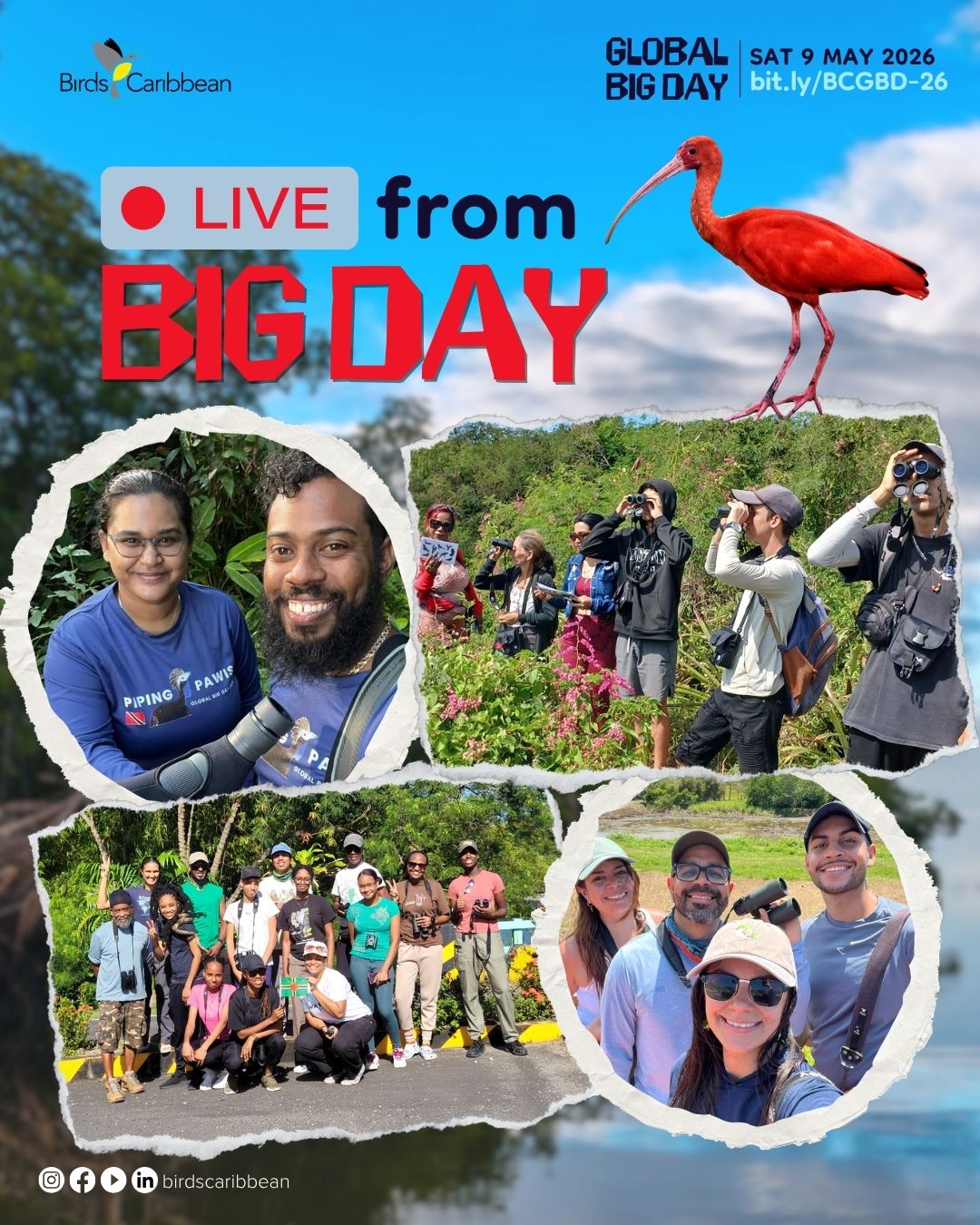 Global Big Day (GBD) 2026 was an absolute whirlwind of bird celebration, lively island community spirit, and talent behind the lens! We are incredibly grateful to everyone who sent in their wonderful photos and helped document the region’s fantastic birds and lively community spirit.