
Joshel Wilson, a wildlife biologist with the Environmental Awareness Group, has dedicated himself to protecting the biodiversity of both land and sea in Antigua and Barbuda, from tagging endangered sea turtles and sharks to conserving threatened island wildlife. In 2024, he decided to expand his impressive skill set by adding bird banding to his repertoire. In this piece, Joshel reflects on his experience returning to his homeland to join the third cohort of the Caribbean Bird Banding Training Workshop.
Back to my roots
In early March 2024, I embarked on a journey back to my roots in Grenada, a place that holds a special place in my heart. This time, it wasn’t my typical visit for family or familiar landscapes—I was there for the third Caribbean Bird Banding Training Workshop, hosted by BirdsCaribbean in collaboration with the Grenada Fund for Conservation, Gaea Conservation, and Klamath Bird Observatory. It was a unique opportunity to combine my passion for birds with the chance to reconnect with my homeland. I did not expect that this experience would be so much more than a technical workshop; it would be a journey into the heart of Grenada’s natural beauty, culture, and community!
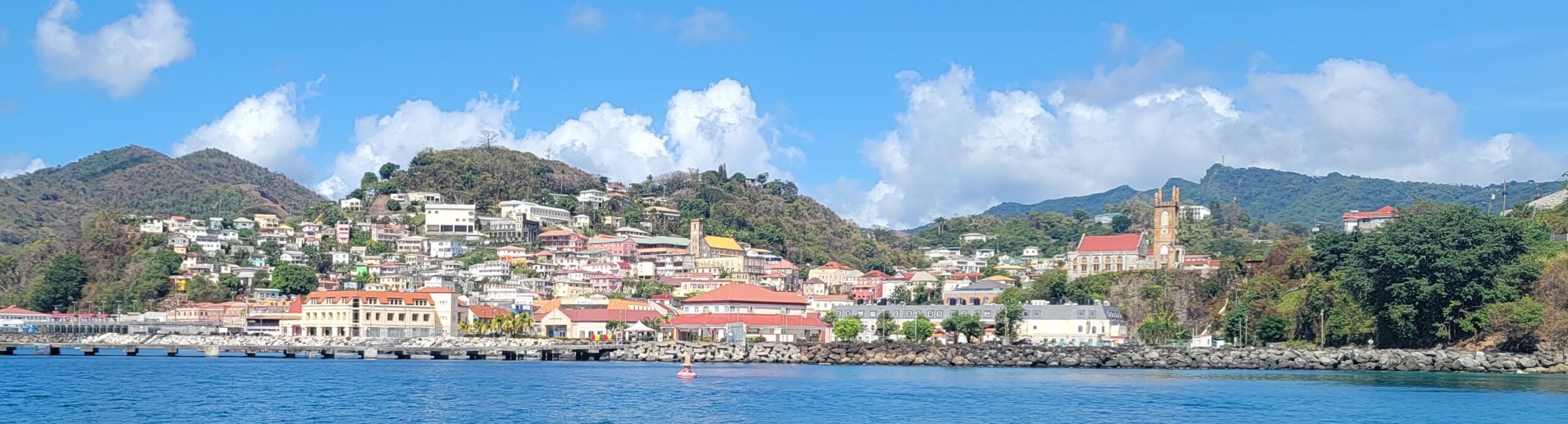
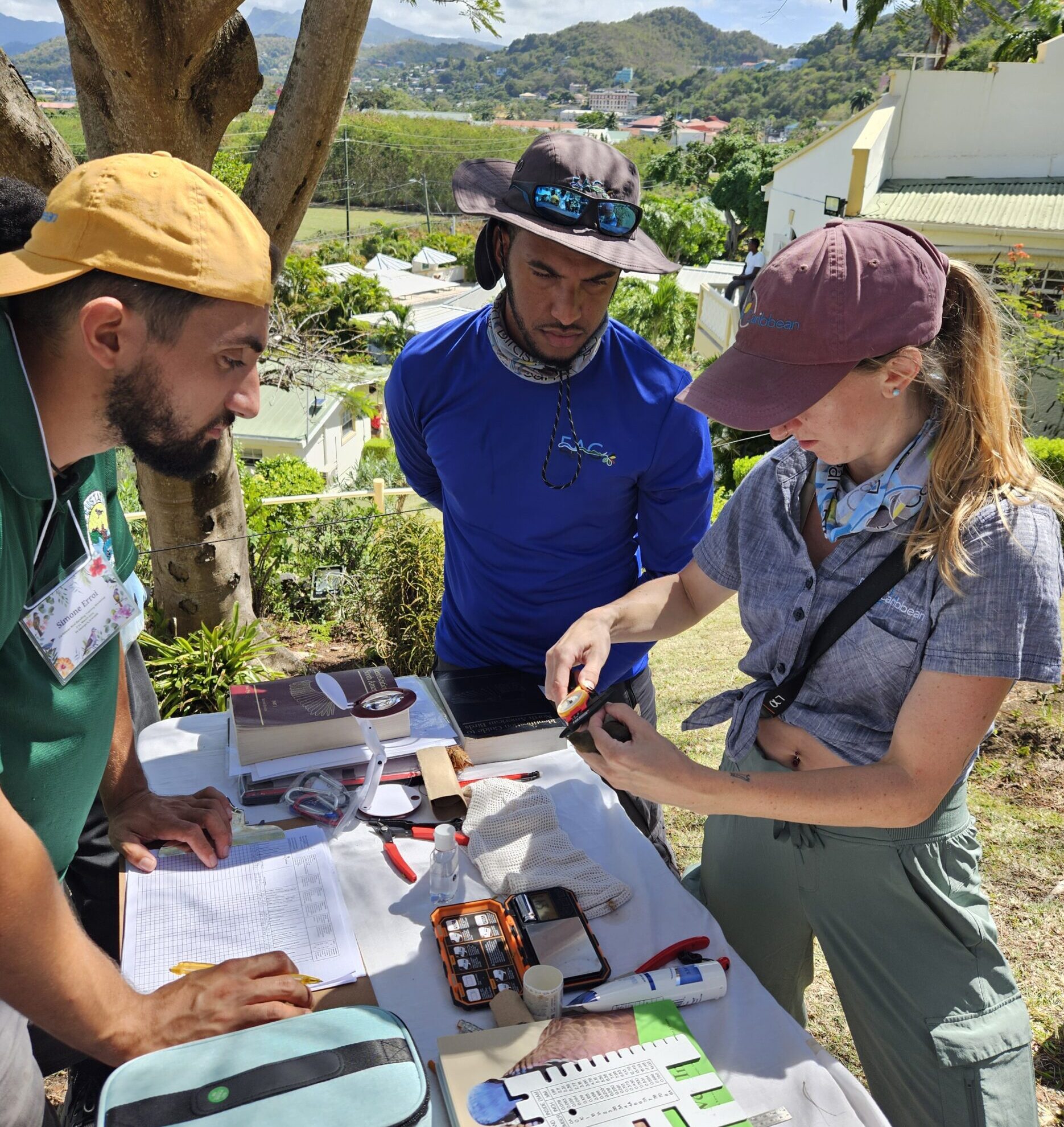
The workshop took place over five unforgettable days, blending hands-on bird banding with the theory behind this important conservation practice. The learning, discovery, and networking began promptly at the crack of dawn, whether we were venturing into the lush Grenada Dove Sanctuary at the Mt. Hartman Estate or exploring the grounds of the Blue Horizons Garden Hotel–the headquarters for the workshop. Located close to beautiful Grand Anse Beach and nestled in the vibrant Grenadian landscape, Blue Horizons was a haven for a variety of bird species. As the sun rose over the island, the air was filled with the songs of of landbirds such as Bananaquits and Grenada Wrens—the very species we aimed to study and band. It was a powerful reminder of why I fell in love with ornithology in the first place.
Birds, banding, and Caribbean camaraderie
While the birds and the scenery were spectacular, it was the people that truly made this workshop special. I met fellow conservationists from across the Caribbean, each bringing their own unique backgrounds and stories. There were Cubans, Puerto Ricans, Trinidadians, Saint Lucians, Saint-Martinois, Caymanians, and Grenadians like myself, all united by our shared passion for bird conservation.
The classroom sessions, led by experienced trainers and facilitators, were filled with lively discussions and bursts of laughter, especially when our Cuban colleagues, with their distinct accents, would jokingly plead, “¡Inglés, por favor!”(English, please!), hinting that the diverse Caribbean variations of English, combined with our unique accents, sometimes made conversations hard to follow.
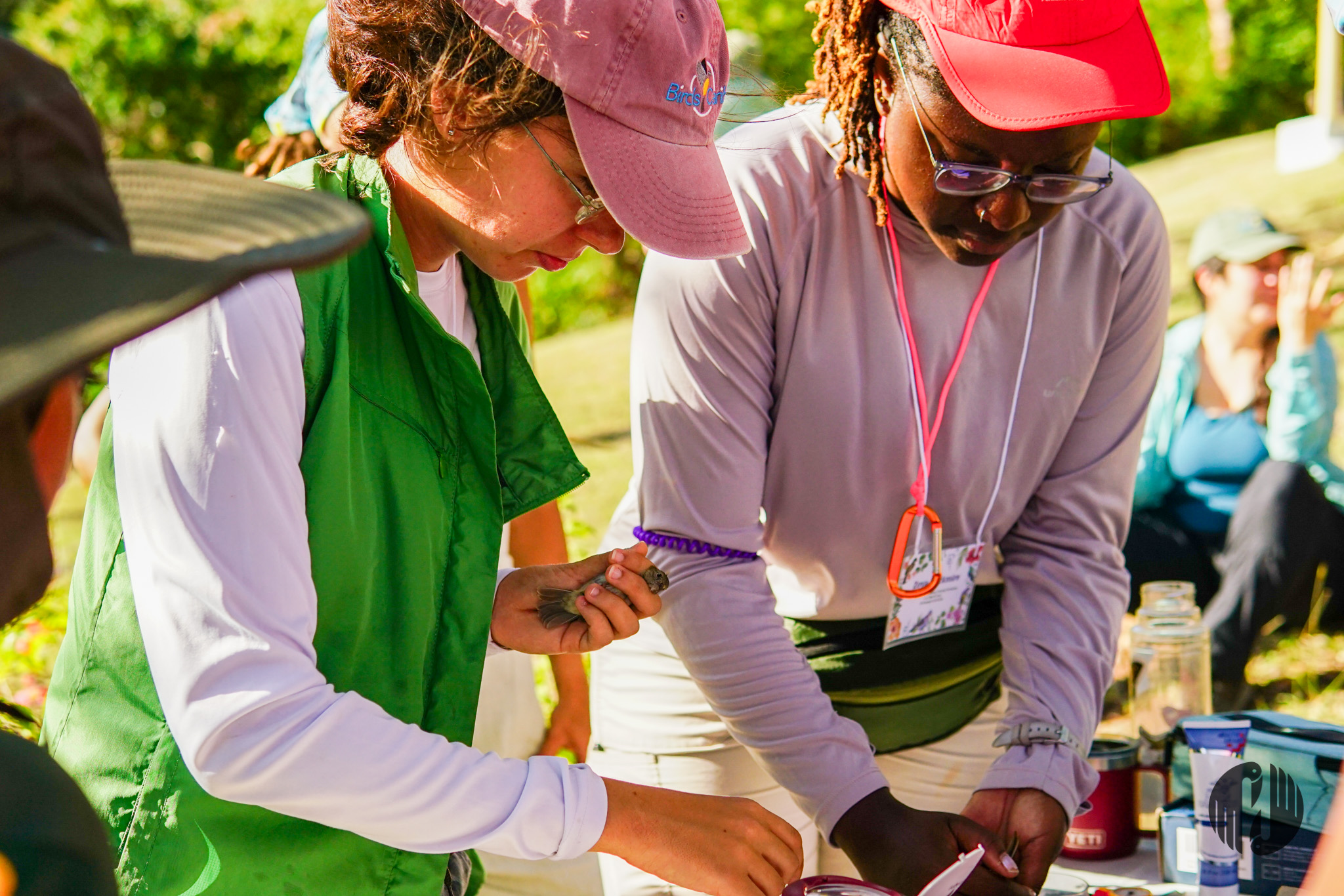
While learning new techniques for removing birds from mist nets and mastering data recording was invaluable, the real magic happened in the connections we made. We swapped stories, compared conservation techniques, shared cultural traditions, and exchanged ideas on how to promote bird conservation in our respective countries. The mix of languages, positive energy, and camaraderie made each session feel more like a shared experience than a formal workshop.
Building Caribbean expertise
The role of BirdsCaribbean in ensuring the success of this workshop cannot be understated. The organisation’s dedication to fostering excellence in bird conservation was evident in every detail, from the well-organised, informative sessions to experiencing more of Grenada, including aboat trip arranged by the Grenada Fund for Conservation (GFC), where we enjoyed the famous Carenage and Underwater Sculpture Park.
It was incredibly meaningful to watch the certification of two new Caribbean Bird Banding trainers, Daniela Ventura (Cuba) and Zoya Buckmire, who is also from my homeland of Grenada – what a sense of pride! This certification symbolized not only the success of the workshop but also BirdsCaribbean’s long-term goal of fostering Caribbean expertise in ornithology.
Coming home with more than new skills
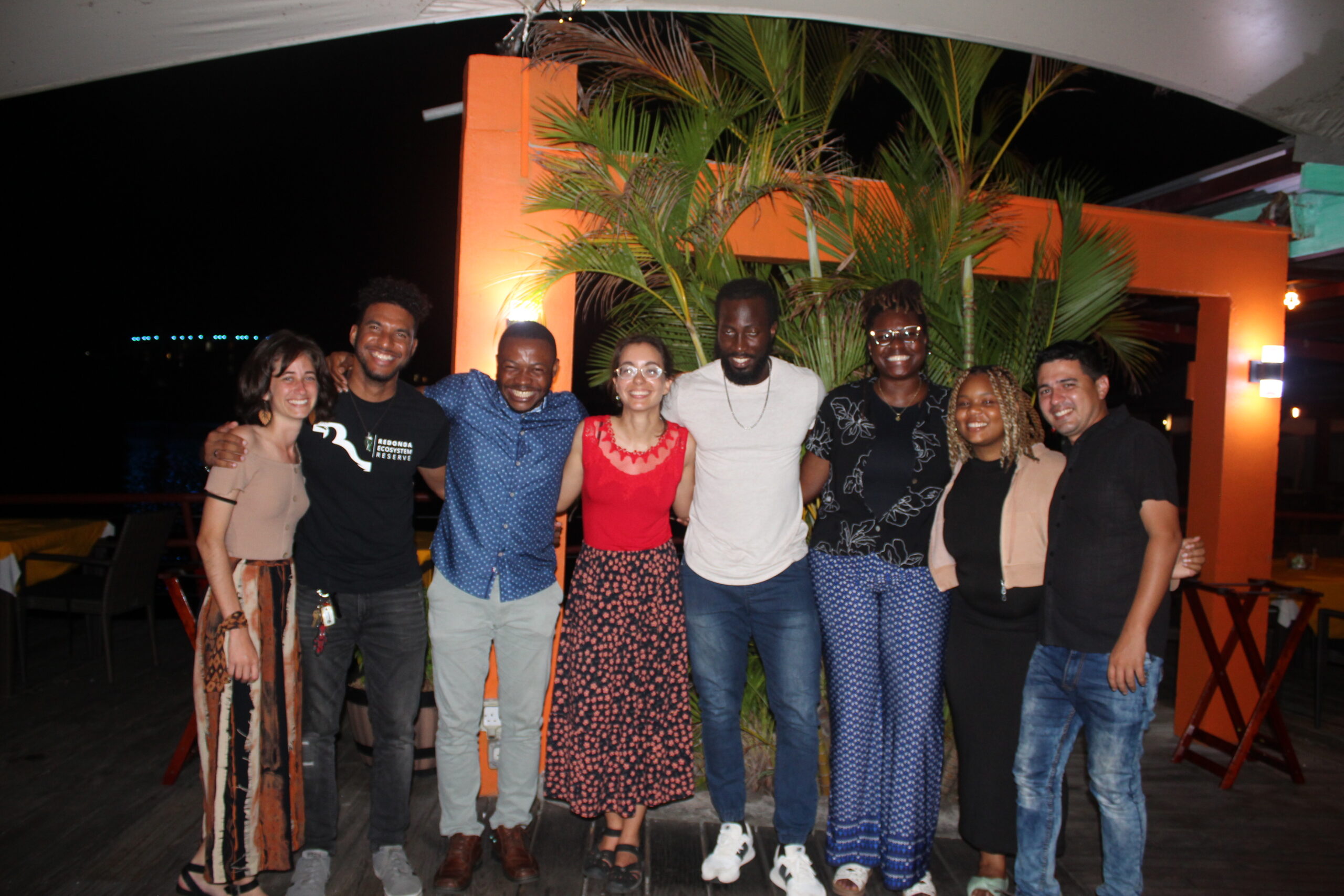
As I received my Certificate of Achievement, I felt a mix of emotions. There was a sense of accomplishment for the skills I’d acquired, but also a profound sense of reconnection with my homeland. This workshop wasn’t just about learning bird banding techniques; it was about returning to Grenada, reconnecting with its people, and rediscovering the beauty of its natural world.
As I said goodbye to the friends I made and the birds I came to know, I knew this wouldn’t be the last time I would see them. This journey had reignited my passion for bird conservation and deepened my commitment to supporting the Caribbean’s ornithological community.
If you’re considering participating in a similar workshop, I can’t recommend it enough. The experience will not only enrich your knowledge but also connect you to a vibrant and welcoming community of biologists from across the Caribbean.


Acknowledgements: The Caribbean Bird Banding Training Workshop was made possible through the generous support of our donors and funders, including the U.S. Fish and Wildlife Service and Zoo New England. We would also like to thank our local and international partners, including the Grenada Fund for Conservation, Gaea Conservation Network, Grenada Forestry, Klamath Bird Observatory, and Institute for Bird Populations.
Joshel Wilson is a Wildlife Biologist with a B.Sc. in Marine, Wildlife, & Conservation Biology from St. George’s University and an MSc candidate at the University of Leeds. With expertise in biodiversity conservation, endangered species management, and research methodologies, including UAS and tagging techniques, he has contributed to projects across the Caribbean. Currently a Wildlife Officer with the Environmental Awareness Group, Joshel oversees conservation efforts in Antigua, Barbuda, and Redonda. He also serves as Principal Investigator for the Antiguan Racer Census and holds certifications in marine conservation and climate resilience.