
Celebrate World Migratory Bird Day (WMBD) with us in 2026! This year’s theme is “Every Bird Counts – Your Observations Matter”. Have fun learning about a new migratory bird every day. We have coloring pages, interesting facts, activities, and more. Download for free and enjoy nature with your family at home.
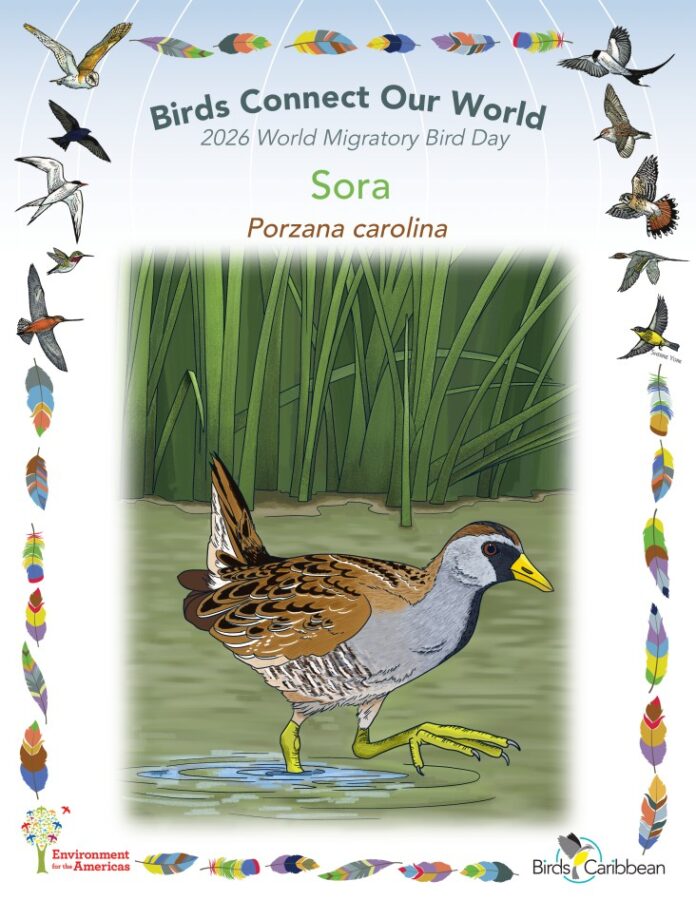
Migratory Bird of the Day: Sora
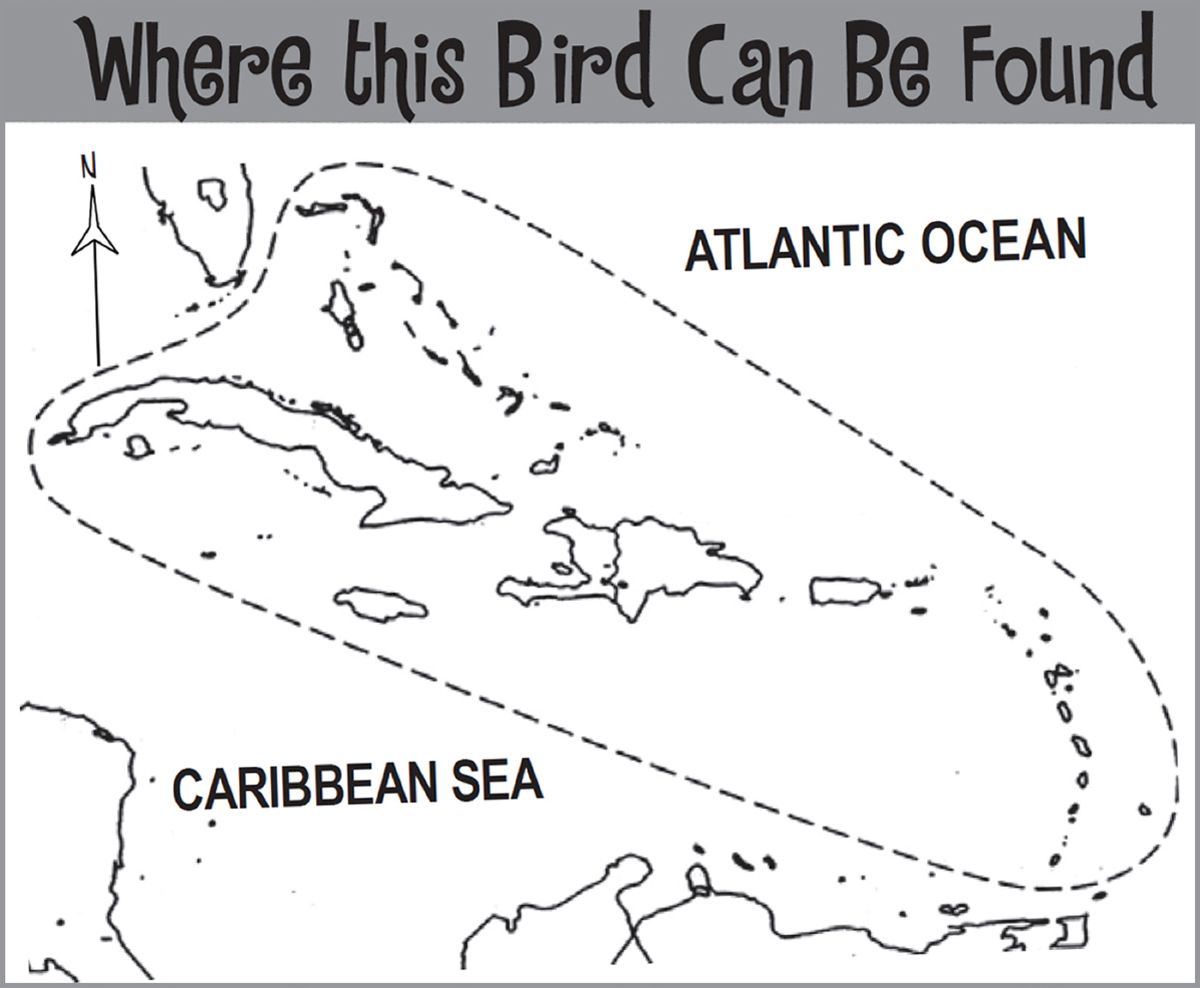
Have you ever heard a horse whinnying from the middle of the marsh? Look again—it might be the Sora! The Sora is a small migratory waterbird species belonging to the rail and gallinule family (Rallidae). Its loud, distinctive whinny call is a familiar sound across marshes and wetlands of North and Central America and the Caribbean.
Also known as the “Sora Rail” or “Carolina Crake” in English, this bird goes by several names in Spanish, including “gallinuela oscura,” “gallito sora,” “gallinuela sora,” and “gallineta sora.” A secretive bird that spends much of its time hidden in dense wetland vegetation, the Sora is much more likely to be heard than seen!.
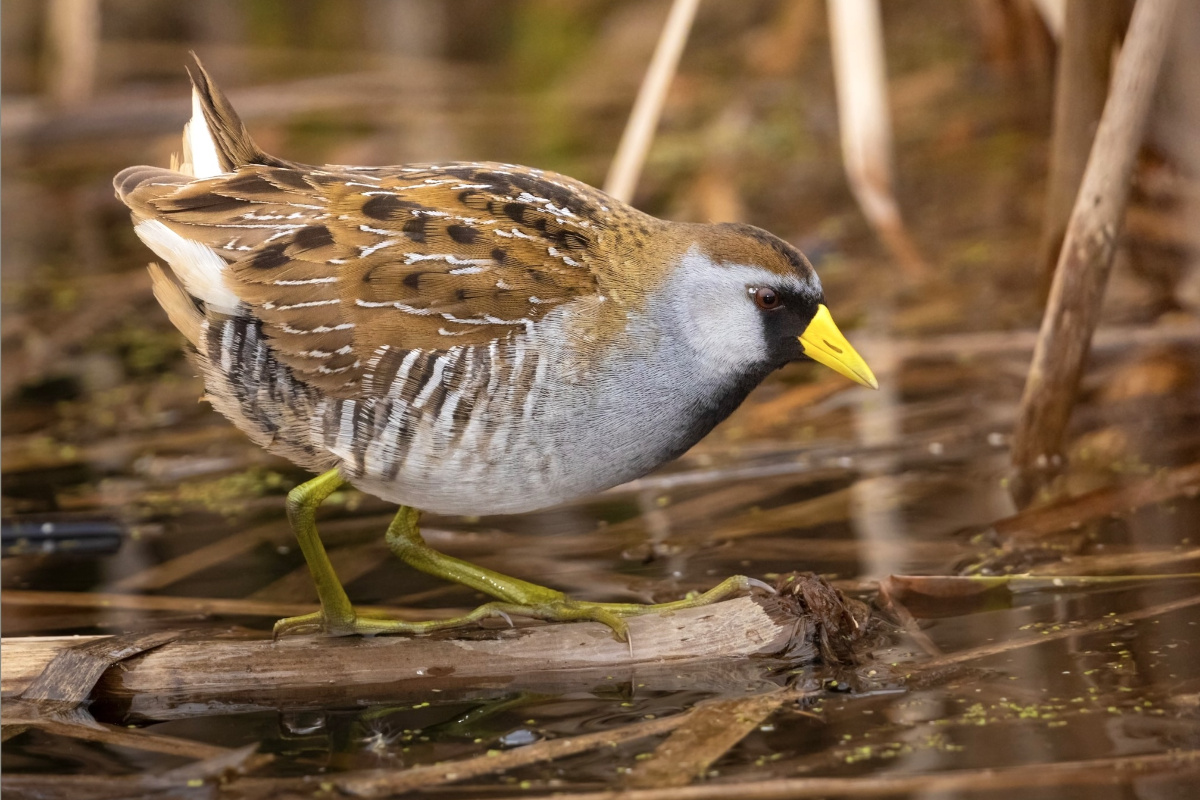
Adult Soras have short, rounded wings and plump bodies, measuring about 19-35 cm in length (roughly the length of a paperback book from top to bottom), and weighing between 72 and 88 g on average (about as heavy as two golf balls). Their upperparts are dark brown, with grayish-blue underparts and long, greenish legs. The thick bill is bright yellow, while distinctive black markings cover the face and throat. Males and females look very similar, although females tend to be slightly smaller and have a less extensive black face mask. Juveniles lack this black mask altogether.
Soras are champion travelers, flying hundreds—and sometimes thousands—of kilometers between their breeding and wintering grounds each year. During the breeding season, from late April to early August, they can be found across much of the northern US and southern Canada. As temperatures begin to drop, they head south to the Southern US, Central and northern South America and the islands of the West Indies. During migration and the breeding season, listen for that characteristic whinny—it can help reveal a Sora hiding deep within the marsh vegetation.
Soras spend much of their time foraging on the ground and in shallow water, searching for seeds, snails, insects, and other tasty morsels. Wetlands with shallow water and plenty of vegetation provide the food and shelter they need. Soras also build their nests well concealed in wetland vegetation, where females lay clutches of 8-13 eggs. Both parents share incubation duties, and their chicks ready to leave the nest just a day or two after hatching.
Soras depend on healthy wetlands for food, shelter, and breeding, making the loss and degradation of these habitats a serious concern. Changes in water levels can also affect the wetlands they rely on, while collisions with vehicles and other human-related threats add to the challenges they face.
So next time you’re exploring a Caribbean wetland, keep your ears open for that unmistakable whinny coming from the reeds. You may never catch a glimpse of the shy bird making all that noise—but now you’ll know who’s hiding in there! Learn more about this species, including its range, photos, and calls here. Great news! If you’re in the Caribbean, thanks to BirdsCaribbean, you have free access to Birds of the World and you can find out even more in the full species account of this bird!
Thanks to Saul Gonzalez Rosales for the text and Eden Garrod for the lovely illustration!
Color in the Sora
Download the Migratory Birds of the Day Coloring Page! Use the picture above and the photos on this page as your guide, or look up pictures of the bird online or in a bird field guide if you have one. Share your colored-in page with us by posting it online and tagging us @BirdsCaribbean #WMBD2026
Listen to the calls of the Sora
The call of the Sora is a descending high-pitched whinny.
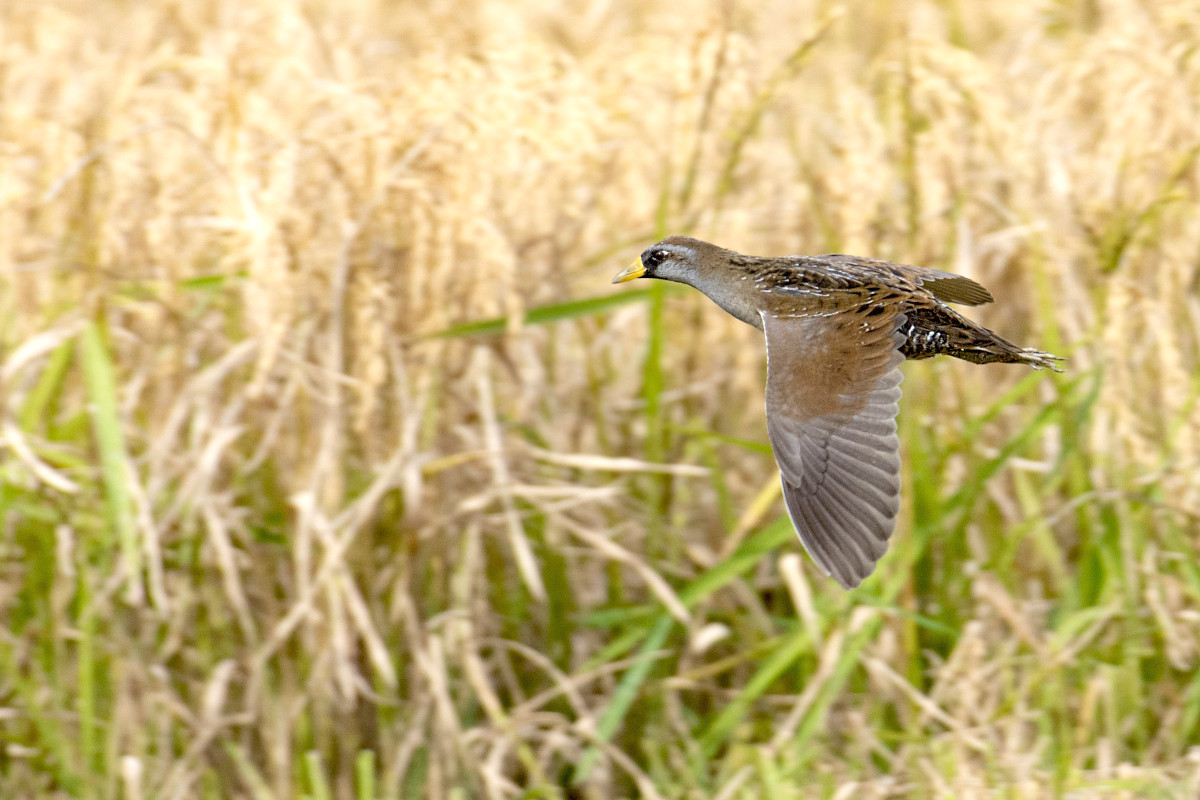
Enjoy these photos of Soras
Activity of the Day
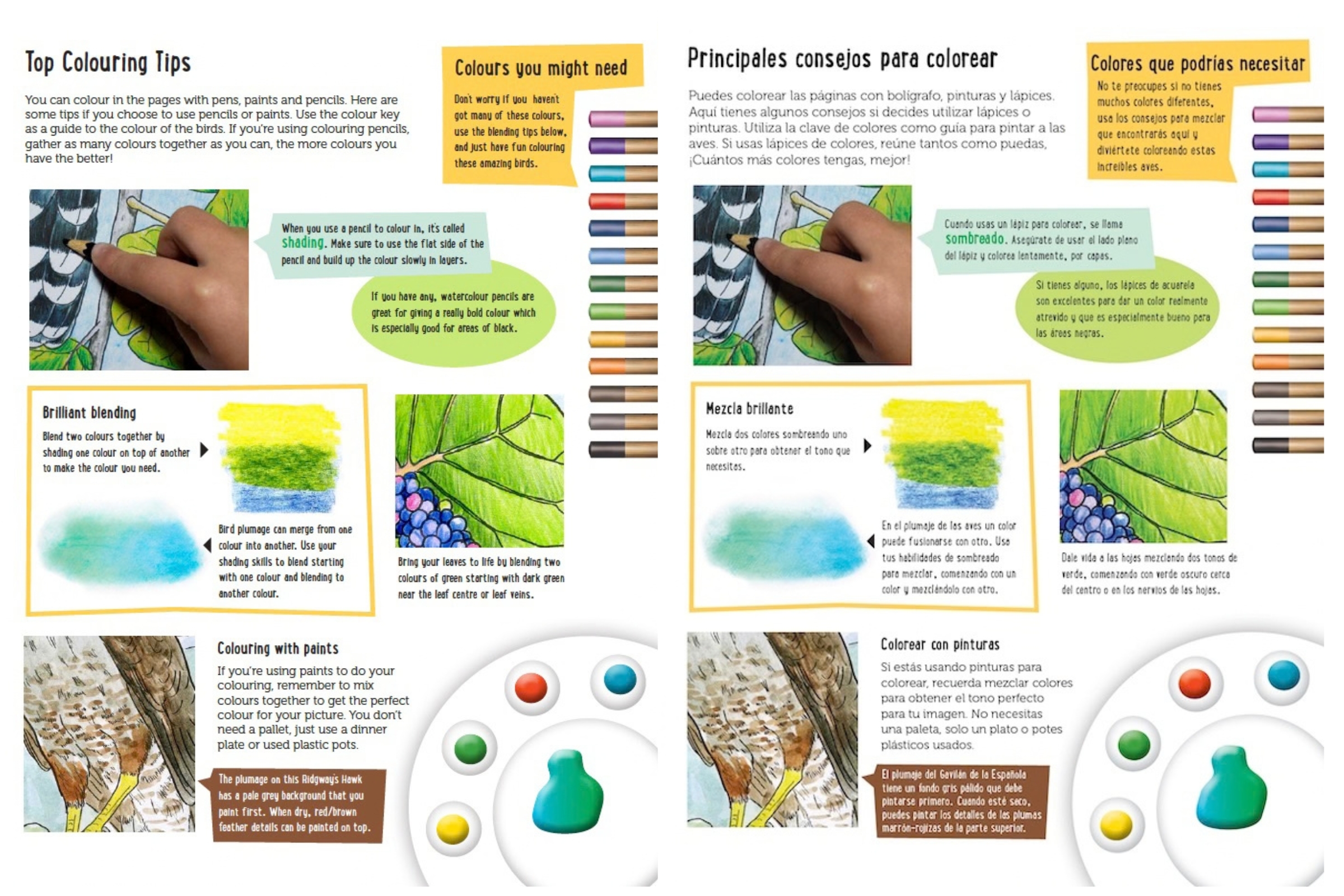
FOR ADULTS AND KIDS: During our 2026 celebration of Caribbean migratory birds we will be sharing a beautiful coloring page for every single bird we feature! These coloring pages have been created for us by Eden Garrod, who will also create a colored in version of every single bird! Get your colour pencils ready, and read these super helpful colouring in tips below. Use the beautiful examples from Eden as inspiration and go ahead, download and print each bird, and get colouring! Enjoy!
FOR KIDS AND ADULTS: Enjoy this video of a Sora in the wild!