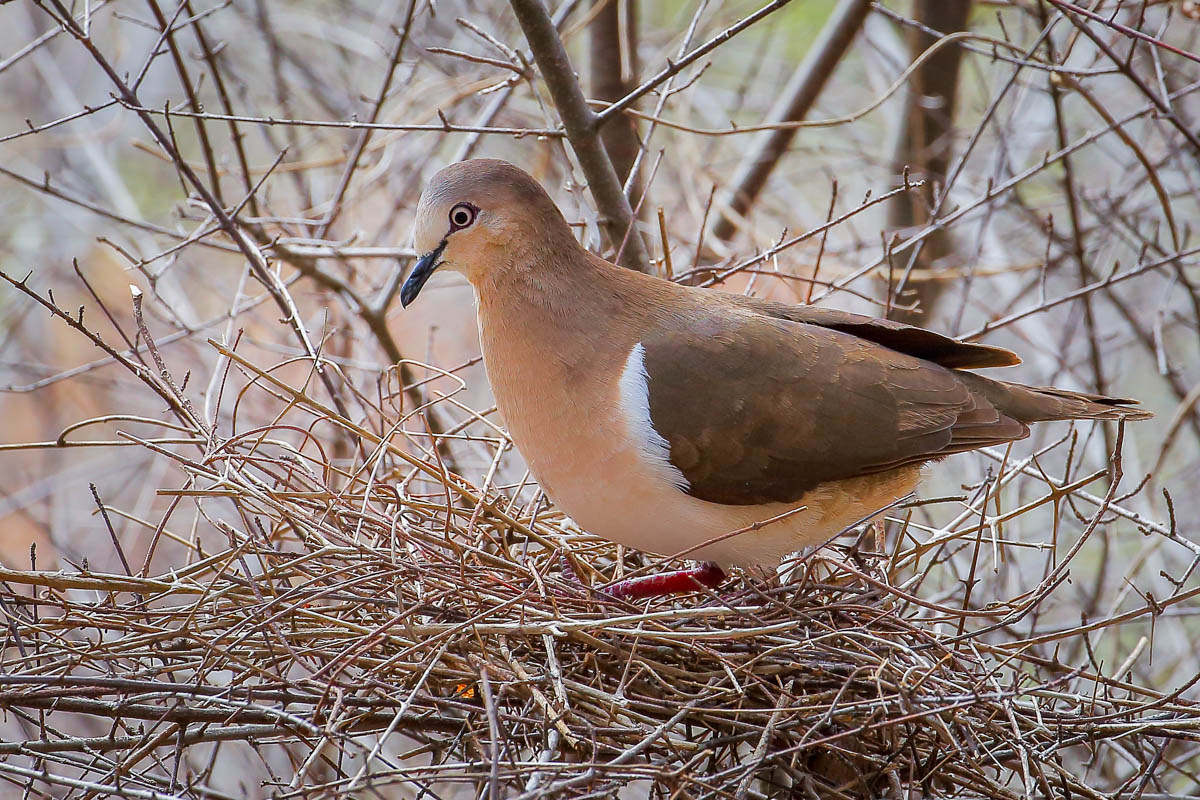
The Grenada Dove is just one of the endangered Caribbean species that depends on tropical dry forest habitat.You are invited to a free webinar on Climate Change Adaptation Strategies for Tropical Dry Forests in the Caribbean and Grenada. The webinar takes place on Friday, November 13th from 9-11am EST.
With future climate change potentially threatening Tropical Dry Forests (TDFs) in Grenada and throughout the Caribbean with increased storm intensity, changes in rainfall patterns, increased drought intensity and fire risk, this CEPF-supported project is helping to improve planning and policy frameworks for managing TDFs in Grenada. The project seeks to develop policy and planning guidelines for adaptation to climate change’s impacts on Grenada’s TDFs. To identify the key policy challenges associated with management of these forests in the face of global climate change, the project team has developed computer simulations of TDF response to different climate change scenarios, and considered the implications in the context of current and management practices. The goal is to develop policy recommendations under different climate change scenarios, which local stakeholders can consider as they plan for the future of these dry forests in Grenada.
The webinar will be hosted by the University of Chester in collaboration with the Grenada Dove Conservation Programme and the Grenada Forestry and National Parks Department with technical assistance from a research team led by Dr. Howard P. Nelson of University of Chester. Although Grenada is the primary focus of the webinar, the subject matter is equally applicable to dry forests throughout the region.
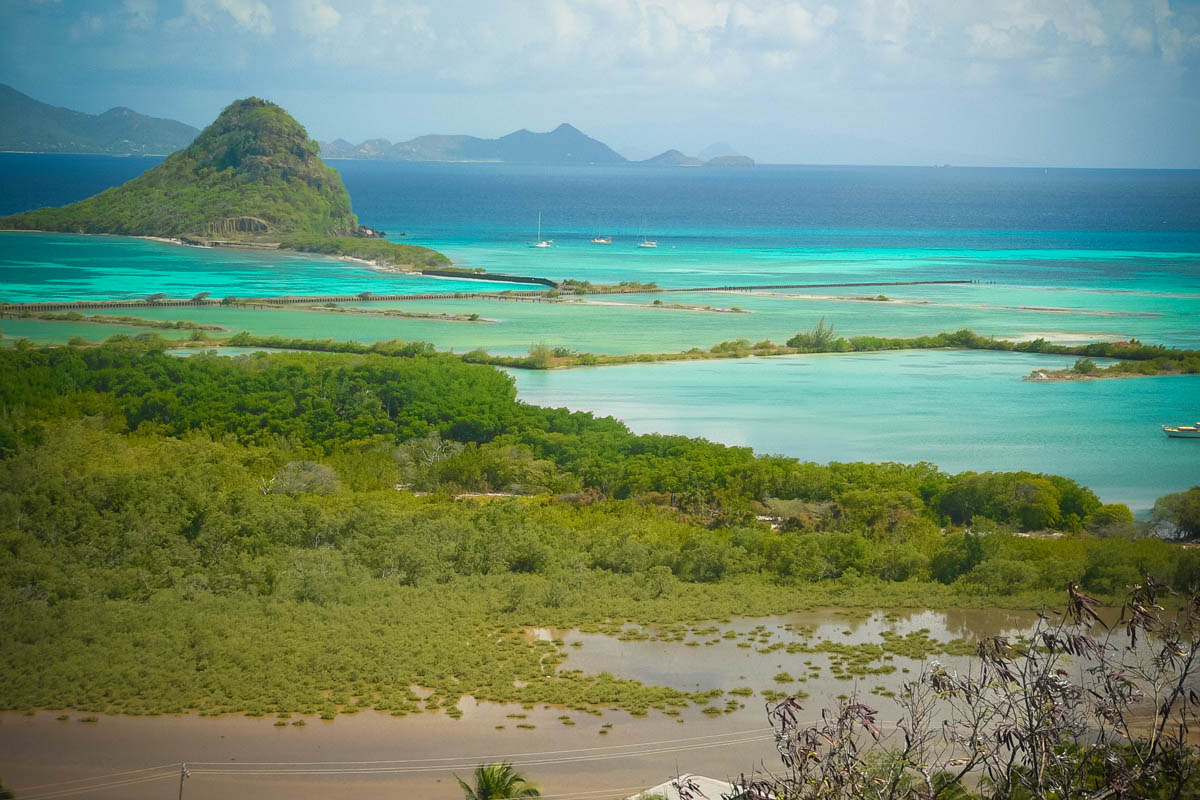
Ashton Lagoon will be the site of a massive restoration project. (Photo by Gregg Moore)
A long-awaited moment of renewed hope came for the people of Union Island, St. Vincent and the Grenadines last month with the launch of the Ashton Lagoon Restoration Project. The largest bay in the Grenadines, Ashton Lagoon included the largest mangrove habitat on the island and had long been a popular fishing and recreational area for local families. Seriously damaged by a failed marina development 20 years ago, on-the-ground work has now begun to restore the lagoon.
The launch event, organized by the Sustainable Grenadines Inc. (SusGren), a local non-profit conservation organization, in collaboration with the Ministry of Agriculture, Rural Transformation, Forestry, Fisheries and Industry saw more than 100 people in attendance representing various sectors of the island community and government departments and ministries.
The launch ceremony featured brief remarks from supporting agencies and a large billboard showing the vision for the restored Ashton area. The road to this new beginning was rocky and challenging, but amidst the many obstacles encountered along the way SusGren remained optimistic. They have been the driving force behind this initiative with support from BirdsCaribbean, championing the cause for restoration efforts for over 10 years.
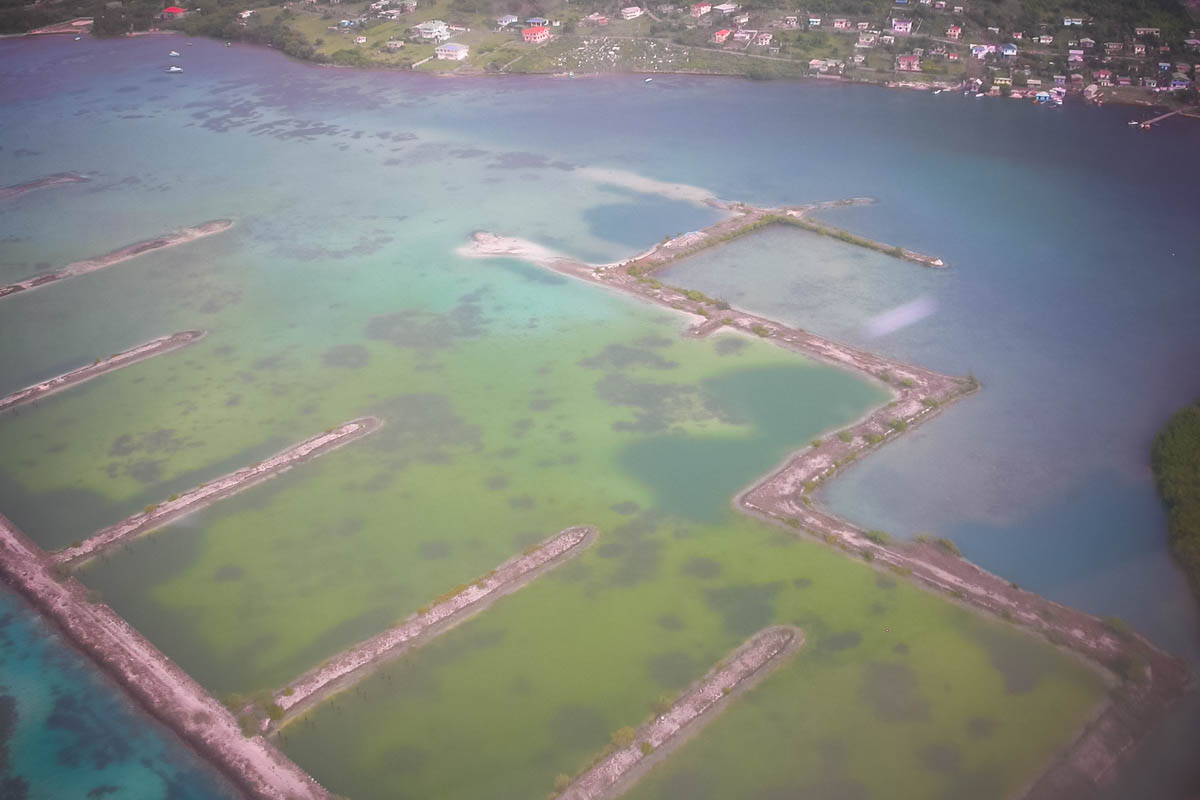
An aerial view of Ashton Lagoon in 2004 shows how the failed marina disrupted the natural water flow. (Photo by Michele Kading)
“The process, which involved lobbying with government for permission to proceed and holding talks with various government agencies and donors, was long but we never gave up, and we are happy to have received permission from Cabinet earlier this year,” said Mr. Martin Barriteau, Special Advisor to SusGren.
The Ashton Lagoon Restoration Project was initiated as a result of the negative environmental impacts caused by a failed marina development in 1994. The Marina Project proposed to join Frigate Rock to Union Island, construct a 300-berth marina, a golf course in the mangrove area, and large condominiums, but was abandoned in 1995. Not all local people were in favor of the project, which destroyed pristine marine habitats, vital to the livelihoods of local fishers and enjoyed by tourists and locals alike.
Ashton Lagoon, located on the south coast of Union Island in the Grenadines, is the largest bay in the Grenadines and was unique in that it contained all the primary components of a mangrove/seagrass/coral reef ecosystem, including a long stretch of outer reefs, a shallow protected inner lagoon, abundant seagrass beds within the lagoon, tidal mud flats, salt ponds, and the largest continuous mangrove habitat in the region. Because of its rich biological diversity and ecological importance for the entire coast of Union Island, the lagoon was designated a Marine Conservation Area and protected under The Fisheries Act of 1986. The area was also designated an Important Birding Area (IBA), supporting a large variety of resident and migratory herons, egrets, shorebirds, seabirds and landbirds.
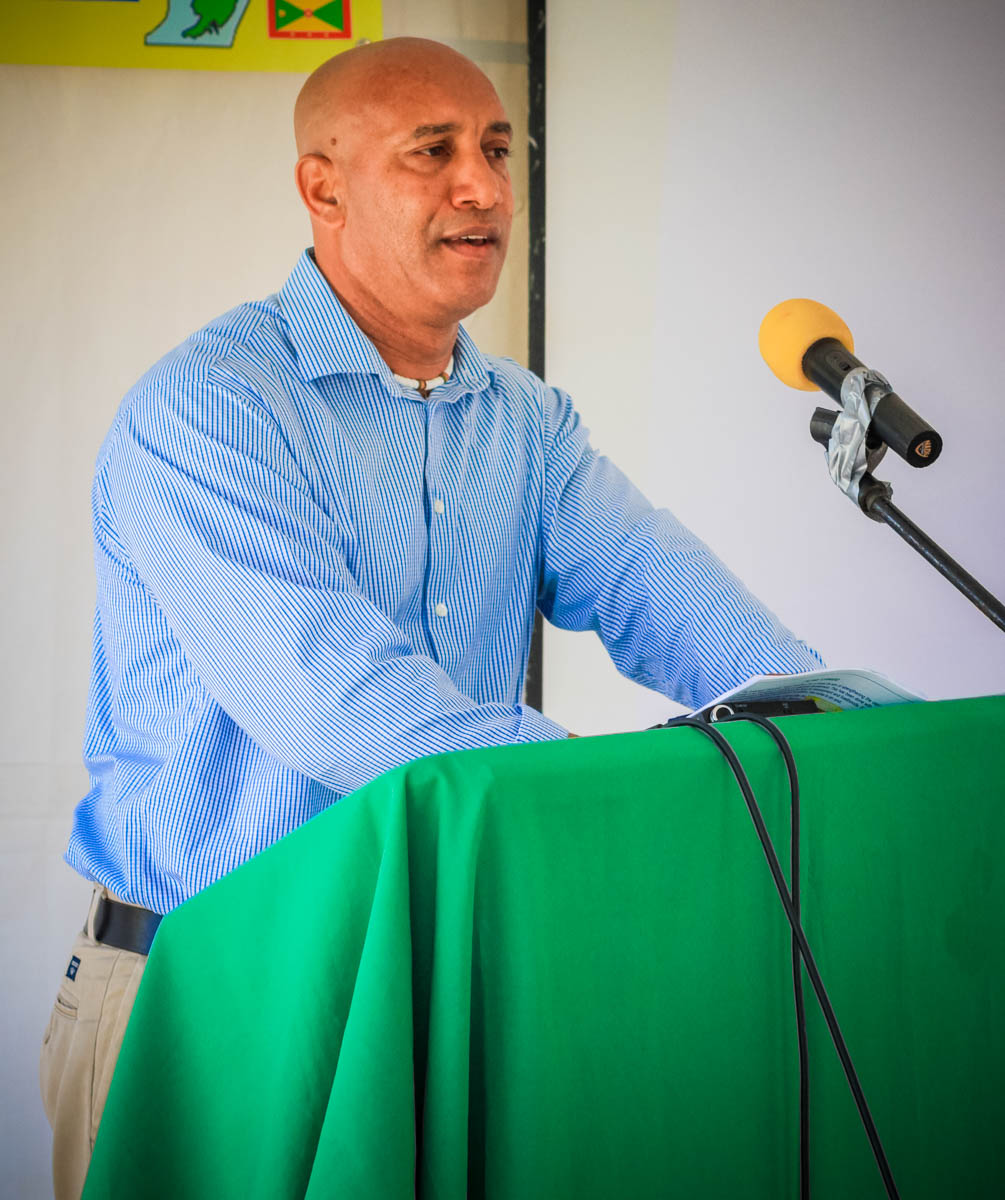
Mr. Martin Baritteau addresses the crowd at the launch ceremony in Union Island.
Despite its protected status, a foreign developer was given permission to proceed with the project. An environmental assessment pointed out that the development would cut off water circulation to the bay, causing catastrophic damage to reefs, seagrasses and fisheries. Nevertheless the project proceeded, with exactly the predicted results. After dredging the lagoon and building the causeways and marina berths, the developer went bankrupt and disappeared, leaving behind the damaged bay.
Impacts from the failed development included stagnant polluted water in the lagoon and marked declines in marine life and the health of the mangrove. It was not just the news of a failed marina that troubled the islanders but the glaring sight of, “the worst environmental disaster in all of St.Vincent and the Grenadines” said Director of Grenadines Affairs, Mr. Edwin Snagg.
The once fishing haven was no more, the family fun areas for picnicking and swimming were gone also, the passage way to ease fishers journey to their fishing grounds was cut off, and the calm turquoise waters of the lagoon where coconut and gum boats once sailed were now murky and stagnant.
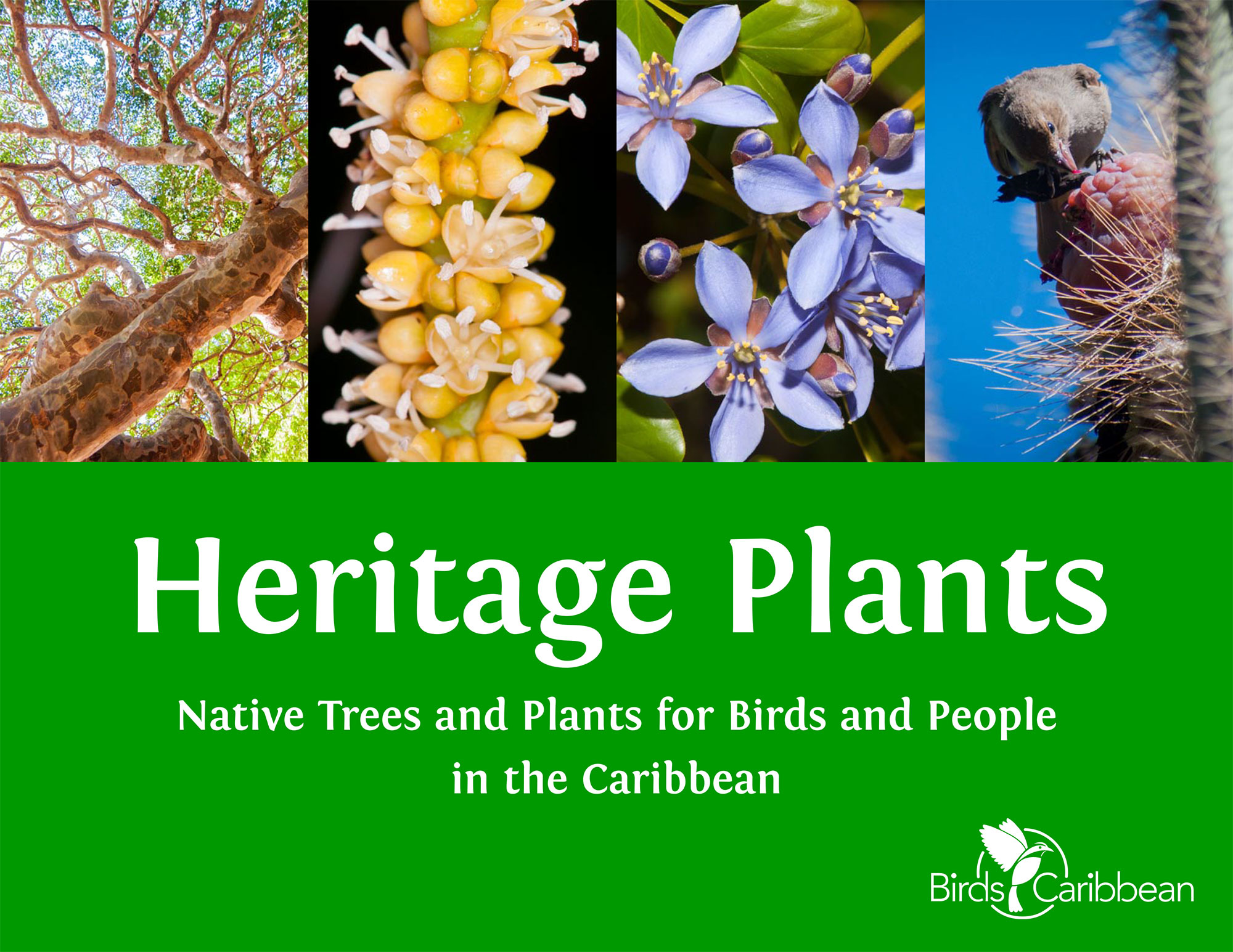
The free ebook, Heritage Plants, is a guide for backyard beautification and habitat restoration using native Caribbean plants and trees.In a region that seems blessed with eternal summer, one of the most noticeable signs of autumn is the arrival of countless migratory birds. Leaving their summer breeding grounds in North America, they transform Caribbean wetlands and forests with their colors and songs. Events celebrating these birds and their miraculous migrations are also arriving this month with International Migratory Bird Day (IMBD).
IMBD is coordinated across the Western Hemisphere by Environment for the Americas (EFTA), and events are held in over 700 locations from Canada to Argentina. BirdsCaribbean, the largest organization devoted to wildlife conservation in the Caribbean, will coordinate activities throughout the region beginning in October, a time when migratory activity is at its peak in the Caribbean. BirdsCaribbean has been the regional coordinator for the past eight years.
The theme of IMBD this year is “Restore Habitat, Restore Birds.” This theme is particularly relevant in the Caribbean, where natural habitats share limited island real estate with dense human populations and intensive development. The migratory pathways and overwintering grounds of the Caribbean are an indispensable part of the life cycle of about 350 bird species, from egrets and ducks to hawks and songbirds.
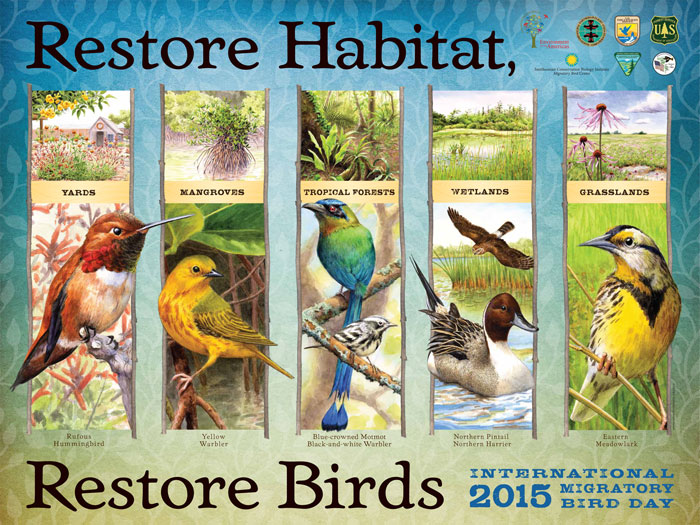
The theme for IMBD 2015 is Restore Habitat, Restore Birds.Birds migrate twice each year, once in spring and again in fall. In the Caribbean region, the miracle of bird migrations is celebrated through International Migratory Bird Day (IMBD). IMBD is coordinated throughout the Western Hemisphere by Environment for the Americas (EFTA). In the Caribbean, EFTA works with BirdsCaribbean and other organizations to promote awareness of migratory birds in this region.
The official IMBD date is the second Saturday in May for the U.S. and Canada and the second Saturday in October for Latin America and the Caribbean. Because birds don’t migrate on a single day, Bird Day activities take place year-round, and events are best offered when migratory birds are present.
We are delighted to share information about the 2015 IMBD conservation theme: Restore Habitat, Restore Birds. Loss and degradation of habitat are primary threats to bird populations. The 2015 IMBD theme considers threats, such as urbanization and climate change, and suggests ways to get involved in habitat restoration projects at home, in communities, and further afield. Each habitat illustrated on the 2015 poster provides a colorful view of a few of the places migratory birds seek for nesting, wintering, or as stopover sites during migration using the beautiful work of artist Amelia Hansen.
IMBD is celebrated in Canada, the United States, Mexico, Central and South America, and the Caribbean at protected areas, refuges, parks, museums, schools, zoos, botanical gardens and more. More than 700 events and programs are hosted annually, introducing the public to migratory birds and ways to conserve them.
For coverage of IMBD 2015 in the Caribbean, follow along here on the BirdsCaribbean blog and on the Caribbean Bird Festivals Facebook page. If you are interested in hosting an event contact us and be sure to check out the amazing collection of IMBD resources available online.
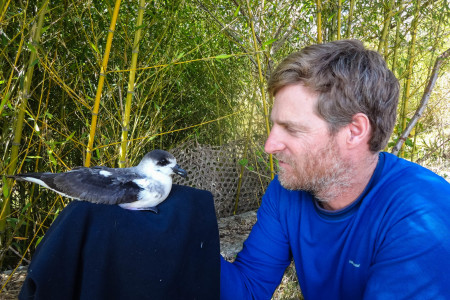
A team of scientists from EPIC and Dominica’s Ministry of Agriculture and Fisheries have recorded 968 Diablotin, also known as the Black-capped Petrel, over the mountains of Dominica, a Lesser Antilles island for which the last confirmed date of nesting of that species is 1862. This rare seabird was once abundant on Dominica, but thought to be extirpated in the late 1800s due to overhunting and the introduction of mammalian species. Observations made with radar and supplemented by detection of vocalizations showed large numbers of petrels flying between the sea and potential nest areas in the island’s highest peaks. Details of the expedition are being released at the 20th International Meeting of BirdsCaribbean, taking place now in Kingston, Jamaica.
Adam Brown, Co-Founder and Lead Scientist at EPIC states, “Finding this colony of petrels on Dominica is a real game-changer for Black-capped Petrel conservation. For years we thought the only remaining colonies of petrels were on Hispaniola, where nesting habitat is diminishing at an alarming rate and pressures of human activity are significant. Dominica is an island-nation where nature conservation is a high priority and forests needed by petrels are well protected, so we now have a huge new opportunity to undertake conservation efforts to preserve this imperiled species.”
BirdsCaribbean is proud to be part of a fantastic new transboundary bird conservation project in the Grenadines aiming to document local knowledge. Please support this outstanding project that will enhance appreciation of birds in the Grenadines, every little bit helps. We are very close our goal!
“Who pays the birds?” is the theme for the 2014 Caribbean Endemic Bird Festival (CEBF). At dozens of events throughout the region, participants will learn about the many beneficial services provided by birds, from pollination and pest control to leading fishermen to fish and attracting tourists. Although these services often go unnoticed and unappreciated, they are very important to both the ecology and economic prosperity of the Caribbean.
The festival, now in its 13th year, is led by BirdsCaribbean, the largest organization devoted to wildlife conservation in the Caribbean. The month-long festival includes Caribbean-wide activities beginning today – Earth Day (April 22), through to International Biodiversity Day (May 22), in more than twenty countries. The event celebrates the 150 bird species that are found only in the Caribbean, known as endemics. The highly successful program attracts over 80,000 participants and volunteers each year.
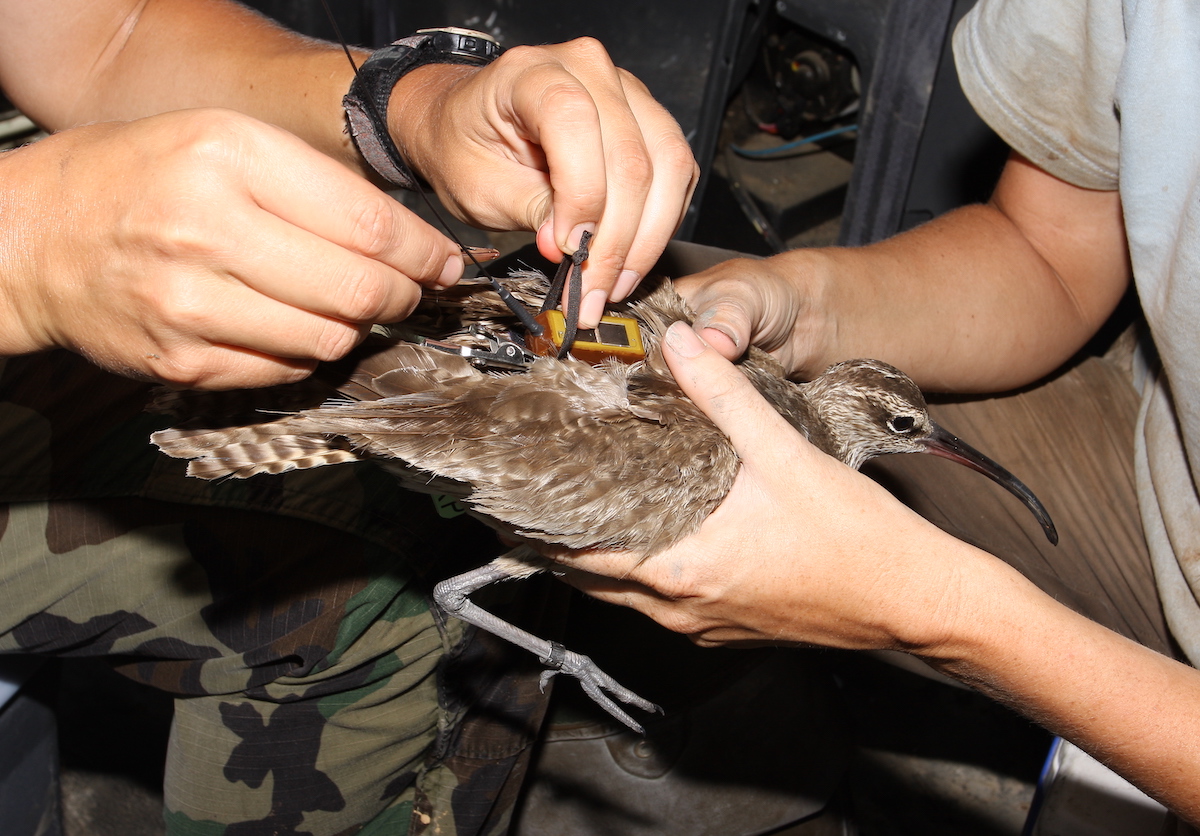
Machi being fitted with satellite transmitter in August, 2009. (Photo by Bart Paxton)
When “Machi”, a Whimbrel carrying a satellite transmitter, was shot and killed in Guadeloupe in September 2011, the international bird conservation community had a rude wake-up call about what was happening to migrating shorebirds in the French West Indies.
The fact was that tens of thousands of shorebirds representing several species were being shot by hunters each fall. Swift action by BirdsCaribbean (then the Society for the Conservation of Caribbean Birds – SCSCB) and its members and partners, including AMAZONA (the local bird conservation organization), has resulted in significant progress on the issue of shorebird hunting.
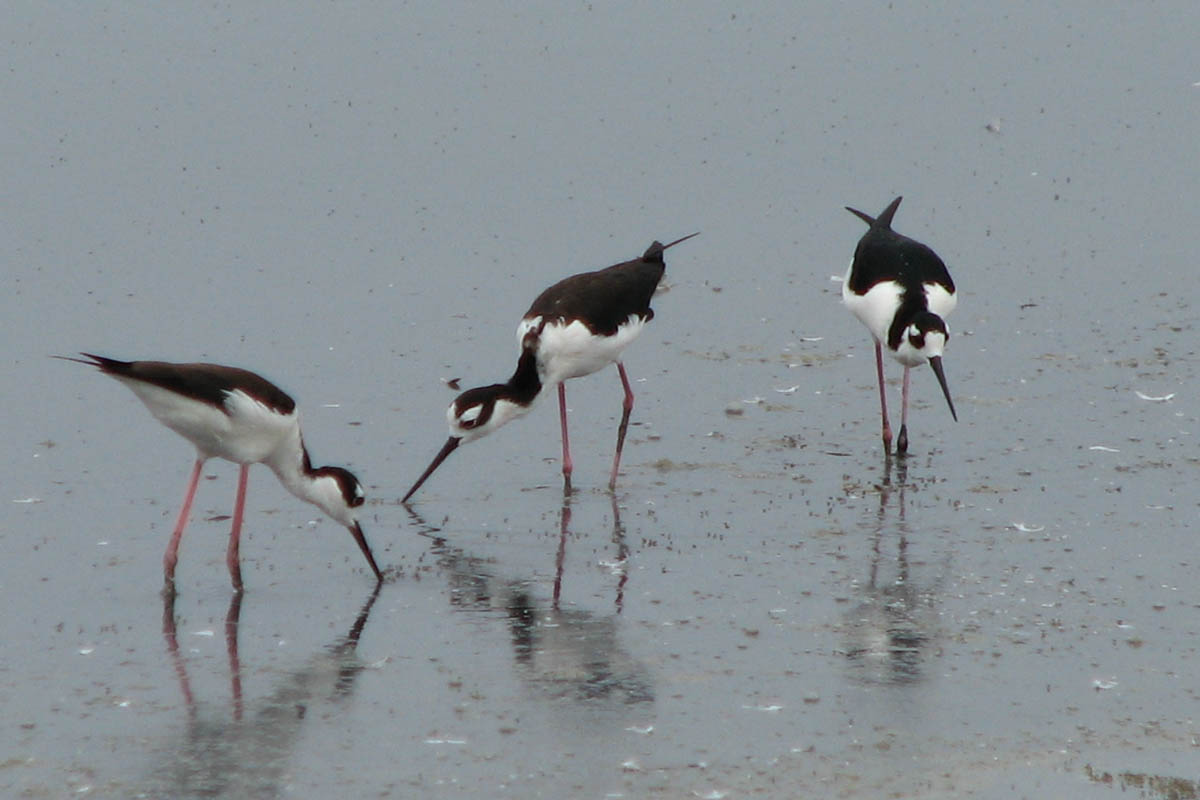
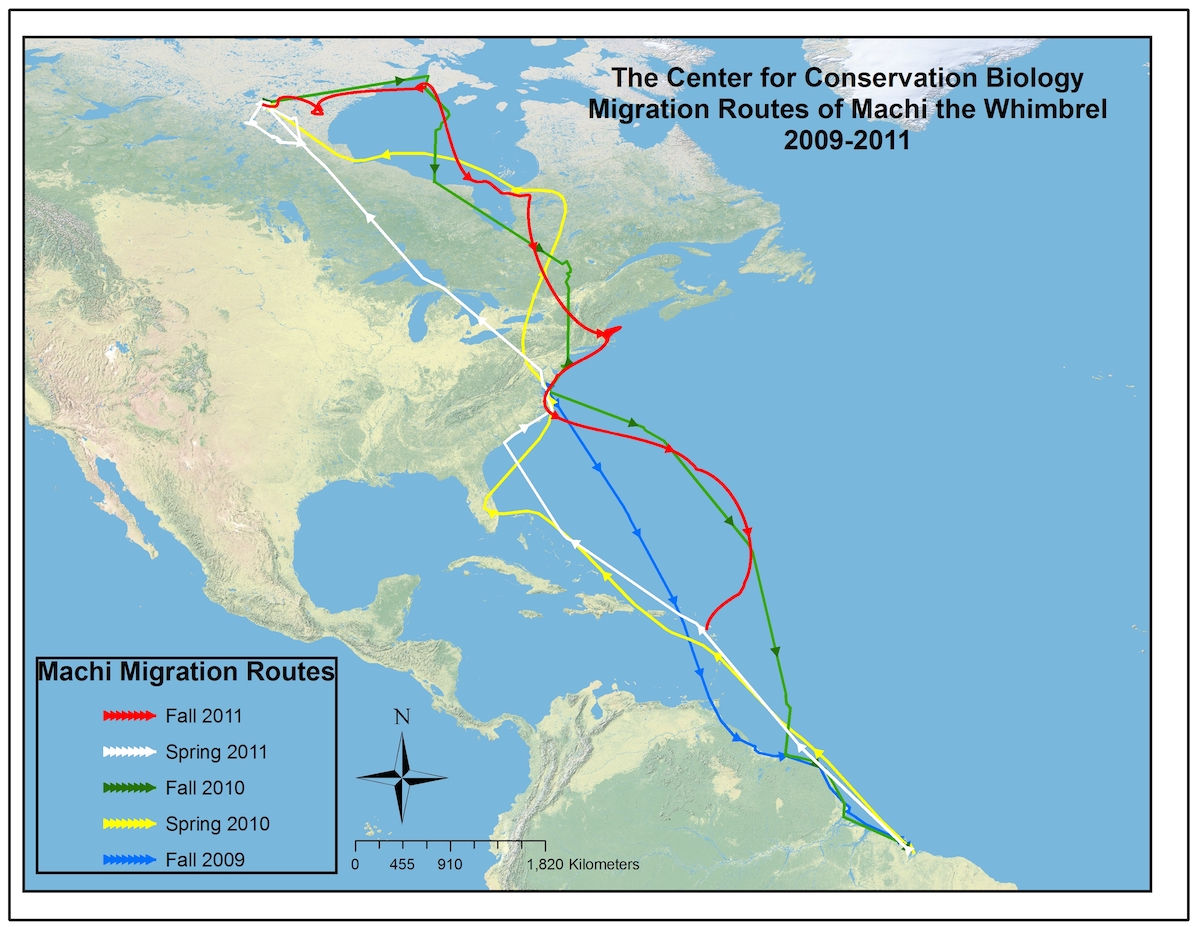
Whimbrels are amazing long distance migrants. Machi had been tracked for over 27,000 miles (44,000 km) back and forth between the breeding grounds in the Hudson Bay Lowlands of Canada to wintering grounds on the coast of Brazil. In 2011, we had learned from the satellite tracking study being conducted by the Center for Conservation Biology that Machi, after hunkering down in Montserrat during Tropical Storm Maria, flew to Guadeloupe where she met her end. Ongoing tracking studies have shown that Whimbrels like Machi and other shorebirds utilize the Caribbean islands to rest and refuel, take refuge from dangerous storms, or spend the winter. However, the journey ends for many that attempt to stop in Guadeloupe, Martinique, or Barbados, where sport hunting of shorebirds remains a popular tradition.
At the time when Machi and a second satellite-tagged Whimbrel named Goshen were killed, there were no daily bag limits in the French West Indies, and no protection for species of conservation concern, such as the Red Knot. Thankfully, due to proactive advocacy, there have been some positive changes in hunting regulations since Machi’s death.
Following the shooting of the two shorebirds and in light of the fact that populations of many shorebird species are declining in the Americas, BirdsCaribbean organized a letter writing campaign targeting decision makers in environmental departments of the French government as well as other key authorities and international organizations. Many BirdsCaribbean members and partners sent letters to these officials, urging them to take actions in support of a more sustainable and responsible harvest. They also wrote about the issue in their local newspapers, websites, and blogs.
Map showing the long-distance migration of Machi from 2009 to 2011, before being shot in Guadeloupe. Machi was tagged with a satellite transmitter. (map courtesy of Fletcher Smith)
As a result of this international campaign and months of dedicated work by the National Hunting and Wildlife Agency (ONCFS) in Guadeloupe, together with other departments and local hunters, there has been a change in policy which benefits migratory shorebirds that rely on these islands’ mangroves and wetlands as wintering and critical stopover sites during their long migrations.
The Ministère de l’Environnement and the Fédération Départementale des Chasseurs de la Guadeloupe and Fédération Départementale des Chasseurs de la Martinique have acted to place some restrictions on shorebird harvest: First, the Red Knot (beginning in 2012) and Solitary Sandpiper (2013) were closed to hunting on Guadeloupe and the Red Knot was closed to hunting on Martinique in 2013. The Ministère de l’Environnement in Paris is also considering long-term removal of the Red Knot from the list of hunted species. Second, a bag limit of 20 birds per day per hunter was instituted in Guadeloupe in 2013. This action of setting bag limits, initiated by an Overseas Department, is a rare action for the French hunting community and regulatory agency. Finally, a three-year moratorium on the shooting of Whimbrels and Hudsonian Godwits was put in place in Martinique in 2013.
The BirdsCaribbean community is encouraged by these outcomes. Lisa Sorenson, Executive Director of BirdsCaribbean commented, “Machi’s death drew attention to the fate that awaits hundreds of thousands of other shorebirds that pass through the Caribbean in the future, and provided an opportunity to encourage these governments to adopt more sustainable hunting regulations.There is still much work to be done, but we consider the change in hunting laws to be a very important and significant conservation outcome. Machi did not die in vain.”
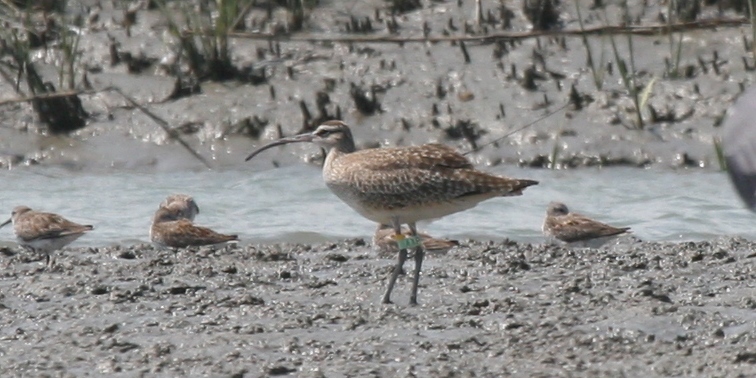
Machi on a Caribbean mudflat. (photo by Barry Truitt)
Said Howard Nelson, President of BirdsCaribbean, “We applaud the French government’s and the Fédérations des Chasseurs of Guadeloupe and Martinique actions on this issue, and we want to thank our members and partners for their help in bringing about this positive change.” He added, “We all need to remain vigilant about issues like this throughout the region as we continue to work to conserve resident and migratory birds for future generations to enjoy.” Nelson remarked that BirdsCaribbean supports broader social and ecological values of shorebirds and that in the longer term, he was hopeful that this would support meaningful behavior change on the islands.
Sincere thanks to all of our members, partners, and donors who wrote letters and supported this campaign – we could not have done it without your help.
Links to Articles on the Shooting of Machi and Goshen