
Just after sunrise, the dry forest of Mt. Hartman stirs to life with rustling leaves and, if you’re lucky, the soft, descending “hoooo” of the Grenada Dove. But that call is heard less and less each year. With its habitat shrinking and predators encroaching, Grenada’s national bird is hanging by a thread. Determined to change the dove’s fate, conservationists, government agencies, and community groups gathered this October for a workshop focused on creating a unified plan to protect the species and its last remaining habitat. Read on to find out what’s being done—and what still must happen— to secure a future for this iconic bird.
The Grenada Dove (Leptotila wellsi)—a shy, cinnamon-brown Critically Endangered national bird of Grenada—is perilously close to extinction. Fewer than 200 individuals remain, confined to just two pockets of dry forest on the island’s southwest and west coasts. Habitat loss, development pressure, invasive predators, and gaps in policy and enforcement continue to erode the species’ last refuges. Without decisive action, this iconic species could disappear forever.
A species on the brink
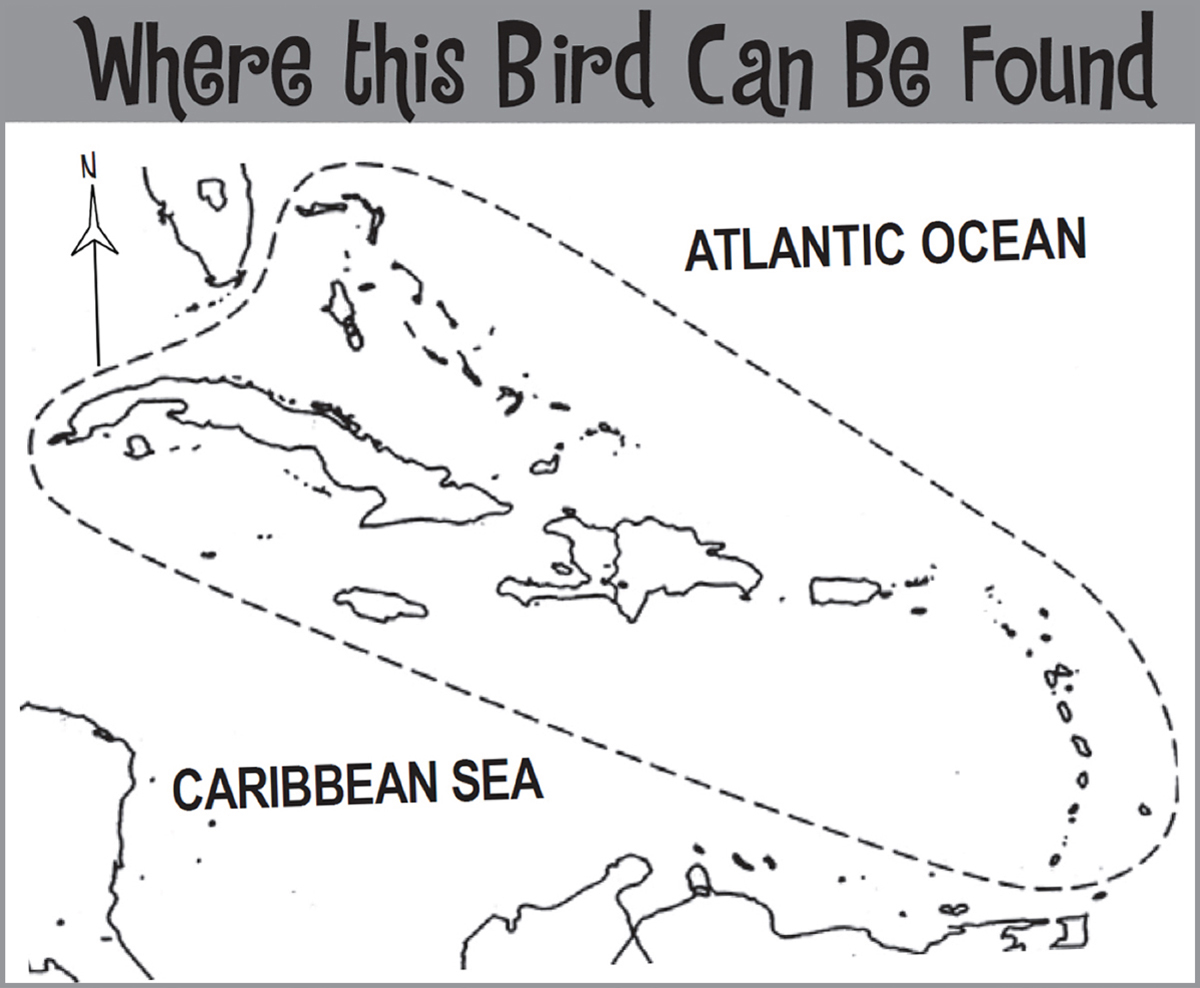
The most recent island-wide survey (2013) estimated the population at around 160 birds (range: 107–229), a level that has remained dangerously low since surveys began in the mid-1980s. The dove now survives in just two small areas: dry forest on the southwest coast (Mt. Hartman Estate, Petit Bouc, Woodlands, Lower Woburn) and on the west coast (Perseverance, Woodford, Beausejour, Grenville Vale Estates, and Black Bay). Once connected, these populations are now separated by nearly 9 km of urban development, including the capital, St. George’s. Mt. Hartman National Park has long supported nearly half of all remaining birds.
In 1996, the government legally established Mt. Hartman National Park and the Perseverance Dove Sanctuary. Management by the Forestry and National Parks Department has included patrols, boundary maintenance, rubbish removal, signage, and predator control. These efforts have reduced some local threats, but the protected areas cover less than 10% of the dove’s remaining range—leaving the species highly vulnerable to ongoing habitat loss and degradation.


Despite two previous recovery and action plans and a management plan for the Perseverance–Beausejour area, progress has been slow. Habitat at Mt. Hartman continues to be lost to development—sometimes even within areas assumed to be protected. Predator-control programs have been suspended due to staffing and funding shortages, allowing mongoose populations to surge. The dove’s limited genetic diversity, driven by its small population size, raises further concerns about long-term resilience and disease vulnerability.
Bringing stakeholders together
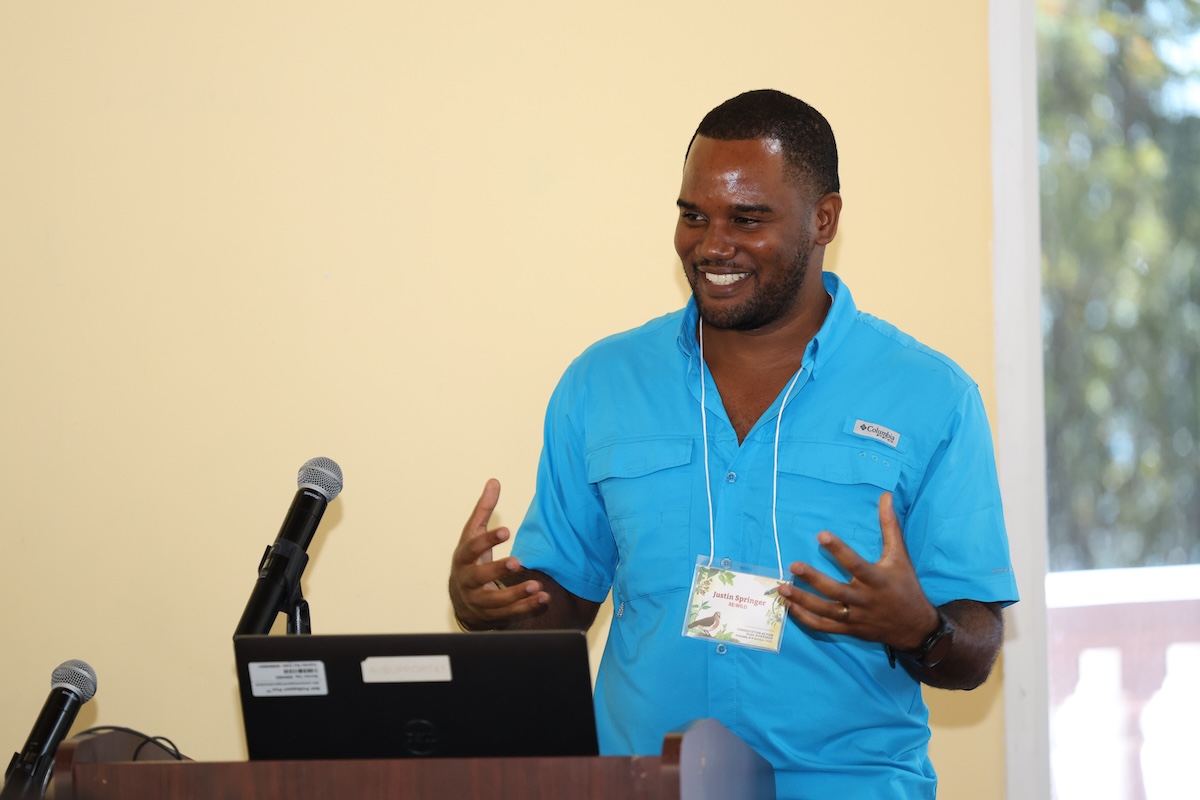
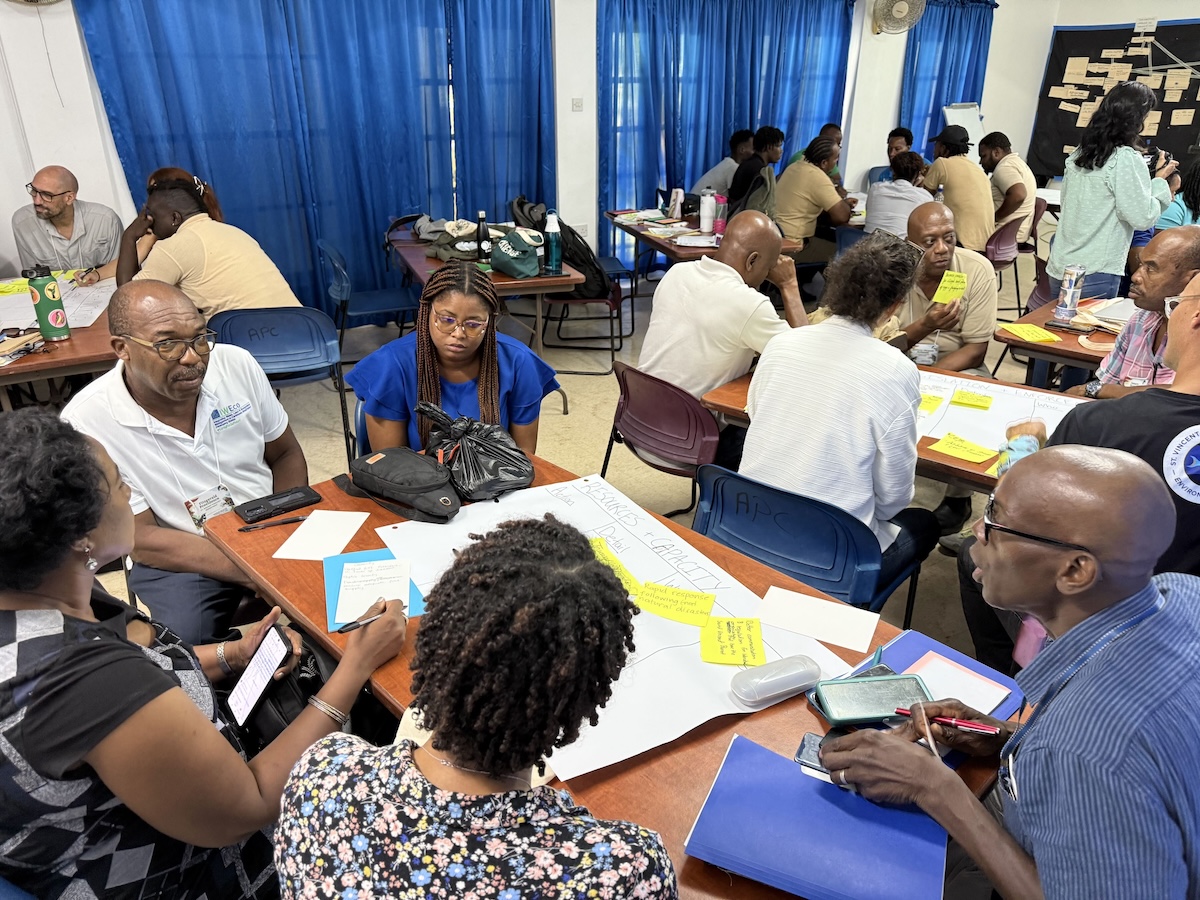
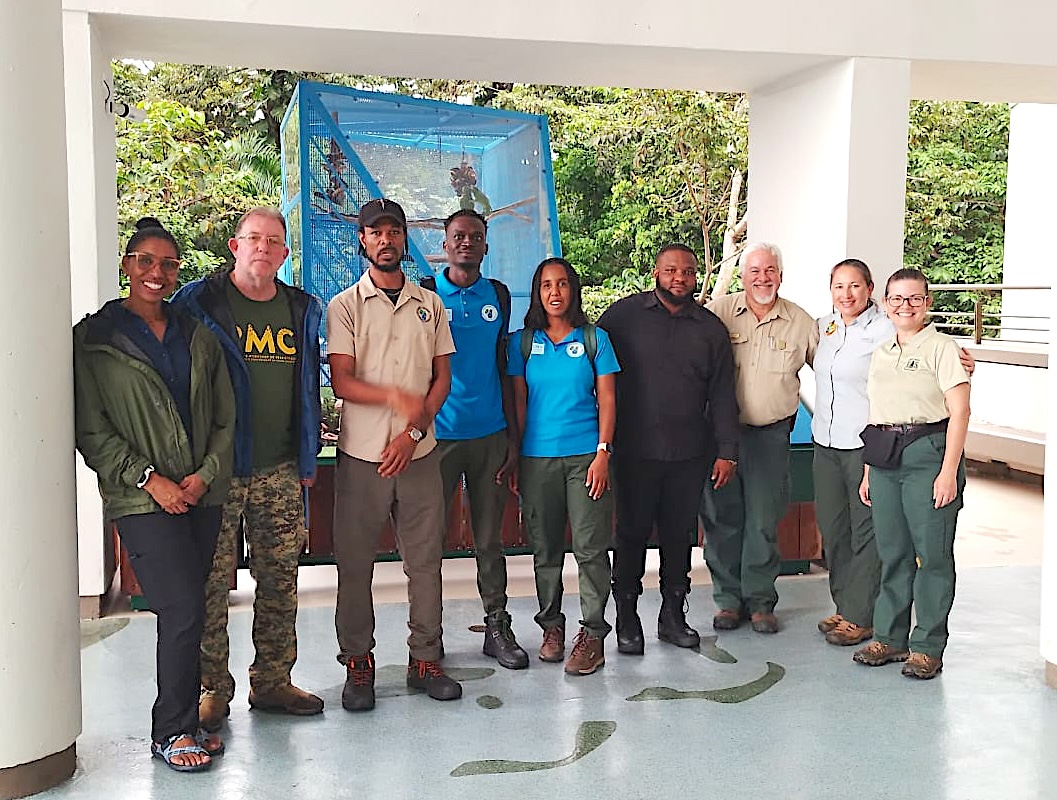
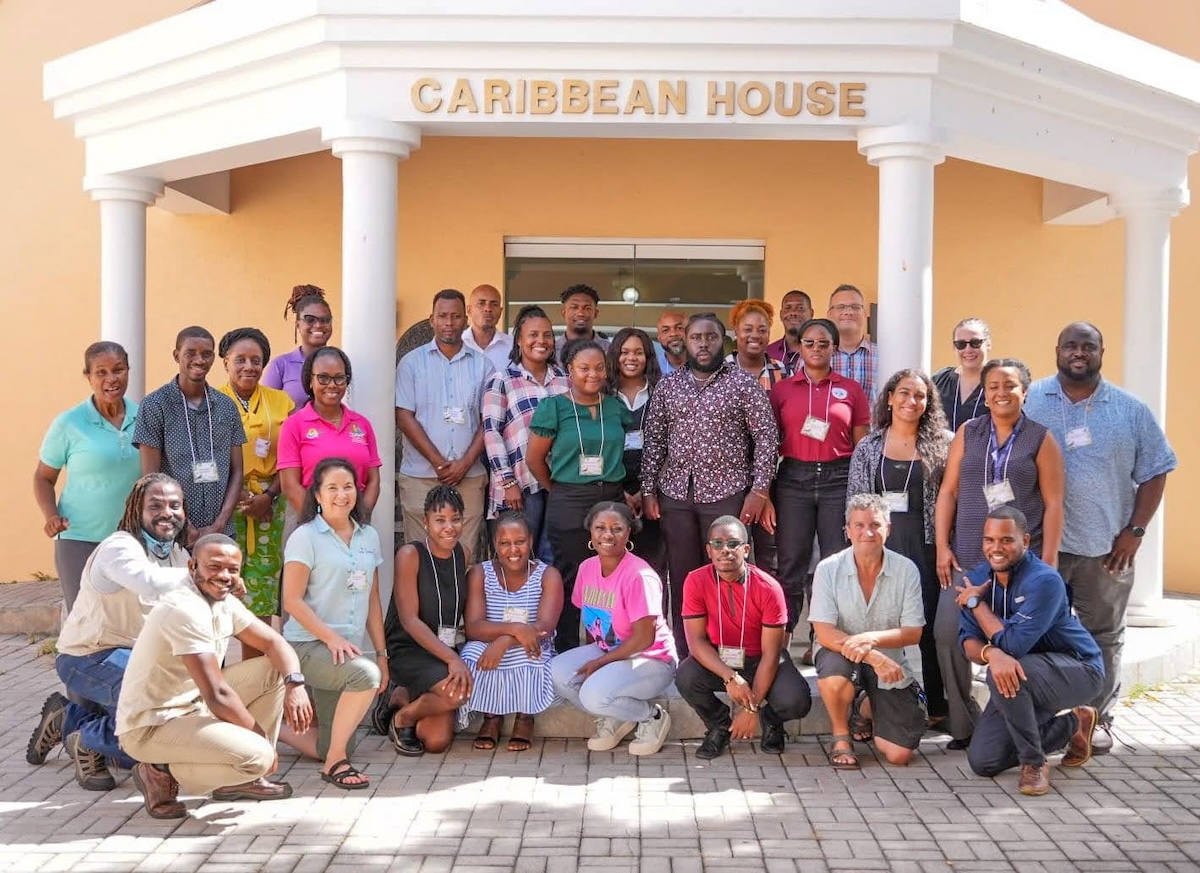
In response to this escalating crisis, more than 70 local and international experts, community members, conservation practitioners, government officials, and academics gathered in-person and online on October 8–9, 2025, for the Grenada Dove Conservation Action Planning (CAP) Workshop at St. George’s University. Organized by the Gaea Conservation Network and supported by American Bird Conservancy, BirdsCaribbean, and Re:wild, the workshop united diverse voices to assess threats, identify solutions, and chart a coordinated path forward for the dove’s recovery.
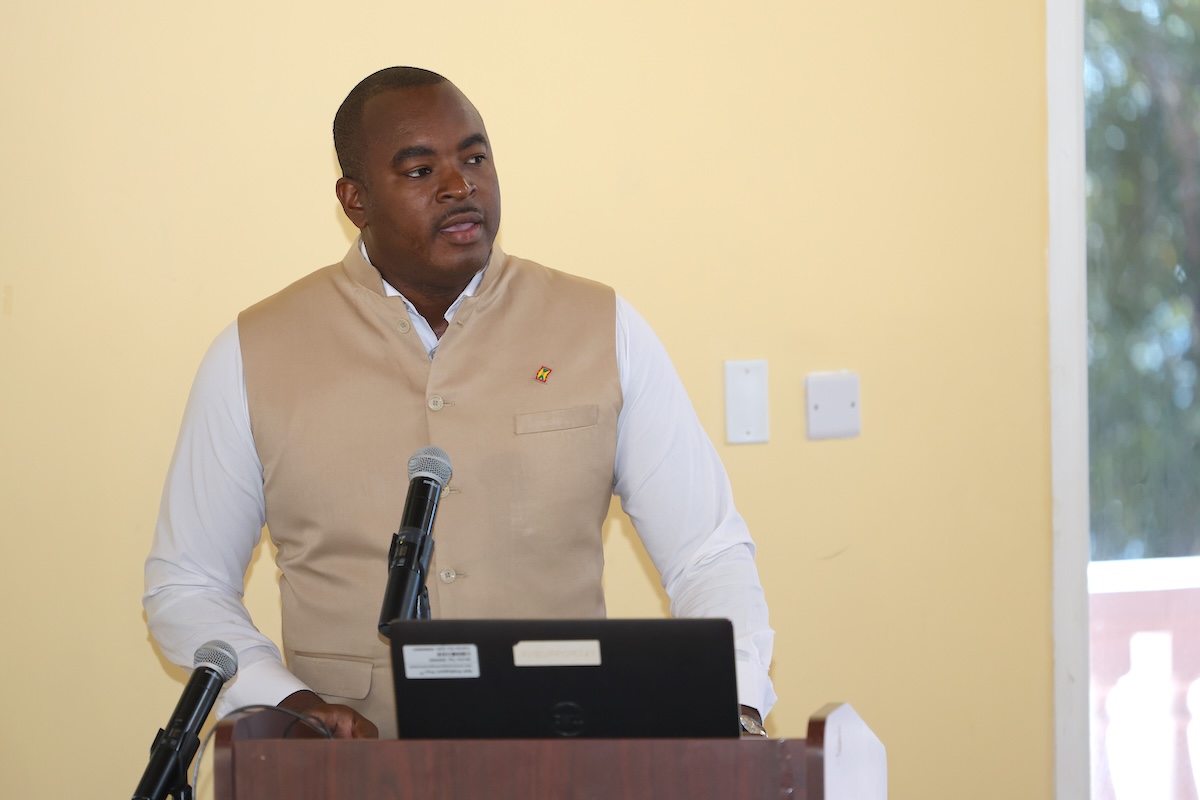


Participants included representatives from the Ministry of Climate Resilience, Forestry and National Parks Department, Grenada Fund for Conservation, Grenada Sustainable Development Trust Fund, Planning and Development Authority, Grenada Solid Waste Management Authority, St. George’s University, The Nature Conservancy, American Bird Conservancy, Re:wild, Fauna & Flora International, community and youth organizations.
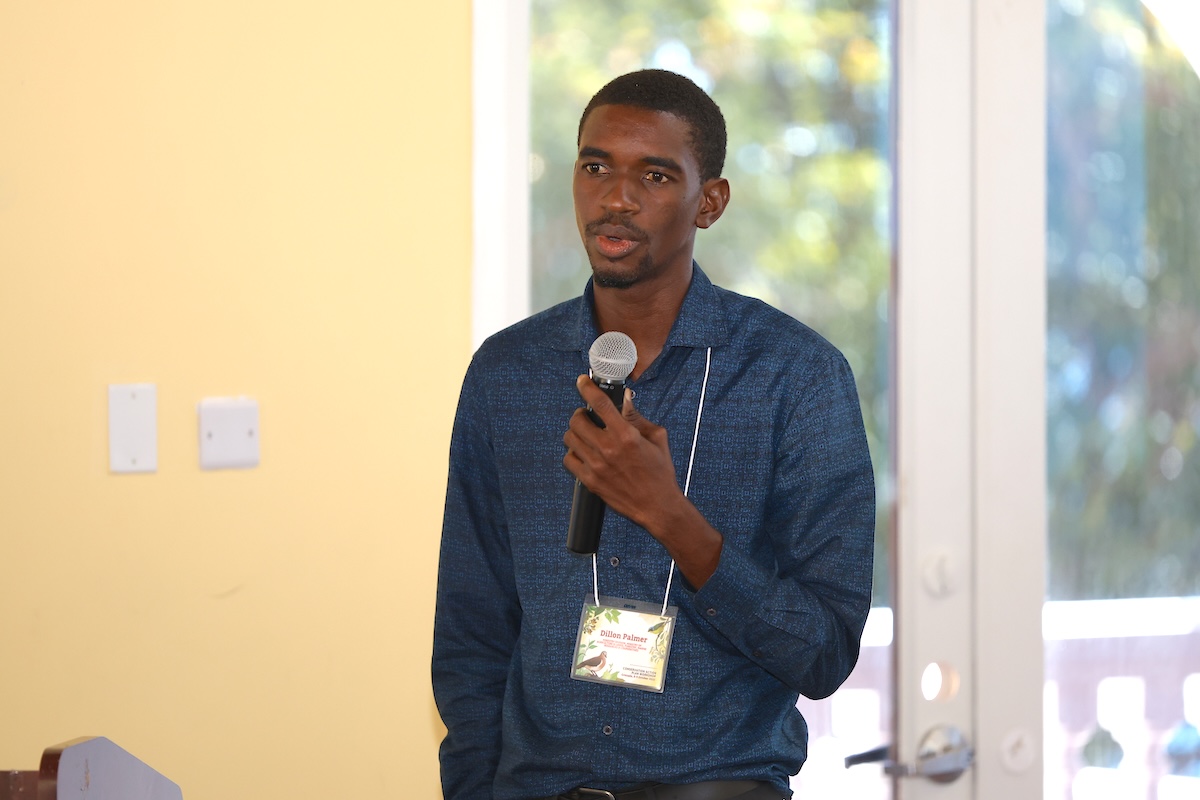


The breadth of participation reflected the growing national concern for the species’ fate.
A moral responsibility to protect the Grenada Dove
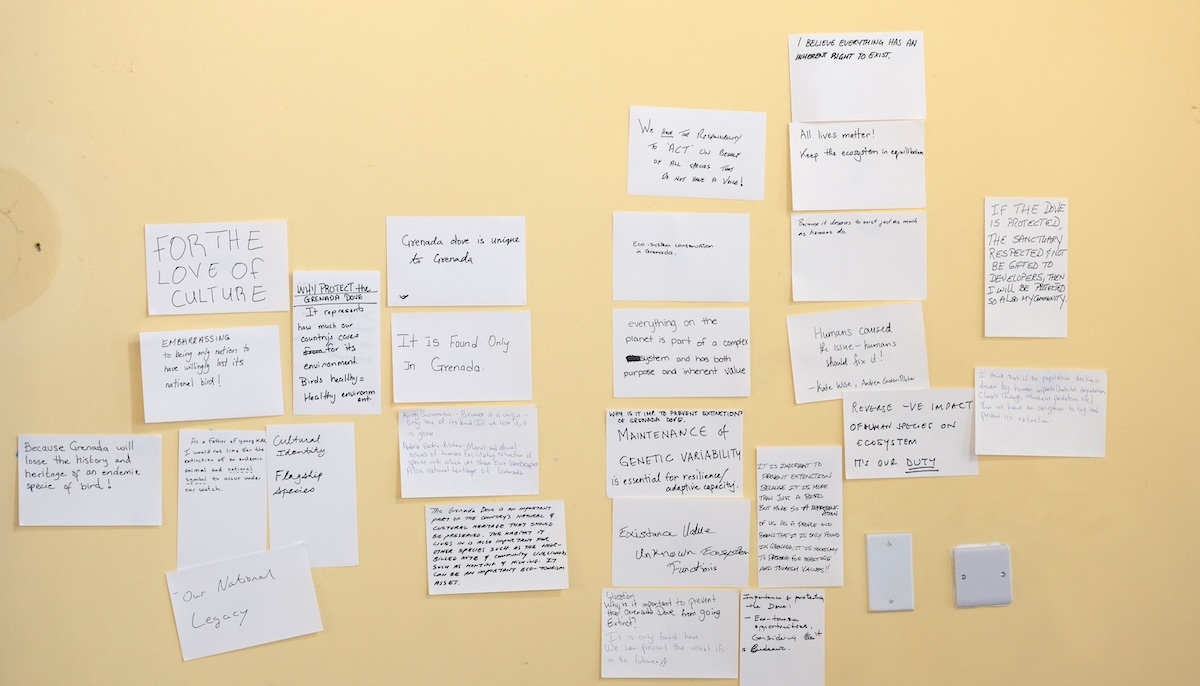
To frame the discussion, facilitator Justin Spring invited participants to answer one question: Why should we save the Grenada Dove? Their answers—rooted in ethics, ecology, heritage, and national pride—set a powerful tone for the workshop. Many emphasized the moral obligation to protect a species imperiled by human activity. “We have the responsibility to act on behalf of all species that do not have a voice,” and “Humans caused the problem – humans should fix it.”


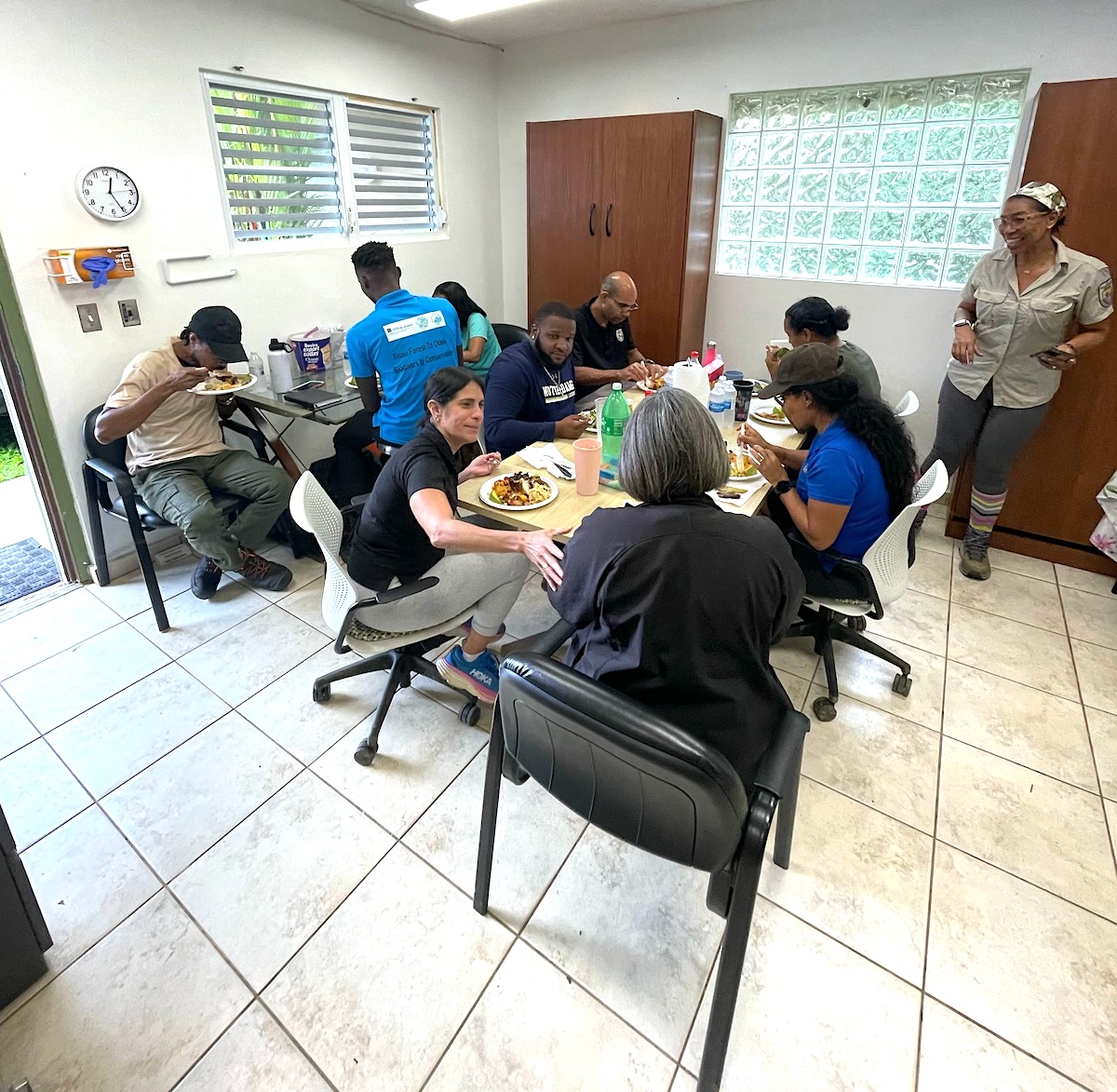
Each participant shared why conserving the Grenada Dove is important.


Others spoke about the dove’s ecological role, its cultural and economic value, and the responsibility to future generations not to allow an endemic species and national symbol to disappear. “Everything on the planet is part of a complex system and has both purpose and inherent value,” and “It is important to prevent extinction because it is more than just a bird, but more so a representation of us as a people and being that it is only found in Grenada, it is necessary to preserve it for heritage and tourism values,” and “As a father of young kids, I would not like for the extinction of an endemic animal and national symbol to occur under our watch.”
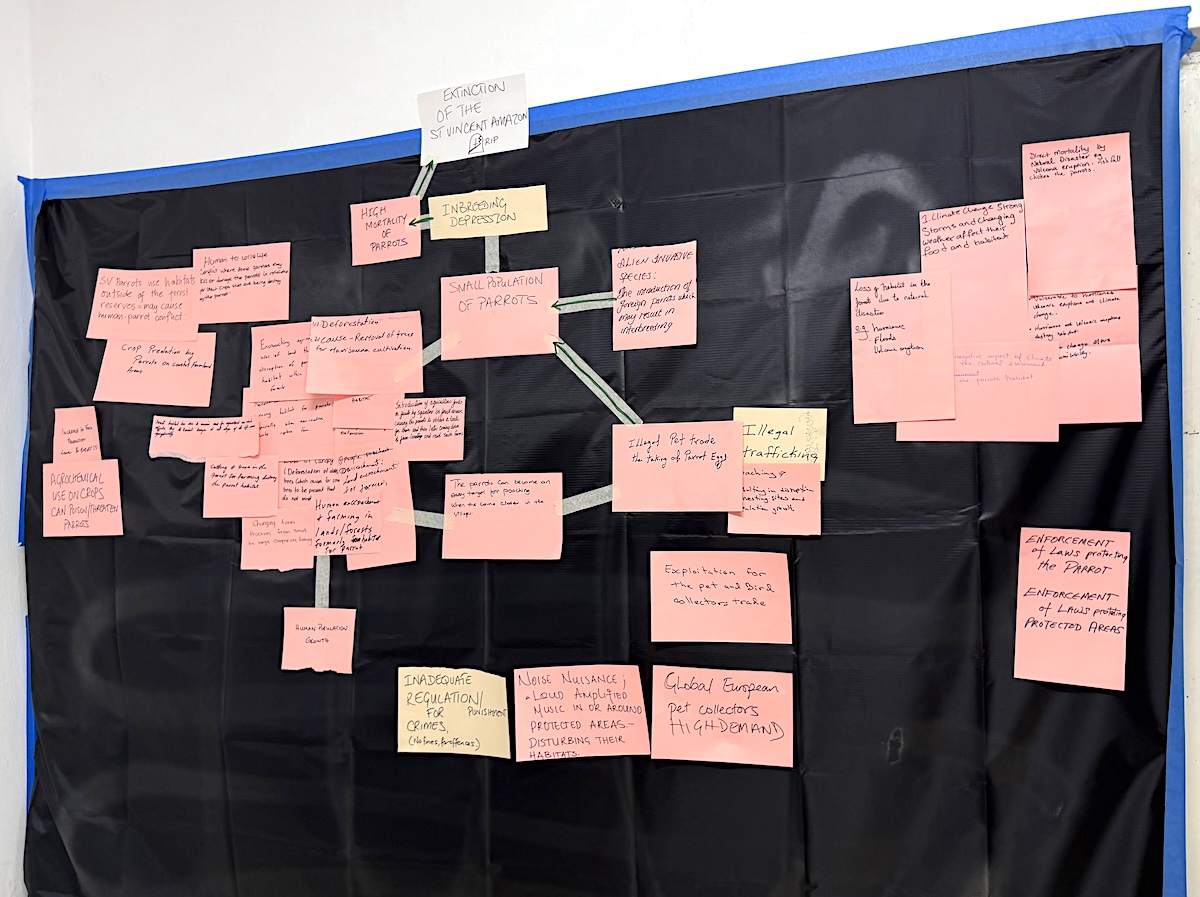
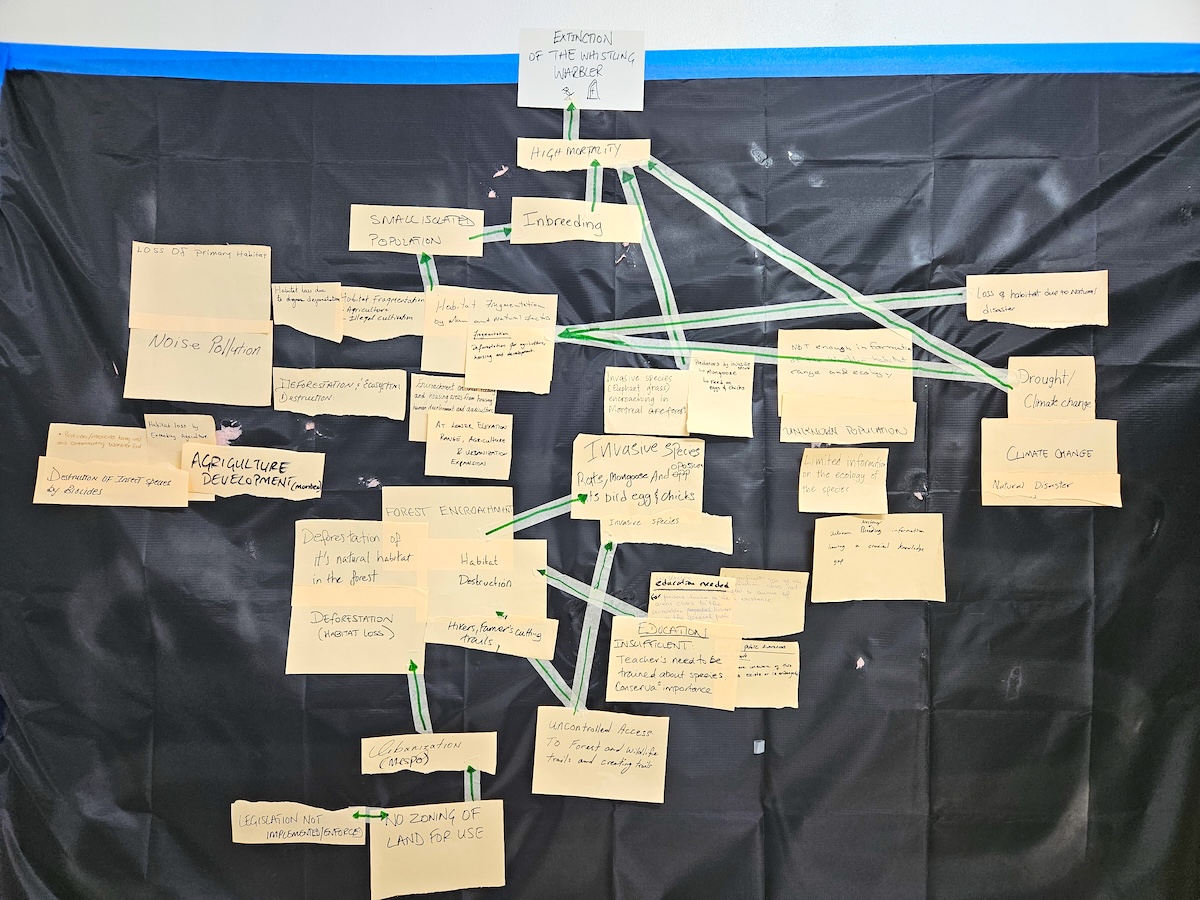
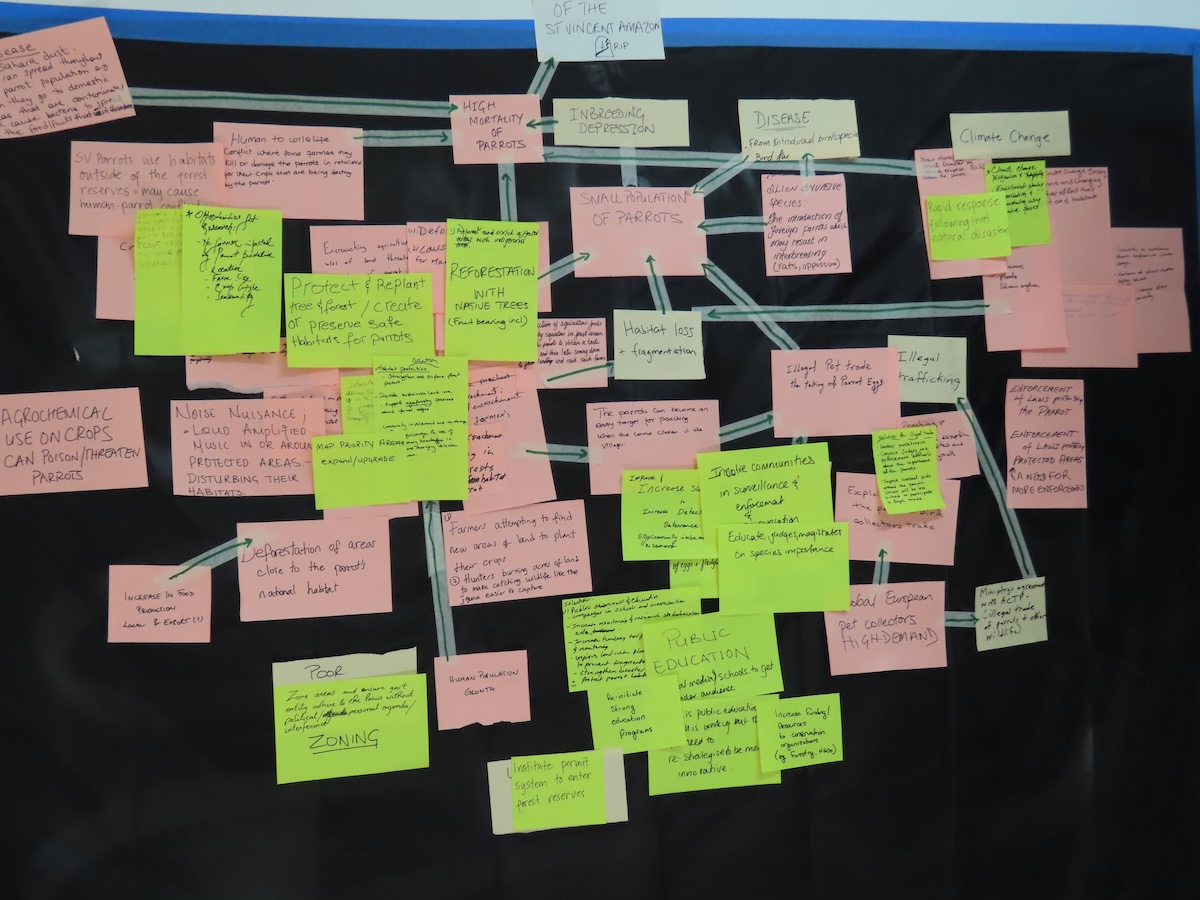
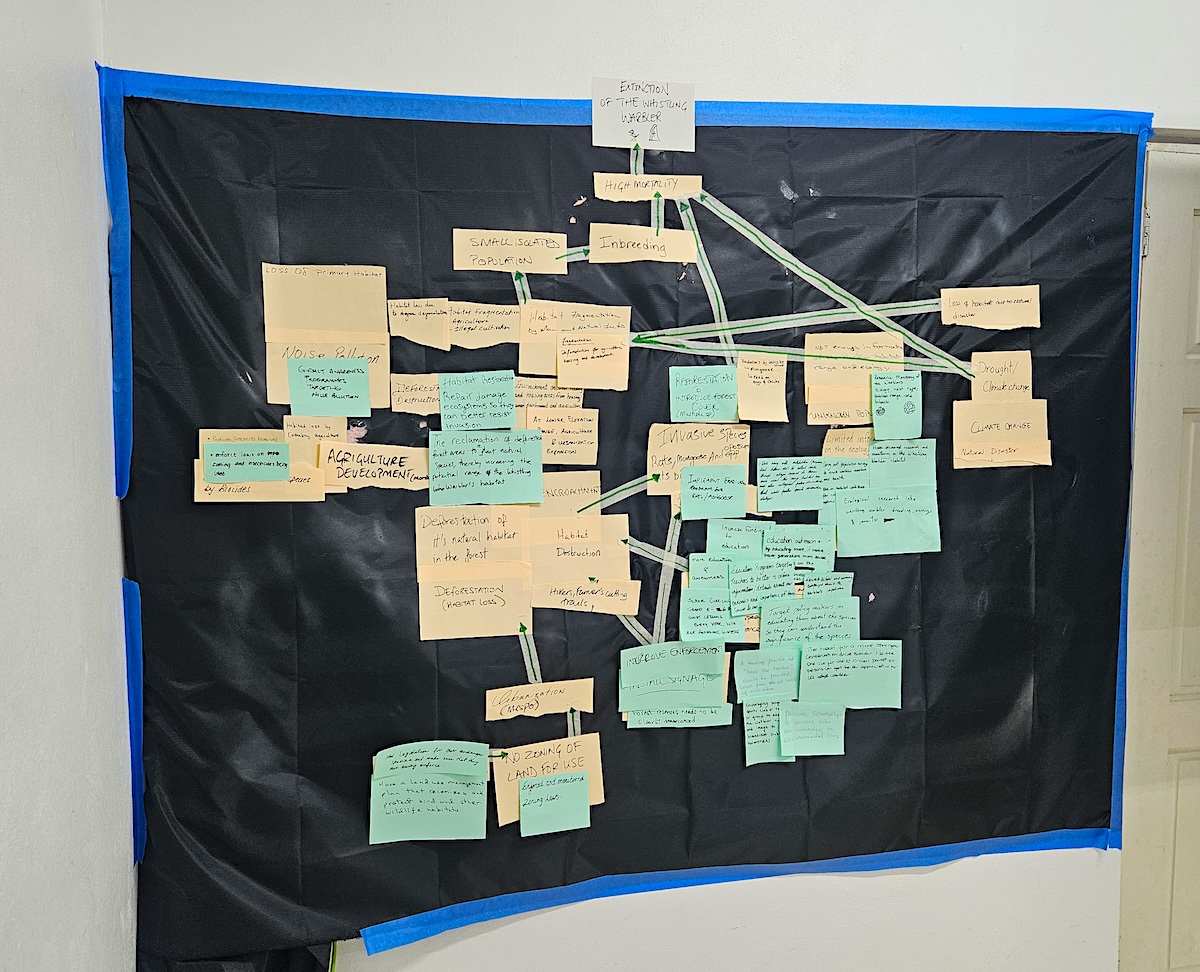
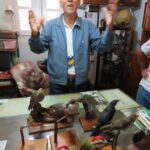
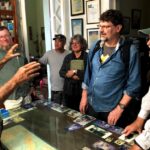
After a grounding session by Dr. Jody Daniel, President of Gaea Conservation Network, on dove ecology which covered identification, habitat needs, and current population status, participants engaged in a dynamic Fuzzy Cognitive Mapping (FCM) exercise. This visual, interactive tool helped stakeholders explore how threats overlap, amplify one another, and ultimately drive the species toward extinction.


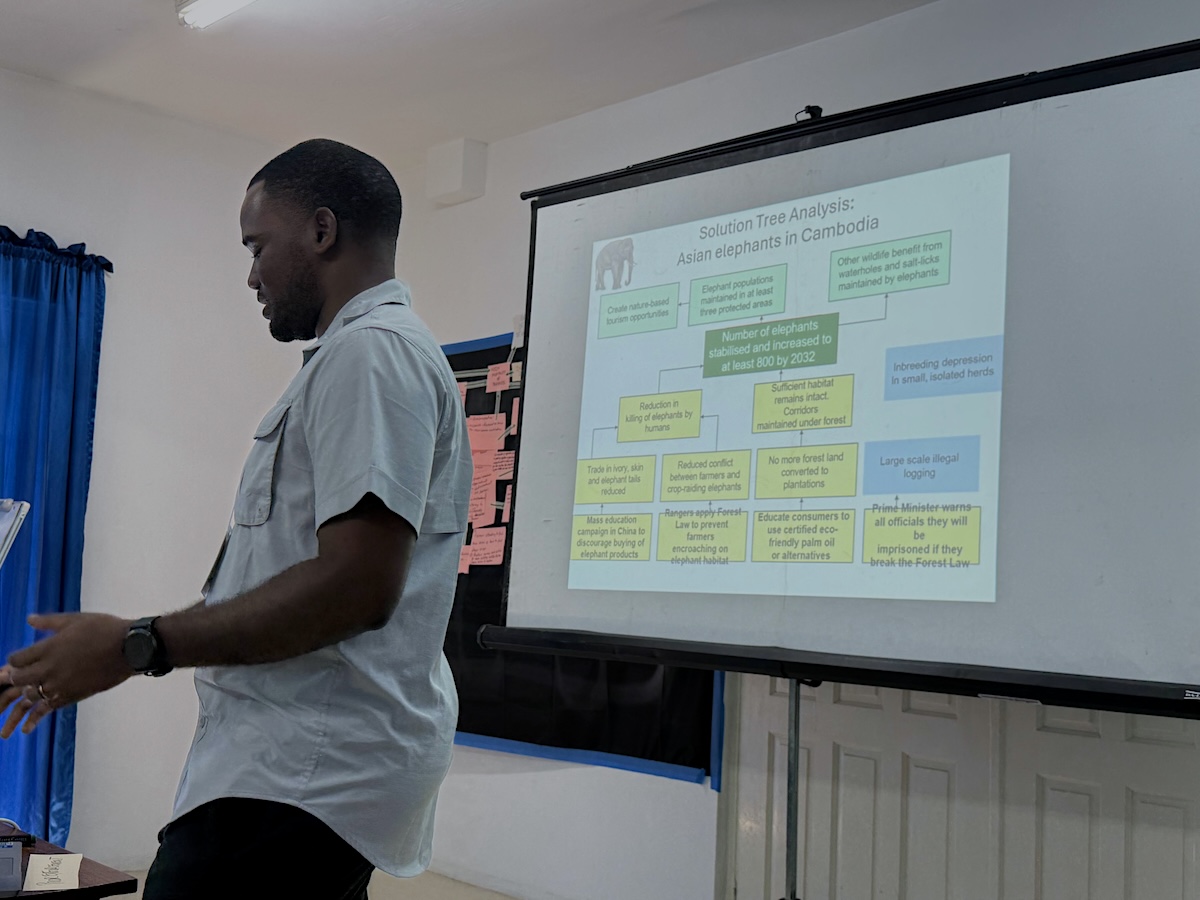
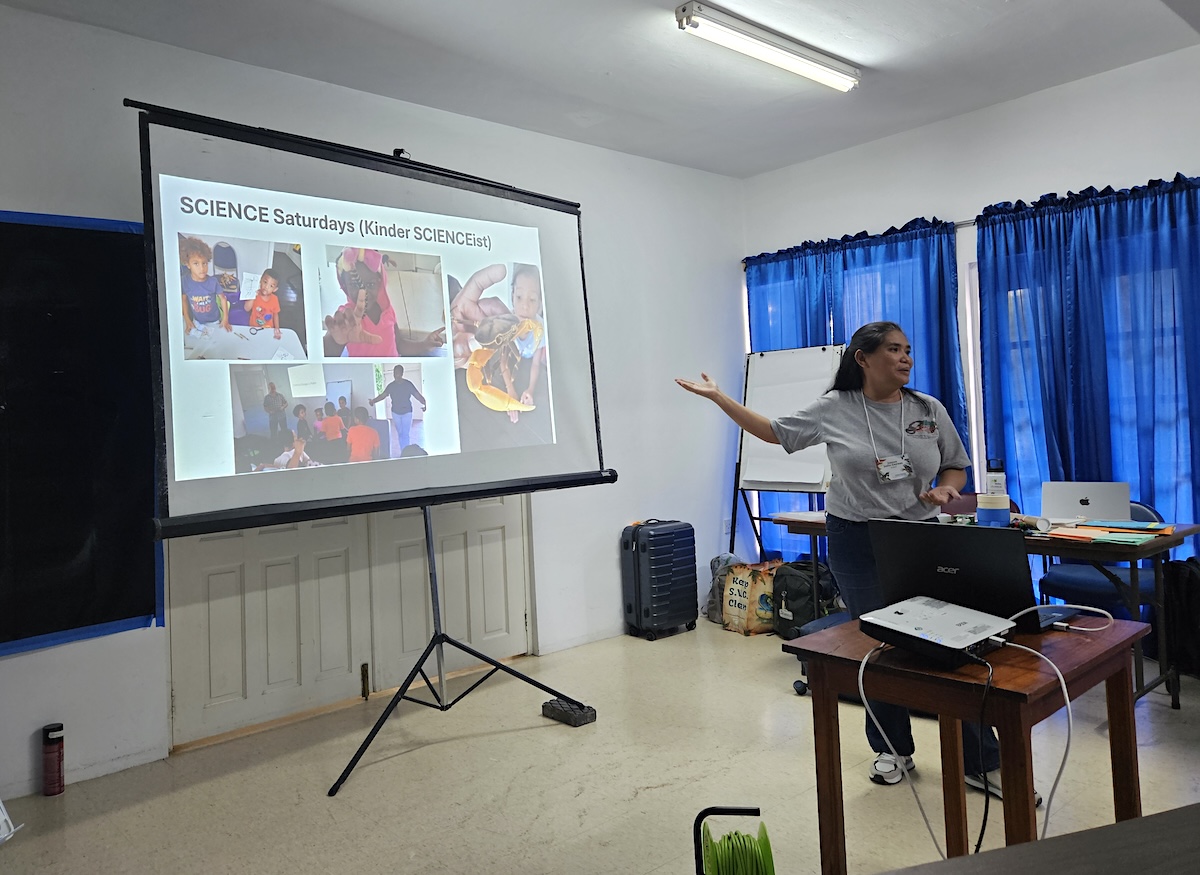
Dr. Jody Daniel explains how environmental threats interact. (Photos by Gaea Conservation)
Major threats identified
Habitat Loss and Degradation emerged as the most urgent threat. Land sales within Mt. Hartman, unclear boundaries, unregulated development, quarrying, illegal dumping, farming, and cattle grazing continue to shrink and fragment dove habitat. The Perseverance Sanctuary is impacted by its proximity to the national landfill, including boundary encroachment and toxic fumes from persistent landfill fires.
Invasive Predators—particularly the small Indian mongoose—pose a major threat to eggs, chicks, and adults. Cats and rats add further pressure. Without consistent predator control, predation remains dangerously high.
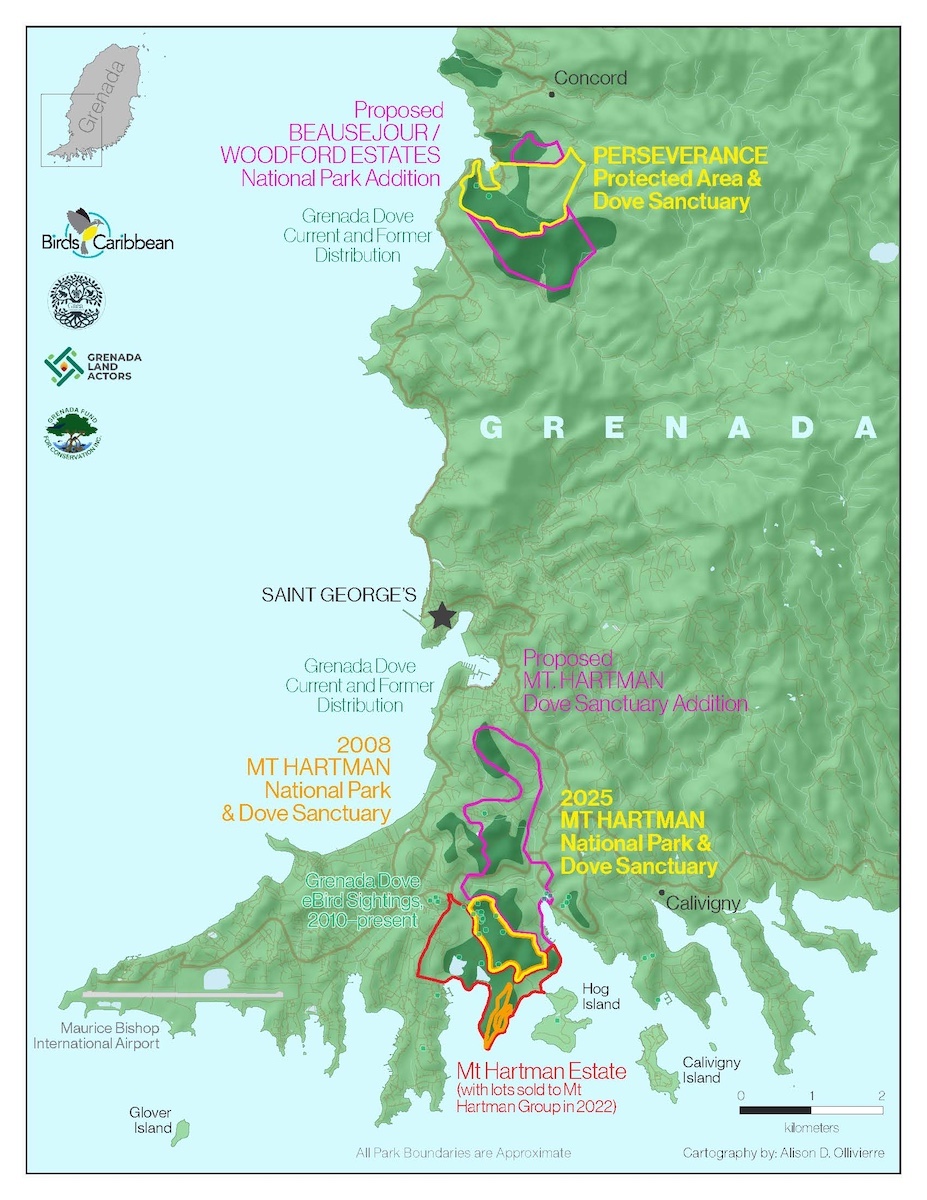
Lack of Enforcement and Policy Gaps were identified as a critical barrier. Although protections exist, they are not being enforced, and boundaries of Mt. Hartman National Park have become unclear—especially after the sale of part of the park in 2022 for resort development, a decision that shocked conservationists and the public. There is concern that even more of the land will be sold. Participants stressed the need for transparency, accountability, and public engagement to prevent further losses.
Limited Public Awareness about the Grenada Dove and it’s Critically Endangered status was flagged as a serious threat. Participants agreed that it was vital to educate youth and communities to foster pride and stewardship—to help secure the future of the Grenada Dove.
Climate change and extreme weather was identified as a growing threat to the species’ survival. More frequent and severe hurricanes, fires, and periods of drought are expected to further degrade dry-forest habitat, reduce food and cover, and increase water scarcity for the dove. These escalating pressures will intensify the challenges already facing the species and make recovery even more difficult without swift, coordinated action.
Limited Monitoring and Insufficient Data—including outdated surveys and incomplete reproductive data—hinder effective conservation.
Finally, low genetic diversity due to the dove’s small population size increases vulnerability to disease and environmental change.


A roadmap for solutions
Participants then shifted to a Solutions Analysis, developing a “Solutions Tree” to match actions to each identified problem. These solutions formed the foundation of the 10-year goal, objectives, strategies, and actions of the forthcoming Grenada Dove Conservation Action Plan.
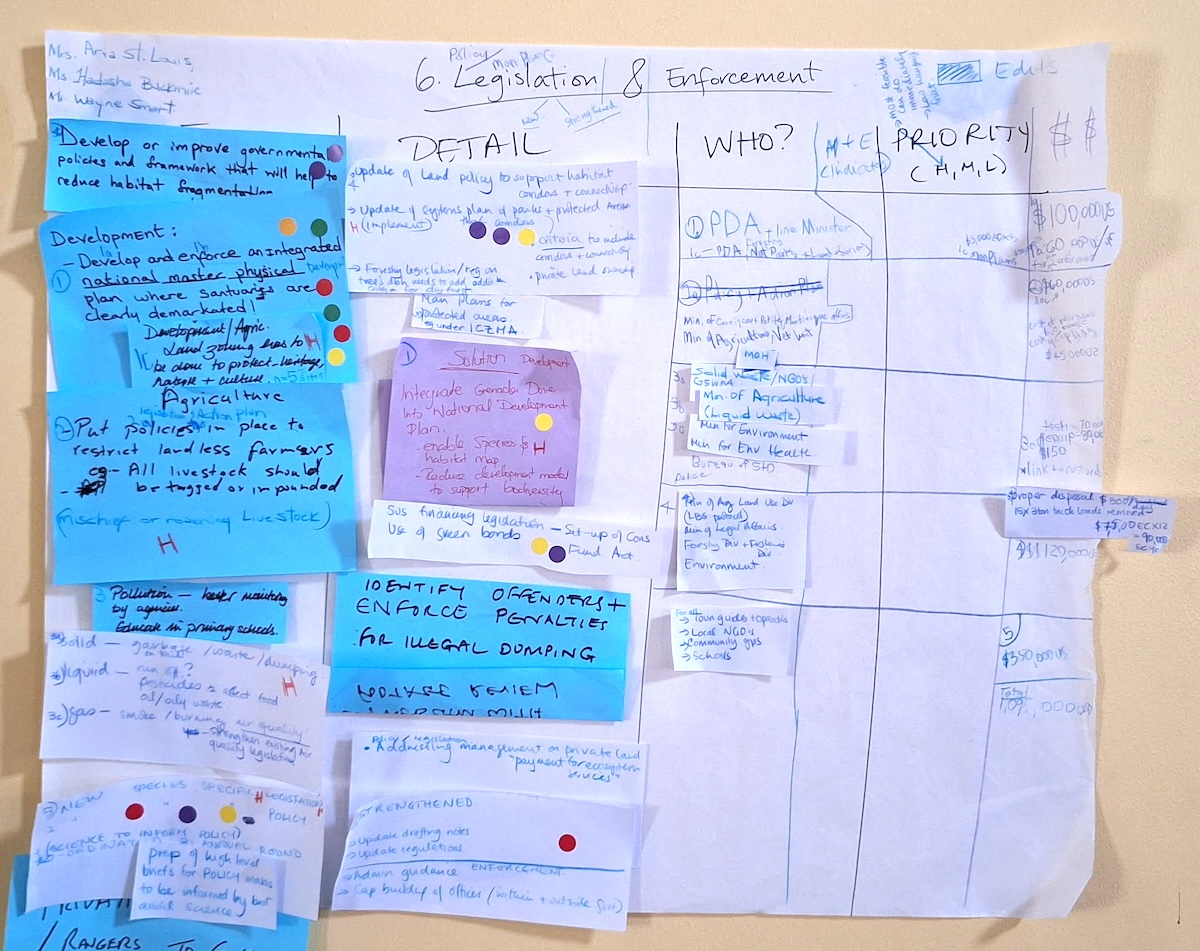
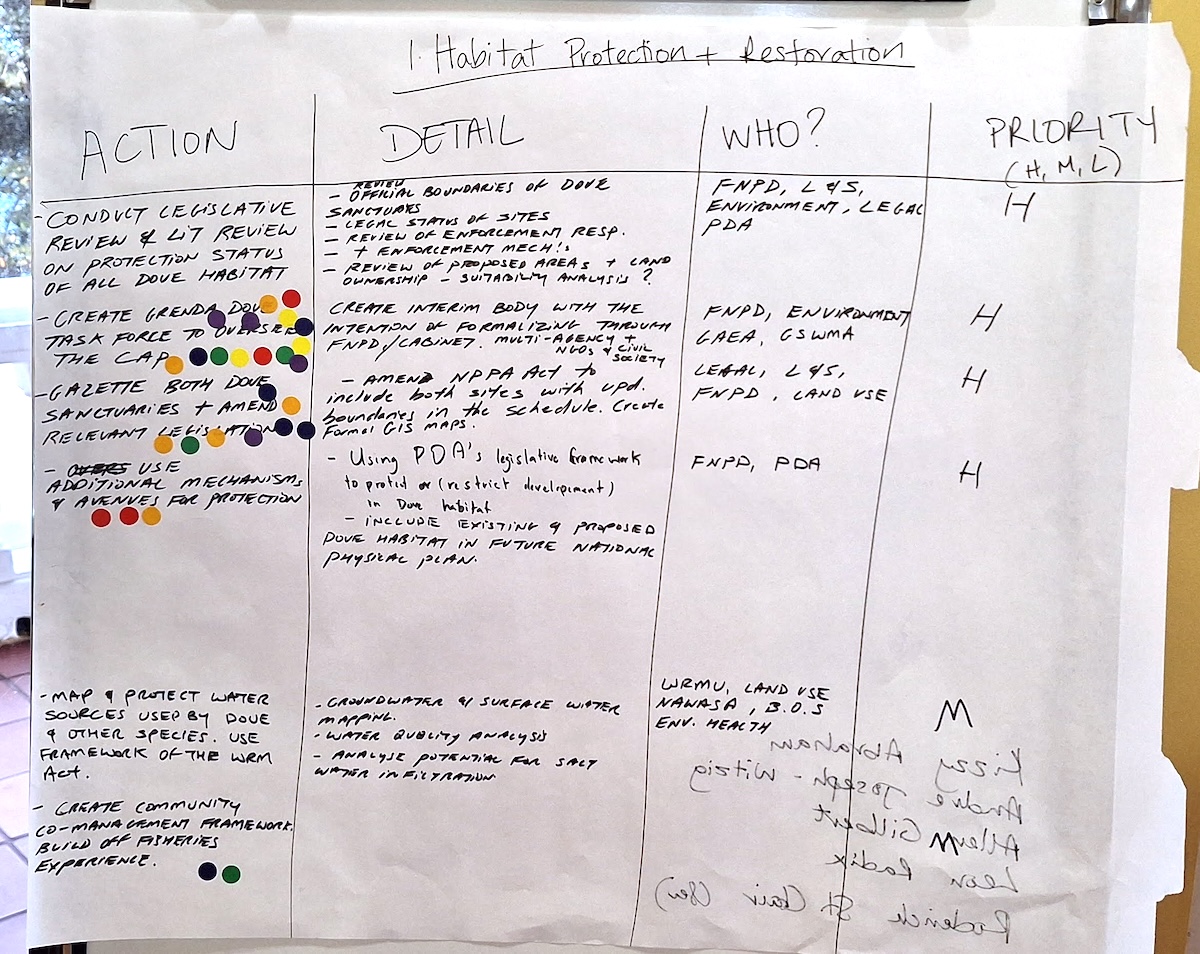
One of the highest priorities identified was improved legislation and enforcement to ensure the long-term conservation of the Grenada Dove and the protection of its habitat. Clarifying the boundaries and enforcing the protected status of Mt. Hartman National Park and the Perseverance Dove Sanctuary is essential for safeguarding remaining habitat. It’s also critical that no further dove habitat is lost to development. Participants also emphasized the need to expand protected dry-forest habitat, guided by recommendations in the Grenada Systems Plan, to increase the amount of habitat available to the dove.
Participants proposed that by 2035, 50% of the Grenada Dove’s critical dry forest habitat is protected, restored, and effectively managed by strengthened enforcement. Restoring degraded dry forest and reconnecting fragmented patches were also key recommendations. Addressing uncontrolled grazing, illegal dumping, and unauthorized land clearing will help improve habitat quality and ecosystem resilience.
Reinstating invasive predator-control programs—particularly mongoose removal—was highlighted as essential to improving survival and reproductive success.
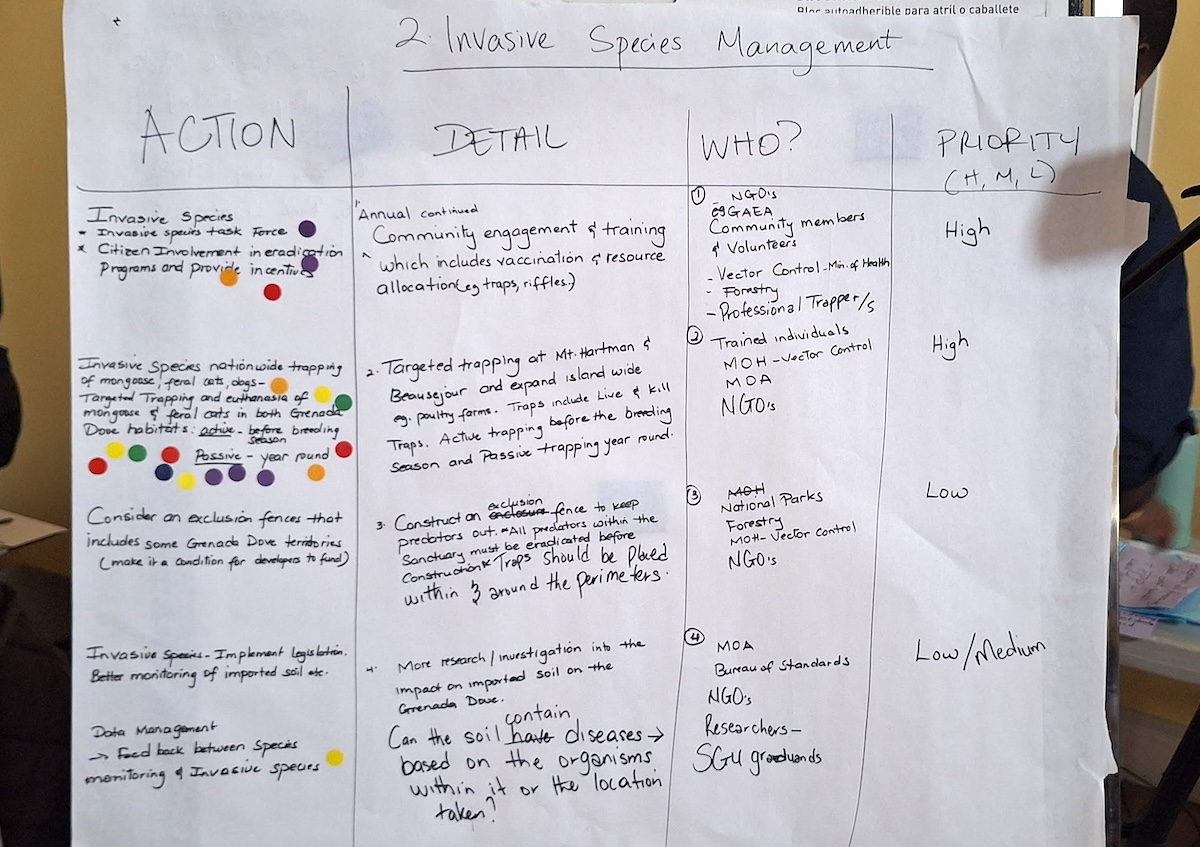
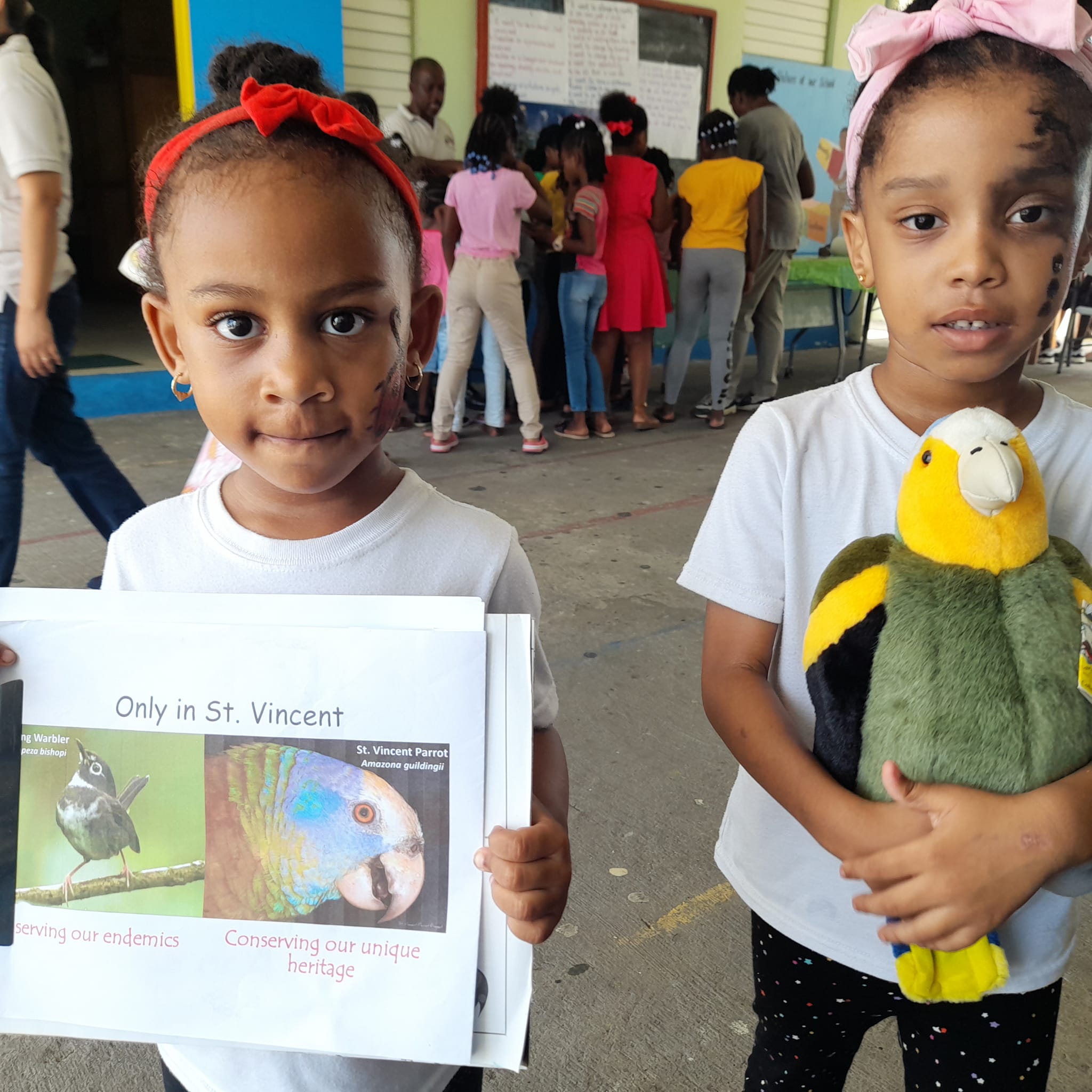
Education, empowerment, and local stewardship are essential. Participants recommended that targeted education and outreach programs should be developed to foster a culture of conservation and environmental stewardship, and to actively engage local communities, schools, and stakeholders in efforts to protect the dove and its habitat. Many community members expressed a desire to be more involved—especially youth groups eager to help protect their national bird.
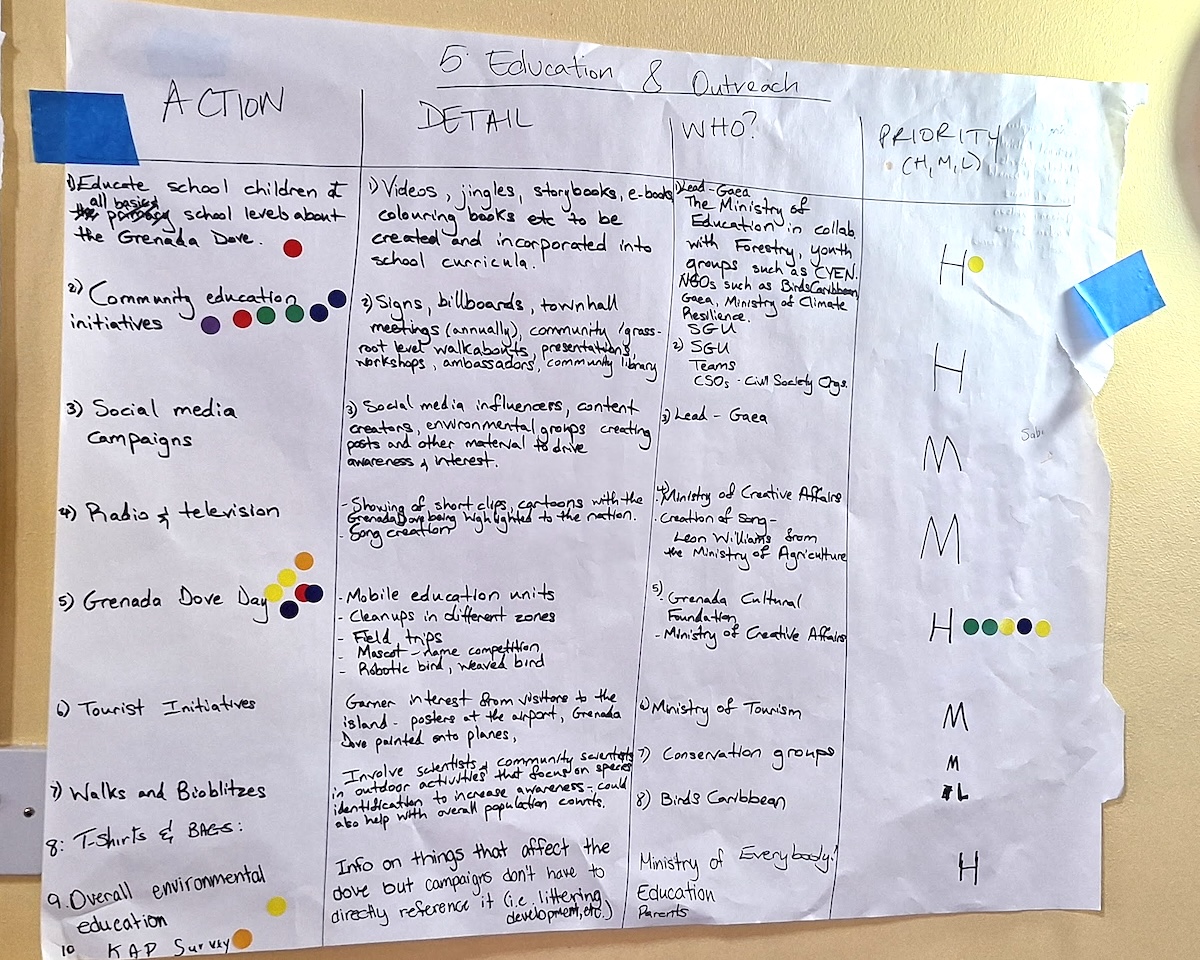
The group noted that the Forestry Dept and key public, private and civil society organizations will need to collaborate to secure the financial resources and human capacity required to conserve the Grenada Dove and its habitat.
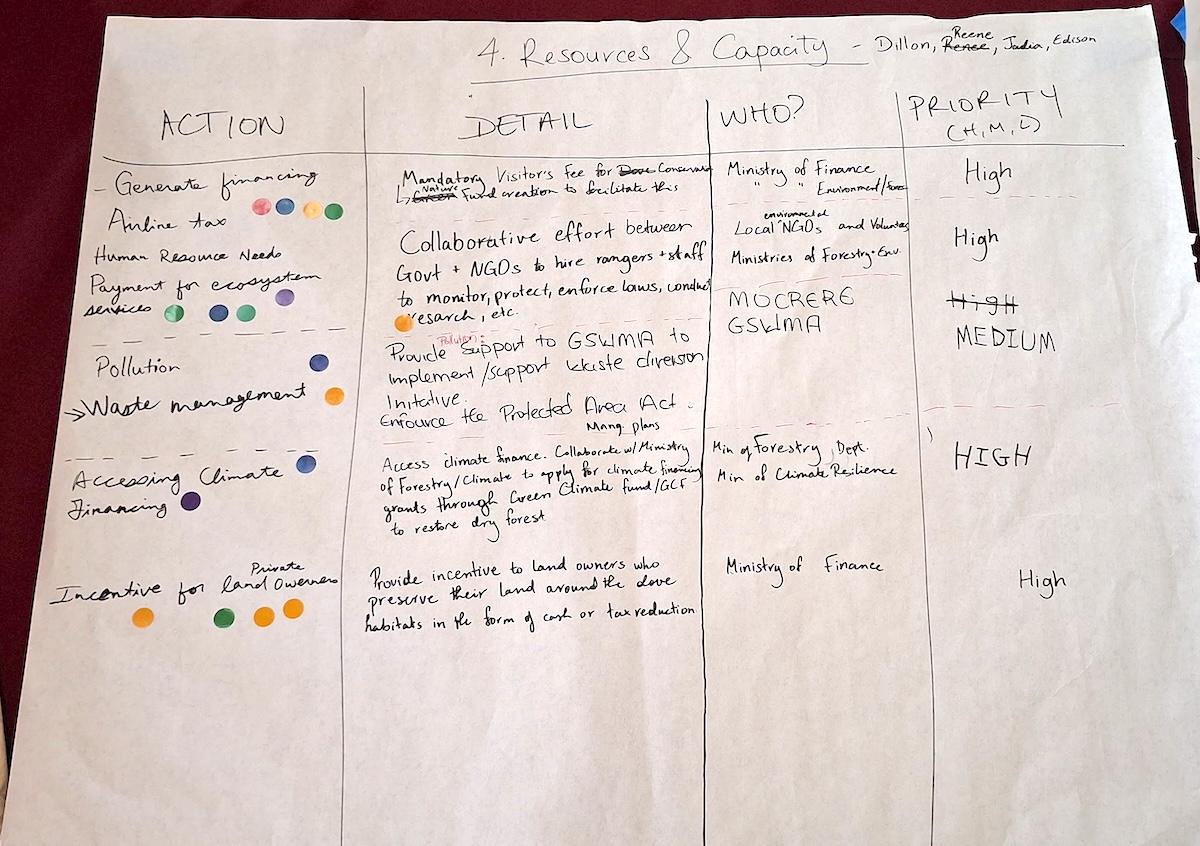
Finally, participants agreed that research and long-term monitoring will be vital to the dove’s recovery. Regular population surveys, nest monitoring, and habitat-quality assessments will help conservationists track progress, assess the effectiveness of management actions, and identify emerging challenges. These data-driven approaches will support adaptive management and informed decision-making.


A shared sense of urgency and hope
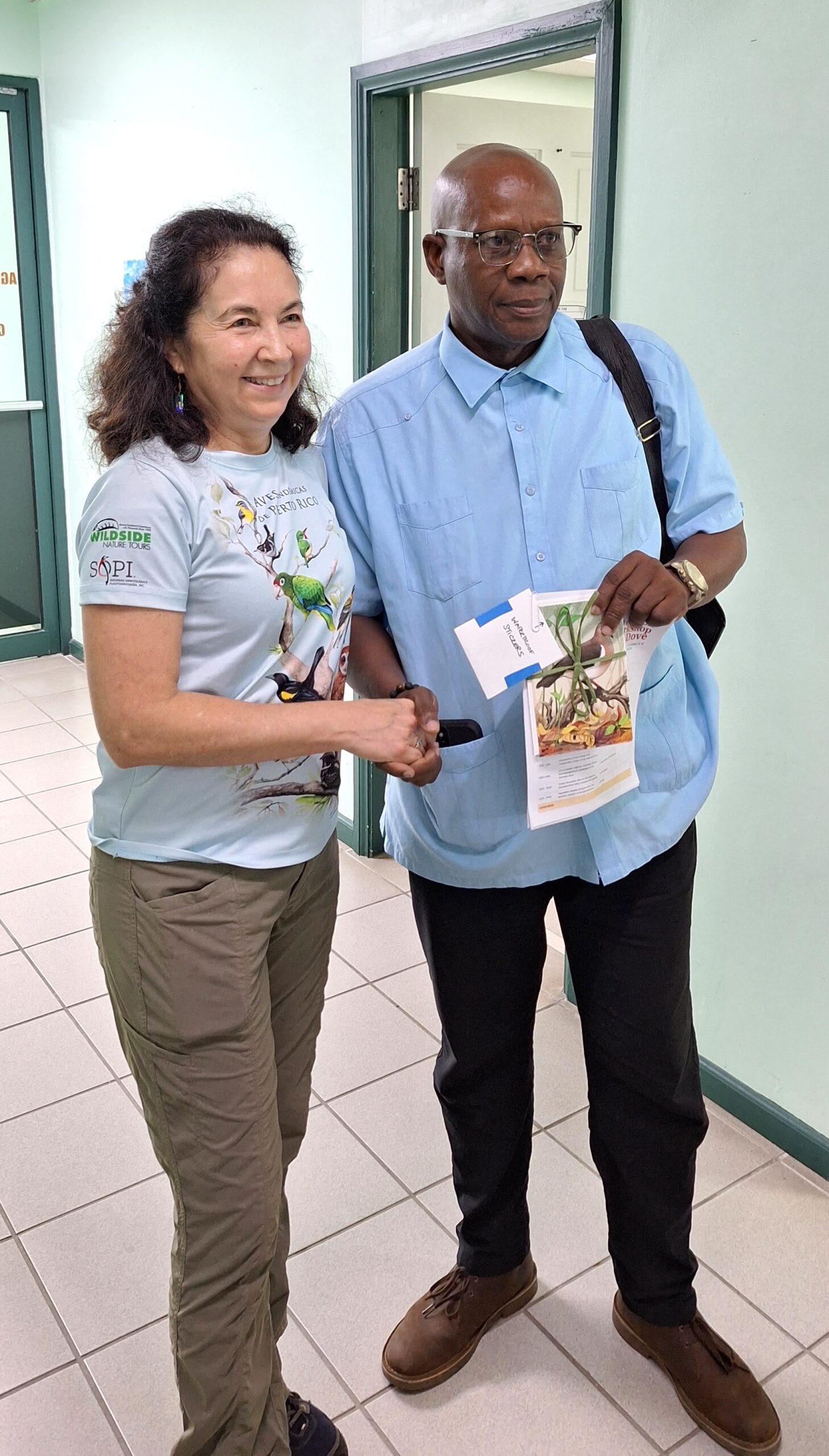
As the workshop closed, participants carried with them not only a sharper understanding of the dove’s precarious situation but also a renewed drive to act. The room was filled with a mix of urgency, excitement, and a growing sense of shared purpose—tempered by the recognition that saving the Grenada Dove will require sustained effort, collaboration, and significant resources.
As Lisa Sorenson, Executive Director of BirdsCaribbean, reminded participants: “The Grenada Dove is more than a rare bird—it’s a national treasure. Protecting it means defending the island’s dry forests, one of the most threatened ecosystems in the Caribbean.”
Jody Daniel, President of the Gaea Conservation Network, reinforced the power of partnerships: “Saving the Grenada Dove will take everyone—scientists, government, communities, and the tourism sector. We still have a chance, but only if we act decisively now.”
What comes next
A stakeholder committee—led by Gaea Conservation Network, the Ministry of Climate Resilience, Forestry and National Parks Department, BirdsCaribbean, and Re:wild—is now refining the workshop’s outcomes into a 10-year Conservation Action Plan (CAP). Once finalized and nationally endorsed, it will serve as Grenada’s roadmap for saving its national bird.
In the meantime, mongoose trapping will restart in January 2026, supported by the Mohammed Bin Zayed Foundation and UNDP. The committee is also working to raise funds for other high-priority actions, including education programs and monitoring to better understand current population status and reproductive ecology.
The Grenada Dove may be one of the world’s rarest birds, but its story is not yet finished. With united action, strong leadership, and community support, this gentle forest bird can still be pulled back from the brink.
To support this conservation work, please donate here (select “Grenada Dove Conservation” in the dropdown menu). Thank you!
To learn more about the Grenada Dove, view and download the Species Fact Sheet here.
Acknowledgements: The Grenada Dove Conservation Action Plan (CAP) Workshop was made possible through the generous support of our sponsors, including American Bird Conservancy, BirdsCaribbean, and Birding the Islands. The workshop organizing was led by Gaea Conservation Network, Re:Wild, Grenada Fund for Conservation Inc., St. George’s University, Fellows in Caribbean Academic Leadership, and BirdsCaribbean. We sincerely thank everyone who participated in the CAP Workshop—both in-person and online. Your time, enthusiasm, dedication, and numerous comments and insights were essential to completing the action planning process.
For updates on this and other BirdsCaribbean programs, join our mailing list. We promise to send only inspiring Caribbean bird news—no spam. Click here to sign up!