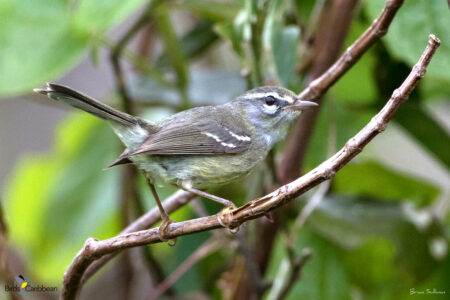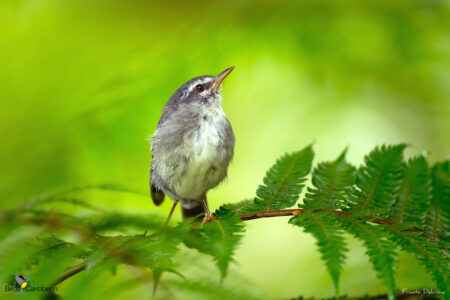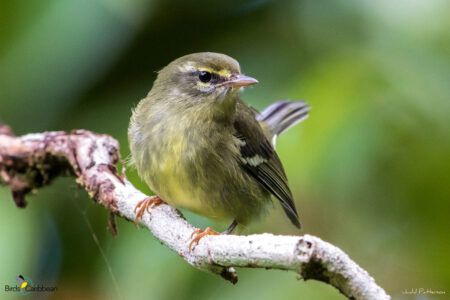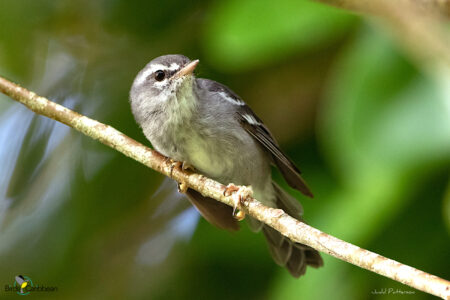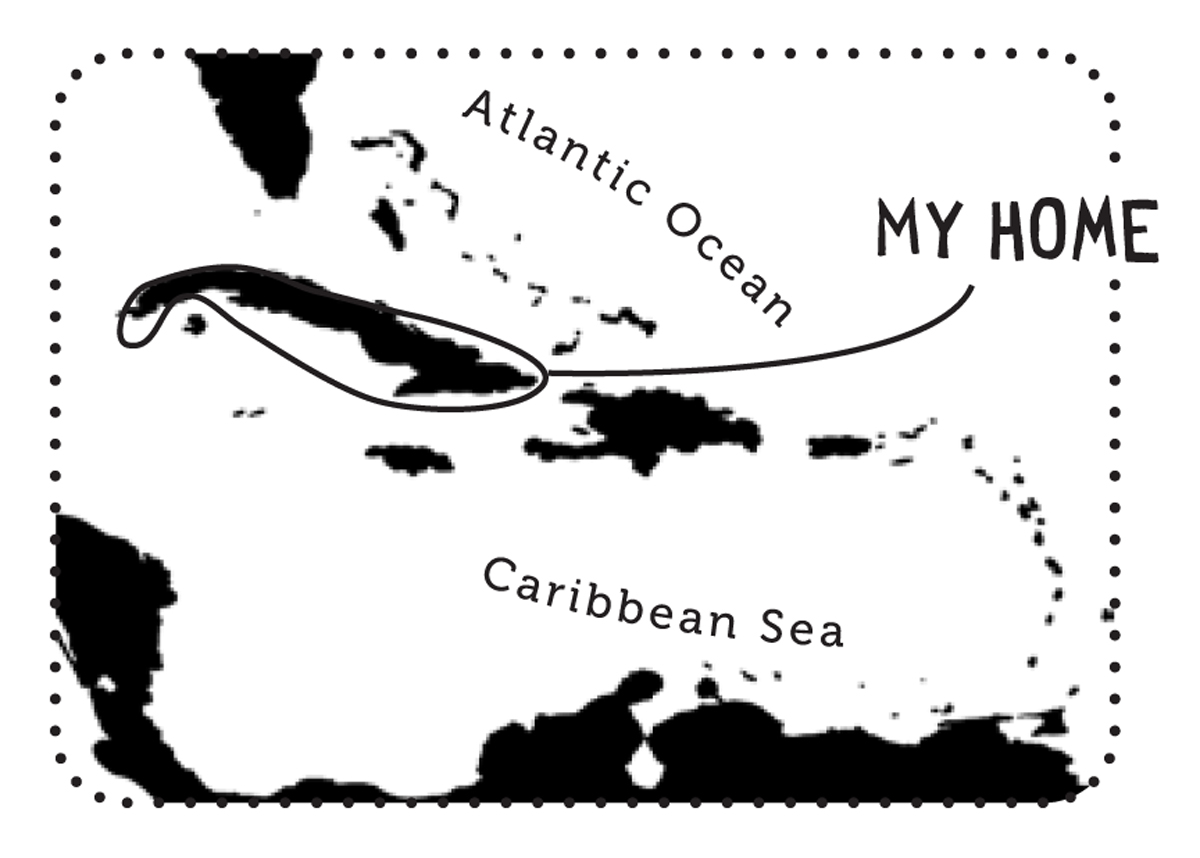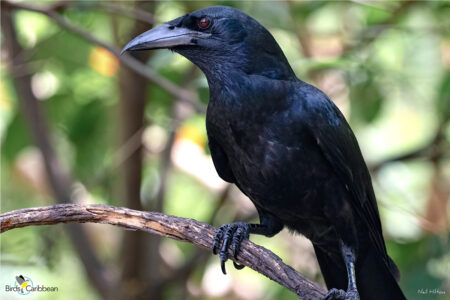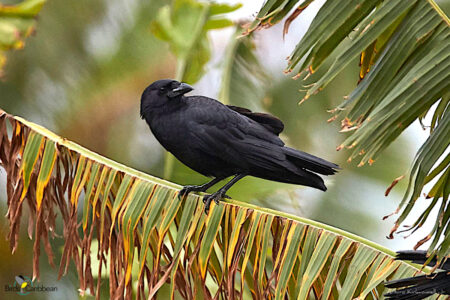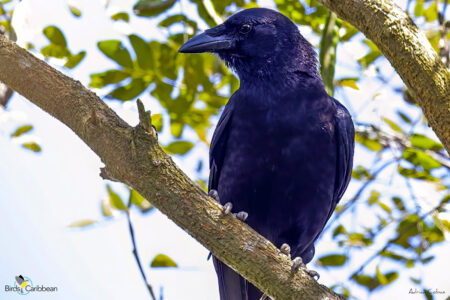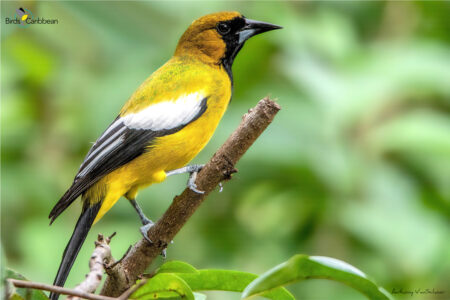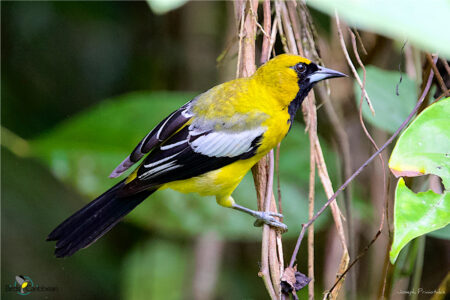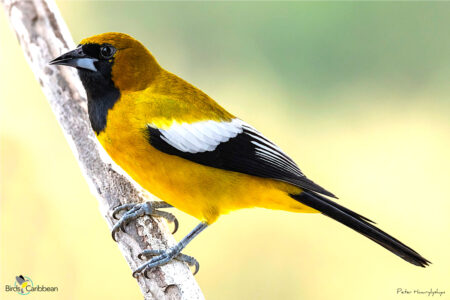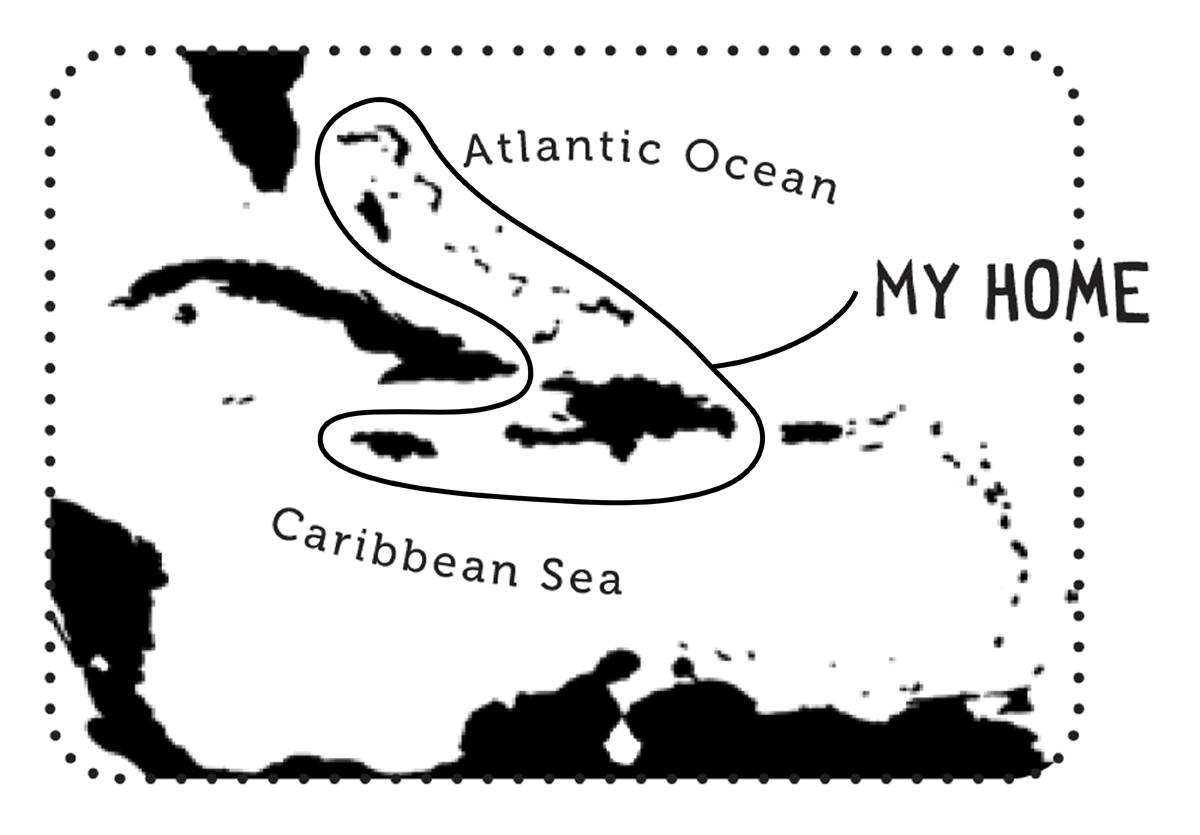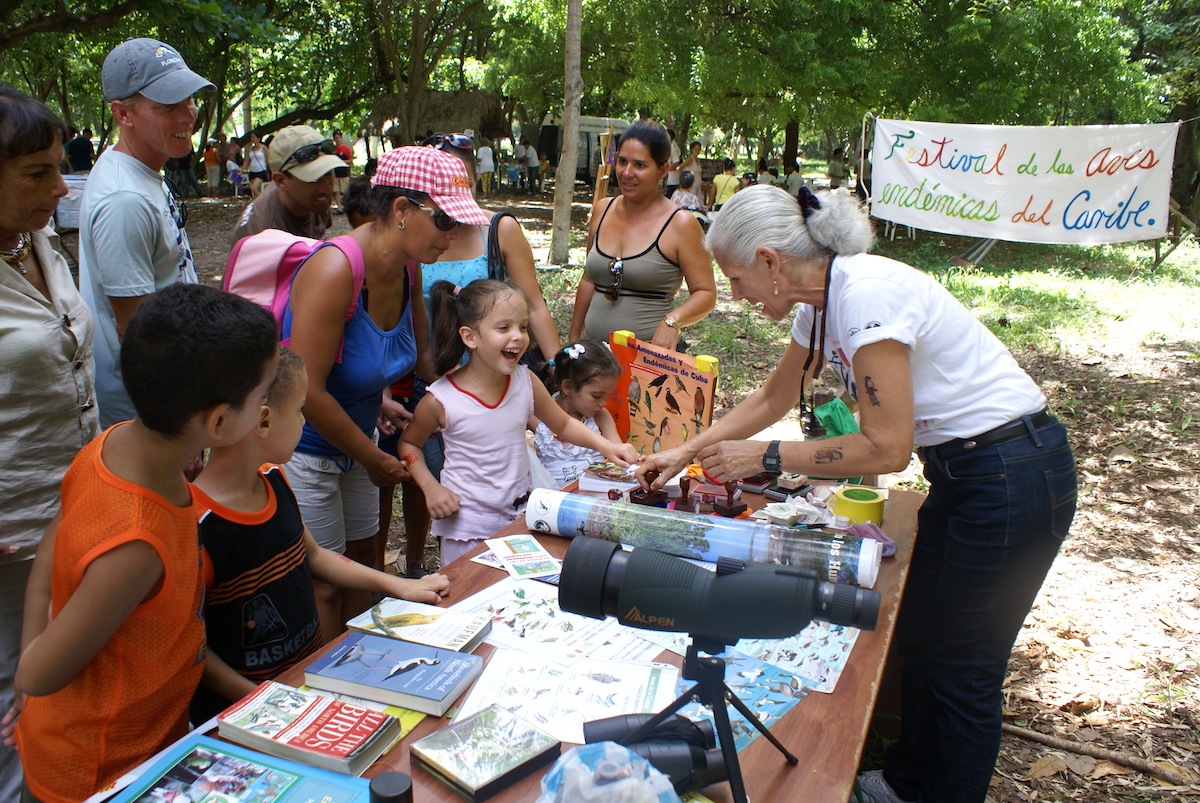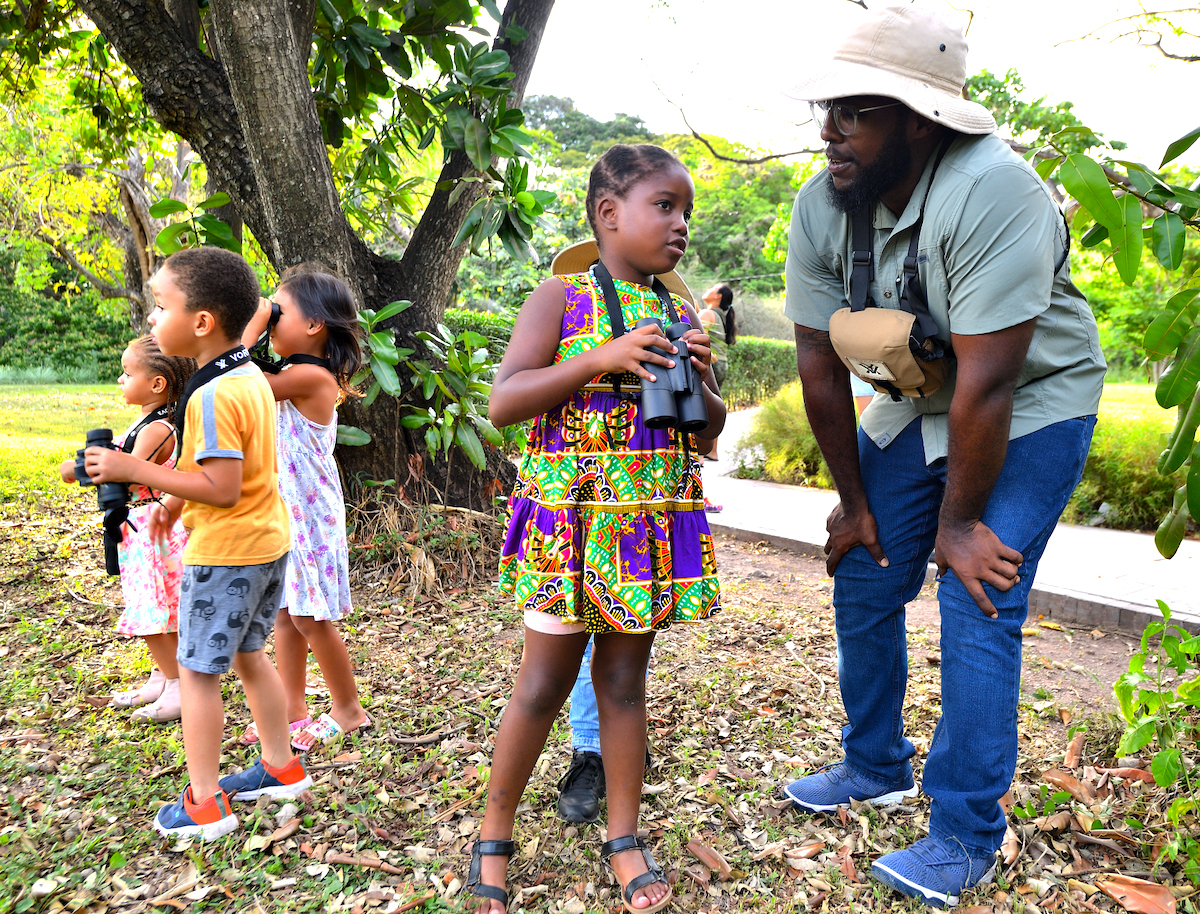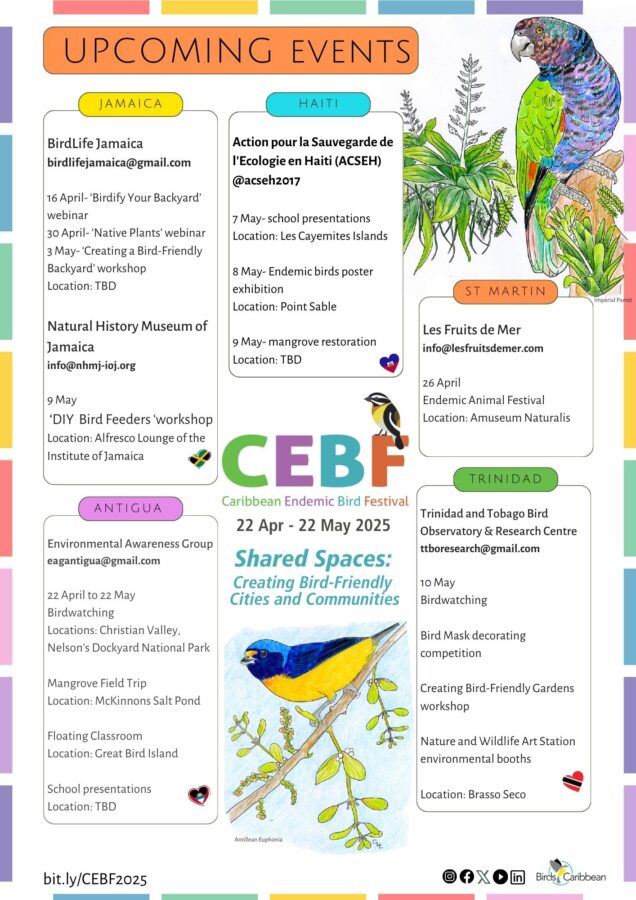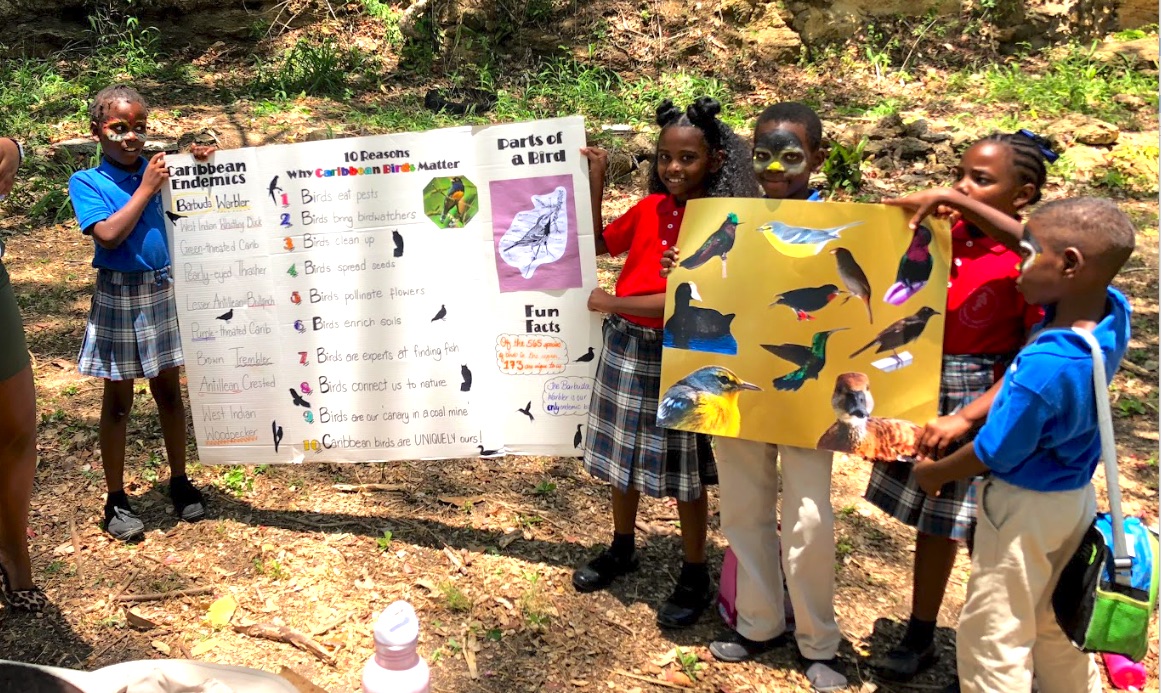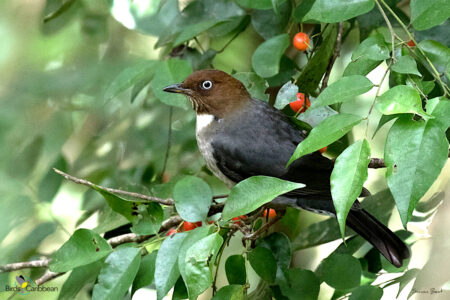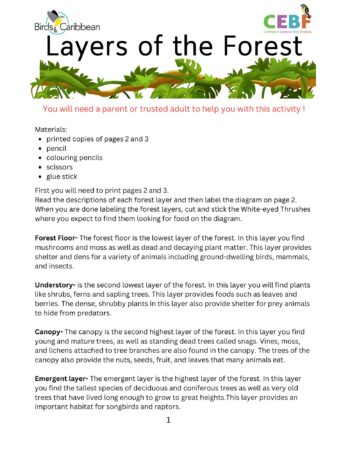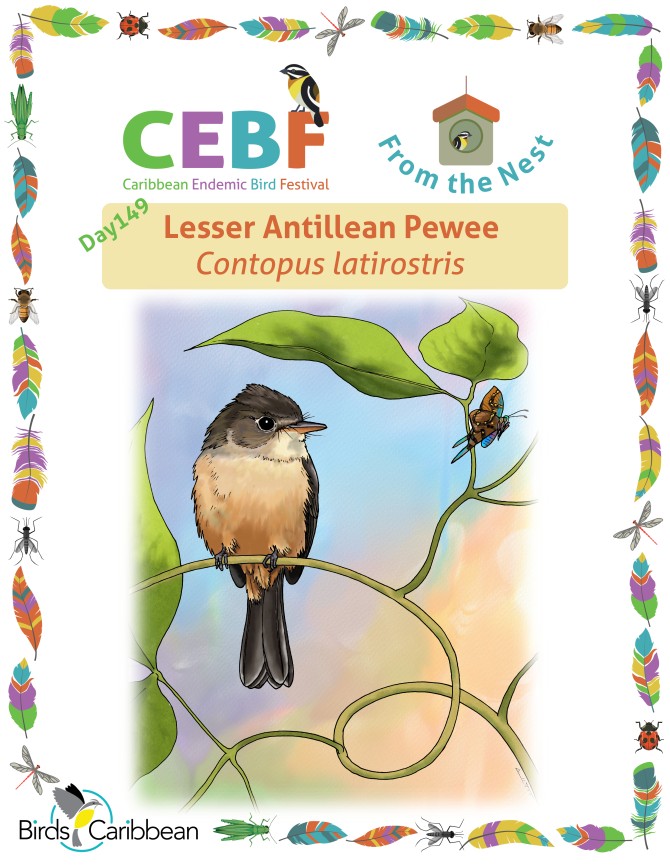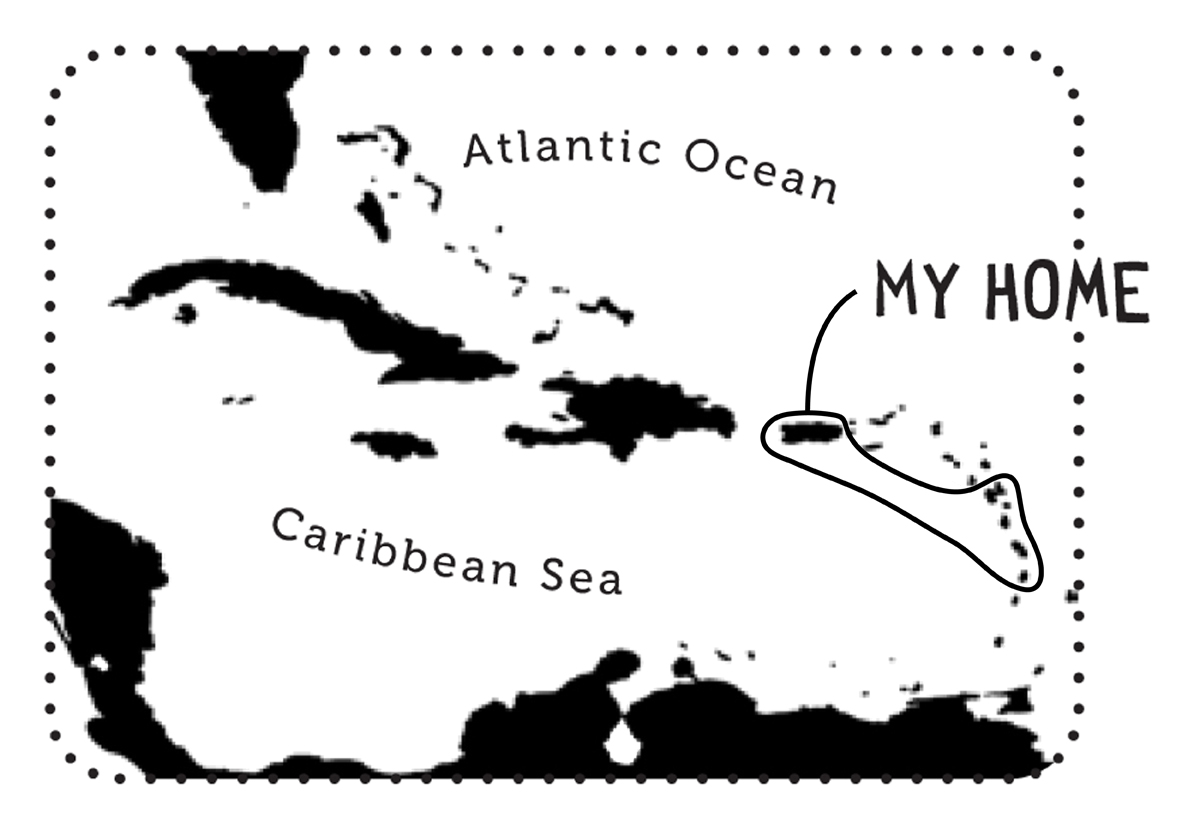
For one month, from April to May, environmental and community organizations across the Caribbean unite to celebrate the region’s 185 endemic birds and transform our islands into havens for them. Many of these unique birds are found on single islands! Relive the fantastic celebrations of our iconic Caribbean birds with us and learn how—through workshops, reforestation, habitat cleanups, field trips and even art—we’re actively building bird-friendly cities and communities throughout the Caribbean. From island to island, we’re creating shared spaces where both people and birds thrive!
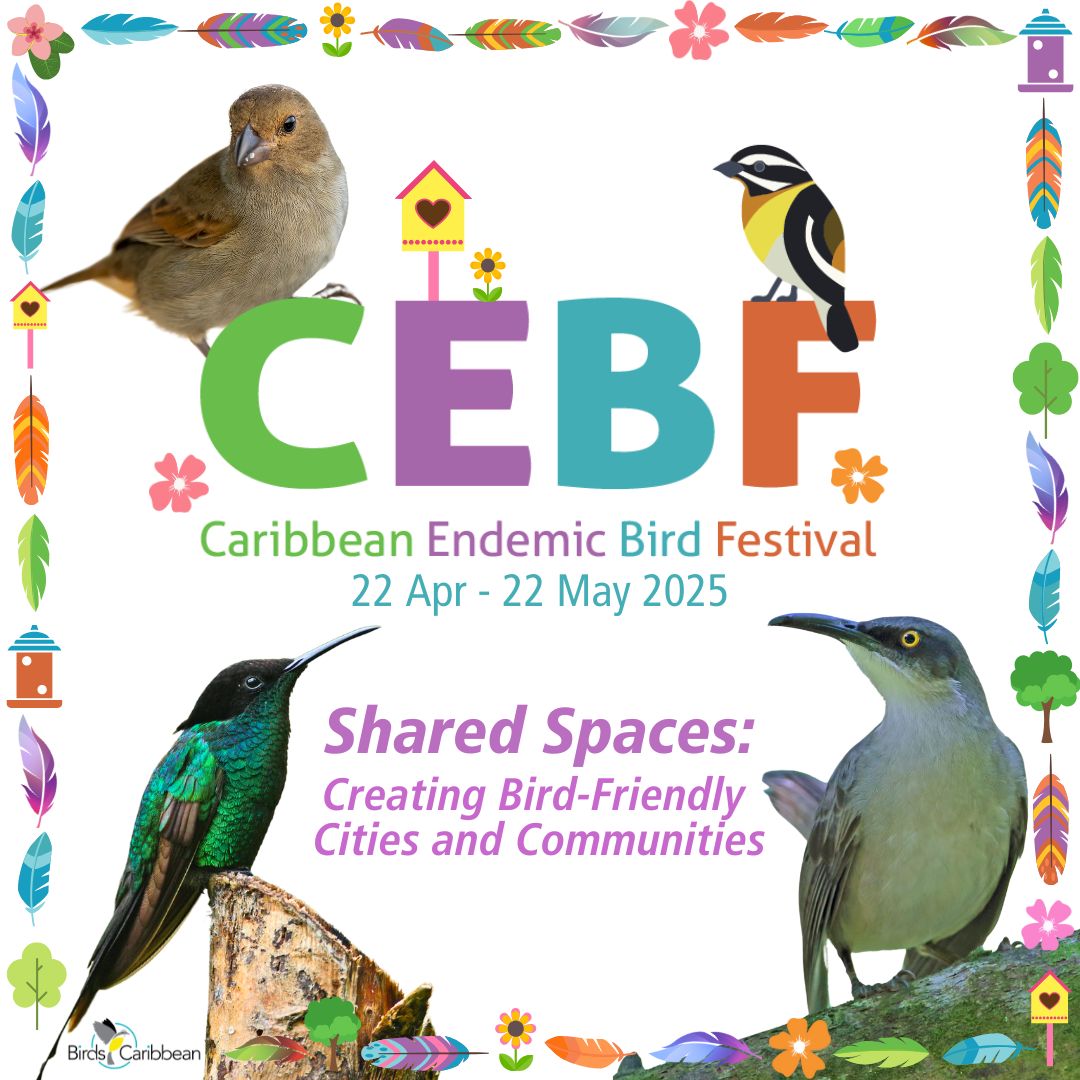
This year, the Caribbean Endemic Bird Festival (CEBF) celebrated the theme “Shared Spaces: Creating Bird-Friendly Cities and Communities.” Rapid urbanization across the globe has changed natural landscapes and reduced the availability of food, water, and shelter for wildlife. The call to share spaces underscores the urgency of taking action to counteract these deleterious impacts and make urban areas more hospitable especially for birds.

Green spaces with healthy native plant populations—think well-planned community gardens and urban parks, and preserved woodlands—can provide birds with essential food. Similarly, clean blue spaces, like ponds, canals, and rivers, can attract birds seeking shelter or places to nest and raise their chicks. Both types of spaces also offer pleasant places for people to socialize, interact with birds and nature, and simply escape the hustle and bustle of daily life.
Bird-centered festivities took flight from April to May, with some organizations hosting multiple events throughout the entire month! Across the Caribbean, our dedicated CEBF coordinators rallied their communities, igniting pride for endemic birds and empowering people to take tangible action. From planting native trees to installing bird baths and so much more, communities embraced the call to make their local environments more welcoming to birds.
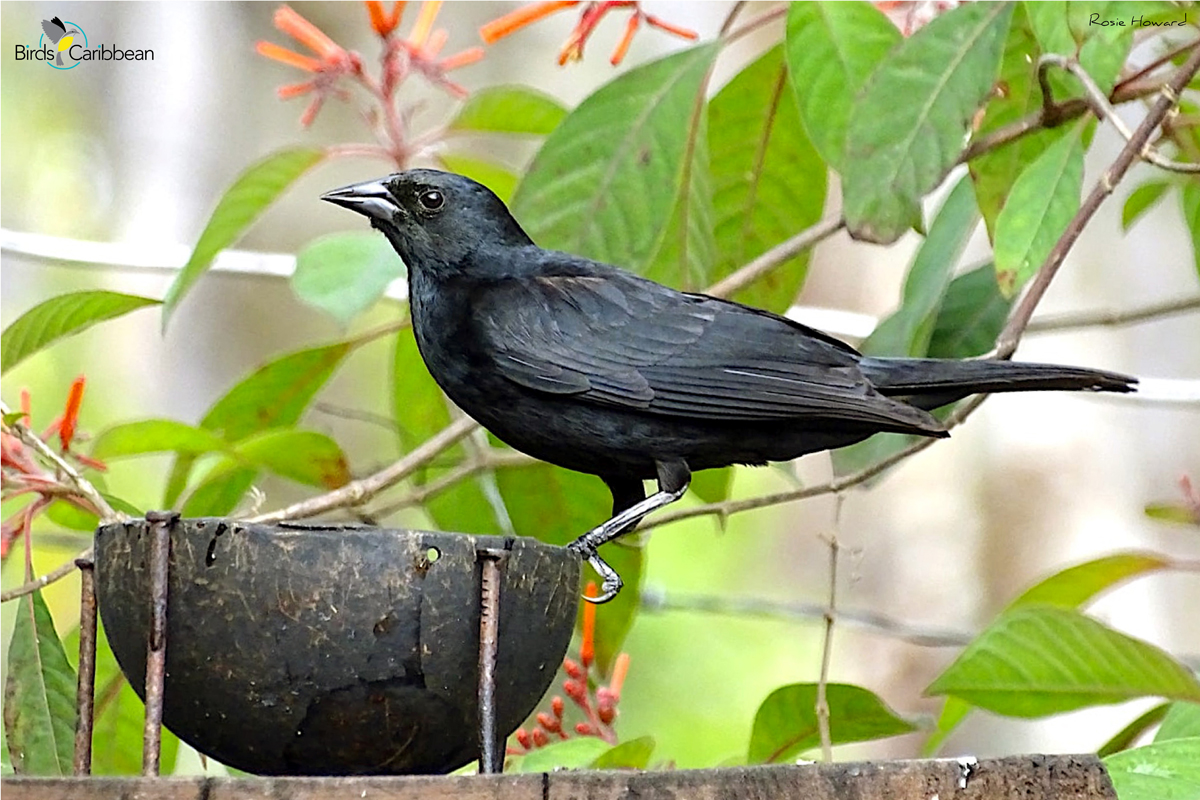
This collective effort is exactly what BirdsCaribbean strives to cultivate with each CEBF, by strengthening capability to understand and value the interconnections within our environment and facilitating collaboration to create healthy, vibrant habitats for birds and people.
Honoring Simón Guerrero’s legacy
Last year our community mourned the loss of a Dominican conservation champion. Simón Guerrero was an outspoken and extraordinary environmental educator whose research on urban ecology focused on making cities more habitable for wildlife, including birds. He ensured that his bird conservation education and outreach always included the planting of native trees around schools he visited and the university he worked at. Simón explained, “I always plant some trees to be sure birds will know we are doing something real for them, not just talking.”


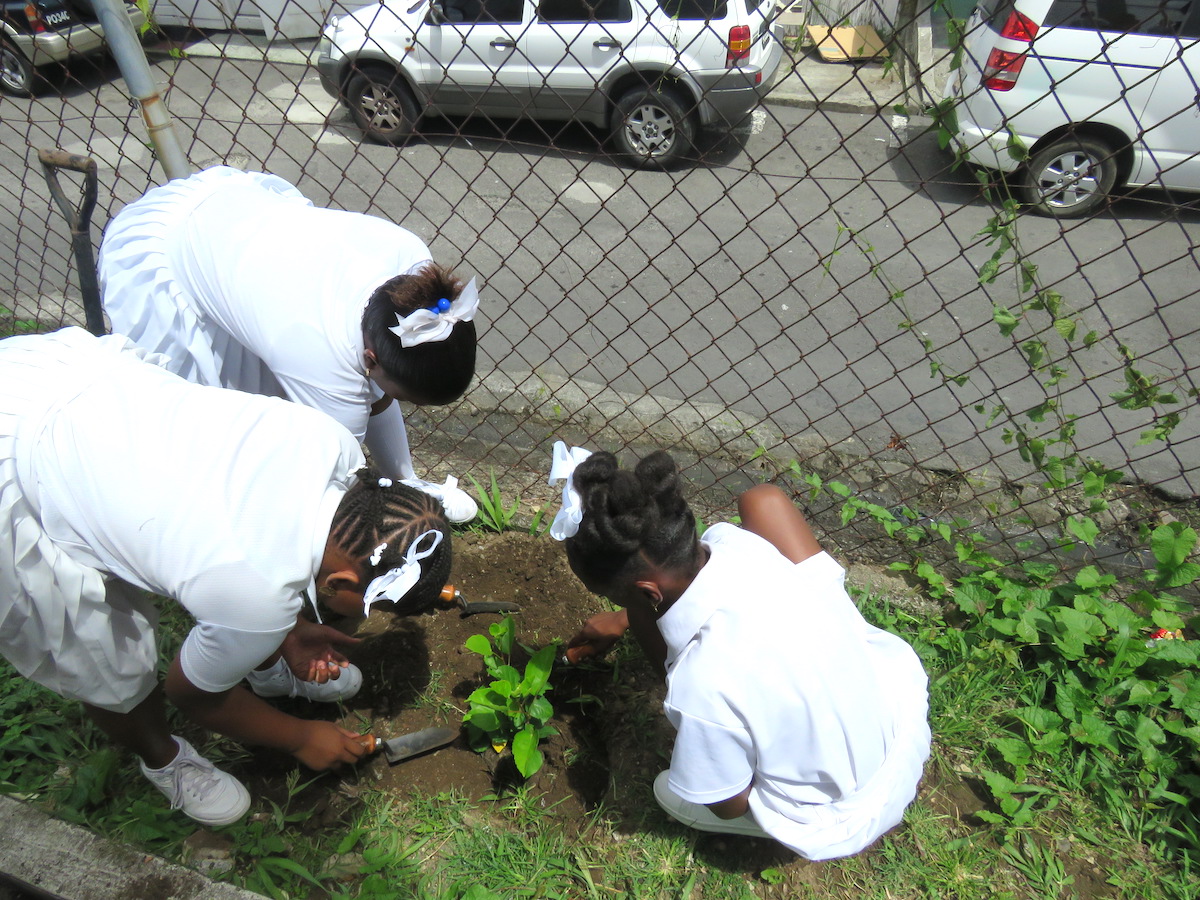
We wholeheartedly agree with this approach! In his honor, we made it a requirement for anyone wishing to join this year’s CEBF celebrations to do “something real for the birds.” Whether it was planting a native tree, installing a feeding platform or bird feeder, or adding a bird bath to school yards and backyards, these actions gave life to our theme of “Shared Spaces”. As always, our phenomenal crew of CEBF coordinators enthusiastically responded!
Making cities and communities bird-friendly across the region
Grenada
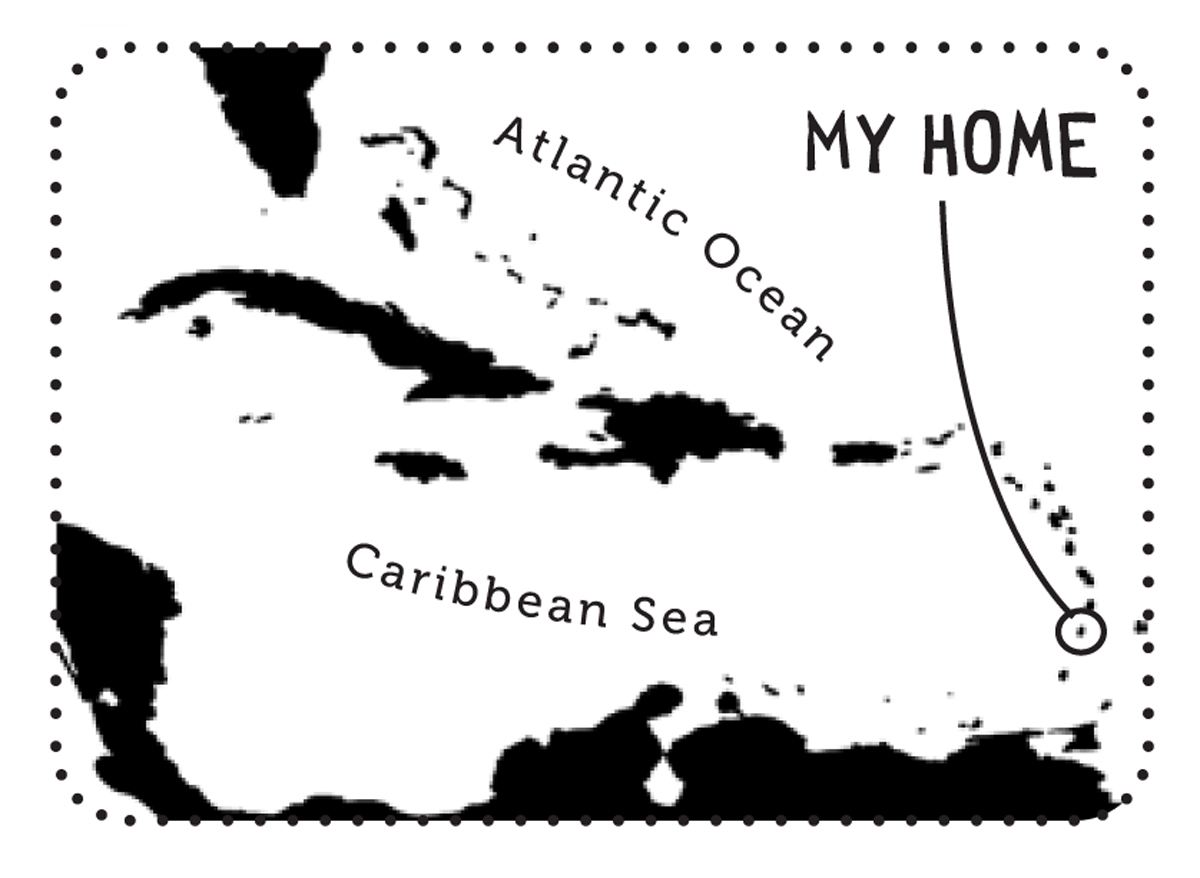
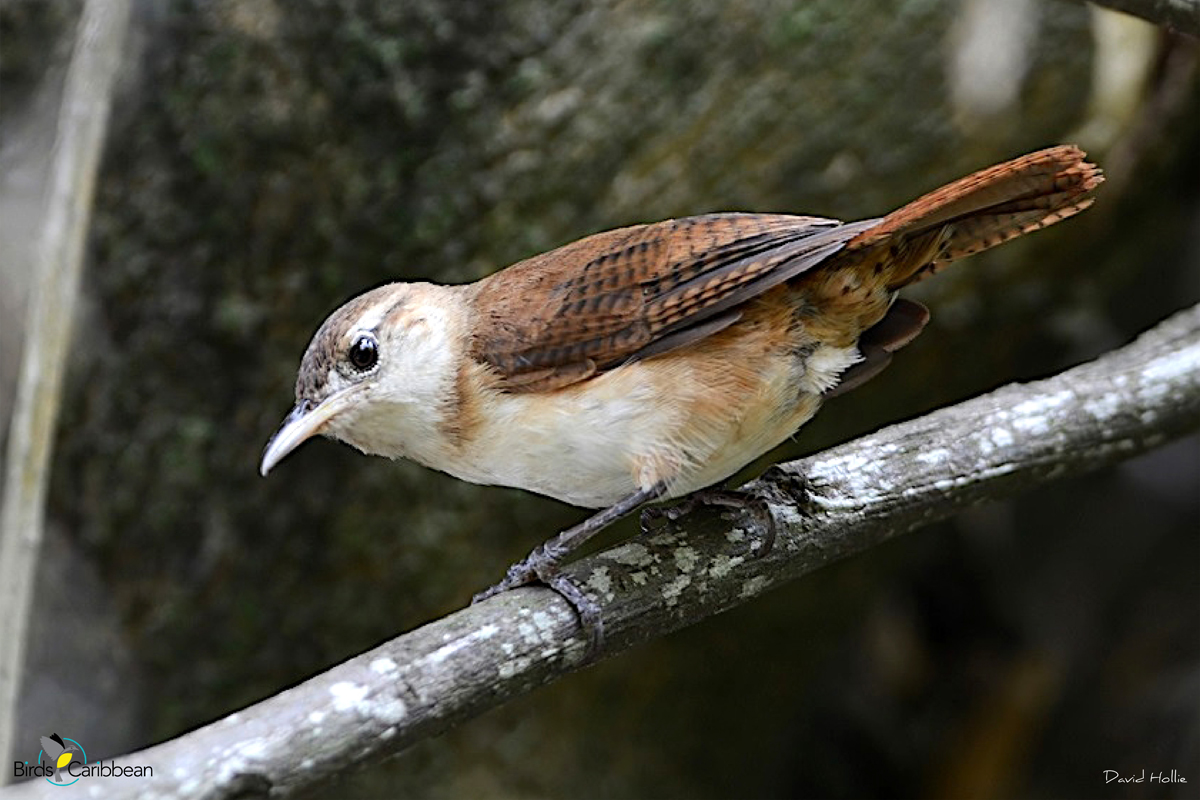
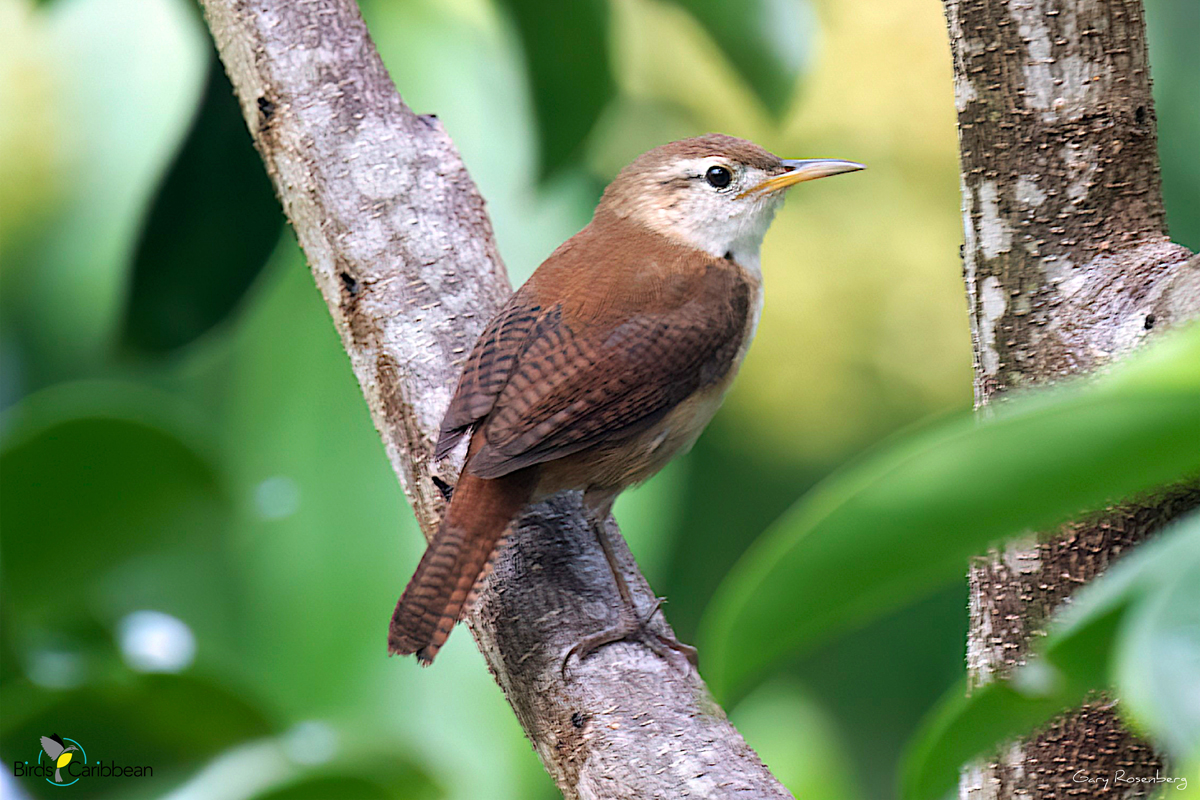
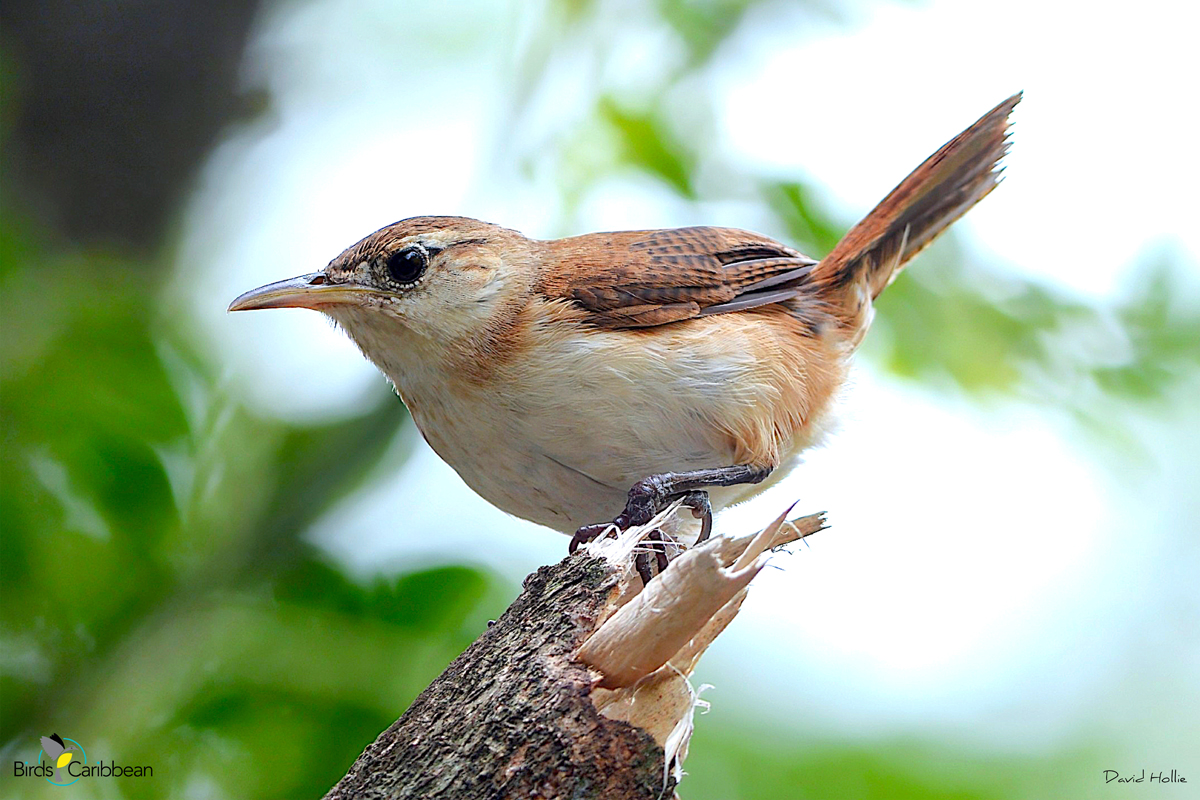
This year’s festival was especially significant for Grenadians, who celebrated the official recognition of a new endemic bird species—the Grenada Wren! Our partners at the Belmont Estate, Gaea Conservation Network, and the Grenada Fund for Conservation collaborated to host a suite of events for bird and nature lovers, students, families and members of the tourism community. Highlights included a live reading of the children’s story “Wrennie Takes Flight: A Grenadian House Bird on A Big Adventure” by the author Kimberley Wetten, an opportunity to meet and chat with local conservationists, and educational activities and games about the Grenada Wren.


View this post on Instagram
Jamaica
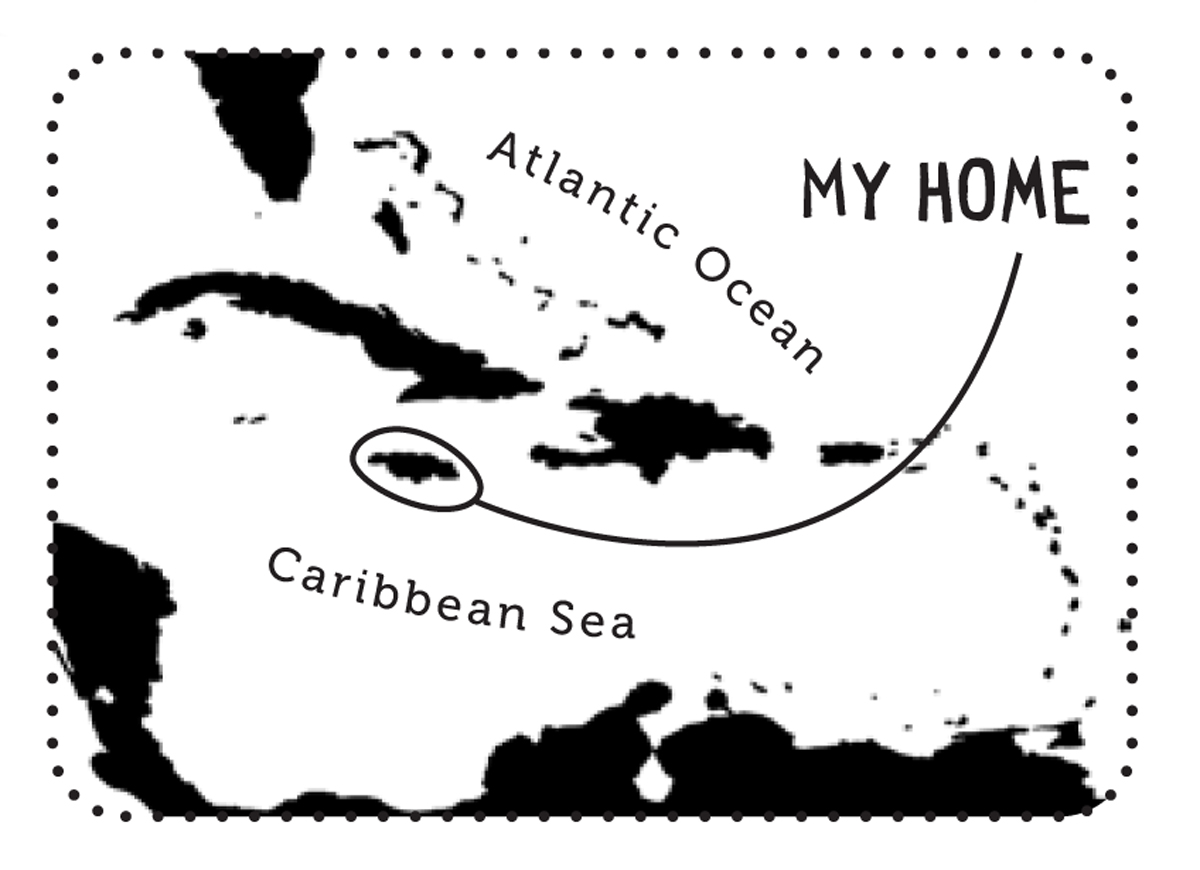
Kingston is becoming more bird-friendly, thanks to the incredible efforts of the Natural History Museum of Jamaica (NHMJ). The NHMJ’s CEBF events aligned perfectly with our theme and brought bird conservation right into the heart of Jamaica’s bustling capital!
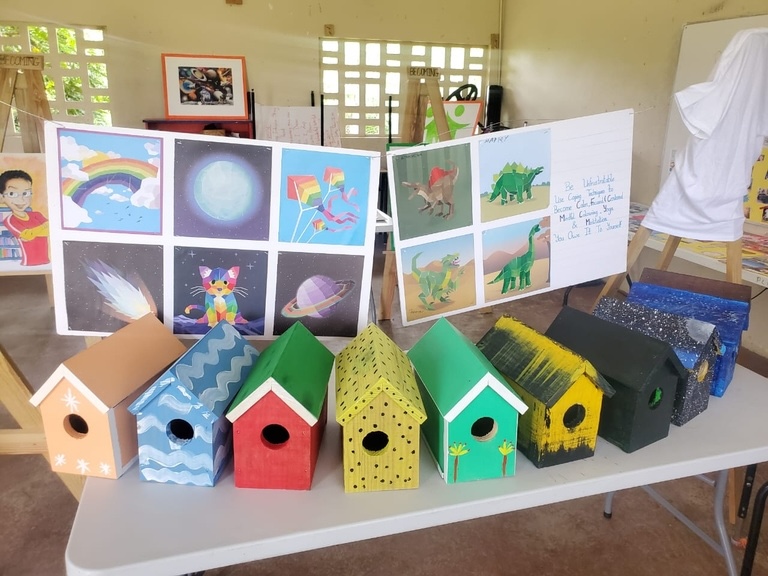
The museum came alive with the energy of 38 participants—students from Higholborn Street Basic and Kingston Technical High, members of the public, and Birdlife Jamaica representatives—all eager to learn how to be a better neighbour to the birds. Dr. Suzanne Davis of NHMJ kicked things off with a captivating presentation on bird feeders, covering everything from their importance and types, to care instructions and common challenges. The star of the agenda was a DIY bird feeder workshop, led by NHMJ’s Teona Rattigan. Twenty handcrafted seed and nectar feeders now hang in the museum garden, schools, and homes—ready to provide a scrumptious buffet for Kingston’s birds!
View this post on Instagram
Ms. Michelle Roberts from Birdlife Jamaica then led an immersive bird tour through the museum’s newly renovated Exhibition Gallery. Participants explored dioramas of Jamaican environments while learning about the unique endemic and native birds that inhabit them.
The day ended with a bird-themed ‘Make & Take’ art session, led by NHMJ’s Eartha Cole, where 10 students and two teachers from Higholborn Street Basic School crafted delightful bird-shaped necklaces and decorated bird masks.
BirdLife Jamaica (BLJ) broadcasted the “Shared Spaces” call to action through a series of webinars. “An Introduction to CEBF” set the stage, diving into the history and theme of the Caribbean Endemic Bird Festival and highlighting the exciting lineup of upcoming activities, while the second webinar “Sip and Share—Connecting with Protected Areas” offered a unique opportunity to explore nature beyond backyards. Jamaican naturalists and photographers shared their personal, inspiring experiences from the Palisadoes Port Royal Protected Area deepening participants’ connection with this protected area by emphasizing its importance as a habitat for a variety of birds including beloved Vervain Hummingbird, Greater Antillean Grackle and Loggerhead Kingbird.

Returning for CEBF 2025 was BLJ’s popular “Bring-a-child birding” event, an outdoor event that connects city dwellers with nature. Kids and adults alike enjoyed an interactive bird walk, followed by a captivating reading session with local author Amina Blackwood-Meeks of “Don’t Hurt That Bird.” The day wrapped with a delightful arts-and-crafts session led by Michelle Roberts, where children transformed toilet paper rolls into their own quirky bird creations!


Intent on making gardens prime real estate for birds, the BLJ team hosted a “Birdify Your Backyard” workshop for the general public. The workshop started with an eye-opening discussion on how built areas are also home to birds and how gardens and backyards can not only look beautiful—but also support the birds, insects, reptiles, and other wildlife that provide essential ecosystem services like pollination and pest control.
Participants then got their hands dirty in a practical plant propagation session where they learned to generate new plants from cuttings and safely separate compound plants with multiple shoots. They also received step-by-step instructions to safely transfer and repot plants—giving them the skills to start their own bird sanctuaries at home!
The Bahamas
Every bird-friendly area needs a good water source for birds to rehydrate, keep cool on hot days and, to keep their feathers clean and in top shape. In recognition of CEBF 2025, Grand Bahama Island Birders presented bird baths to two schools on the island: Walter Parker Primary School and Bishop Michael Eldon School.


Just a quick pause before we continue with the CEBF highlights…
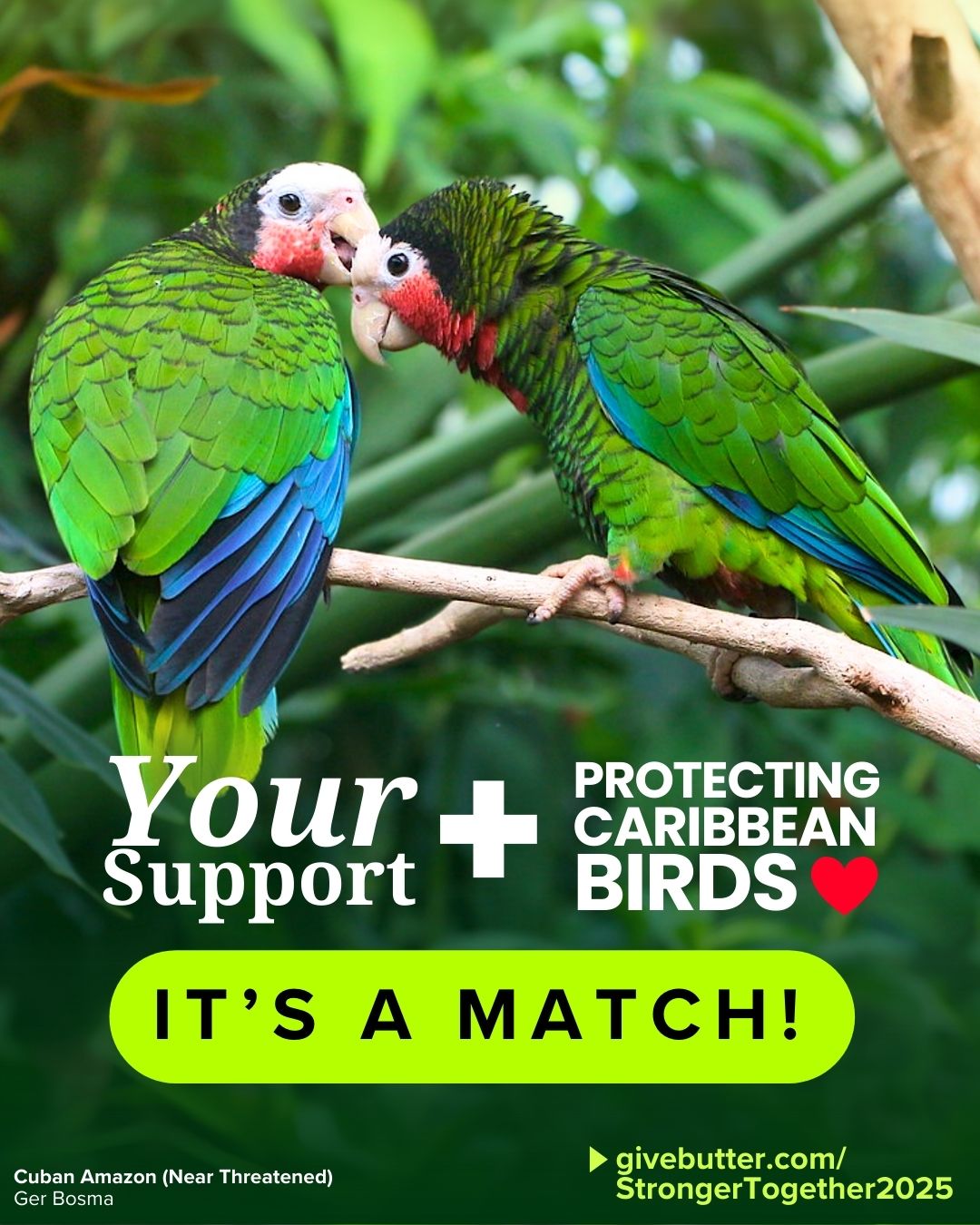
This year, we lost significant funding for our bird conservation education and outreach programs, which the CEBF falls under—and we need your support to help ensure that bird education remains accessible to all in the Caribbean.
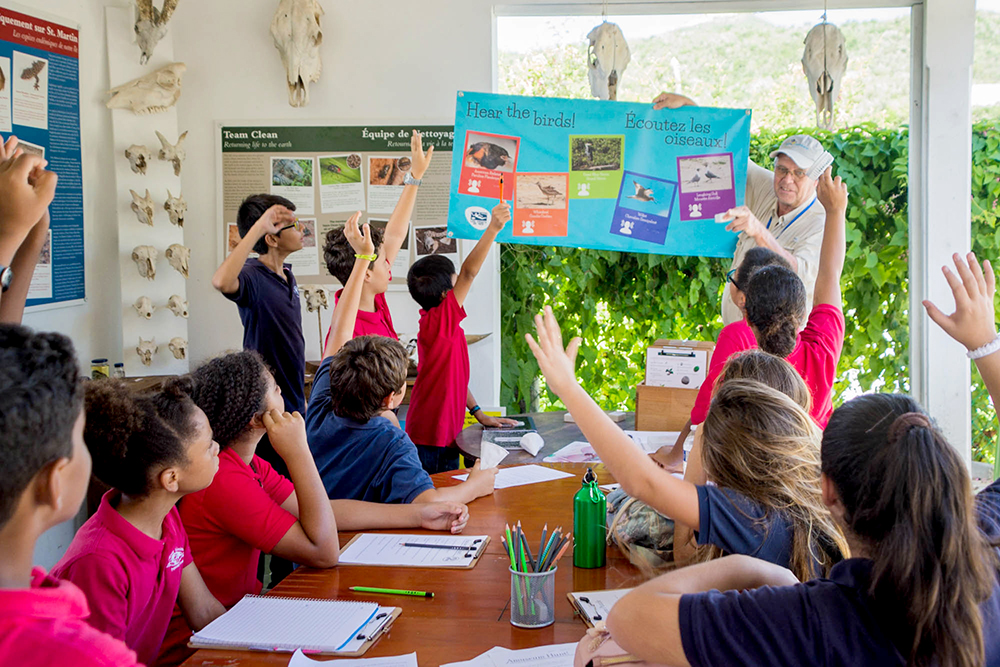
Your donation will be an invaluable investment in the future of Caribbean bird conservation and will help us provide materials and access to capacity-building programs to early-career Caribbean conservationists. These passionate individuals are committed to advancing bird conservation on their islands through engaging outreach events, like those listed in this blog, that inspire communities to embrace bird-friendly practices. Your support will help amplify their efforts, fostering a deeper connection between people and the incredible wildlife that surrounds them.
INSPIRE THE NEXT GENERATION OF BIRD CONSERVATIONISTS HERE
Thank you so much for supporting our education and outreach program. Ready to head back and relive those amazing CEBF events?
Cuba
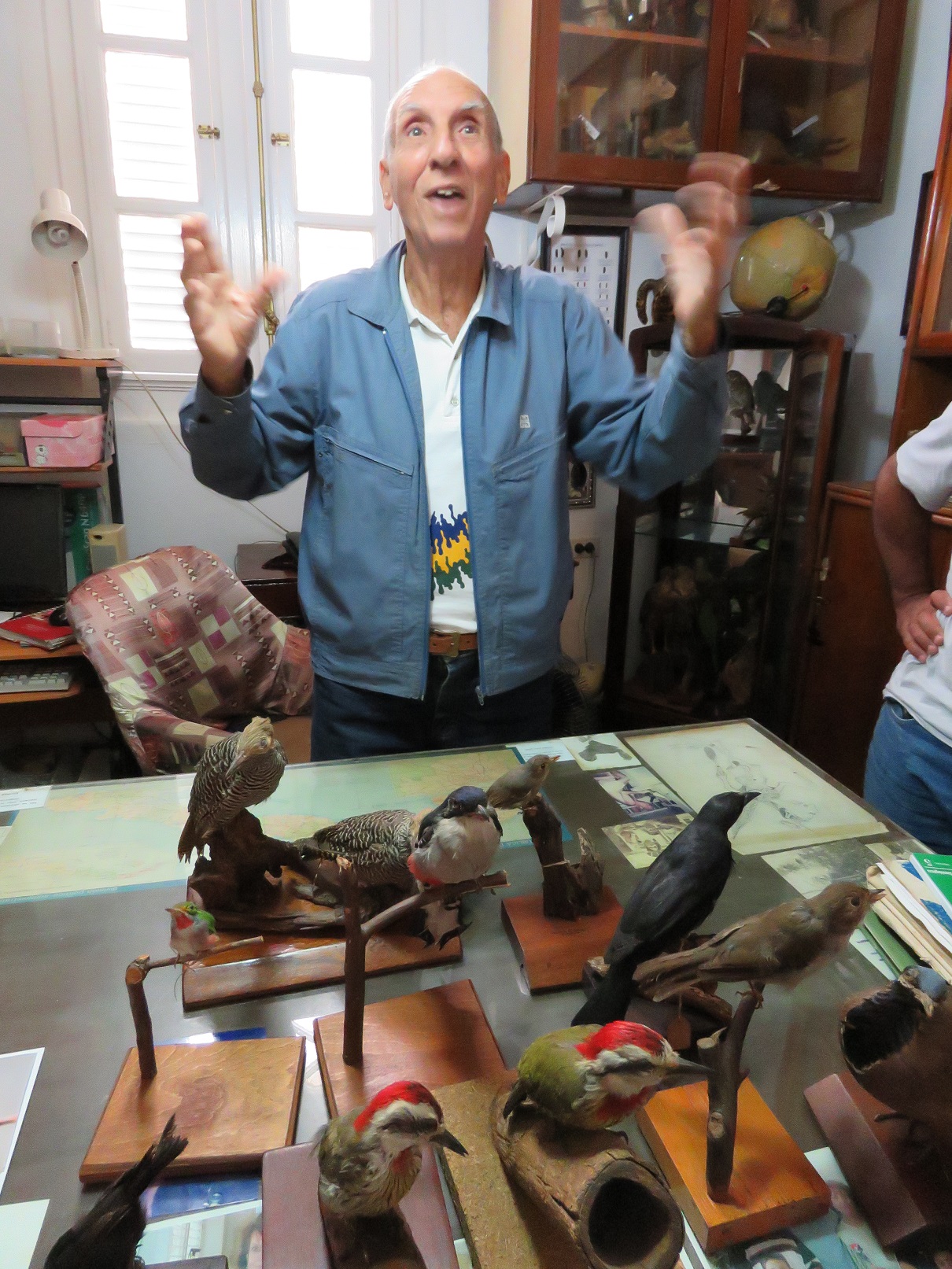
What a month for birds in Cuba! The Caribbean Endemic Bird Festival took the island by storm, running for an entire month with a packed schedule of crowd-pleasing events. We extend immense gratitude to our fantastic partners whose passion and knowledge made the festival an undeniable triumph: Parque Nacional Alejandro de Humboldt, Departamento de Conservación Baracoa, Unidad de Servicios Ambientales “Alejandro de Humboldt” (UPSA), Empresa Flora y Fauna Matanzas, Empresa Flora y Fauna Santiago de Cuba, Grupo de Ecología de Aves, Facultad de Biología, Universidad de La Habana, BIOECO, Comunicadora Florauna, and Museo de Historia Natural Joaquín Fernández de la Vara Pi.
View this post on Instagram
View this post on Instagram
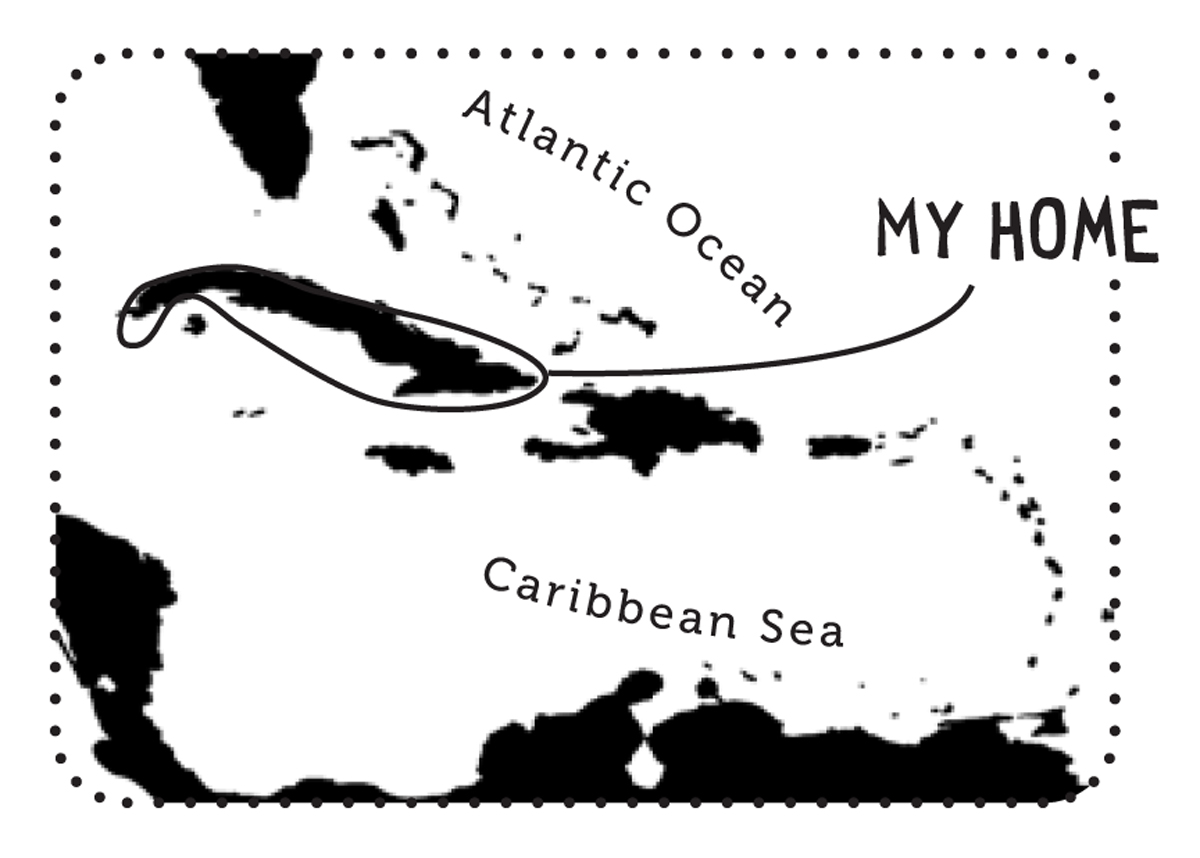
Their dedication ensured these events were both unforgettable and made a real difference for birds across Cuba. From kids to adults, everyone got in on the action! Participants dove into birdwatching, games, art contests, discussions with Cuban ornithologists and conservationists, and of course rolled up their sleeves to make their communities more bird-friendly. There were habitat clean-ups, tree planting, and workshops dedicated to building bird feeders and water baths. A particular highlight was the sheer joy of discovering birds right in their own neighborhoods, schoolyards, and lush nature reserves. We absolutely enjoyed seeing all of the social media posts and joining the live events whenever we could. You can relive the excitement and see the incredible impact by searching for #FAEC2025 on Facebook and Instagram!
St. Martin
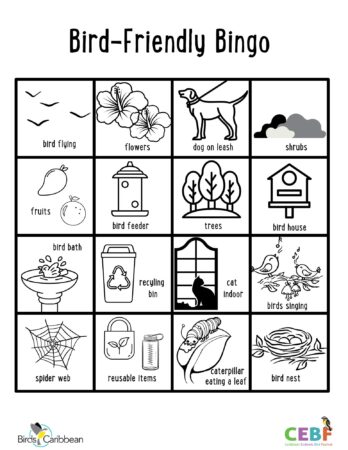
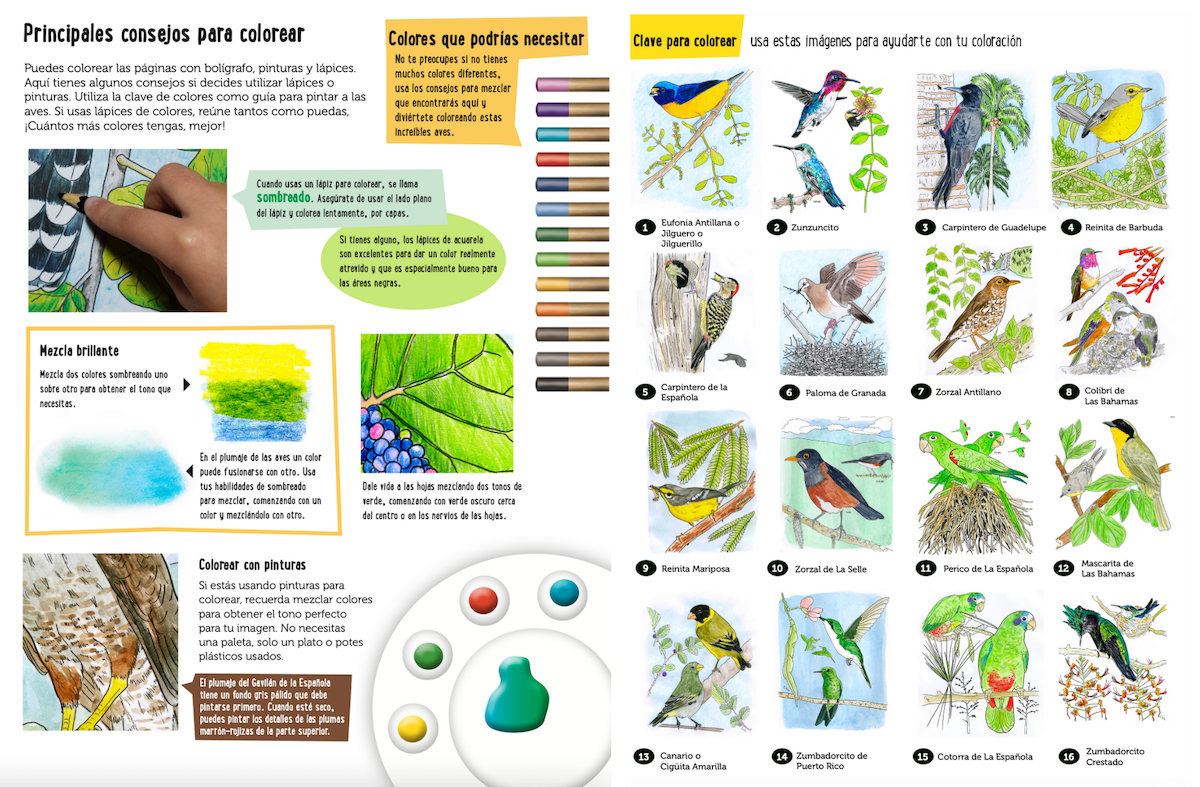
Every year Les Fruits de Mer hosts the Endemic Animal Festival and every year attendees show up despite the hot dry season weather which—let’s be honest—makes you want to stay sat in front of a fan! The festival drew over 80 people looking for challenging and fun scavenger hunts, bird bingo, art and craft activities, and free cool nature and wildlife books. These activity and coloring books, written and edited by the dynamic duo of Les Fruits de Mer—Mark and Jenn—feature the incredible plants, insects, mammals, fishes, reptiles, and birds of St. Martin. This year they added another brand new coloring and activity book, “St. Martin Unique Nature,” available for free download here from their growing library of publications.


Haiti
On the Les Cayemites Islands where Hispaniolan Parrot chicks are snatched from nests for the pet trade, the Critically Endangered Ridgway’s Hawk is persecuted as a pest, and birds in general are hunted for sport by adults and children; Anderson Jean of Action pour la Sauvegarde de l’Ecologie en Haiti leveraged the CEBF to educate communities about the devastating impact of these harmful practices.
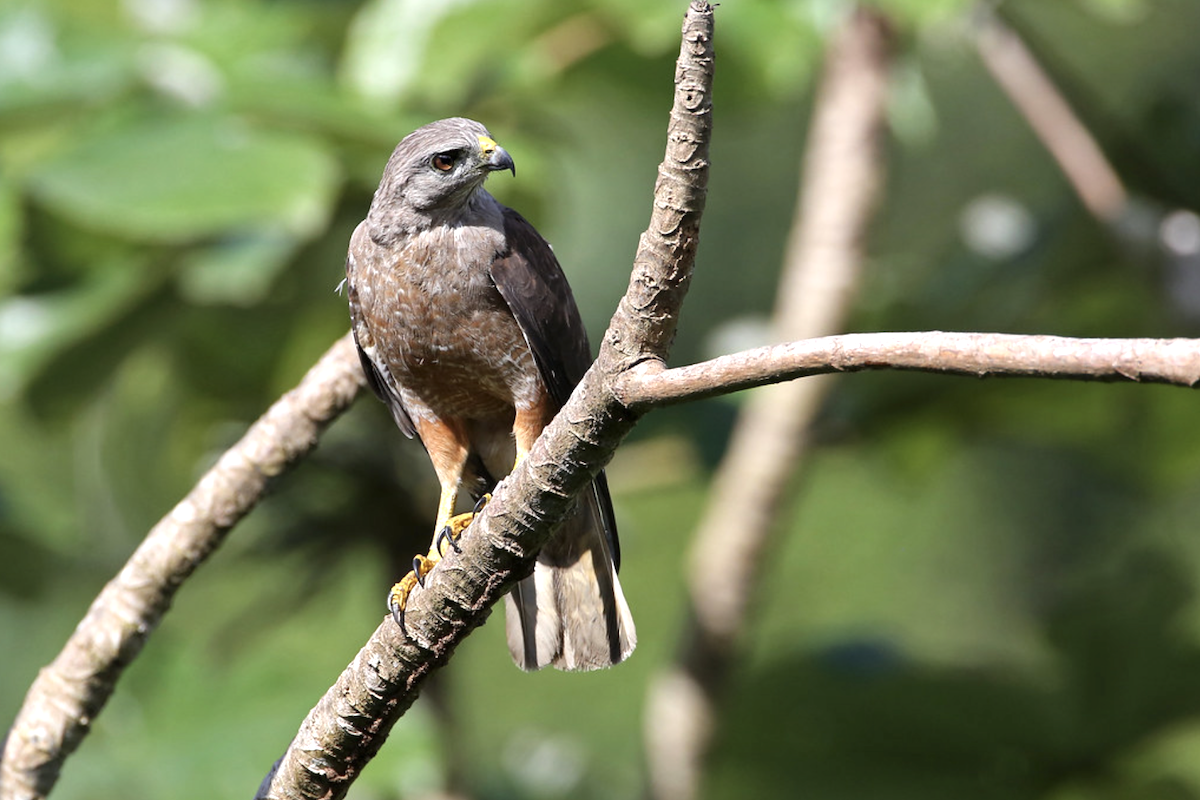
Anderson and his team introduced 200 primary school students to the wonderful world of birds through a riveting presentation. The team spoke about the importance of wild birds to the environment and people, and the endemic birds of Haiti—covering their calls, behaviours, habitat needs, and threats. They also took the opportunity to bust harmful myths about birds, such as the belief that a Ridgway’s Hawk nesting on a farm extends the dry season.
After the presentation, it was time to power up the students’ observation skills with a school yard birdwatching session—an absolute hit with the students!. Anderson shared that, “the students really enjoyed watching and trying to identify the birds…some even complained that the time spent birdwatching was too short!”
Trinidad and Tobago
The third annual Brasso Seco Bird Festival, organized by the Trinidad and Tobago Bird Observatory and Research Centre TTBO, was designed to teach children about their local environment. Through hands-on activities, art, and community involvement, the festival made nature exploration a multi-sensory experience for all in attendance! Children were grouped into three teams—each named after a native bird species and led by an adult team leader—team Bay-headed Tanager, the Turquoise Tanagers, and the Purple Honeycreepers. Each team then visited four educational stations: biodiversity exploration, poetry, habitat modeling and mask painting, and bird species identification.
At the biodiversity table children got hands-on, exploring local plants and animals using real items like feathers, nests, pods, and dried leaves. They were encouraged to ask questions, identify specimens, compare them, and think about how different species interact with each other. The poetry station built on this sensory exploration, giving children the space to write cinquain and haiku poems, incorporating what they saw and felt at the biodiversity table. The session ended with an open-mic spoken word activity, where they shared their experiences through guided poetic expression.


The habitat modeling station was buzzing with excitement as children worked together to create miniature bird-friendly habitats for a variety of endemic birds. They often yelled out what needed to be added to their habitats to help the birds survive, shouting things like, “clean water!” and “lots of flowers!” for the Bee Hummingbird, or “parrots eat fruits so we need to add fruits!” for the Imperial Amazon, and of course, “trees to sleep in!” One of the participants, Rafael, shared with the TTBO how he made his garden bird-friendly for the birds in central Trinidad. Check out his amazing garden in the video below!
View this post on Instagram
The mask-making and bird ID station offered a fun and educational activity. Participants chose a native bird, then learned about its ecological role, habitat, and a unique fact using a guided worksheet. Finally, they painted a wearable mask of their chosen bird, connecting art with biology and identity.


Dominican Republic
Grupo Jaragua, a local environmental powerhouse, shared valuable information via social media on native plants that can be planted to make Dominican backyards more welcoming for birds. The team handpicked species for their outstanding ability to provide food for birds.


Beyond plants, Grupo Jaragua also shared the story “El ladrón de cotorras” (The parrot thief) of a pet Hispaniolan Parrot as part of their “Mangrove Stories” social media series. The Hispaniolan Parrot is an endemic parrot to Hispaniola (Dominican Republic and Haiti) that is illegally captured and sold as a pet. The graphic story, with illustrations created by Cua Conservacion, explains how pet parrots are caught and why this is problematic, calling on Dominicans to leave parrots in the wild.


Margarita Island
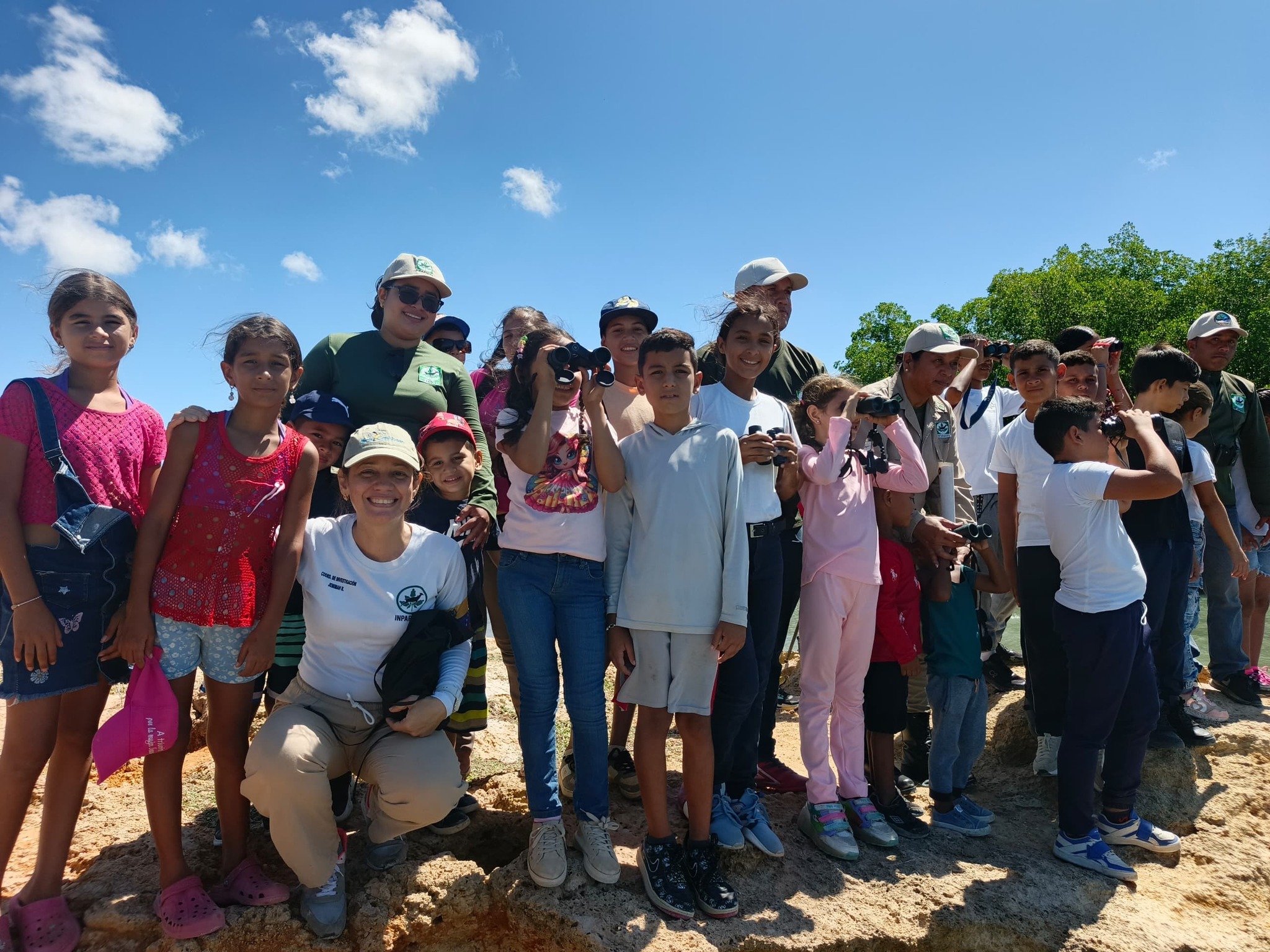
The Laguna La Restinga National Park, a designated Ramsar site, holds a unique position on Isla Margarita. It sits squarely between the bustling eastern half and the relatively deserted Macanao Peninsula to the west. Despite its location and Ramsar designation, the park rangers initially had very little knowledge of just how important this area is to its many resident, endemic, and migratory birds.
That changed when Jemimah Rivera, founder of the local NGO Bio Zoe and CEBF Coordinator for Margarita Island, stepped in. She led two workshops designed to educate the rangers about the park’s incredible bird diversity. The training also provided them with basic field skills in birdwatching, bird identification, and locating nesting and feeding areas within the park.


Birdwatching wasn’t just for the adults; Jemimah also headed to the fishing village of Tirano to educate and connect kids to nature. Local conservationists joined her, sharing insights about the island’s birdlife before taking the group on an exciting birdwatching trip. To further help, they also held a beach cleanup, making the area tidier for birds and other wildlife.
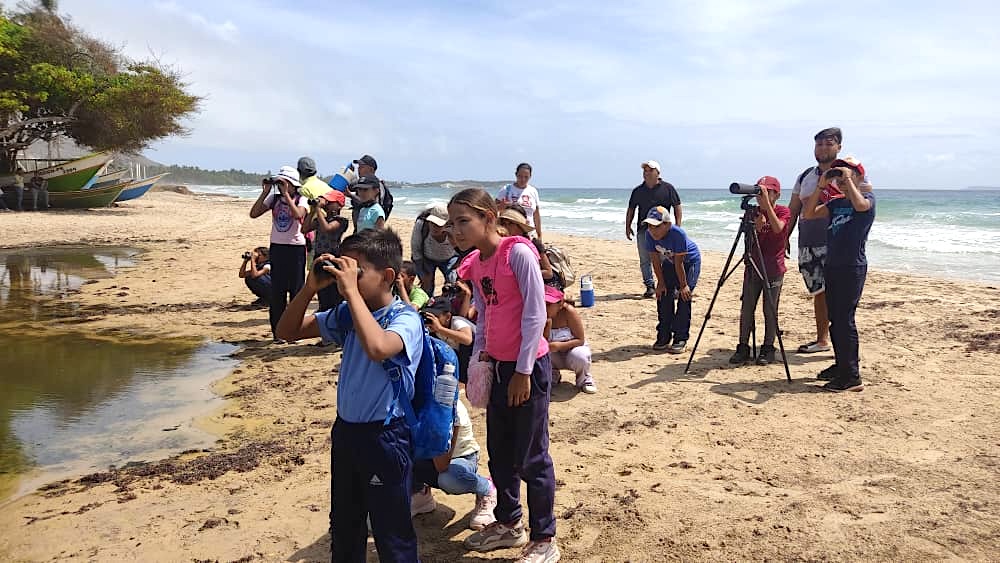
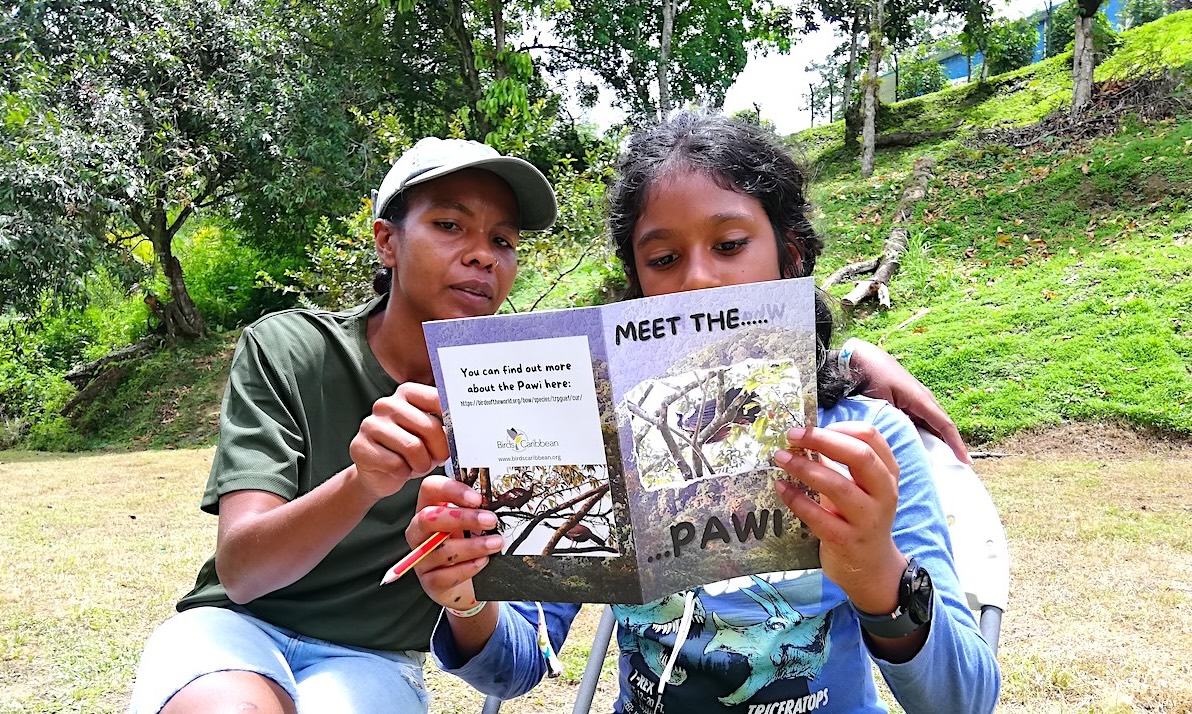
We’re incredibly proud to share that Jemimah made her CEBF events inclusive, welcoming differently abled children. She found it challenging but highly rewarding helping them learn about the fascinating lives of birds and working with them to complete various art and craft activities. Look out for an upcoming blog post where we’ll share more about this heartwarming event. If you’re interested, be sure to sign up for our newsletter here!
Antigua and Barbuda
The Environmental Awareness Group EAG and agricultural science students at the Princess Margaret School proved that formal institutions, not just backyards and gardens, can be bird-friendly too! What’s more, they also proved that achieving this does not require oodles of money. Together they designed and built five bird feeders and five bird baths using materials they already had on hand like water bottles, wooden spoons, chicken coop wire, and shallow bowls.


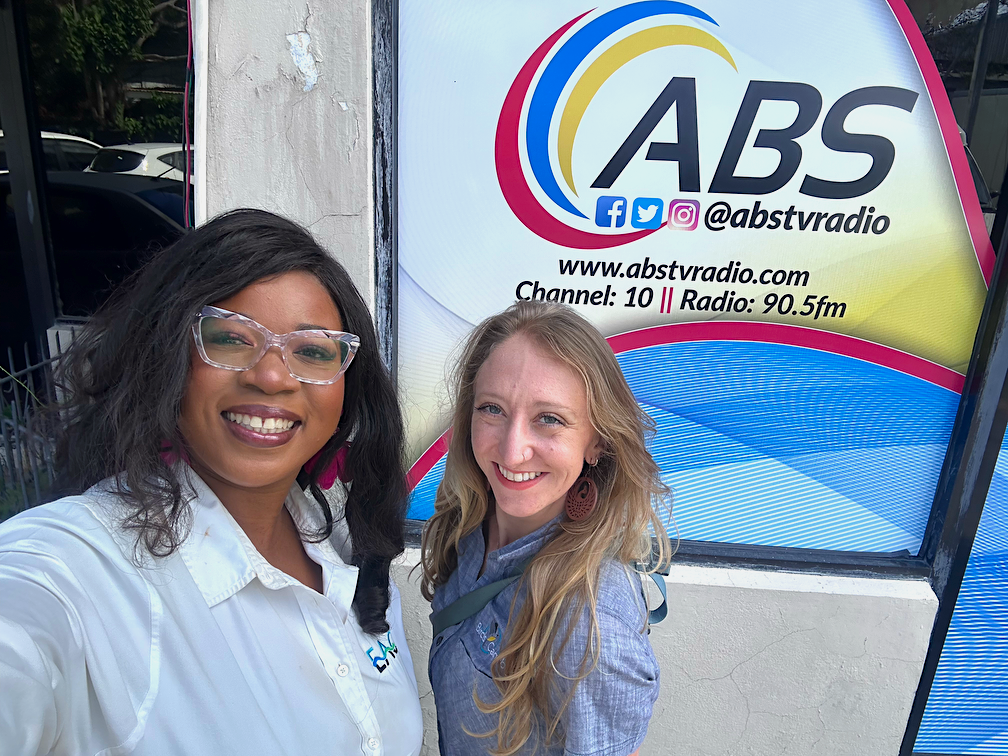
The students then enjoyed a guided birdwatching trip across the school grounds, a skill that will undoubtedly come in handy when identifying visitors to their new bird baths and feeders. The event garnered media attention and was covered by the Antigua and Barbuda Broadcasting Services (ABS). It was featured in a special International Biological Diversity Day segment during their morning TV show. For this segment, Shanna Challenger of the EAG and CEBF coordinator for Antigua, along with our Caribbean Bird Banding Program Manager Holly Garrod, were in studio sharing the importance of bird conservation work on the island and wider region.
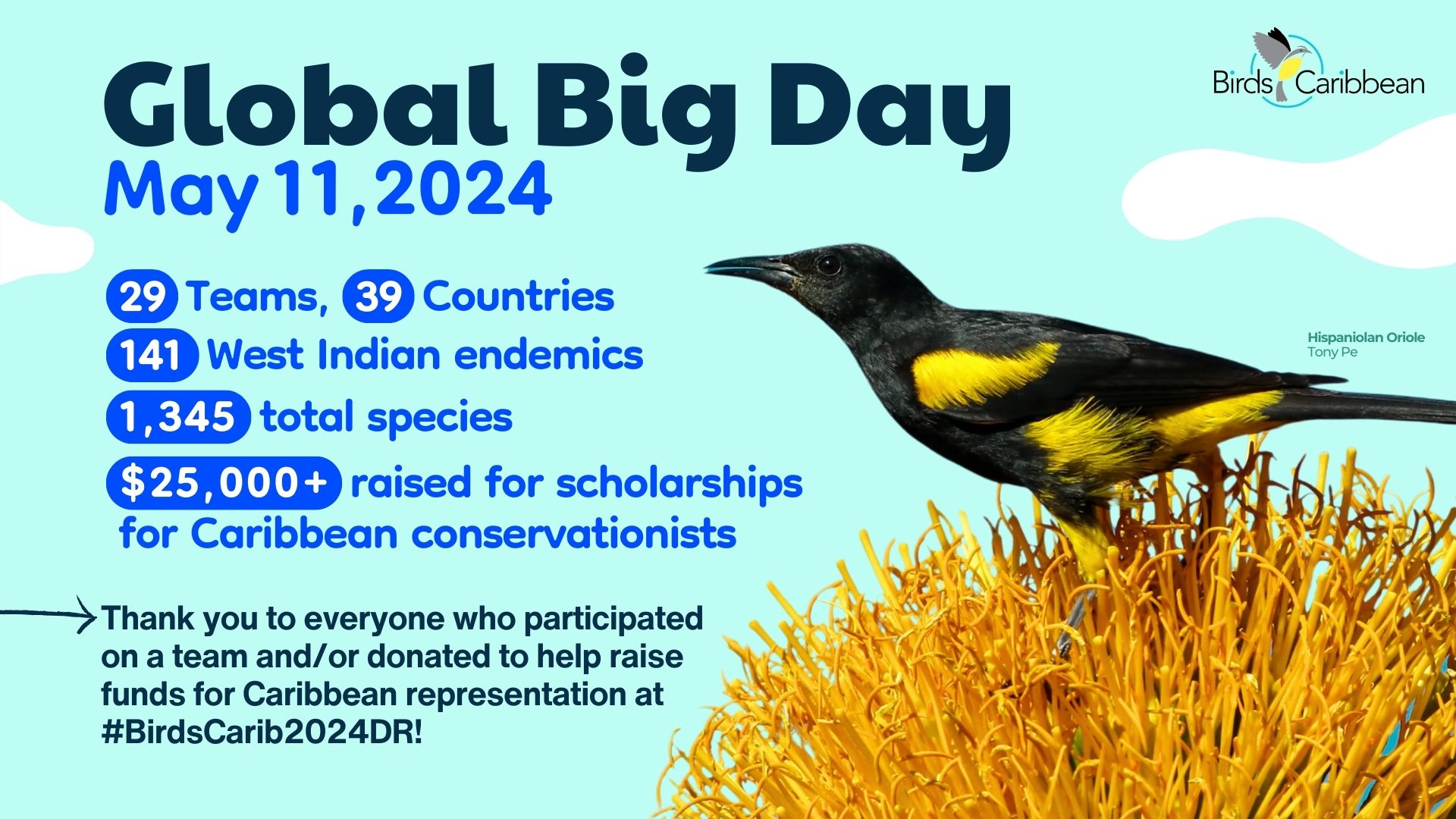
On Global Big Day, the EAG, Wadadli Warblers Bird Club, and Antigua and Barbuda Defence Force joined forces to observe and record as many bird species as possible in Christian Valley, an Important Bird Area. For many, it was their first time birdwatching, and they were absolutely thrilled! Check out their video below.
Bird conservation education and outreach continued throughout the month. Shanna and Sherrel Charles, the EAG’s Science Communications Officer, captivated members of the Antigua and Barbuda Ocean Trust and students at Jennings Primary School and Buckleys Primary School with their interactive presentations. These sessions weren’t just talks—they included brain-busting quizzes, fun games with fantastic prizes like CEBF-themed stickers and bookmarks up for grabs. To top it all off, every session wrapped up with a fun birdwatching adventure, sparking curiosity and fostering an appreciation for nature.
Puerto Rico
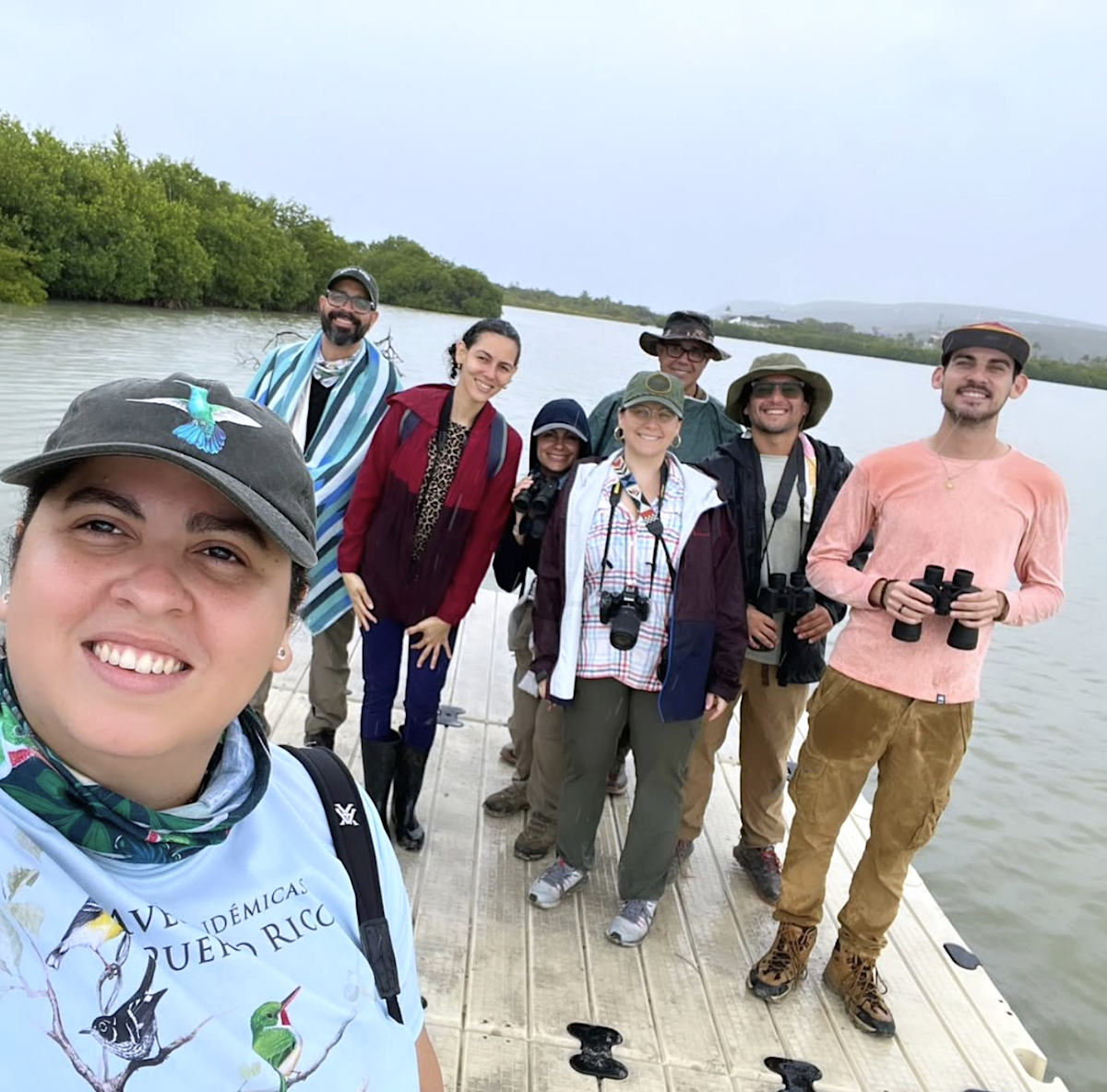
Alondra Norat of Pajareo Virtual took a small but dedicated group of undergraduates on a birdwatching trip across the University of Puerto Rico Río Piedras Campus. For several of the students, this was their first time being on a birding tour and using binoculars. Alondra is confident that the birds, clearer than ever before, sparked a thrill in them as they peered through the lenses. The group used their observations from this trip to put together an (unofficial) guide to the common plants and birds on the campus for other first-time student birdwatchers on campus! This practical resource was particularly valuable as it was their first foray into birdwatching and their initial experience with both the eBird app and field guides.


Roots and Shoots Puerto Rico, and our Operations Manager Alexia Morales, headed to Punta Cucharas Nature Reserve in Ponce for a bird count where they recorded 44 species, five of which were endemic birds!
Members of the Library Club at the Ramón Emeterio Betances School, Adult Education Program (Cayey), and Alfonso Díaz Lebron Middle School (Juncos) ditched the blackboards and desks and took the learning to a small forest near the school. Throughout the event, creativity and learning bloomed. Participants enjoyed reading the “Birds of Puerto Rico for Children” book, written by our President and founder of the CEBF Dr Adrianne Tossas, and other bird stories, sparking lively discussions filled with anecdotes, fables, songs, and local folklore about Puerto Rican birds.
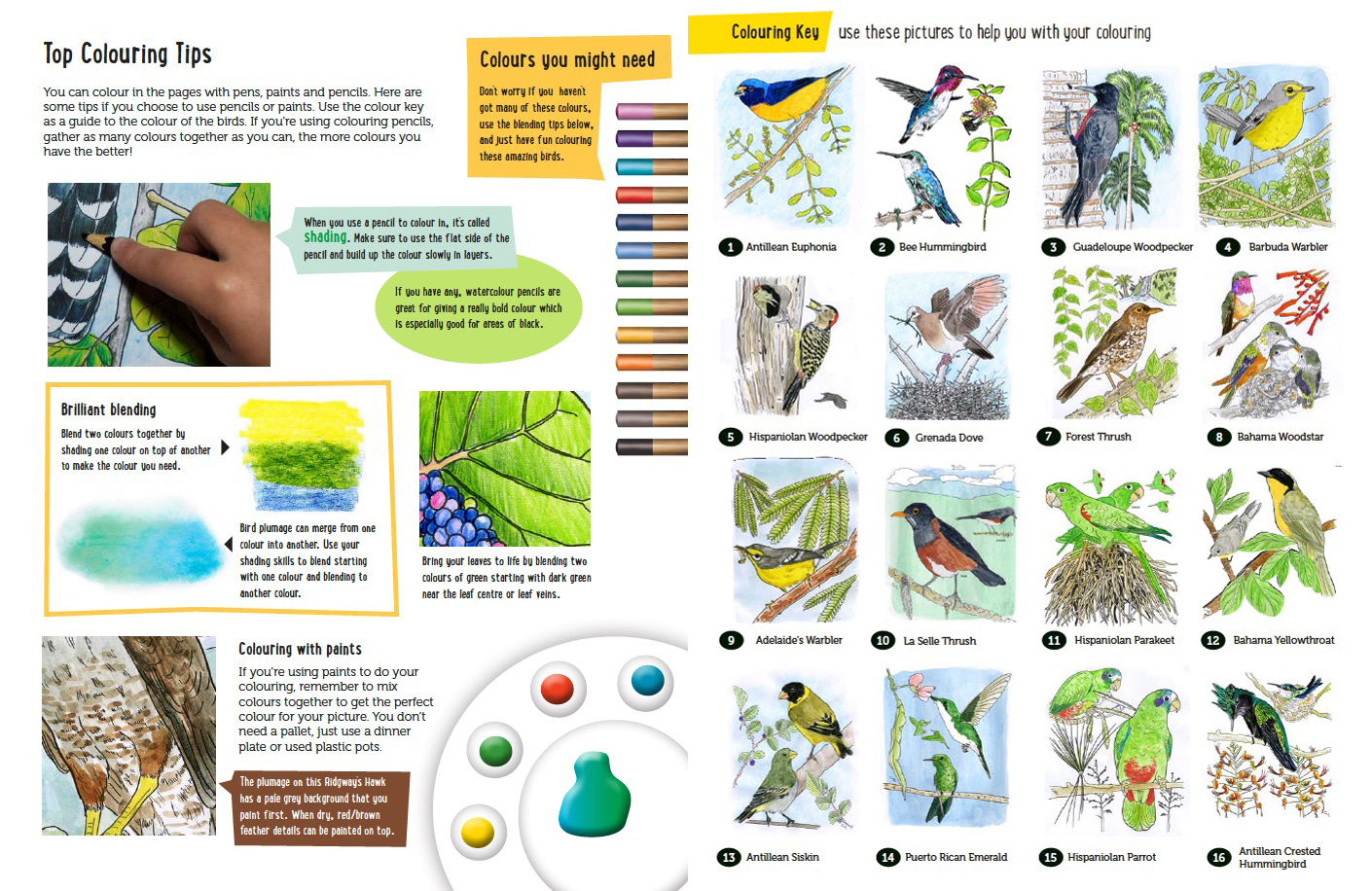
Everyone got hands-on, coloring endemic birds from the “Endemic Birds of the West Indies” coloring book that are abundant in their own communities, and even delved into research using their phones. There were important group discussions about the significance of birds to the environment , and a local farmer from Finca Los Pellos shared fascinating insights into pollinator gardens and their role in agriculture. Two beautiful Flor de Maga trees (Puerto Rico’s national flower) were planted, generously donated by the Department of Natural and Environmental Resources and the area dubbed, “The Green Library.” Students took home cilantro, chili pepper, and lettuce plants to cultivate their own kitchen gardens!


Junta Innovadora Comunal Villa del Carmen, Inc. seamlessly blended personal well-being with the joy of celebrating birds and being in nature. Participants prioritized their health checks with services from the MedCentro mobile unit and NUC students, alongside various informative health booths. Some were also treated to a birdwatching and identification trip led by our Co-Regional CEBF Coordinator Eduardo Llegus, while others joined a beginner’s fishing workshop. Native tree plants were also given to participants to help them make their backyards and gardens more bird-friendly!


For the 2025 CEBF, Guaynabo Elementary School came alive with a birdwatching adventure right on the school’s compound! Students also enjoyed story time with Lourmarie García who read “El Arbol Solitario Y El Pajaro Carpintero” by Milagros Keppis, while Ingrid Flores enlightened them about Puerto Rico’s endemic birds and the importance of protecting our shared green spaces.


Feathery facts and free resources for classrooms and homes
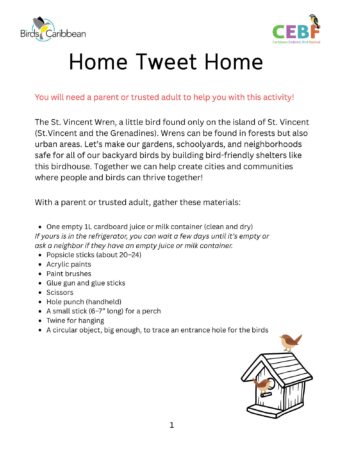
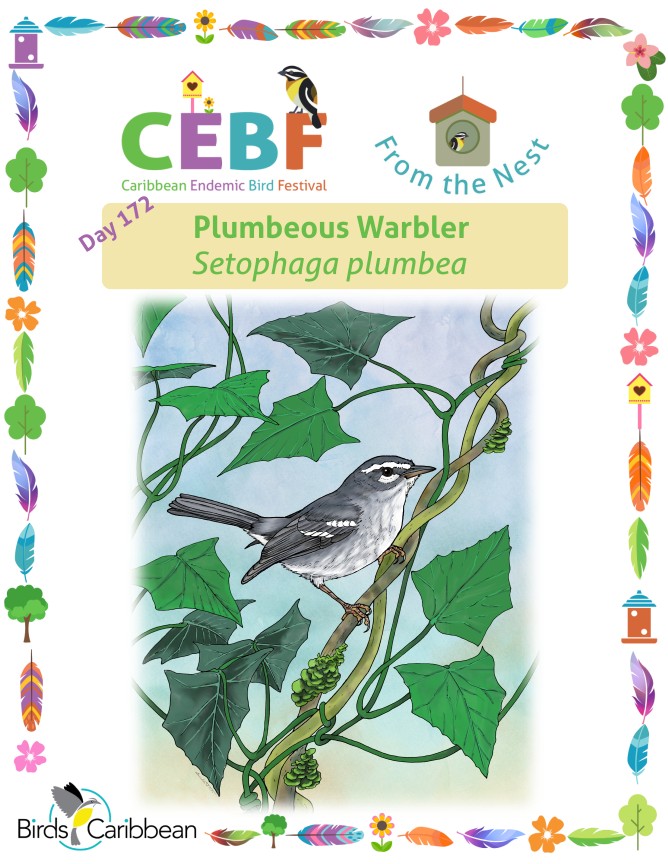
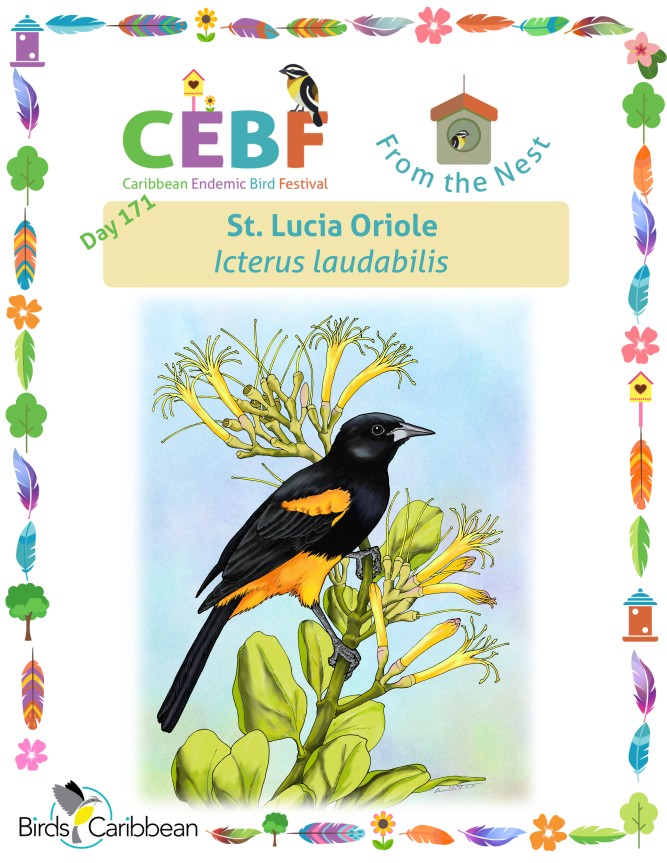
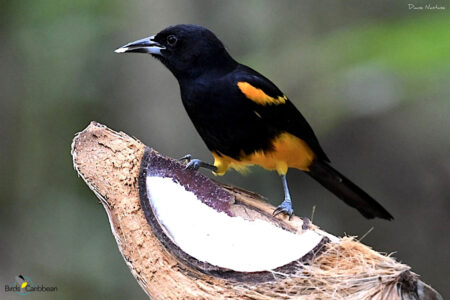
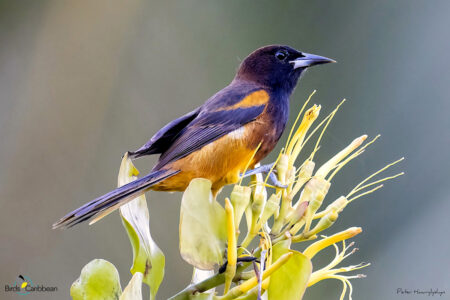
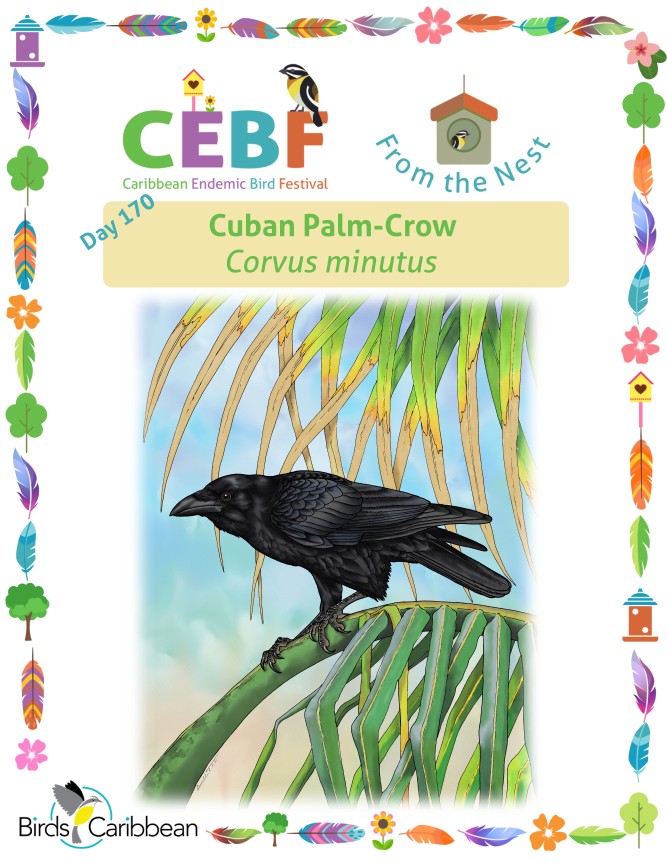
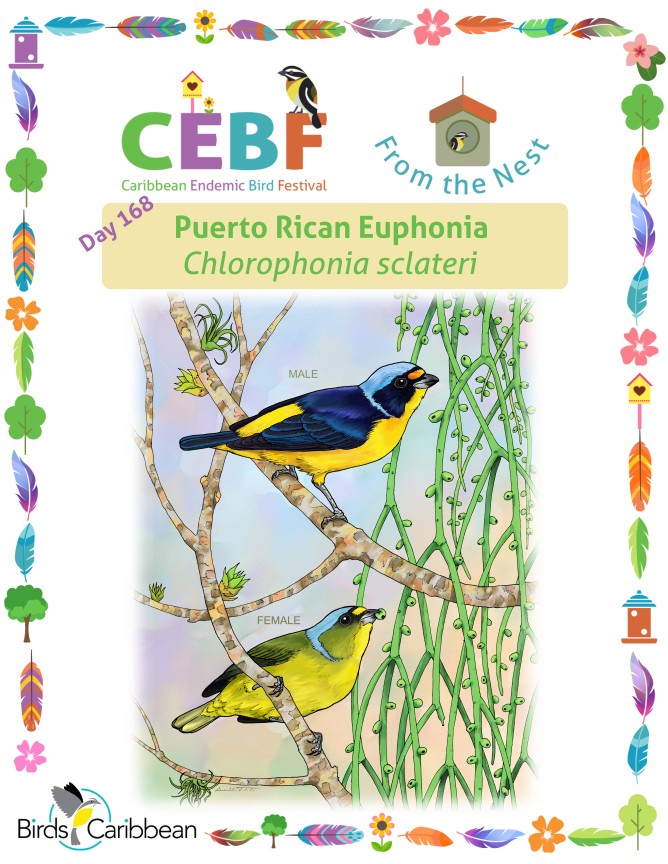
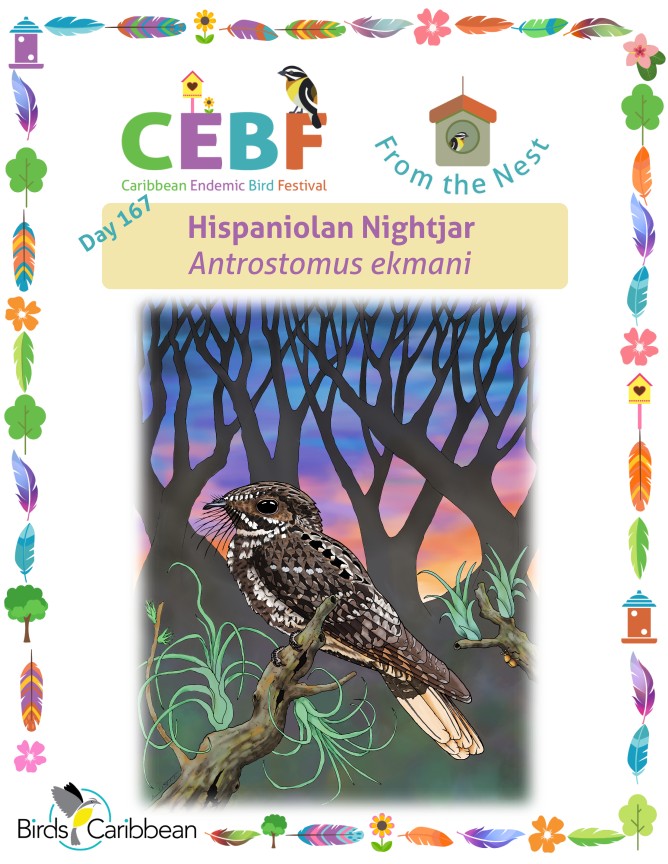
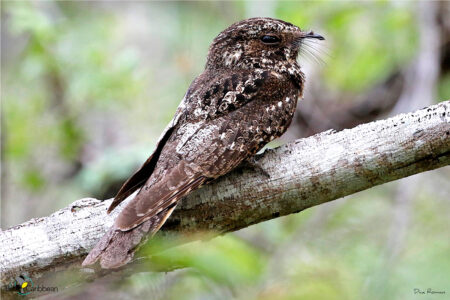
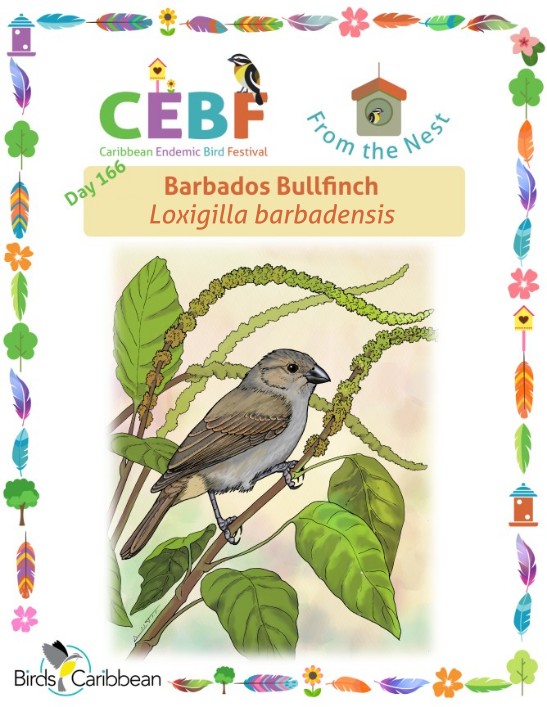
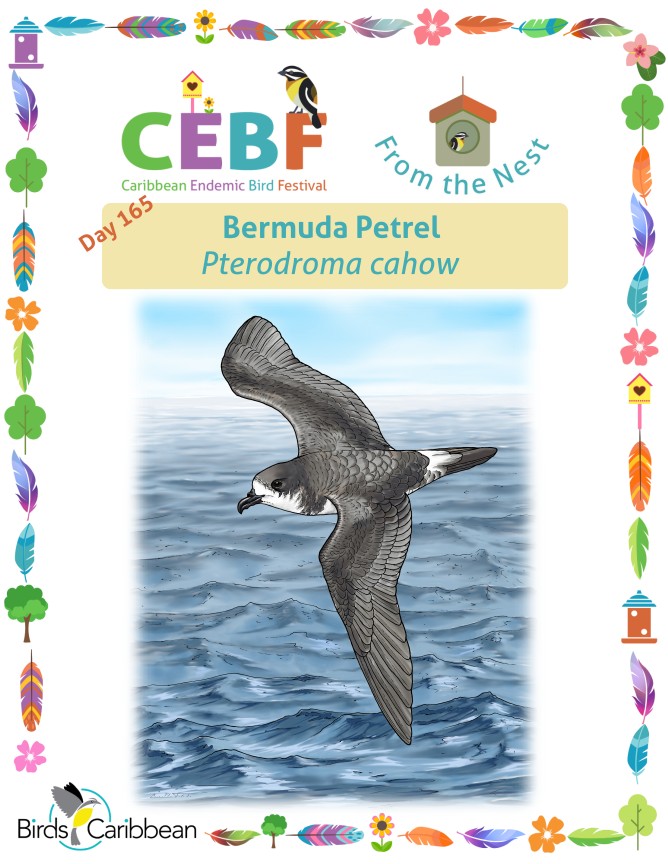
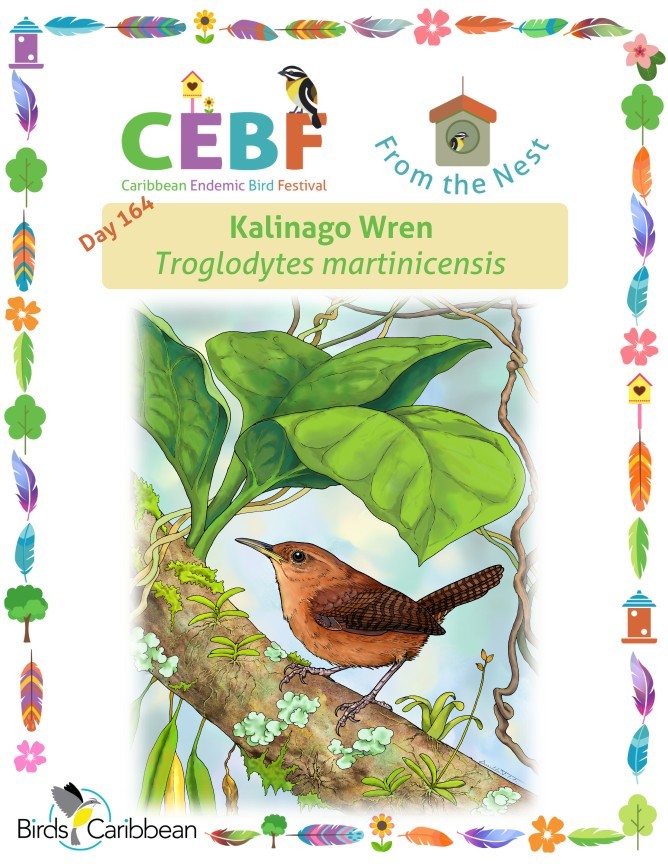
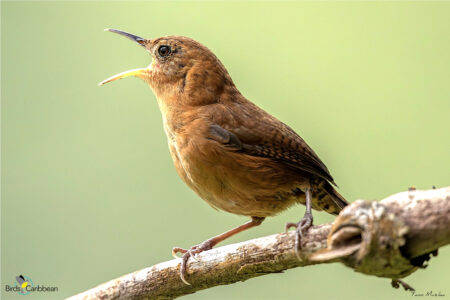
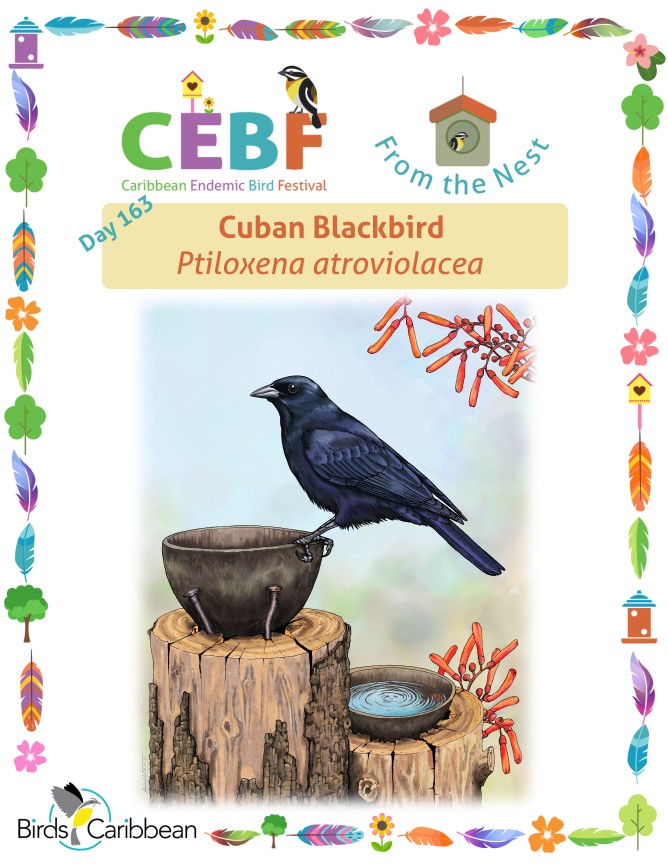
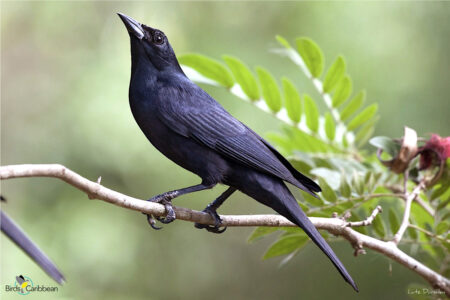
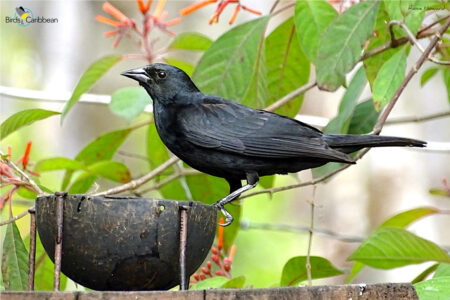
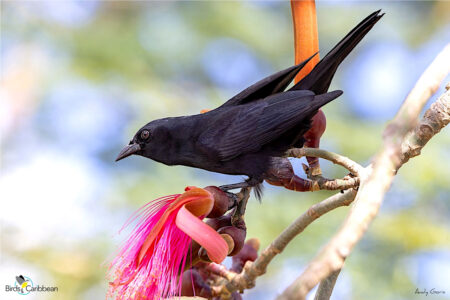
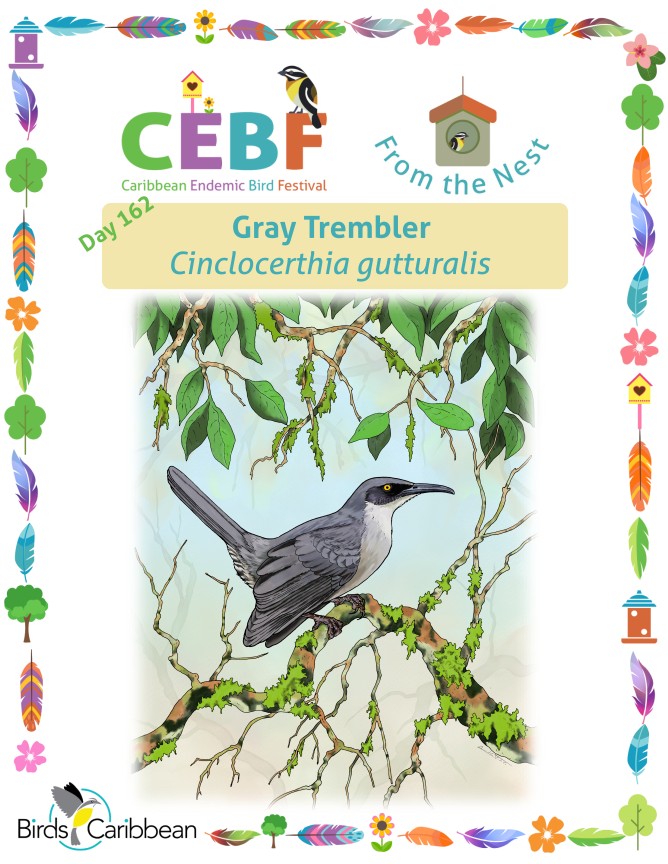
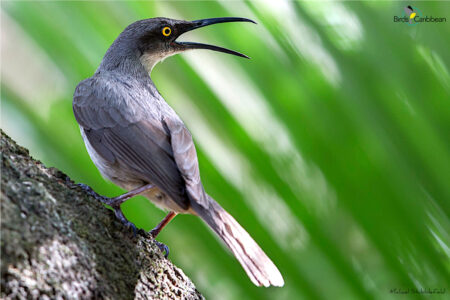
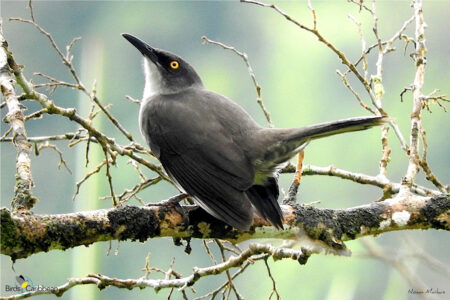
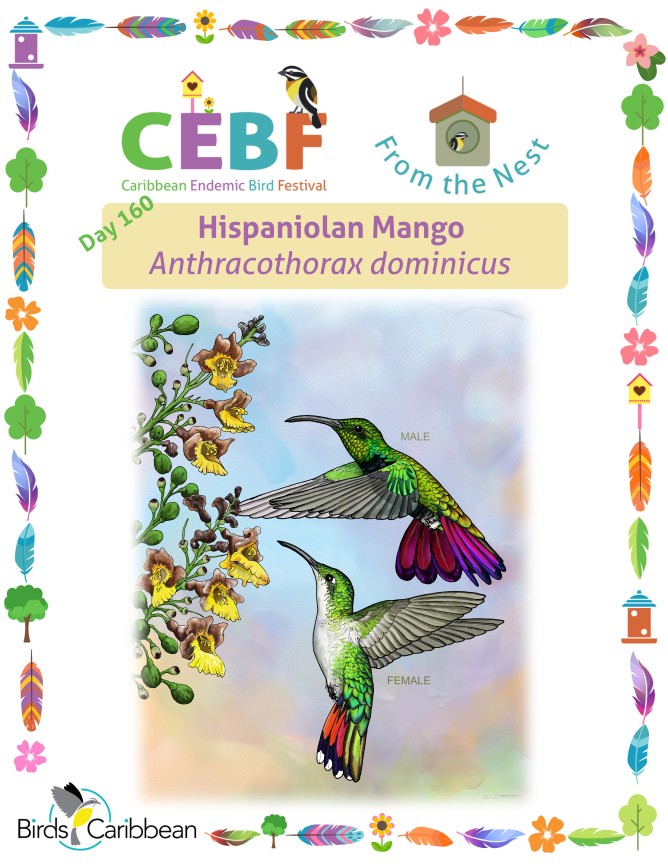
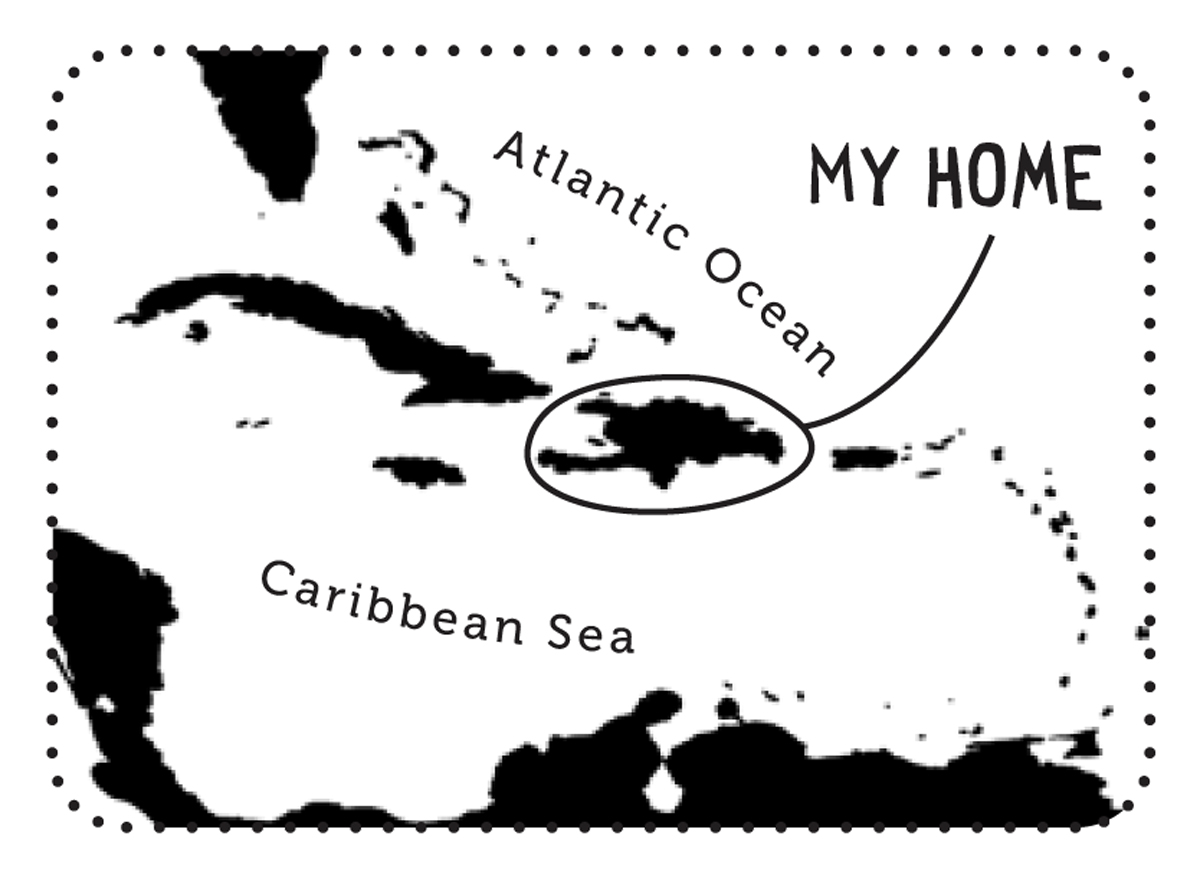
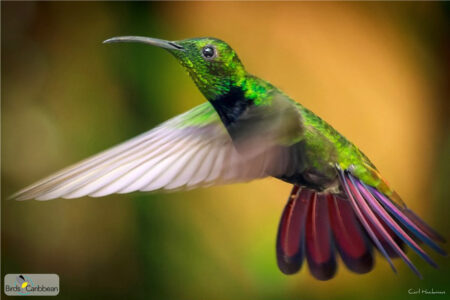
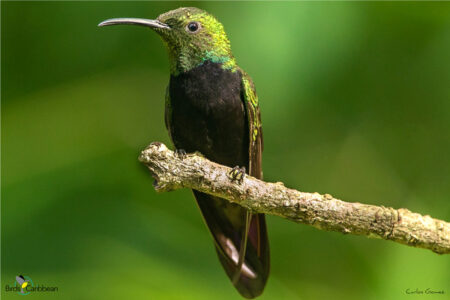
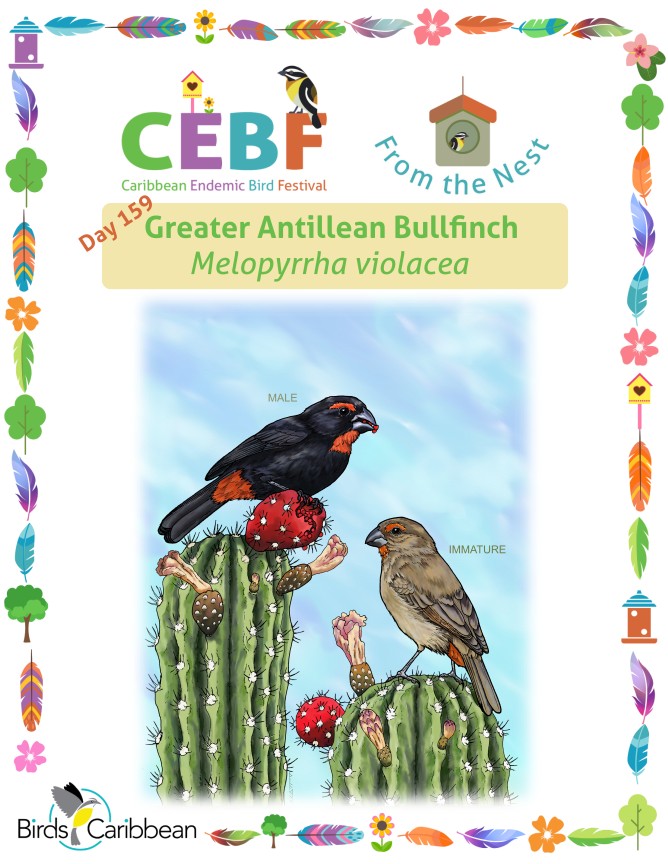
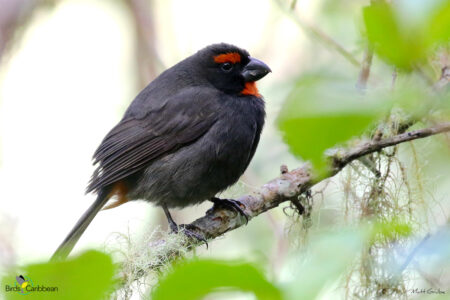
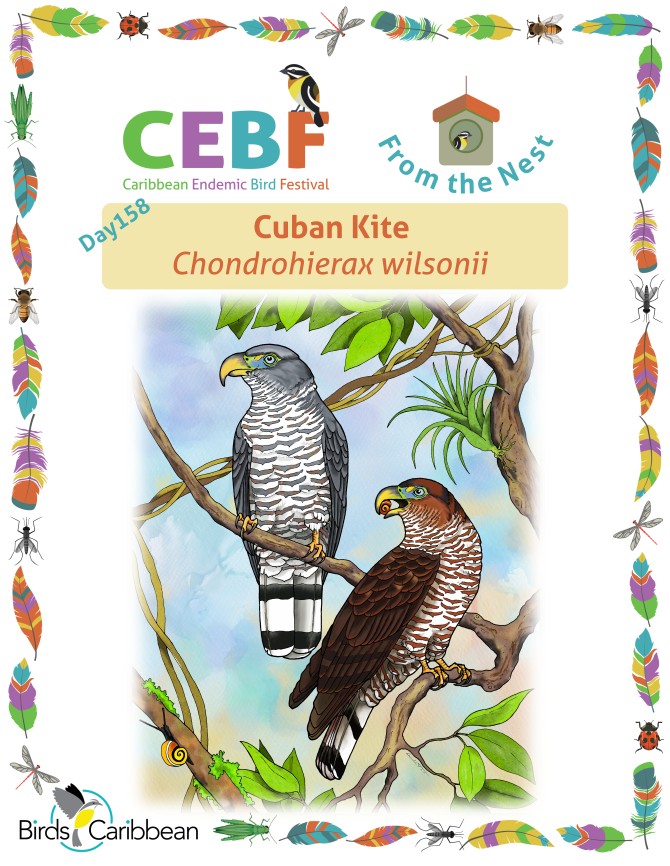
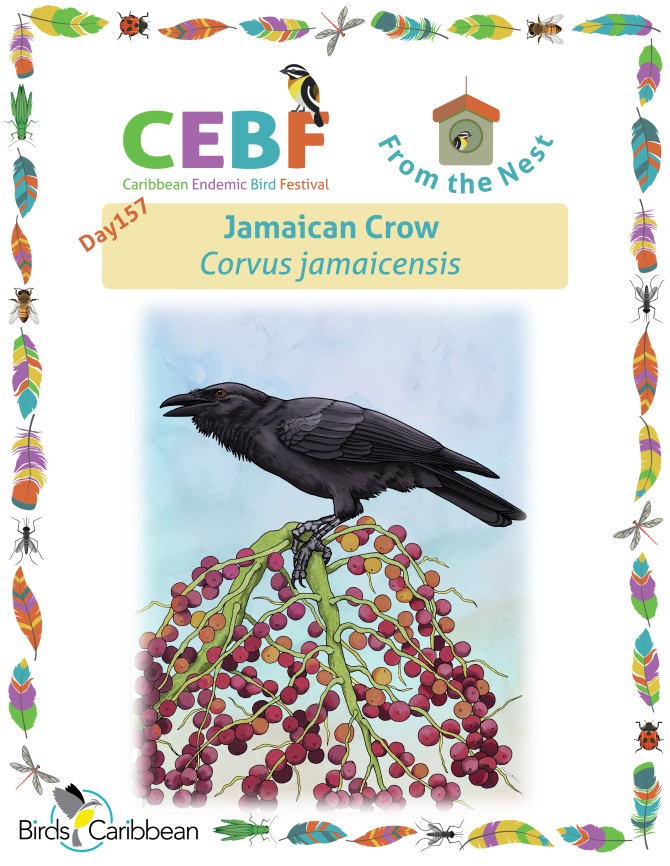
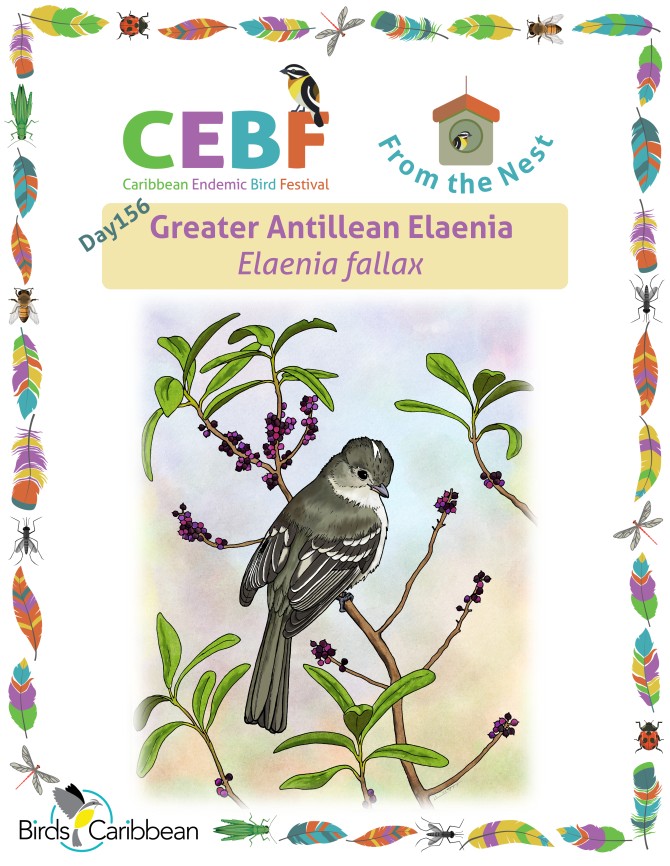
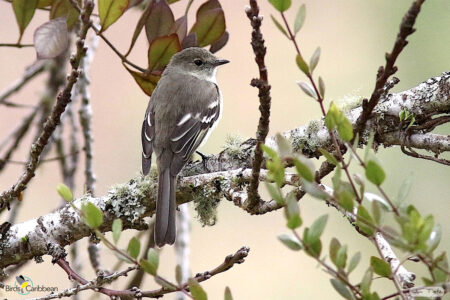
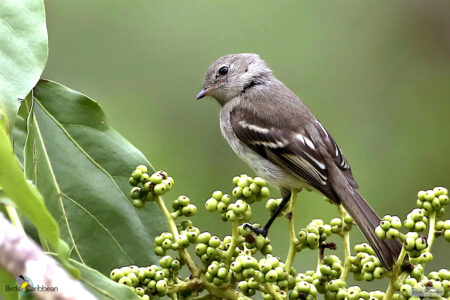
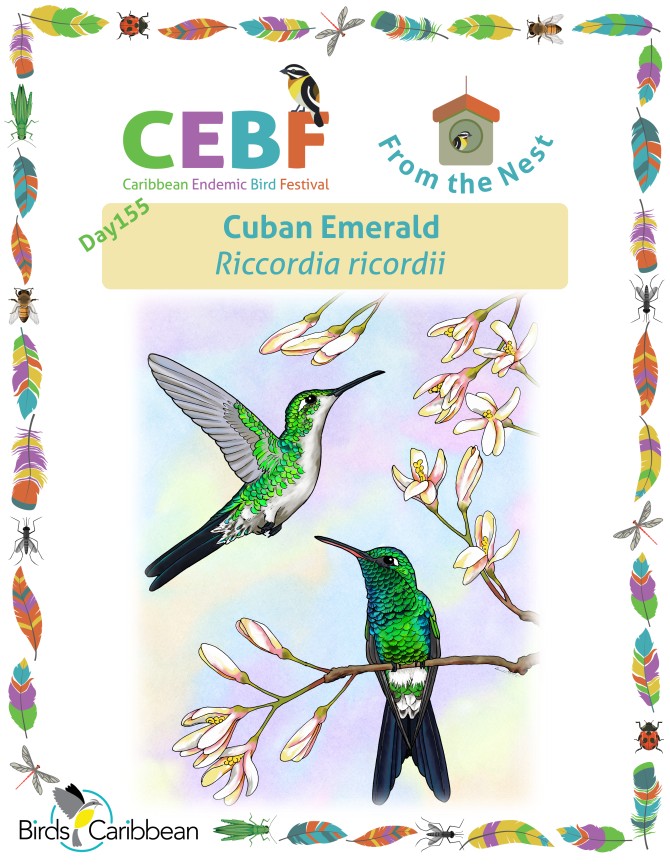
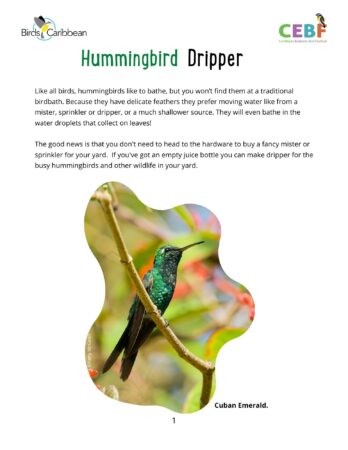
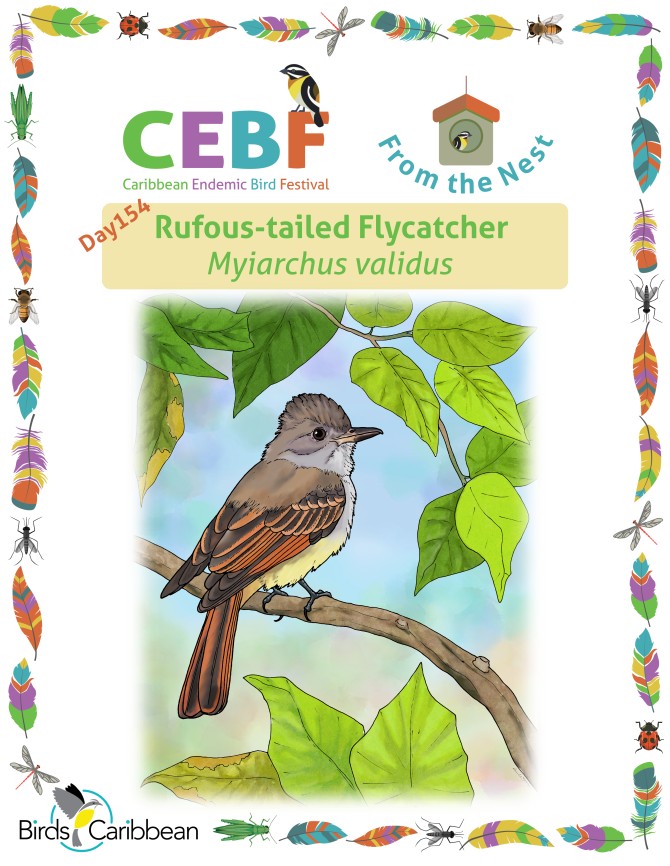
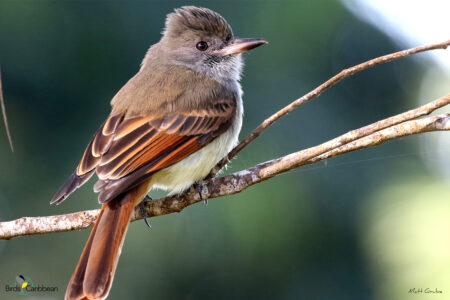
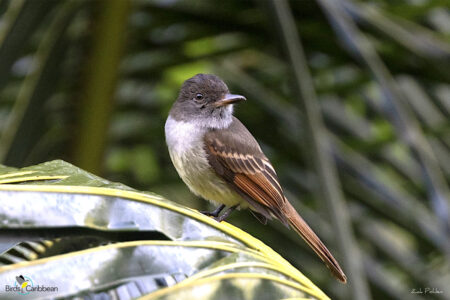
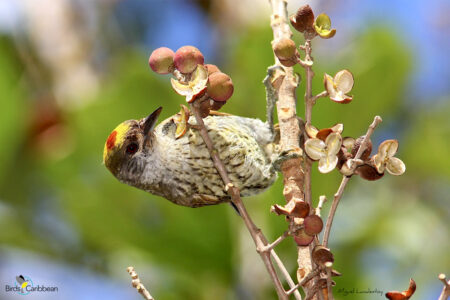
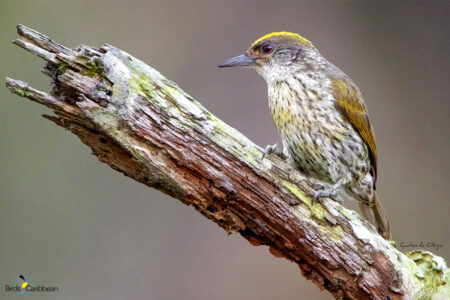
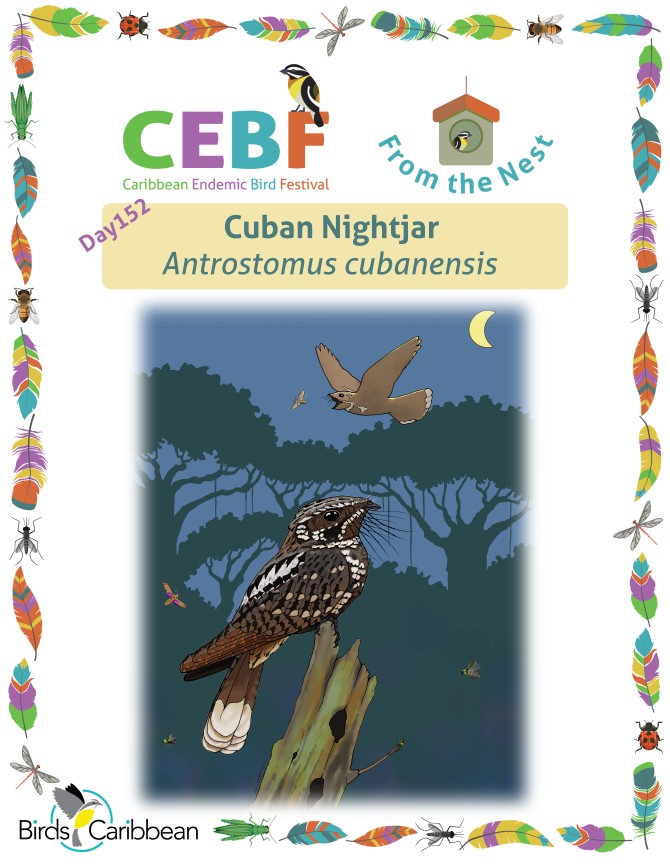
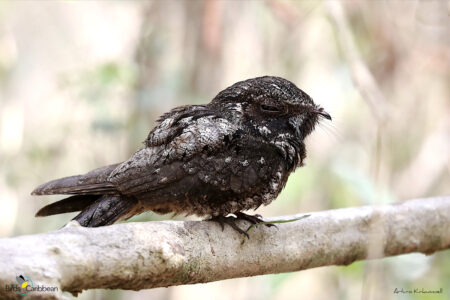
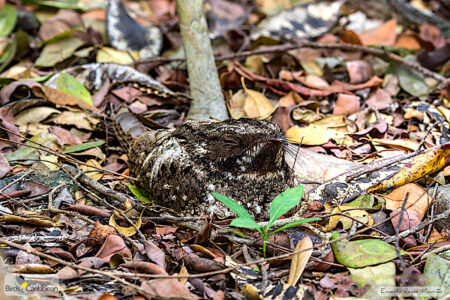
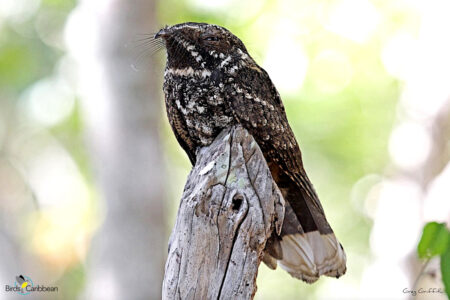
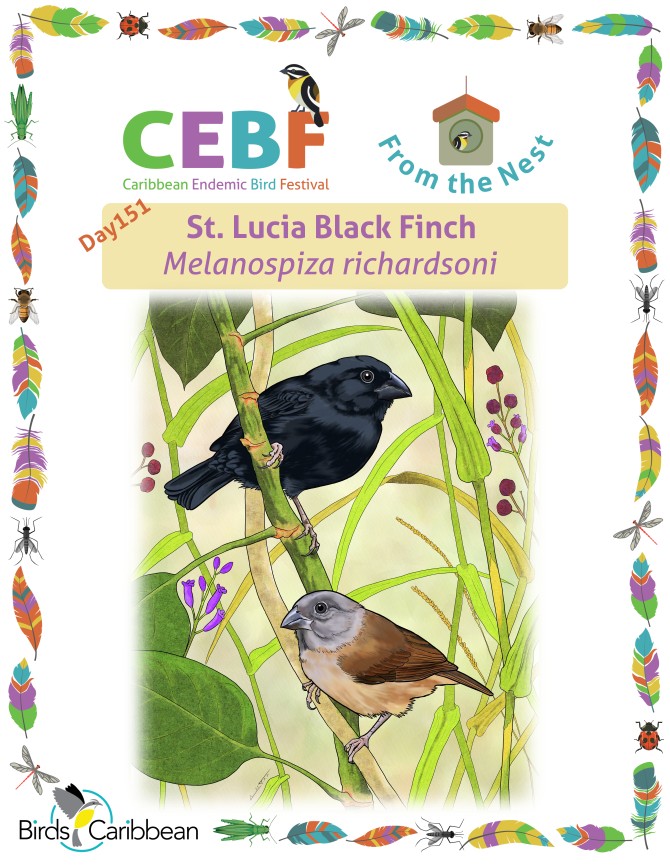
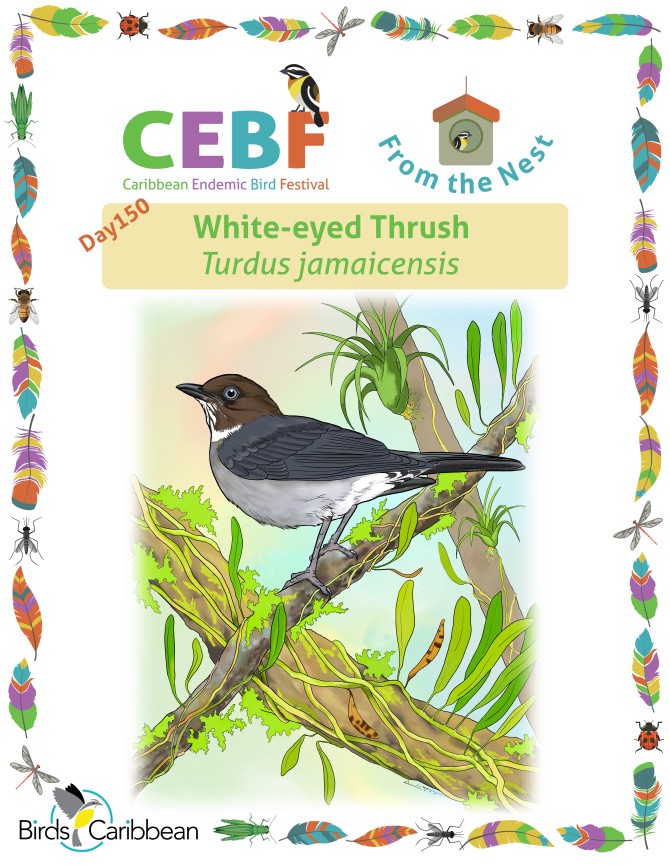
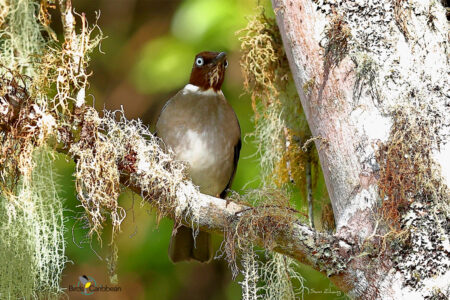
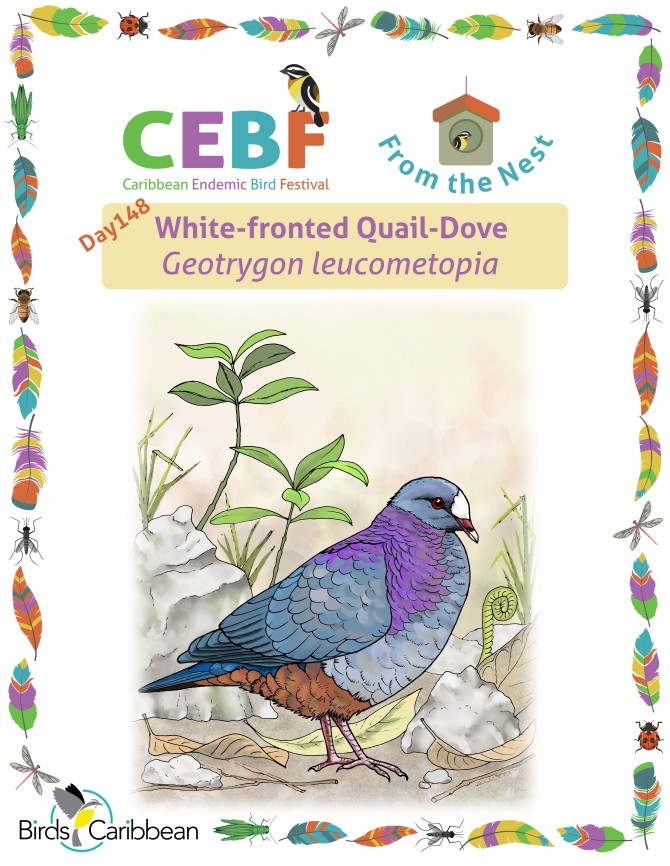
Each day, we featured a new Endemic Bird of the Day on our website and across BirdsCaribbean’s socials, sharing 15 new species in 2025. The species were carefully selected to showcase the vast breadth of the endemic wonders of the Caribbean—highlighting truly unique birds, like the Hispaniolan Nightjar; clever species like the Cuban Palm-Crow; and endemic crooners, like the St. Vincent Wren. You can find the complete library of 173 endemic birds covered thus far here.


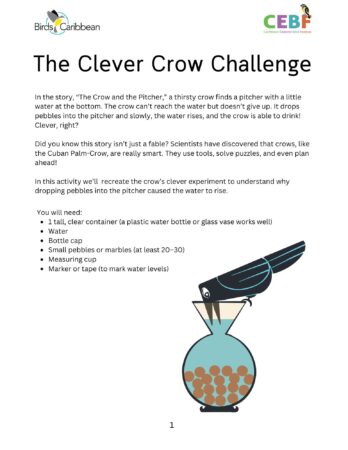
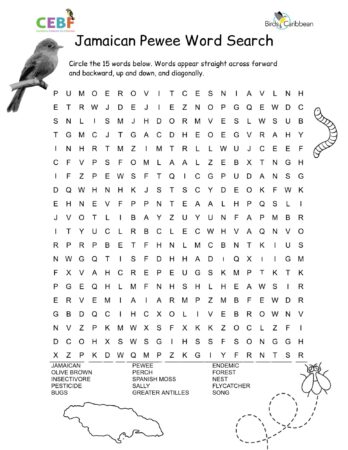
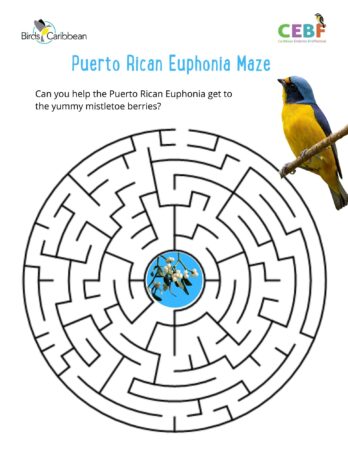
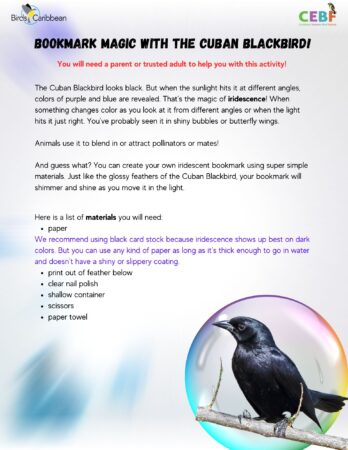
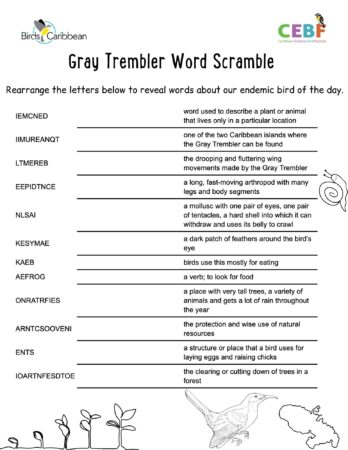
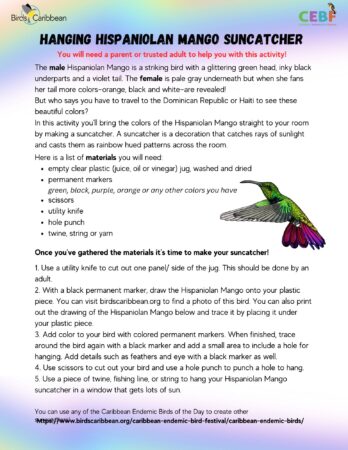
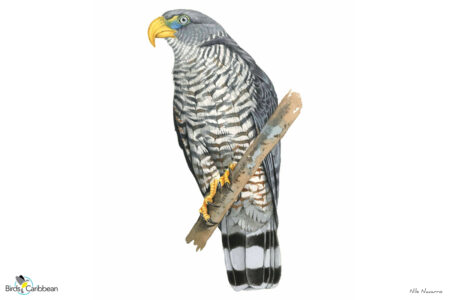
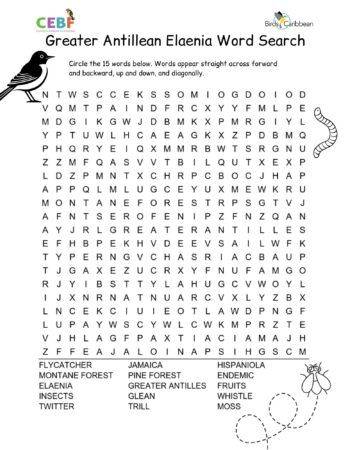
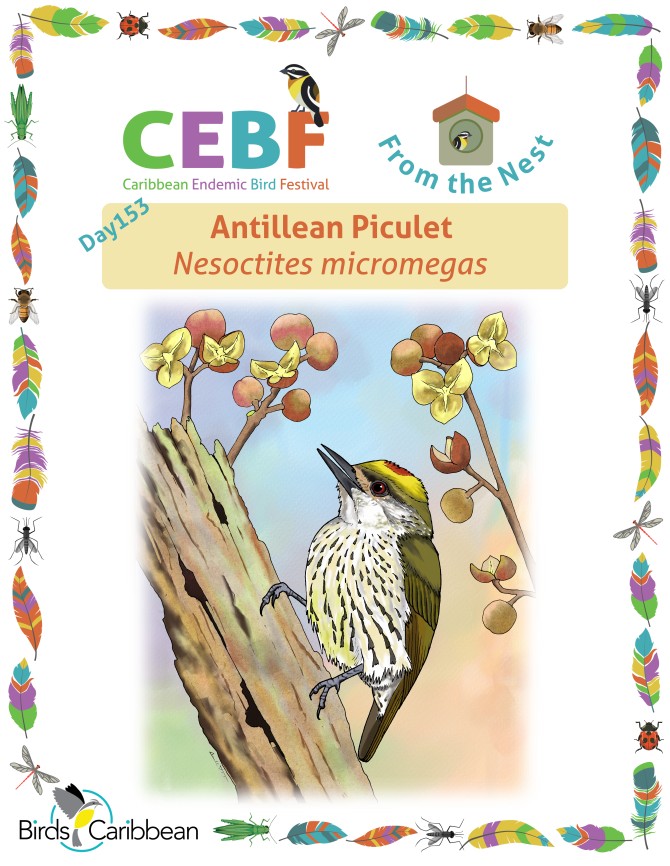
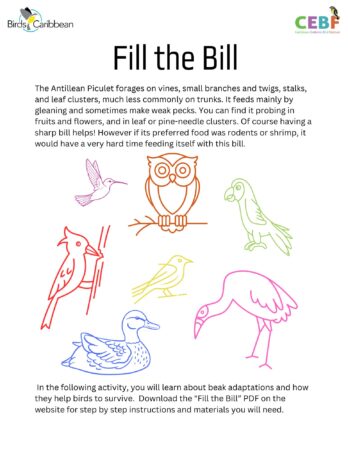
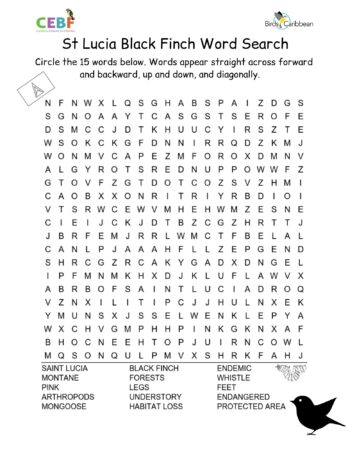
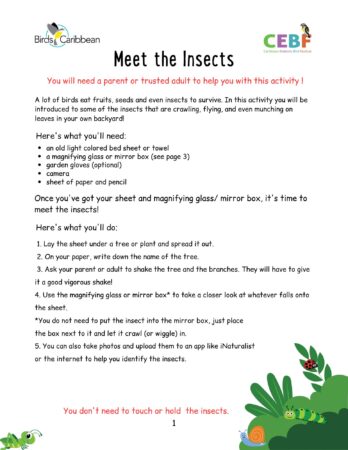
Each endemic bird profile was accompanied by a beautifully drawn image by award-winning Cuban artist Arnaldo Toledo, stunning high quality photos and videos, online puzzles tailored for different levels (between six and 1,024 pieces), and bird calls. Fun, free and engaging activities were also provided for both kids and adults, including downloadable coloring pages, experiments, up-cycle crafts, and more.
This year’s CEBF is over—but don’t worry, we still have plenty of bird content for you to enjoy! Make sure you are following us on Facebook, Instagram, Twitter, and LinkedIn, and have joined the BirdsCaribbean mailing list, to ensure you are kept up to date with our latest news via our monthly newsletter.
Acknowledgements: A massive THANK YOU to the island coordinators for your enthusiasm and dedication to making this another memorable CEBF! Each year we see a growing number of participants committed to increasing their knowledge of Caribbean birds and actively working to protect their habitats. We also extend our gratitude to our donors and members who help us provide the coordinators with the support and resources they need to educate and inspire future generations of bird and nature loving communities.