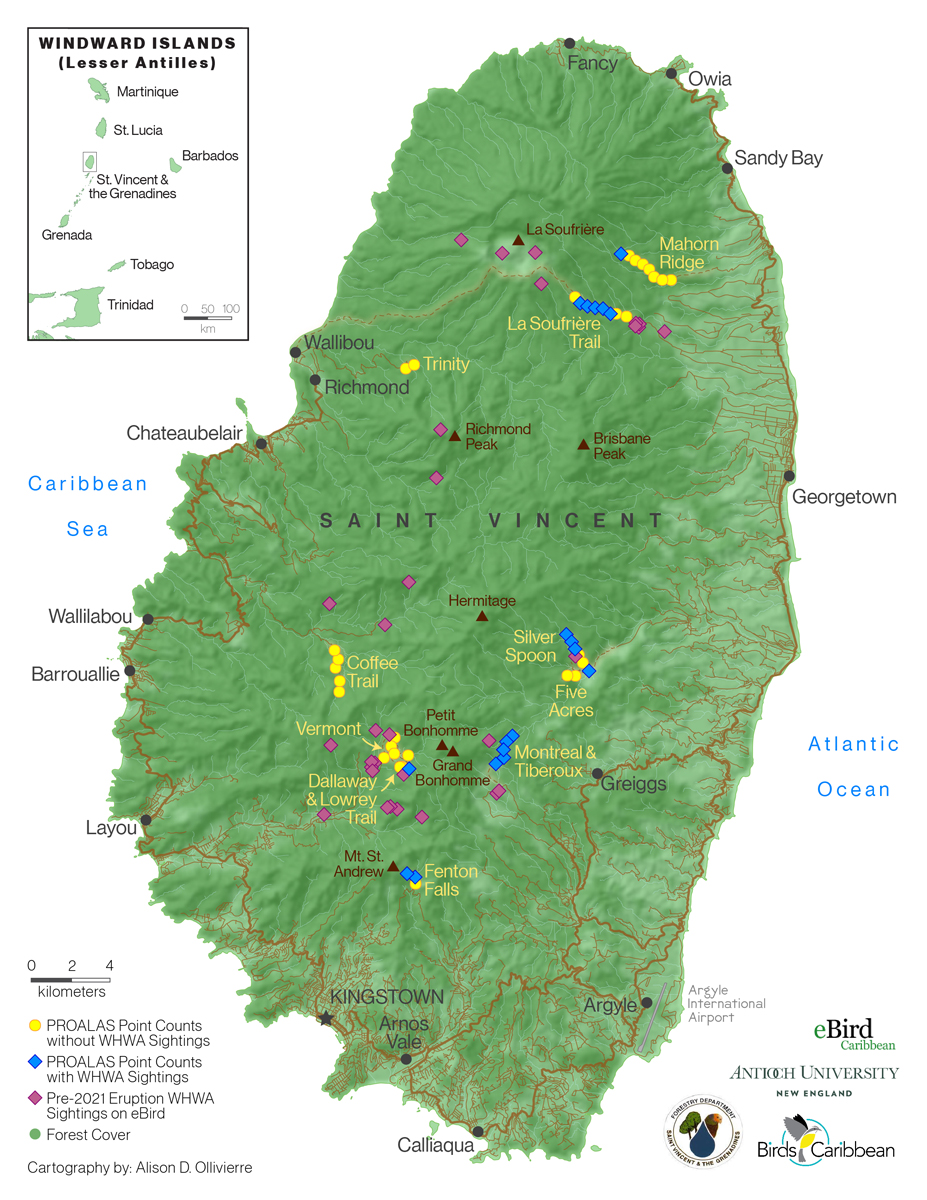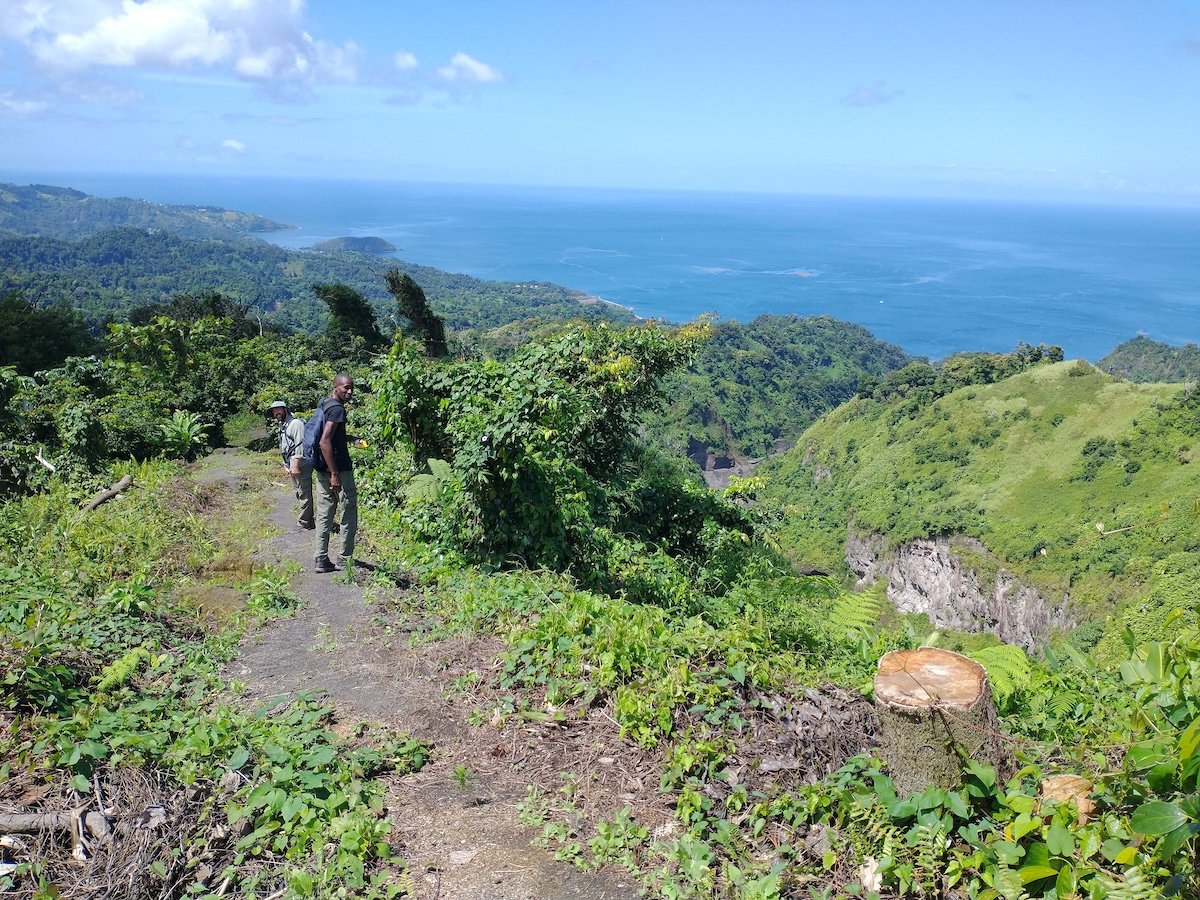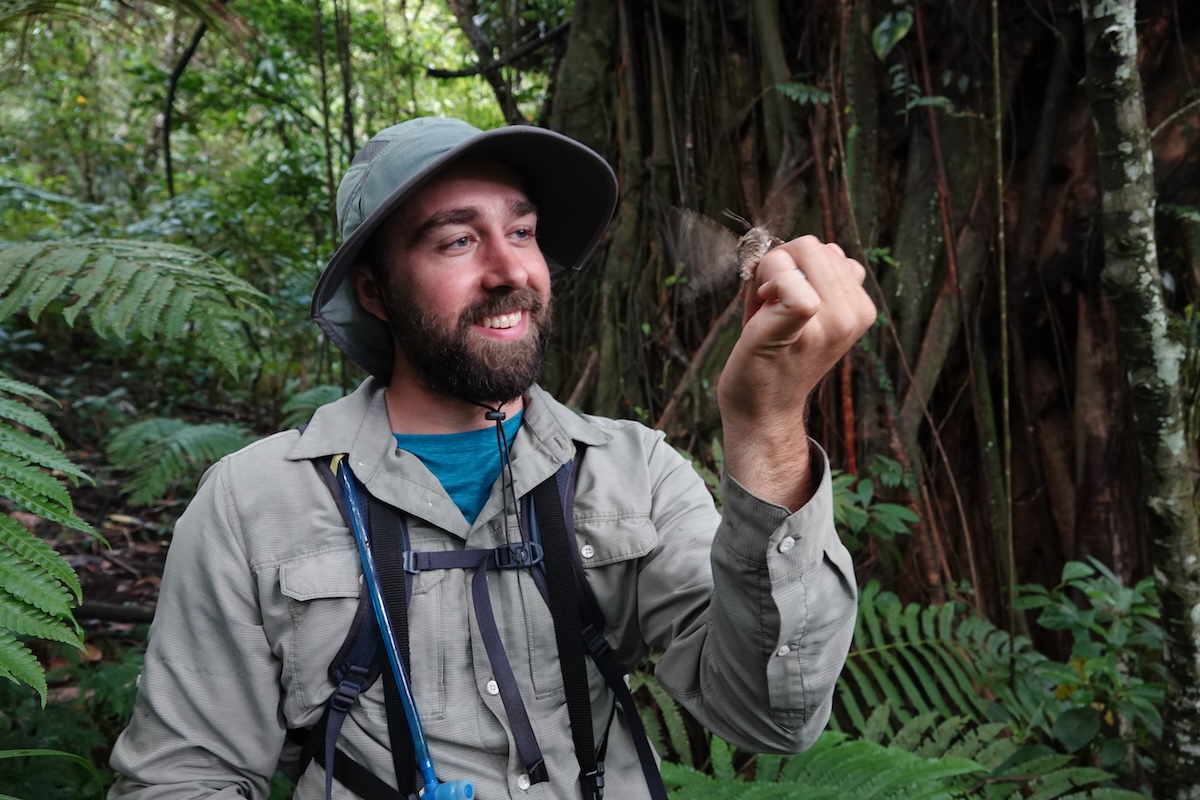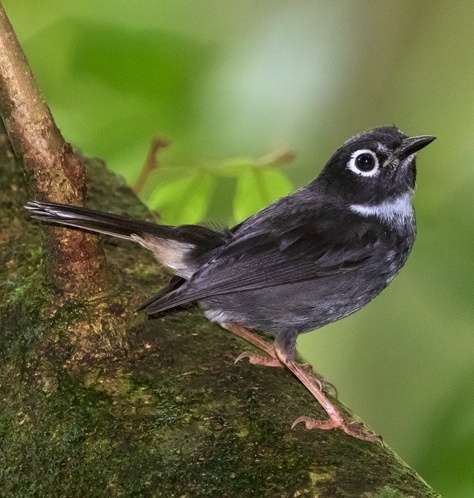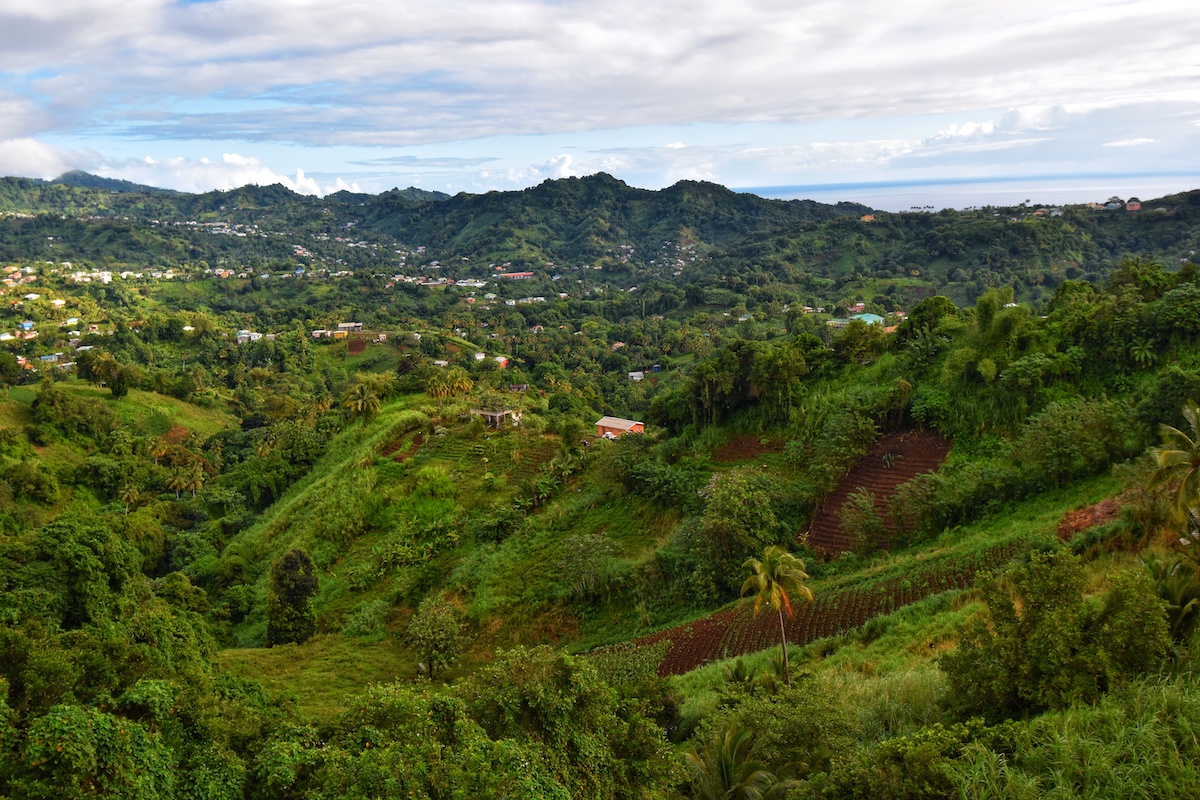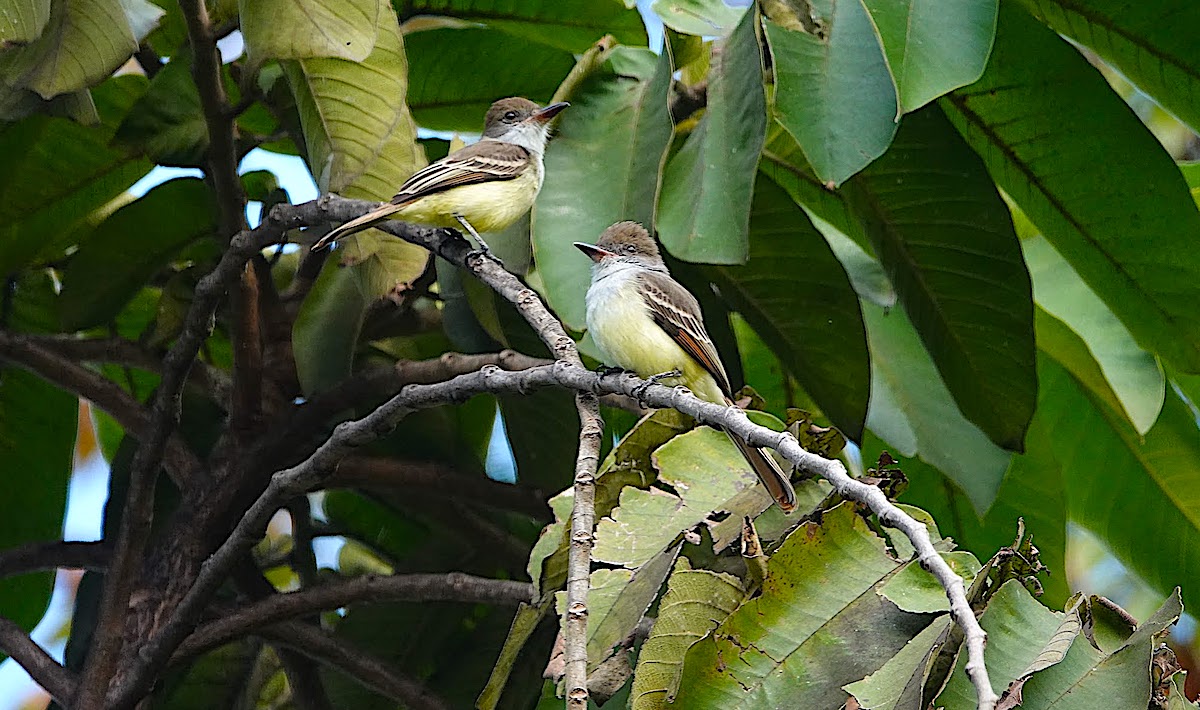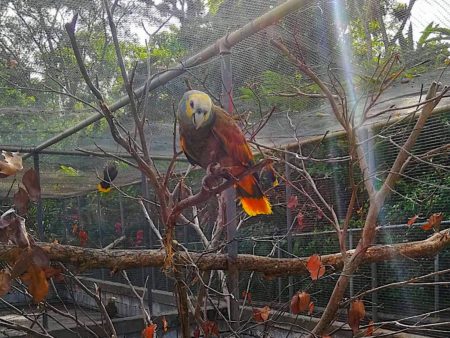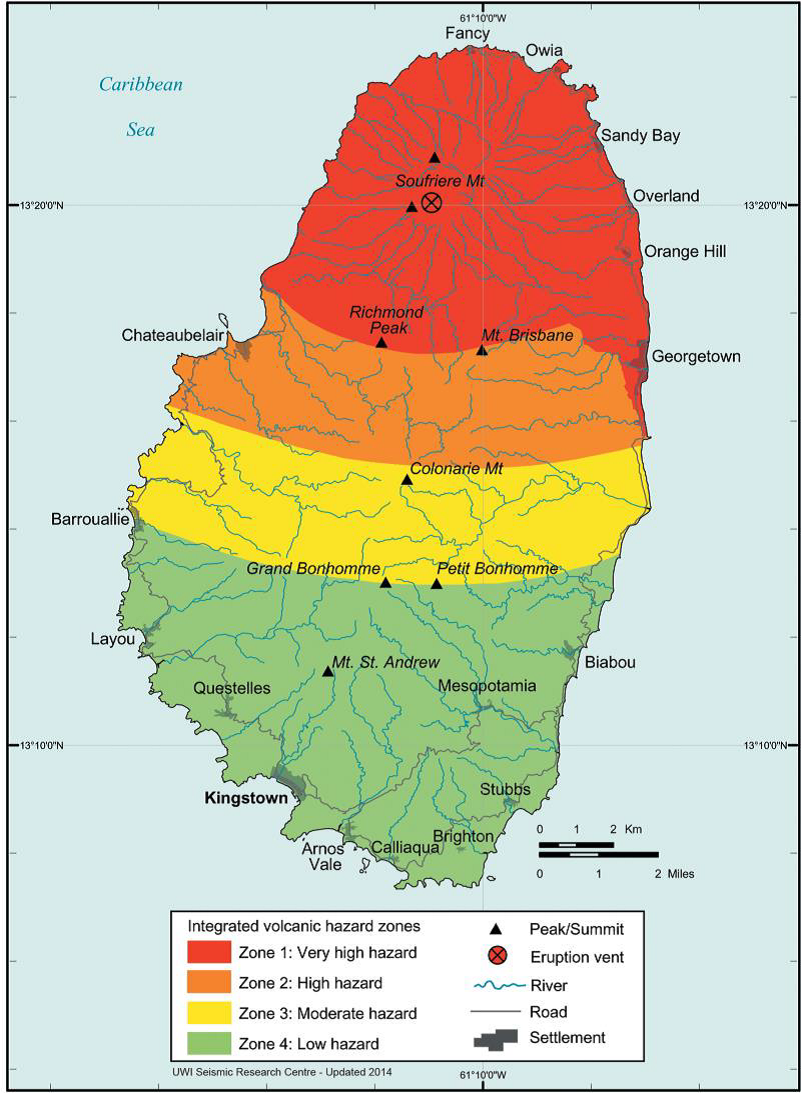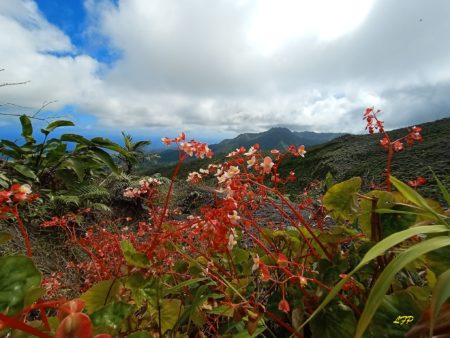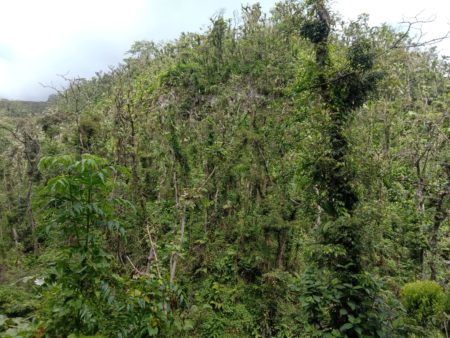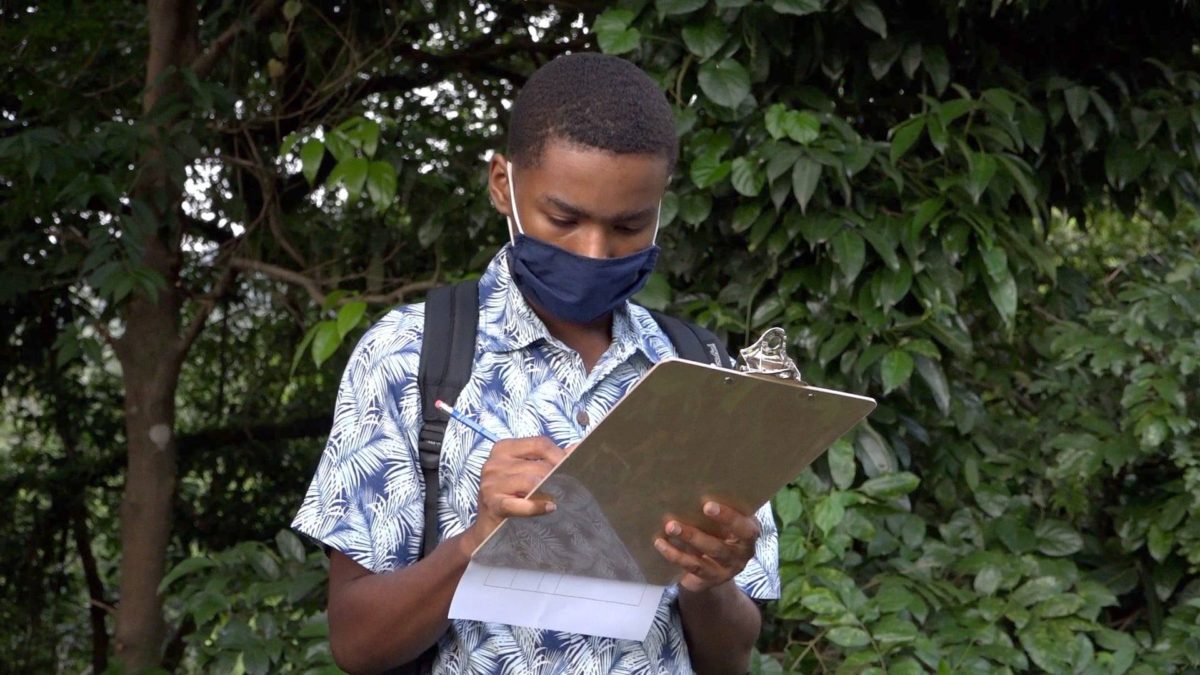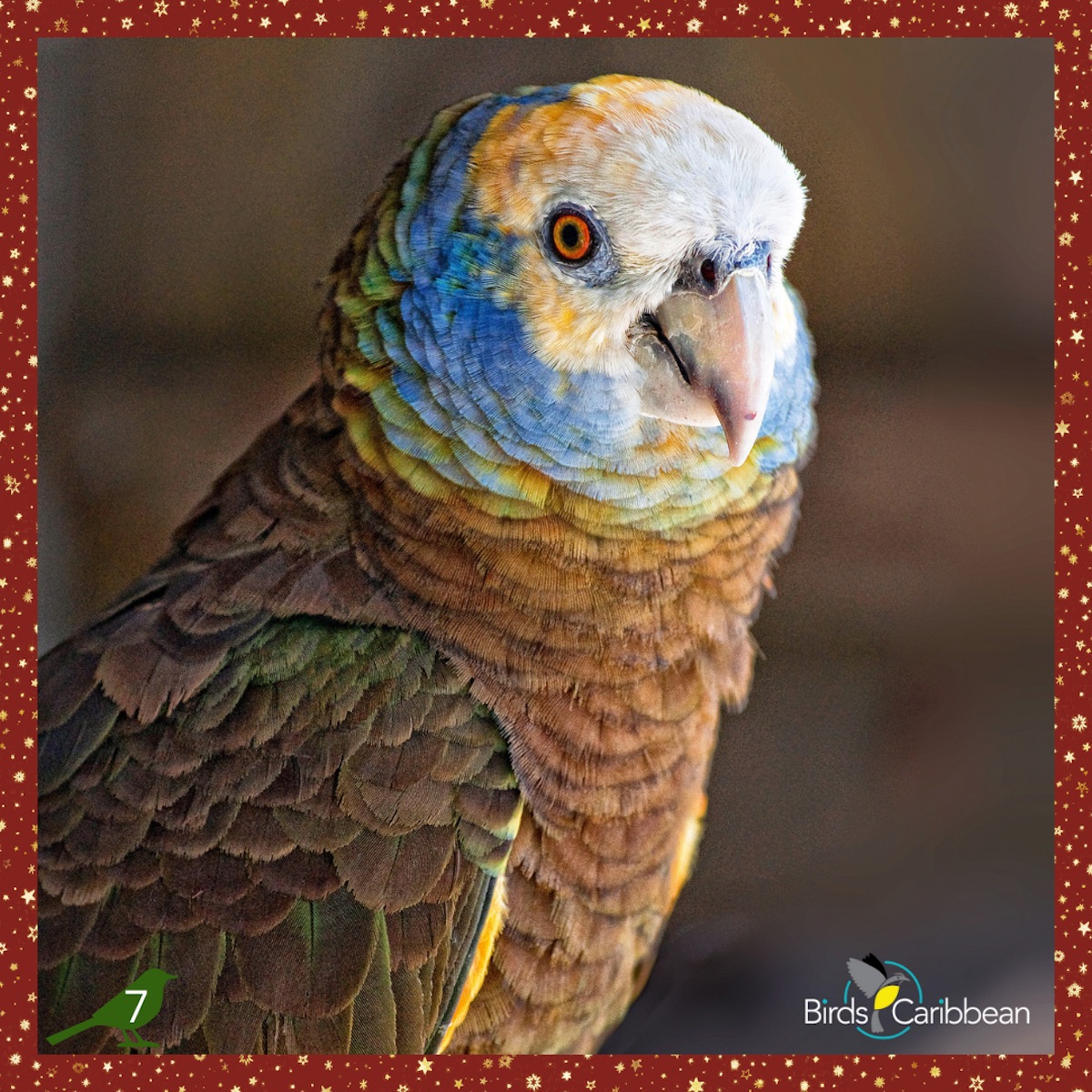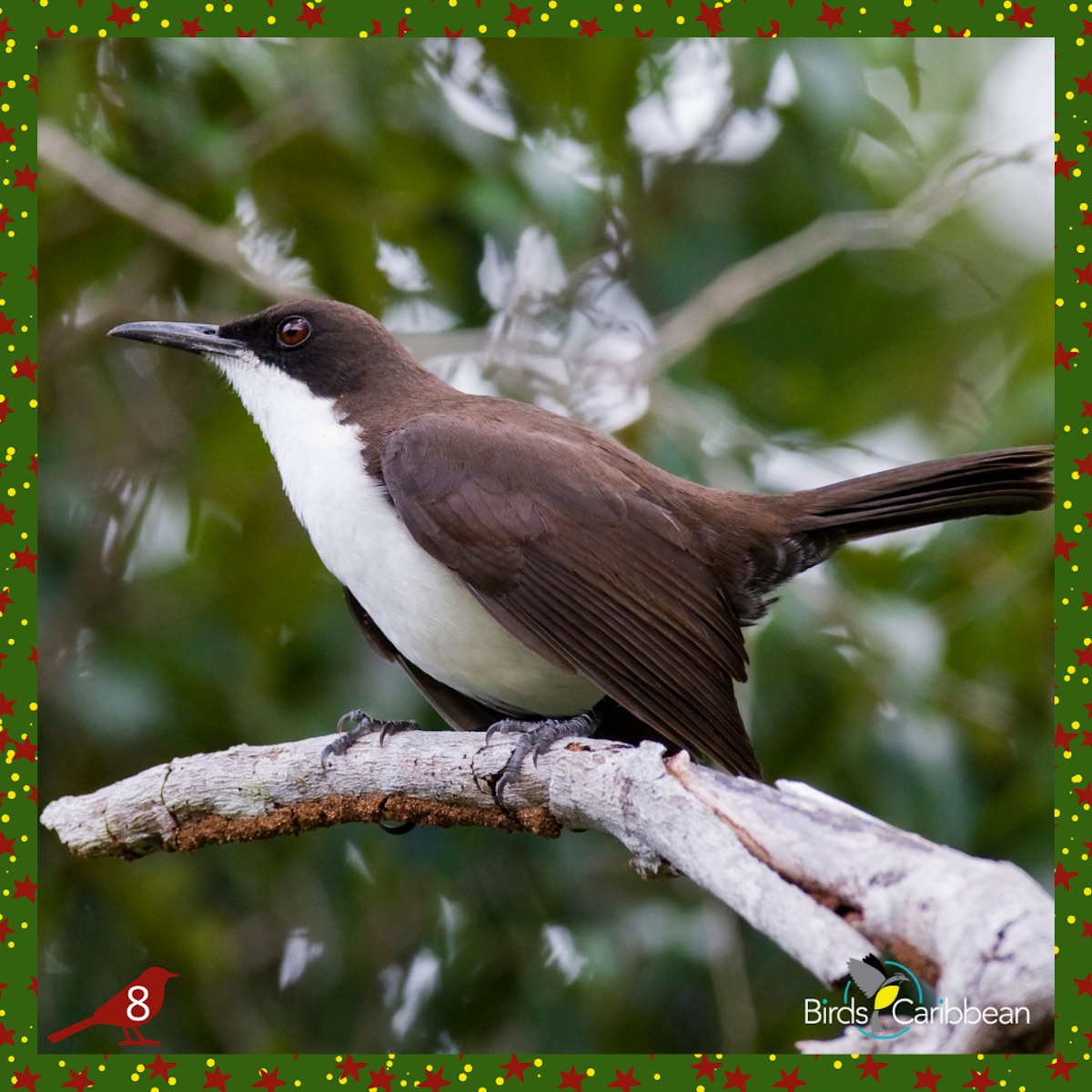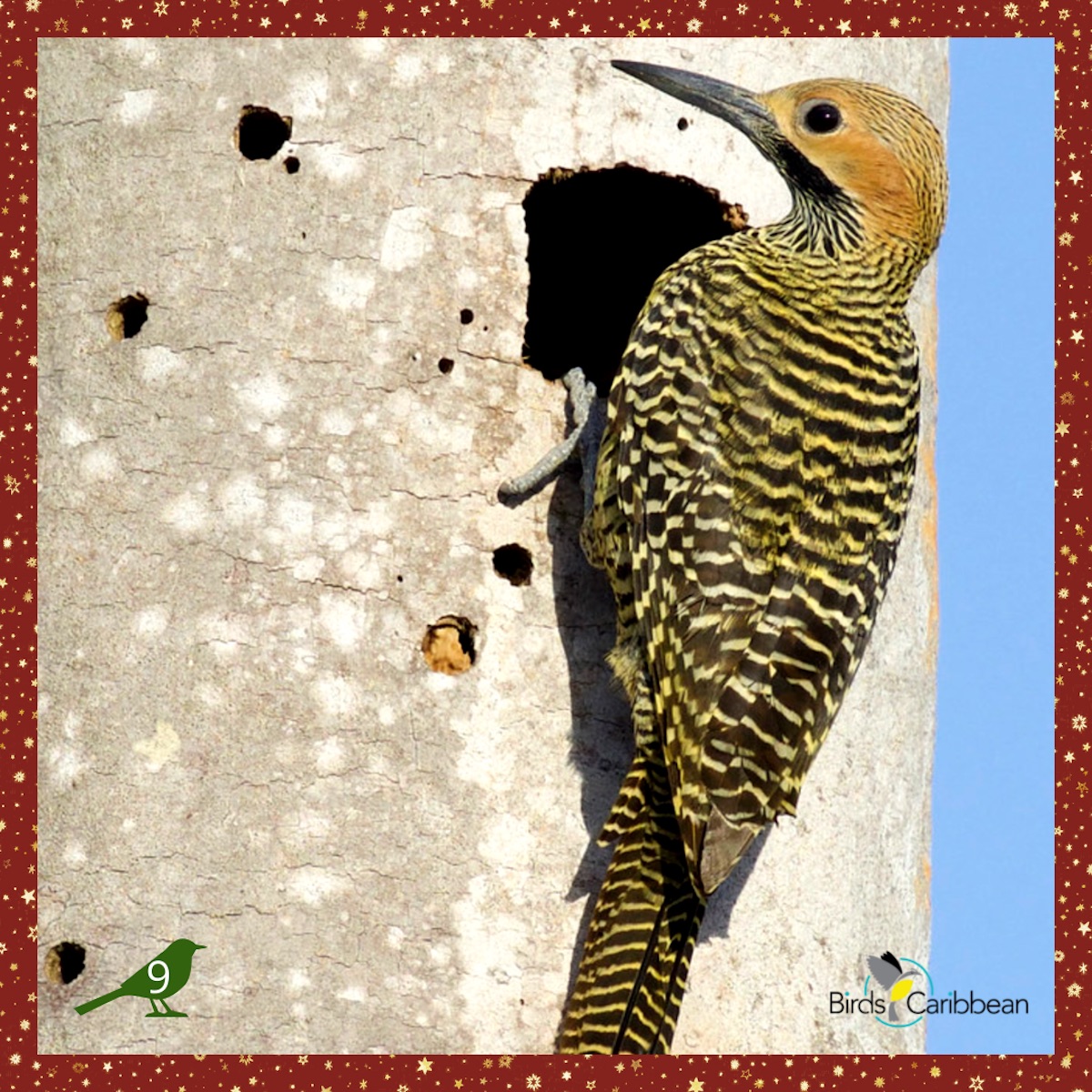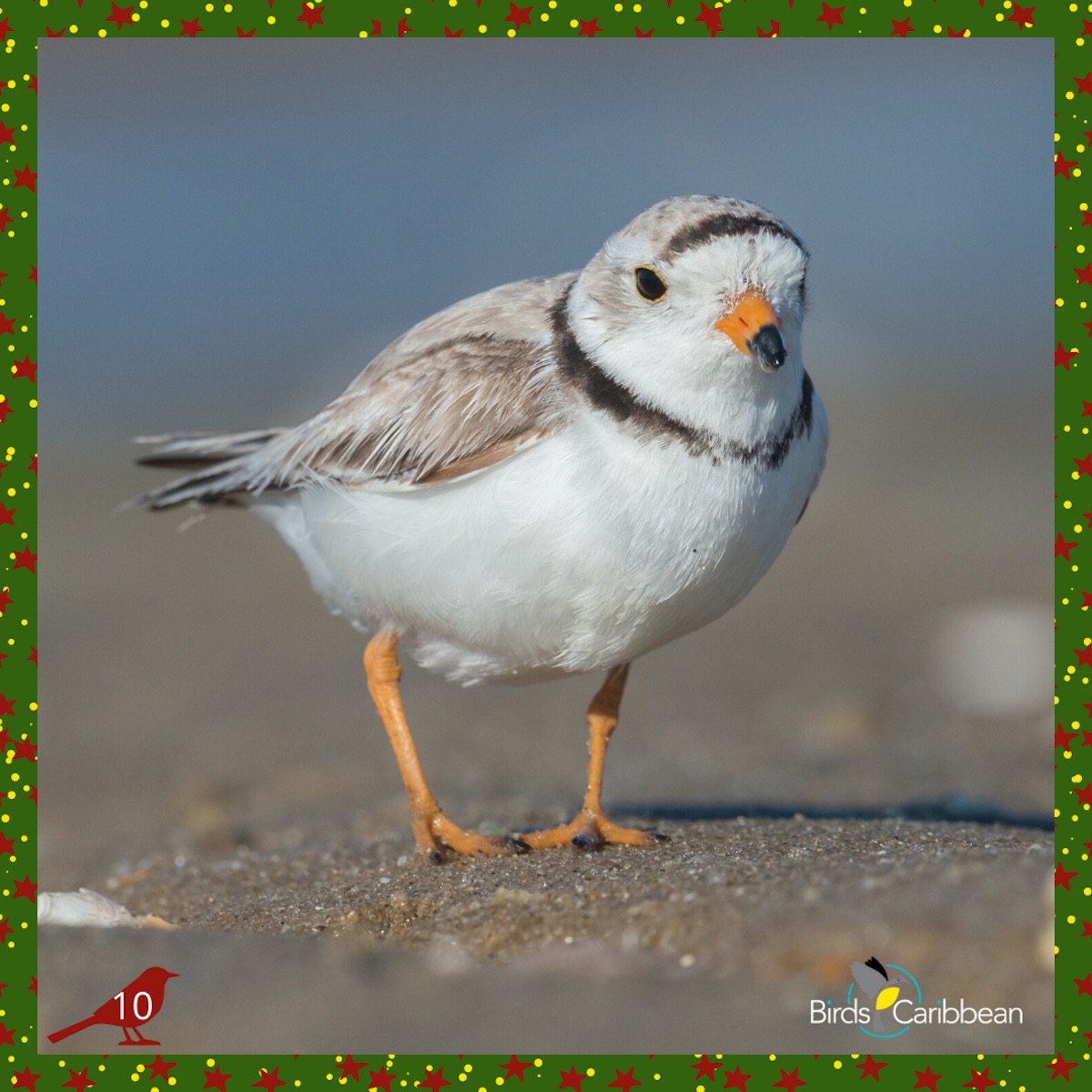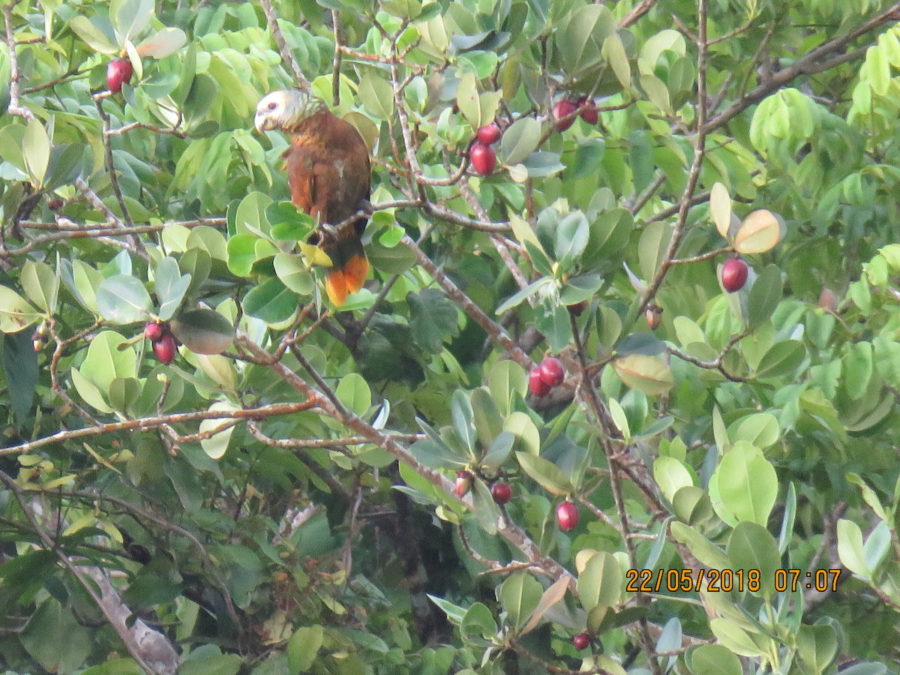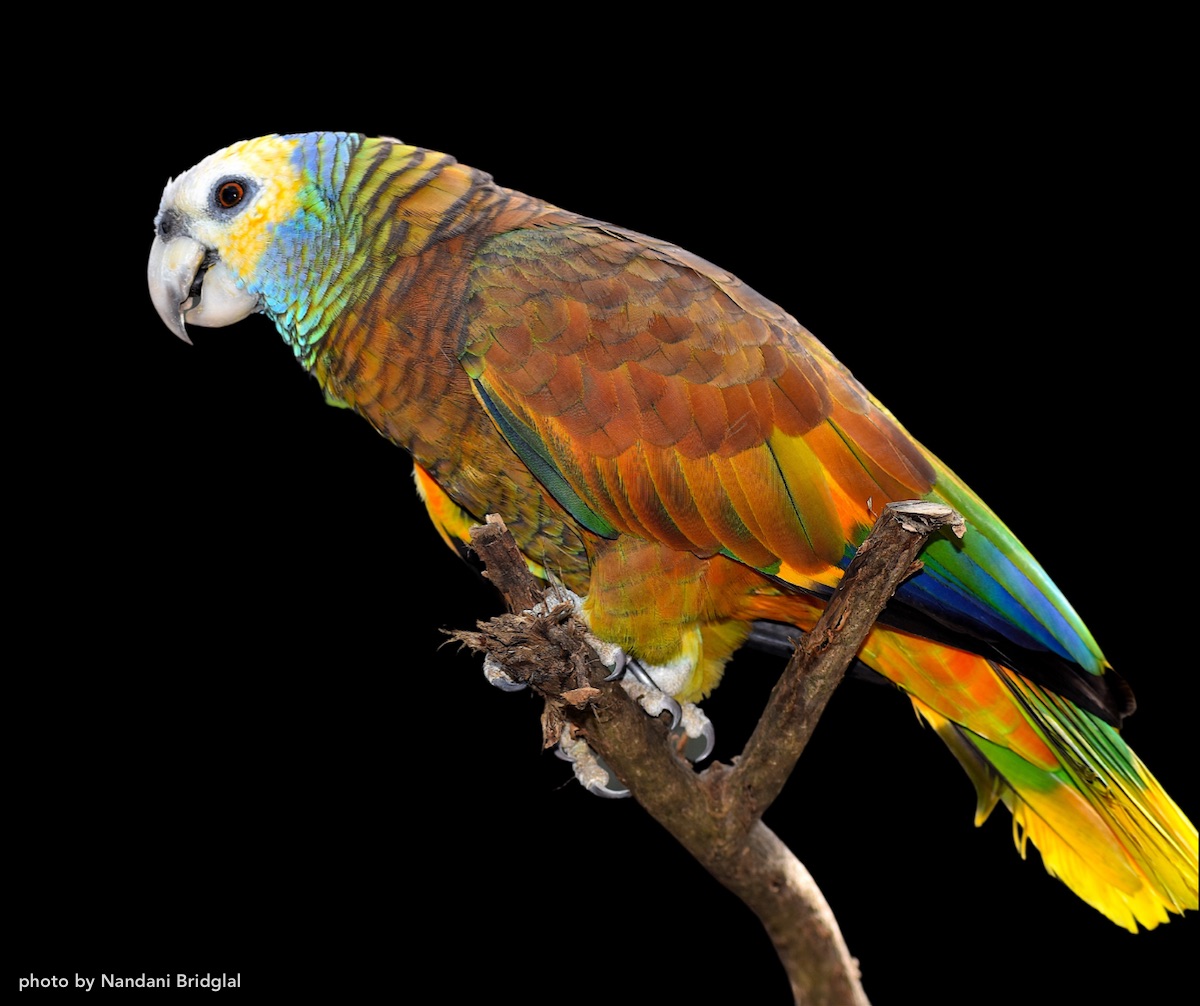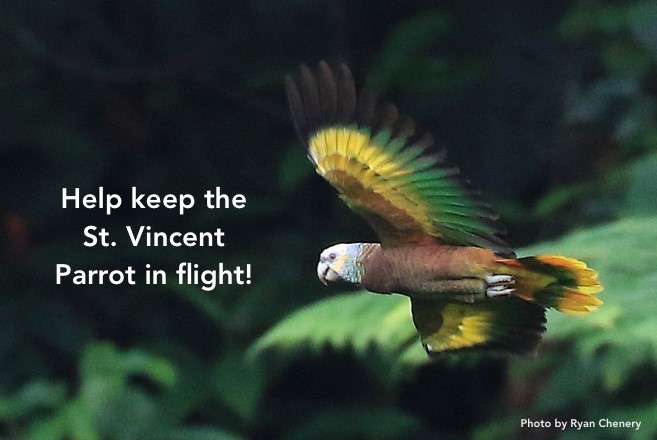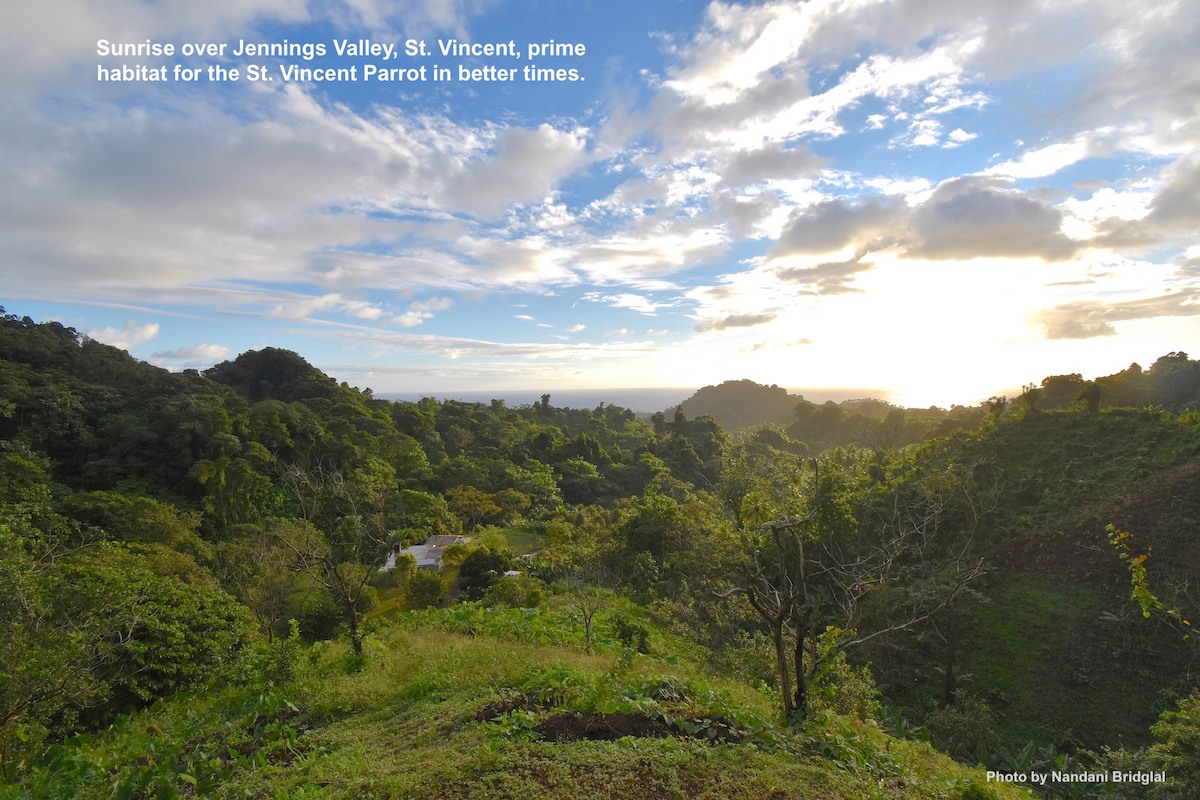
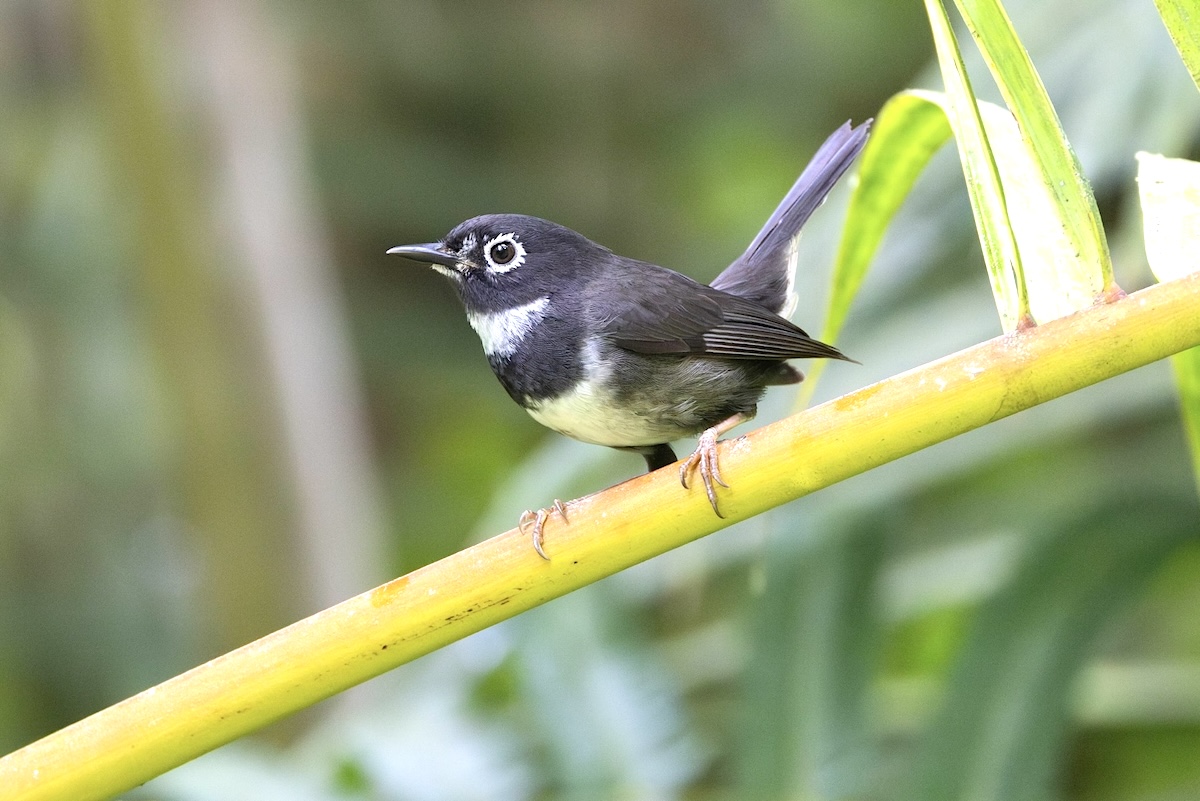
Nestled in the eastern Caribbean, St. Vincent and the Grenadines is more than a multi-island travel destination offering stunning coastlines. The lush peaks and valleys of mainland St. Vincent are home to rare wildlife, including two species of profound importance: the vibrant St. Vincent Amazon, localled called ‘Vincy Parrot,’ and the elusive Whistling Warbler. These birds, found nowhere else on Earth, are fundamental to the island’s natural heritage and national identity.

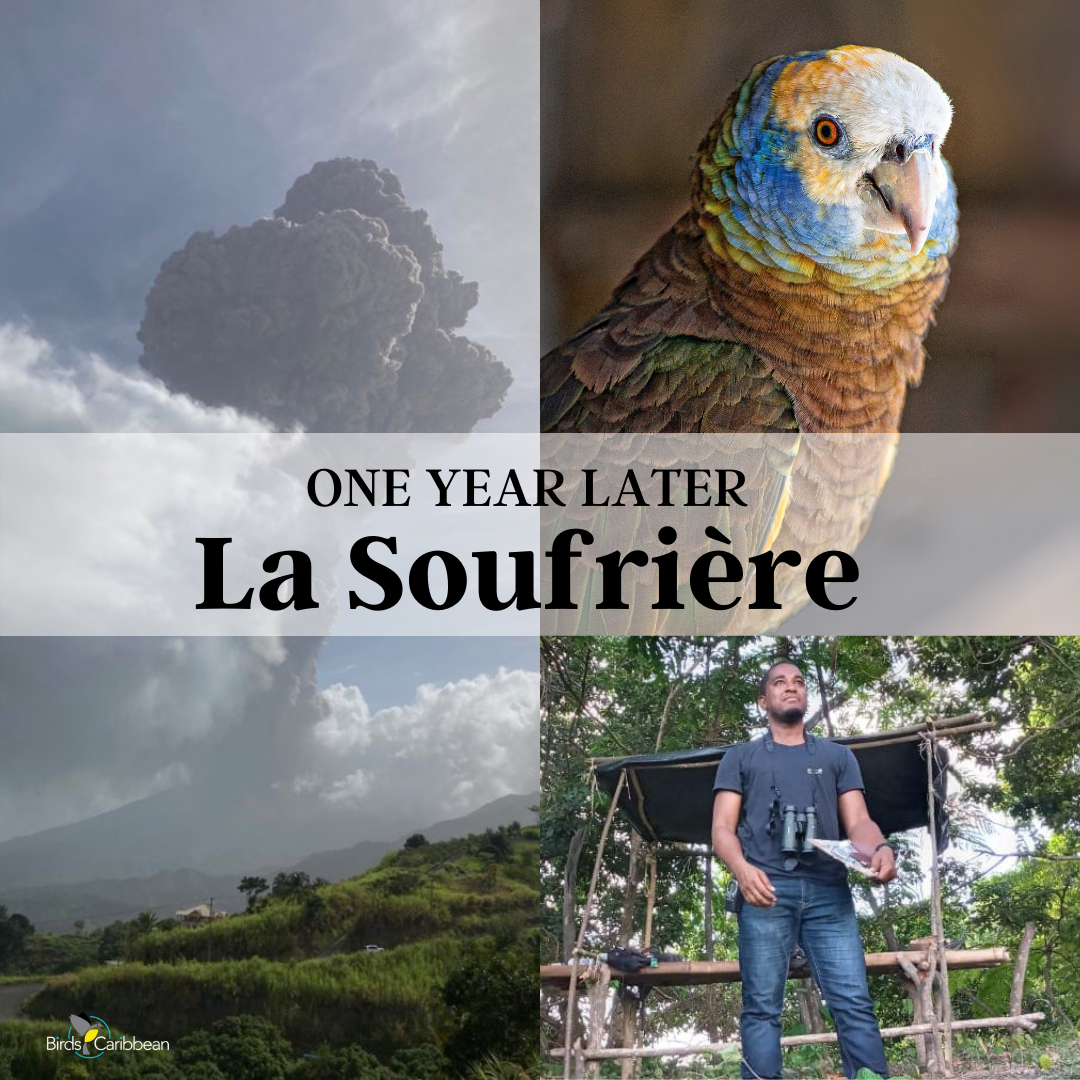
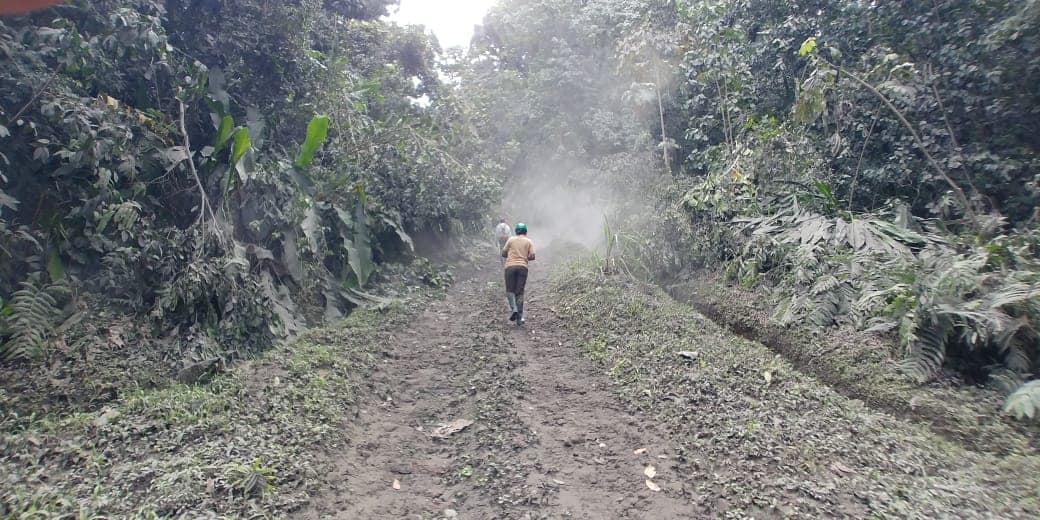
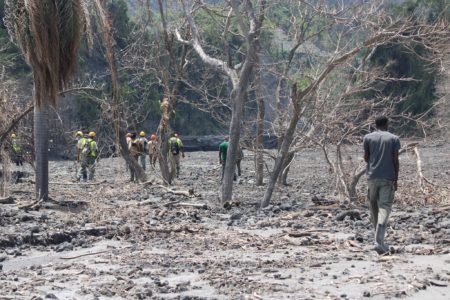
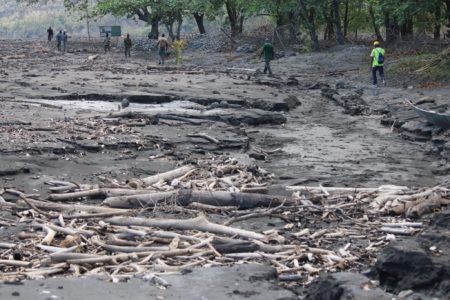
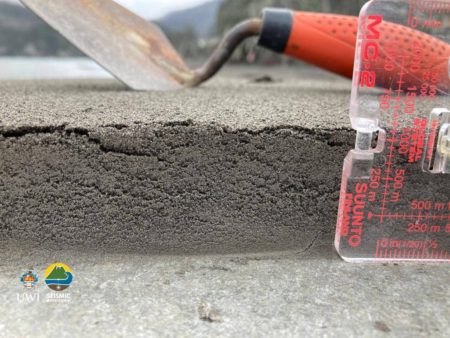
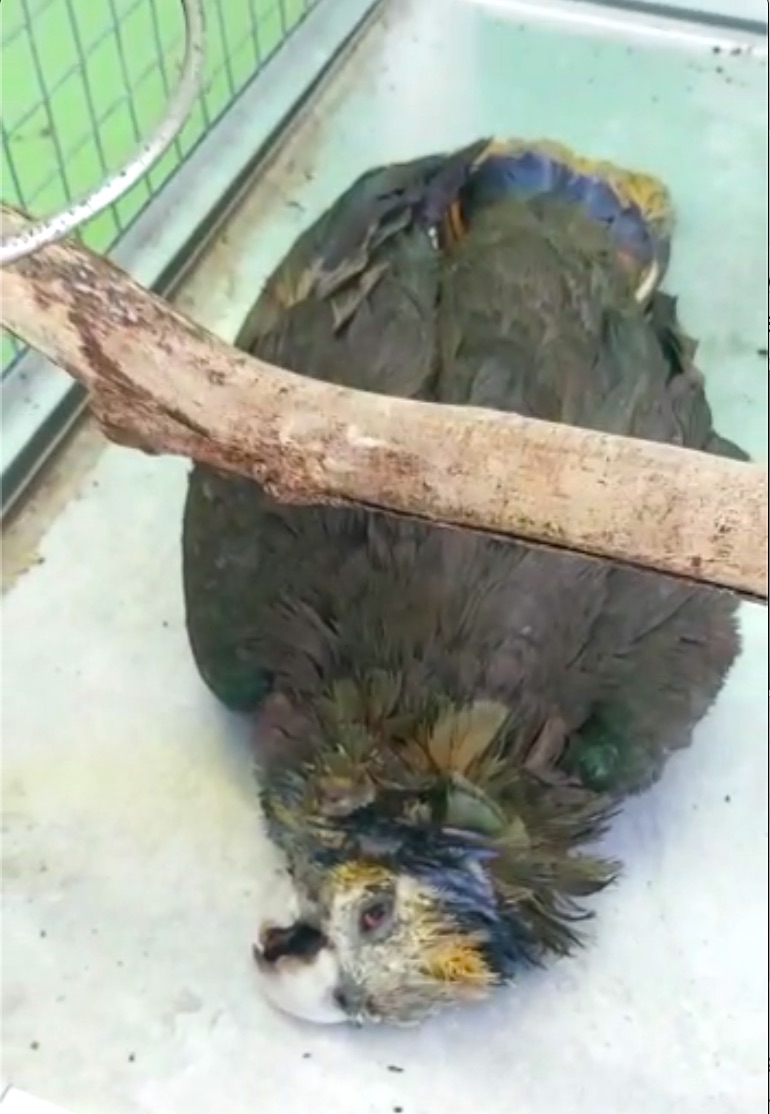
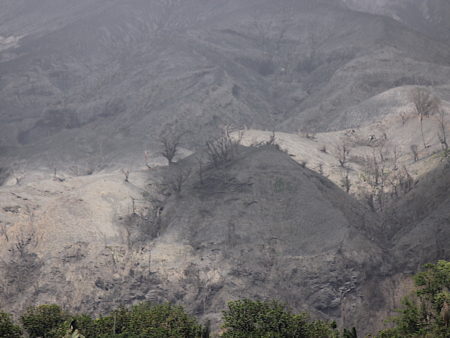
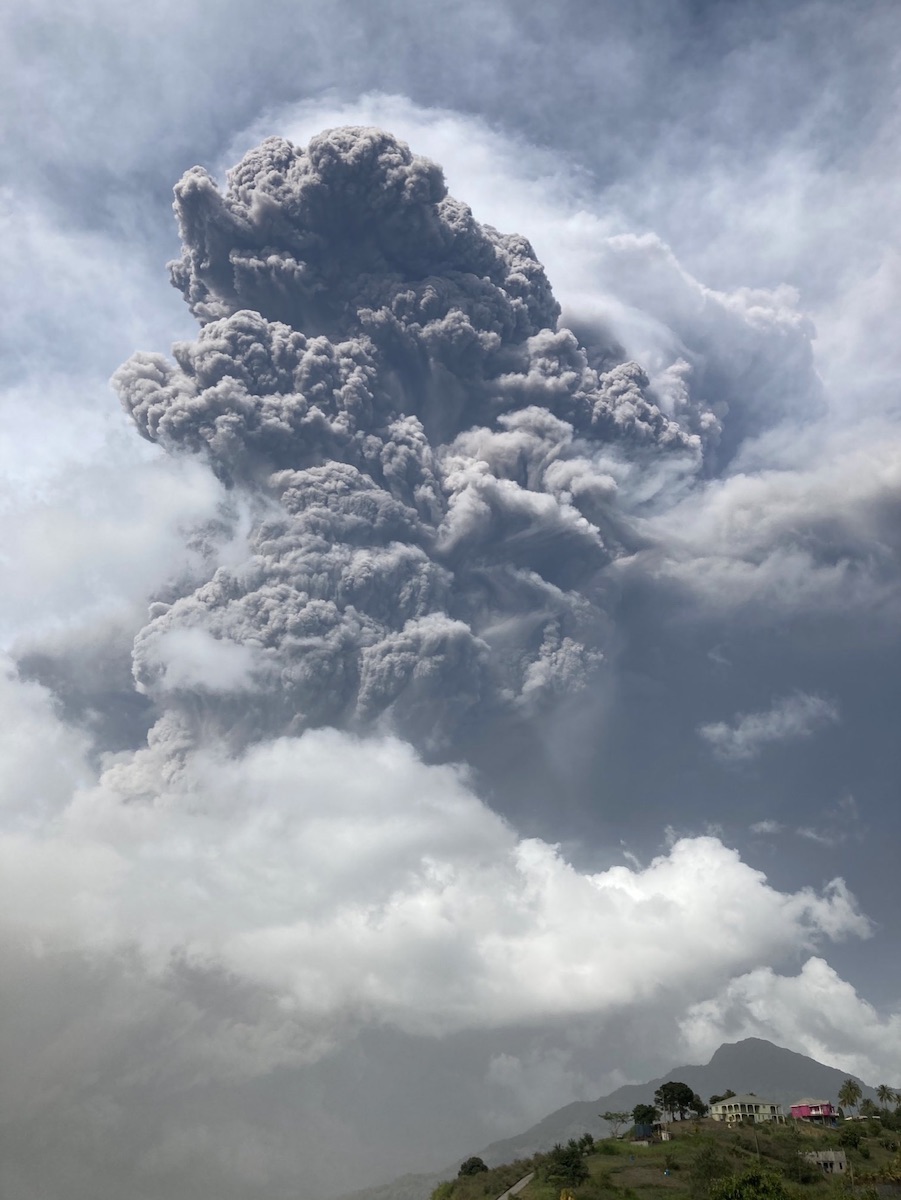
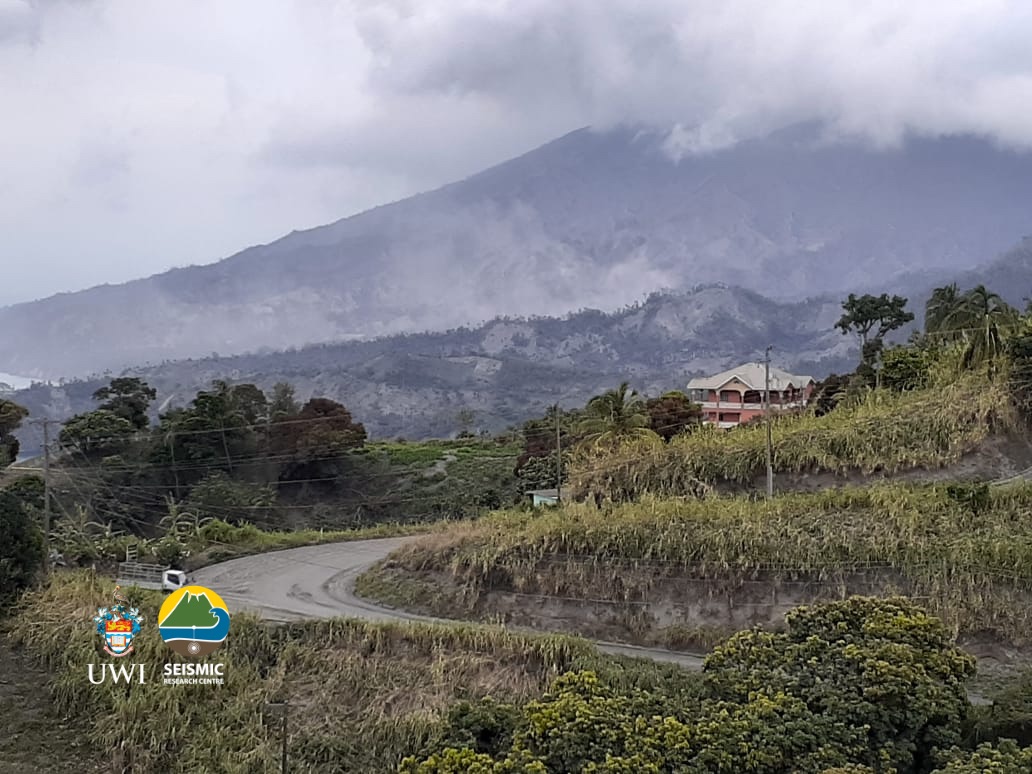
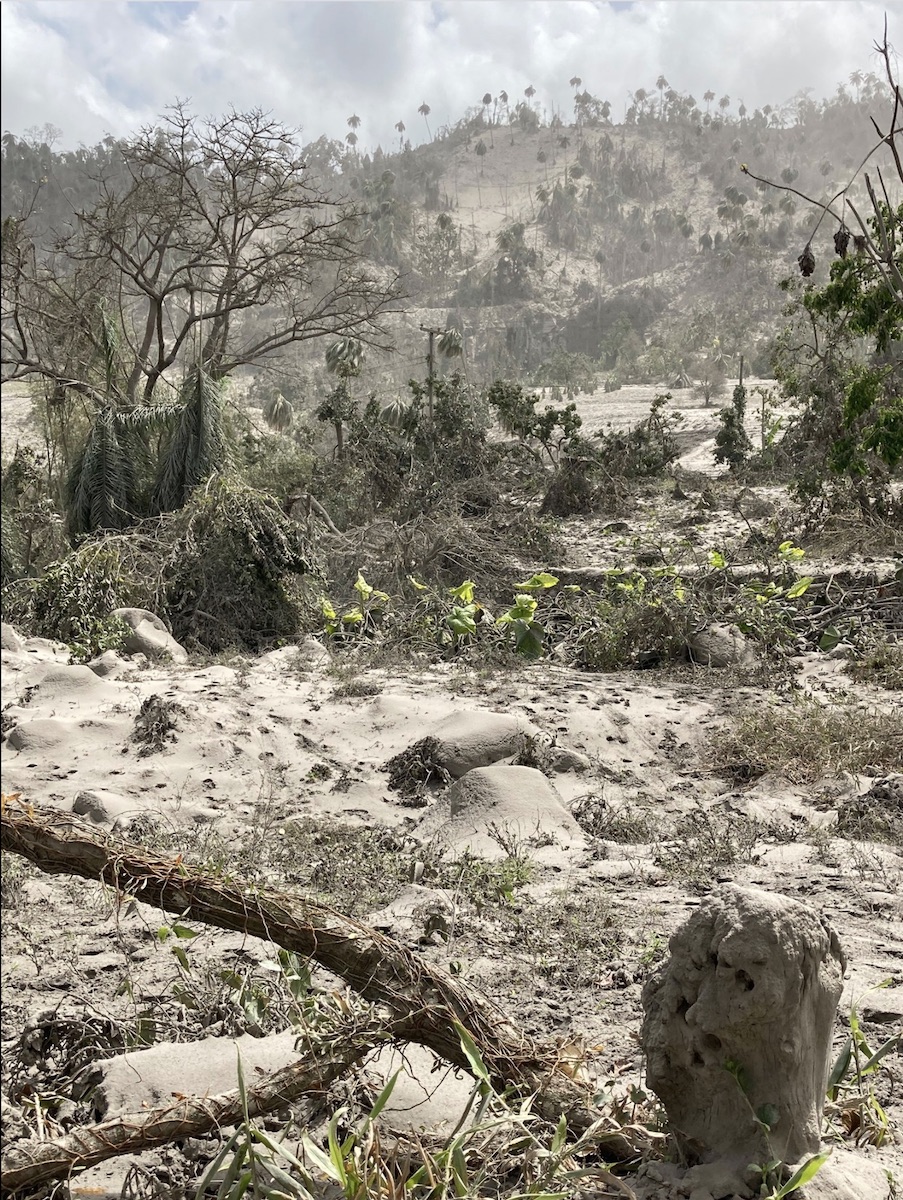
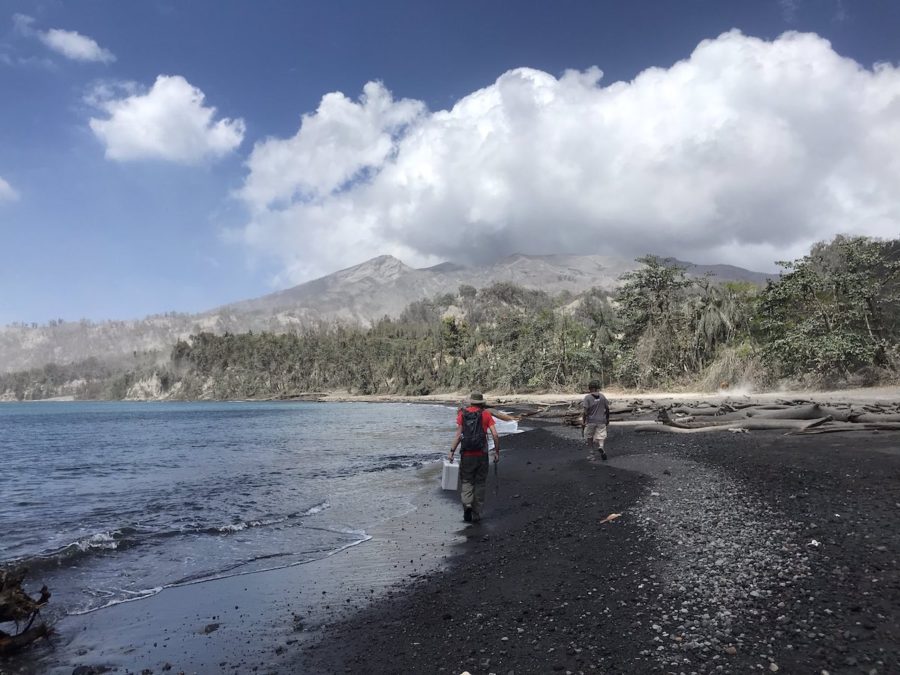
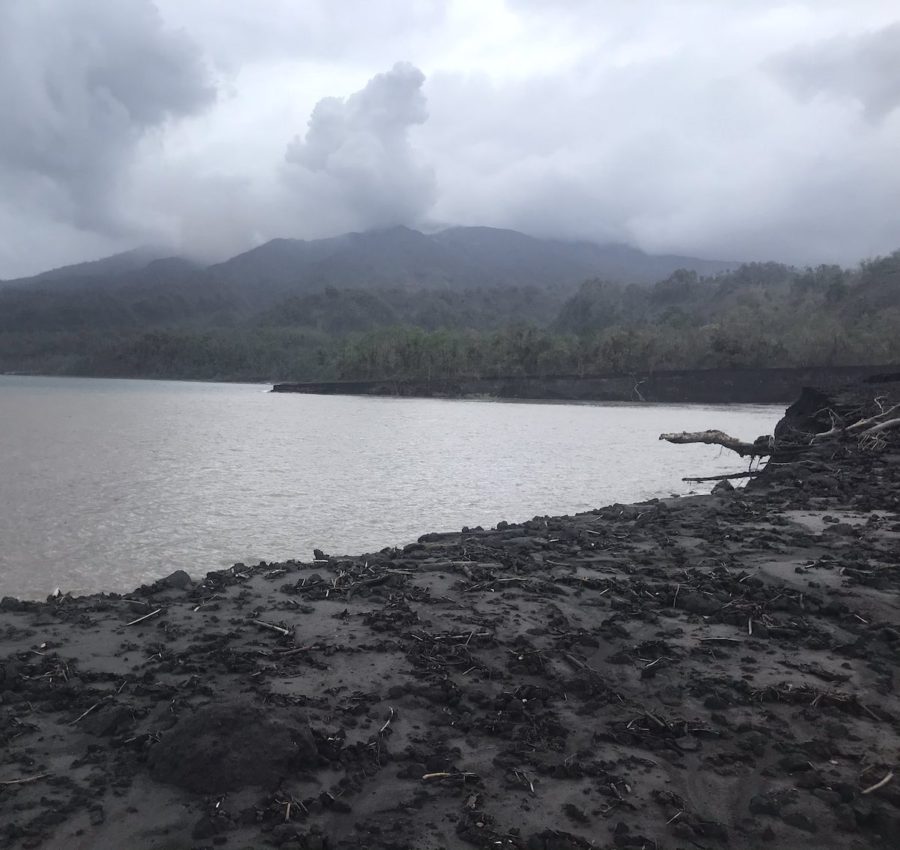
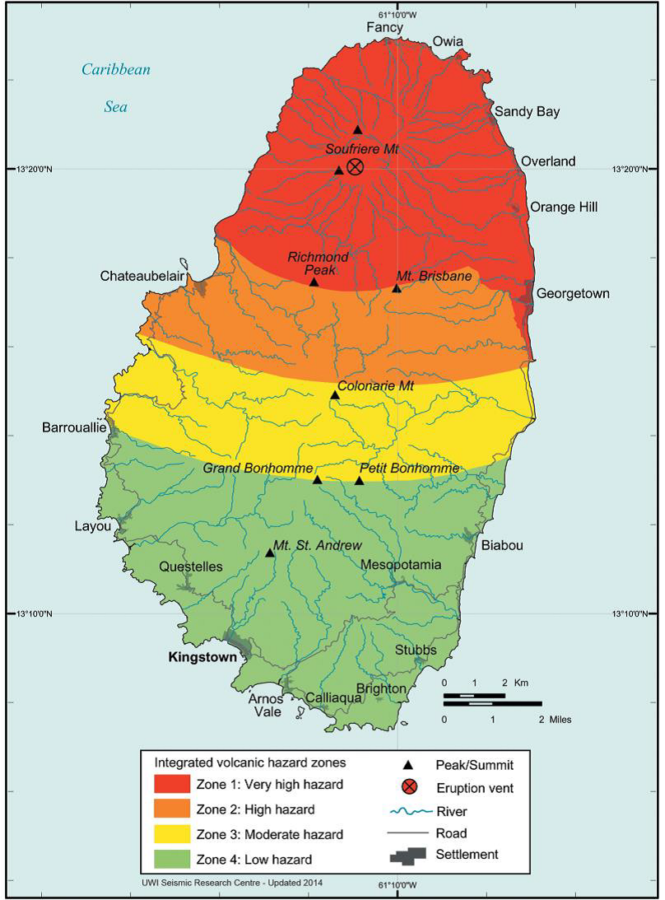
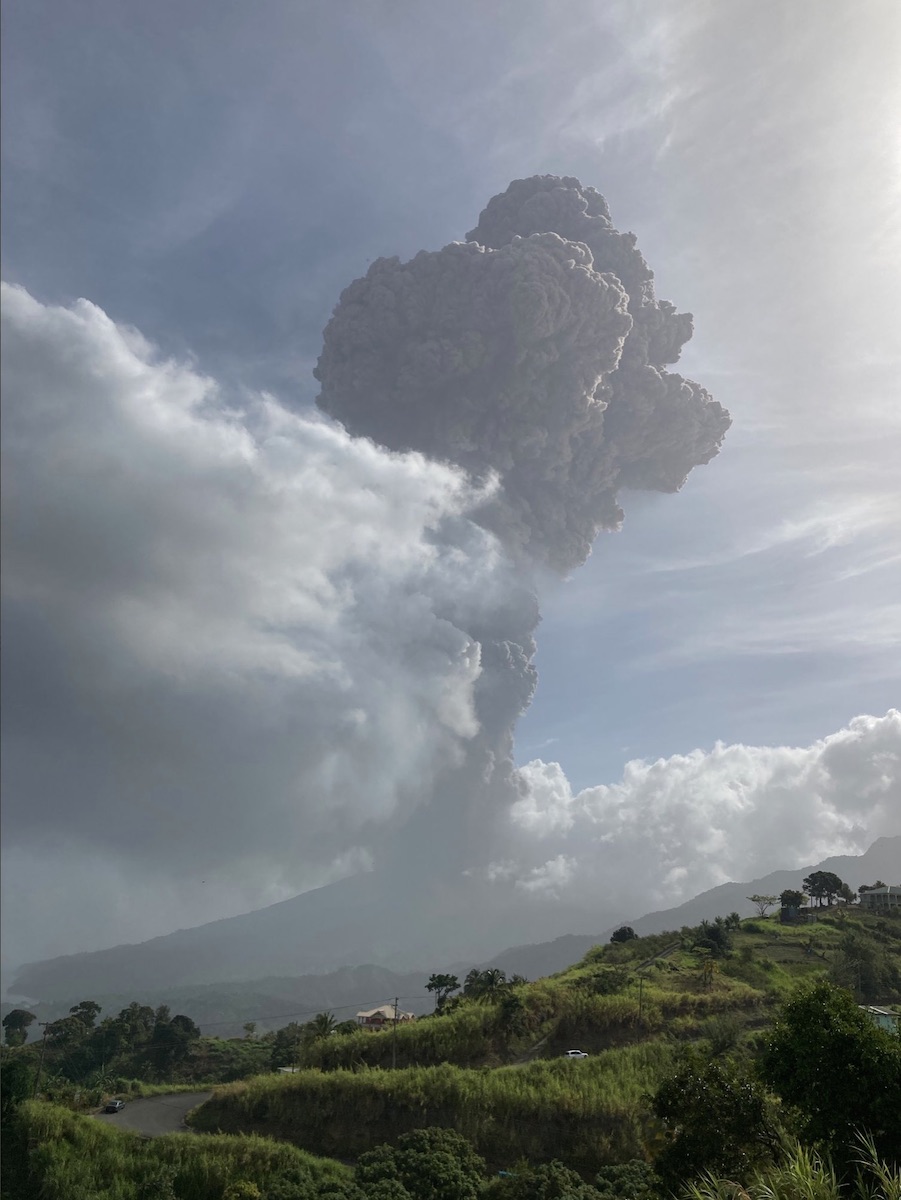
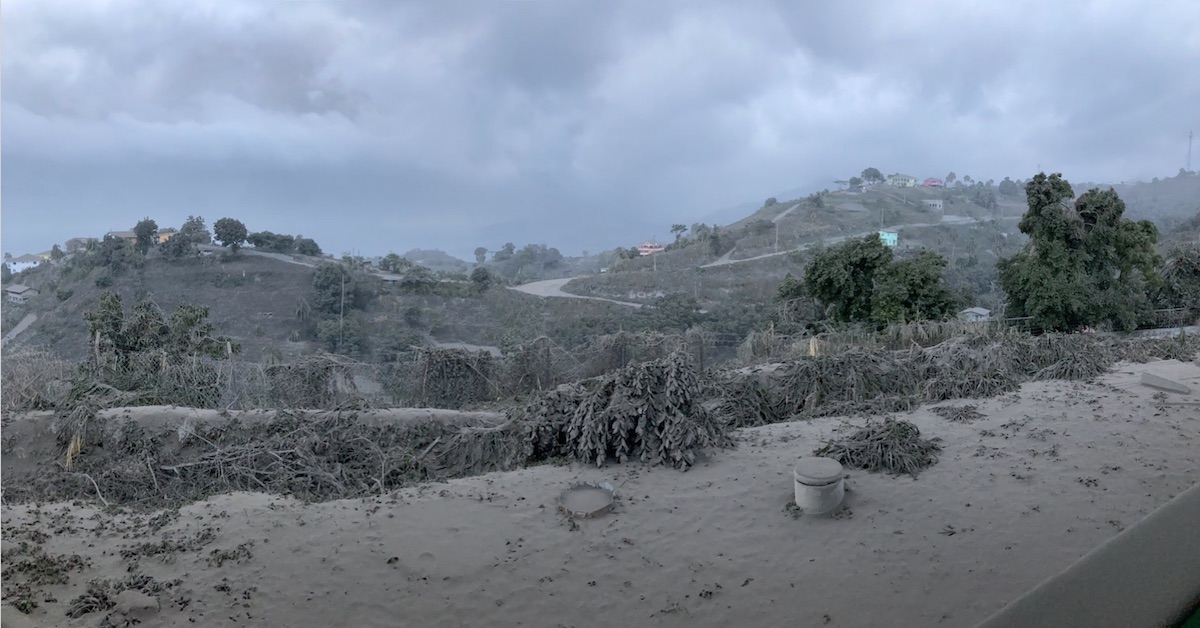
However, their habitats face significant threats. The catastrophic eruption of La Soufrière volcano in 2021, after 40 years of low activity, followed by the devastating impact of Hurricane Beryl in 2024, underscored the urgent need for focused conservation efforts. These events brought attention to the uniqueness of the island’s biodiversity and led to a renewed commitment to safeguarding its threatened species.

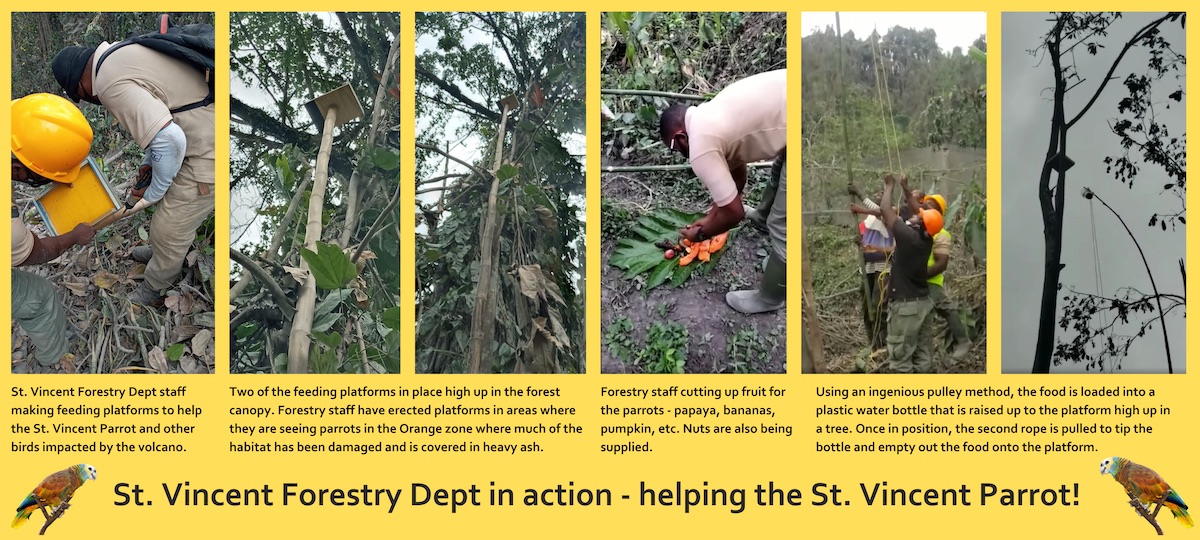
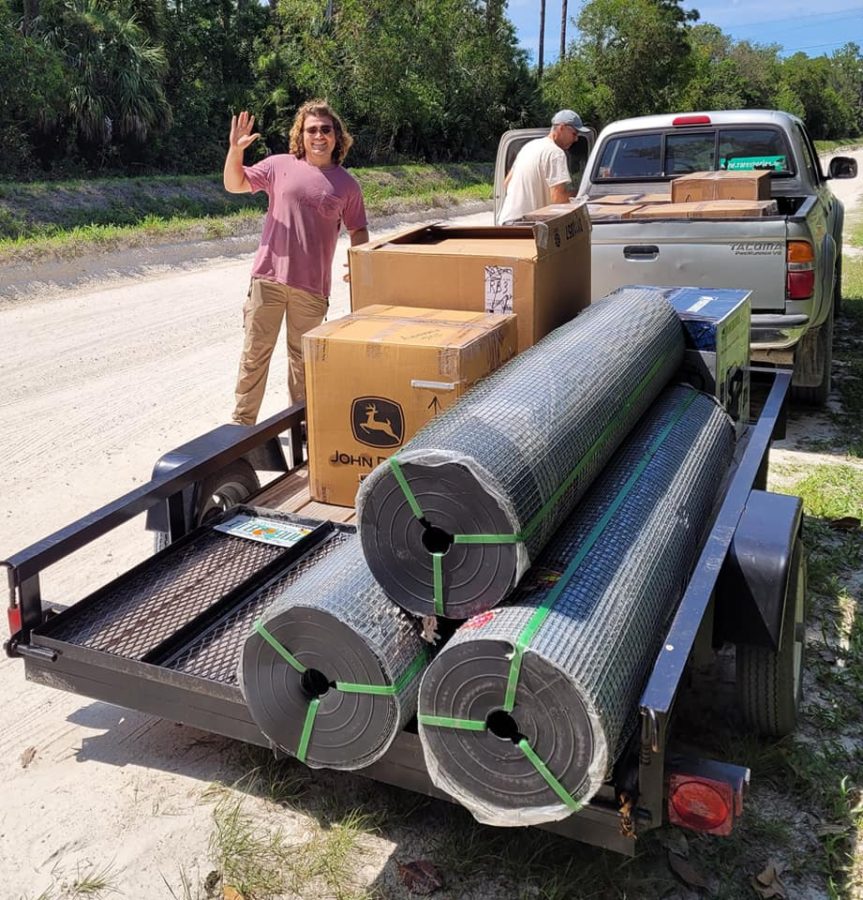
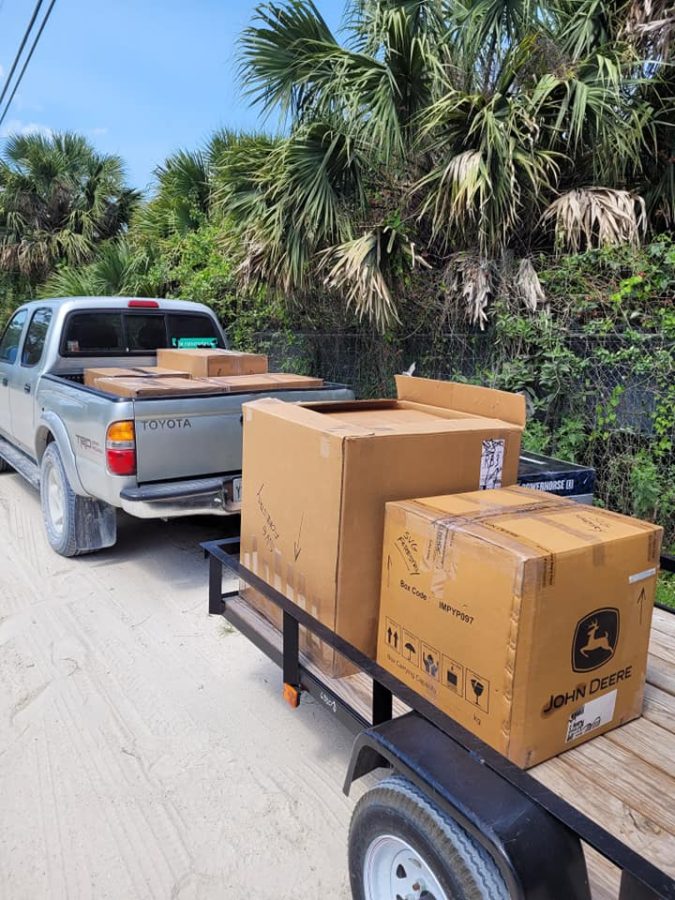
Following the 2021 eruption, a conservation emergency group led by BirdsCaribbean quickly raised funds to assist the St. Vincent and the Grenadines Forestry Department (SVGFD). On-the-ground efforts included providing supplemental food to parrots, searching for injured parrots and administering first-aid, and repairing park infrastructure like observation decks and signs. The SVGFD also conducted a census of the St. Vincent Amazon at watch points across the parrot’s range.
Over the last several years, projects funded by CEPF and UNDP were launched to research the ecology of the St. Vincent Amazon and Whistling Warbler, build local landbird monitoring capacity, and prepare Conservation Action Plans.
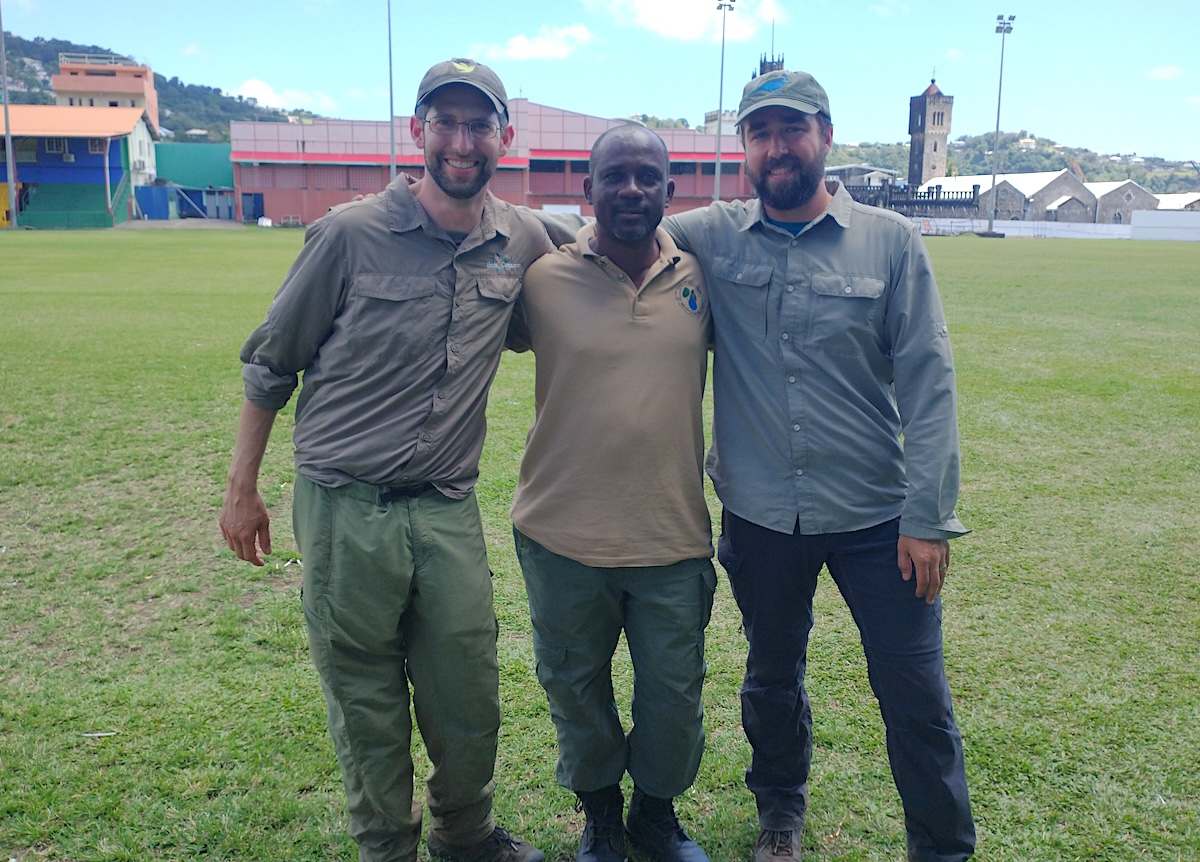
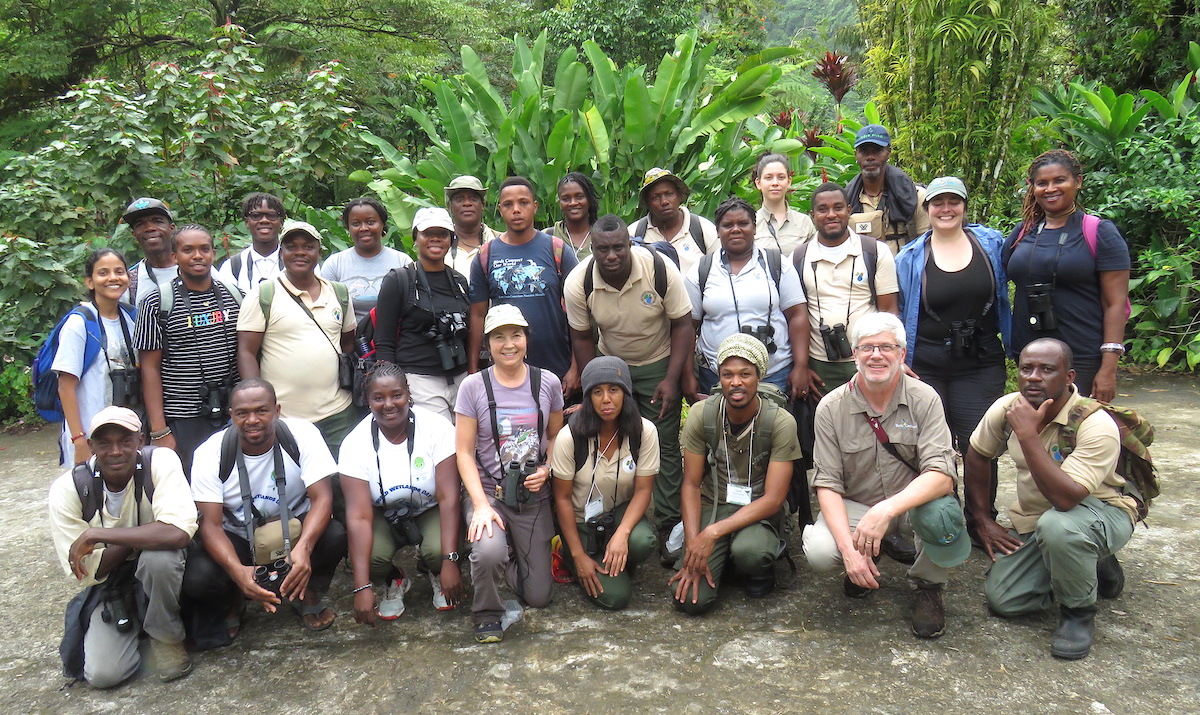
The primary goal of this workshop was to unite species experts, natural resource managers, environmental advocates, and other stakeholders to create strategic Conservation Action Plans for the Whistling Warbler and the St. Vincent Amazon. A wide coalition of partners, including BirdsCaribbean, Re:wild, the SVGFD, Science Initiative for Environmental Conservation and Education (SCIENCE), St. Vincent and the Grenadines Environment Fund (SVGEF), Ministry of Tourism, Civil Aviation, Sustainable Development and Culture, National Parks, Rivers and Beaches Authority, Amazona Nest, Sustainable Grenadines Inc., Wild Dominique, and researchers from Florida International University and Antioch University, convened in St. Vincent.
This collaborative effort is a pivotal milestone, leveraging existing partnerships and scientific insights to forge a unified strategy for the conservation of these birds. As Cuthbert Knights, Permanent Secretary of the Ministry of Agriculture, Forestry, Fisheries, Rural Transformation, Industry, and Labour stated in his opening remarks, “This workshop is a demonstration of our shared purpose to protect the St. Vincent Amazon and Whistling Warbler. These birds are more than national treasures, they are living symbols of our natural heritage…there is an urgent need to understand and better protect the island’s rich biodiversity. ”
So what exactly is a Conservation Action Plan?
Each Conservation Action Plan is a unique roadmap tailored to conserve a species or habitat within specific ecological and social contexts. It provides a structured approach, outlining specific, measurable goals and objectives along with the actions, timelines, and resources required to achieve them. The plan guides all stakeholders, helping them work together to safeguard the future of the species or habitat.
Before we begin…
To set the stage for discussions during the workshop, BirdsCaribbean and partners from Florida International University, Cornell Lab of Ornithology and Antioch University hosted two webinars to equip registered participants with the latest research and findings on the Whistling Warbler and St. Vincent Amazon.
Post-Eruption Assessment and Habitat Associations of the Whistling Warbler: Insights for Conservation Action (Dr. Lisa Sorenson and Dr. Mike Akresh)
Spatial and Temporal Distribution of the St. Vincent Amazon (Amazona guildingii) Using Passive Acoustic Monitoring (Dr. Cristina Gomes and Dr. Vijay Ramesh):
]
Three Days of Focused Conservation
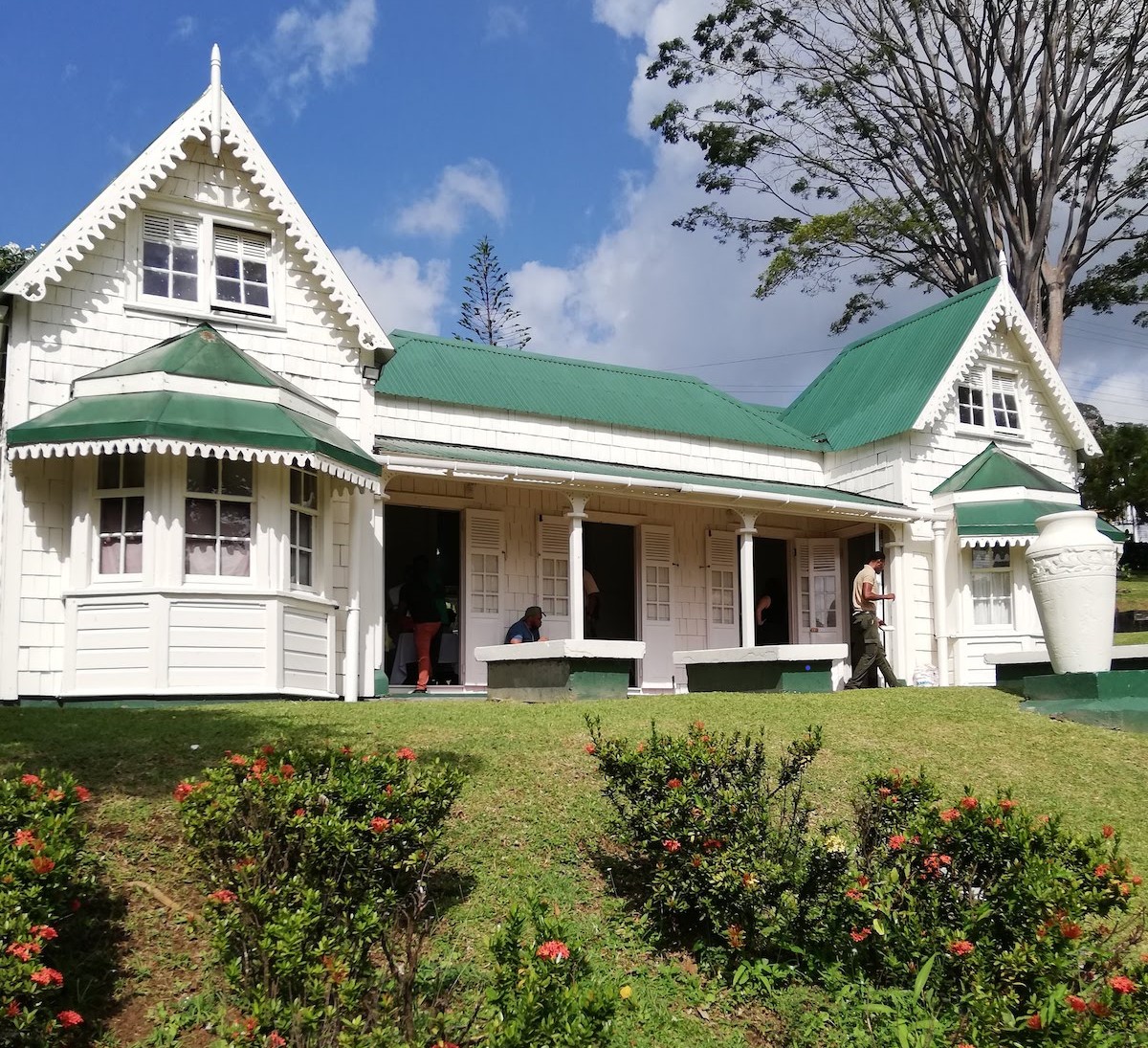
The three-day workshop, held at the Anglican Pastoral Centre in Kingstown, explored the multitude of interconnected reasons to conserve both species, identified key challenges to their protection, and developed practical solutions to overcome these hurdles.
While most people agree that protecting threatened species secures healthy ecosystems and a better future for everyone, the reasons for conserving the St. Vincent Amazon are deeply personal.


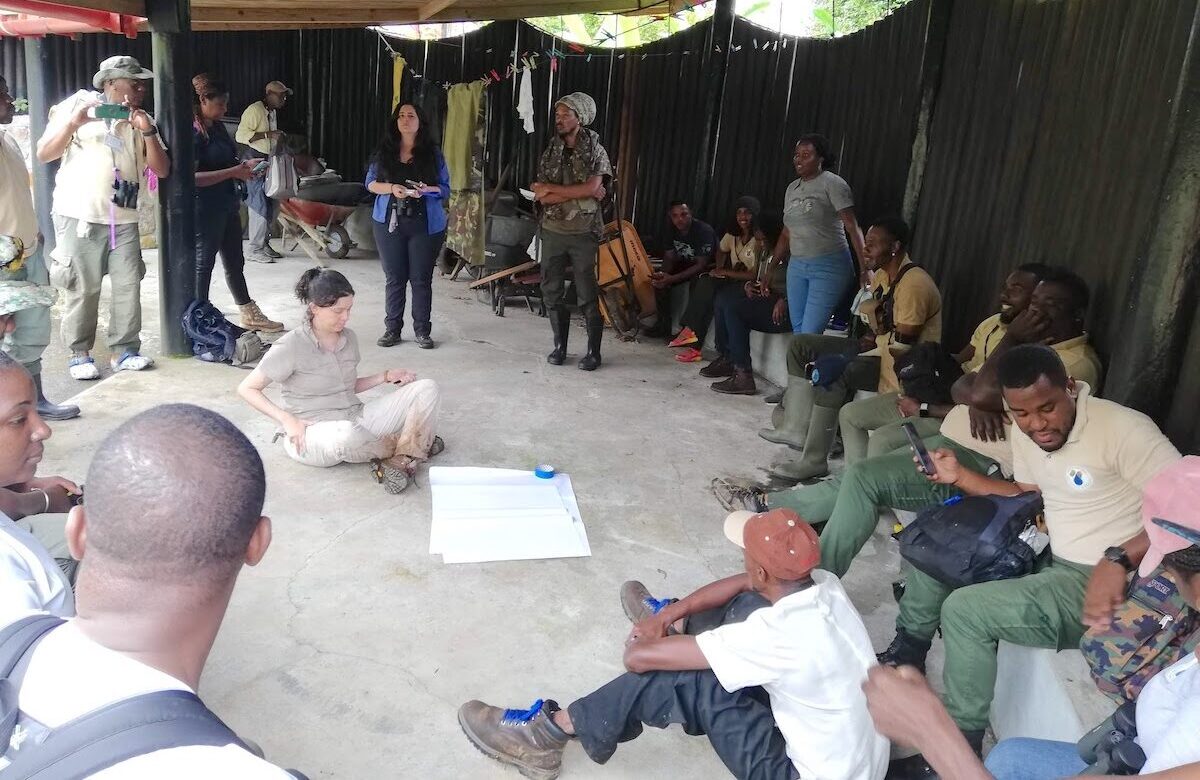
When workshop facilitator and Re:wild’s Caribbean Program Officer, Justin Springer, asked the group why we should conserve the parrot, the response was immediate and unanimous: the parrot is an essential element of their national identity, heritage, and culture. The discussion also expanded to the parrot’s role as a plant mutualist, acting as a seed disperser, and its importance for avitourism. Participants agreed the parrot holds an inherent value independent of its use to humans, celebrated simply for its beauty.


Adding a moral dimension, U.S. Fish and Wildlife Service (USFWS) Wildlife Biologist Dr. Thomas White offered a powerful call to action, sharing: “Humans are the main drivers of extinction. We have the ability to recognize the damage we have done and it is morally incumbent upon us to right that wrong.”
While the reasons for conserving the St. Vincent Amazon were rooted in identity and heritage, the discussion around the Whistling Warbler focused a bit more on its ecological role. Participants highlighted the need to protect the species because of its importance in controlling insect pest populations. They also noted the uniqueness of he warbler, being endemic to the island, and that it deserved to be similarly celebrated and conserved. The group also noted the lack of ecological information about the Whistling Warbler, with Forestry Officer III Leon Matthews noting, “We don’t know a lot about the Whistling Warbler.”


Peril in Paradise
The workshop then shifted its focus to the challenges faced in protecting the St. Vincent Amazon and Whistling Warbler.
To tackle these complex challenges, Justin introduced a structured approach. He asked everyone to write down the various threats they had identified on individual sheets of paper. These were then used to construct a “problem tree” on a wall, with the core issue “extinction of the Whistling Warbler/ St. Vincent Amazon” at the crown of the tree and the various challenges forming the branches. This visual method offered several key benefits. It allowed the group to see the interconnectedness of the challenges, prioritize issues that need urgent attention, identify root causes of the problems, and build understanding and consensus among the diverse group.


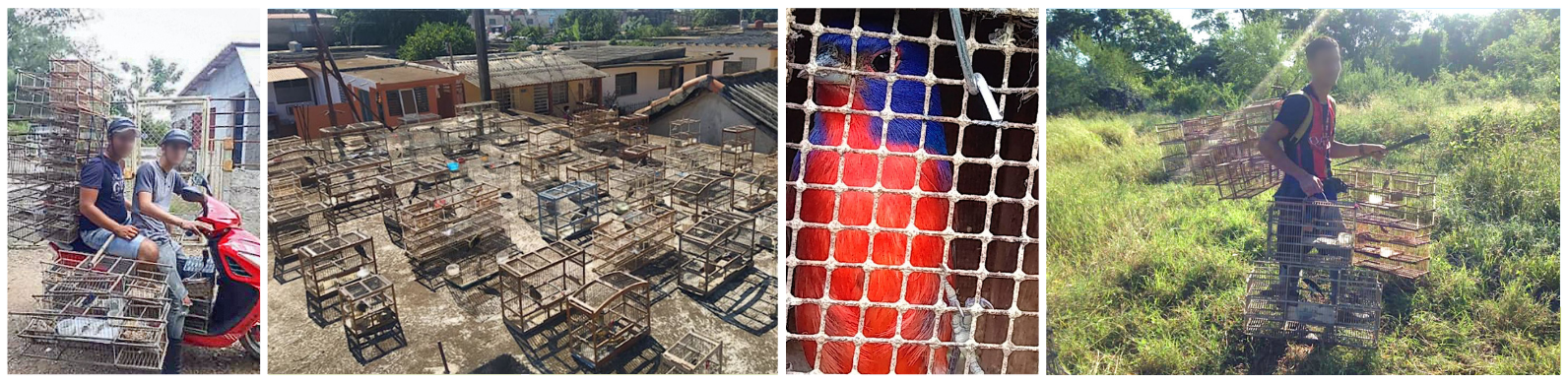
The threats to the St. Vincent Amazon are numerous and complex. They include weak legislation and enforcement—first-time offenders caught possessing, harming, or killing a parrot often face minimal fines of only $2,000–$5,000 ECD, though penalties of up to $10,000 ECD are allowed by law. Other challenges include human–wildlife conflict, as parrots sometimes feed on crops such as passion fruit, an important export for small farmers. Poaching of eggs and chicks also persists, with birds occasionally trafficked overseas. Limited customs capacity and training make it difficult to detect and prevent illegal exports.
Adding to these concerns is a long history of controversy surrounding the Association for the Conservation of Threatened Parrots (ACTP), a private organization based in Germany. Over the past decade, investigative reports have raised serious questions about transparency, accountability, and financial motives behind international parrot transfers carried out in the name of conservation. Recent exposés by German journalists on ACTP’s expanded trade in rare and endangered wildlife highlight how protected species (including the St Vincent Amazon) are exploited for profit, renewing calls for stronger oversight, transparent permitting, and a genuine focus on in-country conservation to keep this iconic parrot safe in its natural habitat. Read more here.
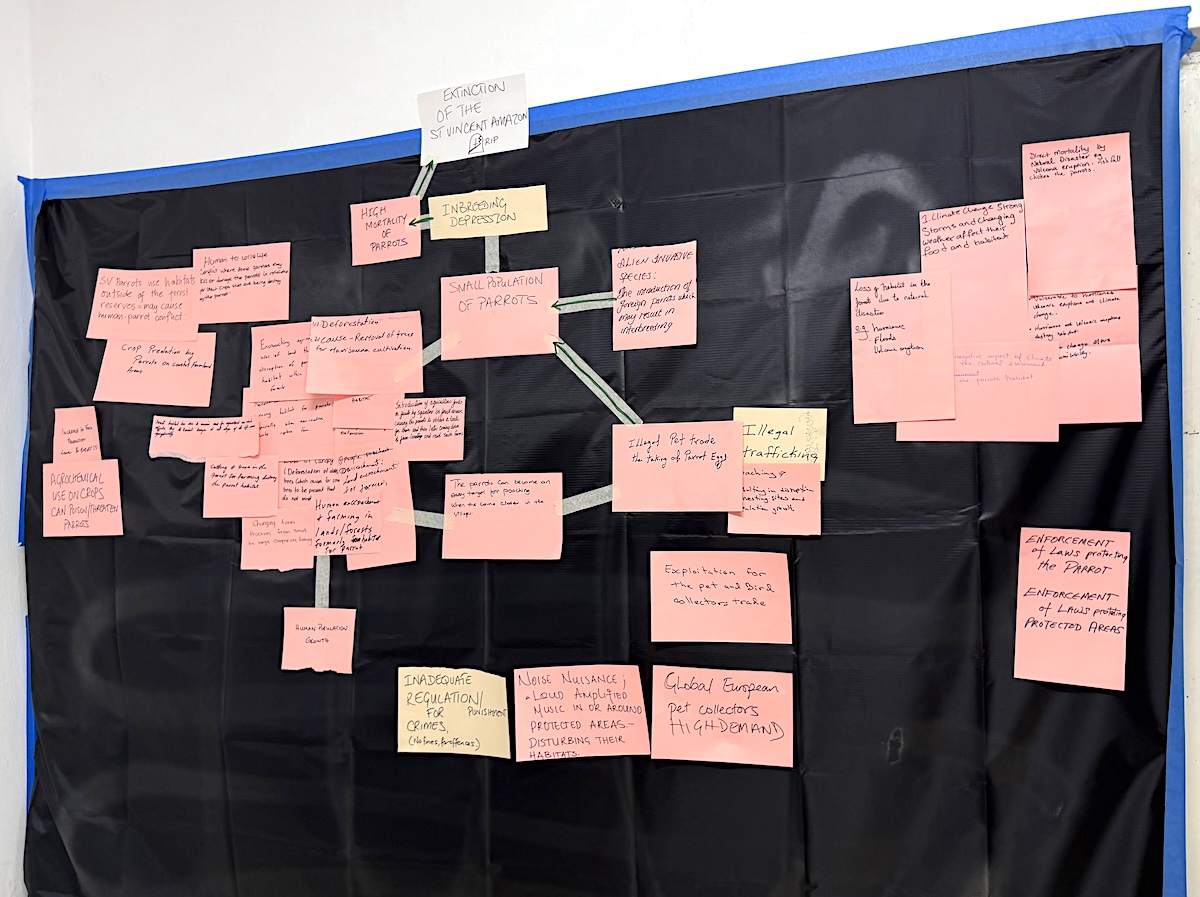
Habitat encroachment through agriculture and housing developments also emerged as a major threat, compounded by the escalating impacts of climate change. In a reflection on his 40-year career, recently retired Director of Forestry Fitzgerald Providence noted that while the threats have remained consistent, the intensity and frequency of storms and droughts impacting the island have increased, leaving little time for recovery between events. Interestingly, the group also agreed that many locals lacked knowledge about the parrot: where it lives, what it eats, the threats it faces, and actions that can be taken to protect it, suggesting that the parrot, whilst being the national bird, may be a symbol of the nation rather than a symbol for the nation.
With the threats to the St. Vincent Amazon laid out, the workshop turned its attention to the equally pressing challenges facing the Whistling Warbler.
The group identified several key issues, including deforestation from both legal and illegal agriculture. They also extensively discussed the lack of dedicated zoning for farming and housing, which contributes to loss of primary forest and healthy habitats for both species. Invasive species like rats and mongoose were noted as a potential threat, likely preying on the warbler’s eggs and chicks. A major concern raised by Dr. Joanne Justo-Gaymes (wildlife veterinarian and SCIENCE education officer) and Fitzgerald Providence was the rapid spread of elephant grass, which is already outcompeting native plants in the warbler’s montane habitats in places like Montreal.
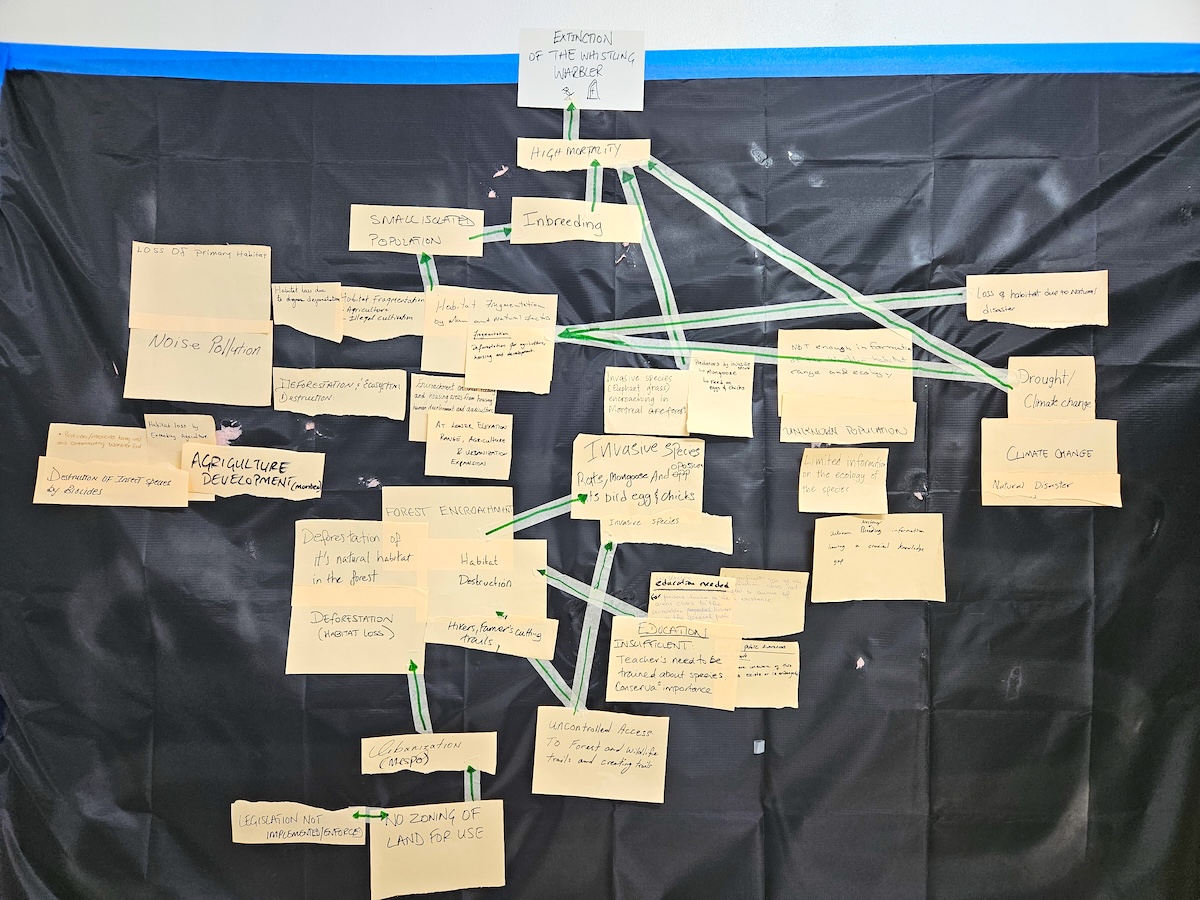
Illegal entry and trail cutting by farmers and community members makes the problem worse, as it gives invasive species easier access to warbler nests. According to Bradford Latham of the Forest Law and Compliance Unit, a key reason for this is that local communities are unaware that entering protected areas without permission from the St. Vincent and the Grenadines Forestry Department (SVGFD) is illegal. Furthermore, even with a permit, people are not allowed to cut vegetation, clear new trails, or remove any plants or wildlife.
Climate change was cited as a serious threat, with both droughts and hurricanes impacting the warbler’s habitats. A crucial challenge underlying all of these issues is a lack of information about the species. As one Forestry Officer in the Forest Mapping Inventory Unit, Samuel Harry, succinctly explained, “We can’t protect what we don’t understand.”
Crafting solutions for St. Vincent’s birds
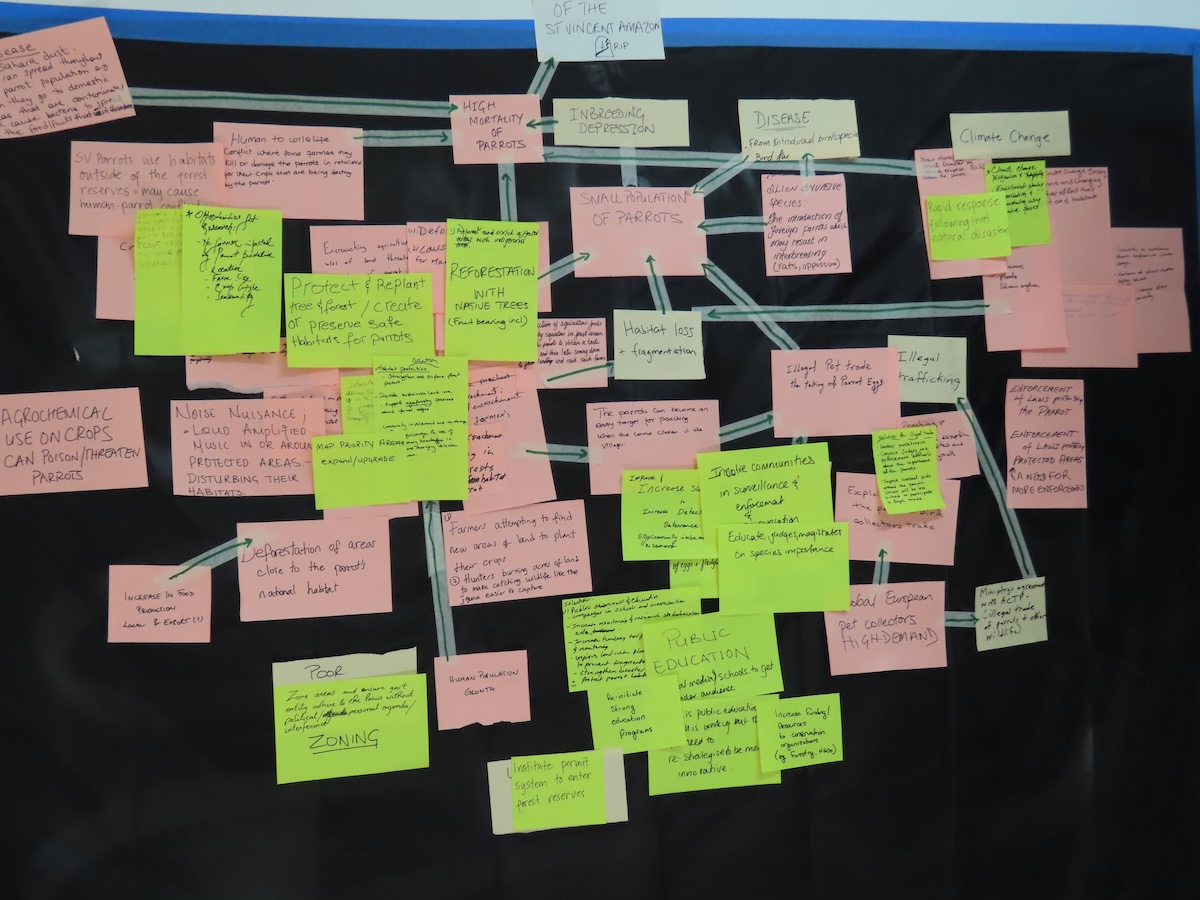
With the problems clearly defined and visually organized, the group tackled the development of solutions. Using their local knowledge and diverse expertise, participants worked together to propose practical and effective remedies for each challenge. Their ideas were then added to the “problem tree” to transform it into a “solution tree.” This exercise helped turn their collective concerns into strategies to safeguard St. Vincent’s endemic birds.
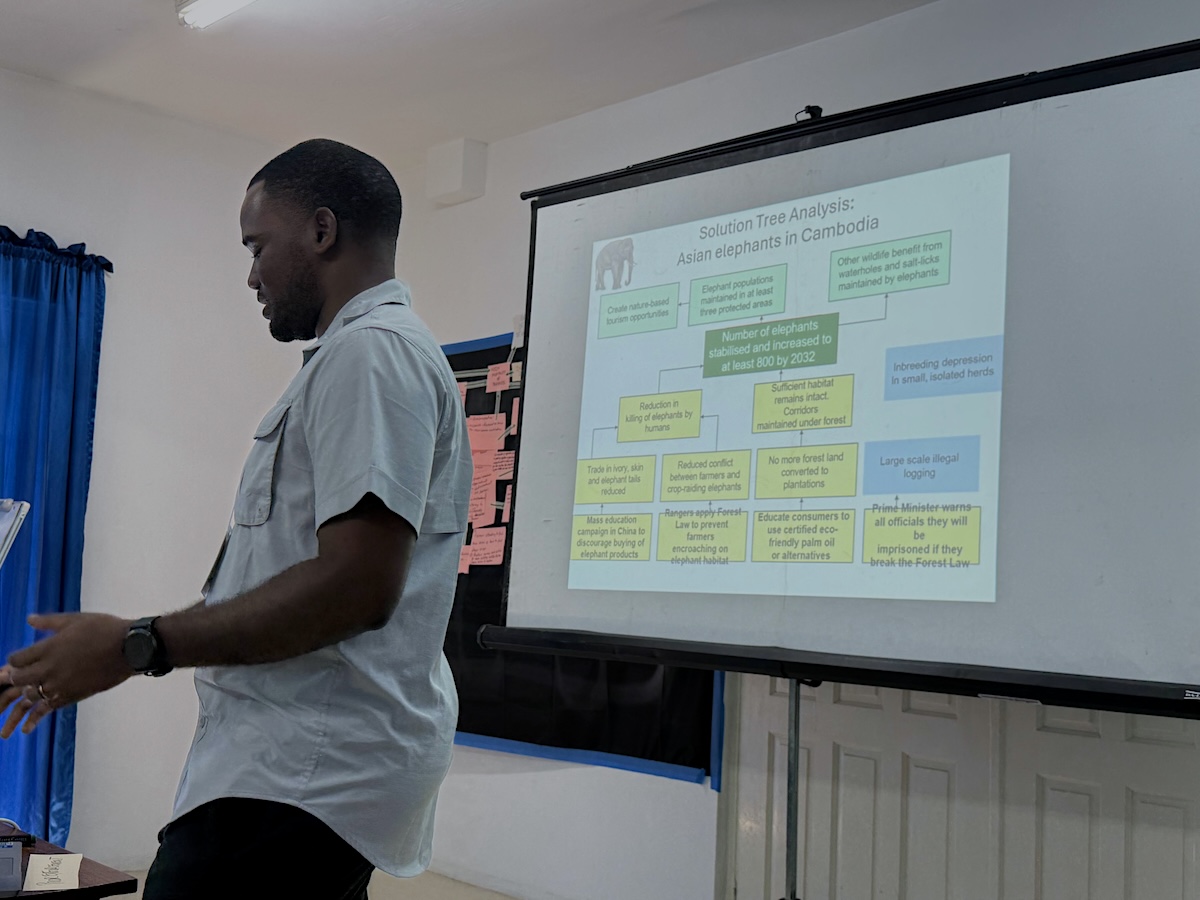
Drawing on their on-the-ground experience, participants then refined their suite of practical solutions, overlapping in some areas, for both the St. Vincent Amazon and Whistling Warbler. These included reforesting areas with native plants that provide food and shelter for wildlife. This includes thinning plantations of non-native Blue Mahoe and Mahogany, which were planted primarily for soil management. Participants also underscored the need for more research to better understand the parrot’s population size and seasonal movements, as well as the nature of crop damage to support farmers in mitigating any loss.
Similarly for the warbler, it was highly recommended that more research be carried out on its habitat use, distribution, and nesting behaviour. Local environmentalist Marlon Mills stressed the importance of accurate data for proper resource management, emphasizing, “We need to take care of our own. If we don’t, we won’t be able to depend on them in the future. But first—we need to understand the needs of the species.“
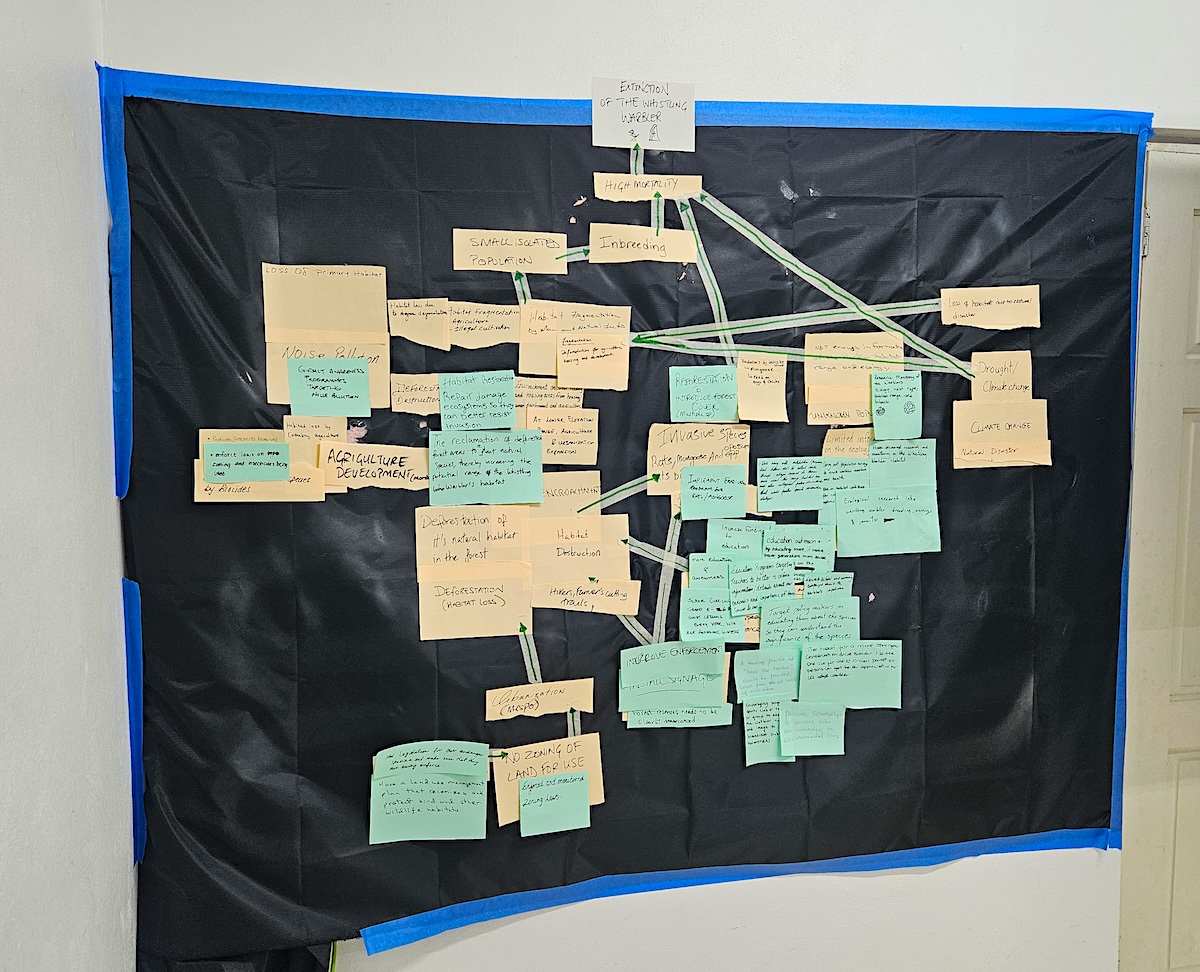
Other key strategies focused on improving land use planning to better protect the birds’ habitats, and fostering greater collaboration among various sectors, such as tourism and law enforcement.
The power of public education
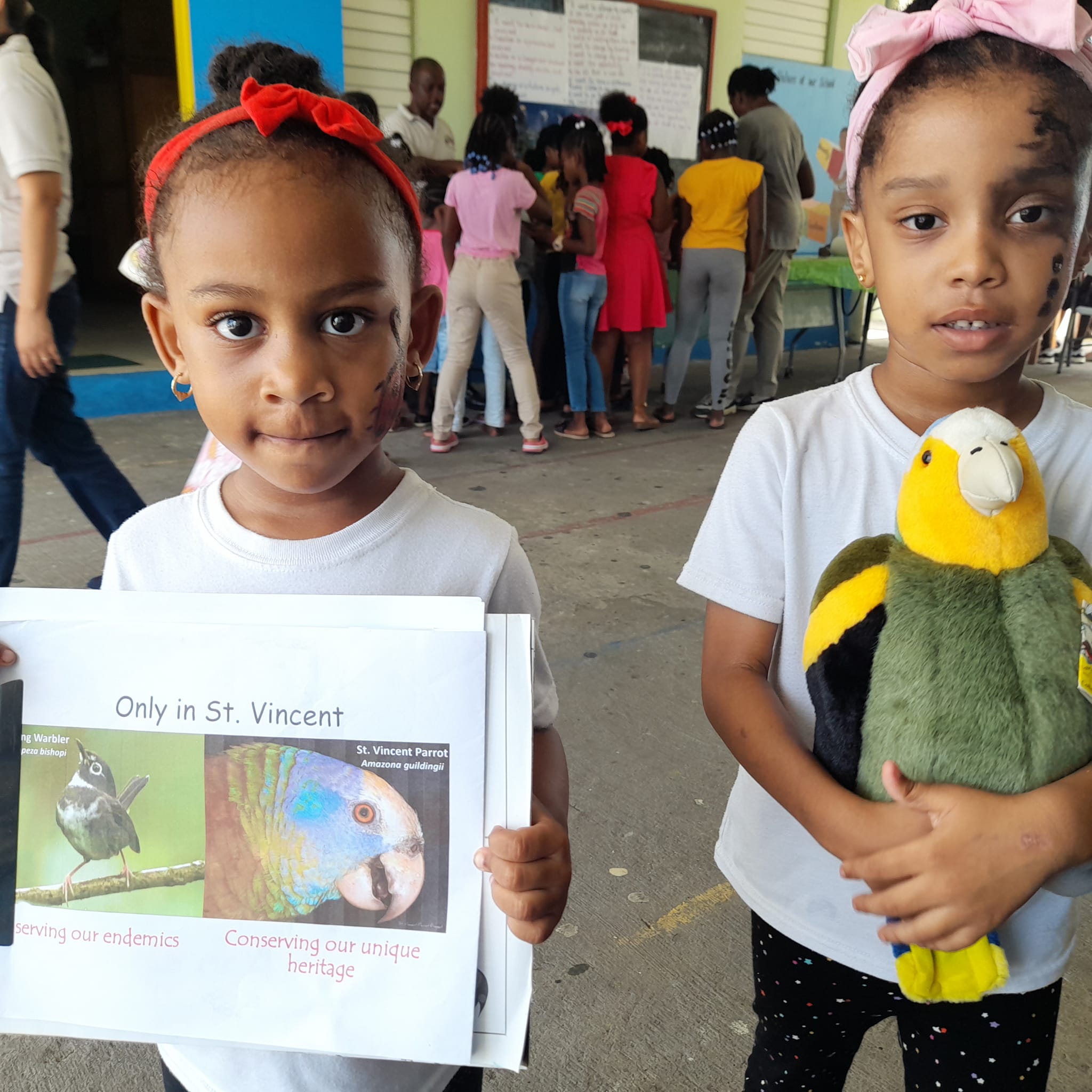
While local NGO SCIENCE and the SVGFD have already done substantial work in educating the public about the St. Vincent Amazon and Whistling Warbler, the group agreed that this message now needs to be built into the national science curriculum. In support of this solution, Dr. Joanne Gusto-Gaymes delivered a powerful presentation on the impactful public education and outreach programs currently run by SCIENCE. The organization’s science camps, which were originally created for primary school students, were so popular that they had to expand their age limit to include secondary school students as well.
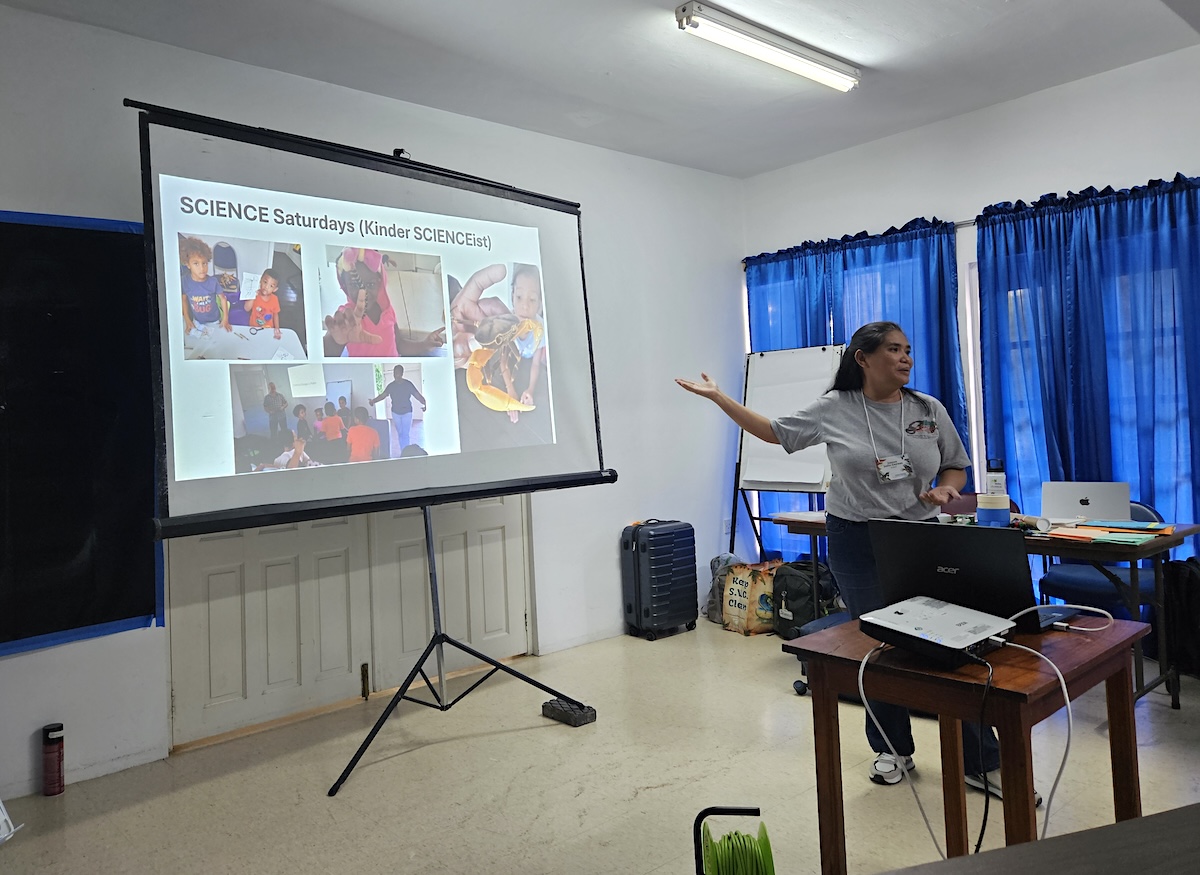
The success of these programs is evident: teachers now volunteer as activity leaders at the science camps to better connect with the national science curriculum, and a former student is even pursuing a degree in Conservation Biology at the university level. Through immersive field trips with visiting researchers and public wildlife exhibitions, SCIENCE instills in its students the core belief that “in order to preserve our heritage, we need to do the research to learn more about our species.” This dedication to hands-on learning and scientific inquiry should be a key component of the island’s long-term conservation strategy.
A Collaborative Effort
Following the identification of problems and solutions, the group moved on to setting clear goals for the action plans. Participants were asked to draft their own 10-year goals for both the St. Vincent Amazon and the Whistling Warbler. The facilitators then synthesized these ideas into a single, cohesive goal and several objectives for each bird. This draft was presented to the entire group, for their comments and revisions to ensure the final goals and objectives reflected the group’s shared vision.
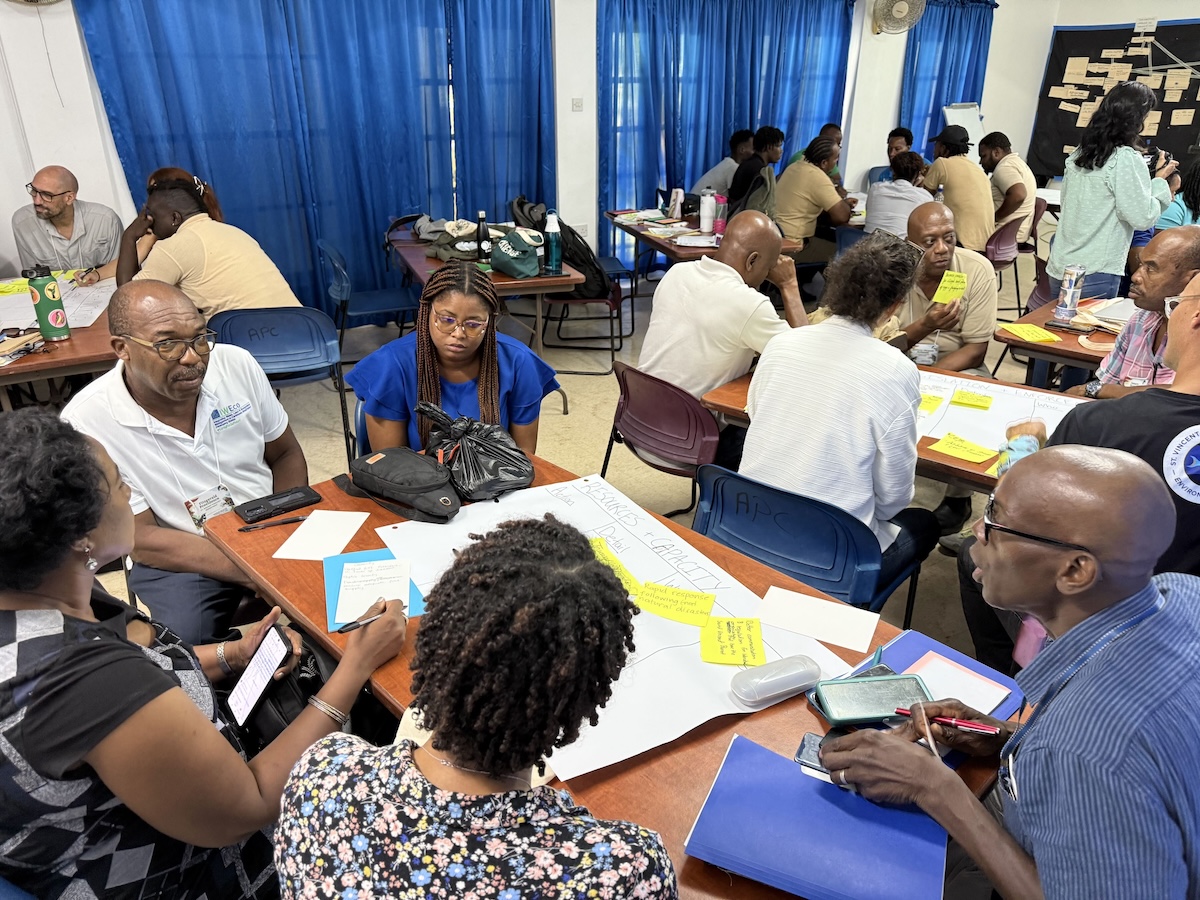
After the goals and objectives were finalized, the group divided into break-out groups to outline specific actions to achieve the objectives, rating each action’s priority from low to high. This approach ensured that each objective had a clear pathway to being achieved.


The information gathered from the workshop is currently being compiled into a comprehensive draft Conservation Action Plan for each bird. These drafts will be shared with all stakeholders for an iterative editing process. Both the St. Vincent Amazon Conservation Action Plan and Whistling Warbler Conservation Action Plan are to be completed by fall 2025.


A Splash of Color and Creativity
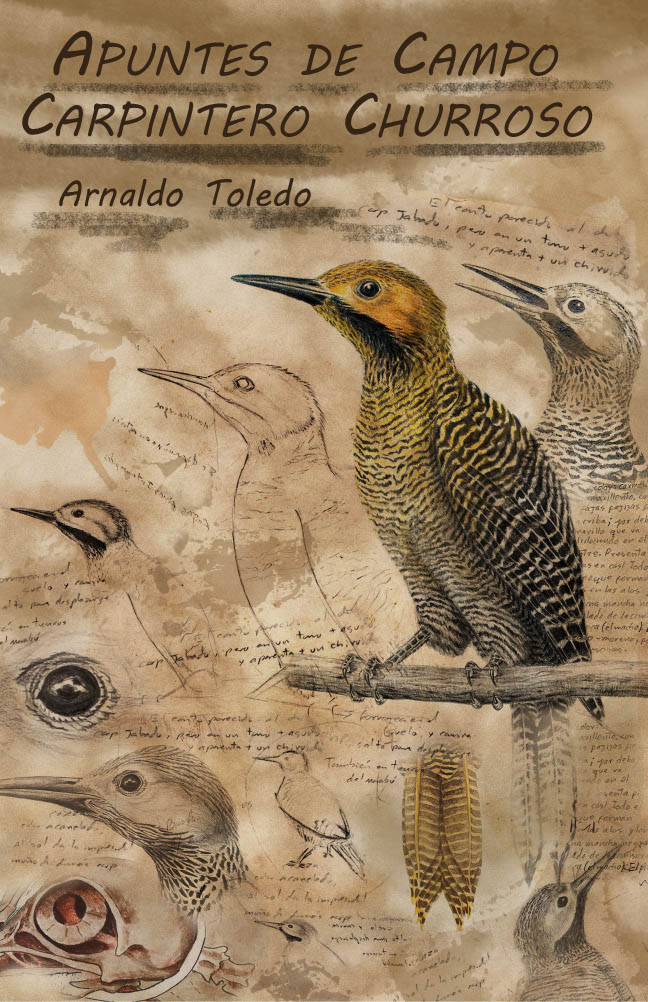
The workshop also had a fun side that sparked creativity and connection among participants. They eagerly dove into a coloring competition, bringing to life St. Vincent’s spectacular endemic birds—the St. Vincent Amazon, the St. Vincent Wren, and the Whistling Warbler, beautifully drawn by Cuban artist, Arnaldo Toledo. This hands-on activity kept minds sharp and creativity flowing, helping everyone to stay engaged and contribute meaningfully. Of course, the atmosphere was also fueled by delicious coffee breaks and lunches, where lively conversations spilled over, allowing people to build relationships, and lay the groundwork for future partnerships.


In-person meetings are an excellent chance to share resources, and this workshop was no exception. We seized the opportunity to distribute more custom stickers created for use by NGOs and government partners during their outreach events carrying the message to “Protect & Love our Endemic Birds” and helping to inspire the next generation of conservationists. We also provided Fact Sheets for both the parrot and warbler, as well as notecards about St Vincent’s three endemics.


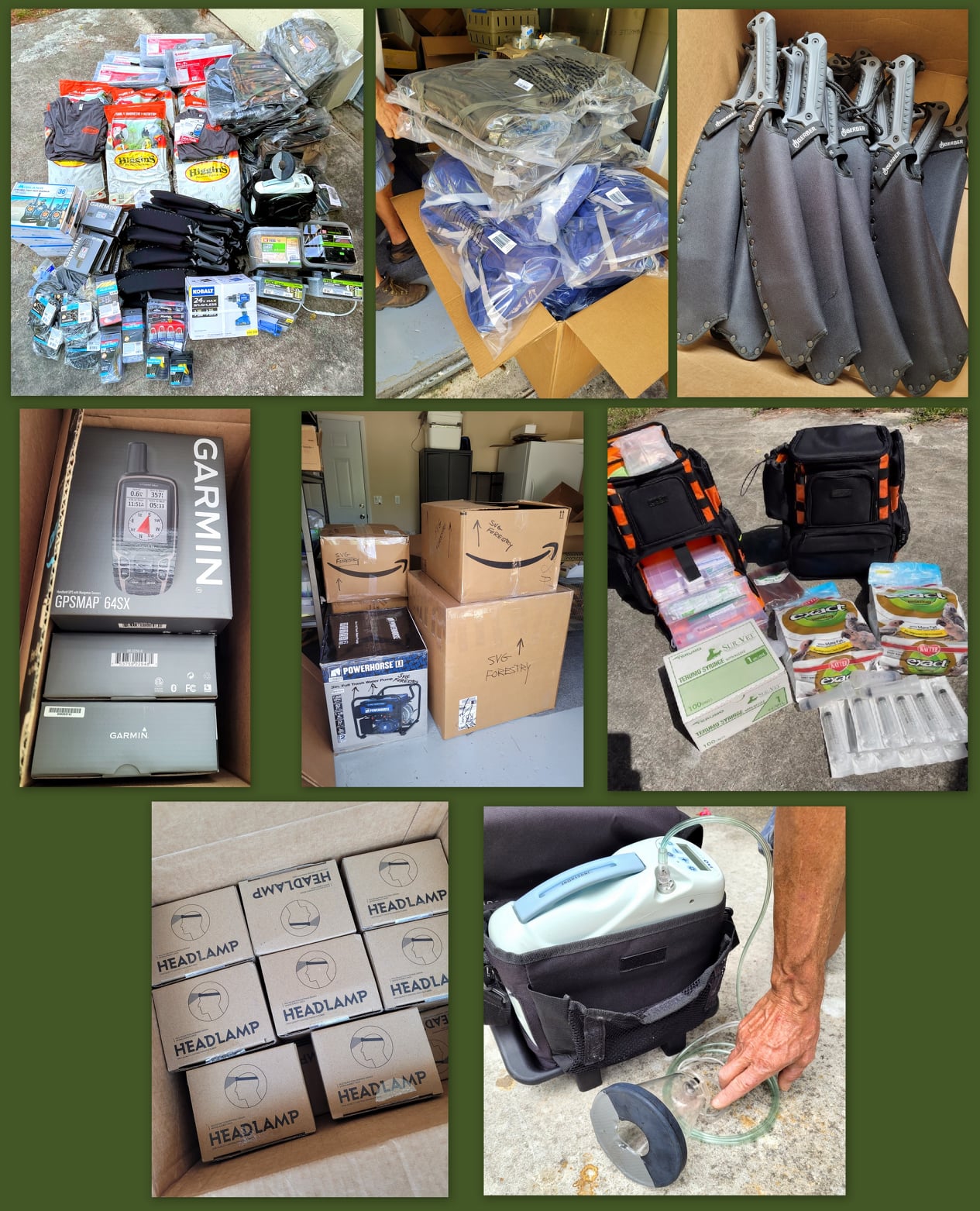
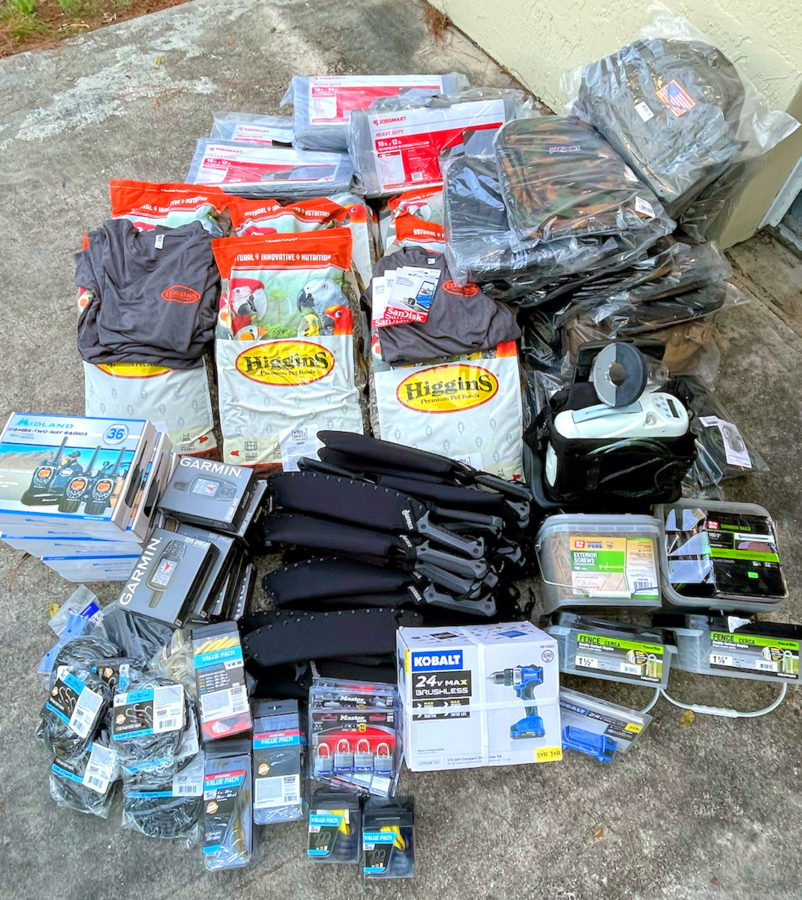
Garry Auguiste (Wild Dominique) and Jodelia Simmons (SVGFD Forestry Officer) also received monitoring equipment and field guides. They will use these to continue monitoring of the parrot and warbler populations on the island.
A Heartfelt Thank You
We extend our deepest gratitude to the Critical Ecosystems Partnership Fund (CEPF), the United Nations Development Programme (UNDP), and BirdsCaribbean members and donors for their generous support which made this workshop possible. Special thanks to Re:wild, particularly Justin Springer, for support with workshop planning and facilitation, and to our project partners, including the St. Vincent and the Grenadines Forestry Department, SCIENCE, SVG Environmental Fund, Florida International University, Antioch University, and the Cornell Lab of Ornithology.
We also want to express our sincere appreciation to all the participants for their invaluable contributions and enthusiastic engagement. A special thank you goes to the staff at the Anglican Pastoral Centre for their exceptional support in fulfilling all our venue requests and for their quick assistance with any issues that arose. We are also grateful to the caterers, Snagg Cuisine, for providing delicious meals that fueled our discussions. Finally, a huge thank you to Arnaldo Toledo for providing the beautiful artwork.
Building on the momentum and collaborative spirit of the workshop, the future of bird conservation on the island looks brighter than ever. We are proud to be a part of this journey and BirdsCaribbean looks forward to the successful completion and application of these conservation plans!
For all the latest news on this and other BirdsCaribbean programs, be sure to join our mailing list. We’ll deliver just the right amount of exciting Caribbean bird conservation news straight to your inbox. No spam. We promise. Click here to sign up!