

A spectacular arrival unfolds across the Turks and Caicos Islands (TCI) in late August every year. Thousands of weary travelers touch down after extraordinary journeys spanning thousands of miles from their breeding grounds in Canada and the Arctic.
To celebrate these incredible journeys—and highlight the urgent need to protect the stopover and wintering habitats shorebirds depend on—BirdsCaribbean is proud to share this wonderful new 8-minute documentary. Explore the remarkable world of migratory shorebirds and discover why TCI’s wetlands and coastal habitats are so vital to their survival.
Storytelling that inspires conservation
This project was born from the vision and direction of Simon Busuttil, whose passion for birds and deep commitment to conservation in the Turks and Caicos Islands helped make this documentary possible. As the driving force behind the film, Simon understood that scientific data alone isn’t enough to save a species. We also need compelling stories that inspire people to care and turn knowledge into action.
By showcasing the magnificent migratory birds that depend on TCI, Simon hoped to inspire greater appreciation and stewardship of these remarkable species and the habitats they need to survive—and make their conservation a source of national pride.
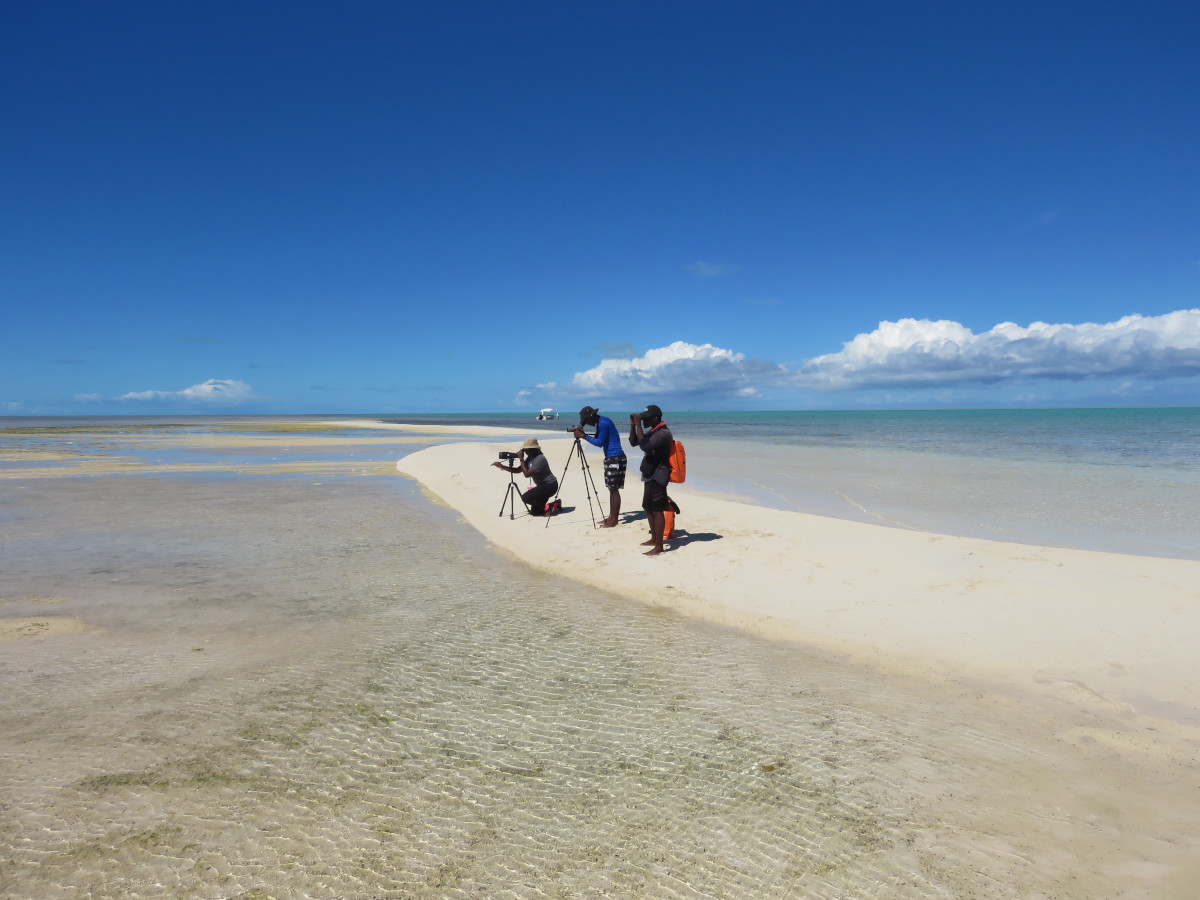
Small birds, extraordinary journeys
For many of the shorebirds visiting TCI, the journey begins on breeding grounds in the Arctic tundra. Imagine weighing only a few ounces and traveling thousands of miles—powered only by the beat of your wings! Tough travelers like the Ruddy Turnstone can bulk up to around 172 grams (6 ounces) before migration, storing precious energy reserves to fuel the extraordinary journey ahead.
Joining these incredible migrants is the plump and adorable Piping Plover. These diminutive Near Threatened shorebirds blend beautifully into coastal landscapes with their sandy-gray backs, often hiding in plain sight! You may not even realize you’re looking at one until it suddenly scurries toward the water on its bright orange legs.
But don’t let their small size and delicate appearance fool you: surviving migration requires extraordinary physiological adaptations.
Species like the Red Knot (Near Threatened), a master of long-distance travel, can fly for days without stopping. To prepare for these marathon flights, the birds undergo a dramatic physical transformation, shrinking internal organs like the intestines, liver and gizzard, and doubling their body mass by storing fat to act as high-grade fuel—remarkable adaptations that help make long-distance migration possible.
Black Rock: A haven within a haven
After burning through previous fat reserves during migration, these birds arrive at a physical breaking point, requiring healthy habitats that offer both safety and abundant food. In TCI, one such place is Black Rock, an isolated shoal cay nestled in the shallow, turquoise expanse of the Caicos Banks.
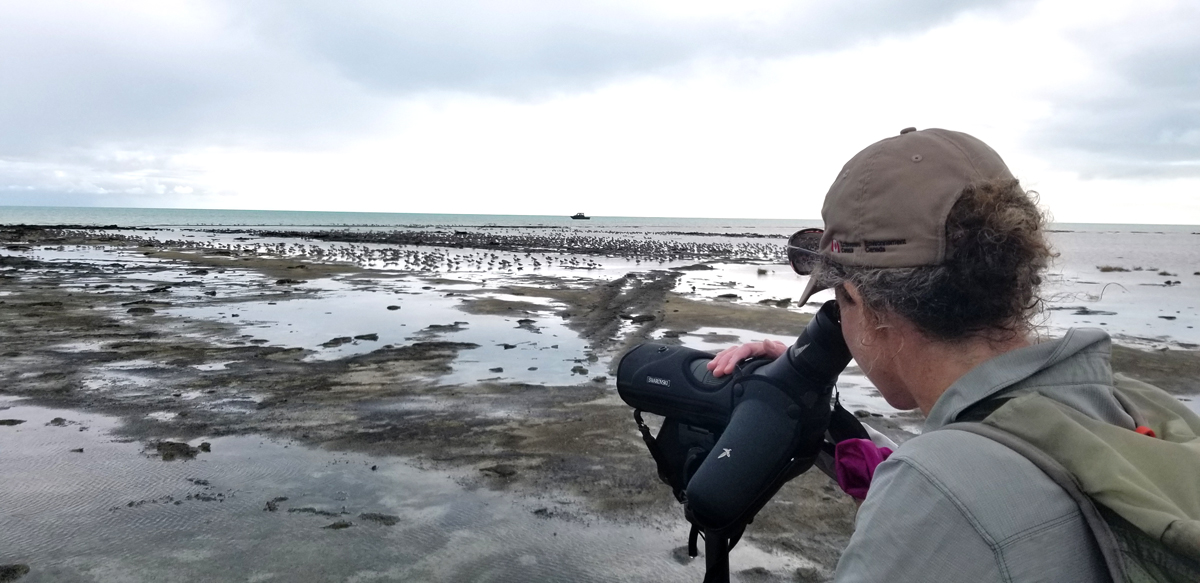
Its isolation from human disturbance and productive surrounding shallows make Black Rock an important refuge for birds. Mollusks and other invertebrates provide food for hungry migrants replenishing energy lost during their long journeys. Thousands of birds can gather here, including small shorebirds, larger wading birds such as egrets and herons, and even raptors.
Healthy wetlands—for birds and people
Protecting migratory shorebirds begins with protecting the habitats they depend on. TCI’s mangroves, salt ponds, tidal flats, beaches, and other coastal wetlands provide essential places for shorebirds to rest and refuel during migration, as well as vital habitat where many spend the winter.
But healthy wetlands aren’t important only for birds. Mangroves and other coastal habitats help buffer communities from storms and flooding, support fisheries and other marine life, and contribute to the extraordinary natural heritage that makes the Turks and Caicos Islands truly “Beautiful by Nature.”
By protecting these wetlands, we secure a win for birds and people alike—helping ensure that migratory shorebirds have safe havens to rely on and return to, year after year.
Watch A Haven for Migratory Shorebirds
Watch our new 8-minute documentary, A Haven for Migratory Shorebirds: The Wetlands of the Turks and Caicos Islands, and discover the extraordinary journeys connecting TCI’s shores to places thousands of miles away.
In Memory of Simon Busuttil
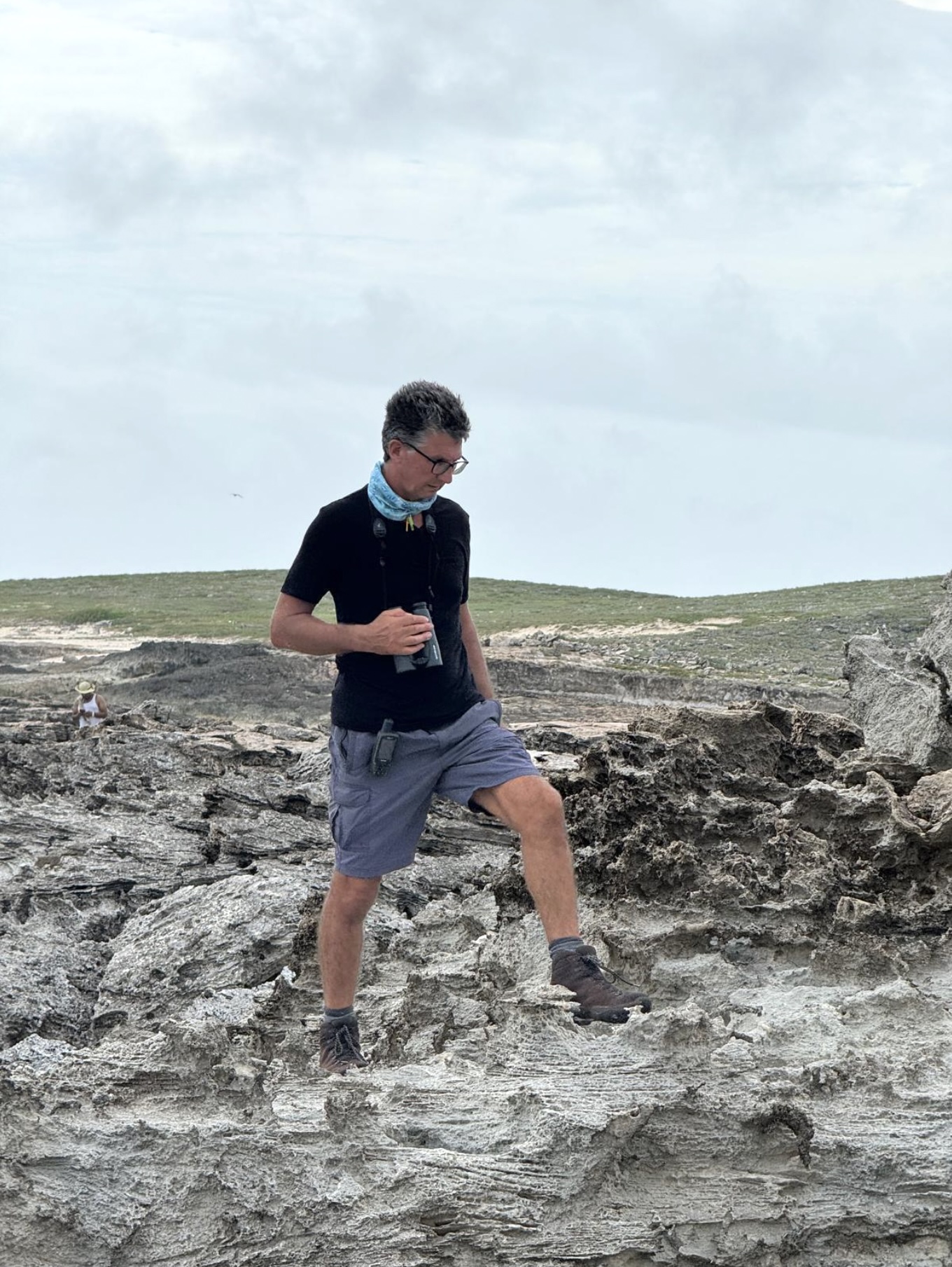
BirdsCaribbean and the wider conservation community were deeply saddened by the sudden loss of our dear friend, colleague, and mentor, Simon Busuttil, on January 31, 2026. Simon was a key leader with the RSPB’s UK Overseas Territories Caribbean Team and manager of the Darwin-funded TCI Biosecurity Project. His passion for conservation in TCI, his humor, generosity, and extraordinary warmth inspired everyone who had the privilege of birdwatching and working alongside him.
We are immensely grateful for Simon’s friendship, dedication, and conservation legacy, which lives on through projects like this documentary and through our shared commitment to protecting the extraordinary birds and biodiversity of the Caribbean.
Credits and thanks
This documentary was made possible through the vision and unwavering dedication of Simon Busuttil and the contributions of many people who recognize that migratory bird conservation has no borders. We dedicate this film to Simon’s memory, and our thoughts are with his family, loved ones, friends, and colleagues in TCI and at the RSPB.
We extend a heartfelt thank you to all the funders and partners whose support made this documentary possible: Darwin Plus Initiative, Audubon Americas, the Royal Society for the Protection of Birds (RSPB), the Turks and Caicos National Trust, the Department of Environment and Coastal Resources, and Spotlight Communications.
Together, we can help ensure that the wetlands of TCI remain a haven for migratory shorebirds for generations to come.
Join us for our Shorebird Counts this fall!
Shorebird Season 2026: It’s as Easy as 1,2,3!
More shorebirdS on film for you!