
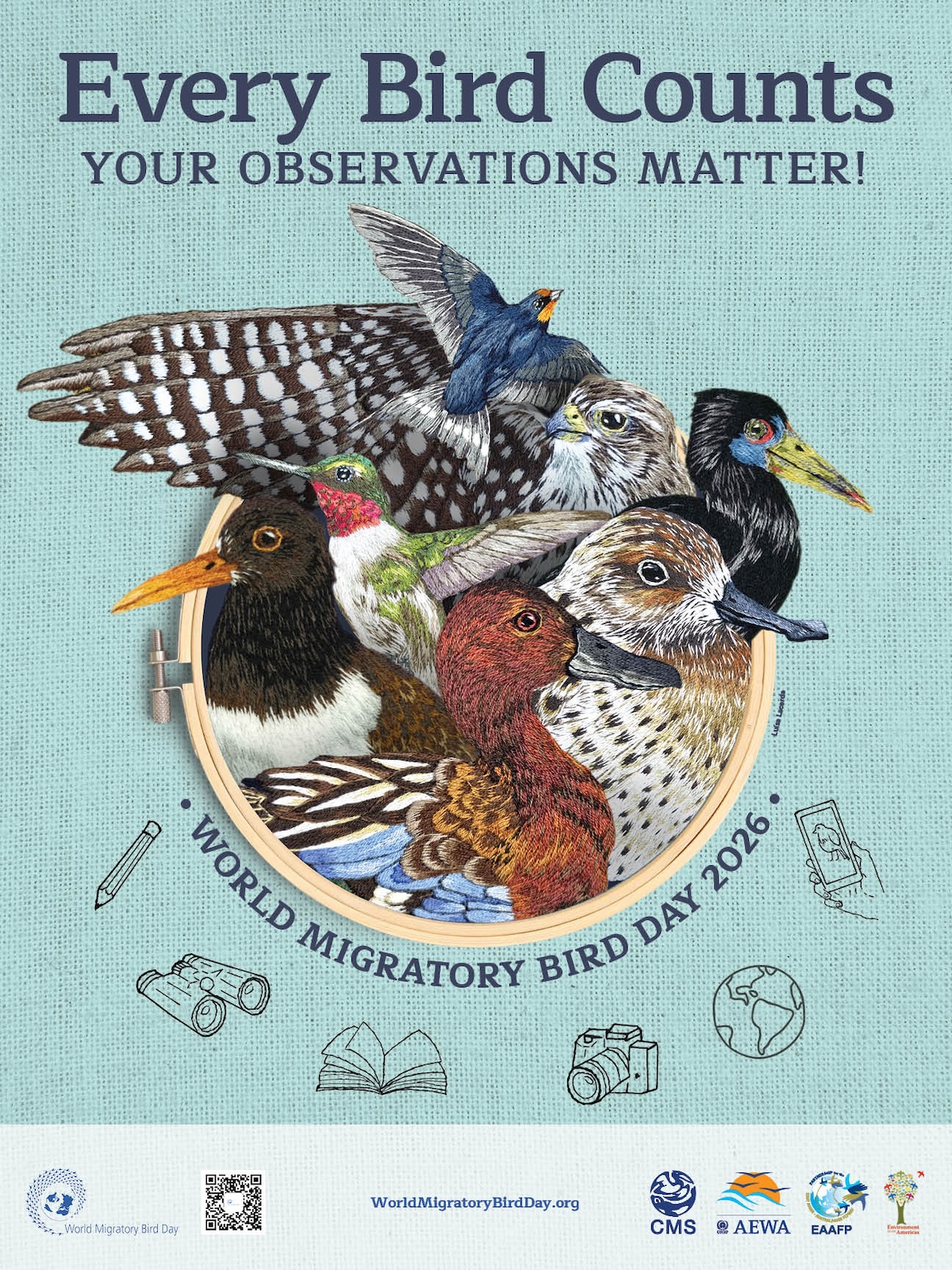
Not all heroes wear capes, some use eBird, logging their bird observations for science. This World Migratory Bird Day (WMBD) 2026 communities are being encouraged to step up as local conservation heroes under the theme, “Every Bird Counts – Your Observations Matter.” Keep reading to find out how recording what you see and hear in your neighbourhood or favourite nature reserve can help make the journey for migratory birds a little less daunting.
Migratory birds are taking to the skies, leaving cooling North American temperatures and dwindling food behind to journey south, stopping along the way in the Caribbean. Our islands are already welcoming this remarkable cast of visitors: sleek shorebirds grounding themselves along our coastlines, dapper ducks touching down in local wetlands and farm ponds, and colorful songbirds darting straight into forests and backyard gardens in search of insects.
But after traveling thousands of miles, these migratory birds face dwindling habitats, pollution and humans disturbing them when they just want to rest. That is where you come in. By sharing your observations through citizen science platforms like eBird, you provide the real-time data researchers need to map stopover sites, track bird population trends, and protect the habitats they rely on. Every checklist submitted paints a clearer picture of their journey and ensures our islands remain safe havens for years to come.


WMBD is celebrated every second Saturday in October (October 10th) in the Caribbean. Similarly, our neighbors in Central and South America join in the celebration as they too welcome back tiny warblers, wading shorebirds, agile raptors, and other migrants. The event unites people across the Americas in a shared commitment to securing a bright and sustainable future for these marvelous migrants.
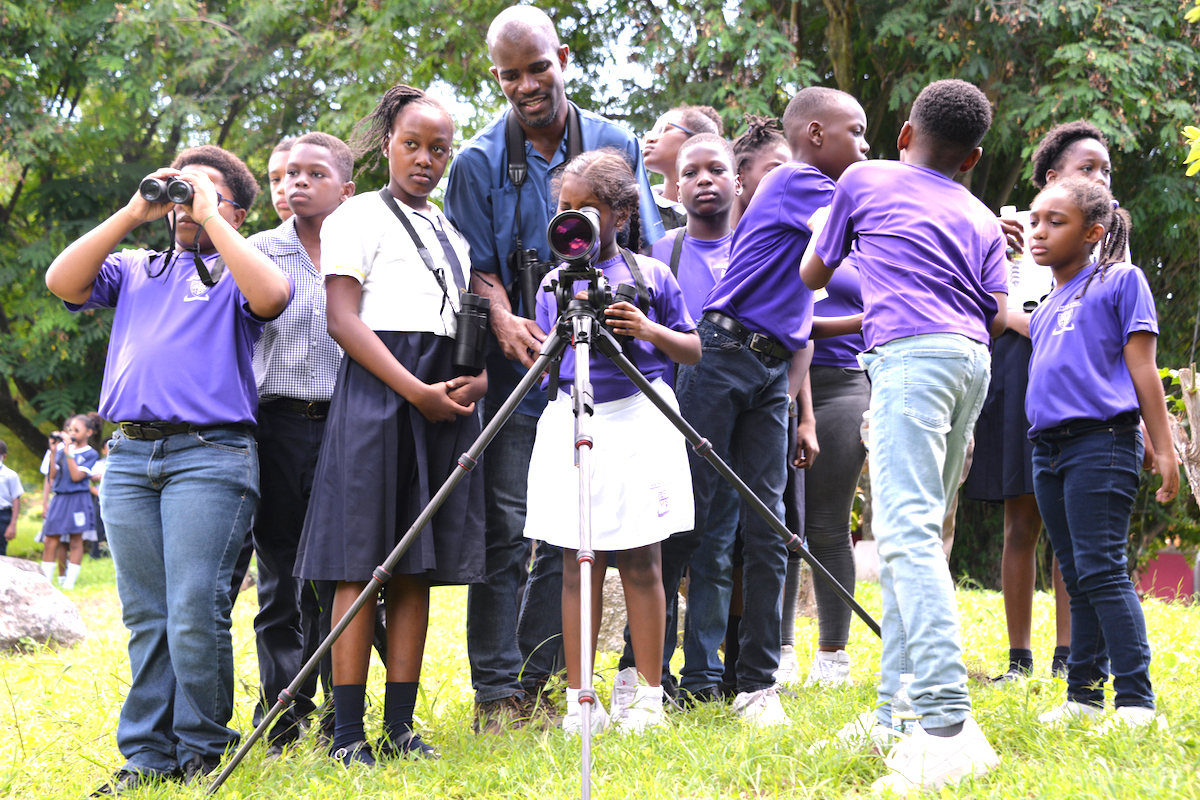
Given that worldwide, 49% of all bird species are in decline with migratory bird populations, particularly, showing a continuous decrease, this October, we’re urging Caribbean islanders to log the birds seen and heard, and submit those checklists. No expert skills or fancy equipment needed to make a real difference! Simply download the free eBird app to turn your regular outdoor walks, garden breaks, or coastal visits into useful scientific data.
While researchers work hard to safeguard our region’s biodiversity, they simply cannot cover every coastline, forest, or backyard. That is where community monitoring makes all the difference. Citizen science bridges the gap by inviting the public to record bird sightings via checklists. Every checklist you log offers concrete evidence of whether populations are increasing or decreasing, giving researchers the hard evidence required to advocate for the protection of forests, wetlands, and urban green sanctuaries.
Ready to start, but not sure where to begin?
If you are new to citizen science, our A Beginner’s Guide to Becoming A Citizen Scientist breaks down everything you need to know from finding a project that suits you to submitting your checklist. And if you want to find out more about how to use eBird you can get all the information here.
Want to jump right into an ongoing project?
You can put your skills to work immediately by participating in the 2026 shorebird count which feeds directly into two projects; the regional Caribbean Waterbird Census (CWC) database and global International Shorebird Survey (ISS)! Just join both projects in eBird to take part (find out more about how to join a project here).
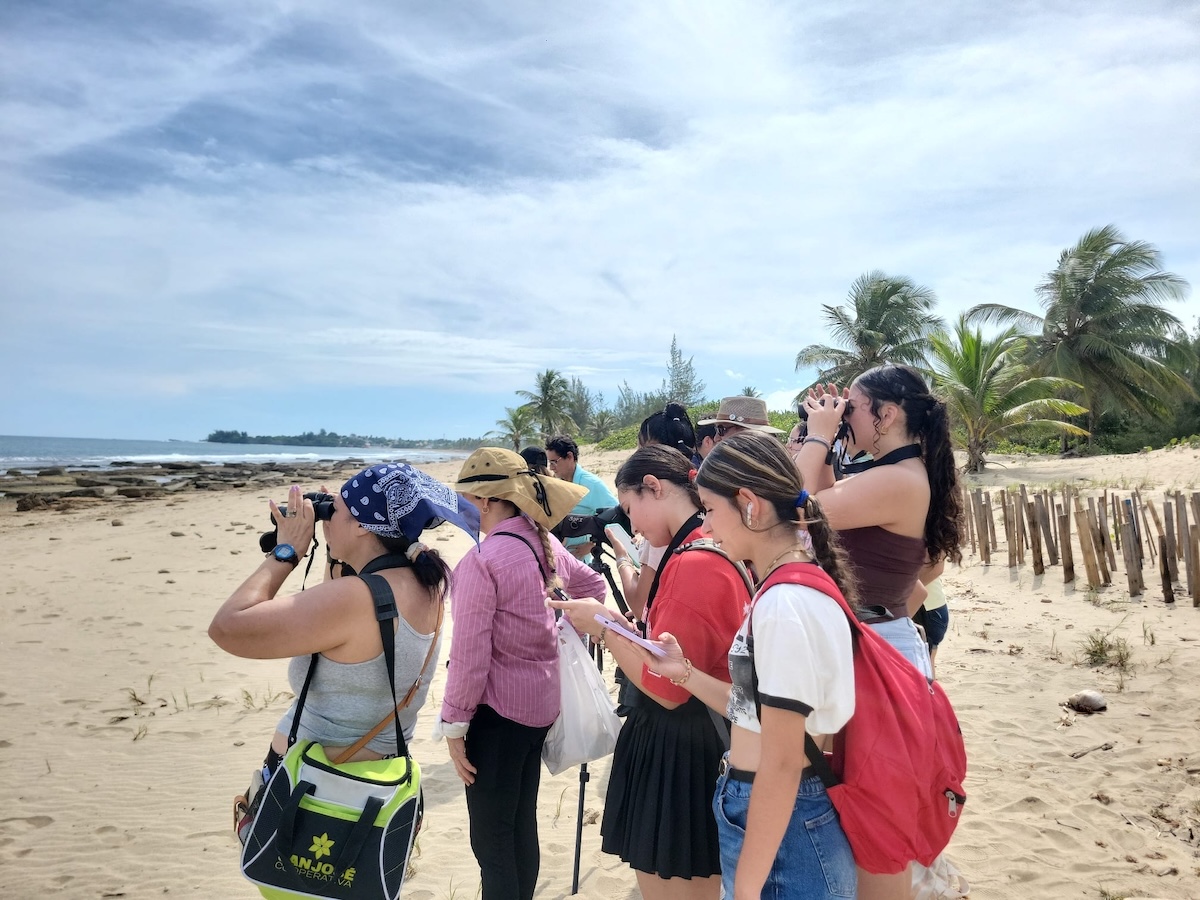
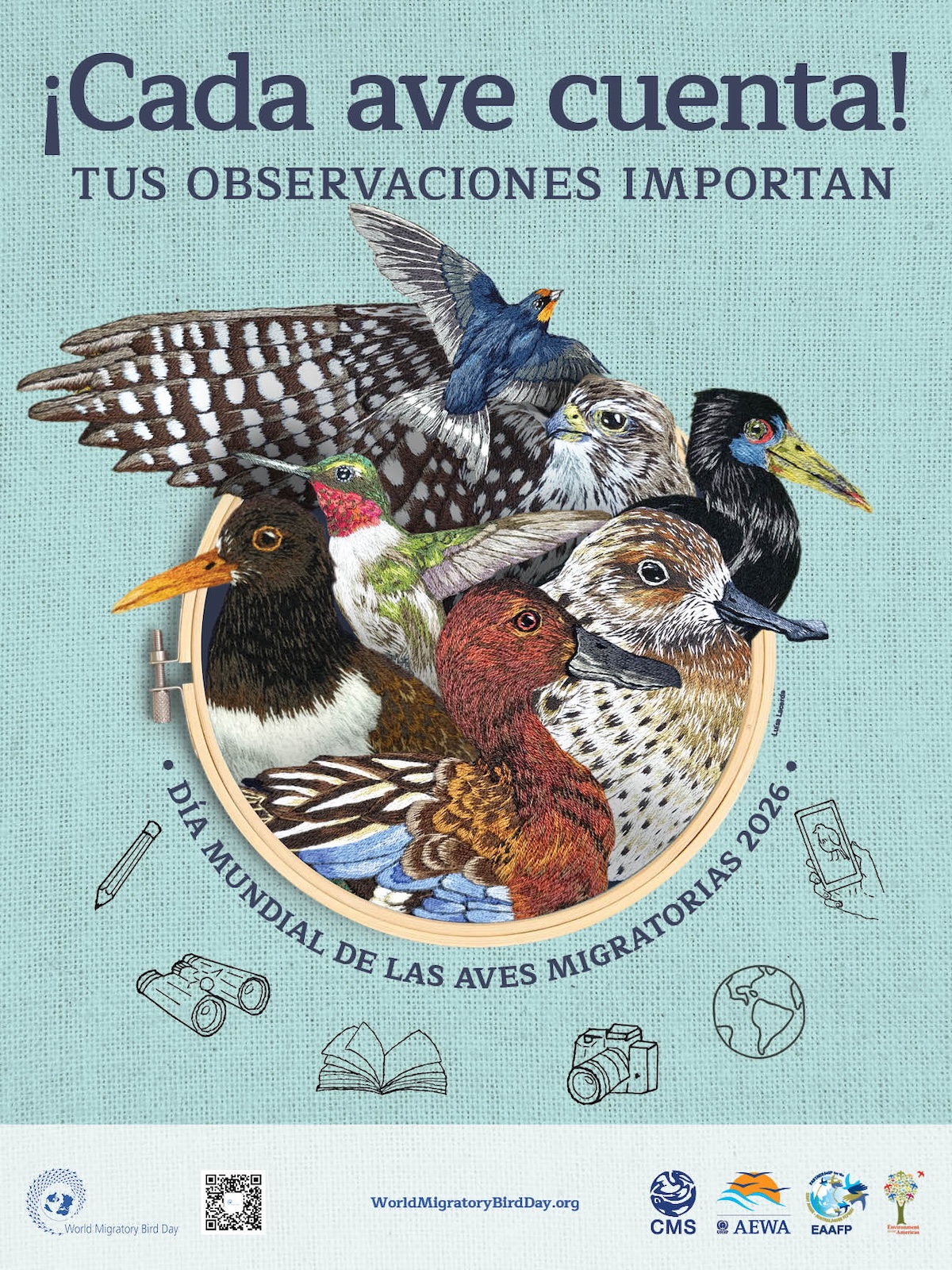
The WMBD 2026 theme in other languages:
“¡Cada ave cuenta, tus observaciones importan!”
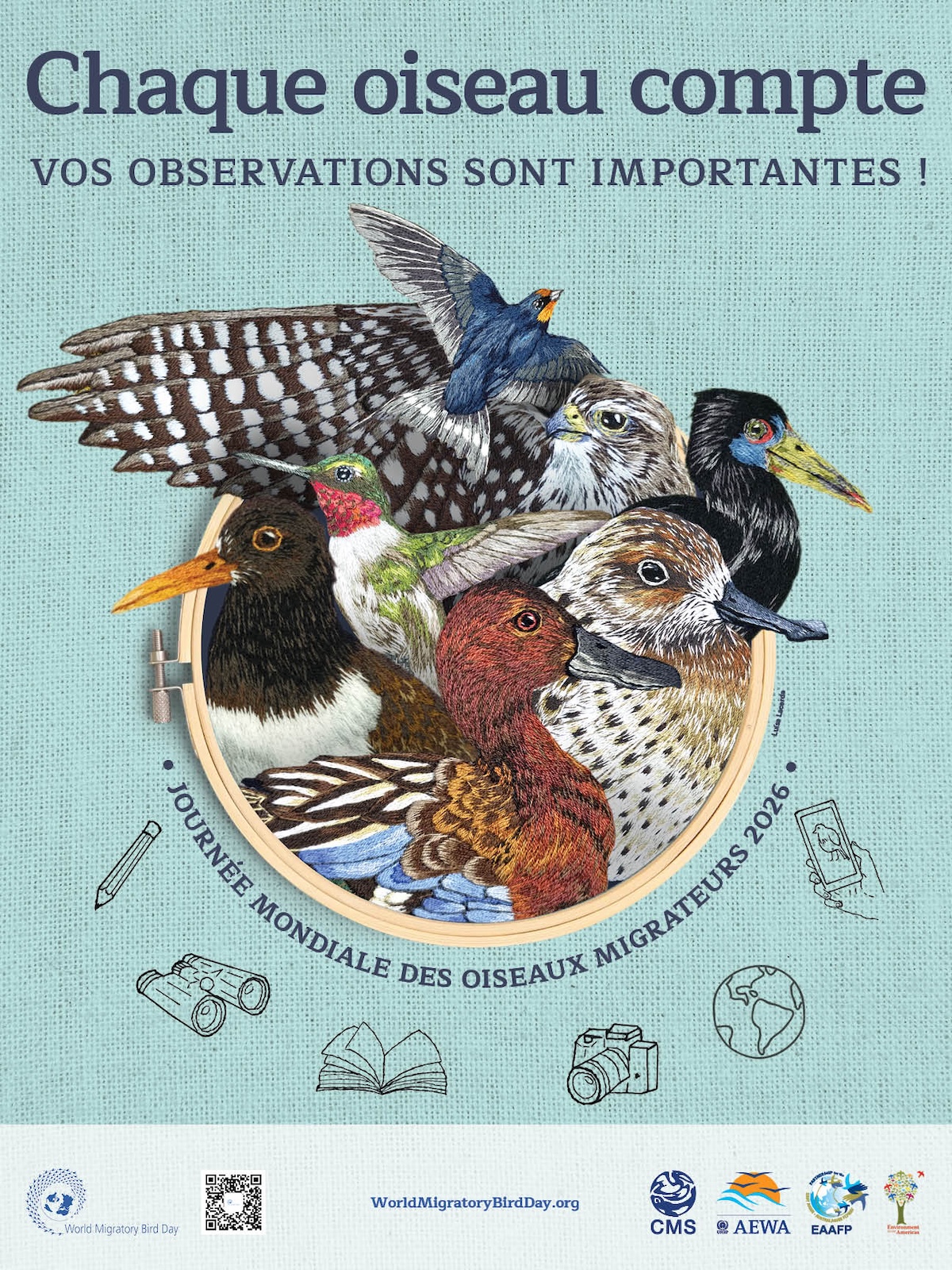
“Chaque oiseau compte – Vos observations sont importantes!”
Join us to celebrate birds and nature
Our amazing community of Caribbean educators and WMBD coordinators are busy preparing exciting events, including birdwatching trips, citizen science workshops, habitat clean-ups, all-day festivals, art competitions, presentations in schools, webinars, and so much more. At these events anyone can expect to learn about migratory birds, their incredible journeys, amazing adaptations, and challenges they face. Attendees also get to be hands-on in activities that help to reduce threats to migratory birds like tree planting, habitat cleanup, and installation of bird feeders and/or bird baths around community buildings.
Check out this World Migratory Bird Day Events Map to see what’s taking place near you! To register your event and get it on the map, click here.


Resources to help you plan a spectacular event
We invite all who are interested in participating in or hosting WMBD activities to contact Laura Baboolal, the WMBD Caribbean coordinator at [email protected].
If you are planning a WMBD event or two (and we hope you are!), you will find free digital resources in English, Spanish, and French on the World Migratory Bird Day Trello board.
BirdsCaribbean will also be featuring WMBD bird species that occur in the Caribbean on our Migratory Bird of the Day webpages (Birds Connect Our World). As in past years, we will provide free downloadable resources, including coloring pages, natural history information, puzzles, photos, videos and activity sheets — we invite you to check them out!
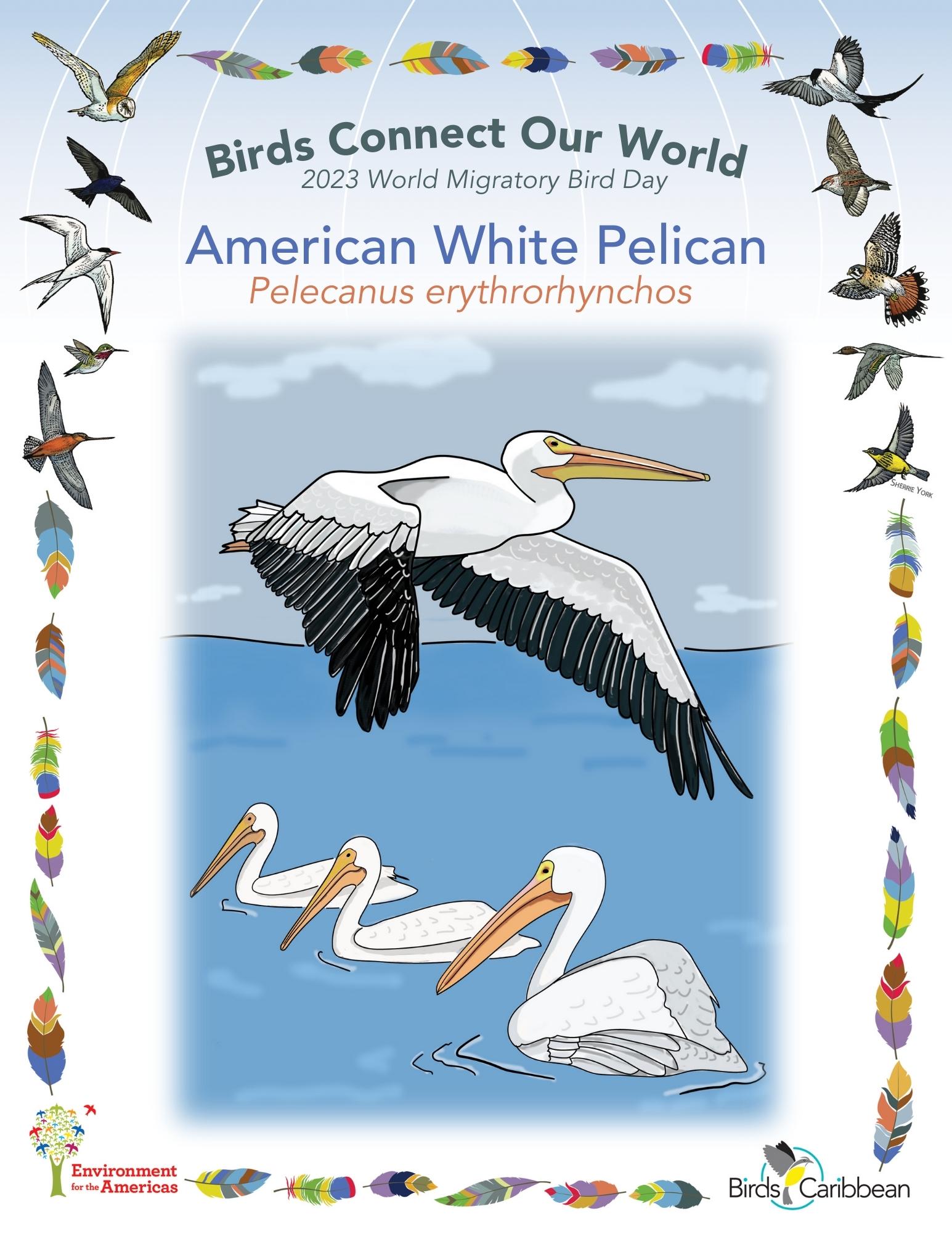

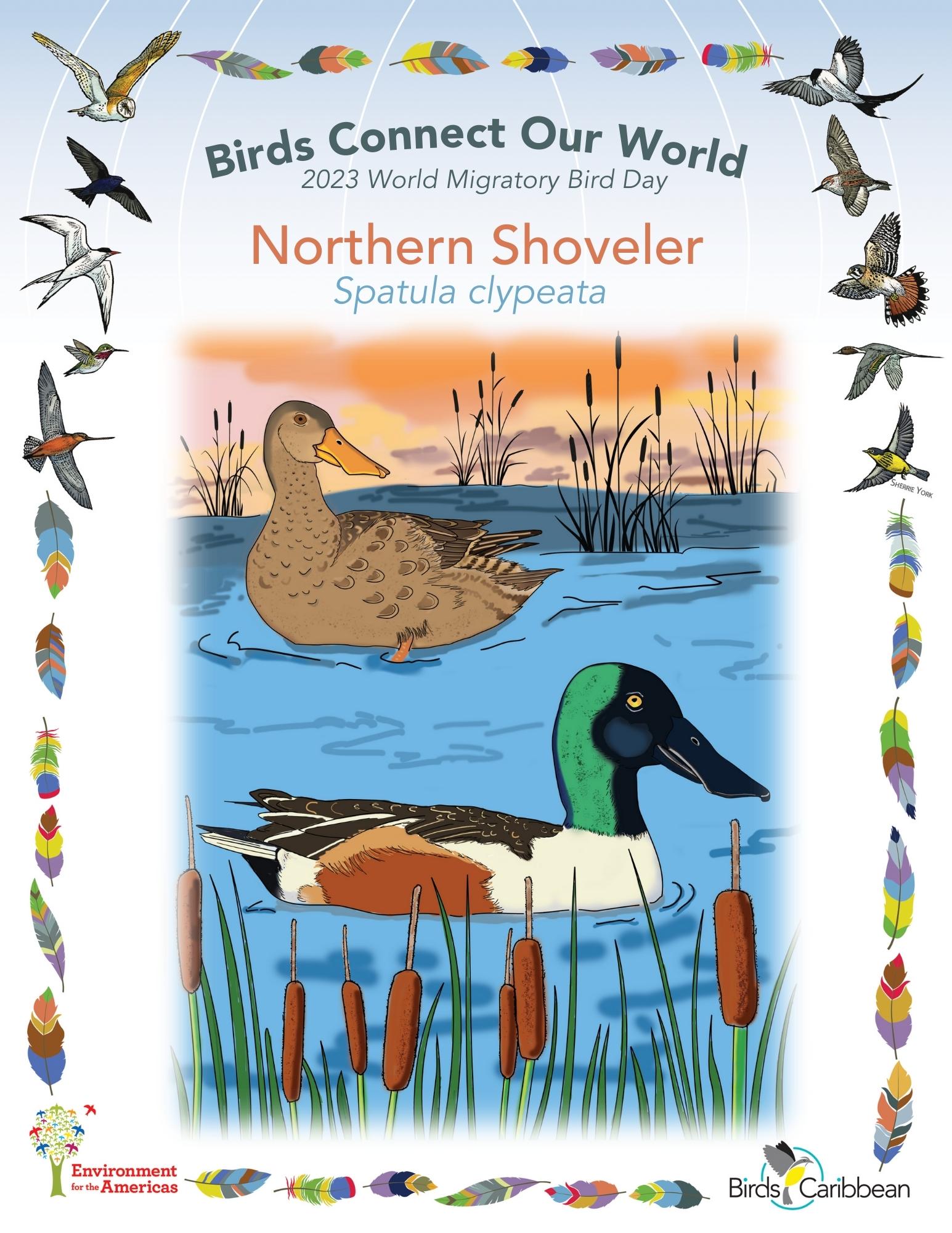
To help you host an impactful event in your community, we have put together a complete kit of free, customizable organizer templates including media invitations, volunteer call-outs, Ministry approval requests, sponsorship letter templates, and more! These resources are free to access when you join our active education network here (available in English, Spanish, and French).

Our Migratory Bird of the Day drawings this year are featuring the art of Eden Garrod (Eden Garrod Design) – graphic designer, screen printer and illustrator living and working in the Rocky Mountains of Colorado. Living along the northern stops of the flyway, Eden brings a fresh perspective to depicting the incredible birds that winter in or pass through our Caribbean islands each year. Eden shared with us, “Making art is one of my favorite ways to engage with nature! When you sit down to capture any part of nature, all the sights and sounds, all the animals & plants you never noticed before come sharply into focus. It really makes you better appreciate the world around you.”
Meet Your 2026 Migratory Bird Ambassadors!
Every year, EFTA selects species as WMBD ambassadors. The seven focal species can be seen in the Americas Flyways and also in flyways in Europe, Africa, and Asia.
Male Cinnamon Teal Spatula cyanoptera


Merlin Falco columbarius*


Ruby-throated Hummingbird Archilochus colubris


Barn Swallow Hirundo rustica*


American Oystercatcher Haematopus palliatus*


Spoon-billed Sandpiper Calidris pygmaea


Abdim’s Stork Ciconia abdimii


The species marked with an asterisk, occur in the Caribbean. Our region is critical for these traveling birds as they move to, from, across, and through our islands.
These seven migratory birds are featured in the official World Migratory Bird Day global poster. The artwork for the poster was created by Luísa Lacerda, a Brazilian artist from Rio de Janeiro whose work blends music, embroidery and a deep love of birds. Luísa artwork will be used throughout the Caribbean in this year’s WMBD events.
Interested in being considered for the artist for WMBD 2027? Contact Environment of the Americas at [email protected]
To learn more about World Migratory Bird Day visit the website at https://www.worldmigratorybirdday.org/—and learn more about Environment for the Americas who hosts WMBD in our region: www.environmentamericas.org.