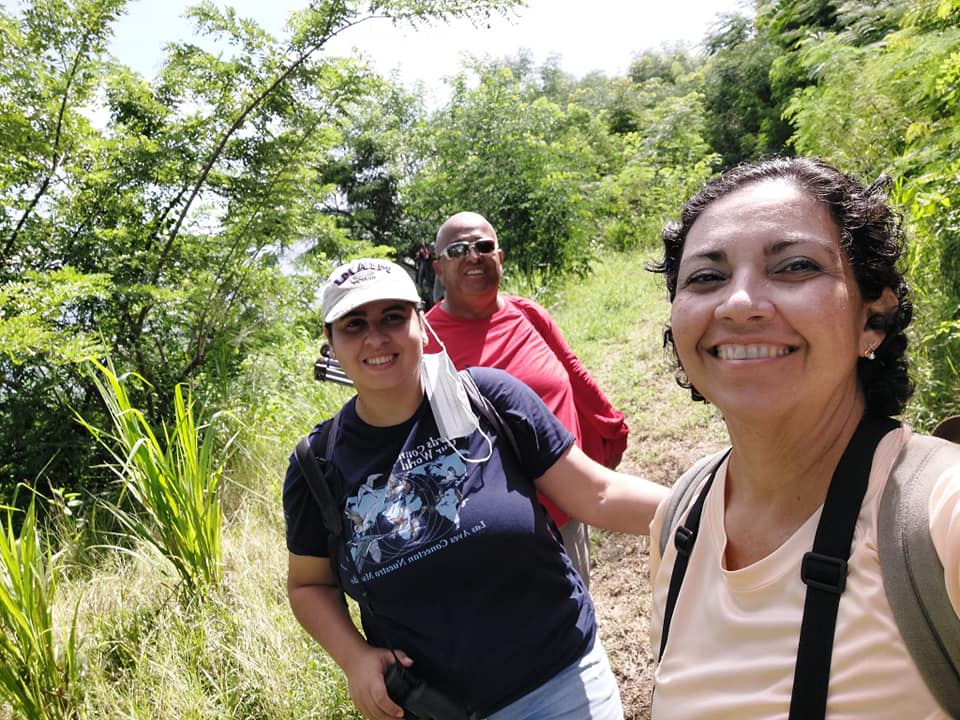
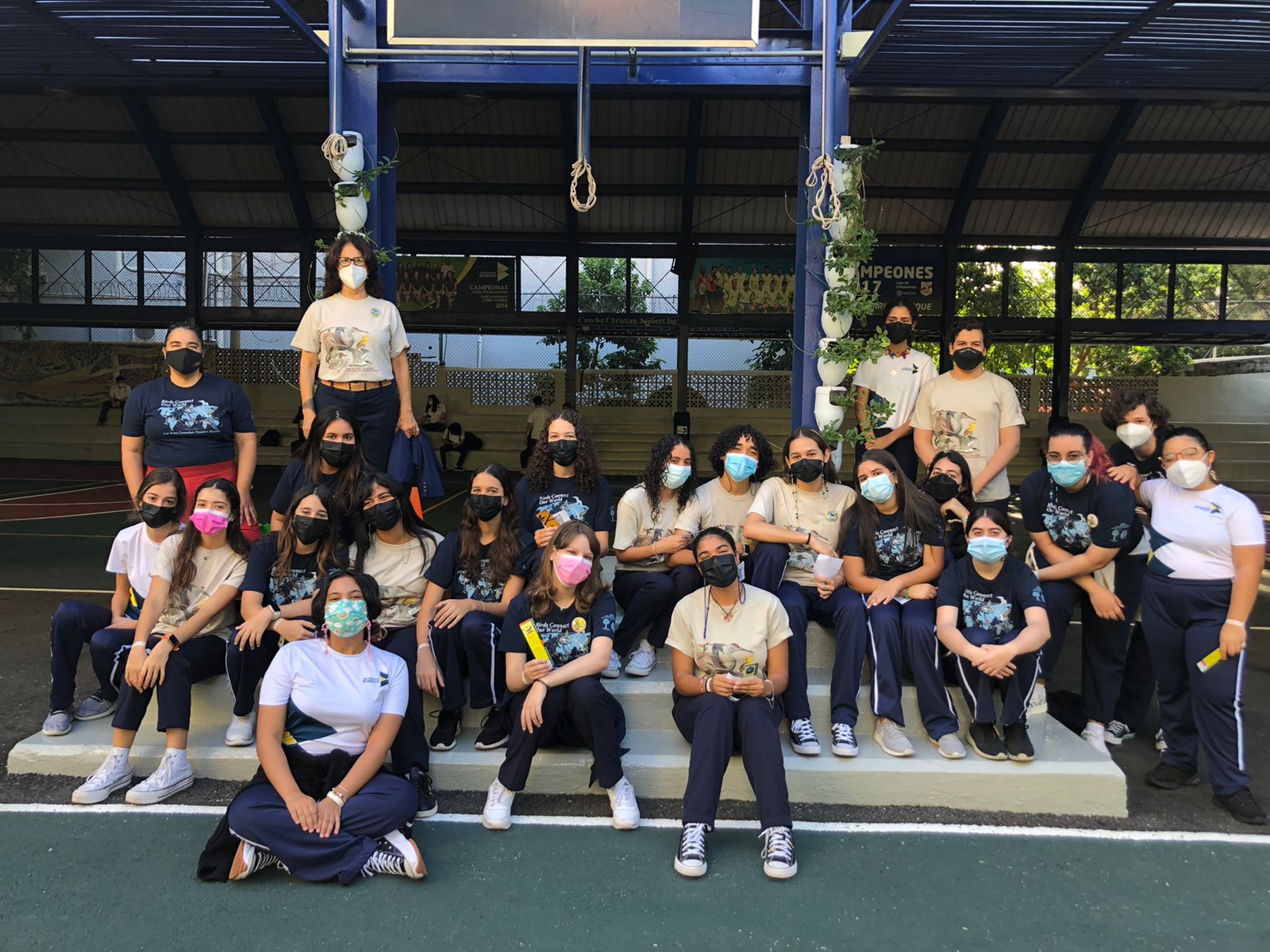
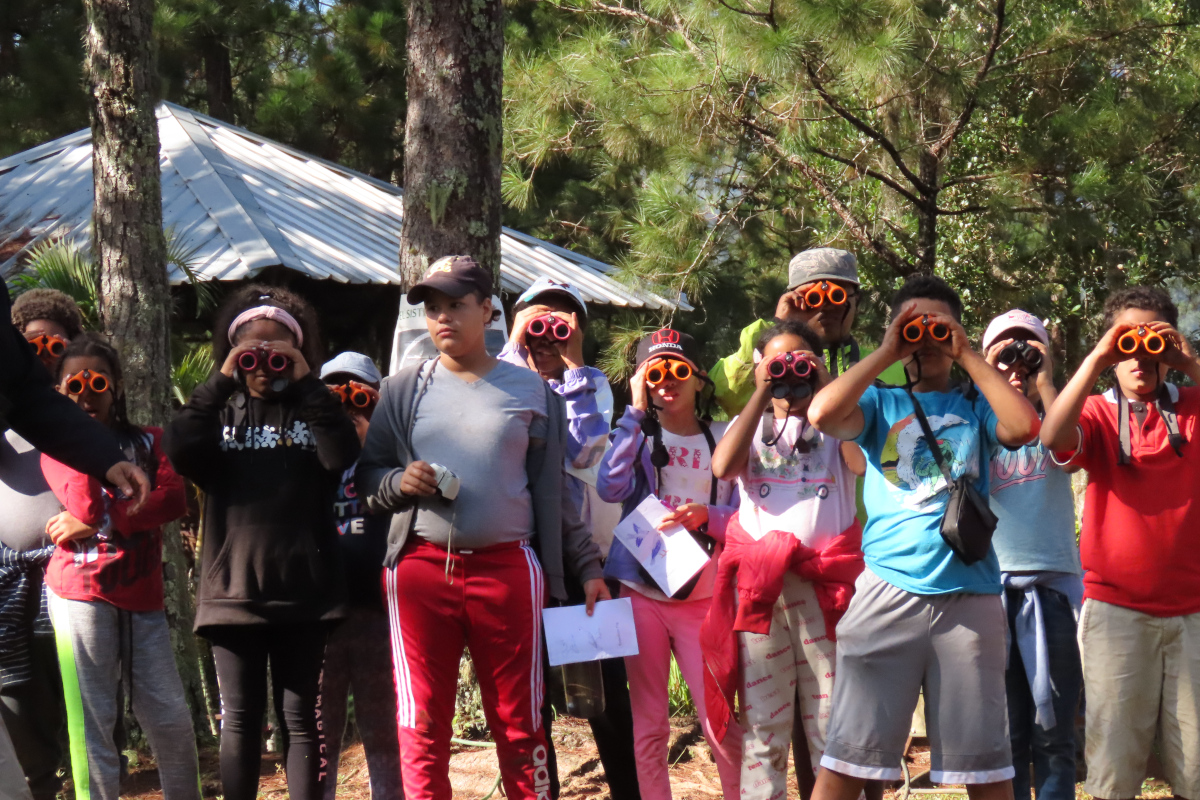
Ready, set—BIRD! It’s time to flock together for the season’s biggest day of birding!
Get ready for a spectacular October Big Day (OBD)! This annual event, falling on Saturday, October 11, 2025, coincides with World Migratory Bird Day(WMBD) and is a thrilling celebration of our feathered friends and the vibrant birding community.
At BirdsCaribbean, we eagerly anticipate October Big Day. This massive citizen science event is a wonderful opportunity for us to unite with fellow bird lovers to share in the joy of birdwatching and the beauty of Caribbean wetlands, forests, botanical gardens, and neighborhoods. This is our chance to celebrate Caribbean birds, support science, and strengthen our conservation efforts.
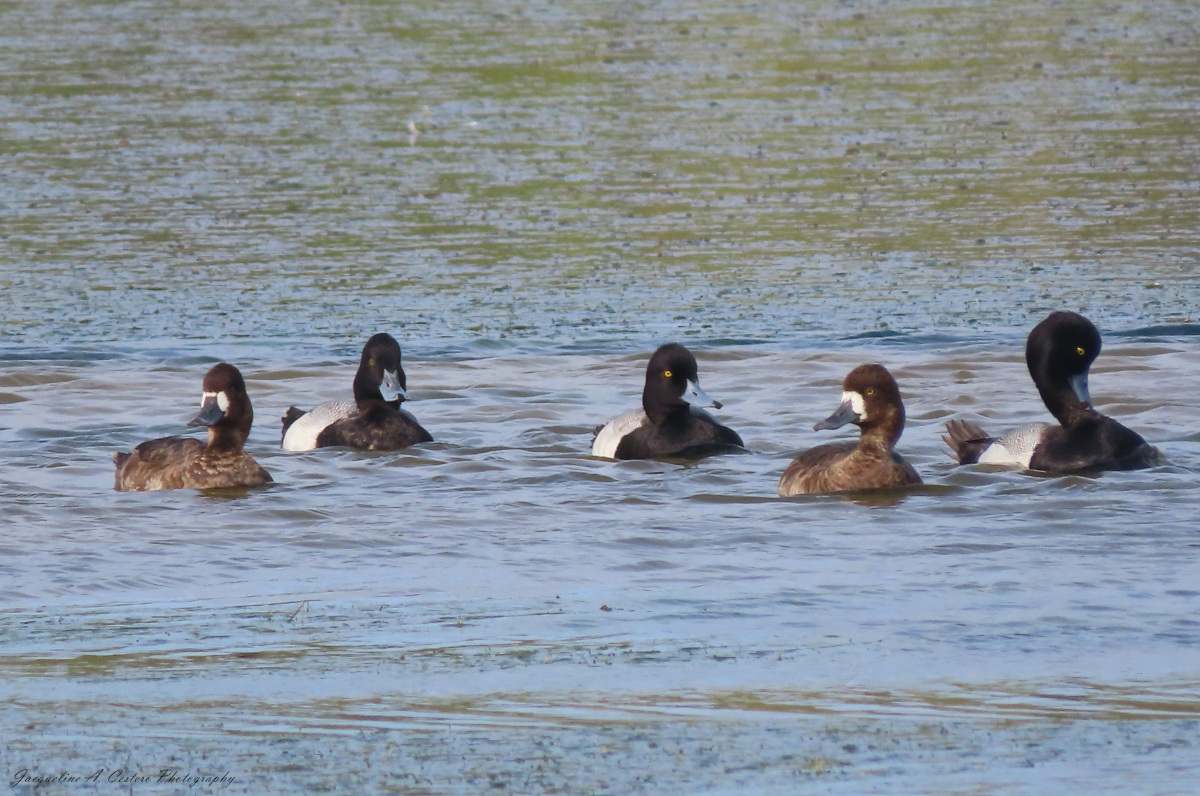
A group of Lesser Scaups at East End Pond. (Photo by Jacqueline A Cestero)
October 11 is truly the moment to puff out our chests and rack up those eBird checklists!
And there’s more! Global Bird Weekend runs from October 10 to 12, offering even more opportunities to engage and possibly set new world records. Last year, we saw record-breaking participation during Global Bird Weekend — more than 750,000 people from 202 countries submitted 99,317 checklists with eBird — and we’re aiming to surpass that achievement this year.
Let’s make birdwatching history together!
OBD guide for first timers
Welcome and we’re so happy you’re considering spending Saturday 11th October with the birds! Who knows, maybe this will be where your birdwatching lore begins? OBD is a citizen science initiative spearheaded by the Cornell Lab of Ornithology. Scientists team up with members of the public, called citizen scientists, to collect data on birds from midnight to midnight in their local time zone on October 11; or to bird anytime during the weekend of October 10-12 for the Global Bird Weekend.
Data sounds intimidating, doesn’t it? Luckily, it ab-so-lute-ly isn’t. Data here means the checklists of birds you see and hear. Spot a blackbird hopping along your fence? That’s data! Hear a bananaquit tsit tsit tsit-ing in your mango tree? You got it — that’s data too!
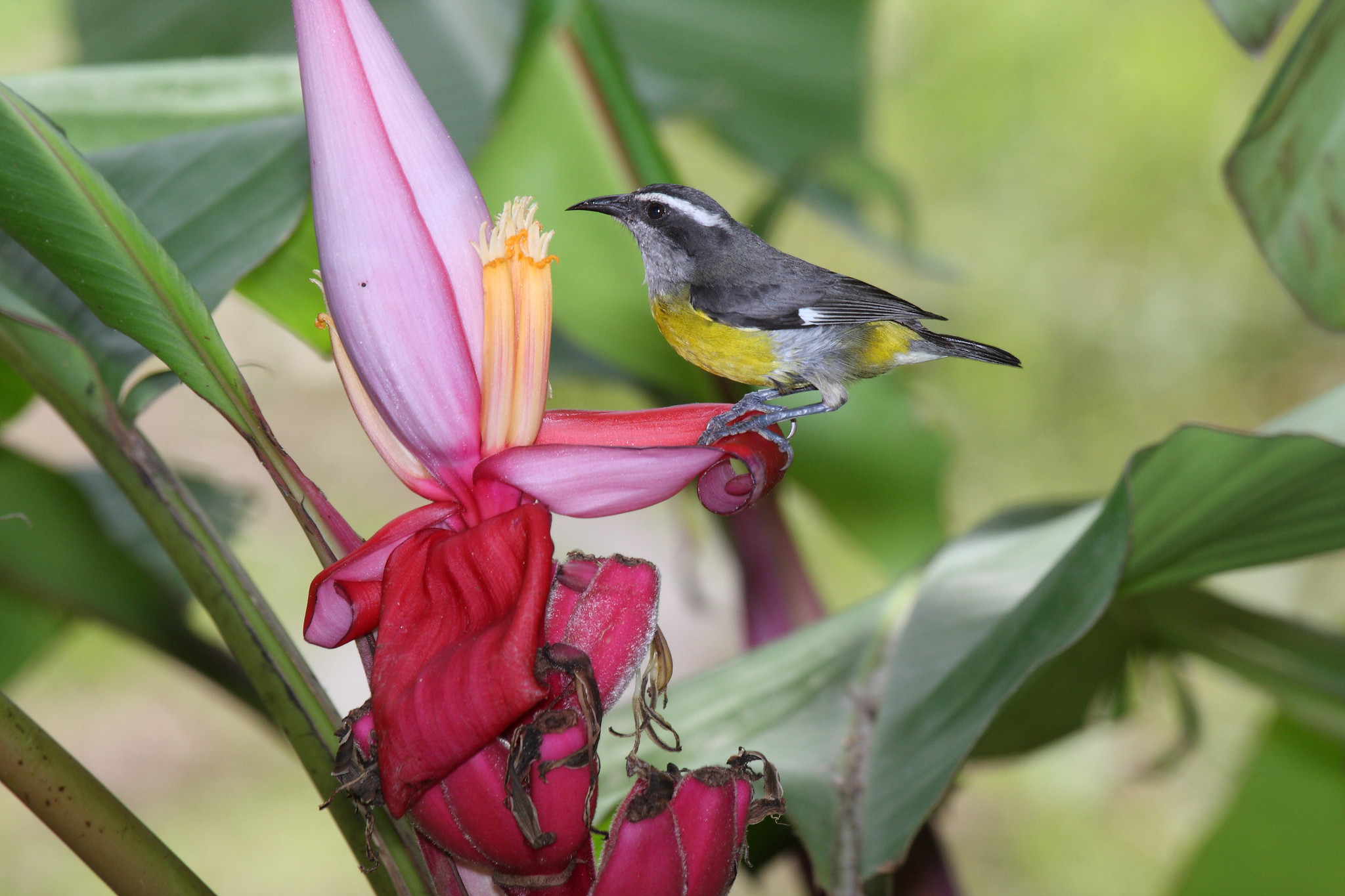
Bananaquits are found throughout the Caribbean. They have a sharp, curved bill, black head and upperparts with a white eyestripe, gray throat, and yellow underparts. (Photo by Dominic Sherony)
But your data must be submitted via the eBird app or website to count.If you do not already have a free eBird account,, it’s easy to sign up — and here’s a quick guide on how to use eBird. The handy mobile app allows you to seamlessly keep and submit lists, in-the-moment, all while you’re out birding — perhaps exploring nearby hotspots. It will even track how far you have walked while watching birds.
Remember to submit your eBird checklists before October 14, 2024 to be included in the initial results announcement!
Checklists for conservation
Every checklist submitted gives scientists at the Cornell Lab of Ornithology and beyond real-time, worldwide insights into bird populations, migration patterns, and important habitats that might be at risk. Without the collective effort of birdwatchers like you, gathering such a vast and diverse dataset would be impractical, making your participation essential to understanding and protecting birds in the Caribbean and across the globe.
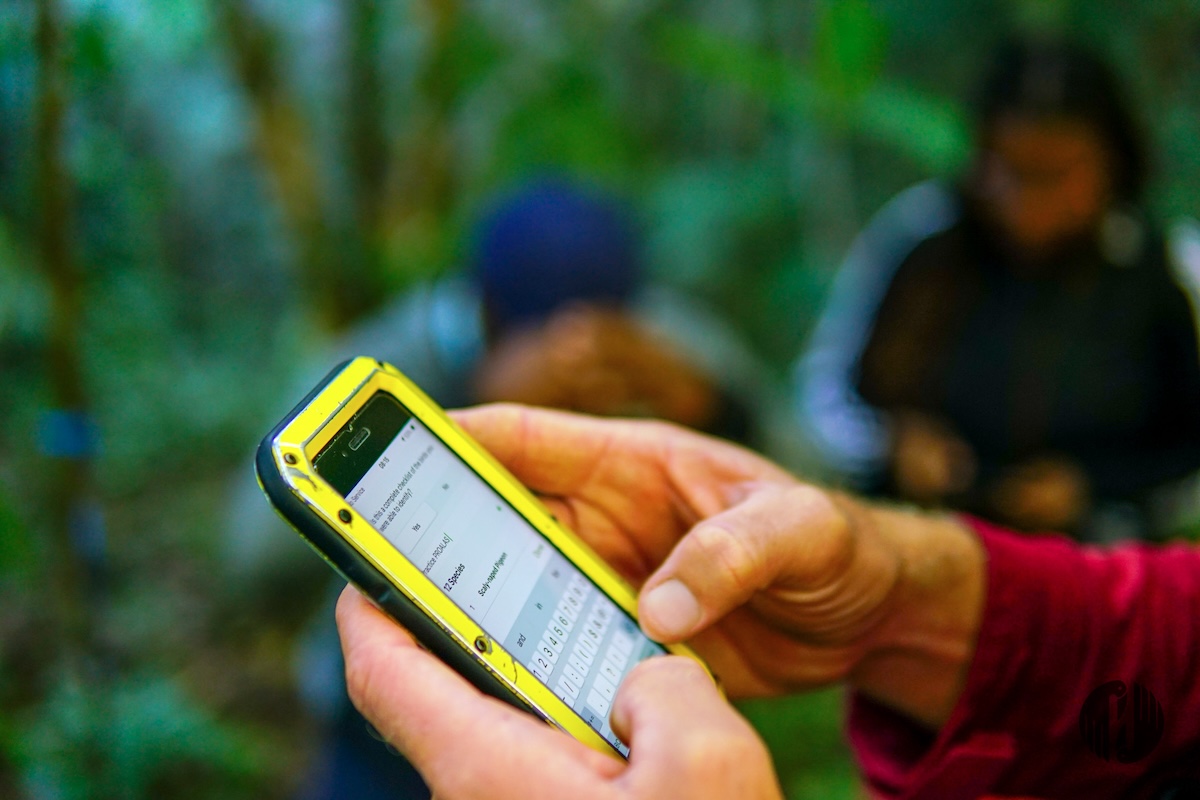
Entering data into eBird. (Photo by Holly Garrod)
The information you collect and share helps paint a clearer picture of how bird populations are faring in the face of devastating existential threats, like habitat loss and climate change. By identifying where birds are thriving or declining, conservationists can make informed decisions about where to focus their efforts, implement protective measures, and advocate for policies that safeguard these species. Ultimately, your observations translate to the protection and survival of birds — but they also form part of your legacy, part of the mark that you chose to make on the world. A legacy of care ensures that future generations can continue to enjoy the beauty and diversity of our beloved birds.
Some additional tips from the OBD veterans:
Check your checklists: By submitting complete checklists of the birds you see and hear you give scientists a comprehensive understanding of the bird community in your area. Counting birds is easy until you encounter a large flock…of mixed species of birds! Keep calm and check out eBird’s advice on how to count big flock of birds, multiple flocks, or big groups of mixed species here. You also want to keep multiple checklists throughout the day. The shorter the duration and distance of your checklist, the more valuable your data becomes. Long checklists that cover large areas make it hard to pinpoint exactly where and when birds were present.
Make connections: Birdwatching can be a peaceful solo activity, like a serene stroll through the forest punctuated by bird sightings. But it’s also a fantastic social experience, providing a great way to meet like-minded friends! And there’s so much to learn from fellow birders — they can help with spotting and identifying birds (especially those tricky warblers), and will even help you navigate the eBird app and submit your very first eBird checklist!
Connect with your local environmental or birding club — there’s a good chance someone is organizing a birding event for October Big Day on your island, and they’d be thrilled to have you join in!
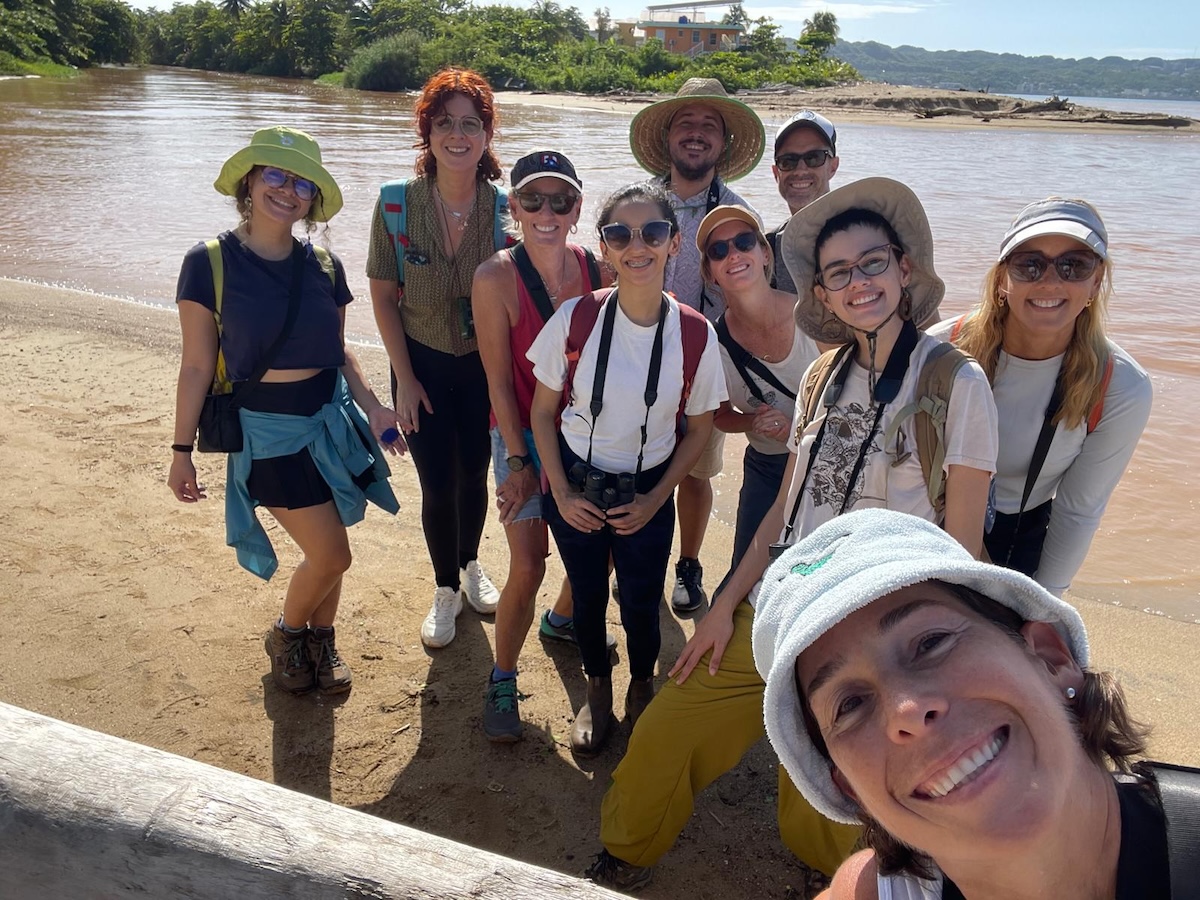
Surfrider Foundation Puerto Rico’s small but dedicated birding group at Playa Table Rock for CEBF and GBD 2024. (Photo by Surfrider Foundation Puerto Rico)
Don’t wing it: Make a to-pack list and use a backpack. Remember to pack your field guide, stylish and functional BC buff, medicine, water, and food too! If you’re birding in an unfamiliar place, make a trip plan. Be sure to consider where you might park your car, the amount of time you plan to spend birdwatching, how far you want to walk, and tell your friends and family about your plans and where you will be.
Embrace being a beginner birder: If you’re a newbie don’t let anxiety keep you from discovering the wonderful world of birds. Early mornings are perfect for spotting warblers, while raptors soar as the day heats up. Seagulls and shorebirds are ever-present, and you might catch tanagers and bullfinches at their most active during the late afternoon.
Show off your bird sightings and let us in on the birding blast!
Don’t forget to share your birding stories and photos with us on social media. Follow us on Facebook and Instagram @birdscaribbean and tag us in your posts. If social media isn’t your thing, join our discussion group with over 950 members to share your October Big Day experiences.
If you’re getting excited about soaring into the world of birds, we’d love to remind you that a BirdsCaribbean membership has so many benefits: you will receive discounts on our products, workshops, and conferences; meet and network with fellow birders, scientists, educators and conservationists across the region; and keep in touch with birding trends and news through our monthly newsletters (free sign-up here). Join us today to help protect Caribbean birds and their habitats.
Let’s make October Big Day 2025 unforgettable. Have a blast, remember to stay hydrated, and tag @BirdsCaribbean in all your birding adventures!
For birdwatchers in Cuba, October isn’t just a month; it’s a celebration of nature, science, and the unbeatable spirit of the birdwatching community. Despite the blackouts and shortages of essential items that come with life on the largest island in the Caribbean, birders across the country united for two magnificent birding extravaganzas—October Big Day and Garrido Biggest Week.
In 2023, Cuban conservationists Yaro Rodríguez and Nils Navarro received a Betty Petersen Conservation Fund grant to expand Cuba’s emerging birdwatching movement. The goal was to improve the understanding of Cuba’s birdlife through citizen science.
Their project provided community leaders with binoculars and training to identify and monitor local bird populations and report data through eBird Caribbean. These trained leaders then establish birdwatching clubs in their communities, raising awareness across Cuba about the importance of protecting birds and their habitats. Yaro and Nils’ project continues to grow, with birdwatching clubs across the country now actively engaging in ongoing bird monitoring and conservation efforts.
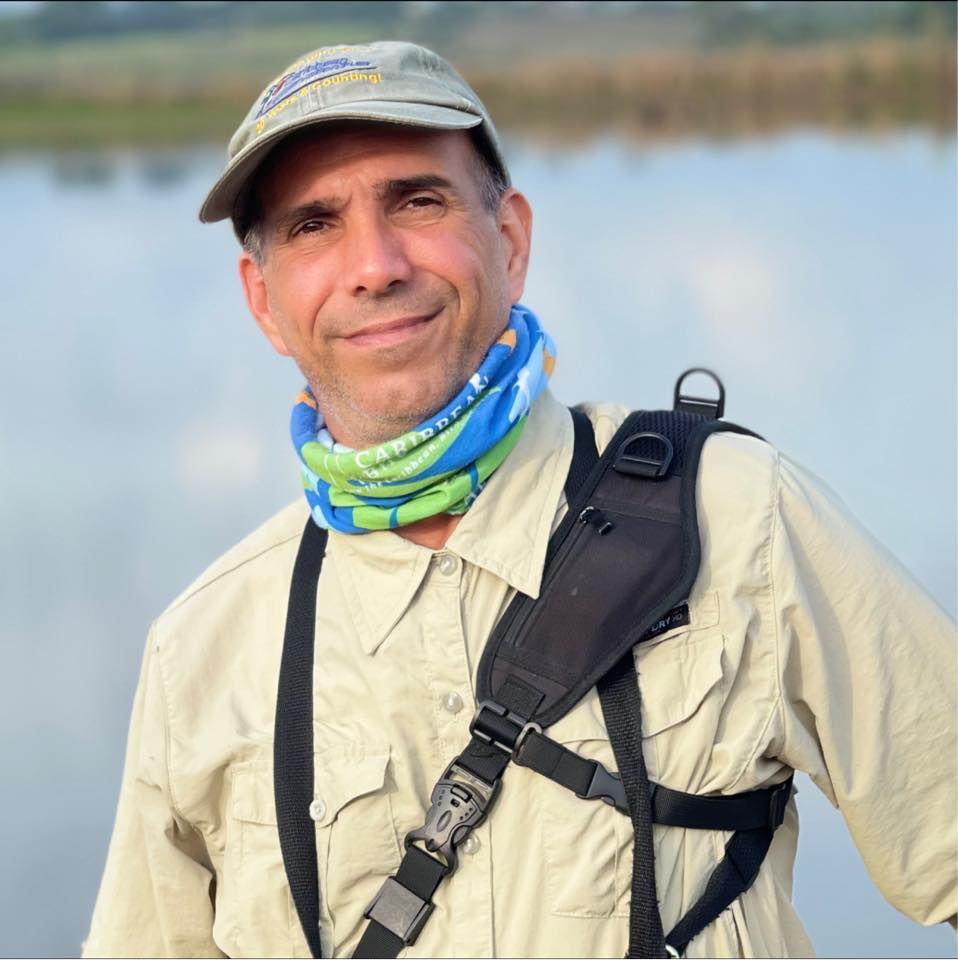
Yaro Rodríguez.
Nils Navarro.
In addition to several locally initiated birding celebrations throughout the year, birders across the island also participate in two major global citizen science programs: Global Big Day in May and October Big Day in October. Team Cuba is proudly known as the Gundlach Team, in honor of the German-Cuban naturalist and taxonomist Johannes Christoph Gundlach. Yaro details the how the Cuban birding community came together in October to celebrate and protect Cuba’s incredible birdlife.
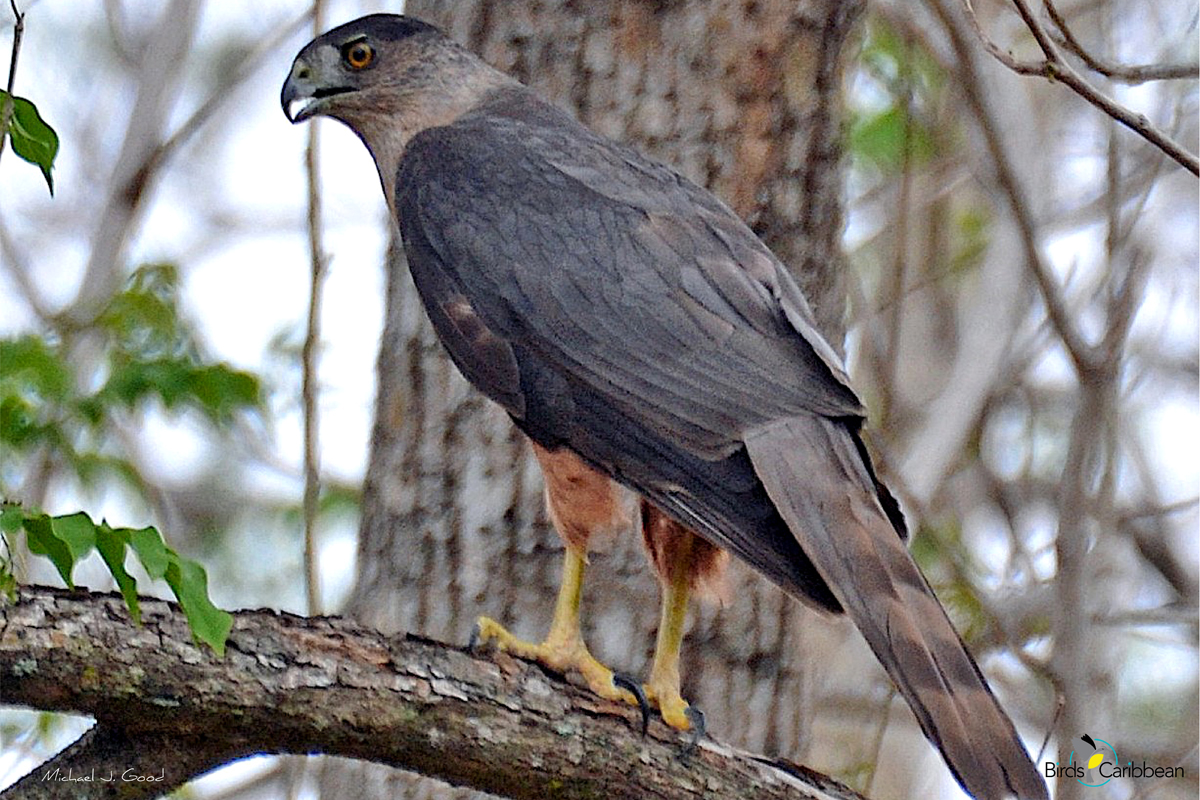
Gundlach’s Hawk (Photo by Michael J. Good)
Passion and perseverance in Cuba’s birdwatching community
October saw the Gundlach Team remaining steadfast in their exemplary efforts. From dawn onward, birdwatchers from across Cuba ventured into the field, ready to discover and record the country’s rich avian diversity. Notable participants included Yanosky, Manuel Aroche, Ricardo Concepción, Nicolás Díaz, and Marleny Roque, who started their day at first light!
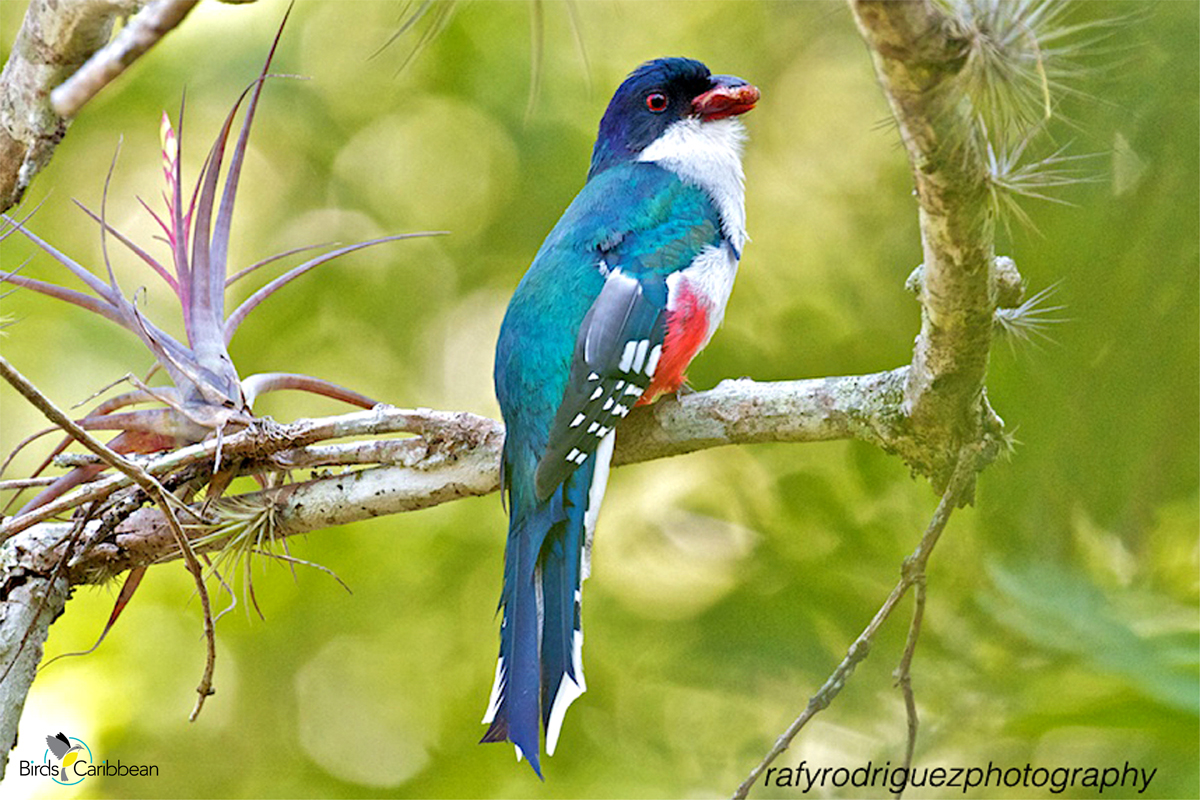
The national bird of Cuba – the Cuban Trogon. (Photo by Rafy Rodriguez)
What makes these events special is not only the number of birds recorded—but the personal stories behind each effort. For some, it was a day of surprises as they encountered new “lifers” to add to their personal lists, while for others, it was an opportunity to improve their standing in the Cuba Big Year 2024. Every list submitted to eBird helped to build a more comprehensive picture of the biodiversity on our island.
Omar Labrada, from Las Tunas, birdwatched with his daughters during October Big Day.
Yusneyda Alarcon and Manuel Lopez from Gramma crossing a mangrove channel during October Big Day.
The community’s dedication was particularly inspiring. Birdwatchers like Edwin Ruiz and Maite Cordoví, despite facing personal challenges, joined in from their windows, showing that a love for birds knows no bounds. Others, like Homar Labrada and his son Marcos, used the occasion to spend the day together, passing down a respect and fascination for birds to the next generation.
Against the odds: The Cuban reality
Birdwatching in Cuba presents unique challenges. One of the biggest challenge our birdwatching community faces is transportation, both to easily accessible areas and to new regions we want to explore. Compounded by fuel shortages, this significantly limits our ability to travel, making each trip a major logistical challenge. On top of that, we deal with frequent power outages and the ongoing stress of meeting our families’ basic needs. Despite these daily struggles and economic difficulties affecting everything from transportation to food, our birdwatching community remains determined, active, and enthusiastic.
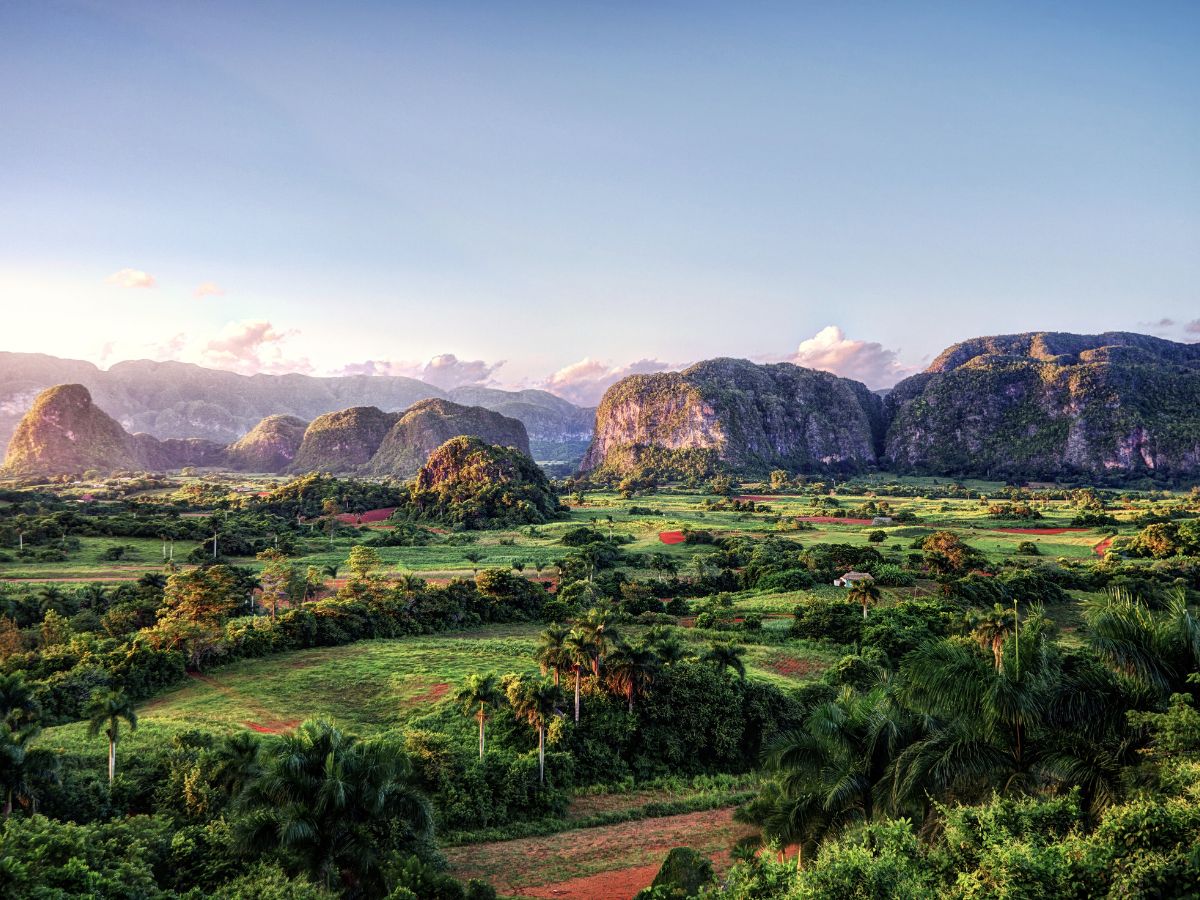
Viñales Valley, Cuba.
Every activity we promote and every event in which birdwatchers participate is a meaningful achievement, reflecting the love and commitment we have for Cuban birds and future generations.
October Big Day in Cuba: An unmatched success
On October 12, 63 eBirders, across 15 provinces, with the exception of the Isle of Youth, recorded 186 bird species within just 24 hours. This resulted in 140 eBird checklists, enriched with 96 photos and 31 song recordings. These data not only strengthen the global knowledge base on birds but also underscore Cuba’s commitment to conservation and citizen science.
Among notable individual achievements, Manuel López Salcedo from Las Tunas led the count with 96 species observed across 11 lists. On the women’s side, Yuzaima Ortiz from Ciego de Ávila secured the title of top female lister with a total of 87 species observed.
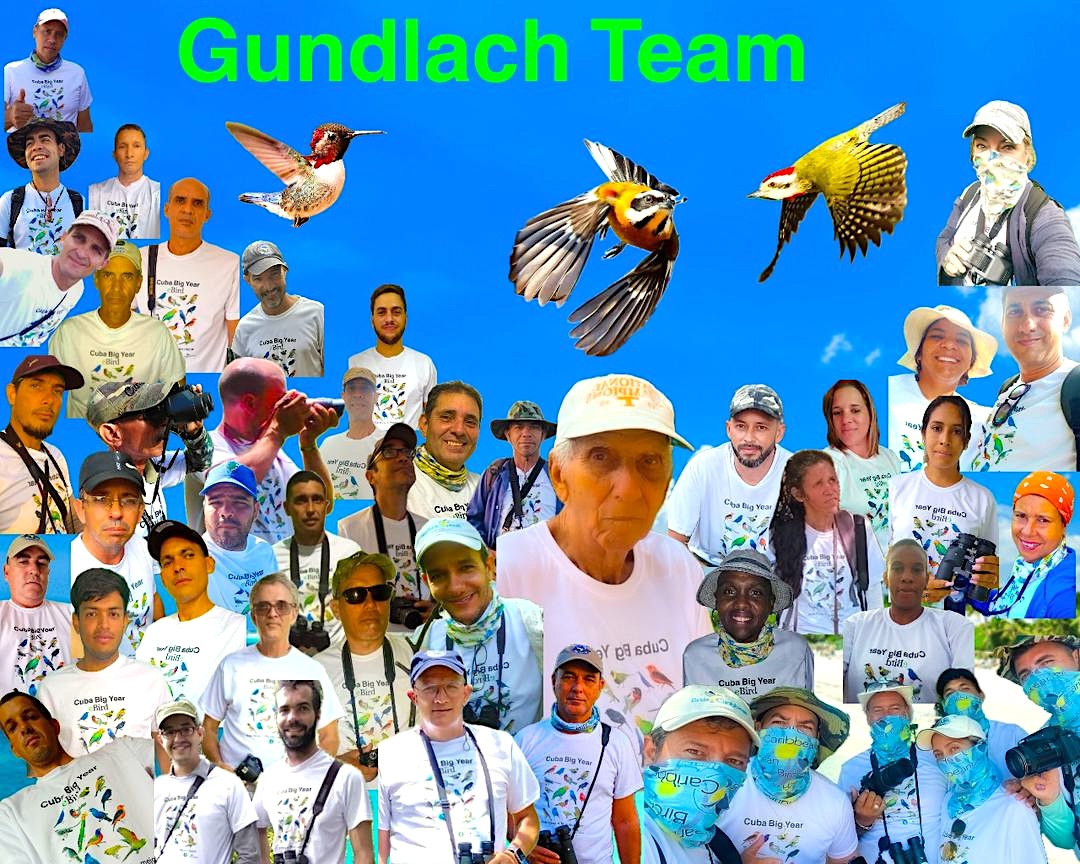
Members of the formidable Gundlach Team.
This local success was part of a larger global achievement. Over 750,000 birdwatchers from 201 countries participated in this historic day of citizen science, documenting over 7,800 species in just 24 hours. This global initiative highlights the importance of birdwatching as a conservation tool. Each checklist, photo, and recording contributes essential data for science and biodiversity protection.
Garrido Biggest Week: A tribute to a legend
Despite the devastation caused by Hurricane Oscar and ongoing power outages, the Cuban birdwatching community honored Orlando H. Garrido, the country’s most influential ornithologist, who passed away in June 2024. In a fitting tribute to Cuba’s jewel of Caribbean ornithology, the first edition of Garrido’s Biggest Week was held from October 21 to 27. Created to honor Garrido’s legacy and encourage birdwatching during the autumn migration, the event coincided with the dates when Garrido himself would go into the field to record new species.
Orlando Garrido was a tireless explorer of the Cuban archipelago. Garrido has to his credit the discovery of four mammalian taxa and the description of: 58 insects, 21 birds, 37 reptiles. 78 new records among birds, reptiles, and fish, and 23 taxa have been dedicated to him, and in total he has 298 publications. (Photo by Susan Jacobson)
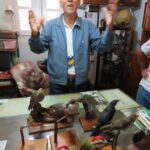
Orlando Garrido regales our group with stories of his Cuban adventures as a biologist and tennis pro! BirdsCaribean Cuba Bird Tour (Photo by Lisa Sorenson)
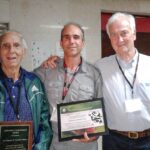
Orlando Garrido, Nils Navarro and Herb Raffaele at the 21st International Conference of BirdsCaribbean, in Topes de Collantes, Cuba, July, 2017. Orlando was awarded a BirdsCaribbean Lifetime Achievement Award.
Birdwatchers from all provinces participated enthusiastically, recording 183 species and capturing a total of 76 photographs. José Alberto Pérez Echavarría was the winner in this friendly competition, observing 108 species throughout the event.
This week featured some serendipitous sightings, among them was the first record in Cuba of a Lawrence’s Warbler, an important discovery for the island’s avifauna!
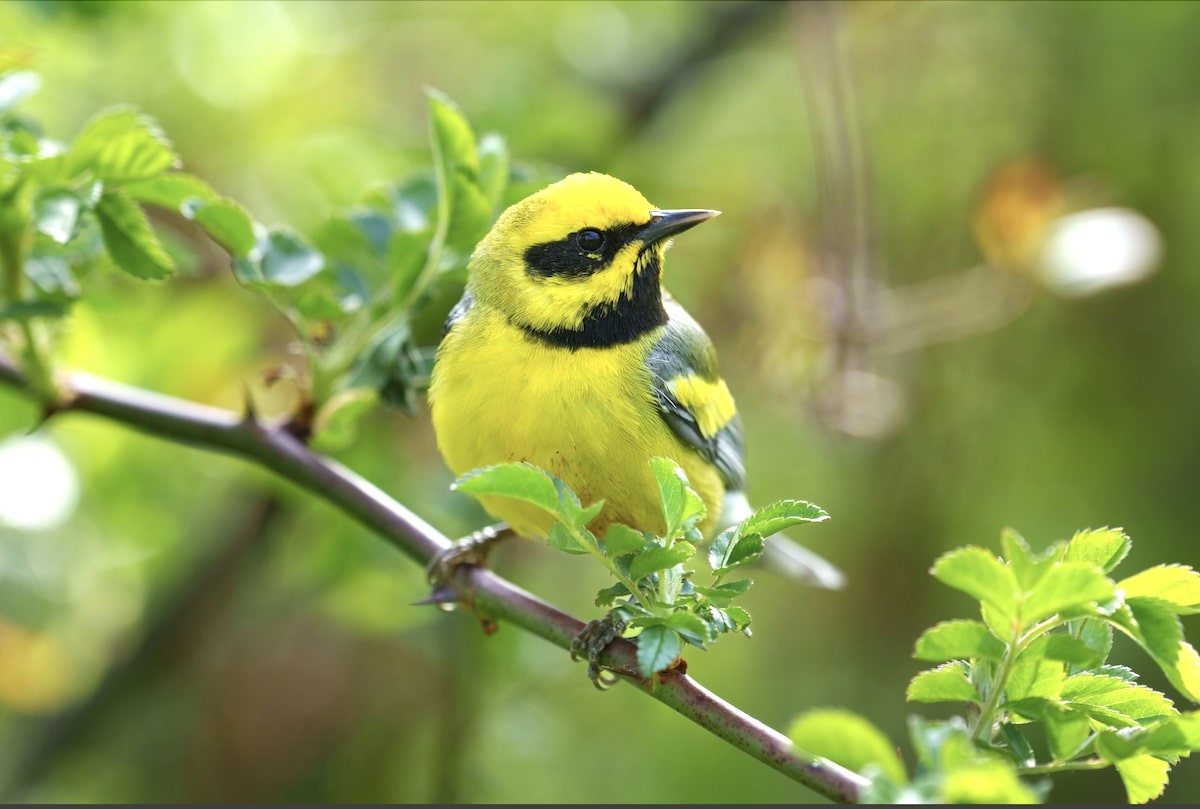
An adult male Lawrence’s Warbler. (Photo by Jeff Hapeman ML604876071)
Additionally, the first documented case of xanthochroism in a member of the Todidae family, the Cuban Tody, was observed—this rare phenomenon gives affected birds an unusual yellow coloration. Both discoveries will be part of an upcoming article, expanding on these unique observations in the region.
The Garrido Biggest Week will become an annual tradition. The community also organizes other thematic weeks to honor prominent figures in Cuban ornithology, such as Charles Ramsden Week in December, José H. Bauzá Week in April, and Juan Gundlach Week in August.
These activities are essential for keeping the birdwatching community active year-round, beyond major events like October Big Day and Global Big Day, while also enriching eBird during periods of lower tourist activity in the country. Through these efforts, the Cuban birdwatching community continues to advance the exploration and conservation of the island’s biodiversity, even in the face of adversity.
The power of citizen science
October Big Day and Garrido Biggest Week are also reminders of the value of our birds and the challenges they face. Cuban birdlife, like that around the world, faces constant pressures from habitat loss, climate change, and human activity. In addition, illegal trapping is a huge threat to endemic, resident and migratory birds in Cuba. Through citizen science and unwavering commitment, each Cuban birdwatcher has the opportunity to contribute to conservation and make a difference.
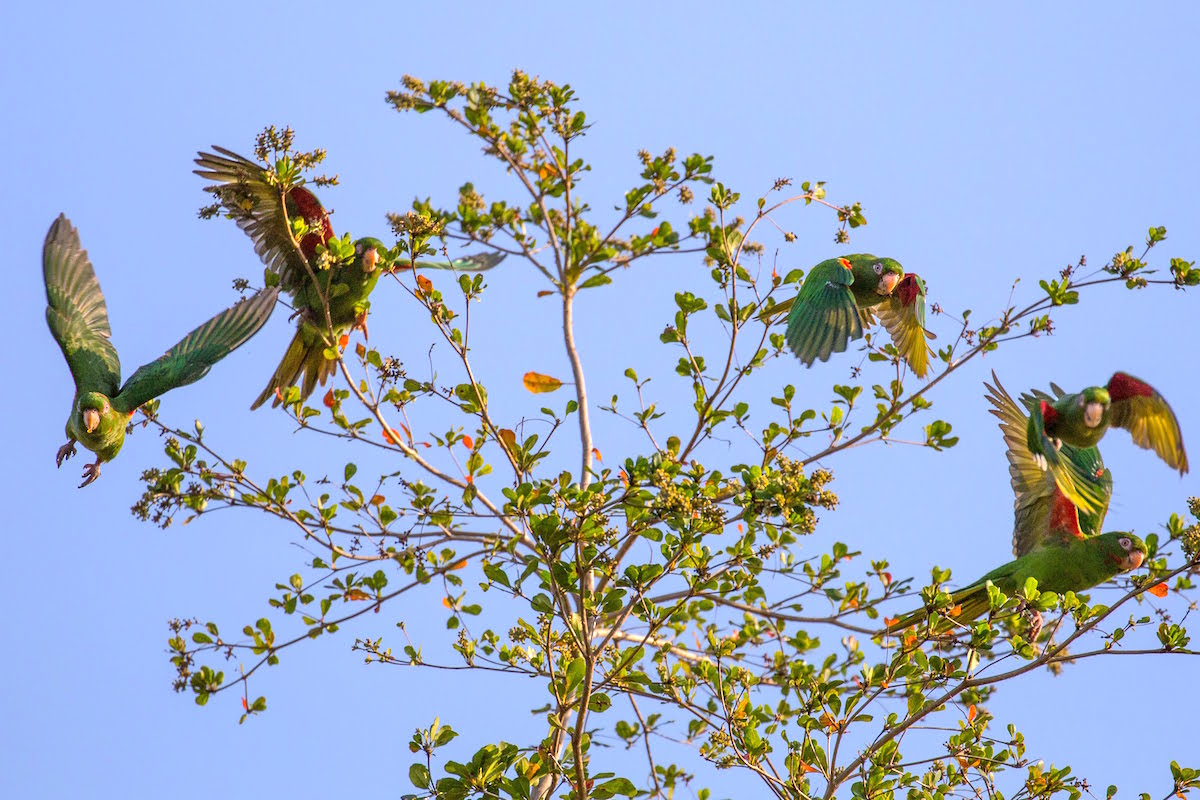
Cuban Parakeets in flight (Photo by Garry Donaldson)
Cuban voices from the field
To conclude, here are some stories that capture the passion and challenges of these unforgettable days:
“When I arrived, the battery pack I’d prepared for my camera failed, so I used my binoculars to do digiscoping and identify birds in tricky situations. Later, in the forest, as we returned to the reservoir embankment, Wency played a mix of bird calls, and we saw several warbler species. Surprise! Among them was a Worm-eating Warbler, a lifer for me. The excitement was indescribable; everyone pointed their cameras and managed to capture the moment.” – Freddy Ricardo, Holguín Birdwatching Club
“I had a lifer: White-eyed Vireo, though without a photo. But I managed to photograph an Osprey for the first time—81 shots as I got closer with digiscoping! I was thrilled to capture this species.” – Manuel Aroche, Granma Birdwatching Club
“A friend and I shared a lifer, a Philadelphia Vireo! The second record of this species in Ciego de Ávila, and during the week we honor Garrido! It couldn’t be better.” – Nicolás Díaz, Ciego de Ávila Birdwatching Club
“I want to dedicate my participation in the October Global Big Day to my dad, who recently passed away. I owe him my love and respect for nature.” – Ricardo Sánchez, Artemisa Birdwatching Club
These anecdotes reflect the dedication and love for birds that motivate our community to keep moving forward. In every field outing, every photo, and every checklist submitted, there lies a collective commitment to preserving Cuba’s rich biodiversity for future generations.
Special Thanks
We would like to extend our heartfelt gratitude to the Betty Petersen Conservation Fund, managed by BirdsCaribbean, for their generous support, and to the team at BirdsCaribbean, especially Lisa Sorenson and Adrianne Tossas, for their unwavering dedication to the birdwatching community in Cuba.
Yaroddys Rodríguez, known as Yaro, is a self-taught ornithologist dedicated to the study and conservation of Cuban birds. Mentored by experts like Orlando H. Garrido and James Wiley, he began publishing scientific articles at a young age. Yaro founded the Cuban Birdwatchers Facebook group, now with over 30,000 members, and promotes the use of eBird for citizen science. He is also a member of the Cuban Zoological Society, BirdsCaribbean, and the Ariguanabo Foundation.
Los Observadores de Aves Cubanos Vuelan alto en Octubre: Aves, Ciencia y el Espíritu de Comunidad
Para los observadores de aves en Cuba, octubre no es solo un mes, es una celebración de la naturaleza, la ciencia y el inquebrantable espíritu de la comunidad de observación de aves. A pesar de los apagones y la escasez de productos esenciales que acompañan la vida en la isla más grande del Caribe, los observadores de aves de todo el país se unieron para dos magníficas extravagancias ornitológicas: el Gran Día de Aves de Octubre y la Semana Más Grande de Garrido.
En 2023, los conservacionistas cubanos Yaro Rodríguez y Nils Navarro recibieron una beca del Fondo de Conservación Betty Petersen para expandir el emergente movimiento de observación de aves en Cuba. El objetivo era mejorar la comprensión de la fauna aviar cubana a través de la ciencia ciudadana.
Su proyecto proporcionó binoculares y capacitación a los líderes comunitarios para identificar y monitorear las poblaciones locales de aves, reportando los datos a través de eBird Caribe. Estos líderes capacitados establecieron clubes de observación de aves en sus comunidades, generando conciencia en toda Cuba sobre la importancia de proteger a las aves y sus hábitats. El proyecto de Yaro y Nils sigue creciendo, con clubes de observadores de aves en todo el país que participan activamente en esfuerzos de monitoreo y conservación de aves.
Yaro Rodríguez.
Nils Navarro.
Además de varias celebraciones locales de observación de aves a lo largo del año, los observadores de aves de la isla también se reúnen para participar en dos grandes programas globales de ciencia ciudadana: Global Big Day en mayo y Gran Día de Aves de Octubre en octubre. El equipo de Cuba es conocido con orgullo como el Equipo Gundlach, en honor al naturalista y taxónomo germano-cubano Johannes Christoph Gundlach. Yaro detalla cómo la comunidad de observadores de aves cubanos se unió en octubre para celebrar y proteger la increíble fauna aviar de Cuba.
Gundlach’s Hawk (Foto de Michael J. Good)
Pasión y perseverancia en la comunidad de observadores de aves de Cuba
En octubre, el Equipo Gundlach se mantuvo firme en sus esfuerzos ejemplares. Desde el amanecer, los observadores de aves de toda Cuba se aventuraron al campo, listos para descubrir y registrar la rica diversidad aviar del país. Entre los participantes más destacados se encontraban Yanosky, Manuel Aroche, Ricardo Concepción, Nicolás Díaz y Marleny Roque, ¡quienes comenzaron su jornada al primer rayo de luz!
El ave nacional de Cuba conocida localmente como ‘tocororo.’ (Foto de Rafy Rodriguez)
Lo que hace especiales estos eventos no es solo la cantidad de aves registradas, sino las historias personales detrás de cada esfuerzo. Para algunos, fue un día lleno de sorpresas al encontrar nuevas especies “lifers” para agregar a sus listas personales, mientras que para otros, fue una oportunidad para mejorar su posición en el Cuba Big Year 2024. Cada lista enviada a eBird ayudó a construir una imagen más completa de la biodiversidad en nuestra isla.
Omar Labrada de Las Tunas observando aves con sus hijas.
Yusneyda Alarcón y Manuel López, de Gramma, cruzando un canal de manglares durante el Big Day de octubre.
La dedicación de la comunidad fue particularmente inspiradora. Observadores de aves como Edwin Ruiz y Maite Cordoví, a pesar de enfrentar desafíos personales, se unieron desde sus ventanas, demostrando que el amor por las aves no tiene límites. Otros, como Homar Labrada y su hijo Marcos, aprovecharon la ocasión para pasar el día juntos, transmitiendo el respeto y la fascinación por las aves a la próxima generación.
Contra viento y marea: La realidad cubana
La observación de aves en Cuba presenta desafíos únicos, centrados principalmente en el transporte. El mayor reto que enfrenta nuestra comunidad de observadores de aves es el transporte, tanto hacia áreas de fácil acceso como hacia nuevas regiones que queremos explorar. Aumentado por la escasez de combustible, esto limita significativamente nuestra capacidad para viajar, haciendo de cada viaje un gran desafío logístico. Además, lidiamos con frecuentes apagones y el estrés constante de satisfacer las necesidades básicas de nuestras familias. A pesar de estas luchas diarias y dificultades económicas que afectan desde el transporte hasta la comida, nuestra comunidad de observadores de aves sigue siendo determinada, activa y entusiasta.
Viñales Valley, Cuba.
Cada actividad que promovemos y cada evento en el que los observadores de aves participan es un logro significativo, reflejando el amor y compromiso que tenemos por las aves cubanas y las generaciones futuras.
Gran Día de Aves de Octubre en Cuba: Un éxito inigualable
El 12 de octubre, 63 eBirders de 15 provincias, con excepción de la Isla de la Juventud, registraron 186 especies de aves en tan solo 24 horas. Esto resultó en 140 listas de eBird, enriquecidas con 96 fotos y 31 grabaciones de cantos. Estos datos no solo fortalecen la base de conocimiento global sobre las aves, sino que también subrayan el compromiso de Cuba con la conservación y la ciencia ciudadana.
Miembros del formidable Equipo Gundlach.
Entre los logros individuales más destacados, Manuel López Salcedo de Las Tunas lideró el conteo con 96 especies observadas en 11 listas. Por parte de las mujeres, Yuzaima Ortiz de Ciego de Ávila se coronó como la mejor observadora femenina con un total de 87 especies observadas.
Este éxito local fue parte de un logro global mayor. Más de 750,000 observadores de aves de 201 países participaron en este histórico día de ciencia ciudadana, documentando más de 7,800 especies en solo 24 horas. Esta iniciativa global resalta la importancia de la observación de aves como una herramienta de conservación. Cada lista, foto y grabación contribuye con datos esenciales para la ciencia y la protección de la biodiversidad.
Semana Más Grande de Garrido: Un tributo a una leyenda
A pesar de la devastación causada por el huracán Oscar y los continuos apagones, la comunidad de observadores de aves de Cuba rindió homenaje a Orlando H. Garrido, el ornitólogo más influyente del país, quien falleció en junio de 2024. En un merecido tributo a la joya de la ornitología caribeña de Cuba, se celebró la primera edición de la Semana Más Grande de Garrido del 21 al 27 de octubre. Creada para honrar el legado de Garrido y fomentar la observación de aves durante la migración de otoño, el evento coincidió con las fechas en las que Garrido mismo salía al campo a reportar nuevas especies.
Orlando Garrido fue un incansable explorador del archipiélago cubano. Garrido tiene en su haber el descubrimiento de cuatro taxones de mamíferos y la descripción de: 58 insectos, 21 aves, 37 reptiles. Se le han dedicado 78 nuevos registros entre aves, reptiles y peces, y 23 taxones, y en total tiene 298 publicaciones. (Foto de Susan Jacobson)
Orlando Garrido deleita a nuestro grupo con historias de sus aventuras cubanas como biólogo y tenista profesional. BirdsCaribean Cuba Bird Tour (Foto de Lisa Sorenson)
Orlando Garrido, Nils Navarro y Herb Raffaele en la 21 Conferencia Internacional de BirdsCaribbean, en Topes de Collantes, Cuba, julio, 2017. Orlando recibió el premio BirdsCaribbean Lifetime Achievement Award.
Los observadores de aves de todas las provincias participaron con entusiasmo, registrando 183 especies y capturando un total de 76 fotografías. José Alberto Pérez Echavarría fue el ganador de esta competencia amistosa, observando 108 especies a lo largo del evento.
Esta semana presentó algunas observaciones afortunadas, entre ellas el primer registro en Cuba de un Bijirita de Lawrence, ¡un descubrimiento importante para la avifauna de la isla!
Un macho adulto de Bijirita de Lawrence. (Foto de Jeff Hapeman ML604876071)
Además, se observó el primer caso documentado de xantocromismo en un miembro de la familia Todidae, el Cuban Tody (Cartacuba o Pedorrera), un fenómeno raro que da a los aves afectadas una coloración amarilla inusual. Ambos descubrimientos formarán parte de un artículo próximo, ampliando estas observaciones únicas en la región.
La Semana Más Grande de Garrido se convertirá en una tradición anual. La comunidad también organiza otras semanas temáticas para honrar figuras prominentes de la ornitología cubana, como la Semana Charles Ramsden en diciembre, la Semana José H. Bauzá en abril y la Semana Juan Gundlach en agosto.
Estas actividades son esenciales para mantener activa a la comunidad de observadores de aves durante todo el año, más allá de grandes eventos como el Gran Día de Aves de Octubre y el Global Big Day, mientras enriquecen a eBird durante períodos de menor actividad turística en el país. A través de estos esfuerzos, la comunidad de observadores de aves de Cuba sigue avanzando en la exploración y conservación de la biodiversidad de la isla, incluso ante la adversidad.
El poder de la ciencia ciudadana
El Gran Día de Aves de Octubre y la Semana Más Grande de Garrido también son recordatorios del valor de nuestras aves y los desafíos que enfrentan. La fauna aviar cubana, al igual que la del resto del mundo, enfrenta presiones constantes por la pérdida de hábitats, el cambio climático y la actividad humana. Además, la captura ilegal es una gran amenaza para las aves endémicas, residentes y migratorias en Cuba. A través de la ciencia ciudadana y un compromiso inquebrantable, cada observador de aves cubano tiene la oportunidad de contribuir a la conservación y marcar la diferencia.
Catey en vuelo. (Foto de Garry Donaldson)
Voces cubanas desde el campo
Para concluir, aquí hay algunas historias que capturan la pasión y los desafíos de estos días inolvidables:
“Cuando llegué, el pack de baterías que había preparado para mi cámara falló, así que usé mis binoculares para hacer digiscoping e identificar aves en situaciones difíciles. Más tarde, en el bosque, mientras regresábamos al dique del embalse, Wency puso una mezcla de cantos de aves y vimos varias especies de warblers. ¡Sorpresa! Entre ellas estaba un Worm-eating Warbler (Bijirita gusanera), un lifer para mí. ¡La emoción fue indescriptible! Todos apuntaron sus cámaras y lograron capturar el momento.” – Freddy Ricardo, Club de Observación de Aves Holguín
“Tuve un lifer: Vireo de ojos blancos, aunque sin foto. Pero logré fotografiar un Águila pescadora por primera vez—¡81 fotos mientras me acercaba con digiscoping! Estaba emocionado de capturar esta especie.” – Manuel Aroche, Club de Observación de Aves Granma
“Un amigo y yo compartimos un lifer, ¡un Vireo de Filadelfia! ¡El segundo registro de esta especie en Ciego de Ávila, y durante la semana que honramos a Garrido! ¡No podría ser mejor!” – Nicolás Díaz, Club de Observación de Aves Ciego de Ávila
“Quiero dedicar mi participación en el Global Big Day de Octubre a mi papá, quien falleció recientemente. Le debo mi amor y respeto por la naturaleza.” – Ricardo Sánchez, Club de Observación de Aves Artemisa
Estas anécdotas reflejan la dedicación y el amor por las aves que motiva a nuestra comunidad a seguir adelante. En cada salida al campo, cada foto y cada lista enviada, hay un compromiso colectivo para preservar la rica biodiversidad de Cuba para las futuras generaciones.
Agradecimientos especiales
Queremos extender nuestro más sincero agradecimiento al Fondo de Conservación Betty Petersen, gestionado por BirdsCaribbean, por su generoso apoyo, y al equipo de BirdsCaribbean, especialmente a Lisa Sorenson y Adrianne Tossas, por su dedicación incansable a la comunidad de observadores de aves en Cuba.
Yaroddys Rodríguez, conocido como Yaro, es un ornitólogo autodidacta dedicado al estudio y conservación de las aves cubanas. Mentoreado por expertos como Orlando H. Garrido y James Wiley, comenzó a publicar artículos científicos desde joven. Yaro fundó el grupo de Observadores de Aves de Cuba en Facebook, ahora con más de 30,000 miembros, y promueve el uso de eBird para la ciencia ciudadana. También es miembro de la Sociedad Zoológica de Cuba, BirdsCaribbean y la Fundación Ariguanabo.
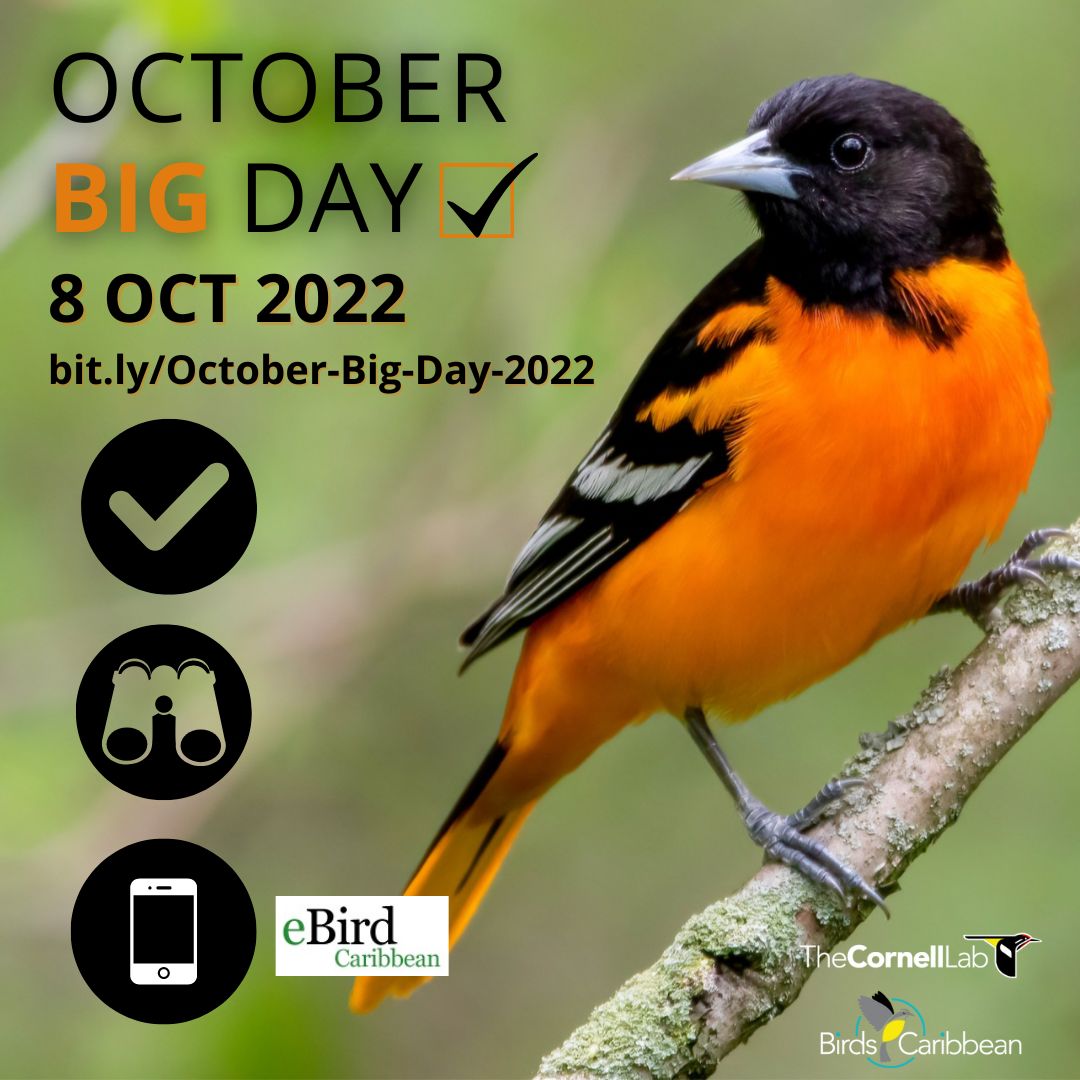
A Baltimore Oriole, a migrant to the Caribbean, is featured on our October Big Day 2022 promo graphic.
Get ready, get set, let’s go birding! The biggest day of birding in the fall season, October Big Day, is right around the corner! On Saturday October 8th, October Big day and World Migratory Bird Day (WMBD) are celebrated in the Caribbean and around the world. This 24-hour birding opportunity lands right during some of the peak activity for bird migration. It’s also a great day to participate in educational activities about migratory birds for WMBD – the theme is Dim the Lights for Birds at Night! Check with your local organizations to see if any events are planned.
The goal for October Big Day is to get outside to watch, celebrate, and record your resident and migratory birds! You can bird in your backyard, neighborhood park, seashore or woodland. Watch birds for as little as 10 minutes in your local birding patch or plan out a route to find as many bird species as possible in 24 hours. No matter what, we hope you will get outside and go birding!
Like Global Big Day celebrated in May, it is hoped that this concerted effort will bring in a record number of bird sightings from citizen scientists around the world, contributing to our bird knowledge and a deeper understanding of conservation.
Where are the birds, and what are they doing?
The data collected will be used by birders and scientists to better understand and protect birds. This is also an opportunity for the individual birdwatcher to contemplate birds, their behavior, and the places where they may be found. For example, are there birds you are only likely to see in the late morning or early afternoon? And if so, are they at specific locations? Tanagers and bullfinches are often very active during the morning hours. As the day heats up, you may see raptors soaring above. Seagulls and shorebirds can be observed at almost any time of day. Migratory warblers generally show up in early morning or evening hours, feeding and bathing in suburban gardens and parks.
Make your birding count—submit & share your data!
Participating is easy with the essential tool, eBird, where you should record all the birds you see (and even hear) on Saturday 8th October via the eBird website or mobile app. If you’re in the Caribbean, be sure to use eBird Caribbean (and choose the eBird Caribbean portal in your eBird app settings on mobile). If you do not already have one, it’s easy to sign up for a free eBird account and here’s a quick guide on how to use eBird. Eager birders should spot as many birds as they can from midnight to midnight in their local time zone on October 8th. Or bird anytime during the weekend of Oct. 7-9 for the Global Bird Weekend. The handy mobile app allows you to keep and submit lists while you’re still out birding, perhaps exploring nearby Hotspots. It will even track how far you have walked while watching birds. Remember to submit eBird checklists before October 12, 2022 to be included in the initial results announcement!
Share your sightings with us, and join BirdsCaribbean!
We look forward to seeing your stories and photos on social media. You can find us on Facebook and on Twitter and Instagram @birdscaribbean. Be sure to tag us! If you’re not on social media, consider joining our discussion group where you’ll be able to share your October Big Day experience with over 850 members.
May we remind you that BirdsCaribbean membership has so many benefits; for a reasonable membership fee you are entitled to a FREE subscription to Birds of the World ($49 value) – the most comprehensive online resource on birds. Additionally, you may receive discounts on our products, workshops and conferences; meet and network with fellow birders, scientists, educators and conservationists across the region; and keep in touch with birding trends and news through our monthly newsletters (free sign-up here). Join us today and help us save our Caribbean birds and their important habitats!
See you on October Big Day 2022 – and let’s see some birds!
Most importantly, have fun and don’t forget to tag BirdsCaribbean (@BirdsCaribbean) in your birding adventures! We can’t wait to see which of our migratory friends have arrived to the Caribbean!
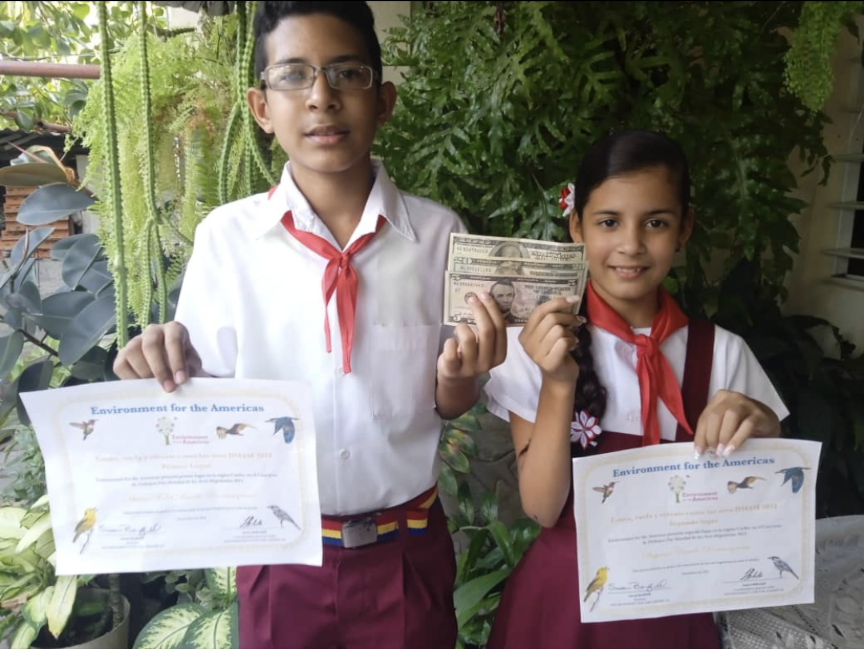
Héctor Fidel Ravelo Romanguera wins first prize in the WMBD costume competition for his amazing Turkey Vulture costume. (Photo by Ines Lourdes Fernandez)
October 9th, 2021 is the official date for World Migratory Bird Day (WMBD) in the Caribbean, but we celebrate throughout the fall, welcoming home our returning migratory birds. We love the extra color and activity these avian gems bring to our backyards, forests, wetlands, and beaches. This year’s theme — “Sing, Fly, Soar—Like a Bird” — provided a fantastic opportunity for learning and birding fun. Find out how we celebrated across the Caribbean!
Despite the challenges faced during the pandemic, educators and students throughout the Caribbean celebrated WMBD with a range of activities. Caribbean coastlines got busy, with young students wielding binoculars and checklists, guided by their teachers. In some countries in-person events were hosted when possible; otherwise, virtual events or “hybrid” activities – a combination of the two – took place. Islands including Anguilla, Bahamas, Antigua and Barbuda, Puerto Rico, Dominican Republic, Cuba, Bonaire, Montserrat, Grenada, and Trinidad and Tobago participated, just to name a few. Many more islands are hosting events, activities and are still celebrating this special time for Caribbean birds.
BirdsCaribbean recognized WMBD by hosting several activities with a focus on the region’s endangered migratory shorebirds. At a webinar entitled “A Year in the Life of the Lesser Yellowlegs” Laura McDuffie, a wildlife biologist for the U.S. Fish and Wildlife Service Migratory Bird Management Program revealed the amazing journeys made by a shorebird species that is facing particular challenges at this time. The webinar and accompanying video (in English, Spanish, and French) can be viewed on BirdsCaribbean’s YouTube channel and below.
A series of four short videos, boosted by social media posts, aimed to raise awareness of the importance of the Caribbean region to migratory shorebirds and the threats, they face, including hunting. These can be viewed on our YouTube channel in English, Spanish and French. BirdsCaribbean partners also shared short, inspiring and amusing videos on what the theme meant to them. October Big Day was an opportunity to go out and see some migratory birds – with excellent results, despite the lingering effects of COVID-19 limitations on some islands.
Highlights from this year’s WMBD activities!
Puerto Rico
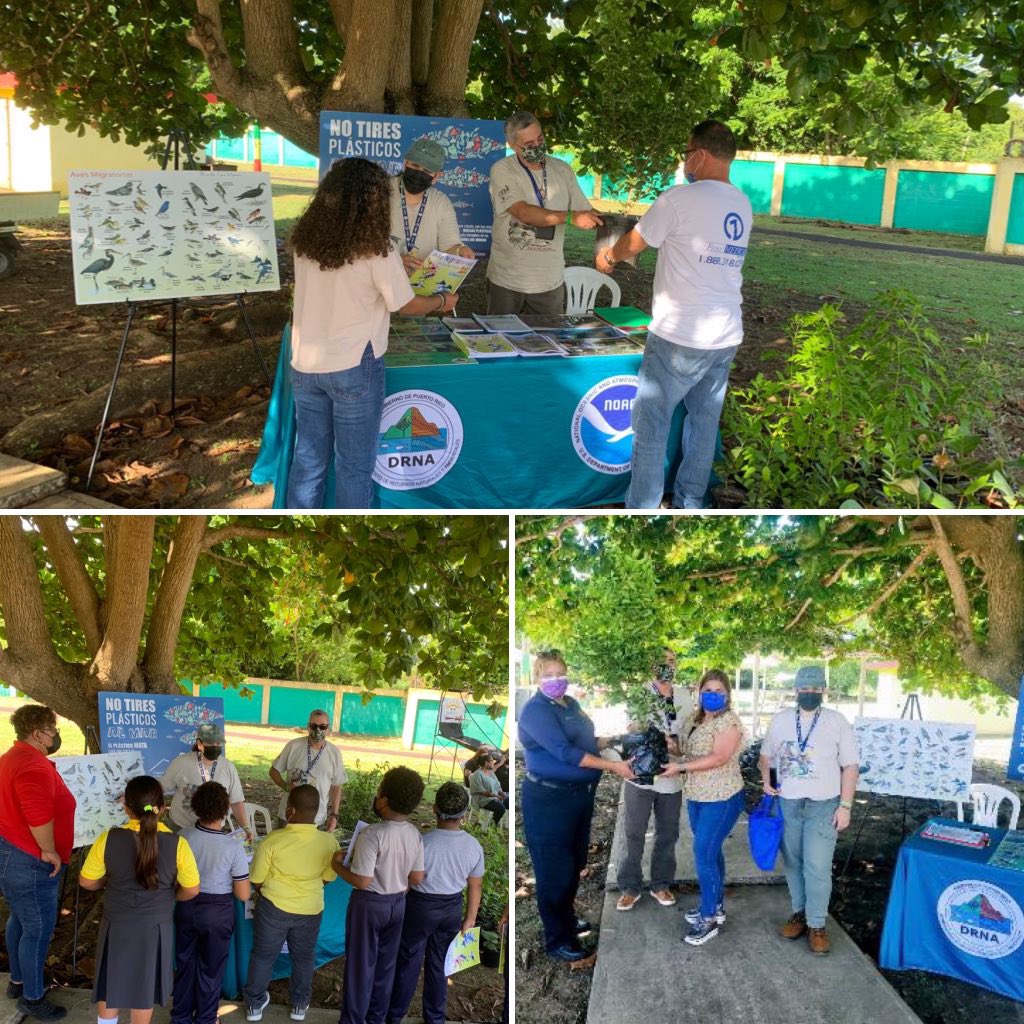
Staff at the Puerto Rico Department of Natural and Environmental Resources educated participants on migratory birds and plastic pollution. They also donated native trees as gifts at the Service Fair organized by Senator Marissita Jiménez in the Cueva María de la Cruz de Loíza Historical Park.
The Puerto Rico Department of Natural and Environmental Resources staff sharing information and giving out trees from their booth. (Photo by Ingrid M. Flores/ DRNA)
Roots and Shoots, celebrate WMBD on a bird watching trip, Puerto Rico. (Photo by Carla Montalvo Martinez)
Dominican Republic
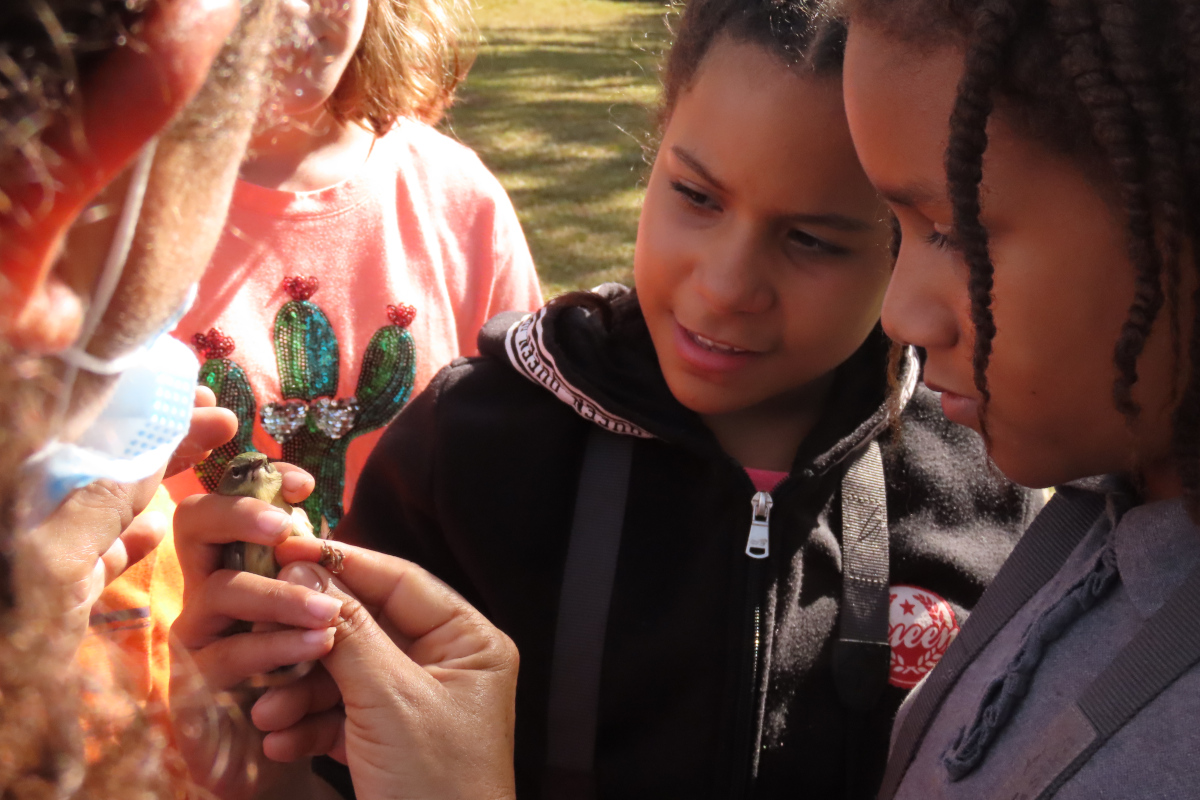
In the second week of October, Babeque Secondary School organized some activities to celebrate the enthusiasm for birds with international institutions. This year they visited the Museum of Natural History Professor Eugenio de Js. Marcano, where the volunteer students learned about the birds that visit the island and participated in lively activities based on the knowledge they had absorbed. Grupo Acción Ecológica (GAE) carried out a variety of activities in the Dominican Republic to celebrate WMBD. They organized a talk and walk, in the National Botanical Garden with Dr. Rafael M. Moscoso. They also held workshops and outreach events with schools and community groups, including with the Doulus de Jarabacoa School. Celebrating with talks, walks and bird watching with the 5th graders. Of course, they also went out to look for migratory birds and caught a female (Black-throated Blue Warbler) as part of their monitoring!
Celebrating migratory birds with Secundaria Babeque, Dominican Republic. (Photo by Monika Gomez)
Kids bird watching during WMBD activities with Doulos school, Jarabocoa, Dominican Republic. (Photo by Maria Paulino/ GAE).
Learning all about bird banding on WMBD, Dominican Republic. (Photo by Maria Paulino/ GAE).
Montserrat
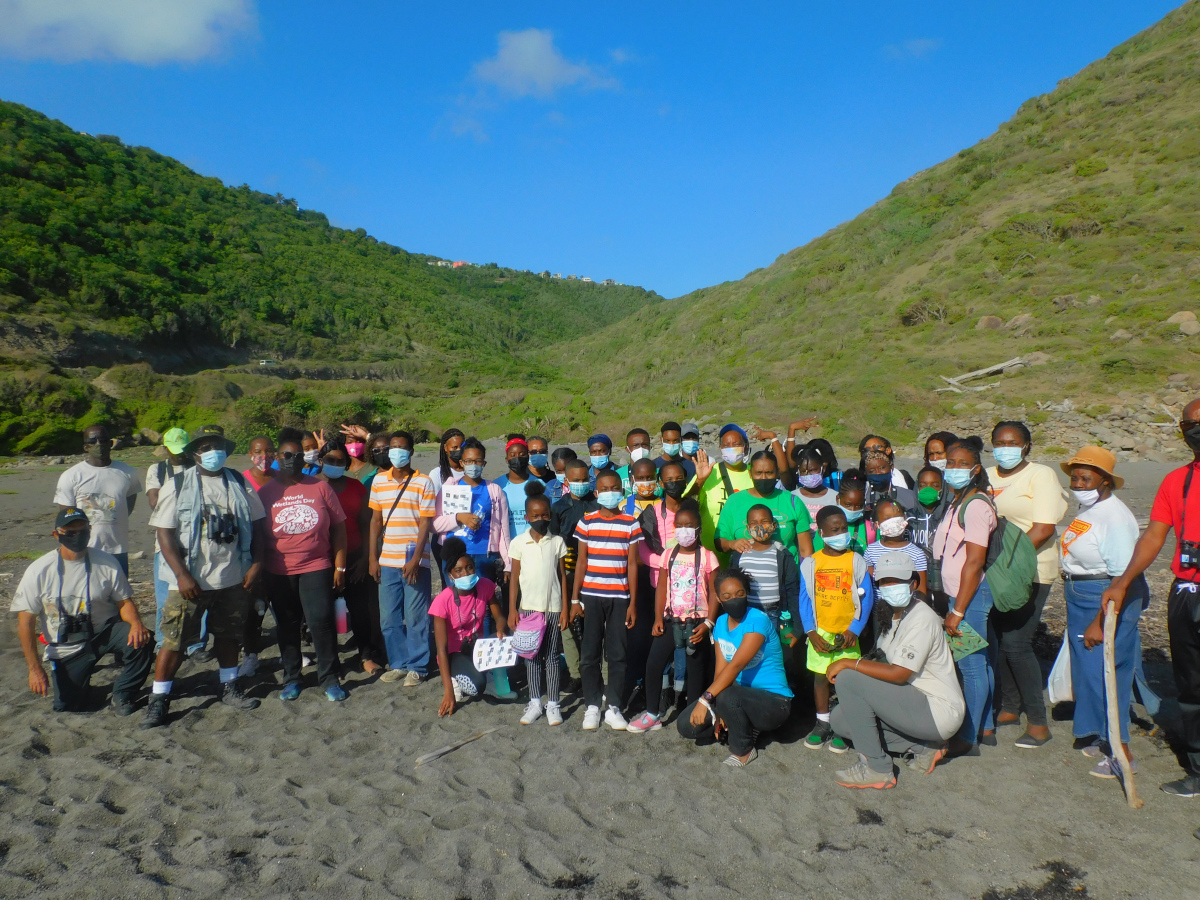
The Department of Environment made an early start to WMBD events in September! They hosted a riveting presentation focused on shorebirds with a church group. Two site visits to observe shorebirds followed.
Later on, in October, the staff made a presentation on bird migration to 4th form biology students at the Montserrat Secondary School, highlighting a few of the bird species that traverse the island during the migratory season. This was followed by a word search race, which included the names of twenty-two migratory species that can be found on Montserrat.
Local radio also played a role, with a spot aired on the national radio station on October 8th and 9th.
A church group in Montserrat enjoyed a shorebird watching trip to celebrate WMBD. (Photo by Ajhermae White)
Bonaire
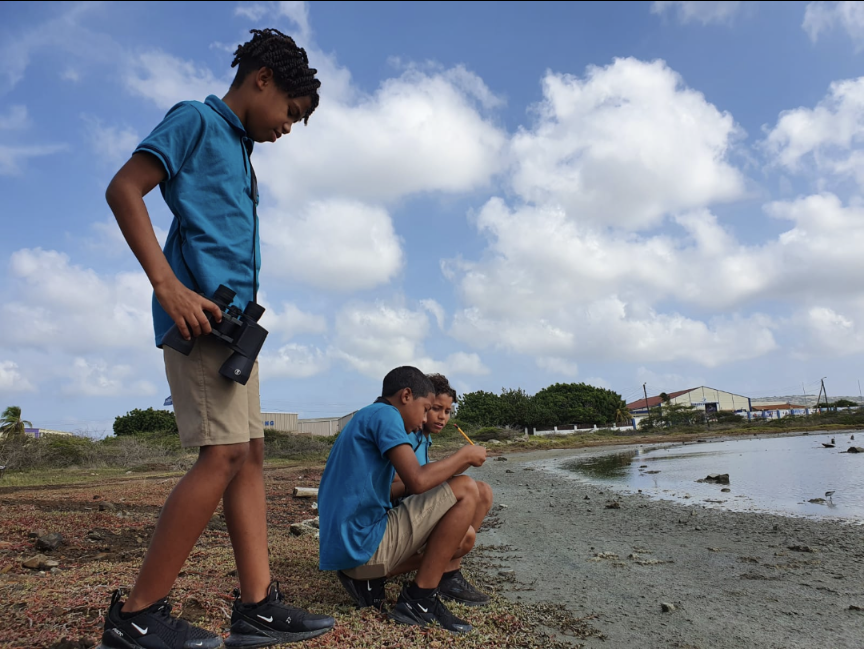
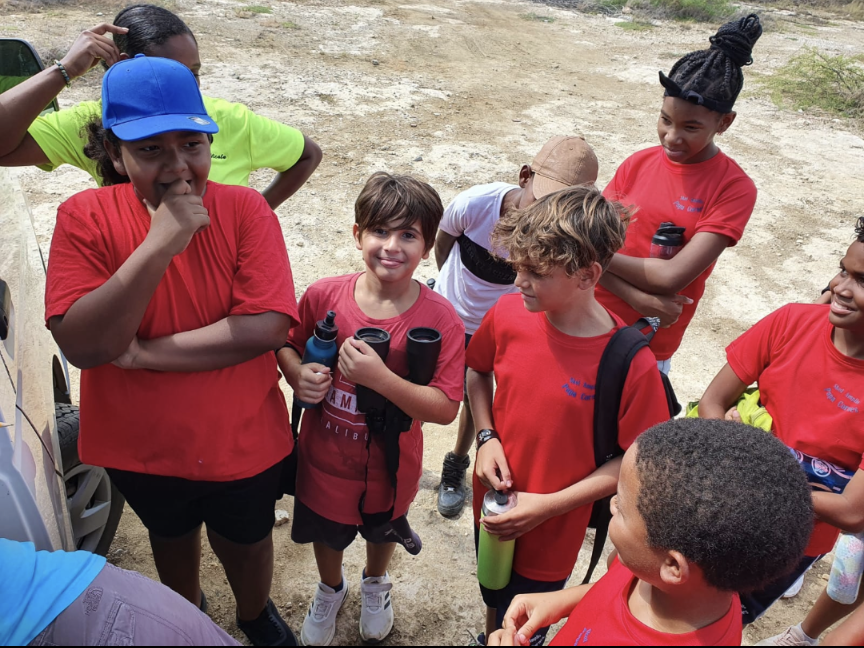
For WMBD Monique Grol and her colleagues at STINAPA visited all the primary schools on the island! They taught grade 7 classes all about migratory birds, talking to children in the classroom and taking them out on bird watching trips to local Salinas. With 100s of school kids getting involved.
The children of Bonaire learned all about what migratory birds feed on and how bird beaks are different depending on what each type of food each bird eats. All the classes got poster of migratory birds to hang up in their classrooms. Out in the field the intrepid birding groups had great fun using binoculars and ID cards find and identify any birds they could spot!
Grade 7 children looking for birds on a bird watching outing on Bonaire. (Photo by Monique Grol/ STINAPA)
Grade 7 students enjoy birdwatching at a nearby wetland after a classroom session on migratory birds. (Photo by Monique Grol/ STIMAPA)
Bird Costume Party Winners!
Winner of the WMBD bird costume competition, collect their prizes and certificates. (Photo by Ines Lourdes Fernandez).
Congratulations to our Bird Costume Party winners from Cuba! Dayami Ravelo Romanguera was runner up in a gorgeous Yellow Warbler costume. Héctor Fidel Ravelo Romanguera won first prize in his dramatic Turkey Vulture costume.
The contest encouraged young Caribbean citizens to take migratory birds seriously, and to consider celebrating and protecting them in the future. The competition was open to children up to 12 years old, who were asked to depict one of the featured eleven species selected by Environment for the Americas this year. Costumes used only recyclable or reusable materials, encouraging the children to think about environmental sustainability.
Thank you to all of the amazing people and organizations in the Caribbean that celebrate WMBD every year and especially during this challenging year! We look forward to celebrating WMBD 2022 with you all!
If you are interested in celebrating WMBD in your country, we encourage you to visit the WMBD website for more information or contact the Caribbean Regional Coordinator, Laura Baboolal, at lbaboolal@environmentamericas.org. If you have an event planned, you can register it and put the Caribbean on the global events map.
WMBD 2021 digital materials from EFTA are available in English and Spanish, at this link.
Information on migratory birds in the Caribbean, including colouring pages, activity sheets , photos, videos, and puzzles are available from BirdsCaribbean at this link.
Last, but not least, don’t forget to share your WMBD events and experiences on social media with EFTA and BirdsCaribbean. You can find us on all major platforms. If pandemic restrictions allow on your island, go out and enjoy the birds. Most of all, have fun!
Enjoy these photos from WMBD celebrations across the Caribbean!
Celebrating WMBD in Trinidad and Tobago. (Photo by Noor ud din Mohammed)
Roots and Shoots, bird watching on WMBD, Ponce, Puerto Rico. (Photo by Carla Montalvo Martinez)
Roots and Shoots, bird watching on WMBD, Ponce, Puerto Rico. (Photo by Carla Montalvo Martinez)
Roots and Shoots, bird watching on WMBD, Ponce, Puerto Rico. (Photo by Carla Montalvo Martinez)
Roots and Shoots, bird watching on WMBD, Ponce, Puerto Rico. (Photo by Carla Montalvo Martinez)
Roots and Shoots, celebrate WMBD on a bird watching trip, Puerto Rico. (Photo by Carla Montalvo Martinez)
Flyer adverting a Webinar about migratory birds of Puerto Rico, organized as part of the WMBD celebrations in Puerto Rico.
Celebrating WMBD at the Natural History Museum, Dominican Republic. (Photos by Monika Gomez)
Social media post about WMBD activities by Secundaria Babeque. (Photo by Monika Gomez).
Social media post about WMBD activities by Secundaria Babeque. (Photo by Monika Gomez).
Flyer advertising a birding walk in the National Botanic Gardens, Dominican Republic. (Photo by GAE)
WMBD activities with Doulos school, Jarabocoa, Dominican Republic. (Photo by Maria Paulino/ GAE).
Learning all about bird banding on WMBD, Dominican Republic. (Photo by Maria Paulino/ GAE).
Celebrating migratory birds with students from the ABC school, Dominican Republic. (Photo by Maria Paulino/ GAE)
Holding a workshop about migratory birds, Dominican Republic. (Photo by Maria Paulino/ GAE)
Celebrating global big day with students from the ABC school, Dominican Republic. (Photo by Maria Paulino/ GAE)
Celebrating migratory birds with local communities in the Dominican Republic. (Photo Maria Paulino/ GAE).
Looking for birds on WMBD in the Dominican Republic. (Photo by Maria Paulino/ GAE)
Bird watching walk to celebrate WMBD in the Dominican Republic. (Photo by Maria Paulino/ GAE)
Birding with the local communities for WMBD, Dominican Republic. (Photo by Maria Paulino/ GAE)
Watching in the Botanic Gardens for WMBD, Dominican Republic. (Photo by Maria Paulino/GAE)
A Bird watching walk in the Botanic Gardens for WMBD, Dominican Republic. (Photo by Maria Paulino/GAE)
A bird costume party celebrating WMBD on Cuba. (Photo by Ines Lourdes Fernandez)
Celebrating WMBD on Cuba with a bird-themed costume party . (Photo by Ines Lourdes Fernandez)
Dayami Ravelo Romanguera’s Yellow Warber was the runner up in the WMBD costume competition. (Photo by Ines Lourdes Fernandez)
Celebrating migratory birds with bird-themed cakes at the costume party, Cuba. (Photo by Ines Lourdes Fernandez)
School kids on a bird watching outing at a Salina in Bonaire. (Photo by Monique Grol/ STINAPA)
STINAPA flyer all about migratory birds.
Looking for birds on a watching outing at a Salina in Bonaire. (Photo by Monique Grol/ STINAPA)
We used the same theme, “Sing, Fly, Soar—Like a Bird,” for our Caribbean Endemic Bird Festival (CEBF) in spring 2021. Check out the highlights from CEBF 2021 here. And here are the fabulous webinars we held, including talks by David Sibley on bird flight, Marta Curti on the Ridgway’s Hawk, and many more.
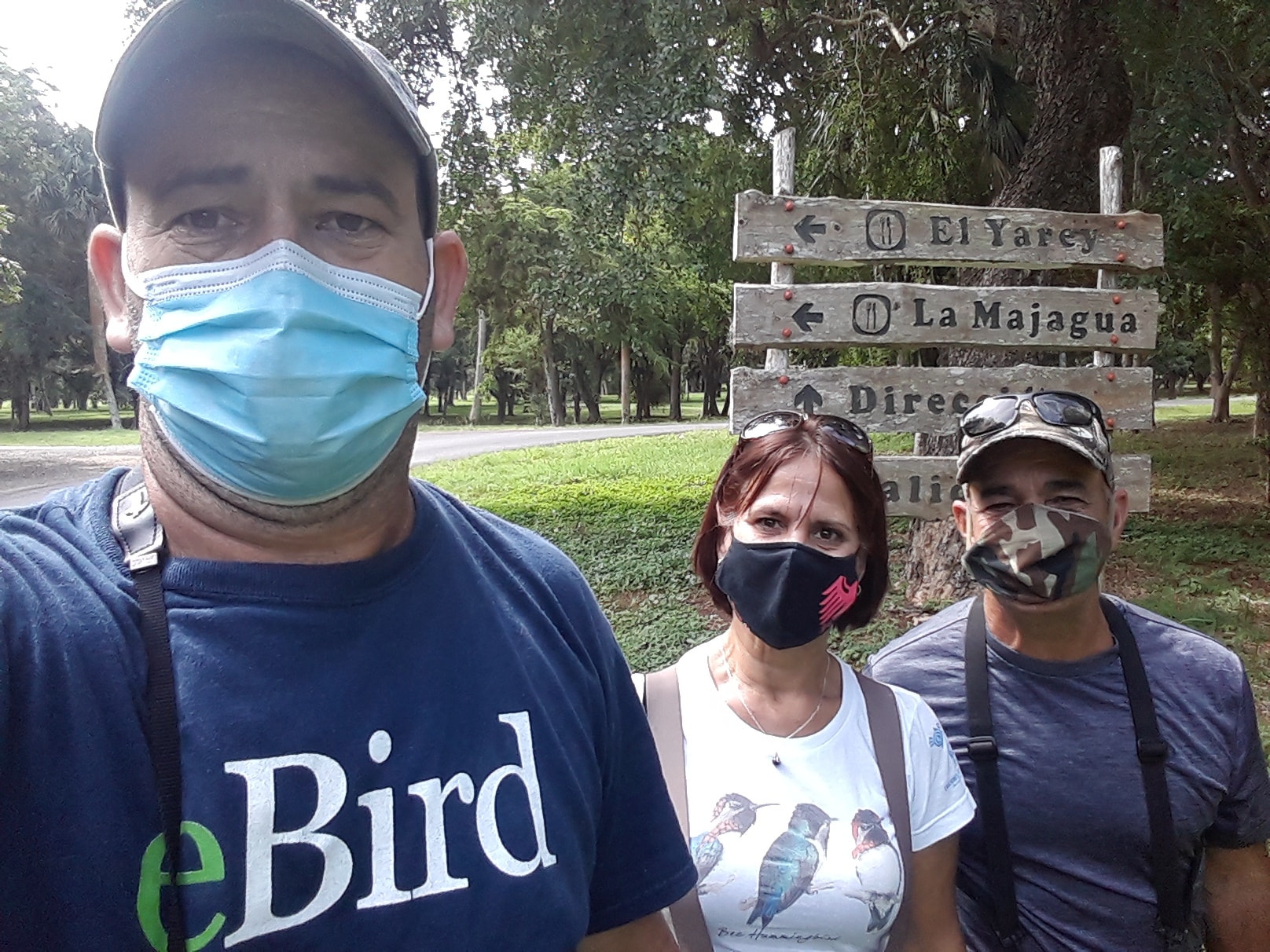
Cuban birders ready for October Big Day. (Photo by Maikel Canizares-Morera)
October Big Day is a chance for people around the world a get out and count, enjoy, and celebrate birds! In this 24-hour period enthusiastic participants add their bird-sightings to eBird contributing to our knowledge of birds and our ability to help conserve them. Find out how October Big Day 2021 went and how people in the Caribbean contributed to this amazing citizen science project!
October Big Day is always special, happening during the peak of Fall migration, it is an exciting time to be out looking for birds! This year, October 9, 2021 broke records globally. Much larger numbers of birders across the Planet turned out – in total, 33,658 participants spotted 7,293 species, according to ebird.org. In the global rankings, Colombians came in first, spotting a stunning 1,347 species. There was hot competition in South and Central America, with Peru, Ecuador, Brazil and Bolivia racing to catch up. Argentina, Costa Rica, and Mexico were also among the “Bird Species Top Ten.”
How did the Caribbean do?
In total, Caribbean ebirders reported 353 species and submitted 1,093 checklists. This was an improvement from 2020, when fewer checklists (866) and slightly fewer species (344) were reported. This was likely due to restrictions related to the COVID pandemic in 2020, which have since been eased somewhat on some islands.
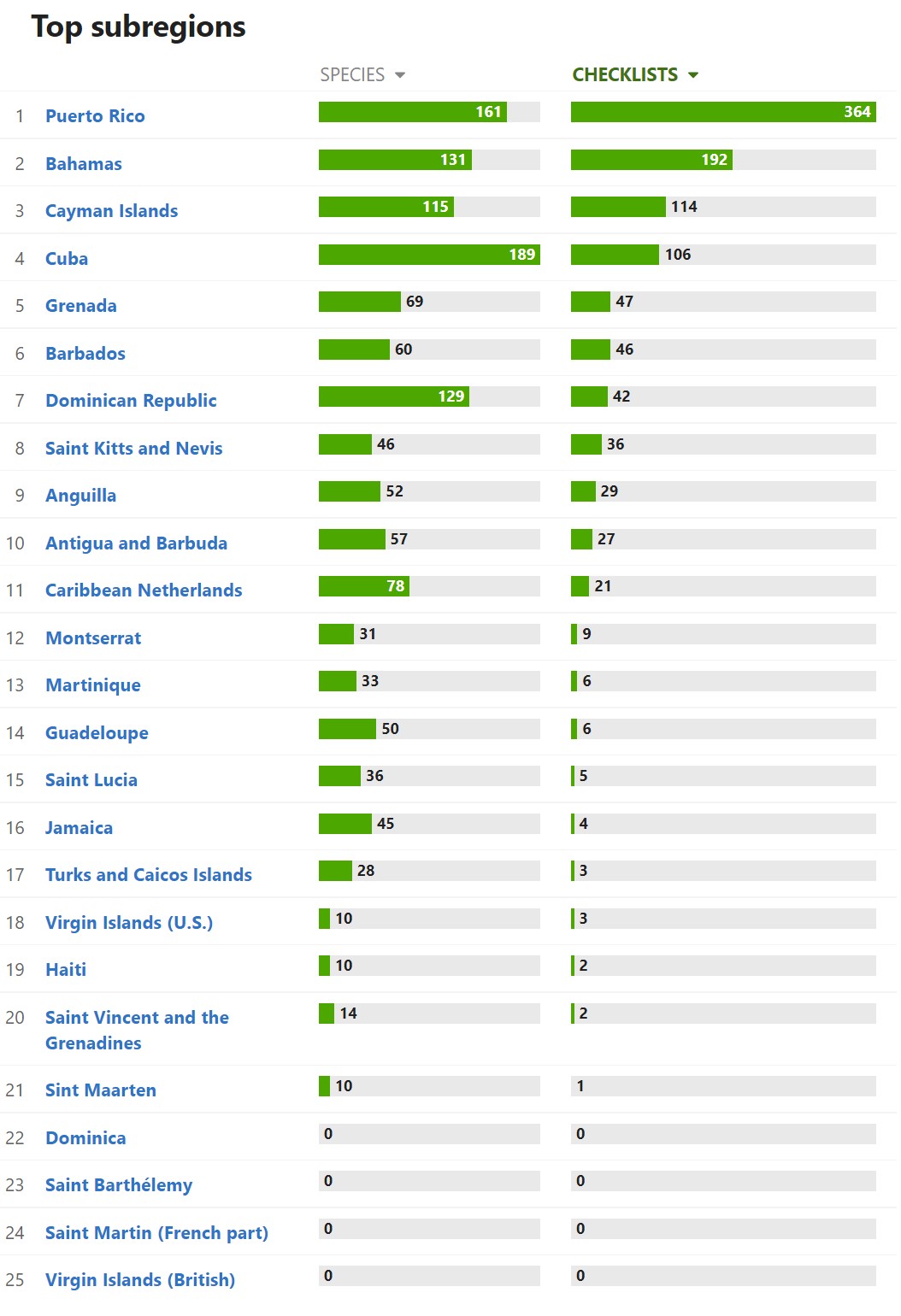
We always want to know who beat the competition! Well, in terms of participation Puerto Rico topped the list, with 364 checklists containing 161 species (94 species were recorded in the Cabo Rojo area). Bahamas came in second place with 131 species coming up on 192 checklists. The Cayman Islands came third, just ahead of Cuba (although the Caymans saw fewer species, the number of checklists was an impressive 114).
Caribbean regions on October Big Day ranked by number of checklists
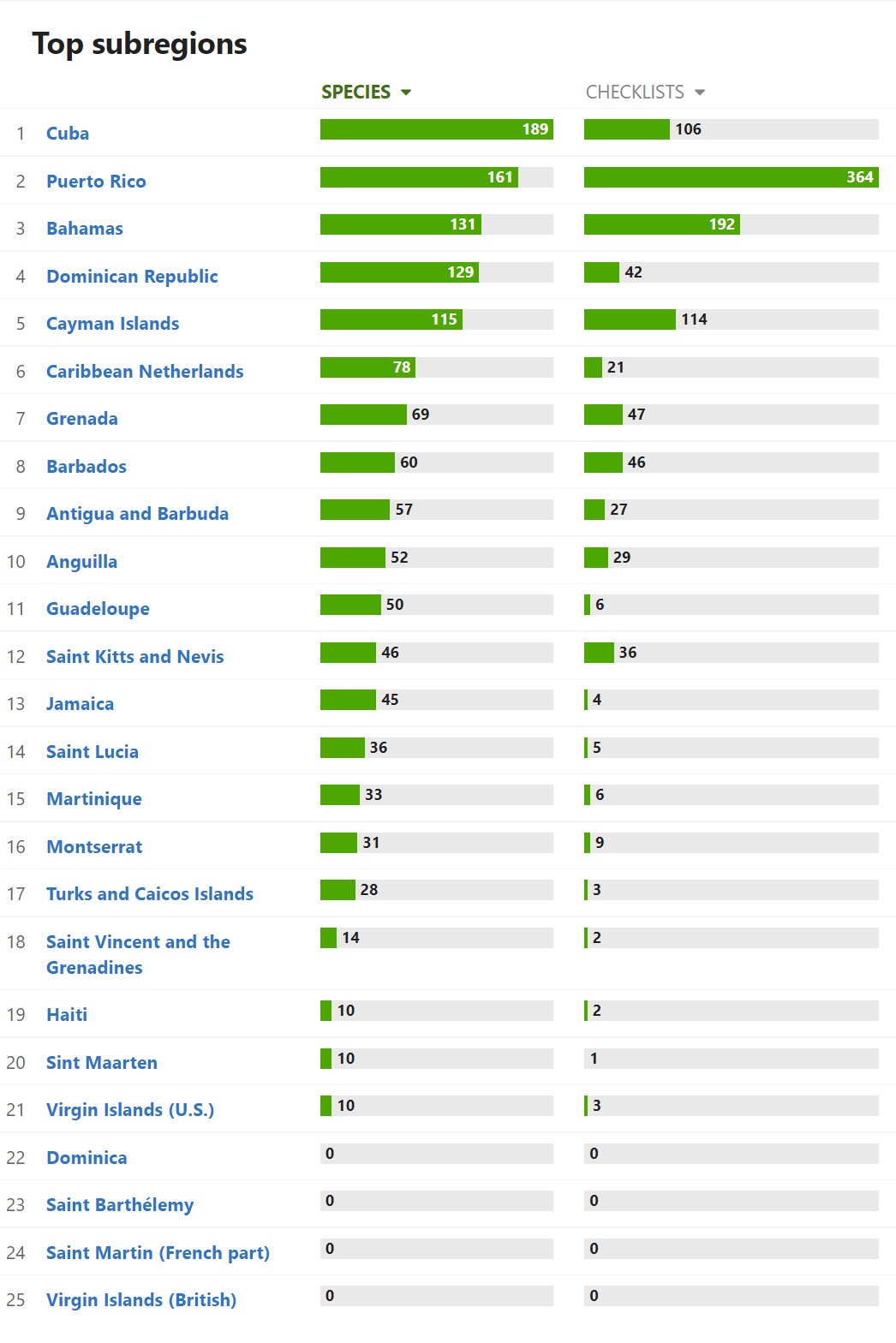
Caribbean regions on October Big Day ranked by number of species seen
Cuban birders spotted an amazing 189 species on the day and rolled in at #52 in the overall global ranking, followed by Puerto Rico at #61. Trinidad and Tobago registered 136 species; Dominican Republic and Caribbean Netherlands did well with 129 and 78 species recorded, respectively.
Who was the top Caribbean eBirder? Well, Cuba’s Rodolfo Castro Alvarez spotted 148 species, while Julio Salgado and Eric Torres-Rivera, two birders from Puerto Rico were extremely busy. Congratulations to all and good work Caribbean eBirders!
What about the birds?
Now, a postscript on the birds. Which species do you think had the highest count? Well, our top Caribbean eBirder in Cuba logged three species of waterbird in the thousands in Pinar del Rio: the Blue-winged Teal, Double-crested Cormorant, and Short-billed Dowitcher. In New Providence, the Bahamas, 400 White-cheeked Pintail were spotted; and in North Side, Cayman Islands, over 300 Snowy Egrets were counted.
Barbados Bullfinch, one of the Caribbean Island endemics spotted. (Photo by Julian Moore)
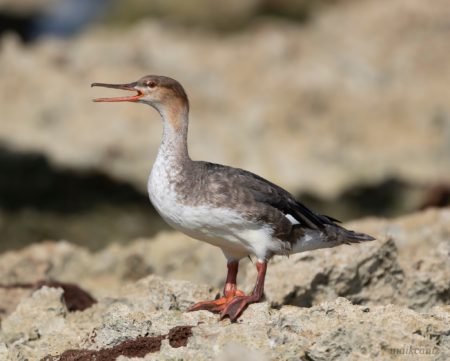
Red-breasted Merganser, Cuba. One of the less common species spotted during October Big Day (Photo by Maikel Canizares-Morera)
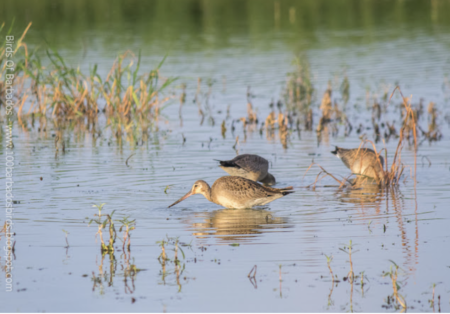
Some migratory visitors. Hudsonian Godwits at Woodbourne Shorebird Refuge, Barbados. (Photo by Julian Moore)
As would be expected at this time of year migratory shorebirds and warblers featured in many of the eBird lists from the Caribbean. Many of the ‘usual suspects’ were present, such as Semipalmated Sandpipers, Hudsonian Godwits and Yellow Warblers. A few far less common visitors were spotted, such as the Red-breasted Merganser seen at Pinar del Rio in Cuba. On the Cayman Islands, Cayman Birding was 1 of 201 teams that celebrated October Big Day by participating in the Global Bird Weekend with global birding. Their 7 members, who were spread across all three islands, recorded at total of 79 species and submitted 27 checklists! Overall Caribbean Big Day birders spotted a fantastic mixture of migratory birds, residents and of course some of their island endemics! With many birders sharing their birds and birding trips on social media.
October Big Day is a milestone in the year, when migratory birds spread out across the region. The date “sticks a pin” in the calendar. We look forward to another record-breaking year in 2022 – for the Caribbean!
Thank you to all the birders across the Caribbean who took part this year whether exploring across their islands or doing some ‘back-yard’ birding you all contributed to the amazing success of October Big Day 2021! Enjoy some more of the photos and social media posts shared from across the Caribbean during October Big Day below.
Flock of flamingoes at Margarita Island, Venezuela. (Photo by Josmar Marquez)
Children celebrating World Migratory Bird Day on October Big Day Venezuela (Photo by Josmar Marquez)
Children bird watching Margarita Island, Venezuela. (Photo by Josmar Marquez)
Black-necked Stilts Anguilla. (Photo by Anguilla National Trust)
Birding by the roadside, Anguilla. (Photo by Anguilla National Trust)
Birders in action, Anguilla. (Photo by Anguilla National Trust)
Bird banding workshop being held in Venezuela. (Photo by Josmar Marquez)
Bird banding workshop being held in Venezuela. (Photo by Josmar Marquez)
Western Spindalis, spotted in Cuba during October Big Day. (Photo by Maikel Canizares)
Ruddy Turnstones, Barbados. (Photo by Julian Moore)
Red-breasted Merganser, Cuba. (Photo by Maikel Canizares-Morera)
Puerto Rican birders. (Photo by Adrianne Tossas)
Prairie Warbler, Cuba (Photo by Jorge-Uria)
Early Moring Birding at NorthSound Golf Club, Cayman Islands (Photo by Cayman Birding)
Early Moring Birding at NorthSound Golf Club, Cayman Islands (Photo by Cayman Birding)
Northern Parula, Cuba. (Photo by Jorge Uria)
Maybel Rodriguez-and Daniela Ventura at del Puerto Crocodile Lagoon Peninsula de-Guanahacabibes, Cuba
Juvenile Laughing Gull, Barbados. (Photo by Julian Moore)
Cuban birders in action. (Photo by Maikel Canizares-Morera)
Cayman Parrots. (Photo by Cayman Birding)
American Avocet, Cuba. (photo by Maikel Canizares-Morera)
All set for October Big Day in Cuba. (Photo by Maybel Maria Rogriguez-Perez)
Adrianne Tossas birding at Hacienda La Esperanza, Puerto Rico
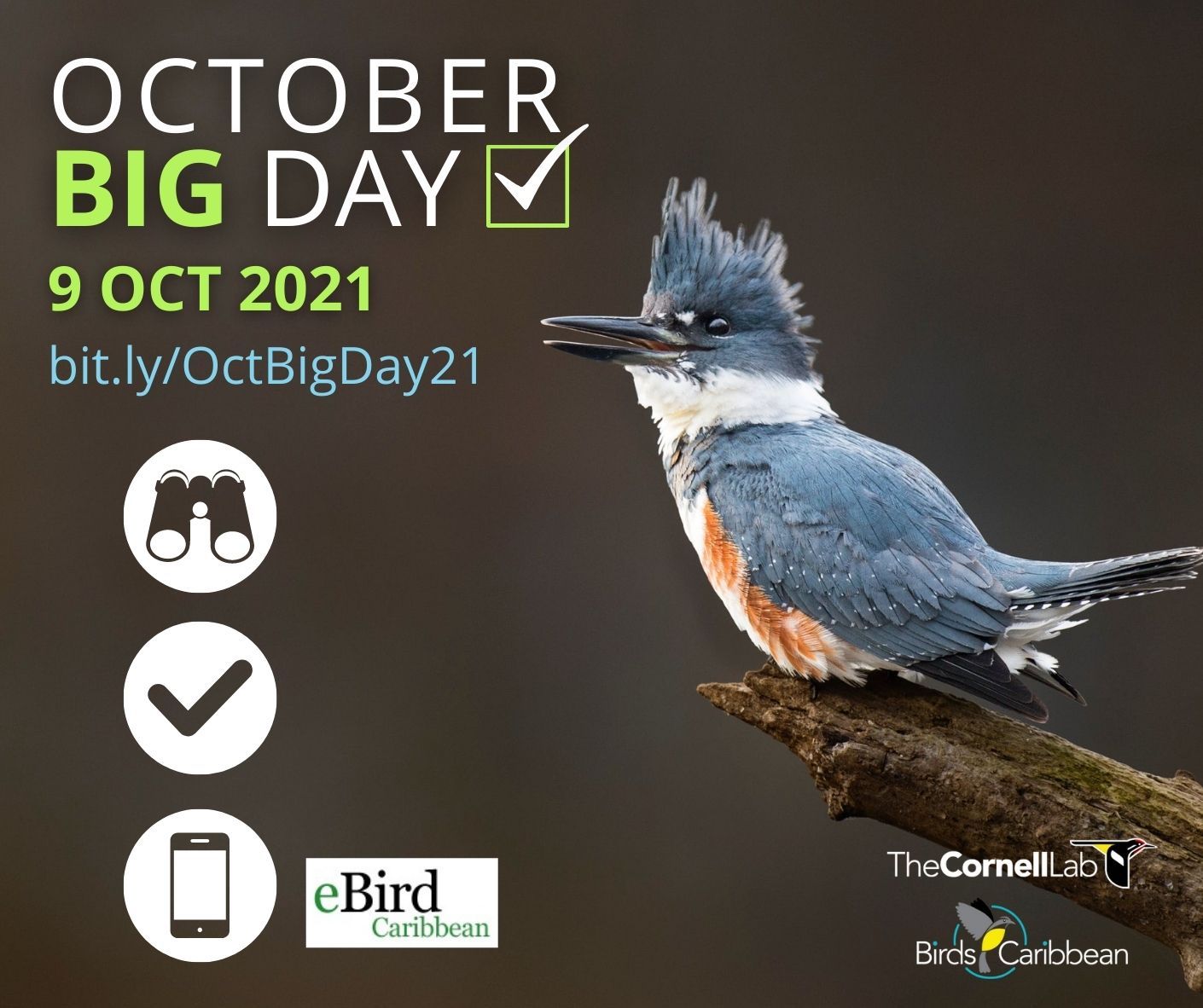
Birders around the world are polishing up their binoculars and scopes as they prepare for one of their busiest weekends of the year. This 24-hour opportunity called October Big Day – Saturday, October 9, 2021 – has been extended for the second time into a Global Bird Weekend (October 8, 9 and 10). The goal is to watch, record, and celebrate birds, whether it is in your backyard, neighborhood park, seashore or woodland. October Big Day coincides with World Migratory Bird Day (October 9). It is hoped that this concerted effort will bring in a record number of bird sightings from citizen scientists around the world, contributing to bird knowledge and a deeper understanding of conservation.
Where are the birds, and what are they doing?
The data collected will be used by birders and scientists to better understand and protect birds. This is also an opportunity for the individual birdwatcher to contemplate birds, their behavior, and the places where they may be found. For example, are there birds you are only likely to see in the late morning or early afternoon? And if so, are they at specific locations? Tanagers and bullfinches are often very active during the morning hours. As the day heats up, you may see raptors soaring above. Seagulls and shorebirds can be observed at almost any time of day. Migratory warblers generally show up in early morning or evening hours, feeding and bathing in suburban gardens and parks.
Make your birding count—submit & share your data!
Participating is easy with the essential tool, eBird, where you should record all the birds you see (and even hear) on Saturday 9th October via the eBird website or mobile app. If you’re in the Caribbean, be sure to use eBird Caribbean (and choose the eBird Caribbean portal in your eBird app settings on mobile). If you do not already have one, it’s easy to sign up for a free eBird account and here’s a quick guide on how to use eBird. Eager birders should spot as many birds as they can from midnight to midnight in their local time zone on October 9th. Or bird anytime during the weekend of Oct. 8-10 for the Global Bird Weekend. The handy mobile app allows you to keep and submit lists while you’re still out birding, perhaps exploring nearby Hotspots. It will even track how far you have walked while watching birds. Remember to submit eBird checklists before October 13, 2021 to be included in the initial results announcement!
In the past year, many Caribbean islands have restricted movements and gatherings in public spaces, due to the pandemic. Since many of these are still in place and vary from country to country, please keep local regulations in mind and observe all protocols. Remember, too, that there is always the option of birding at home.
Share your sightings with us, and join BirdsCaribbean!
We look forward to seeing your stories and photos on social media. You can find us on Facebook and on Twitter and Instagram @birdscaribbean. Be sure to tag us! If you’re not on social media, consider joining our discussion group where you’ll be able to share your October Big Day experience with over 850 members.
May we remind you that BirdsCaribbean membership has so many benefits; for a reasonable membership fee you are entitled to a FREE subscription to Birds of the World ($49 value) – the most comprehensive online resource on birds. Additionally, you may receive discounts on our products, workshops and conferences; meet and network with fellow birders, scientists, educators and conservationists across the region; and keep in touch with birding trends and news through our monthly newsletters (free sign-up here). Join us today and help us save our Caribbean birds and their important habitats!
See you on October Big Day 2021 – and let’s see some birds!