Read this post in English
En abril, recibí el tan esperado correo electrónico anunciando la inscripción para la 25.ª Conferencia Internacional de BirdsCaribbean. Visité el sitio web para consultar el programa previsto para los participantes y la gran variedad de excursiones —organizadas por HADCO Experiences—diseñadas para explorar la biodiversidad de estas hermosas islas. Afortunadamente, gracias a generosos donantes, pude cumplir mi sueño de participar en este importante evento para la conservación y protección de las aves y sus ecosistemas.
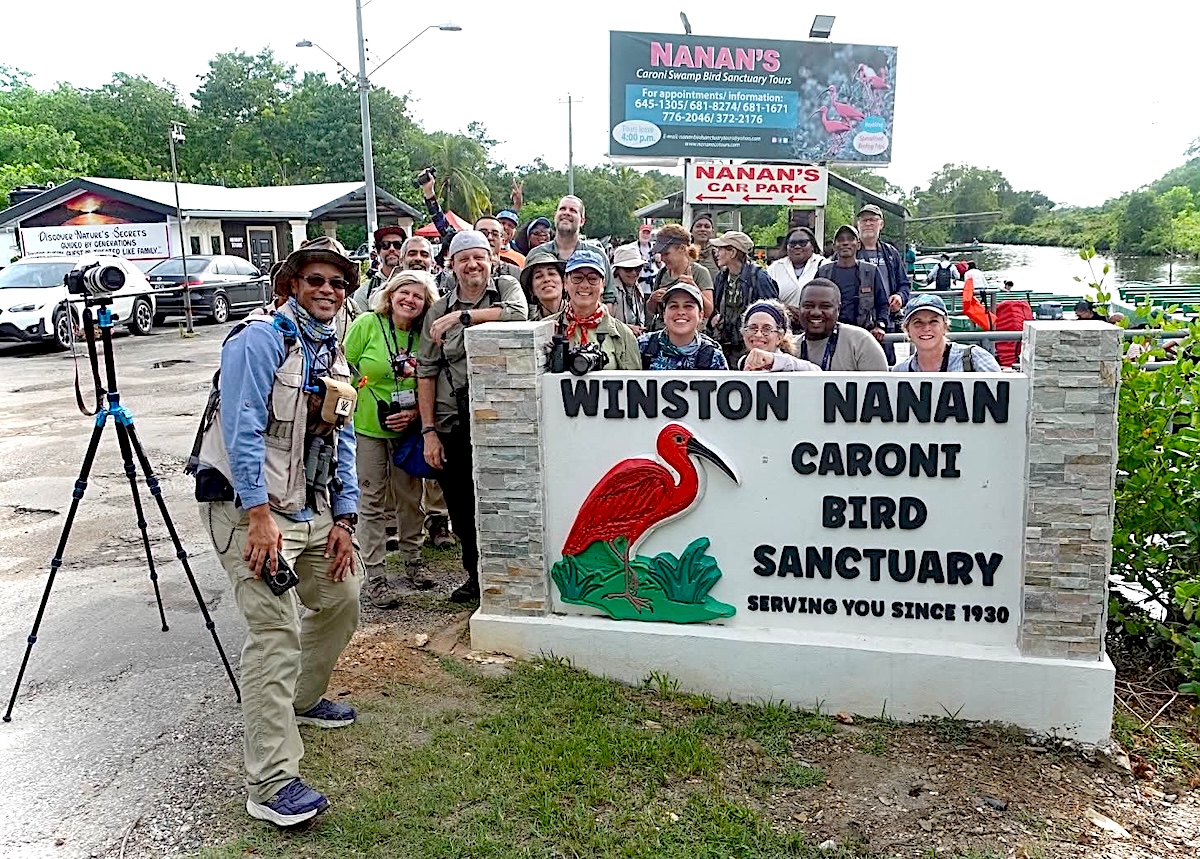
El programa ofrecía un día para una excursión. Tras estudiar los puntos de interés, las listas y las fotos de los cientos de especies que habitan y visitan Trinidad y Tobago, elegí la excursión que me llevaría a explorar los humedales de la costa oeste de Trinidad, culminando al atardecer en el Santuario de Aves de Caroni, reconocido a nivel mundial
Primera parada: Un templo en el mar
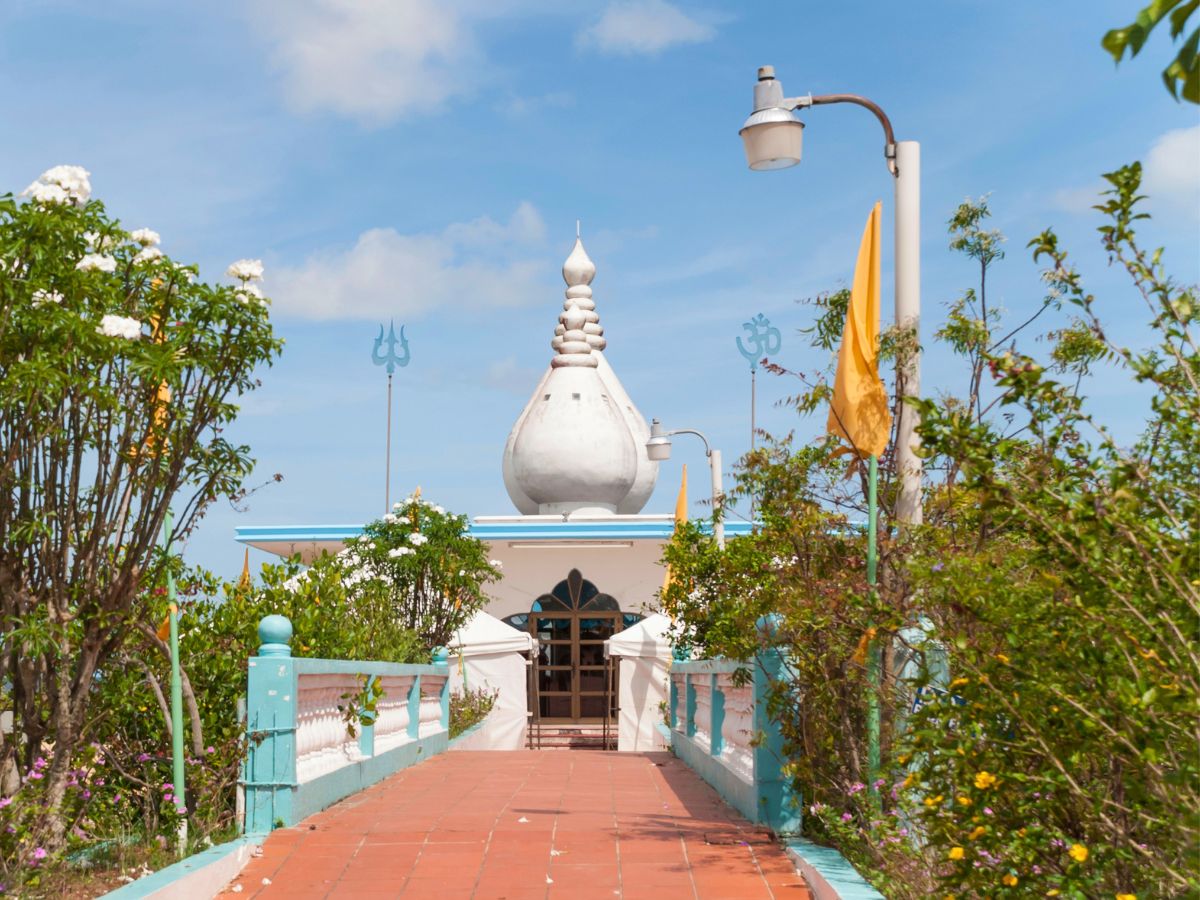
Nuestros guías, Dalini y Mukesh, llegaron al hotel puntualmente. La primera parada fue en el Templo en el Mar, un templo hindú octagonal construido en el mar después de que a su diseñador, Siewdas Sadhu, se le negara un terreno para edificarlo y trasladara su proyecto mar adentro. Allí caminamos por la arboleda que bordea la costa en busca del esquivo Vireón Cejirrufo.
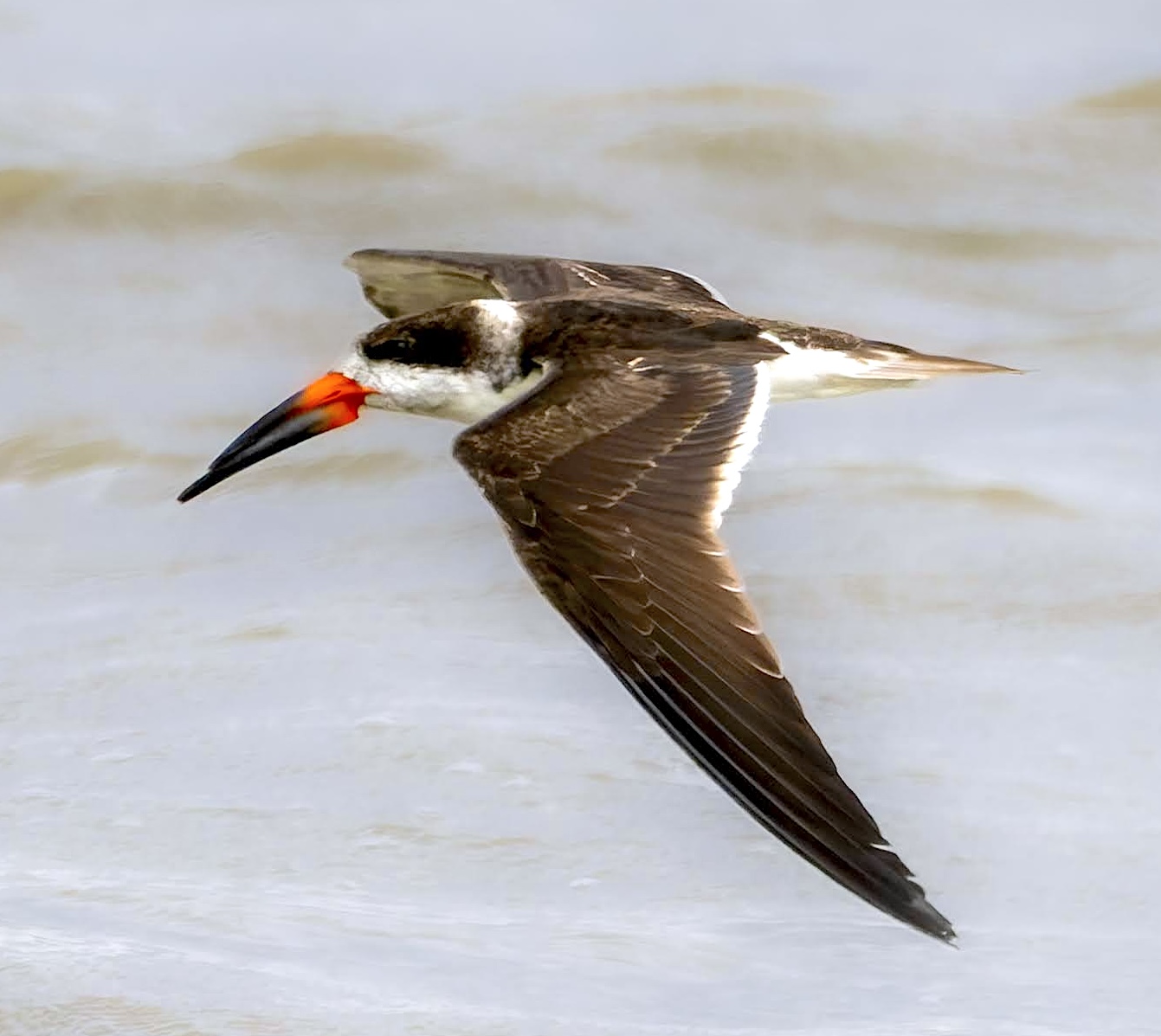
De repente, oí que alguien gritaba que se veían bandadas de Ibis Escarlata en el horizonte. Ya se alejaban, pero desde ahí divisé al Rayador Americano, una de las aves que quería ver en el viaje. Fue un espectáculo majestuoso verlo rozar el agua con su enorme pico bicolor en busca de alimento. ¡El día prometía!
¡Ventana abajo, binoculares arriba!
Desde allí, partimos hacia Sumaria Trace, parada obligatoria para cualquier observador de aves en Trinidad: un camino rural flanqueado por humedales de gran biodiversidad. El conductor redujo la velocidad, bajamos las ventanas y me sentí como en un safari. Un solitario Flamenco Americano y unos Tordos Capuchiamarillos anunciaron su presencia y las Jacanas Sudamericanas nos mostraron sus hermosas alas amarillas en pleno vuelo.


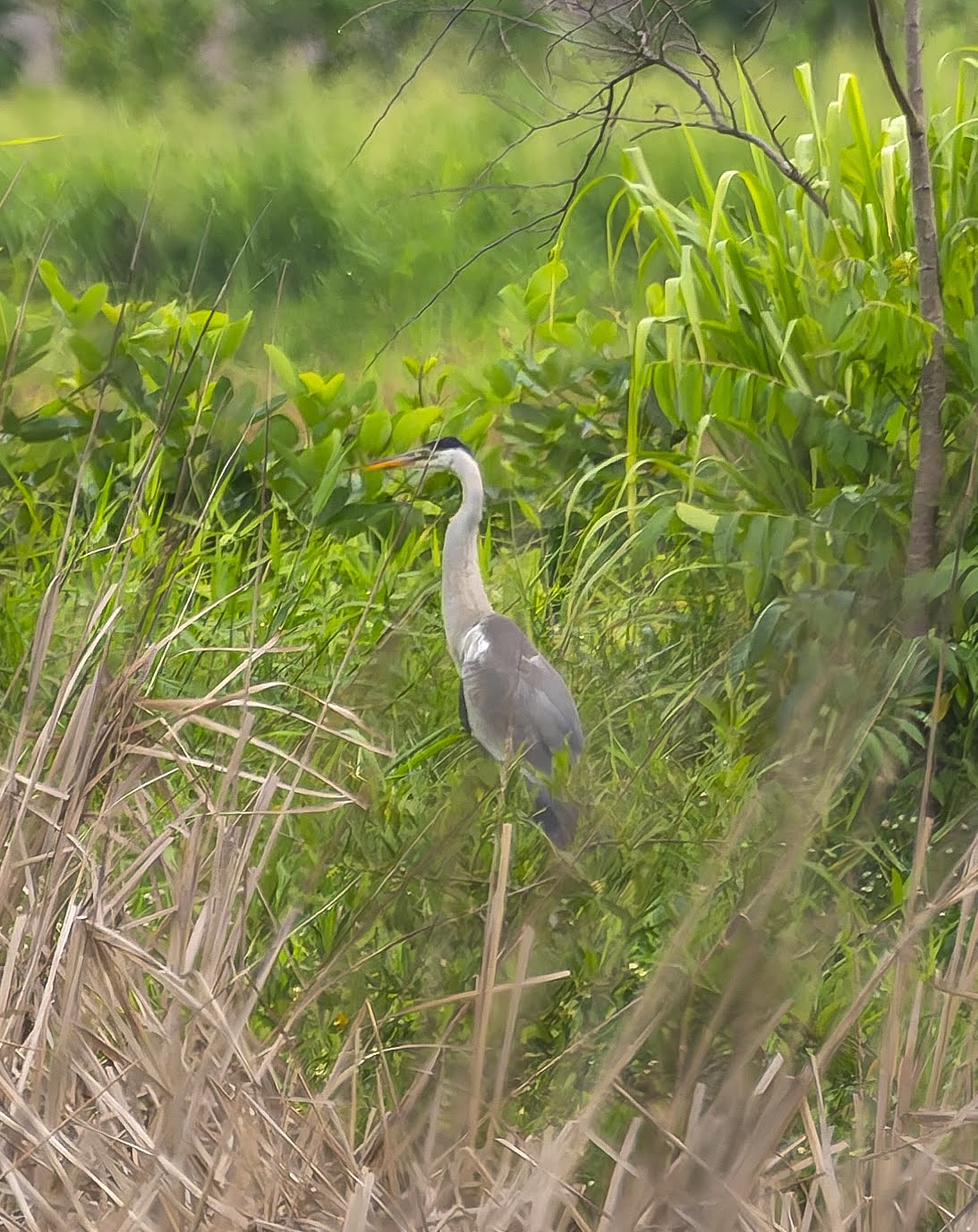
Mukesh nos condujo hasta un punto en el camino donde colocó su telescopio y desde allí pudimos divisar un Garzón Cocoi camuflajeado entre la hierba alta. El grupo se dispersó para buscar e identificar aves a lo largo del camino; cada uno con su propia lista de aves que quería ver. De fondo, podía oír el clic de las cámaras y los nombres de las especies que mis compañeros de excursión estaban avistando: Aninga, Monjita Tricolor, Curutié Colorado, Garza Pechiblanca, Vencejillo Tijereta y Estrilda Común.
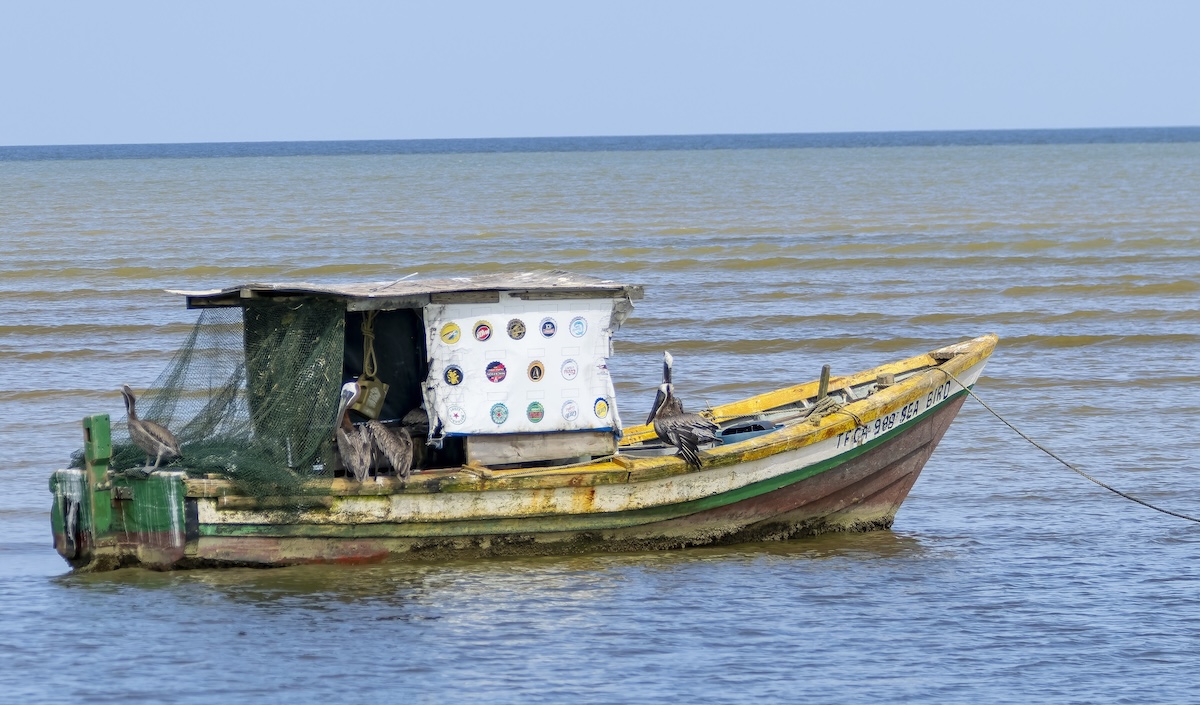
El sol quemaba y la humedad se sentía. Nuestros guías nos llamaron de vuelta al autobús para dirigirnos a Orange Valley y al Waterloo Fish Depot. La mayoría de los pescadores ya regresaban a la costa. A lo lejos grandes barcos compartían las aguas con Pelícanos Pardos y Tijeretas que sobrevolaban la zona en busca de presa fácil.
Las aves playeras son de mis favoritas y aquí pudimos observar Playeros Picocorvo Americano, Aliblancos, Agujetas Piquicortas, además de diversas garzas y otras aves acuáticas. De repente escuché una sirena… ¿de dónde provenía ese sonido? ¡Era un búho, el Mochuelo Caburé! Un grupo ya estaba intentando avistarlo, pero todos sus intentos fueron en vano.
Pájaros, roti y un poco de lluvia
El cielo comenzó a nublarse y recibí una notificación de que se acercaba la lluvia. Era la señal perfecta para almorzar, así que nos dirigimos al famoso Highway Roti Shop para esperar a que pasara la lluvia. La conversación fluía entre los participantes de la excursión mientras saboreábamos un delicioso plato tradicional.
Si planifican visitar Trinidad y Tobago recomiendo se detengan en un puesto callejero para probar los deliciosos Aloo Pies (masa frita rellena de papas sazonadas), Saheenas (buñuelos hechos con una masa de guisantes partidos y hojas de taro sazonadas) y Doubles (garbanzos al curry entre dos bara fritos). ¡Para chuparse los dedos!
La magia de Caroni
Finalmente llegamos al Santuario de Aves Caroni de Winston Nanan, donde disfrutamos de un paseo en bote por el manglar y humedal más grande de Trinidad. Hermosos canales, lagunas y marismas que albergan cientos de especies de vida silvestre. Durante el recorrido avistamos murciélagos narigudos, serpientes, un pequeño oso hormiguero sedoso durmiendo y una cantidad impresionante de aves.
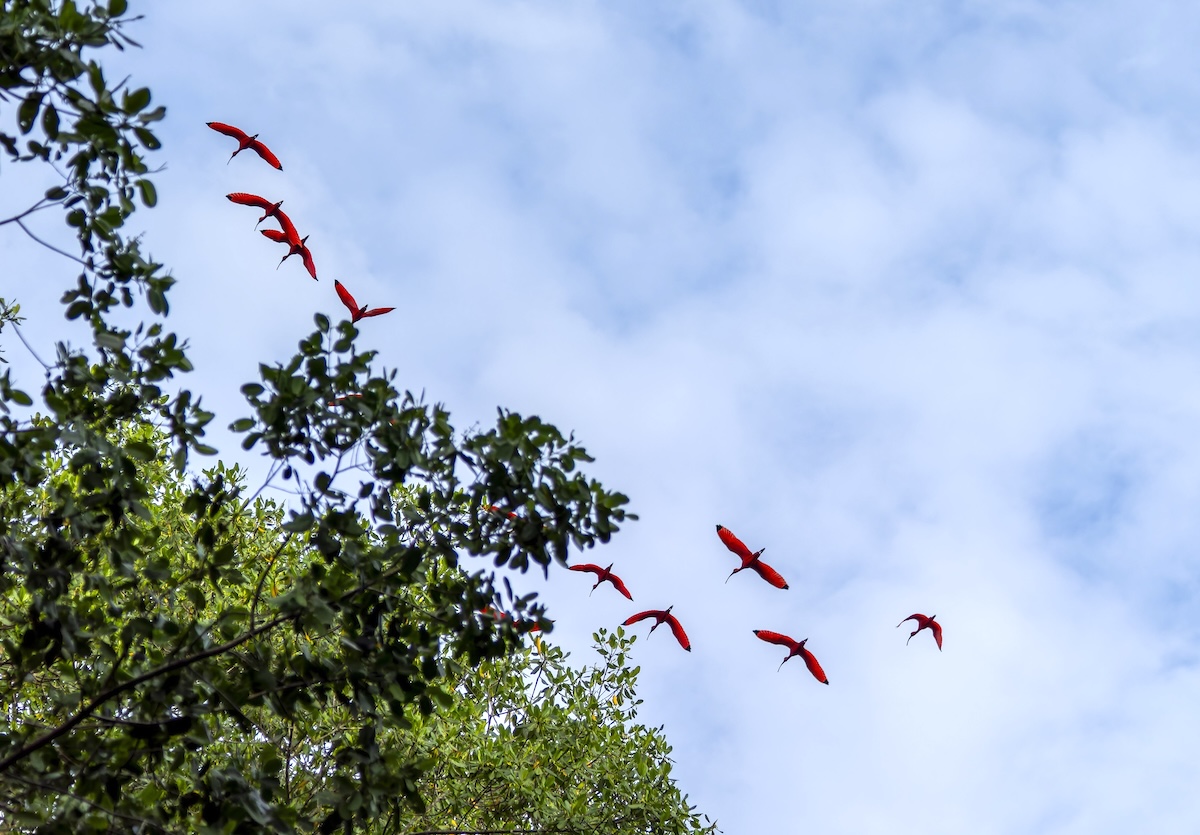
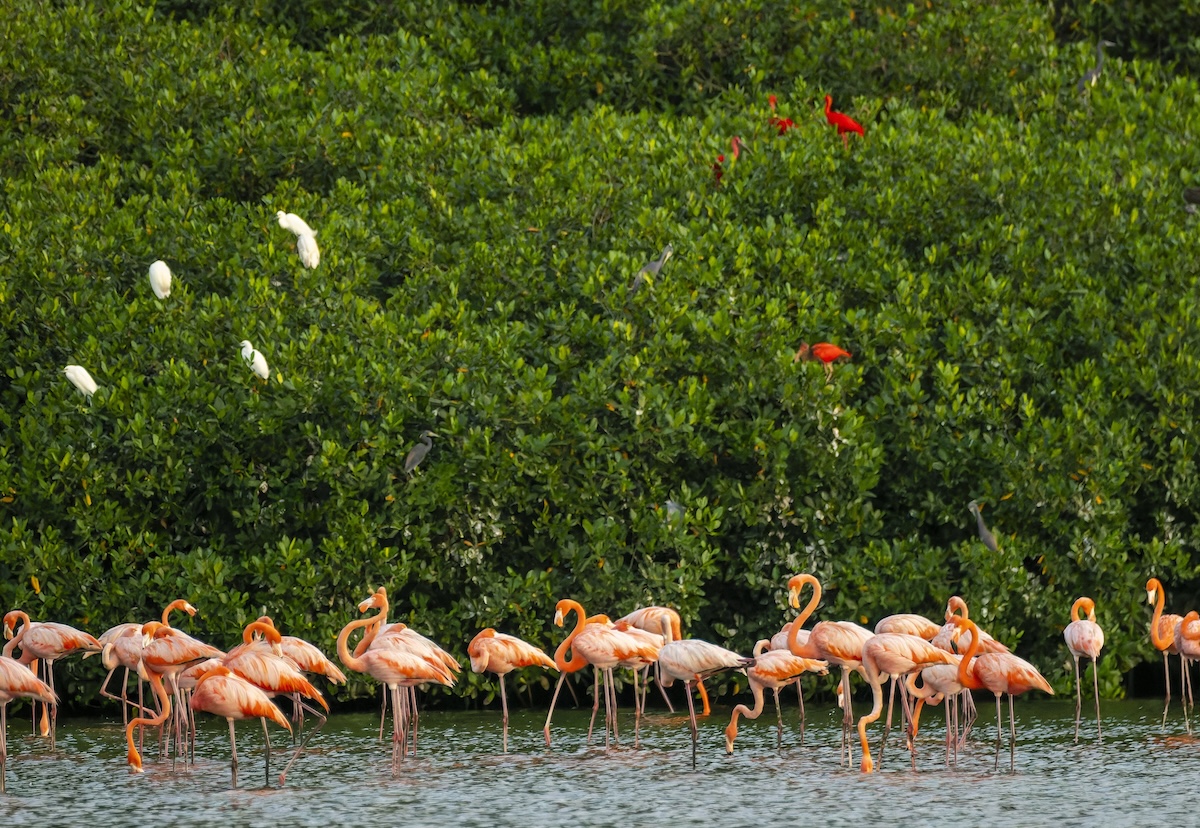
El Ibis Escarlata, ave nacional de Trinidad y Tobago, hizo su entrada volando sobre nuestras cabezas hacia su zona de anidaje. Un Martín Pescador Enano nos deleitó con un espectáculo, al volar varias veces alrededor de la embarcación, mientras los flamencos se alimentaban y se bañaban en la laguna, y los cormoranes y las garzas se preparaban para terminar su día.
El tiempo se detuvo al atardecer y agradecimos la experiencia vivida. Fuimos afortunados de contar con Allister Nanan como guía en esta parte de la excursión. Él ha continuado el legado familiar de conservación y protección de este idílico ecosistema mediante acuerdos con el gobierno y la participación y educación de los miembros de la comunidad. Es un vivo ejemplo de lo que se podría emular en otras islas del Caribe al enfocarse en iniciativas que combinen el ecoturismo, la conservación y la protección de estos lugares tan especiales.
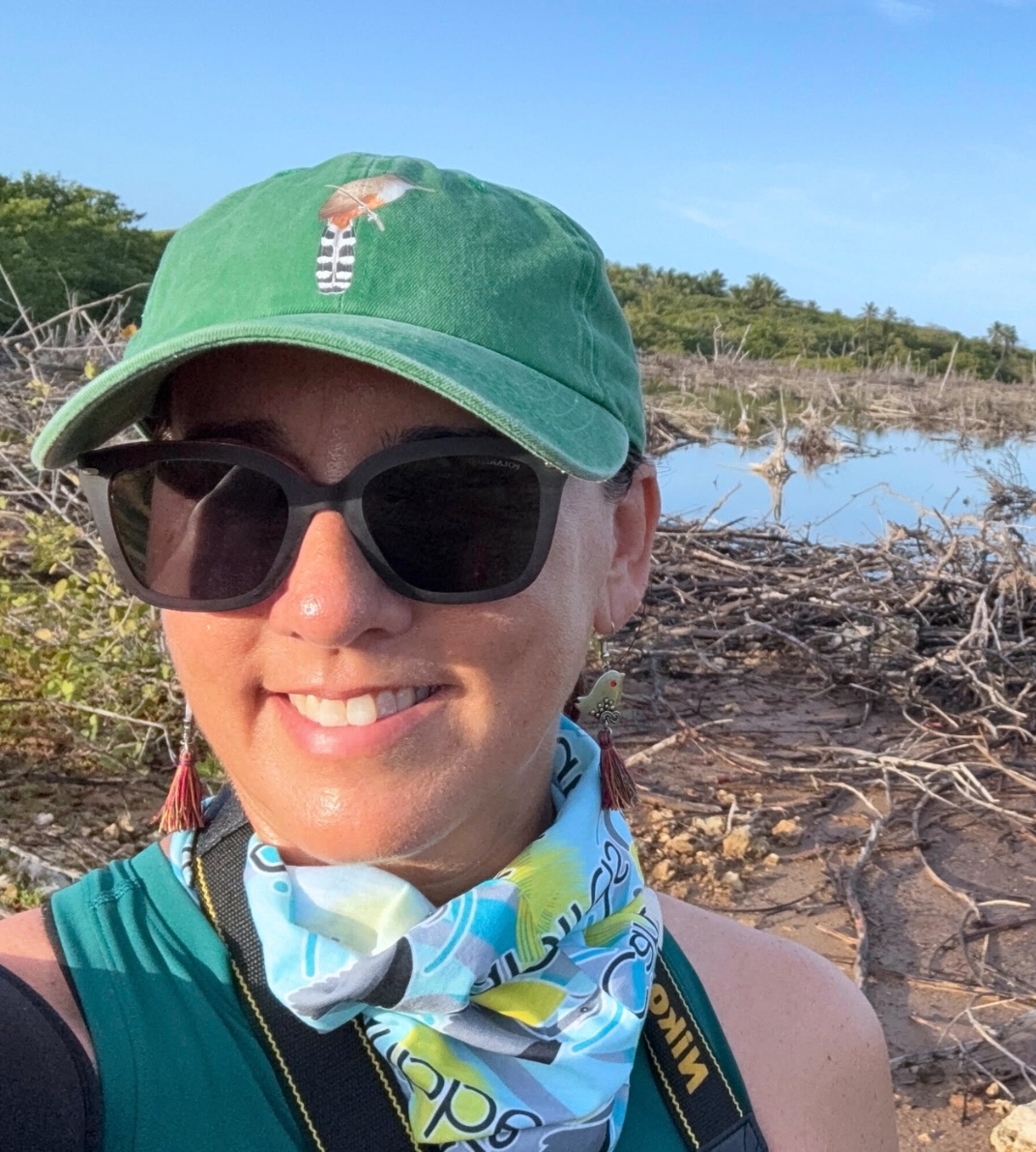
Mirielle Villanueva es una apasionada observadora de aves, científica ciudadana y voluntaria de diversas organizaciones sin fines de lucro, como Surfrider Puerto Rico, Para La Naturaleza, BirdsCaribbean y Tortugueros del Oeste. Durante el último año, ha liderado censos de aves en su área, incluyendo el Censo de Aves Acuáticas del Caribe (CWC), a la vez que educaba a los participantes sobre cómo las aves pueden servir como indicadores de la salud del ecosistema. Su objetivo es crear conciencia sobre la importancia del monitoreo de aves e inspirar a otros a salir a la naturaleza, reportar sus observaciones y participar en la protección y conservación de los hábitats de las aves. Mirielle también fue una participante entusiasta en nuestro reciente evento.Taller de capacitación de CWC en la Reserva Estuarina Nacional de Jobos Bay en Puerto Rico.
My Experience of Trinidad’s Wetlands with My BirdsCaribbean Peeps
In April, I received the long-awaited email announcing registration for the 25th BirdsCaribbean International Conference. I visited the website to see the planned agenda for participants and the wide variety of field trips—organized by HADCO Experiences—designed to explore the biodiversity of these beautiful islands. Fortunately, thanks to generous donors, I was able to fulfill my dream of participating in this important event for the conservation and protection of birds and their ecosystems.
The program offered one day for an excursion. After studying the hotspots, lists, and photos of the hundreds of species that inhabit and visit Trinidad and Tobago, I chose the excursion that would take me to explore the wetlands on Trinidad’s west coast, culminating at sunset at the world-famous Caroni Swamp Bird Sanctuary.
First Stop: A Temple in the Sea
Our guides, Dalini and Mukesh, arrived at the hotel right on time. The first stop was at the Temple in the Sea, an octagonal-shaped Hindu temple that was built in the sea after its designer, Siewdas Sadhu, was refused land to build his temple and took his efforts offshore. Here, we walked through the grove of trees lining the coast in search of an elusive Rufous-browed Peppershrike.
Suddenly, I heard someone call out that flocks of Scarlet Ibis were visible on the horizon. They were too far away to appreciate , but from that vantage point I spotted the Black Skimmer, one of the birds on my bucket list for the trip. It was a majestic sight to see it skimming the water with its enormous two-toned beak in search of food. The day was off to a great start!
Window Down, Binoculars Up!
From there, we set off for Sumaria Trace—a must-visit site on every birdwatcher’s list in Trinidad—a rural road flanked by wetlands rich in biodiversity. The driver slowed down, we rolled down the windows, and I felt like I was on a safari. A solitary American Flamingo and Yellow-hooded Blackbirds announced their presence, and Wattled Jacanas showed us their beautiful yellow wings in flight.


Mukesh led us to a spot along the road where he set up his scope, and from there we were able to spot a Cocoi Heron camouflaged among the tall grasses. The group spread out to search for and identify birds along the way, each of us with our own short list of “must-see” birds. In the background, I could hear the clicking of cameras and the names of species my fellow birders were spotting: Anhinga, Tricolored Munia, Yellow-chinned Spinetail, Tricolored Heron, Fork-tailed Palm Swift, and Common Waxbill.
The sun was beating down, and we could feel the high humidity. Our guides called us back to the bus so we could head to Orange Valley and the Waterloo Fish Depot. Most of the fishermen were already on their way back to shore. In the distance, large boats shared the water with Brown Pelicans, and Magnificent Frigatebirds were flying overhead in search of easy prey.
Shorebirds are among my favorites and here, we were able to observe Hudsonian Whimbrels, Willets, and Short-billed Dowitchers, along with a variety of herons and other waterbirds. Suddenly, I heard a siren… where was that sound coming from? It was a Ferruginous Pygmy-Owl! A group was already trying to spot it, but all their attempts were in vain.
Birds, Roti, and a Little Rain
The sky began to cloud over, and I received a notification that rain was on the way. It was the perfect cue for lunch, so we headed to the famous Highway Roti Shop to wait out the rainy weather. Conversation flowed among the tour participants as we savored a delicious traditional dish.
If you’re planning to visit Trinidad and Tobago, I recommend stopping at a roadside stand to try the delicious Aloo Pies (fried dough stuffed with seasoned potatoes), Saheenas (fritters made of seasoned split-pea and dasheen leaves batter), and Doubles (curried chickpeas sandwiched between two fried bara, flatbreads). They’re finger-licking good!
The Magic of Caroni
Finally, we arrived at the Winston Nanan Caroni Bird Sanctuary, where we enjoyed a boat tour through Trinidad’s largest mangrove forest and wetland. Beautiful canals, lagoons, and marshes provide a home to hundreds of species of wildlife. During the trip, we spotted Proboscis Bats, snakes, a tiny Silky Anteater taking a nap, and a remarkable number of birds.
The Scarlet Ibis, Trinidad and Tobago’s national bird, made its entrance, flying overhead toward its nesting area. An American Pygmy Kingfisher put on a show for us, flying around the boat several times, while flamingos fed and bathed in the lagoon and cormorants and herons prepared to end their day.
Time stood still as the sun began to set, and we were thankful for the experience we’d just had. We were fortunate to have Allister Nanan as our guide for this part of the excursion. He has carried on his family’s legacy of conserving and protecting this idyllic ecosystem through agreements with the government and by involving and educating community members. It is a living example of what is possible—and an approach that could be emulated on other Caribbean islands with initiatives that bring together ecotourism, conservation, and the protection of these special places.
Mirielle Villanueva is a passionate birder, citizen scientist, and volunteer for various non-profit organizations, such as Surfrider Puerto Rico, Para La Naturaleza, BirdsCaribbean, and Tortugueros del Oeste. For the past year she has been leading bird surveys in her area, including for the Caribbean Waterbird Census (CWC), while educating participants about how birds can serve as indicators of ecosystem health. Her goal is to raise awareness about the importance of bird monitoring and inspire others to get out into nature, report their observations, and become involved in protecting and conserving bird habitats. Mirielle was also an enthusiastic participant at our recent CWC Training Workshop at Jobos Bay National Estuarine Reserve in Puerto Rico.