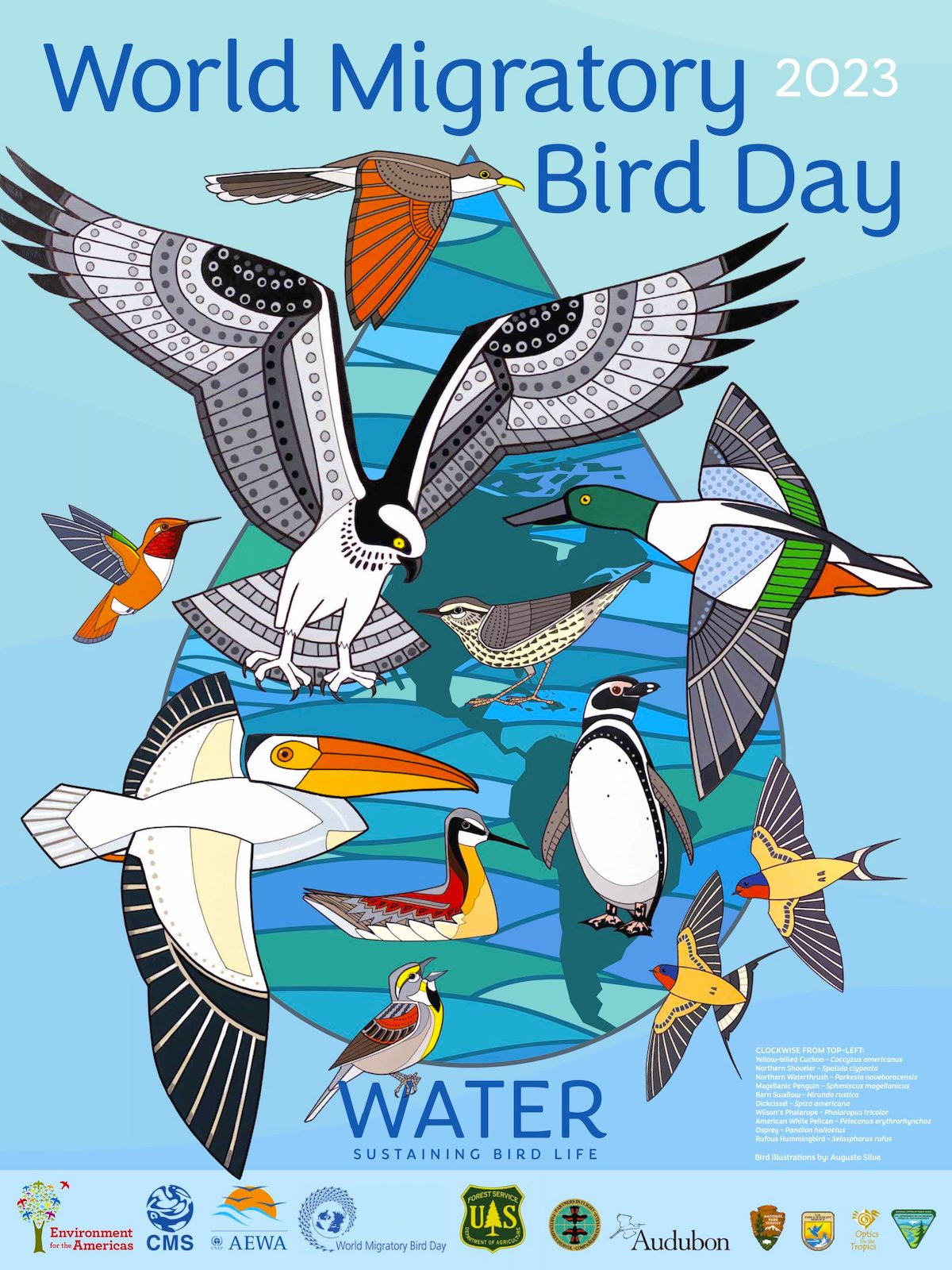

What if instead of driving away birds, our cities could actually save them? This World Migratory Bird Day WMBD, join us as we answer that question by creating communities where birds and people can thrive together.
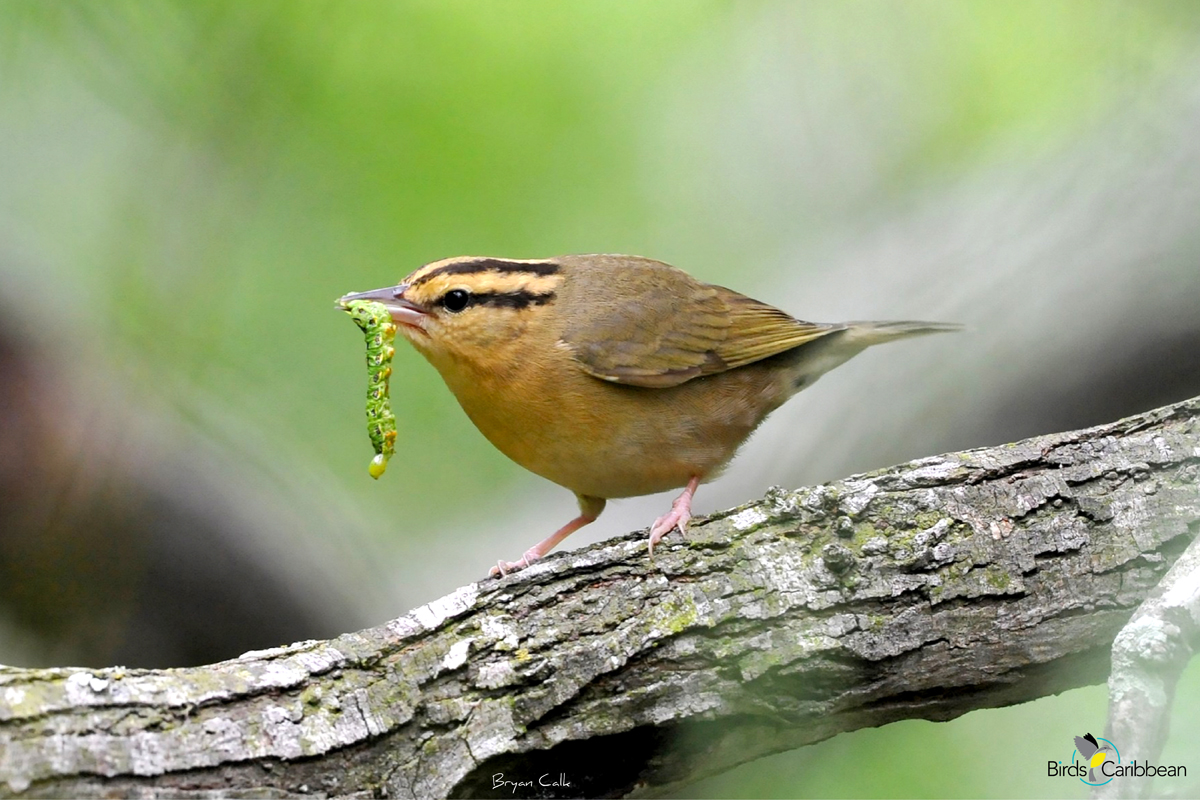
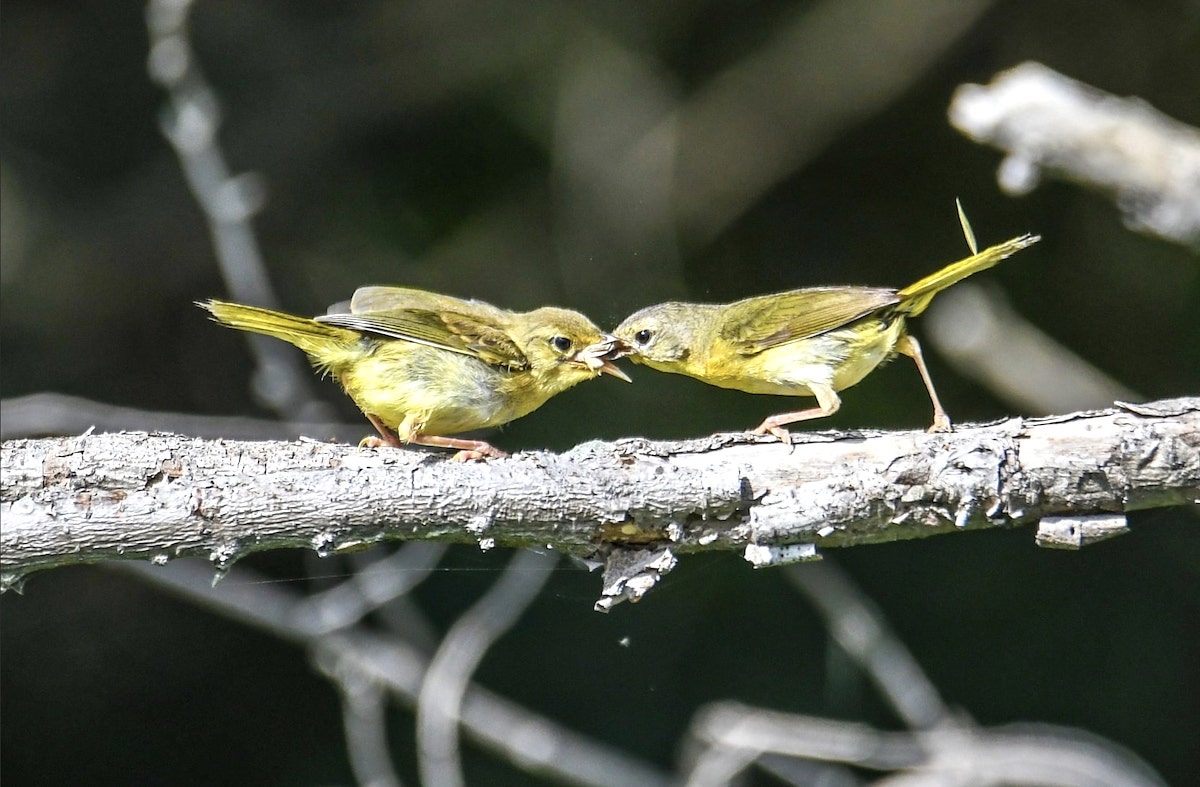
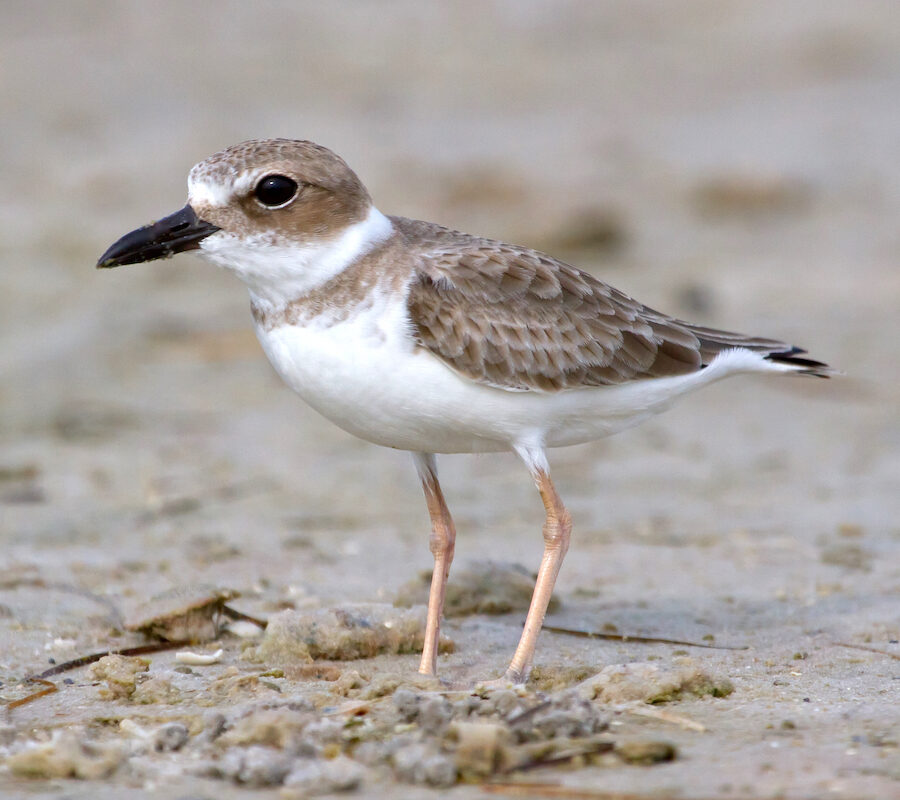
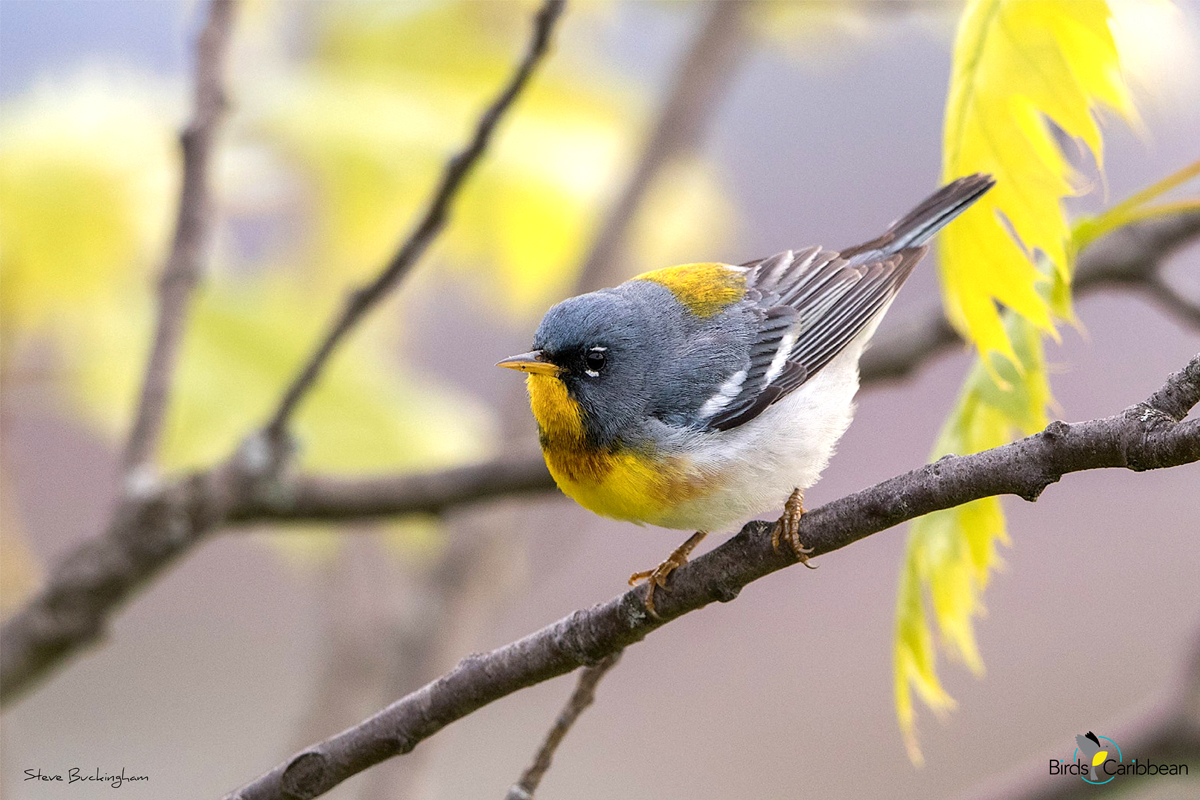
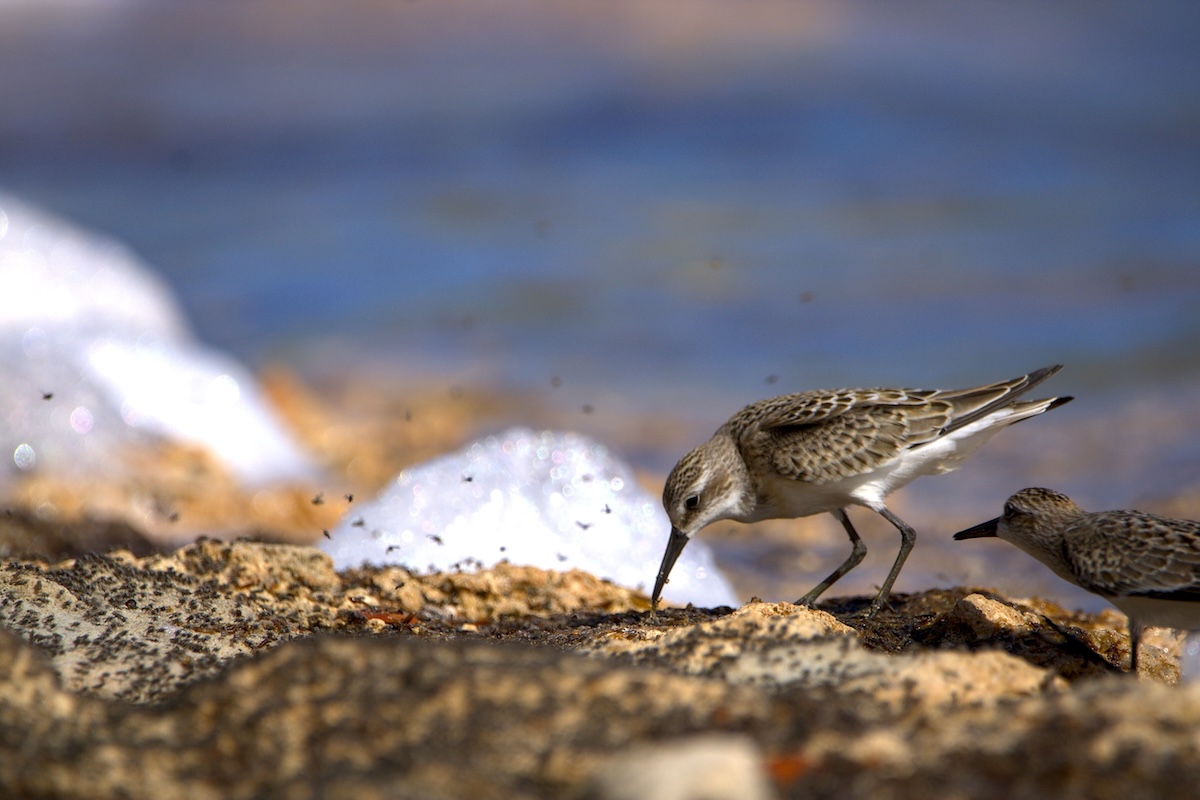
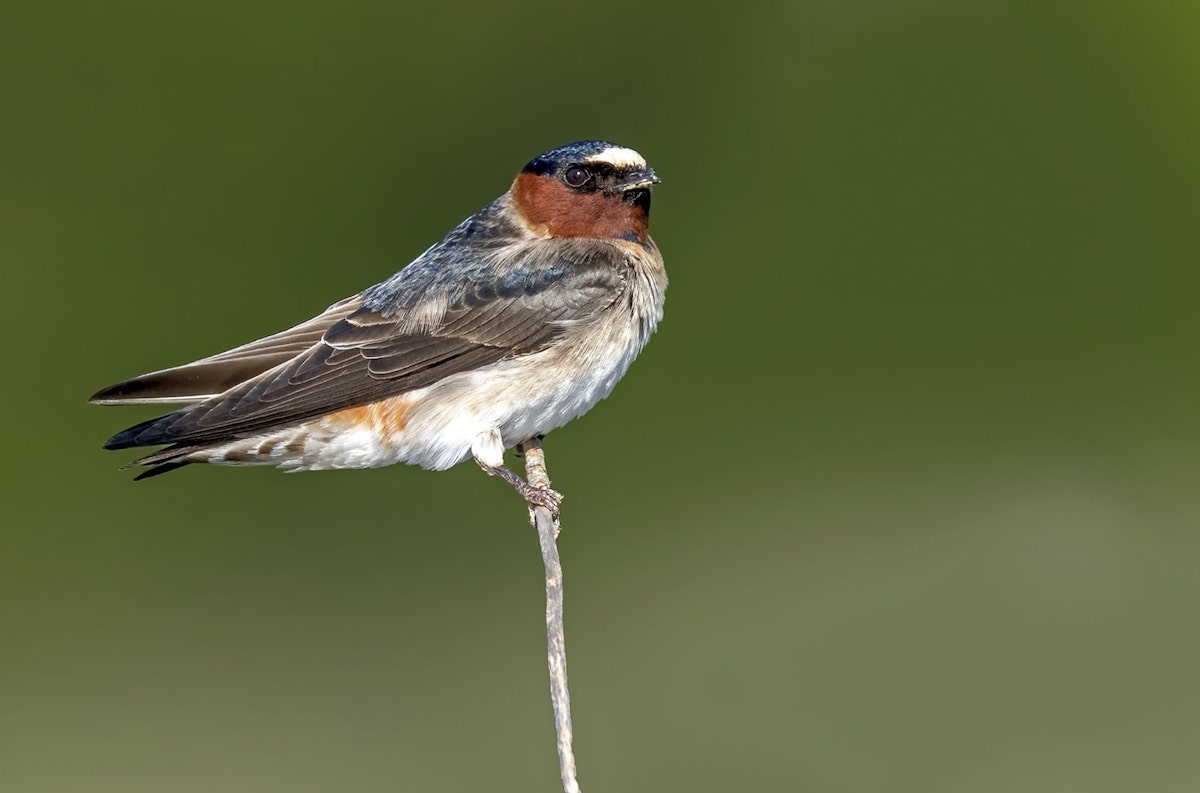
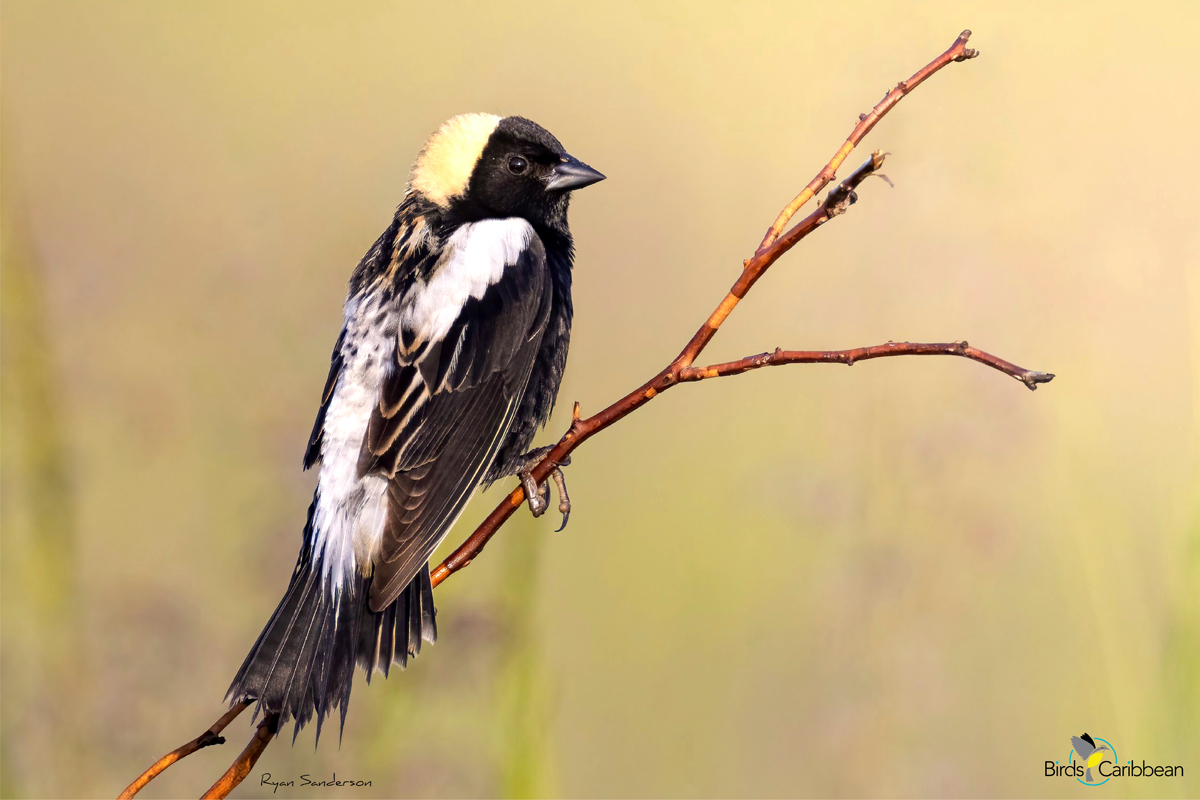
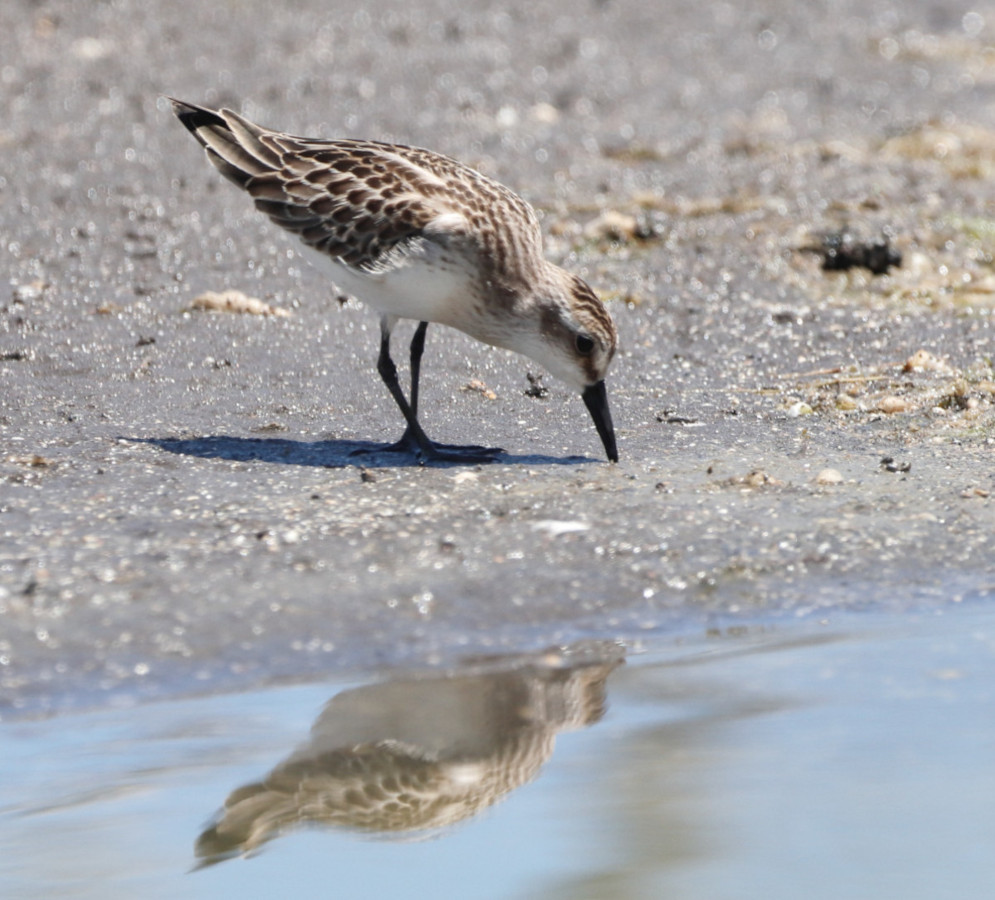
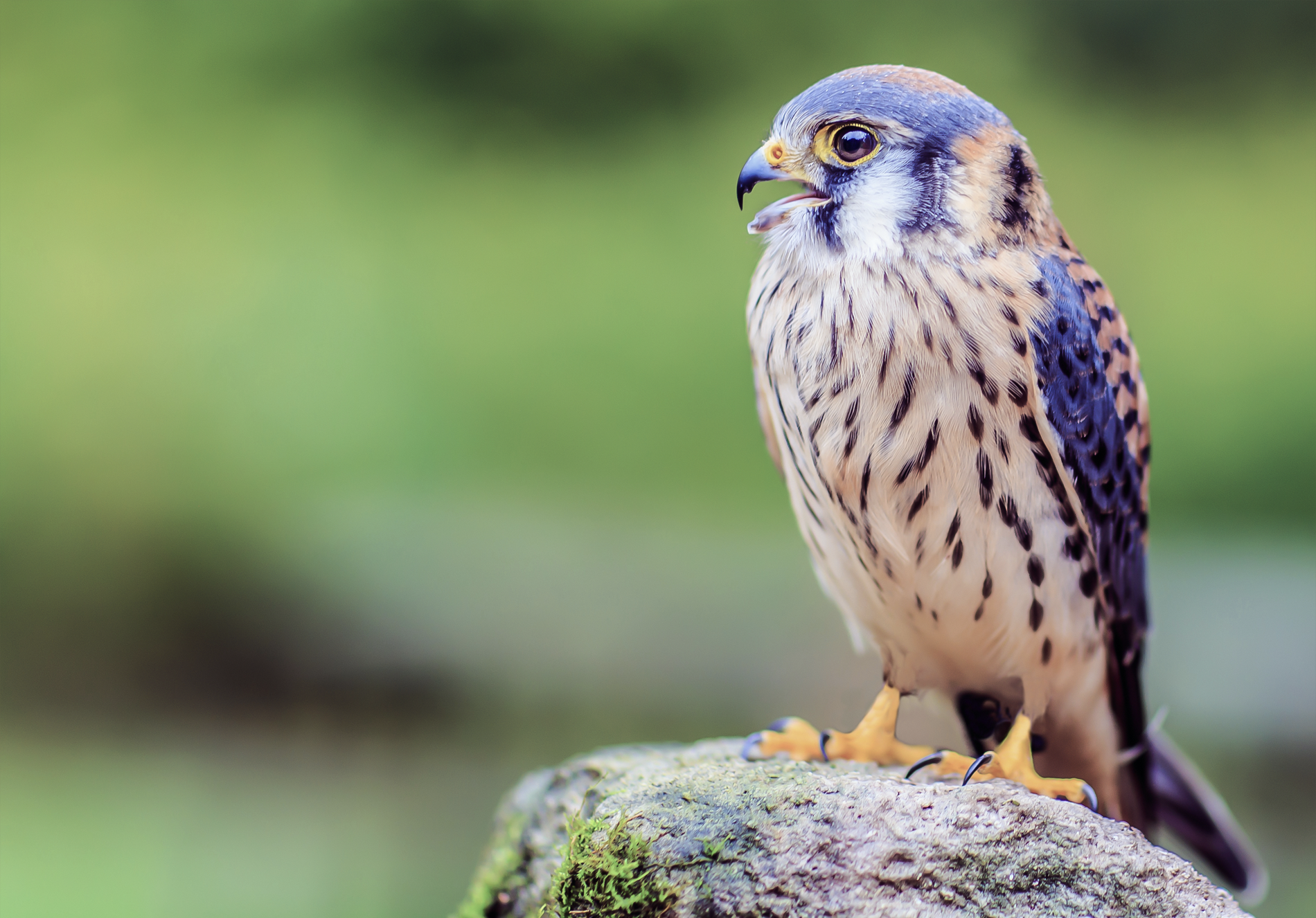
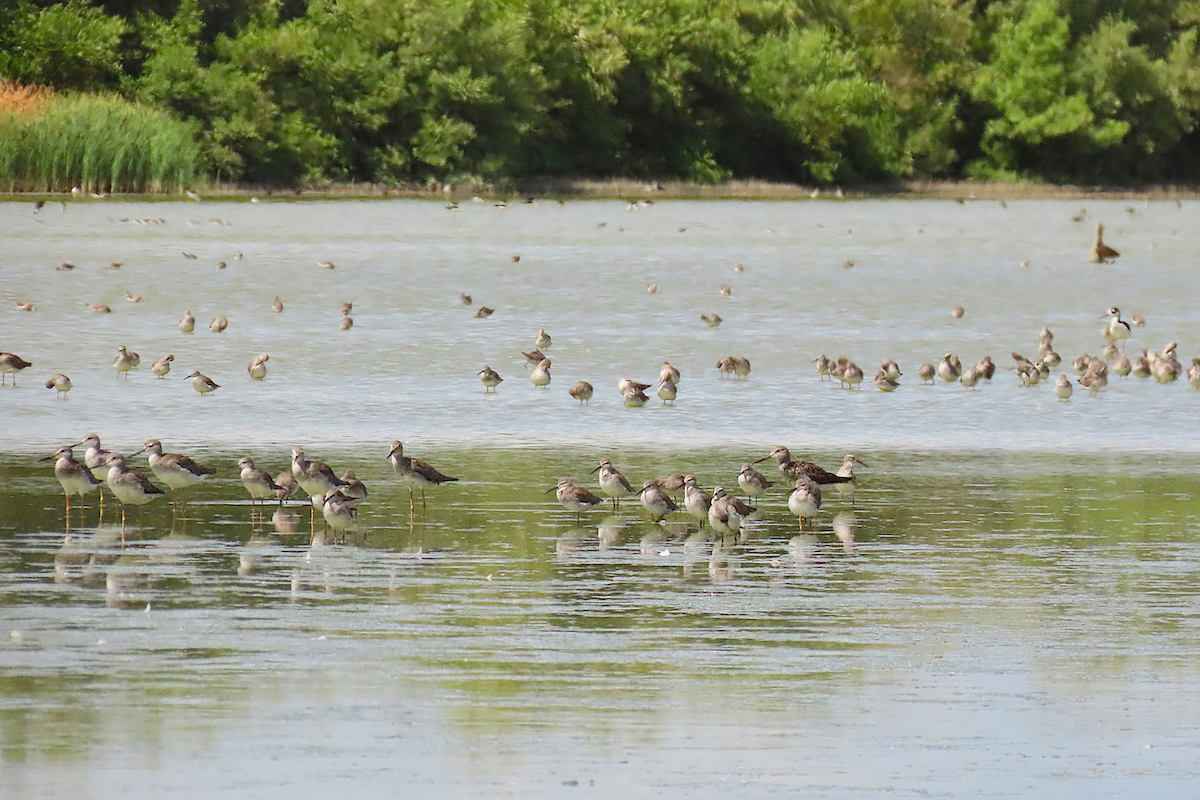
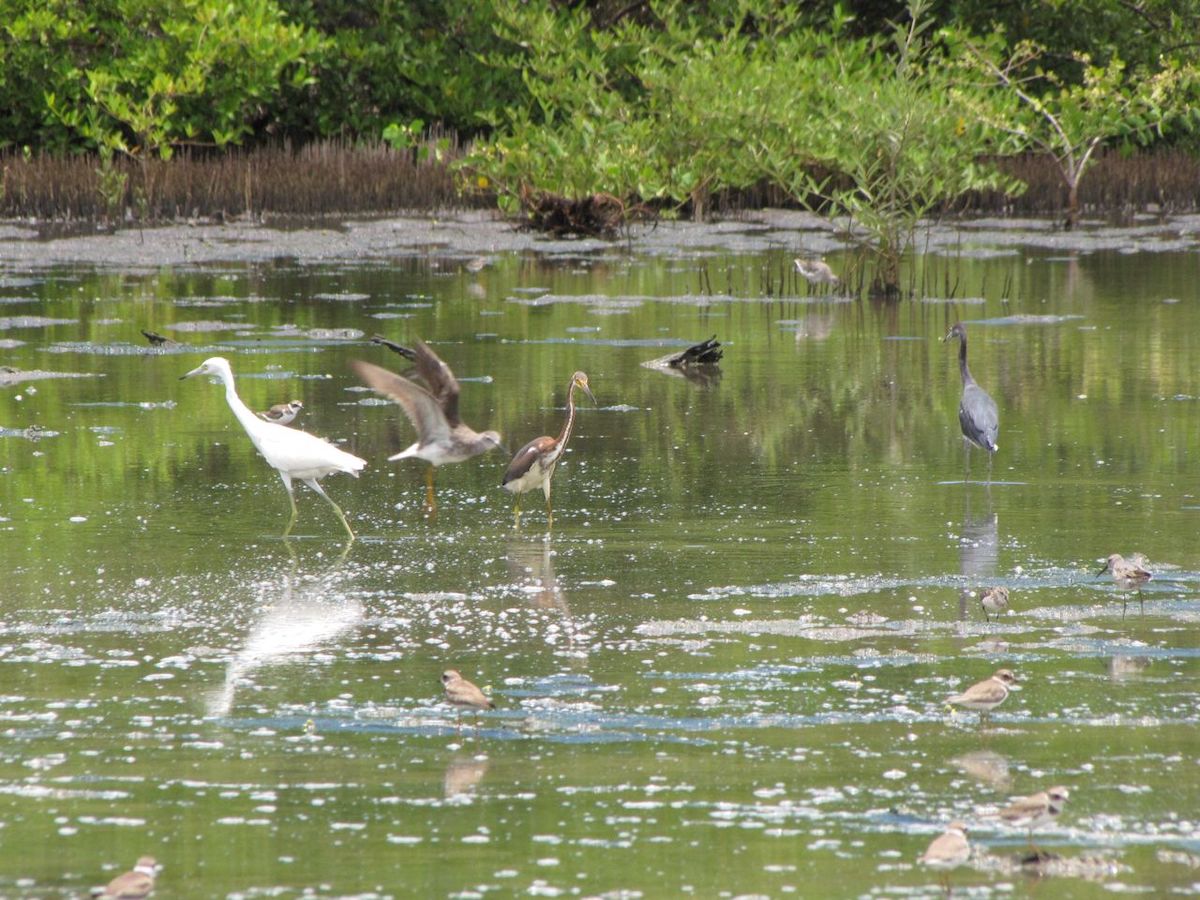
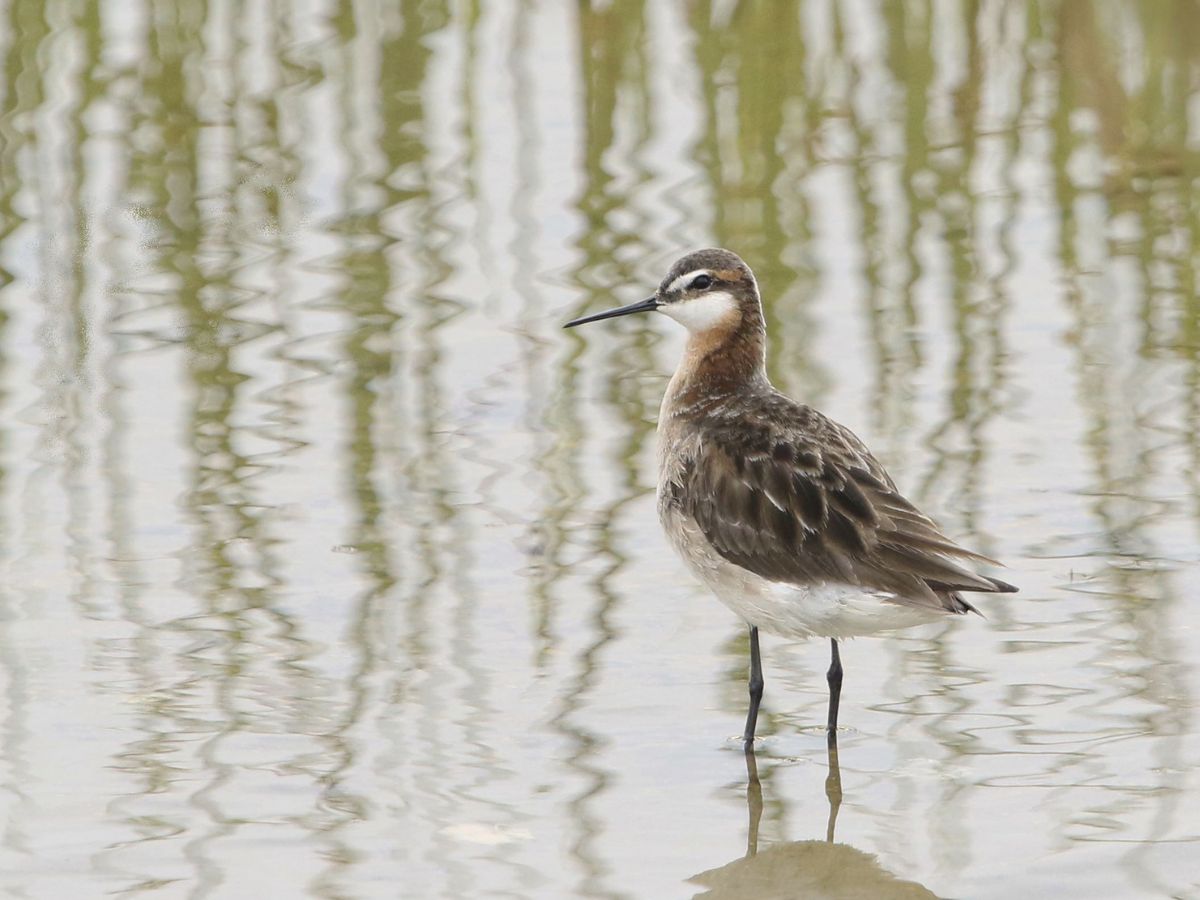
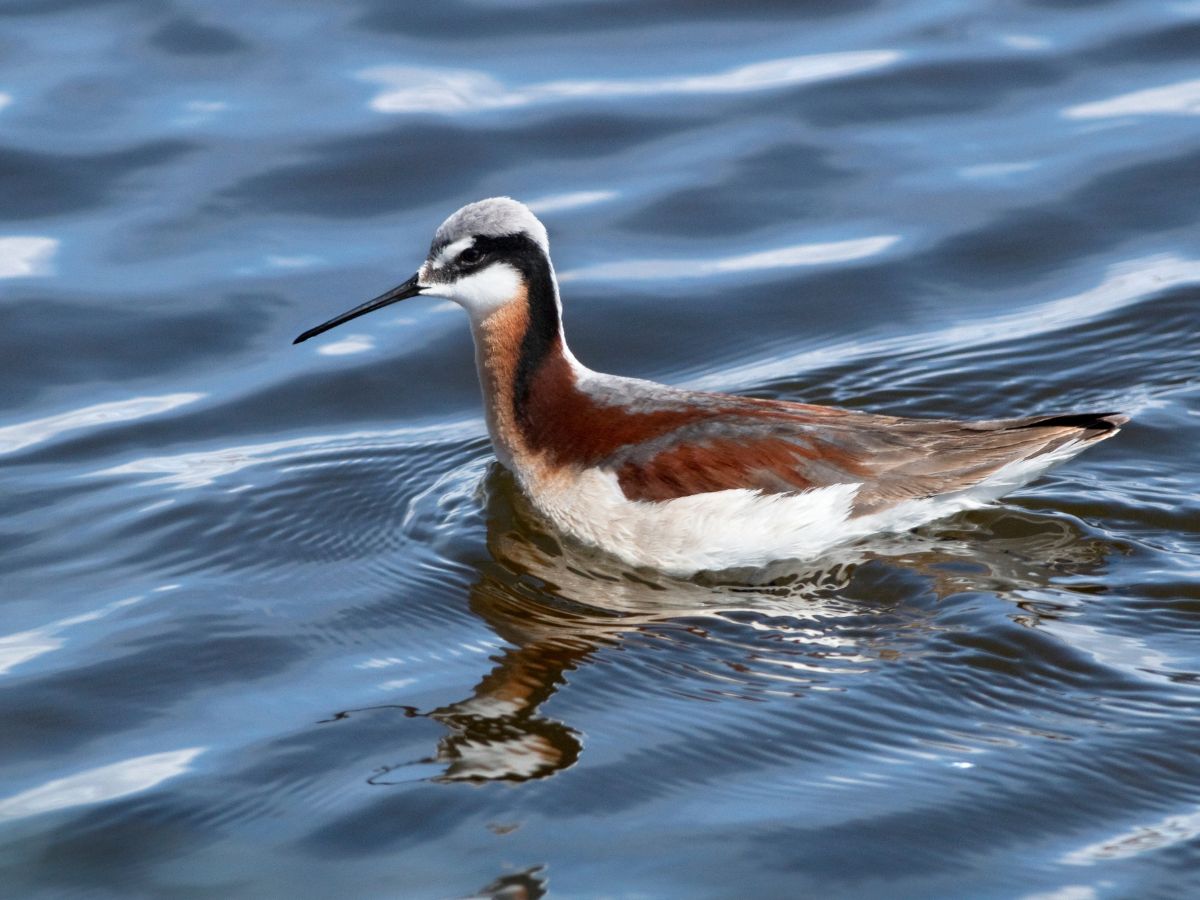
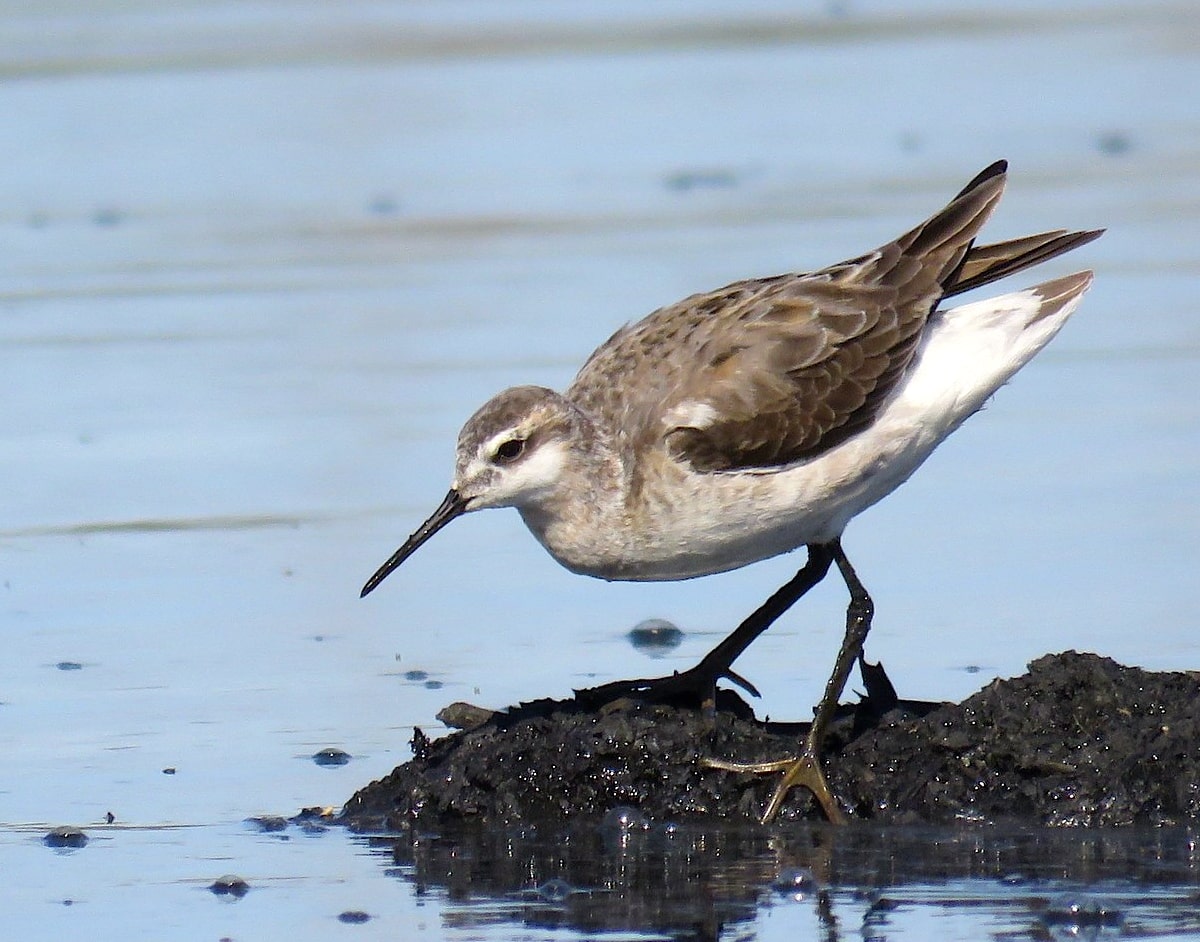
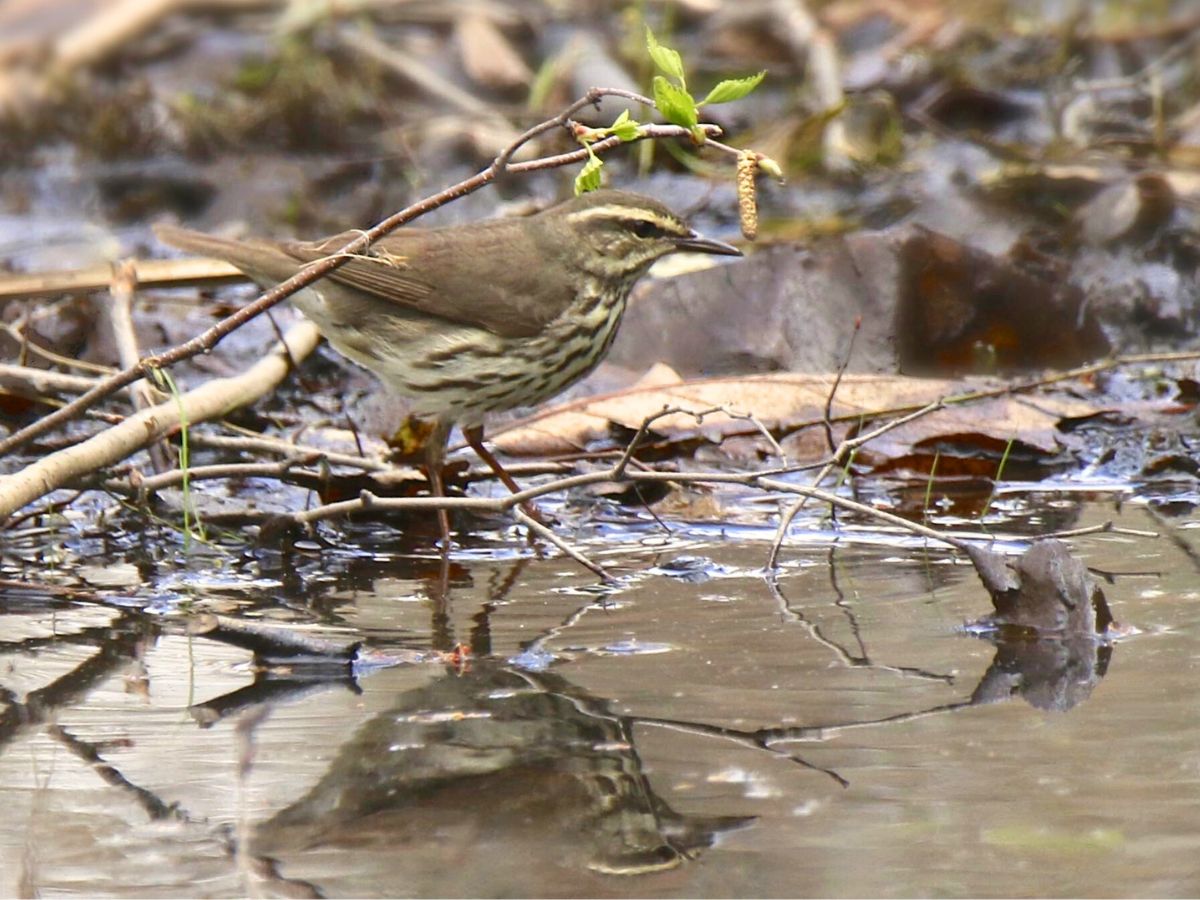
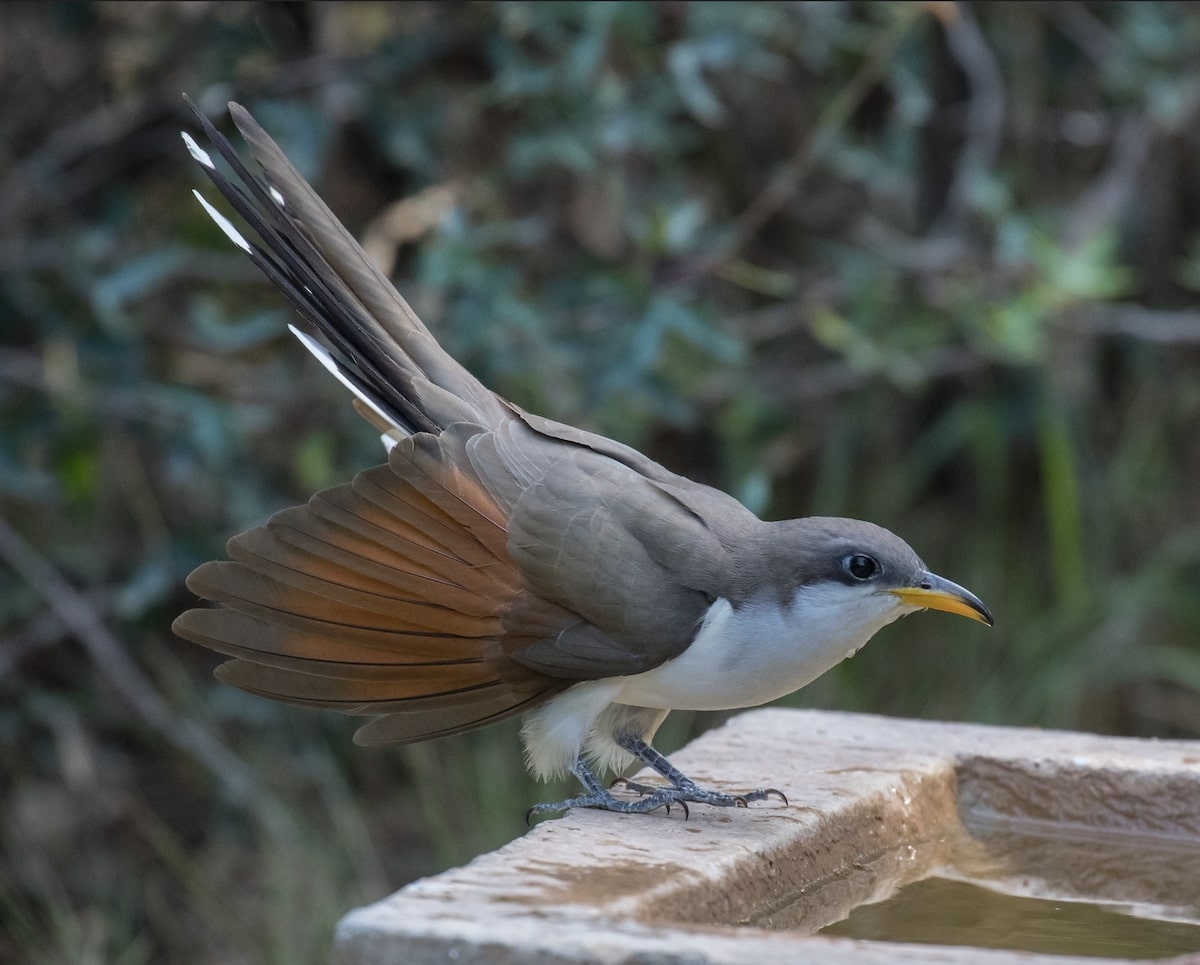
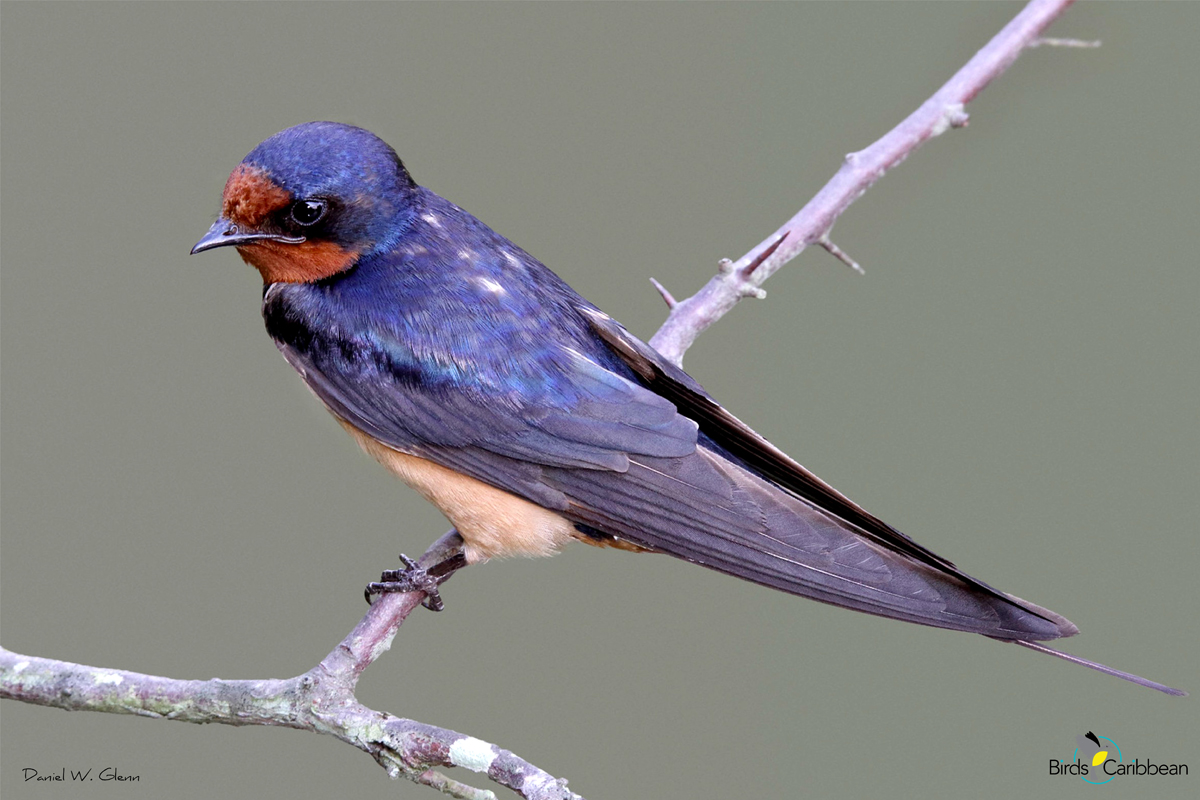
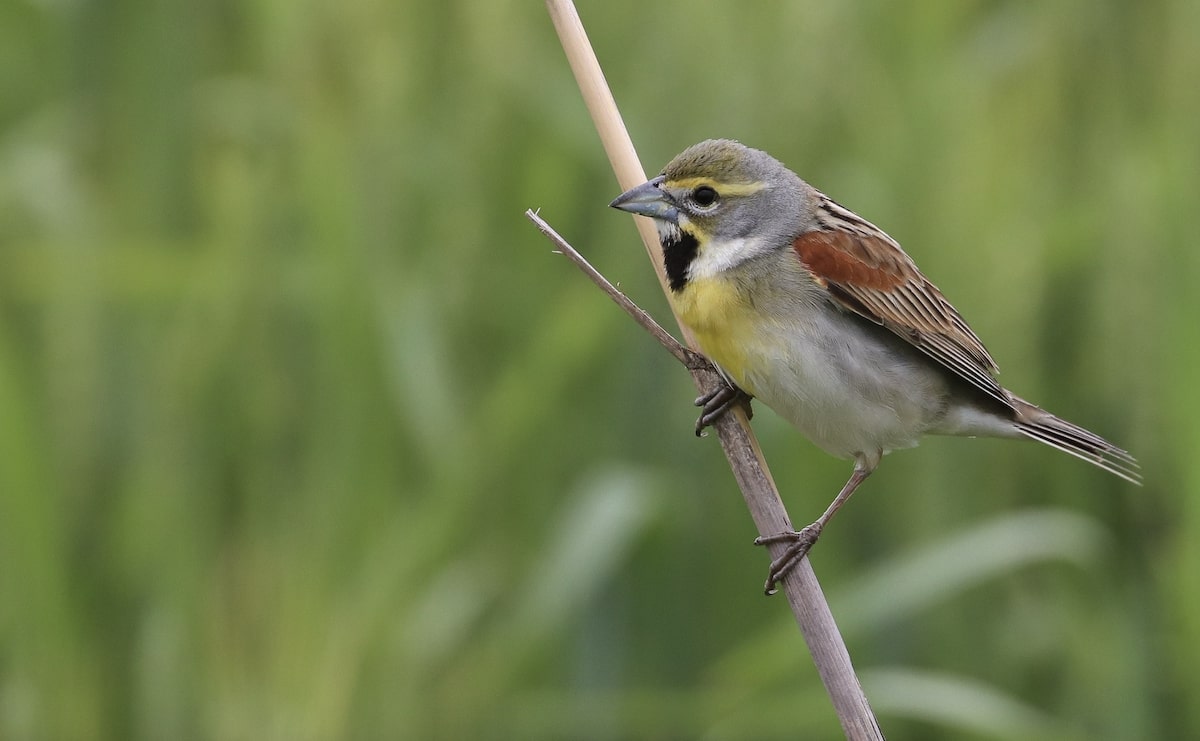
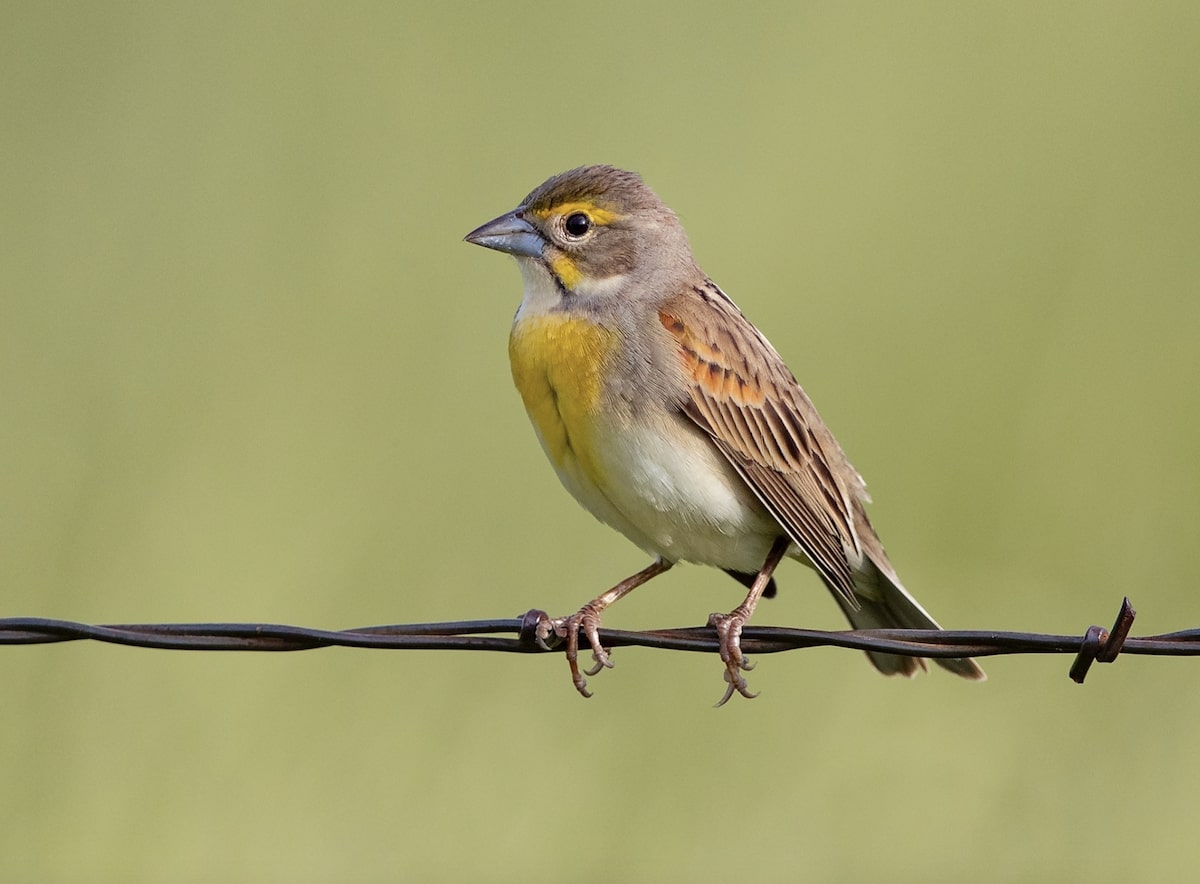
Our beloved migrants are winging their way south to the Caribbean, Central and South America. They have left their breeding grounds in North America before the weather there gets too chilly, and their favourite delicacies like insects become scarce. Some migrants, like elegant shorebirds touch down on our warm sandy shores; while debonair ducks (have you seen a Ring-necked Duck?!) seek ponds, swamps, and even agricultural fields; and others like warblers and tanagers make a beeline to bug-rich forests and gardens.
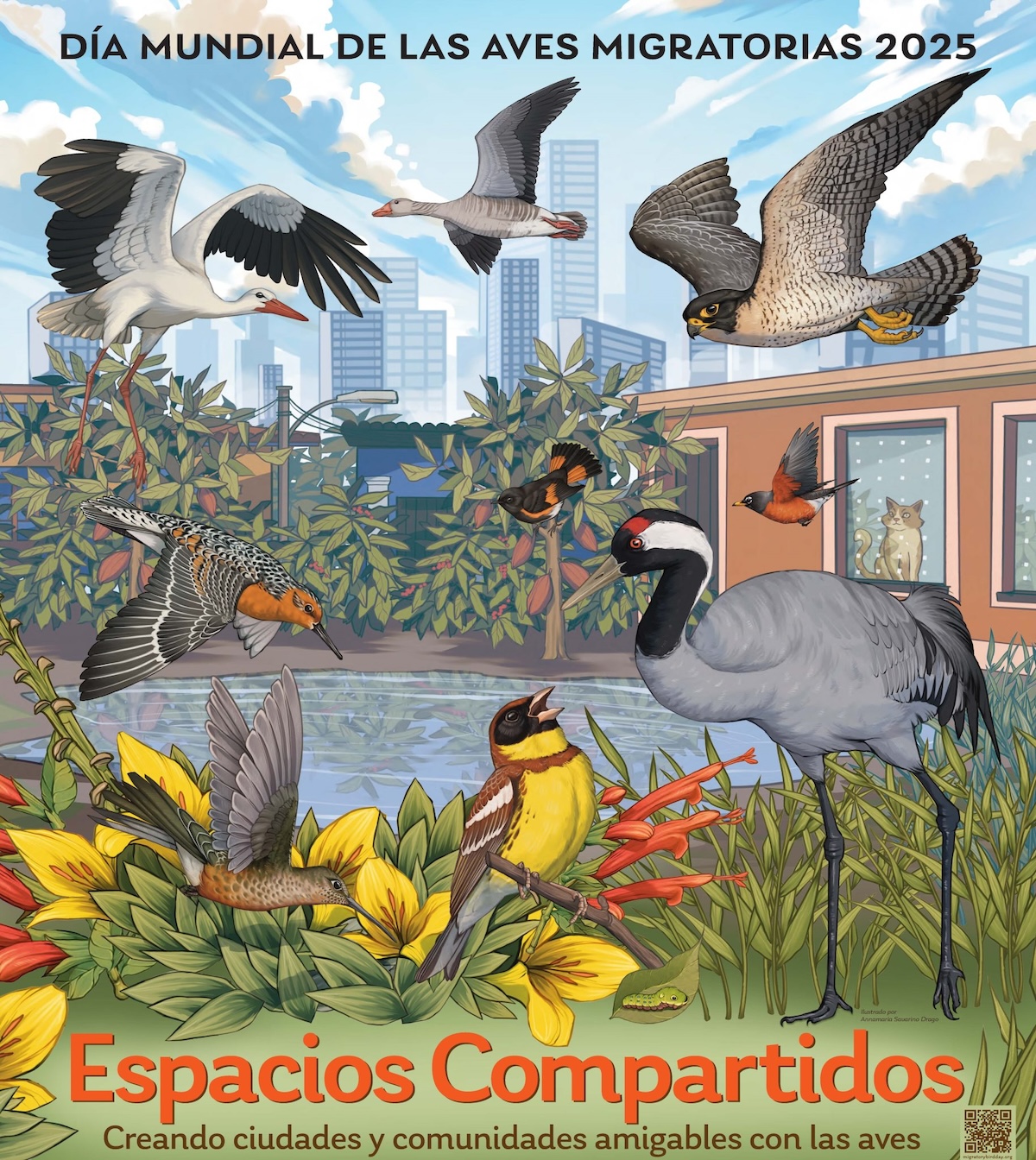
Wherever their weary wings lead them, we can ensure they find nutritious food and safe shelter. The WMBD 2025 theme “Shared Spaces: Creating Bird-Friendly Cities and Communities” calls on cities and communities to flock together to accelerate life sustaining action for nature’s frequent fliers.
WMBD is celebrated every second Saturday in October (October 11th) in the Caribbean. Similarly, our neighbors in Central and South America join in the celebration as they too welcome back plump warblers, wading shorebirds, agile raptors, and other migrants. The event unites people across the Americas in a shared commitment to securing a bright and sustainable future for these marvelous migrants.


This October, we’re urging Caribbean islanders to roll up their sleeves and join the global initiative to create healthier habitats for birds. Remember — if the habitat is healthy for birds, then it’s definitely going to be healthy for people! So let’s get to work and have a lot of fun while we’re at it!
The WMBD 2025 theme in other languages:
Espacios Compartidos: Creando ciudades y comunidades amigables con las aves

Espaces partagés : bâtir des villes et des communautés amies des oiseaux

Shared spaces, shared benefits
Creating bird-friendly communities is vital for helping bird populations — and this is especially important on Caribbean islands where towns and cities are often directly adjacent to or even interspersed amongst forests, wetlands, and coastal ecosystems. Urban development on an island inherently leads to habitat loss and fragmentation, directly impacting birds’ abilities to find adequate food, and places to raise their families and safely hide from predators.
This urban sprawl is a significant driver of some of the major threats facing birds, with climate change creating another series of deadly threats. Rising sea levels, catastrophic hurricanes, and changes in temperature and rainfall patterns directly endanger coastal wetlands and other natural habitats that birds rely on.


This is why every patch of green space, whether it’s a park, a backyard, or a tree-lined street, becomes a critical part of the larger ecological network on each island.
These shared green spaces are a win-win: they protect birds while also providing cool, peaceful refuges for people, offering places to relax and improve mental health. Bird-friendly communities that incorporate green infrastructure like mangrove restoration and urban forests can provide a buffer against climate impacts like flooding and rising temperatures. By investing in these environments, we build a comfortable and sustainable future for all.
Lay out the welcome mat for birds
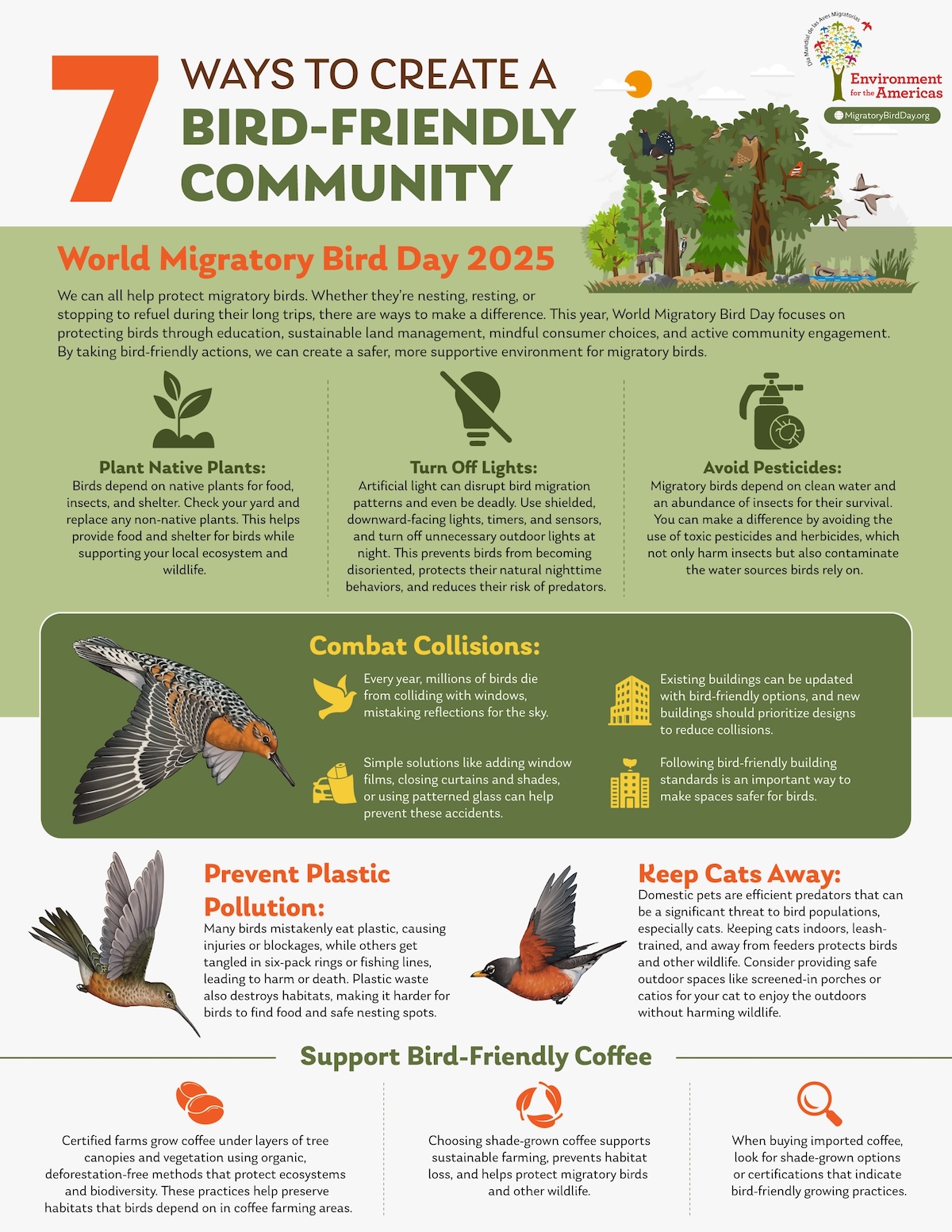
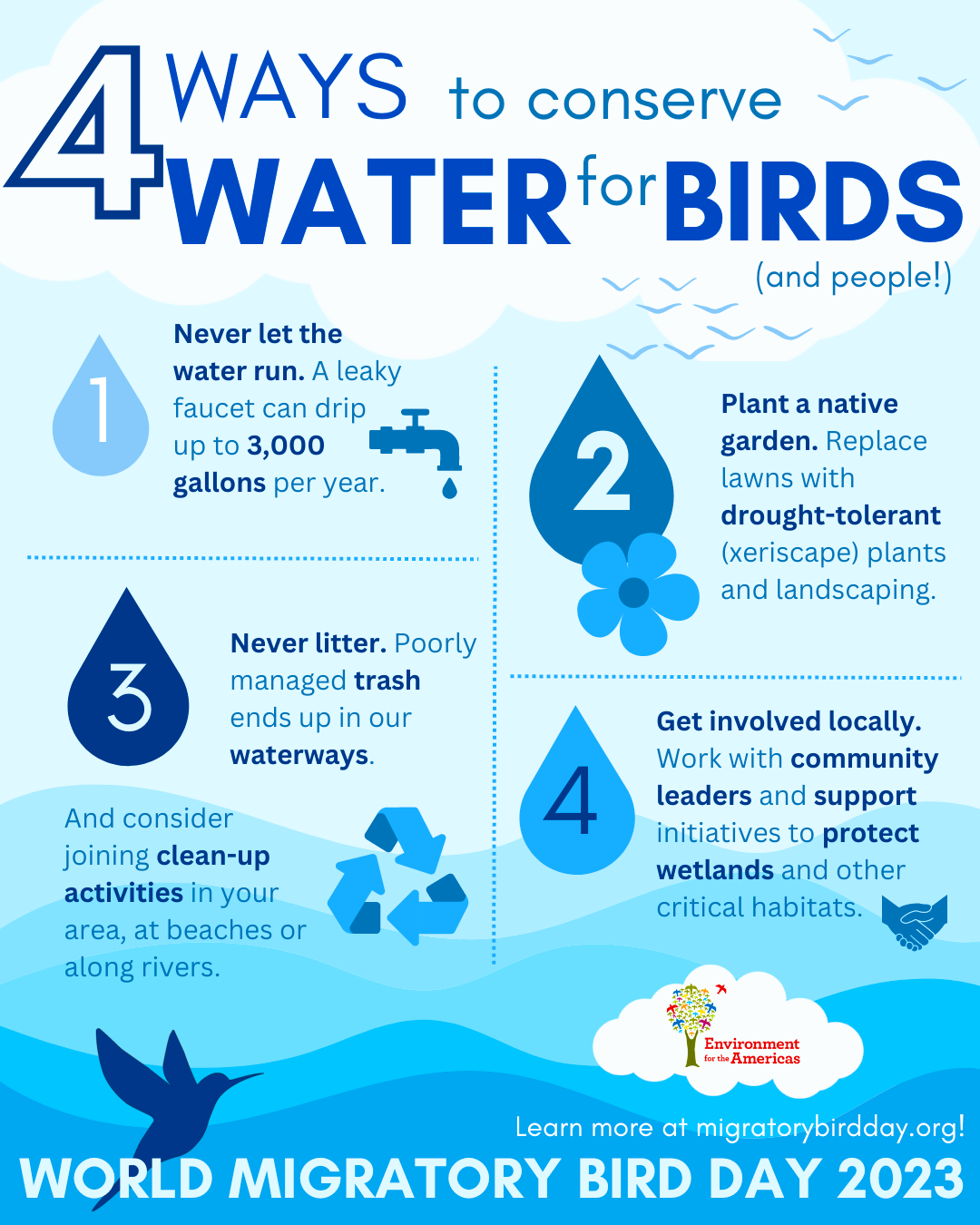
Creating bird-friendly spaces starts with you! It doesn’t have to be exhausting or expensive — there are ways that even the small actions in your day-to-day life can support birdlife — like choosing a cup of joe brewed from bird-friendly beans! But given that worldwide, 49% of all bird species are in decline with migratory bird populations, particularly, showing a continuous decrease — you may find yourself determined to do even more to protect birds. Check the infographic below, created by Environment for the Americas (EFTA) for additional actions you can take.
You are cordially invited to join us to celebrate birds, explore nature, and make your community bird-friendly
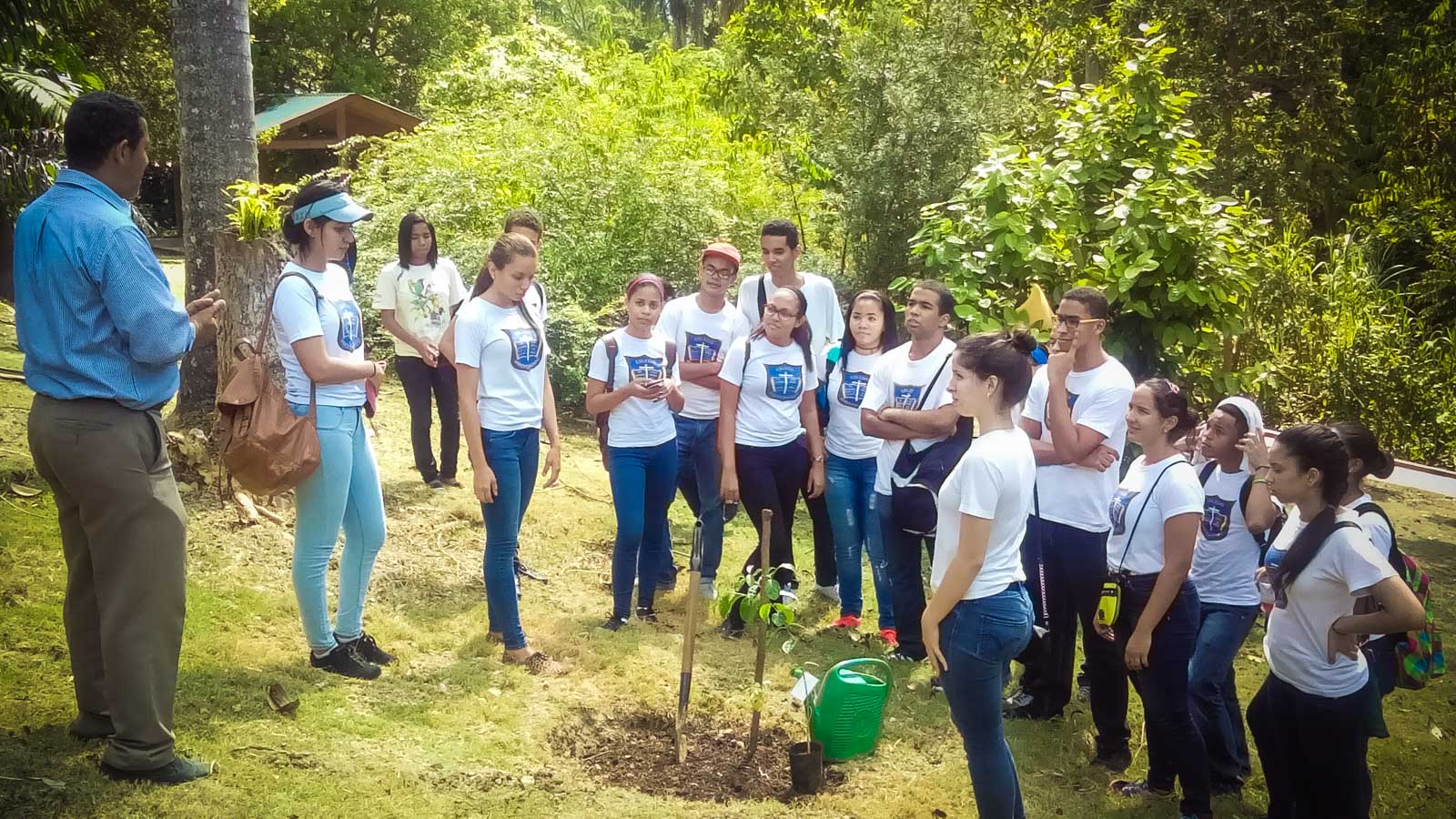
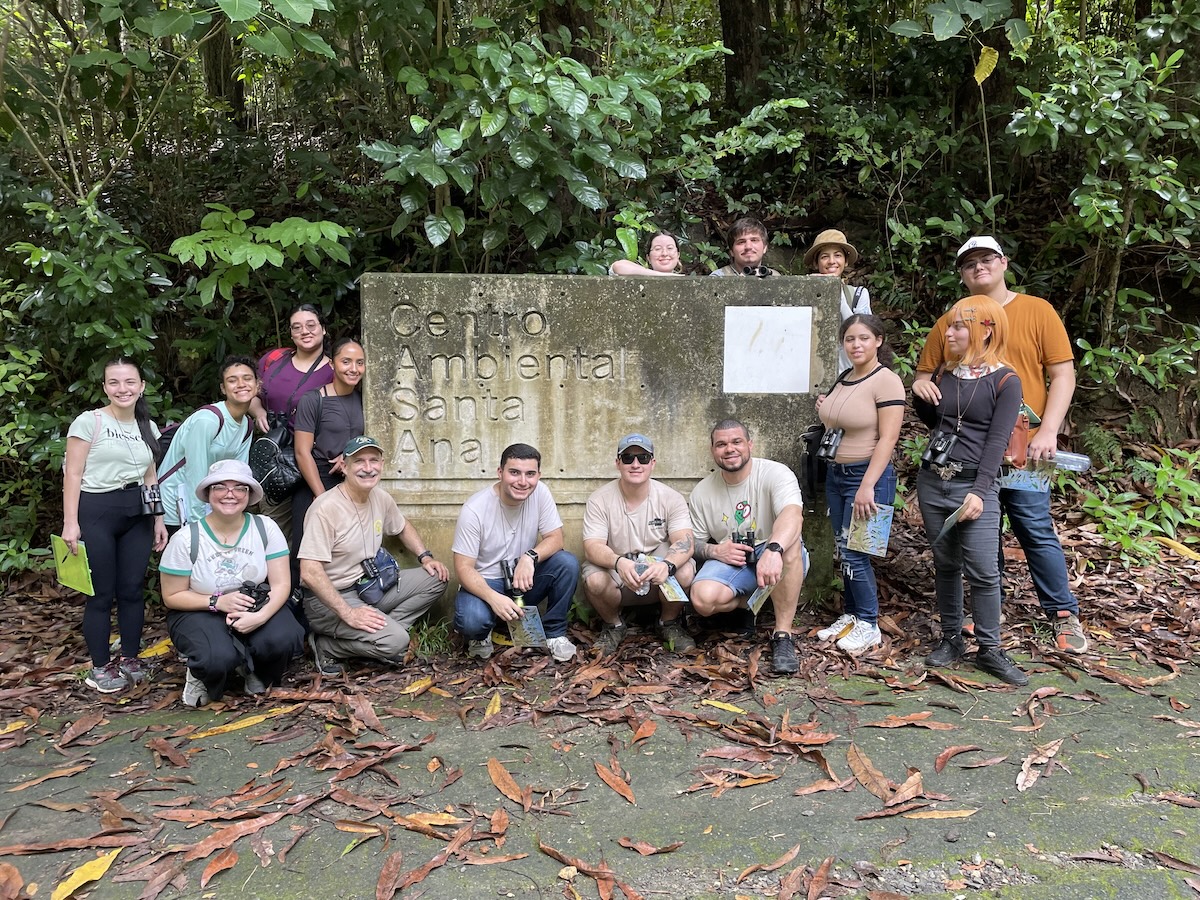
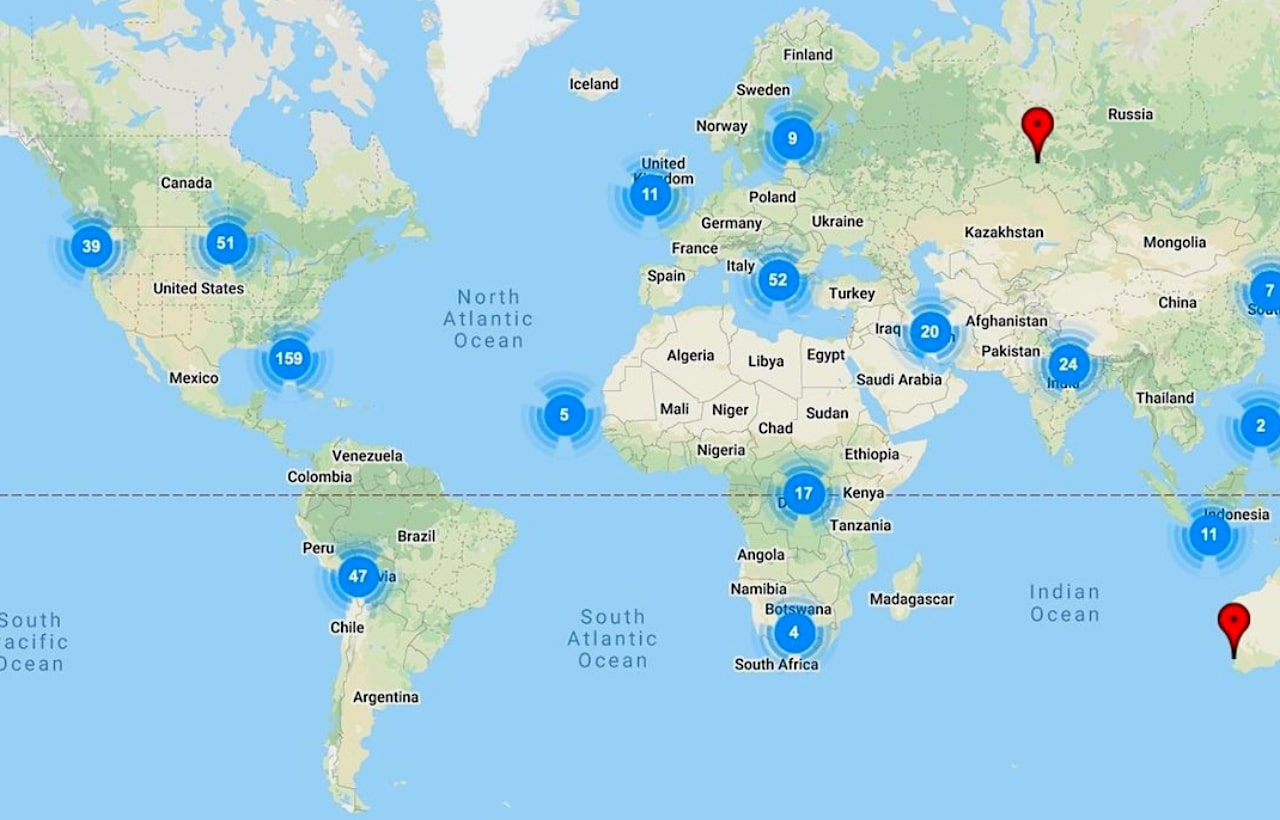
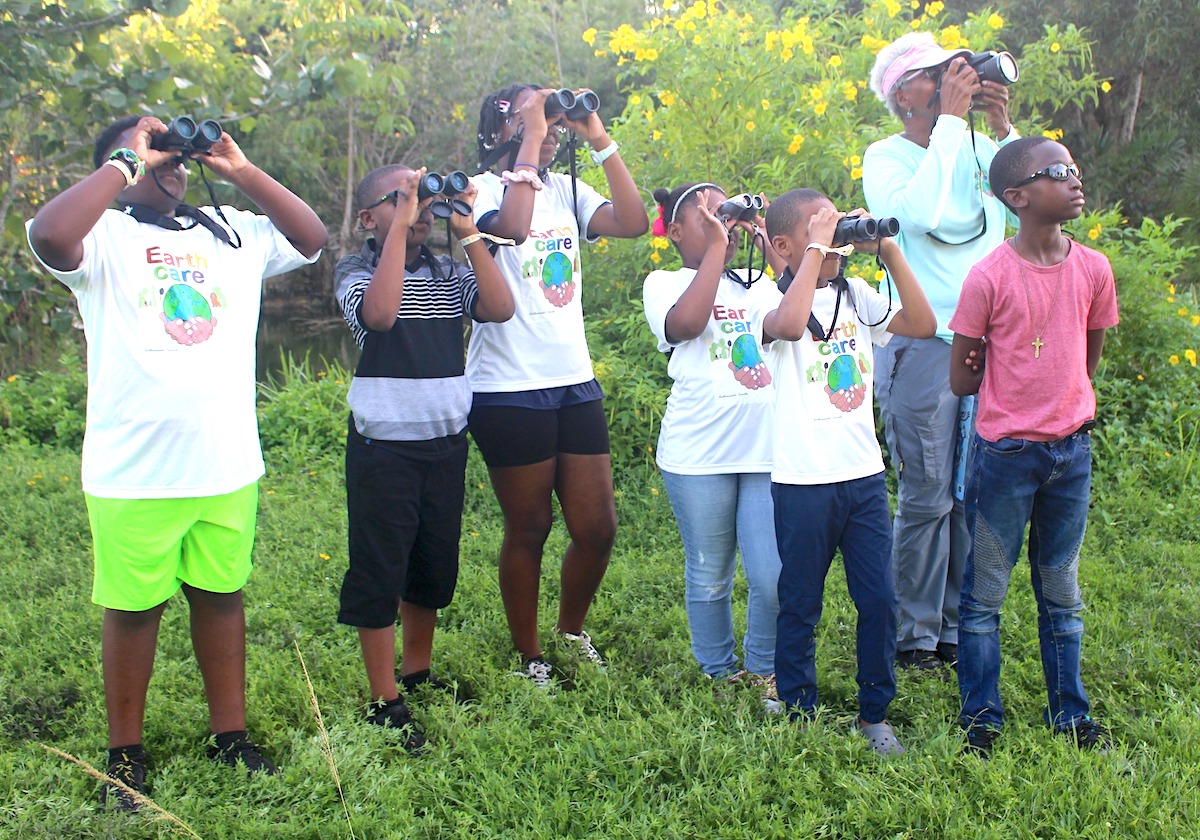
Our amazing community of Caribbean educators and WMBD coordinators are busy preparing exciting events, including birdwatching trips, habitat clean-ups, all-day festivals, art competitions, presentations in schools, webinars, and so much more. At these events anyone can expect to learn about migratory birds, their incredible journeys, amazing adaptations, and challenges they face. Attendees also get to be hands-on in activities that help to reduce threats to migratory birds like tree planting, habitat cleanup, and installation of bird feeders and/or bird baths around community buildings. Check out this World Migratory Bird Day Events Map to see what’s taking place near you!


We invite all who are interested in participating in or hosting WMBD activities to contact Laura Baboolal, the WMBD Caribbean coordinator at lbaboolal@environmentamericas.org.
If you are planning a WMBD event or two (and we hope you are!), you will find free digital resources in English, Spanish, and Portuguese on the World Migratory Bird Day Trello board.
BirdsCaribbean will also be featuring WMBD bird species that occur in the Caribbean on our Migratory Bird of the Day webpages (Birds Connect Our World). Our drawings this fall are featuring the art of Arnaldo Toledo — Cuban ornithologist, photographer, and scientific illustrator extraordinaire!


As in past years, we will provide free downloadable resources, including coloring pages, natural history information, puzzles, photos, videos and activity sheets — we invite you to check them out!
Meet Your 2025 Migratory Bird Ambassadors!
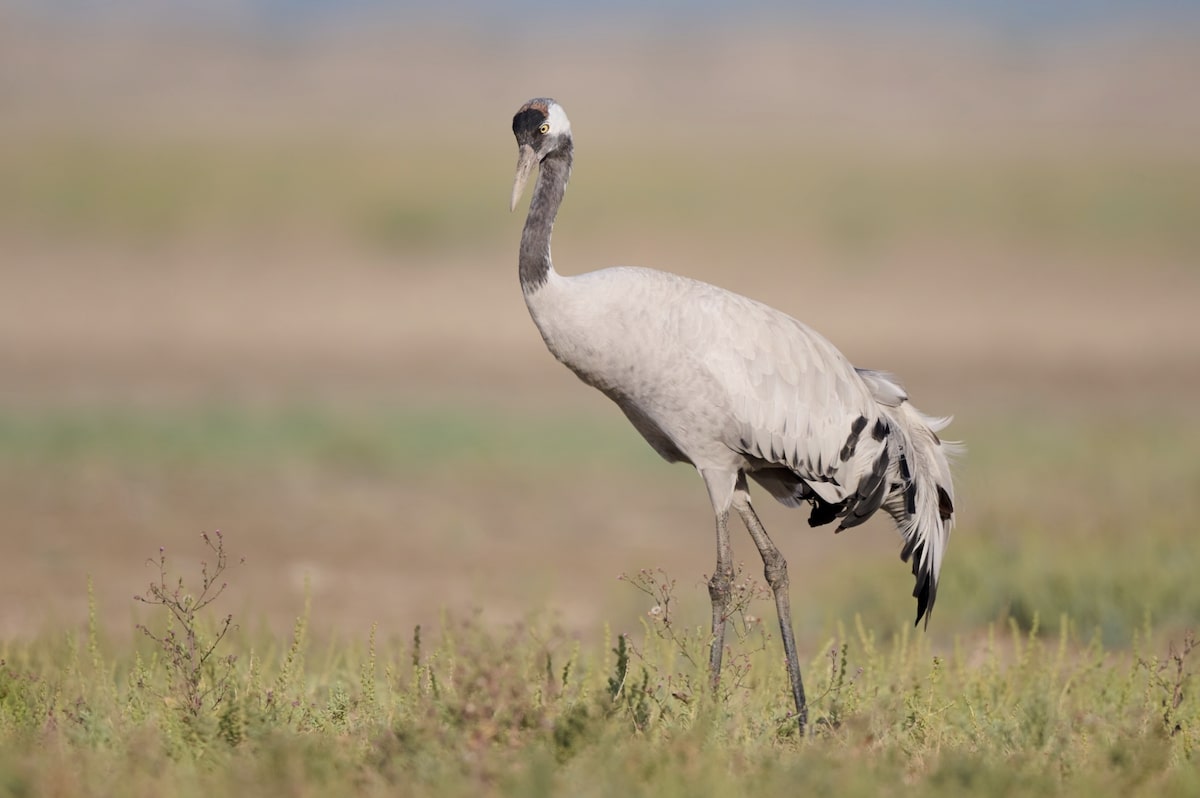
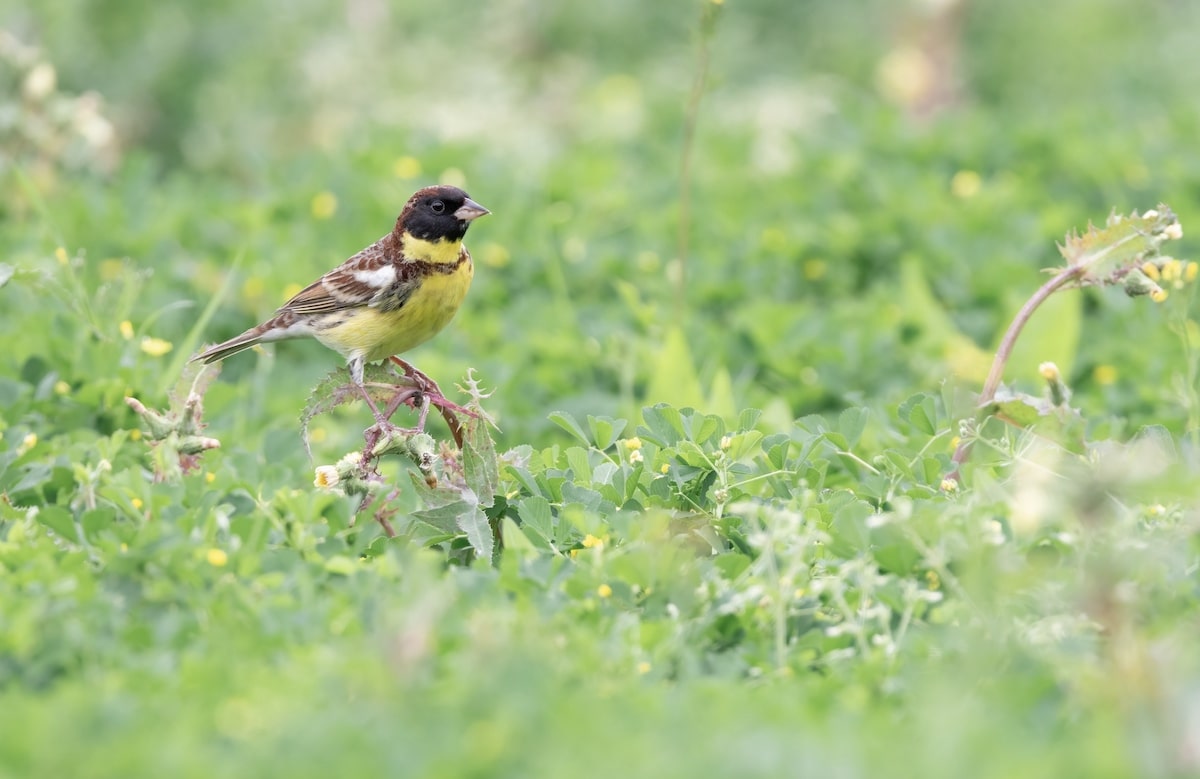
Every year, EFTA selects species as WMBD ambassadors. The eight focal species can be seen in the Americas Flyways and also in flyways in Europe, Africa, and Asia.
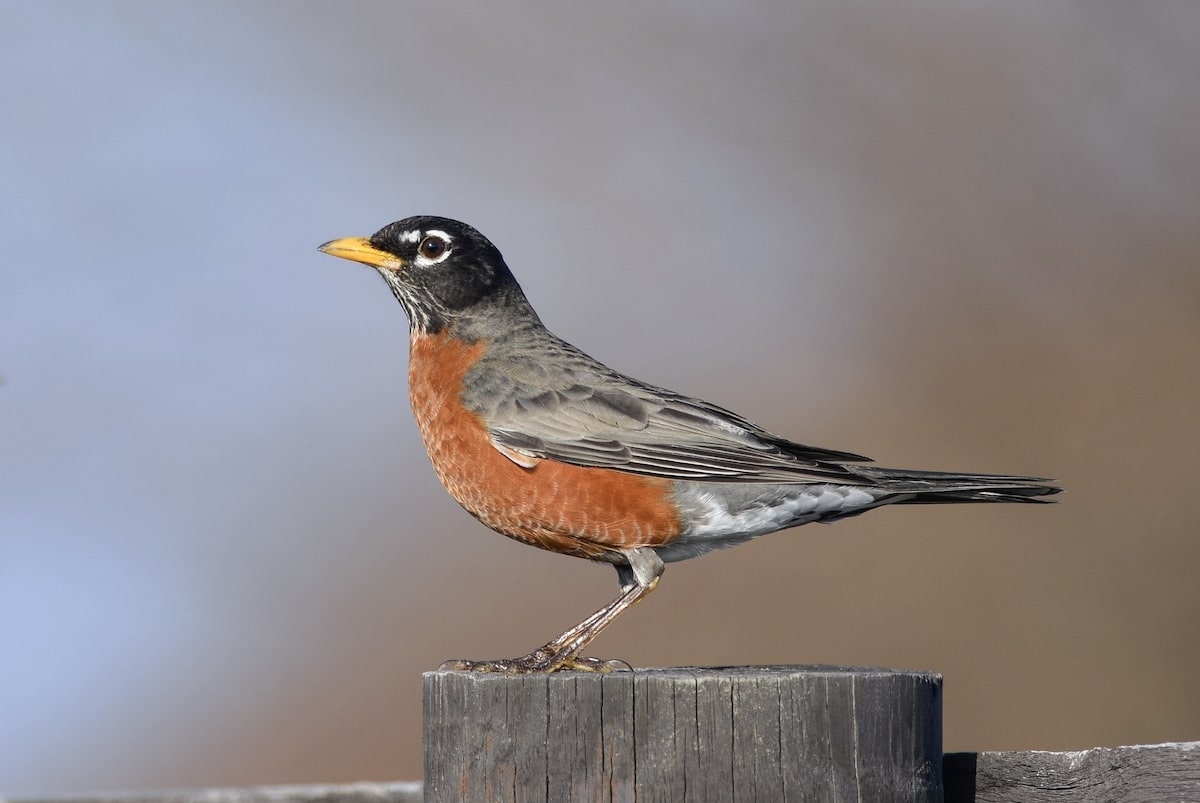
American Robin Turdus migratorius (Photo by Daniel Irons ML87243741)
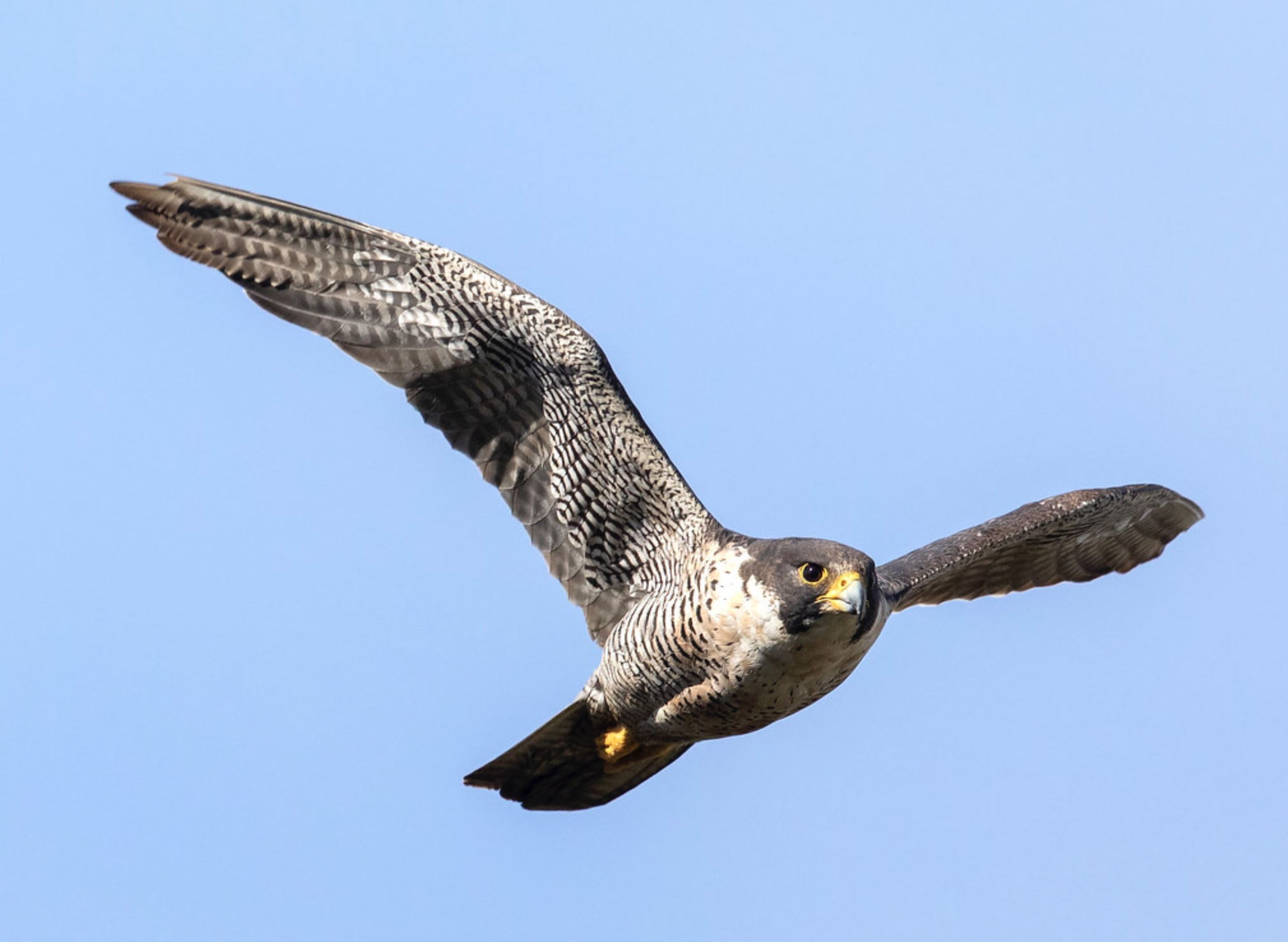
Peregrine Falcon Falco peregrinus* (Photo by Beth Hamel)
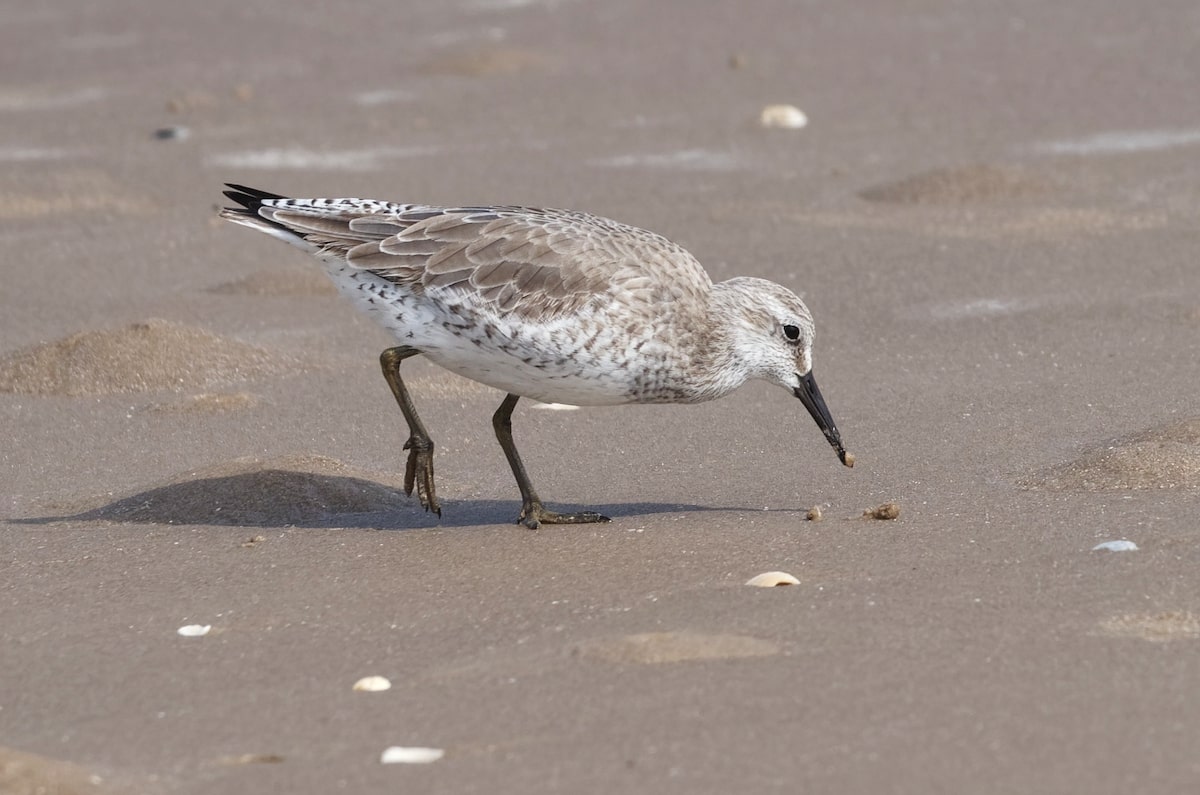
Red Knot Calidris canutus* (Photo by Dina Perry ML393980111)
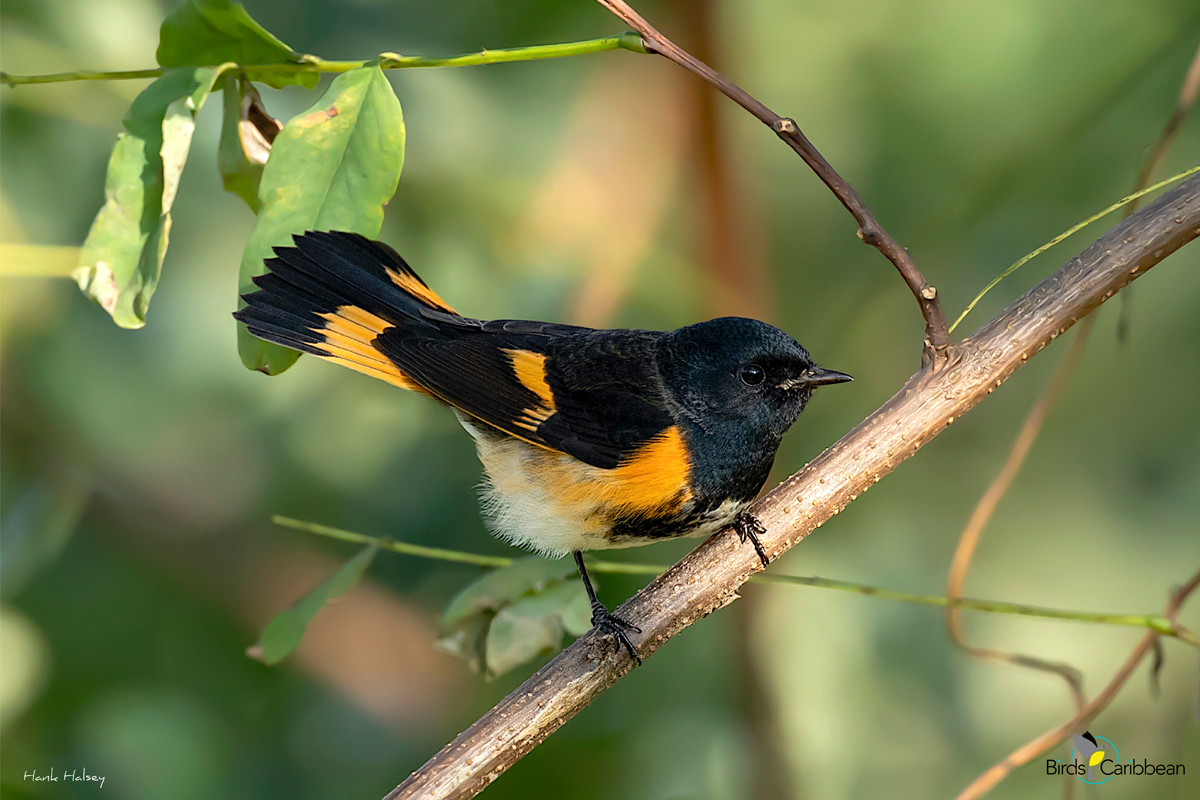
American Redstart Setophaga ruticilla* (Photo by Hank Halsey)
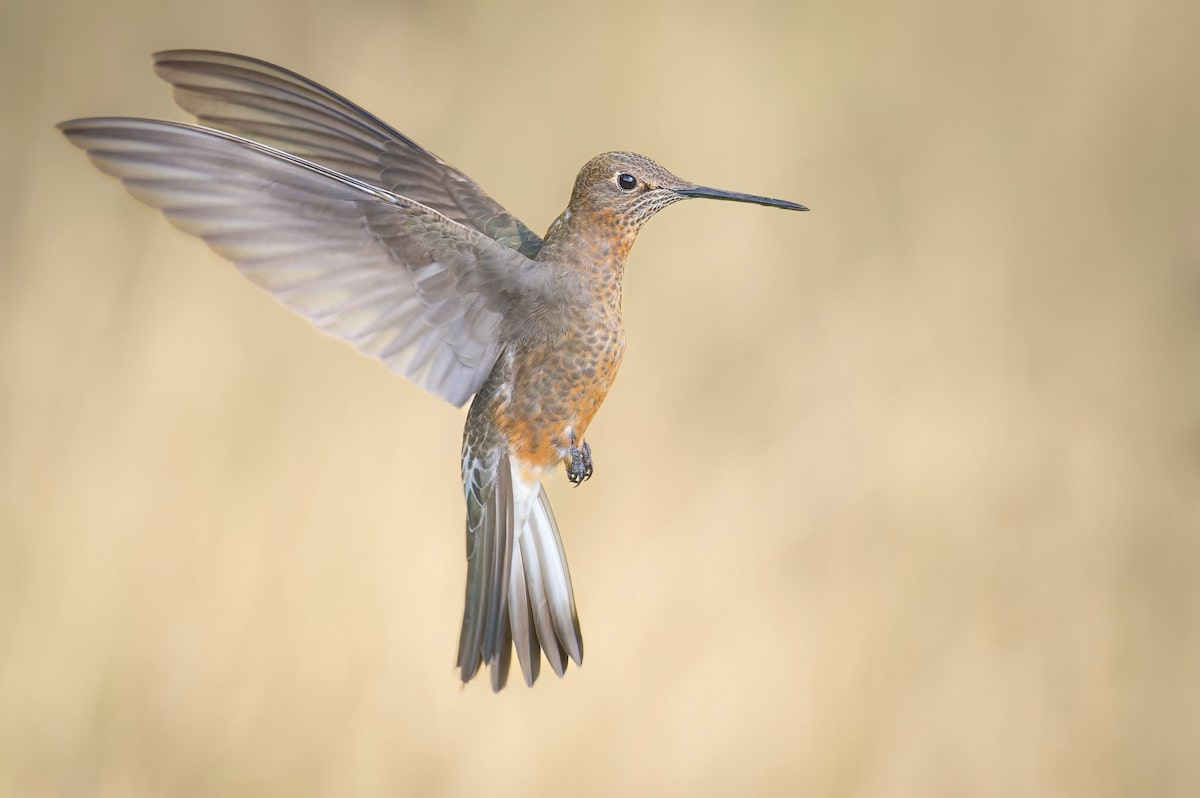
Giant Hummingbird Patagona gigas (Photo by Alexander Montero ML537902961)
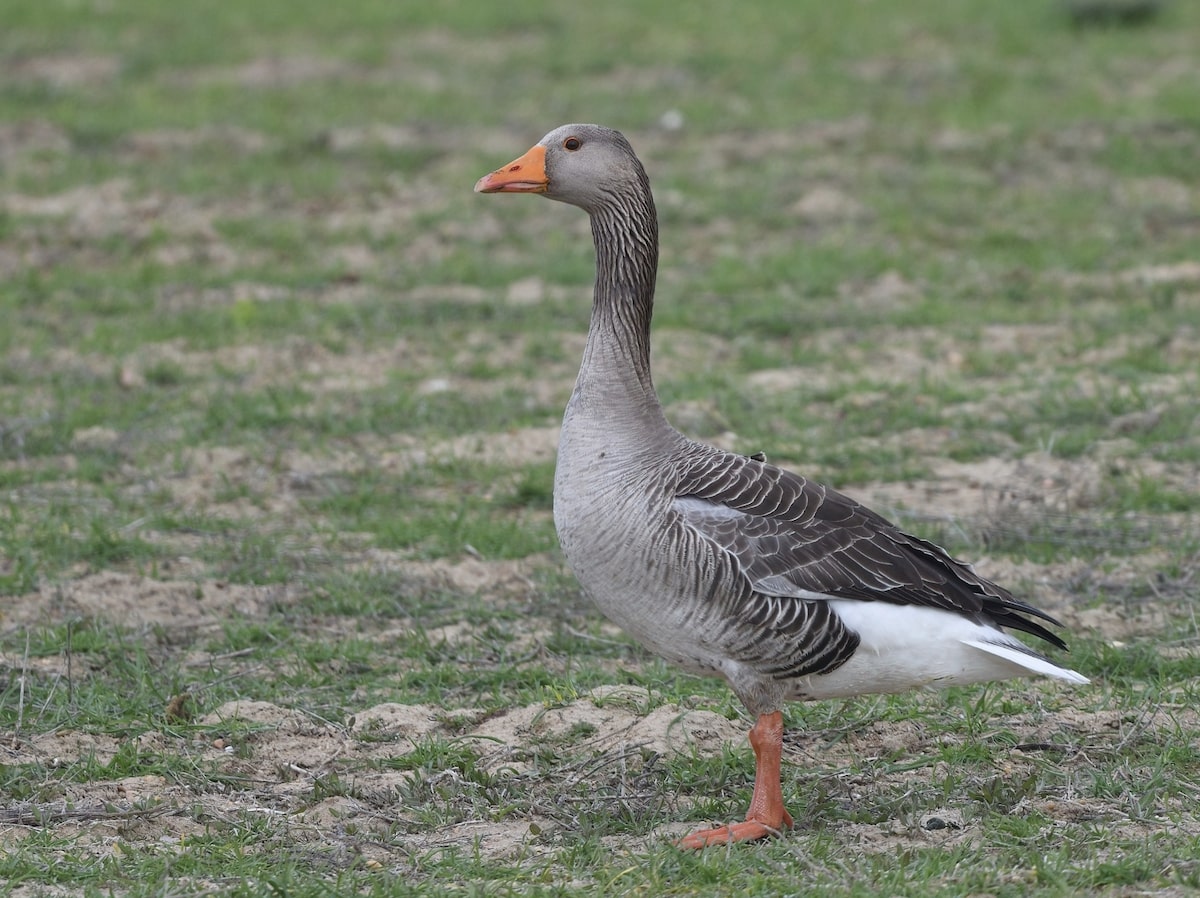
Graylag Goose Anser anser (Photo by Manuel Segura Herrero ML546664031)
Common Crane Grus grus (Photo by Sharif Uddin ML628746958)
Yellow-breasted Bunting Emberiza aureola (Photo by Rui-Yang Ho ML562173221)
The species marked with an asterisk, occur in the Caribbean. Our region is critical for these traveling birds as they move to, from, across, and through our islands.
When bird migration and art take flight!
Annamaria Savarino Drago, the featured artist for World Migratory Bird Day 2025, brings a unique blend of scientific expertise and artistic talent to the role. After studying Biology and working with birds since 2014, including conducting research on the Serrano Sparrow, she spent five years in bird conservation at CONABIO, Mexico’s National Commission for the Knowledge and Use of Biodiversity.


She has been drawing for over 20 years in many different mediums, and over the last decade, she has focused on using her nature illustrations for science outreach. An avid birder and teacher, Annamaria expressed her honor in combining her passions for nature and art for this important conservation initiative “I am very honored to participate as the DMAM [Día Mundial de las Aves Migratorias or World Migratory Bird Day] artist of the year. I love birds, nature and art, so I am very pleased to be able to collaborate with such important initiatives for the conservation of birds as EFTA does. Thank you!”
Annamaria’s artwork will be used throughout the Caribbean in this year’s WMBD events!
Interested in being considered for the artist for WMBD 2025? Contact Environment of the Americas at info@environmentamericas.org
To learn more about World Migratory Bird Day visit the website at https://www.worldmigratorybirdday.org/—and learn more about Environment for the Americas who hosts WMBD in our region: www.environmentamericas.org.