Stretching from the Virgin Islands south through the Lesser Antilles, the 17 island groups of the Eastern Caribbean are a hotbed for biodiversity, boasting an astonishing array of plants and animals found nowhere else on Earth. Whether you delight in dragonflies, bask in the beauty of birds, or even harbour a fascination for land crabs, the Eastern Caribbean offers endless discoveries for every kind of nature lover. Yet despite its extraordinary richness, there hasn’t been an individual field guide that brought together the region’s birds, mammals, amphibians, reptiles, land crabs, dragonflies, and butterflies in one accessible volume —until now!
We are delighted to welcome Wildlife of the Eastern Caribbean—the first photographic field identification guide for the region. Conceptualized by husband-and-wife team Gill and Steve Holliday, after a 2000 visit to the region that sparked their curiosity, the guide grew from their search for exactly such a resource. When they couldn’t find one, they set out to create it themselves.
The result? A landmark book showcasing more than 420 species via 850+ stunning photographs. It highlights regional endemics, “don’t miss” wildlife for each island group, suggested sites to get the most out of your visit, and even practical notes on site accessibility. This indispensable guide is certain to become a must-have for travelers, naturalists, nature lovers, and residents alike.
In this interview, Gill and Steve share how their love affair with the Eastern Caribbean began, recount their most challenging photo expeditions, and reveal what it took to bring this monumental project to life.


About the Field Guide
What inspired you to create this field guide?
We first visited the Eastern Caribbean in 2000 and wanted to know more about the fantastic range of wildlife we came across. There were excellent field guides to birds of the West Indies, but books on bats, amphibians, reptiles, butterflies and dragonflies were either out of print, limited in scope, or not available in a handy guide. We knew the type of identification guide we wanted, which ideally would cover the groups of land animals you could most expect to see on the islands. We waited many years for someone to write it, but when no-one did, we decided to have a go ourselves! We were then fortunate to find support from Princeton University Press whose Wildlife Explorer Series was the perfect format for the guide.
What makes the Eastern Caribbean a unique and important biodiversity hotspot?
The islands are volcanic in origin and formed over millions of years along lines of past and current volcanic activity. Today they span 500 miles from the Virgin Islands through the Lesser Antilles to Grenada and while some islands joined to form island banks during periods of fluctuating sea levels, most have remained isolated. Any plants and animals that crossed the ocean and reached the islands, have had time to evolve in relative isolation. This has led to high levels of endemism, especially among amphibians and reptiles. Of 578 species referred to in the guide, 30% are endemic to the Eastern Caribbean, most only found on a single island or island bank.
How long did it take to complete this guide?
We’ve used notes and photos from our visits to the region spanning 25 years, but the main research, writing, editing and image sourcing was completed on and off over the past five years or so. Even then, it has only been possible thanks to the contributions from so many people; experts in their field, staff in local forestry departments, national parks and conservation organisations, local guides and enthusiasts, and especially photographers. The sections on dragonflies and butterflies took longer to compile as they needed much more research in the field.


What was one of the most surprising things you learned about birds in the Eastern Caribbean while creating this field guide?
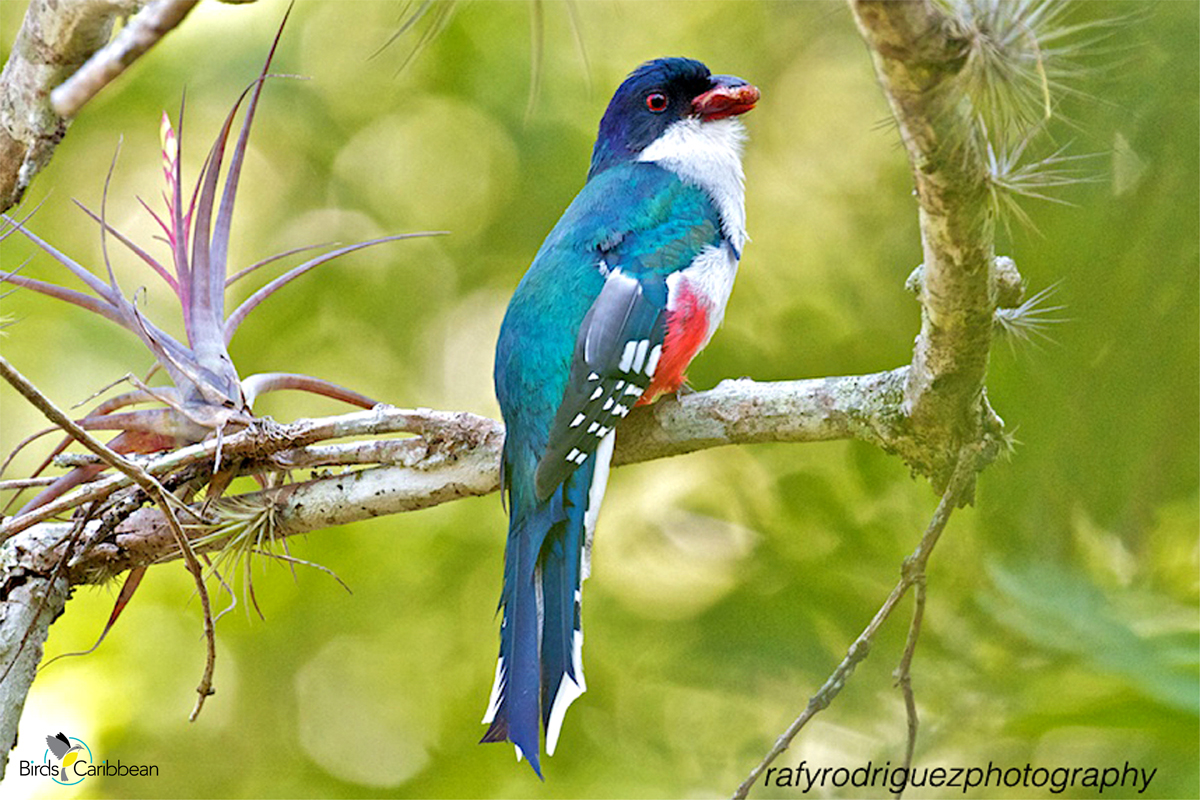
Distribution both on-island and between islands. While many species of bird can be found across the eastern Caribbean, every island is subtly different; each one having its own endemic species, sub-species or what we’ve called ‘speciality species’. Here’s a few examples: the Snowy Plover is more common on the Virgin Islands and northern Lesser Antilles where it is a real specialty; the Purple-throated Carib is a Lesser Antillean endemic and widespread in rainforests but absent in the dry forests of lower-lying islands. It was also surprising to find how rare and restricted some species are: the entire world population of the critically endangered Grenada Dove is found in just a few fragments of forest on Grenada.
Besides birds, what was a fascinating discovery you made about another group of animals (e.g., reptiles, amphibians, insects, marine life) in the Eastern Caribbean during your research for the guide?
There are some amazing land crabs! We just fell in love with them and found them fascinating to watch. From the tiny, but so aggressive fiddler crabs around mangrove-edged lagoons, to the outrageous petrol-blue of the male Blue Land Crab. The latter is the largest of the land crabs; its burrows and untidy piles of excavated mud can litter the floor of mangrove swamps. We also fondly remember watching the endemic Yellow Land Crab (only found from Guadeloupe to St Vincent) along a stream high in a rainforest on St Vincent when a Common Black Hawk flew into a perch above us; the hawk is a main predator of this crab on the island!
About the Process
Creating a field guide is a monumental undertaking. How did you keep up the motivation to complete this field guide? Did you have specific routines or personal inspiration to help keep you on track?
You’re right—it was a monumental undertaking, and we quickly realised why it had never been done before! We lived by the spreadsheet and the page plan to keep us on track and then it was down to putting the hours in: we tried to work most mornings. We focused on one section at a time, reading and rewriting until we were satisfied with every word. For inspiration we really enjoyed the challenge of keeping the species text succinct and accessible without compromising on key identification features.
How did you gather photos for the guide?
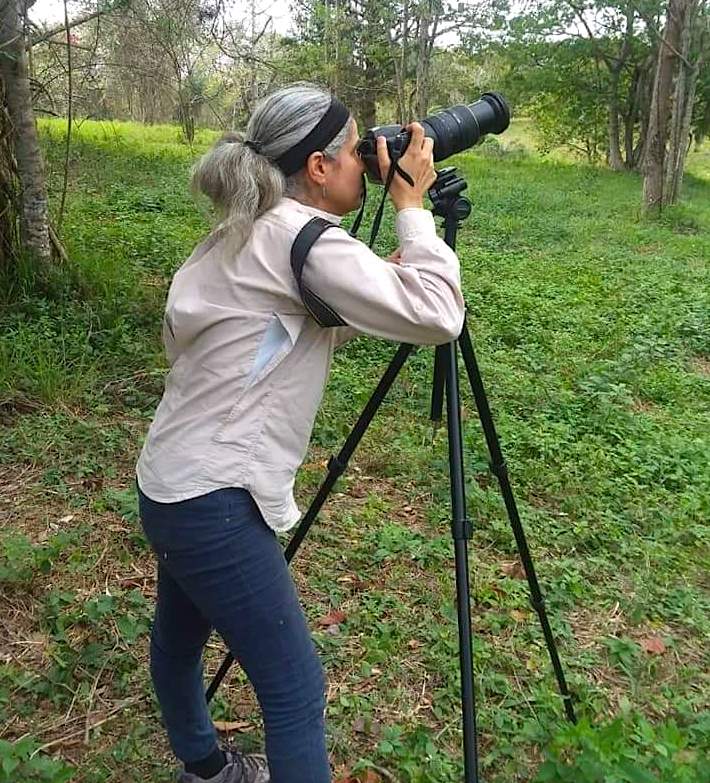
We have our own extensive library of images, but some species are notoriously difficult to even see, never mind photograph! Our aim, which we largely achieved, was for as many photos as possible to have been taken in the region; each had to be of sufficient quality for publication and demonstrate key identification features. We are forever grateful to the numerous people who provided their images for us, including BirdsCaribbean members Mark Yokoyama, Anthony Levesque and Frantz Delcroix.


What was the most unexpected challenge you encountered? And how did you overcome this challenge?
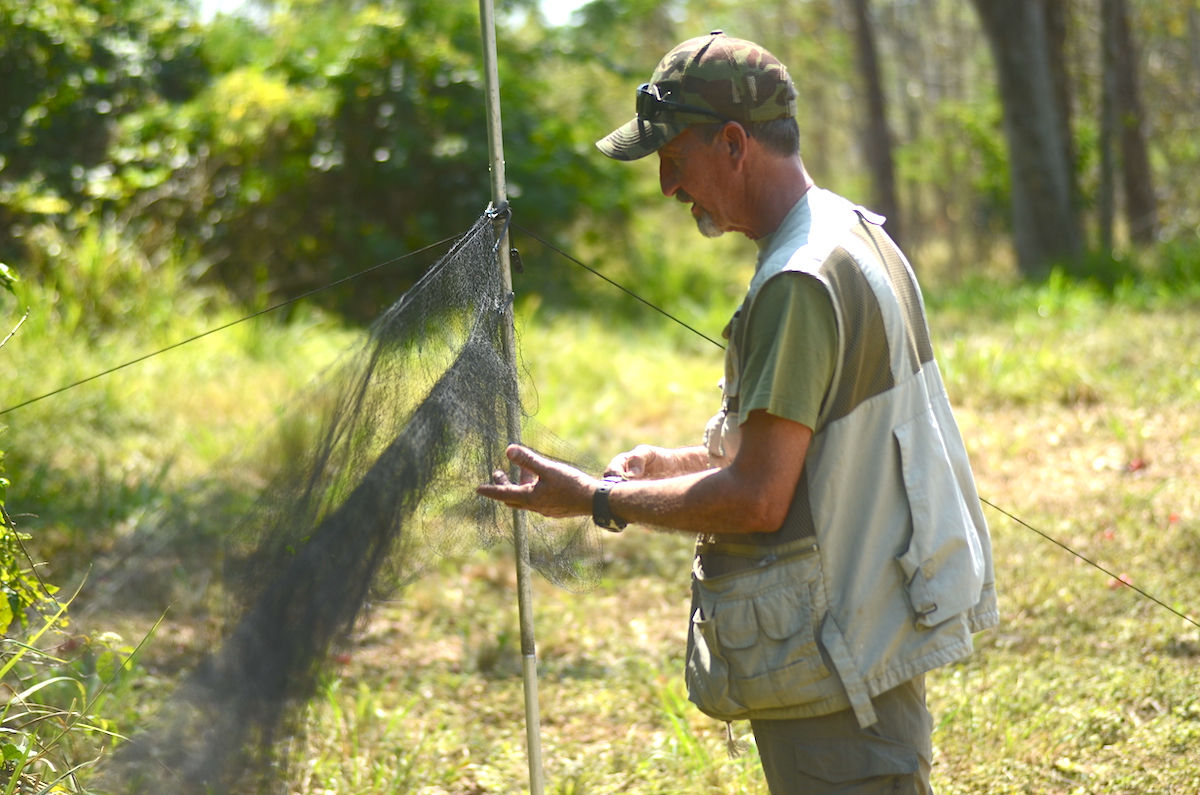
Data—especially for dragonflies and butterflies! There’s been a lot of work across most of the groups covered in the guide, but dragonfly and butterfly data are limited on some islands. With dragonflies we are particularly indebted to Dennis Paulson and Francois Meurgey who were so helpful with ID. We spent a lot of time in the field to fill distribution gaps for both dragonflies and butterflies, and we had to develop field identification criteria for some species. It was also challenging to keep up to date with changes to common names and taxonomic updates. For example, as the book was with the copy editor and designer, several new endemic bird species were recognized (four wrens and two thrashers), which had to be added to what was supposedly the final text and design!
Were there any particularly challenging photo expeditions?
Any photographic expedition into a rainforest presents challenges, as any photographer will know; poor and shaded light, humidity, difficult trails, and biting insects! And forest birds are notoriously elusive and hard to see when high in the canopy. For these reasons, it’s just incredibly difficult to get good photos of some forest species. For example, we have been unable to find a usable upperwing image of the Dominican Leafwing butterfly, a species found only on Dominica, Martinique, and St Lucia.
What was the most rewarding experience while writing this field guide?
We got to know some amazing people, both in person and online; some are renowned experts in their field, some enthusiastic amateurs, but all shared a passion for the wildlife of the Eastern Caribbean. We can’t thank everyone enough for their support.
About the Authors
What do you love most about the Eastern Caribbean?
The friendliness and generosity of people on all the islands, alongside spectacular landscapes, amazing wildlife, beautiful seas, and the sense of adventure which we still get every time we set off to explore a forest trail or a small offshore island.
What’s one non-essential gear item you always bring with you when you’re out in the field?
Thermal coffee mugs!!! When we’re out before sunrise, fresh coffee keeps us going!


What do you hope readers will gain from using this guide?
We really hope this guide will encourage people to take more interest in the region’s wildlife and enjoy the challenge of identifying and being able to put names to what they are seeing. The guide covers 420+ species, so there’s plenty to go at! We also hope that people gain some understanding of the conservation challenges of the region, including the devastating impact of invasive species such as Small Indian Mongoose and Cane Toad. Over 100 of the species in the guide are on the IUCN Red List of globally threatened species; looking after the amazing habitats that they depend upon and ensuring space for nature is essential for these species to survive for future generations to enjoy.
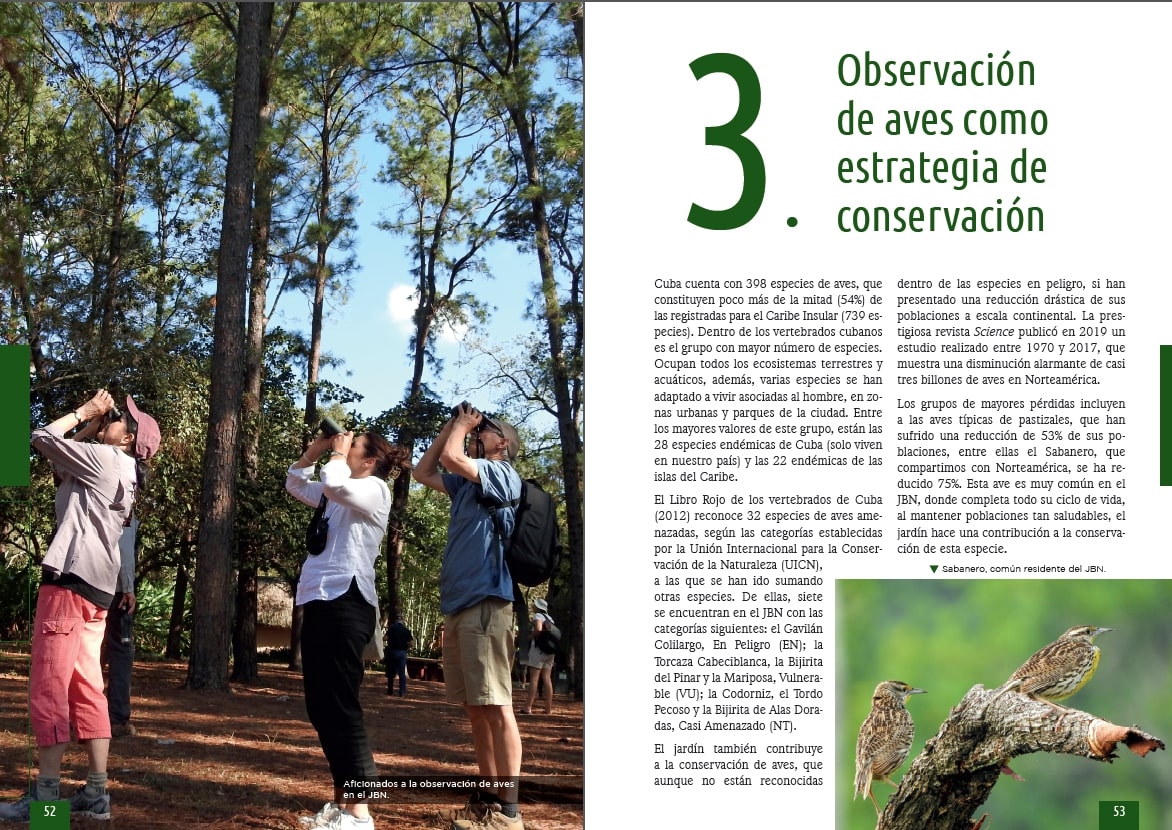
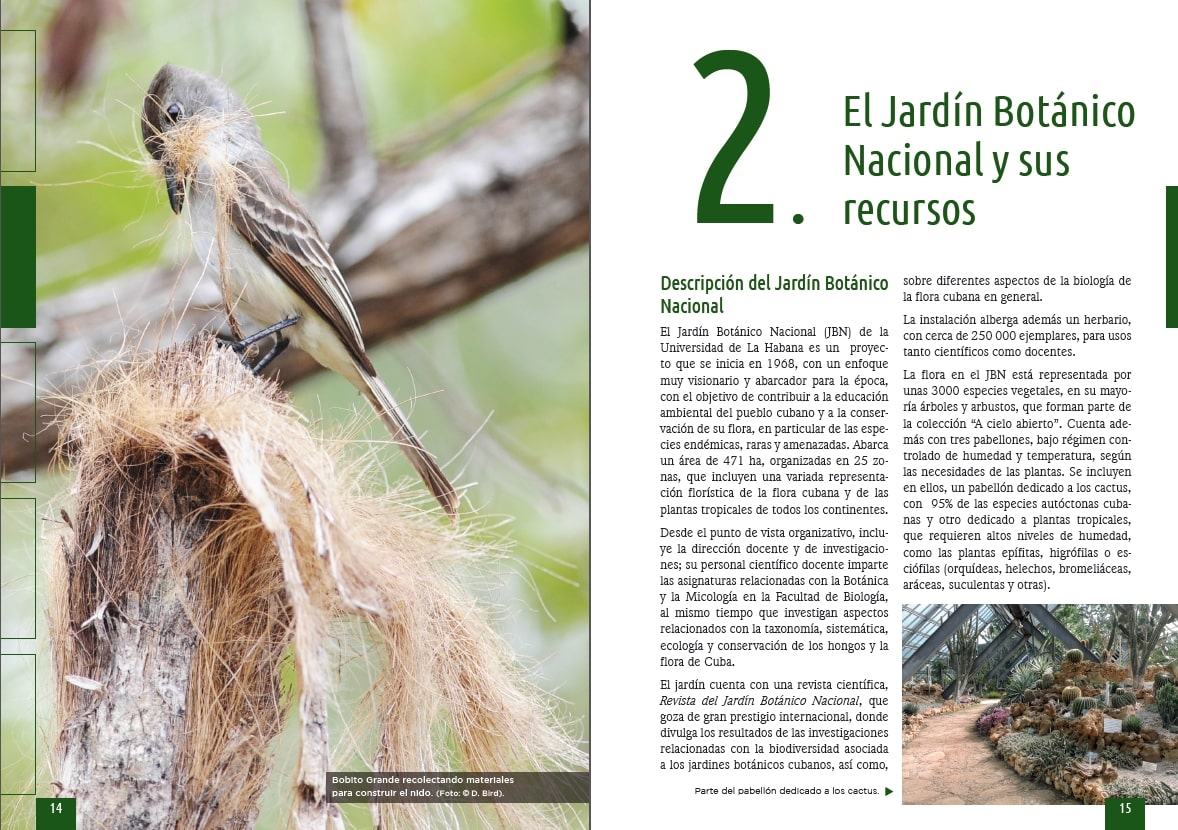
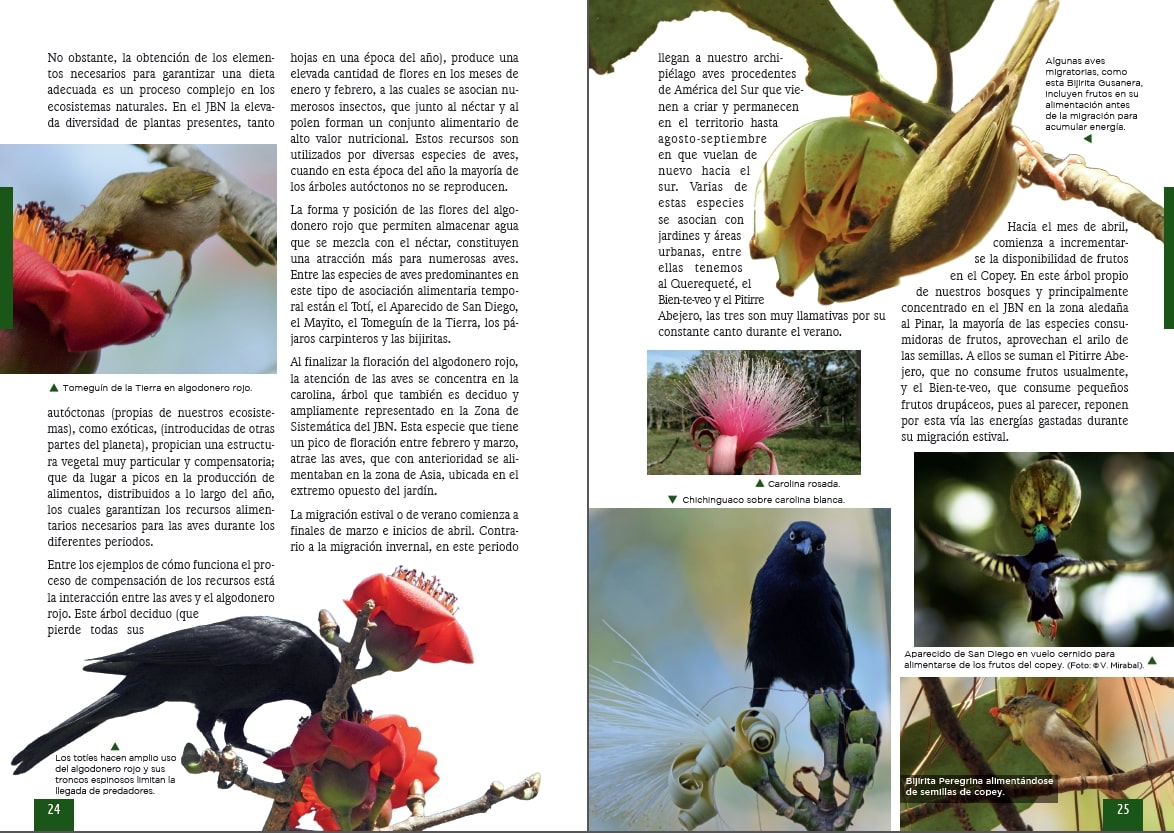
Sample pages from ‘Wildlife of the Eastern Caribbean’:


What’s next for you? Are there any plans for future editions, companion guides, or other projects related to Eastern Caribbean wildlife?
We will of course continue to visit the region and keep up to date with what’s happening that affects species in the region such as the recently produced AviList, a new unified global checklist with up-to-date taxonomy. It has been an incredible experience researching and writing this guide and we’ve learned so much about the whole process of book design and production. Hopefully we can put this experience to good use, so we’ll have to wait and see what’s next for us!
With so many islands to explore, each with their own special sights and surprises, Wildlife of the Eastern Caribbean is the perfect traveling companion for new adventures, or for seeing your local patch with fresh eyes. You can get your own copy of this fantastic guide here.
about the authors
Steve Holliday has had a long career in wildlife conservation and Gill Holliday has provided images for several wildlife publications. They have been supporting conservation projects for more than 20 years and are lead authors/photographers of bird and wildlife guides for Anguilla and Montserrat.