
The annual BirdsCaribbean Seabird Working Group (SWG) newsletter is now available! Catch up on the latest research, conservation, restoration, and education projects happening across the Caribbean—in English, Spanish, and French.
In this issue of the SWG newsletter, learn about the removal of invasive goats from seabird nesting habitats in St. Vincent and the Grenadines; the seabird diversity across the Los Testigos Archipelago (Venezuela); how researchers are protecting seabirds from pollution and climate in the Dominican Republic; new methods to detect rats on Buck Island NWR (US Virgin Islands); how researchers are using floating rafts to provide biosecure resting and nesting habitats for shorebirds and seabirds in Anguilla, and more.
A Caribbean Seabird Census (CSC) update for you
The landmark 2023–2024 regional census confirmed the Caribbean’s critical importance for global seabird populations, identifying Sooty Terns, Bridled Terns, and Boobies as most abundant species recorded, alongside 38 Regionally Important Bird and Biodiversity Areas (IBAs) and 10 sites meeting global criteria. As the team finalized the preliminary report during a regional webinar, 100% of participating conservationists called for Caribbean-specific threat criteria to better protect smaller, vulnerable island colonies. To address data gaps for challenging species like tropicbirds and shearwaters, regional monitoring efforts and recovery groups are now mobilizing. Check out the latest Seabird Working Group newsletter for deeper insights from the CSC preliminary report and contributor updates!


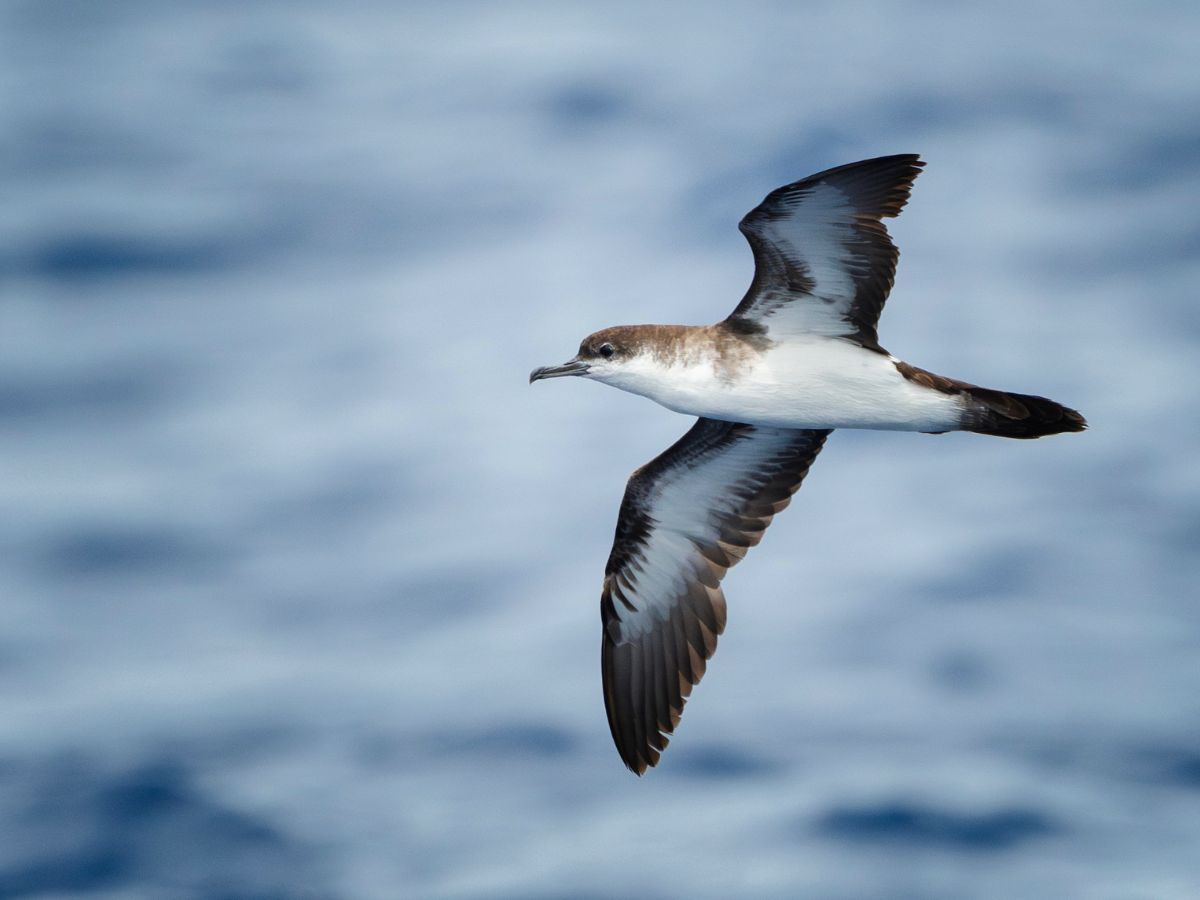
Conservation focus on the Sargasso Shearwater
The Sargasso Shearwater, recently renamed by the American Ornithological Society and split into a Caribbean (almost) endemic species, is facing heightened conservation priority due to documented population declines across the region. In response to its upcoming “Near Threatened” status on the IUCN Red List and its designation as a “Yellow-Alert Tipping Point” species by the Road to Recovery (R2R) initiative, the BirdsCaribbean Seabird Working Group (SWG) has established a new dedicated Sargasso Shearwater Recovery Group. Following a strategic workshop at the July 2026 BirdsCaribbean Conference in Trinidad, this new subgroup is actively working on a regional recovery strategy and report to address key data gaps, map population trends, and implement targeted conservation actions for this cryptic nocturnal species. Interested in joining this group? More details about the group and how to participate can be found in the newsletter.
A regional first for Caribbean seabird science
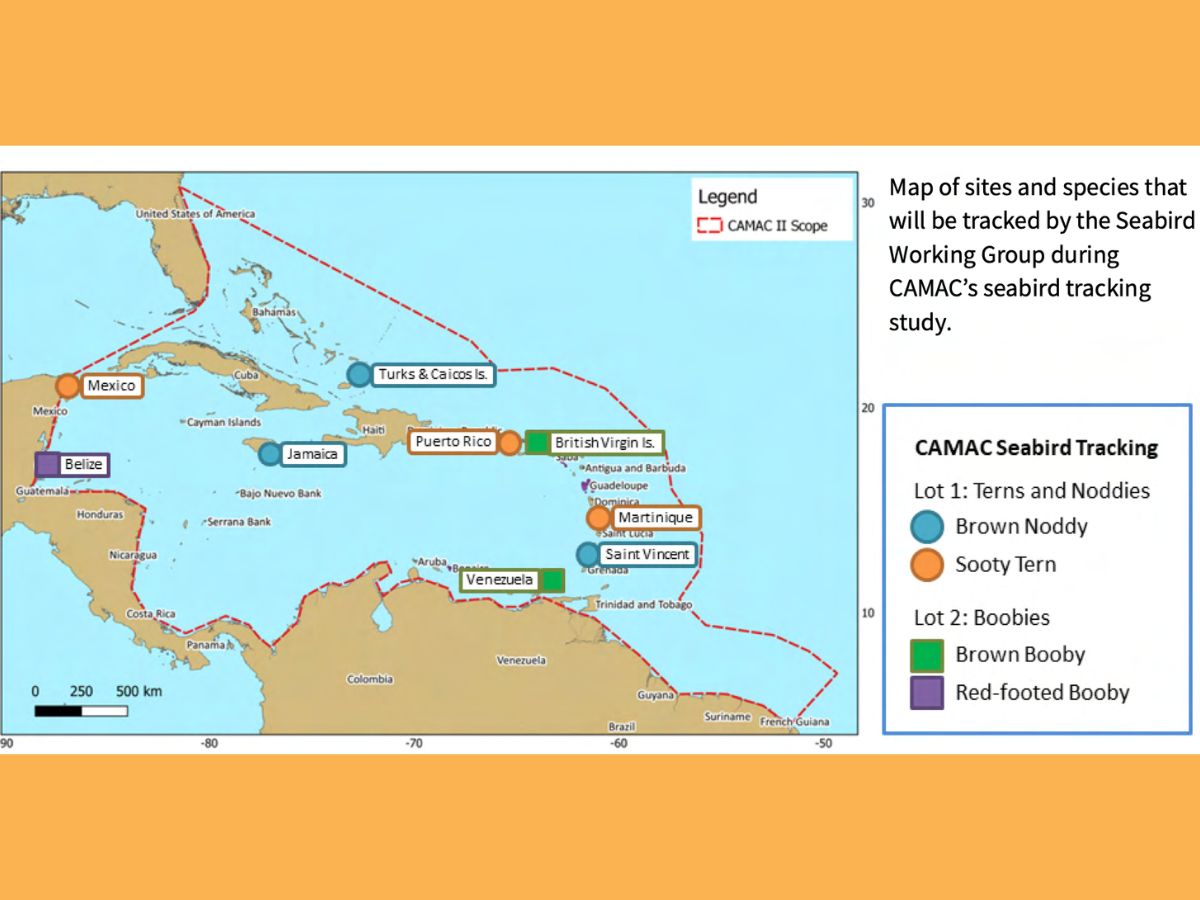
The European Union co-funded CAMAC project is partnering with the BirdsCaribbean Seabird Working Group (SWG) to better understand interactions between Caribbean marine megafauna and human activities. Following a regional survey and species selection process, the SWG successfully secured the tender to lead a groundbreaking regional tracking study targeting boobies, terns, and noddies. Between November 2026 and May 2027, solar-powered remote-download GPS devices will be deployed across multiple colony sites without requiring bird recapture. This first-of-its-kind initiative for the Caribbean basin will map seabird foraging hotspots and habitat use to directly inform marine conservation and management. Learn more about this exciting project in the newsletter.
Interested in connecting with the SWG and its members? Visit the Seabird Working Group webpages and our Seabirds Resources page to access these resources. Please take advantage of the many avenues for communication described in the newsletter, including the SWG Facebook group. If you have seabird news to share, let us know! We would love to feature your work in the next issue!
Enjoy!
-Yvan, Rhiannon and Ann