
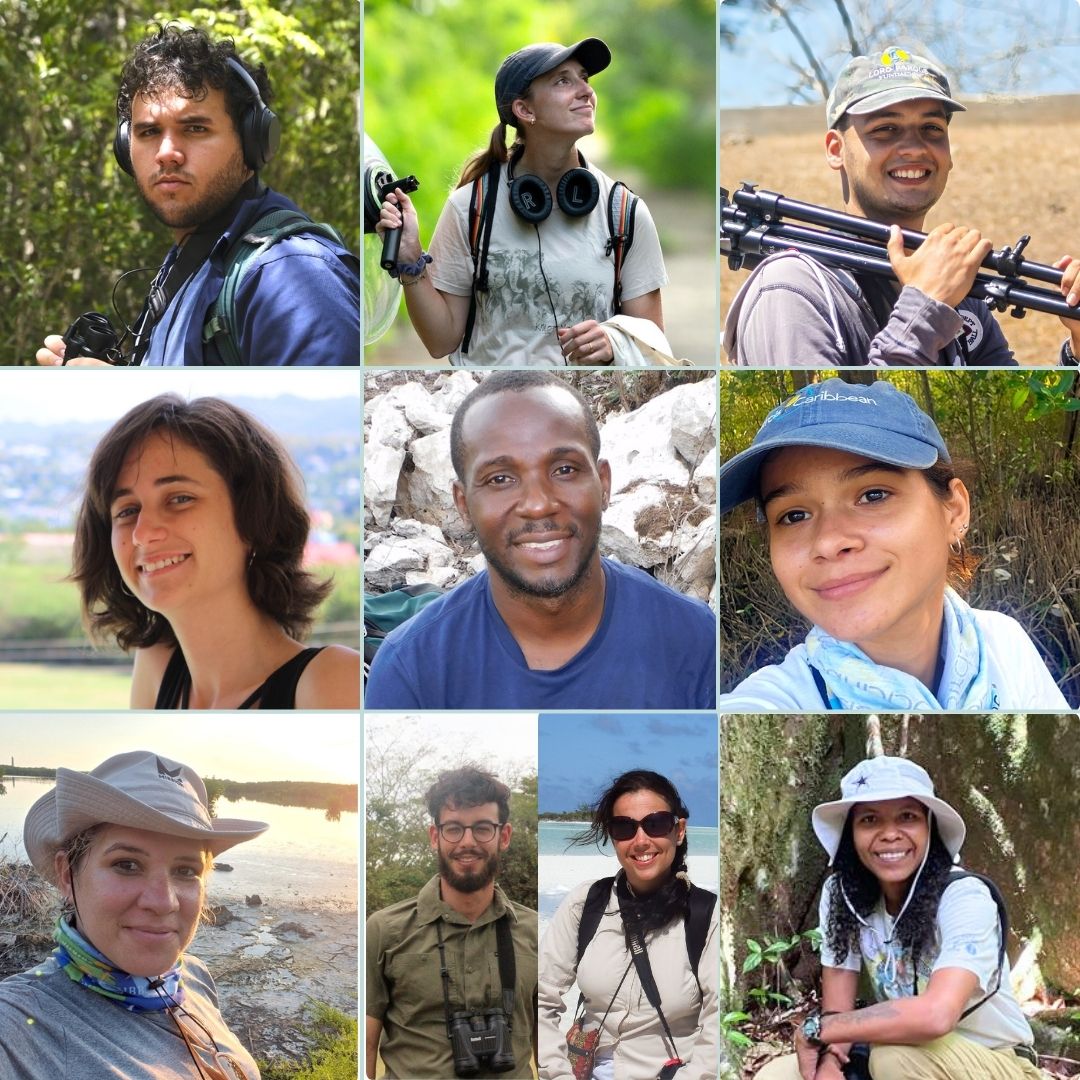
 BirdsCaribbean is pleased to announce the 2026 cohort of grantees under three prestigious named awards, the David S. Lee Fund for the Conservation of Caribbean Birds, the James A. Kushlan Research and Conservation Fund, and the Betty Petersen Conservation Fund.
These ten projects aim to advance the study and conservation of avifauna in five different Caribbean countries: Cuba, Puerto Rico, the Dominican Republic, Haiti, and Trinidad and Tobago.
In this article, you can read about the exciting plans proposed by each awardee. Stay tuned for results and accomplishments featured in future issues of the Journal of Caribbean Ornithology, blog articles, and presentations at our upcoming 25th BirdsCaribbean International Conference in Trinidad and Tobago this summer.
Congratulations to these outstanding researchers and conservationists from our BirdsCaribbean community!
David S. Lee Fund for the Conservation of Caribbean Birds
Comprehensive Study and Assessment of the Status of Cuba’s Endemic Quail-Dove Populations in Zapata Swamp
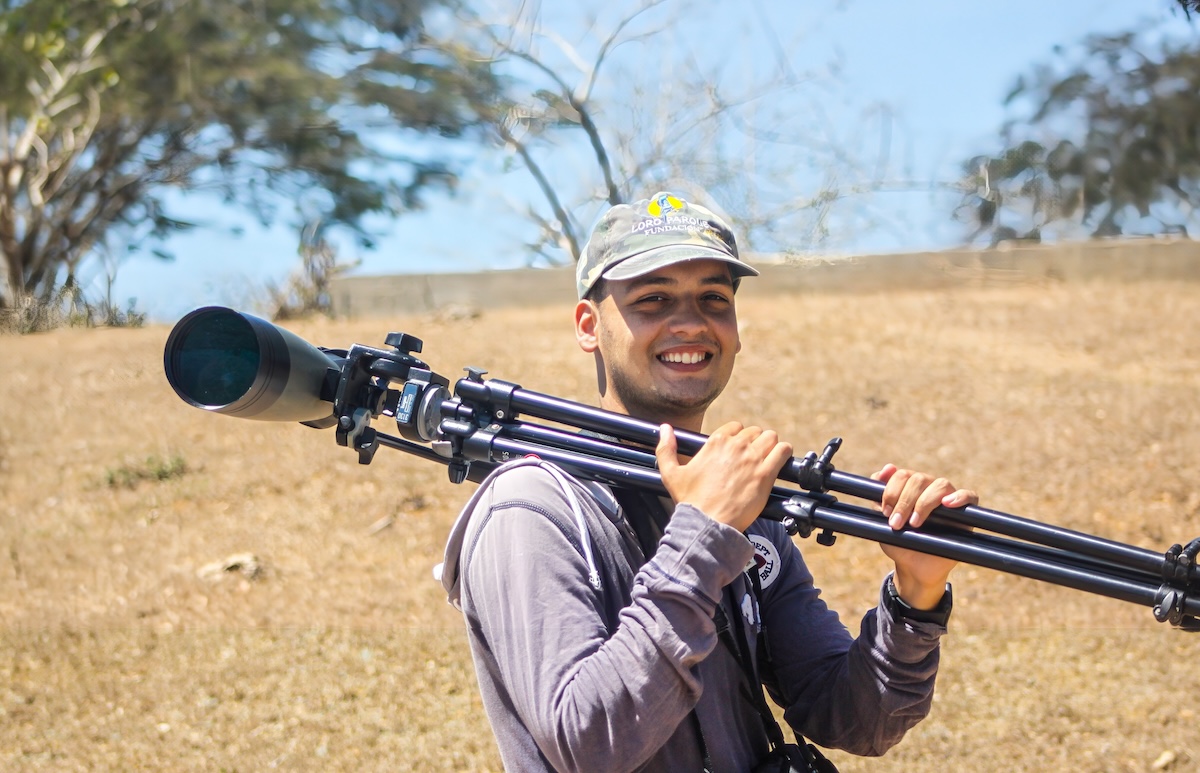
Abel Luis Simeón, Empresa para la Conservación de la Ciénaga de Zapata (ECOCIENZAP)
 The Blue-headed Quail-Dove (Starnoenas cyanocephala) (Endangered) and the Gray-fronted Quail-Dove (Geotrygon caniceps) (Vulnerable) are two endemic species of Cuba with poorly studied biology and declining populations. The Zapata Swamp is home to key populations of both species, but the lack of up-to-date data on their density, habitat use, and specific threats hinders the implementation of effective conservation actions.
This project will assess the population status and characterize the critical habitat of both species in the Zapata Swamp using linear transects. This research will generate a robust baseline, identify direct threats to the species, and delineate the most important areas for protection. Additionally, the findings will be shared with protected area managers to update conservation strategies, published in the Journal of Caribbean Ornithology, and summarized in outreach materials for the local community, ensuring that science translates into tangible conservation.
Exploring the Persistence and Prevalence of Micro-dialects in Vervain Hummingbird Song
Katja Kochvar, Princeton University
 This project aims to explore the remarkably complex song of the Vervain Hummingbird, an endemic species of Hispaniola and Jamaica that has received little scientific attention. Based on previous recordings obtained of singing males in Punta Cana, Dominican Republic, the project aims to investigate evidence of micro-dialects: localized song variations where neighboring groups of males perform distinct repertoires of unique note types.
The project aims to build upon preliminary evidence that these micro-dialects are prevalent in Punta Cana and have persisted across years, although the composition of the repertoires has experienced significant turnover. Katja will return to Punta Cana to 1) gather conclusive evidence of the prevalence and persistence of all seven identified micro-dialects, and 2) pilot a study on the impact of urban development on song clustering patterns. Ultimately, these proposed studies will not only further our understanding of micro-dialects in an understudied species but also provide important insights into cultural evolution and the impact of urban development on animal behavior.
Ecology of Bare-legged Owl (Margarobyas lawrencii), an endemic strigid in Cuba
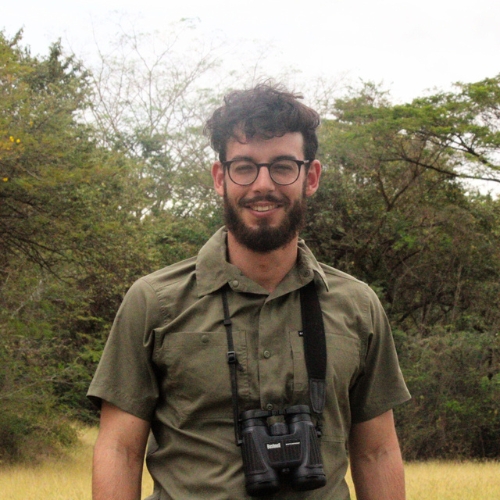
Jean Michel De Jongh, University of Havana
 The charming Bare-legged Owl (Margarobyas lawrencii) is endemic to Cuba that relies on dense forests and natural cavities for nesting. Unfortunately, accelerating habitat loss has led to its recent inclusion on the IUCN Red List, highlighting an urgent need for conservation data.
Based in western Cuba, this study pursues three primary objectives: 1) evaluating the physical characteristics and preservation status of existing collections, 2) characterizing the species’ breeding behaviors and nesting requirements, and 3) comparing seasonal shifts in prey consumption over a full annual cycle.
Migratory connectivity of passerines in two key green areas in Havana, Cuba: Unraveling their journeys
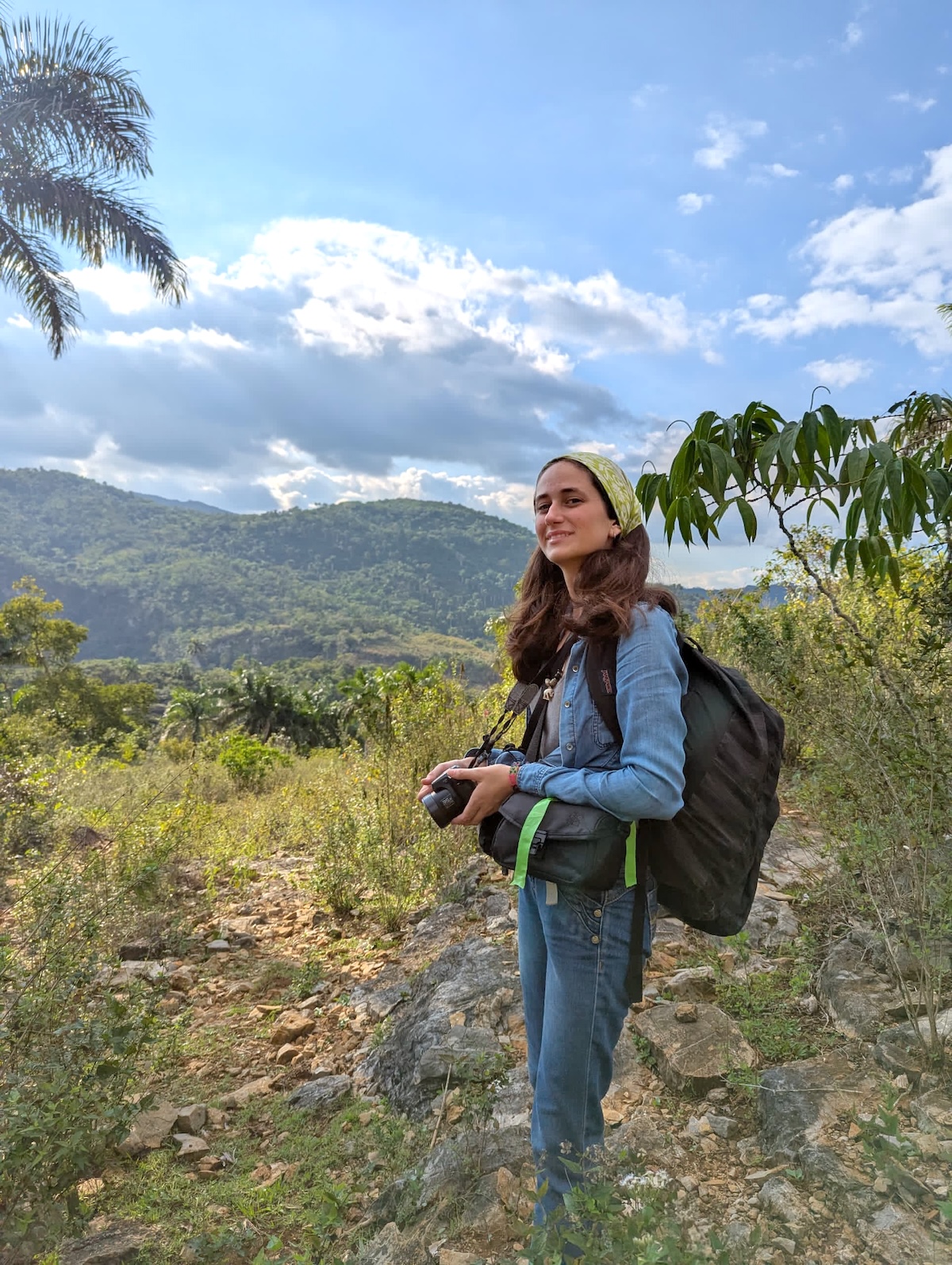
Laura Arañaburo Acosta, Bird Ecology Group, Faculty of Biology, University of Havana
 Migratory bird species are highly vulnerable, especially in the Caribbean, a critical region facing habitat loss and climate change. Effective conservation requires an understanding of “migratory connectivity”—how populations are linked across their breeding and non-breeding ranges. In Cuba, a key wintering site for migratory birds is Havana where urban green spaces provide refuge for these mighty travelers. However, the breeding origins of the birds using these sites are unknown, preventing an assessment of their conservation significance and vulnerability to local threats. To address this critical gap, Laura aims to determine the degree of migratory connectivity for passerine birds in two green areas in Havana: the National Botanical Garden and the Havana’s Botanical Garden Quinta de los Molinos.
Integrated methodology of systematic bird banding, stable isotope analysis of feathers to infer breeding origins, and the deployment of Motus nanotags for direct tracking will be used in this project. The findings will pinpoint the breeding regions of these populations, enabling a rigorous evaluation of the sites’ importance and establishing a scientific baseline to inform targeted conservation strategies for migratory birds in Cuba.
Functional composition changes across an island urbanization gradient after 20 years
Miguel J. Costas Sabatier, University of Puerto Rico
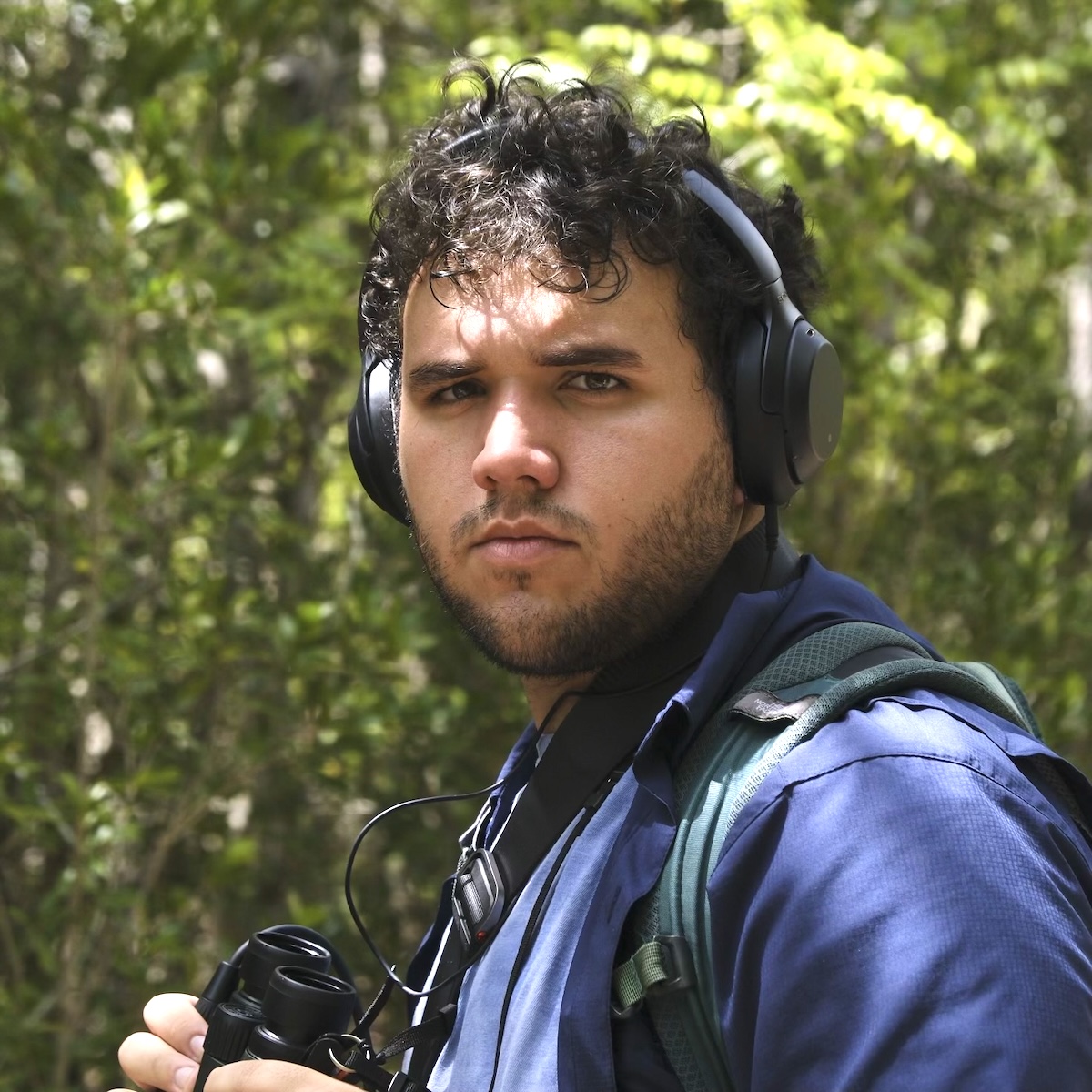
Urbanization is a global challenge, fundamentally reshaping landscapes and resources in ways that often lead to a loss of biodiversity. While some species struggle to survive in cities, others actually thrive. Understanding why certain animals succeed while others fail is now a top priority for conservation.
By analyzing bird sightings in northeastern Puerto Rico—comparing data from 2005 to new samples today—this project investigates how specific physical and behavioral traits (such as diet or nesting habits) help species adapt to city life. The study aims to: 1) determine if certain traits consistently appear as neighborhoods become more urban, 2) compare how functional diversity (the variety of roles species play in an ecosystem) differs between natural forests and urban centers, and 3) pinpoint which trait combinations missing from cities to help inform future urban planning and wildlife protection.
James A. Kushlan Research and Conservation Fund
Do the small urban wetlands of Havana city contribute to waterbird conservation in Cuba?
Alieny González Alfonso, Grupo de Ecología de Aves, Facultad de Biología, Universidad de La Habana
 Wetlands are among the world’s most threatened ecosystems, directly impacting the waterbirds that depend on them for survival. While urbanization is a leading cause of wetland loss and fragmentation, small urban wetlands should not be dismissed as mere degraded remnants. Instead, these sites continue to support diverse bird populations and function as vital ecological corridors. As urban development escalates in Havana, maintaining up-to-date data on bird populations has become imperative.
This study aims to characterize waterbird assemblages across three urban coastal wetlands, describing their seasonal variations and using systematic surveys to assess the primary human disturbances affecting them.
Current status and dynamics of marine and coastal bird diversity elements in the Guanahacabibes Peninsula Biosphere Reserve in Cuba
Dalila Lezcano García, AMA-CITMA
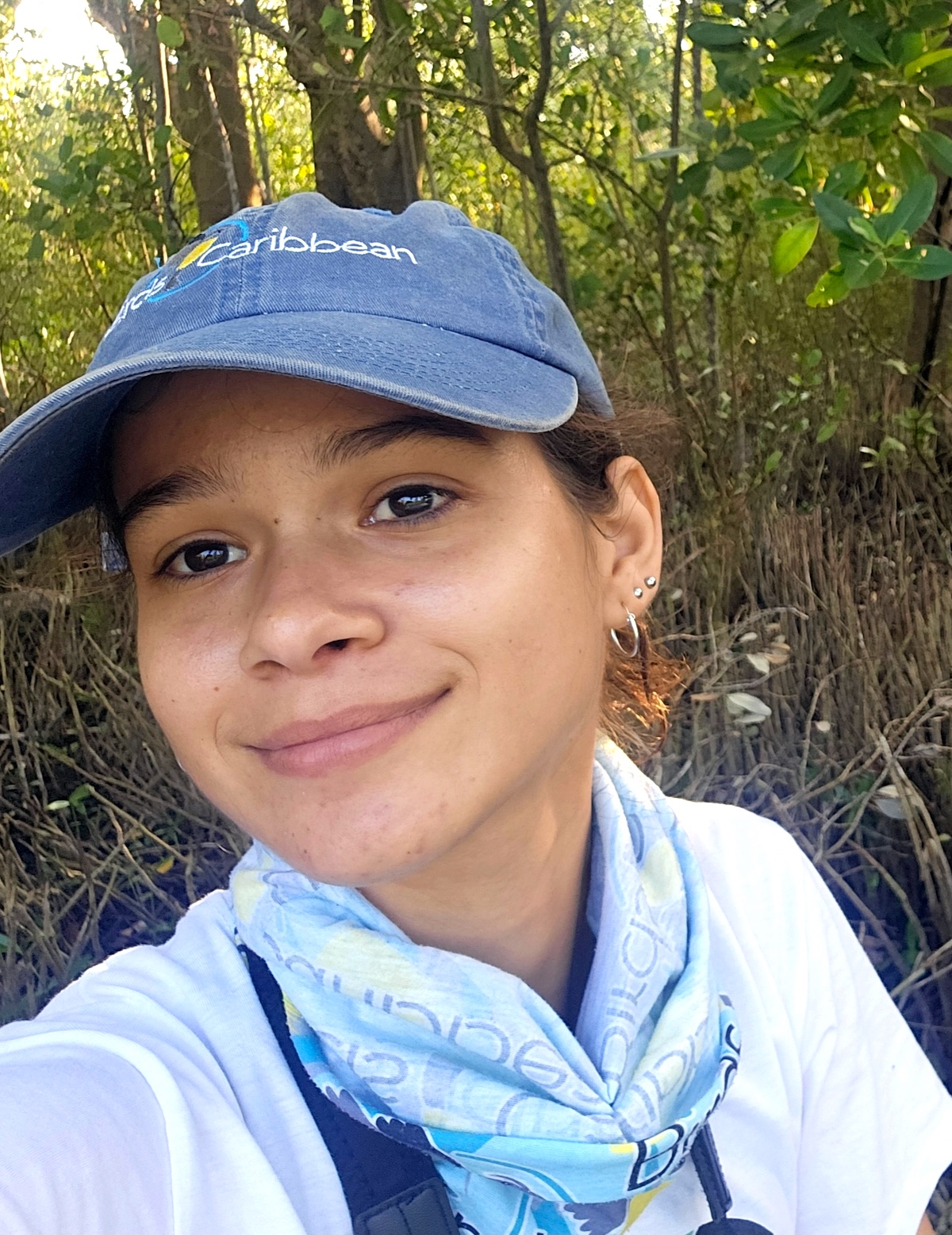
The Guanahacabibes Peninsula Biosphere Reserve is a cornerstone of Cuban biodiversity and an Important Bird Area (IBA); its pristine condition and location support diverse bird assemblages and a steady increase in new species records. Despite its ecological importance, the aquatic component remains among the least studied at the Reserve. This project aims to conserve the Reserve’s marine and coastal birds and strengthen local management capacities.
Dalila will employ standardized seasonal monitoring via linear transects and fixed counting points to provide a detailed characterization of nesting colonies and demographic parameters for populations of these birds. These results will establish a vital baseline to identify population trends and inform specific conservation strategies for the National Park’s Management and Operational Plans. Ultimately, this work will fill existing knowledge gaps and provide the protection necessary for the future of Caribbean aquatic birdlife.
Betty Petersen Conservation Fund
Implementation of a Strategy in Vulnerable Communities to Reduce the Illegal Capture of Wild Birds in Gibara, Cuba
Ailen Anido Escalona, Museo de Historia Natural Joaquín Fernández, Gibara, Cuba de la Vara Pi
 This project aims to mitigate the capture and illegal trade of wild birds in vulnerable rural and coastal communities of Gibara, Cuba, by expanding a community-based conservation strategy successfully implemented in 2024–2025. The initiative will cover eight priority communities, including areas severely affected by Hurricane Melissa, where bird trapping has increased as an immediate economic alternative. Through an integrated approach that combines environmental education, community participation, participatory monitoring, strengthened support from local government, and ecological restoration with 1,000 native plants, the project will empower citizens—especially children, teachers, caregivers, and youth—to become active defenders of bird conservation. Activities include training workshops, school programs, cultural and artistic initiatives, community patrols alongside the Forest Rangers Corps, festivals, media campaigns, and the development of digital and audiovisual educational platforms.
Protecting the Pawi: Community Bird-Guide Training for Regenerative Conservation in Trinidad’s Northern Range
Giselle Ragoonanan, HADCO Experiences Ltd Department of Sustainability & Conservation
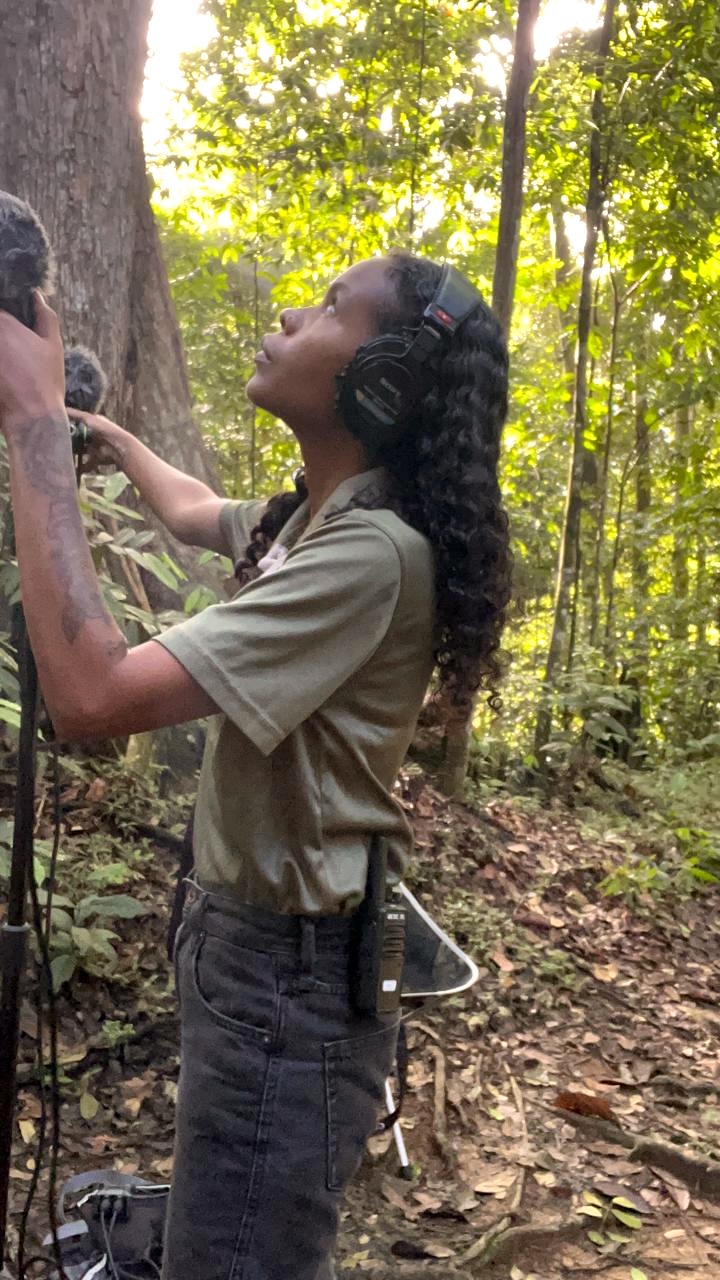 The Trinidad Piping-Guan (Pipile pipile), or locally called ‘Pawi’, is both Critically Endangered, and confined to Trinidad’s Northern Range. As a flagship and indicator species for the island’s montane forests, its presence reflects the health of one of the region’s most biodiverse ecosystems. This project will strengthen local stewardship of the Pawi by training ten to fifteen residents from the Brasso Seco and Morne La Croix villages as community bird guides and citizen scientists. Through hands-on field sessions led by Hadco Experiences’ Department of Biodiversity and Conservation, participants will learn bird identification, forest ecology, guiding interpretation, and wildlife documentation.
Trainees will use digital tools such as eBird to record observations and Merlin Sound ID to document Pawi vocalizations, linking local knowledge with global monitoring platforms. The training connects scientific observation with opportunity, equipping participants to develop community-run bird tours that generate income while protecting critical habitat. By coupling Pawi monitoring with ecotourism skill-building, the project creates a sustainable model for conserving Trinidad’s birds through informed, locally driven action.
Conservation of the CE Ridgway’s Hawk in Les Cayemites Islands, Haiti
Anderson Jean, Action pour la Sauvegarde de l’Écologie en Haïti (ACSEH)
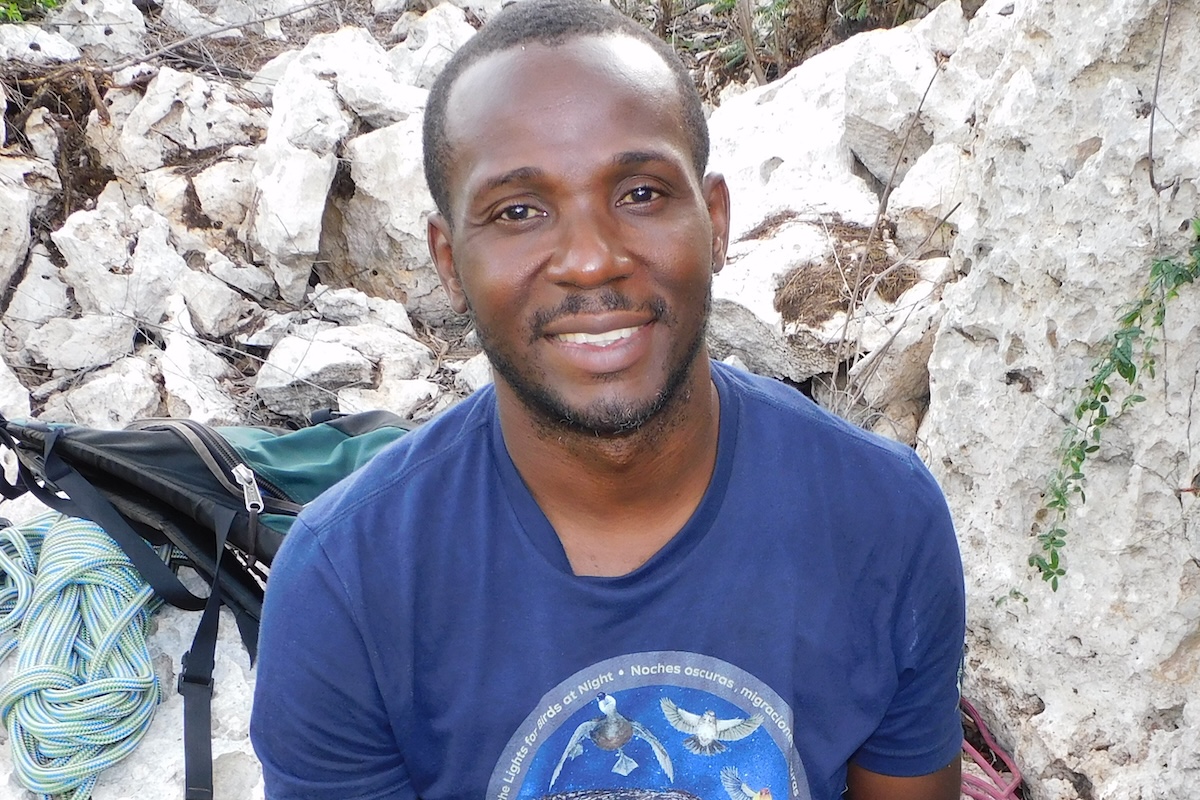 Since rediscovering the Critically Endangered Ridgway’s Hawk (Buteo ridgwayi) in Haiti in 2019, field surveys, nest monitoring, and community engagement have been ongoing, thanks to funding from The Peregrine Fund and BirdsCaribbean. The estimated the current population is 40 individuals.
This project aims to work with local residents to find nests and better understand threats to the hawks from agriculture, charcoal production, and direct human persecution. To reduce these threats, the project aims to conduct education and outreach programs to create awareness in schools and communities, particularly among farmers who reside and farm near active hawk nests. To date, these efforts have reached 2000 people, or 40% of the local population.
Despite significant advances in collecting demographic data and working with local residents to reduce threats, much remains to be done to protect the hawks. The project has surveyed less than one-third of the potential nesting area, and hawks still face persecution. Additional funding aims to allow the project to continue and expand survey work and nest monitoring, while also expanding work with local communities to reduce threats to the species.
Are you working on or planning a research or conservation project with Caribbean birds?
The next call for proposals will be advertised in the fall of 2026. Members of BirdsCaribbean conducting research and conservation work are eligible to apply. Stay informed and don’t miss our announcements by subscribing to our monthly newsletter, joining our listserve, and following us on social media (@BirdsCaribbean on Instagram, Facebook, YouTube, and LinkedIn).
BirdsCaribbean thanks our generous donors for supporting these awards and encourages others to donate to these programs, as well as to consider endowments or other large awards to ensure that our vital grants programs can continue indefinitely. You can help us continue supporting these invaluable projects by making a donation here. You can select the specific Fund you would like your donation to go to by clicking on ‘Change’ under SELECTED FUND.
If you prefer to donate with a check, please make the check out to “BirdsCaribbean” and in the memo section, note the fund you are donating to. If you have questions or need to make other arrangements for donating, please feel free to contact Alexia Morales, BirdsCaribbean Operations Manager (alexia.morales@birdscaribbean.org). Checks can be mailed to: BirdsCaribbean, 841 Worcester St. #130, Natick, MA 01760-2076