
2025 will go down in BirdsCaribbean history as a year of profound challenges — met with incredible resilience, adaptability, grace, and collective action by the committed conservationists working to protect Caribbean birds. We faced major financial setbacks and catastrophic loss following Hurricane Melissa, yet we also witnessed the enduring strength of community and shared purpose across the region.
Even as recovery continues, BirdsCaribbean made meaningful progress toward our mission. Dozens of Caribbean birders were empowered and trained, legions of citizen scientists went into the field to collect vital data, and we advanced protection for some of our most threatened species. Together, we also raised thousands of dollars to keep critical conservation programs running and to deliver urgent hurricane relief where it was needed most.
Our deepest appreciation and thanks, as always, go to our donors, volunteers, and partners. Your support made this work possible — and it’s what keeps the momentum going as we head into 2026.
Here are our 2025 highlights
(Let’s get the hard part over with first!)
Our community kept the mission alive
Early in 2025, our mission hit a significant hurdle. Substantial federal funding was abruptly canceled, leaving our core programs in jeopardy. These funds supported essential bird research, capacity building for local conservationists, and education efforts that inspire the next generation to care deeply about birds and nature.
Throughout this uncertainty, our community stood by us. Your support ensured that our programs continued through the year — proving that while funding streams may falter, our collective commitment to protecting Caribbean birds does not.
Hurricane Melissa: Loss, impact, and ongoing recovery
On October 28, 2025, Hurricane Melissa — a late-season storm that rapidly intensified into a Category 5 hurricane — made a direct hit on Jamaica’s south coast at peak strength. It became the third most intense Atlantic hurricane on record, causing catastrophic damage across the island and generating the highest wind gust ever recorded (252 mph).
Melissa tore through Jamaica and later struck eastern Cuba as a weakened but still powerful storm, causing flooding and landslides. Parts of The Bahamas and the Dominican Republic were also affected.
In Jamaica, where some areas had barely recovered from Hurricane Beryl in 2024, an estimated 51% of forest cover was destroyed. Storm surges overwhelmed coastal habitats, and more than 100 lives were lost, mostly in Jamaica and Haiti, with hundreds injured and many still missing. Damage in Jamaica alone is conservatively estimated at US$10 billion.
In response, BirdsCaribbean launched an emergency appeal. Thanks to the tremendous generosity of our donors, we raised over US$45,000 to provide urgent relief for our conservation partners, some of whom had themselves lost homes and livelihoods. To date, we have disbursed twelve recovery grants to partners in Jamaica and Cuba, supporting efforts such as clearing trails of fallen trees and debris, repairing and rebuilding infrastructure at parks and nature reserves, and providing food for starving birds.

We also shipped materials and supplies to rebuild damaged aviaries for birds receiving care and rehab at two facilities, Hope Zoo (Kingston) and Seven Oaks Wildlife Sanctuary. In addition, we shipped 2,000 pounds of specially blended Hurricane Melissa Energy Relief bird seed, generously donated by Lizzie Mae Bird Seed (Ohio); along with 400 hummingbird feeders to sustain famished birds. This aid is a critical lifeline for birds whose habitats were destroyed by Melissa’s devastating winds, leaving trees knocked down and stripped bare of leaves, flowers, and fruit.
Educational materials on how to help birds after the storm were produced and shared with BirdLife Jamaica members and the University of the West Indies. These resources reached broad audiences through radio, television, and social media.
Recovery will be long and challenging, but rebuilding has begun. Urgent habitat restoration efforts are vital to help birds, many of which have suffered terribly from total habitat loss and lack of food and shelter. A major tree planting initiative led by the Jamaican Forestry Department has just begun, and offers hope for the birds devastated by Melissa.
2025 was also a year of inspiring progress
Public education and skills training remain at the heart of our work — among our most powerful tools for helping Caribbean birds. By engaging young people and supporting experienced conservationists alike, our flagship programs continued to build momentum throughout the islands.
Sharing spaces with our beloved endemics
“It was such a fun day!” Regina, a young participant in BirdLife Jamaica’s Bring a Child Birding event.
“Look teacher, the tiny hummingbird flies super fast!” Preschool student Claudia Correa Ortíz, Cuba
The Caribbean Endemic Bird Festival (CEBF) sparked joy and engaged communities across eleven islands, from The Bahamas in the north to Margarita Island in the south. More than 7,000 people participated in in-person and virtual events, supported by 17 small grants from BirdsCaribbean.


From April to May, organisations and institutions interpreted the theme “Shared Spaces: Creating Bird-Friendly Cities and Communities,” highlighting the growing importance of urban conservation. This was a call to action, and many of the activities during CEBF were hands-on projects — including tree planting, making bird feeders, habitat clean-ups, and installing bird baths. Along with arts and crafts, walks and talks, it was a busy and exciting month for all involved!
Safe communities for migratory birds, too
World Migratory Bird Day (WMBD) is officially celebrated in the Caribbean in October, but activities often span August through November. In 2025, communities across thirteen islands expanded on the CEBF theme to include migratory birds that grace our gardens, parks, backyards, wetlands, and seashores each year.


Learning took place not only in classrooms, but in “schools without walls” — parks, wetlands, coastlines, and urban gardens. In support, we printed and distributed a range of educational materials — including Animals of St. Martin, produced by our friends at Les Fruits de Mer, which is used by local primary schools; and hundreds of Birds of the West Indies coloring books for organizations in Puerto Rico.
Environment for the Americas honored four Caribbean Outstanding Educators in 2025, representing The Bahamas, Cuba, Puerto Rico, and the Dominican Republic, a well-earned recognition of their dedication to conservation education.
Counting confusing waterbirds
During the 17th Regional Caribbean Waterbird Census (CWC), birders from seventeen islands recorded more than 86,000 birds representing at least 360 species — an impressive collective effort and a major boost to our long-term CWC database!


In Antigua, the Environmental Awareness Group (EAG) took the opportunity to blend citizen science with capacity building by hosting a waterbird identification training program (Yes—experienced birdwatchers find waterbirds, especially shorebirds, tricky!) Read more here!
Our endangered seabirds: adding up the numbers
Launched in 2022 by BirdsCaribbean’s Seabird Working Group and Environmental Protection in the Caribbean (EPIC), the Caribbean Seabird Census marked a major first for the region. This monumental effort, involving numerous boat trips, drone surveys, and on-the-ground fieldwork, has now been officially completed.
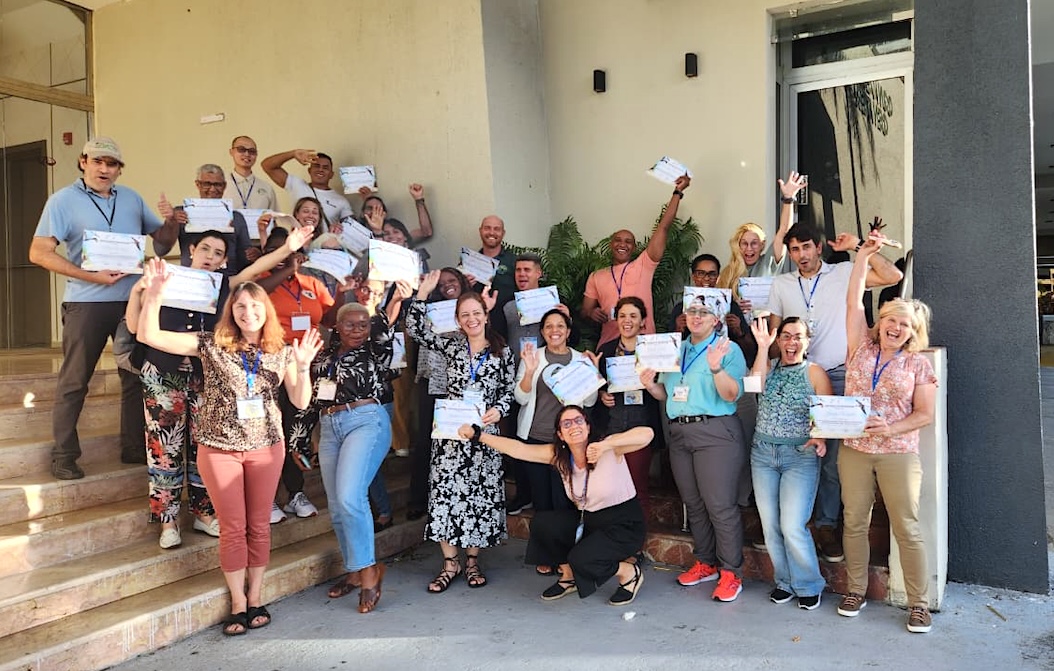
In September, 2025, researchers gathered for an important workshop in the Dominican Republic, supported by the Convention for Biological Diversity’s Bio-Bridge Initiative. Together, they reviewed and compiled census data, discussed protocols and systems moving forward, built skills in data processing and analysis — and committed to next steps.
As seabirds face mounting threats across the Caribbean, the takeaway from the workshop was clear: continued collaboration and information sharing are essential to safeguard seabird populations and their future in the region.
Breaking records on Global Big Day
On Global Big Day, we take the word “big” seriously — and last year was no exception. As usual, the competition among our 31 teams was hot, and it produced spectacular results!


On May 10, we shattered our previous records, with 895 eBird observers recording a whopping 559 West Indian species! These diligent birders went all out — submitting over 700 more checklists to eBird than in 2024. All told, including lists from our international birding teams (we deeply appreciate your support!), a total of 1,404 species were recorded, including 147 Caribbean endemics — an extraordinary show of teamwork, dedication, and birding chops!
Pro-tip: It’s never too early to start planning for Global Big Day 2026 — the time to rally your team is now! We’ll share more details soon.
Eleven projects in six countries – lucky birds!
In 2025, we awarded funding to eleven projects across six countries: Cuba, Puerto Rico, the Cayman Islands, Trinidad and Tobago, offshore Caribbean islands in Mexico, and the Caribbean coast of Venezuela. These were awarded under the David S. Lee Fund for the Conservation of Caribbean Birds, and the James A. Kushlan Research and Conservation Fund.
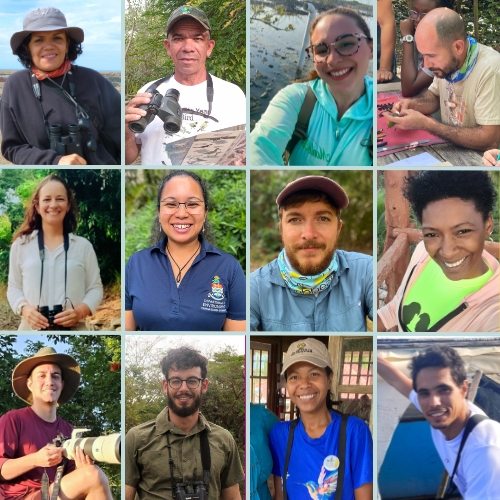
From seabird surveys on Venezuelan offshore islands to bird banding stations in Trinidad and Tobago and acoustic monitoring in Grand Cayman, grantees are hard at work — and birds are benefiting!
More Motus? Yes, please!
Motus work isn’t for the faint of heart — or those uncomfortable with heights. (A certain amount of climbing is involved!) Nevertheless, five Motus stations were happily installed last year.
There are now 23 active stations in the region, with even more scheduled to be installed this year. Migratory birds are more threatened than ever before. This growing network of stations is helping us to understand how our migratory species move across our islands — and where conservation action can have the greatest impact.
Focusing on our most endangered species
Several BirdsCaribbean grants in 2025 focused on research and conservation efforts for particularly threatened species, from doves and parakeets, to forest-dwelling birds that urgently need intervention.
Highlights included:
Taking action for the Grenada Dove
In October, a diverse cross-section of citizens, non-governmental organizations, government officials, and conservationists gathered to develop an urgent Conservation Action Plan for the Critically Endangered Grenada Dove. Fewer than 200 individual birds remain, restricted to two small pockets of habitat. This workshop laid the foundation for immediate collaborative action and much-needed hope for this precious species.


Protecting St. Vincent’s threatened endemics
Two more endemics were the focus of a workshop in St. Vincent in July: the “Vincy Parrot,” the colorful St. Vincent Amazon, and the elusive Whistling Warbler. Building on recovery efforts after volcanic eruptions and hurricanes, a tremendous collaboration of organizations and individuals hammered out the details for a Conservation Action Plan for each species, to guide future management and conservation efforts.


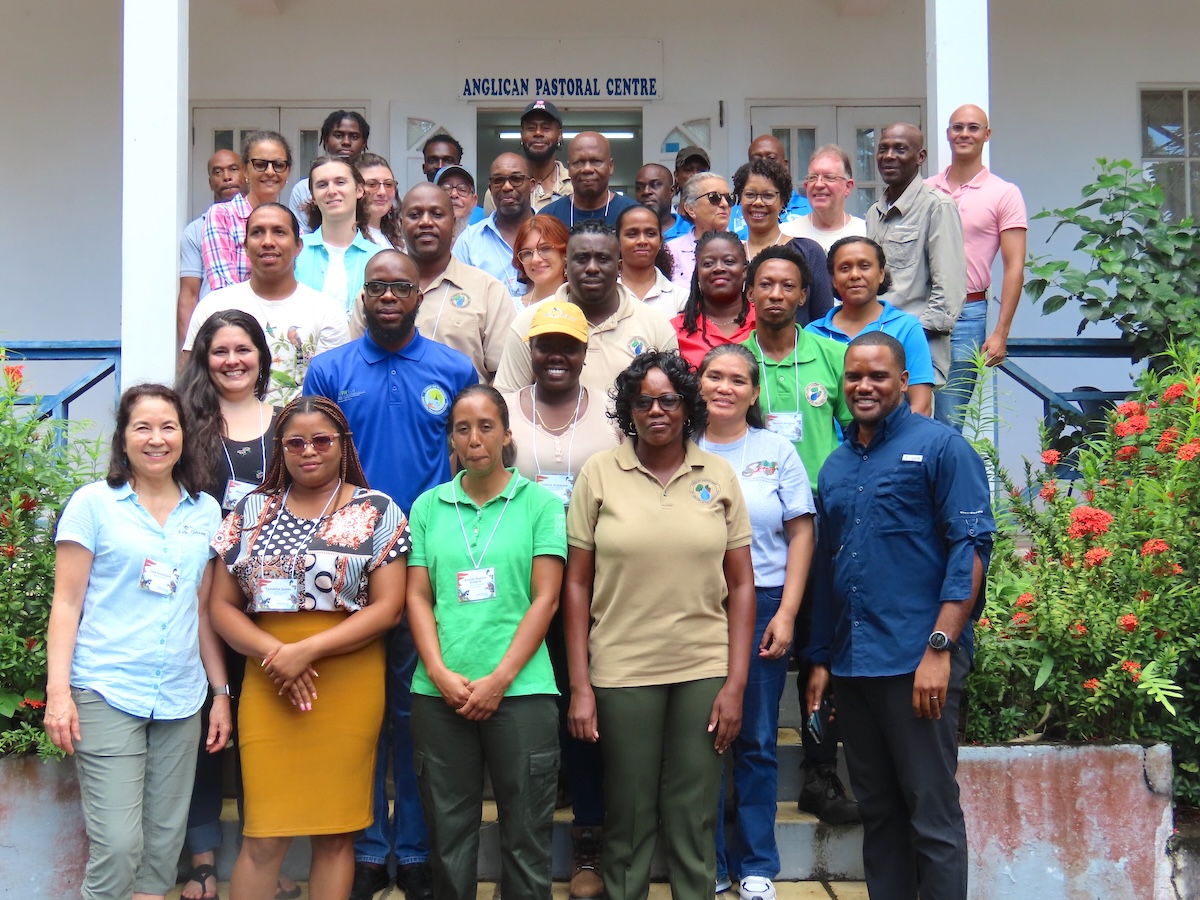
Five forestry officers from St. Vincent and the Grenadines strengthened their capacity to conserve native Caribbean parrots through hands-on training with the U.S. Fish and Wildlife Service’s Puerto Rican Parrot Recovery Program. The exchange provided practical skills in captive breeding management, care and monitoring of wild and captive parrots, banding and radio telemetry, and essential parrot first-aid — directly supporting long-term conservation efforts for these threatened species.
On a learning curve…
The Caribbean Bird Banding Network has indeed been networking! Launched with a workshop in The Bahamas in 2022, it continues to grow stronger. Last year saw 14 conservationists trained in Puerto Rico, while 16 participants from nine islands were trained in the Dominican Republic. And the network is expanding! This year, a new session in Trinidad is set for March. And did you know we have our own Caribbean bird bands?
What do we do with all that data?
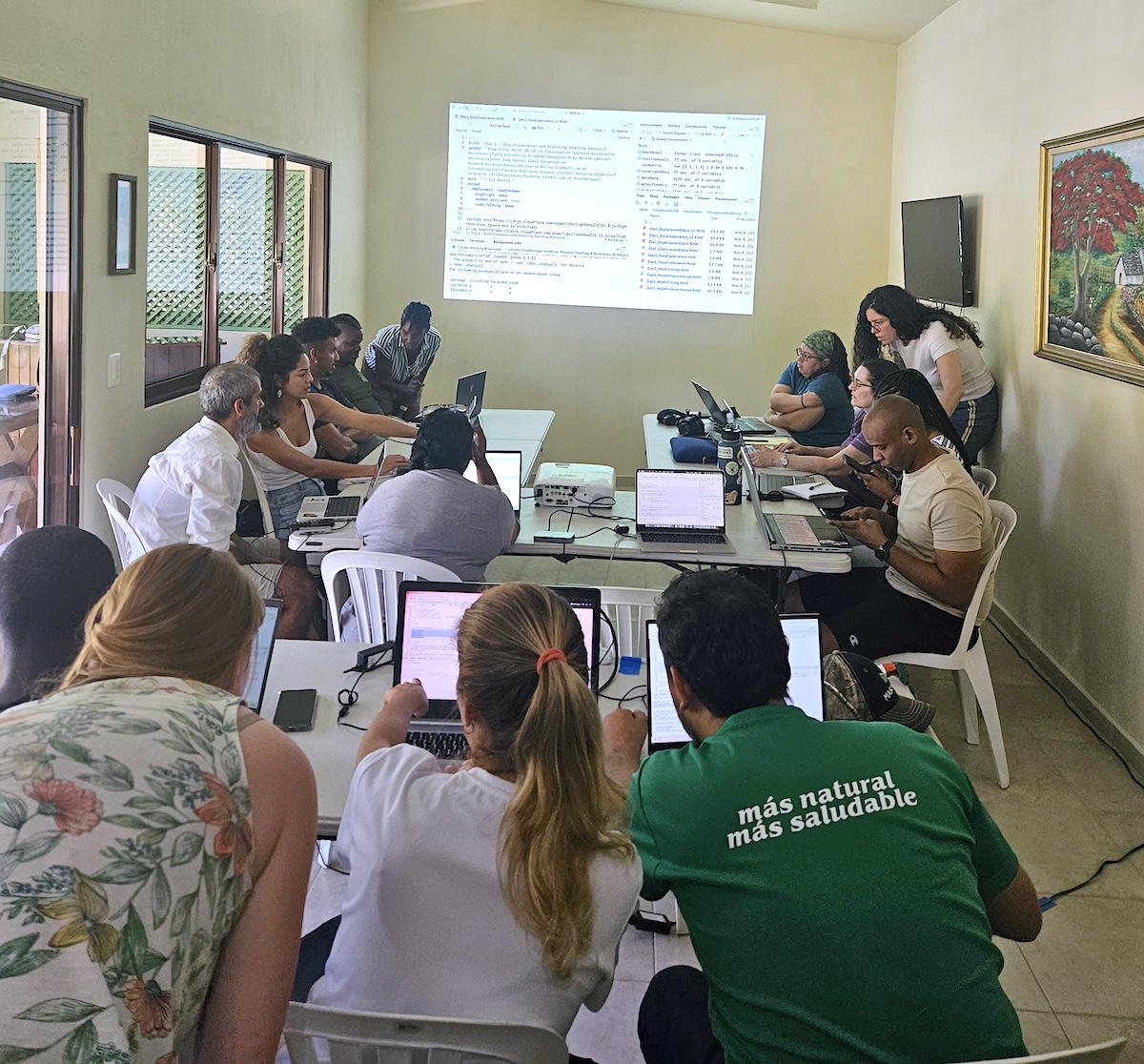
Field monitoring tells us what’s happening — but skilled analysis tells us what to do next. Our Caribbean Landbird Monitoring Program hosted their first Monitoring Data Analysis Training Workshop in the DR in November — equipping 12 researchers from eight Islands with the skills they need to interpret their landbird survey data and turn field observations into conservation action.
And to keep the momentum going:
We awarded five Monitoring Program Grants supporting new long-term landbird monitoring initiatives in Grenada, The Bahamas, and St. Vincent and the Grenadines — building essential data for conservation decision-making.
Rare birds and remarkable moments
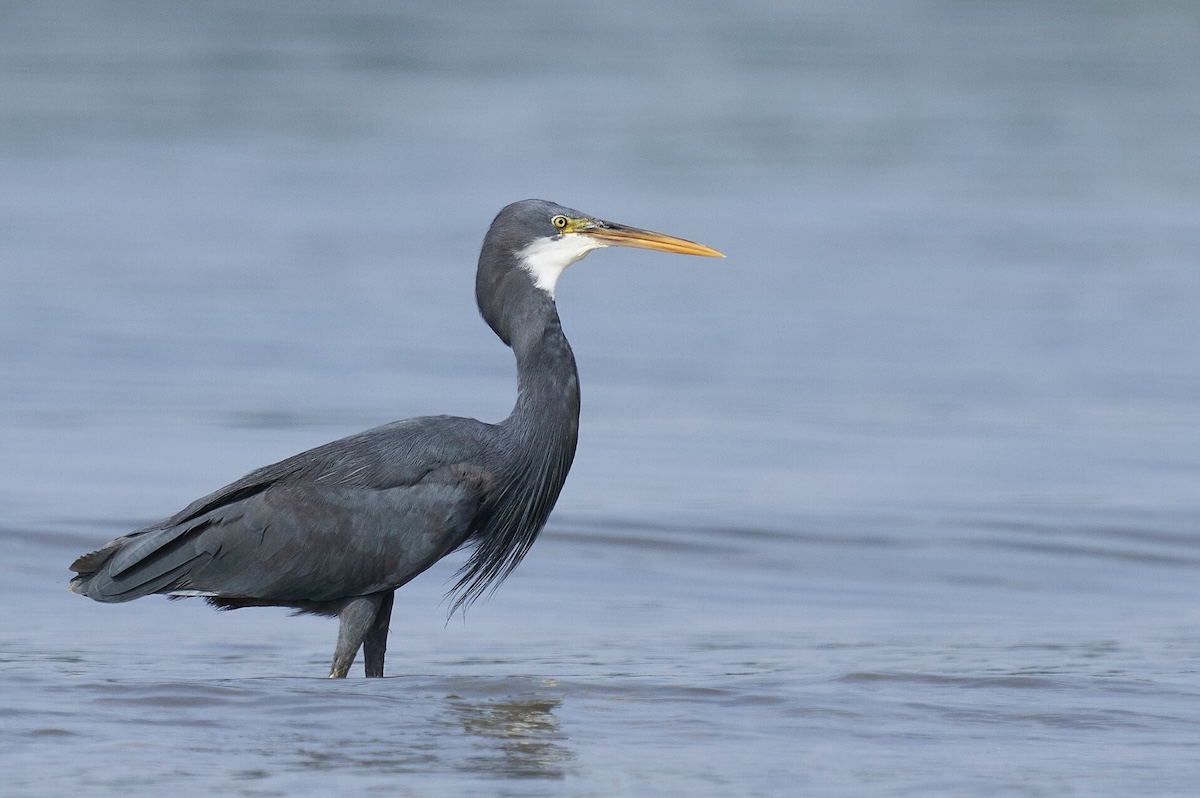
At Woodbourne Shorebird Refuge in Barbados, a vital sanctuary for migratory and resident shorebirds and waterbirds, site manager Ian Alkins (AKA Bolt), spotted an unusual looking heron he was not familiar with. This turned out to be a Western Reef Heron! This bird is normally found in coastal areas of West Africa, but does make rare ‘visits’ to other parts of the world, including the Caribbean The Reserve, which was a field trip location for a Caribbean Bird Trail Guide Training Workshop in 2024, had suffered a complete loss of funding from USAID. BirdsCaribbean were able to support Woodbourne last year thanks to funding support from Actions@EBMF. We continue to look for sustainable support for this important and special site into the future.
Soon after Hurricane Melissa (in November), bird guide Ricardo Miller came across a large number of Yellow-billed Cuckoos in St. Thomas, eastern Jamaica. A most unusual sight, in a part of the island not seriously affected by the storm! He counted over 30 individuals.
Thank You for an Incredible Year
While 2025 brought immense challenges, it will be remembered for the way we came together to face them. We owe our successes to the unwavering support of our friends, members, partners, and donors. We are deeply grateful for your trust, generosity, and continued commitment to Caribbean birds.
Stay connected in 2026 — sign up for our monthly newsletter to receive the latest news from the field, program updates, and opportunities to get involved. Here’s to a hopeful and impactful year ahead!