You can appreciate birds. You can love birds. You can be a birder. You don’t need to hike steep hills, keep a life list, own expensive binoculars, or even have sight to connect with the wonderful world of birds. But this is only true if we ensure that everyone of all abilities is included in the definition of what it means to be a birder. We must challenge the assumption that people with disabilities or chronic illnesses are not interested in, or able to, experience the joys of birdwatching. They are, and they care deeply about their birdwatching communities, birds, and their habitats.
Virginia Rose, disability rights advocate and founder of the non-profit Birdability, who has been a wheelchair user for over forty years knows how challenging it can be to enjoy nature as a disabled person. But her use of a mobility aid did not diminish her curiosity about the world around her. As she inspiringly shared, “the only thing that I felt really changed was that I had to manage getting around in a wheelchair.”
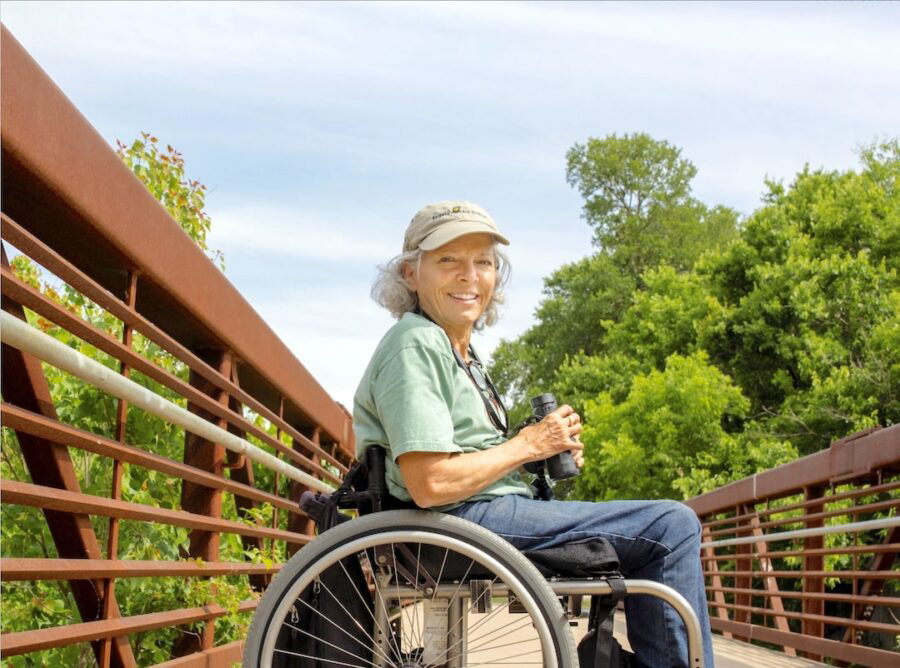
It is this desire to explore and connect with the world that has fueled her dedication to increasing access to nature for people of all abilities — and to helping them find community. Inspired by movements like Latino Conservation Week and Let’s Go Birding Together, Virginia founded Birdability in 2020. Birdability’s vision is simple yet profound: birding is for everyone, regardless of ability.
At BirdsCaribbean, we strongly support this vision. With over a million people in the Caribbean living with some form of disability, facing daily discrimination and exclusion, we are committed to ensuring that birding is not another sphere from which they are left out.
Our partners in Antigua and Barbuda, the Dominican Republic, Puerto Rico, Cuba, St. Vincent and the Grenadines and Margarita Island are exploring ways to make their birding events more welcoming and inclusive. And we would love to see more of these events taking place throughout the region, whether it’s allowing visually impaired participants to “see” birds by handling carved wooden birds, as done by Sociedad Ornitólogica Puertorriqueña, or learn to ID birds using bird songs, as done by Simón Guerrero.

In the coming weeks, we will be speaking with Caribbean bird educators who have successfully hosted inclusive events. Through their stories and advice, we will share what’s needed to plan and host such events — creating a practical roadmap for a more accessible birding community.
Stay tuned for their insights and a practical guide to planning your own accessible birding event by signing up to our mailing list.
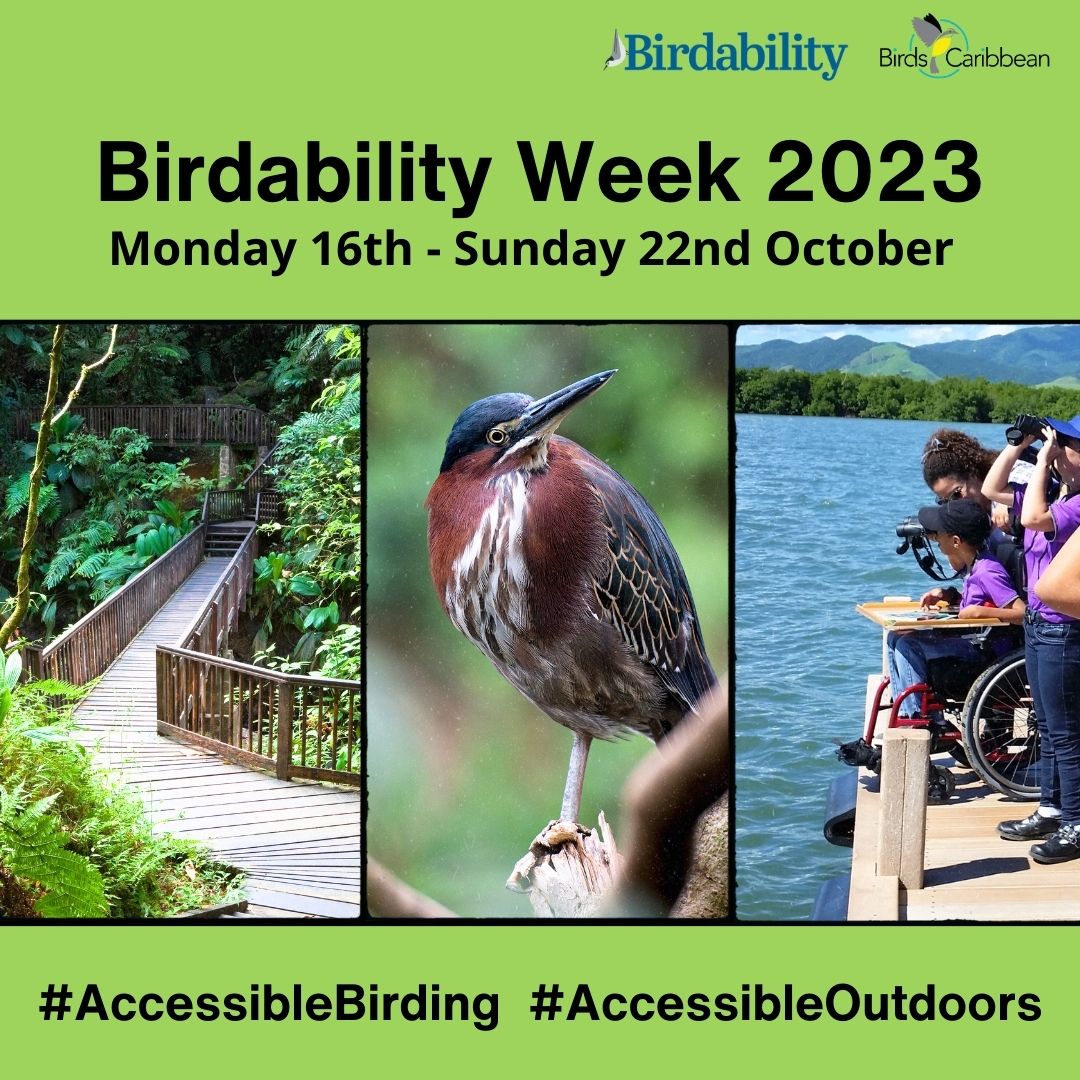
Birdability Week (20th-26th October 2025) offers the opportunity for birding groups, non-governmental organizations, and groups of family and friends to host an accessible bird outing. With some thoughtful planning this event can be enjoyable for every body. The 2025 theme is “You Belong Here.”


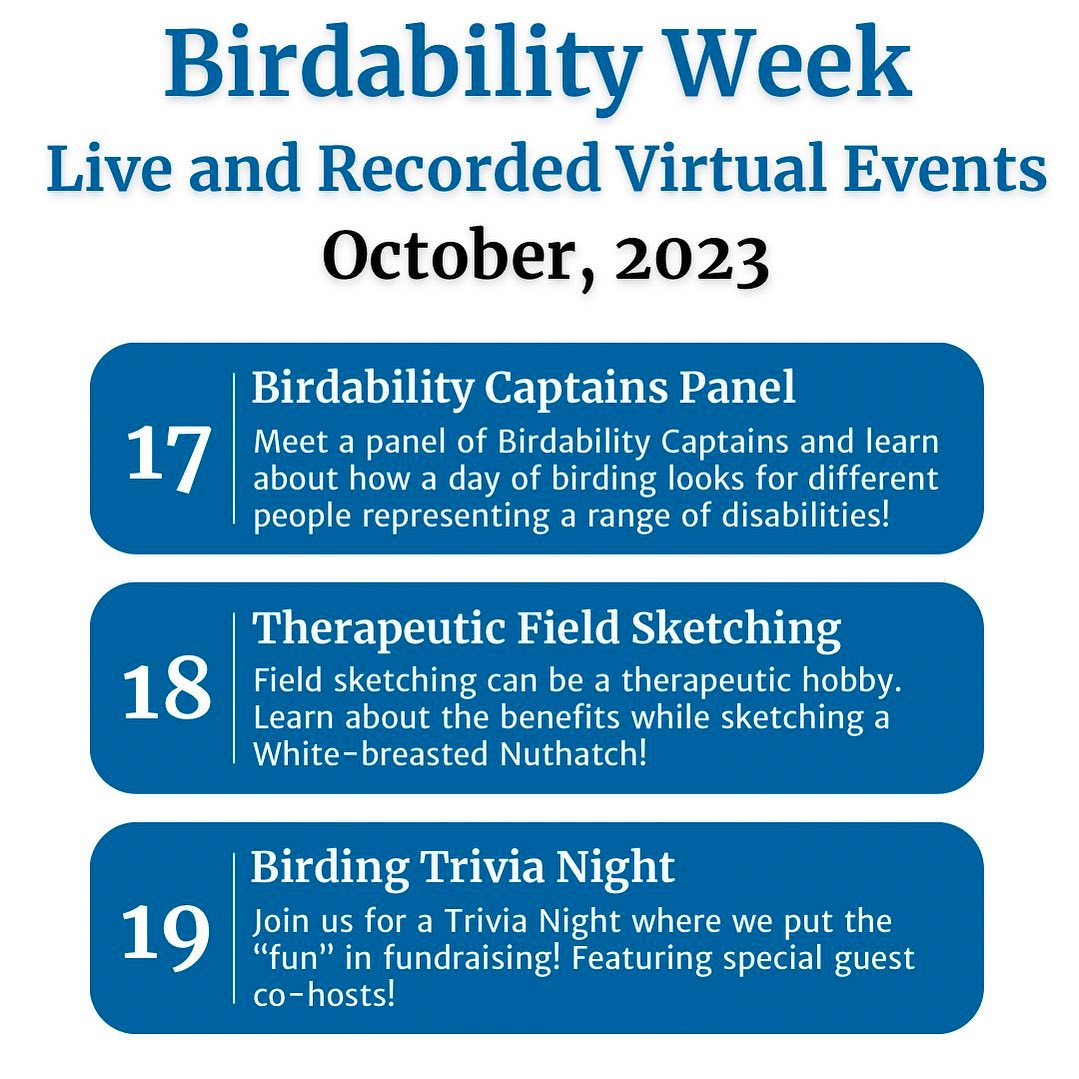
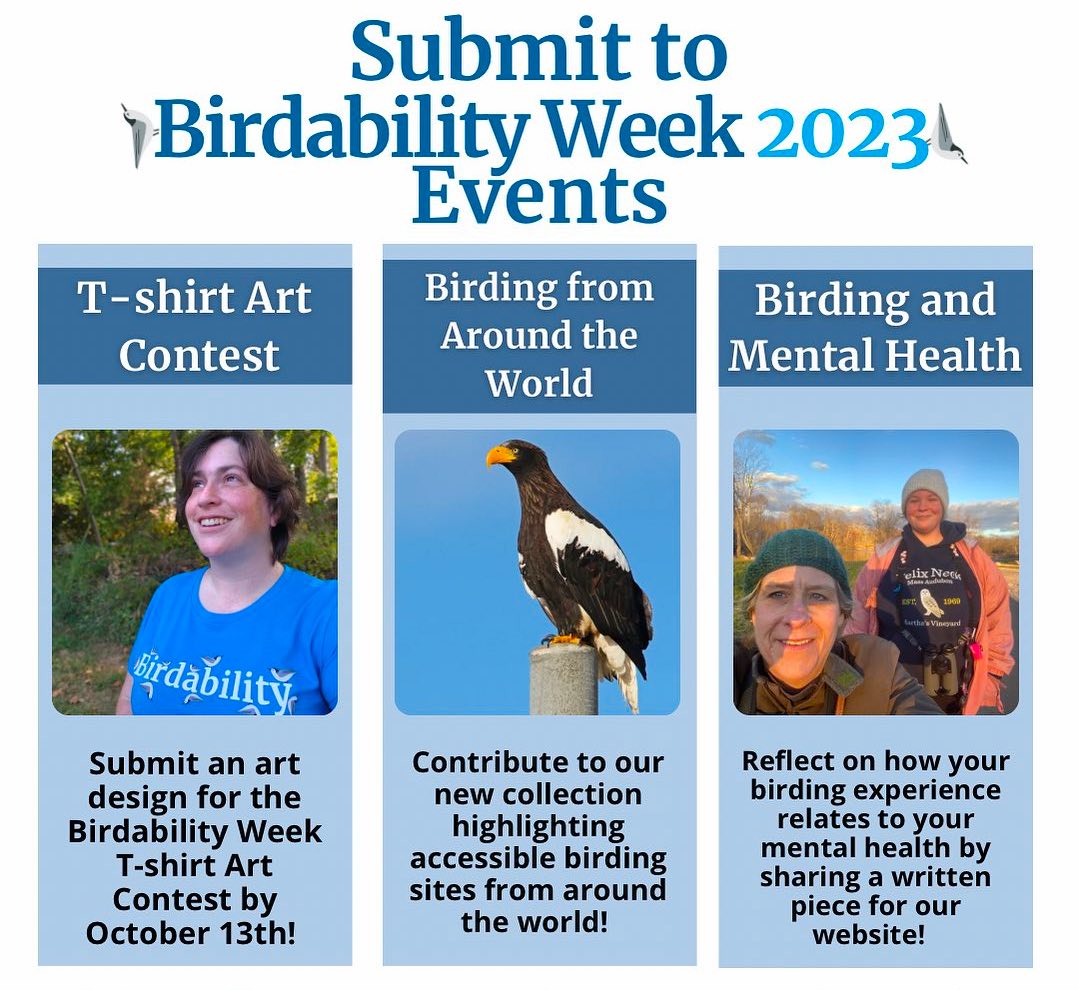
Birdability also has a week of virtual events and activities planned. Check their events page for more information and follow them on Instagram and Facebook @birdability.
Birdability focuses on people with mobility challenges, blindness or low vision, chronic illness, intellectual or developmental disabilities, mental illness, and those who are neurodivergent, deaf or hard of hearing, or have other health concerns. So if you are looking for information and resources to help your organization be more mindful and inclusive of these birders please check Birdability’s website!
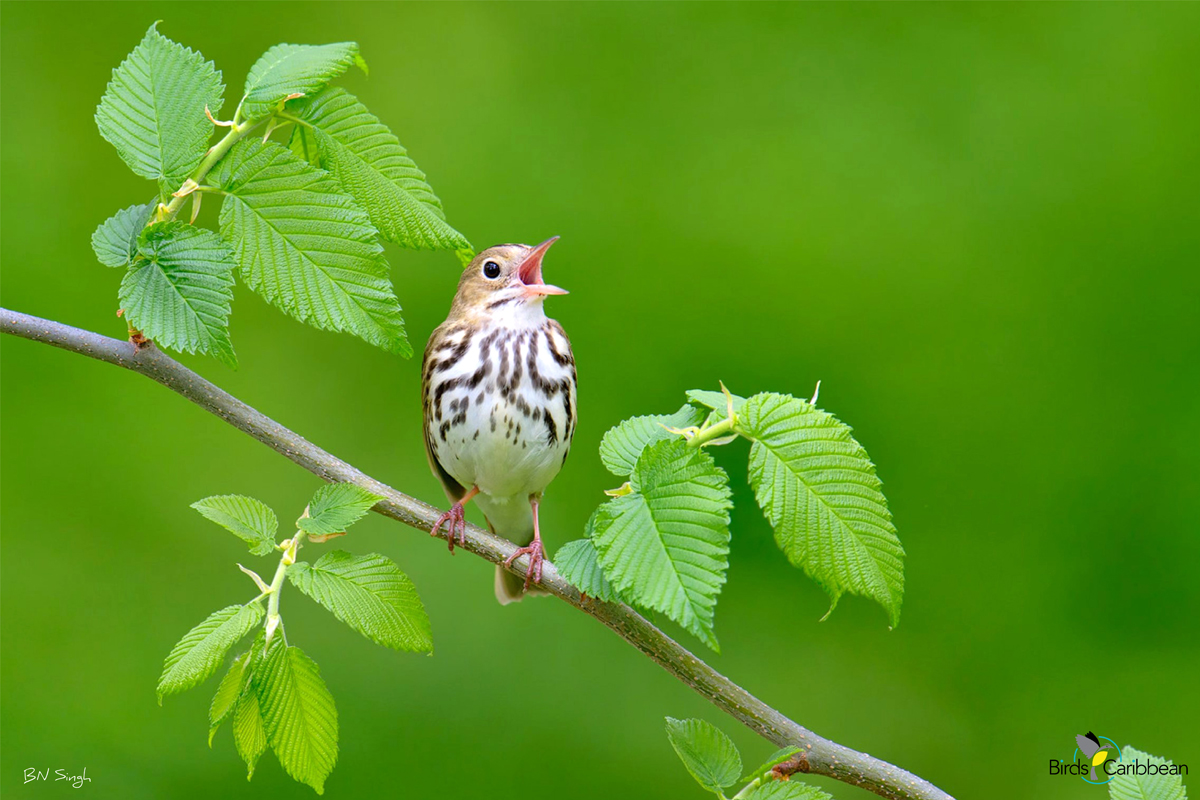
Watch the Birds or Follow the Birdsong — Birding is for ALL
Here are some steps to implement accessible and inclusive birding. Additionally, you will need to take into account access considerations for birding locations such as making sure that trails are accessible and safe for those in wheelchairs and interpretive signs are a good height for everyone. Adaptive birding equipment for birders who are blind or have low vision, rely on wheelchairs to move about, need to rest often, or experience other disabilities can truly enhance the experience for them.
Estos recursos también están disponibles en español.
Help Put Accessible Birding Locations in the Caribbean on the Map!
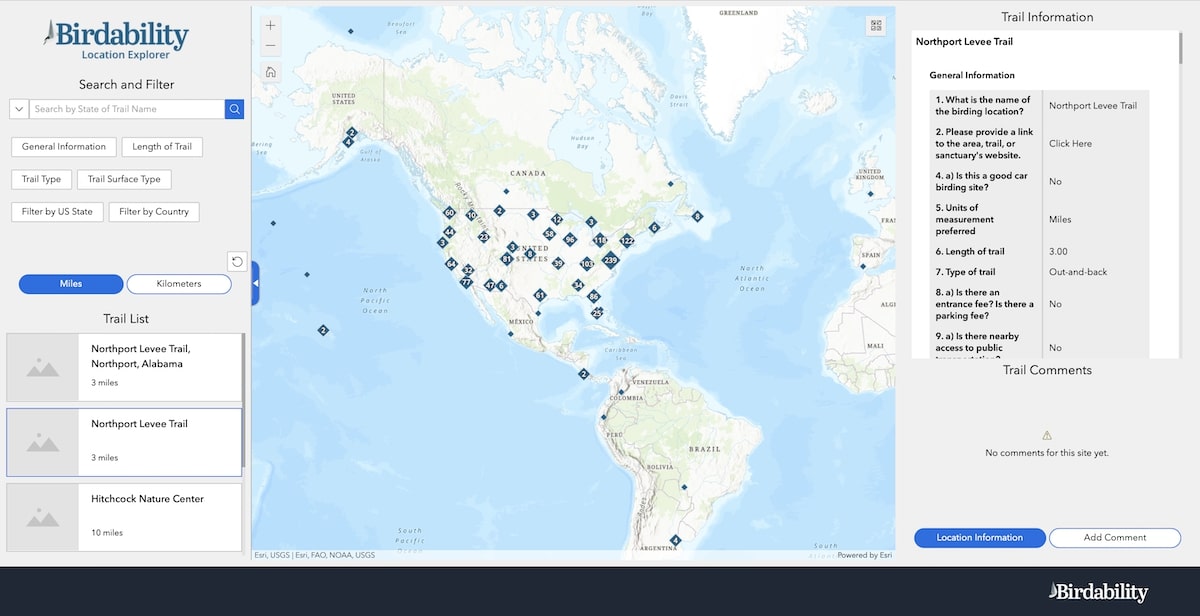
There is also a Birdability Site Map which allows you to share your accessible location, and to search for potential accessible sites near you. The majority of the locations are in North America and a few have been identified in Central America and South America. If you know of accessible birding locations on your island we encourage you to complete on-site, in-person Birdability Site Reviews and add them to the Birdability Map.
Attend a Virtual Event and Connect with Differently Abled Birders
There are a number of virtual events already scheduled — from panel discussions about accessibility in conservation to nature journaling and field safety for Birdability Week 2025.


Together we can build a more welcoming community and ensure that the joy of birding is a shared experience for everyone, everywhere. The key is to remember that the birding community is strongest when it includes all of its members, and that a love for birds knows no bounds.