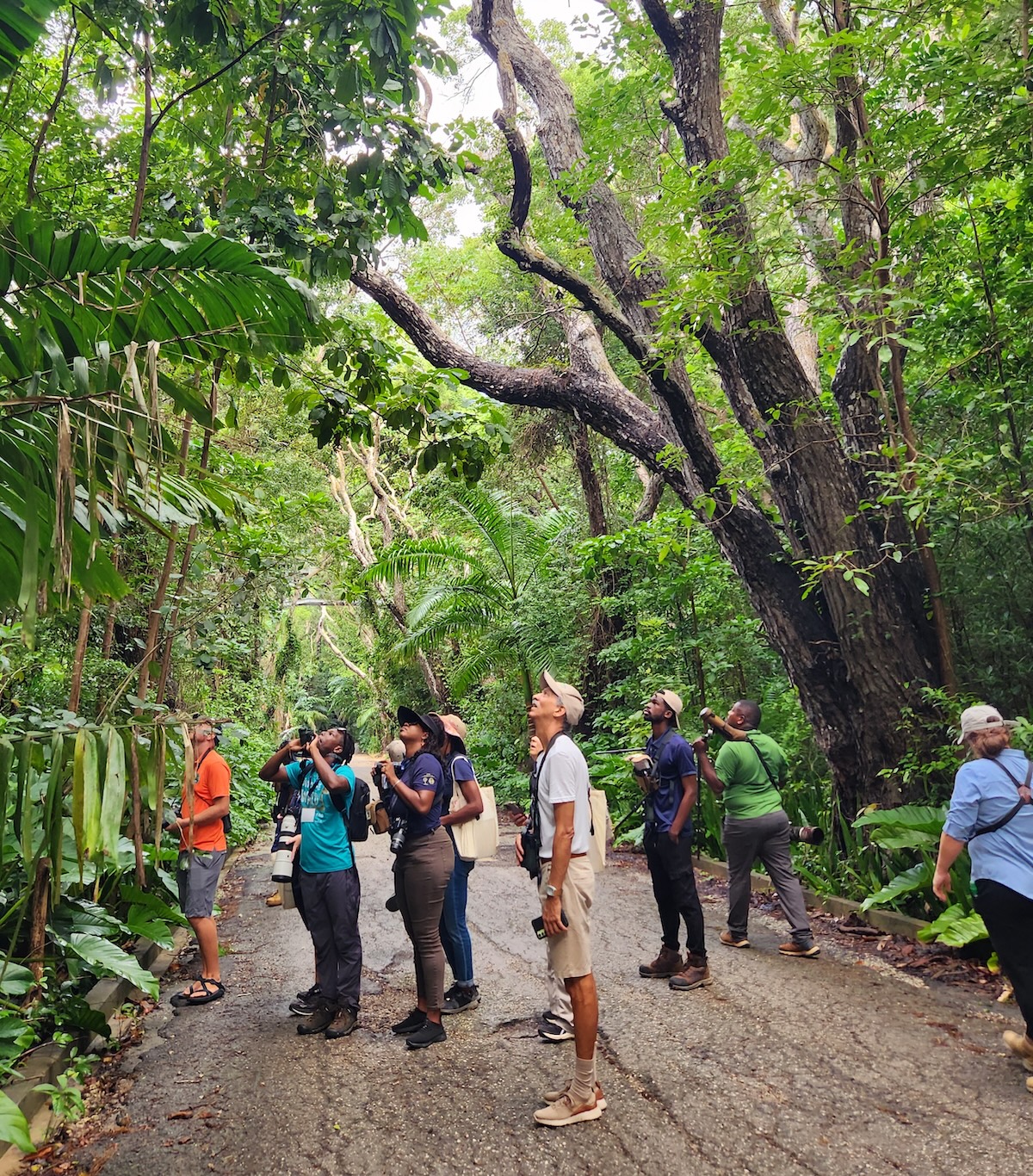
We often say that birdwatching is about looking at birds and nature, but for many birders, finding birds starts with listening. When leading a group that includes Deaf, deaf, or hard-of-hearing birders however, relying on sound alone simply won’t cut it. How can we rethink trail leadership and communication to make birding more accessible and welcoming to everyone?
For many, birdwatching engages far more than just our eyes: it is a rich, multi-sensory experience involving sight, sound, movement, and our surroundings. In fact, many birders rely on distinctive calls and songs to locate and identify species hidden in dense shrubs or high in the canopies long before ever laying eyes on them.
Yet for birders who do not “bird by ear” or whose hearing range is limited, the natural world remains just as captivating through careful visual observation, a bit of patience, and shared excitement on the trail.
A quick note on terminology: Throughout this article, we use both Deaf and hard of hearing. Capital-D Deaf generally refers to people who identify with Deaf culture and community, often with sign language as their primary language, while lowercase deaf generally describes hearing status. Hard of hearing is commonly used by people with partial hearing loss. Individual preferences vary, however, and the best practice is always to respect the terminology a person uses for themselves.
Ensuring that our nature walks, school visits, and coastal excursions are genuinely welcoming to Deaf, deaf, and hard-of-hearing participants requires proactive planning and a shift in how we lead on the trail.
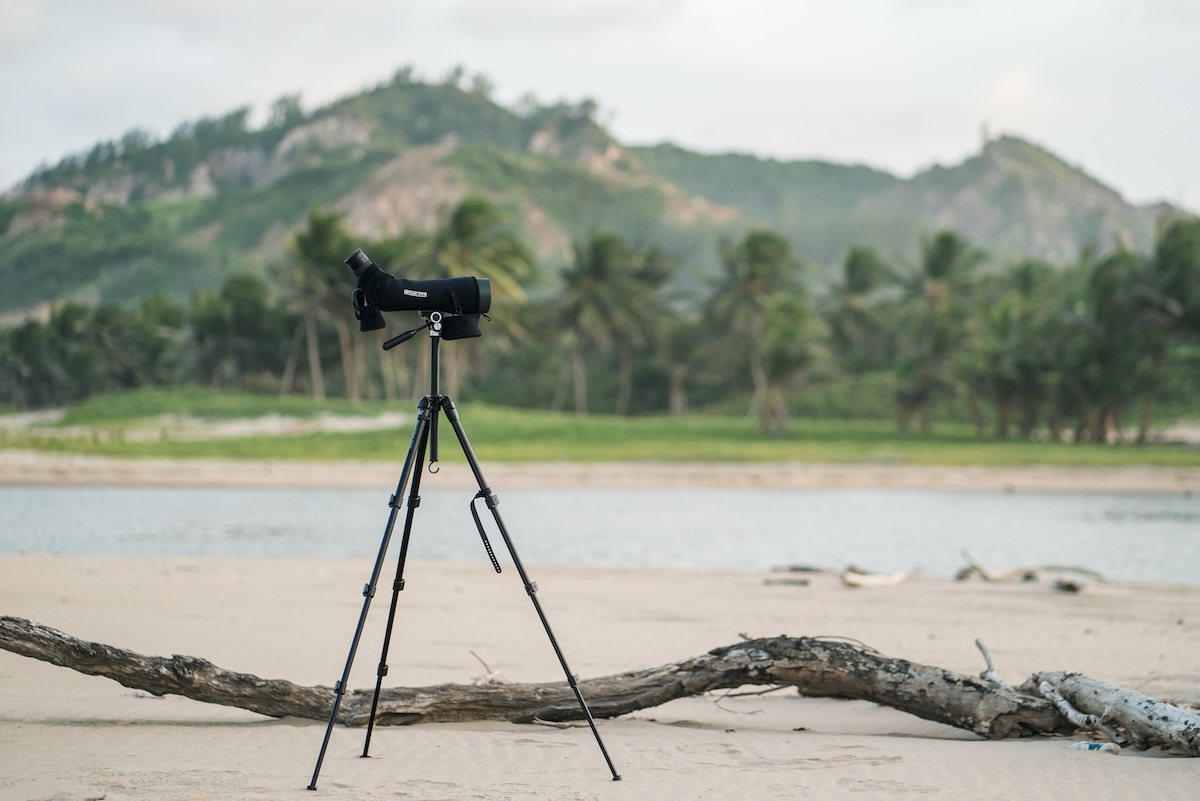
Across the Caribbean, our partners host events in incredibly diverse settings: from schoolyards and botanical gardens to deep forests, wetlands, and coastlines. For many trip leaders, guiding Deaf or hard-of-hearing participants, who are often discovering birdwatching for the very first time, can feel unfamiliar.
To provide simple, actionable guidance for partners across the region, we sat down with two experts in language and Deaf culture from the University of the West Indies (St. Augustine Campus): Dr. Benjamin Braithwaite, Director of the Centre for Language Learning (CLL), and Jeremy Jaggernauth, certified sign language interpreter and Deaf advocate.
This conversation isn’t meant to be a definitive manual since every individual and community will have their own preferences. Instead it offers a helpful starting point for partners looking to make their birding events more accessible. Throughout our chat, both experts reiterated one fundamental principle above all else: true accessibility starts with open communication and a genuine willingness to adapt.
Below, they share practical advice and key insights to help us take those first confident steps toward welcoming everyone on the trail.
Note: To ensure our partners receive the most thorough and accurate guidance, we posed our questions to both experts. Jeremy answered all questions based on his expertise as an interpreter and advocate, while Dr. Braithwaite provided responses specifically focused on language and etiquette. The conversation below reflects their respective contributions.
1. Terminology
What is the most respectful and current terminology you recommend we use when referring to participants who have a hearing loss within the Caribbean?
Dr. Braithwaite: Generally people prefer to be called Deaf (some prefer a capital “D” to indicate shared cultural identity, a bit like “Black”), or Hard-of-hearing. “Deaf” is particularly used by people who use sign language as their main language (as opposed, for example, to people who lose hearing later in life, and may still prefer speech). Deaf people often dislike the term “hearing impaired.”
Jeremy: Terms such as “hearing impaired,” “dumb,” and “mute” are not preferred and are often received negatively because they imply that Deaf individuals are lesser than those in hearing society.
2. Barriers to participation
Beyond communication barriers, what are the most common systemic or social challenges that these participants face in outdoor or recreational activities that we must actively work to dismantle?
Dr. Braithwaite: Sometimes people experience discrimination in public settings, such as people laughing at signing. Often the main issues are interpersonal—people being nervous to communicate or not addressing the Deaf person directly, instead talking to a hearing friend.
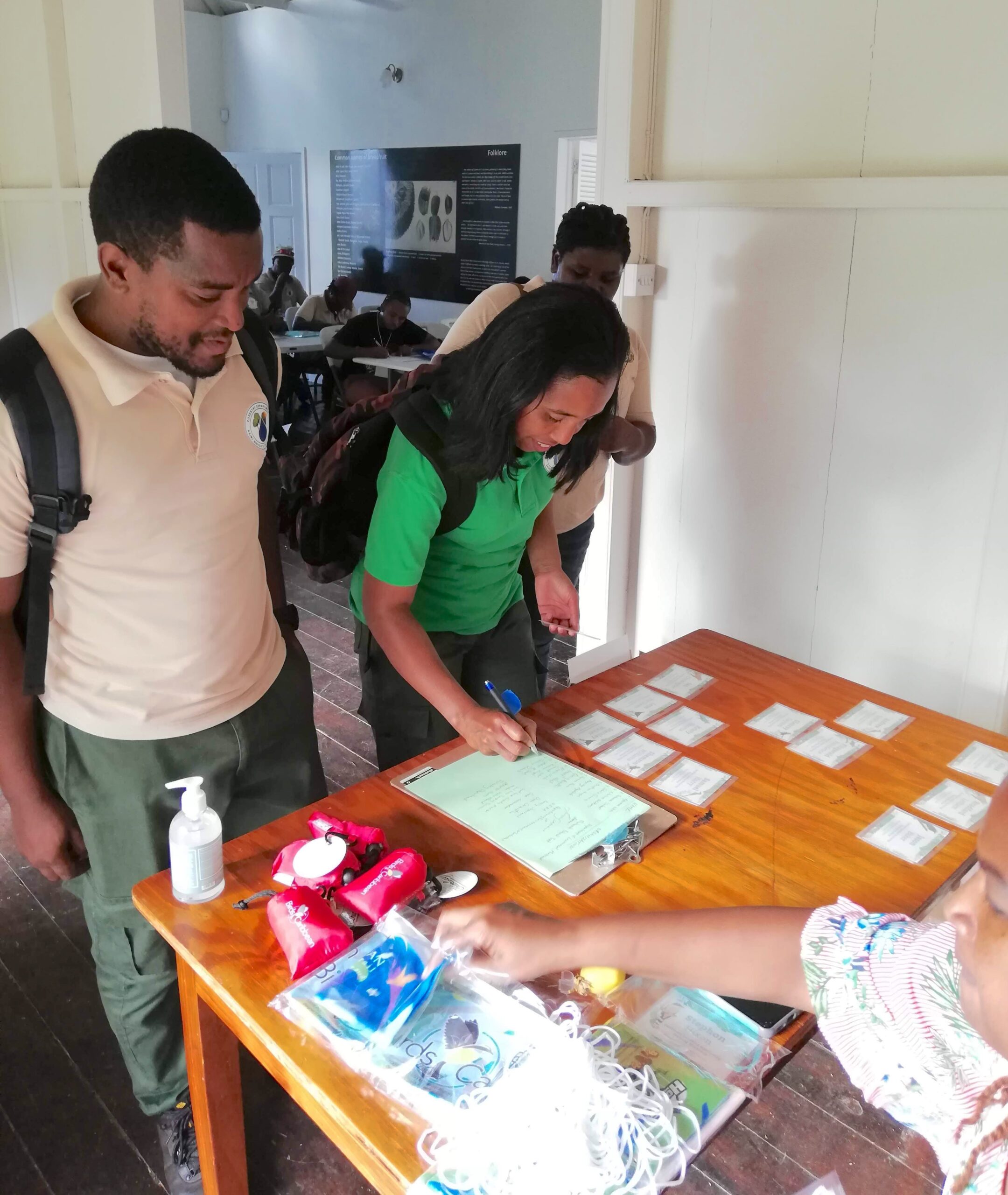
Jeremy: From personal experience, one major challenge is the lack of accessibility in event planning and registration.
Registration processes may rely solely on phone calls or emails, whereas many Deaf individuals prefer direct, fast-response channels like text, social media, or WhatsApp. Registration forms that are heavily dependent on complex English can also discourage participation, particularly when individuals have to depend on someone else to assist them with the process.
Providing accessible registration options and clear, easy-to-understand information would help remove these barriers from the outset. If you want to truly be fully accessible, a video in sign language explaining how to complete any forms and/or payment details on the website or social media page would be best.
Staff training in Deaf awareness is also important. This includes understanding appropriate ways to interact with Deaf individuals, for example, maintaining eye contact directly with the person rather than speaking only to the interpreter. Staff and activity organizers should also be mindful of unconscious biases, negative attitudes, and low expectations that may unintentionally make Deaf participants feel excluded or underestimated.
Another challenge is the lack of inclusive planning when Deaf participants are present. Event organizers must be mindful of how activities are structured to ensure that Deaf individuals are not isolated or excluded from participating. More visually engaging and interactive activities can go a long way in creating an inclusive experience, particularly when participants can follow instructions and engage with others without having to rely solely on spoken communication.
3. Starting a conversation
When greeting or starting a conversation with a new participant, are there any common, universally accepted gestures or non-verbal cues in Caribbean Sign Language (or general etiquette) that would be a polite way to introduce ourselves and establish communication?
Dr. Braithwaite: On the whole, I would advise people with no signing experience to be brave, look directly at the person you want to interact with, and make use of gestures in a natural way. Some Deaf people may prefer to communicate via writing (using a device or paper), others may prefer direct gestural communication. Be guided by the person you are interacting with: they will have a life-time’s experience of negotiating these types of interactions and will show you how to communicate if you pay attention.
Try to relax, don’t worry about whether you’re doing the right thing or not, and remember that a sense of humour helps. Normal gesturing (thumbs up, facial expressions, pointing) and sometimes acting things out goes a long way. There is no ‘correct way’ of doing things. As long as you are being friendly and respectful, you’ll probably be surprised at how much you can communicate.
Jeremy: A simple wave followed by the sign for “morning,” “afternoon,” or “evening” is a great way to greet Deaf participants. It would also be nice if staff could learn a few basic signs, such as “Hi, my name _____,” while fingerspelling their name; “Your name what?”; “Nice meet you”; and “What mean?” when they come across a sign they don’t know.
Editor’s note: Phrases such as “your name what?” reflect sign language syntax and are intentionally written this way.
4. Communication etiquette
We want to ensure respectful communication. Can you highlight two or three of the most important ‘do nots’ regarding physical interaction (e.g., tapping or touching to get attention)?
Dr. Braithwaite: Try to communicate directly rather than relying on others. Don’t shout. Don’t cover your mouth (some people might lip-read quite well). Don’t assume people want to lip-read or write: each person’s way of communicating is different. Don’t panic. If you see two people signing, don’t worry too much about interrupting them by walking between them. Generally, the best thing to do is to move through quickly without making a fuss. Don’t look away when someone is trying to communicate with you: since communication depends on visual contact, looking away is like ignoring someone.
Jeremy: I believe that having staff who know some basic sign language, even just a few greetings and the alphabet, can go a long way. Being able to fingerspell allows them to introduce themselves and learn new signs directly from Deaf participants. It’s okay to fumble a little and try, especially if you’re not an interpreter and are just making conversation. Making that effort opens up a direct line of communication between Deaf participants and organizers, and that would be greatly appreciated by the Deaf community.
A gentle tap on the shoulder is widely accepted. If you’re in a room with a group of Deaf people, flickering the lights on and off is also a common way to get everyone’s attention. Outdoors, waving your hands above your head or to your sides can work well. Wave in their line of sight, not in their personal space.
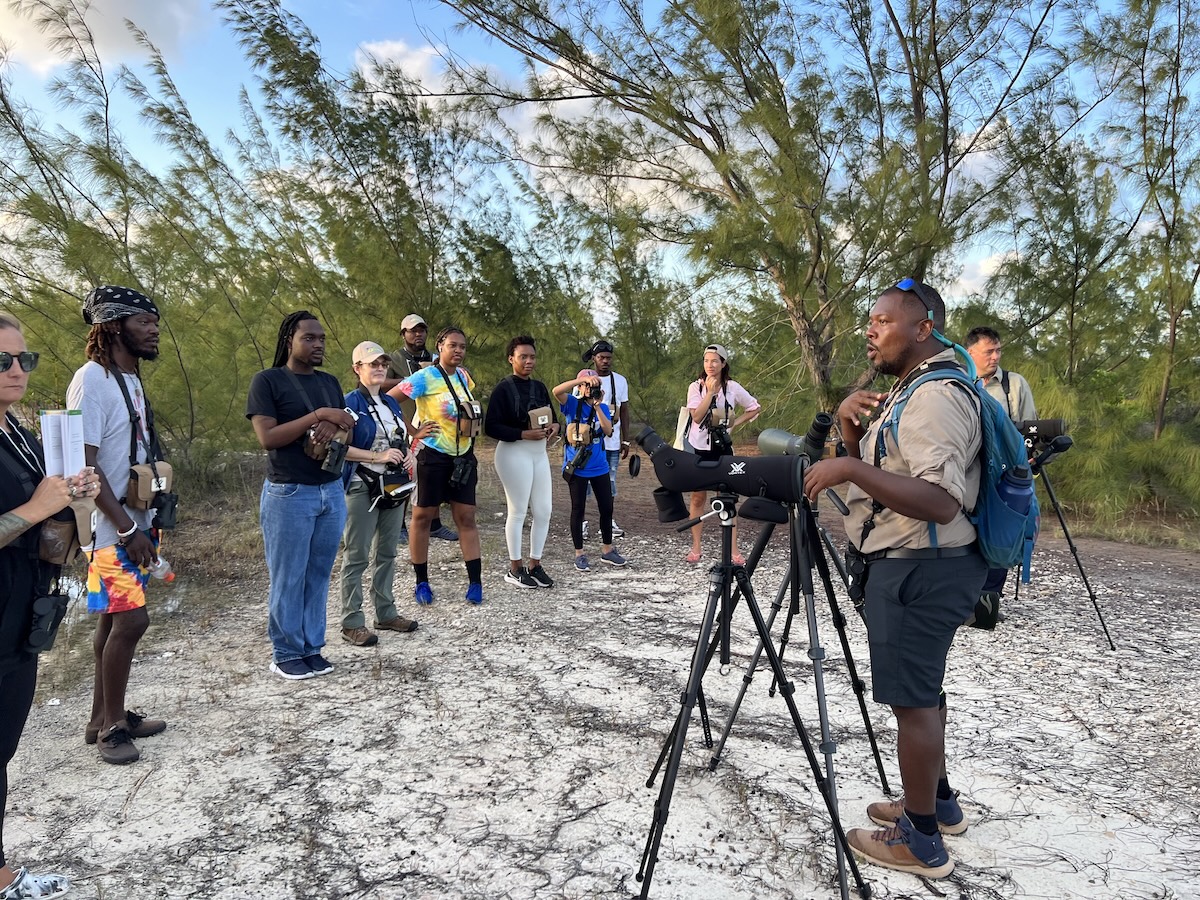
I agree with always facing the Deaf person you’re communicating with. For example, if a Deaf participant asks a question through an interpreter, the interpreter will voice the question so you can hear it. However, you should maintain eye contact with the Deaf participant, not the interpreter. When answering, continue to direct your response to the Deaf person, even if they are looking at the interpreter while you speak. The interpreter is there to facilitate communication, not to be treated as the person asking the question. If you know some basic sign language or can fingerspell and the question is “easy,” feel free to answer directly in sign. A small effort can make a big difference.
One important “don’t” is never throw objects at Deaf participants to get their attention.
It’s important to give Deaf participants enough personal space to sign comfortably. Avoid getting too close to their face, exaggerating your mouth movements or slowly enunciating every word. These actions can feel patronizing and do not make communication easier.
5. Low-cost communication tools
Beyond a live interpreter, what are the most reliable and low-cost communication tools (e.g., specific real-time transcription apps, pre-printed cards, whiteboards) that we can use to communicate clearly with a Deaf or hard-of-hearing guest, especially outdoors?
Dr. Braithwaite: This tends to depend on the person. Ideally, it would be good to train people who can communicate directly with Deaf people, so that you don’t have to rely on an interpreter.
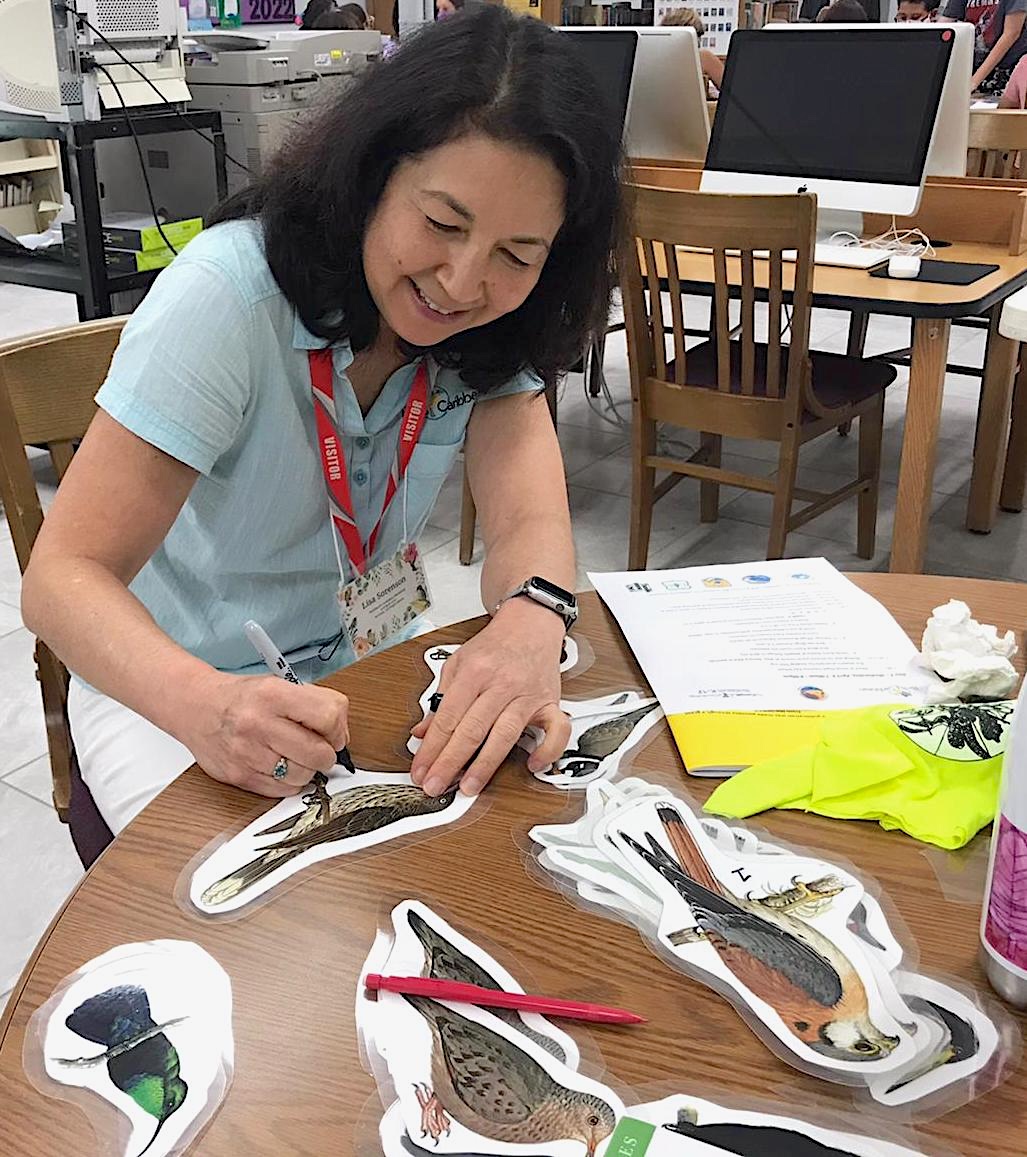
Jeremy: Event organizers must be mindful of how activities are structured to ensure that Deaf individuals are not isolated or excluded from participating. More visually engaging and interactive activities can go a long way in creating an inclusive experience, particularly when participants can follow instructions and engage with others without having to rely solely on spoken communication.
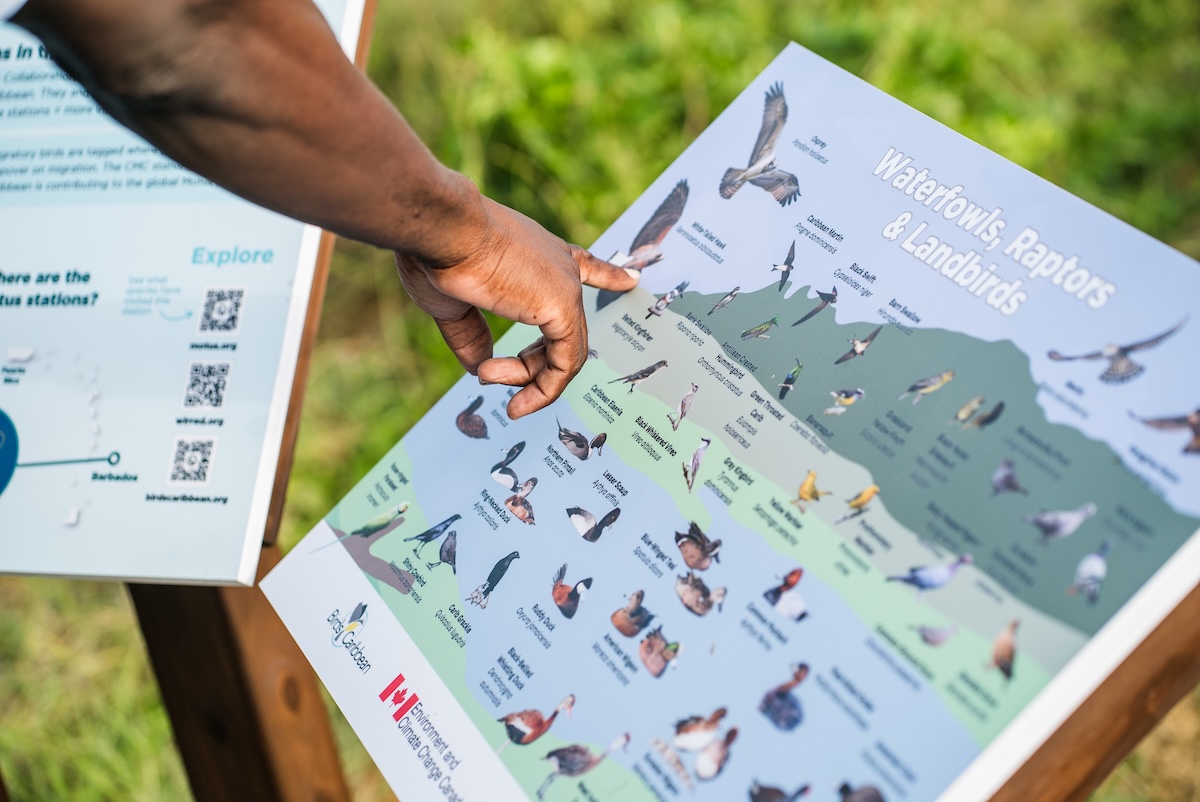
These resources work best when they rely less on text and focus more on clear, visually appealing communication. For example, a simple picture of a bird with the species name underneath can help make the meaning clear.
Visual safety aids are also essential. Staff must be trained to ensure that emergency protocols, activity rules, and important instructions are properly communicated; again, these can be represented through visual resources. This is especially important at outdoor recreational events, where safety information may need to be understood quickly. Visual signage, demonstrations, and clear instructions can help ensure that Deaf participants are informed and able to respond appropriately.
In my experience, transcription apps can sometimes be detrimental and shouldn’t be relied on as the only method of communication. Many Deaf people find English syntax difficult to follow because Sign Language has its own grammar and syntax, which differ from English. When possible, it’s better to rely on sign language accessibility with visual resources, writing, drawing, signing, or other communication methods that support the participant’s preferred language and communication style. Transcription apps and programs can be secondary to these methods.
6. Preparing interpreters
Birdwatching uses a lot of specialized vocabulary related to birds and their identification, such as standard bird names, and local names that can vary by country. What is the best way to share this terminology and accompanying visual materials (like bird guides or ID charts) with the interpreter before the tour begins?
Jeremy: A preparation session with the interpreter is essential to ensure they fully understand the terminology and concepts being discussed. This is common practice, as skilled interpreters often have preparation sessions before events to familiarize themselves with the relevant terminology, schedule and agenda, event duration, and names of the organizers.
Providing visual materials and resources alongside the presentations is also a great idea and would be greatly appreciated. Once again, the focus should be on making the information visually accessible and engaging, rather than relying heavily on text.
7. Those fast-moving birds!
On a birdwatching tour, birds can appear unexpectedly and are often moving targets. Do you have suggestions for helping interpreters and our partners communicate quickly so everyone has a chance to see the bird?
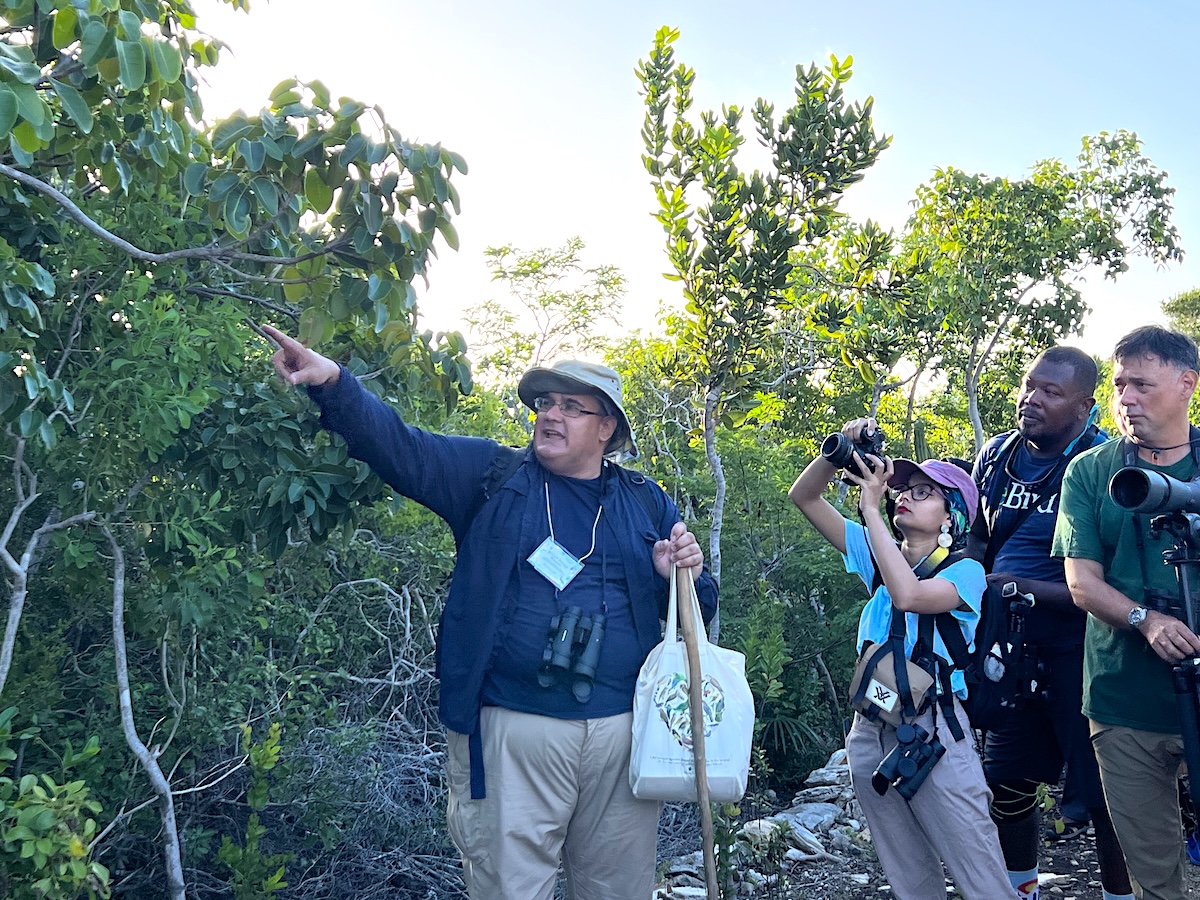
Jeremy: For unexpected bird appearances, I think pointing while giving information through the interpreter is perfectly fine. For example, if a guide spots a bird, they could point in the general direction and say, “If you look behind you, to the left, you’ll see a bird flying towards the trees.” The interpreter can sign the information while the guide points so everyone has the opportunity to spot the bird and doesn’t miss the moment. The interpreter can also follow up once everyone’s attention is back on the interpreter to provide information about the bird from the guide.
The reason for pointing is to help everyone quickly locate the bird, especially when it appears unexpectedly.
8. Describing bird songs
Birdwatching often involves identifying species by sound, like using bird song mnemonics like “Who are you?” for the Scaly-naped Pigeon. Are there ways to convey or describe bird songs and calls to the Deaf and hard-of-hearing birders?
Jeremy: I think it’s possible, especially if the content is prepared beforehand with the interpreter. Working alongside the interpreter may also help the guide find ways to describe different bird sounds, such as comparing them to familiar sounds or demonstrating the mouth movements used to produce them.
That being said, while we can use comparisons and references to describe a bird’s song, it may not be possible for some Deaf participants, especially those who have been fully Deaf since birth, to relate to what the sound actually sounds like. However, I still believe describing the song is worthwhile. It gives participants an opportunity to imagine what the bird’s song might sound like in their own way.
9. Finding interpreters and resources
Where can we find a comprehensive list of accredited Sign Language interpreters for the region and/or access more resources on working with the Deaf community?
Jeremy: As far as I know, there isn’t a comprehensive list of skilled interpreters available at the moment. However, I understand that DEAF (Deaf Empowerment and Advancement Foundation) is working on one, particularly because of the number of unqualified interpreters and hearing-led companies that don’t always provide quality services or have the best interests of the Deaf community in mind.
I would recommend reaching out to DEAF, who works closely with the interpreters and can connect you with them. They may be able to provide guidance on finding qualified interpreters who are familiar with the needs of the Deaf community.
Conclusion
By making small, intentional adjustments like rethinking registration forms, incorporating visual resources, and embracing direct, non-verbal communication—we can help ensure that the joy of Caribbean birding is open to everyone!
We hope this conversation inspires you to reach out to local Deaf organizations, welcome new participants onto the trail, and keep learning along the way. When we make birding more accessible, our entire birding community becomes richer for it.
Biographies
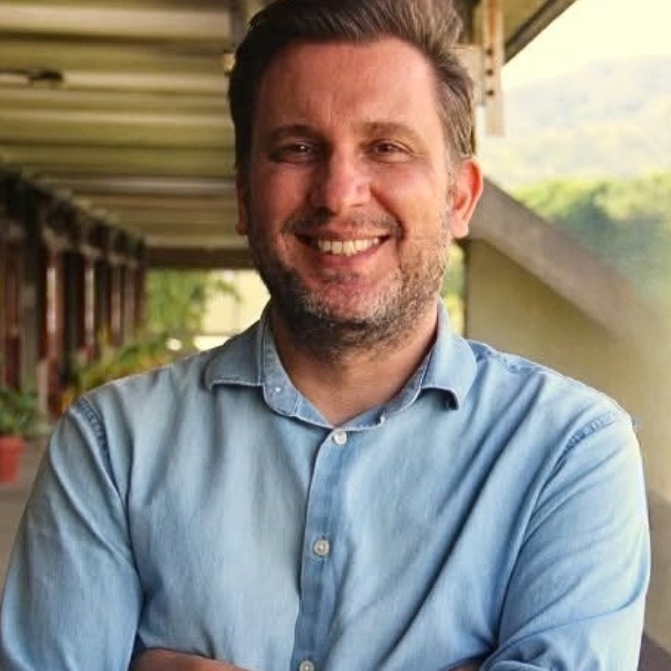 Dr. Benjamin Braithwaite, Director of the Centre for Language Learning (CLL), holds a PhD in Linguistics and brings over 25 years of experience as a researcher and educator. His work has focused on language rights, language documentation, and especially the Indigenous and signed languages of the Caribbean, including Trinidad and Tobago Sign Language. His collaborative research with deaf and signing communities across the Caribbean was recognised with the Principal’s Award for Most Impactful Community Research in 2025.
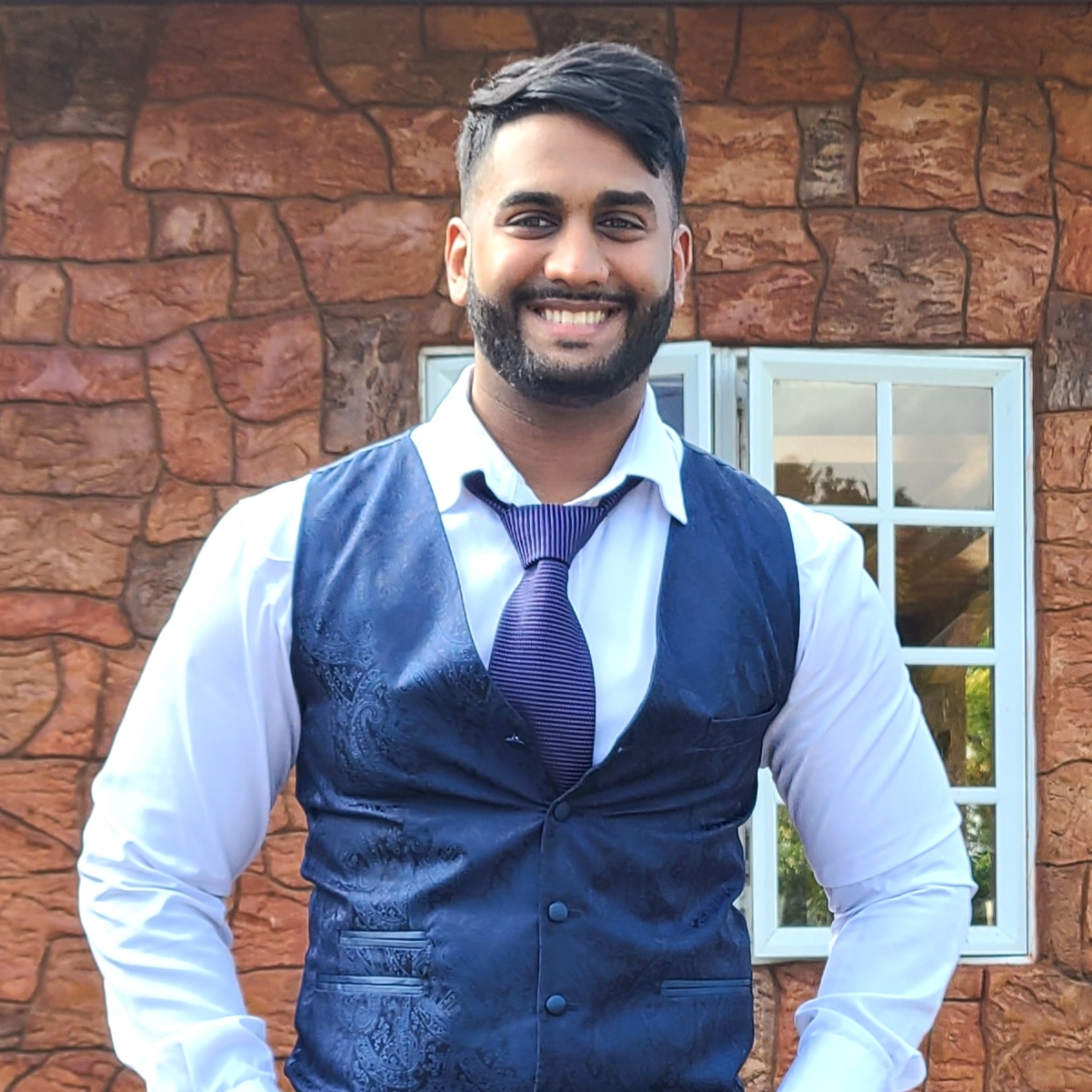 Jeremy Jaggernauth is a certified sign language interpreter, advocate, and student in the Faculty of Humanities and Education at the University of the West Indies, St. Augustine Campus. As a CODA (Child of Deaf Adults), he has grown up closely connected to the Deaf community—a lived experience that deeply informs his professional work and advocacy. Jeremy is passionate about empowering and developing the Deaf community, with a strong focus on advancing education, expanding accessibility, and creating greater opportunities for Deaf individuals.