
Before screens, it was the original escape. It was the first place you tested the limits of your independence and imagination. We’re talking about the great outdoors! Today, we’re taking you back to the days when the world was wide open and waiting to be discovered, as we see the wonders of nature and birds through a child’s eyes.
Our story begins more than 20 years ago when the Caribbean Endemic Bird Festival (CEBF) was established to spark a region-wide love for the unique birds that call our islands home. Fast forward to today, and that spark is a roaring fire. Across the Caribbean, CEBF coordinators are helping local communities rediscover their islands through birding walks, fairs with hands-on activities, and workshops, turning national pride into conservation action for birds and their habitats.
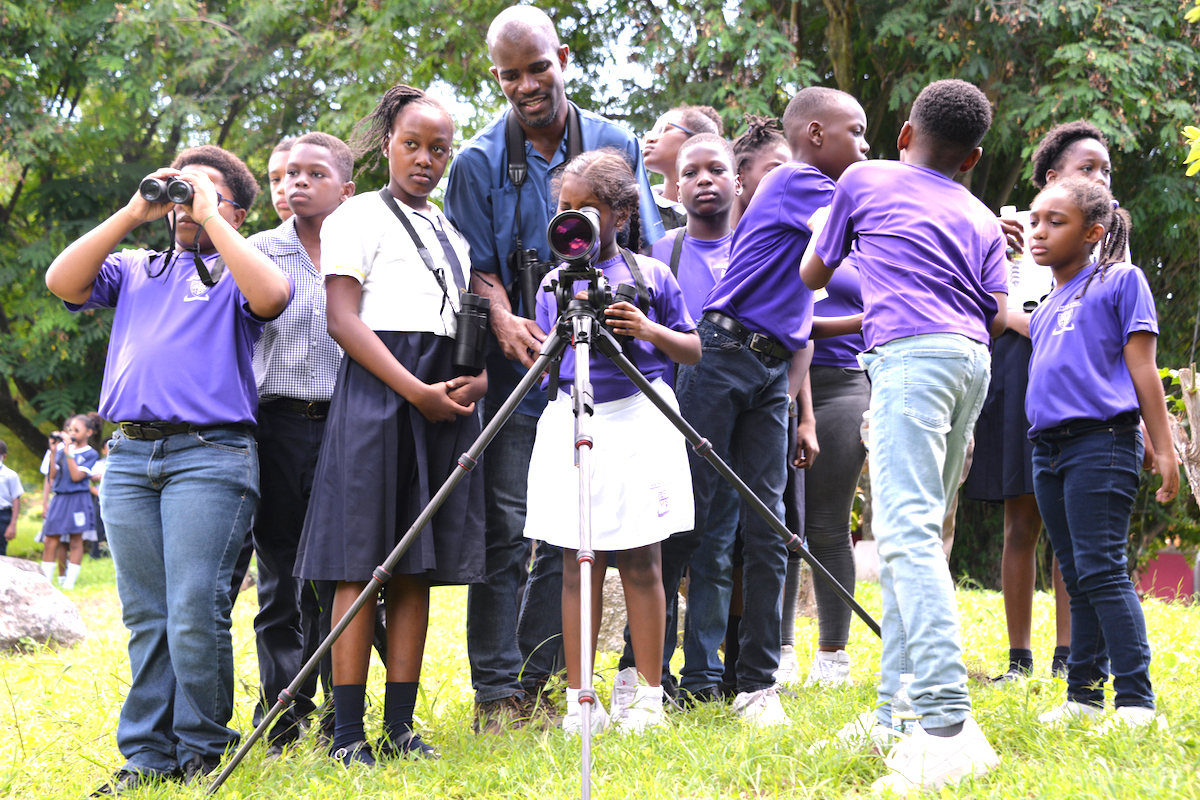
Driving this momentum is the 2026 CEBF theme, “Every Bird Counts – Your Observations Matter.” It shines a spotlight on the power of citizen science, reminding us that you don’t need a lab coat or a PhD to contribute to science; you just need curiosity and a genuine love for nature and community.
To see this theme in action, we are zooming in on a spectacular celebration in Cuba, spearheaded by Adrián Yanes Domínguez and his passionate team at Empresa Flora y Fauna Matanzas. They brought the festival to life at the Laguna de Maya protected area, welcoming curious minds like 13-year-old Patricia. Step into her shoes (or should that be boots?) as she explores the mangroves and tells us about the vibrant birdlife of her home island.
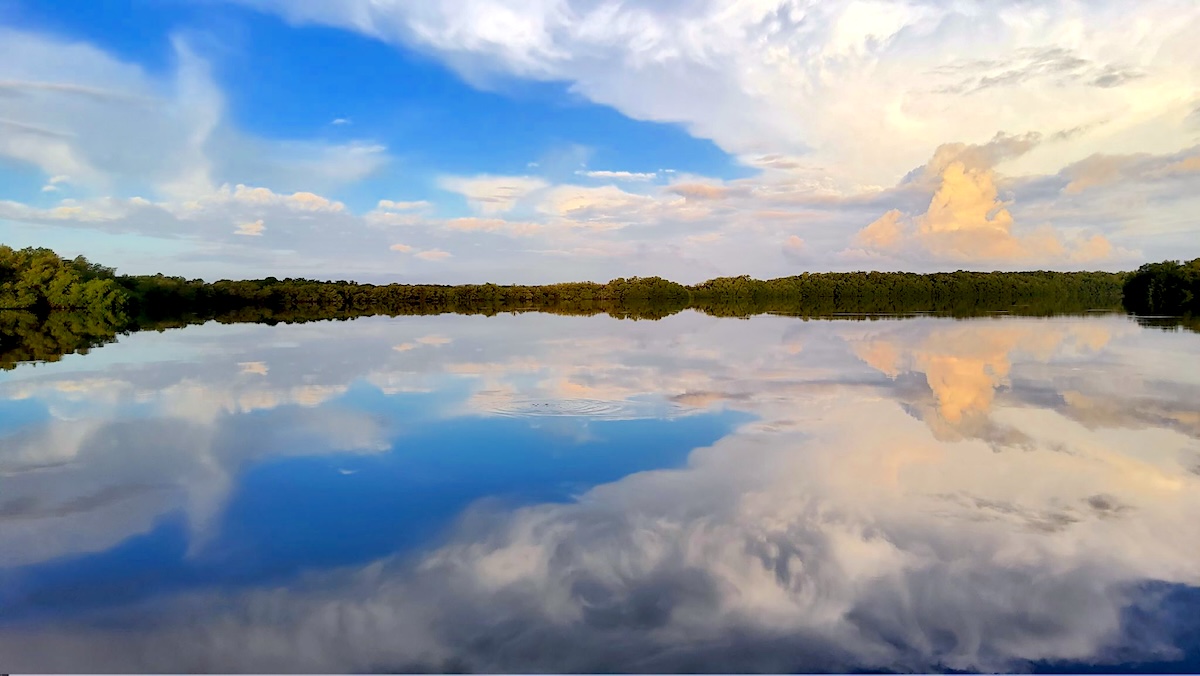
Located just 12 kilometers from Matanzas, Laguna de Maya Wildlife Refuge is a natural playground for nature enthusiasts and haven for birds, consisting of coastal shores, mangrove forests, and serene lagoons connected to the sea. Visitors, on marked trails or tour boats, can spot species like Roseate Spoonbills, Tricolored Herons, and woodpeckers. During the winter, the calm waters become a bustling sanctuary where local birds share their home with seasonal migratory guests, including Wood Ducks arriving from North America.
When Cartacuba Taught Me to See the Forest
This blog has been translated from Spanish to English.
My name is Patricia, I’m 13 years old, and I live in Cuba, in a place called Carbonera. This year for the Caribbean Endemic Bird Festival, we visited Laguna de Maya Wildlife Refuge, which is a very beautiful protected area where there are many birds.
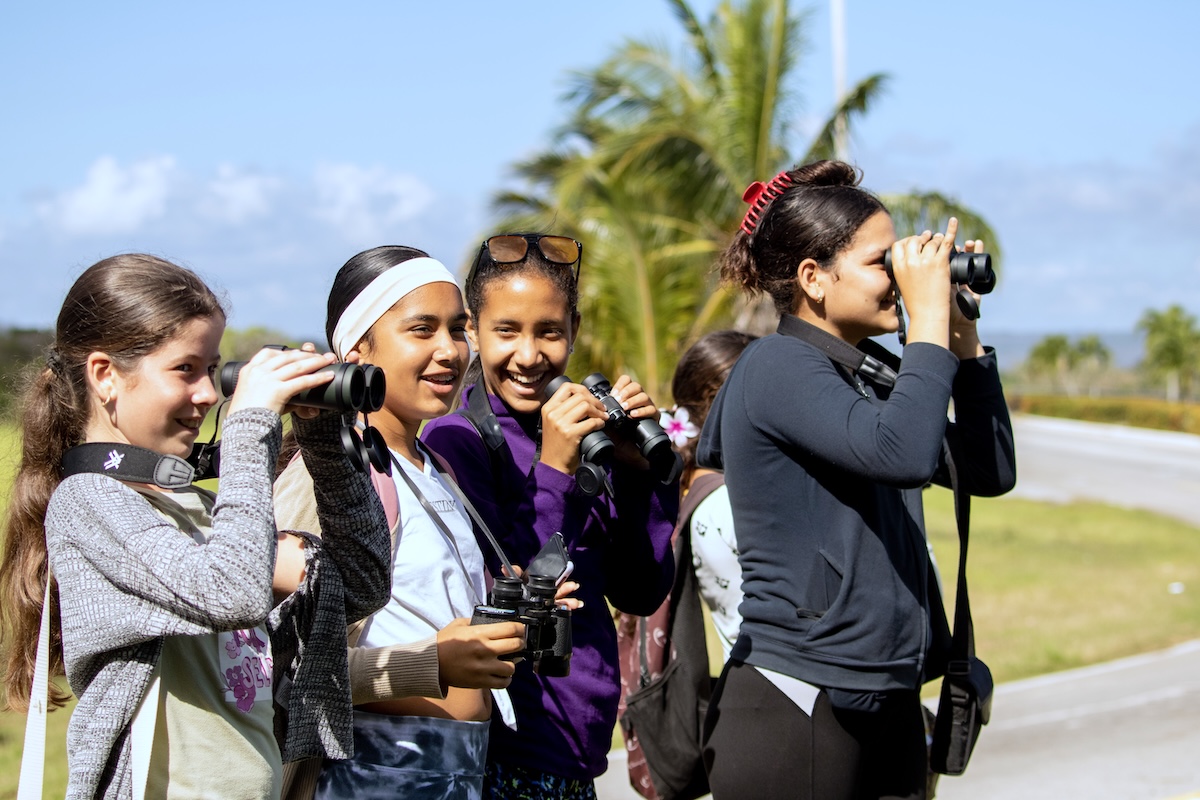
When we arrived, I took out my binoculars right away because I wanted to see everything! We walked along a trail where there were plants that grow on trees, like the Curujey (wild bromeliads), which is very useful because it stores rainwater in its leaves, and some birds drink that water! Because of their rosette shape, Curujeyes catch and store rainwater in their tightly overlapping leaves. In the dry season, they become important water sources for frogs, insects, and birds.
In the trees, we saw some little nests, like the one belonging to the thrush with red legs (Western Red-legged Thrush). We learned a lot about the birds on my island and about the plants they eat and use to build their little nests. In the protected area, there are thirteen bird species that live only in Cuba and also in the Caribbean. We saw many beautiful birds, such as the Tocororo (Cuban Trogon), which is our national bird because it has the colors of the Cuban flag; the Green Woodpecker; the Sijú Platanero (Cuban Pygmy Owl); the Cartacuba (Cuban Tody); the Toti (Cuban Blackbird); the Cabrero (Cuban Bullfinch); and one with a yellow head whose name I don’t remember. They all had very beautiful colors and songs.


My favorite bird is the Cartacuba (Cuban Tody), because it’s tiny and has lots of colors. It likes to perch very close to you so I was able to take photos and videos of it with my phone. At one point, it moved its head and shifted its body to face us, as if it wanted us to look at it. It sings a lot and flits around hunting for flies, and then it lands back in the same spot. This year I discovered that my favorite bird also makes a whirring rattle sound with its wings, allowing you to identify it before you ever see it! Unlike other birds, it doesn’t like to build its nest in trees; it digs a little tunnel into a bank or slope. I just don’t know how it has so much strength for how tiny it is!


I also learned that some birds, like sinsontes (mockingbirds) and the zorzales (thrushes), don’t like others, like the Sijú Platanero (Cuban Pygmy Owl), to get close to their nests because they’re taking care of their chicks.
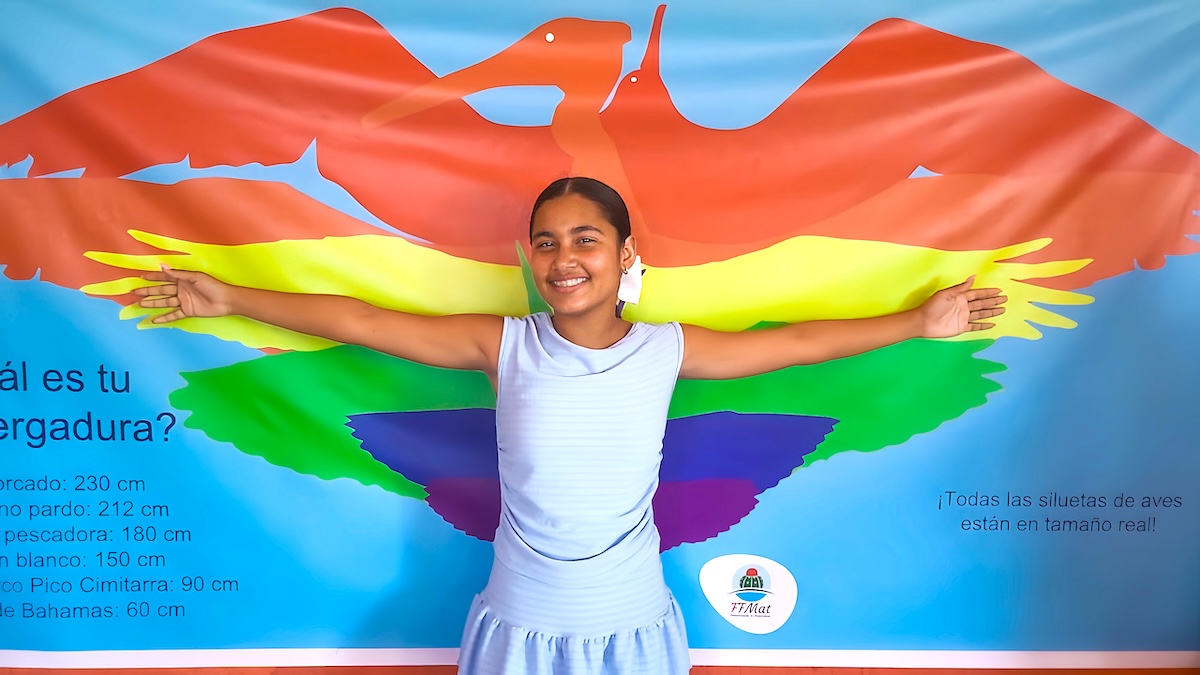
At the festival, we played several games. The one I liked best was one where we spread our arms to see which bird we matched in wingspan. We also colored a new book from the Botanical Garden of Cuba. My teacher says it is very special because it was created by professors who help the protected area and the birds of the wetland a lot! To top it off, I also participated in a contest to record bird songs.
I think protecting birds is important because they eat pests, help the forest, and some, like the Zunzún (Cuban Emerald), pollinate flowers. Others eat seeds,helping new trees grow. Some of these birds only live on our island and don’t exist anywhere else in the world, so we have to take extra care of them. We kids can help by putting out water in the schoolyards, planting flowers, and not keeping them in cages. Adults can help by taking care of the trees and teaching us about nature.
I can’t wait for next year’s festival so I can see the Cartacuba again and learn more about the birds on my island! 🦜🎉🦉
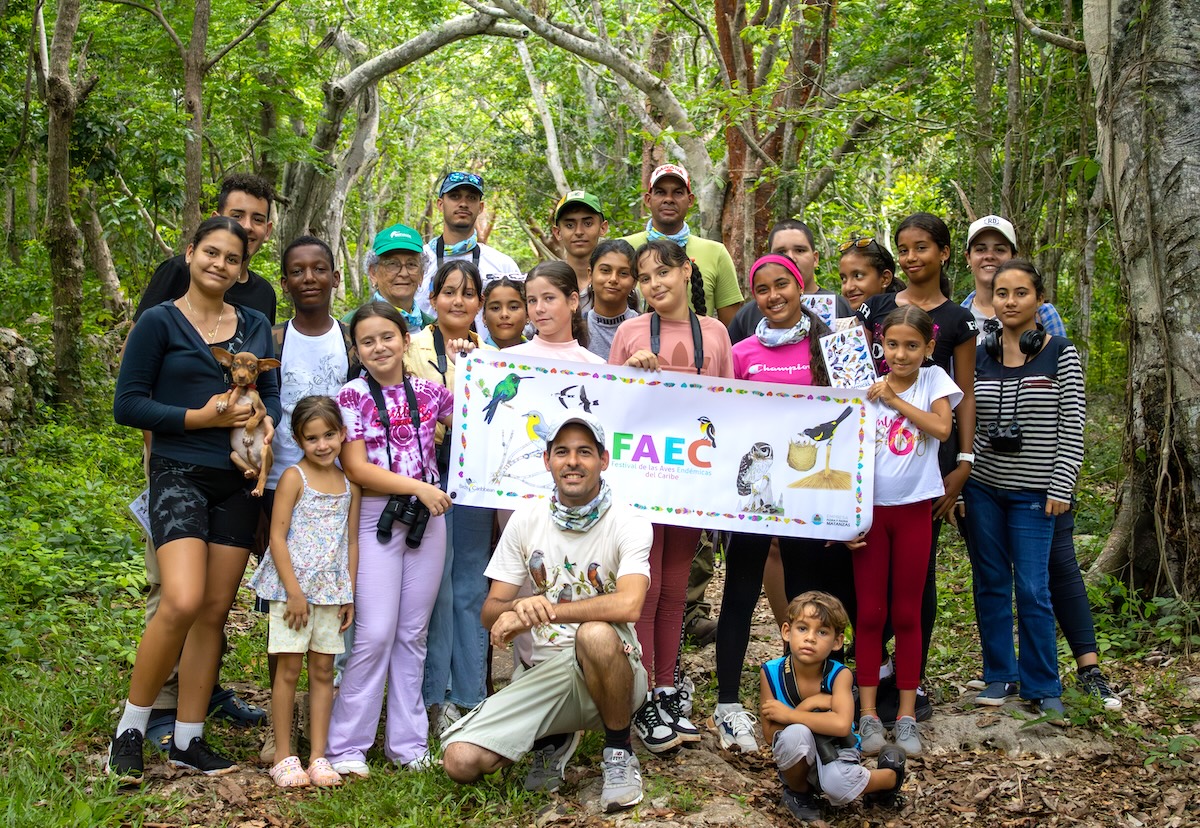
Patricia’s story is a beautiful reminder that conservation begins where curiosity meets nature. BirdsCaribbean has spent more than two decades fueling this curiosity and passion, proving that empowered communities can protect their natural heritage. If you want to help keep this vital work moving forward, consider supporting BirdsCaribbean with a donation. Your contribution supports youth birdwatching trips, supplies field equipment like binoculars and field guides, and materials to create fun and interactive games and experiments. Every contribution matters. Support the Caribbean Endemic Bird Festival HERE.
Keep up with the activities at Laguna de Maya on Instagram here and Facebook here.
I have visited Laguna Maya and Adrian was my guide what an exceptional naturalist he is. Knowledgeable, approachable, pleasant, friendly.!! He is exposing the wonders of nature to Patricia and many more generations to come. Mucho Cariño amigo.
Thank you, Dulce, for sharing your kind words about Adrian and his wonderful work with youth. We are fortunate to have him as part of our dedicated network of Cuban and Caribbean educators, inspiring the next generation to appreciate and protect nature. It’s especially meaningful to hear from someone who has experienced his passion, knowledge, and enthusiasm firsthand. Much cariño to you as well!