
Celebrate the Caribbean Endemic Bird Festival (CEBF) with us! Our theme in 2026 is “Every Bird Counts – Your Observations Matter” — shining the spotlight on the power of citizen science, reminding us that you don’t need a lab coat or a PhD to contribute to science; you just need curiosity and a genuine love for nature and community. Have fun learning about a new endemic bird every day. We have colouring pages, puzzles, activities, and more. Download for free and enjoy learning about and celebrating nature!
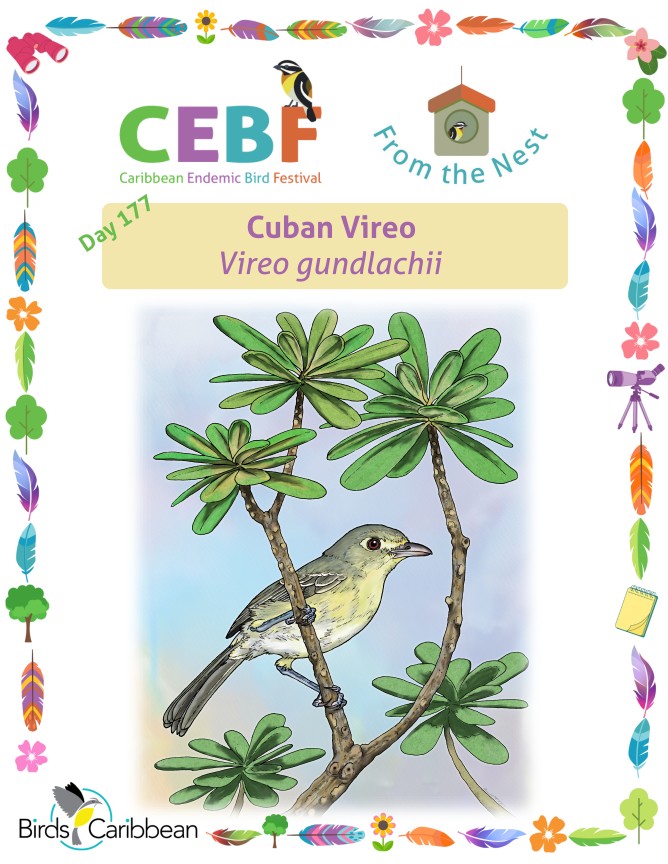
Endemic Bird of the Day: Cuban Vireo
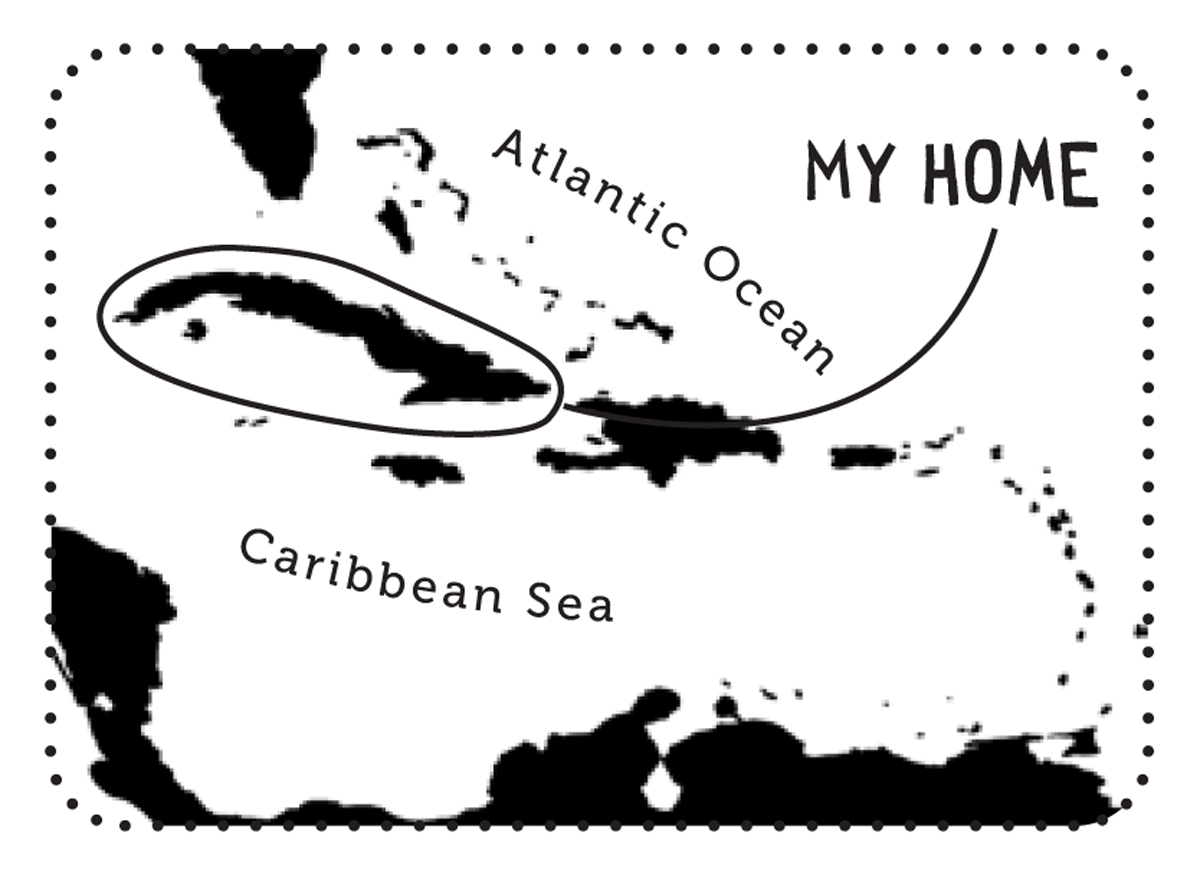
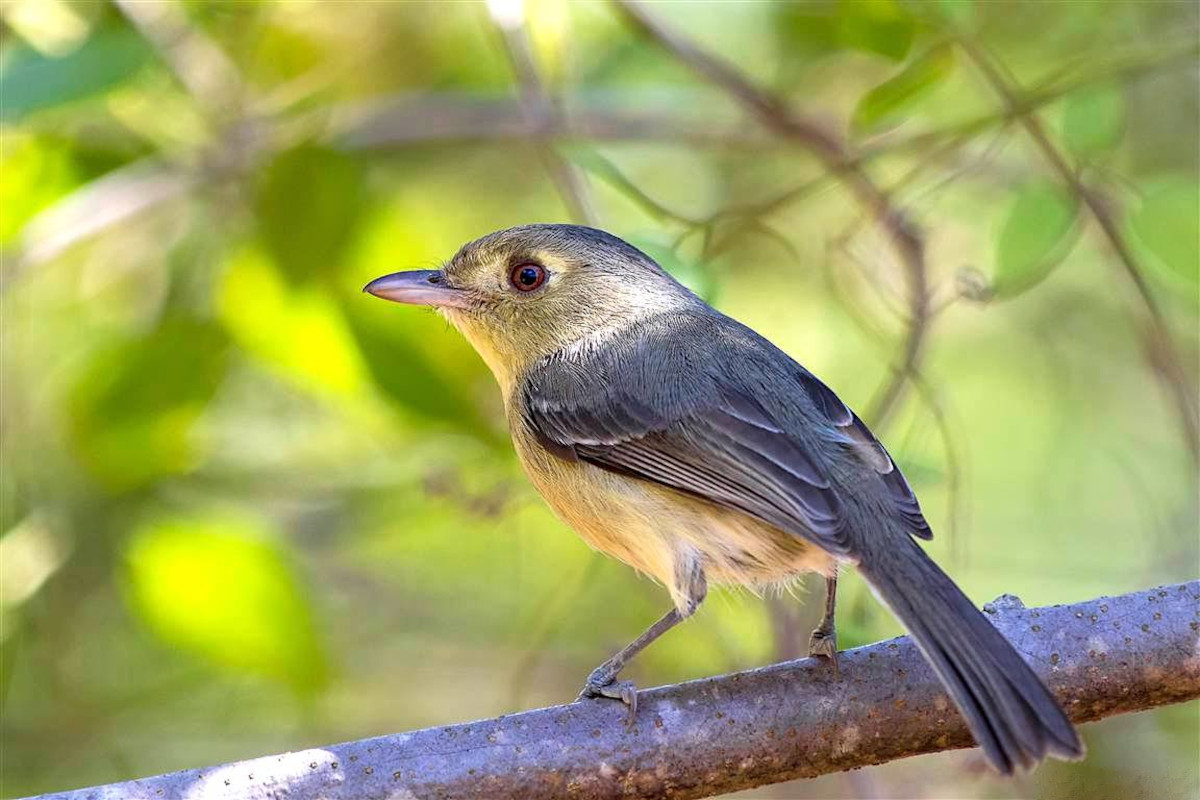
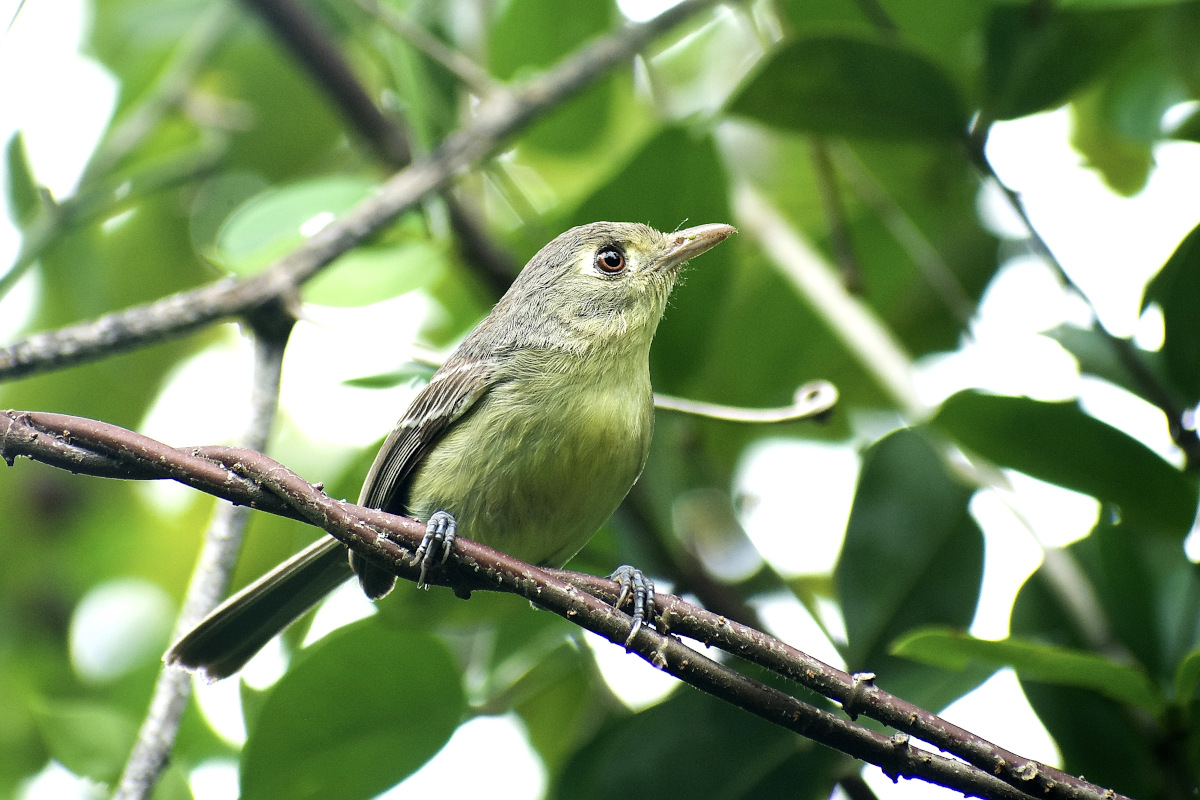
As one of Cuba’s endemic jewels, the Cuban Vireo is widely distributed throughout the island and is considered one of the most common species on the island. Its coloration is not very conspicuous, with mainly grayish olive green on the back, and pale yellowish underneath. Males and females look the same. Its eyes are large and dark, and appear to be larger because of the ring of light-colored feathers around the eye. For this reason, in some parts of Cuba it is known as “ojón” which translates to “big-eyed.” Because of the sound it makes when singing, it is also popularly known in Cuba as “juanchiví.”
The species favors wooded areas , but it can also be found in thickets. It inhabits all types of forests, natural, secondary, coffee and pine plantations. Usually flying short distances within the vegetation, where it roosts and forages mostly in the lower down in the vegetation (1-3m). Occasionally, it mixes in mixed flocks with other Cuban endemic species such as Yellow- headed and Oriente Warblers. It feeds mainly on insects, arachnids, fruits and small reptiles.
Like other vireos, the nest is cup-shaped and the breeding season begins in March and ends in August. The species usually lays three white eggs with small brown or purplish spots.
It is not globally threatened. To keep this “endemic jewel” shining for years to come, we need to make sure its habitats remain healthy and connected. You can plant native plants and berries in your garden to give them a safe place to eat and seek shelter. By spreading the word about the ojón’s funny “juanchiví” song and supporting local environmental organizations, you also help this big-eyed bird stay a common sight for everyone to enjoy for years to come! Learn more about this species, including its range, photos, and calls here. Great news! If you’re in the Caribbean, thanks to BirdsCaribbean, you have free access to Birds of the World and you can find out even more in the full species account of this bird!
Thanks to Alieny González for the text and Arnaldo Toledo for the lovely illustration.
Colour in the Cuban Vireo
Download our West Indies Endemic Bird colouring page. Use the photos below as your guide, or you can look up pictures of the bird online or in a bird field guide if you have one. Share your coloured-in page with us by posting it online and tagging us @BirdsCaribbean #CEBFfromthenest
Listen to the song of the Cuban Vireo
The song of the Cuban Vireo is a “chweee-ch-byuuu,” with an upslurred first note and a downslurred final note.
Enjoy these photos of the Cuban Vireo
Activity of the Day
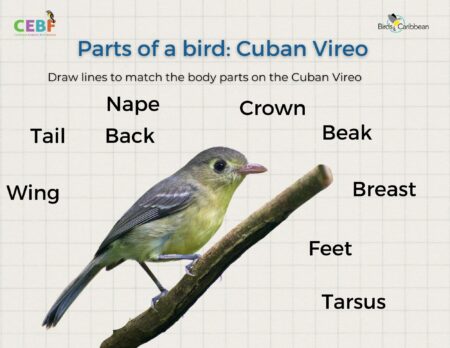 FOR KIDS AND ADULTS: Do you know what the different parts of a bird are called? Knowing them can help you to learn how to describe and identify birds, as well as colour them in. Learn the names for the parts of a bird by checking out the diagram in this page.
Test your knowledge on today’s endemic bird by matching the correct names to the correct parts of a Cuban Vireo and completing this sheet.
Want to check your answers? You can see where all the words matched up to here.
Enjoy this video of a Cuban Vireo in the wild!