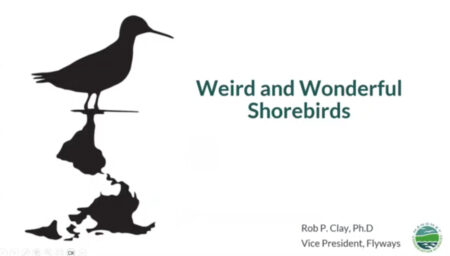

Think you know everything about birds? What if we told you that every year, there are birds (some small enough to fit in the palm of your hand!) that fly thousands of miles, just to reach our sunny Caribbean beaches? Sounds like a fantastic feat of endurance right? But what if we also told you that those same long-distance athletes, with their amazing survival skills, are actually in big trouble? Get ready to dive into the strange and surprising world of shorebirds—where there’s more to these sandy-toed travelers than meets the eye!
Despite their name, shorebirds are more than just beach bums! They’re a diverse group of over 220 species of birds—adorable sandpipers, stunning avocets, and dazzling oystercatchers are all shorebirds! These amazing birds live everywhere—from the beach, to mangroves, and even on farmland. Shorebirds come in a collection of shapes and sizes, sporting an array of different beaks and legs, each specially designed to capture their favorite prey like crabs, worms, and bugs.
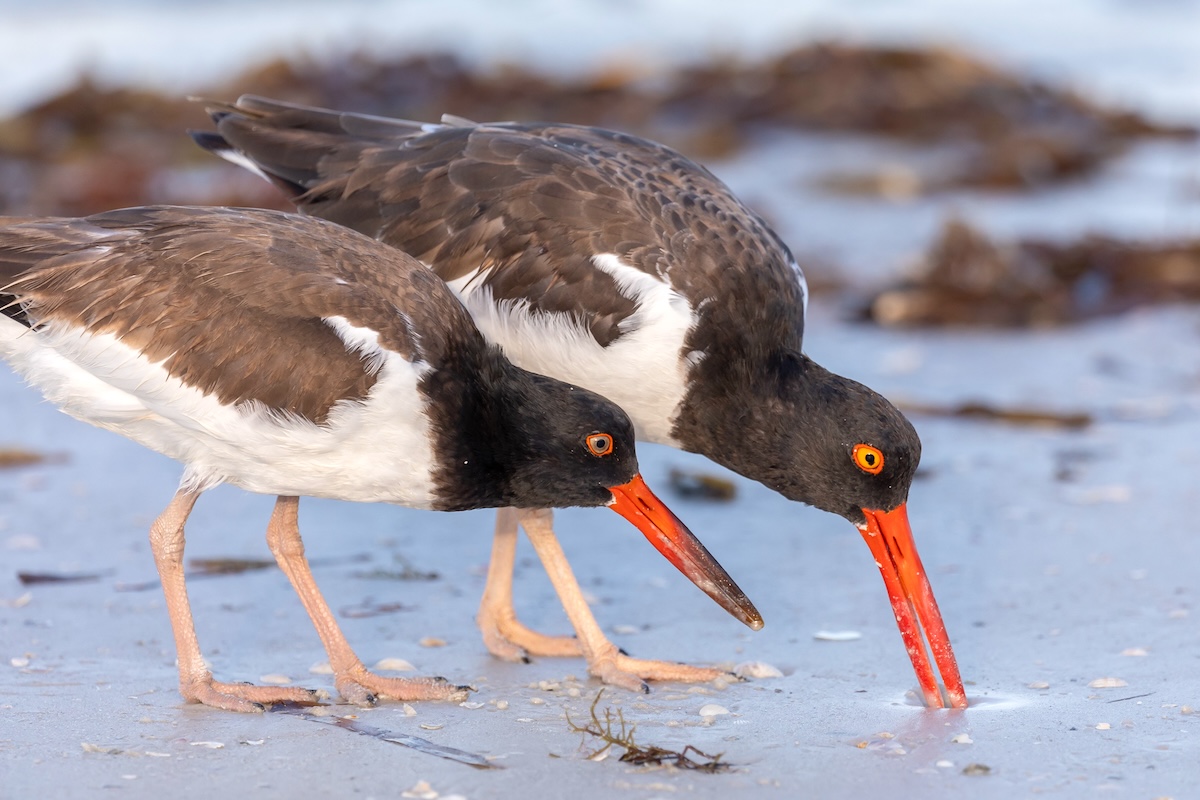
What’s even more intriguing? Many shorebirds make epic long-distance migrations, flying thousands of miles—sometimes through severe weather and cities—between their Arctic breeding grounds and South American wintering areas, every year! Heads up though: shorebirds and their habitats are under threat from habitat loss, hunting, pollution, and climate change, making it tough for them to find safe places where they can rest and refuel.
The good news: people just like you (more about this at the end of the blog) are working hard to protect shorebirds and their habitats! And learning about shorebirds is a great first step to helping them thrive.
We know school’s out and you need to have some fun—so let’s get to know these incredible birds via a brain-teaser: below are six statements about shorebirds—five are true (for at least one shorebird species), but one is a total lie! Be warned though—shorebirds do some pretty unexpected things—so statements that seem unlikely may actually be true!
Can you spot the imposter?!
Thankfully our gracious Waterbird Manager has decided to make it an “open book” quiz, so you can share this blog with friends to help you choose your answer before checking if you got it right.
- Shorebirds ‘cough up’ pellets, just like owls.
- Shorebirds nest in trees.
- Shorebirds are important pollinators.
- Shorebirds use their bills to find prey without actually touching it.
- Shorebirds are found on every continent except Antarctica.
- Shorebirds live on the open seas.
Got your final answer? There are no take-backsies beyond this point…Alright,scroll down to find out if you were right and to discover what’s fact—and what’s a sneaky lie!
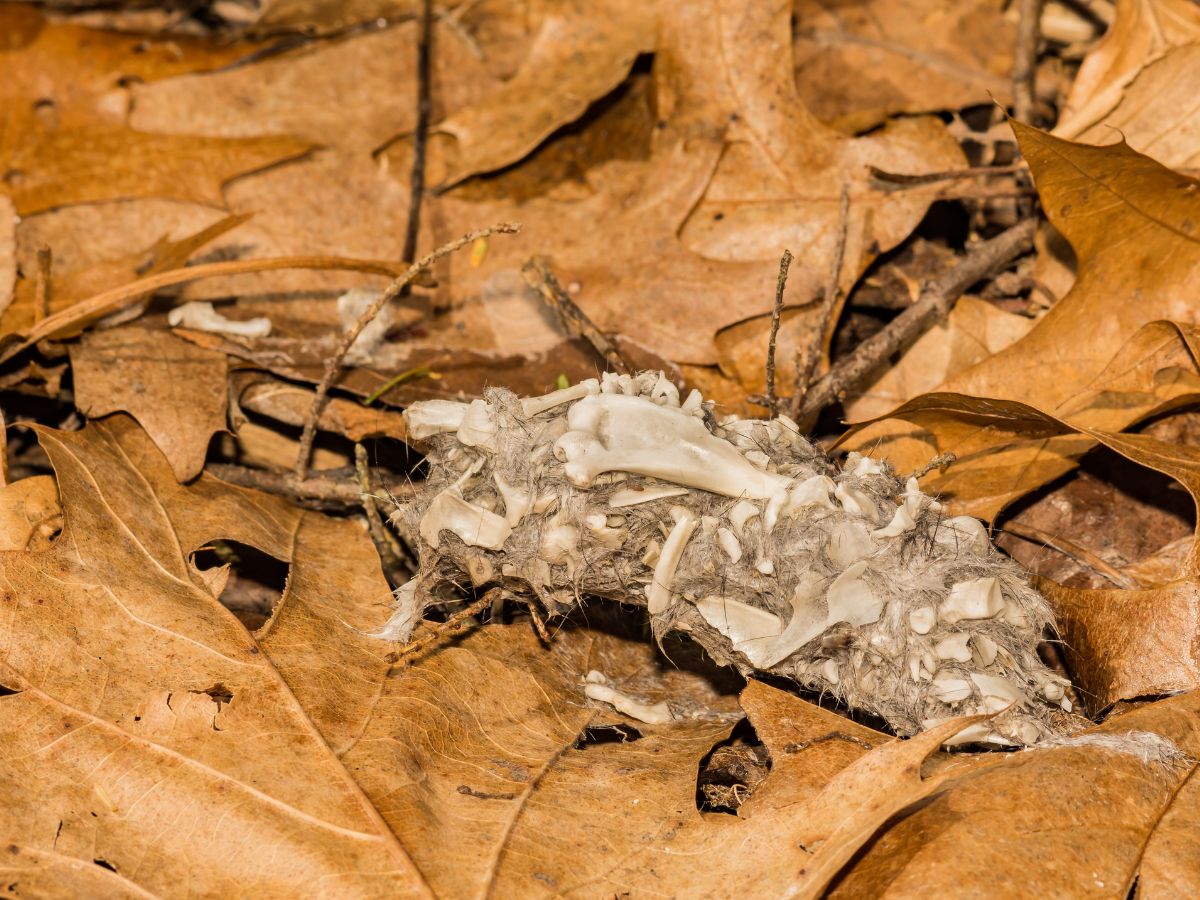
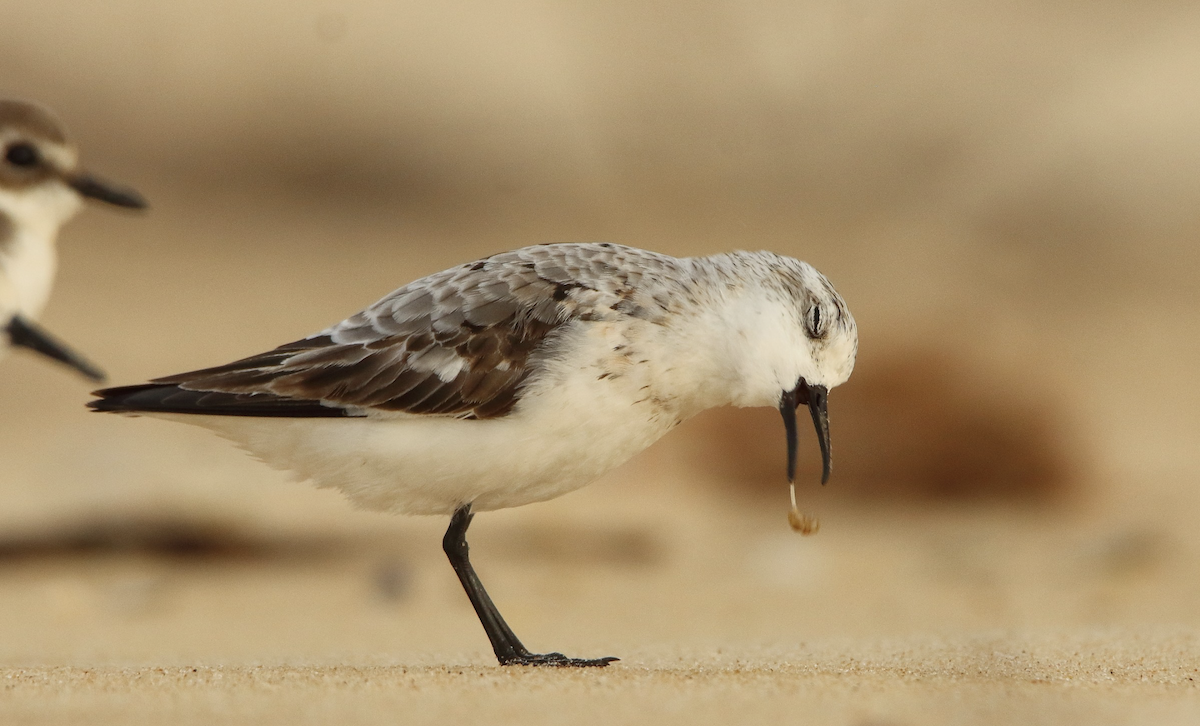
Shorebirds ‘cough up’ pellets, just like owls…. TRUE! Yes, that’s right—some shorebirds really do produce pellets. This behavior known as ‘pellet casting’ is actually done by lots of ‘non-raptor’ birds. When shorebirds eat prey, such as insects, crustaceans, and small fish, they compress the parts they cannot digest, like bones and shells, in their gizzard into a pellet. That pellet then travels back up the digestive tract and is expelled through the beak!
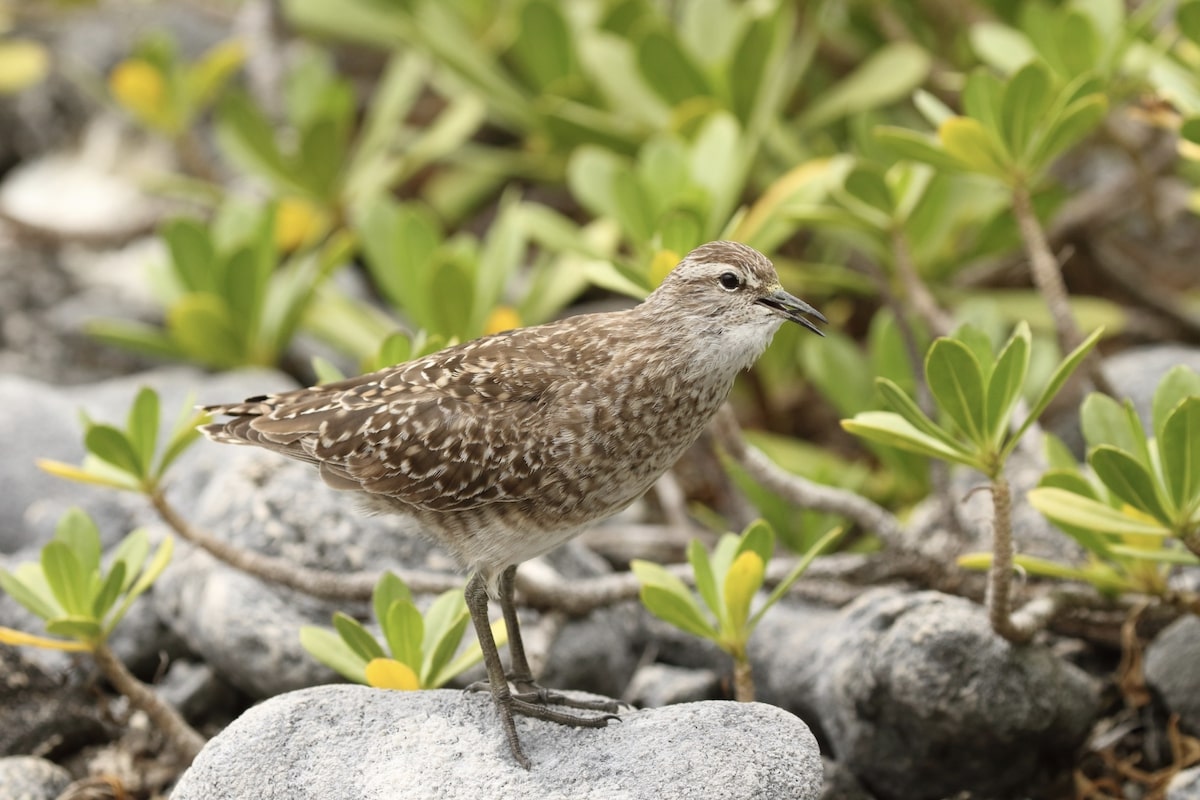
Shorebirds nest in trees….TRUE! Whilst you might be familiar with shorebirds as ground nesting birds (if you can call the small depression or ‘scrape’ they use a ‘nest’!); some shorebirds prefer to take to the trees during nesting season. For example, one Caribbean visitor, the Solitary Sandpiper, actually ‘re-cycles’ old songbird nests during breeding! For some shorebirds nesting off the ground might provide better protection from predators.


Shorebirds are important pollinators…TRUE! Well that was unexpected! When you mention birds that feed on nectar, most people immediately think of hummingbirds. Enter the Tuamotu Sandpiper! This shorebird eats nectar of the plants on the Tuamotu Islands in French Polynesia—meaning that they are an important pollinator!
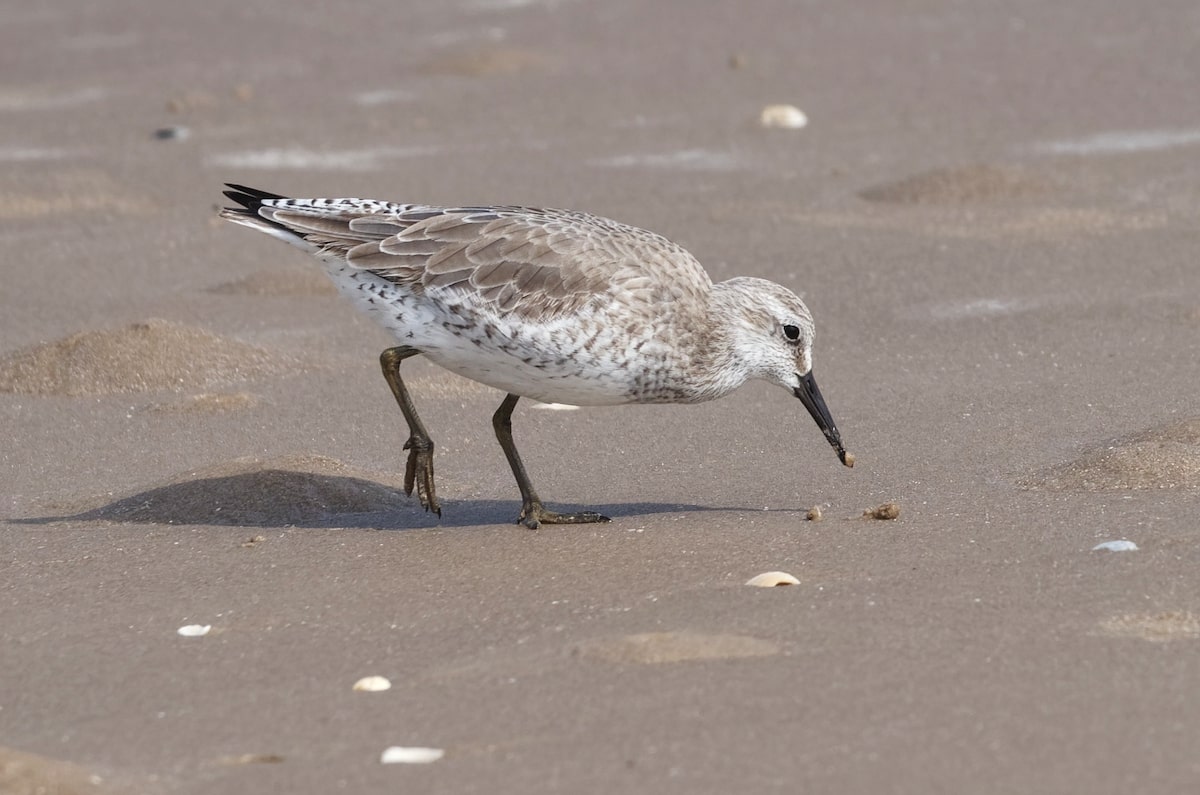
Shorebirds use their bills to find prey without actually touching it…. TRUE! Yes, they can probe their bills into the sand and mud and detect where mollusks are without touching them! They have special sensory organs in their bills that give them a ‘clam super sense’! Read more about how they do this in this study on Red Knots.
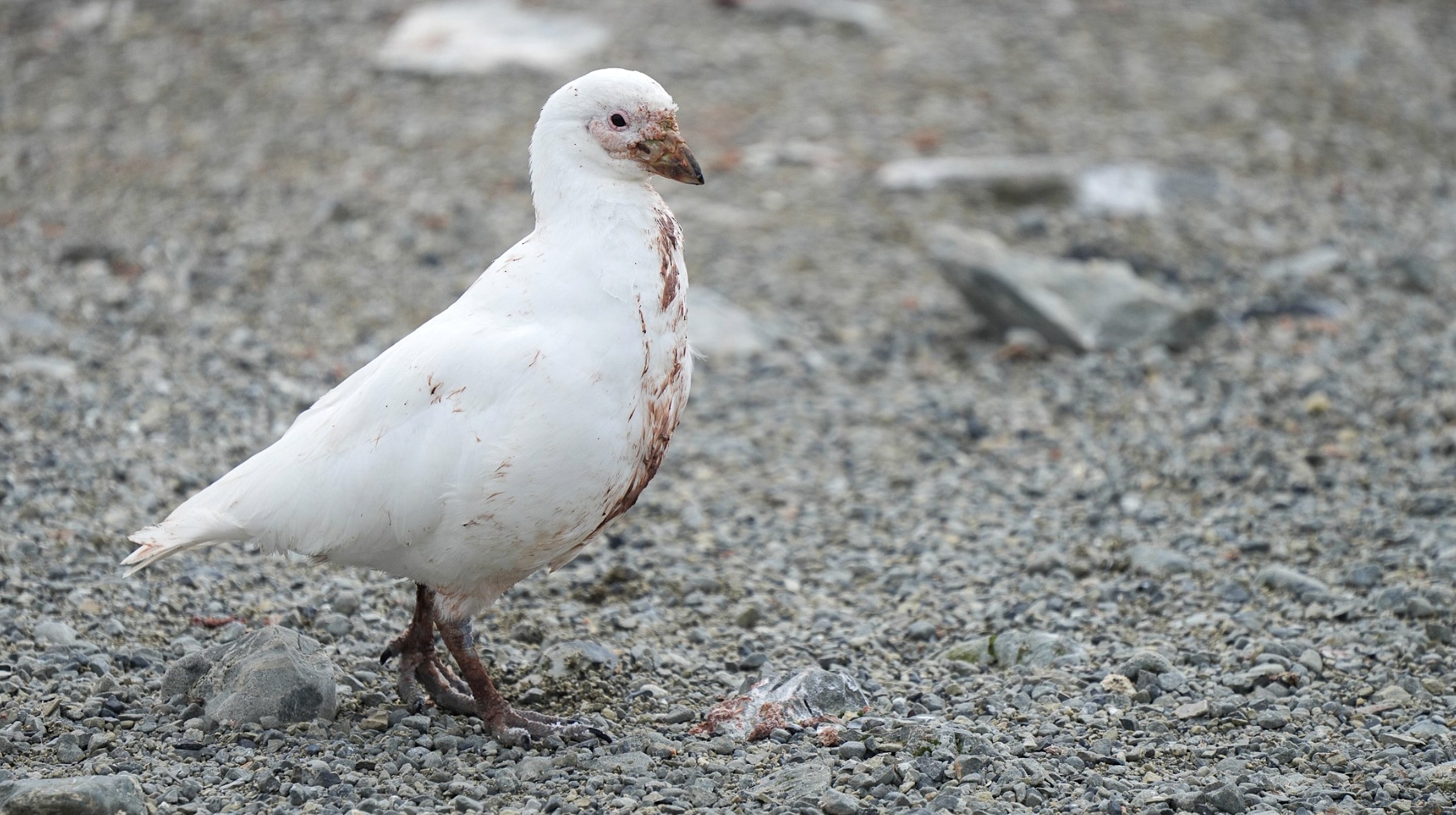
Shorebirds are found on every continent except Antarctica….FALSE! Of course this one is the lie—shorebirds are EVERYWHERE! (And we’re really happy about that!) Say hello to the Snowy Sheathbill—the shorebird that has made Antarctica its home. This bird might look like a strange white pigeon, but we promise it IS a shorebird. They also have some very interesting feeding habitats, including feasting on regurgitated krill, which they get by harassing penguin parents; scavenging on carcasses, and seal blood and feces—delicious. In such a harsh environment, being opportunistic and unfussy is a matter of survival!
Shorebirds live on the open seas…..TRUE! Whilst you might know the phalaropes as the shorebirds who have switched sex roles and like to spin in circles, these guys also have a surprising choice of overwinter habitat. For example, whilst the Red-necked Phalarope breeds on the Arctic tundra, most then spend the winter far out on the ocean waves, feeding on plankton.


We’re dying to know, did you get it right? Drop us a comment below.
So, you learned some amazing facts about shorebirds and spotted a fib, but here’s the most important fact: even with their quirky charms, shorebirds are in trouble. Roughly half of all species are declining, and their habitats are vanishing fast. These amazing birds rely on Caribbean spots like mangroves, salt ponds, beaches, and mudflats for vital rest and refuel stops during their epic migrations, with some even wintering here!

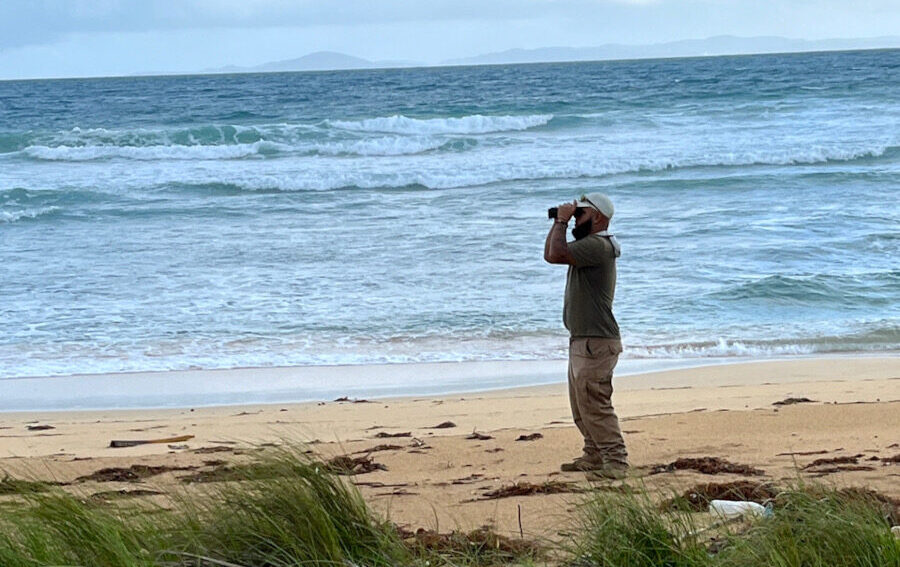
To ensure these rest stops are protected, and remain “open for business,” we need to know where shorebirds go and how many there are. You can help us do this by getting out and participating in the Global Shorebird Count! Taking part is simple, just head out, do Caribbean Waterbird Census (CWC) counts between 1-7 September, and share your lists with ‘worldshorebirdsday’. This is a fun and fantastic way to help scientists gather this data. Find out more about taking part here.
Want to make a bigger impact? You can contribute even more by counting shorebirds during the whole migration season (August to October). The best way to do this is to head to your local shorebird hotspots and carry out two, three, or even more counts at the same sites! Ideally counts should be repeated every week to 10 days, as these more frequent counts help us better understand important aspects of shorebird migration in our region! This citizen science data is key to identifying and safeguarding their essential habitats, which in turn provide clean water, food, and storm protection for us. It’s a win-win for birds and people!
Before You Count: Shorebird Resources
Quick ID guides, webinars and more.
How to celebrate World Shorebirds Day on your island
Want to find out even more about the weird and wonderful world of shorebirds? Click to hear more amazing shorebird facts in this fascinating webinar from Manomet!