It’s time for another installment of taxonomy talk! The past two years have brought some interesting updates in the two major taxonomic checklists used across our region: the American Ornithological Society (AOS) Check-list and the eBird/Clements Checklist, which is used in eBird, Merlin, and Birds of the World. This means some new species may have appeared on your eBird checklists—and maybe even your life list!
In our last blog, we unpacked the 2025 AOS updates. Now we’re exploring this year’s AOS changes and catching up on two years of eBird/Clements revisions. Read on to discover what’s new for Caribbean birds!
What’s in a list?
When it comes to bird checklists in the Caribbean, there are two major players: the American Ornithological Society (AOS) Check-list and the eBird/Clements Checklist. The AOS maintains regional checklists for North and Middle America (which includes the Caribbean) and South America, while eBird/Clements covers birds worldwide and is used by scientists and recreational birders alike.
If you’d like a refresher on taxonomic basics, check out our blog on the 2025 AOS changes affecting the Caribbean.
And here’s where it gets a little tricky! The two checklists don’t always adopt the same changes at the same time. Some Caribbean species newly recognized by AOS in 2026 were already recognized by eBird/Clements in 2025, while in other cases, AOS moved first. You can explore the full list of changes in the 2026 eBird/Clements Taxonomy Update.
But don’t let it hurt your head too much! In the Caribbean we follow eBird/Clements because so many of our partners rely on eBird for their bird monitoring work—and, of course, to maximize our species counts. (Kidding!)
Because both checklists cover massive geographic regions, we put together a yearly roundup of how these changes affect our Caribbean birds. Historically, AOS and Clements updates haven’t differed much for our region—until recently. After we published our 2025 AOS roundup, eBird/Clements released several distinct revisions of its own. That’s why this post covers two full years of updates, catching you up on all the recent splits and the new species that may have popped up on your eBird checklists in 2025 and 2026.
Let’s dive into the recent changes across both lists! For quick reference, the parentheses next to each subheading note when the change took place and which checklist adopted it. So, who are our newest Caribbean birds?
New endemics for the Caribbean!
Drumroll please…. We’ve got two new species splits for the Caribbean, resulting in a total of four newly recognized species! Let’s get into it.
Meet the new elaenias (eBird/Clements 2025)
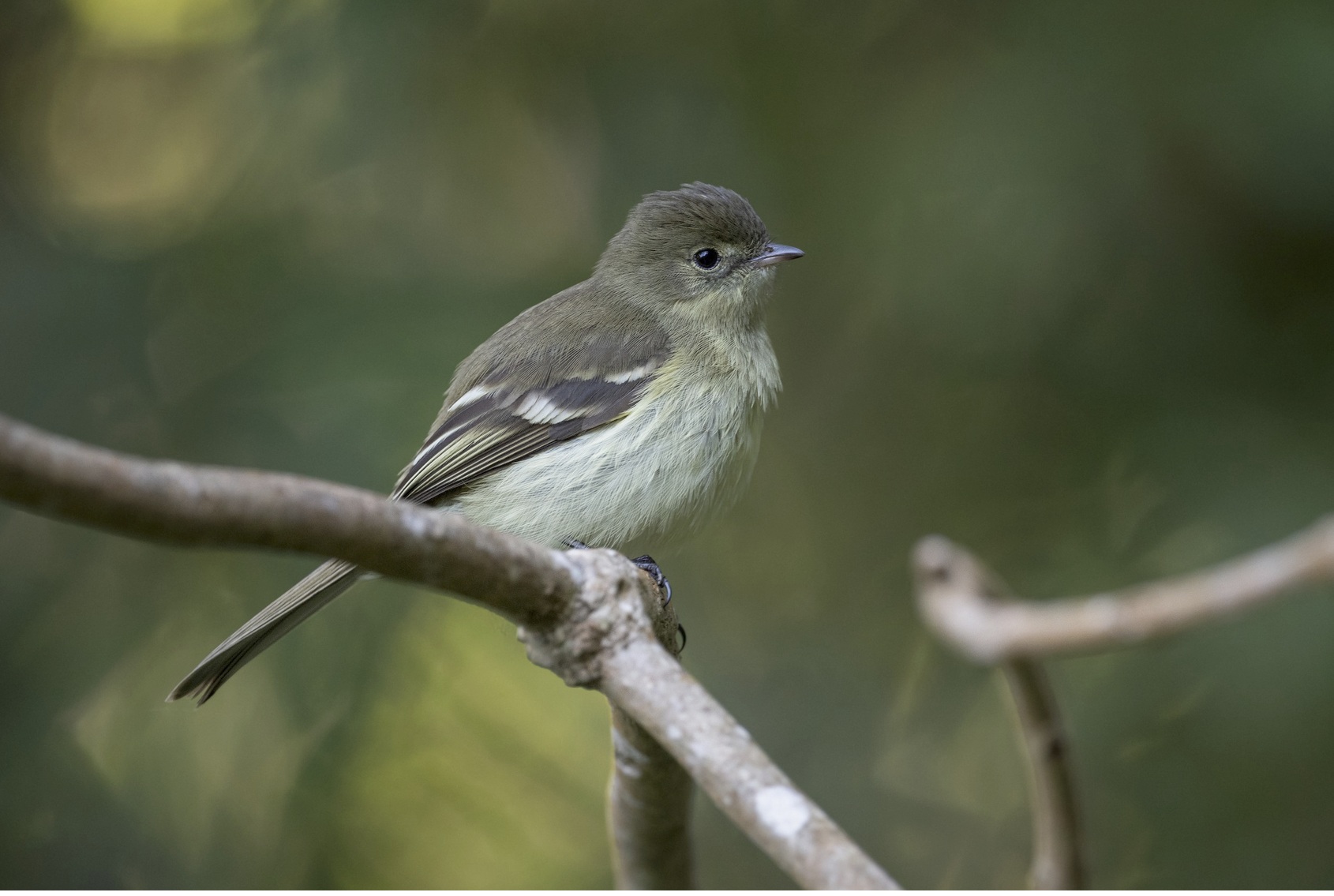
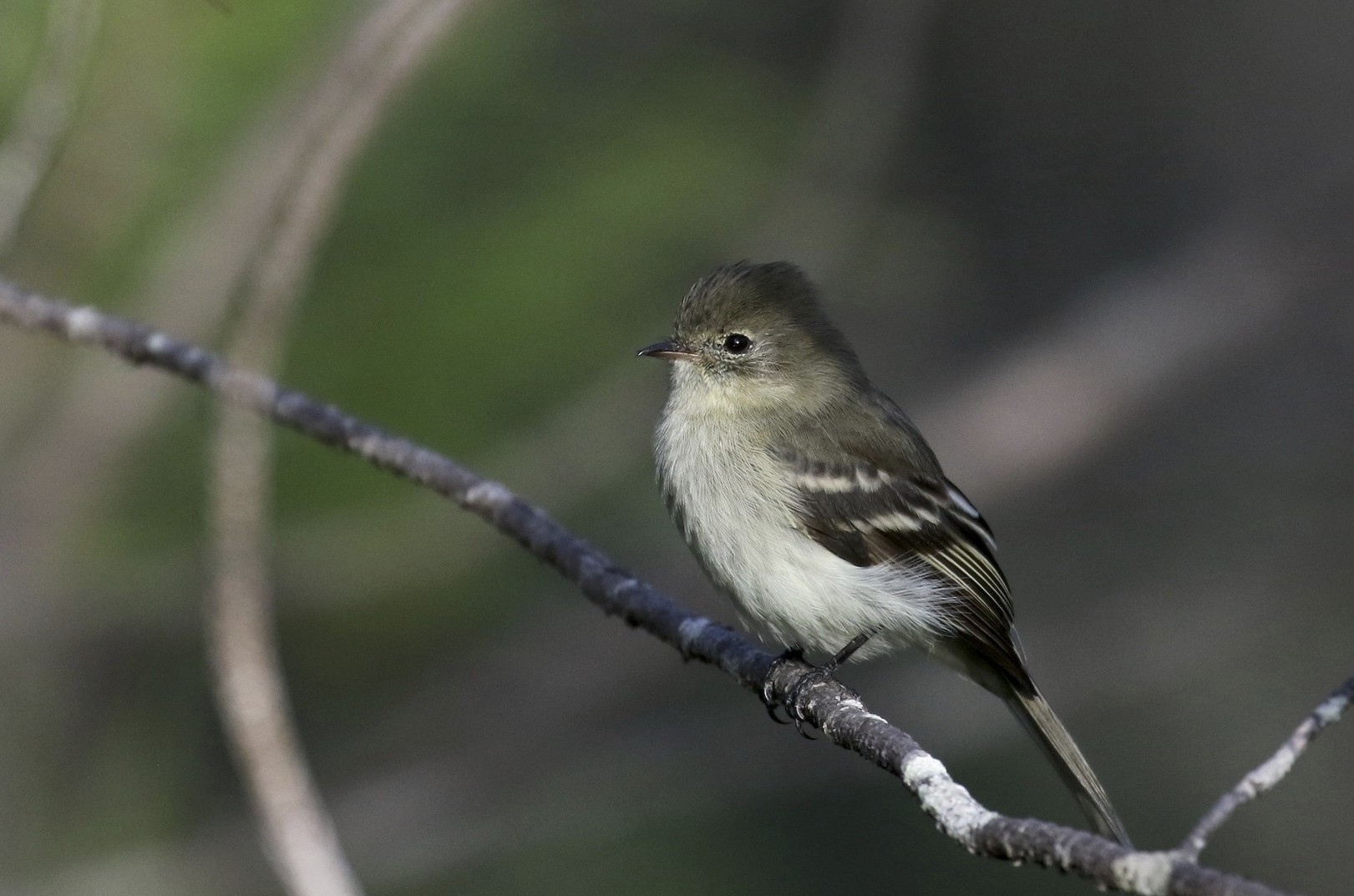
Our first split comes from the Greater Antillean Elaenia, now recognized by eBird/Clements as two species: Hispaniolan Elaenia (Elaenia cherriei), endemic to Hispaniola, and Blue Mountain Elaenia (Elaenia falls), endemic to Jamaica!
The decision was based primarily on genetic differences, though geography also helped their case—each bird is isolated on its own island with no gene flow (meaning birds aren’t moving and interbreeding between islands). There are likely differences in their calls and songs as well, though more research is needed. However, the AOS has not yet adopted this split, illustrating how taxonomic authorities can reach different conclusions from the available evidence.
The East End boys and West End girls🎶 (AOS 2026, ebird/Clements 2025)
Our next split is the Red-legged Thrush. Welcome to the flock, Western Red-legged Thrush (Turdus plumbeus) and Eastern Red-legged Thrush (Turdus ardosiaceus)!
The Western Red-legged Thrush is found in the Cayman Islands, Cuba and The Bahamas, while the Eastern species occurs in Hispaniola, Puerto Rico and Dominica. Genetic differences helped support this split, along with some notable plumage differences—which fortunately makes telling them apart in the field a bit easier!
Western Red-legged Thrushes are generally darker overall (looking at you, birds in The Bahamas!) and often show orange-to-chestnut coloring on the belly (looking at you, birds in Cuba and the Cayman Islands). They also have a more solid black throat patch, whereas the Eastern Red-legged Thrushes display distinctive black-and-white streaking on the throat.
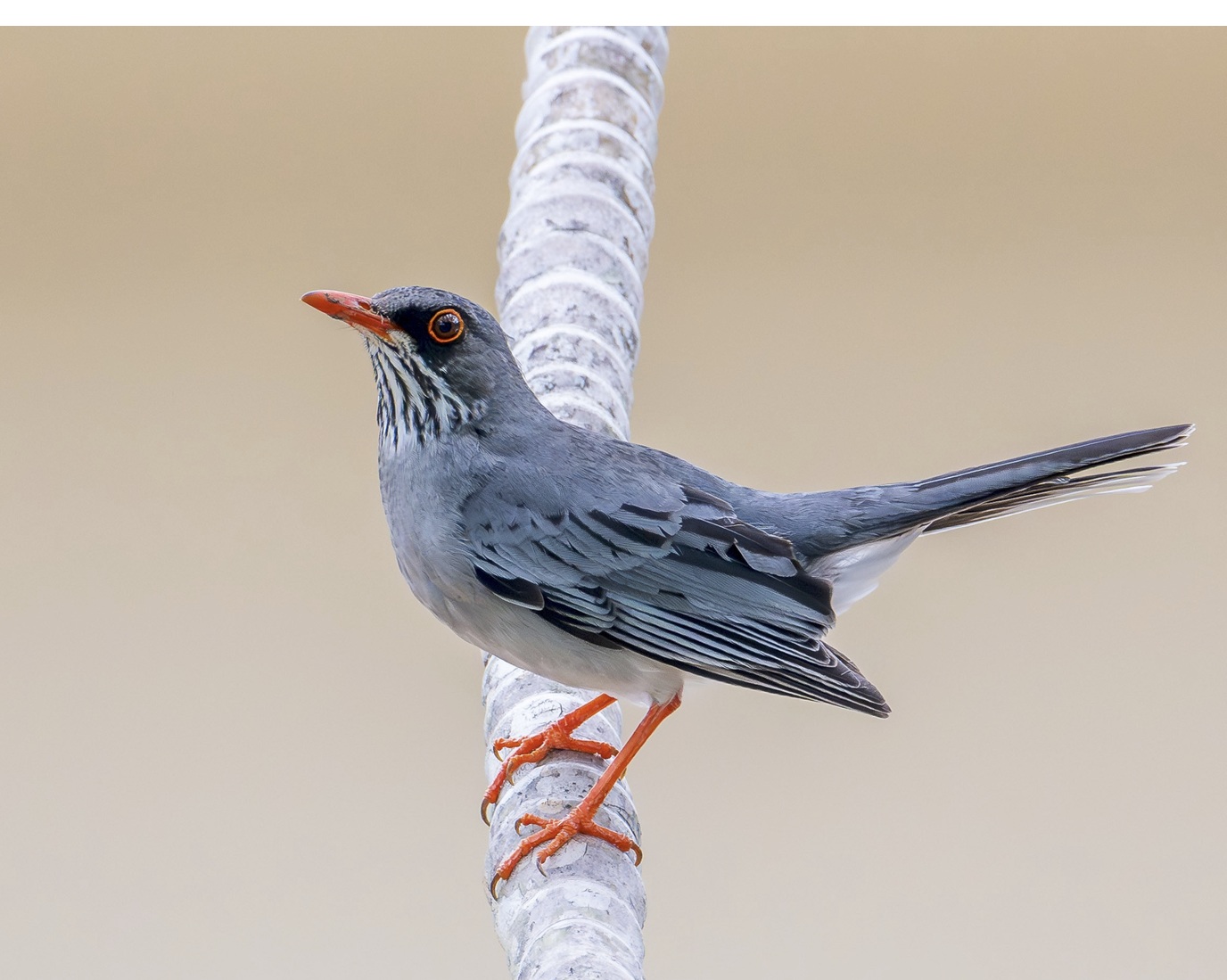
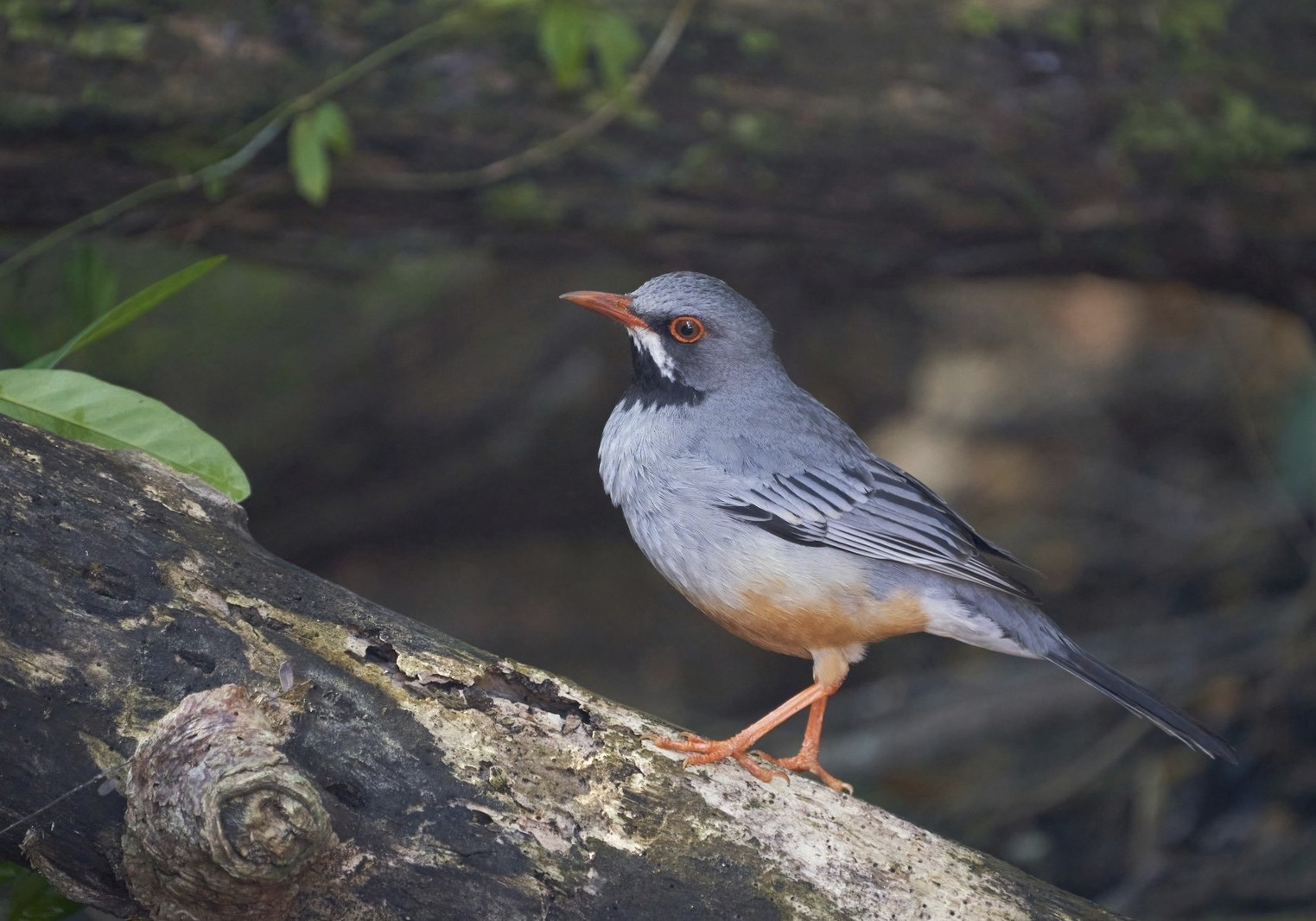
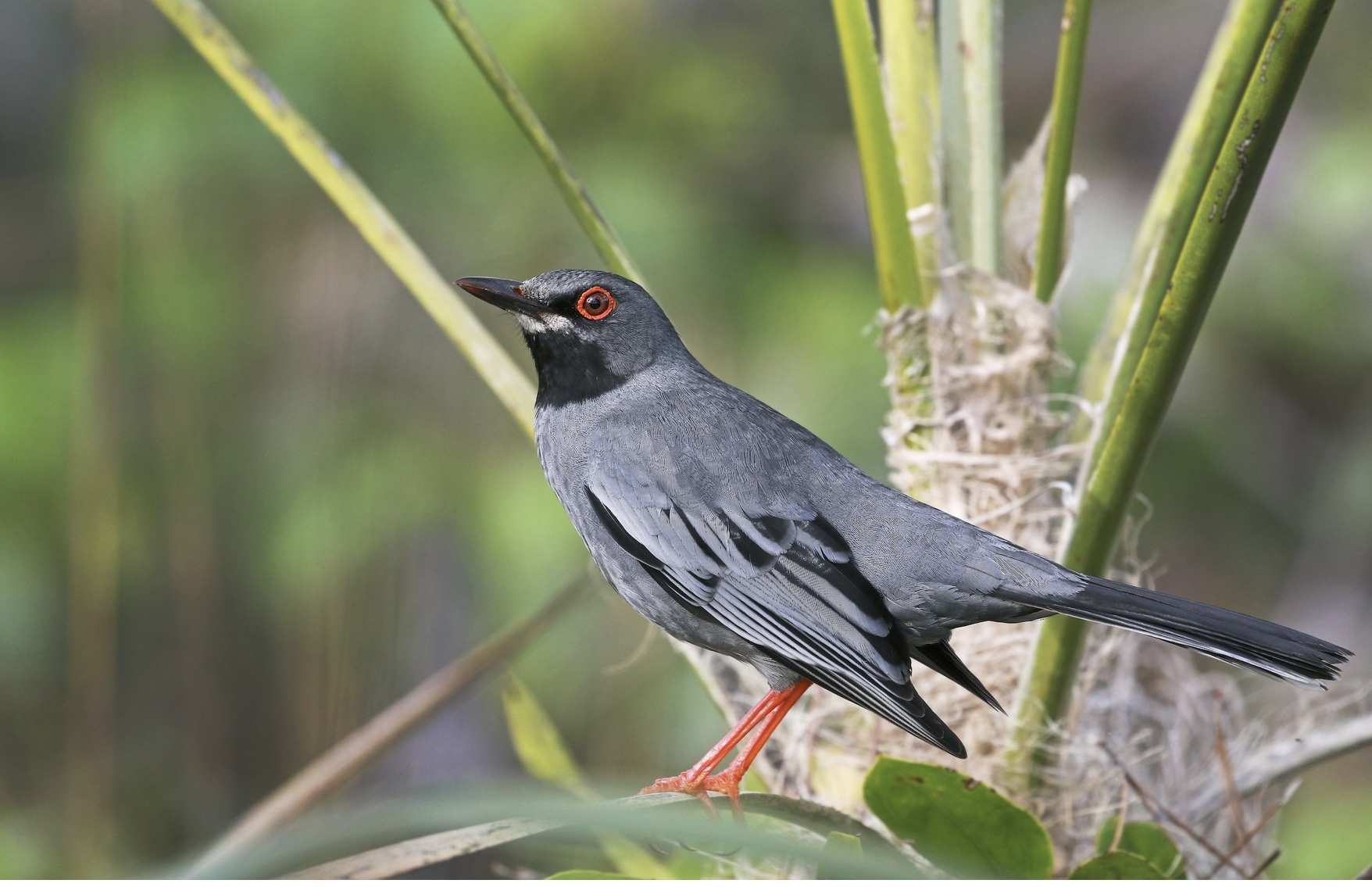
A shorebird spot-the-difference challenge
Birding on a Whim(brel) (AOS 2026, ebird/Clements 2025)
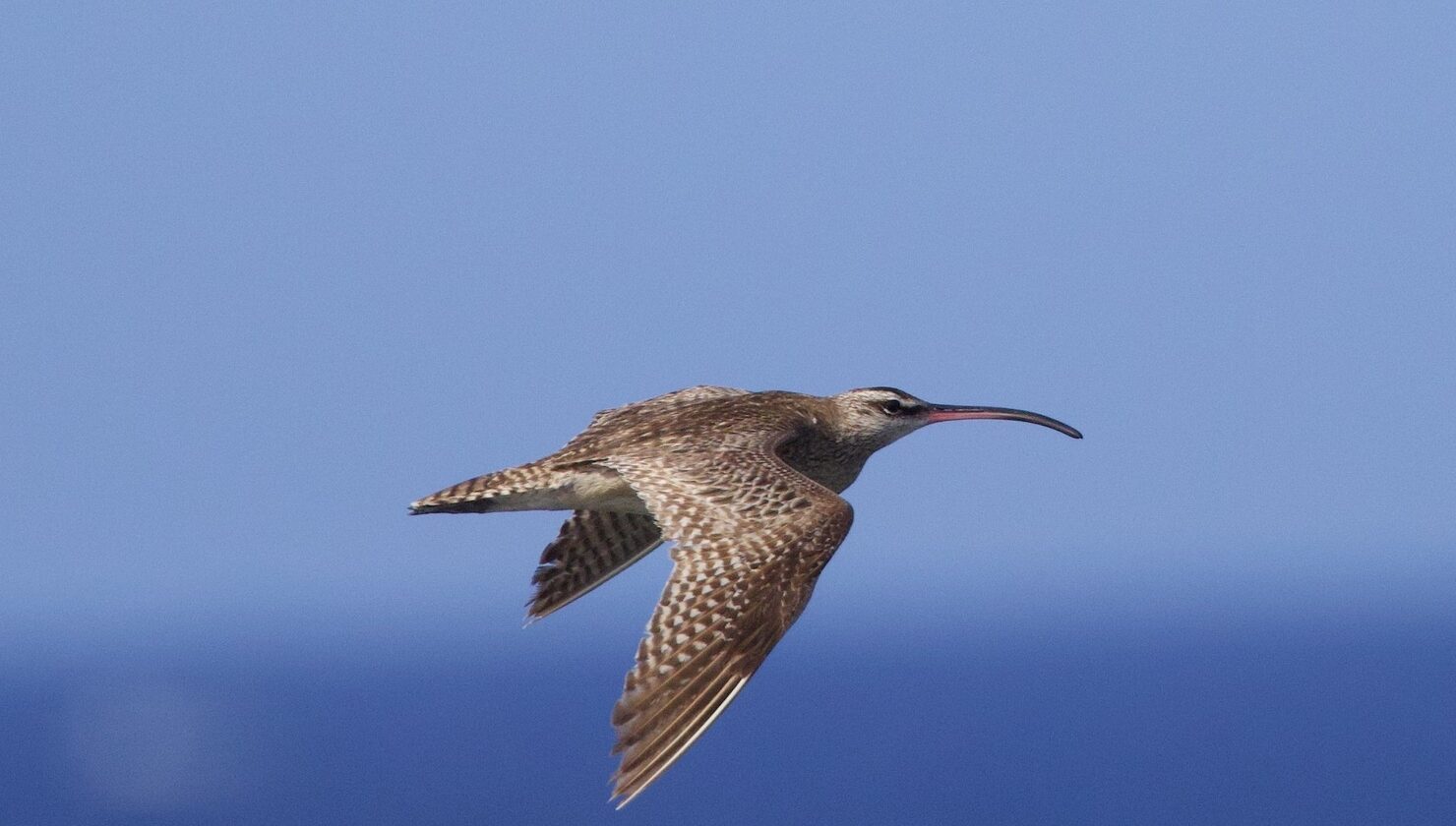
One of the Caribbean’s most distinctive shorebirds, the long-billed Whimbrel, has been split into two species! We now have the Hudsonian Whimbrel (Numenius hudsonicus), found across the Americas; and the Eurasian Whimbrel (Numenius phaeopus), whose wide range spans Europe, Africa, Asia, and Australasia.
Besides their different geographical ranges, these two whimbrels can be often be told apart by checking that rump! Eurasian Whimbrels typically have a white or pale rump and lower back, while Hudsonian Whimbrels have a uniform brown coloration. Of course, getting a good look at a shorebird’s lower back in flight isn’t always easy!
We can expect Hudsonian Whimbrels along Caribbean shores, though you never know when a vagrant Eurasian Whimbrel might take an unexpected turn and show up in our region.
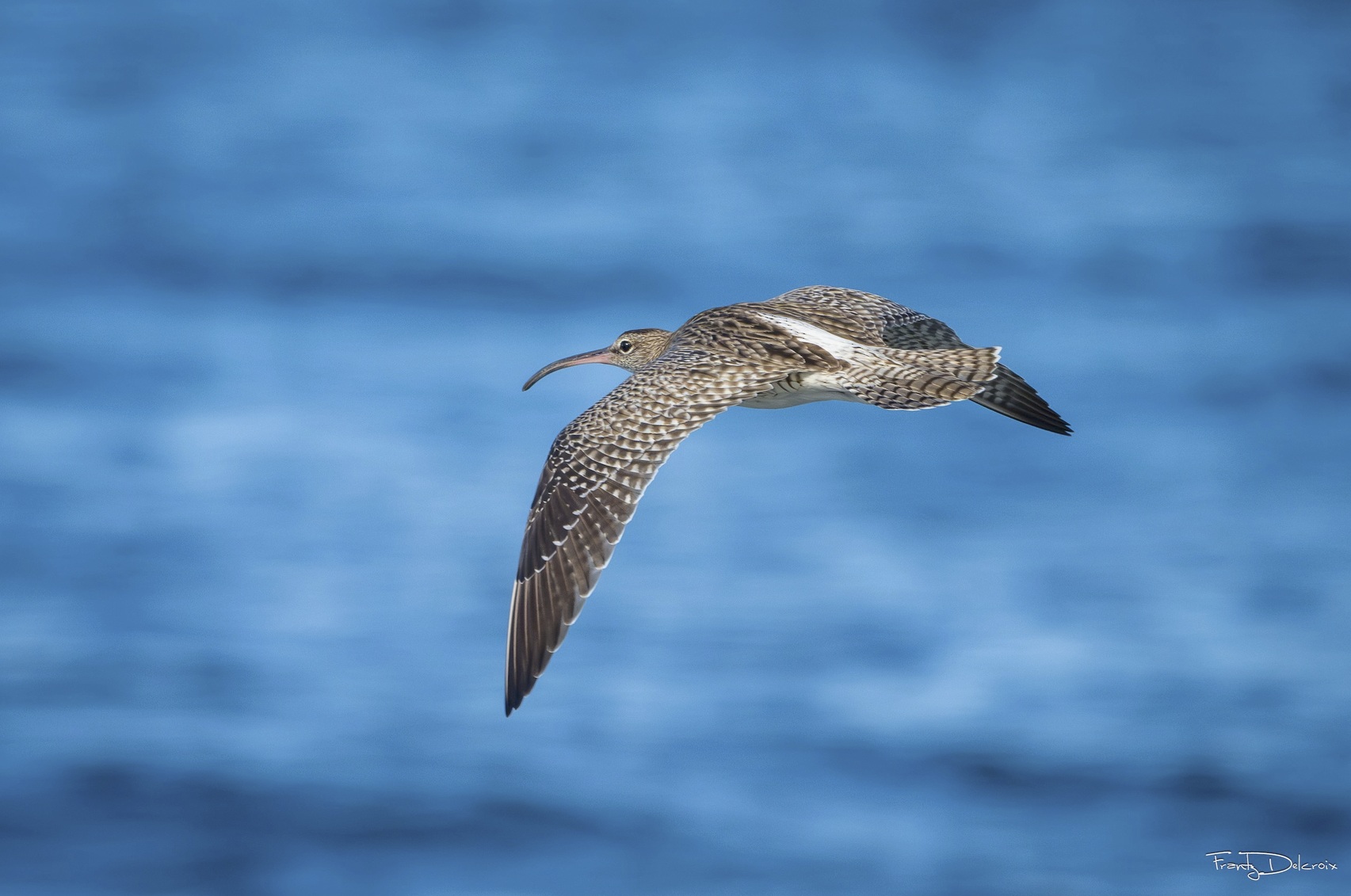
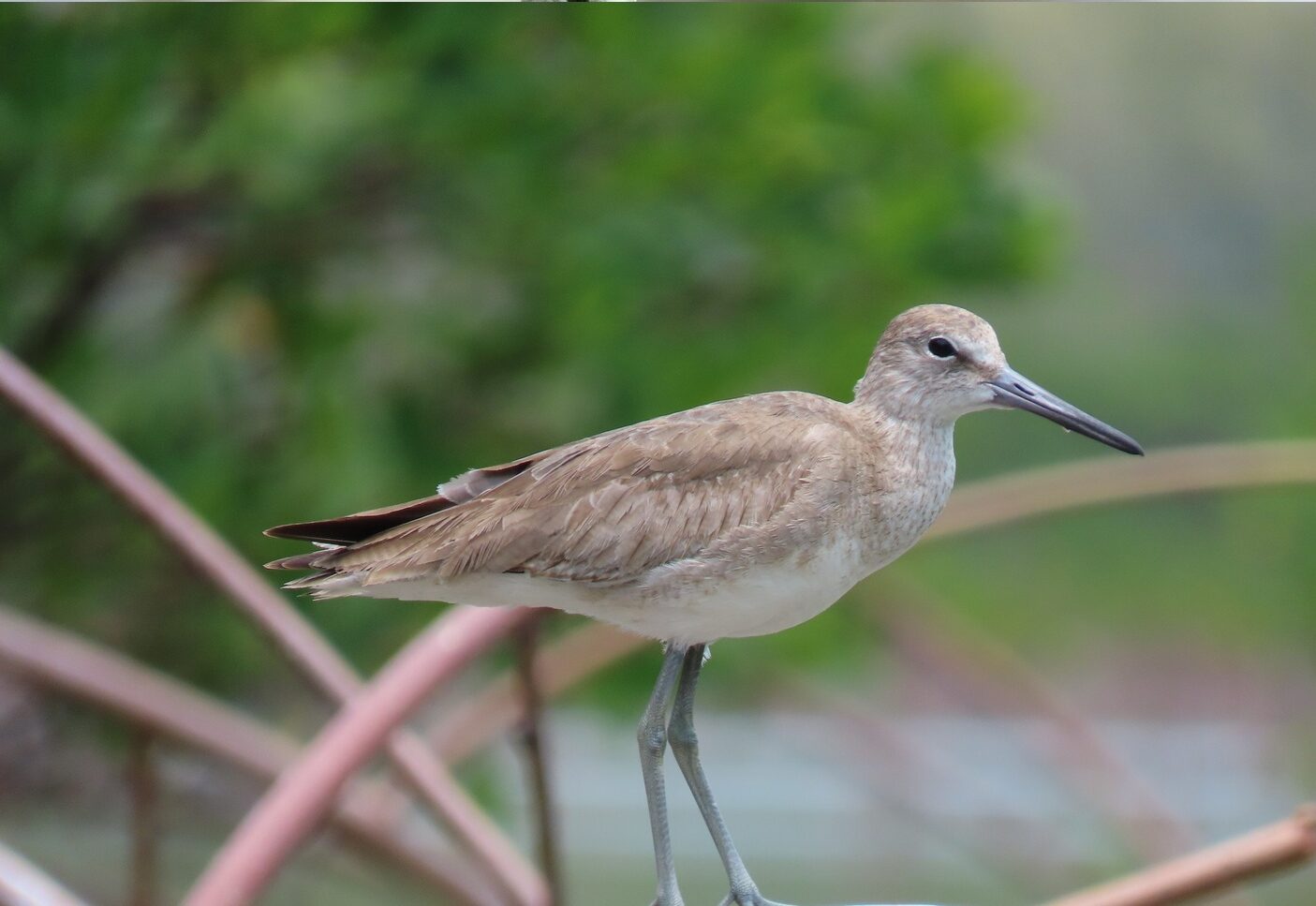
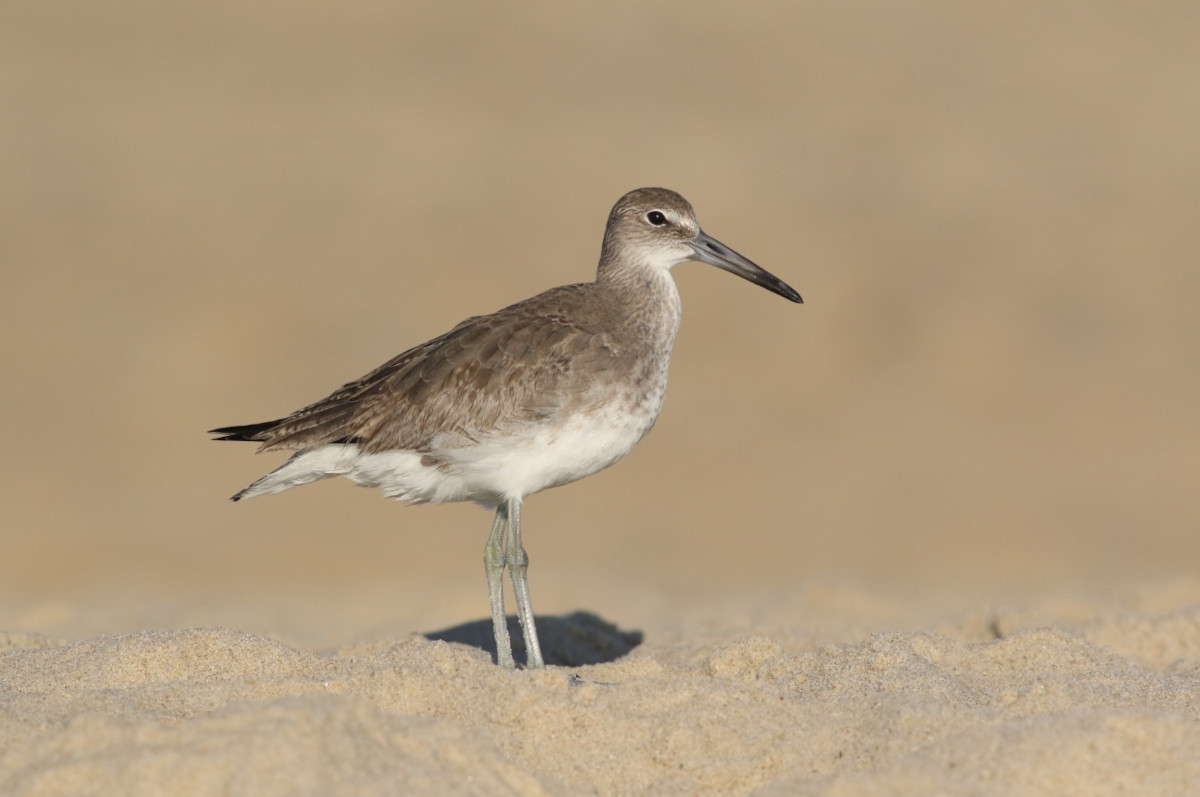
Willet or won’t it? (AOS 2026, ebird/Clements 2026)
And it was all yellow — a new ID challenge (AOS 2026, eBird/Clements 2025)
You might really be seeing yellow with this complicated split!
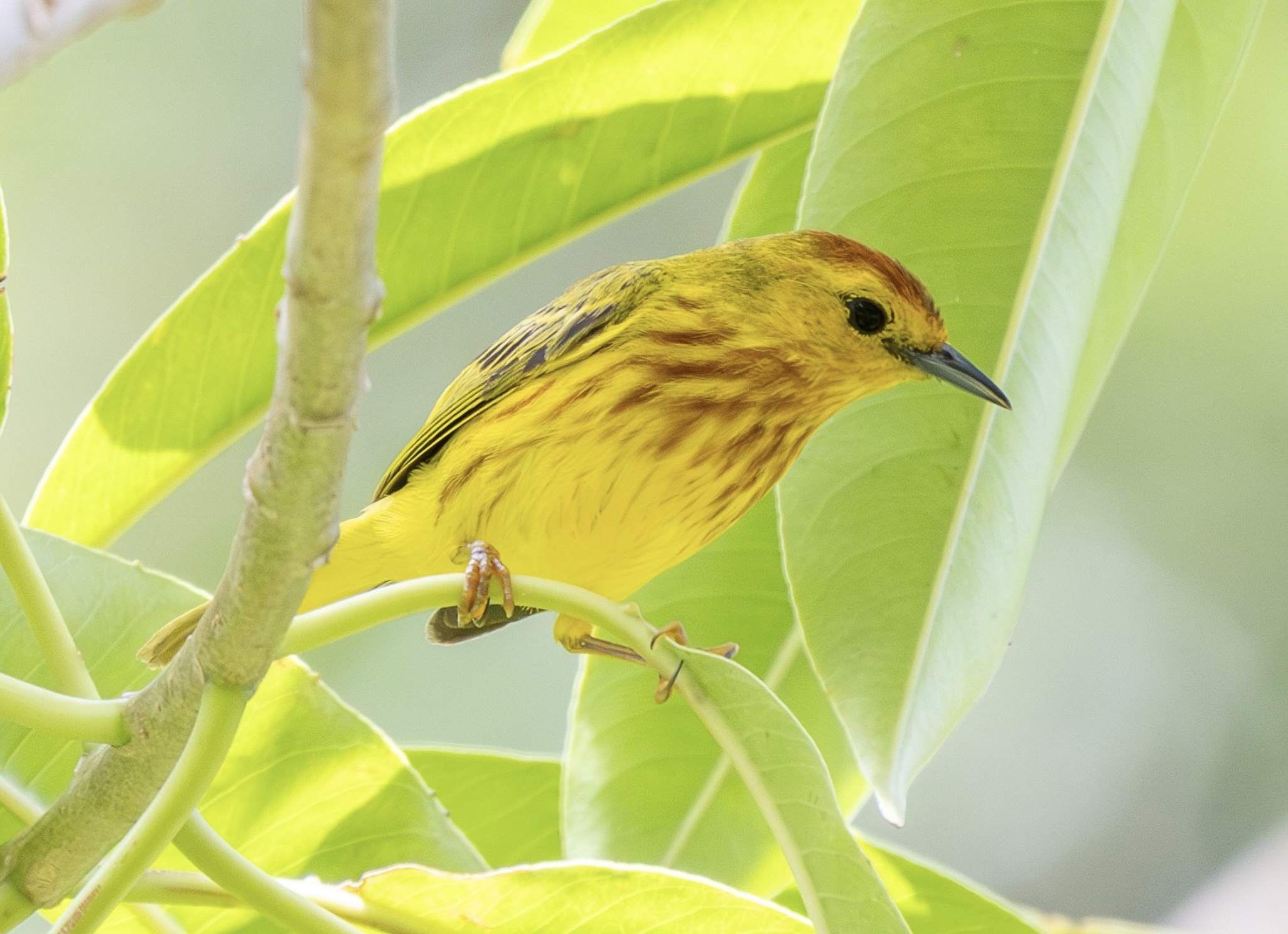
The small, bright bird previously known as Yellow Warbler included more than 30 subspecies (cue the tears), organized into several subspecies groups. These included birds that breed in North America and migrate south each fall, along with resident populations across the Caribbean and Central and South America.
This complex species has now been split in two: Northern Yellow Warbler (Setophaga aestiva), which breeds in North America and migrates south each fall, and Mangrove Yellow Warbler (Setophaga petechia), which which includes the resident populations formerly assigned to the “Golden” (Caribbean) and “Mangrove” (Central and northern South America) Yellow Warbler groups. (Note: While eBird/Clements uses the name Northern Yellow Warbler, AOS continues to call the migratory species simply Yellow Warbler alongside Mangrove Warbler.)
And yes, Mangrove Yellow Warblers are primarily found in coastal mangroves. In the Caribbean, however, they also use adjacent coastal scrub habitats, especially in the Lesser Antilles, and even venture into humid mountain forests in Martinique and Dominica!
So how can we tell these birds apart?
Season: From May through August, when migratory Northern Yellow Warblers have returned to their northern breeding grounds, any Yellow Warbler you see in the Caribbean is likely a resident Mangrove Yellow Warbler. Outside of summer, both species can occur in the region (especially in The Bahamas and Greater Antilles).
Habitat and behavior: Habitat offers a useful starting point, though it isn’t foolproof. During migration and winter, Northern Yellow Warblers are frequently found away from mangroves—such as in inland woodlands, gardens, and hilly areas—but they also winter in coastal scrub and mangroves alongside residents. Similarly, while year-round pairs of Mangrove Yellow Warblers actively sing and defend territories, migratory Northern Yellow Warblers can also sing or defend winter feeding territories, so behavior alone won’t clinch an ID.
Plumage: In general, adult male Mangrove Yellow Warblers in the Caribbean (“Golden” group) show heavier rufous streaking on the breast and varying amounts of rufous on the crown or cap. Adult male Northern Yellow Warblers, by contrast, consistently have an all-yellow face and crown with no rufous on the head, and typically show finer rufous streaking below.
However, Mangrove Yellow Warblers vary widely across the region. Males in The Bahamas and Cuba, for example, often have olive- to yellowish-olive tinged heads with very faint or diffuse rufous on the crown and softer breast streaking—making them tricky to separate from migrants. Meanwhile, males on islands like Barbados and the ABC islands sport bold breast streaking and distinct rufous caps, while males on Martinique wear entirely rufous-chestnut heads! Females and immatures of both species are duller yellow and can be especially difficult to tell apart.
Structure: If you get a close look or a good photo, subtle structural differences can help. Adapted for long-distance migration, Northern Yellow Warblers have a slightly sleeker body, a smaller, straighter bill, and longer, more pointed wings (longer primary projection beyond the tertials). Resident Mangrove Yellow Warblers tend to look slightly chunkier, with a heavier, slightly curved bill and shorter, more rounded wings.


Another Vire(o) difficult ID challenge (AOS 2025, Clements 2025)
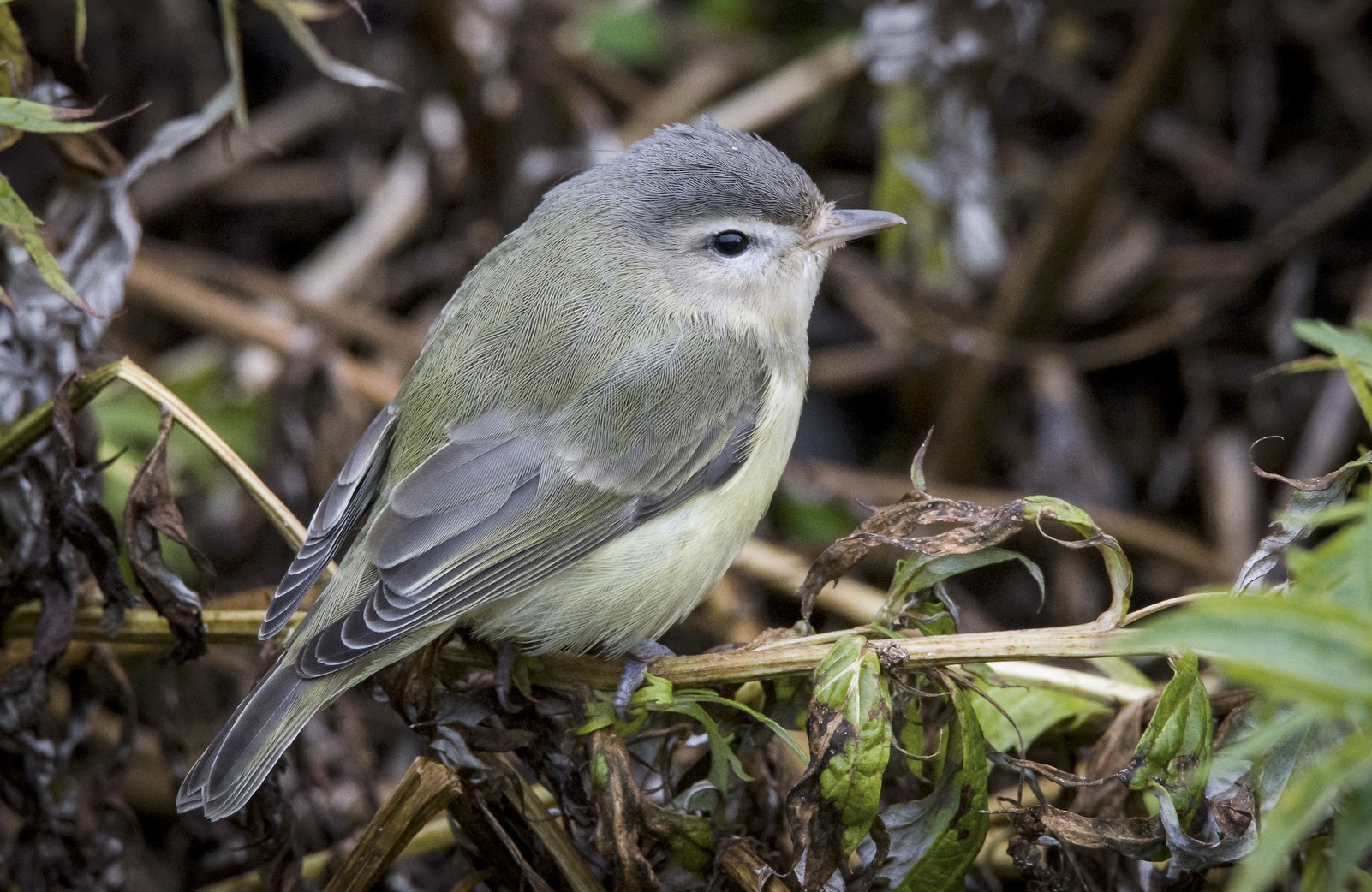
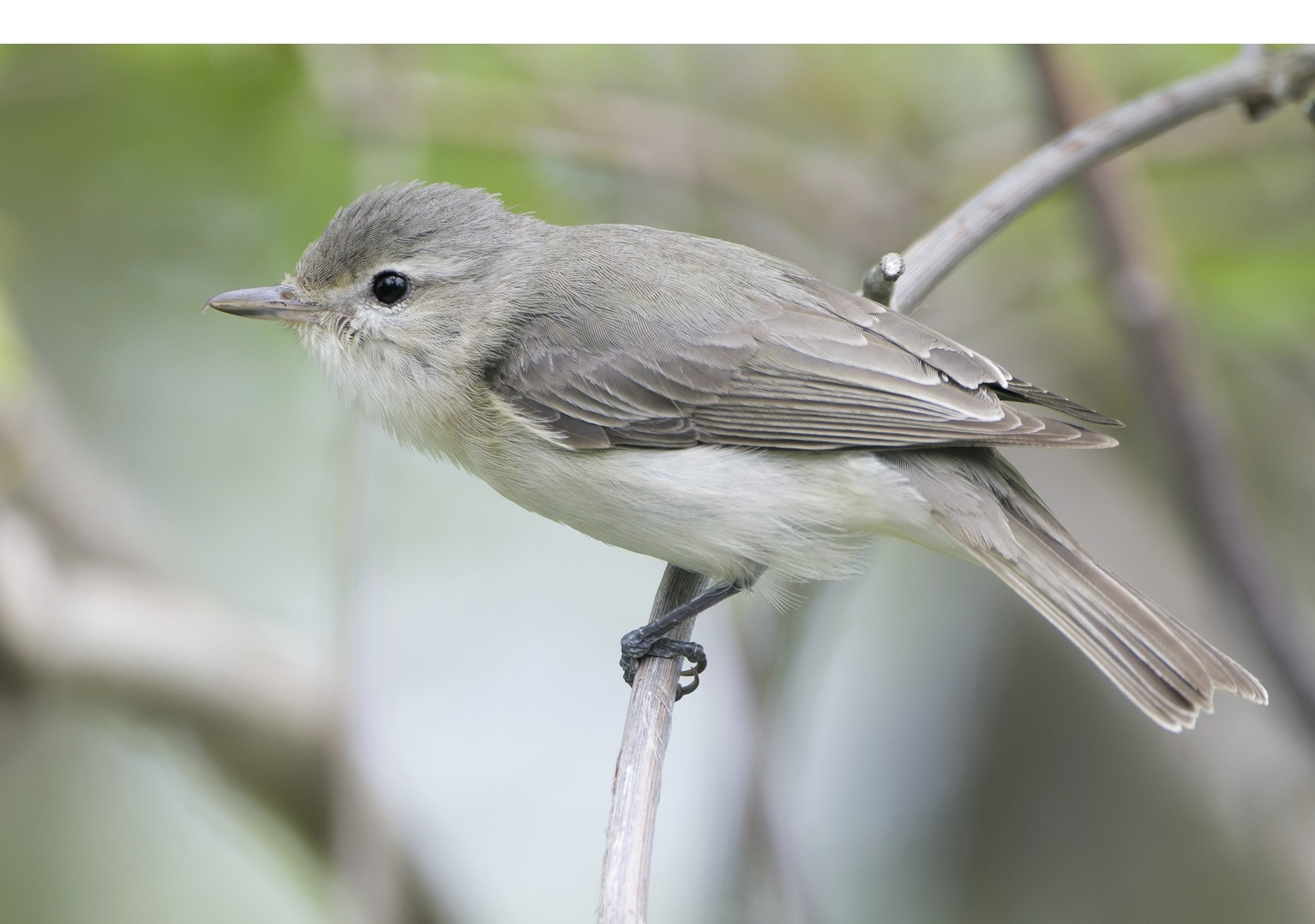
Our next species split is also going to test your ID skills—these birds are not for the weak! The Warbling Vireo has been split into Eastern Warbling Vireo and Western Warbling Vireo, based on genetic differences as well as their distinct breeding ranges and breeding habitats in North America. One of the best ways to tell them apart is by ear: both have fairly distinct songs, though we are unlikely to hear them singing in the Caribbean.
Both of these newly split vireos look VERY similar. Eastern Warbling Vireo tends to have paler crowns, a slightly cleaner face pattern, and a larger bill compared to the darker-crowned, smaller-billed Western Warbling Vireo. However, there is considerable overlap between the two, so break out your best camera—clear, detailed photos will likely be your best bet for documenting which species you’re seeing. And in many cases, the safest call on your eBird checklist will be leaving it as Eastern/Western Warbling Vireo! You can read more about this tricky ID challenge and just how similar these two look here.
Goodbye GREG, hello AMEG (AOS 2026)
Many avid birders or banders use shorthand codes to quickly jot down the birds they see in the field. These four-letter alpha codes are typically formed from taking the first 1-2 letters from each part of a bird’s name to make a 4-letter code—like the bird formerly known as GReat EGret: GREG! It’s always extra fun when those codes spell out actual names or words.
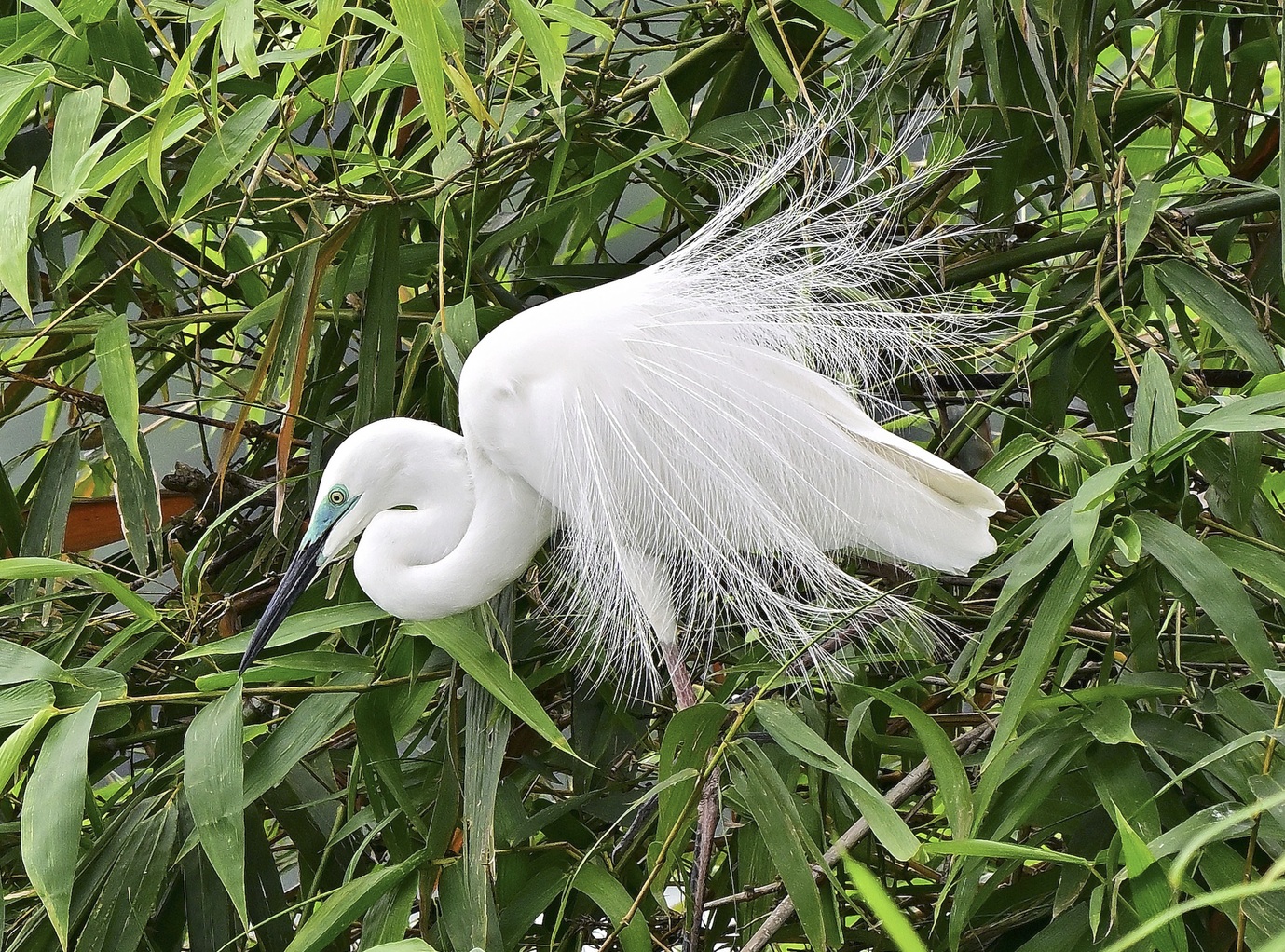
Sadly, GREG has been lost to us with the splitting of Great Egret into American Egret and Great White Egret! Similar to the Whimbrel split, the newly named American Egret is found across the Americas, while the Great White Egret occurs throughout Europe, Africa, Asia, and Australasia. Ornithologists supported this split based on differences in vocalizations, breeding plume structure, and the color of the bare facial skin near the bill during breeding.