The Caribbean avifauna is rich and diverse, but in many ways still understudied. For smaller or less accessible islands, many bird species may be flying under the radar (pun intended), as is the case in Saba, a tiny tropical gem in the northeastern Caribbean. In a Research Note recently published in the JCO, nine (9!) species were newly documented for the island, adding to the previous checklist of 109 species. To learn more, we spoke with co-lead authors Nicole Rijsemus and Michiel Boeken for the behind-the-scenes scoop on how this work came to be.
This study was actually conceived independently by the two lead authors, both inspired by their visits to Saba and their realization that several of the species they had observed were not previously reported for the island. Michiel visited in early 2025, and took this as an opportunity to update his own 2018 New avifaunal records and checklist for the island of Saba, Caribbean Netherlands, also published in JCO. Nicole built her observations over multiple visits between 2018 and 2024. She shared: “During these trips, I combined regular work with field observations in my spare time, including contributing to atlas counts and documenting bird observations… These experiences further strengthened my interest in Caribbean birdlife and field-based research.
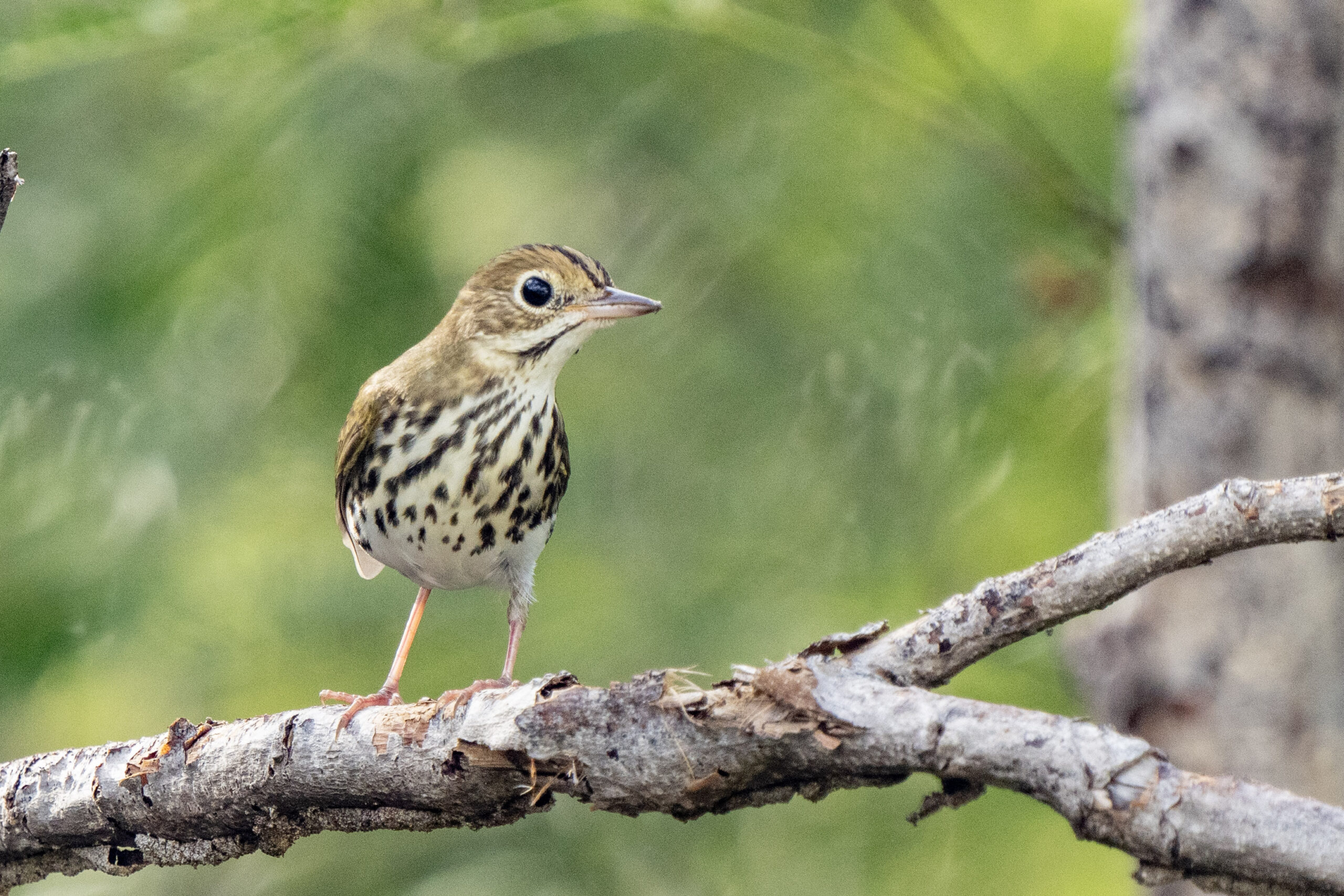
During my longer stay on Saba in 2023–2024, I recorded several overwintering species, including Black-throated Blue Warbler, Magnolia Warbler, Ovenbird, Black-and-white Warbler, and Hooded Warbler. These observations made me realize that more species are present than the available data suggested, likely because relatively little birding takes place during the winter months on Saba.”


When Nicole’s manuscript was submitted to the JCO, Michiel was recruited as one of the peer reviewers, and he shared with us that he had his own plans to publish an update to his 2018 study. Our team saw an opportunity to combine efforts and produce a more comprehensive update to the island’s avifauna. Remarkably there was almost no overlap in the two sets of observations, and these were further supplemented by records from online databases such as observation.org.
The process was not easy, of course—it took more than a year to get to this point. Michiel notes that one major challenge was “coordinating the integration of different datasets and contributions, especially when combining independently developed work into a single coherent study.” Both authors agree that it was worth it however, with Nicole adding: “Integrating the two manuscripts required a lot of additional work, and the review process with multiple rounds of feedback from reviewers and editors also took time. Although this took more time and coordination, it ultimately gave a more complete overview of bird observations on Saba.”
Tell us about a memorable moment during field research or data analysis.
For Michiel, “Everything on Saba is memorable.” He recounted several first observations, of Bank Swallow in 2020 and Masked Booby in 2025, memories tied to the specific places in which they were made.


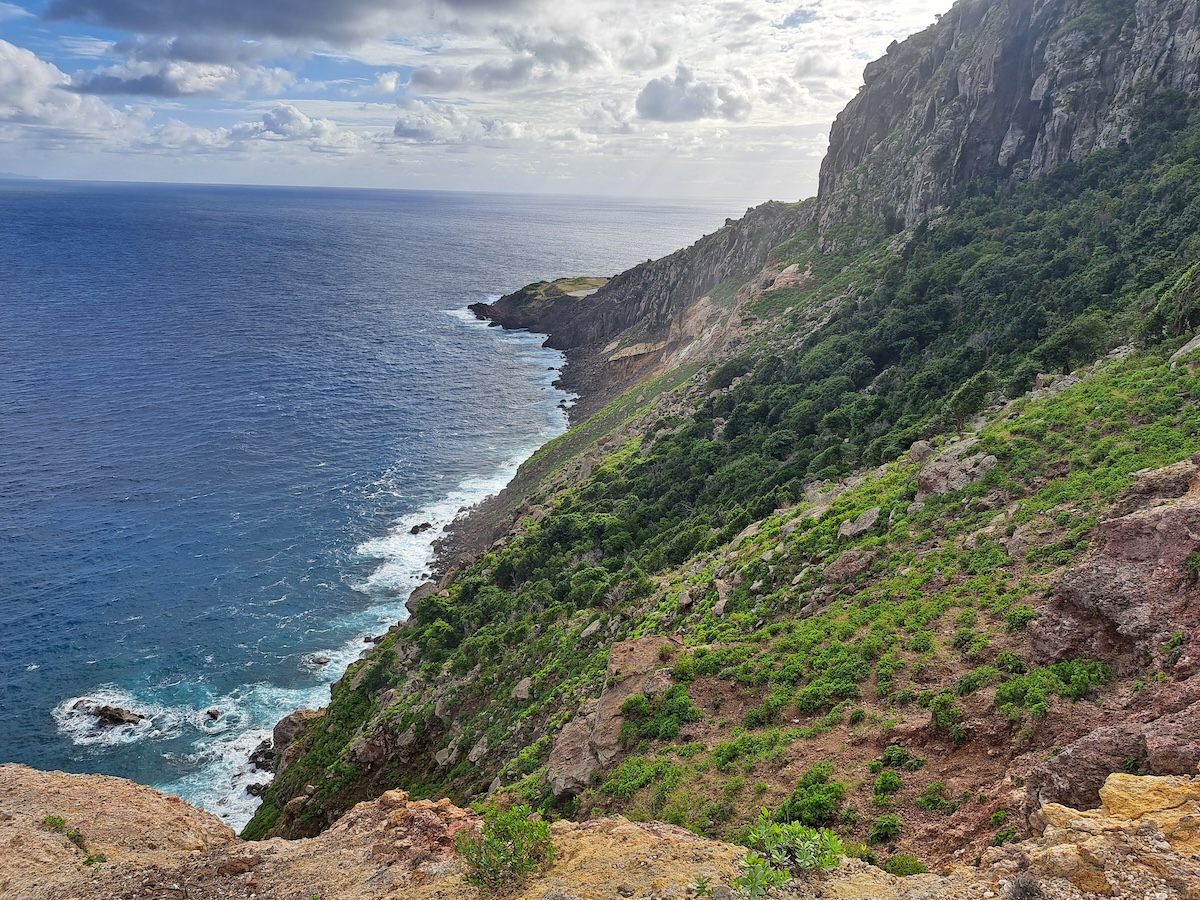
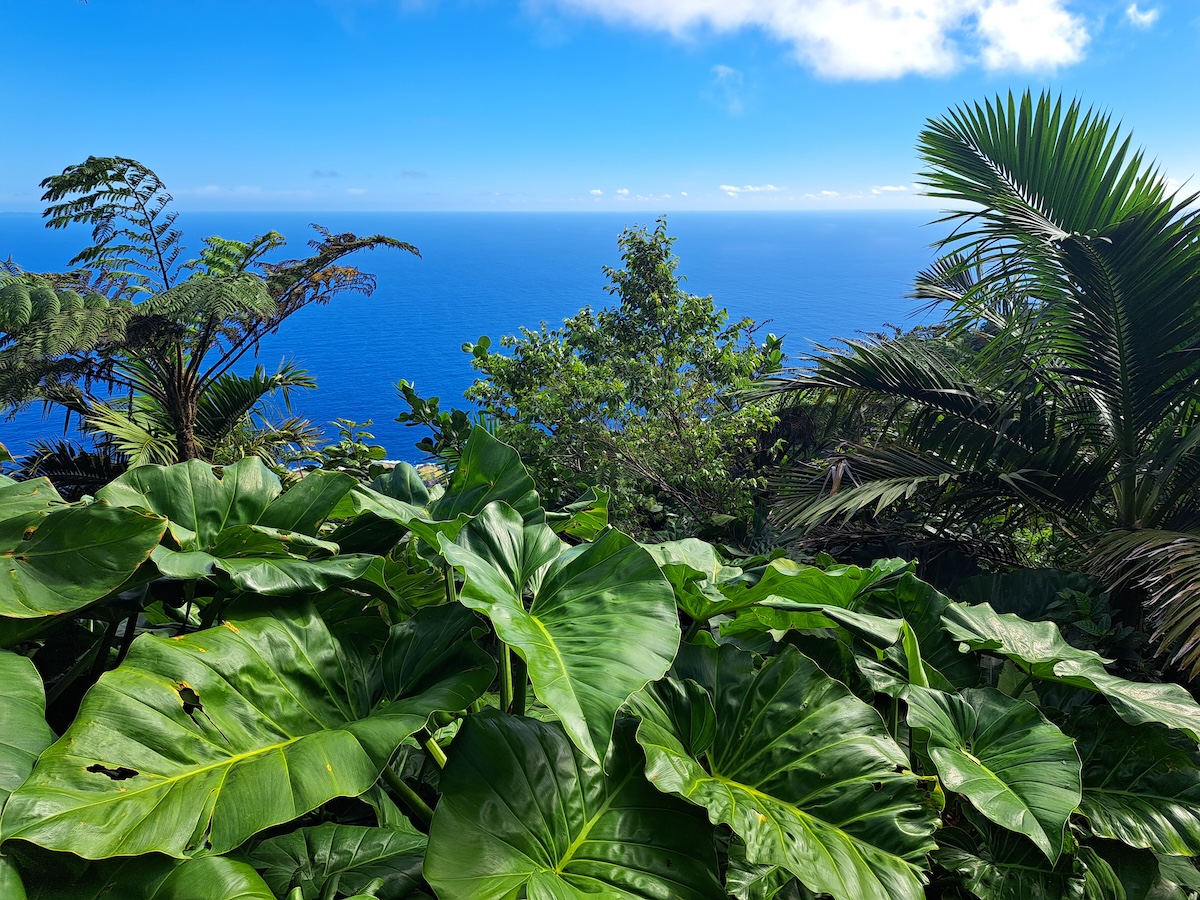
For Nicole, “What makes fieldwork on Saba especially memorable to me is the tropical rainforest and the way the landscape changes from the sea all the way up into the mountain scenery. Within a small area you move through very different environments, from the coast and dry forest to tropical rainforest in the clouds.
Because of this, you also find different bird species at different heights and in different habitats. Next to birds, there is also a lot of other wildlife and plant life, which makes it very interesting to spend time there.
I really like the combination of ocean and rainforest. The mix of scenery, variety, and nature makes fieldwork on Saba very special to me.”
What are your hopes of what your research will lead to?
Both Nicole and Michiel hope that their publication encourages more observers, whether researchers or casual birders, to share their records. There are numerous citizen science platforms in use, including observation.org, eBird, and LiveAtlas. These contributions help to improve our overall knowledge of bird distribution.
Nicole: “This highlighted the importance of documenting and sharing these records, not only to improve the local knowledge base [on Saba as well as St. Eustatius and Bonaire], but also to contribute to more complete reference works such as regional field guides (e.g. Birds of the West Indies). Having more accurate and up-to-date information helps create a clearer picture of what can actually be observed in the field, and I find it especially meaningful to contribute to that process… For me personally, this project shows how valuable regular field observations can be. Even small contributions can become important when they are combined over time and across different observers. It has also strengthened my interest in continuing field-based work in the Caribbean and helping to improve knowledge of island bird populations.”
Read the full paper here: Noteworthy new bird records from Saba, Caribbean Netherlands
We sincerely thank the authors for their work in pulling these observations together, and helping us build a better understanding of Saba’s birds and their habitats. And we echo their call to action—bird observations, photos, and recordings are the cornerstone of Caribbean bird science and an important building block for conservation action. Here is how you can contribute too!
Publish in the JCO: Submissions | Journal of Caribbean Ornithology
https://ebird.org/region/caribbean