
Celebrate World Migratory Bird Day (WMBD) with us in 2025! This year’s theme is “Shared Spaces: Creating Bird-friendly Cities and Communities”. Have fun learning about a new migratory bird every day. We have coloring pages, interesting facts, activities, and more. Download for free and enjoy nature with your family at home.

Migratory Bird of the Day: American Golden-Plover
This shorebird is golden! In breeding plumage the American Golden-Plover, a medium-sized, bowling-pin shaped shorebird, is spangled with golden flecks across its wings and back. This beautiful plumage contrasts with a black face and underside, bordered with white on the head and neck. They are a striking sight!
Outside the breeding season they have a change of wardrobe, molting into a more demure plumage. Males and females are both speckled brown with a pale eyebrow and dark cap. They lose their black underparts which become buffy and speckled. In non-breeding plumage American Golden-Plovers can be easy to confuse with Black-bellied Plovers. American Golden-Plovers are smaller and slighter looking, with a finer bill. They also lack the black ‘wing-pits’ sported by the Black-bellied Plover, you can get more ID tips here.
American Golden-Plovers breed in the Arctic, laying their eggs in ‘scrapes’ (a shallow depression on the ground), on the tundra. When breeding is over and it is time for them to head south these shorebirds really are migration masters! They make an epic journey south, with many individuals making the long flight from the east coast of North America down to South America without stopping once! Adults head off in late July and August, but they leave their chicks behind to follow later. These young birds might stay in the north until October, after which they also head to South America.
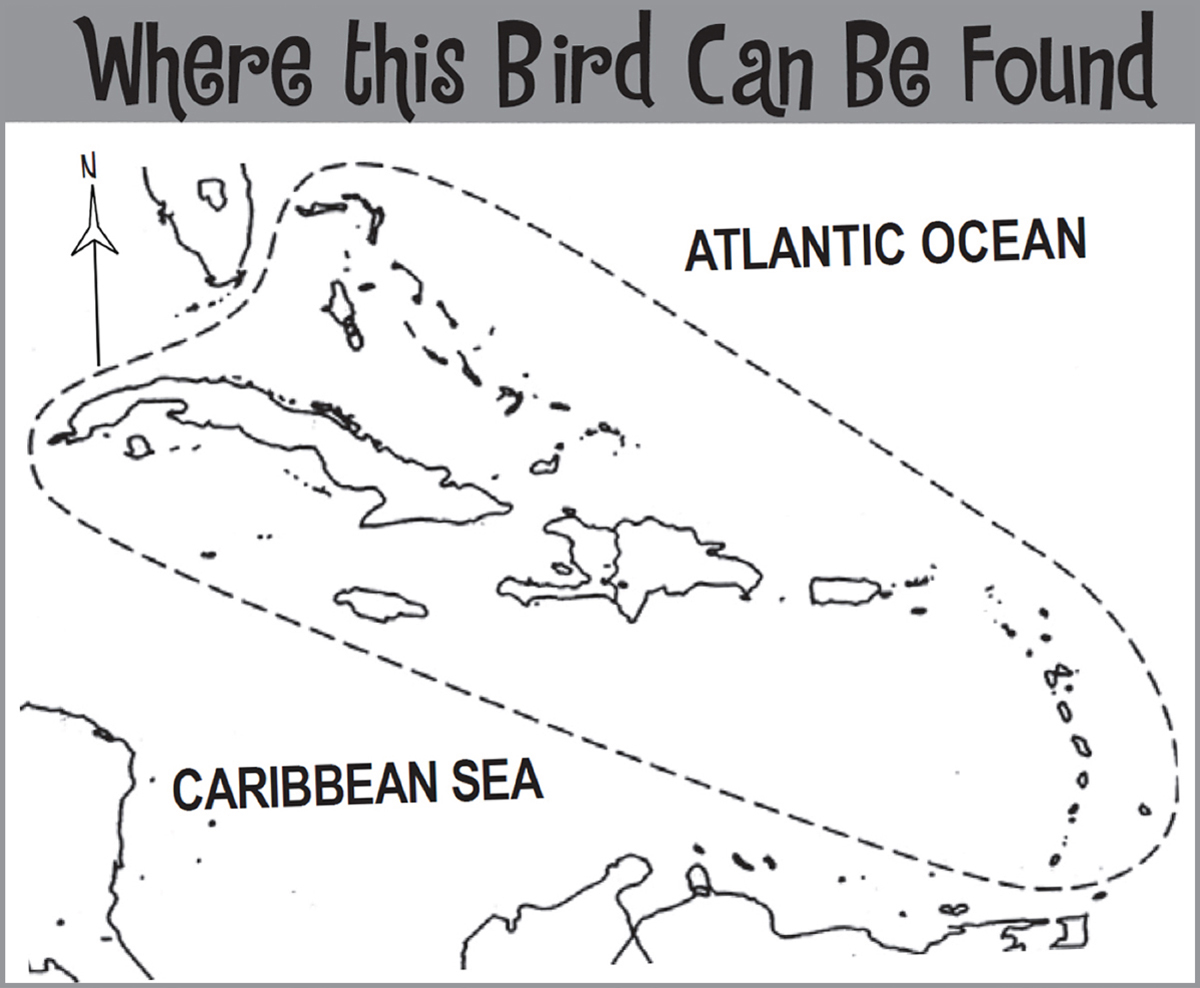
In the Caribbean we mainly see American Golden-Plovers during fall migration. Birds not able to do a non-stop trip all the way to South America will land to rest and refuel in Caribbean wetlands. American Golden-Plovers like to flock together and you might also spot them hanging out with other ‘shorebird friends’ like the Pectoral Sandpiper. You can look for them in wet grassy areas, agricultural areas like rice fields as well as on mudflats, and shorelines. Here they will be feeding on a variety of insects and insect larvae, as well as worms and mollusks.
Unfortunately, American Golden-Plover populations are declining and they have lost more than 50% of their population in the past 50 years. One of the main threats to them during migration is loss of habitat. This includes changes caused by unfavorable agricultural practices including, intensification, drainage and pesticides, and the conversion of their habitats to other uses such as residential developments and conversion of grasslands to row-crops. This beautiful shorebird relies on wet grasslands with healthy insect populations so switching to organic fertilizers and reducing pesticide use can help them out. Learn more about this species, including its range, photos, and calls here. Great news! If you’re in the Caribbean, thanks to BirdsCaribbean, you have free access to Birds of the World and you can find out even more in the full species account of this bird!
Thanks to Alex Sansom for the text and Arnaldo Toledo for the lovely illustration!
Color in the American Golden-Plover
Download the Migratory Birds of the Day Coloring Page! Use the picture above and the photos on this page as your guide, or look up pictures of the bird online or in a bird field guide if you have one. Share your colored-in page with us by posting it online and tagging us @BirdsCaribbean #WMBD2025Carib
Listen to the calls of the American Golden-Plover
The call of the American Golden-Plover is a plaintive “pleedoo”
Enjoy these photos of American Golden-Plovers


Activity of the Day
 FOR KIDS: American Golden-Plovers have seriously long migrations. Flying 1000s of miles nonstop over the ocean until they reach their final destinations. Because they have so far to go, golden-plovers fly at high speeds. Studies tracking the birds found they averaged over 30 mph—that’s as fast as a car driving on a main road. Sometimes they even reached more than 80 mph, during their long flights over the ocean!
In this activity you’re your own paper bird so it can be ready for its own long journey!
With the help of an adult, get ready to help your bird get its wings by gathering the following materials:
- printed flapping bird template
- scissors
- glue
- string
- crayons, colored pencils or markers
You can download all the information, instructions and worksheet here.
FOR KIDS AND ADULTS: Enjoy this video of a American Golden-Plover in the wild!