
 With Migratory Shorebirds already arriving in the Caribbean we are getting ready to celebrate World Shorebirds Day on September 6! This year we’re asking you to show some love to our shorebirds and join the Global Shorebird Count, which runs from September 1 to 7. BirdsCaribbean has everything you need to help you take part. Read on to find out how to take part, and why you (and your friends!) should join the count this year!
World Shorebirds Day is held every year on September 6. This day celebrates shorebirds, their amazing migration journeys, and most importantly, raises awareness of the threats they face and actively promotes their monitoring and conservation. The key event associated with this day is the Global Shorebird Count (GSC), which this year runs from September 1-7.
Whether you’re new to the GSC or a seasoned shorebird counter, you can rally around shorebirds in the Caribbean by joining our “Count. Rest. Repeat.” campaign! Your data will help scientists protect these special, threatened birds.
How do you join in?
Joining is as simple as heading out to your local wetland sites and counting shorebirds! Really—it’s that easy! Don’t be intimidated if you’re a first-timer, this blog will walk you through everything you need to know to get out there—and start contributing valuable data for shorebird conservation! First tip: Remember to record all the species you see and/or hear (including other non-shorebird species), and to note how many individuals of each species you spot. Take your time and scan the habitats carefully for birds, but be extra careful to stand and walk only in places where you won’t disturb the birds you are trying to count!
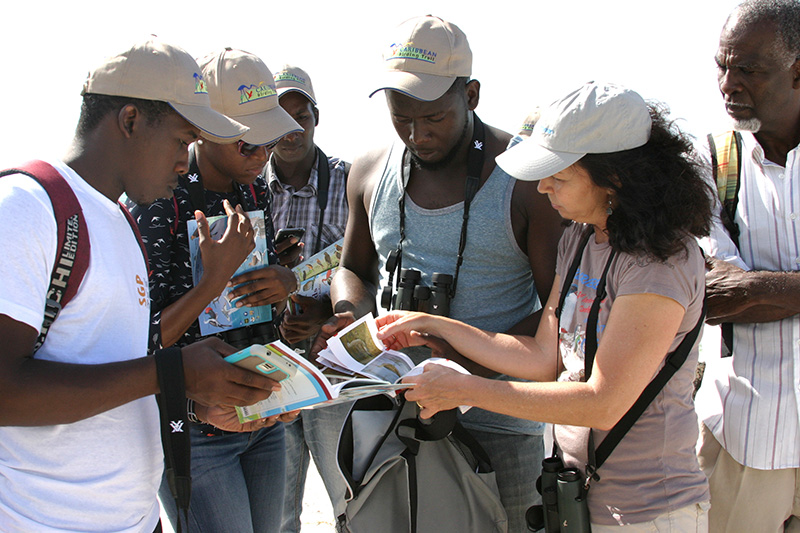
Make sure to record what you are seeing, and to start a new bird list for each location. The best way to do this is using the eBird app on your phone. This powerful citizen science app is totally free, and get this—you don’t even need data to use it in the field! If you are recording your birds in a notebook be sure to note the start and finish time of your count and add your list to the eBird website once you are home.
Any counts you do at Caribbean wetlands, mangroves, mud flats, coastal areas or beaches at any time of year can be Caribbean Waterbird Census (CWC) counts. If you are in the Caribbean, be sure to select “Caribbean Waterbird Census” from your projects when starting a new checklist. Haven’t joined the CWC project on eBird yet, or want to know more about how to use projects? Like we said—we got you! Get all the details here.
Finally, to contribute to the Global Shorebird Count, share each list on eBird with the eBird user ‘worldshorebirdsday’. This will ensure that your checklists are included in data analyses for the Global Shorebird Count. If you are new to checklist sharing, check out this quick tutorial on how to do it.
If you do not have an account, it is easy to register—here’s a quick guide on how to enter eBird data online. Check out our helpful video here on how to use eBird and Merlin. If you have questions about eBird checklists, or need help with setting up an eBird account, do contact our Waterbird Program Manager, Alex Sansom: waterbird.manager@birdscaribbean.org
Why do shorebirds need our help?
The answer is that our migratory shorebirds are more vulnerable than ever—they are threatened by human activities such as destruction of their habitats, pollution, disturbance, and climate change. Recent analyses show that shorebirds in North America are declining more than any other group of birds; in fact, more than half of 28 species studied were estimated to have lost more than 50% of their abundance in the last 30 years.
Alarmingly, 16 shorebird species were recently reclassified to higher threat categories on the International Union for the Conservation of Nature (IUCN) Red List. Many of these, like the the Lesser Yellowlegs, now classified as “Vulnerable,” and the Greater Yellowlegs, listed as “Near Threatened”, are familiar visitors to the Caribbean, reflecting our region’s vital role in their life cycles.
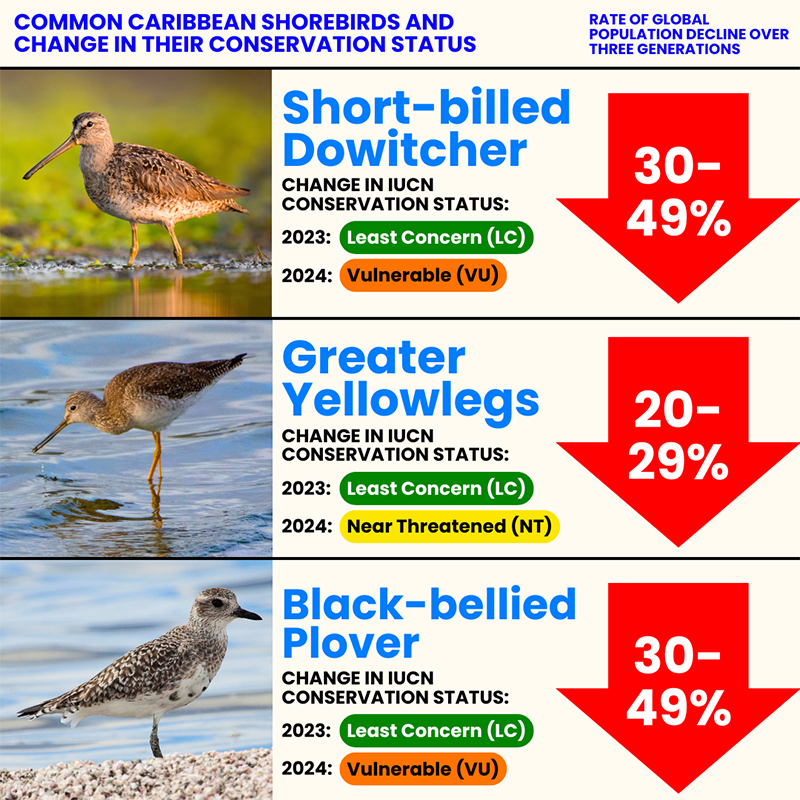
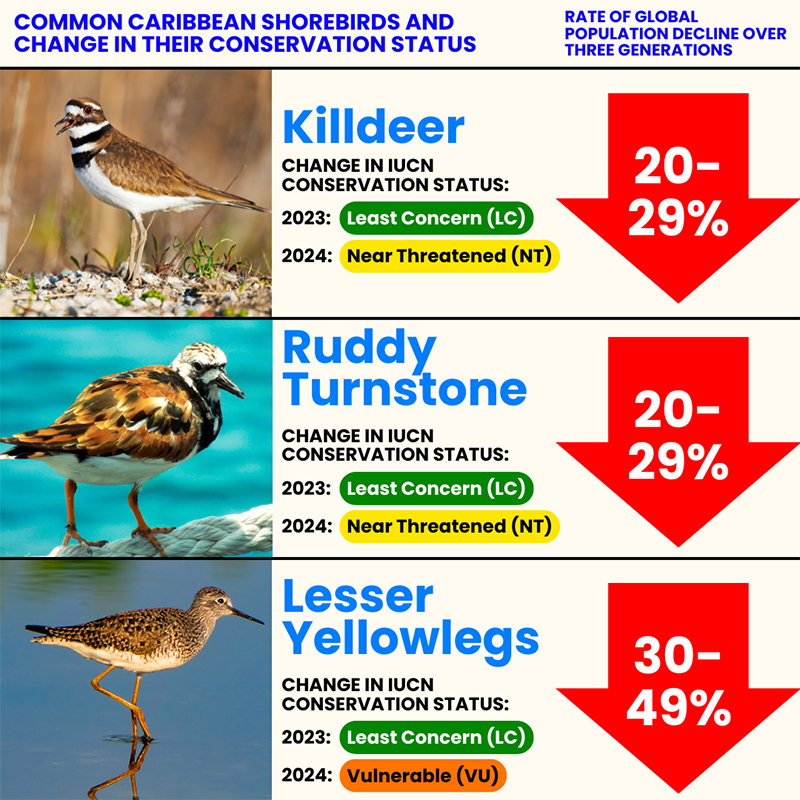
Protecting critical sites for migratory shorebirds in the Caribbean is more urgent than ever. Shorebirds rely on our mangroves, salt ponds, beaches, sand flats, and mud flats to rest and refuel as they continue on their long migrations. Some shorebirds even spend the entire winter with us!
This is where the Global Shorebird Count comes in: the GSC helps to both map the distribution of shorebirds during migration, and to record their numbers. Data from citizen science initiatives like this and our Caribbean Water Bird Census are needed to identify and protect the key stopover and/or wintering habitats that shorebirds use. Protecting these habitats benefits people too because healthy coastal areas provide vital ecosystem services such as clean water, food, sustainable livelihoods, protection from storm surge, and much more.
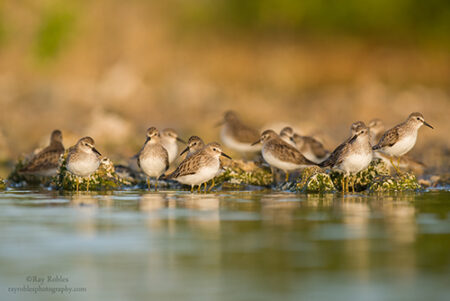
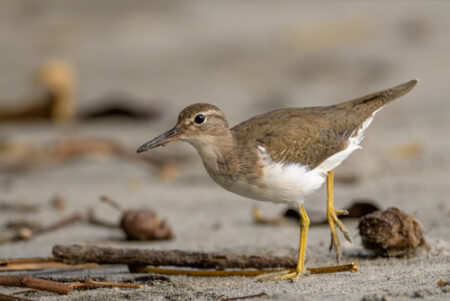
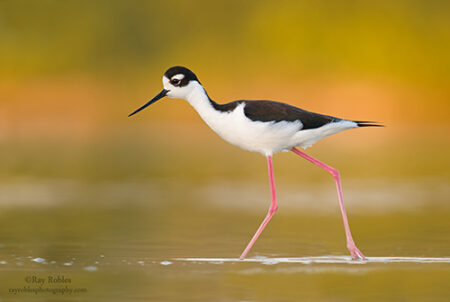
Count, Rest, and then please—Repeat!
The more information we have about shorebirds using Caribbean wetlands, the more we can learn about their populations and which places are most important for them. So, if you want to show some extra love to the shorebirds, and increase our ability to conserve Caribbean shorebirds, consider carrying out several counts at the same wetland(s) during migration season (August-October).

If possible you can try to do 2 or 3 counts at your local shorebird hotspots per month during fall migration (August-October). And if you are able to do more, even better! More frequent counts can help us better understand important aspects of shorebird migration in our region—like how many individuals use Caribbean wetlands, the timing of migration, and how long they stopover at different sites.
Need some help with shorebird ID?
We know that Shorebirds can be tricky to identify, with some being especially difficult to tell apart. BirdsCaribbean is here to help with some useful tools! We have a Shorebird Poster and “Quick ID Guide” to get you started as well as handy Shorebird ID cards that you can download and print featuring common shorebirds of the Caribbean. Go to our shorebird resources page to find everything you need. Of course, don’t forget to take your favorite bird ID guide with you when you do your shorebird counts!
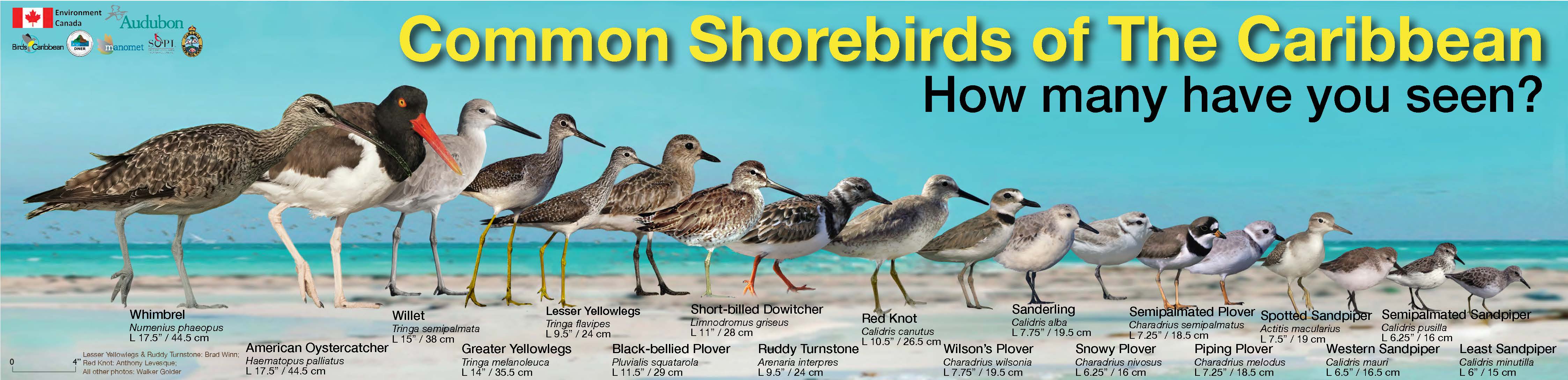
You can brush up on your CWC survey skills, waterbird ID, and shorebird ID before you go out on your surveys by watching our fantastic CWC and Shorebird ID webinars on YouTube. We also have series of shorebird ID shorts pointing out key features to help you distinguish between those tough-to-tell-apart species. Check our latest video all about Spotted and Solitary Sandpipers below, and see them all on our social media accounts or our YouTube Shorebirds Short Videos Playlist.
If you can get photos or even sound recording of the birds you see, these can be looked at/ listened to later. If you encountered any birds that were difficult for you to identify in the field, visual (or sound) evidence can be shared with birding colleagues and experts for ID support!
Where to find shorebirds?
The simple answer is: anywhere there is water. This means that, as their name suggests, you can find them at the beach and on other types of shorelines. However, some shorebirds will be further inland, including in salt ponds and salinas, freshwater pools, agricultural fields, and at brackish marshes and ponds. Shorebirds will also gather on mud flats, in mangrove areas, and on tidal flats.


You may not be quite sure of the best places to look in your area. If so, why not take a look for ‘hotspots’ at your local wetlands on eBird. Just take a look at the eBird hotspots map. Zoom in on your local area and then click on a hotspot to see what types of birds have been seen there recently.
What should you do if you spot a banded bird?
While counting shorebirds you may see birds with colourful bands on their legs. Do your best to record the band colors and any numbers or letters paying special attention to the location of the band or bands on the bird’s legs. Binoculars or zoom photography may allow you to clearly see the band colors and the numbers engraved onto the band—if you get a photo you will be able to send it along with your sighting. You can report your sightings and send any photos you have to BandedBirds.org and the USGS Bird Banding Lab, which oversee all banding in the United States.
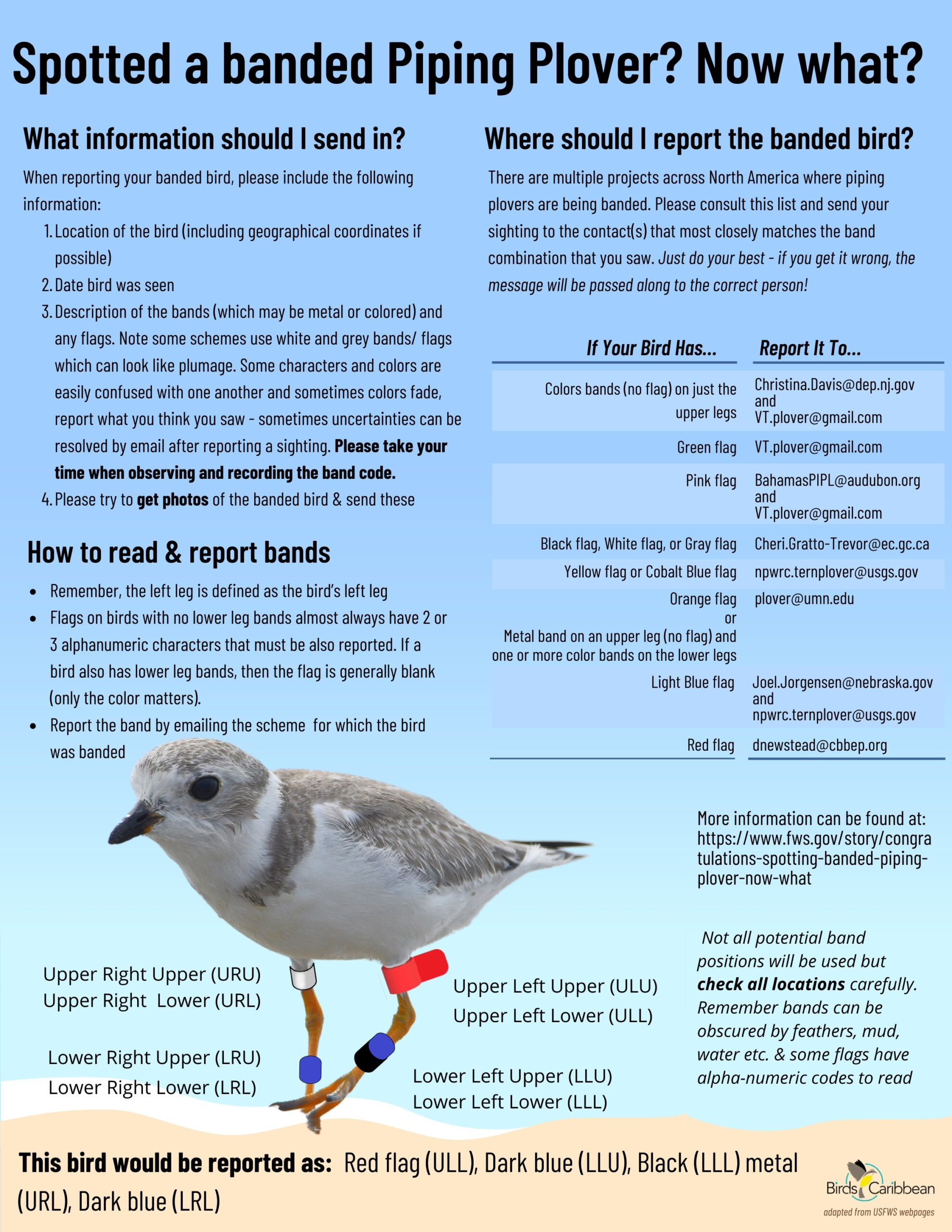
Spotted a banded Piping Plover?
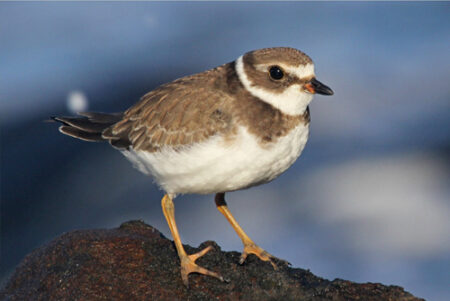
There are several projects that have banded Piping Plovers. The Caribbean is one of the wintering areas for these cute plovers (they are mainly found in The Bahamas, Turks and Caicos Islands, and Cuba, but are also recorded on other islands), so it’s always possible you might spot one! This 1-page guide which details what to do when you see a banded Piping Plover is available to download as a pdf here. We also have 2-page version with more information for you to use and share here. You can find out more about reporting banded Piping Plovers from the U.S. Fish and Wildlife Service at this link.
Be social with your shorebird counts
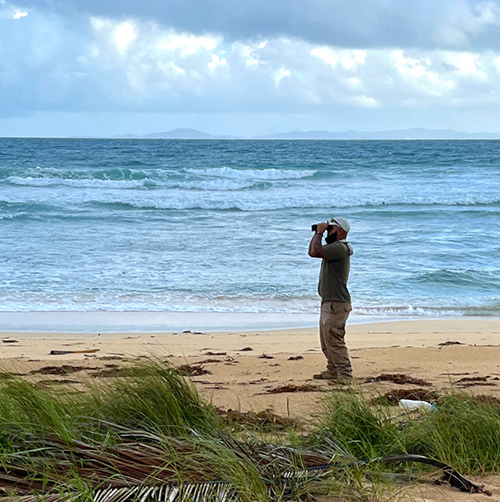
We love looking at photos of shorebirds, your local wetlands, and your smiling faces; so please share the highlights of your shorebird counts with us! Use a phone or any other camera that is available, but remember to tag @birdscaribbean and use the hashtags #WorldShorebirdsDay #GlobalShorebirdCount #ShowSomeLoveForShorebirds #CountRestRepeat when sharing on social media. We look forward to seeing and sharing your amazing photos and reading your stories!
Don’t hesitate to contact us if you have any questions about counting shorebirds. Reach out to Alex Sansom at waterbird.manager@birdscaribbean.org
We hope you have a great Global Shorebird Count 2025!
Get some more ID & SURVEY tips with our short shorebird ID videos!
Learn about counting shorebird flocks!
Meet the Peeps!
Lesser vs Greater Yellowlegs
Black-bellied vs American Golden Plover
Separating the small plovers
Stilt Sandpiper vs Short-billed Dowitcher