
Celebrate World Migratory Bird Day (WMBD) with us in 2025! This year’s theme is “Shared Spaces: Creating Bird-friendly Cities and Communities”. Have fun learning about a new migratory bird every day. We have coloring pages, interesting facts, activities, and more. Download for free and enjoy nature with your family at home.

Migratory Bird of the Day: Wilson’s Snipe
What’s that small brown shorebird lurking in the grass? Chances are, it’s a Wilson’s Snipe! These plump, long-billed migrants love to skulk in wet grassy habitats. They are true masters of disguise with their cryptic brown and buff coloration. If you’re lucky enough to spot one in the open, you’ll see they have very long bills and highly patterned plumage with four long buffy-white streaks down the back (“snipe stripes”) and a striped head. Often, though, you won’t know one is there until it bursts from under your feet with a rasping ‘scaap’ call and a distinctive zigzagging escape flight.
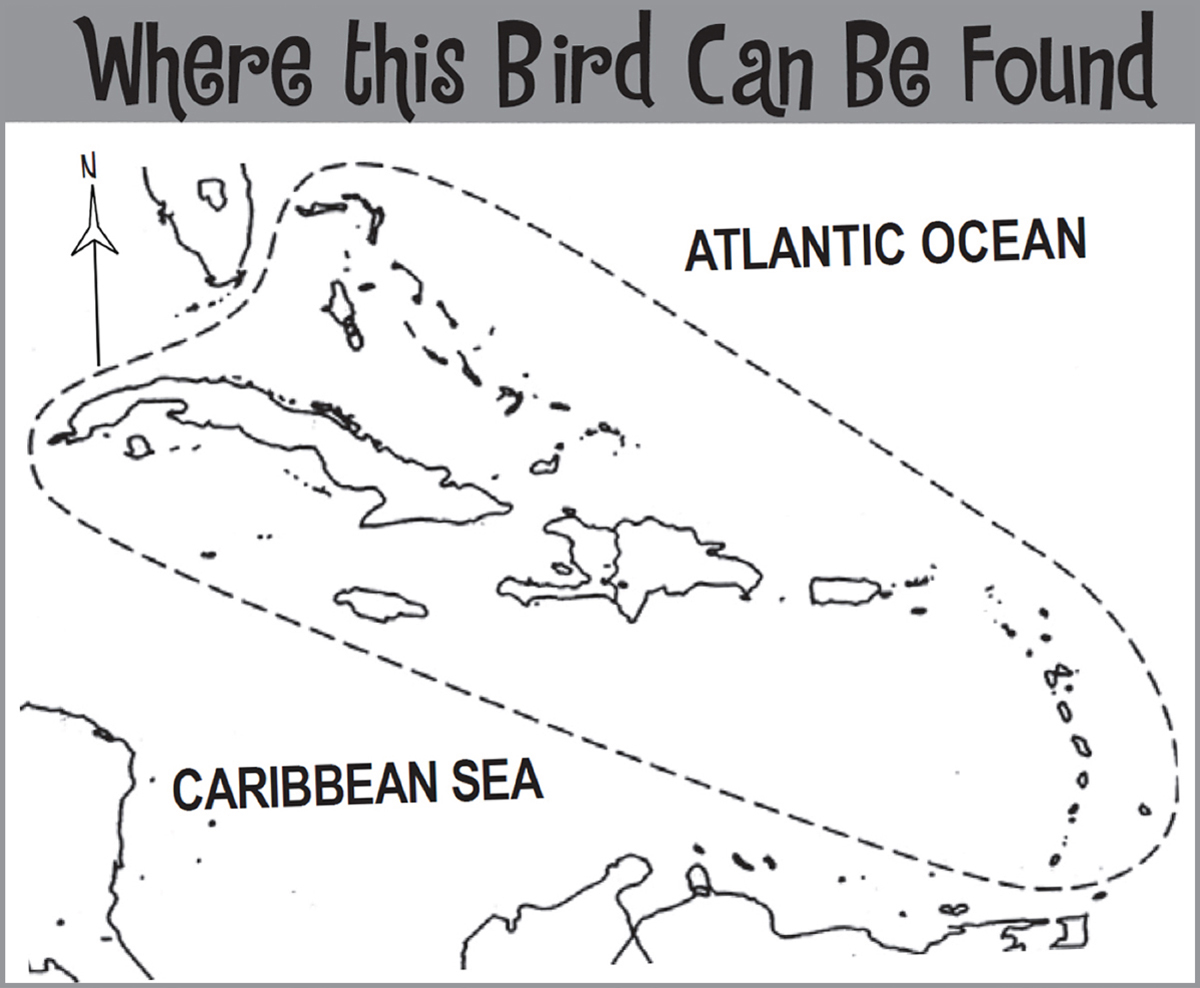
Wilson’s Snipe breed across northern North America where they favor wet, marshy settings, and areas close to rivers and ponds. After breeding, some remain in the northwest, but many fly south, to the southern U.S., Central America, Venezuela, and the Caribbean. During the non-breeding season, they love those same soggy habitats, turning up in muddy wetlands, marshes, rice fields, wet agricultural areas, and near rivers and ponds. Here they probe in the mud for a delicious meal of insect larvae, snails, crustaceans, and worms.
Wilson’s Snipe are most active at dawn and dusk, often spending the day tucked away snoozing. If you catch them during spring migration or on their breeding grounds, you might witness their famous display flight, performed as a threat display and to advertise the territory. Known as “winnowing,” it involves the snipe circling high in the air, then diving down. During the dive you’ll hear an eerie, whirring ‘hu-hu-hu’ sound. This ”winnowing” isn’t a call, it’s made by air rushing over the outspread tail feathers!
On the ground, breeding Wilson’s Snipe can be just as dramatic. To protect its nest, a parent may feign injury—fluttering, flopping, or dragging itself as though wounded—luring predators away from its eggs or chicks.
Though their populations are currently stable, Wilson’s Snipe rely on wetlands, which are threatened by drainage for agriculture and development. Let’s protect our wetlands and make sure there are lots of places for these birds to hide, rest, and feed. Simple actions like minimizing single use plastics, recycling and fixing leaky taps reduce pressures on these fragile ecosystems and keep them safe for snipe and countless other species. Learn more about this species, including its range, photos, and calls here. Great news! If you’re in the Caribbean, thanks to BirdsCaribbean, you have free access to Birds of the World and you can find out even more in the full species account of this bird!
Thanks to Alex Sansom for the text and Arnaldo Toledo for the lovely illustration!
Color in the Wilson’s Snipe
Download the Migratory Birds of the Day Coloring Page! Use the picture above and the photos on this page as your guide, or look up pictures of the bird online or in a bird field guide if you have one. Share your colored-in page with us by posting it online and tagging us @BirdsCaribbean #WMBD2025Carib
Listen to the sounds of the Wilson’s Snipe
The Wilson’s Snipe will make a rasping call when flushed. During display flights on the breeding grounds, they produce a rapid series of ‘hu-hu-hu’ noises using outer tail feathers. These Winnowing Flights are used to threaten other birds, but may also function in attracting a mate.
Enjoy these photos of Wilson’s Snipe


Activity of the Day
FOR KIDS AND ADULTS: Draw and colour the Wilson’s Snipe!
Gather your paper and coloring pencils and draw along with Josmar Esteban Marquez. He will guide you step-by-step to make your own beautiful drawing of this migratory shorebird.
Download Reference Photos: Photo Wilson’s Snipe By Kinan Echtay / Flickr: Kinan Echtay
Enjoy this video of Wilson’s Snipe in the wild!