
Celebrate World Migratory Bird Day (WMBD) with us in 2026! This year’s theme is “Every Bird Counts – Your Observations Matter”. Have fun learning about a new migratory bird every day. We have coloring pages, interesting facts, activities, and more. Download for free and enjoy nature with your family at home.
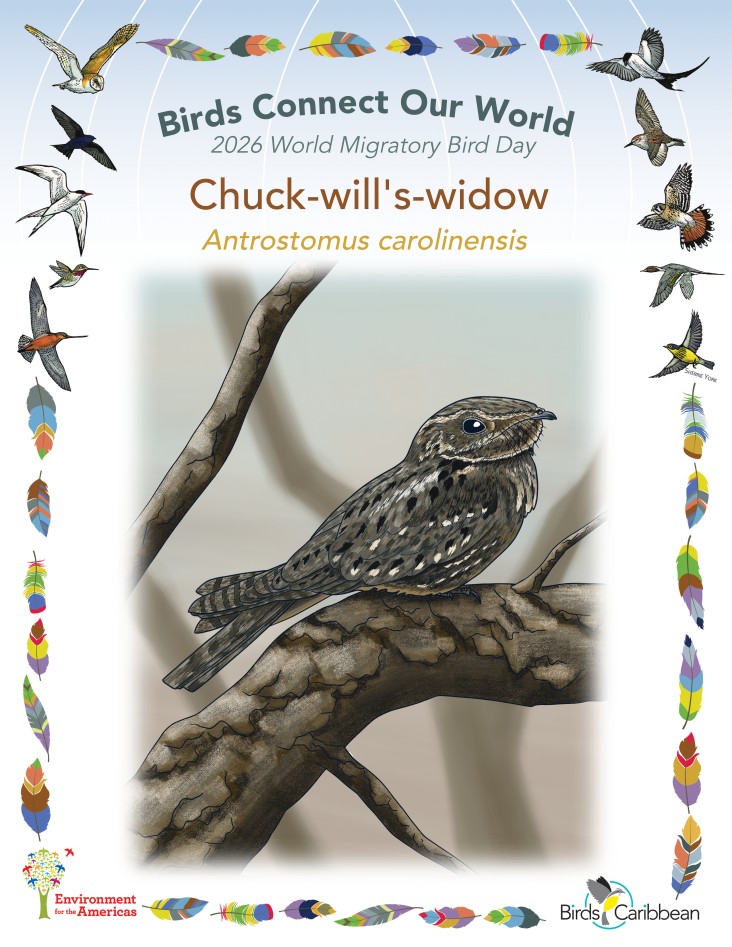
Migratory Bird of the Day: Chuck-will’s-widow
Who is Chuck Will? And more importantly, who is his widow?? While we can’t directly answer these questions, we can tell you that the Chuck-will’s-widow is actually a migratory bird from the Caprimuligidae, or goat-sucker family. And don’t worry—they don’t get their name for any nefarious reasons! Their name comes from their distinctive call, which sounds like “chuck-wills-WId-ow!”
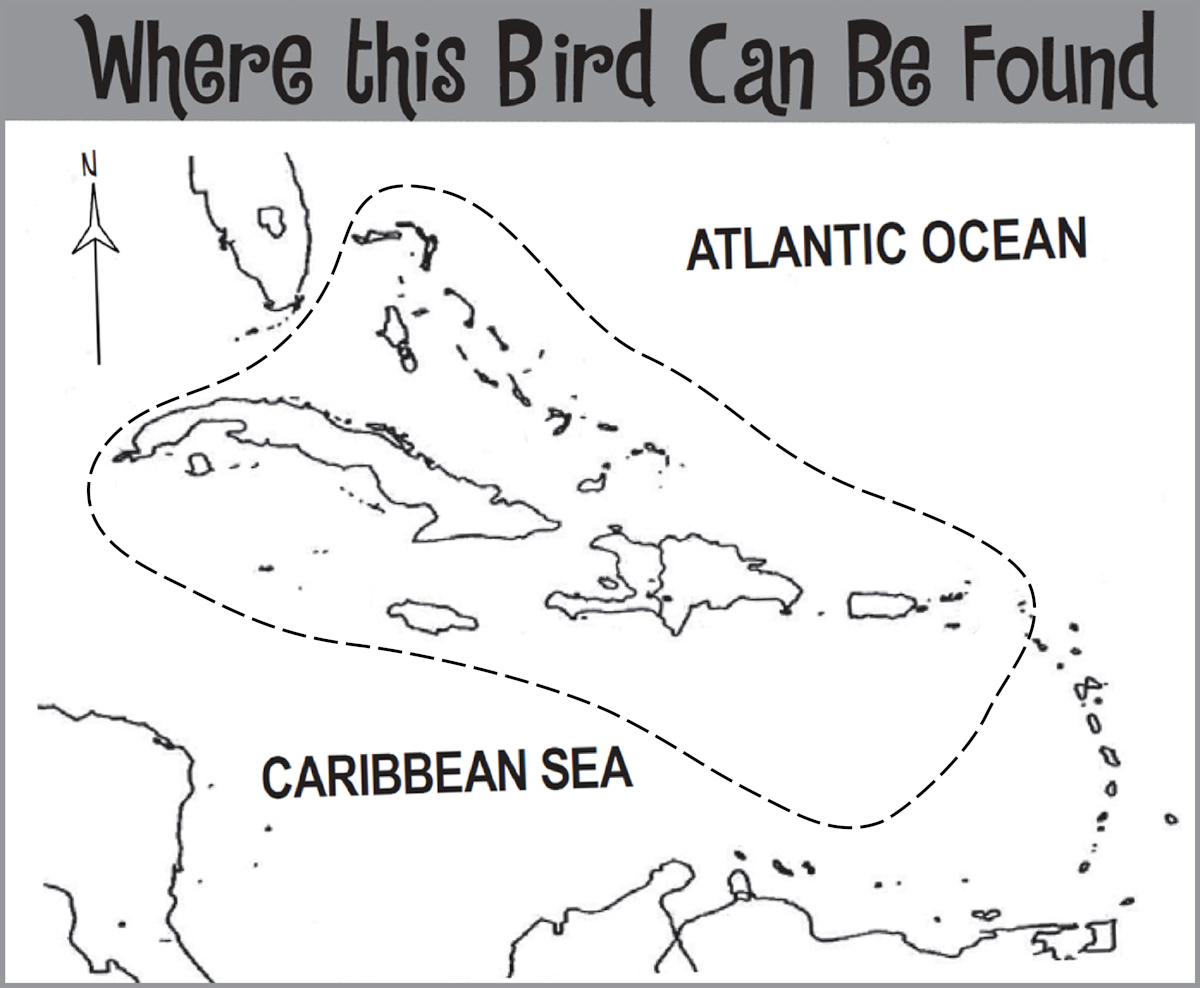
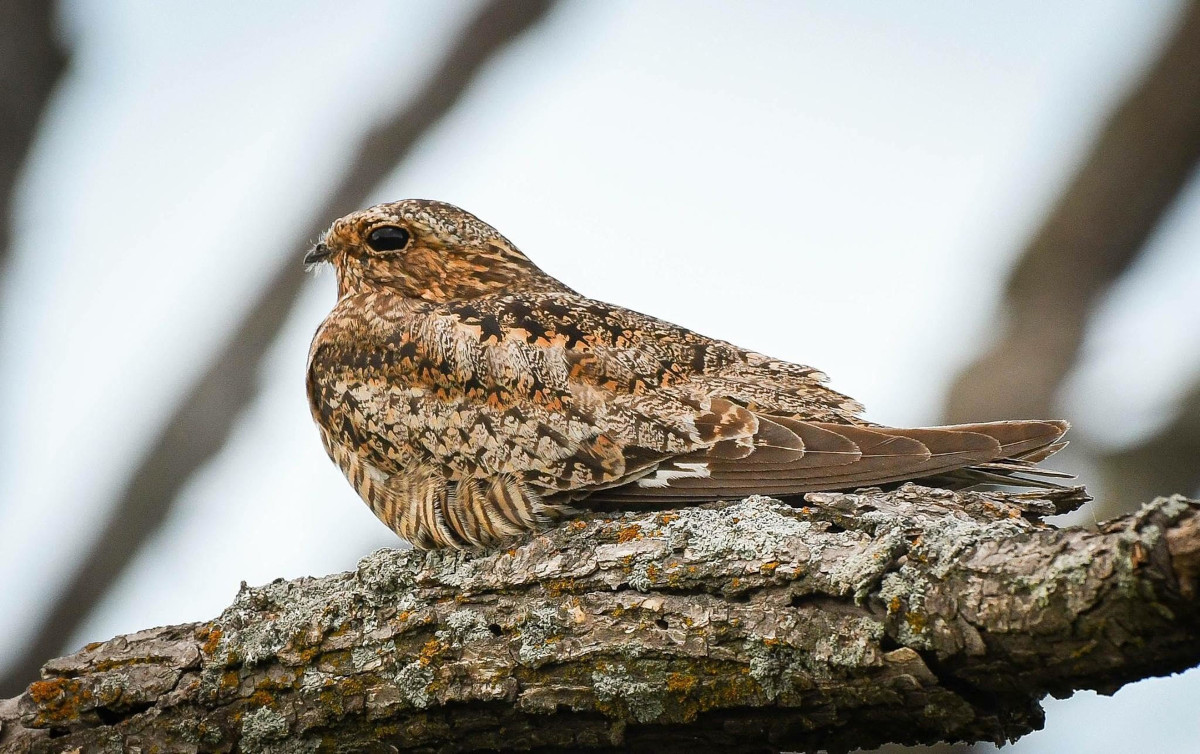
These birds breed in the southeastern U.S. and overwinter in Mexico, Central America, northern South America, and of course – the Caribbean! In the Caribbean, we often see them both during migration and overwintering in the Greater Antilles and The Bahamas, including Hispaniola, Cuba, Jamaica, and Puerto Rico. During the day they rest on tree limbs or on the ground, where their cryptically patterned black, brown, and white plumage offers superb camouflage. So take a second look at those fluffy “rocks” in the middle of forest trails or even on roads – they might just be Chuck-wills-widows!
They are considered medium-distance migrants, as they don’t travel as far as other migratory birds. Birds breeding farther west likely take a more inland route, traveling along the Gulf of Mexico, whereas eastern breeders take a bolder route across the Gulf of Mexico, with some individuals even reported flying over the Atlantic Ocean!
When Chuck-will’s-widows arrive in the Caribbean, in October, they are pretty quiet, keeping their name to themselves! As spring approaches, they can be heard vocalizing more often before migrating back north. Males are quite eager to get their song on for breeding season and will usually leave the wintering grounds before females.
Chuck-will’s-widows, like other nightjars, are expert insect hunters. They catch night-flying insects like moths, beetles, and dragonflies with their enormous, gaping mouths! But get this—during migration, they’ve been known to munch on warblers and other small birds, swallowing them whole! Looks like a long journey can really work up an appetite!
Chuck-will’s-widows aren’t endangered, but their populations are declining. Habitat loss and pesticides that kill insects they depend on are among the threats they face. To help them, skip the pesticides and plant native plants that support a healthy diversity of insects. These simple actions can make a big difference for these migratory birds and other wildlife! Learn more about this species, including its range, photos, and calls here. Great news! If you’re in the Caribbean, thanks to BirdsCaribbean, you have free access to Birds of the World and you can find out even more in the full species account of this bird!
Thanks to Holly Garrod for the text and Eden Garrod for the lovely illustration!
Color in the Chuck-will’s-widow
Download the Migratory Birds of the Day Coloring Page! Use the picture above and the photos on this page as your guide, or look up pictures of the bird online or in a bird field guide if you have one. Share your colored-in page with us by posting it online and tagging us @BirdsCaribbean #WMBD2026Carib
Listen to the song of the Chuck-will’s-widow
The song of the Chuck-will’s-widow is a loud whistling calling its name: “chuck-WILL’S-widow.”
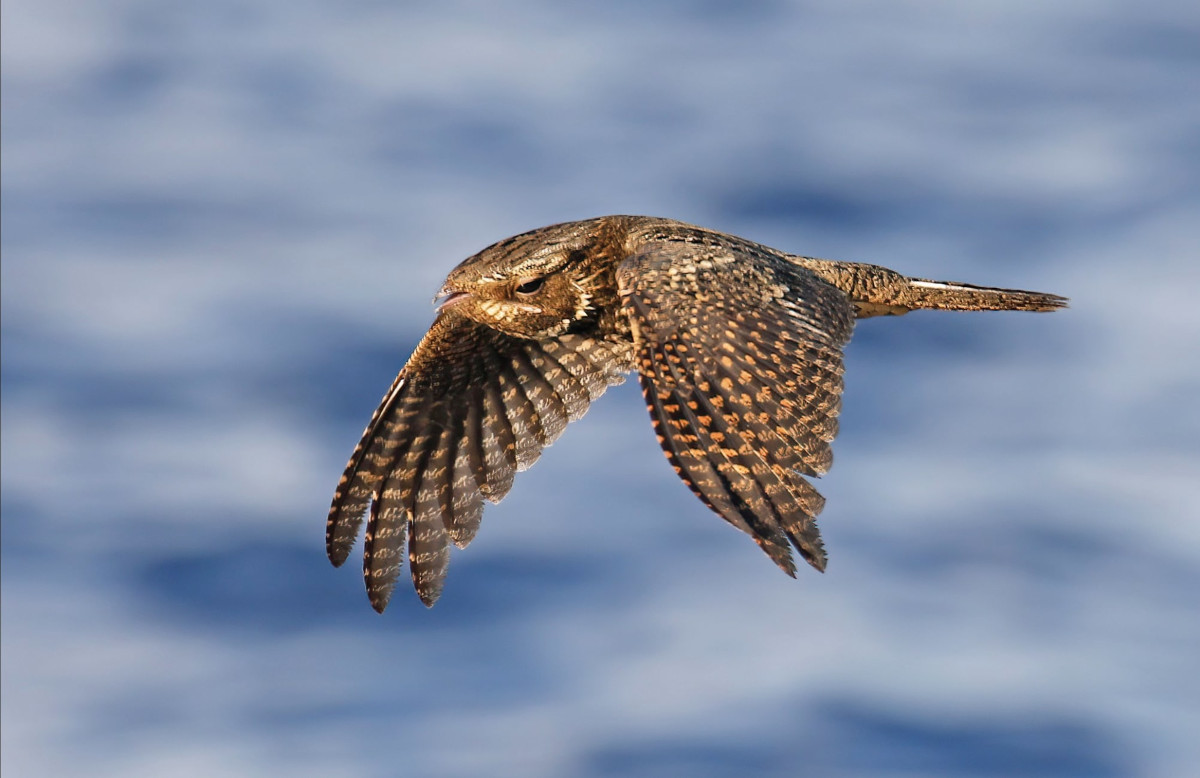
Enjoy these photos of Chuck-will’s-widow
Activity of the Day
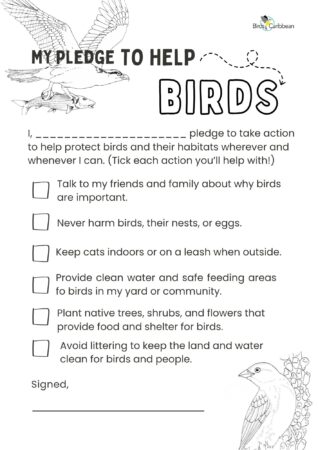 FOR KIDS: We hope that you are enjoying learning all about the birds the migrate to, from and through the Caribbean! Sadly some of the birds we have featured are endangered and many others are under pressure, often from human activities. This means our beautiful Caribbean migratory birds need your help. Even simple things like picking up litter or being sure never to disturb birds when they are feeding or resting can make a difference.
You can download and print our pledge to help birds. Then sign your name and get started helping our birds by following some of the simple actions listed in the pledge. You can also colour in the pictures on the pledge and perhaps hang it up somewhere at home to remind you and others of how you can help birds.
You can look at all the Caribbean migratory birds we have featured so far, as part of World Migratory Bird Day here.
FOR KIDS AND ADULTS: Enjoy this video of a Chuck-will’s-widow in the wild!