
Celebrate World Migratory Bird Day (WMBD) with us in 2025! This year’s theme is “Shared Spaces: Creating Bird-friendly Cities and Communities”. Have fun learning about a new migratory bird every day. We have coloring pages, interesting facts, activities, and more. Download for free and enjoy nature with your family at home.

Migratory Bird of the Day: Northern Yellow Warbler
A ray of sunshine visiting from the north—it’s the Northern Yellow Warbler! Formally known as the Yellow Warbler, this species—which once included a whopping 37 subspecies—was recently split into two: the Northern (migratory) and Mangrove (resident) Yellow Warblers. As of October 2025, ornithologists officially recognize them as distinct species. We’ll share more on this split soon, but as we celebrate migratory birds, let’s learn more about the northern traveler.
True to its name, the Northern Yellow Warbler is almost entirely yellow with beady black eyes and stout bill. Males shine in bright yellow plumage with a yellow-green back and reddish streaks on the breast. Females are also yellow overall, but paler, and immatures range from dull yellow to brownish to grayish. At just 12–13 cm long and around 10 grams in weight—about the weight of a chopstick—these tiny birds are a burst of color and energy in any landscape.
They breed across most of North America in shrubby thickets and woodlands, particularly along streams, swamps, and lakeshores. Their neat, cup-shaped nests are usually tucked into shrubs or low trees, carefully woven from plant fibers, grass, and down.
Few sounds capture the joy of spring quite like their sweet, musical song—“sweet-sweet-sweet, I’m-so-sweet!”—one of the easiest warbler songs to recognize. During the non-breeding season, you’ll be far more likely to hear them making persistent, repeated chip calls as they move through mangrove, scrub, wetland edges, forest and even the trees in your garden!
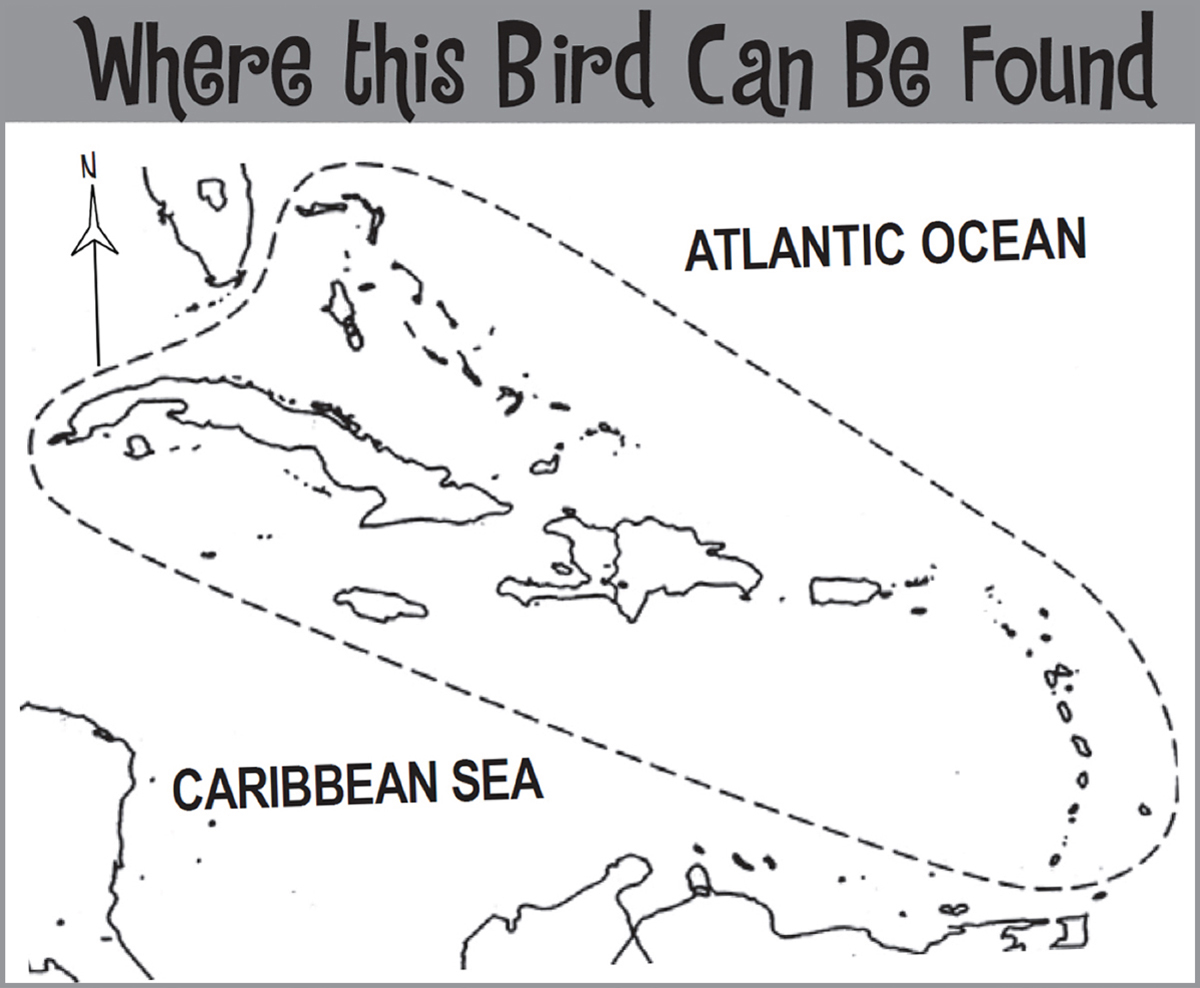
These remarkable migrants travel thousands of kilometers from their breeding grounds to wintering sites in Central and northern South America, flying nonstop across the Gulf of Mexico. They’re regular passage migrants through The Bahamas and Greater Antilles, with a few migratory birds also possibly passing through Lesser Antilles. In Puerto Rico and Cuba, these bright birds are woven into local folklore as cheerful omens of rain and renewal. During migration they can be seen beside resident Mangrove Yellow Warblers. Males of the resident species are distinctive, with heavier streaking on the breast and varying amounts of reddish-chestnut on the crown and head, but females are notoriously tricky to tell apart!
Feeding mainly on insects—caterpillars, mosquitos, beetles, flies, spiders, and more—Northern Yellow Warblers play a vital role in natural pest control. In coffee farms of Costa Rica, both Northern and Mangrove Yellow Warblers help coffee farmers by reducing infestations of coffee berry borers. In other areas, they help keep mosquito numbers down, much to the relief of the human population.
Like other migratory birds, they depend on healthy forests, wetlands, and mangroves for their survival. There are many ways you can help them! Why not plant and/ or protect patches of native trees and shrubs for shelter and foraging? You should also avoid pesticides—warblers rely on insects for food! Learn more about this species, including its range, photos, and calls here. Great news! If you’re in the Caribbean, thanks to BirdsCaribbean, you have free access to Birds of the World and you can find out even more in the full species account of this bird!
Thanks to Jethro van’t Hul for the text and Arnaldo Toledo for the lovely illustration!
Color in the Northern Yellow Warbler
Download the Migratory Birds of the Day Coloring Page! Use the picture above and the photos on this page as your guide, or look up pictures of the bird online or in a bird field guide if you have one. Share your colored-in page with us by posting it online and tagging us @BirdsCaribbean #WMBD2025Carib
Listen to the calls of the Northern Yellow Warbler
The call of the Northern Yellow Warbler is short, repeated ‘chip’
Enjoy these photos of Northern Yellow Warblers


Activity of the Day
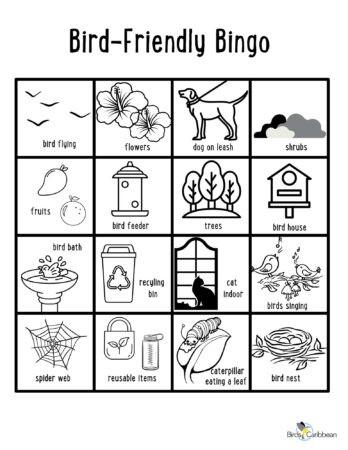 FOR KIDS: Get ready to head out on a bird-friendly adventure with our bird-friendly bingo game! Ask a trusted adult if you can take a walk in your backyard, or go with them on a walk around your neighbourhood. As you walk around look carefully for things that help keep birds safe in your community. You can then mark them off on the bingo card we provide in our game! Get out there and see what you can find!
FOR KIDS AND ADULTS: Enjoy this video of a Northern Yellow Warbler in the wild!