
Celebrate the Caribbean Endemic Bird Festival (CEBF) with us! Our theme in 2025 is “Shared Spaces: Creating Bird-friendly Cities and Communities”—highlighting the crucial role bird-friendly cities and communities can have in addressing the decline in bird populations caused by threats like habitat loss, predation, and climate change. Have fun learning about a new endemic bird every day. We have colouring pages, puzzles, activities, and more. Download for free and enjoy learning about and celebrating nature!

Endemic Bird of the Day: St. Vincent Wren
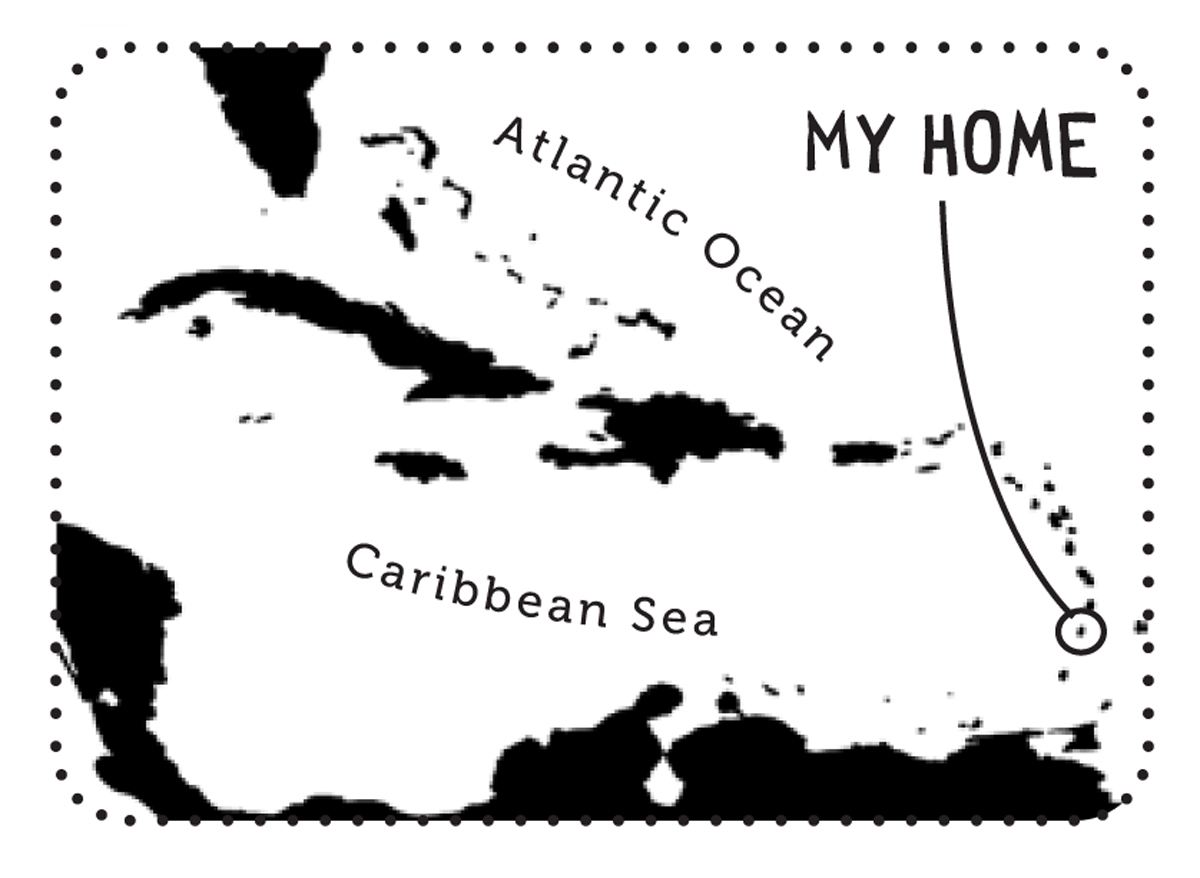
The melodic song of the St. Vincent Wren (Troglodytes musicus) echoes across the island of St. Vincent, the only place in the world where this extraordinary bird is found. Formerly considered a subspecies of the widespread House Wren (Troglodytes aedon), it was officially recognized as a distinct species in 2024—one of seven wrens split from the complex that year. Its new name proudly reflects its status as one of just three endemic bird species on the island.
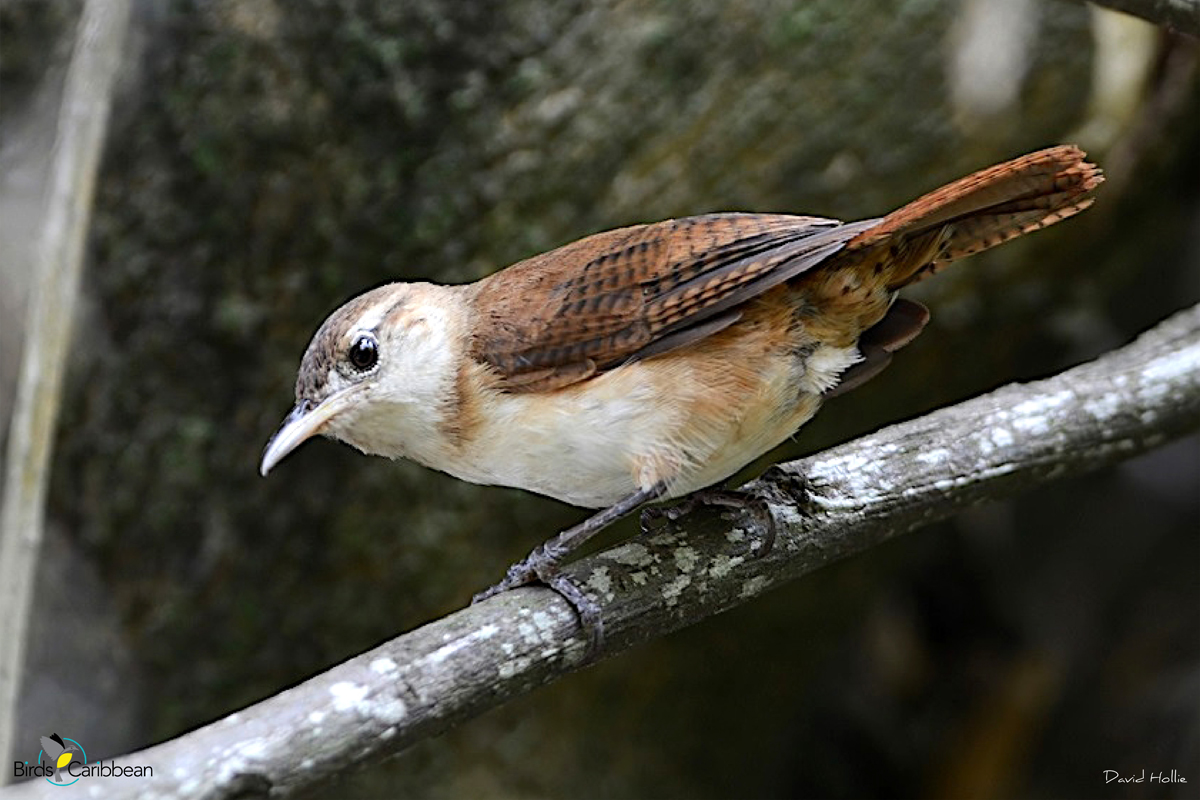
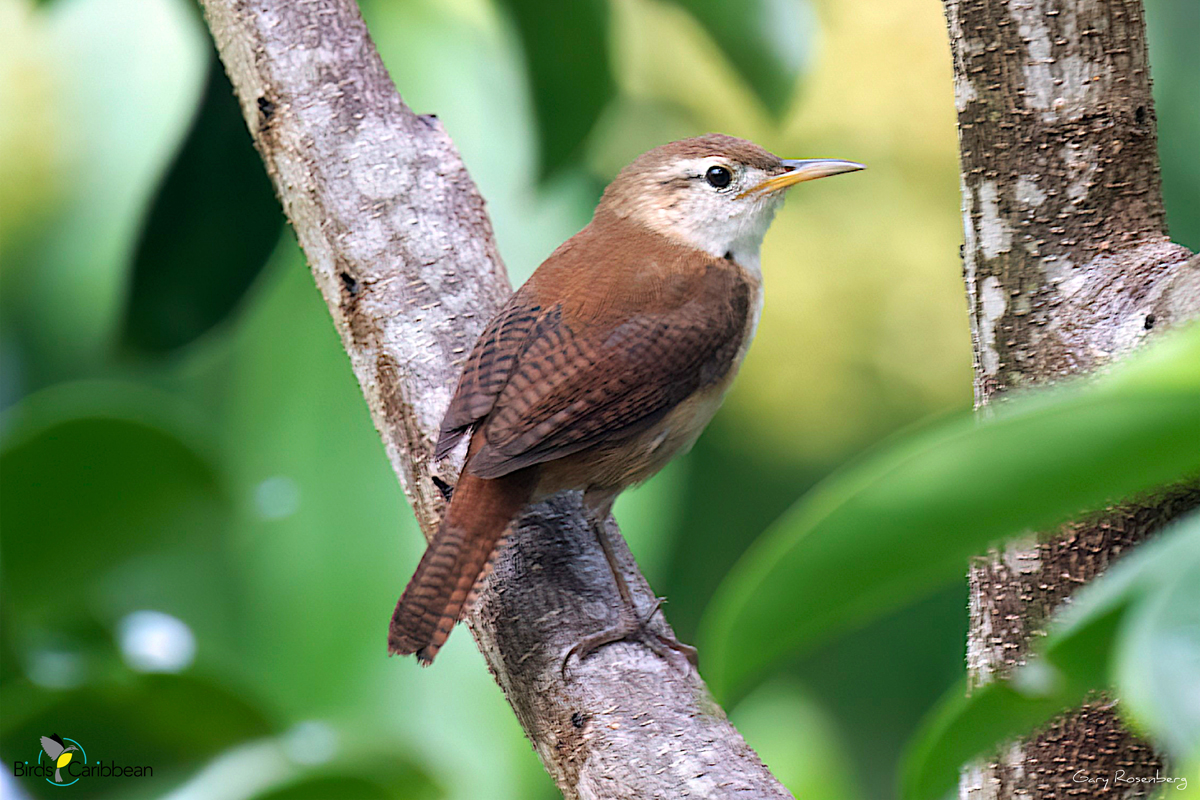
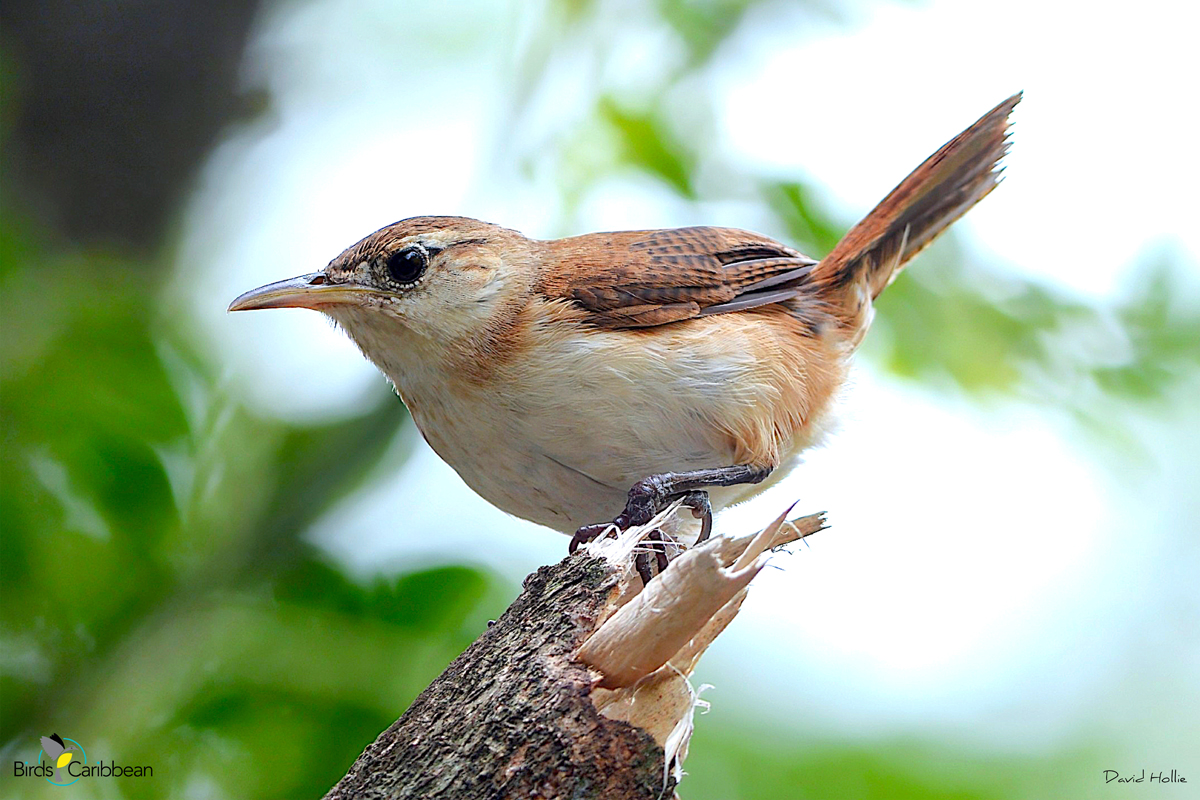
This lively wren is recognized by its rufous-brown upperparts and whitish underparts, distinct dark barring on its wings and tail, a pale eyebrow stripe and face, and warm cinnamon hues on the breast, sides, and undertail—sometimes accented by small brown speckles. Its buzzy call “chih-chih-chih-chih” call and sweet, musical song “chih-chih-twee-twee-deedle-di-di-di” make it a beloved symbol of the island’s natural charm.
Highly adaptable, the St. Vincent Wren inhabits a range of environments—from montane evergreen forests and brushy woodlands to agricultural areas and even towns, where it often nests in the eaves of buildings. It plays an important ecological role by feasting on a variety of invertebrates such as spiders, cockroaches, and worms, helping to control insect populations.
The species is thought to lay two whitish-brown eggs per clutch, though little is known about its breeding habits. Rather than constructing elaborate nests, it uses dried grasses, straw, and even scraps of paper to line cavities in trees, caves, tunnels, or man-made structures—a testament to its resourcefulness and adaptability.
Despite its resilience, the St. Vincent Wren faces growing threats from habitat loss due to deforestation, urban expansion, and conversion of forest to pasture for agriculture. Climate change—including more intense storms and prolonged droughts—may also impact its survival and breeding success. Protecting this unique bird will require ongoing research to better understand its ecology and population status, along with community engagement. Simple actions like preserving roof nests and planting native vegetation can make a meaningful difference in ensuring the St. Vincent Wren continues to sing for generations to come.
Learn more about this species, including its range, photos, and calls here. Great news! If you’re in the Caribbean, thanks to BirdsCaribbean, you have free access to Birds of the World and you can find out even more in the full species account of this bird!
Thanks to Jodelia Simmons for the text and Arnaldo Toledo for the lovely illustration.
Colour in the St. Vincent Wren
Download our West Indies Endemic Bird colouring page. Use the photos below as your guide, or you can look up pictures of the bird online or in a bird field guide if you have one. Share your coloured-in page with us by posting it online and tagging us @BirdsCaribbean #CEBFfromthenest
Listen to the song of the St. Vincent Wren
The song of the St. Vincent Wren is made up of clear trills and loud chatters.
Puzzle of the Day
Click on the images below to do the puzzles. You can make the puzzle as easy or as hard as you like – for example, 6, 8, or 12 pieces for young children, all the way up to 1,024 pieces for those that are up for a challenge!
Activity of the Day
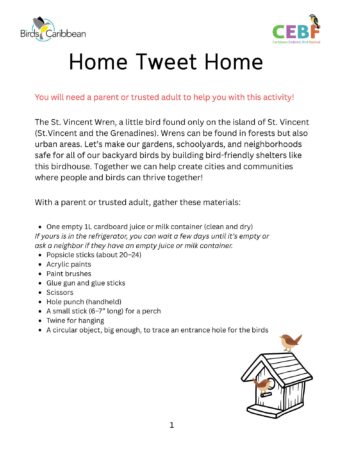 FOR KIDS : The St. Vincent Wrens can be found in forests but also urban areas. In fact this is true of many species of wrens in the Caribbean and beyond, meaning they are often common ‘backyard birds’. You can make your garden, or schoolyard safe for all of our backyard birds by building bird-friendly shelters like the birdhouse in our “Home Tweet Home” crafting activity. Together we can help create cities and communities where people and birds can thrive together!
For this activity you will need:
- One empty 1L cardboard juice or milk container (clean and dry)
- Popsicle sticks (about 20–24)
- Acrylic paints
- Paint brushes
- Glue gun and glue sticks
- Scissors
- Hole punch (handheld)
- A small stick (6–7” long) for a perch
- Twine for hanging
- A circular object, big enough, to trace an entrance hole for the birds
You can find full step-by-step instructions here. You will need a parent or trusted adult to help you with this activity.
FOR KIDS AND ADULTS : Enjoy this video of a St. Vincent Wren in the wild!